




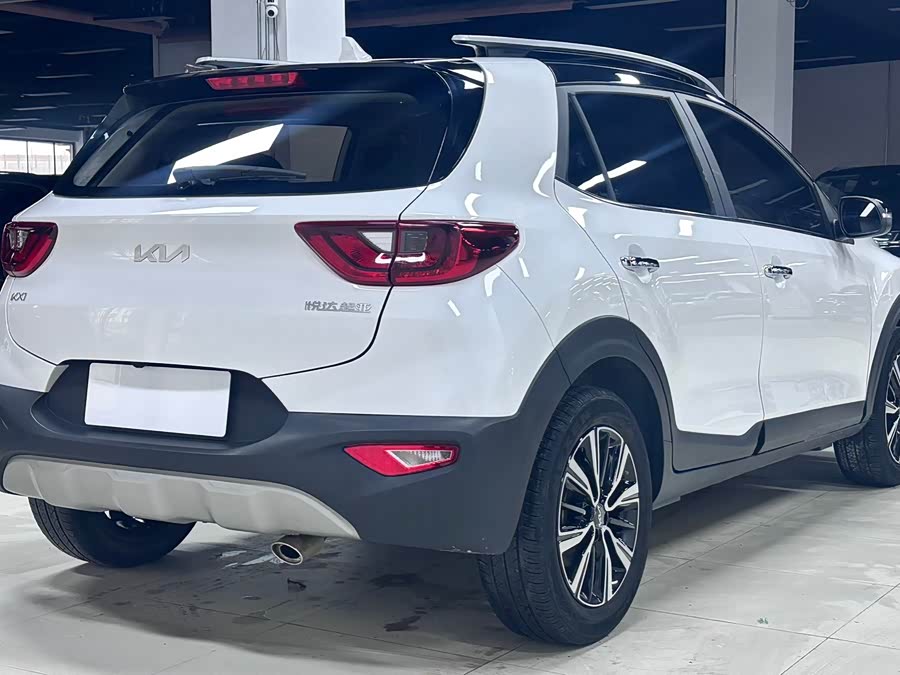
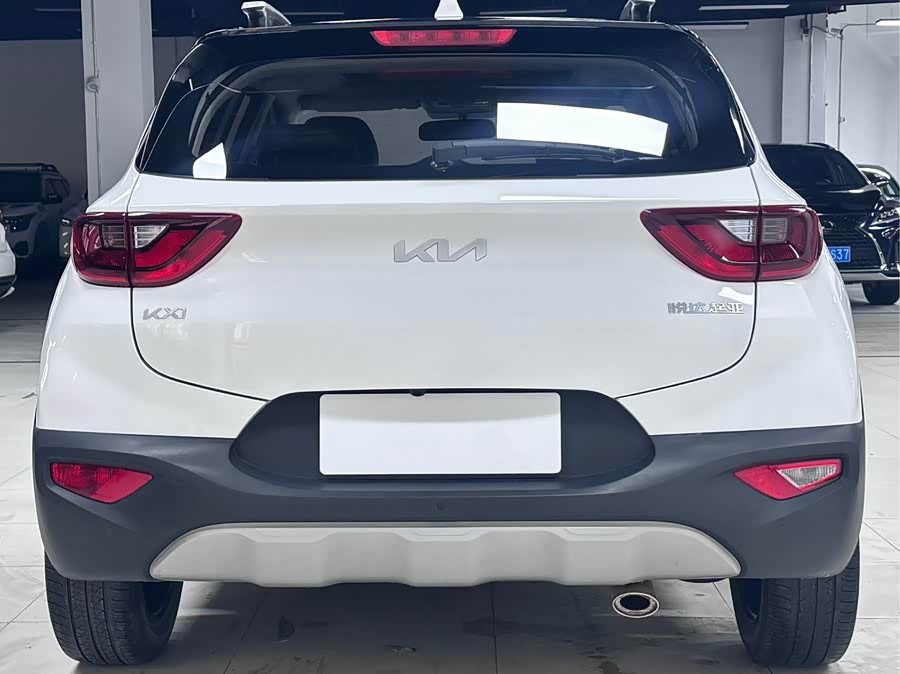
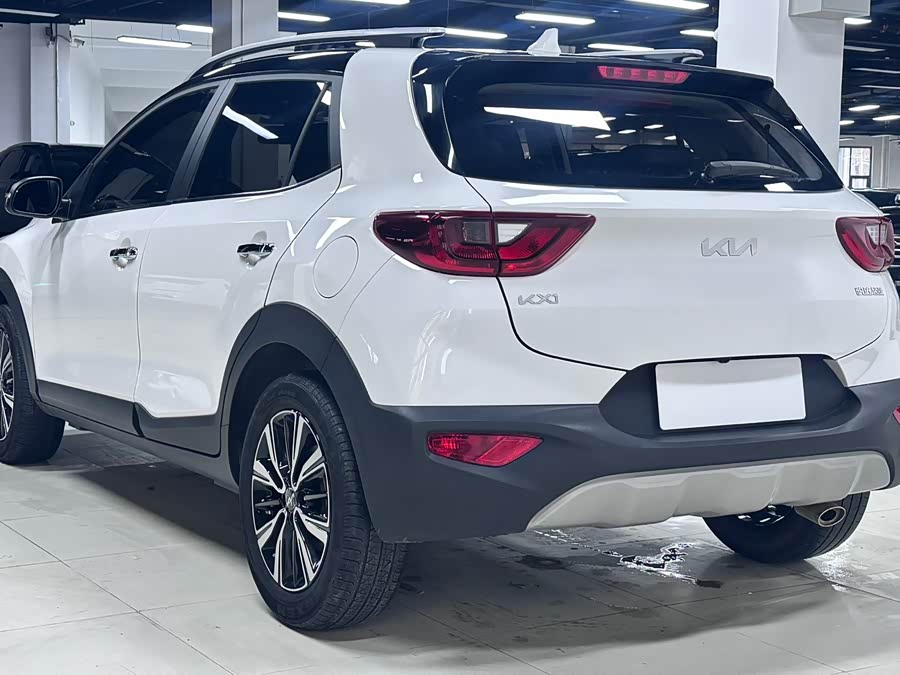

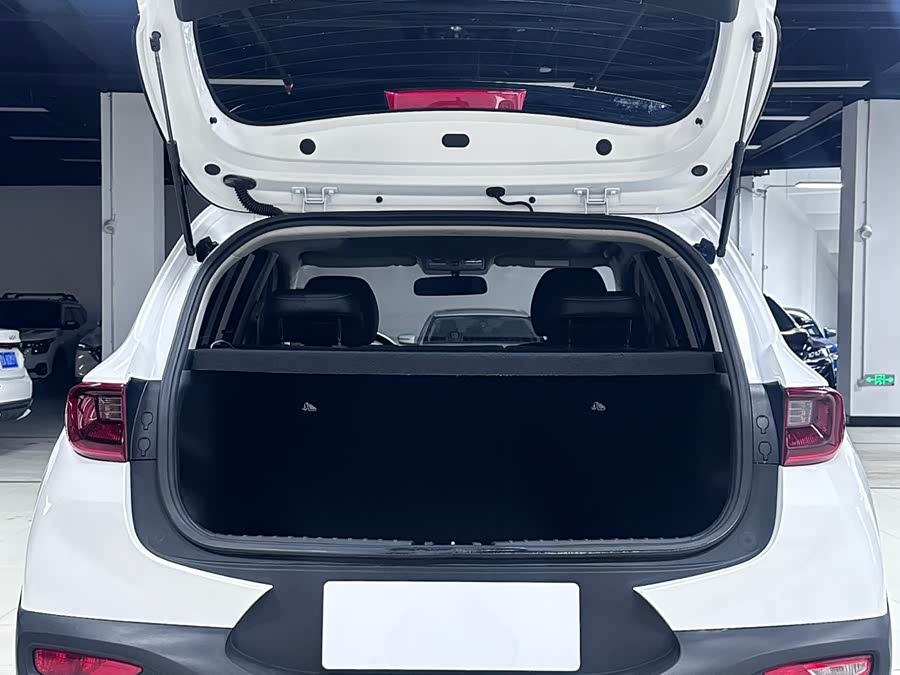
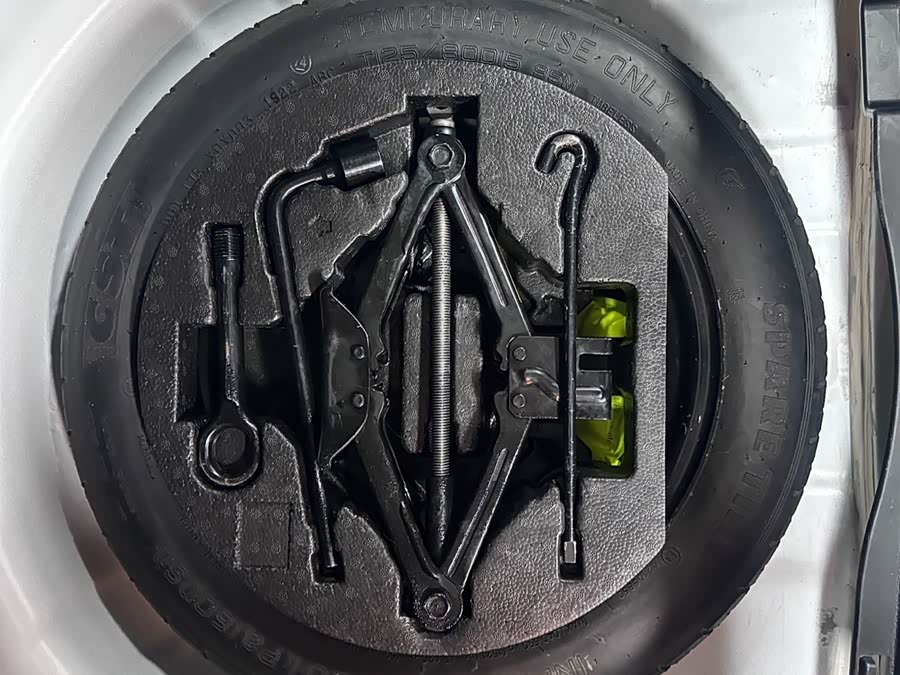
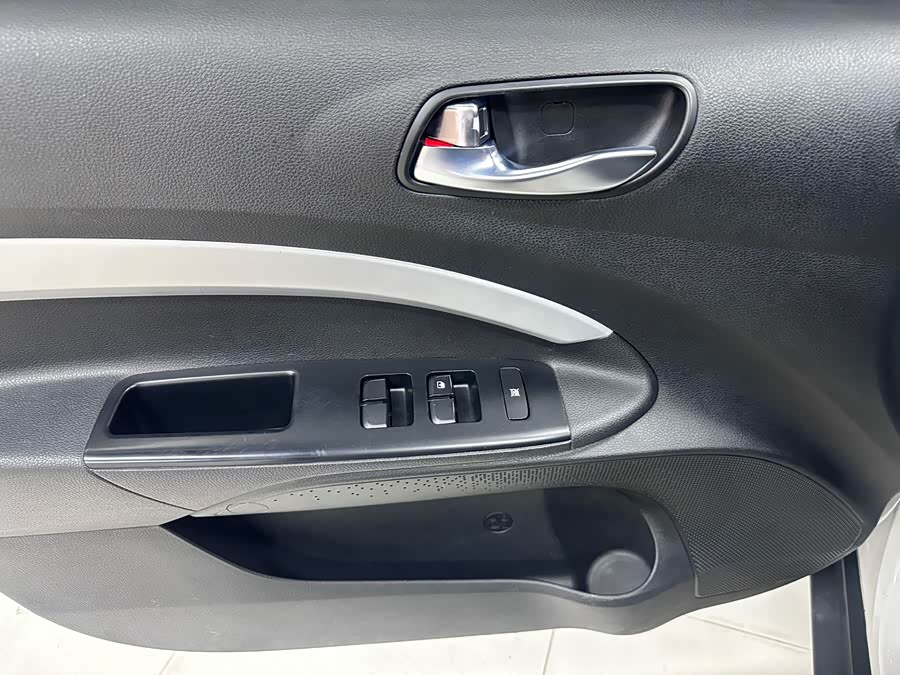
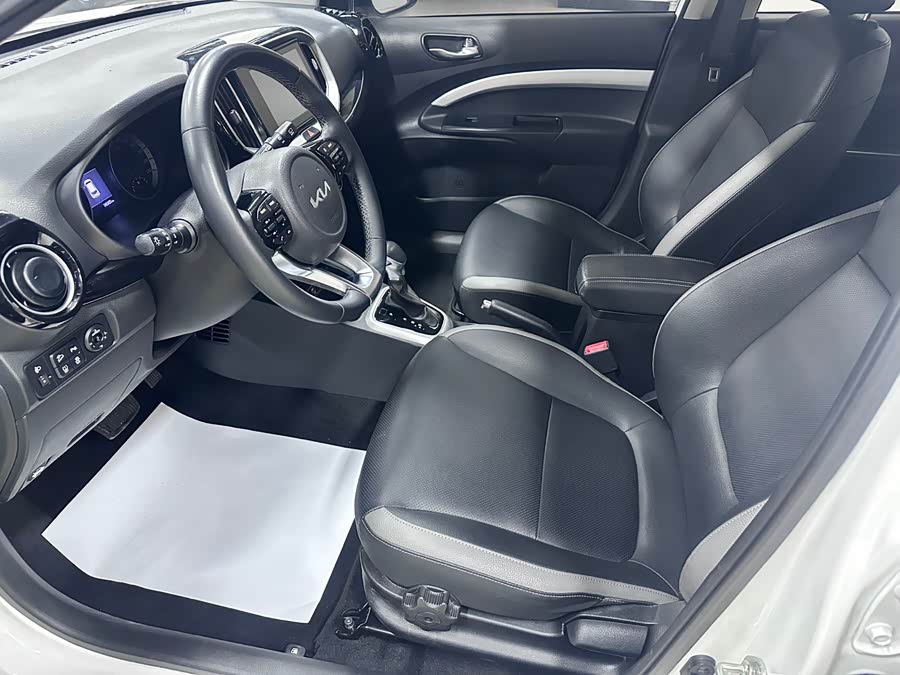
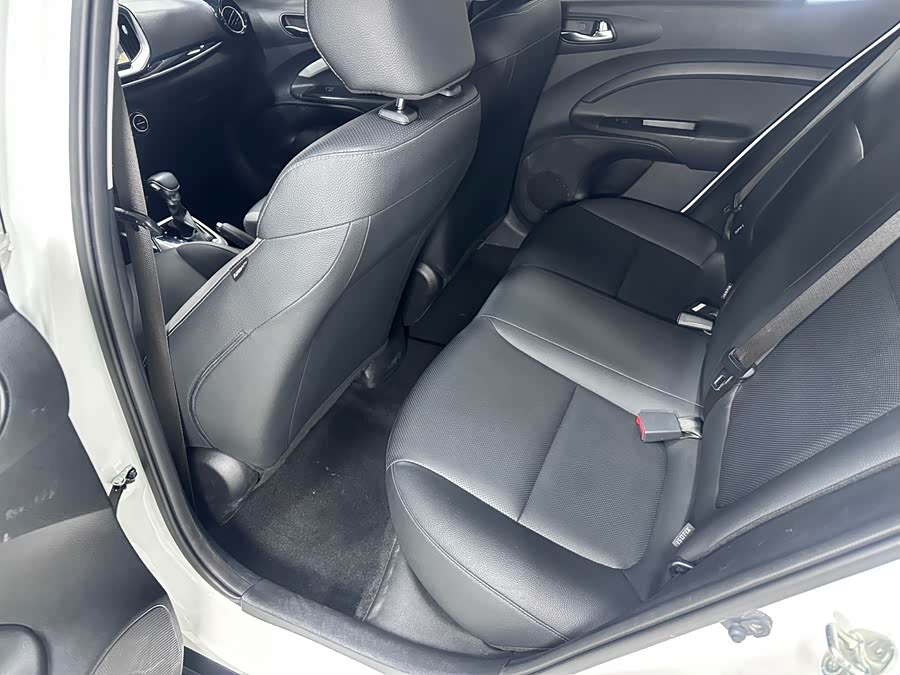
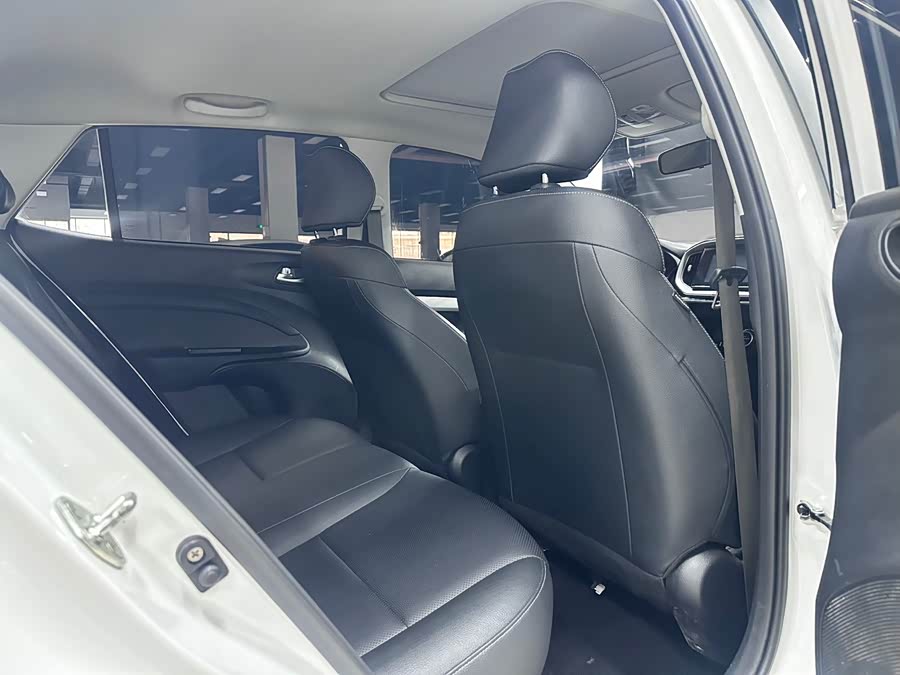
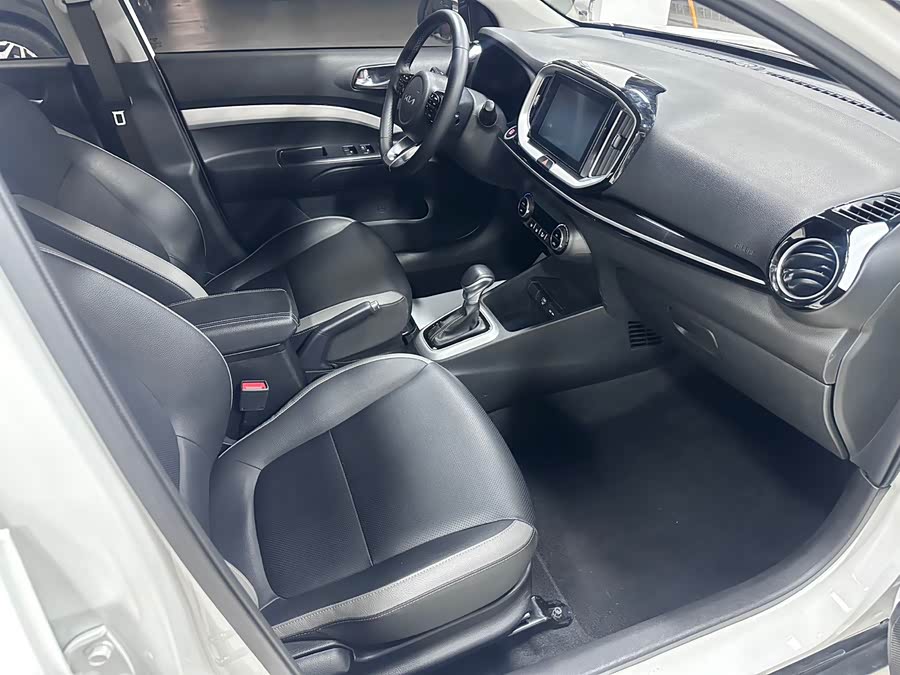
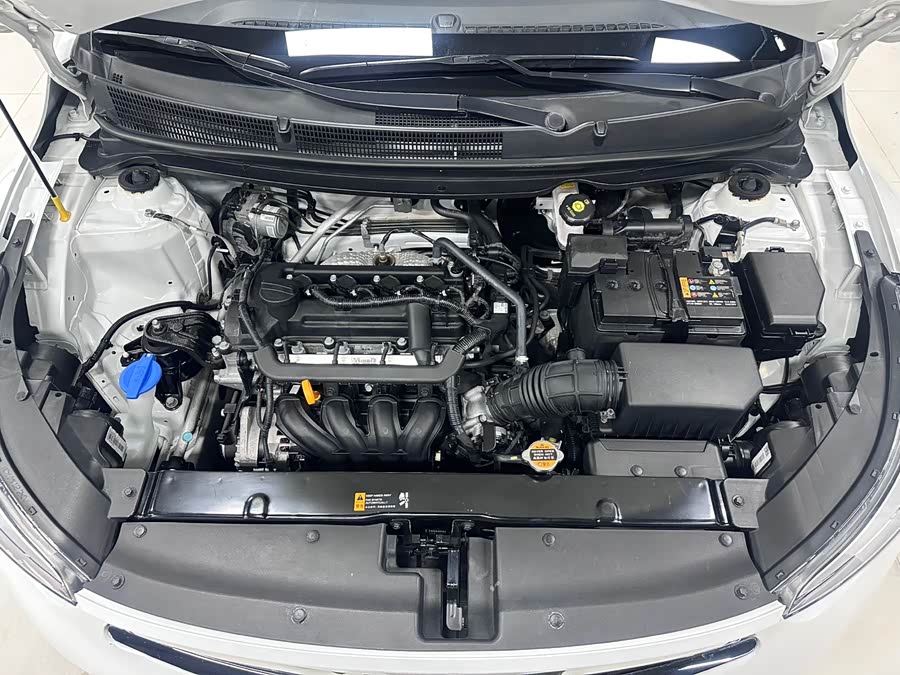
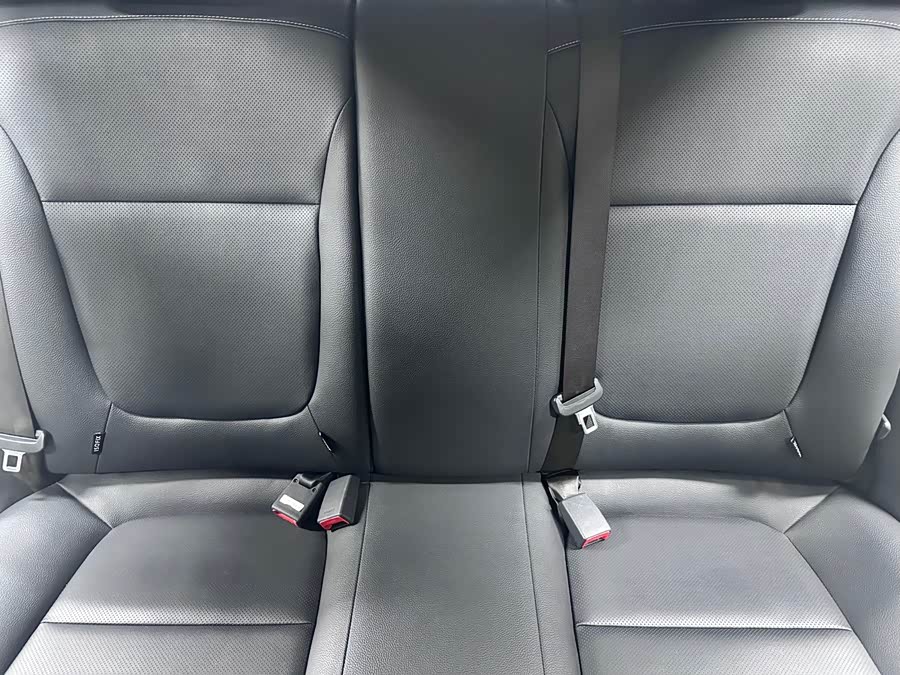
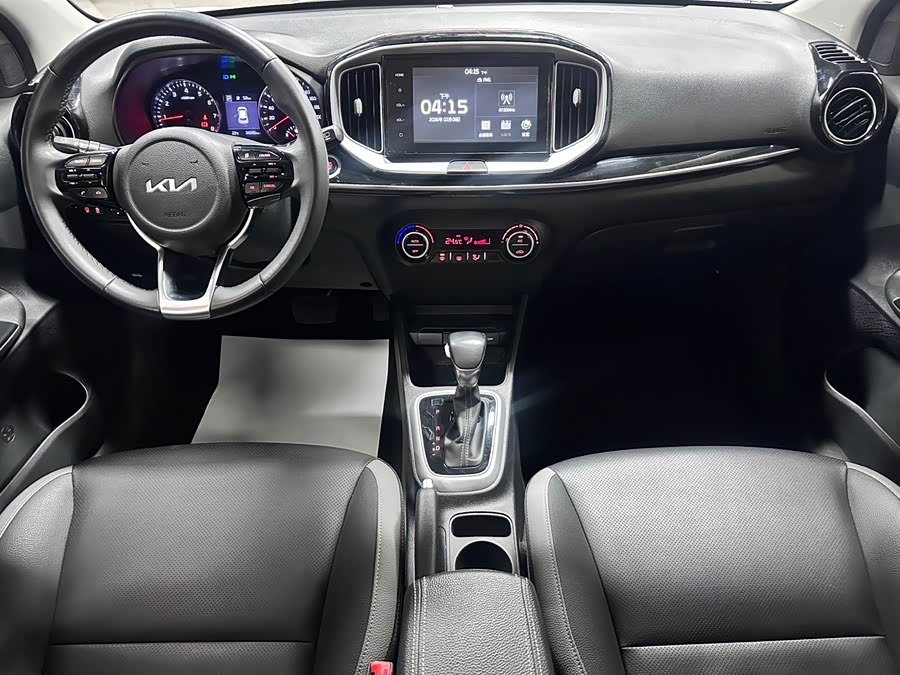
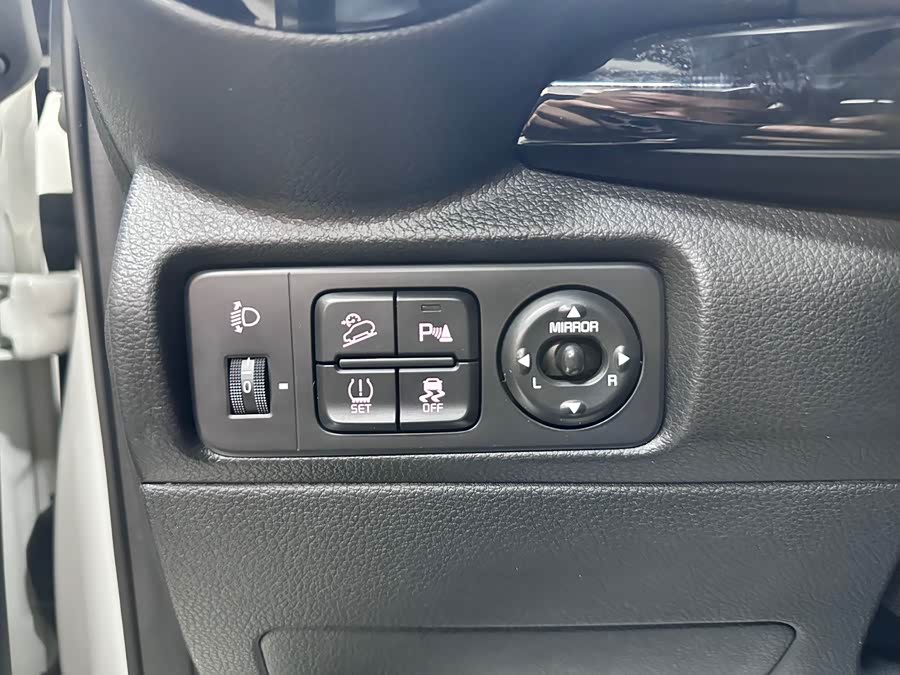
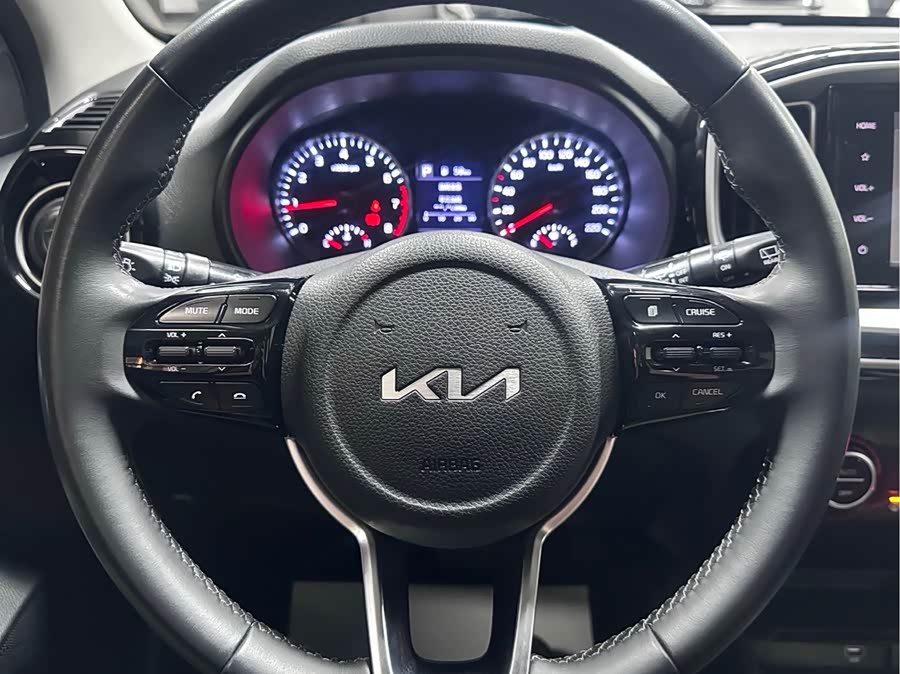
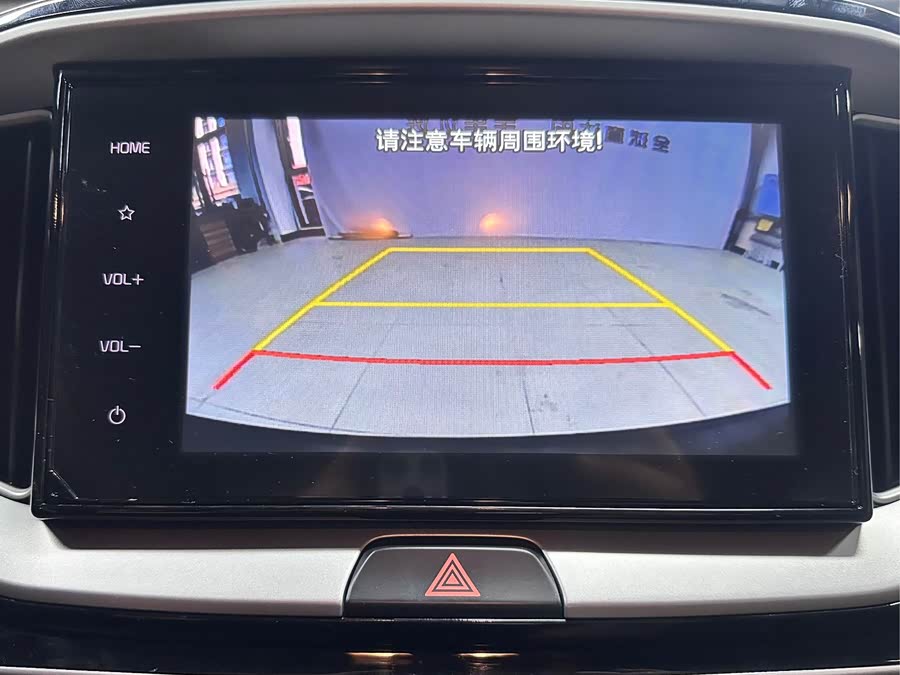



Basic Information

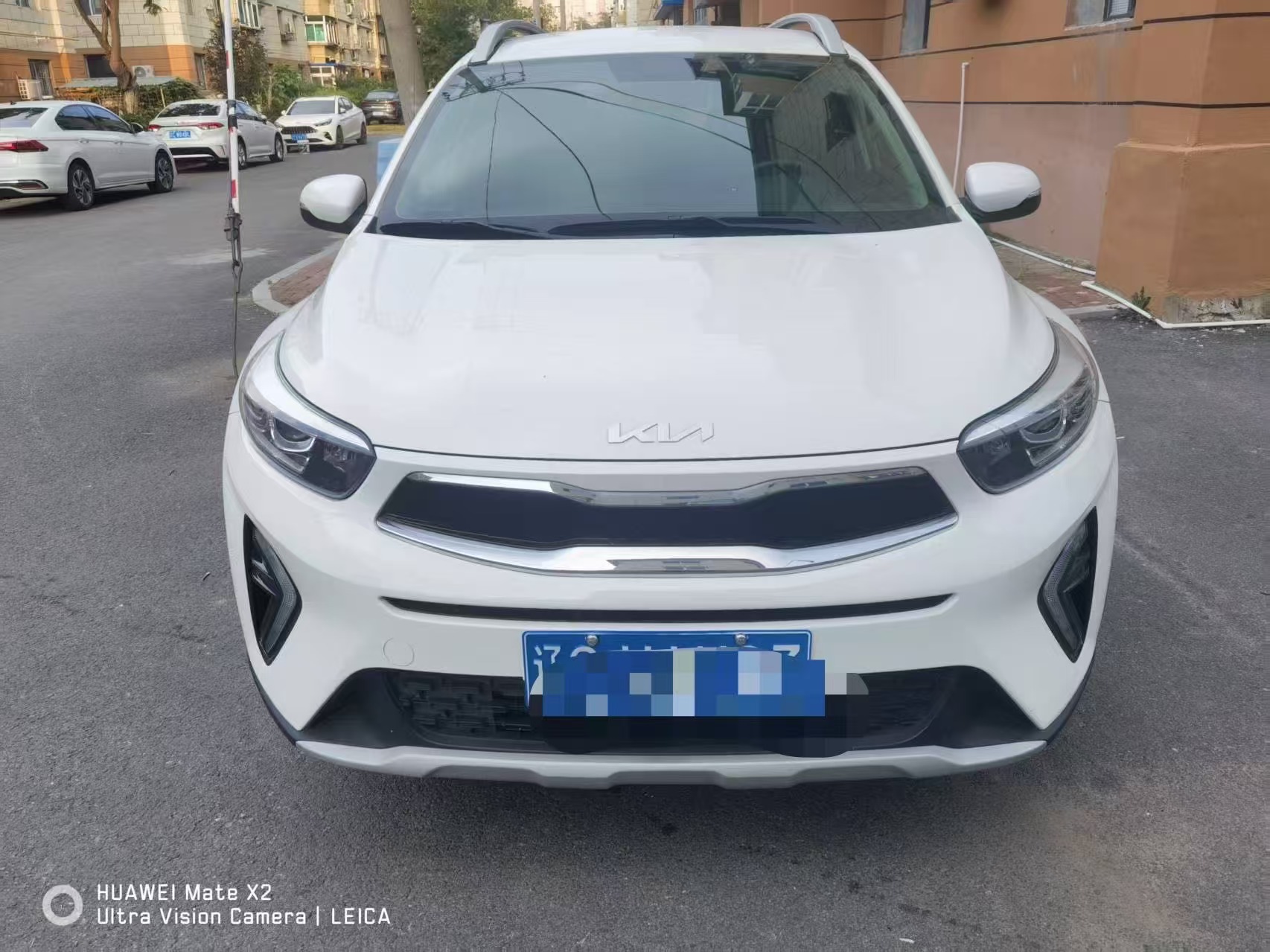
BrandKia
SeriesKX1
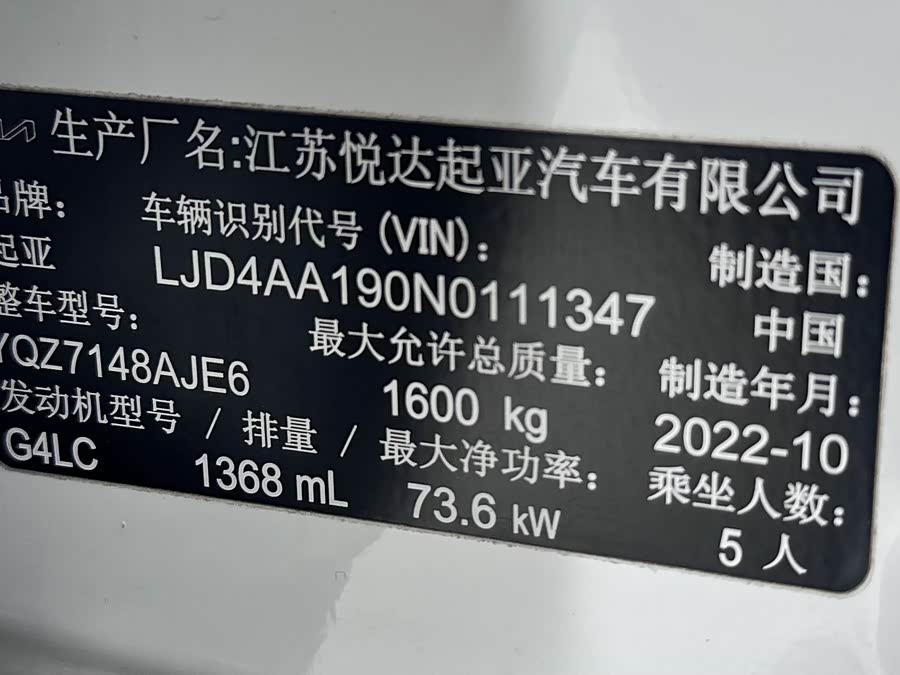
Year2022
First Registration2022/11
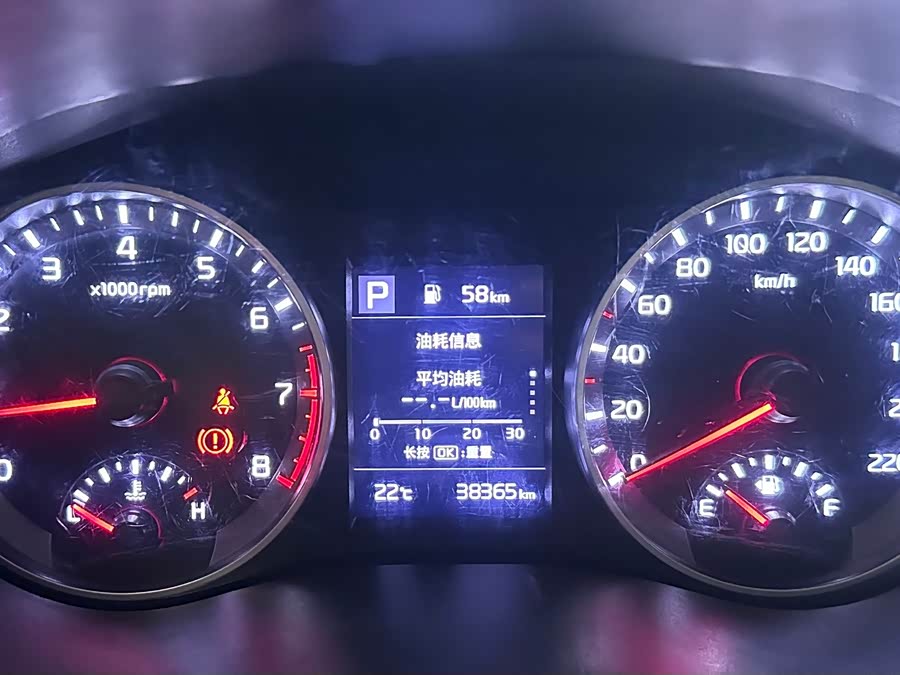
Mileage38,000km
Transfer Count-
FuelGasoline
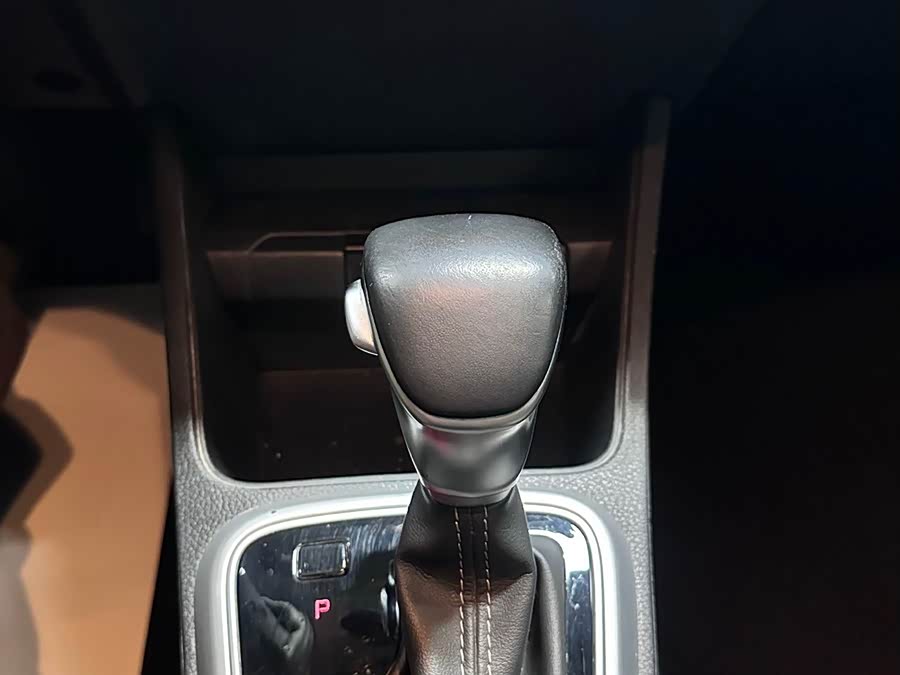
TransmissionCVT
Engine1.4L 100 L4
ColorWhite
Seats-

Condition Description

Excellent

Keyless start, automatic air conditioning, electric power steering, tire pressure monitoring, reversing camera, cruise control, remote key, keyless entry, electric sunroof, electrically adjustable and heated side mirrors, touchscreen LCD, leather steering wheel, front and rear parking sensors, cruise control, keyless entry for the driver's seat, heated side mirrors, supports CarLife/CarPlay.

0 transfers

Configuration Highlights

✓ISOFIX Child Seat Anchors
✓Keyless Start System
✓Bluetooth/Hands-free

Accident & Maintenance Records

Accident Record

🔗 Open Link

Maintenance Record

🔗 Open Link

Document Information

Inspection Expiry Date2026/11
Warranty Expiry Date-
Insurance Expiry Date2026/11

Q&A

More

If the customs of the destination country values the vehicle higher than your commercial invoice amount, leading to a surge in duties, who is responsible?

The customs of the destination country has the right to disregard the commercial invoice and reassess the value based on its internal database (such as the customs valuation red book). Any additional duties incurred are a result of the importing country's policy and are fully borne by the buyer (importer).
Will the second-hand new energy vehicle come with a charging gun (portable charger)?

If the original owner included the factory slow charger, we will package and ship it together; if it's lost, the platform does not provide it. Note that the factory plug is a Chinese three-prong socket, and an adapter is needed overseas.

When shipping by RoRo vessel, is the "Terminal Handling Charge (THC)" at the destination port prepaid by your freight forwarder or paid by the buyer upon arrival?

Under international practices and our standard CIF/FOB terms, the THC at the port of origin (China) is borne by the seller; all THC and port miscellaneous charges incurred at the destination port during unloading are to be paid by the buyer (consignee) upon local customs clearance and pickup.