


24H

Basic Information

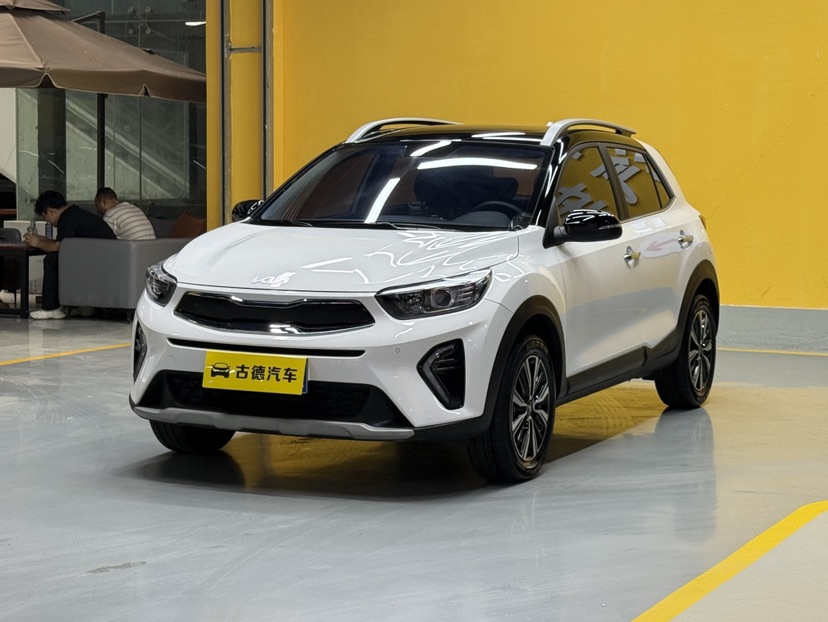
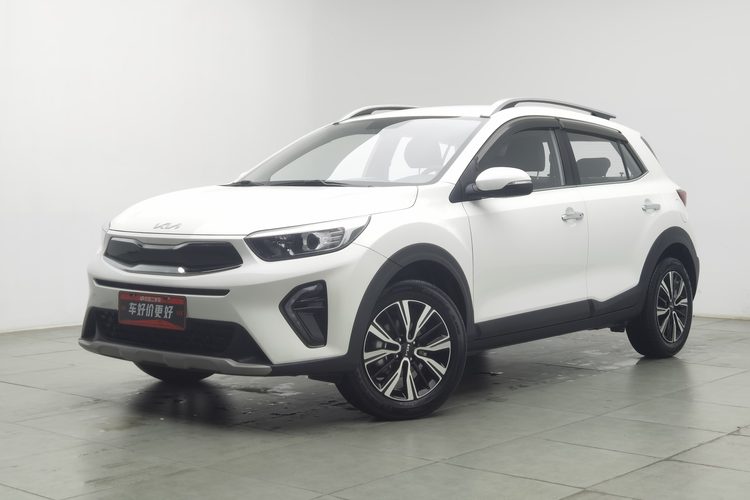
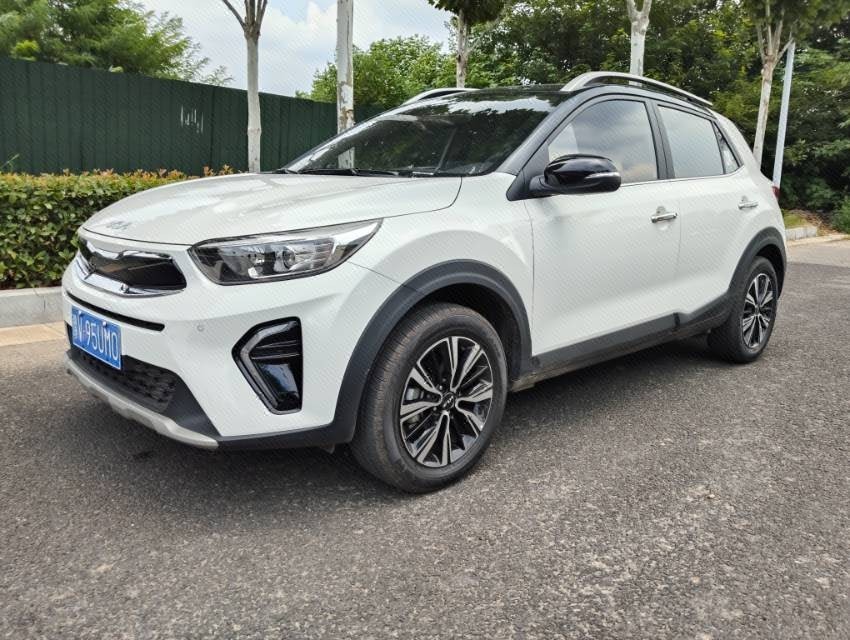
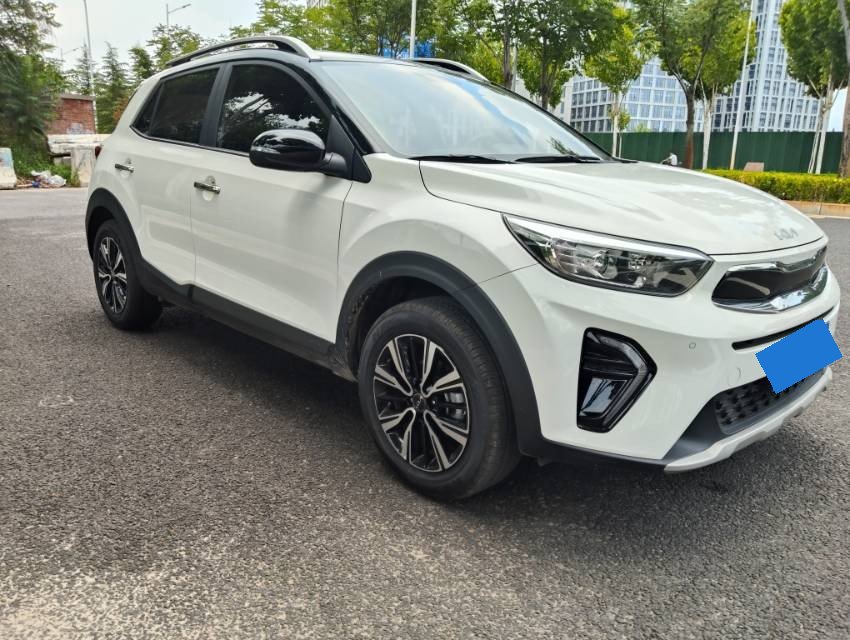
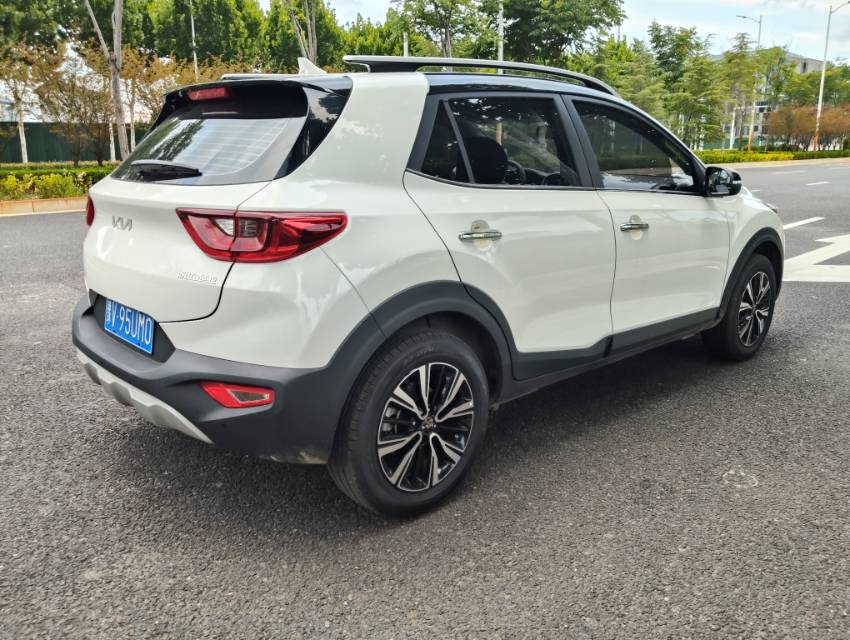
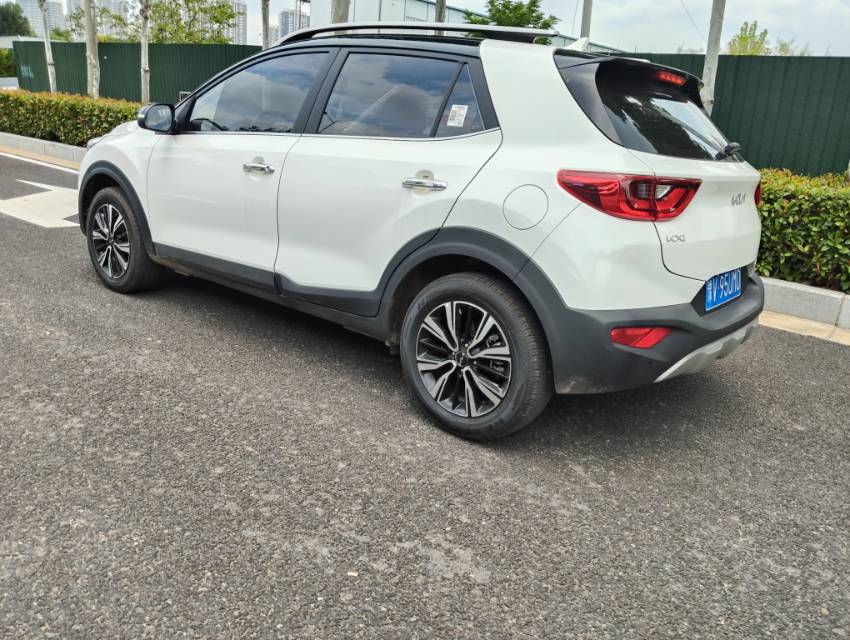
BrandKia
SeriesKX1
Year2025
First Registration2025/09
Mileage2,000km
Transfer Count0times
FuelGasoline
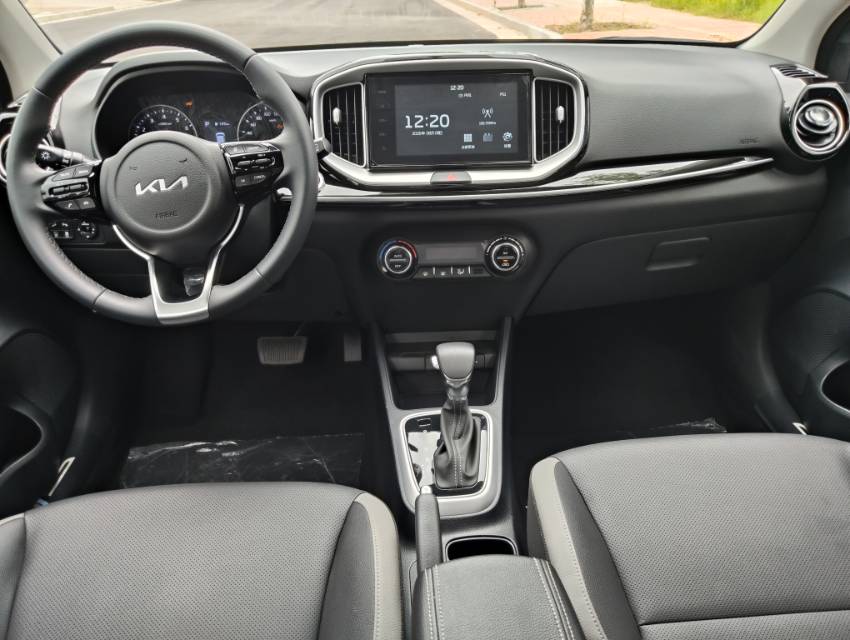
TransmissionCVT
Engine1.4L 100 L4
ColorWhite
Seats-

Condition Description

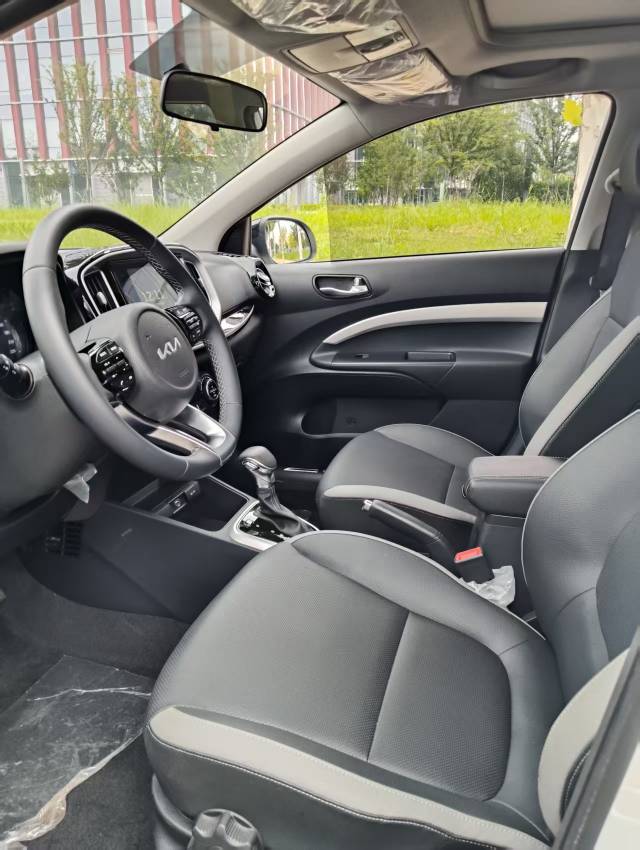
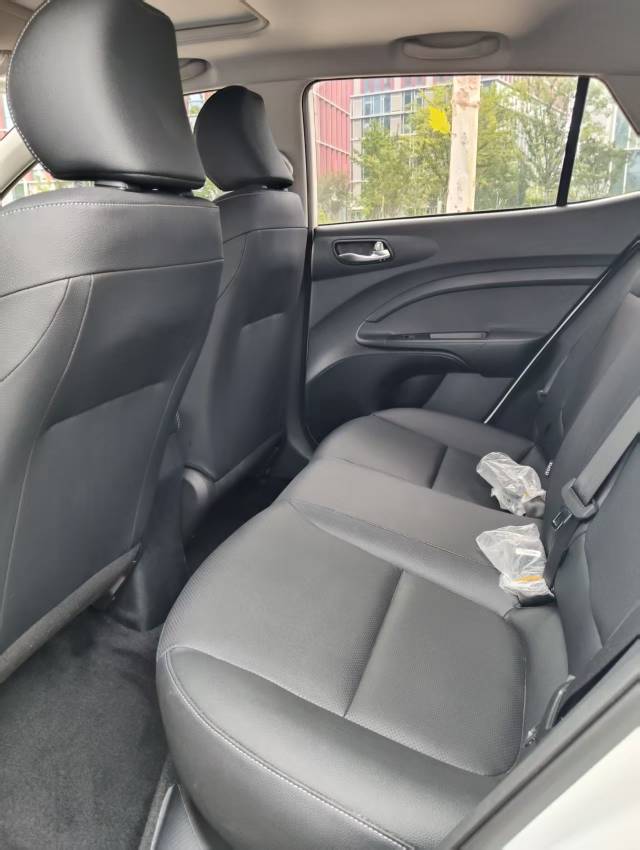
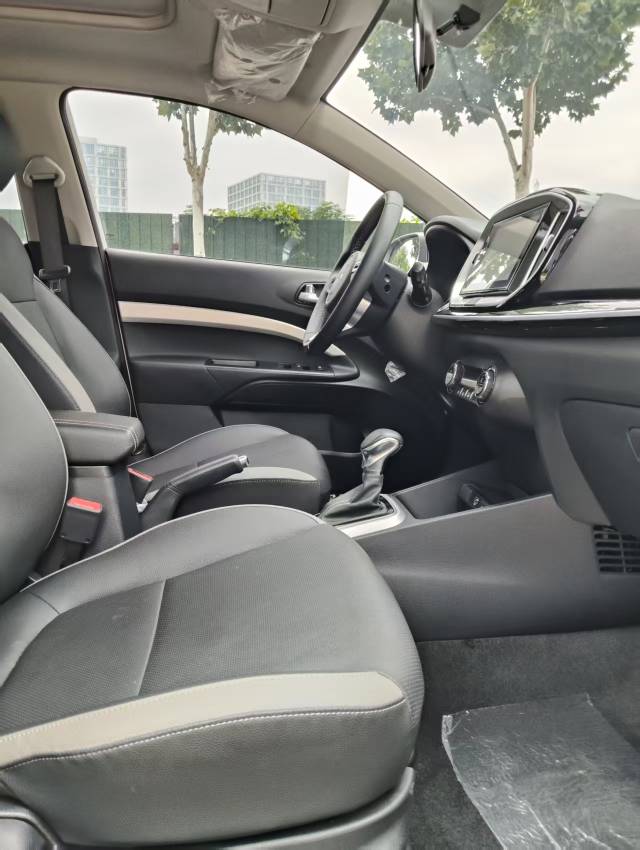
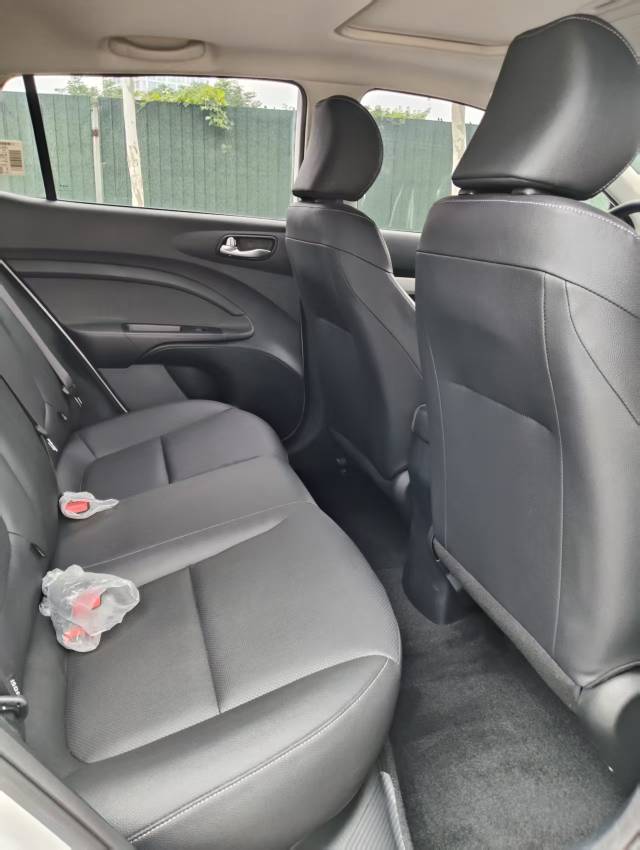
Original condition, all original paint.

Document Information

Inspection Expiry Date-
Warranty Expiry Date-
Insurance Expiry Date2027/09

Q&A

More

For PHEV plug-in hybrid models, are you responsible if overseas technicians do not follow the dedicated hybrid mode for exhaust during oil changes, leading to engine overheating?

This is a typical case of "secondary damage caused by unprofessional rescue." Many hybrid vehicles require access to "maintenance mode" via engineering computers to allow the water pump to run at full speed for exhaust. We do not bear any moral or financial responsibility for cylinder damage caused by local technicians' misoperation.


What should a pre-purchase inspection in China include if I cannot be there in person?

A proper third-party inspection has four parts, and you should insist on all of them. 1. Lift inspection: the car goes on a hoist to examine the underbody, frame rails, suspension arms and oil pan for impact damage or leaks — areas no photo set can cover. 2. Paint thickness check: a gauge reading from every panel. Inconsistent or very high values reveal repainting; structural points like the A/B/C pillars matter most because they indicate accident repairs. 3. OBD diagnostics: fault codes and live data from the engine, transmission, ABS and airbag modules. Stored historical codes often tell the truth the dashboard hides. 4. Road test: cold and warm driving to check shifting, braking and unusual noises. The report should carry the VIN, inspection date and the agency's stamp or digital signature. It costs very little compared to the price of the car, and it filters out most problem vehicles before your money moves.

What does the real landed cost of importing a used car from China look like, and which line items do buyers most often underestimate?

A realistic landed cost has five layers: the car price, export-side fees (deregistration, export license, inland trucking to the port), international freight and insurance, destination duties and taxes, and local charges (port handling, inspection, registration). Buyers most often underestimate three items. First, destination duties are calculated on the customs value, which may include freight, so a cheap car can still attract significant tax. Second, port and terminal charges at both ends add up; demurrage fees apply quickly if documents are late. Third, compliance costs such as homologation, emissions testing, or translation of documents can run into hundreds of dollars depending on the country. Ask every exporter for a written, itemized quote to your port, not just an FOB price, and keep a 5% contingency. Quotes that look unusually cheap usually hide costs in the freight or handling lines.