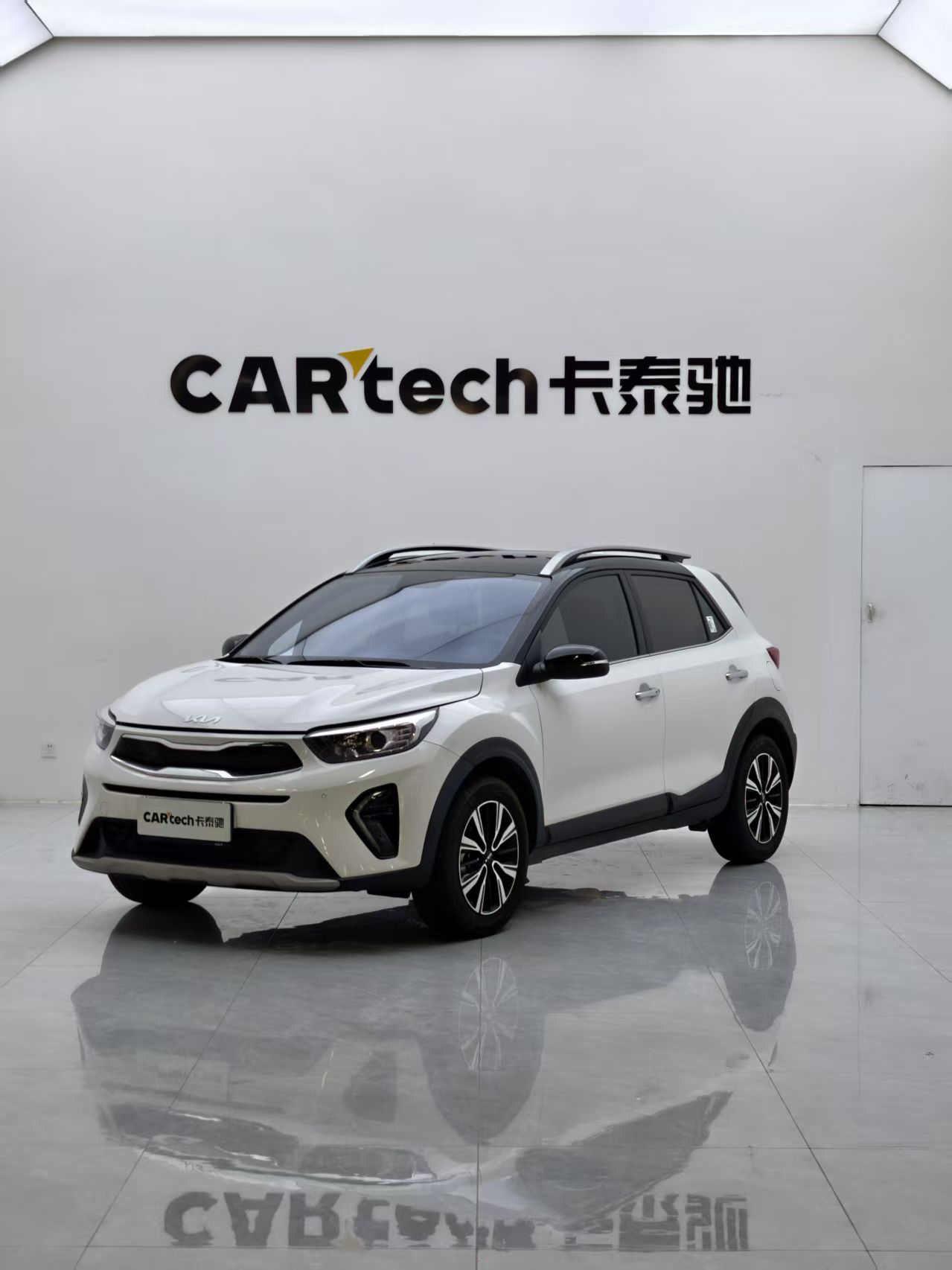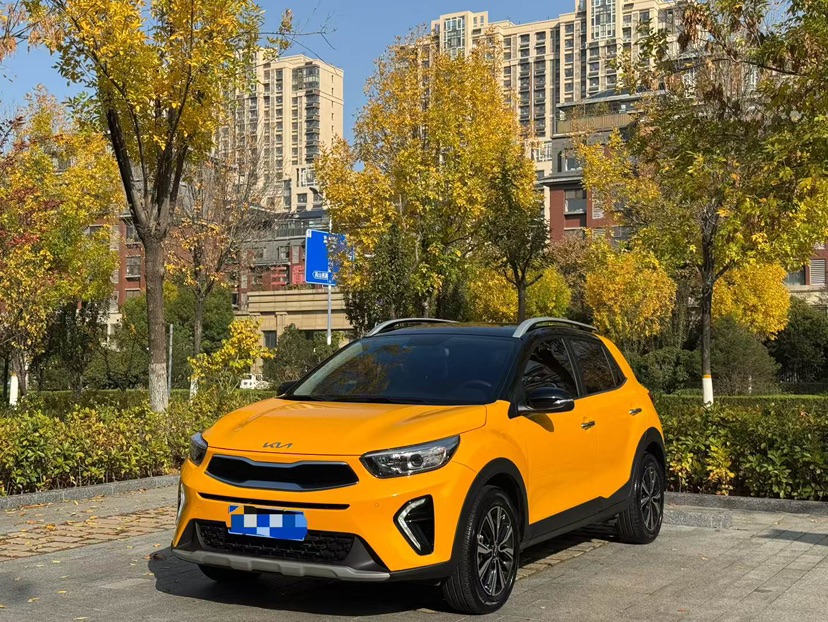
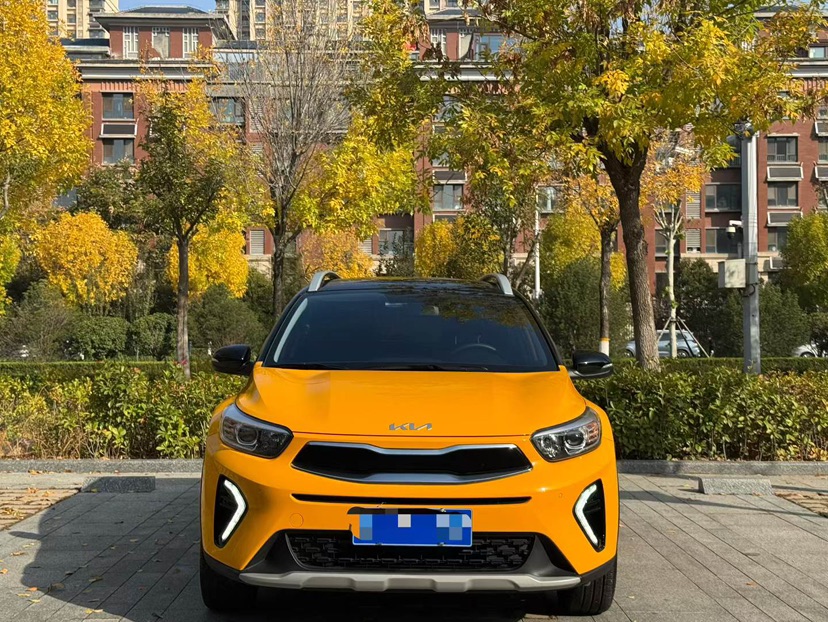
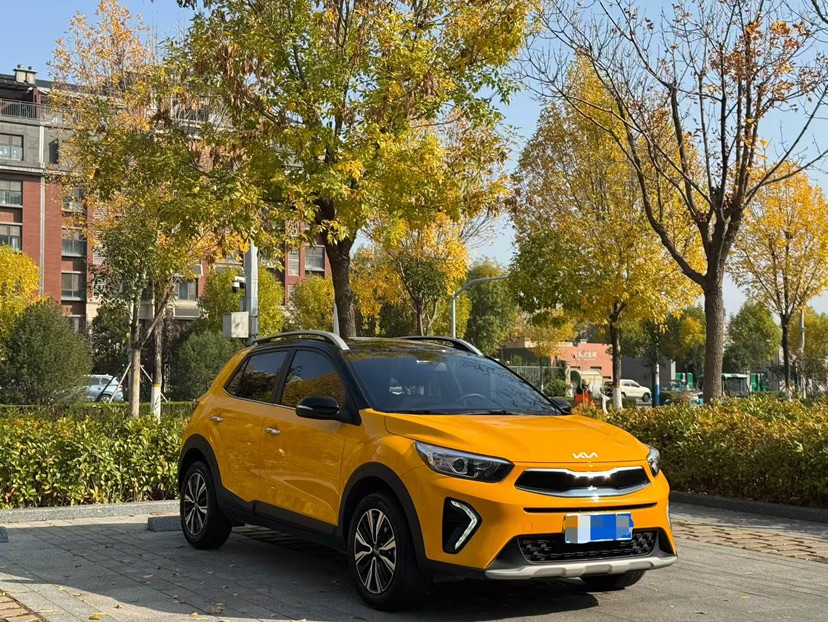
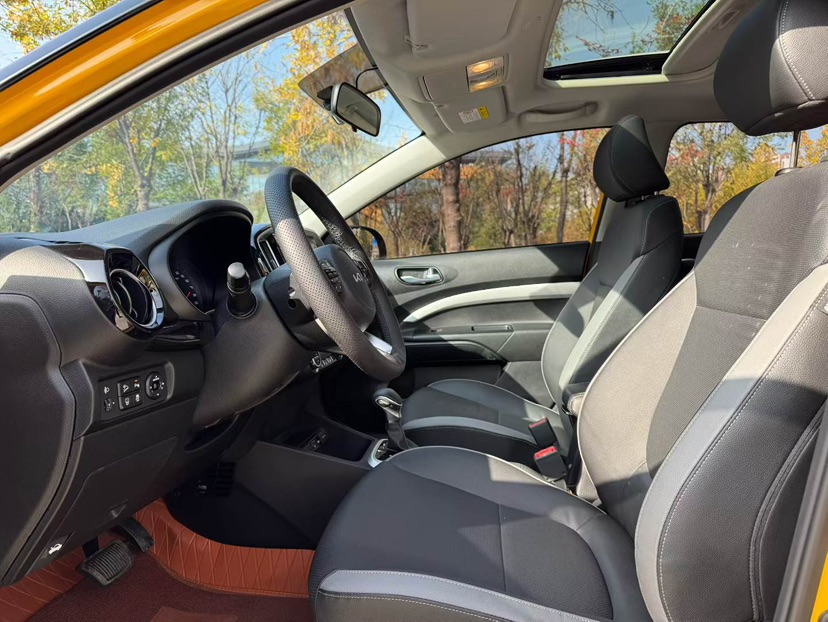
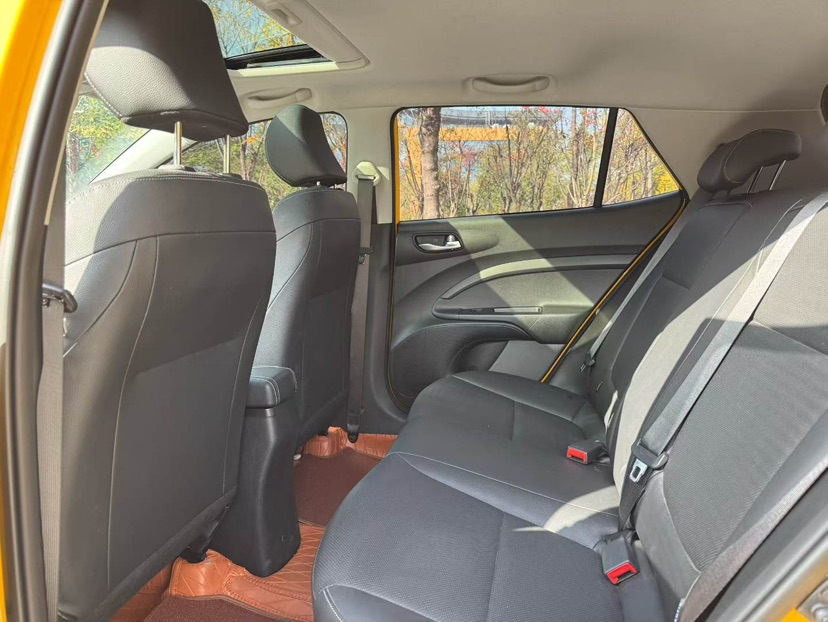
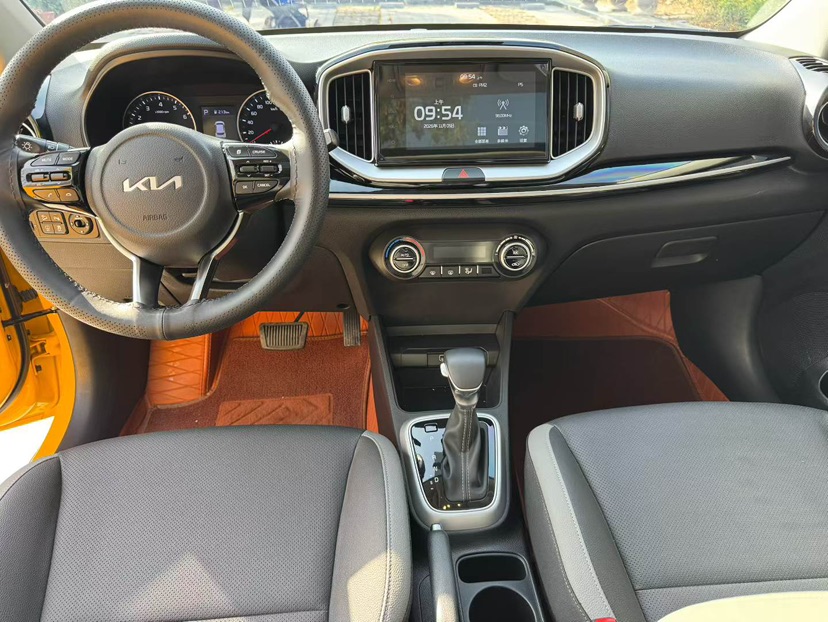
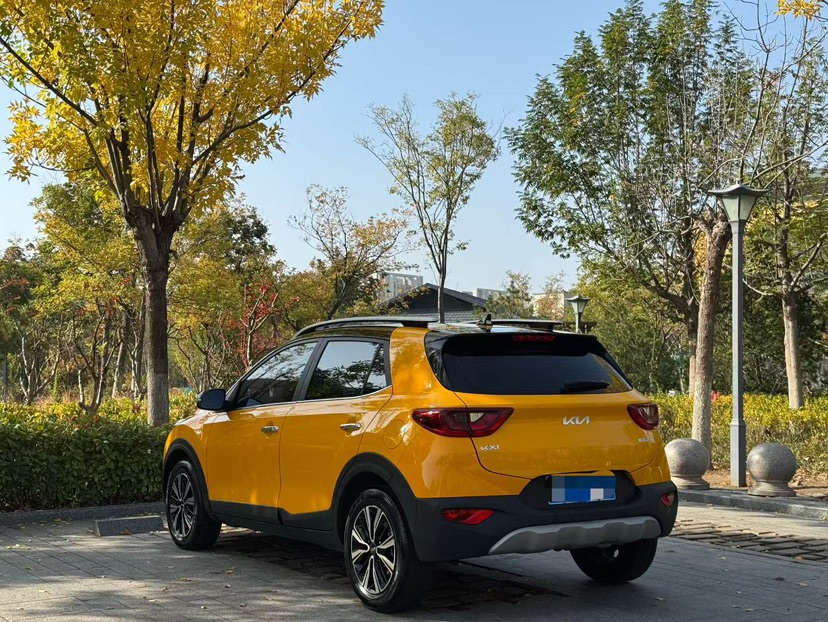
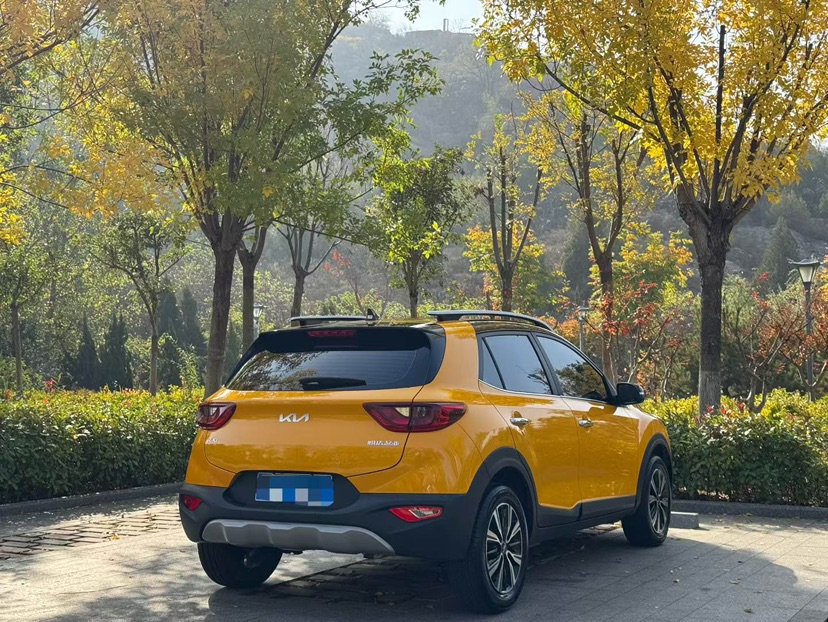
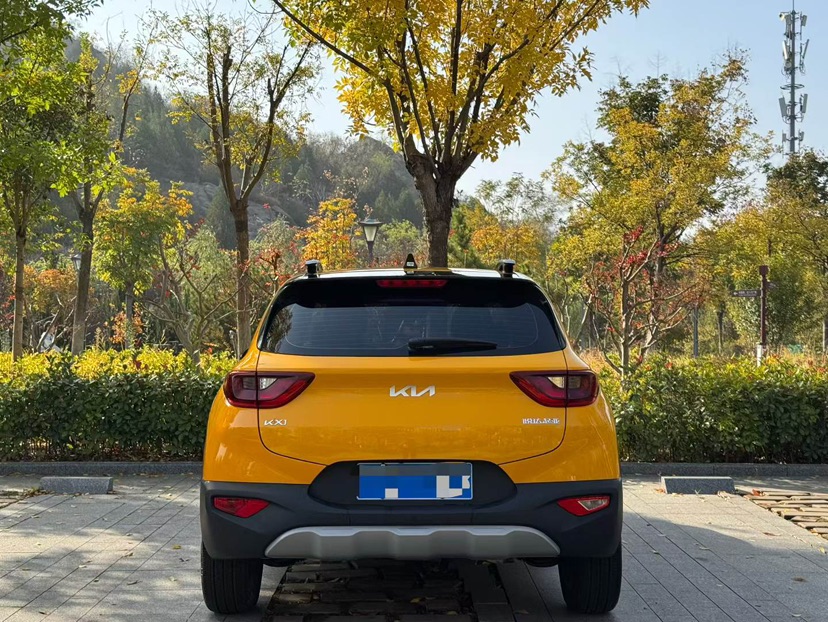
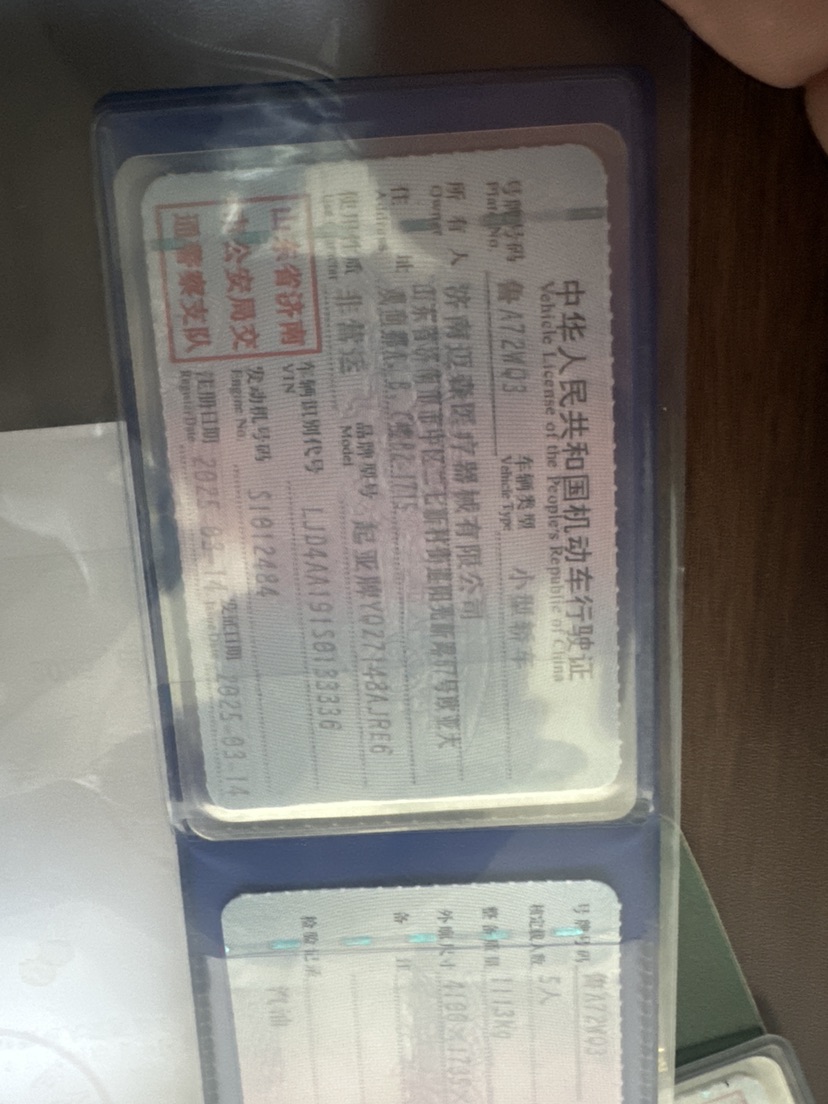



Basic Information

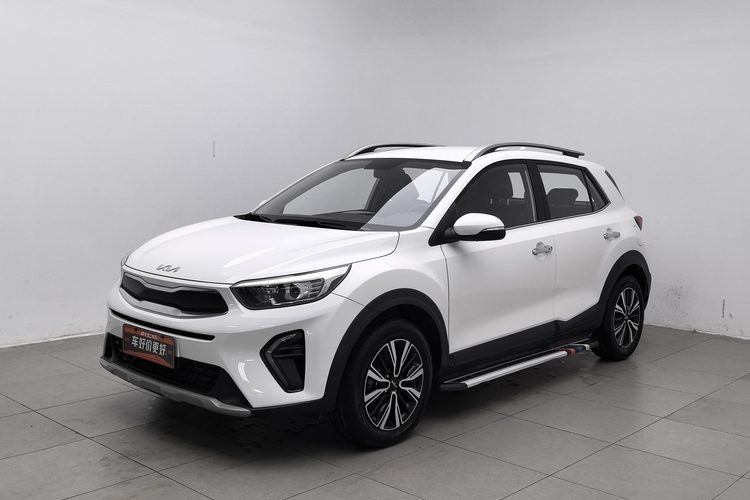
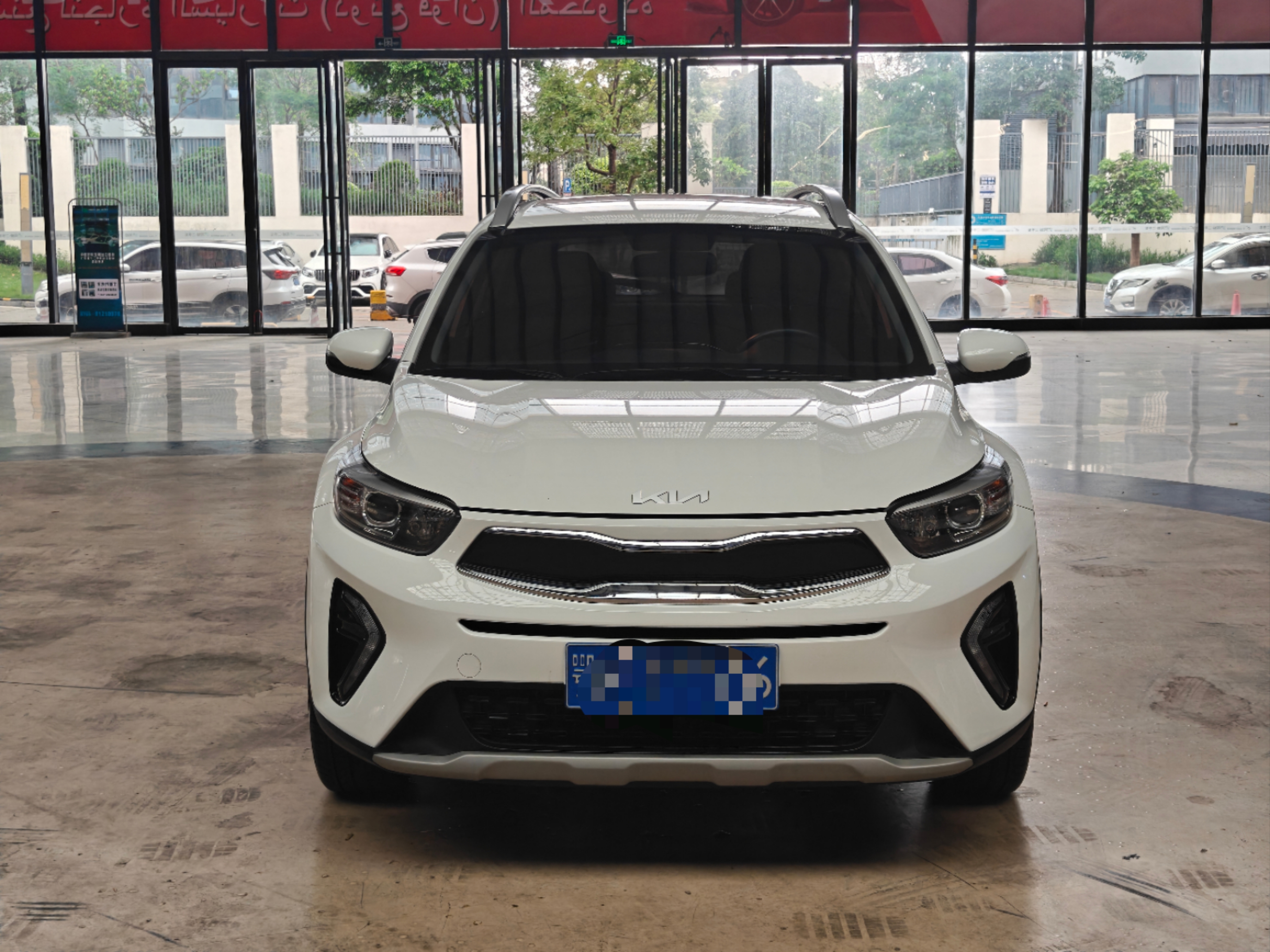
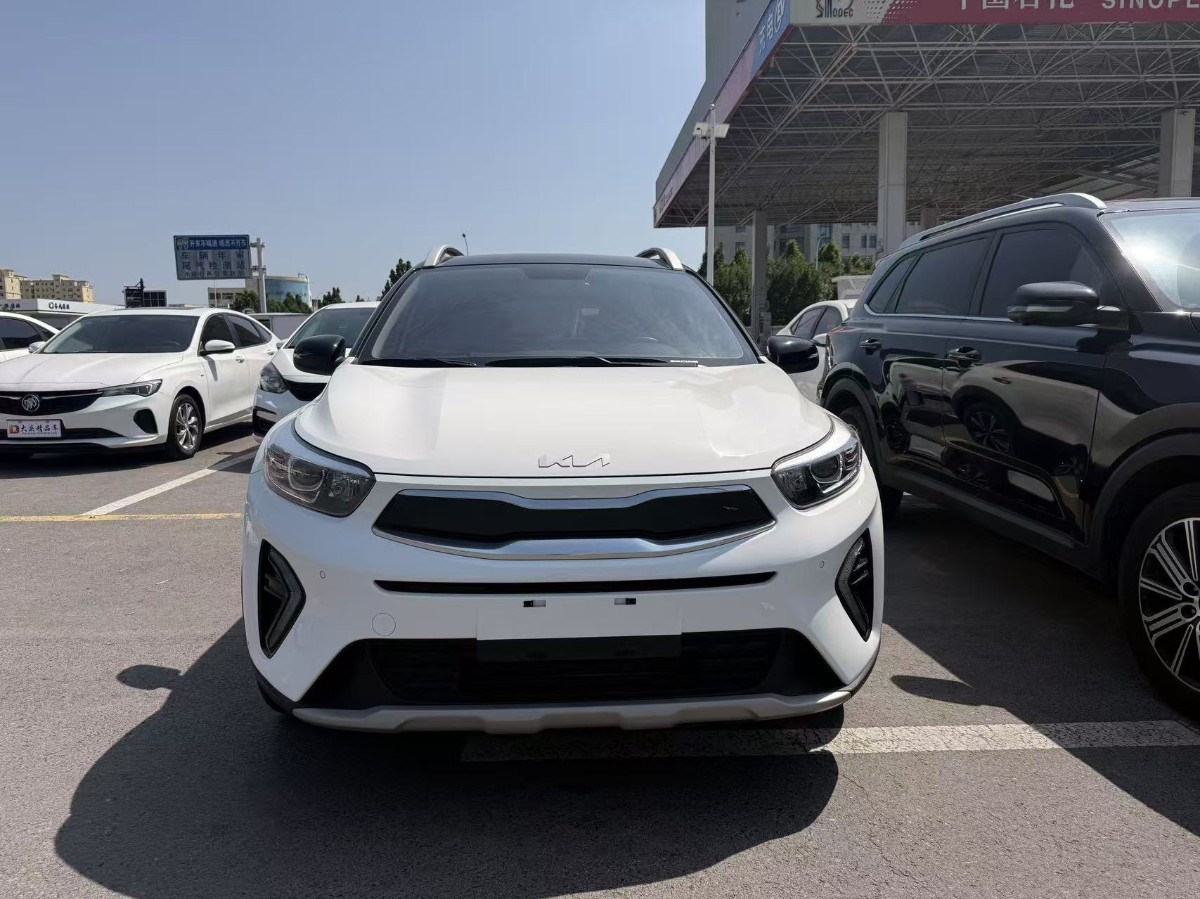
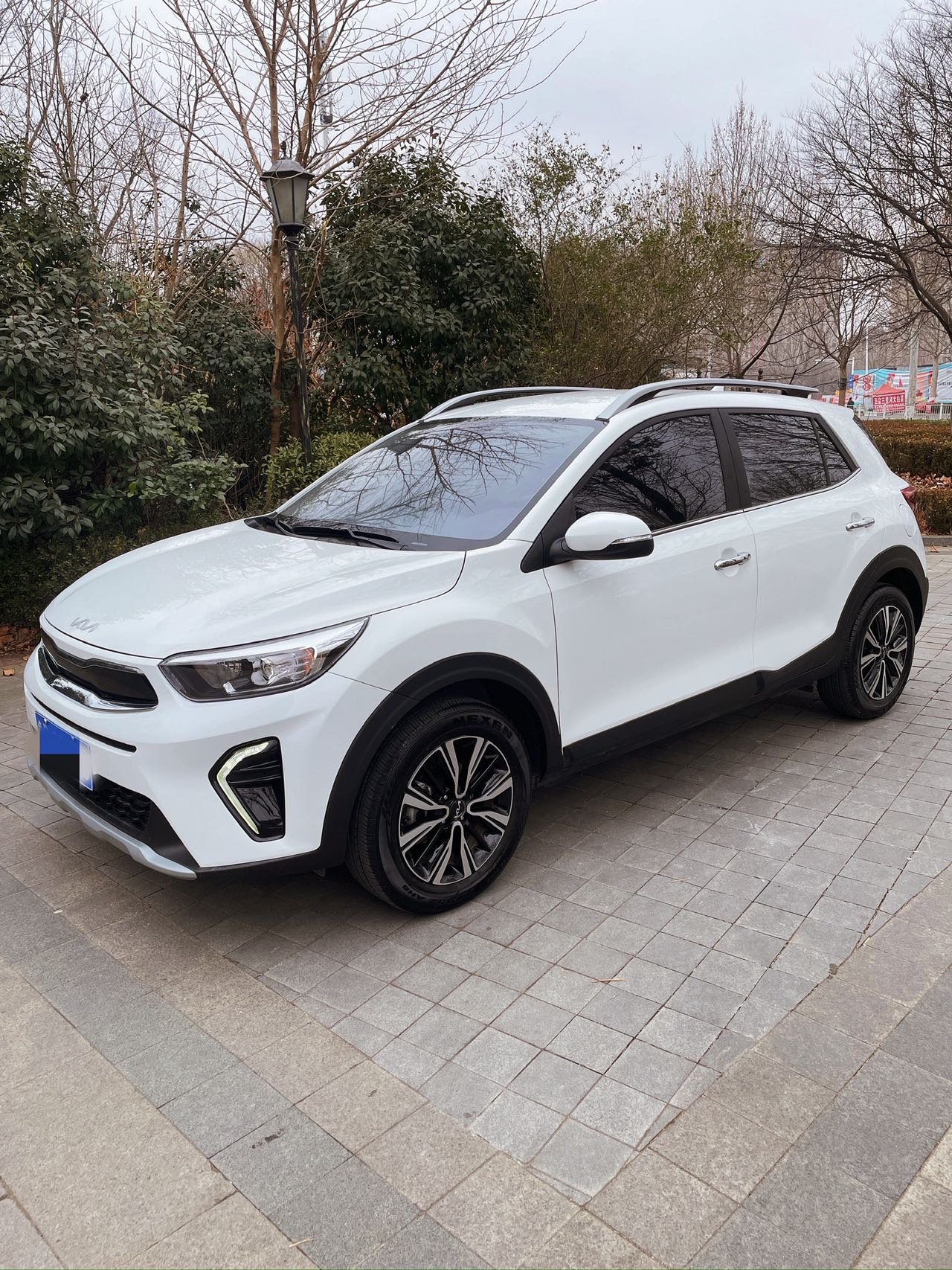
BrandKia
SeriesKX1
Year2025
First Registration2025/03
Mileage3,000km
Transfer Count1times
FuelGasoline
TransmissionCVT
Engine1.4L 100 L4
ColorYellow
Seats-

Condition Description

Actual odometer reading 3000 km. Excellent condition.

燃油车
SUV
自动
维保开放
事故开放
查验开放

Configuration Highlights

✓品牌: 起亚
✓车系: 奕跑
✓车型: 2026款 1.4L 天窗版
✓车身类型: SUV
✓座位数: 5
✓排量: 1.4L
✓变速箱: 自动
✓能源类型: 燃油车
✓VIN: LJD4AA191S0183336
✓搜索关键词: 起亚奕跑 2026款奕跑1.4L天窗版

Document Information

Inspection Expiry Date2027/03
Warranty Expiry Date-
Insurance Expiry Date2027/03

Q&A

More

Why do used cars of the same brand, year, and configuration with complete 4S dealership records cost several hundred dollars more than those without records?

Complete records represent underlying trust and zero odometer adjustment risk. In the used car market, solid data history itself carries a high premium. The extra few hundred dollars buys you an impeccable endorsement when selling overseas.


Will you clearly inform if the vehicle was previously a commercial vehicle (ride-hailing, taxi, rental)?

The "usage type" section on the vehicle registration certificate has legal validity. Any vehicle that changes from "commercial" to "non-commercial" has a usage intensity far exceeding that of personal vehicles, and we will label these prominently. Such vehicles are usually cheaper but have more severe mechanical wear.

How can I confirm the seller actually owns the car and that it has no outstanding liens or loans in China?

Ask the exporter for a copy of the vehicle registration certificate (机动车登记证书). It lists every owner change and any mortgage registration. If the car was financed, there will be a lien entry; make sure a release entry follows it. You can also verify the VIN against public records through the traffic management platform (12123) — a legitimate exporter can generate a status report on the spot. Check that the seller's company name on the invoice matches the registered owner. For extra safety, require a written statement that the vehicle is free of liens, loans, court seizures, and lease agreements, and wire payment only to the company's corporate account after ownership is transferred to the export entity. That sequence — transfer first, payment second — is your strongest protection.