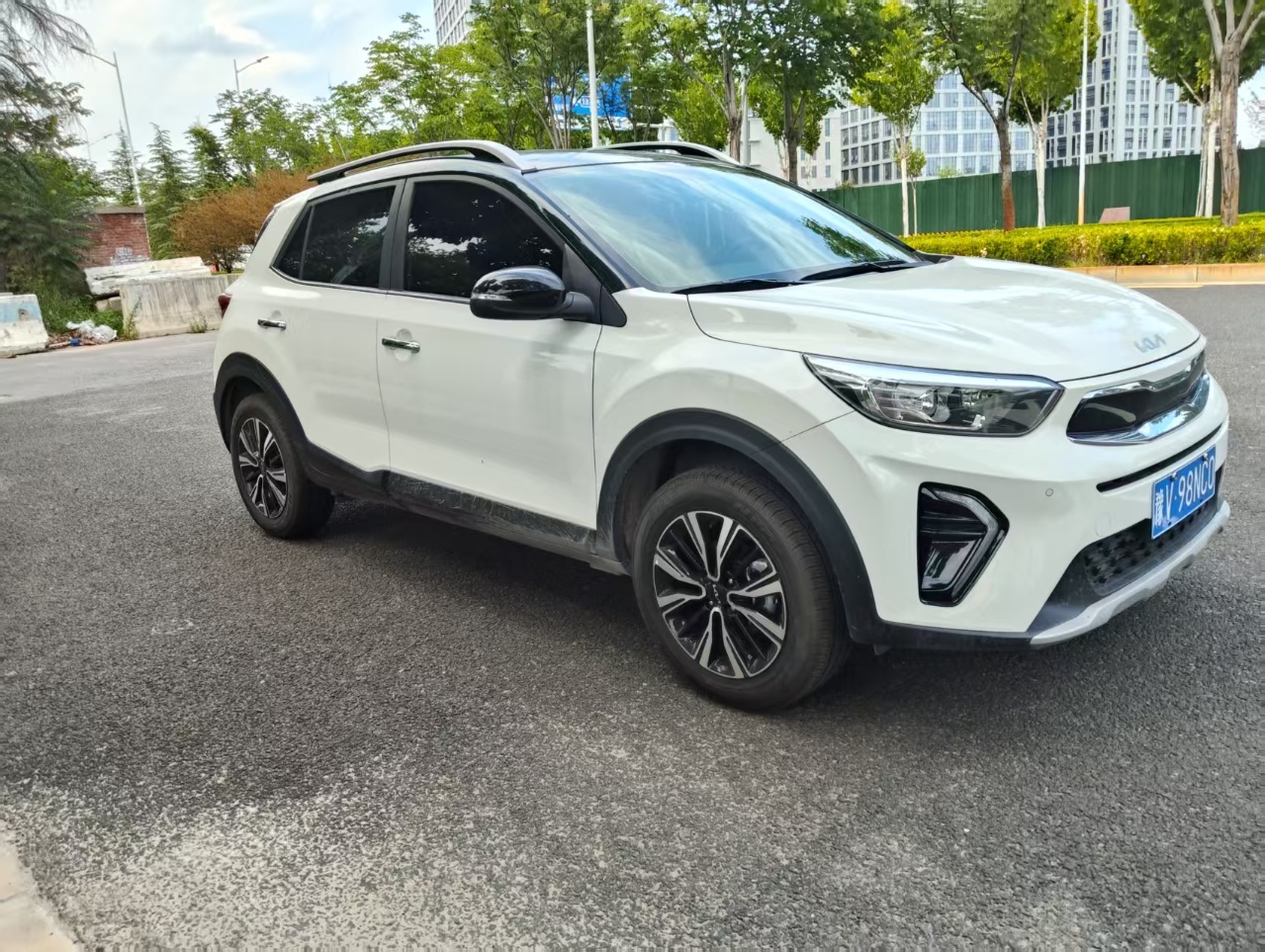
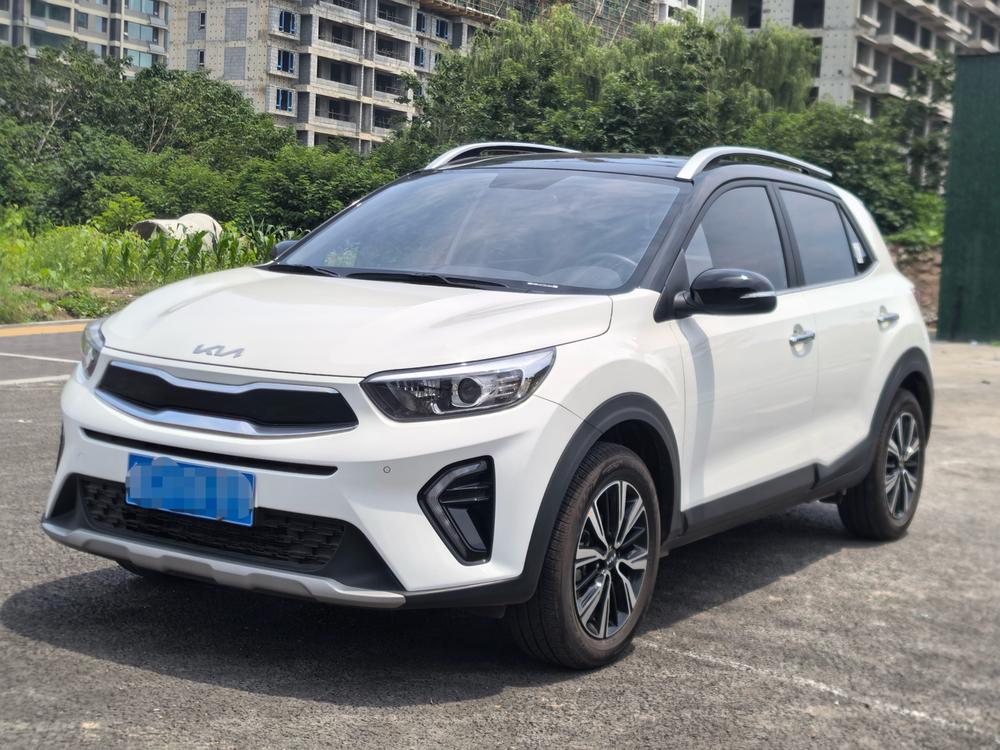
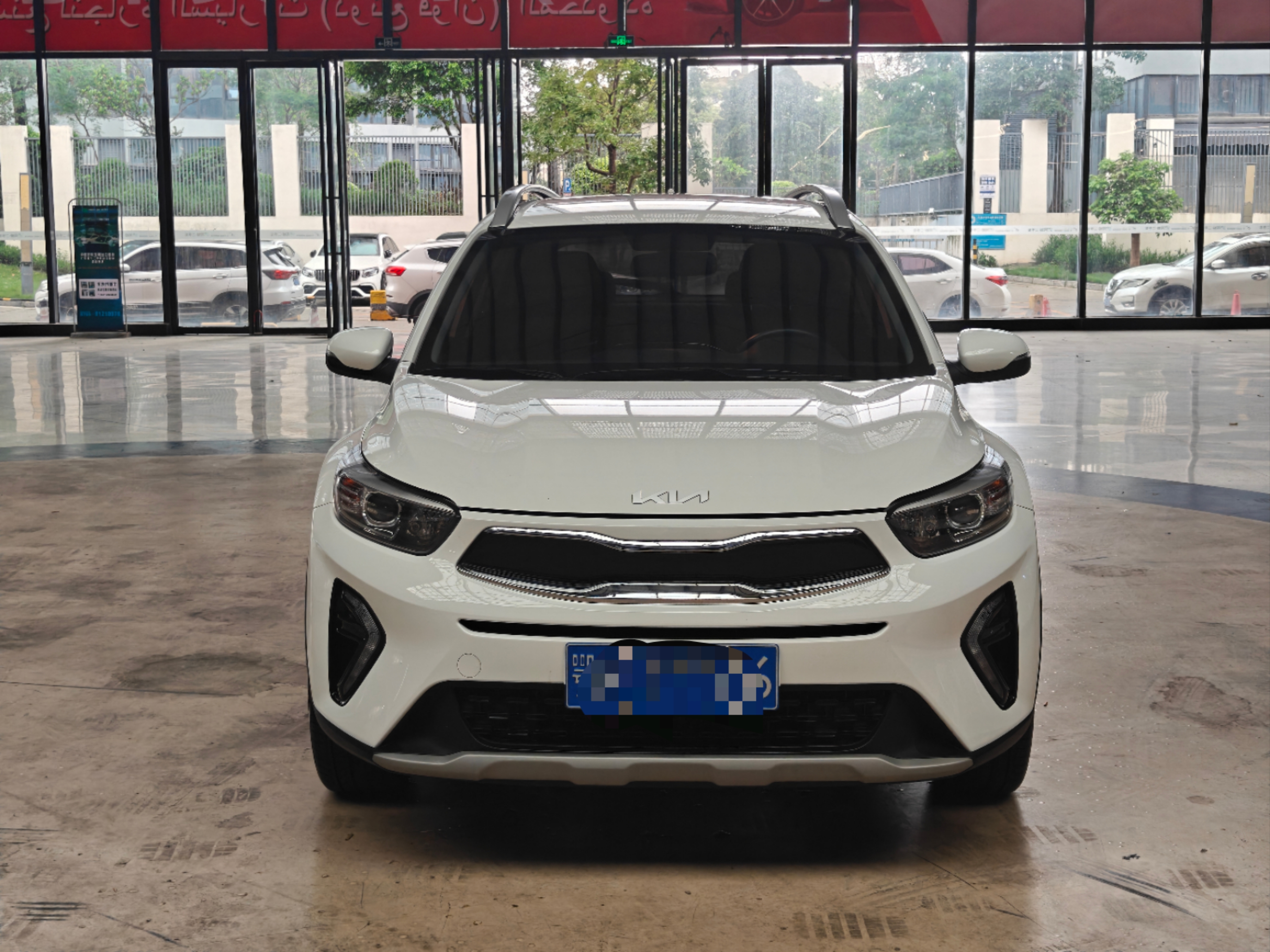
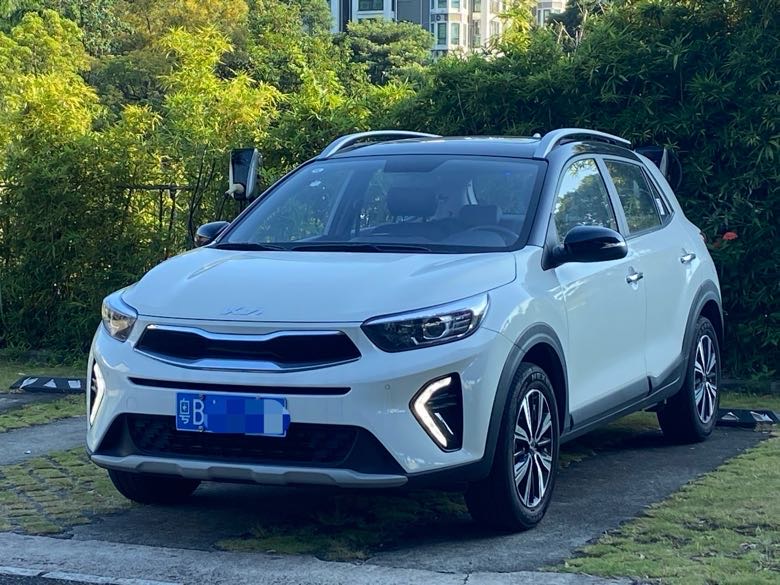
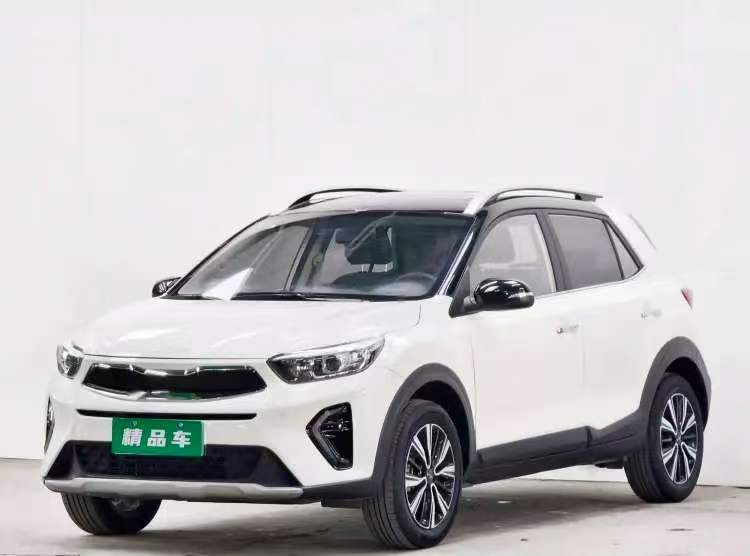
Basic Information

BrandKia
SeriesKX1
Year2026
First Registration2026/04
Mileage1,200km
Transfer Count-
FuelGasoline
TransmissionCVT
Engine1.4L 100 L4
ColorWhite
Seats-

Condition Description

Vehicle performance is good. Structural, reinforcing, and outer panels have no accident-related damage or repairs. High-voltage battery, drive motor, and electronic control systems have no damage.

Accident inspection: main structure, reinforcing parts, outer panels, and hinges have no damage or abnormalities. Engine bay: key mechanical components are normal. Exterior: no issues. Interior: most features are normal; airbags, seatbelts, dashboard, instruments, and lighting systems are normal. Startup check: major components are normal. Onboard tools: none.

可讲价

Document Information

Inspection Expiry Date2028/04
Warranty Expiry Date-
Insurance Expiry Date2027/04

Q&A

More

How to prove the state of health (SOH) of a second-hand electric vehicle battery? Will a testing report be provided?

We understand that the power battery is the core asset of an EV. Before export, our technical team will use professional OBD diagnostic equipment to read the underlying data from the Battery Management System (BMS). We will provide you with a technical report that includes key indicators such as battery health percentage (SOH), cell pressure differences, and charge-discharge cycle counts. If the SOH is below our established export safety standard (usually above 80%, depending on the vehicle's age), the vehicle will be intercepted and not sent overseas.


What does a pre-shipment inspection include, and is it worth the cost?

A professional pre-shipment inspection typically costs a small fraction of the vehicle price and routinely pays for itself. A thorough inspection covers: paint thickness measurement across 30+ points to map body repairs; structural assessment of pillars, rails and crossmembers for accident damage; engine and transmission operation; a full electronic scan for fault codes; suspension and underbody checks for leaks and rust; and, for EVs, battery SOH and thermal management performance. You receive a written report with photos before the car is loaded — if the car fails, you can stop the shipment or renegotiate. Skipping the inspection to save a small fee is the classic false economy in used car importing: discovering a problem after arrival is far more expensive than preventing it at origin.

Is there specific data on paint thickness? How can we determine if it's the original factory paint?

We use a calibrated high-precision paint thickness gauge to take multiple measurements on at least 13 metal surfaces of the entire vehicle. The original paint thickness of mainstream Chinese models typically ranges from 90μm to 150μm. If any area exceeds 200μm or even reaches over 500μm, we will directly conclude that the area has undergone bodywork and filler repair.