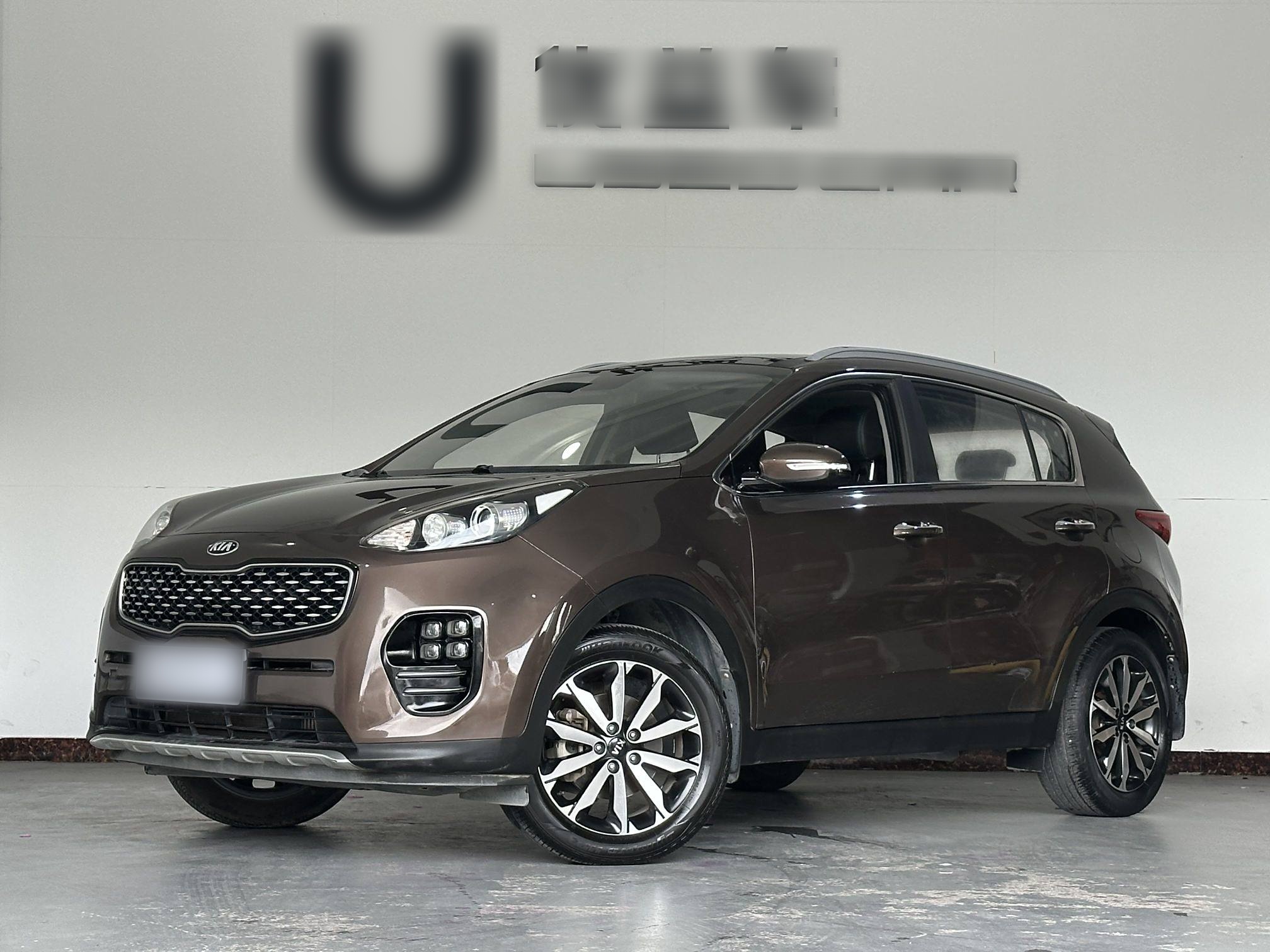
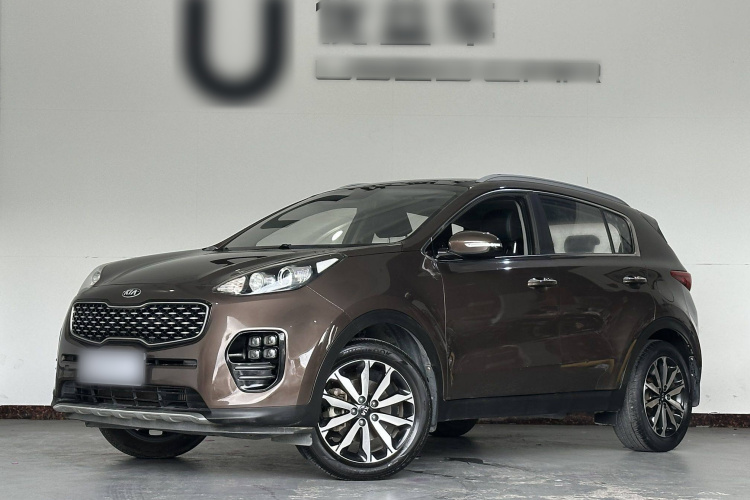
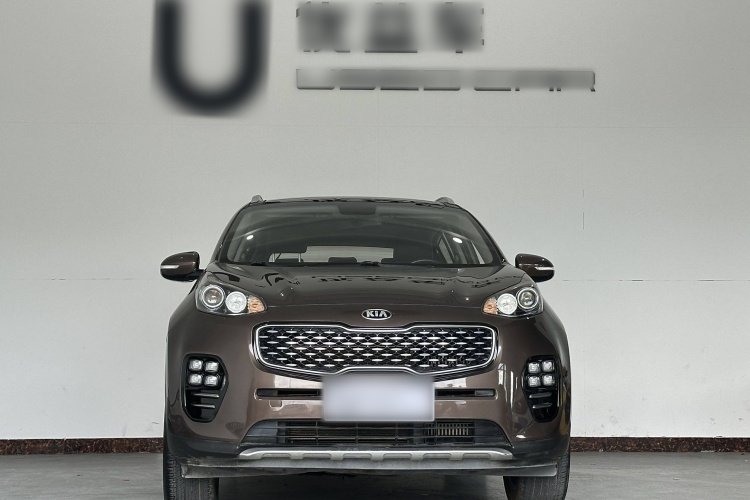
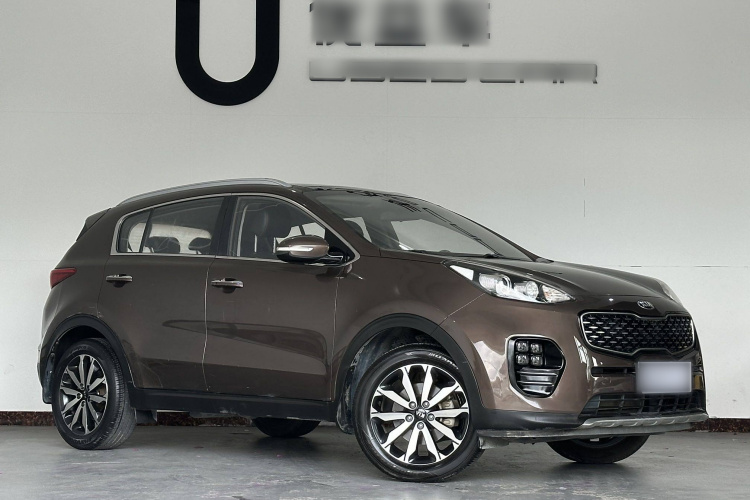
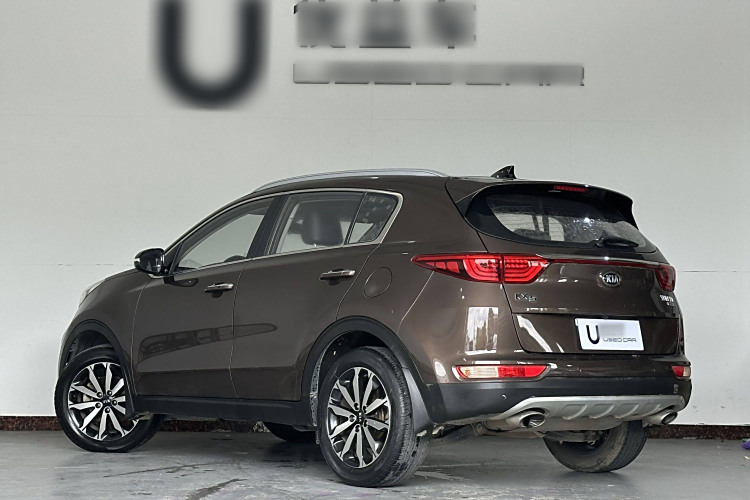
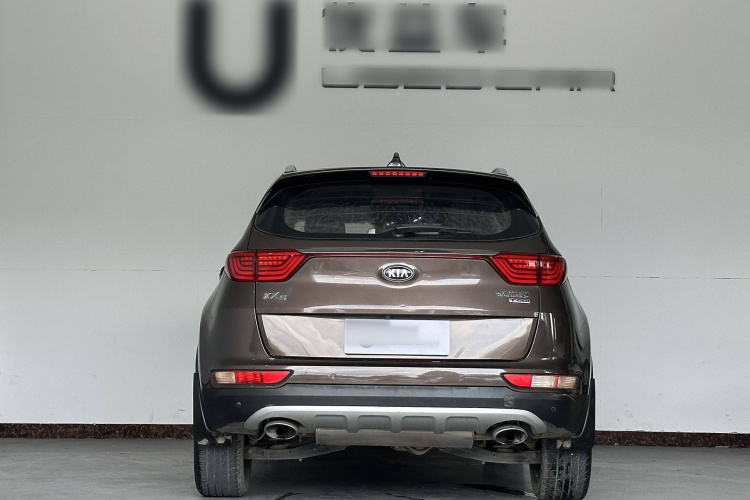
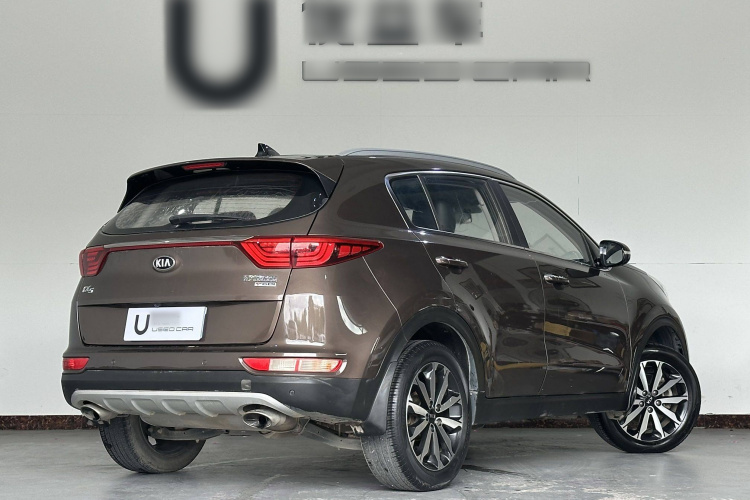
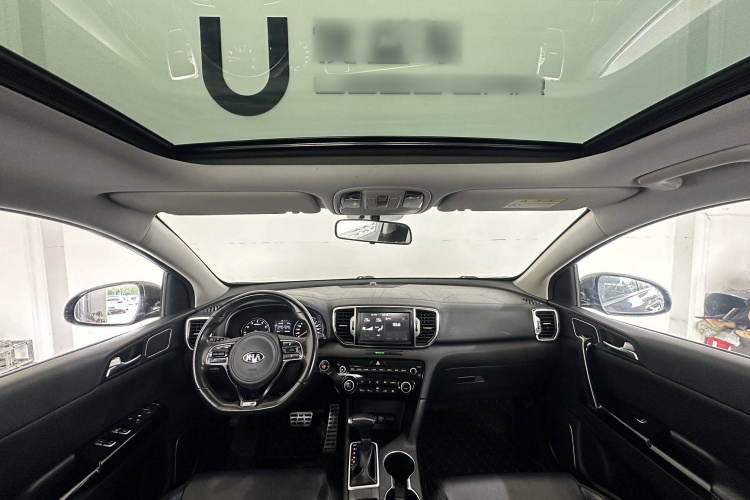
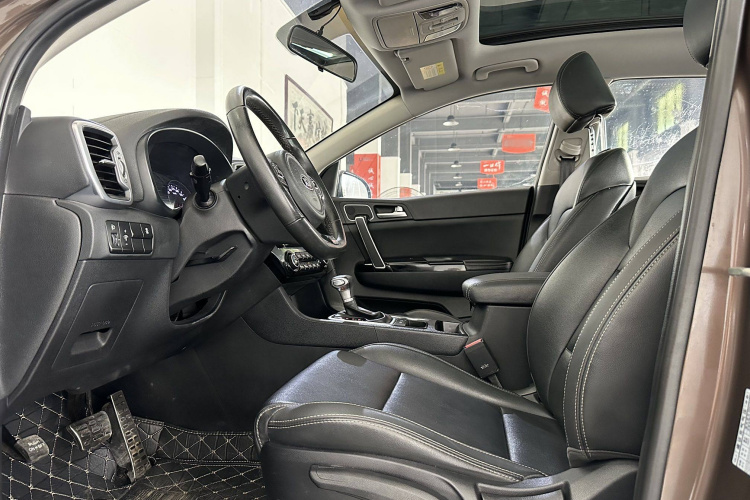
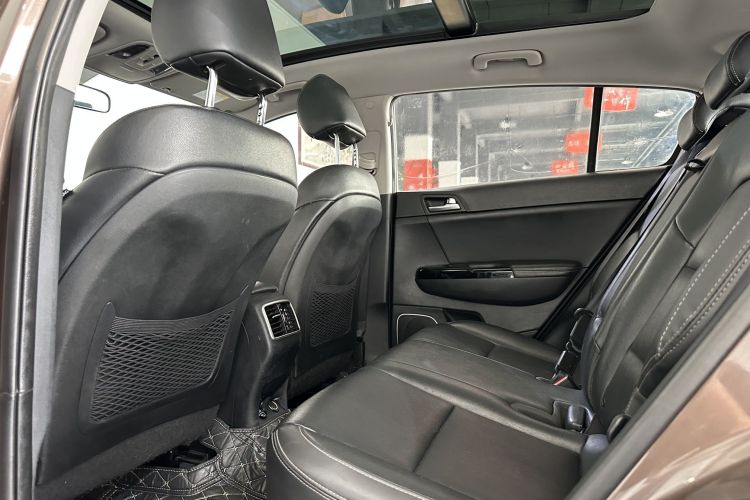



Basic Information

BrandKia
SeriesKX5
Year2017
First Registration2017/02
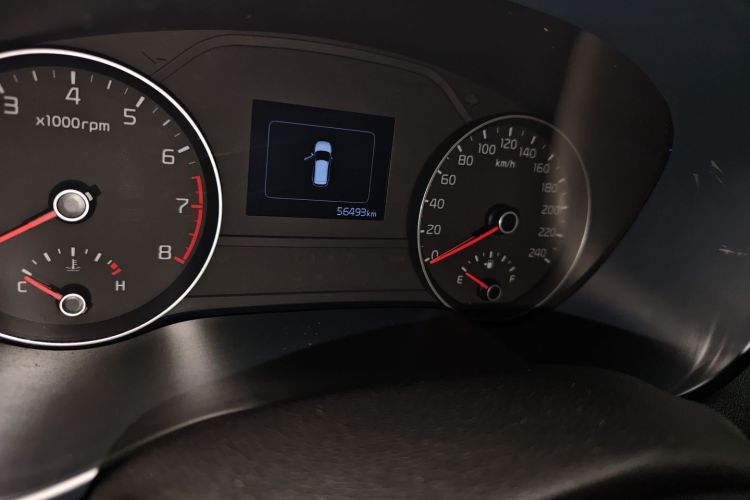
Mileage56,400km
Transfer Count-
FuelGasoline
TransmissionDCT
Engine1.6T 177 L4
ColorBrown
Seats5seats

Condition Description

Vehicle condition meets standards; 0 claims; 0 ownership transfers.

This vehicle is 8 years old, with an average annual mileage of 7,100 kilometers. It has a low frequency of daily use and has never been transferred to another owner, making it a good one-owner vehicle. The exterior metal body panels are unpainted, and the overall condition of the exterior is excellent. The wheels are free of scratches, and the glass is undamaged. There are 1-2 exterior parts that have been removed or replaced. The steering wheel and buttons are free of wear, and the interior and seats are clean and new. There are no odors inside the vehicle, and all configuration functions are in good working order. The body frame is undamaged and has not been repaired. The powertrain is running well without any repairs. There are no major modifications.

Configuration Highlights

✓Smartphone Connectivity
✓Keyless Entry
✓Backup Camera
✓Power Folding Mirrors
✓Keyless Start
✓Rear Air Vents
✓Heated Mirrors
✓Hill Start Assist
✓Rear Parking Sensors

Q&A

More

What's a realistic total budget for importing a used car from China, beyond the sticker price?

Plan for the car price plus roughly 25–50% in additional costs, depending on destination: 1. Inland transport in China (car city to export port): USD 300–700. 2. Export fees: inspection, customs declaration, port handling — USD 300–600. 3. Ocean or rail freight: a shared container to the Middle East or Africa runs USD 800–1,500; a full container or RoRo varies by route. 4. Destination charges: unloading, customs duties, VAT and port fees — this is the biggest variable. Some countries add 50%+ in taxes on used imports. 5. Compliance costs: homologation, inspection, registration in your country. 6. Currency and payment costs: wire fees and exchange margins of 1–3%. Always ask the exporter for a written cost breakdown listing every item and who pays it, then confirm the destination-side numbers with a local customs agent before committing.

How do I check the battery health (SOH) of a used Chinese EV before buying?

Battery condition is the single biggest value factor in a used EV, and it can be measured — do not accept a verbal "battery is fine" without data. First, ask for a battery health certificate: brands like BYD, NIO, XPeng and Li Auto can generate an official state-of-health report from the VIN, usually within minutes at a dealer or via the brand's app. Look for SOH above 85% for a car under five years old. Second, request a charge-and-discharge test during inspection: the displayed range at 100% charge compared with the original rated range gives a practical health estimate. Third, check battery warranty status. Most Chinese brands offer 8 years or 150,000–200,000 km on the battery pack, and the remaining warranty usually transfers with the car — get this in writing. Fourth, for cars heading to hot climates, confirm the battery cooling system works; overheating is a common killer of battery life. Add a minimum SOH guarantee to your purchase contract so you have recourse if the battery underperforms.

Can the buyer request the internal resistance test data of the battery pack at different state of charge (SOC) levels?

Obtaining precise internal resistance at different SOC levels requires disassembling the battery pack and connecting it to a professional charge-discharge cabinet for several days of cycling tests. This is beyond the scope of non-destructive used car inspections; we only provide real-time estimated internal resistance data based on OBD port readings.

Kia KX5 1.6T 177 L4

起亚KX5 2016款 1.6T 自动两驱DLX

EXW: $9,227
Car CodeSWA1575366
Publish Date
