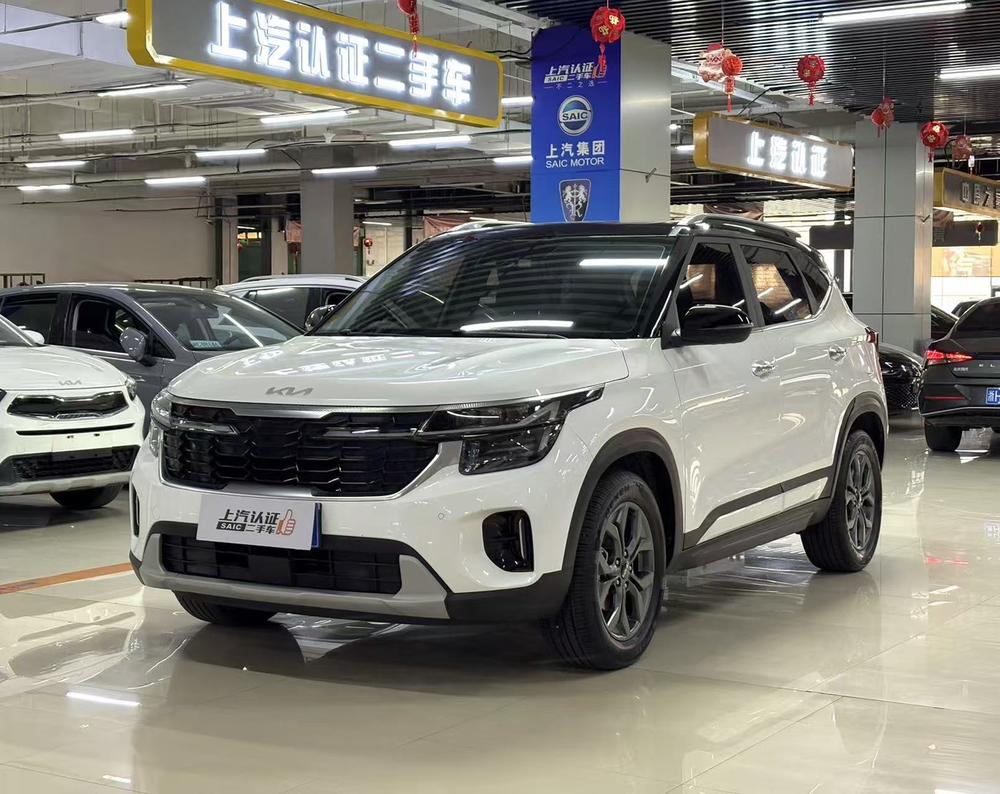
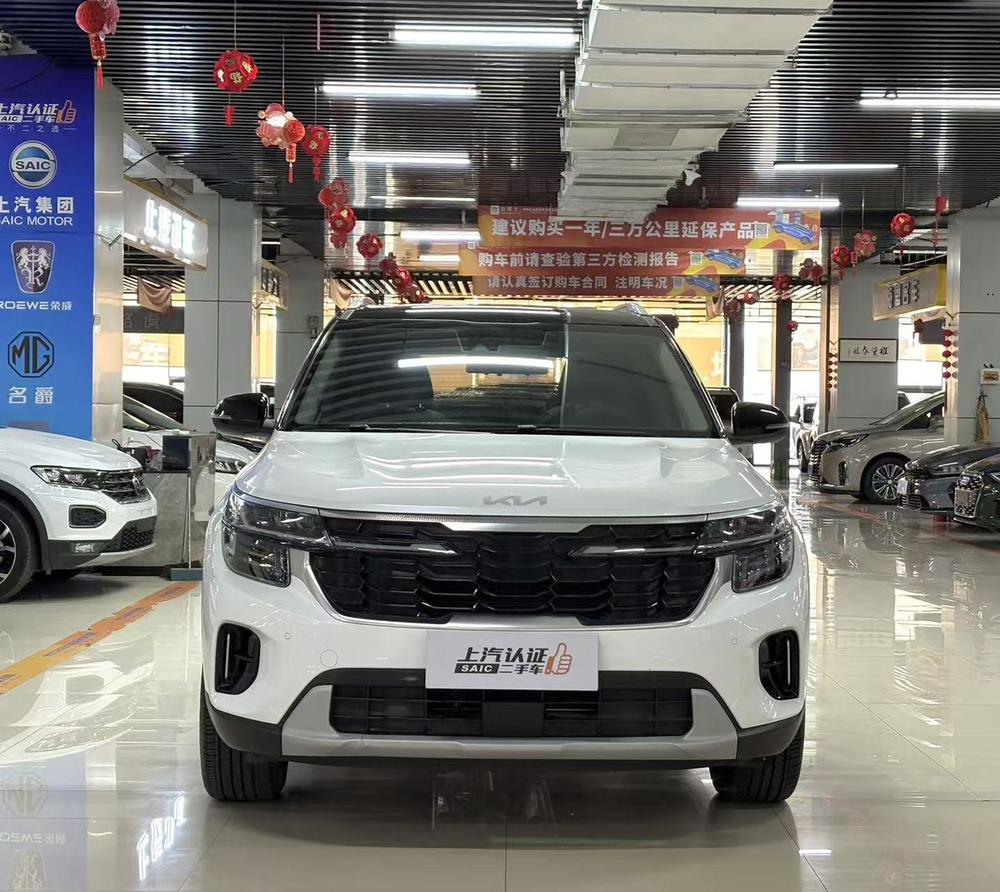
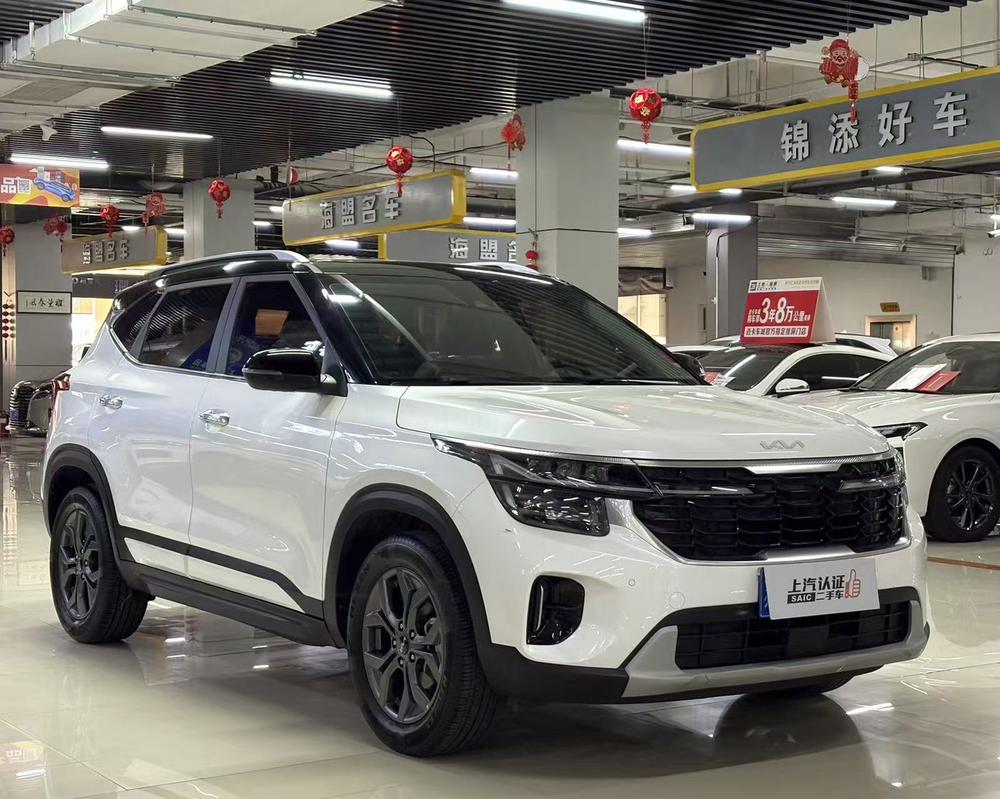
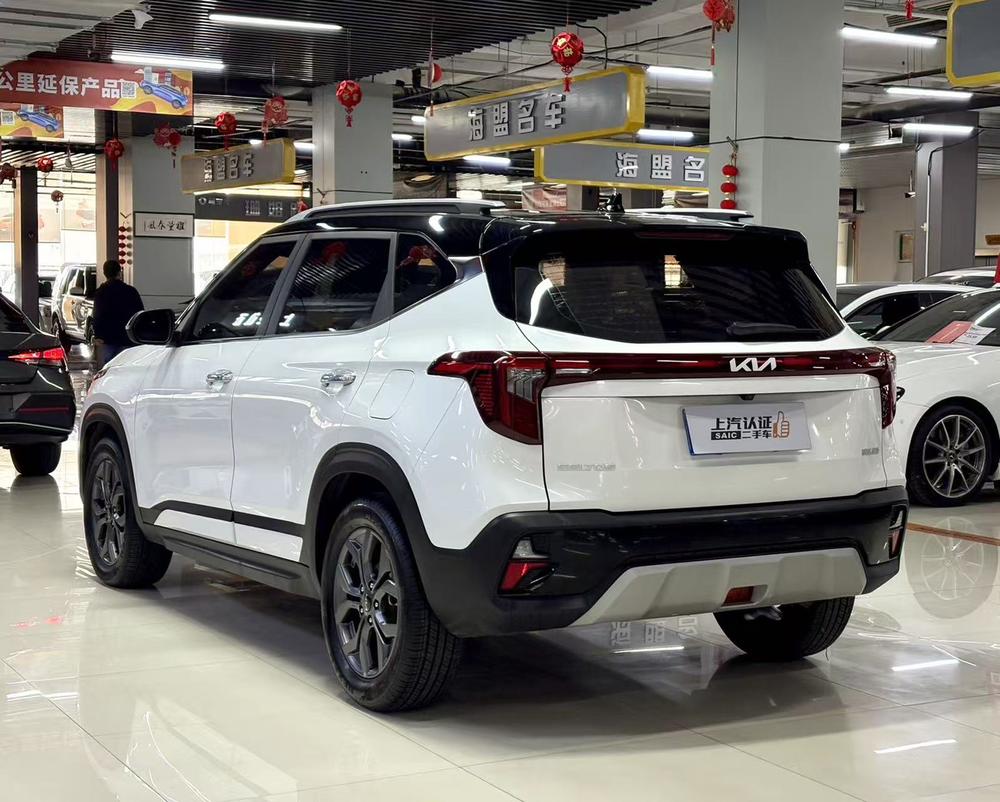
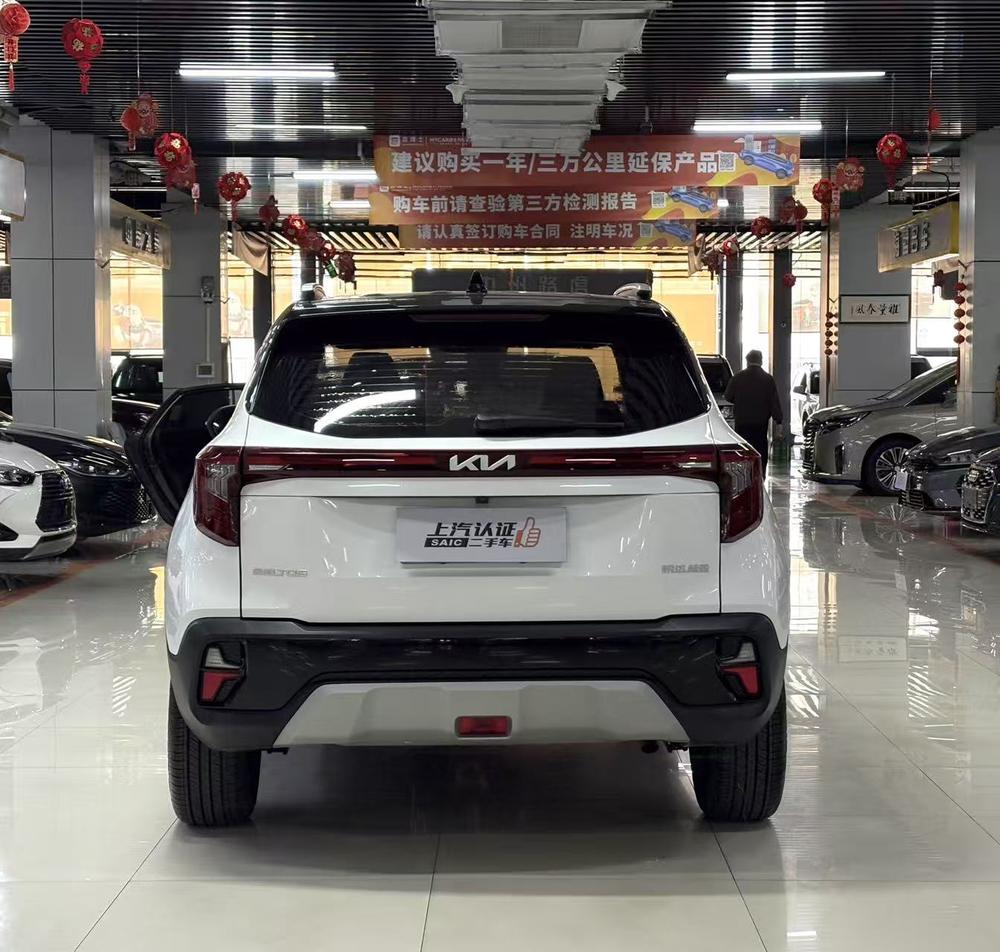
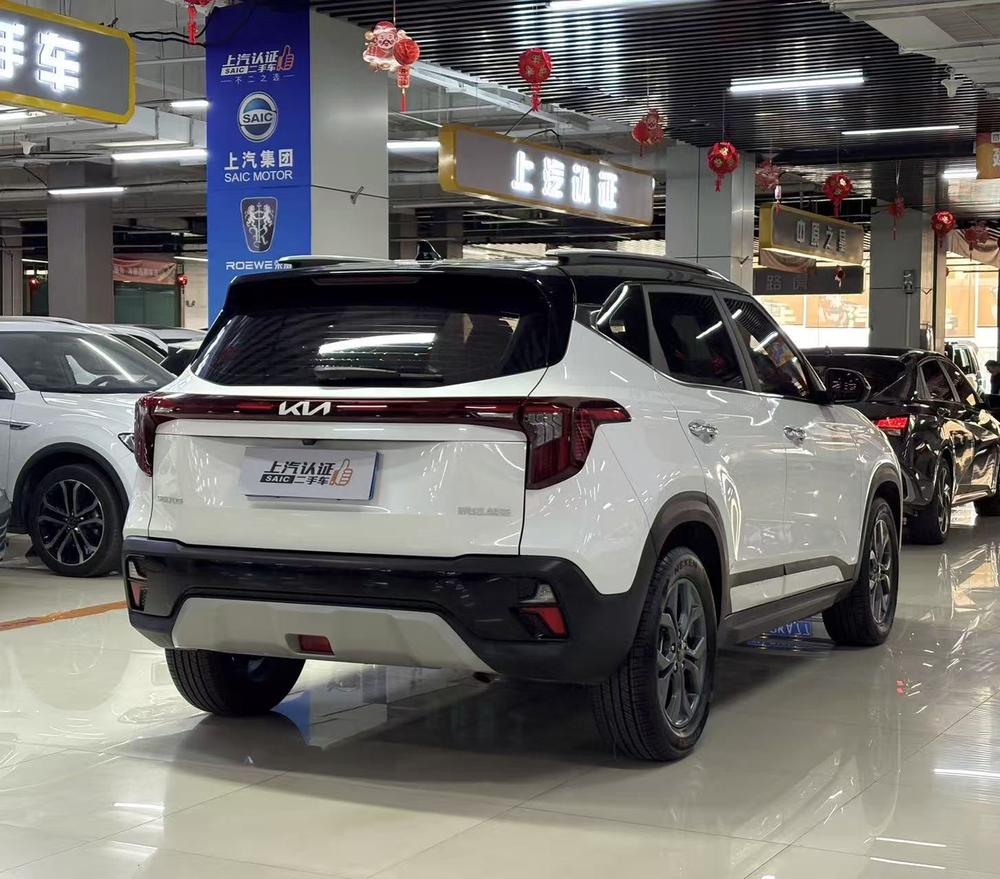
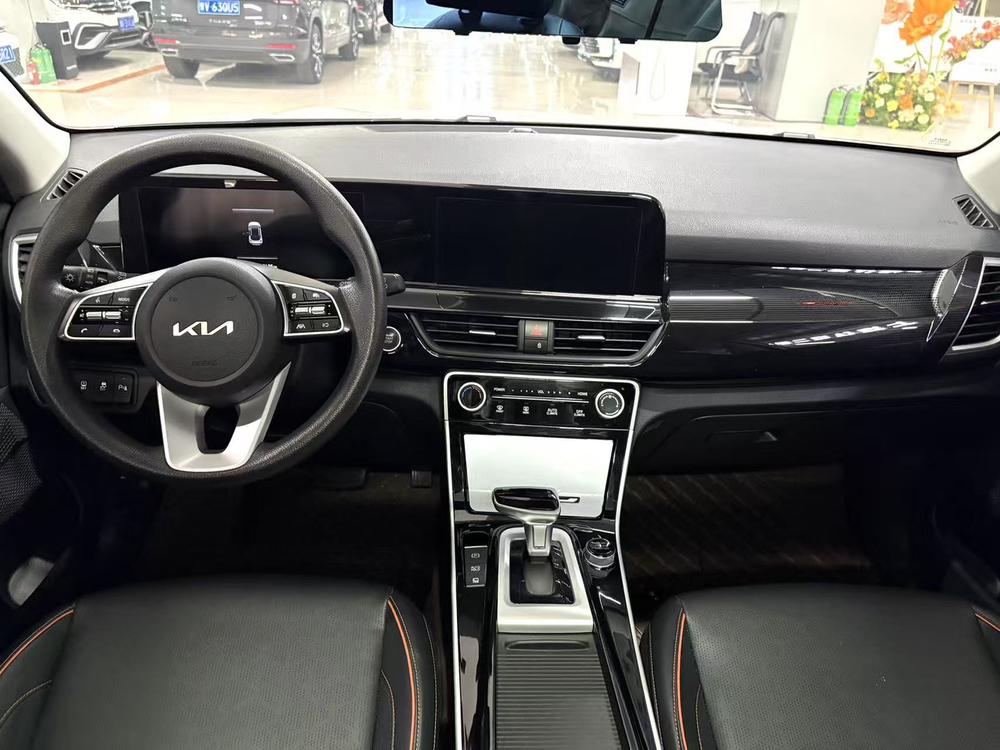
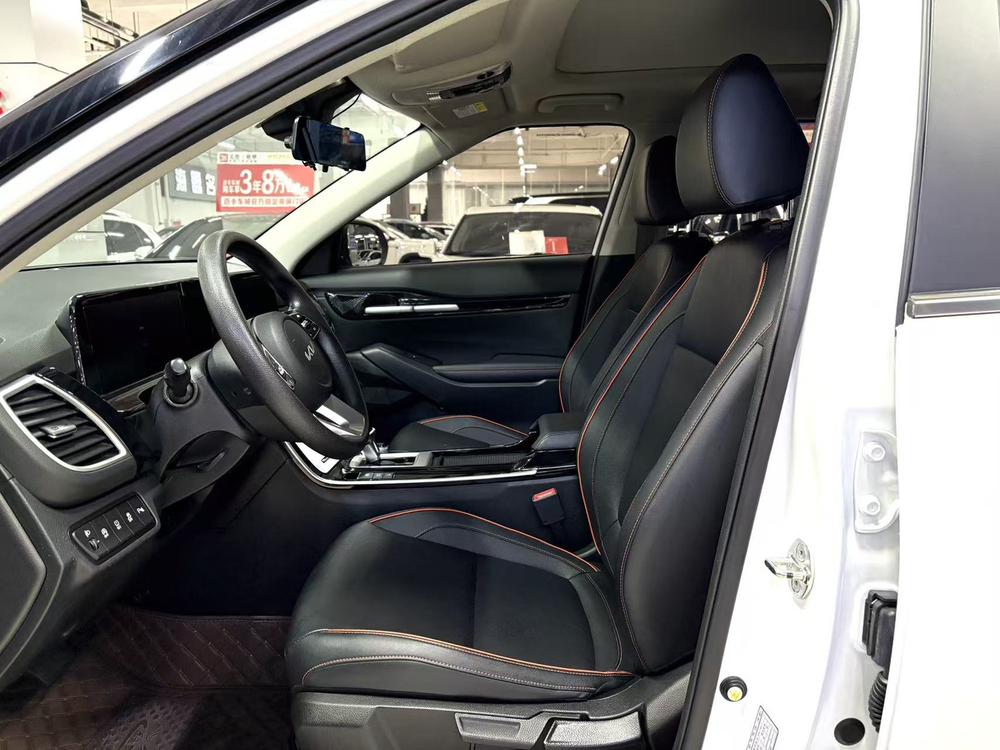
48H

Basic Information

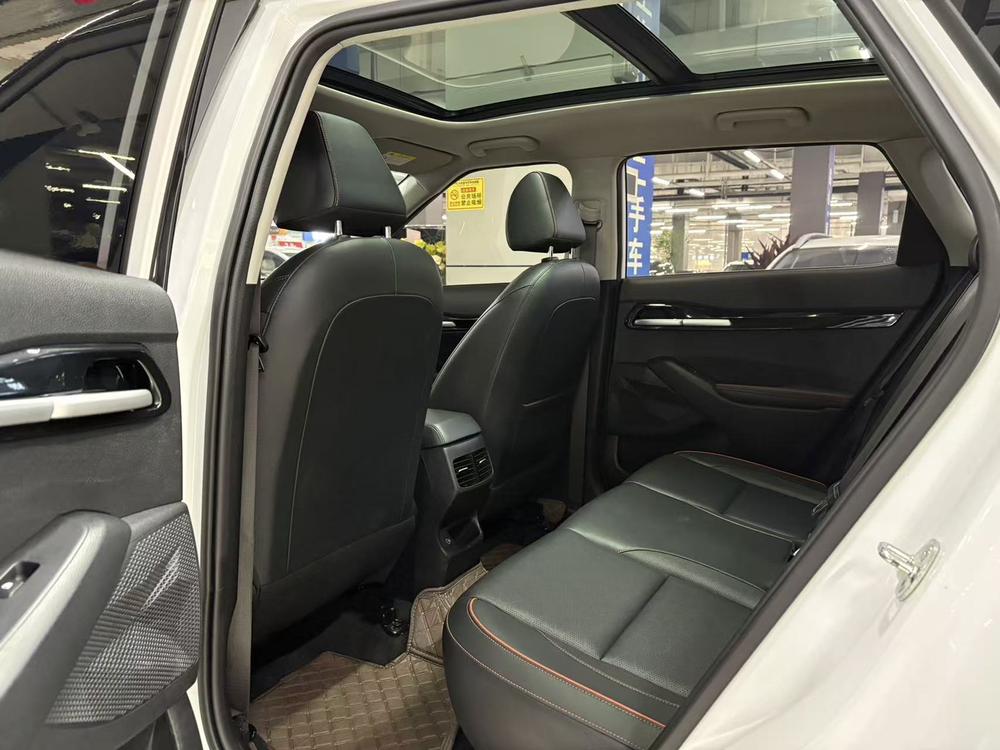
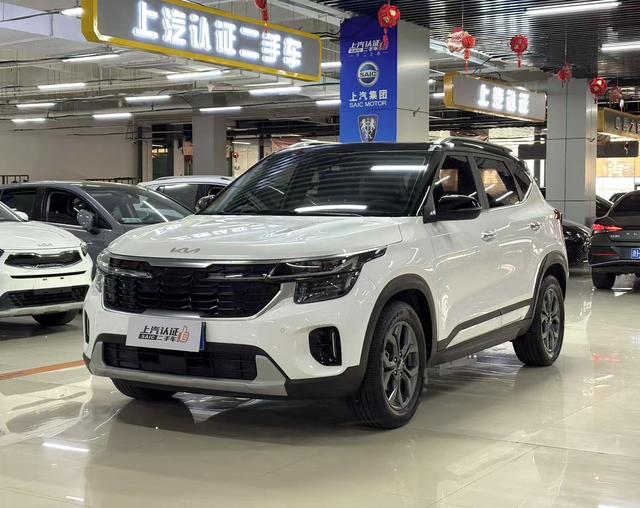
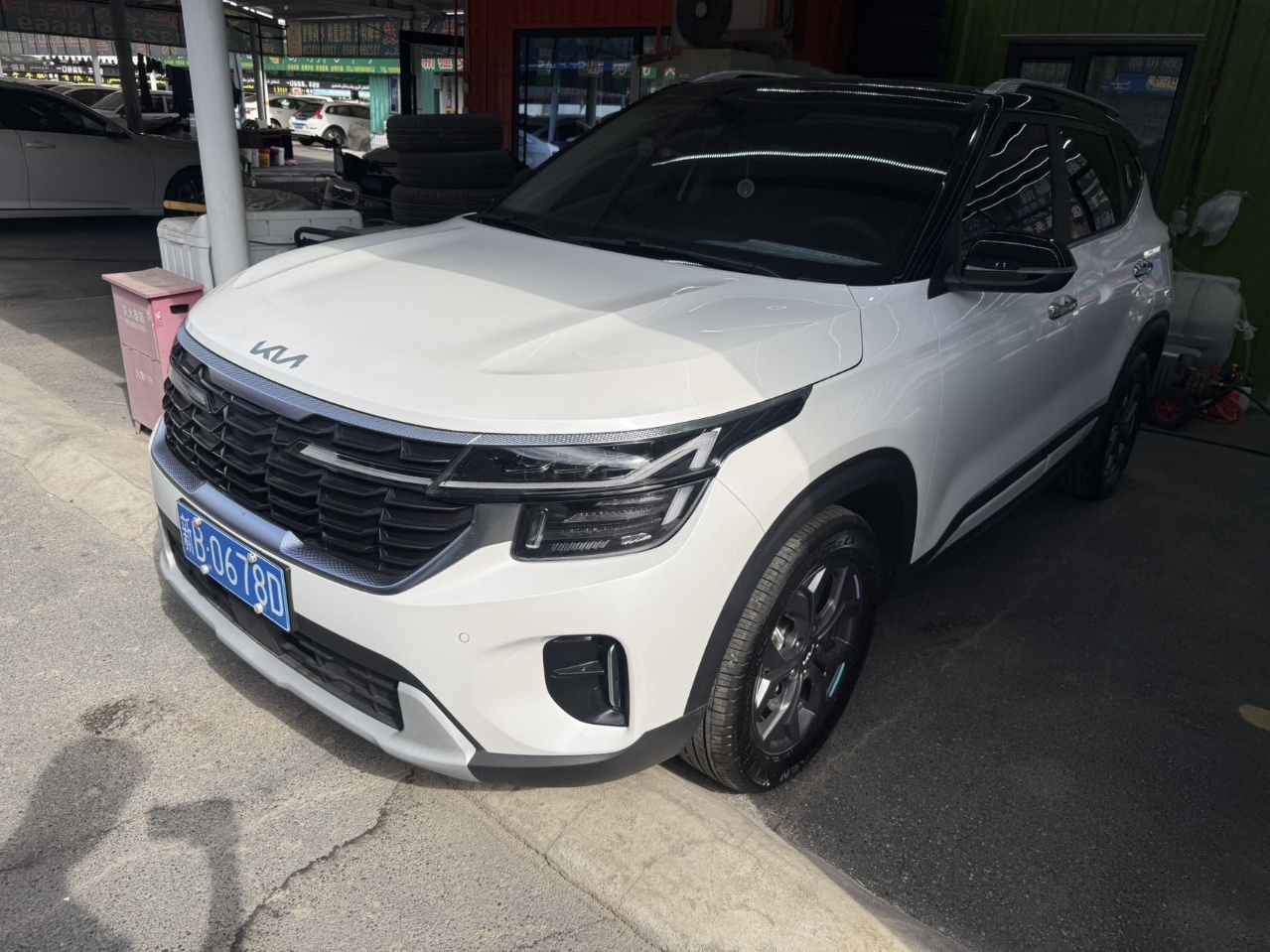
BrandKia
SeriesSeltos
Year2024
First Registration2024/01
Mileage35,000km
Transfer Count0times
FuelGasoline
TransmissionCVT
Engine1.5L 115 L4
Color
Seats-

Condition Description

官方质检 · 60天全车质保· 7天无理由有偿退车

Configuration Highlights

✓上牌时间: 2024-01
✓表显里程: 3.5万公里
✓车源地: 郑州
✓排放标准: 国六
✓发动机: 1.5L
✓轴距: 2630mm
✓变速箱: 自动
✓最大功率: 84kW
✓功能配置: 11项
✓安全配置: 8项
✓动力类型: 前驱
✓空间舒适性: 一般

Q&A

More

What are the core advantages of buying used luxury cars (like Porsche, BBA) in China compared to purchasing them directly overseas?

China has a large number of luxury cars and a fast turnover rate. For luxury cars of the same year and mileage, the FOB offshore price in the Chinese market usually still has a 10%-15% arbitrage opportunity after deducting shipping costs, especially for models with high depreciation rates.

Should I choose RoRo or container shipping when importing a used car from China, and what does marine insurance actually cover?

RoRo (roll-on/roll-off) is cheaper and faster for a single car—you drive it onto the vessel and it is secured on the car deck. Container shipping costs more but offers better protection from weather, salt air, and handling damage, and allows you to load spare parts inside the car. Marine insurance is essential either way. Standard cover protects total loss and major damage, but read the exclusions: many policies do not cover pre-existing mechanical faults, cosmetic scratches below a deductible, or damage caused by improper securing (lashings). Ask for ICC(A) or All Risks coverage rather than basic total-loss-only policies. Practical tips: 1. Photograph and video the car thoroughly at loading, with the VIN visible 2. Note existing scratches on the bill of lading 3. Inspect immediately at destination—claims windows are often 3-7 days 4. For EVs, declare the battery; some insurers charge a supplement or exclude battery damage altogether

How do seasonal factors—peak seasons, weather, holidays—affect shipping times and rates from China?

Timing your shipment can save both money and weeks of waiting. Several predictable patterns affect routes from China. Peak season surcharges: January through March, before Chinese New Year, exporters rush to ship, so container and RoRo space tightens and rates rise 20-50%. Book at least 3-4 weeks ahead during this window. After the holiday (usually February), factories and ports restart gradually, causing 2-3 weeks of backlog. Weather effects: Typhoon season (July-September) can delay departures from southern Chinese ports like Shenzhen and Guangzhou. Winter fog and ice affect northern ports like Dalian and Tianjin, slowing loading operations. Destination-side factors: Monsoon seasons can slow port operations in South and Southeast Asia. Holiday periods at destination (e.g., Ramadan in the Gulf, year-end holidays elsewhere) reduce customs staffing and extend clearance times. Practical advice: ask your forwarder for rate calendars, avoid booking right before major Chinese holidays, and build 1-2 weeks of buffer into delivery promises to your customers. Flexible departure ports (Shanghai vs. Ningbo vs. Shenzhen) can also help you find available space.