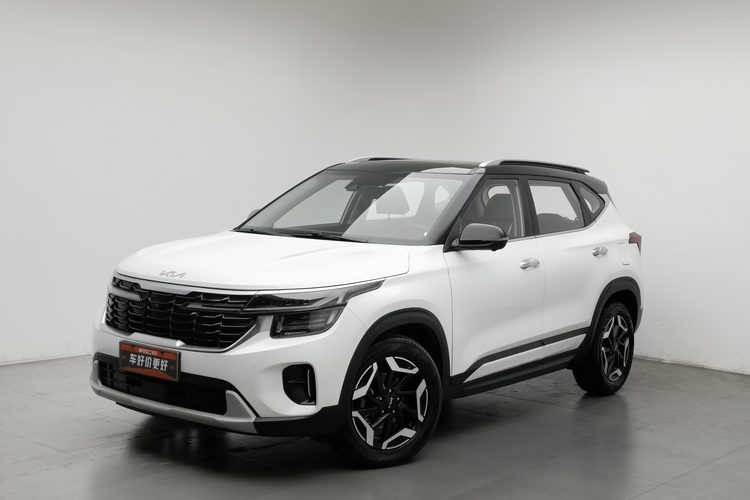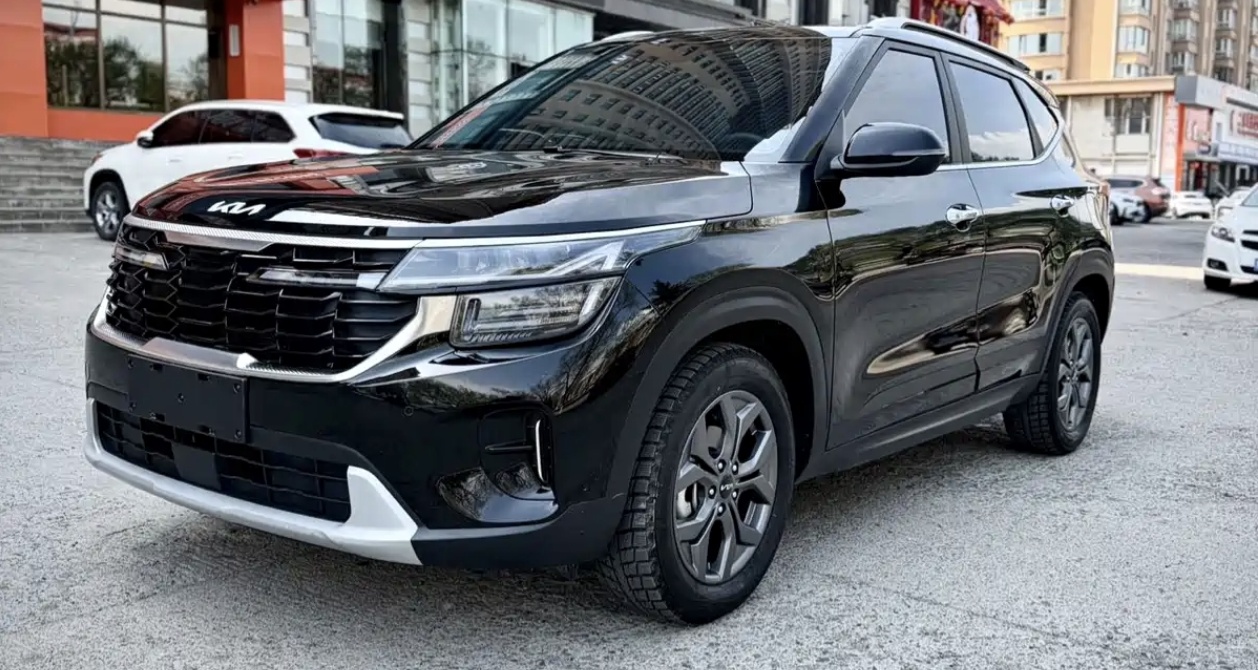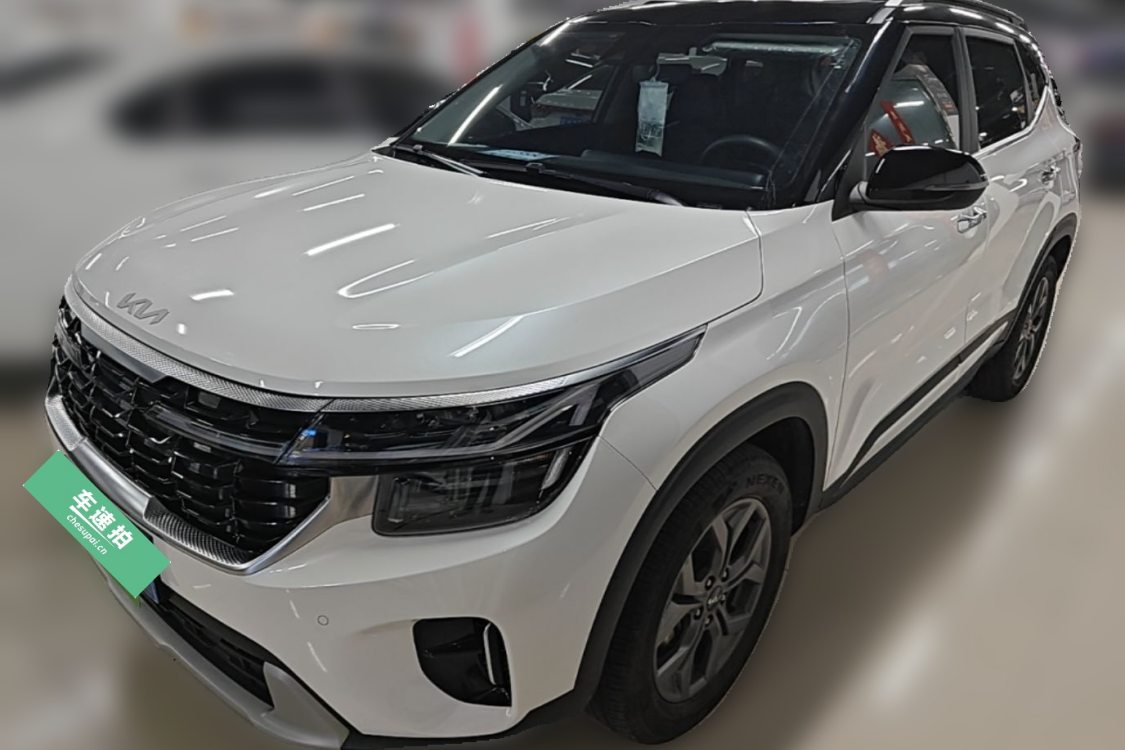
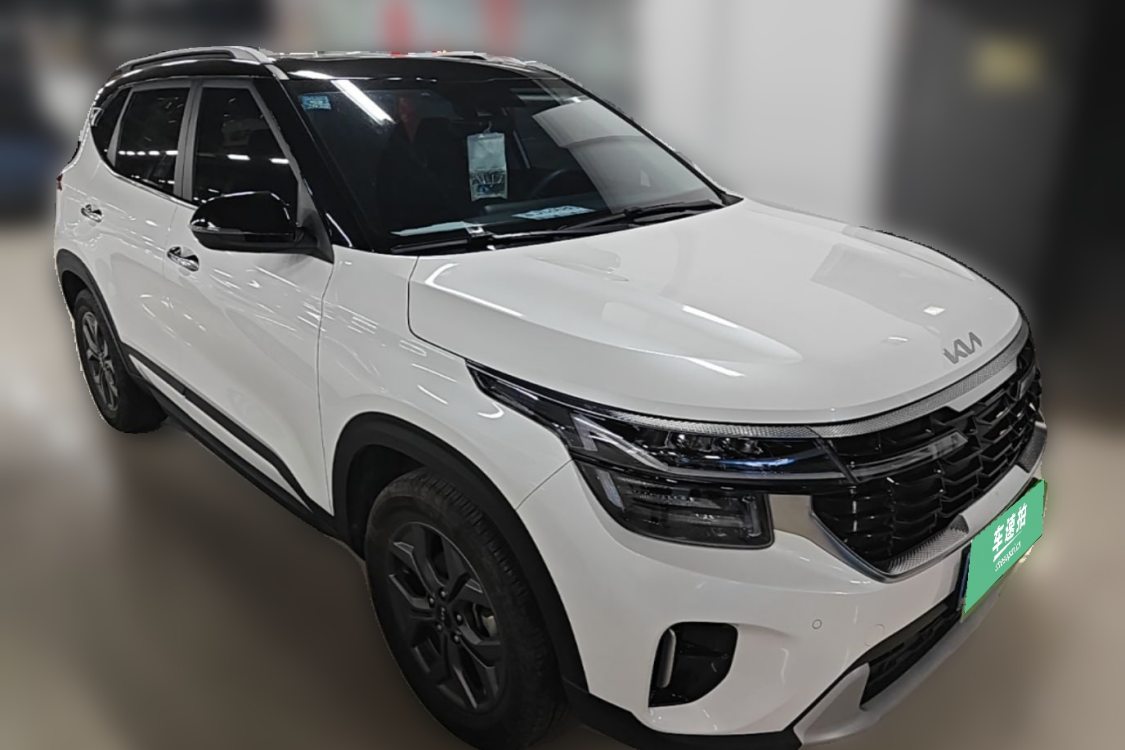
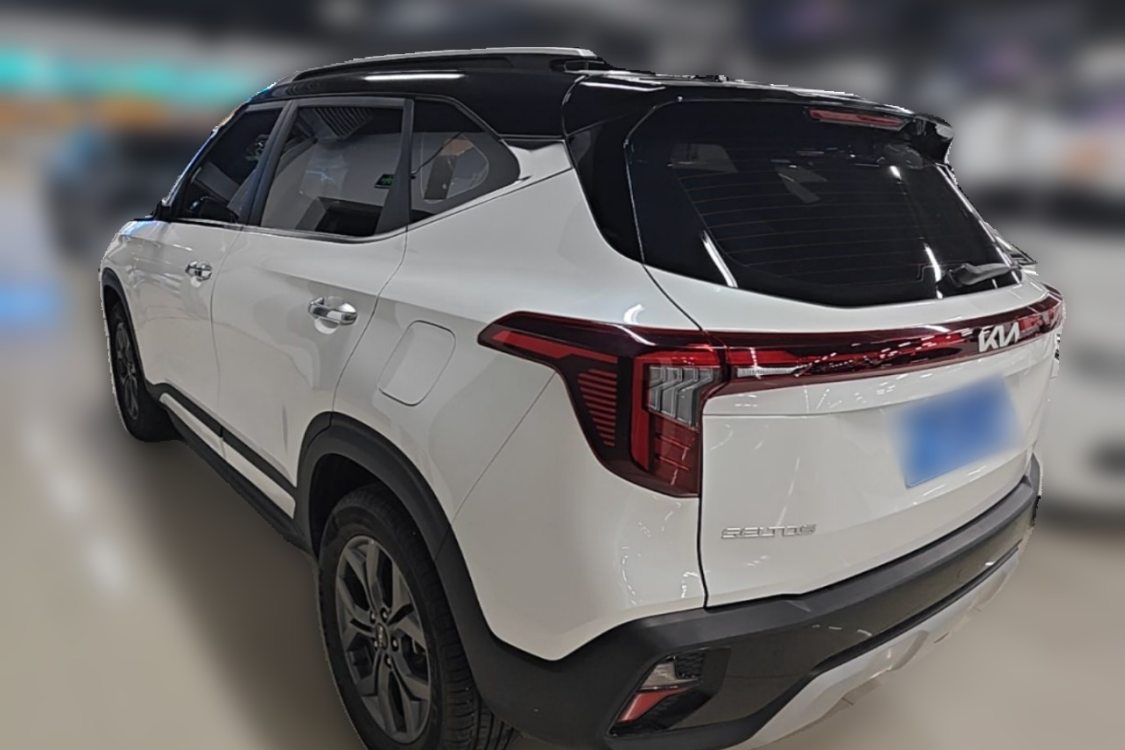
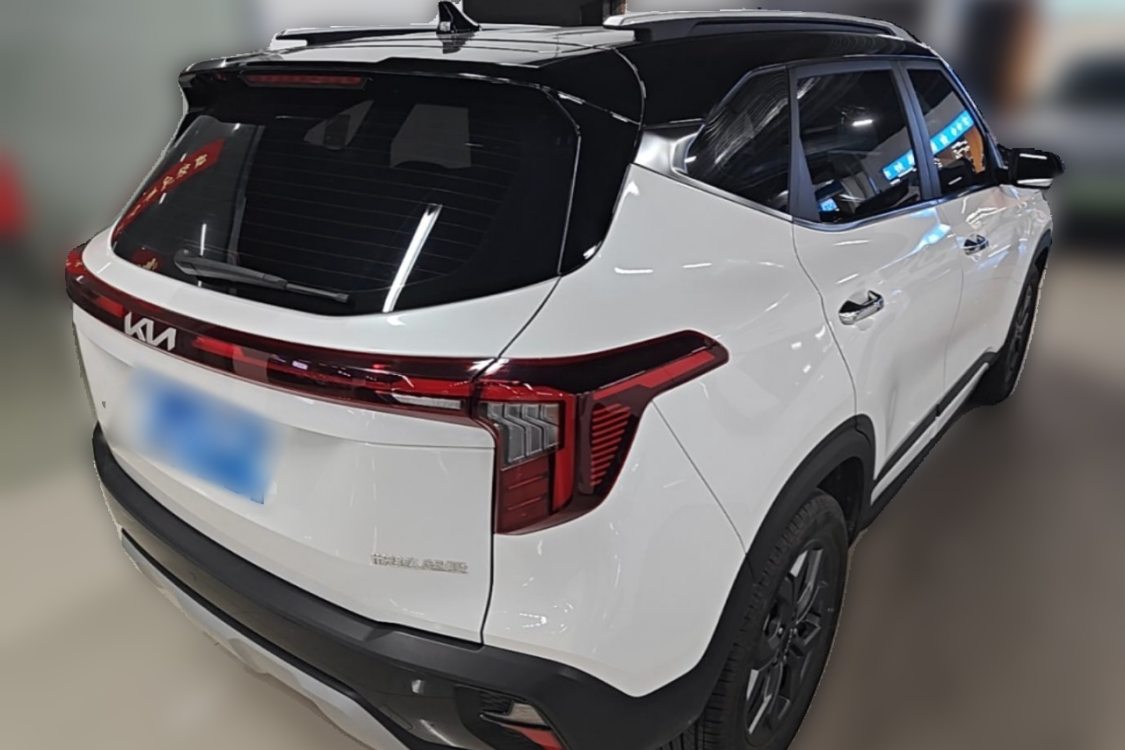
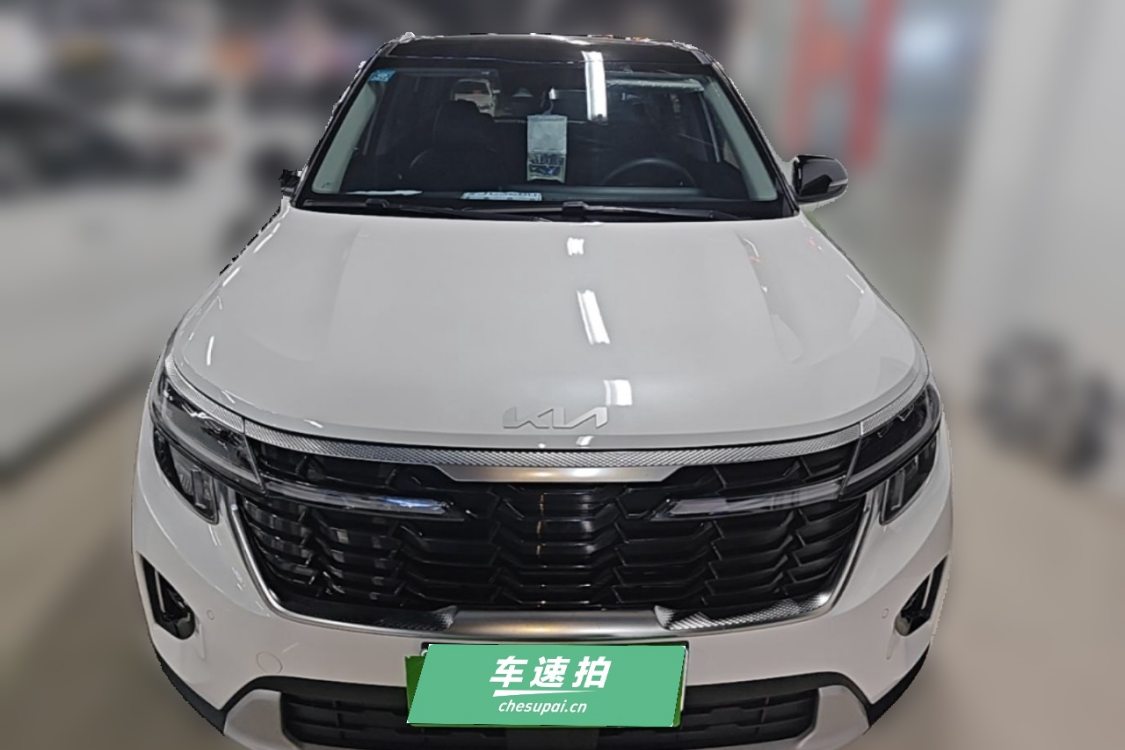
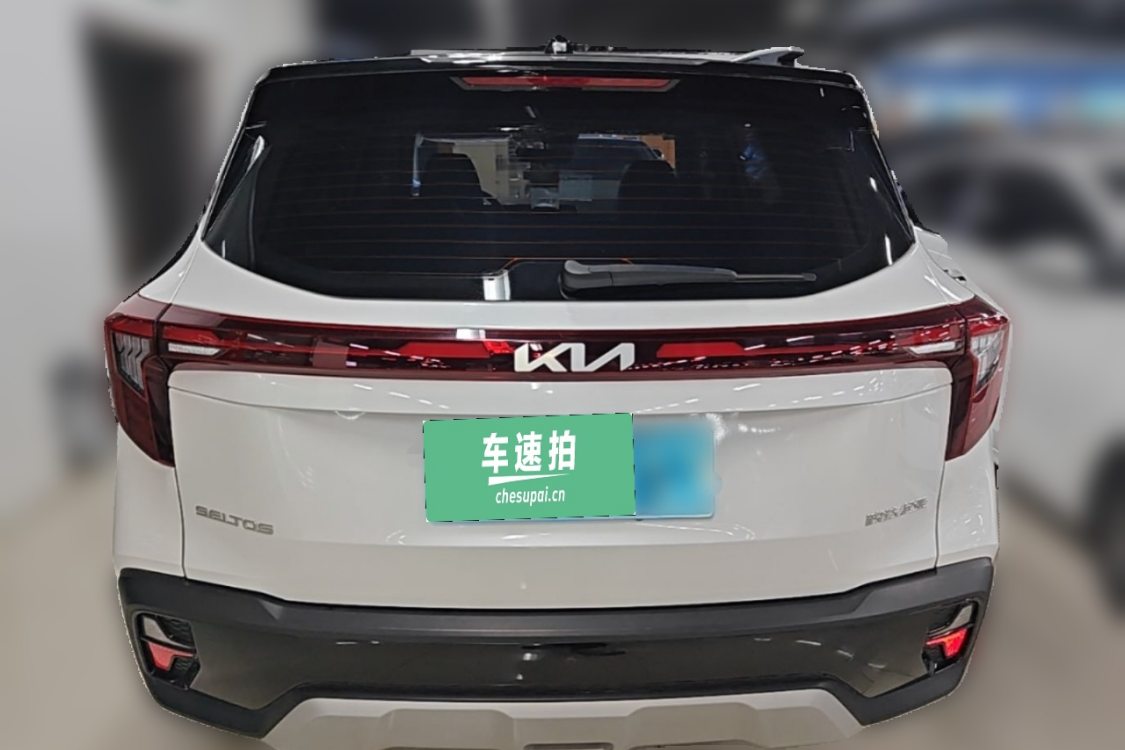
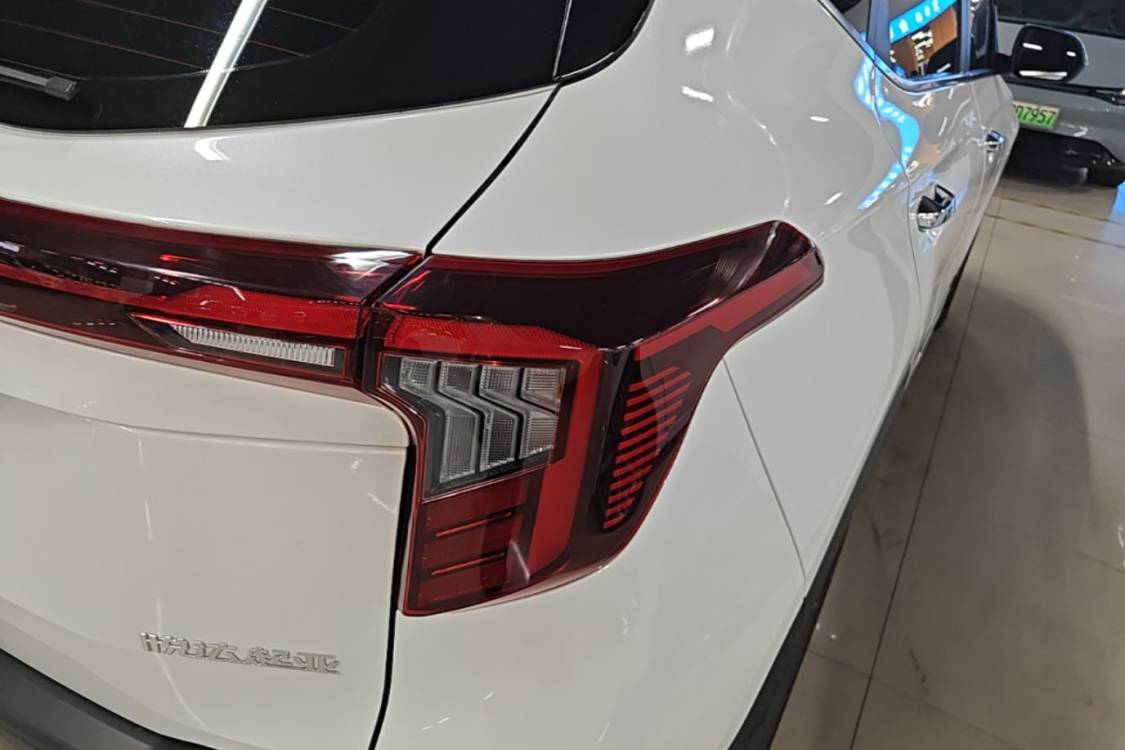
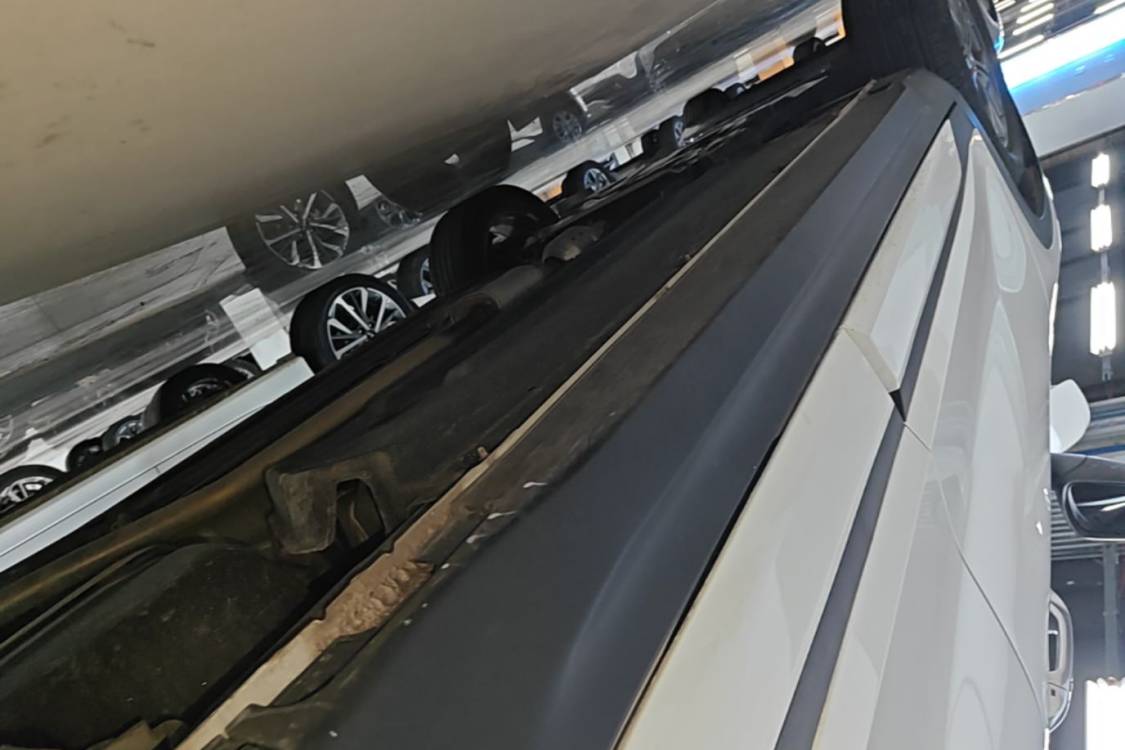
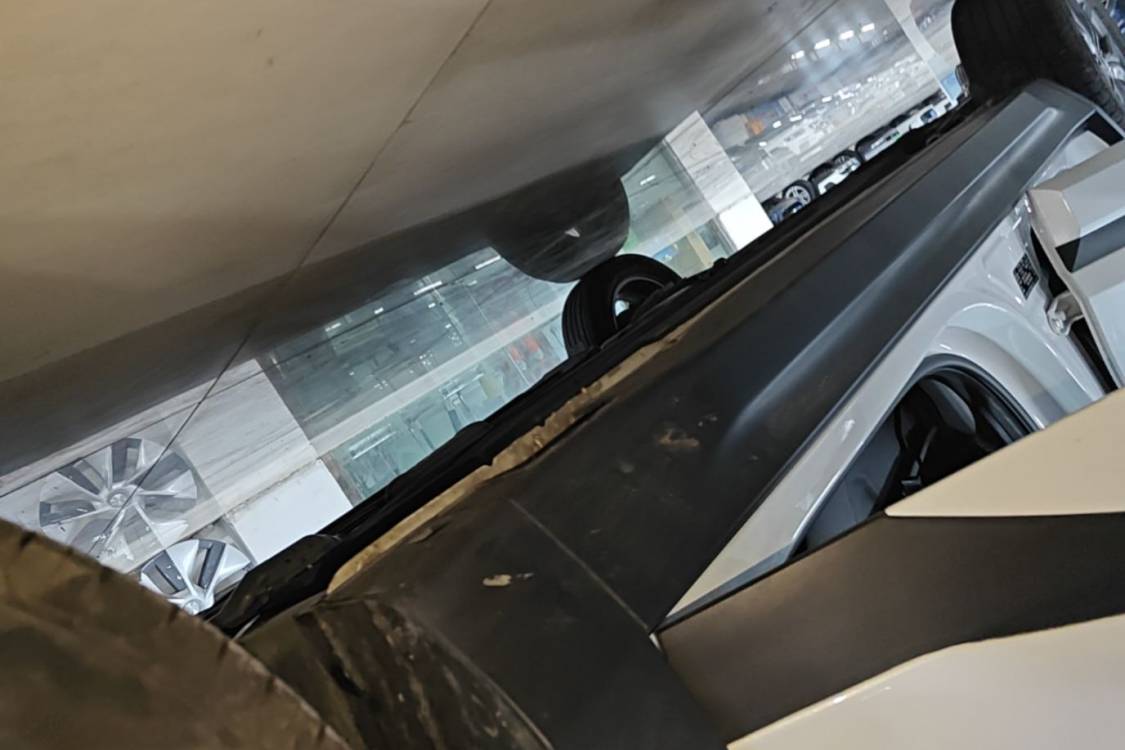
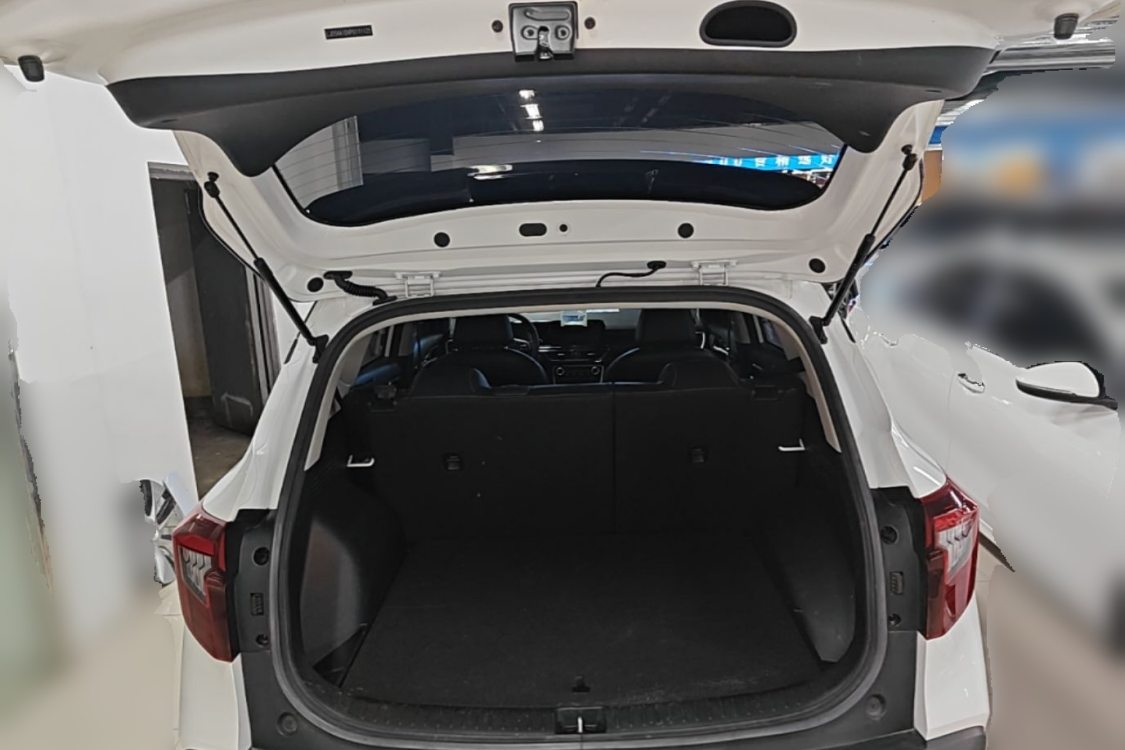
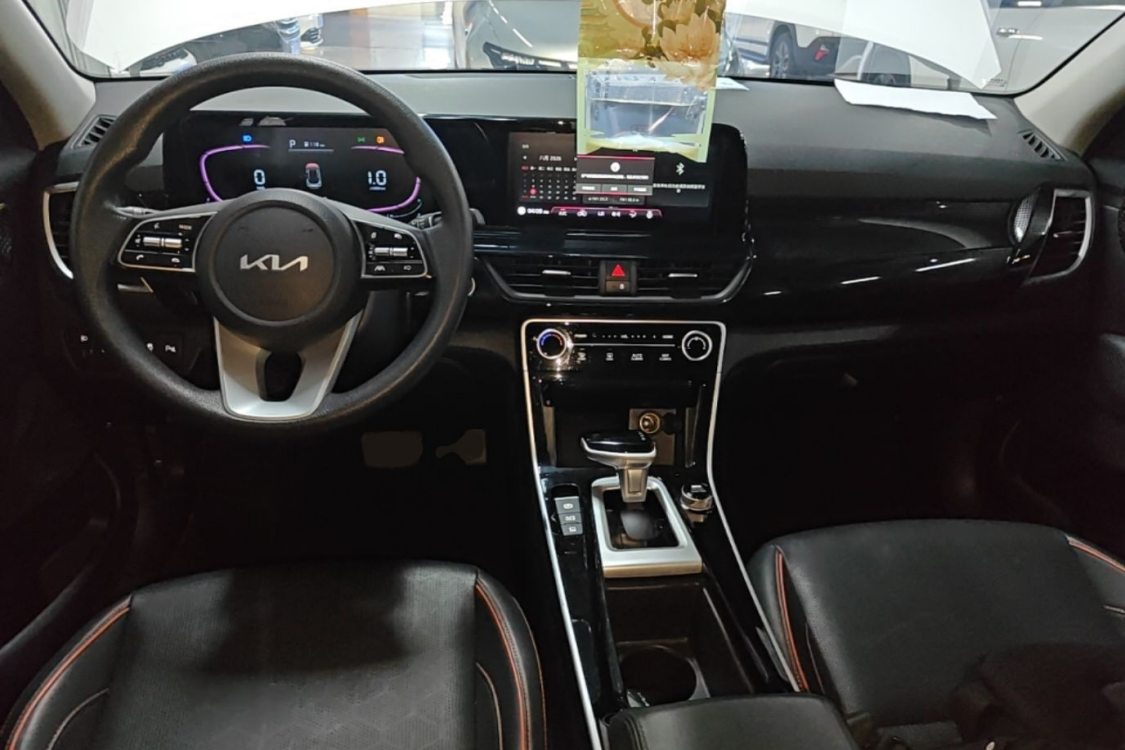
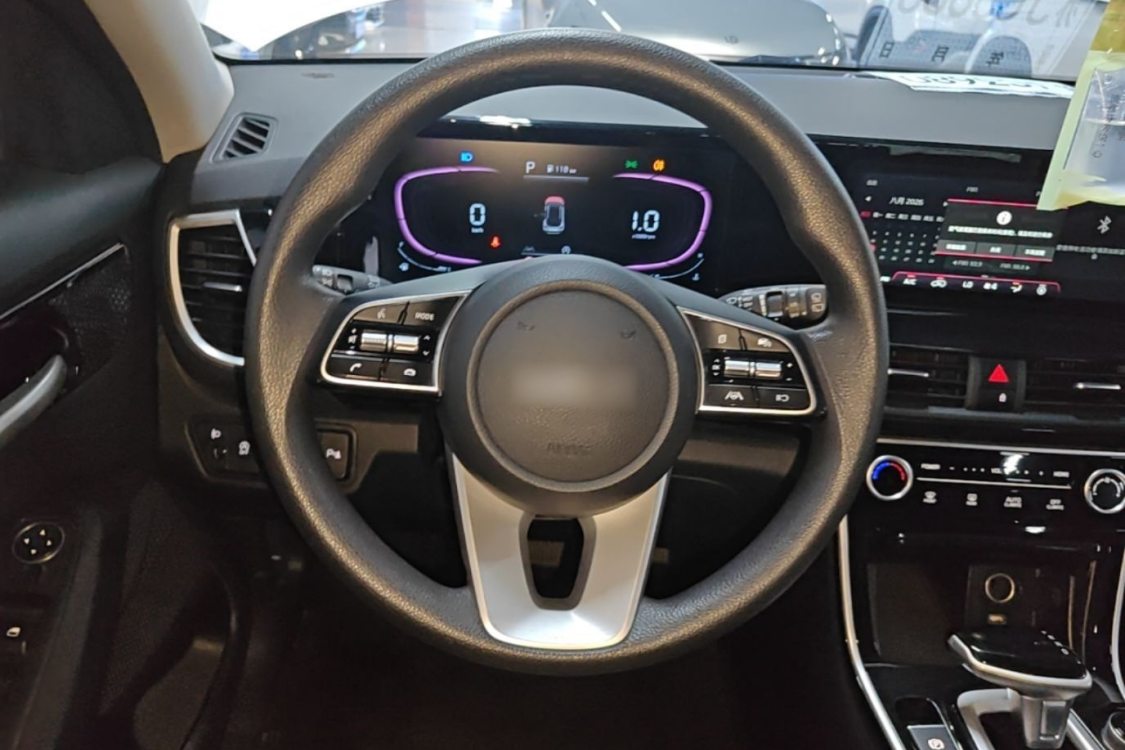
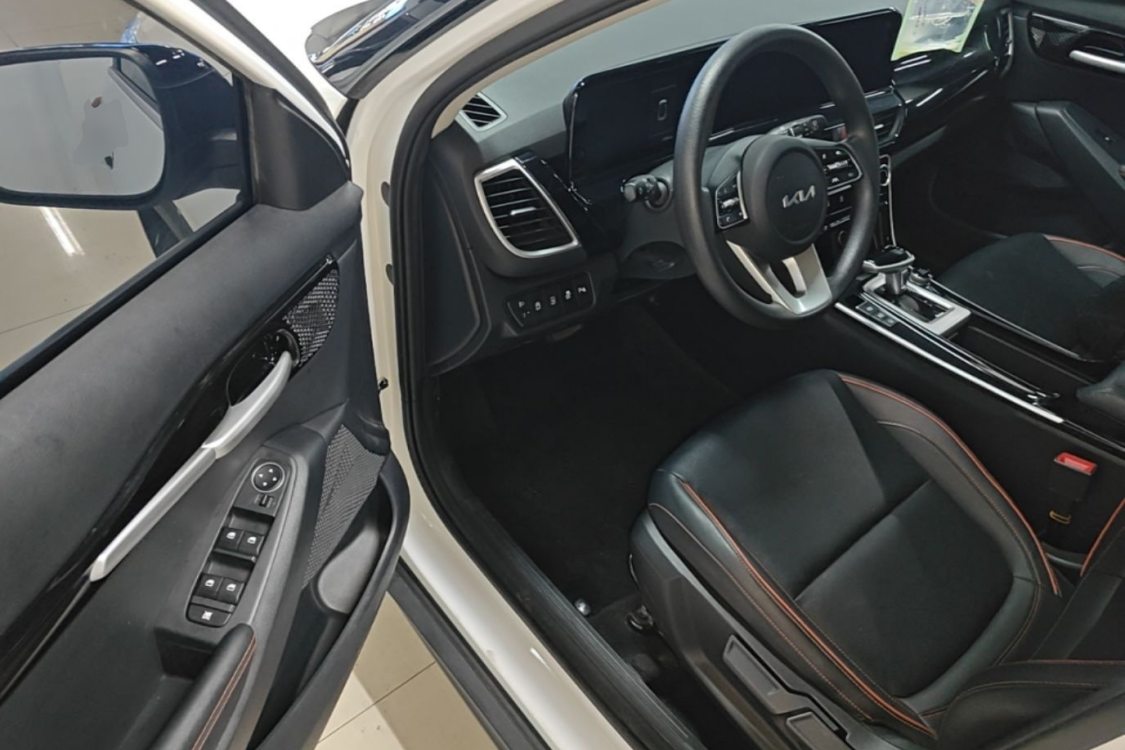
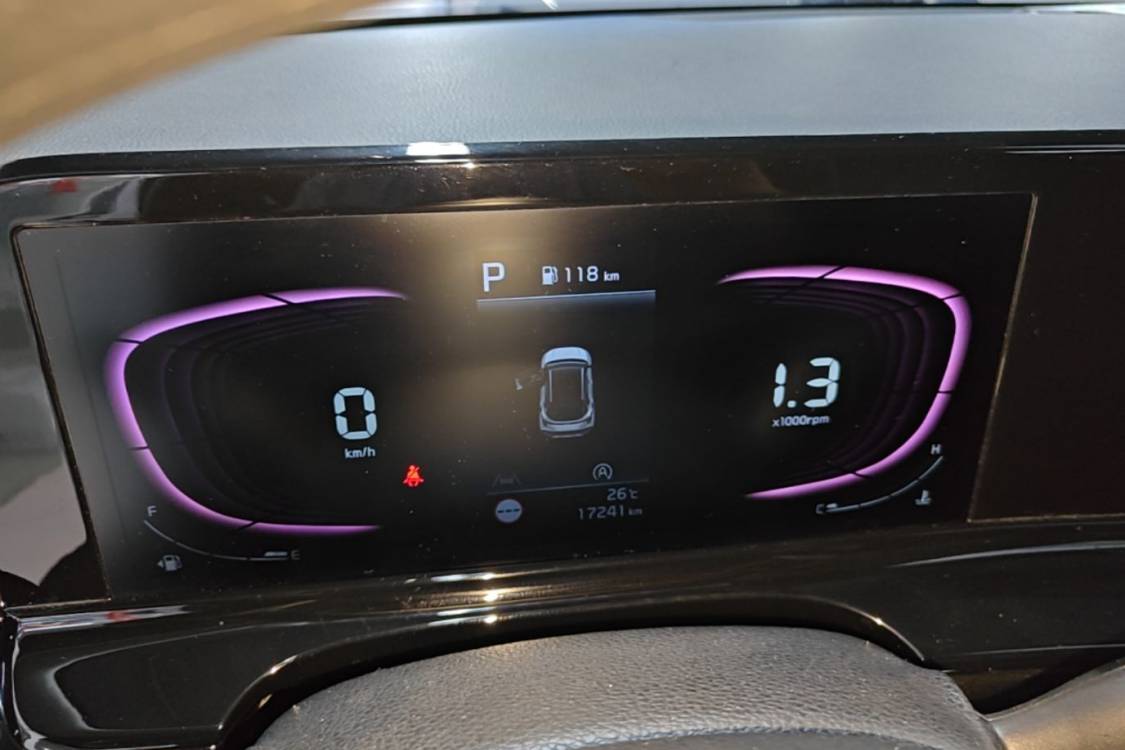


Basic Information

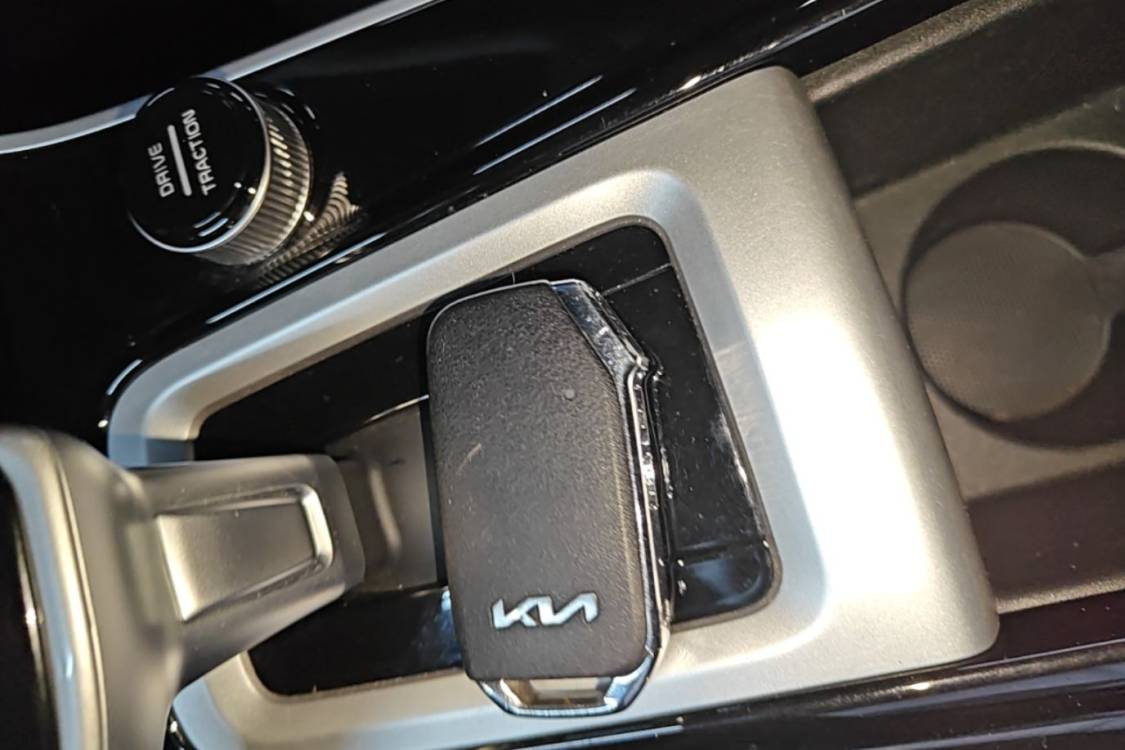
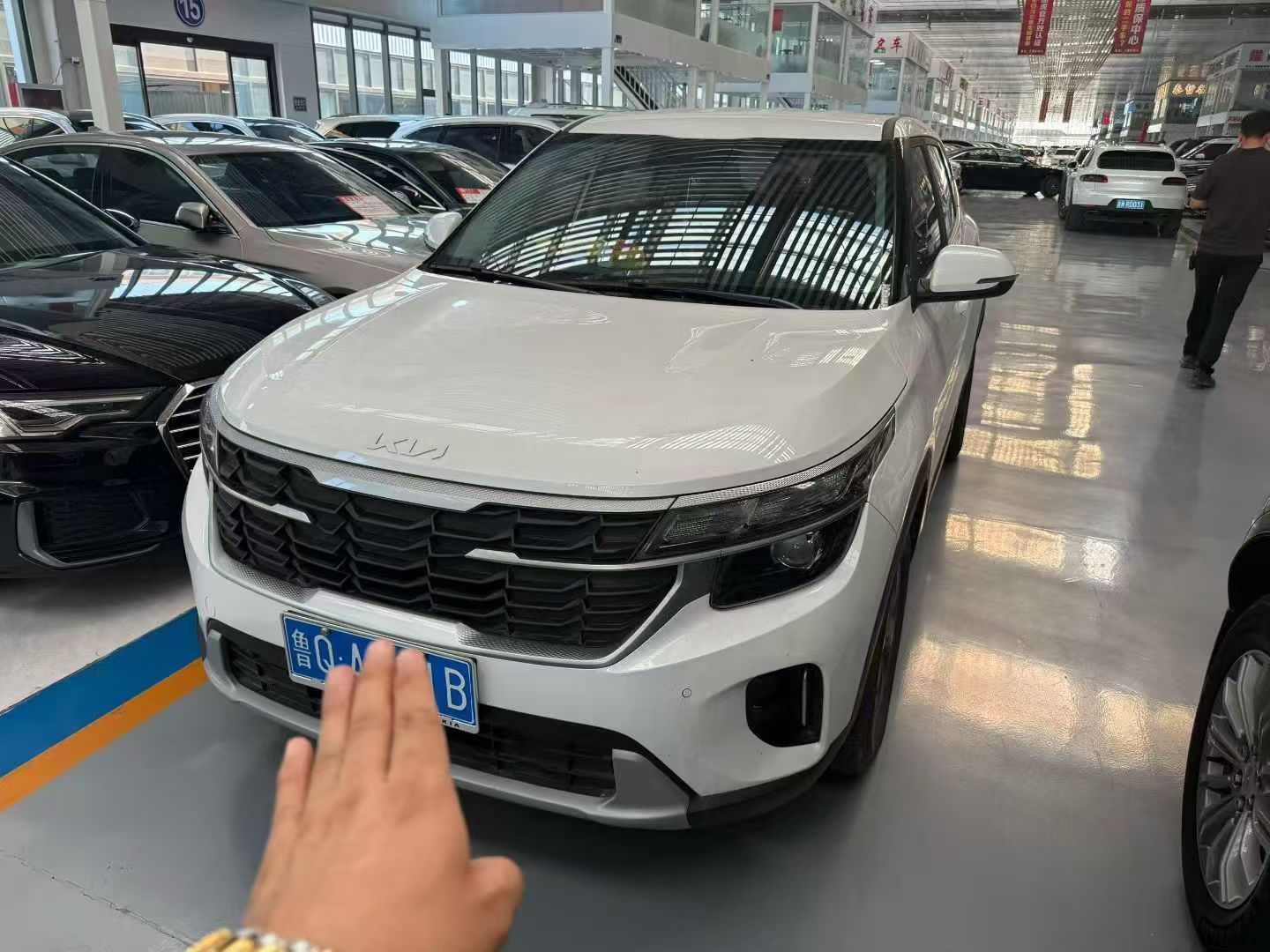
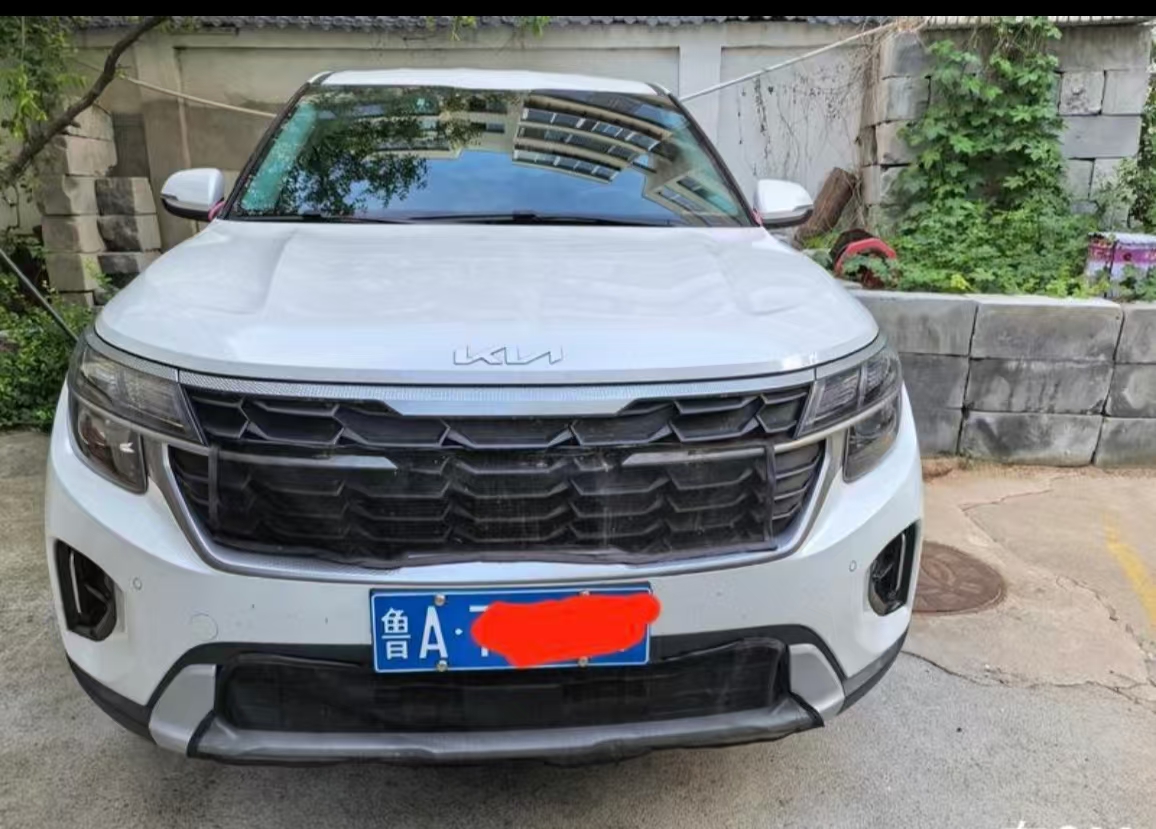
BrandKia
SeriesSeltos
Year2023
First Registration2023/10
Mileage17,200km
Transfer Count1times
FuelGasoline
TransmissionCVT
Engine1.5L 115 L4
ColorWhite
Seats-

Condition Description

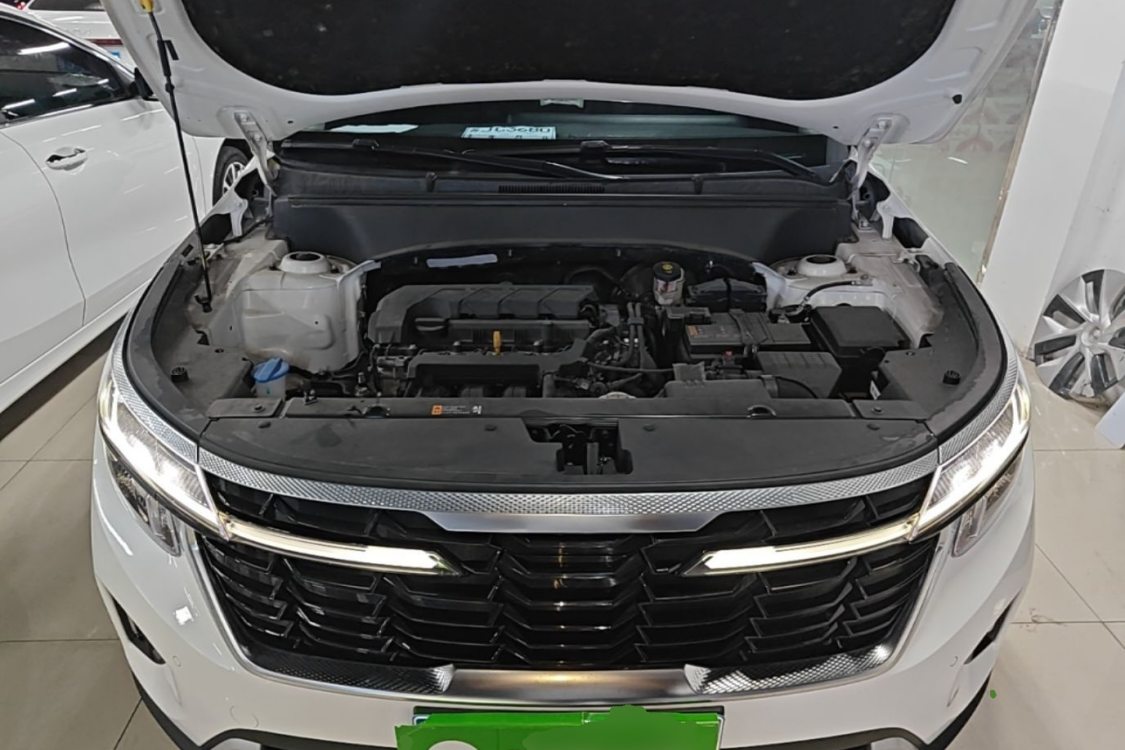
Vehicle performance is good. Structural, reinforced, and outer panels have no accident-related damage or repairs. The three-electric system (battery, motor, electronic control) has no damage.

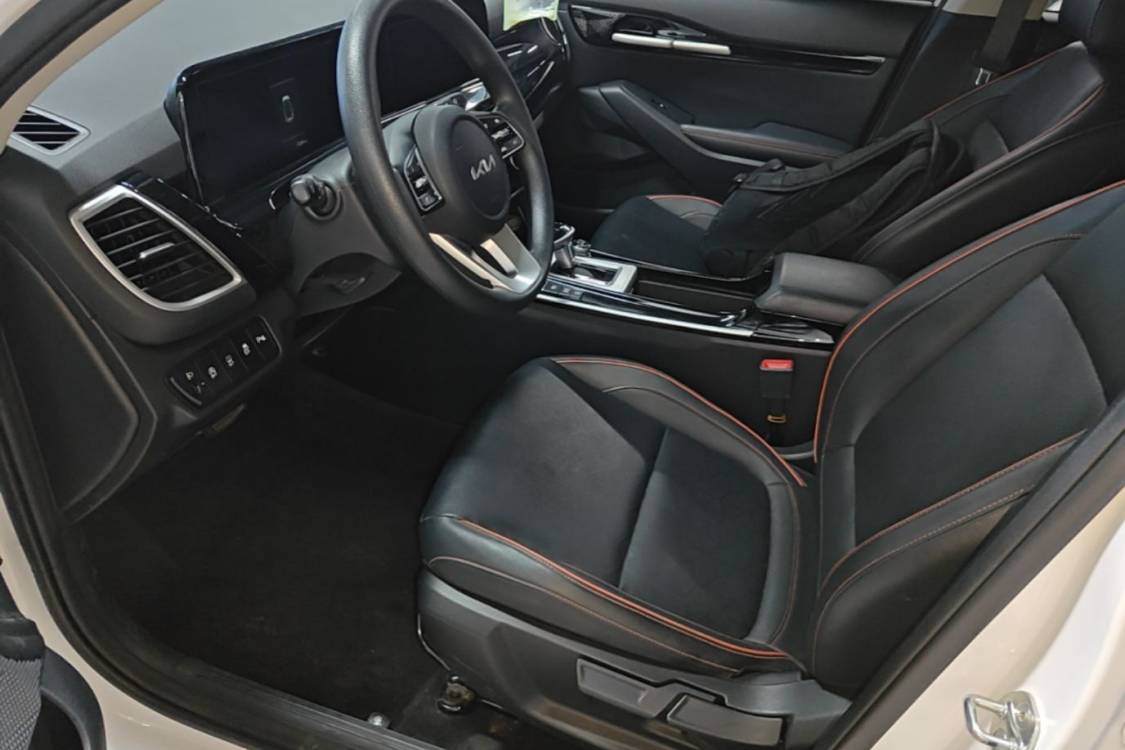
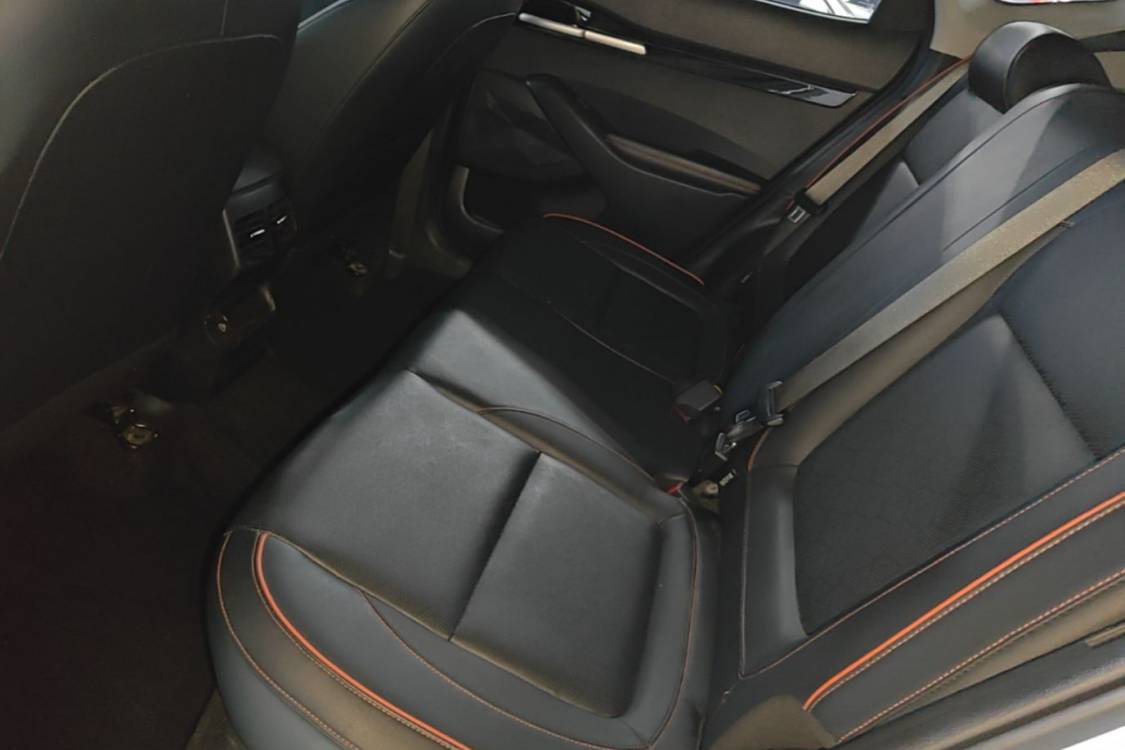
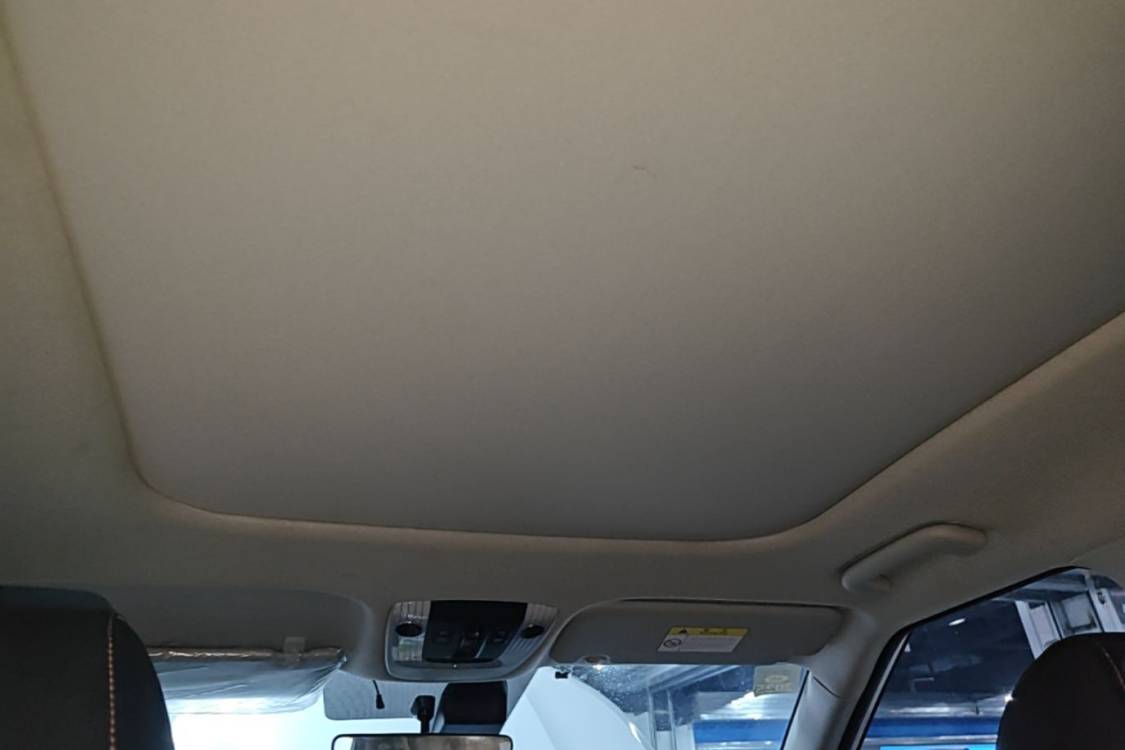
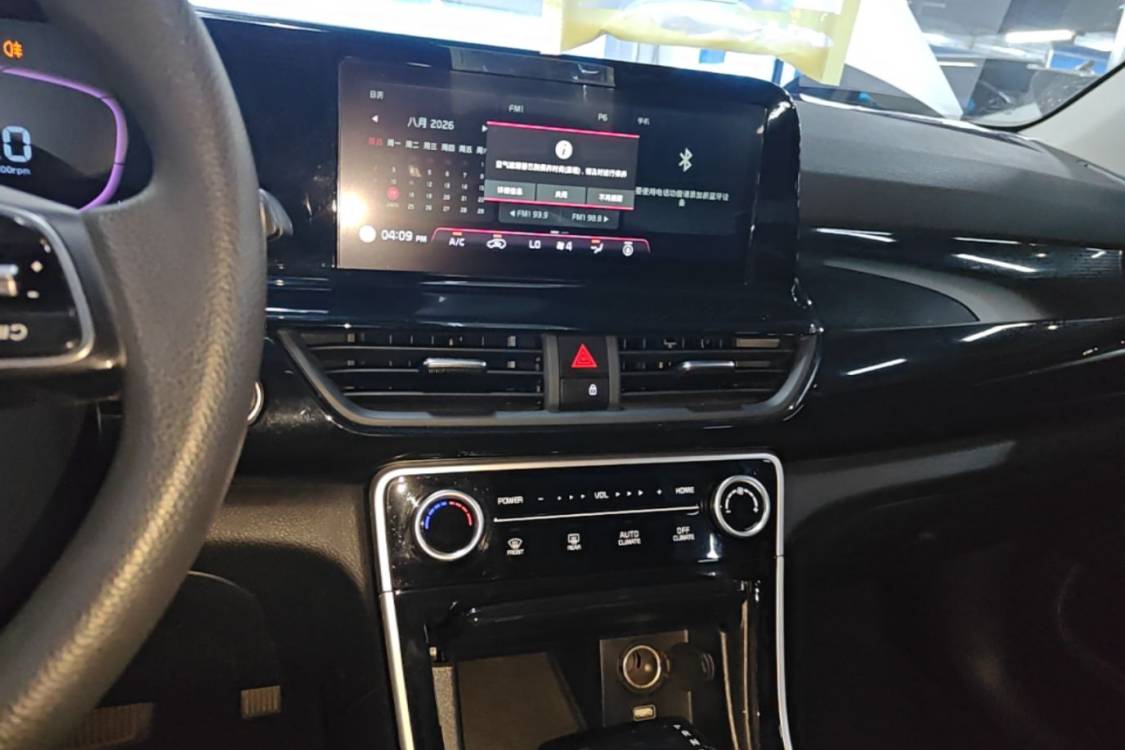
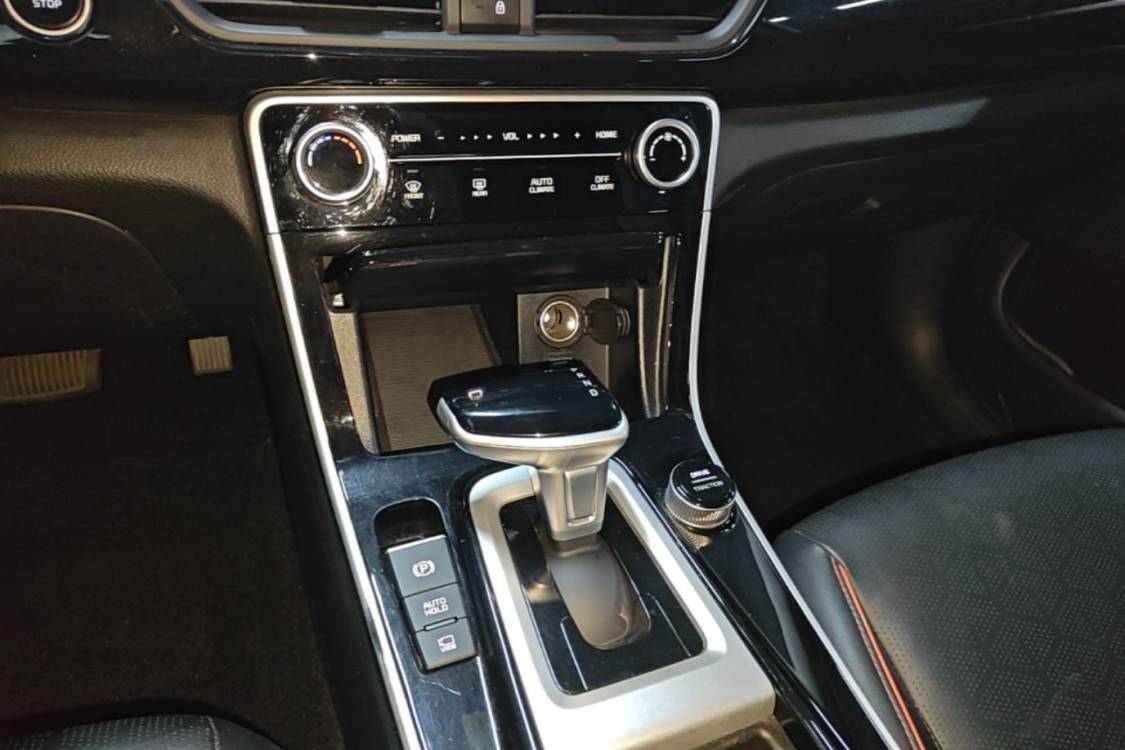
Accident inspection: main structure, reinforced parts, outer panels, and hinges have no damage or abnormalities. Engine bay: key mechanical components are normal. Exterior: no issues. Interior: most features are normal; airbags, seatbelts, dashboard, and instrument readings are normal; lighting system is normal. Startup inspection: main components are normal. Onboard tools: none.

电话直连
可讲价
平台物流
新检测标准升级>
非泡水

Q&A

More

Is the shipping insurance rate for used new energy vehicles higher than that for traditional fuel vehicles? What is the deductible?

Yes. Due to the significant difficulty in extinguishing lithium battery fires, insurance companies typically charge 20%-40% higher rates for comprehensive coverage on used EVs compared to ICE vehicles. Additionally, the absolute deductible for minor scratches on the body will also be increased accordingly.
Does the steering system have any play, unusual noises, or signs of power steering pump leakage?

During the stationary steering test, the technician will check the smoothness of the steering wheel from full left to full right, looking for any unusual noises from the steering gear; they will also inspect the hydraulic power steering pump (if present) and the seals of the steering column for any hydraulic fluid leakage.

Will there be a thorough inspection of the aging and damaged wiring harness of older vehicles to prevent spontaneous combustion?

For older vehicles or those used in high temperature and humidity areas, we will focus on opening the hood to check if the insulation of the wiring harness in the high-temperature area of the engine compartment is cracked or brittle, to identify potential short circuit risks that could lead to spontaneous combustion.