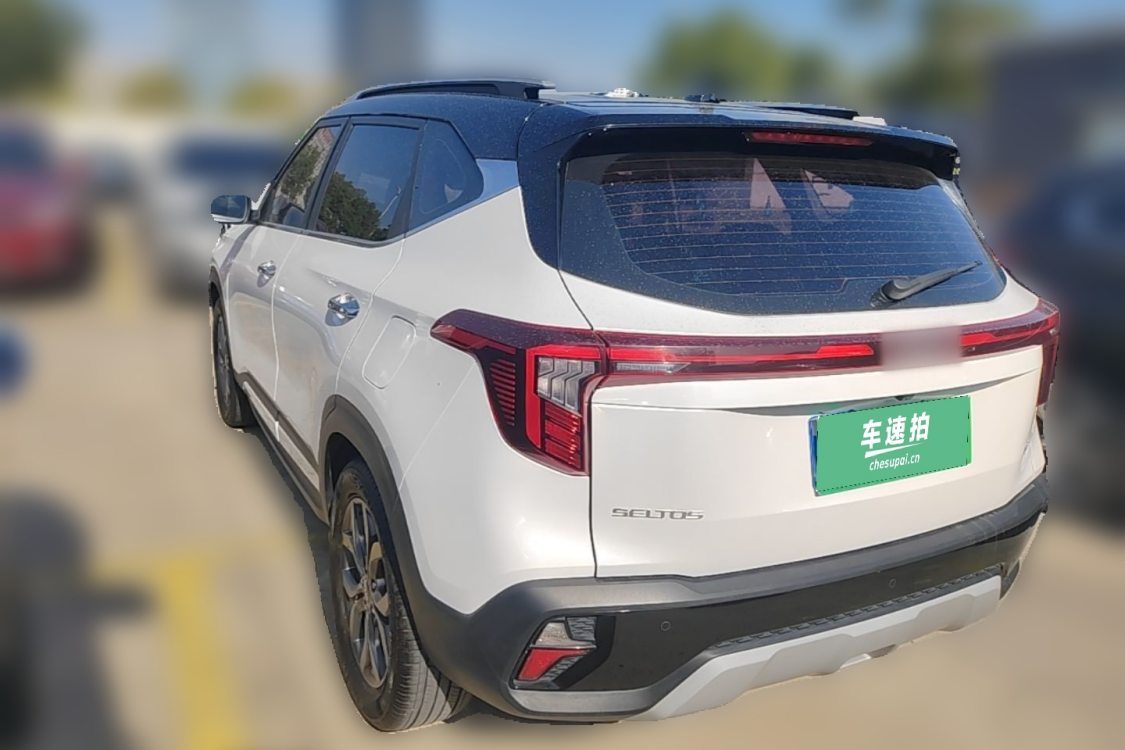
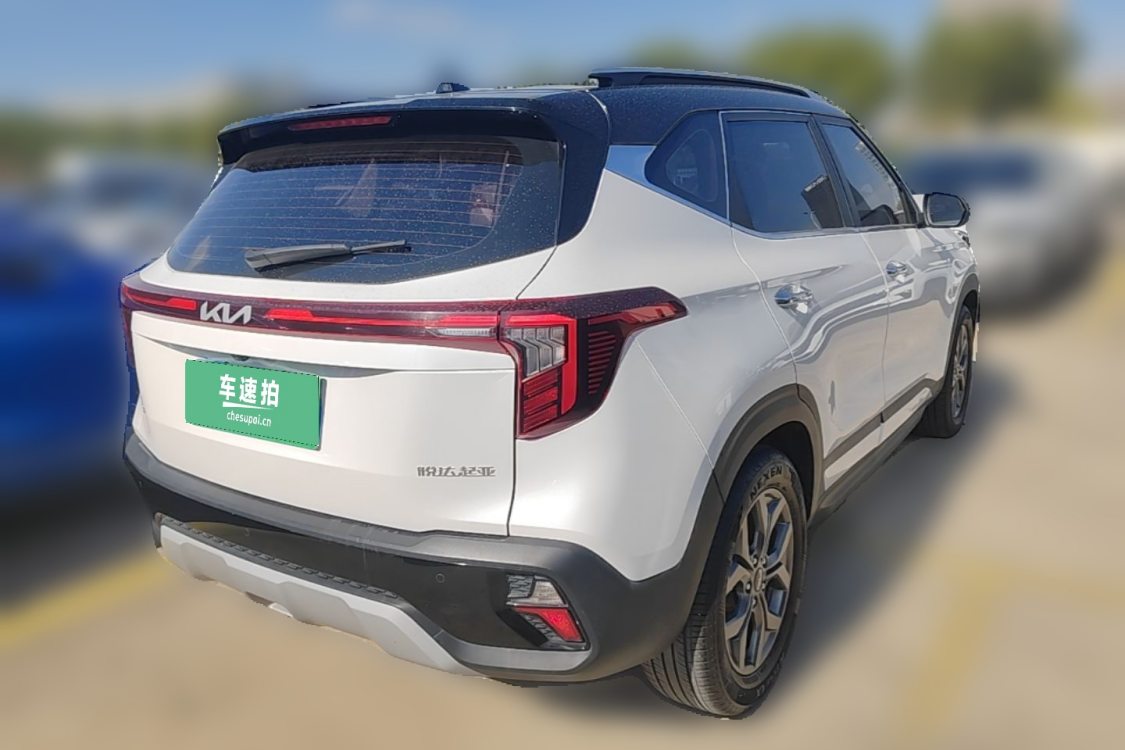
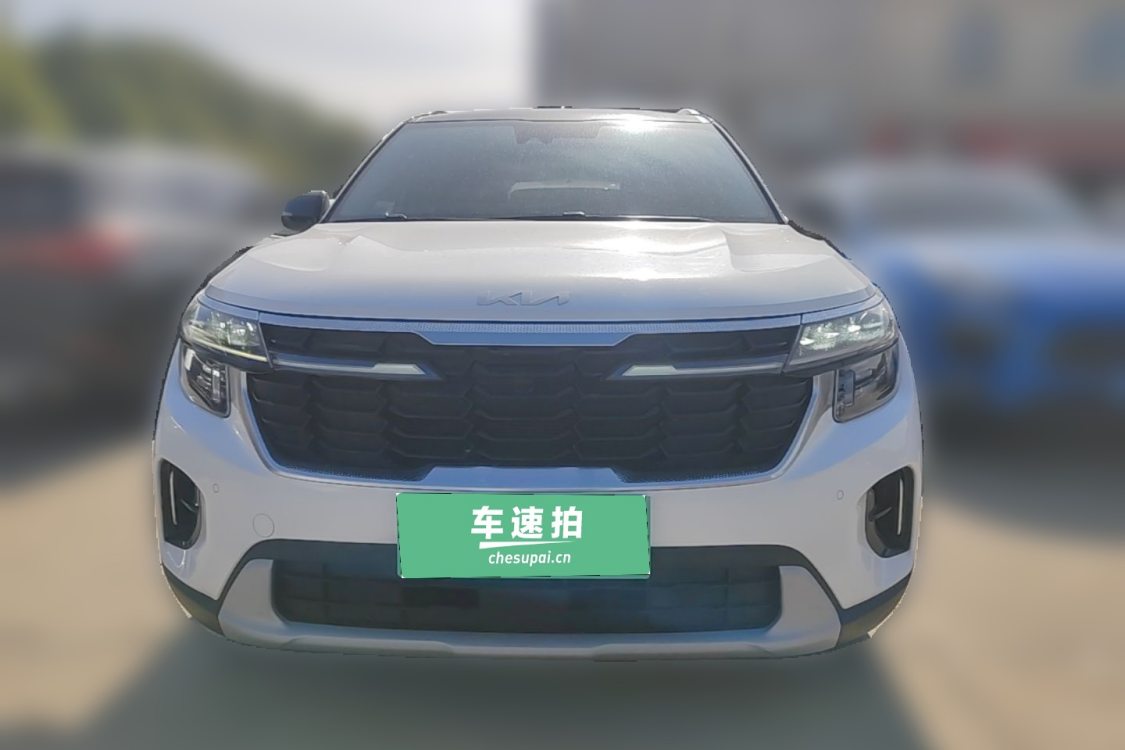
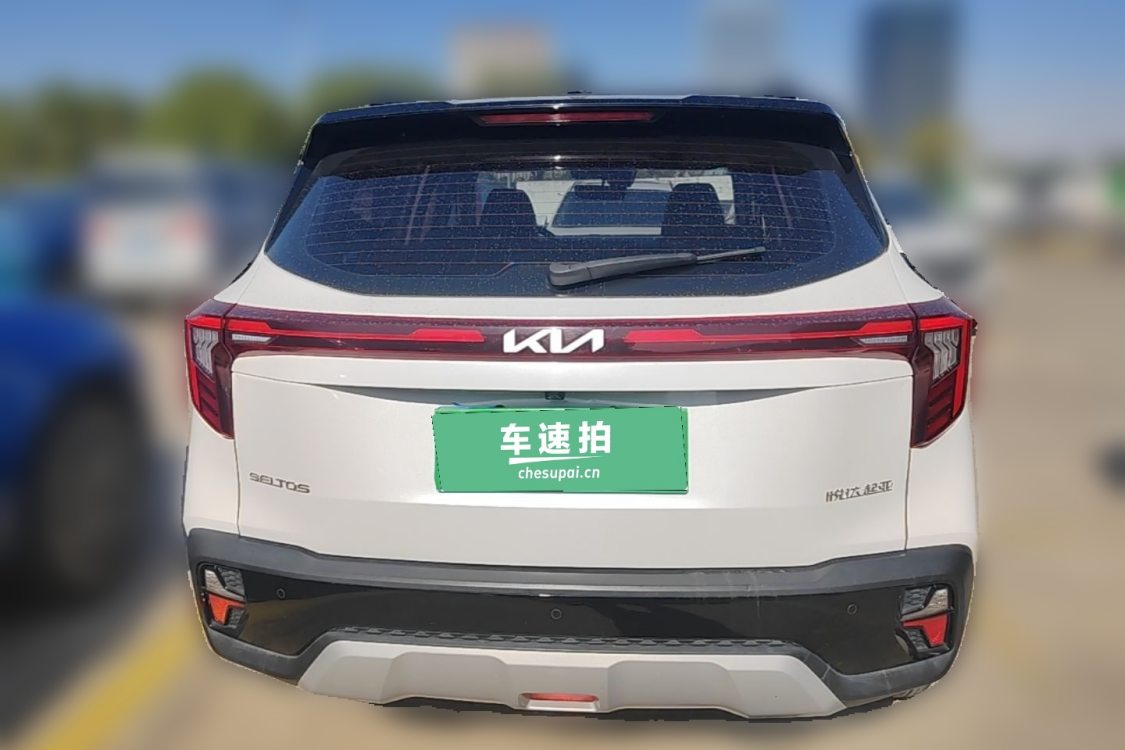



24H

Basic Information

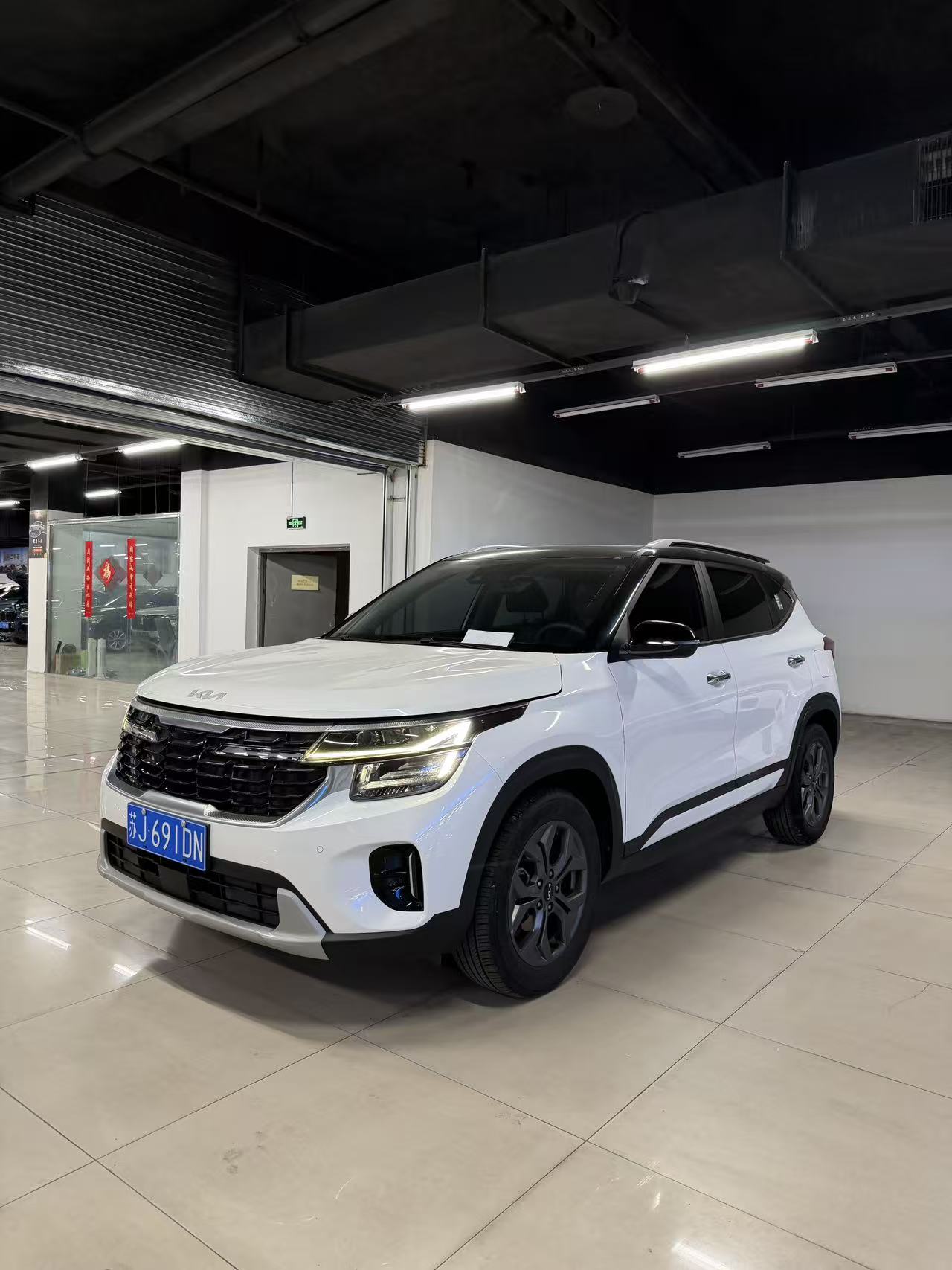
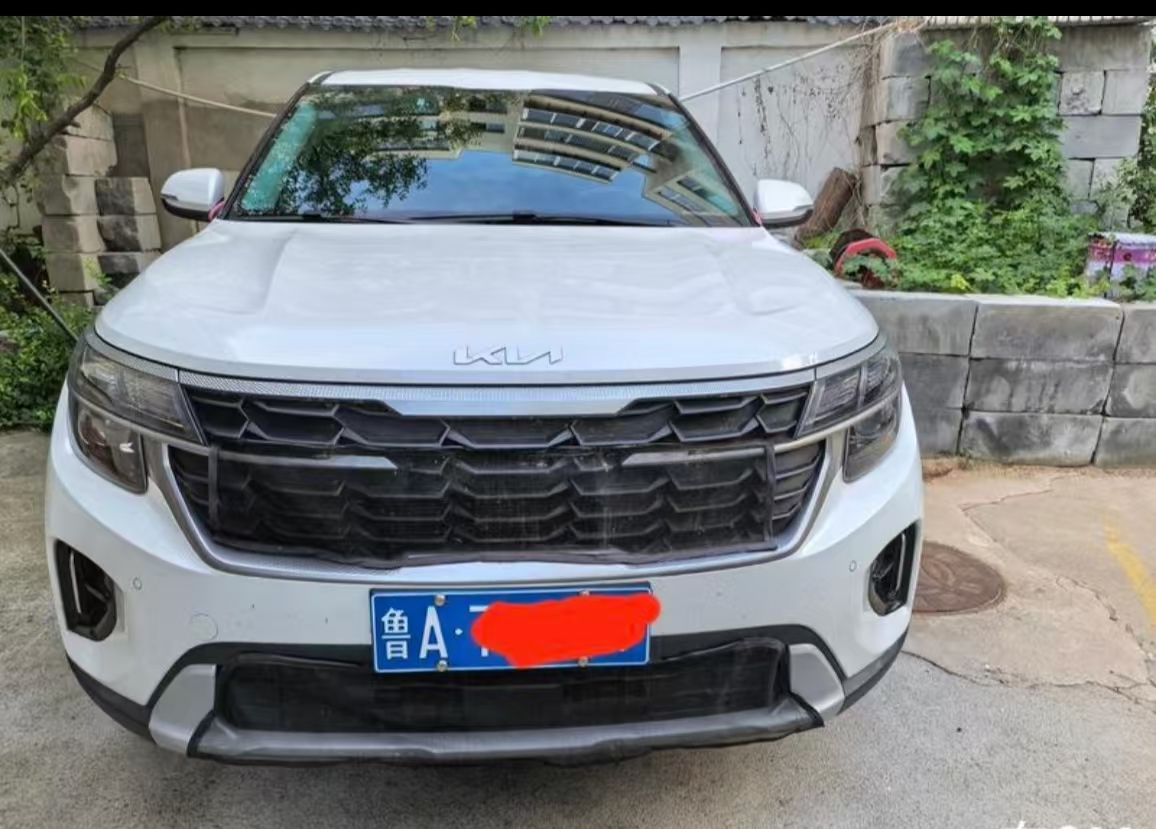
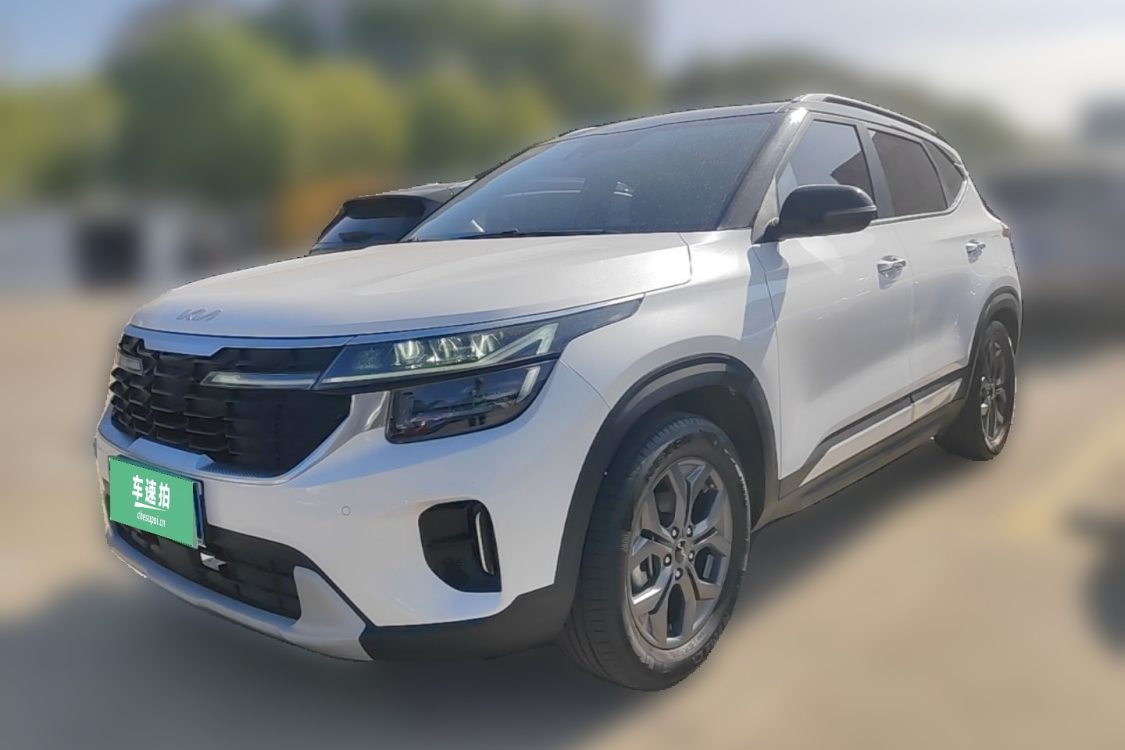
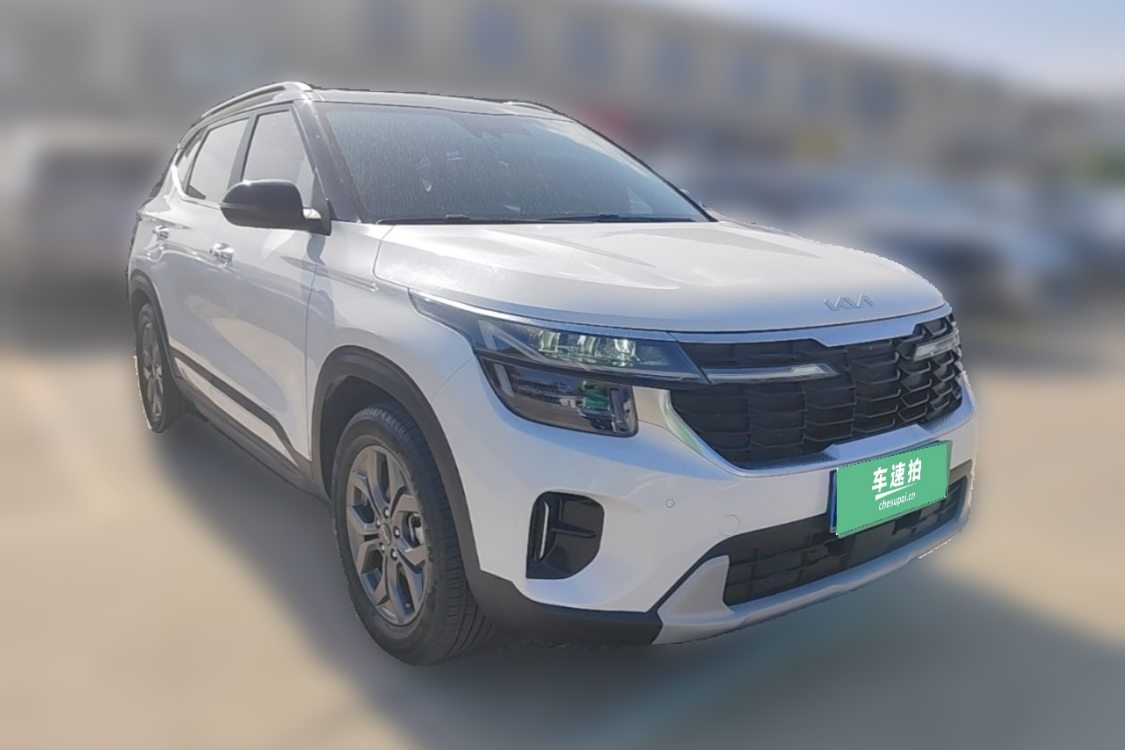
BrandKia
SeriesSeltos
Year2023
First Registration2023/12
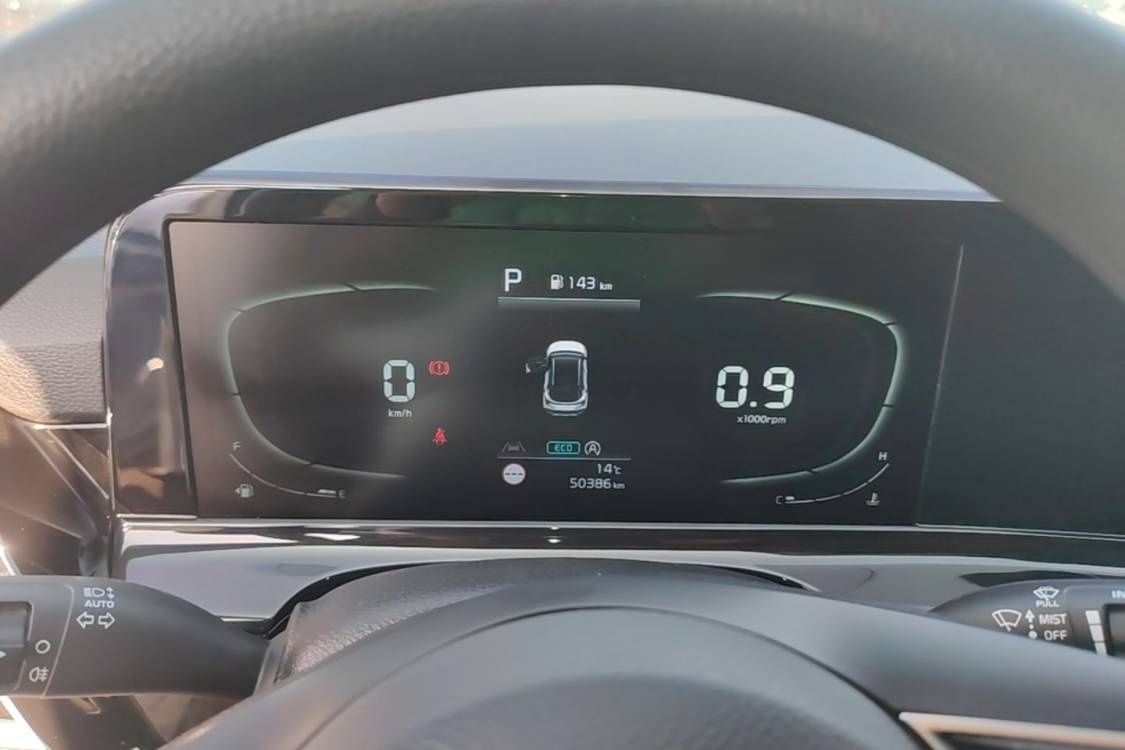
Mileage50,400km
Transfer Count1times
FuelGasoline
TransmissionCVT
Engine1.5L 115 L4
ColorWhite
Seats-

Condition Description

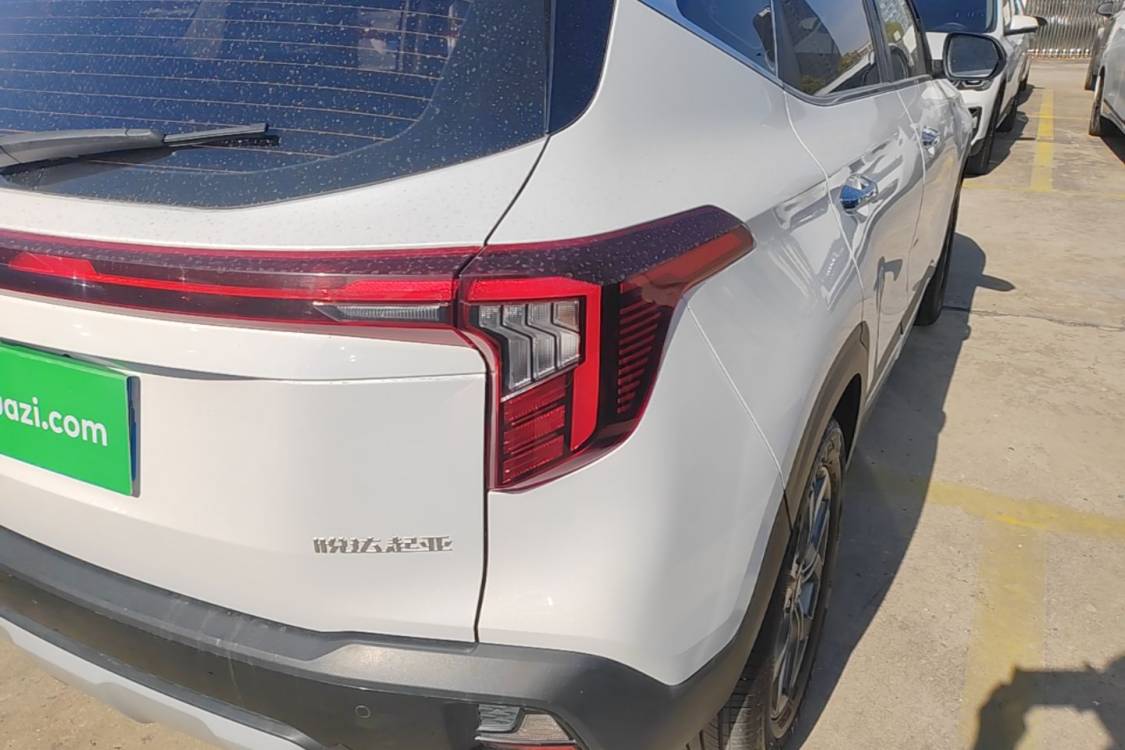
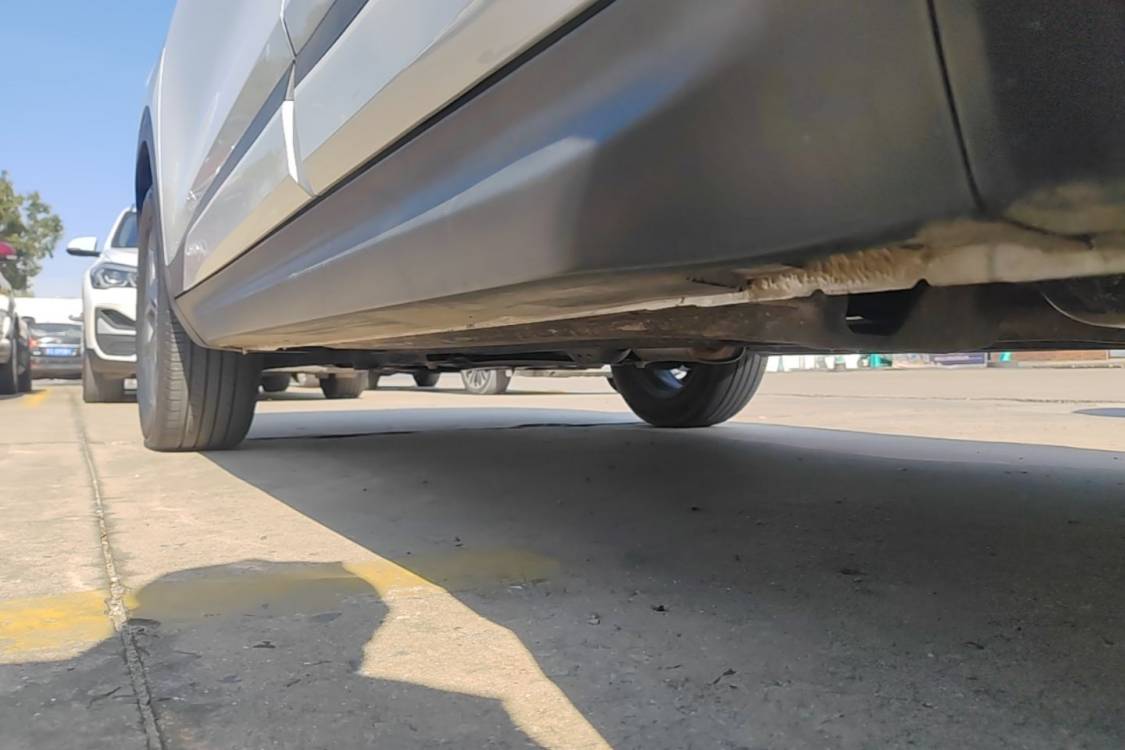
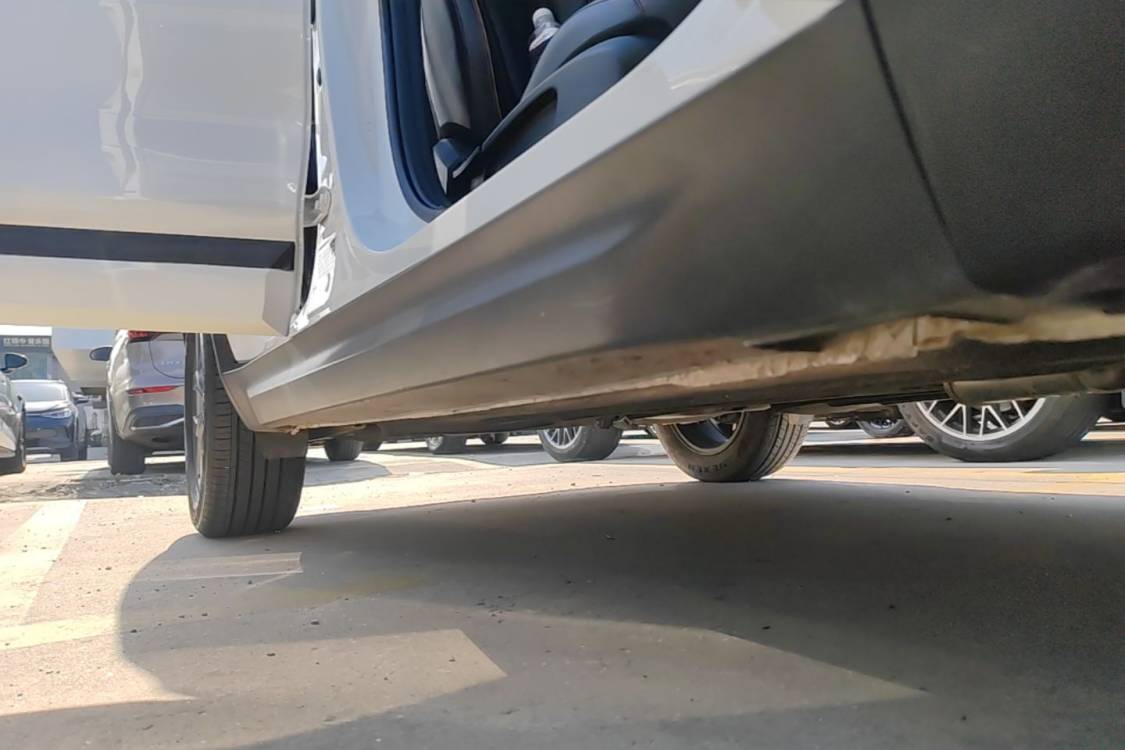
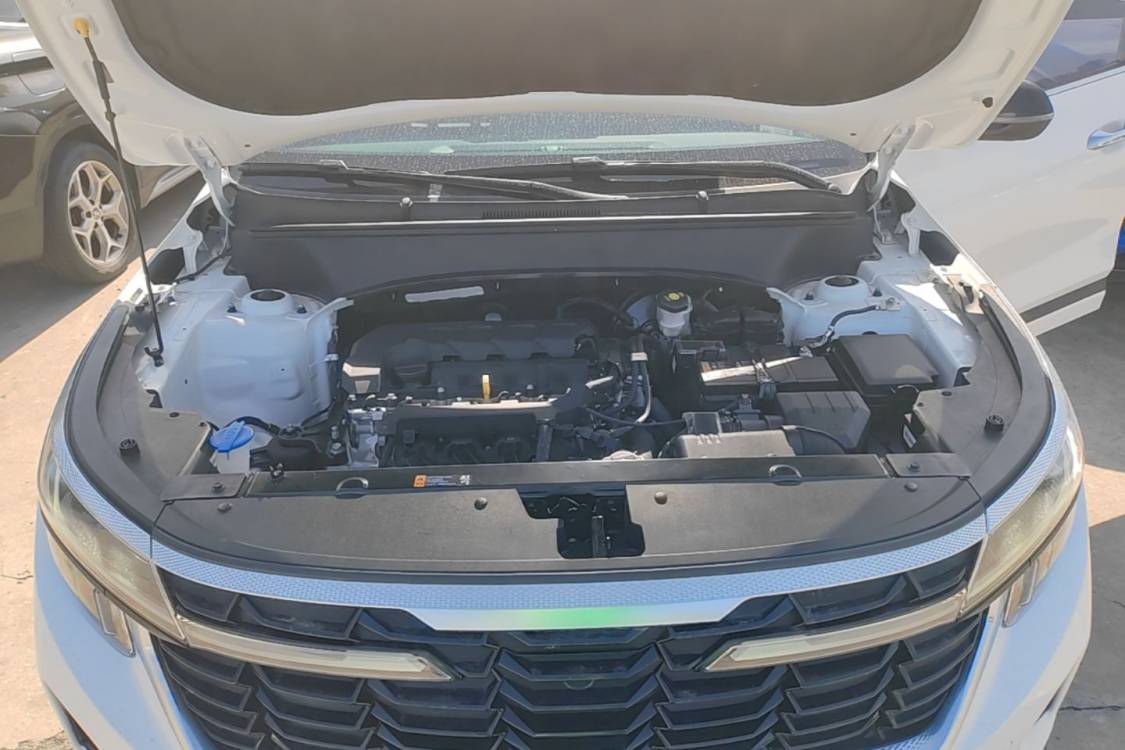
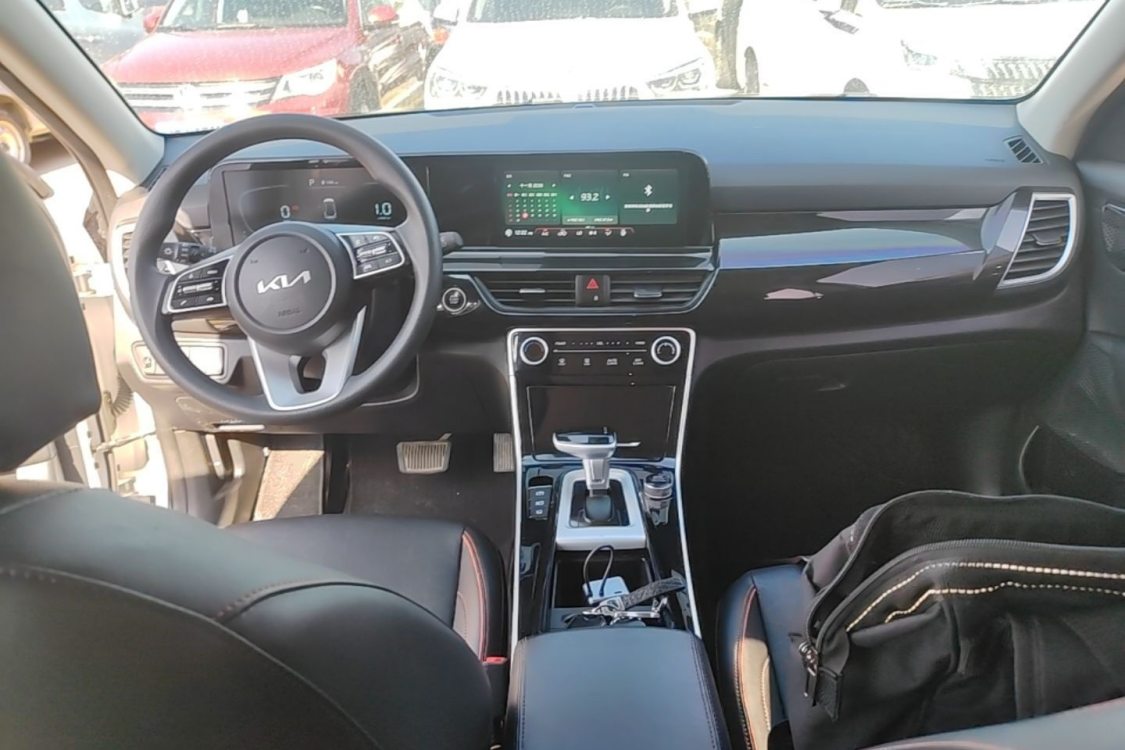
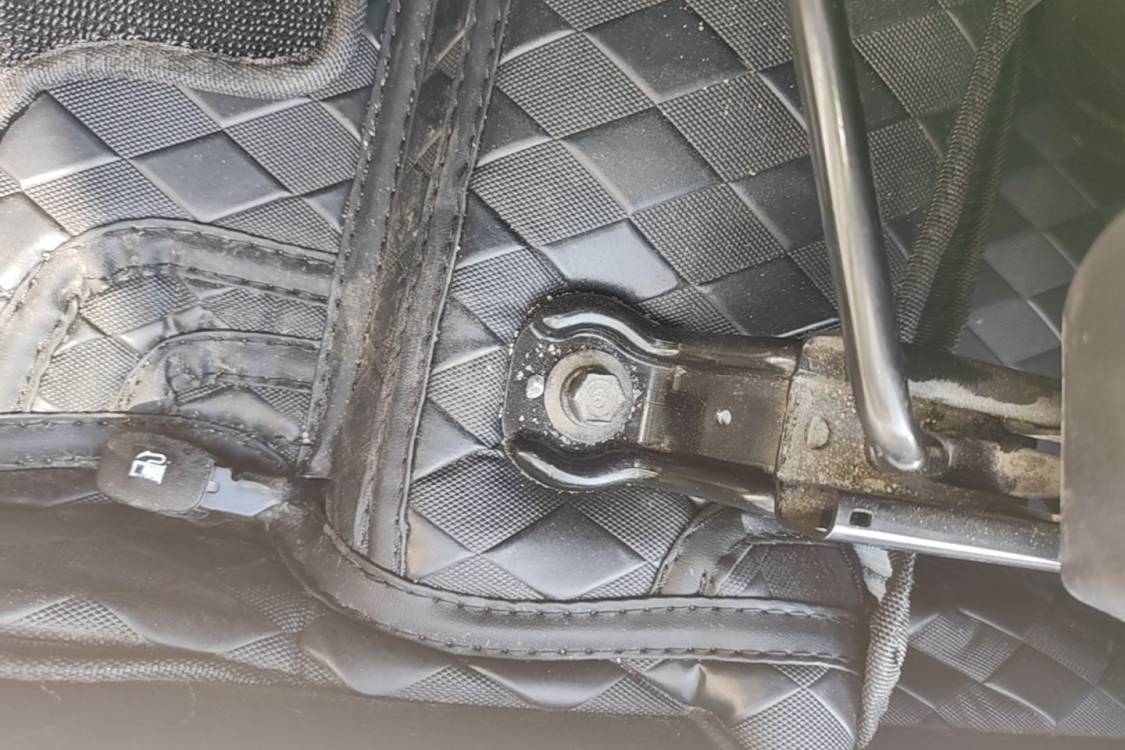
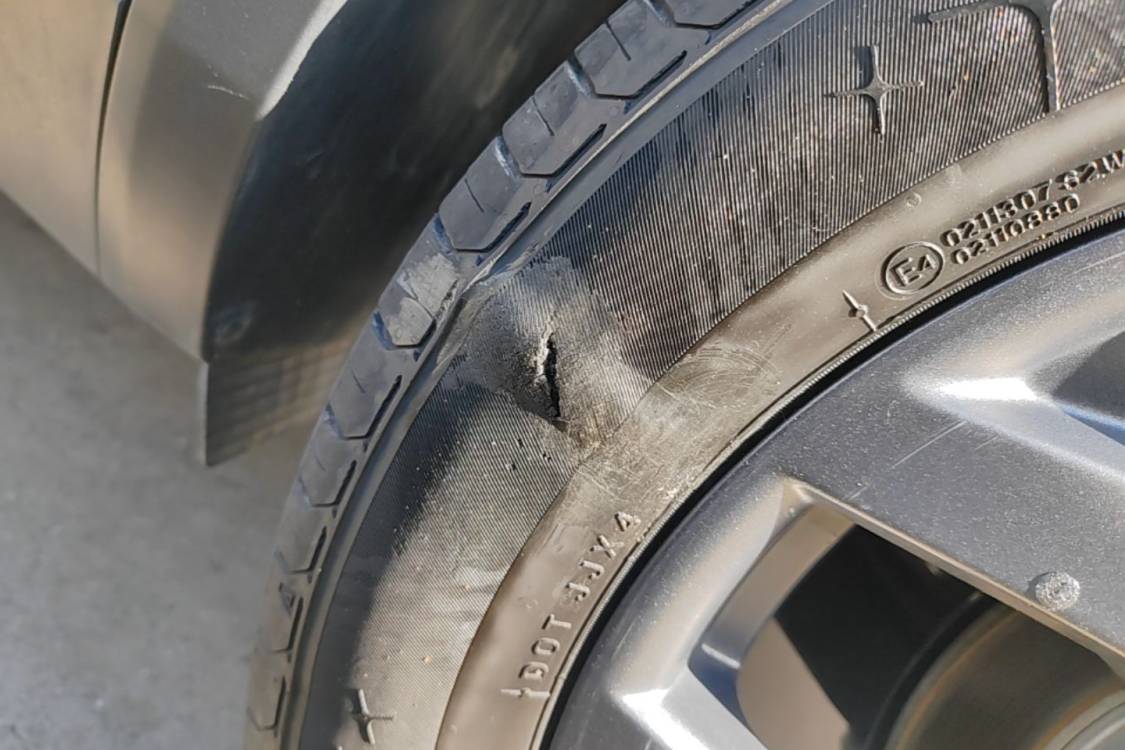
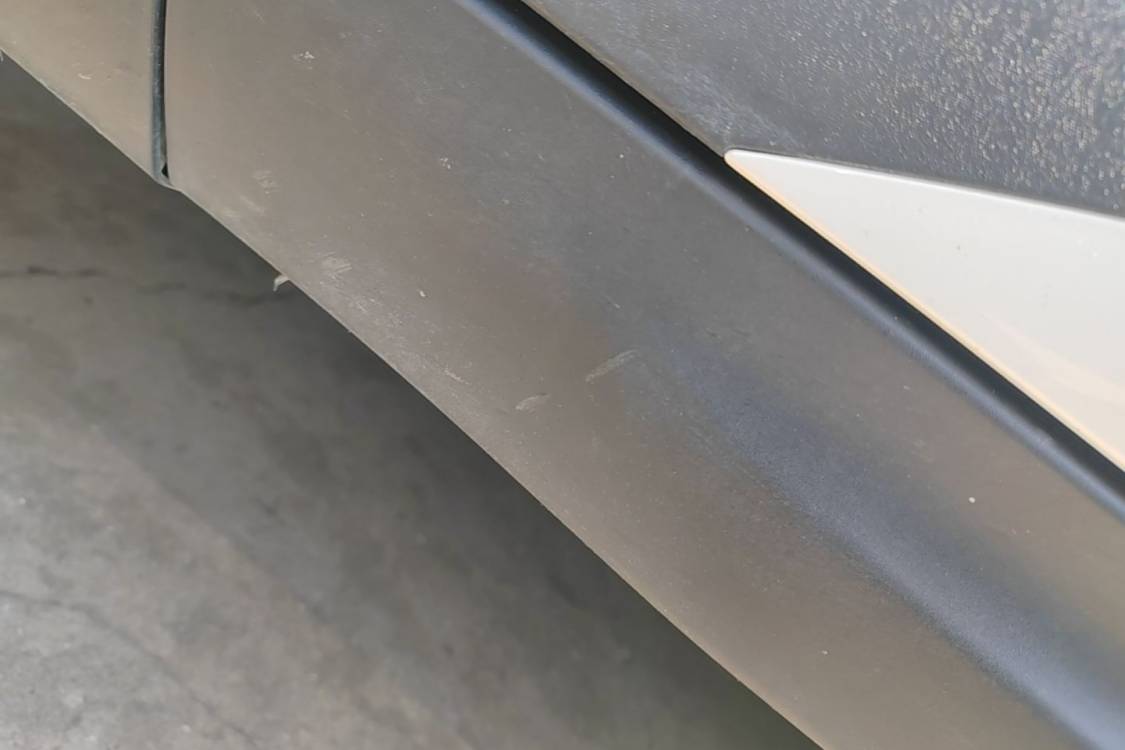
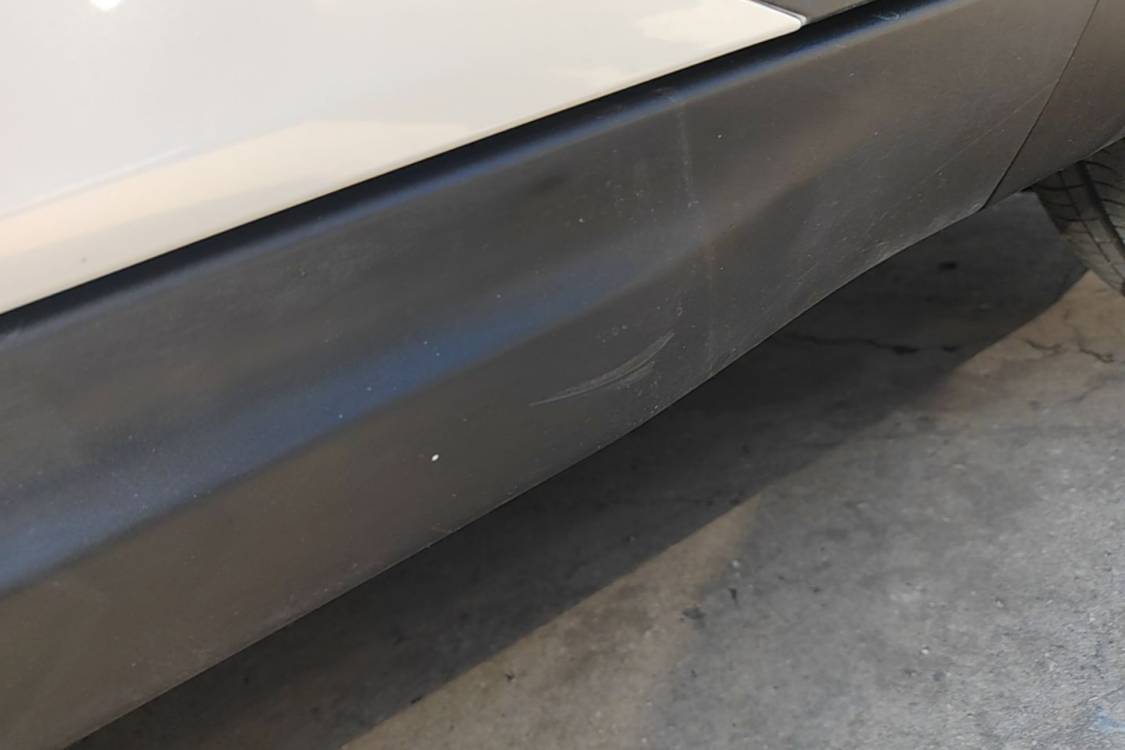
Vehicle performance is good. No accident-related damage or repairs to structural, reinforcement, or covering panels. No damage to the electric drive system, battery, or electronic controls.

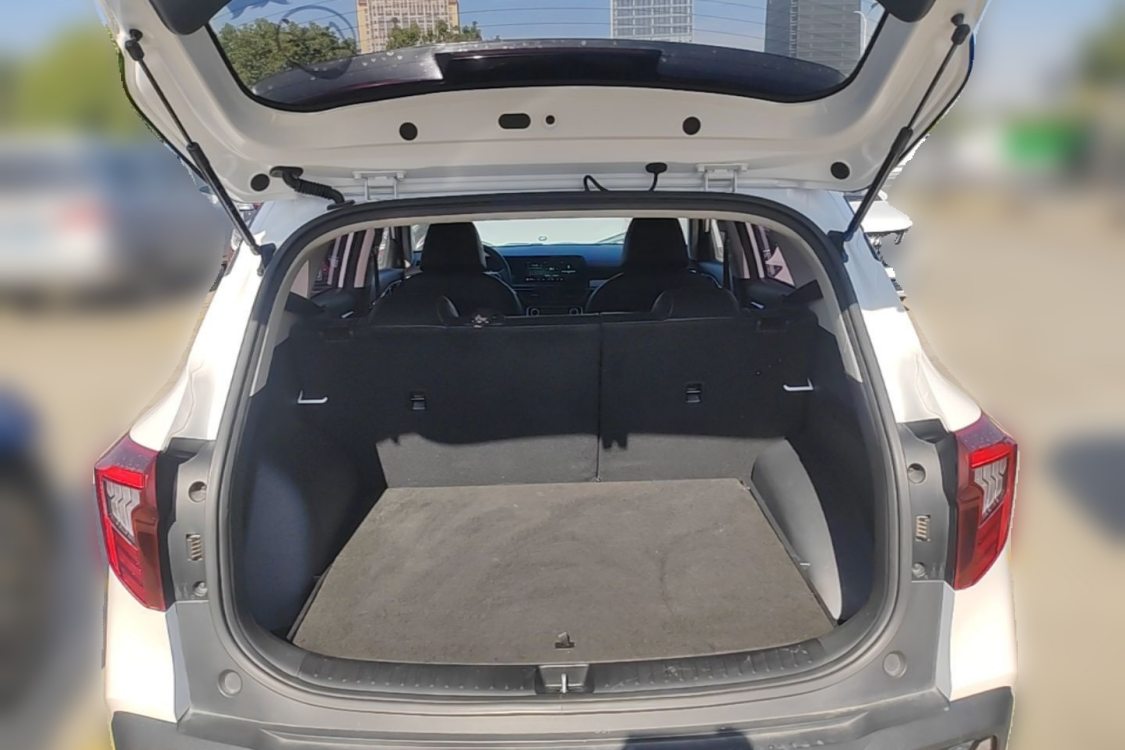
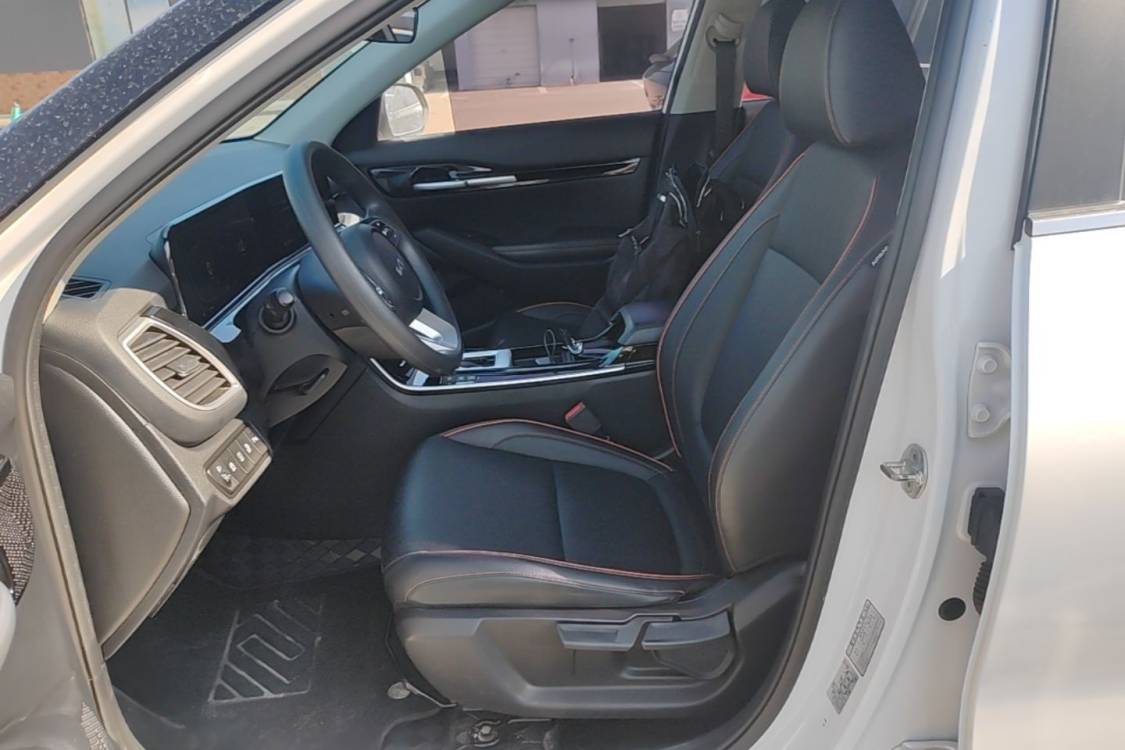
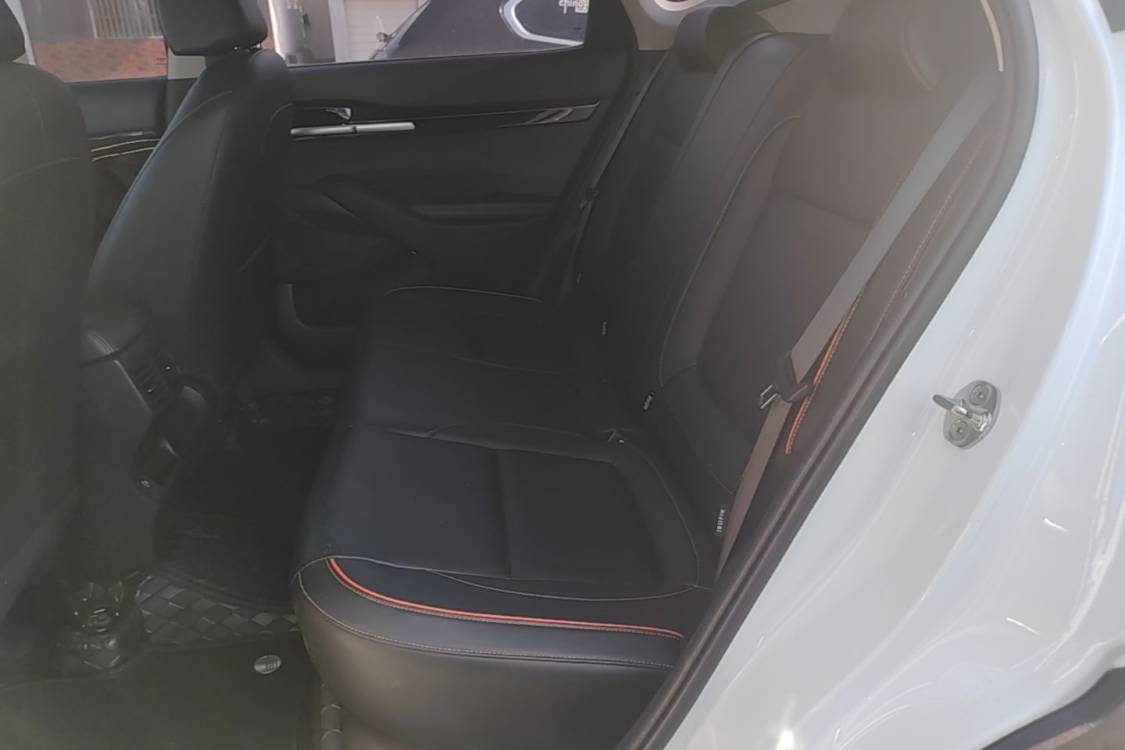
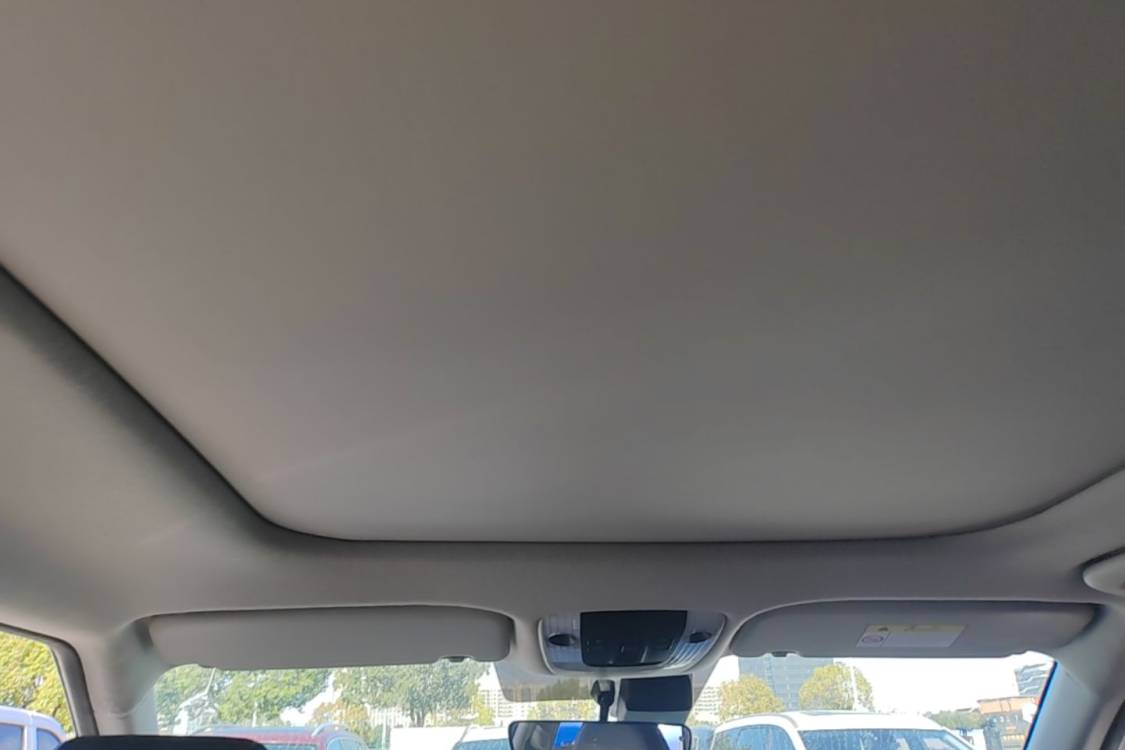
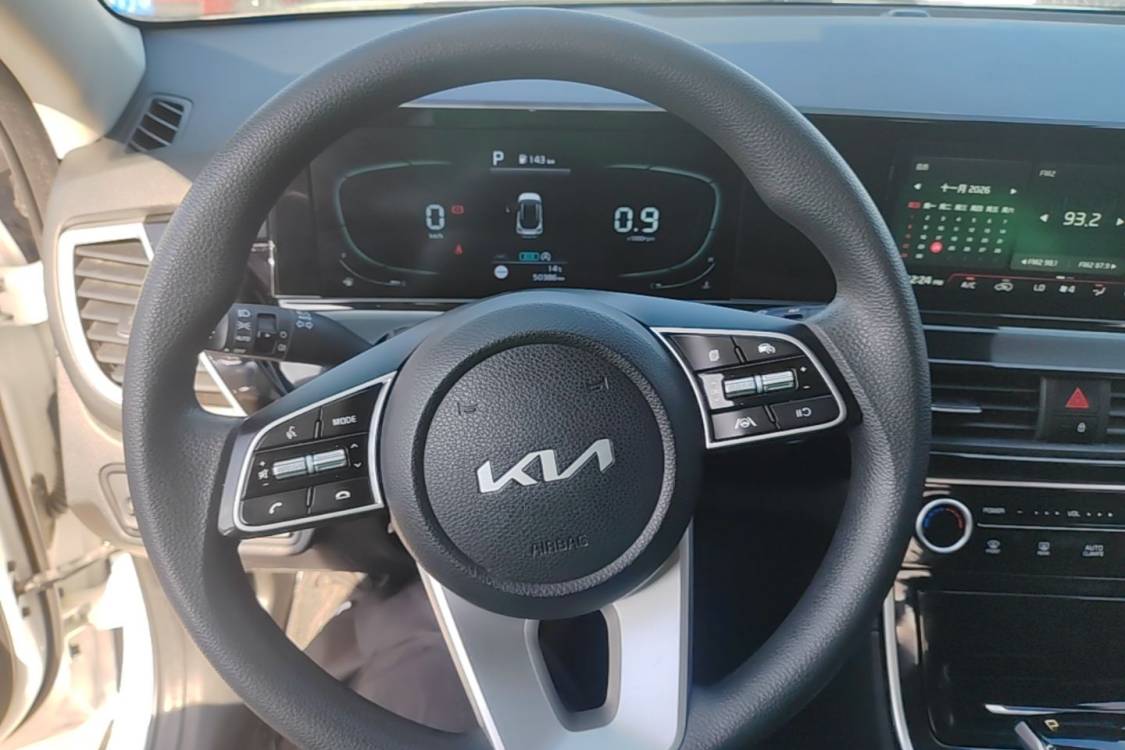
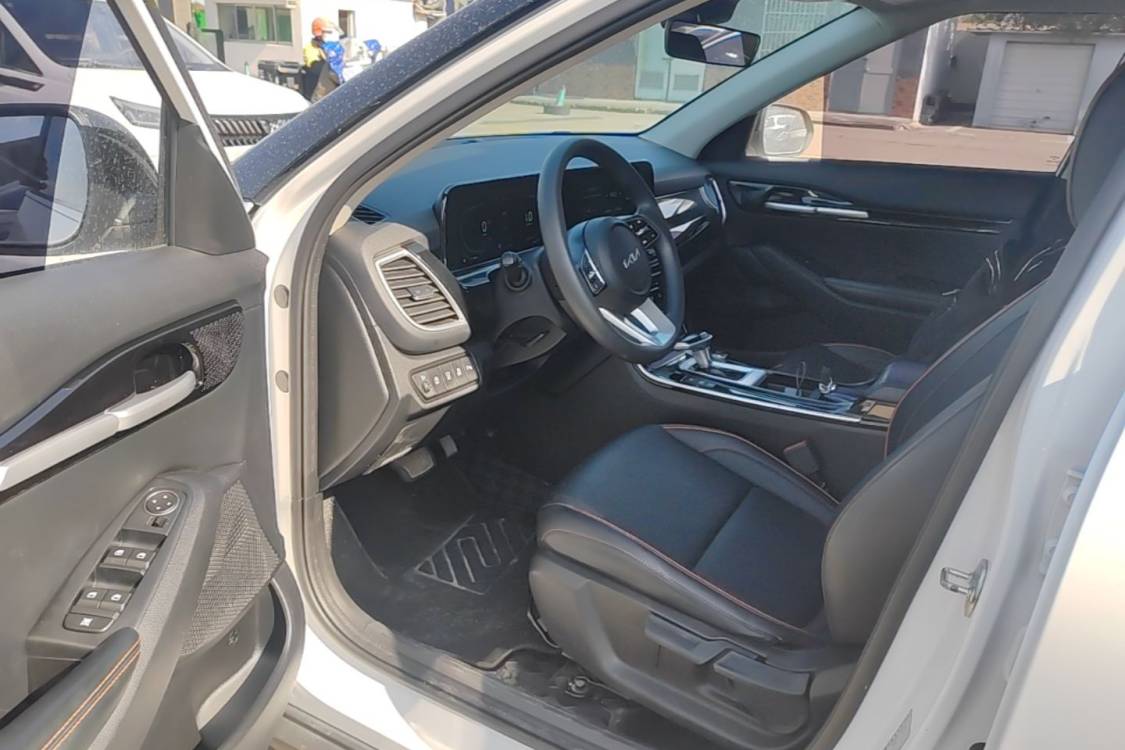
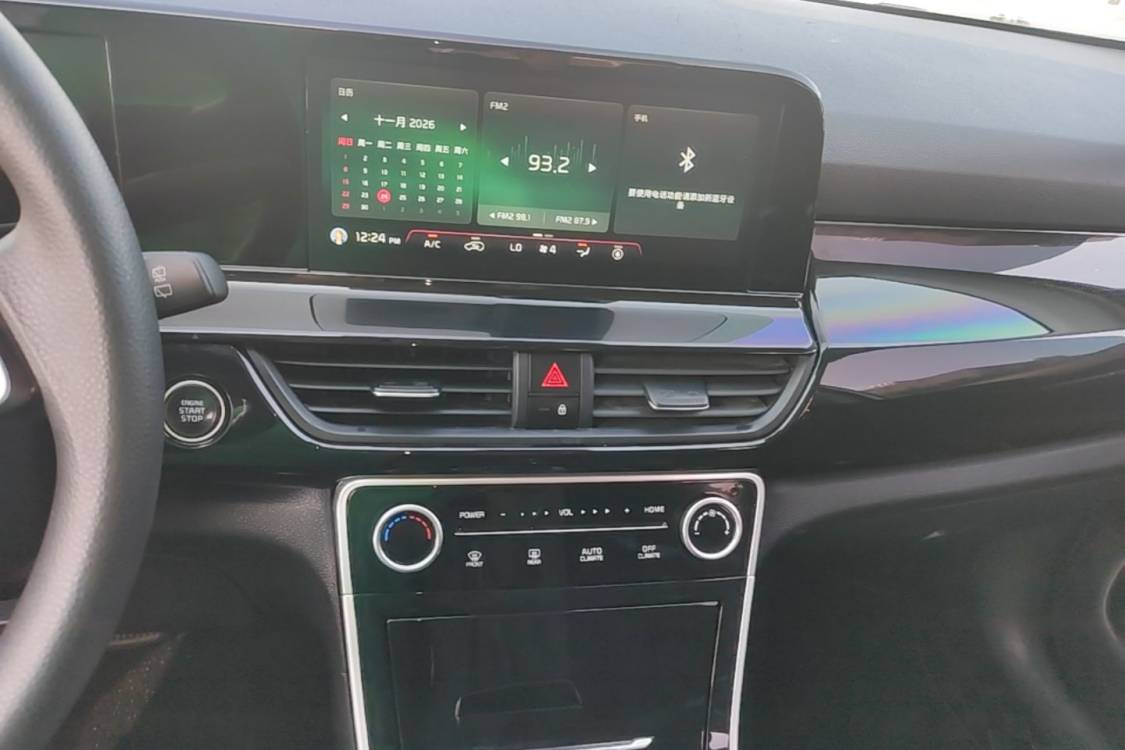
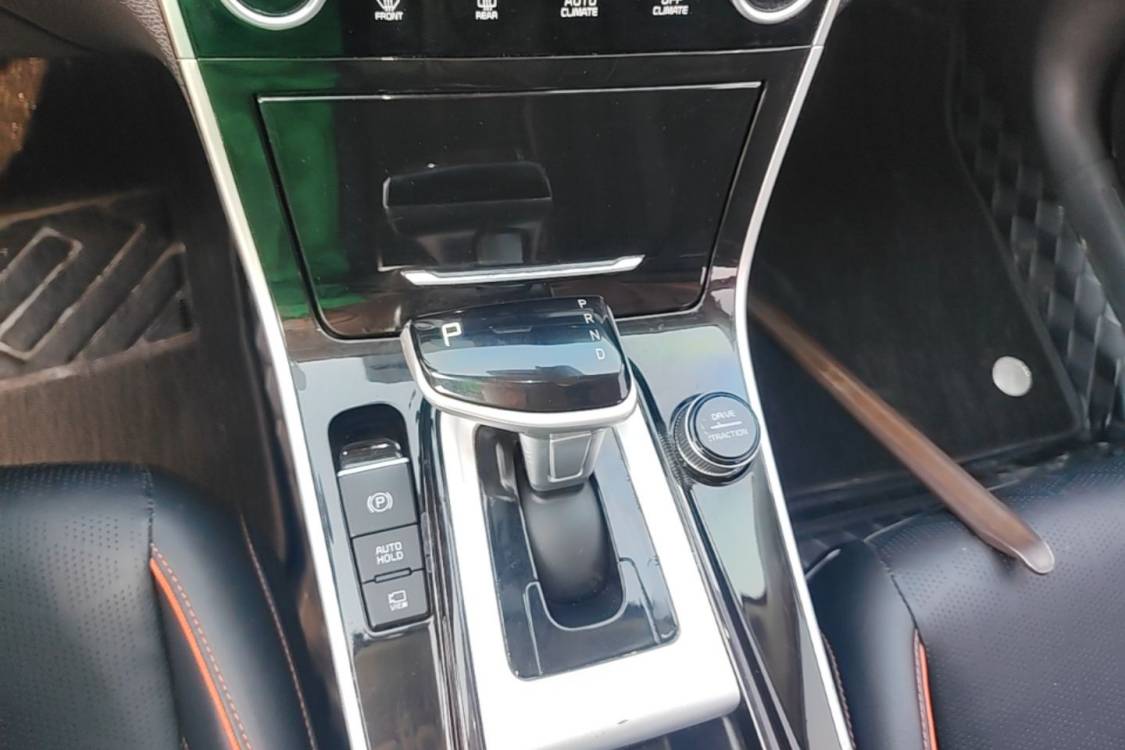
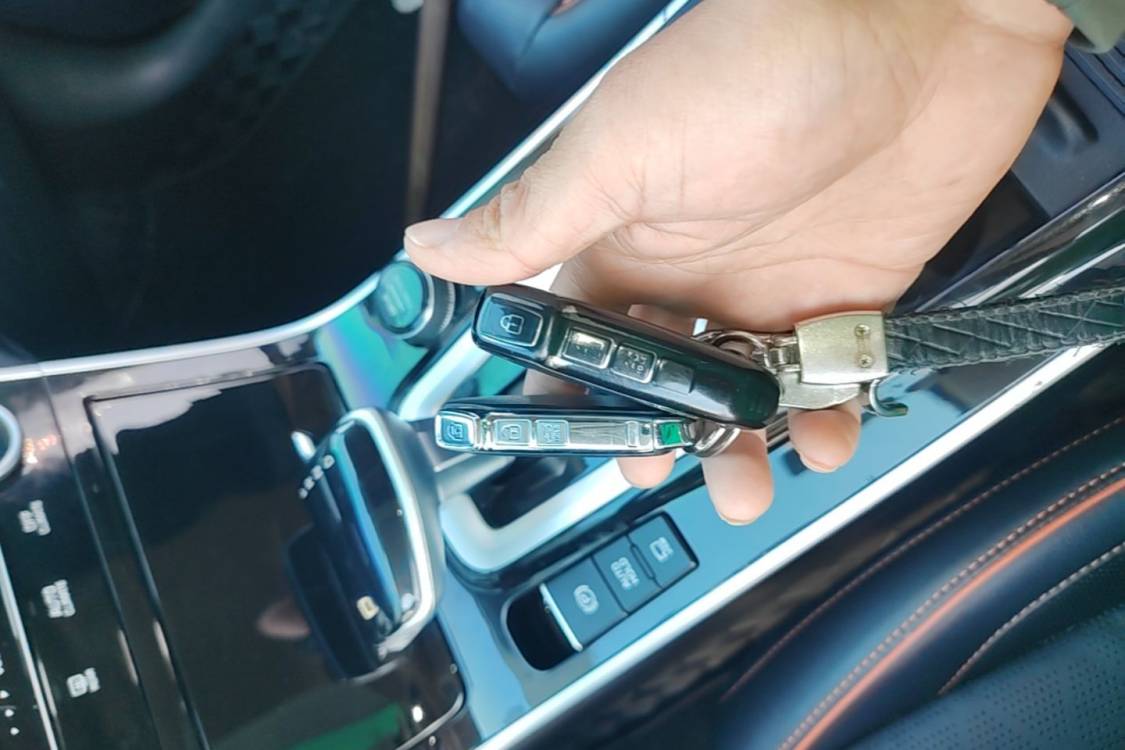
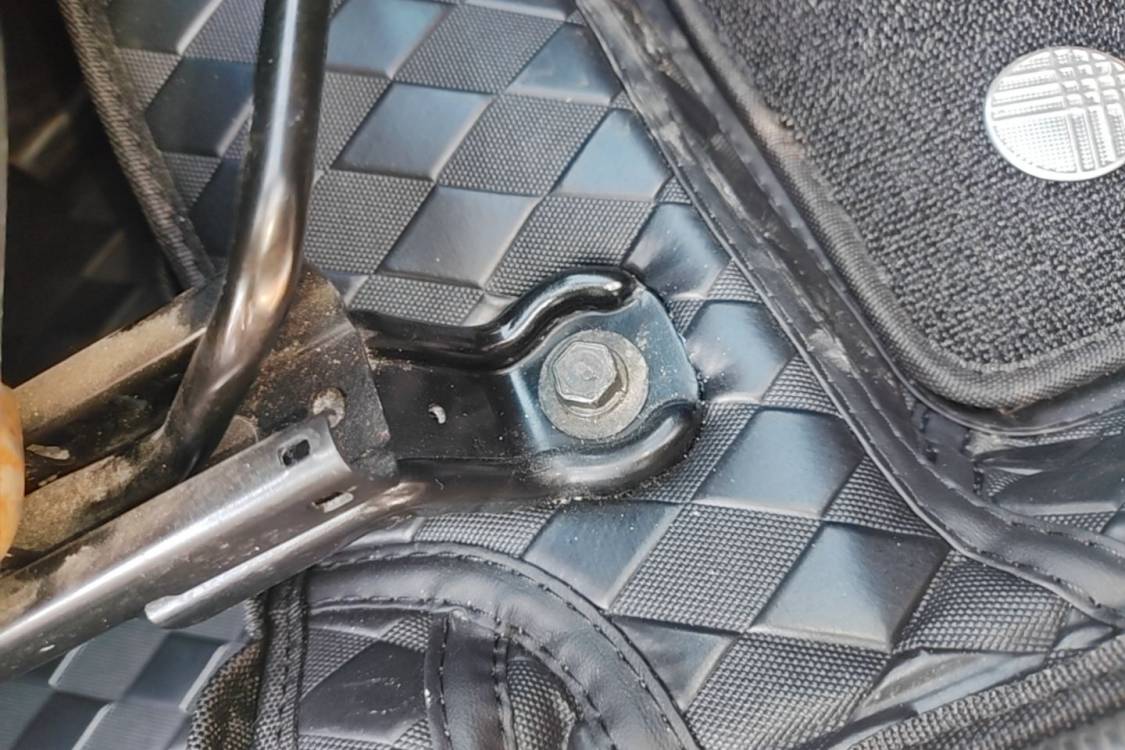
Accident inspection: main structure undamaged, reinforcement parts undamaged, covering panels undamaged, hinges normal. Engine bay inspection: key mechanical components normal. Exterior: no issues. Interior: most features normal, airbags normal, seatbelts normal, dashboard normal, instrument readings normal, lighting system normal. Startup inspection: main components normal. Onboard tools: none.

独家上新
电话直连
可讲价
平台物流
新检测标准升级>
非泡水

Q&A

More

How do I read and interpret a Chinese vehicle history report—what do the records and codes mean, and which findings should stop the deal?

A Chinese history report (查博士, 精真估, or 4S-shop records) usually contains several sections. Here's how to read them. Accident records: entries tagged 重大事故 (major accident) or listings at an insurance payout above 30% of the car's value are serious red flags. Airbag deployment is a deal-breaker for most buyers. Mileage timeline: check that mileage increases logically between service visits. A sudden drop between two dates means odometer tampering—walk away. Ownership count: more than 3 owners in 5 years suggests a problem car. Also check the 使用性质 field: a car registered as 营运 (commercial/taxi use) has a much shorter legal lifespan. Maintenance entries: consistent 4S dealership records are a good sign; long gaps aren't necessarily fatal if the owner used independent shops, but ask for receipts. Cross-check the report against the VIN plate, registration certificate, and physical inspection. If the report shows no accidents but paint thickness readings say otherwise, trust the metal, not the paper.


How can I check the underbody and frame of a used Chinese car remotely before buying?

Ask for a specific set of photos and video taken with the car on a lift — generic walk-around videos will not show what matters. Request close-ups of: the sills (rocker panels) on both sides, front and rear subframes, suspension mounting points, brake lines, and the floor pan under the carpets. Surface rust on bolts is normal; bubbling paint, flaking metal or fresh undercoat sprayed over corrosion are warning signs. Also check for flood damage, a common hidden problem: look at the spare wheel well for water marks or mud, pull up the trunk carpet, and check the seat rails and seat belt buckles for rust or silt. A musty smell reported by the inspector is a red flag. A trustworthy exporter will provide a lift inspection report listing measured paint thickness on structural areas. If they refuse to put the car on a lift, treat that as an answer in itself.

When buying a used Chinese EV or smart car, how do I confirm the smart features will actually work in my country?

Many connected features are tied to the car's original market. Start with the basics: the infotainment language, navigation maps and voice assistant may only support Chinese, and some systems require a local SIM or account that cannot be transferred to overseas owners. For driver-assistance systems, check whether the model relies on hardware that works without Chinese map data. Lane keeping and adaptive cruise usually work abroad, but map-dependent features like highway pilot may not. Ask the seller to test each key function on video before shipment: boot-up, touchscreen response, app connectivity and over-the-air update status. Also confirm the battery management system and motor controllers have no region locks. Get written confirmation that the features you are paying for are functional in your destination country, and keep that document with the purchase contract.