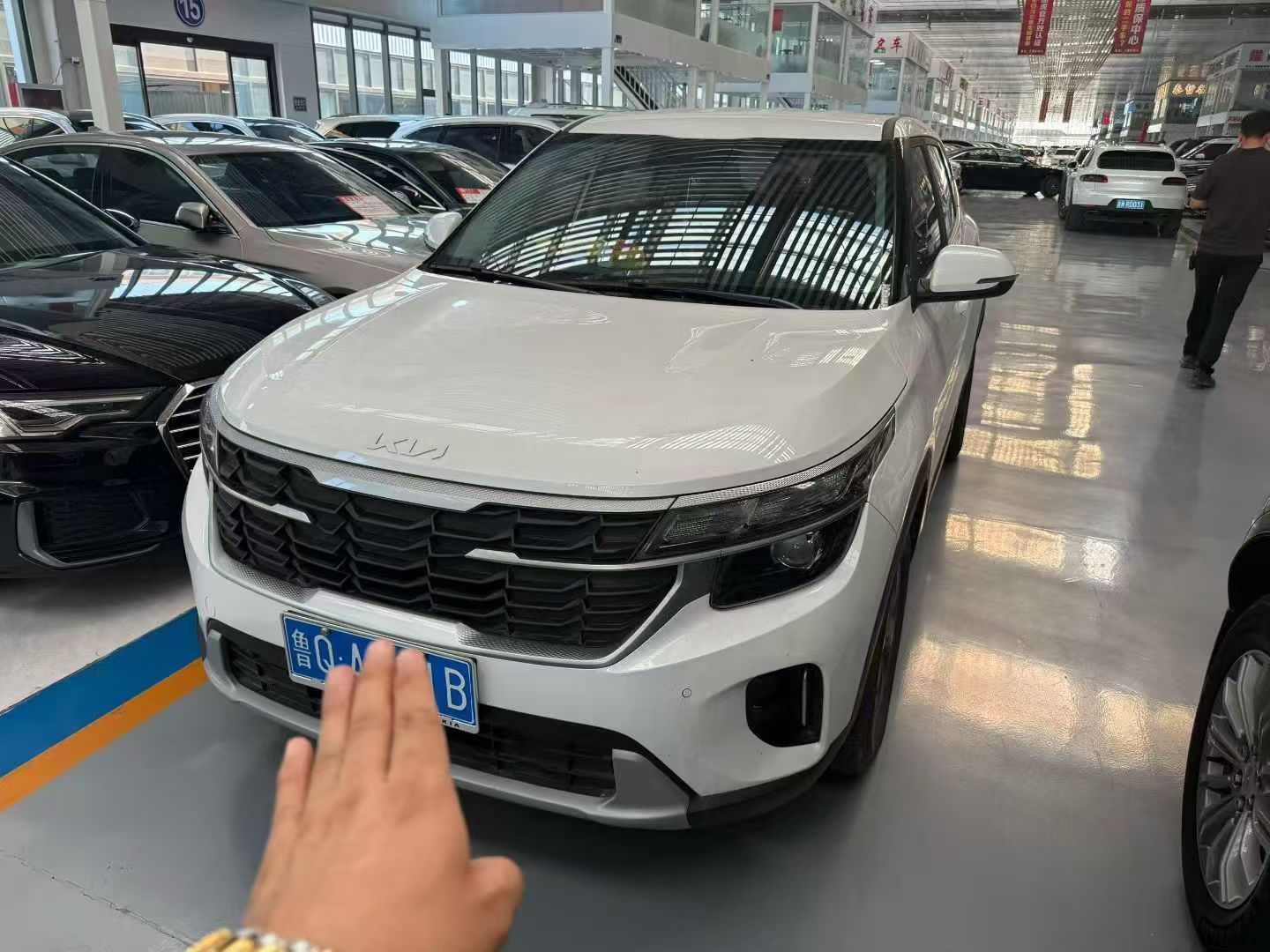


Basic Information

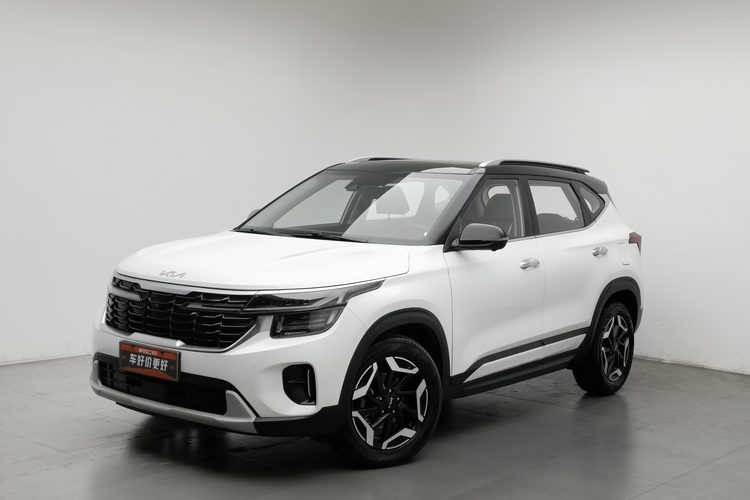
BrandKia
SeriesSeltos
Year2024
First Registration2024/03
Mileage14,700km
Transfer Count-
FuelGasoline
TransmissionCVT
Engine1.5L 115 L4
ColorWhite
Seats-

Condition Description

Localized body damage or repair marks present; structural and reinforcement components show no accident-related damage or repairs. Vehicle performance (including three-electric system) has degraded or is limited.

Accident inspection: main structure damaged, reinforcement components undamaged, cover panels undamaged, hinges normal. Engine bay inspection: key mechanical components in engine compartment normal. Exterior: none. Interior: most features normal, airbag system normal, seatbelts normal, dashboard normal, instrument cluster normal, lighting system normal. Start-up inspection: main components normal. Onboard tools: none.

Fixed price
可转售
7个工作日内过户
零过户
仅本地过户
过户要求>
新检测标准升级>
非泡水

Document Information

Inspection Expiry Date2027/03
Warranty Expiry Date-
Insurance Expiry Date2027/03

Q&A

More

Has this car previously been used as a test-drive car or display vehicle by a dealer?

Test-drive cars experience much more mechanical wear due to extreme conditions like cold starts and emergency braking compared to regular family cars. We can identify this by tracing whether the first owner was a 4S dealership or the manufacturer. If so, we will reassess its value based on "operational intensity" standards.
Is the delivery date specified in the contract based on the "Estimated Time of Departure (ETD)" or the "Date of Arrival at Port"?

Our legal delivery milestone is based on the "Estimated Time of Departure (ETD)". As long as the vehicle enters the port area and customs clearance is completed within the agreed timeframe, any delays in shipping schedules due to the shipping company's capacity adjustments will not be considered a breach on our part. The uncontrollability of maritime transport must be factored into your expectations.

Why are the shipping costs for used electric vehicles (EVs) usually higher than for internal combustion engine vehicles (ICEs)?

Pure electric vehicles are classified as Class 9 Dangerous Goods due to their large lithium batteries, leading to strict shipping regulations. Shipping companies have high requirements for the loading position and fire isolation measures for dangerous goods, and some roll-on/roll-off ships refuse to accept used EVs. As a result, EVs often require more expensive special container shipping and incur additional handling fees for hazardous materials.