Basic Information

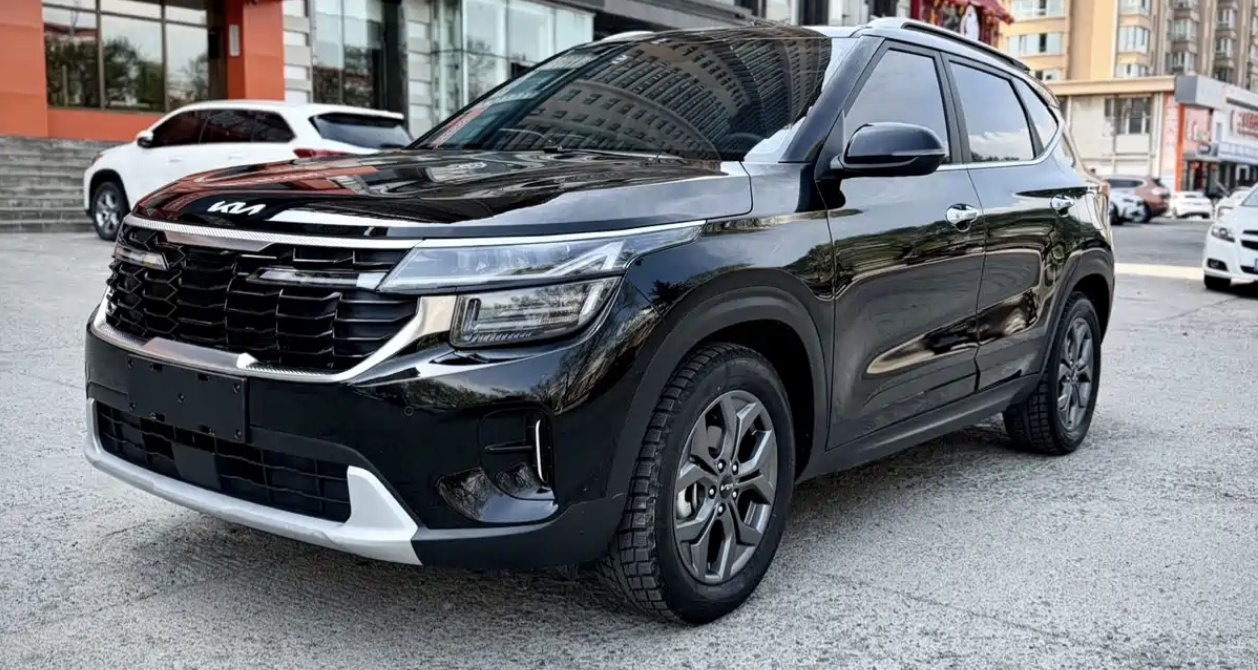
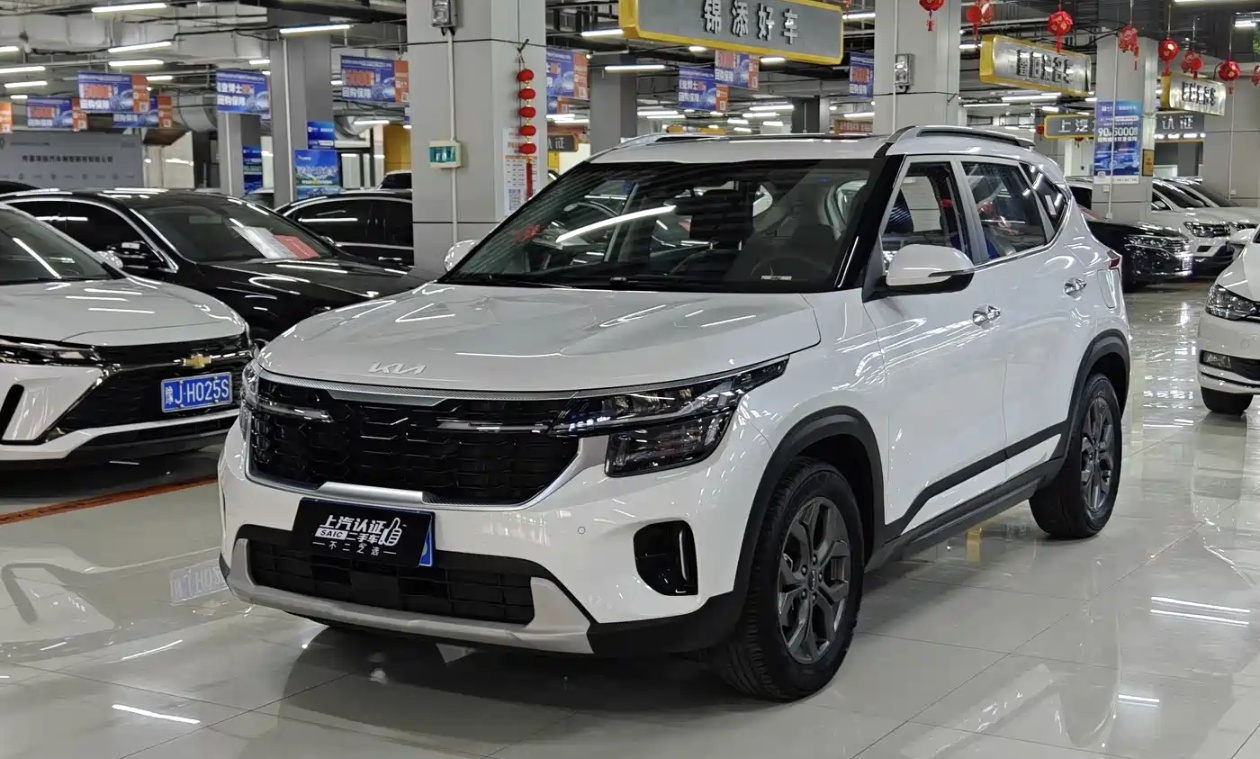
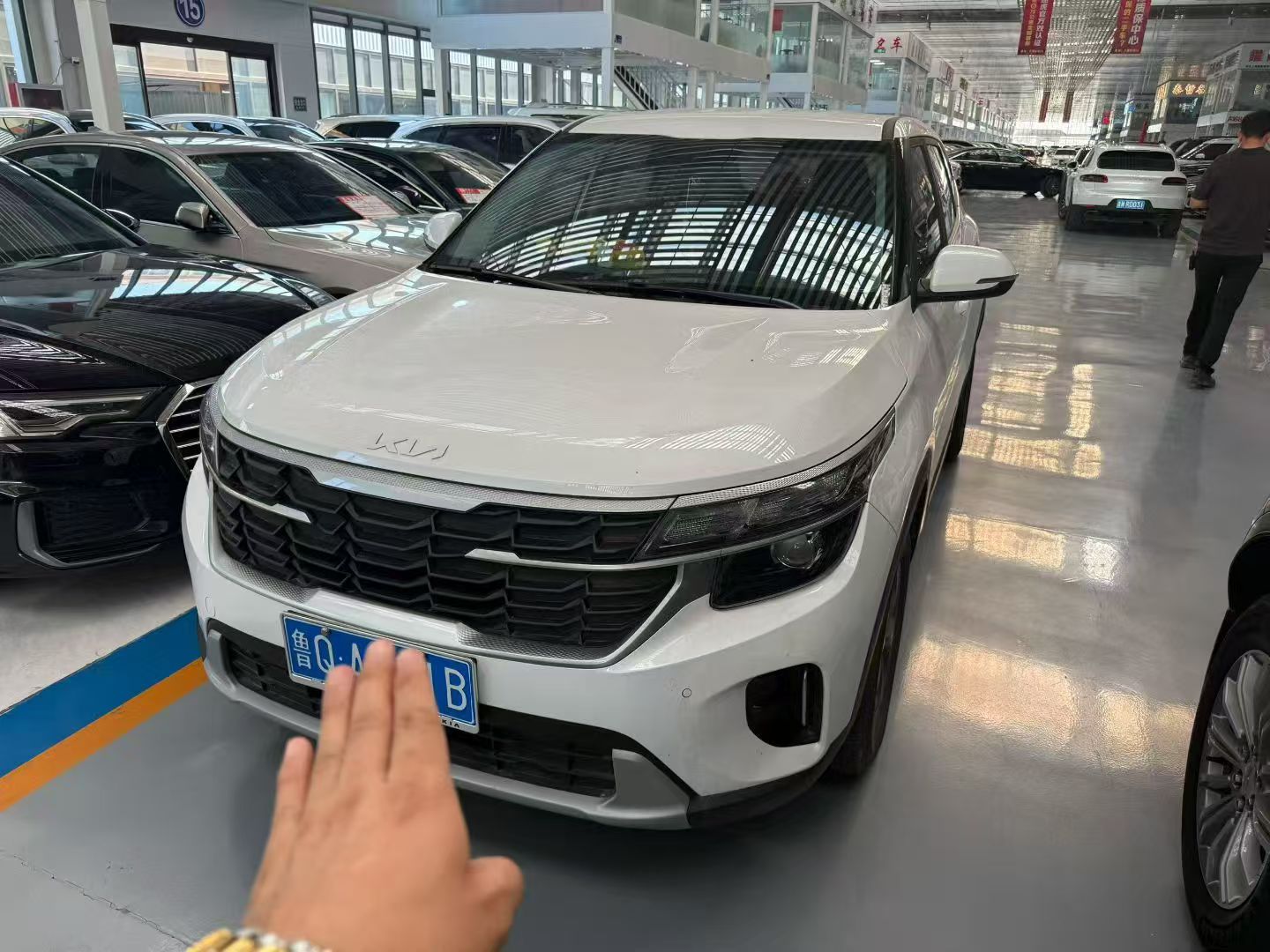
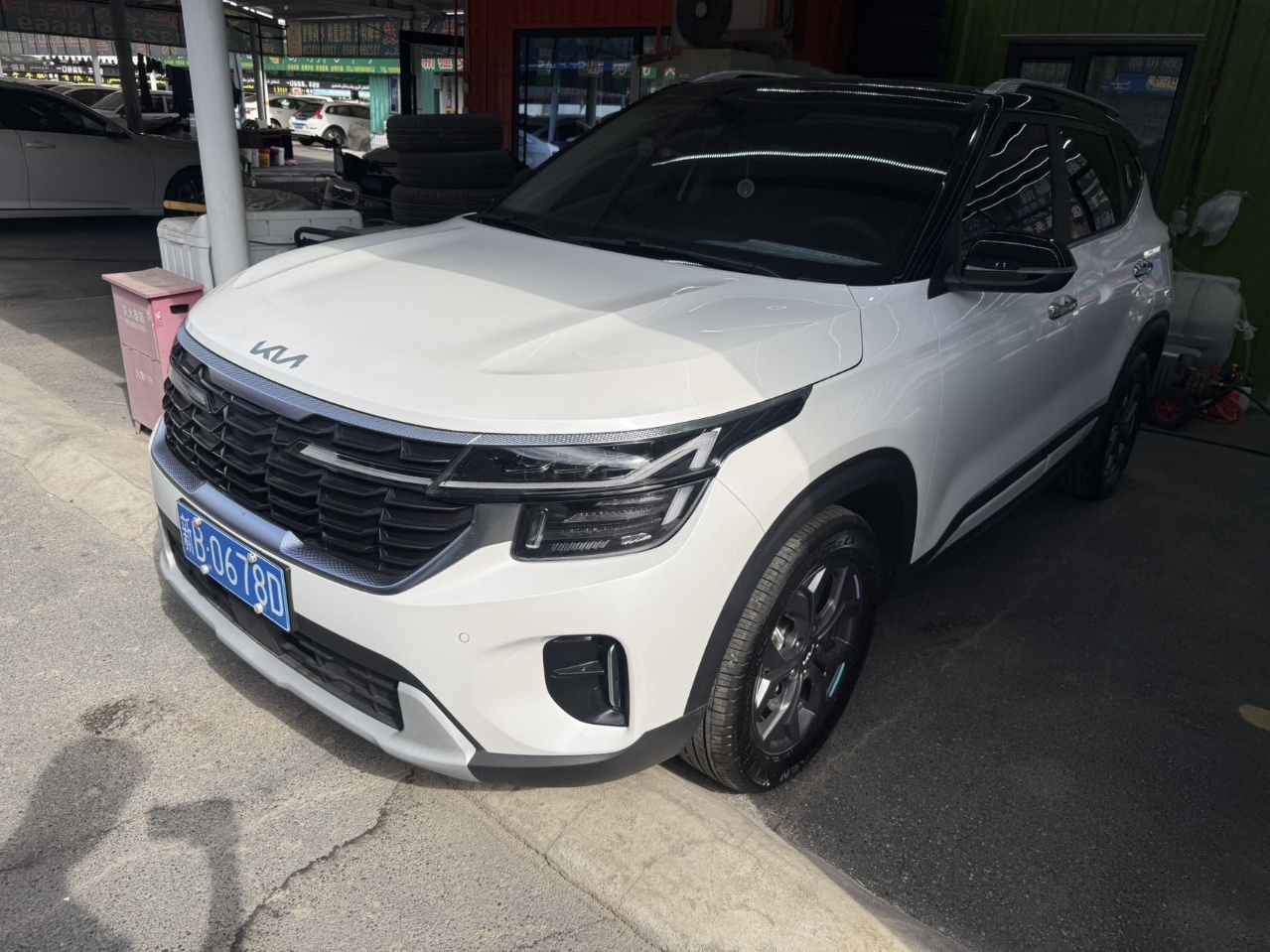
BrandKia
SeriesSeltos
Year2024
First Registration2024/04
Mileage37,500km
Transfer Count-
FuelGasoline
TransmissionCVT
Engine1.5L 115 L4
ColorWhite
Seats5seats

Condition Description

Accident-related damage exists on body components (structural/reinforcing/covering parts). Passive safety devices are defective. Vehicle performance (including three-electric system) is degraded or remains performance-limited after repairs.

Accident inspection: main structure damaged, reinforcing parts undamaged, covering parts undamaged, hinges normal. Engine bay inspection: key mechanical components in engine bay normal. Exterior: none. Interior: most features normal, airbag inspection normal, seatbelts normal, dashboard normal, instrument inspection normal, lighting system normal. Startup inspection: main components normal. Onboard tools: none.

Fixed price
平台物流
可转售
7个工作日内过户
零过户
仅本地过户
过户要求>
新检测标准升级>
非泡水

Document Information

Inspection Expiry Date2027/04
Warranty Expiry Date-
Insurance Expiry Date2027/04

Q&A

More

How to use technology to verify that a vehicle's emissions standards comply with our country's import regulations.

Our technical report will read the environmental information from the vehicle's factory-issued documentation (including certifications like National V, National VI, etc.). You need to submit the specific emission limit data we provide (such as grams of CO, THC, NOx emissions) to your country's environmental or customs authorities for compliance comparison.


What does the real landed cost of importing a used car from China look like, and which line items do buyers most often underestimate?

A realistic landed cost has five layers: the car price, export-side fees (deregistration, export license, inland trucking to the port), international freight and insurance, destination duties and taxes, and local charges (port handling, inspection, registration). Buyers most often underestimate three items. First, destination duties are calculated on the customs value, which may include freight, so a cheap car can still attract significant tax. Second, port and terminal charges at both ends add up; demurrage fees apply quickly if documents are late. Third, compliance costs such as homologation, emissions testing, or translation of documents can run into hundreds of dollars depending on the country. Ask every exporter for a written, itemized quote to your port, not just an FOB price, and keep a 5% contingency. Quotes that look unusually cheap usually hide costs in the freight or handling lines.

What maintenance schedule should I follow for a used Chinese car during its first year after import?

Treat the first year as a baseline period. Do a full fluid service immediately after registration: engine oil and filter, coolant, brake fluid, and transmission fluid, since you don't know when they were last changed in China. First 1,000 km: check for loose trim, retorque wheel nuts, and listen for new noises as the car adapts to local fuel and roads. At 5,000-10,000 km: inspect brake pads and rotors, rotate tires, and scan the ECU for stored fault codes even if no warning light shows. Annually or every 15,000 km: replace the cabin and engine air filters, check the battery health (especially for hybrids and EVs), and verify that software updates from the Chinese brand's international channel apply to your car. Keep a simple log with dates and receipts. It protects any warranty claim and makes the car far easier to sell later.