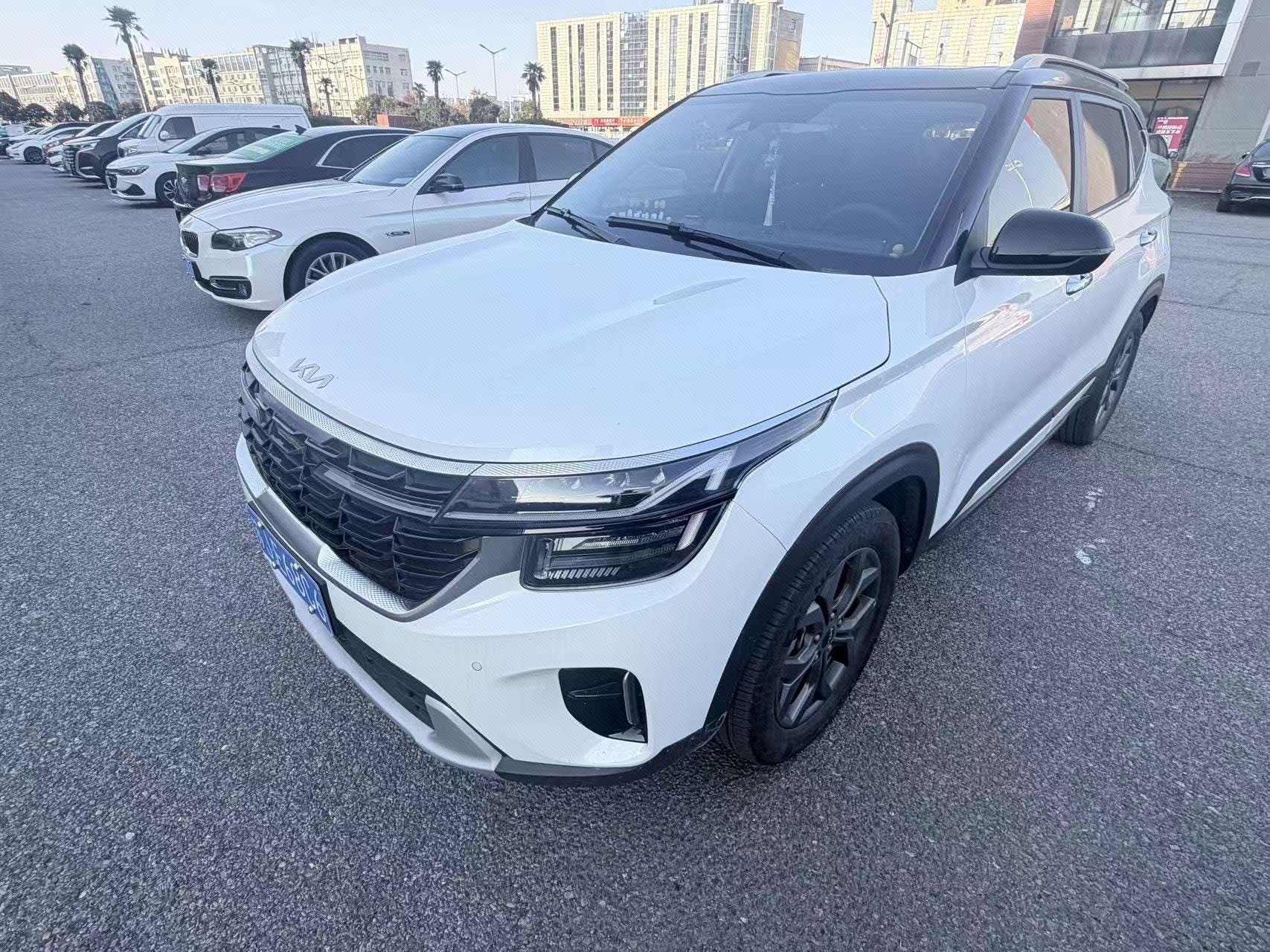
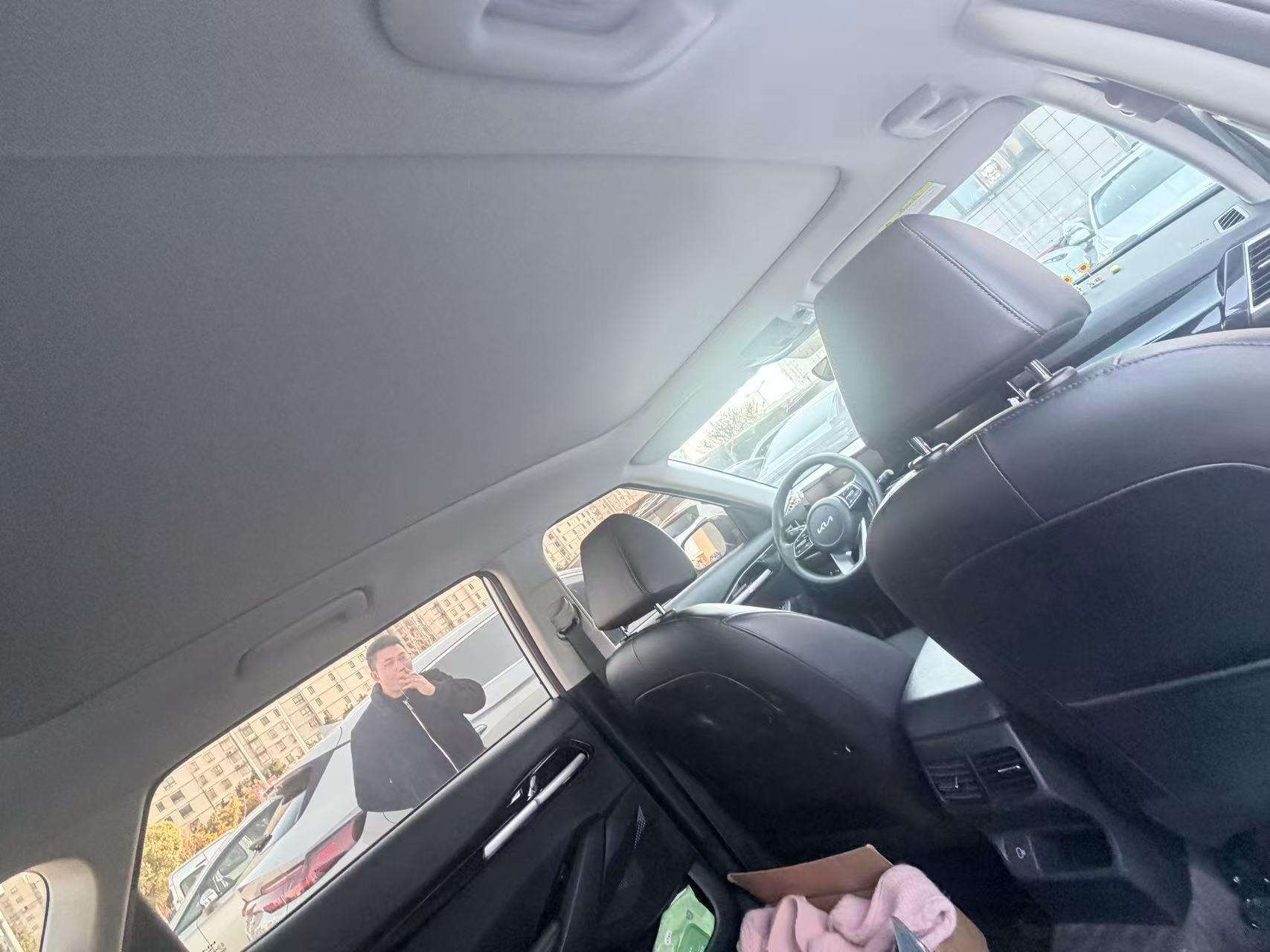
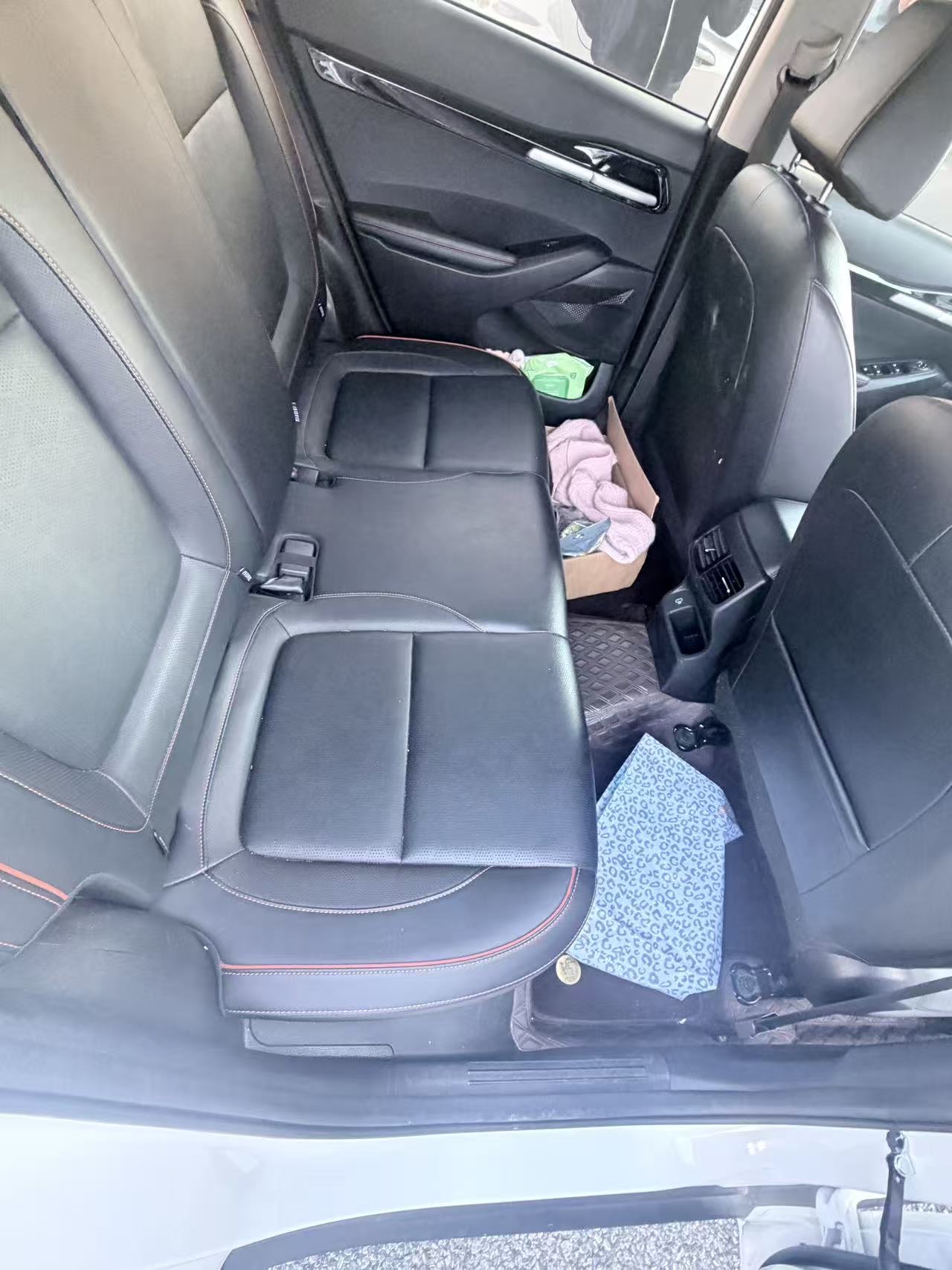
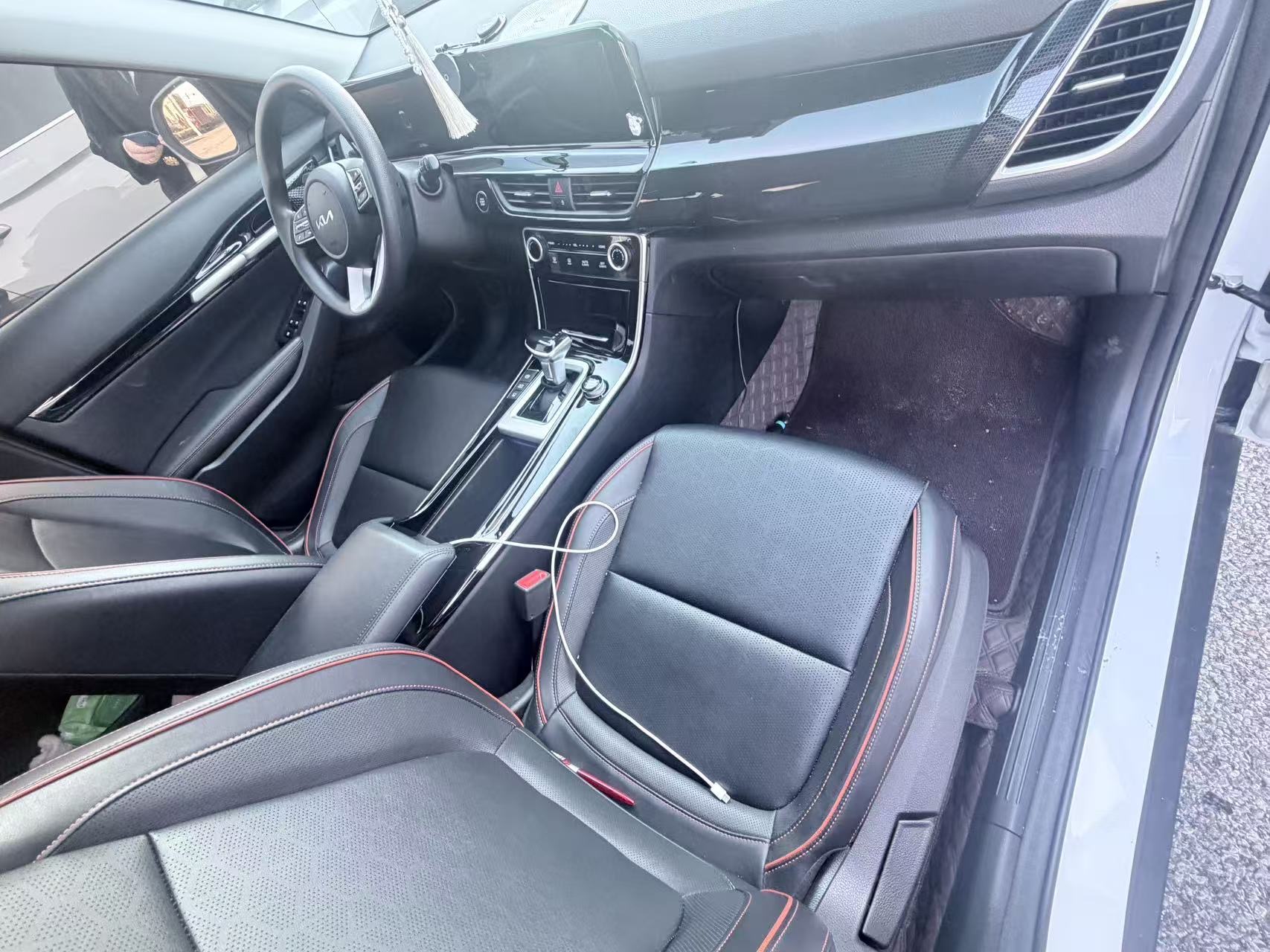
48H

Basic Information

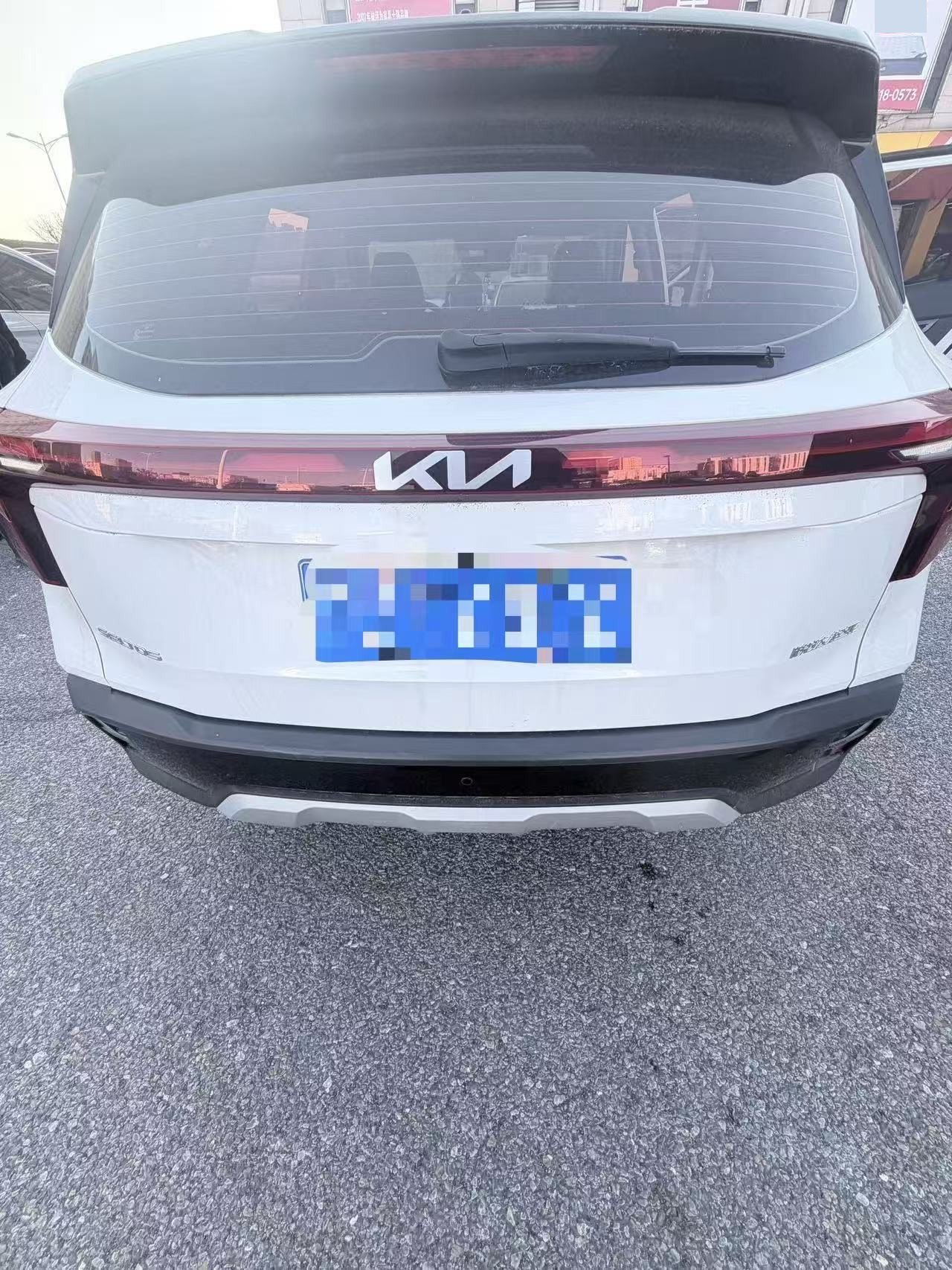
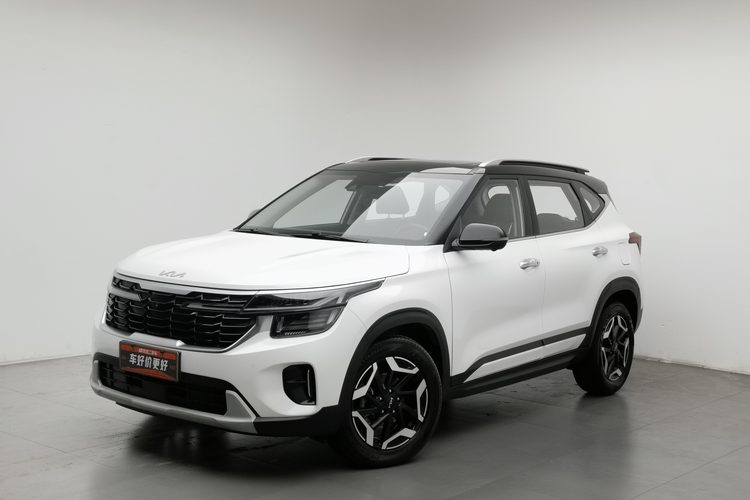
BrandKia
SeriesSeltos
Year2025
First Registration2025/02
Mileage27,000km
Transfer Count0times
FuelGasoline
TransmissionCVT
Engine1.5L 115 L4
ColorWhite
Seats5seats

Condition Description

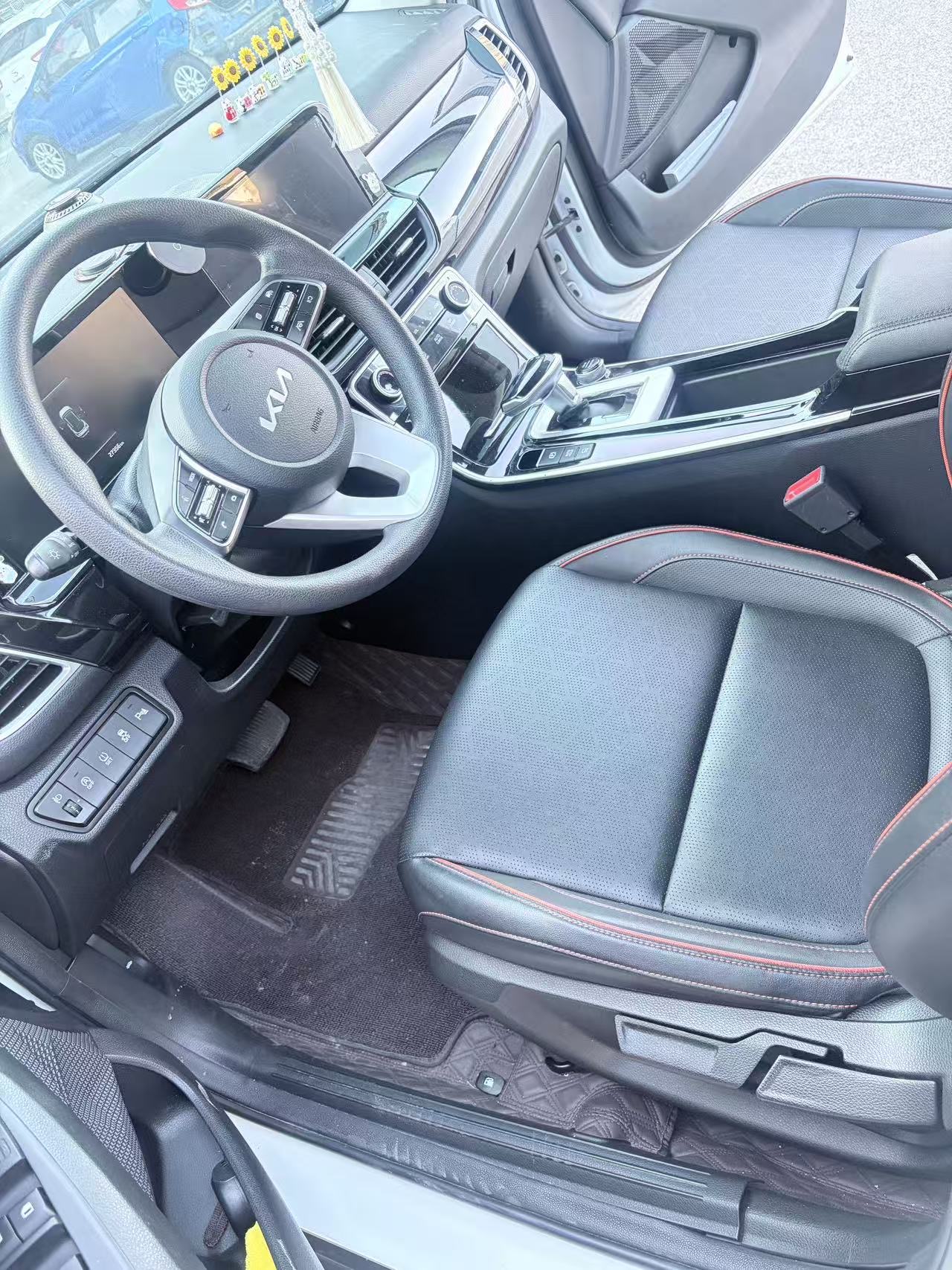
Original paint throughout, single owner, can pass third-party inspection.

Document Information

Inspection Expiry Date-
Warranty Expiry Date-
Insurance Expiry Date2027/02

Q&A

More

Is there a specific testing process for the smooth transition between the engine and motor in hybrid (HEV/PHEV) vehicles?

Yes. For hybrid vehicles, technicians will conduct forced switching tests between EV (electric) and HEV (hybrid) modes, focusing on the sensation of clutch engagement and reading the hybrid system's specific fault codes to ensure the complex dual power system operates correctly.

Do used cars exported from China come with English service manuals, and how do I source parts for repairs in my country?

Most Chinese brands provide owner manuals in Chinese only, but you can usually get an English version through three channels: ask the exporter (many keep PDF copies), download from the brand's overseas website, or use the car's built-in infotainment system which is often switchable to English. For parts, start with the VIN. Send it to the exporter and ask for the OEM part numbers you need — many parts are shared across models sold domestically and abroad. Common wear items (filters, brake pads, suspension components) are increasingly stocked by international parts platforms and can be shipped within days. For body panels and brand-specific electronics, ordering directly from China via the exporter is often the only option, so factor a 2–6 week wait into your planning. Practical tip: before buying, ask the exporter for a parts price list for the specific model. If they cannot supply one, that is a warning sign about after-sales support. Keep a small stock of common consumables in advance to avoid downtime.

What does the real landed cost of importing a used car from China look like, and which line items do buyers most often underestimate?

A realistic landed cost has five layers: the car price, export-side fees (deregistration, export license, inland trucking to the port), international freight and insurance, destination duties and taxes, and local charges (port handling, inspection, registration). Buyers most often underestimate three items. First, destination duties are calculated on the customs value, which may include freight, so a cheap car can still attract significant tax. Second, port and terminal charges at both ends add up; demurrage fees apply quickly if documents are late. Third, compliance costs such as homologation, emissions testing, or translation of documents can run into hundreds of dollars depending on the country. Ask every exporter for a written, itemized quote to your port, not just an FOB price, and keep a 5% contingency. Quotes that look unusually cheap usually hide costs in the freight or handling lines.