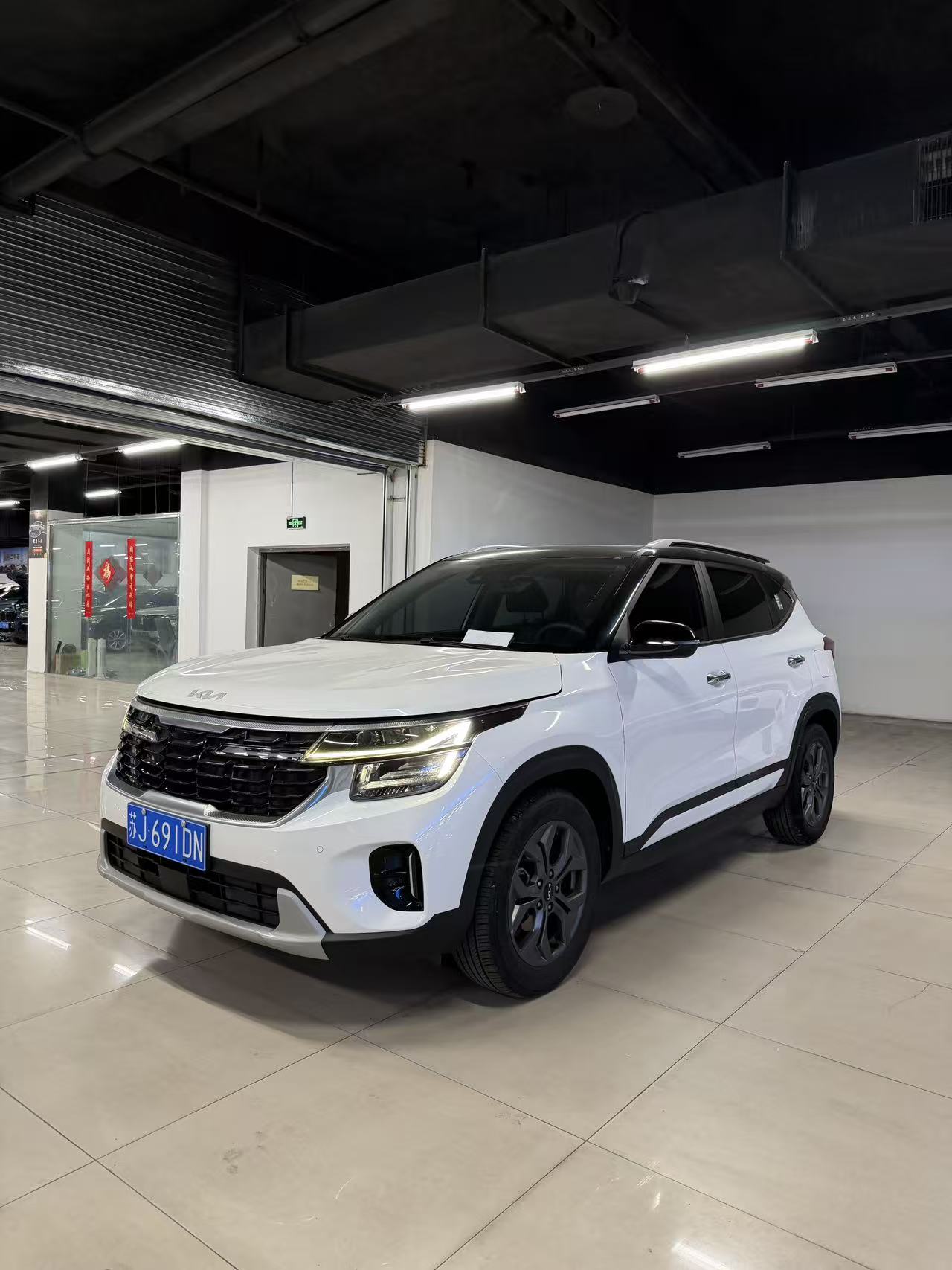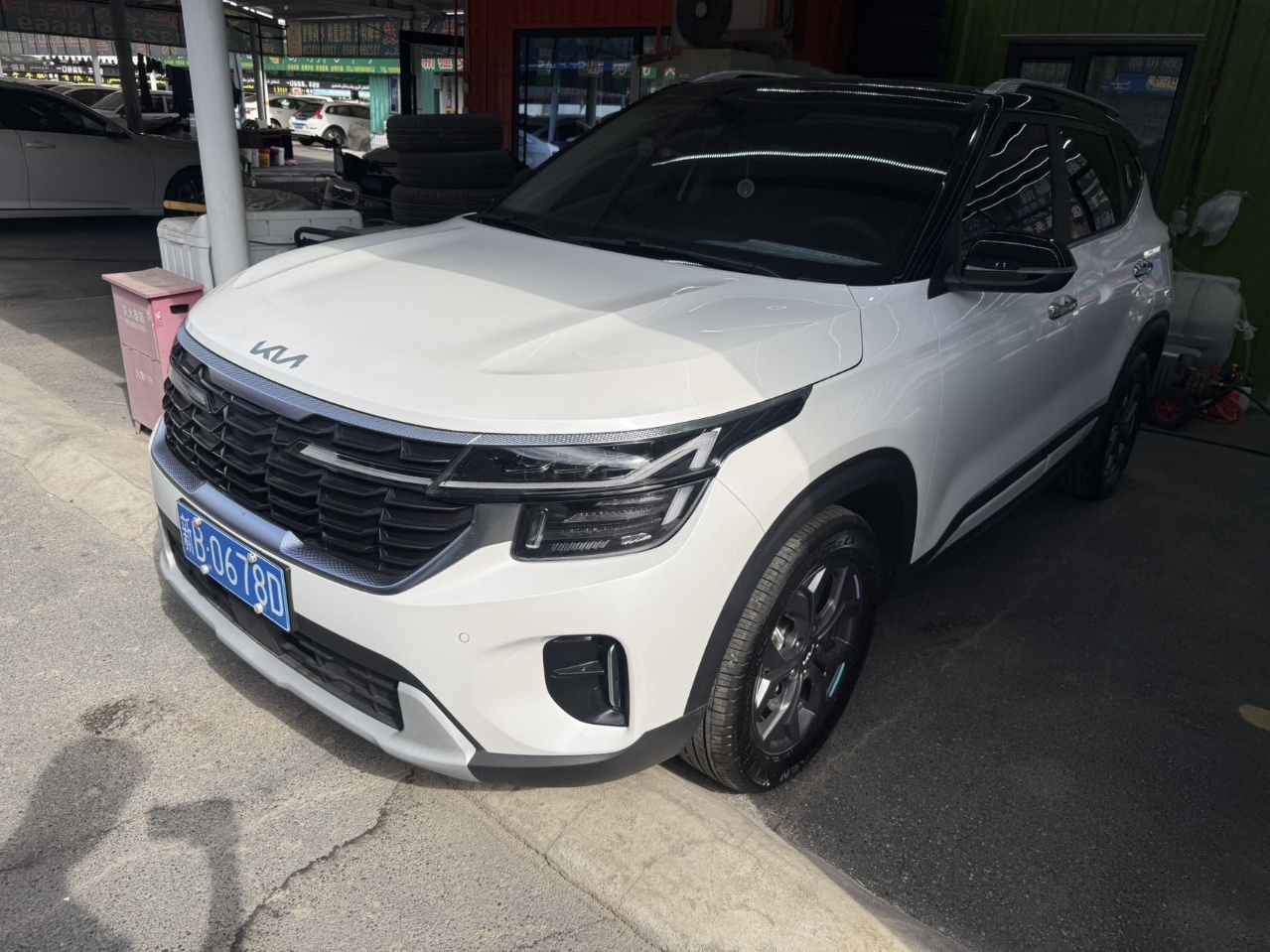


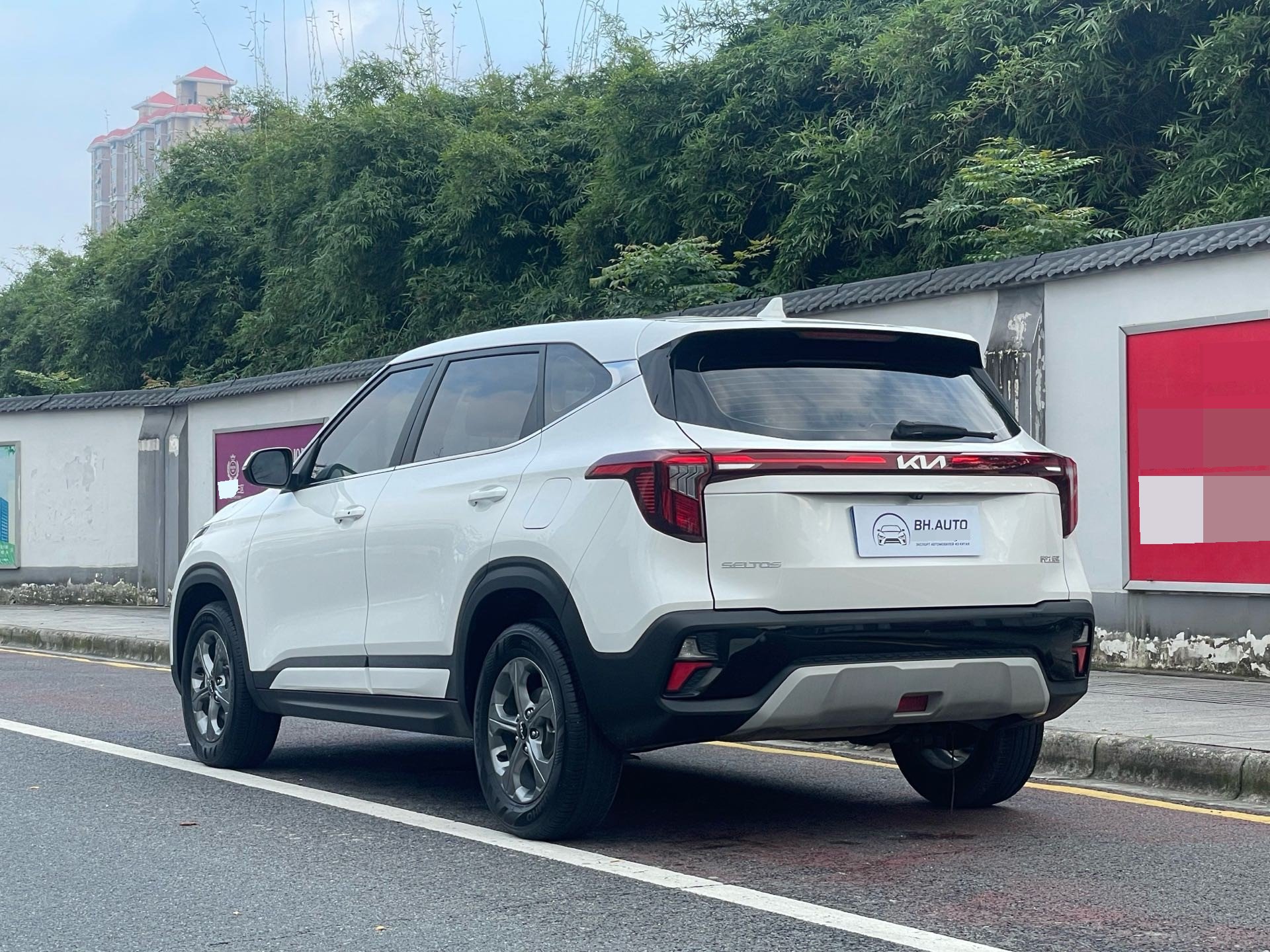
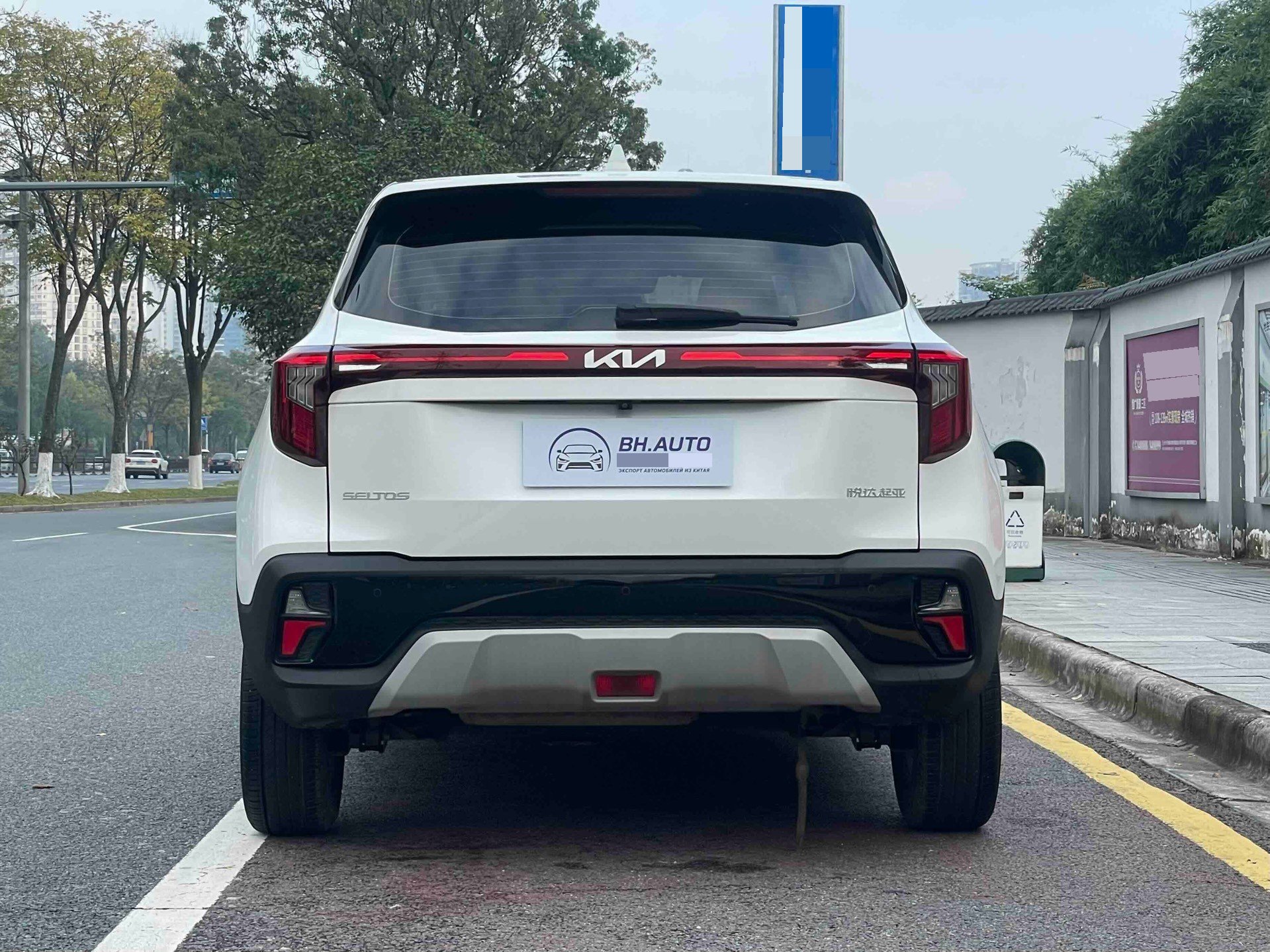
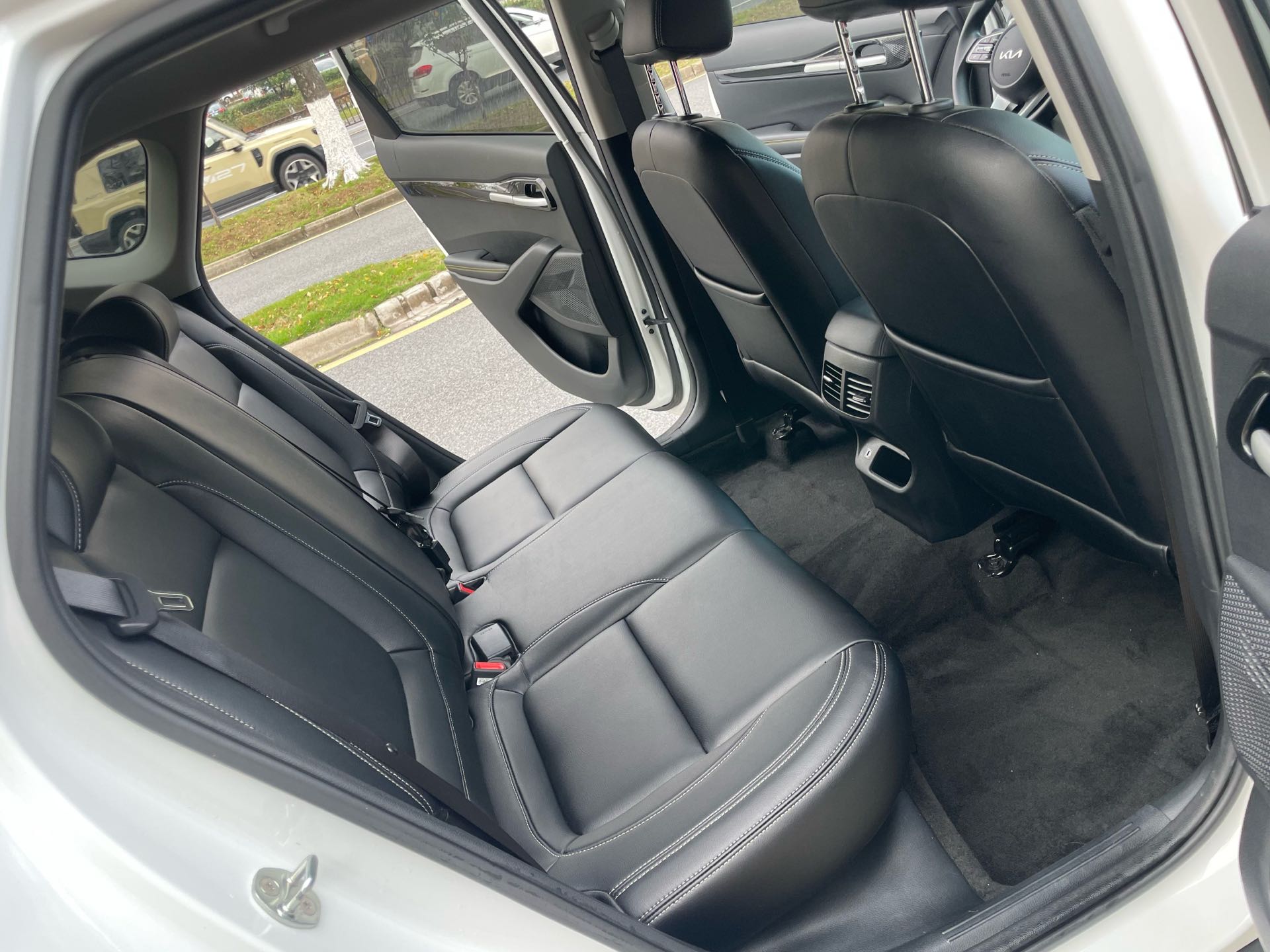
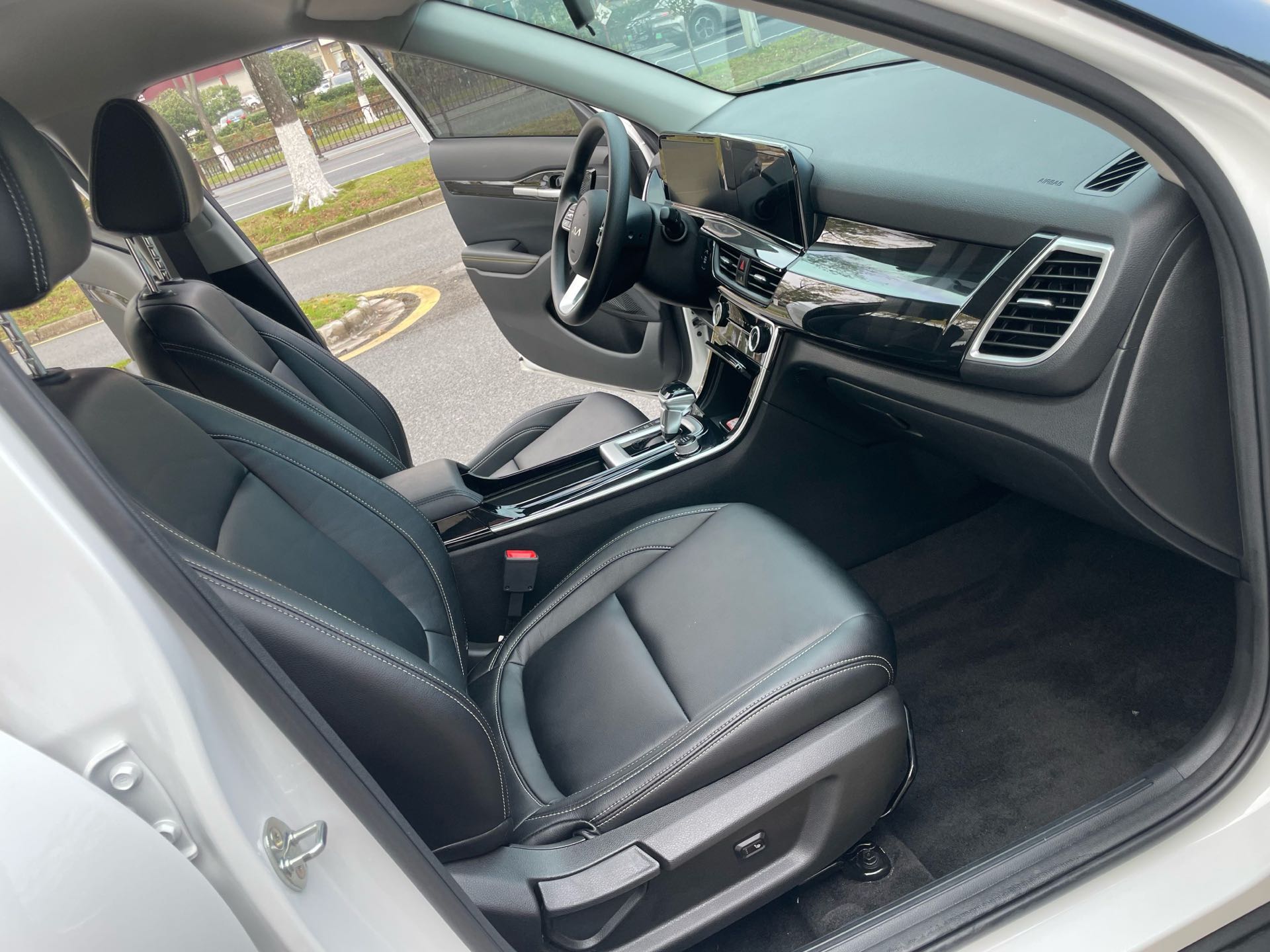
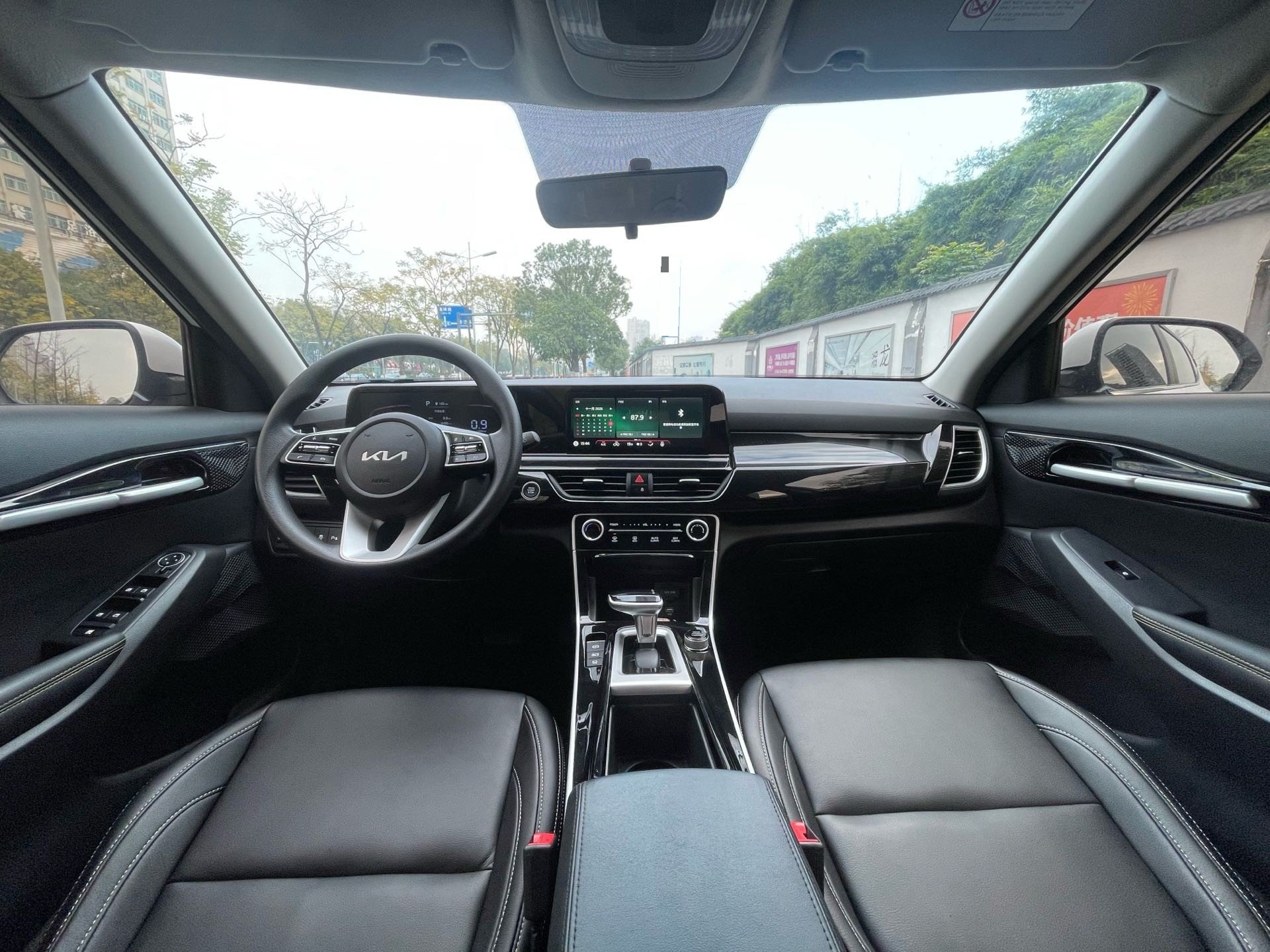
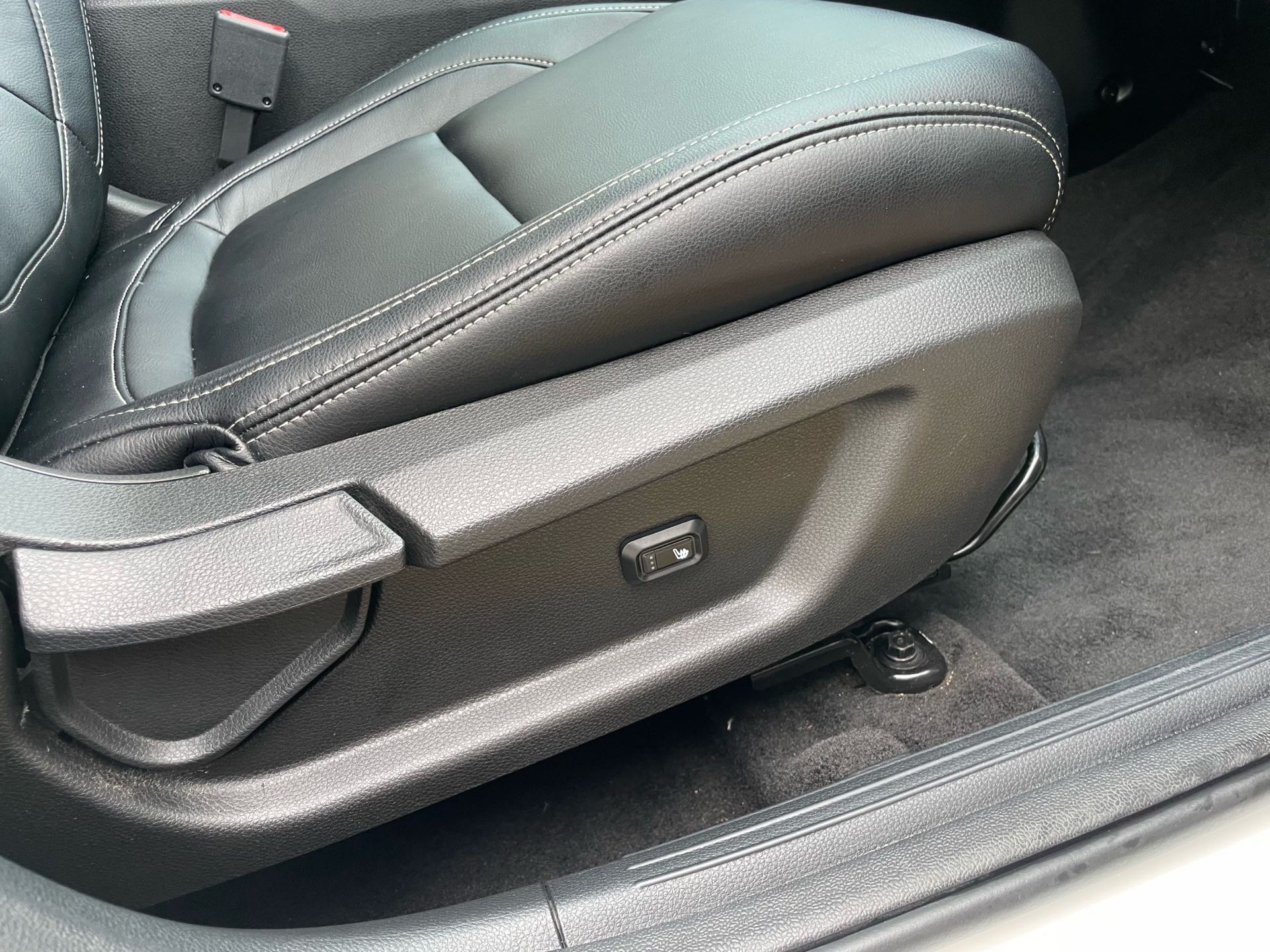
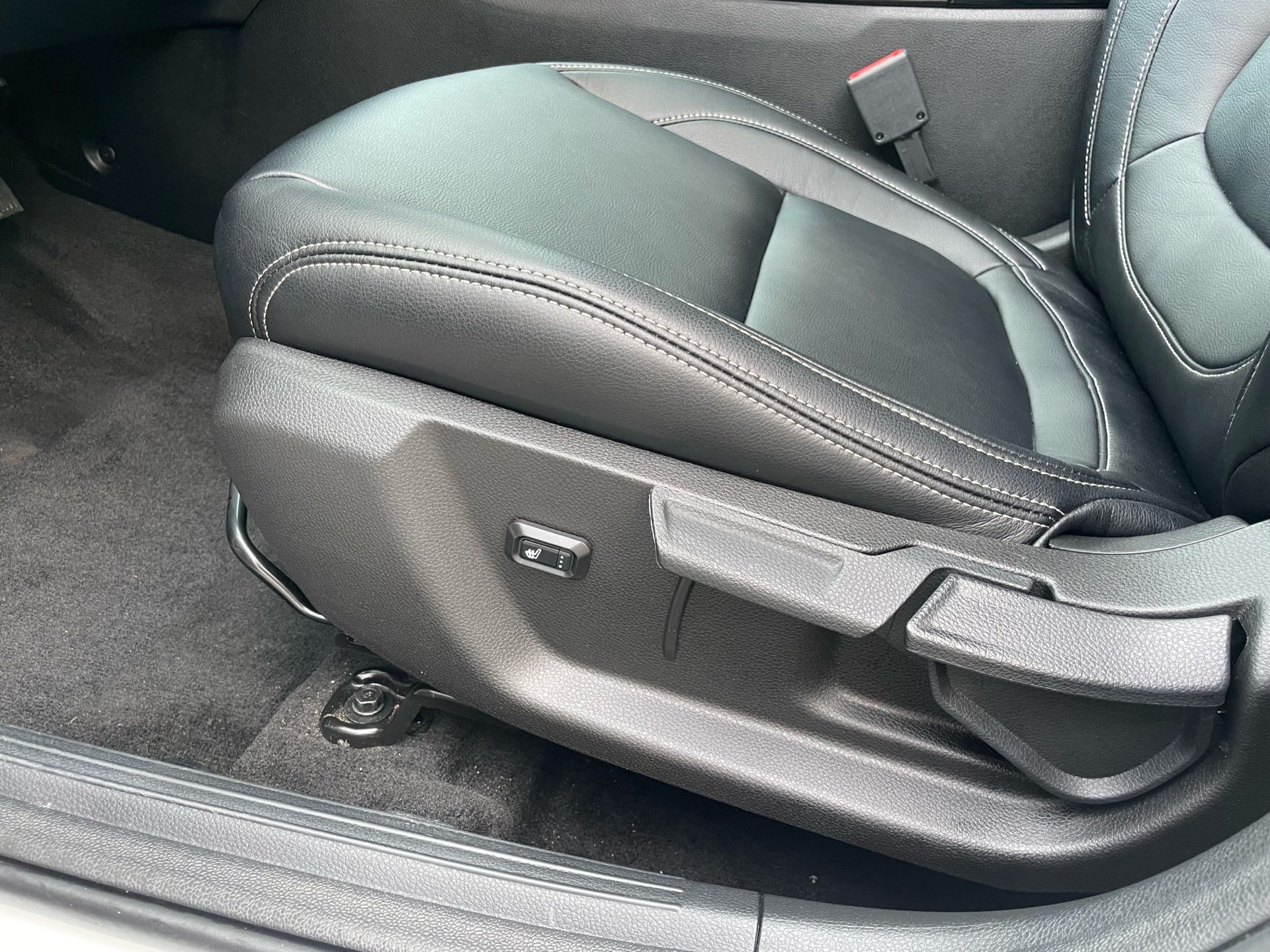
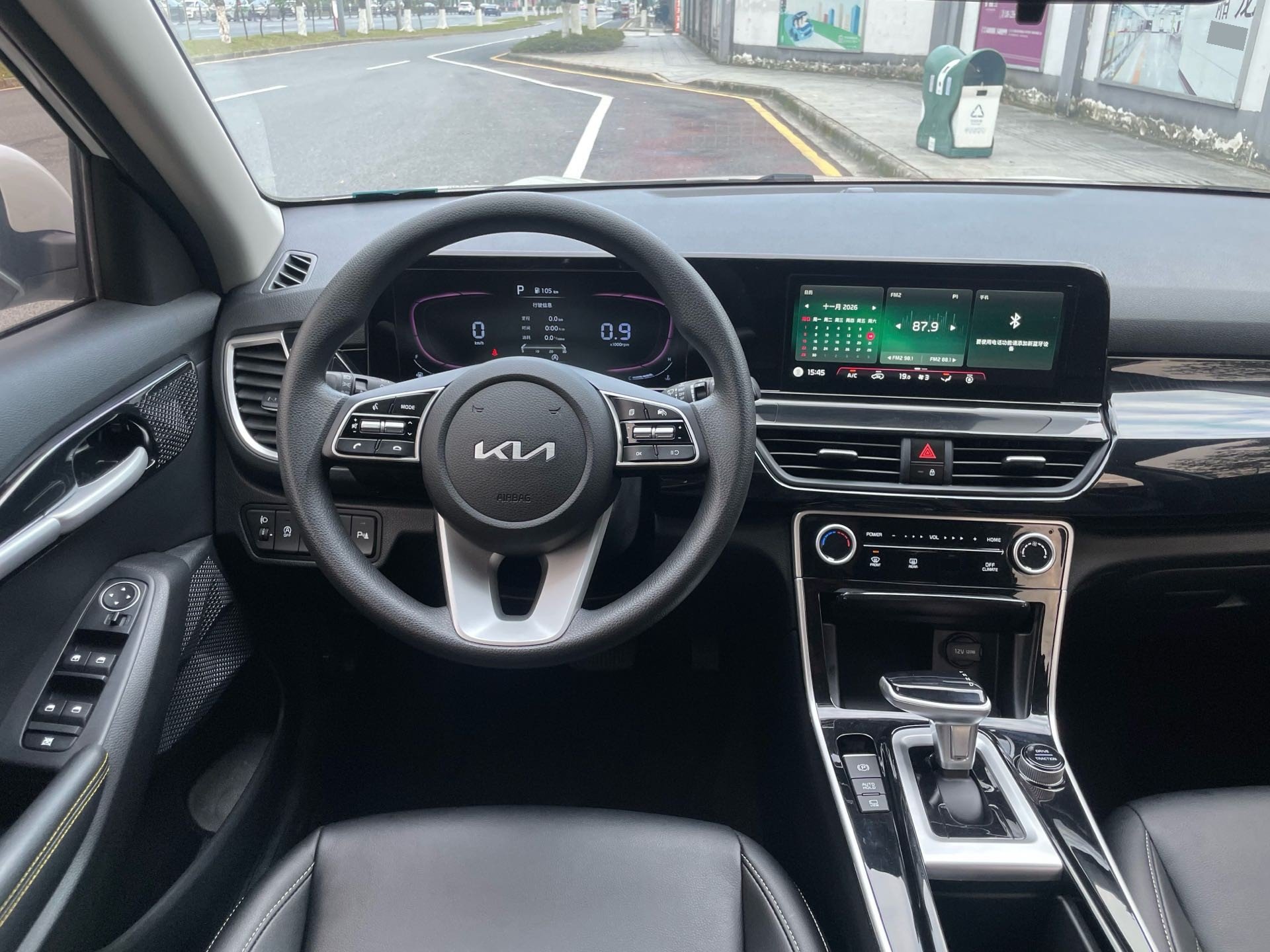
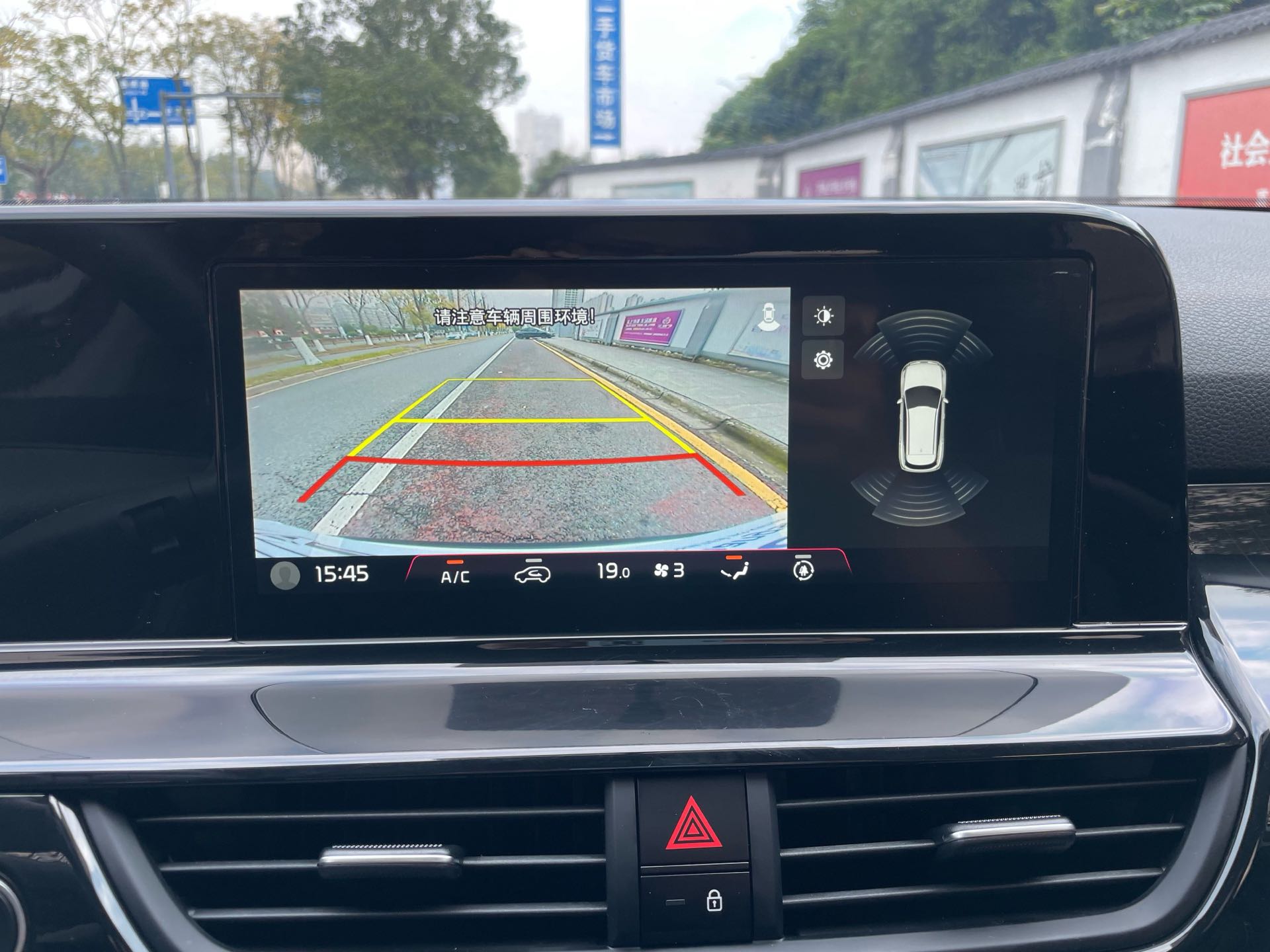
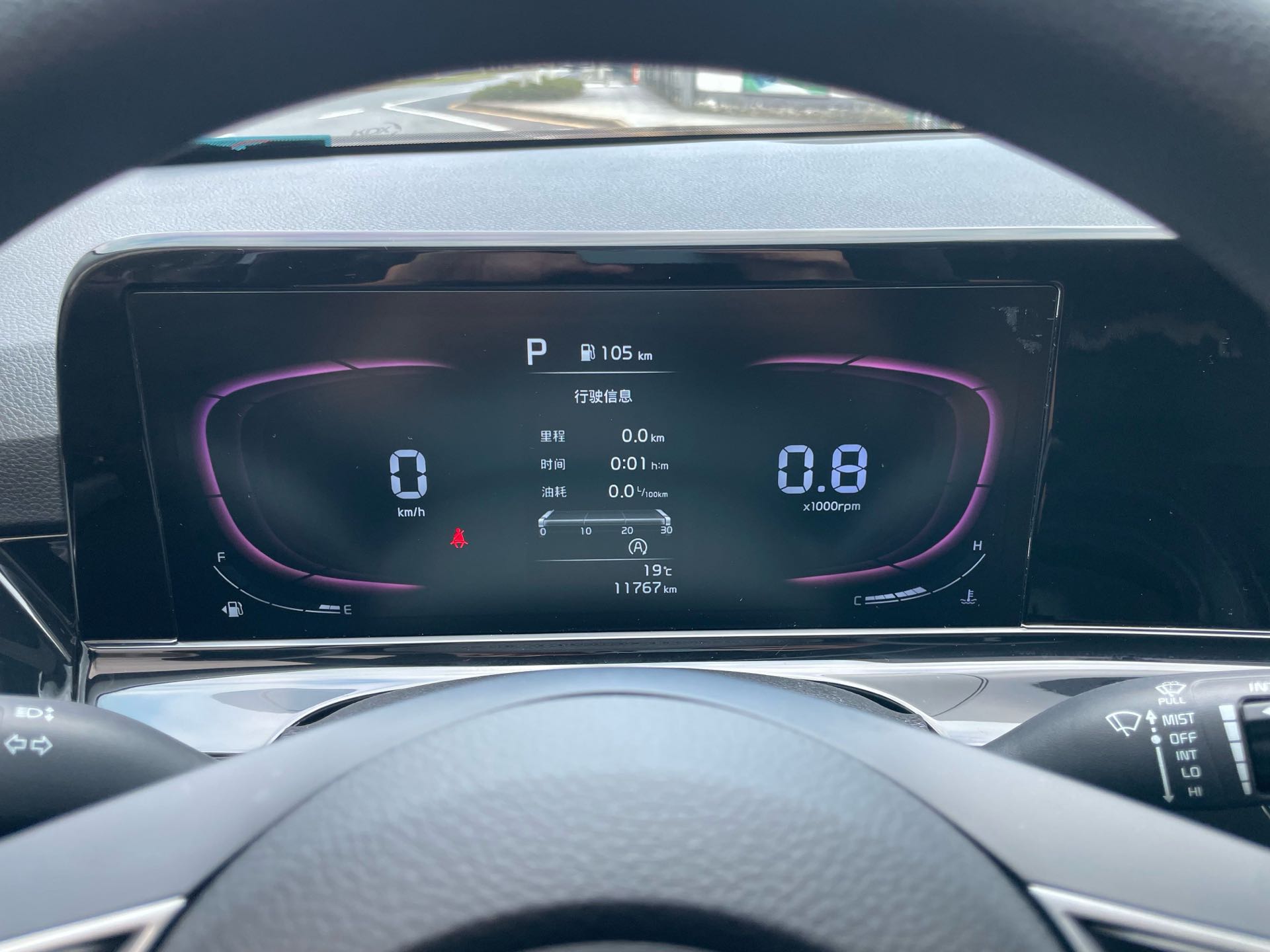



Basic Information

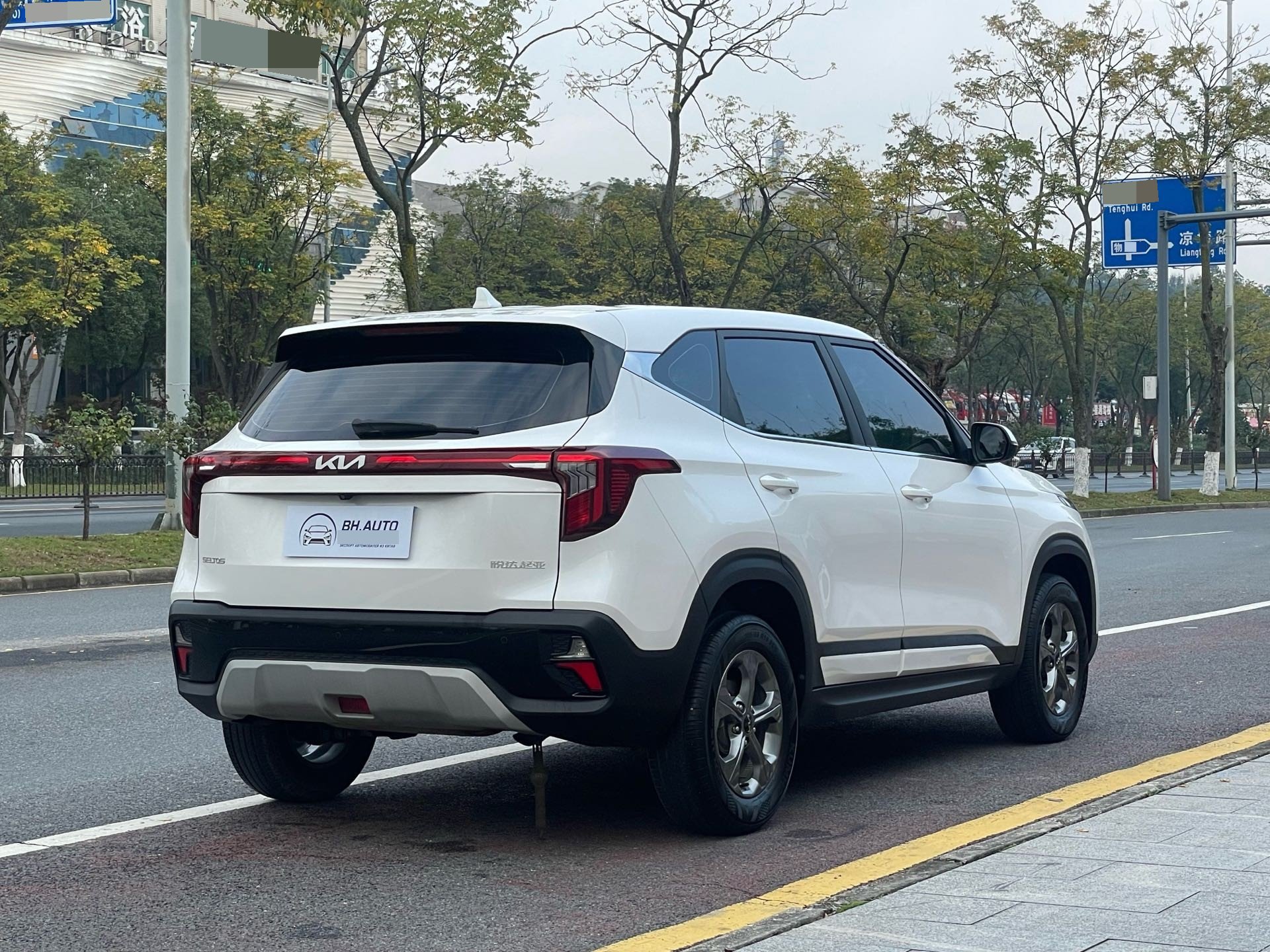
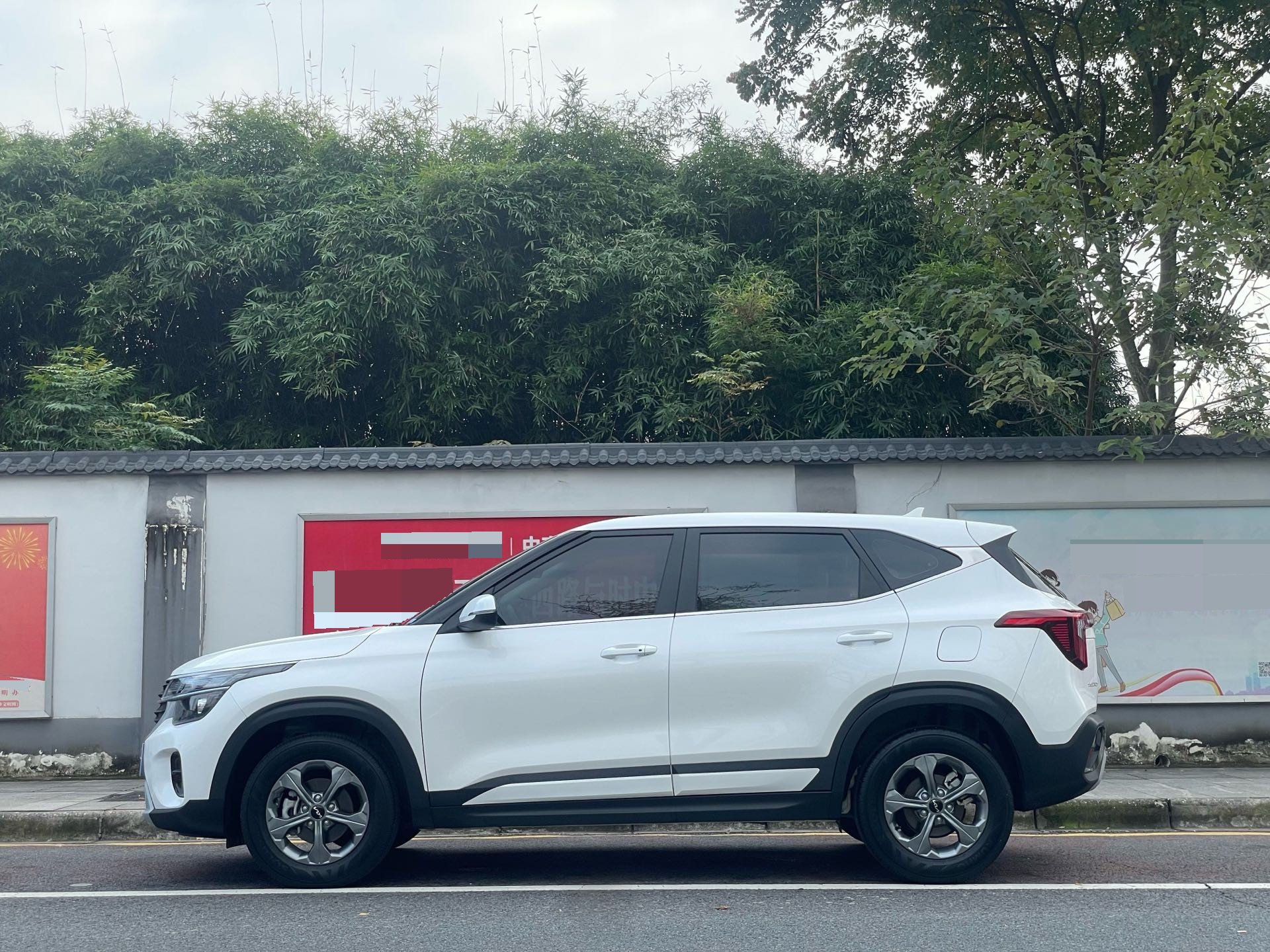
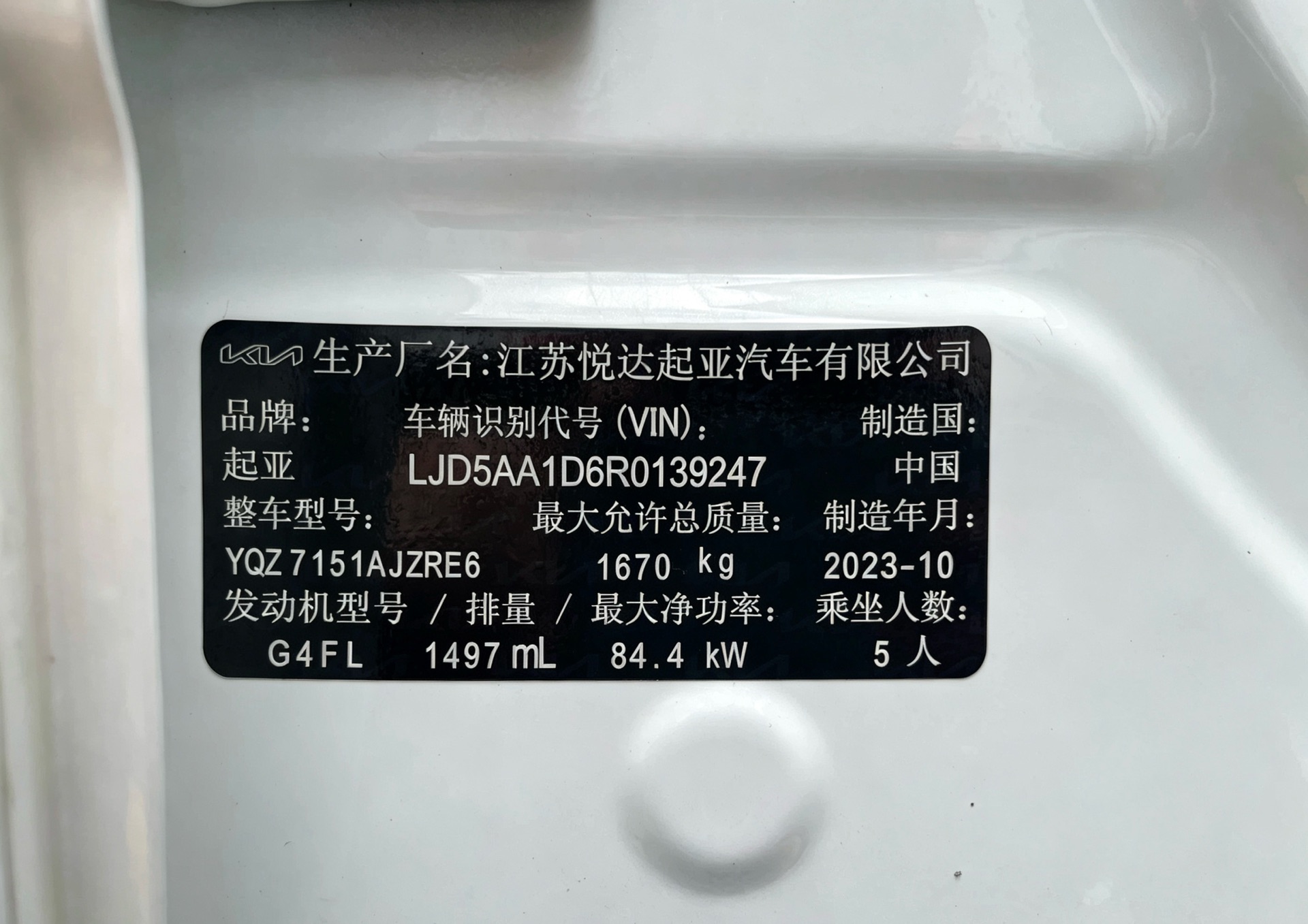
BrandKia
SeriesSeltos
Year2026
First Registration2026/11
Mileage11,000km
Transfer Count0times
FuelGasoline
TransmissionCVT
Engine1.5L 115 L4
ColorWhite
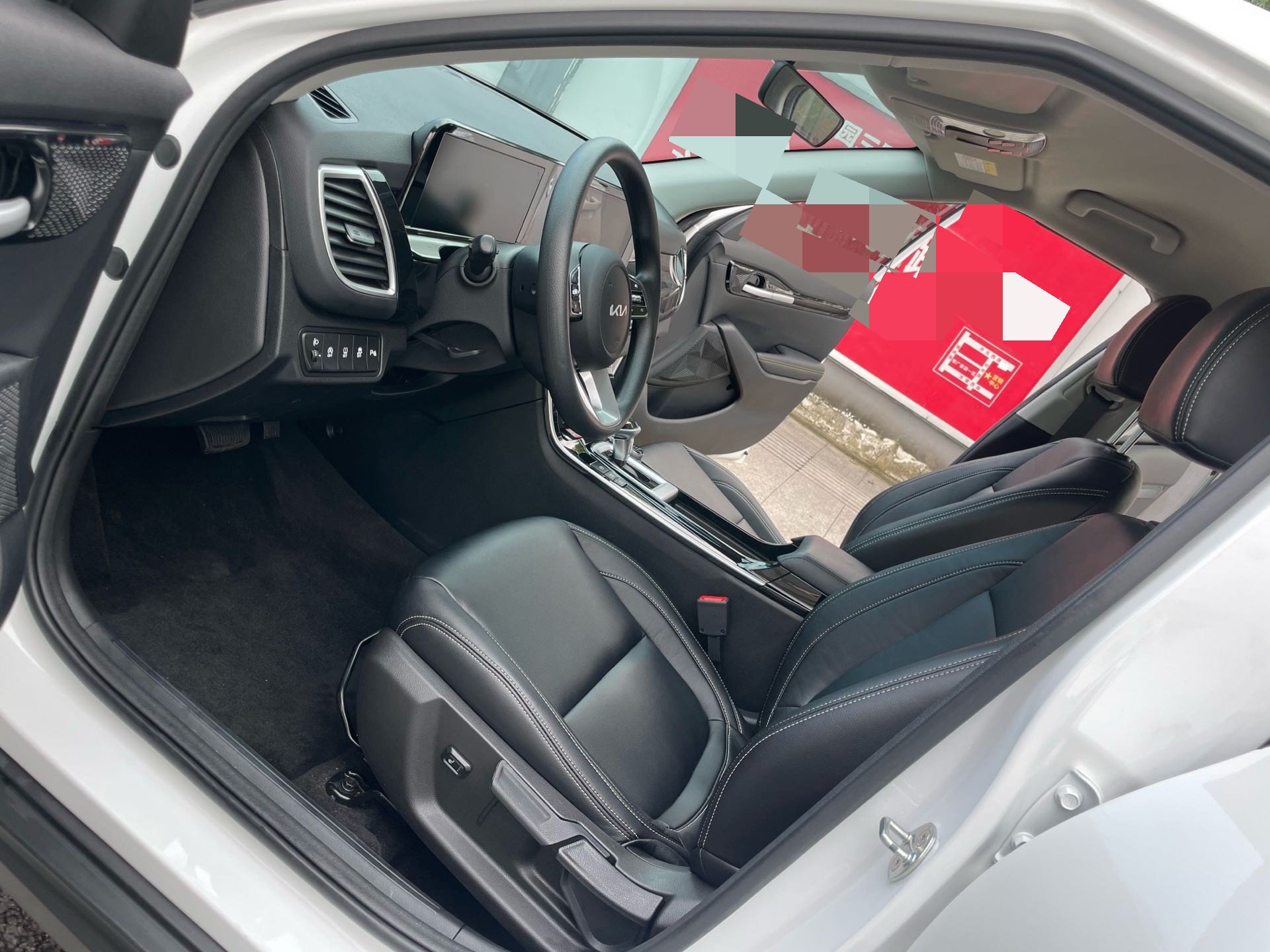
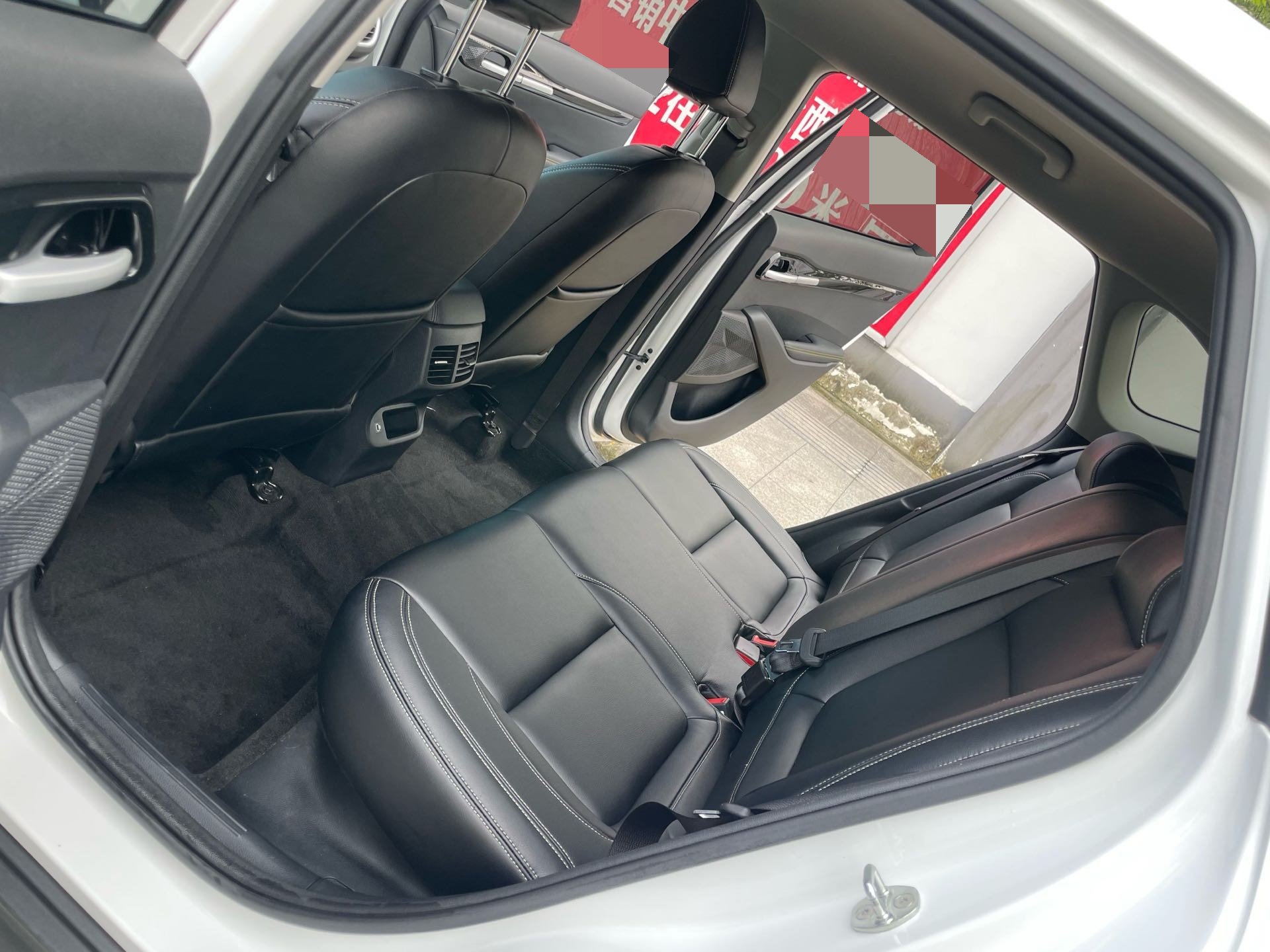
Seats5seats

Condition Description

Original paint, true odometer reading.

Document Information

Inspection Expiry Date-
Warranty Expiry Date-
Insurance Expiry Date2027/11

Q&A

More

If a car frequently transfers between extremely cold areas (like Northeast China) and extremely hot areas (like Hainan), would you provide special risk warnings?

Absolutely. The extreme temperature fluctuations will significantly accelerate the aging of chassis rubber parts, oil seals, and interior plastics. For vehicles frequently dispatched across such latitudes, we will conduct fatigue resistance checks on chassis rubber parts that are twice as stringent as those for vehicles in temperate regions.


What does the real landed cost of importing a used car from China look like, and which line items do buyers most often underestimate?

A realistic landed cost has five layers: the car price, export-side fees (deregistration, export license, inland trucking to the port), international freight and insurance, destination duties and taxes, and local charges (port handling, inspection, registration). Buyers most often underestimate three items. First, destination duties are calculated on the customs value, which may include freight, so a cheap car can still attract significant tax. Second, port and terminal charges at both ends add up; demurrage fees apply quickly if documents are late. Third, compliance costs such as homologation, emissions testing, or translation of documents can run into hundreds of dollars depending on the country. Ask every exporter for a written, itemized quote to your port, not just an FOB price, and keep a 5% contingency. Quotes that look unusually cheap usually hide costs in the freight or handling lines.

Is there a specialized aging testing instrument for the insulation test of the vehicle's high-voltage wiring harness?

We will use a megohmmeter (insulation resistance tester) to measure the insulation resistance of the high-voltage bus. If the resistance value is below the national safety standard, it indicates a risk of leakage, and the vehicle will be deemed unqualified.