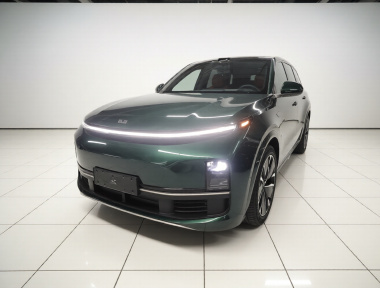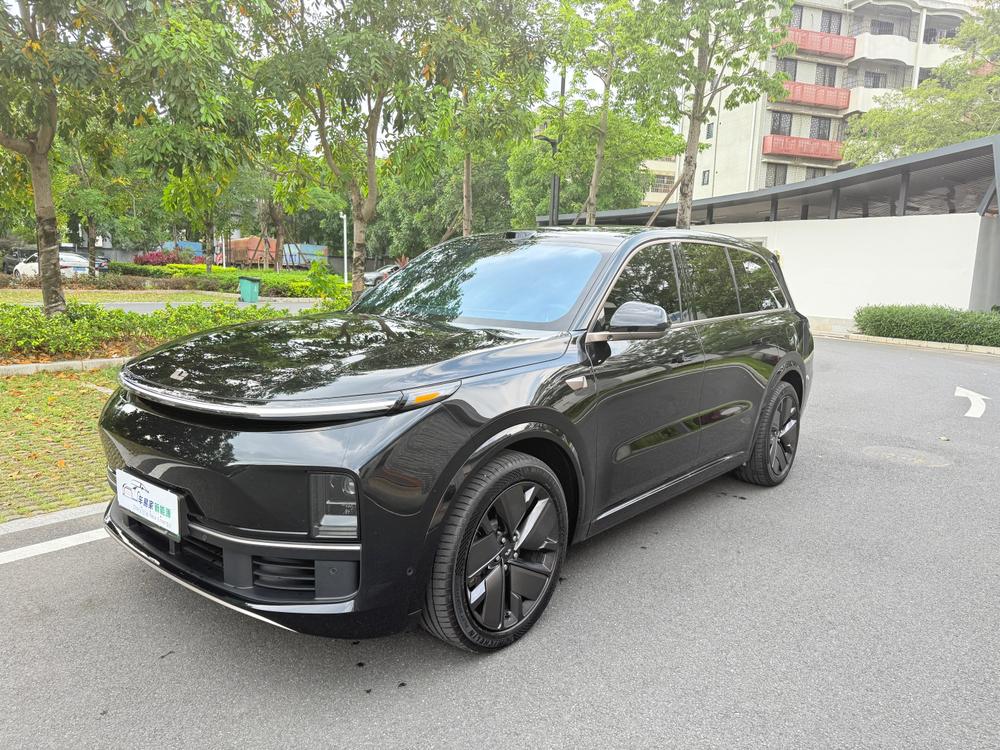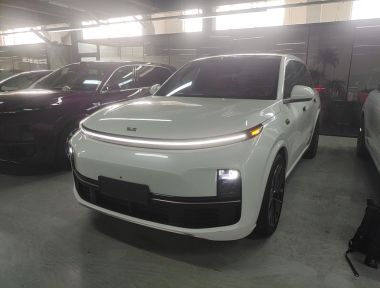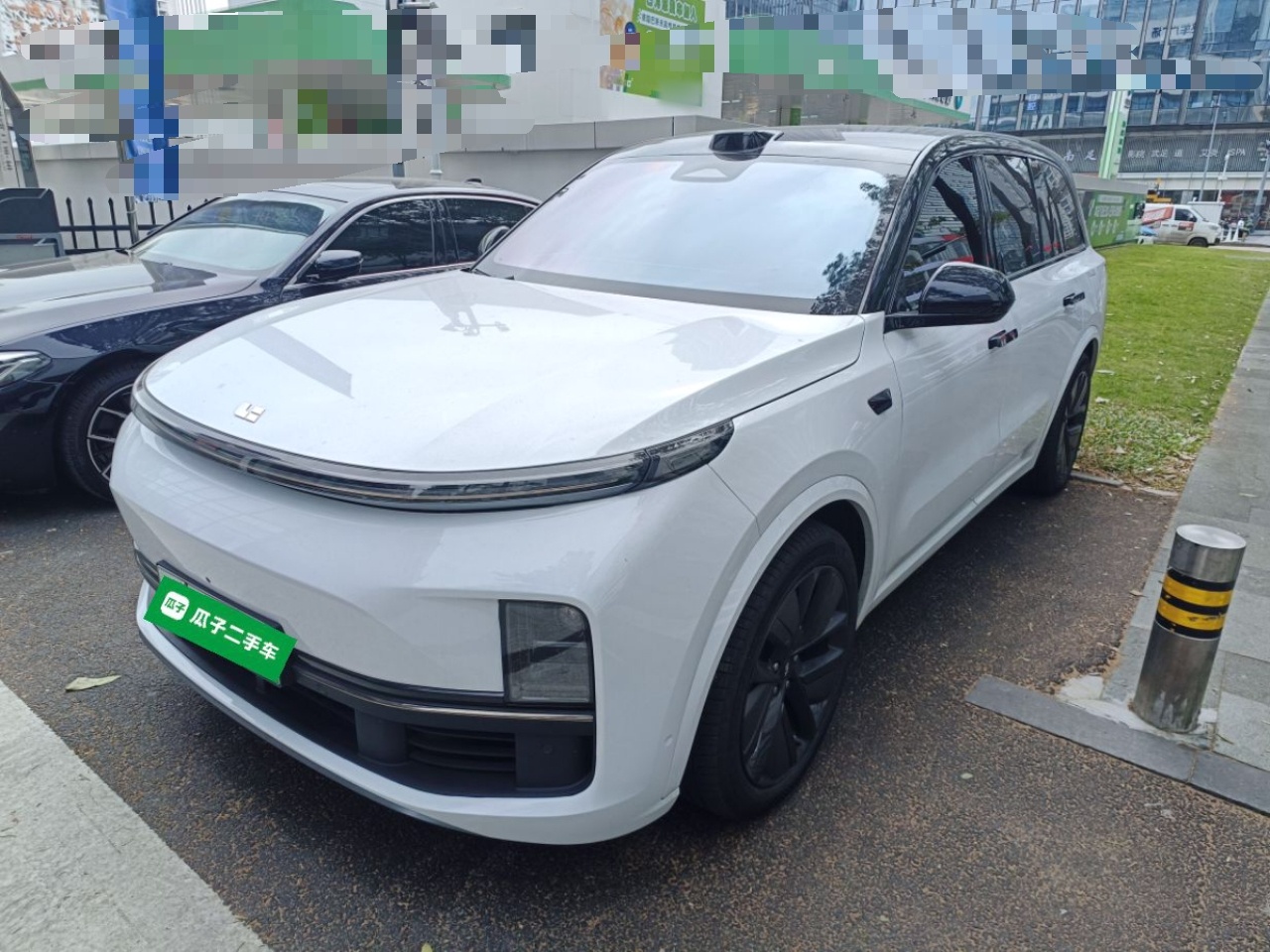
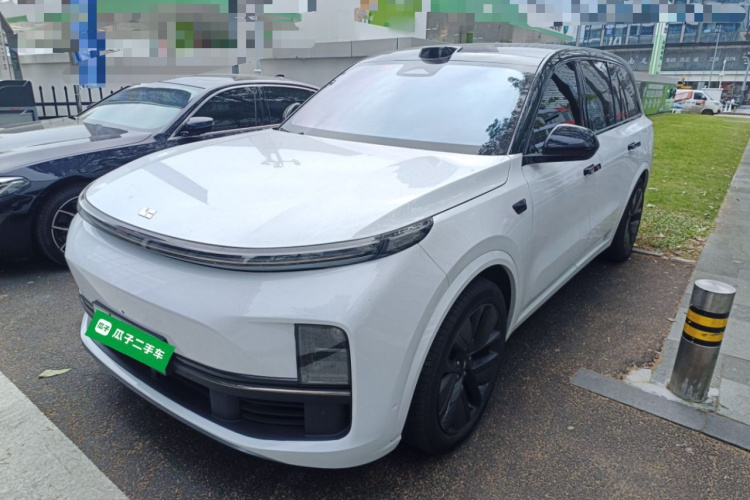
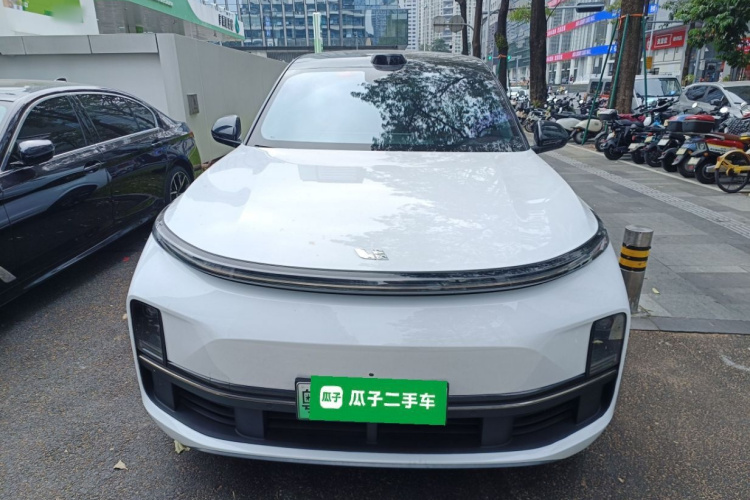
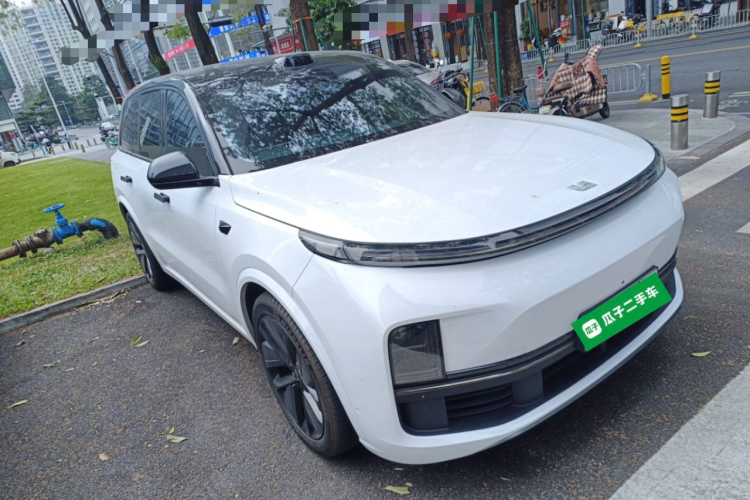
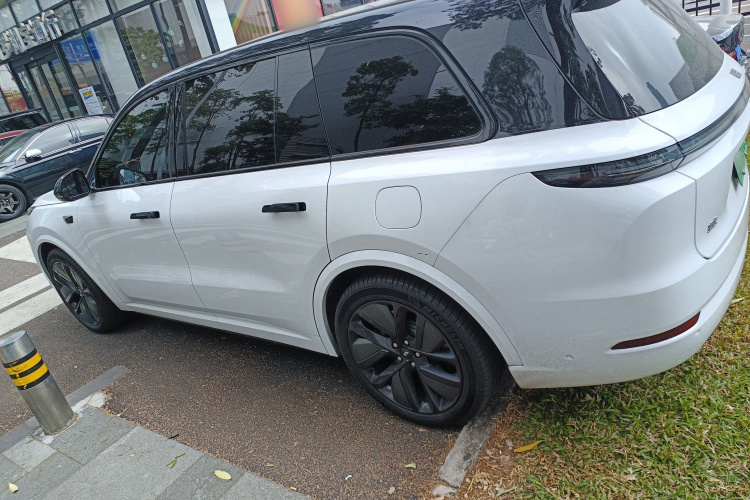
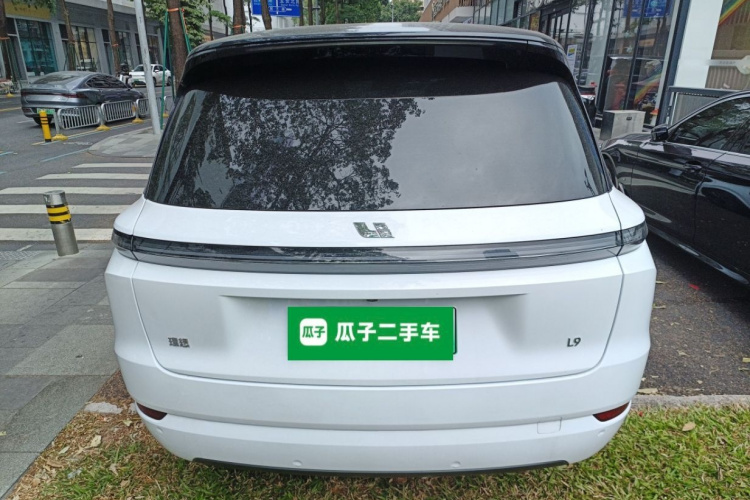
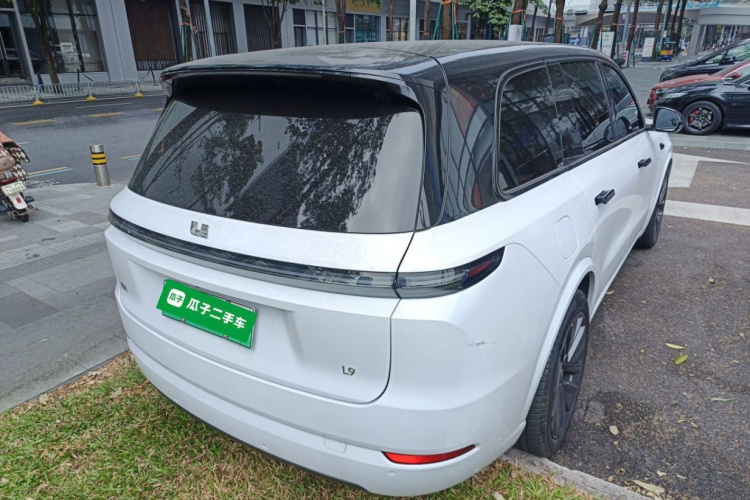

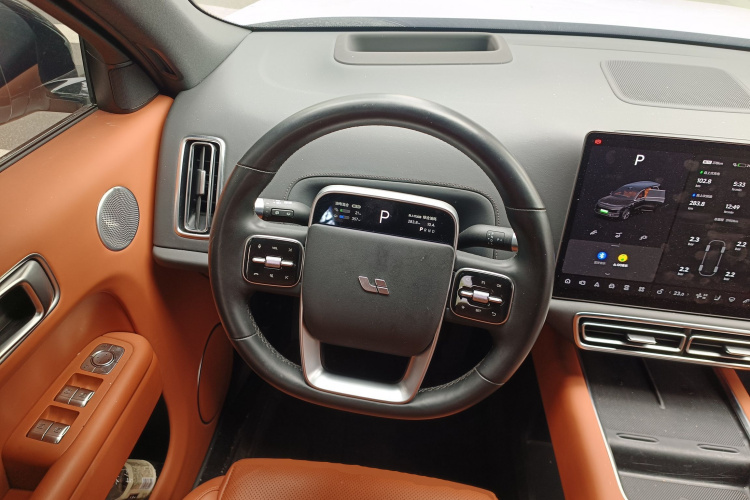
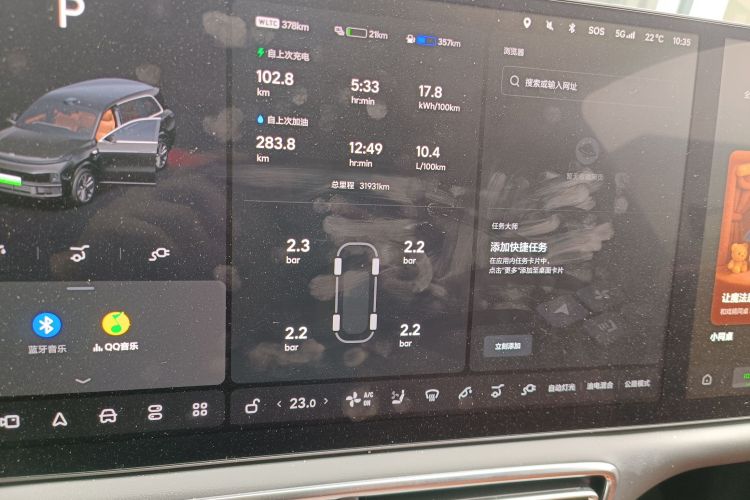
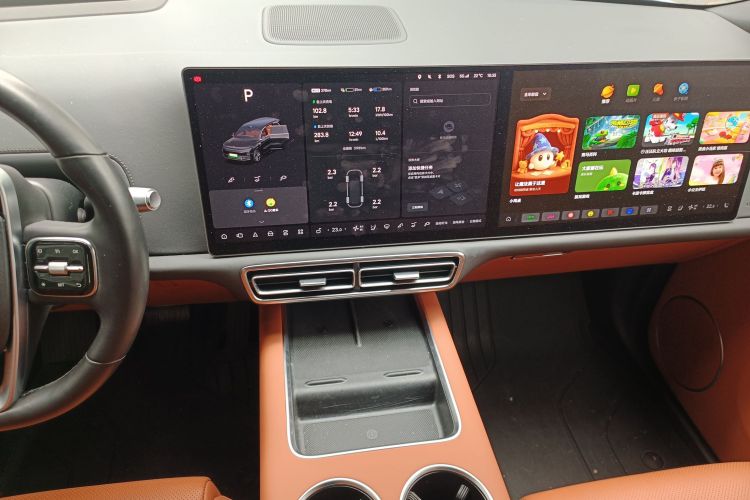
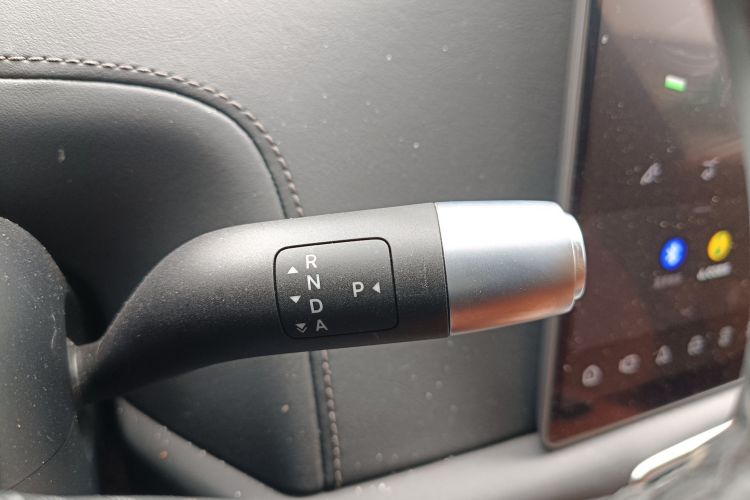
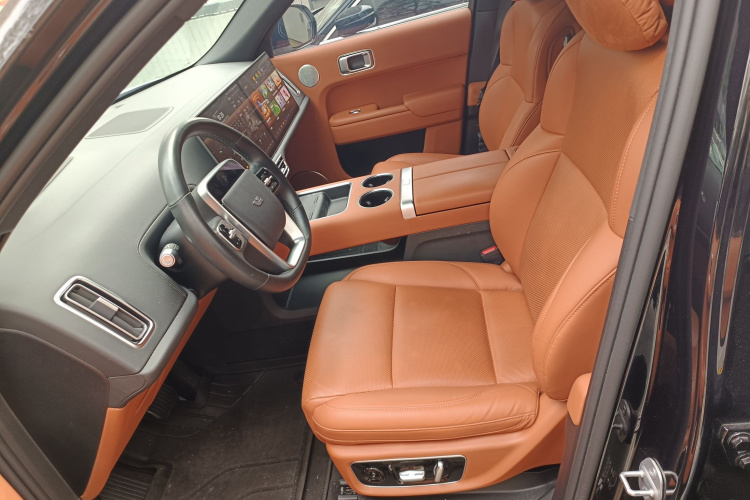
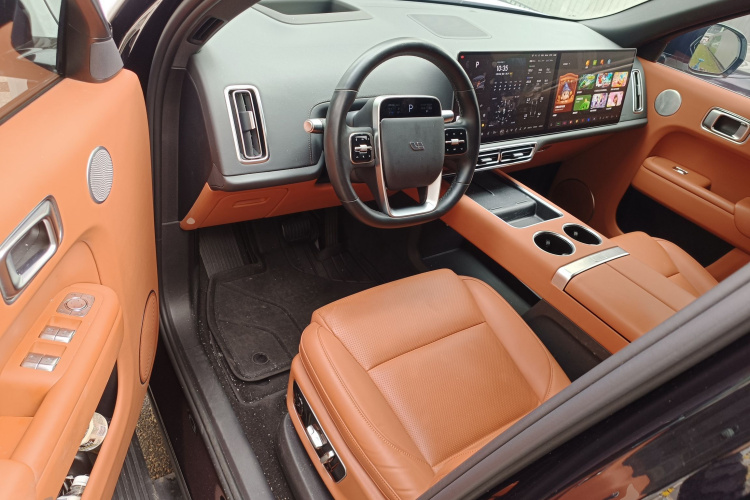
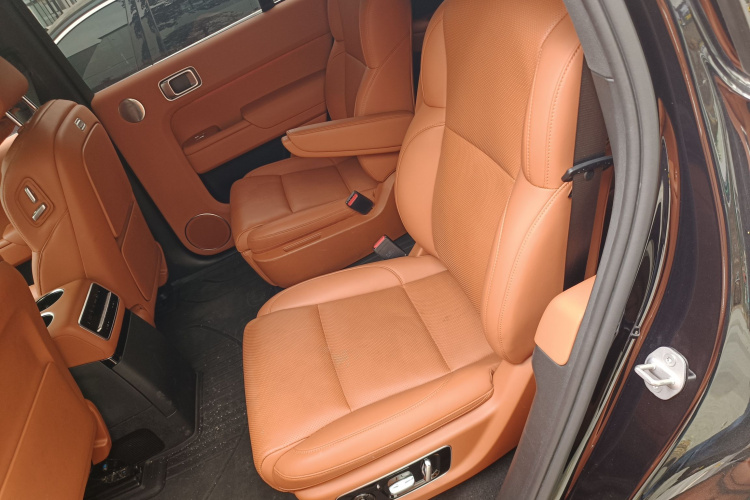
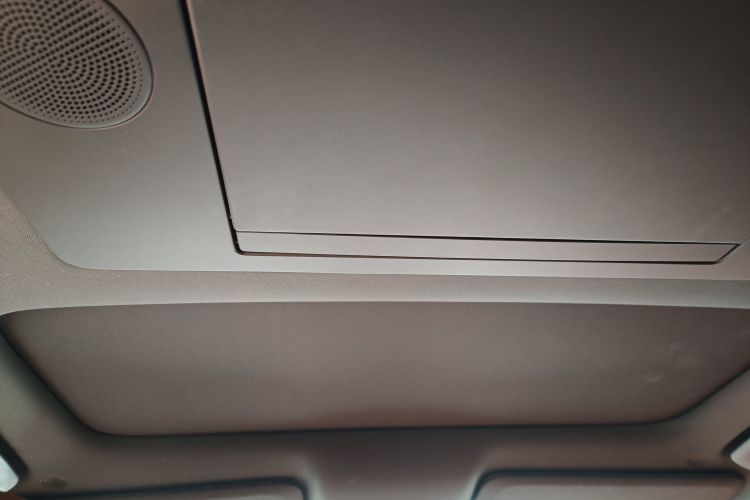
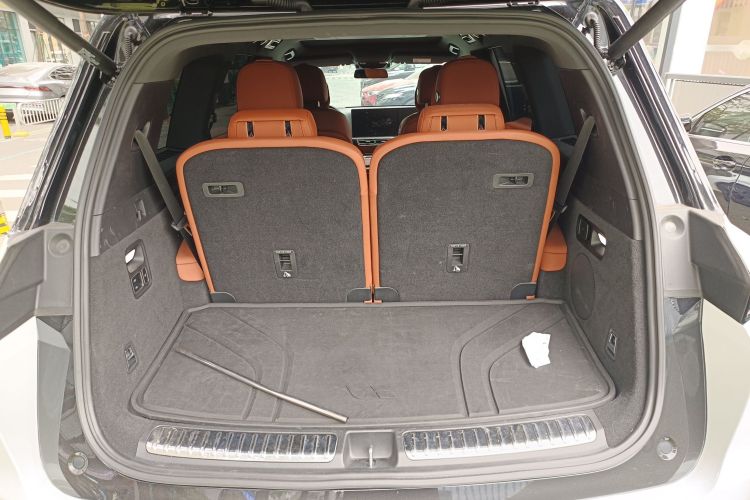
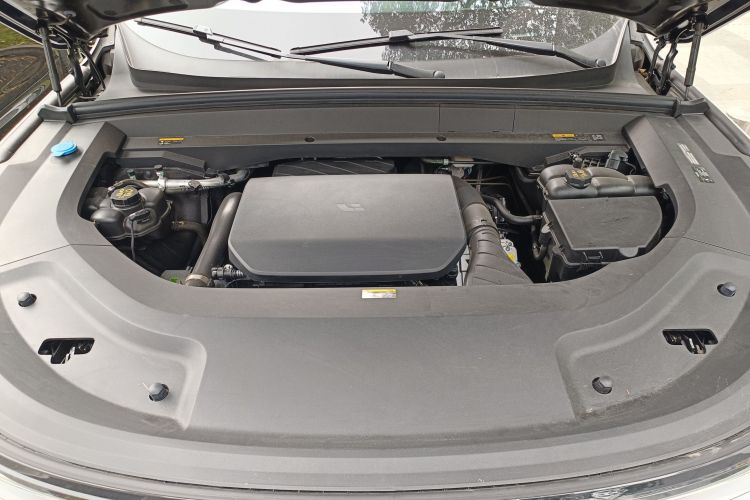



Basic Information

BrandLi
SeriesL9
Year2023
First Registration2023/08
Mileage31,900km
Transfer Count-
FuelEREV
TransmissionOther
Engine154
ColorWhite
Seats-

Condition Description

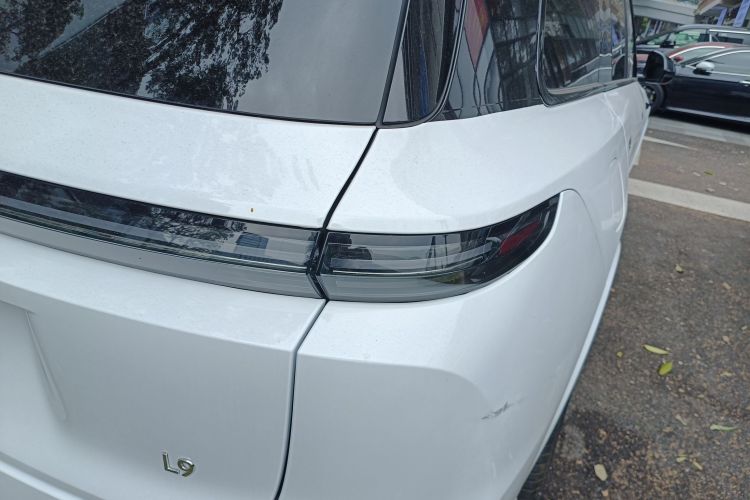
Vehicle in good condition, passed inspection; vehicle in fair condition, 1 claim filed, 0 ownership transfers.

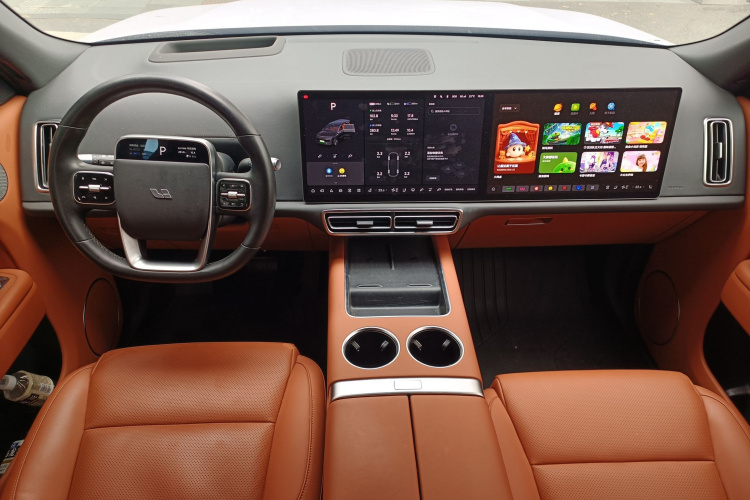
This vehicle is 3 years old, with an average annual mileage of 10,600 kilometers. It has a low frequency of daily use and has never been transferred to another owner, making it a good first-hand vehicle. There may be some obvious signs of wear and tear on the exterior. The interior is in good condition with normal signs of use. The overall body frame is intact, but there are a few abnormal issues. The fluids are normal, and the power system is functioning well.

Configuration Highlights

✓Soft-close Doors
✓Heated Steering Wheel
✓Air Suspension
✓Rear Control Passenger Seat
✓Kick-sensor Trunk
✓Adaptive Cruise Control
✓Adaptive Suspension
✓Adaptive Headlights
✓Blind Spot Assist
✓Surround View Camera
✓Lane Departure Warning
✓Digital Instrument Cluster
✓Power Steering Adjustment
✓Auto Park
✓Rear Independent Climate Control
✓4WD System
✓Power Trunk
✓Cornering Lights
✓Driver Seat Memory
✓Ambient Lighting
✓High Beam Assist
✓Front Radar
✓Auto Hold
✓Keyless Entry
✓Rain-sensing Wipers
✓High-definition Low Beam
✓Power Folding Mirrors
✓Power Seats
✓Auto Headlights
✓Keyless Start
✓Rear Air Vents
✓Tire Pressure Monitoring
✓Heated Mirrors
✓Hill Start Assist
✓Rear Parking Sensors
✓Anti-pinch Windows

Q&A

More

Why are the shipping costs for used electric vehicles (EVs) usually higher than for internal combustion engine vehicles (ICEs)?

Pure electric vehicles are classified as Class 9 Dangerous Goods due to their large lithium batteries, leading to strict shipping regulations. Shipping companies have high requirements for the loading position and fire isolation measures for dangerous goods, and some roll-on/roll-off ships refuse to accept used EVs. As a result, EVs often require more expensive special container shipping and incur additional handling fees for hazardous materials.

Are there specific photos or reports from the lift perspective regarding the concealed parts of the chassis (such as the suspension system and shock absorber leaks)?

Definitely. Lifting the chassis is a mandatory part of our standards. The report will specifically show whether there are oil stains on the front and rear shock absorber cylinders, if the rubber boots of the lower control arm ball joints are torn, and if the steering tie rods are loose or deformed.

Who is responsible for damages to the vehicle during maritime transport?

Be sure to purchase cargo insurance (all-risk or water damage insurance). In case of damage, claim with the bill of lading, insurance policy, and proof of damage at the destination port.