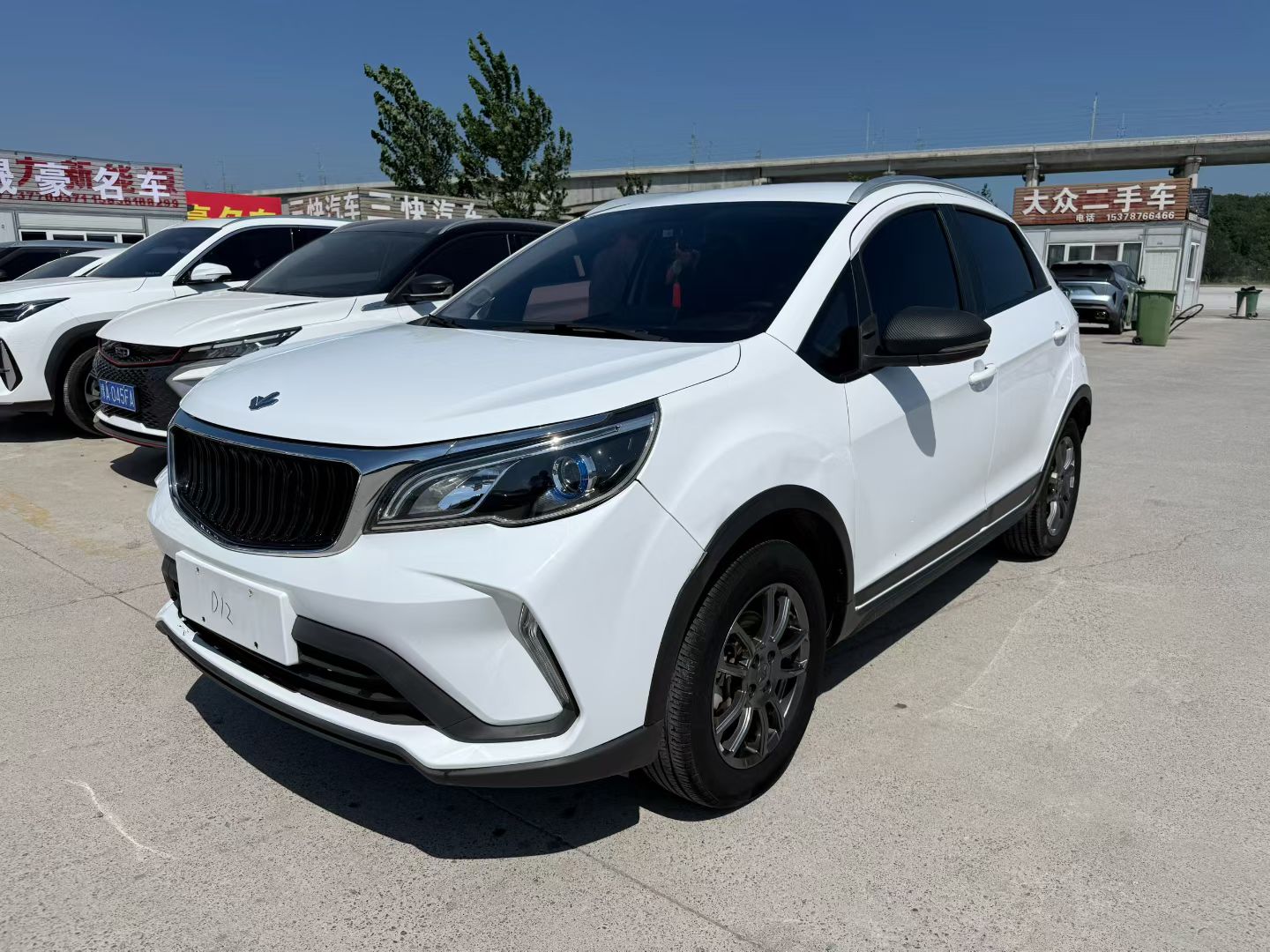
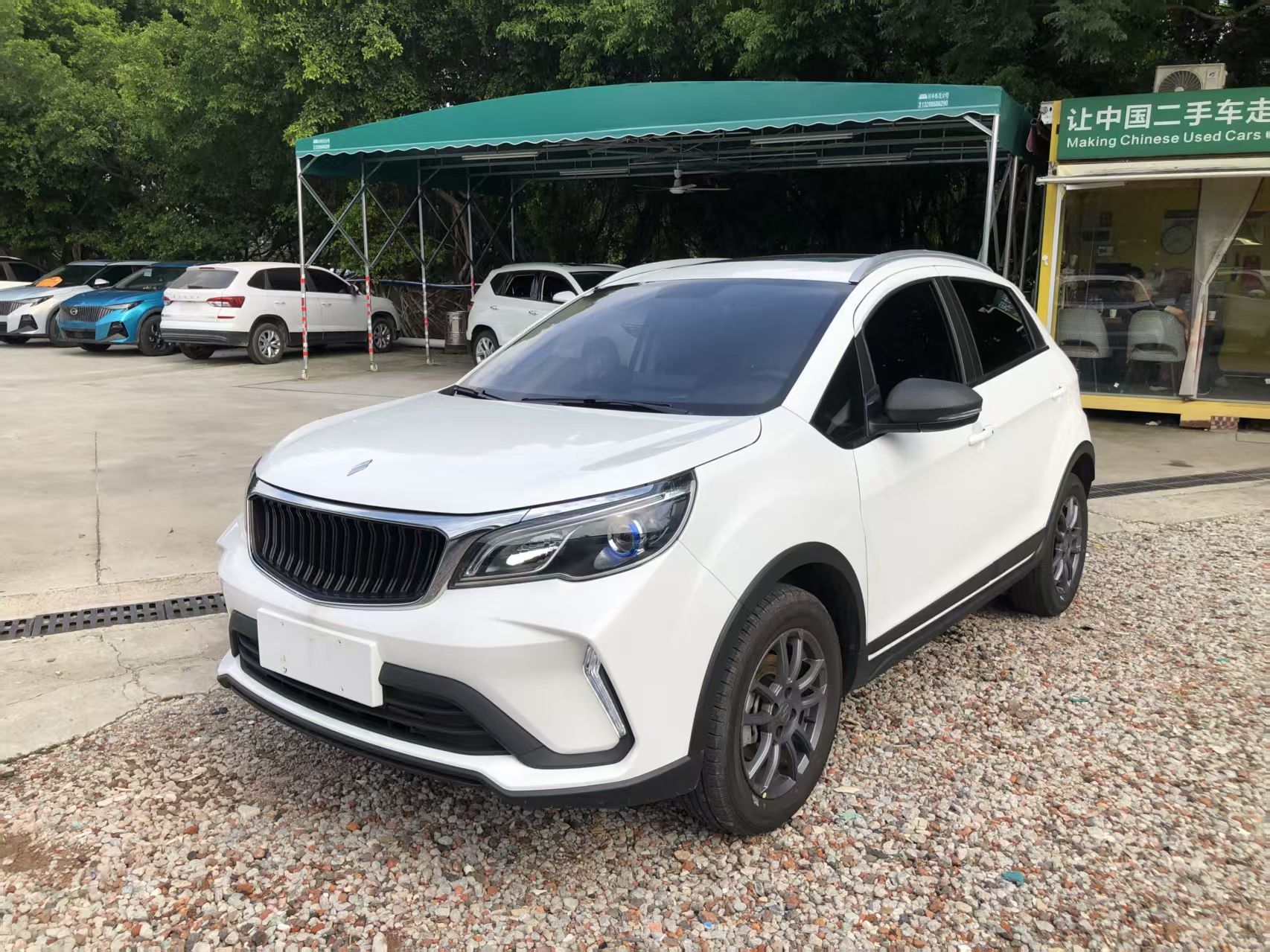
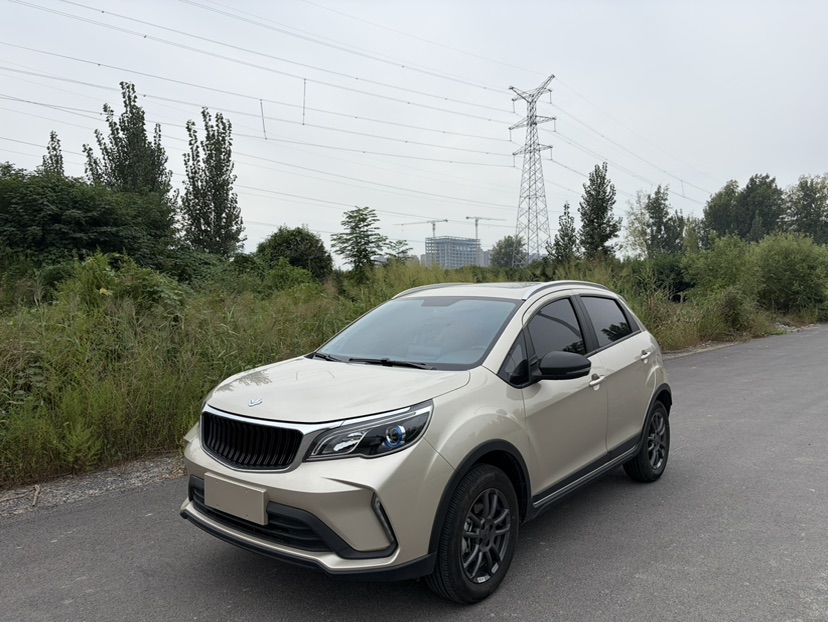
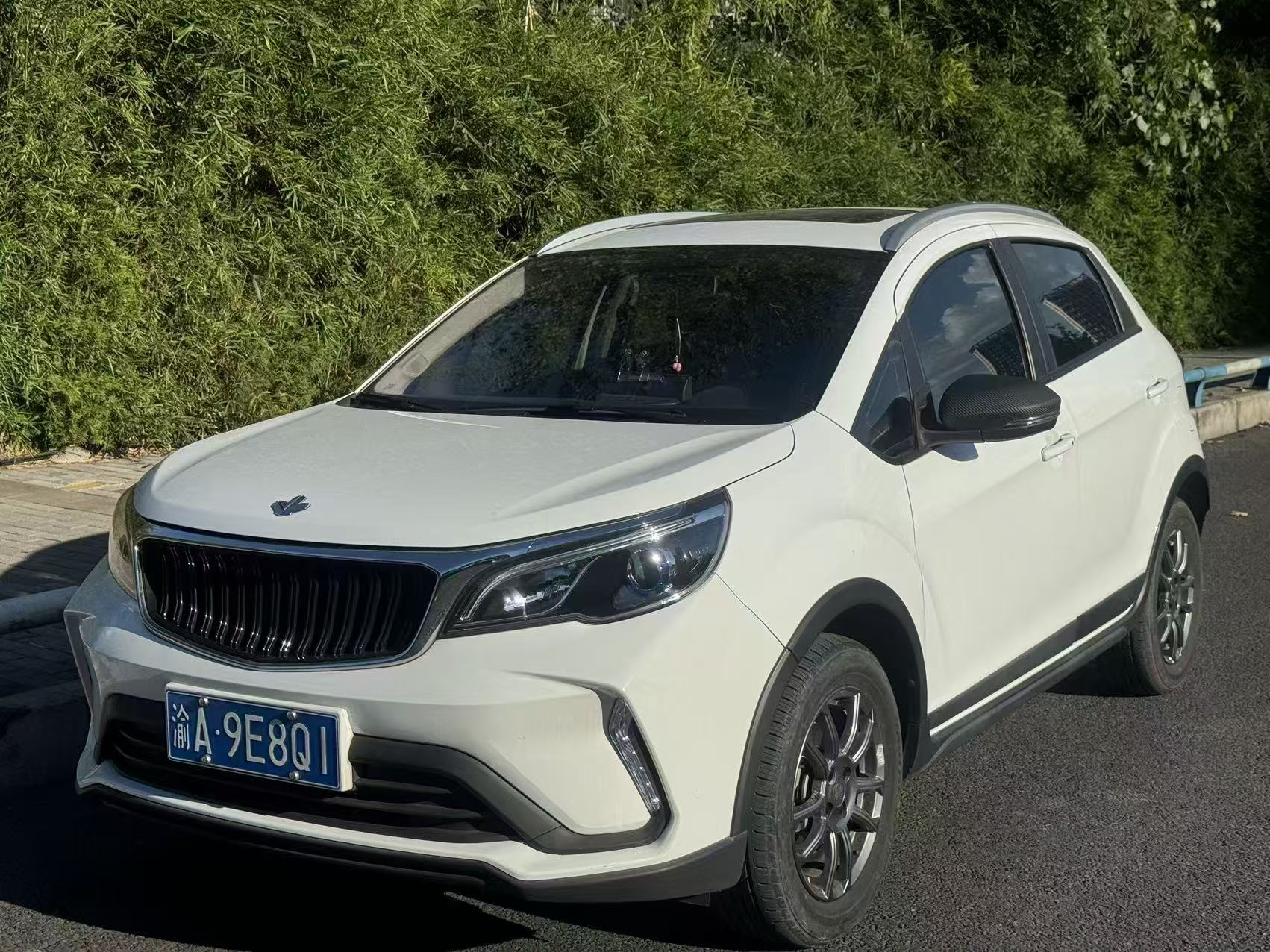
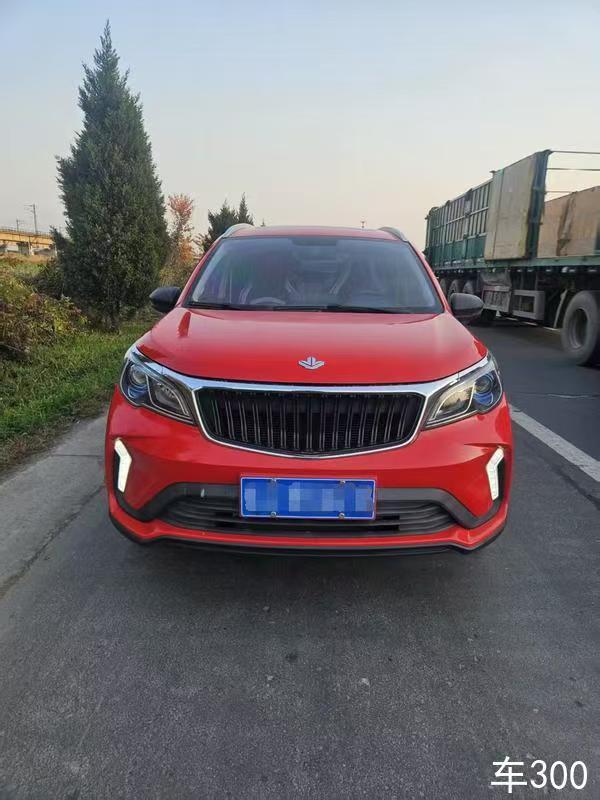
Basic Information

BrandLivan
SeriesX3 PRO
Year2023
First Registration2023/01
Mileage23,400km
Transfer Count1times
FuelGasoline
TransmissionManual
Engine1.5L 113 L4
ColorBlue
Seats-

Condition Description

Body components (structural/reinforcing/panels) have accident-type damage; passive safety devices defective; vehicle performance (including three-electric system) degraded or still performance-limited after repairs.

Accident inspection: main structure no damage, reinforcing parts damaged, panels no damage, hinges normal; engine bay: key mechanical components normal; exterior: none; interior: most features normal, airbag normal, seatbelt normal, dashboard normal, instrument check normal, lighting system normal; start check: main components normal; on-board tools: none.

Fixed price
可转售
公转私
新检测标准升级>
必卖车源
非泡水

Document Information

Inspection Expiry Date2027/01
Warranty Expiry Date-
Insurance Expiry Date2027/01

Q&A

More

Can I combine several cars into one container to save on freight when importing from China, and how does consolidation work?

Yes, consolidation is common and can cut freight cost per car significantly, especially for shared purchases or small-volume importers. How it works: 1. A 40ft high-cube container typically fits 2-4 cars depending on size and loading method (standard loading vs. specialized racking that allows 4+ cars). Confirm the loading plan with your forwarder in writing. 2. Cars are secured with wheel chocks, straps, and padded braces. Professional loading with photos before the doors close is essential — request a photo report for insurance purposes. 3. One container means one bill of lading and one customs entry, but each car still needs its own invoice, export documents, and destination customs declaration. Things to watch: - Liability: if one car shifts and damages another in transit, insurance claims get complicated. Take out proper cargo insurance covering both vehicles. - Timing: all cars in the container must be ready at the same port at the same time, or you pay storage fees. - For EVs, check the shipping line's battery and state-of-charge rules — they may limit how many EVs go in one box. For a single car, RoRo or a 20ft container is usually simpler; consolidation mainly pays off from 2+ cars.


Will you provide a comprehensive landing cost calculation for different destination ports (e.g., Jebel Ali Port vs. Mombasa Port)?

We will provide a detailed logistics and insurance cost table from the port of origin to the destination port, but since we do not have access to the rapidly changing tariff dynamics of multiple countries, we cannot provide an absolute "Delivered Duty Paid (DDP)" calculation.

What if the used car I imported from China turns out to be a bad deal—can I return it or get a refund?

In practice, returning an imported car is extremely difficult, so your protection must be built in before payment, not after. Once a used car has been exported, reversing the transaction involves re-export paperwork, duties, and freight costs that typically exceed any refund you'd recover. Most exporters' contracts treat the sale as final once the bill of lading is issued. What you can realistically do: 1. If the car differs materially from the contract (wrong VIN, undisclosed accident, tampered odometer), you have grounds for a claim. Document everything and negotiate a partial refund or repair credit—full refunds are rare. 2. If the seller committed outright fraud, you can pursue legal action in China or report to the platform, but cross-border enforcement is slow and costly. 3. Some exporters offer a short arrival warranty (usually 30-90 days) covering major mechanical failures. Claims require immediate notification, third-party inspection reports, and proof the damage existed at shipment. The practical takeaway: never rely on the possibility of a return. Spend the money on a thorough pre-shipment inspection and clear contract terms instead—it's far cheaper than a dispute.