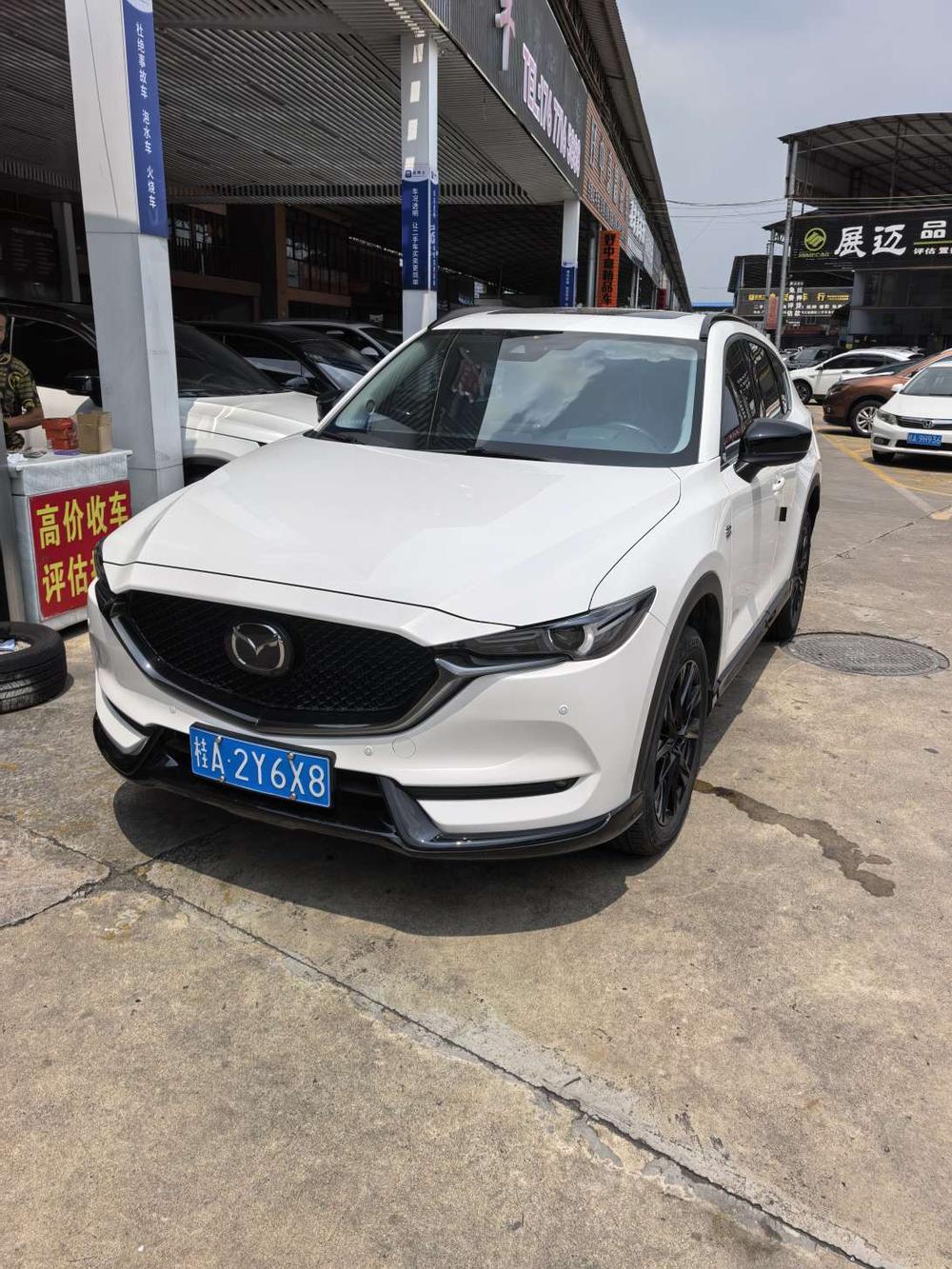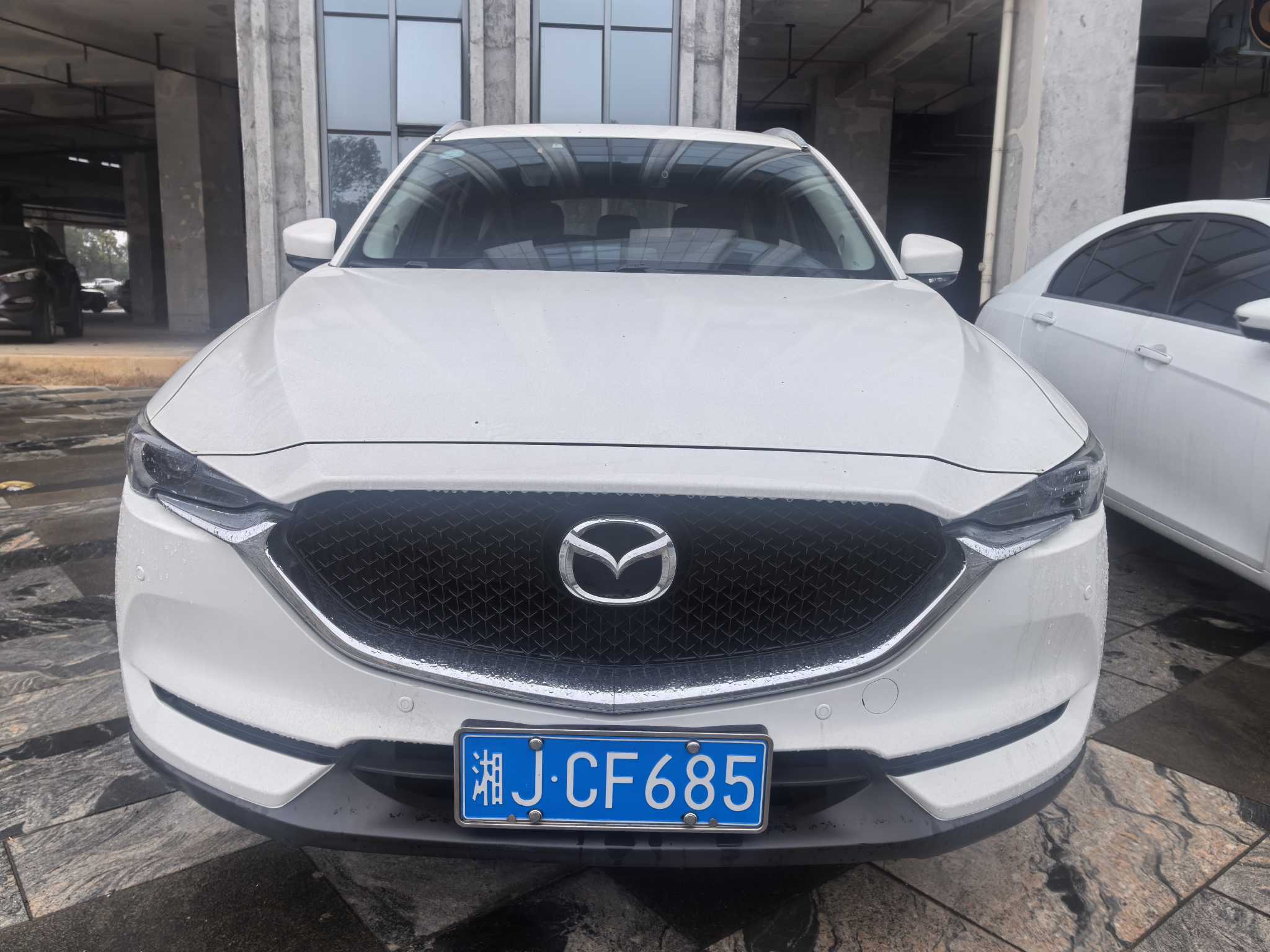
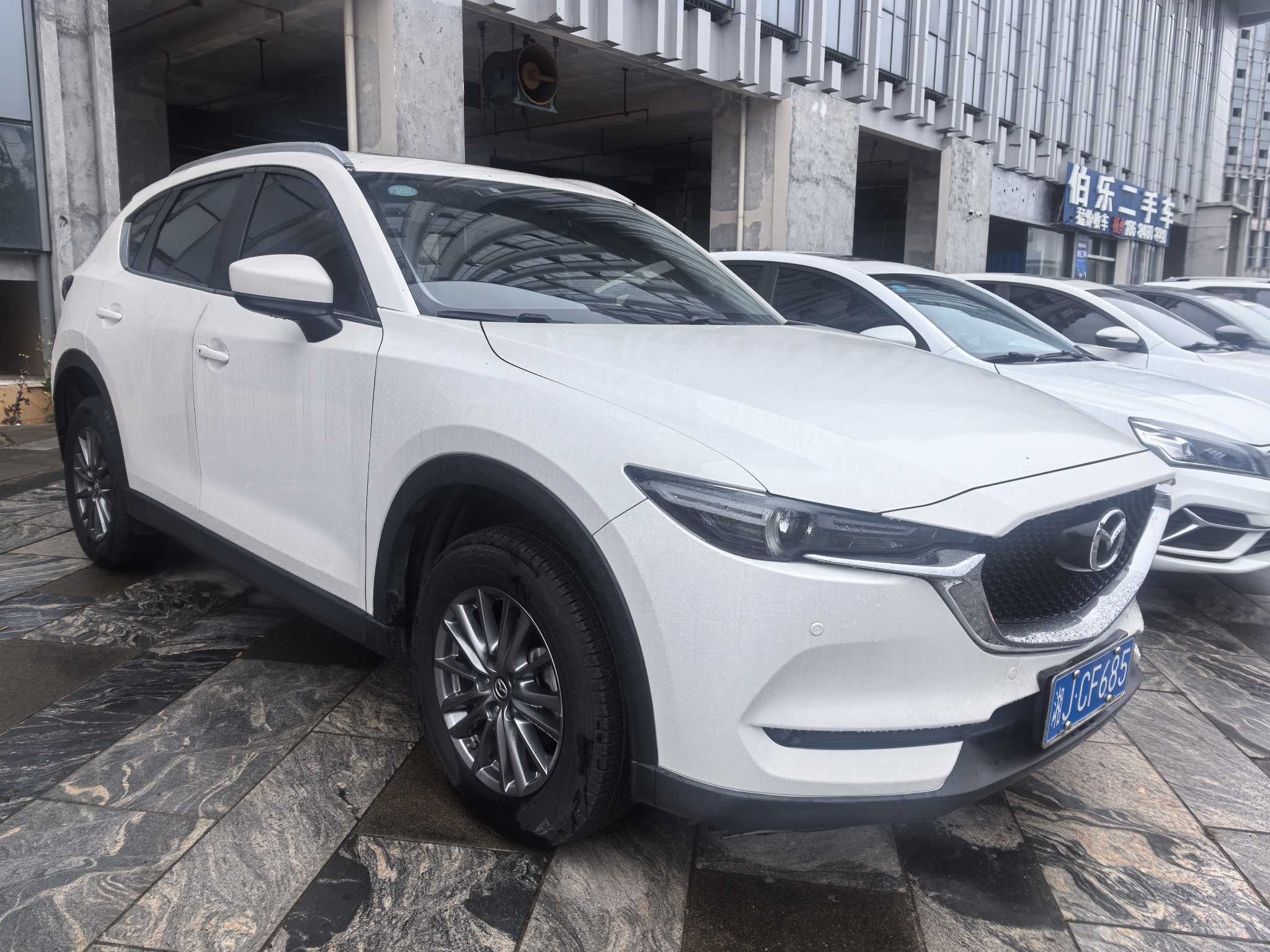
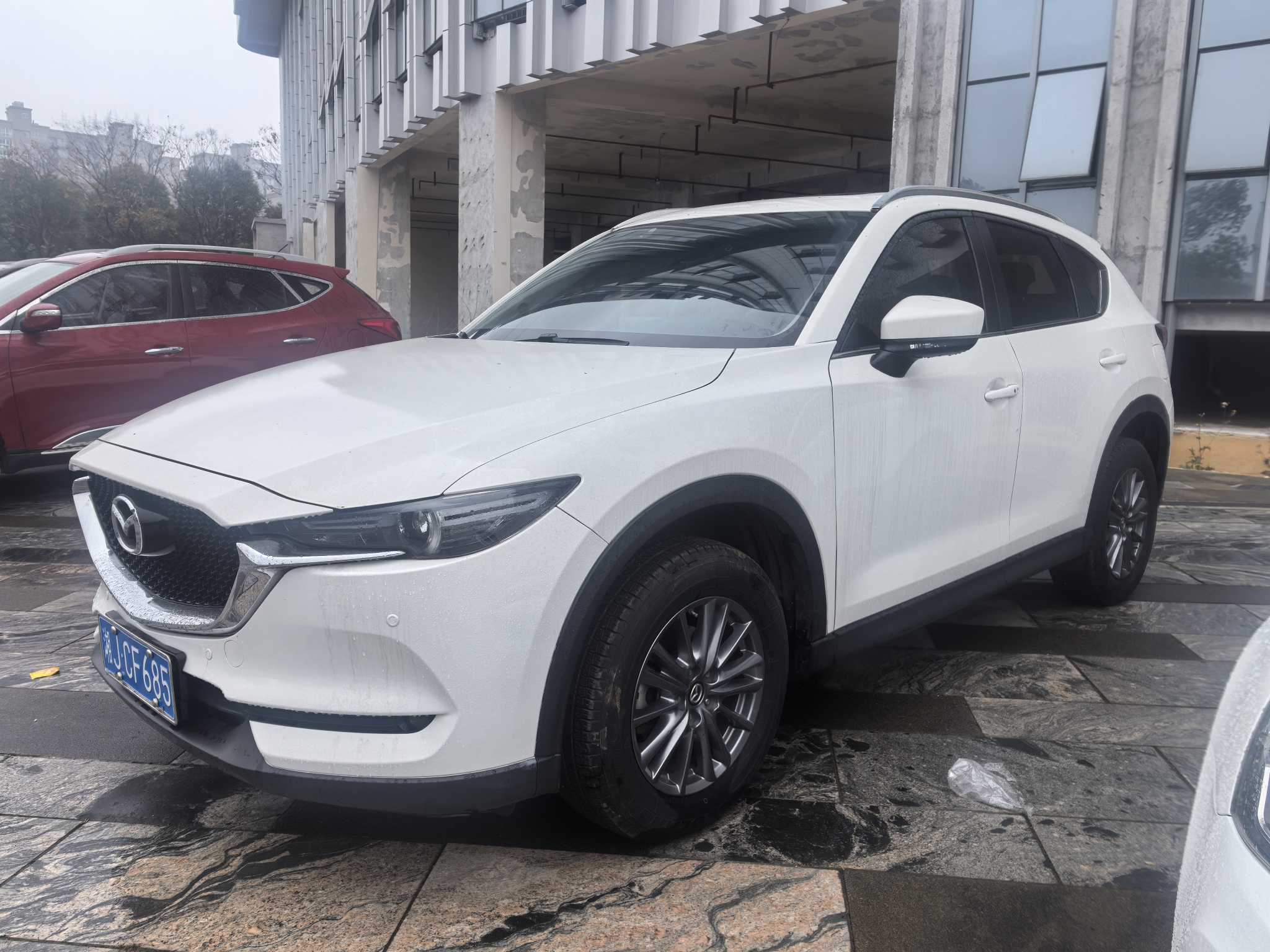
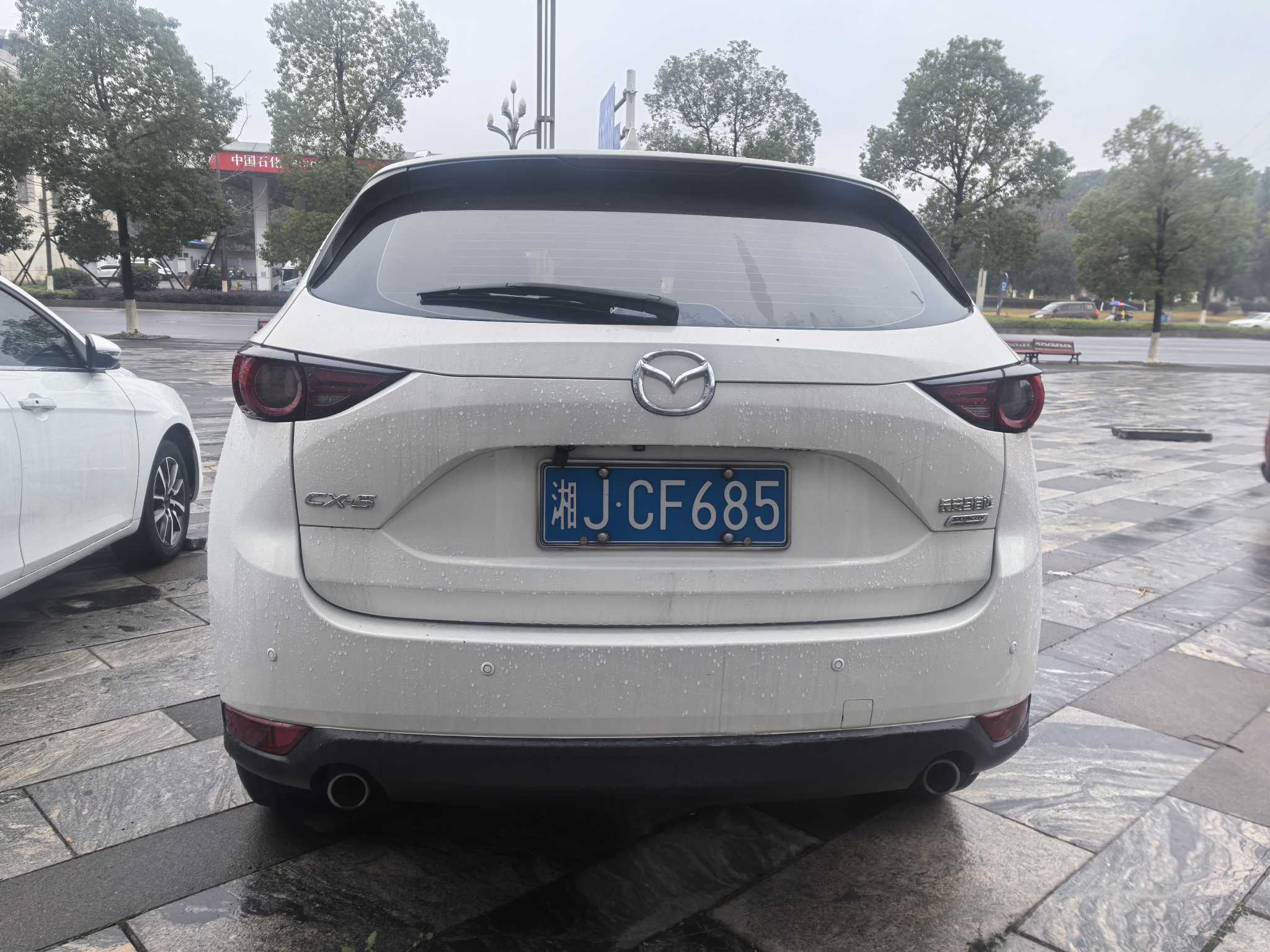
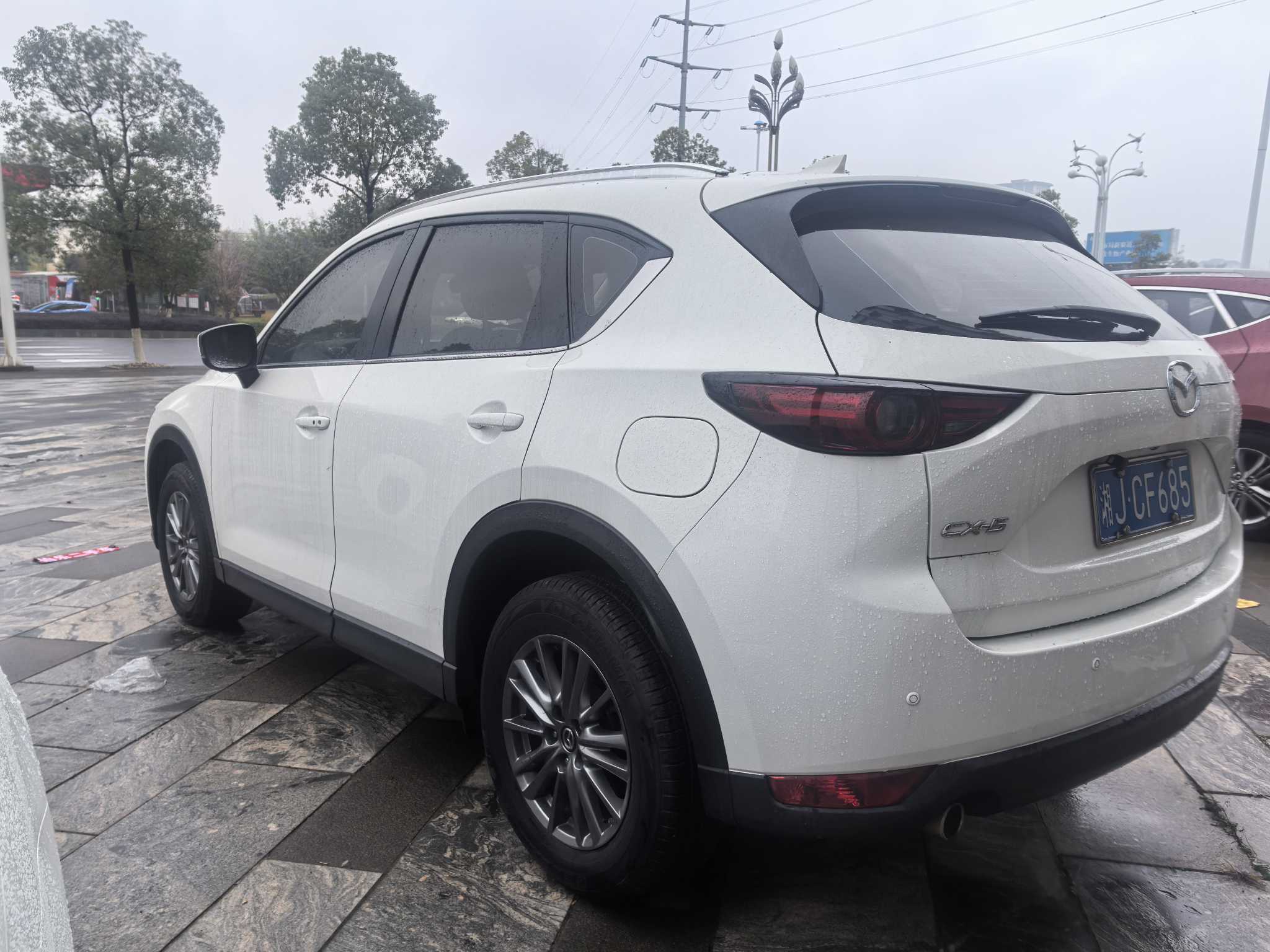
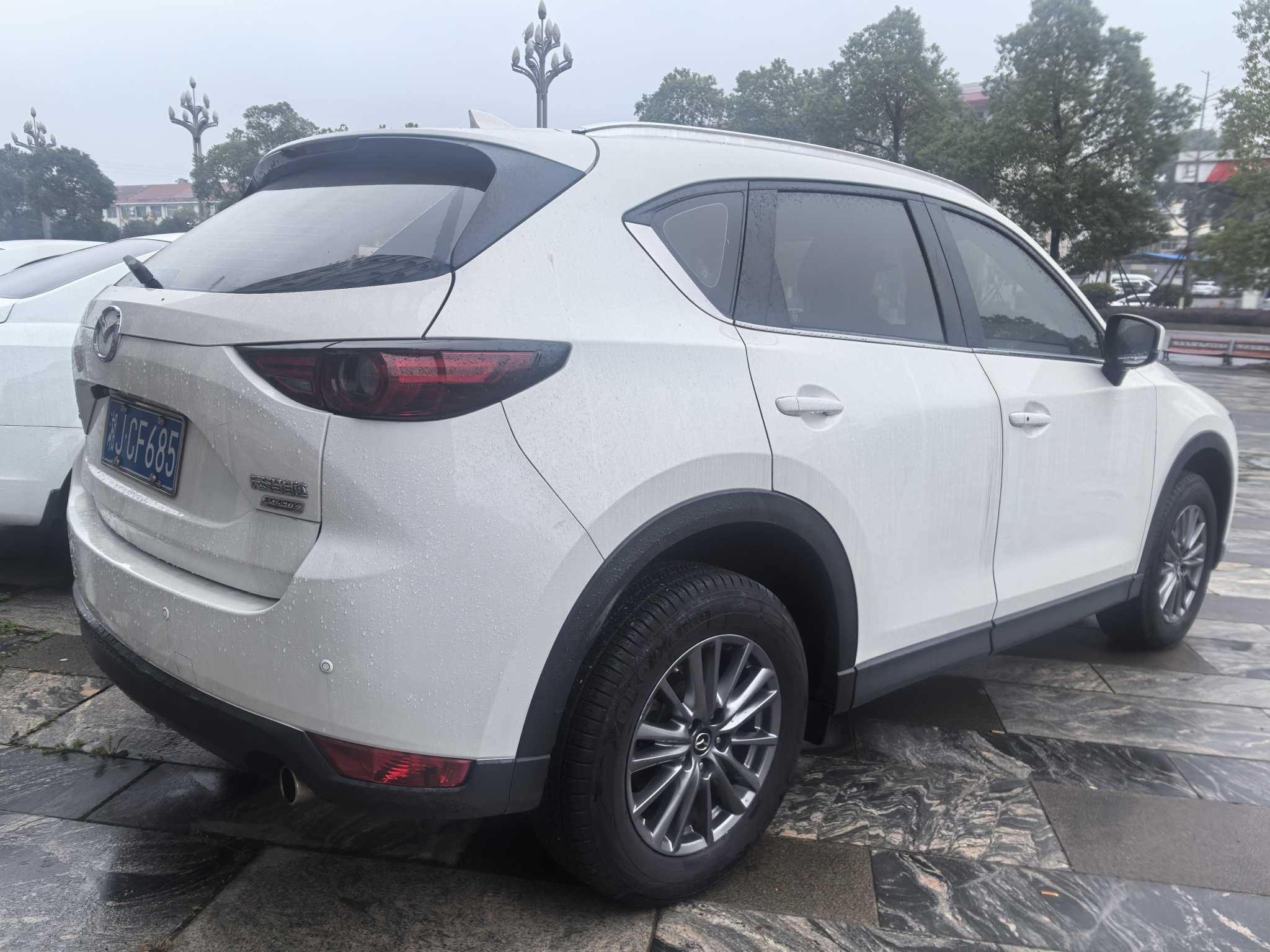
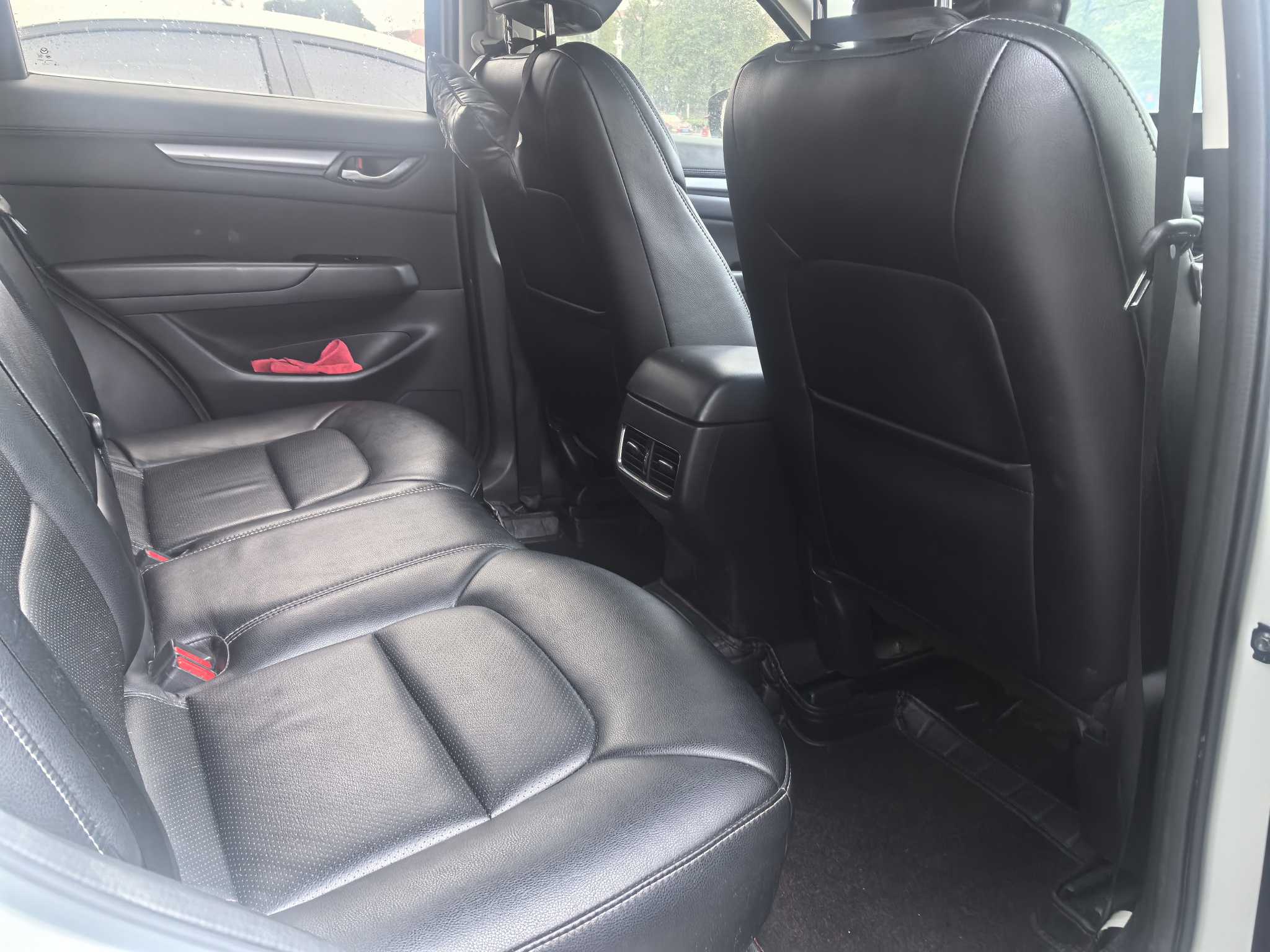
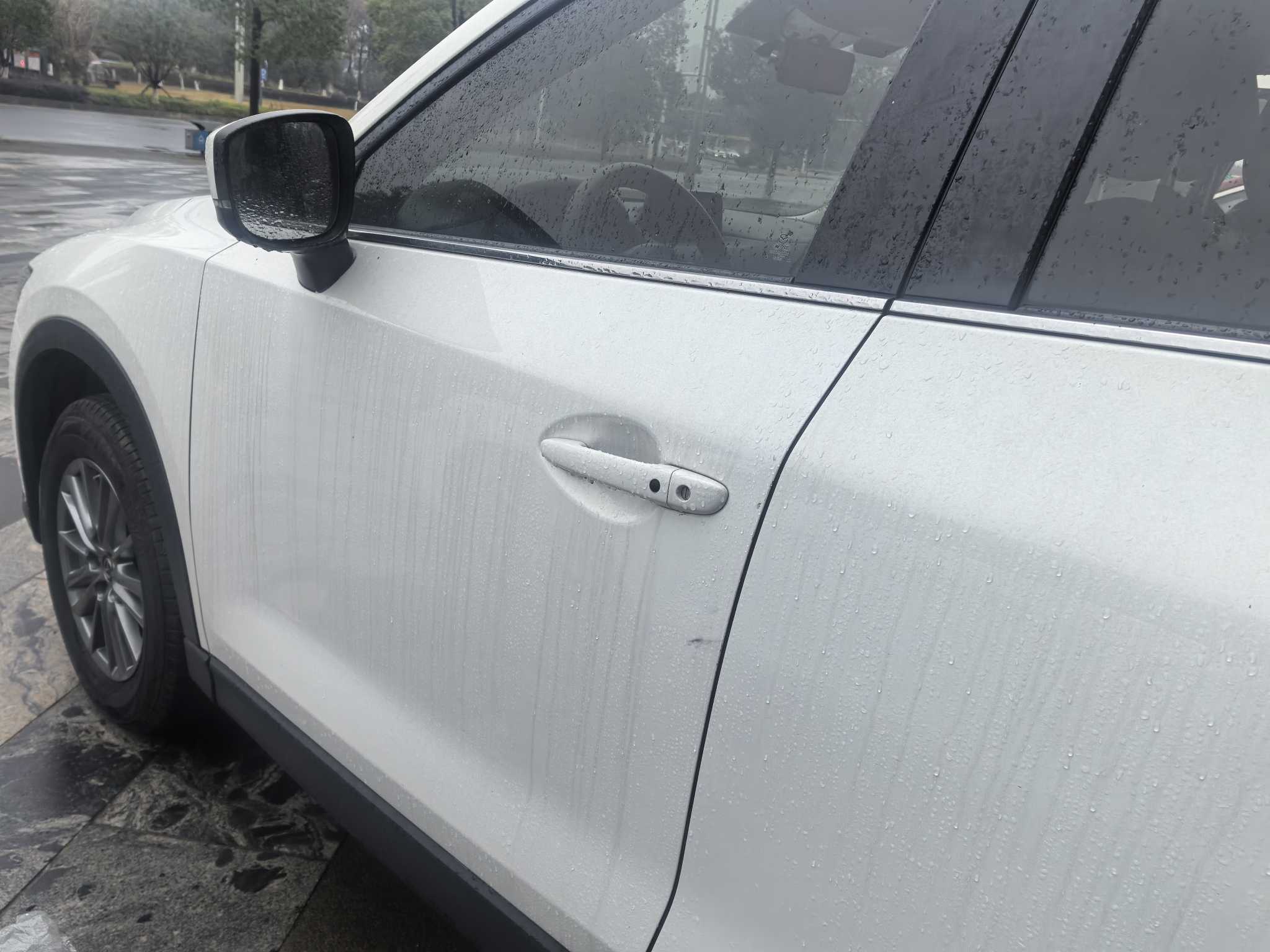
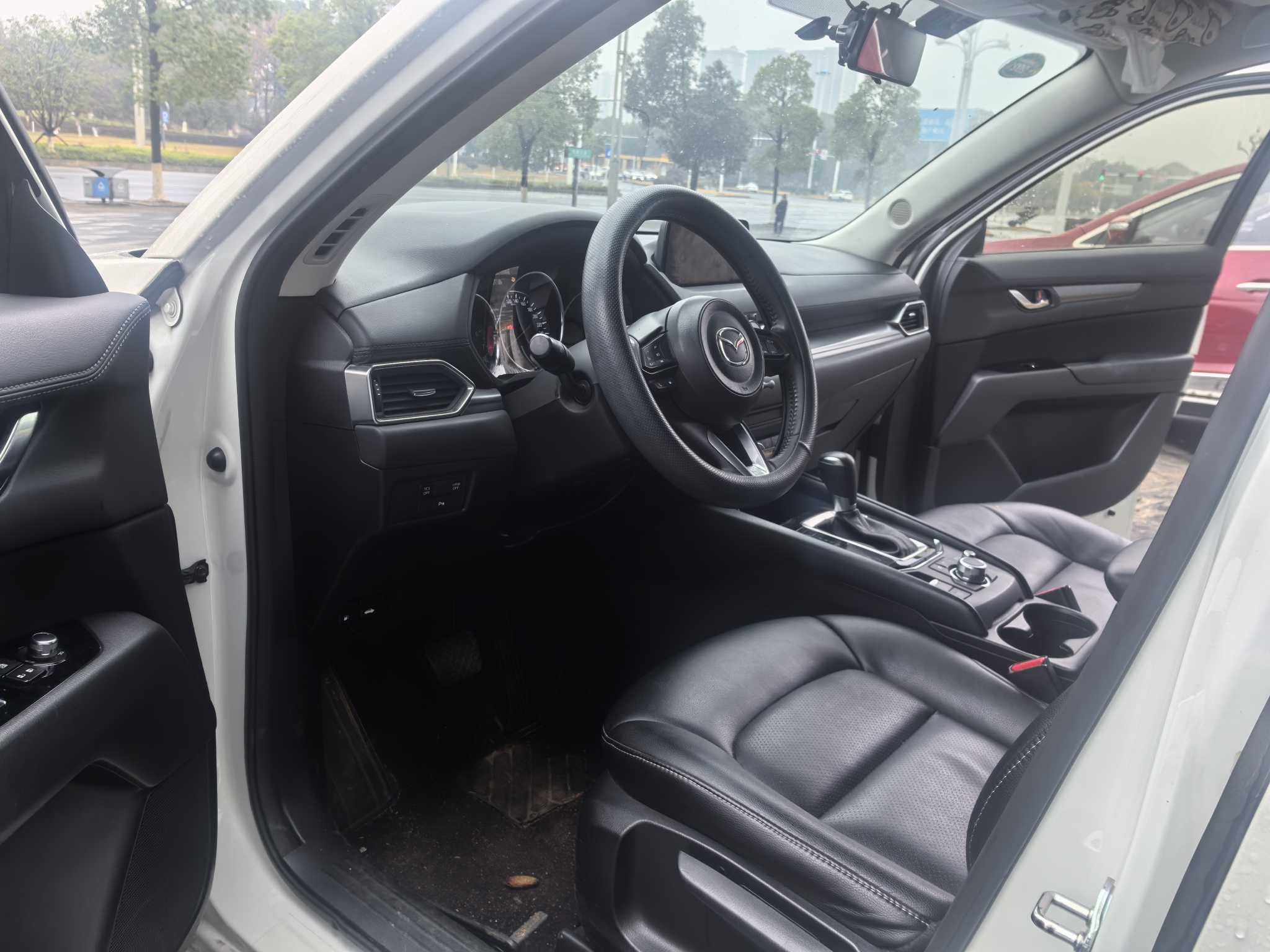
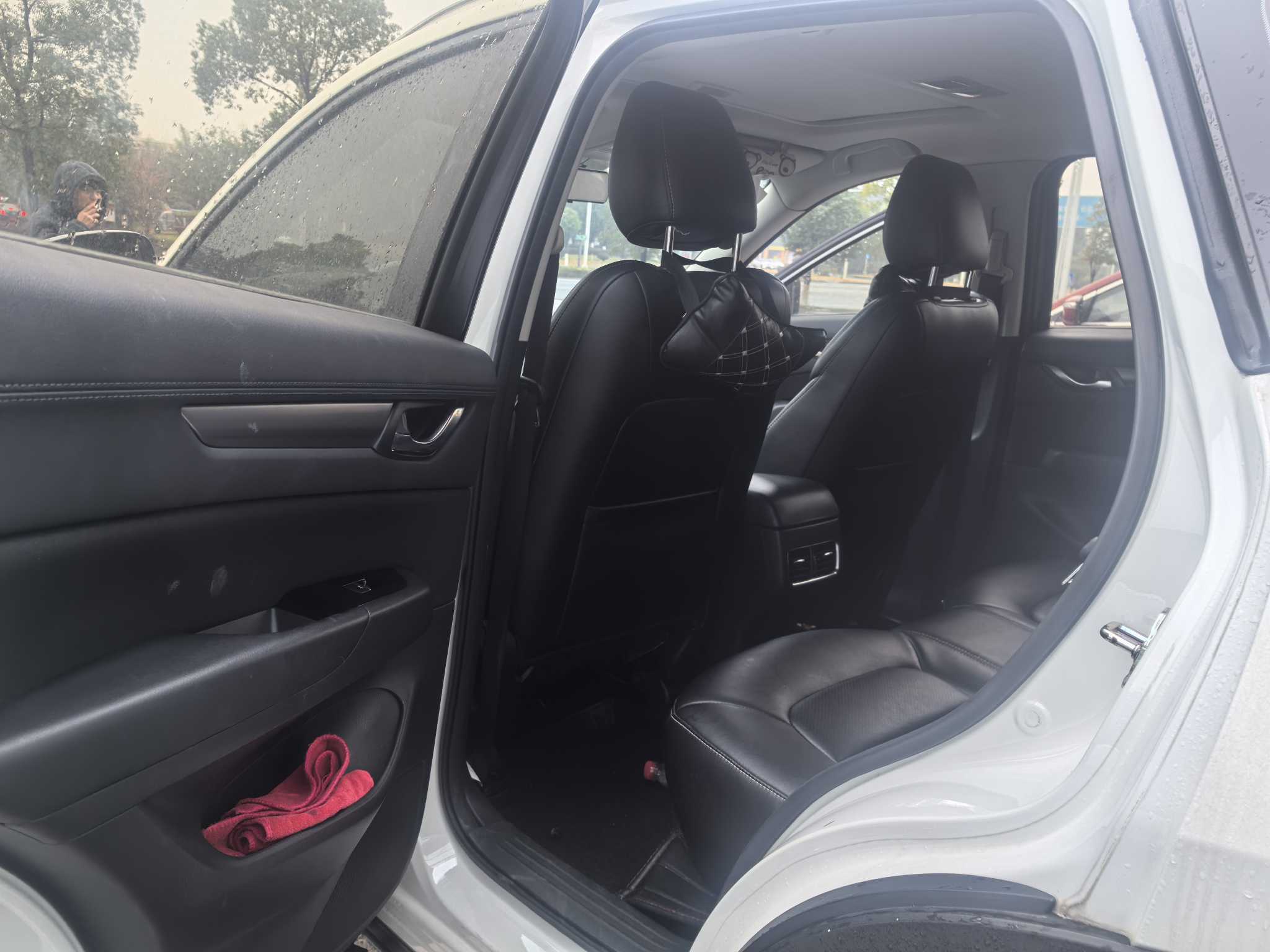
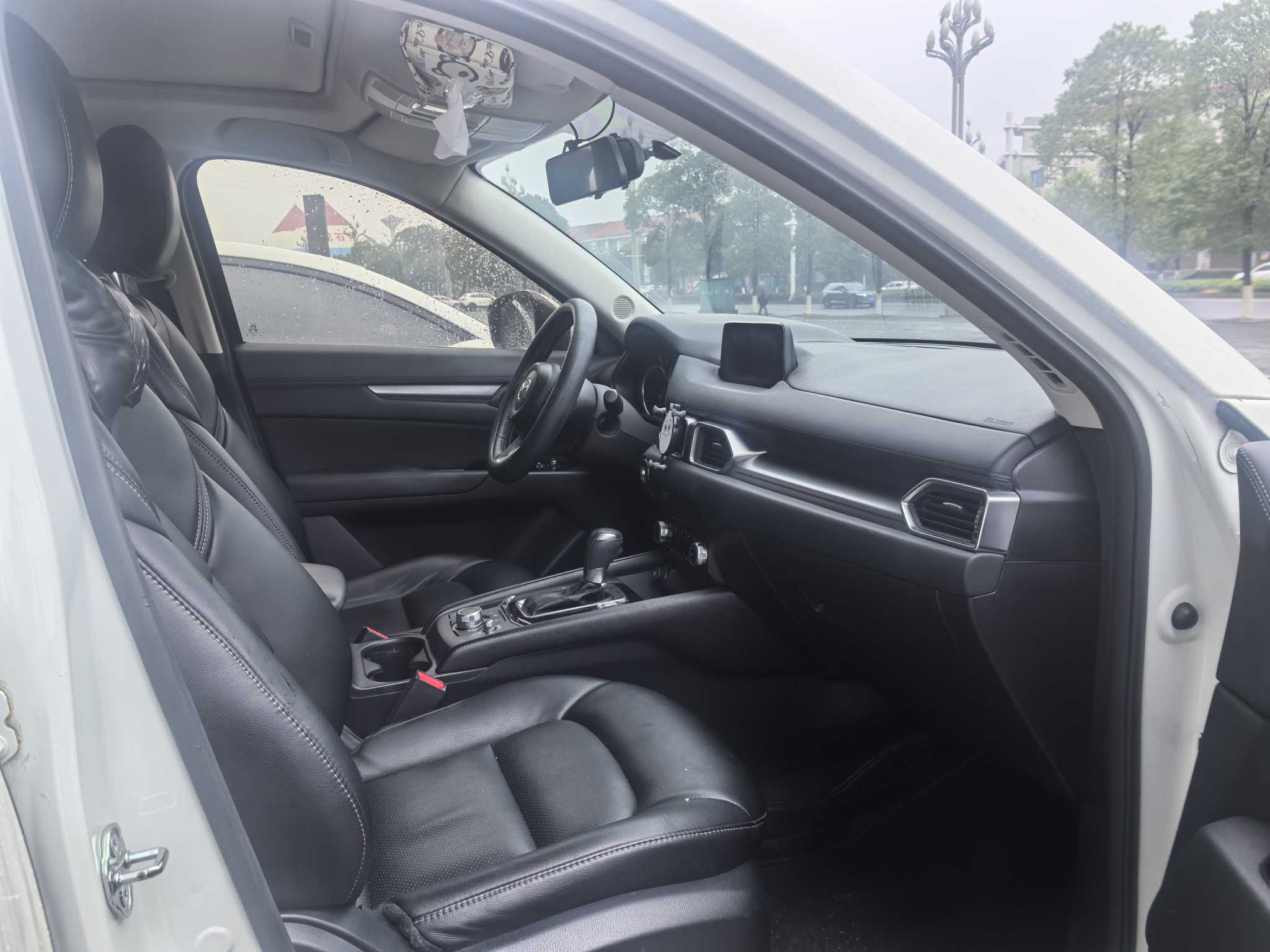



Basic Information

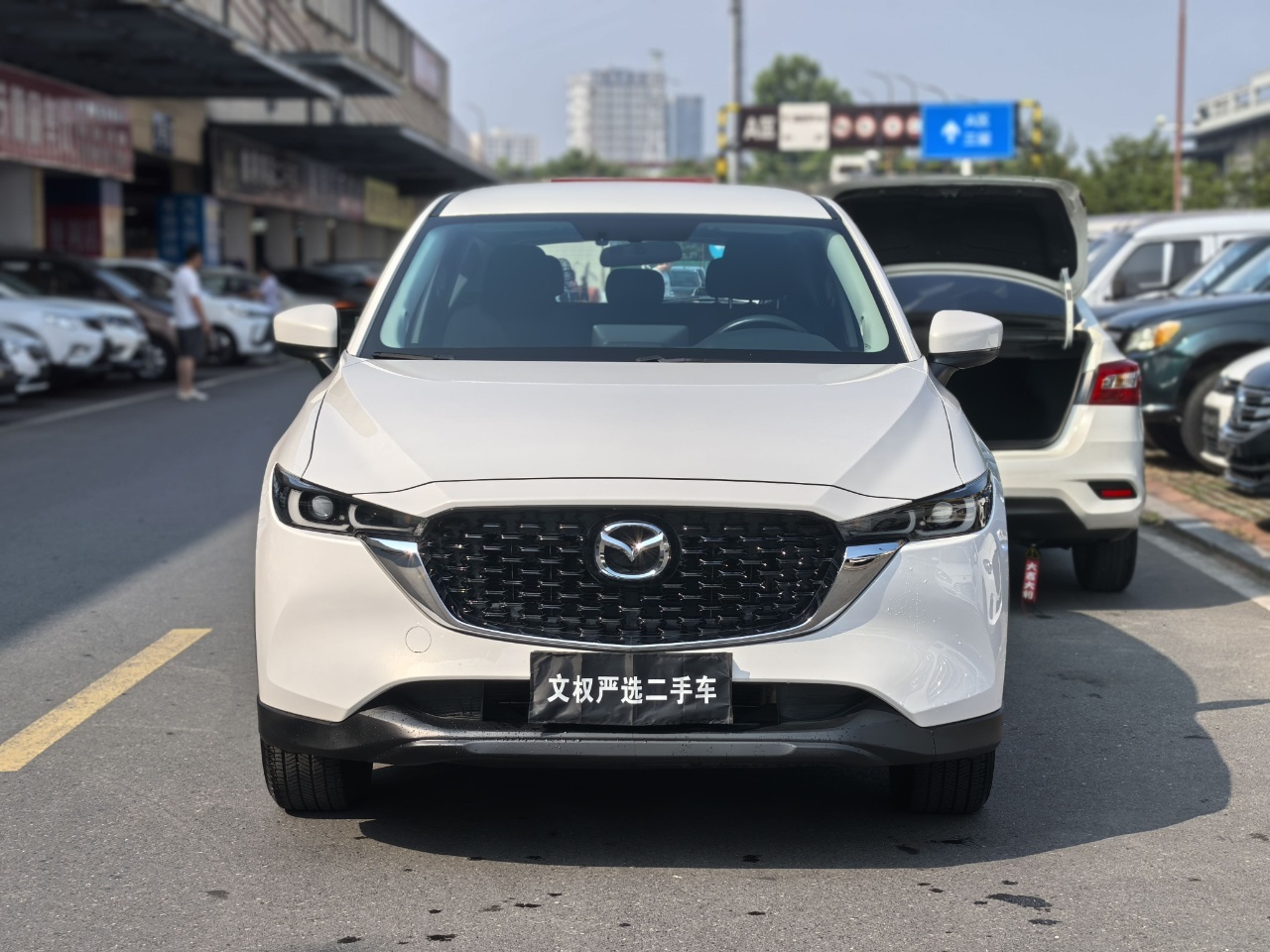
BrandMazda
SeriesCX-5
Year2019
First Registration2019/04
Mileage6km
Transfer Count-
FuelGasoline
TransmissionManumatic
Engine2.0L 155 L4
ColorWhite
Seats-

Condition Description

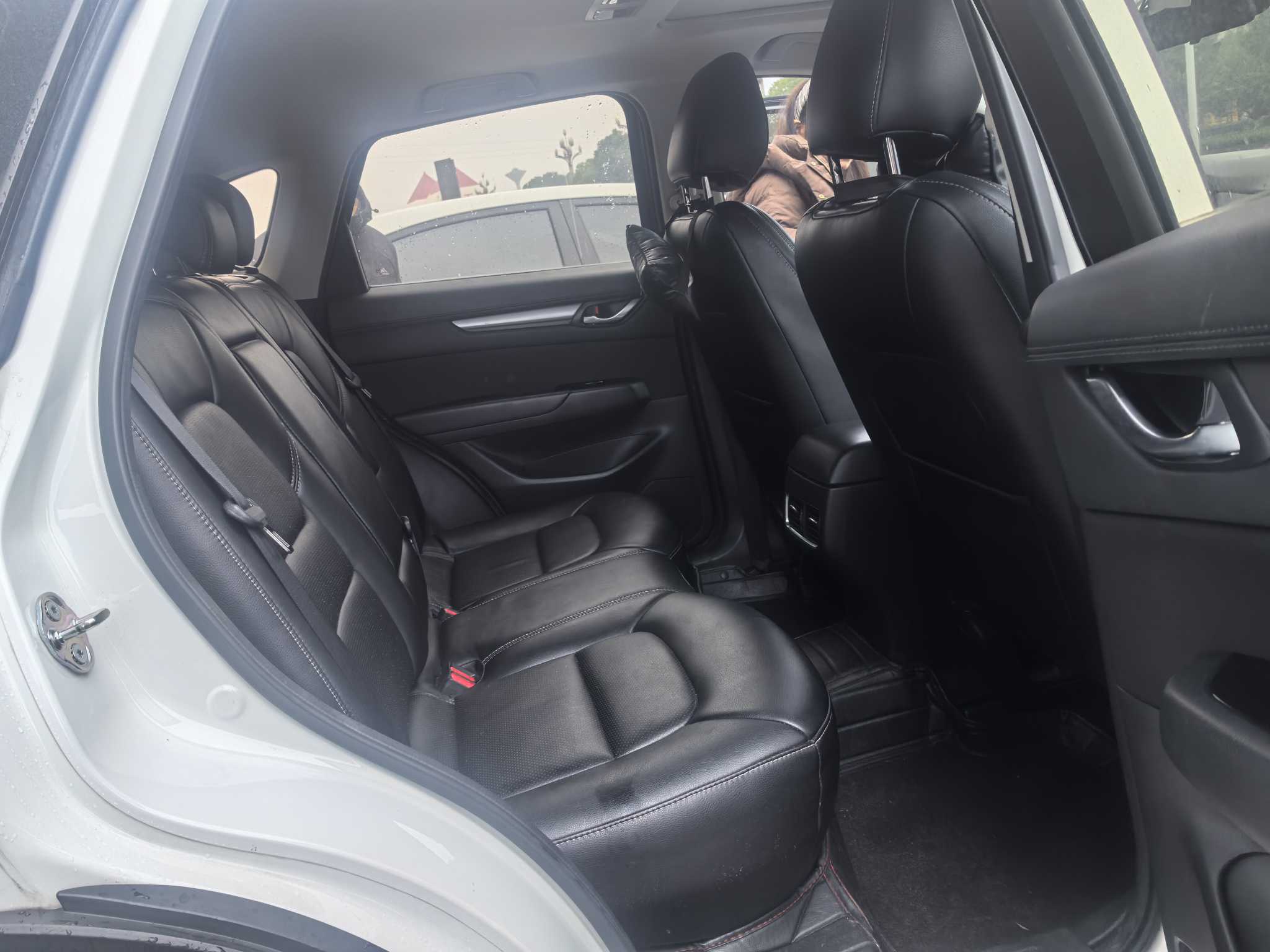
Locally owned, high-quality car, with a small, fast engine, automatic transmission, sunroof, keyless start and entry.

Configuration Highlights

✓Driver/Passenger Airbags
✓Front/Rear Side Airbags
✓Front/Rear Curtain Airbags
✓Tire Pressure Monitoring
✓ISOFIX Child Seat Anchors
✓Keyless Start System
✓Keyless Entry System
✓ABS Anti-lock Braking
✓Electronic Brake Distribution
✓Electronic Stability Control
✓Hill Start Assist
✓Auto Hold
✓Power Trunk
✓Roof Rack
✓Multifunction Steering Wheel
✓Front Parking Sensors
✓Seat Material
✓Driver/Passenger Power Seats
✓Rear Cupholders
✓Low Beam Headlights
✓Daytime Running Lights
✓Auto Headlights
✓Adjustable Headlight Height
✓Power Windows
✓Anti-pinch Windows
✓UV/Heat Insulating Glass
✓Climate Control Type
✓Rear Air Vents
✓Start-Stop System

Q&A

More

After long-distance sea transport, does the vehicle's air conditioning refrigerant (Freon) need to be vacuumed and recharged?

If there is a minor leak in the lines due to bumps, it is possible that the cooling may not work upon arrival. This is a normal physical loss. The cost of vacuuming, pressure testing, and recharging refrigerant at a local auto repair shop is low and is the buyer's responsibility.

If overseas customers accidentally update the car system causing the UI to switch to full Chinese and cannot revert to English, can you downgrade remotely?

Once the car system (especially in a closed ecosystem) undergoes a major version upgrade, its bootloader is usually locked, preventing downgrades. If this happens, there is basically no solution in an overseas environment. Therefore, we strongly warn: do not blindly insert a USB drive to upgrade while offline.

How do you detect carbon buildup and wear inside the engine using technology without deep disassembly?

We use two steps: 1. Insert a medical-grade endoscope through the spark plug hole to visually inspect cylinder wall scratches and carbon buildup on the piston top; 2. Extract an engine oil sample to check for large metal debris or emulsification (caused by coolant leakage).