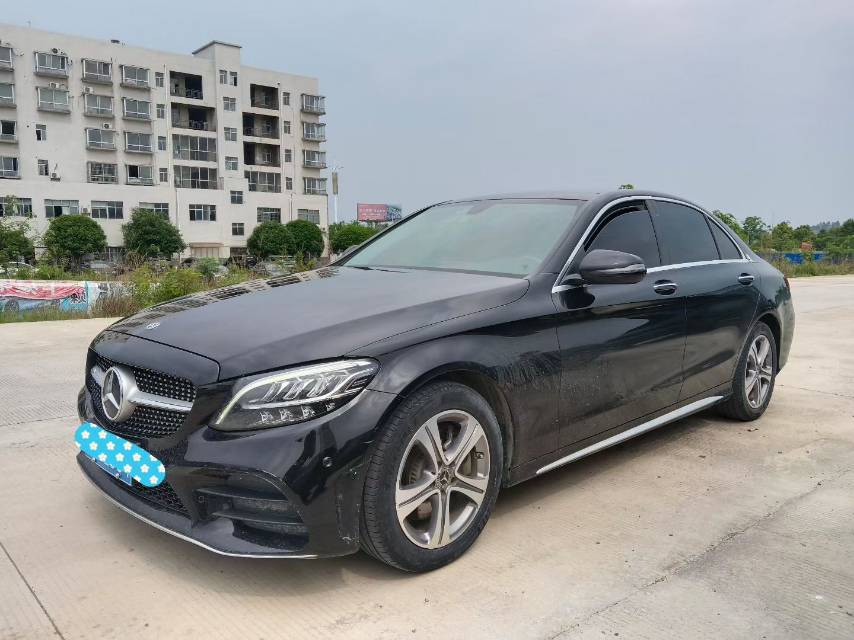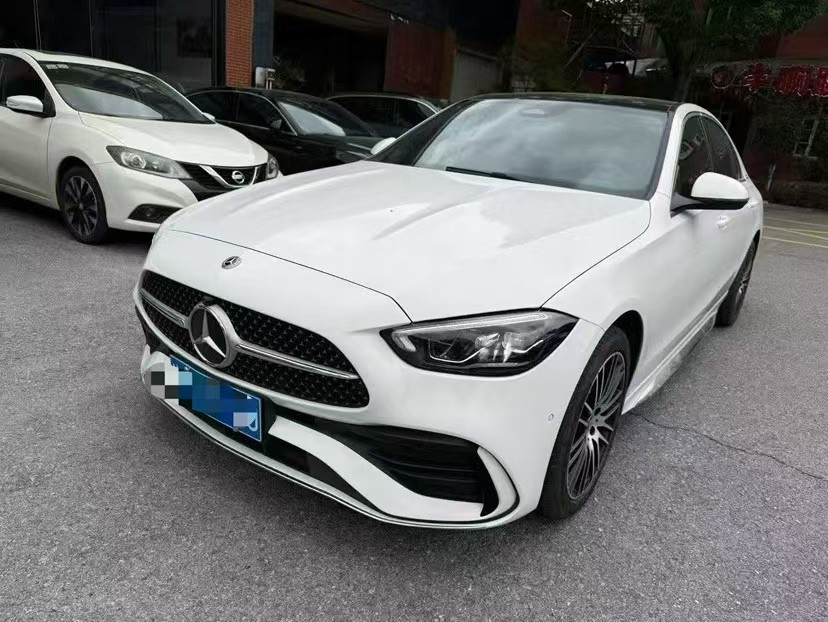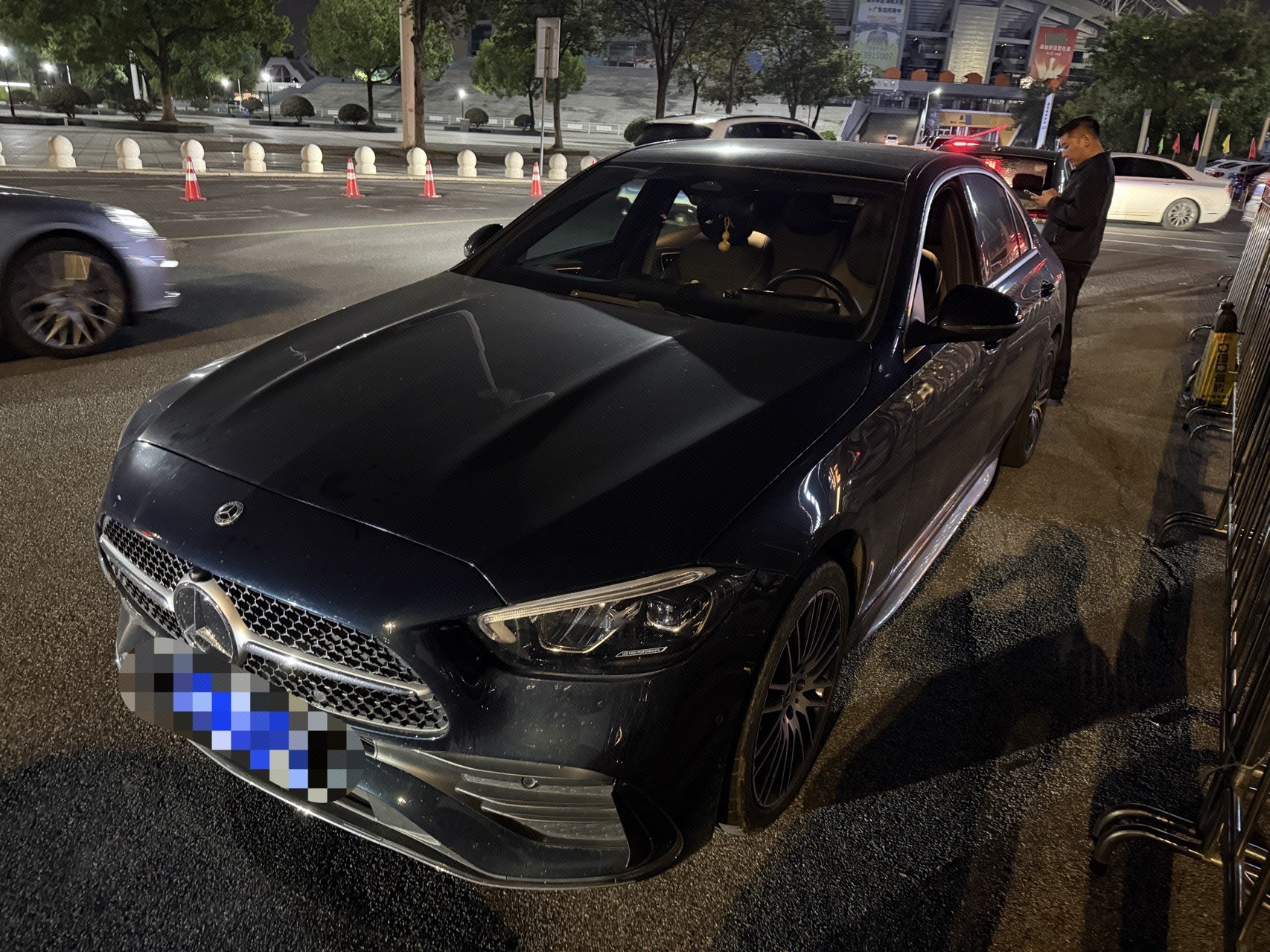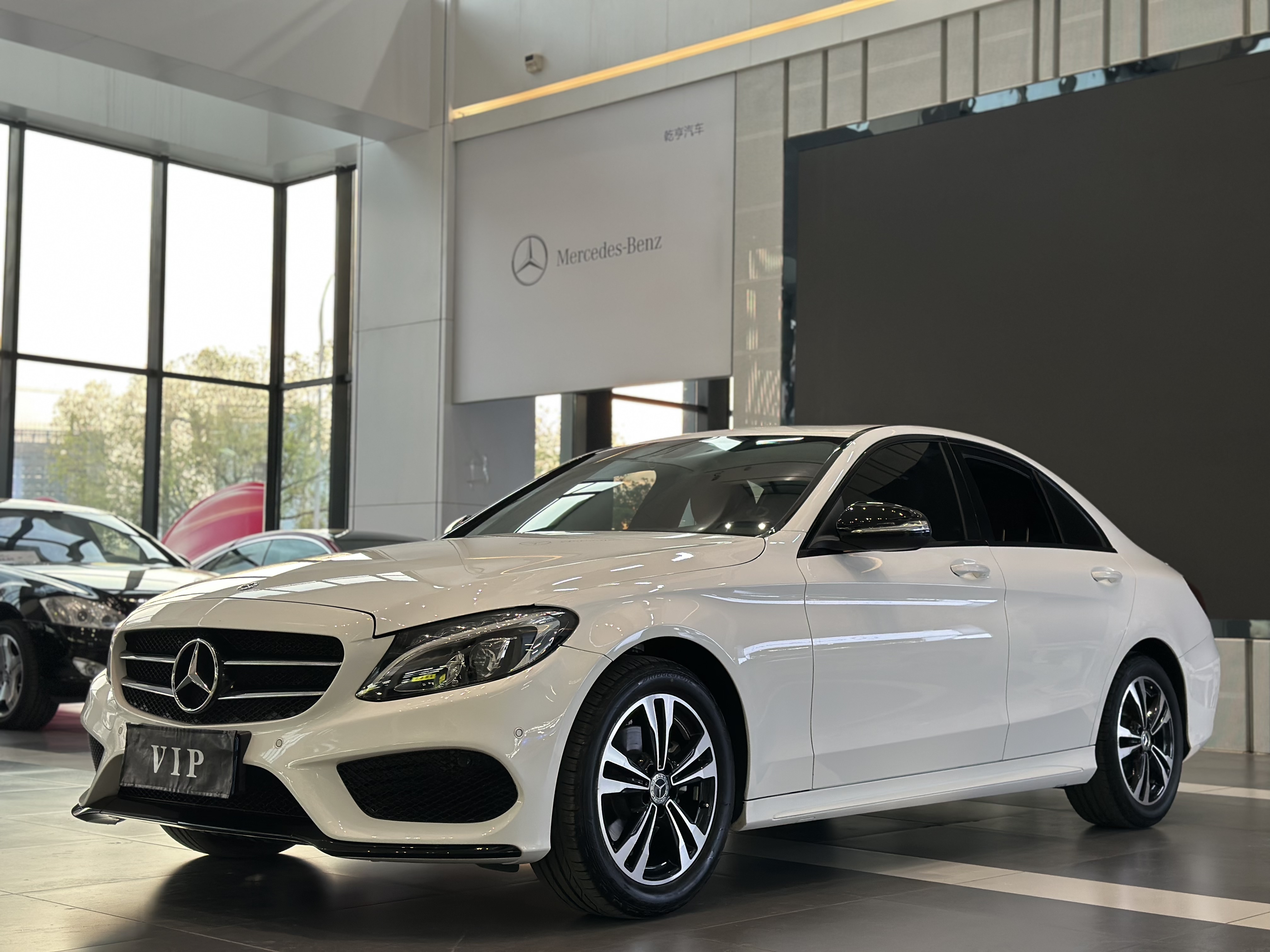
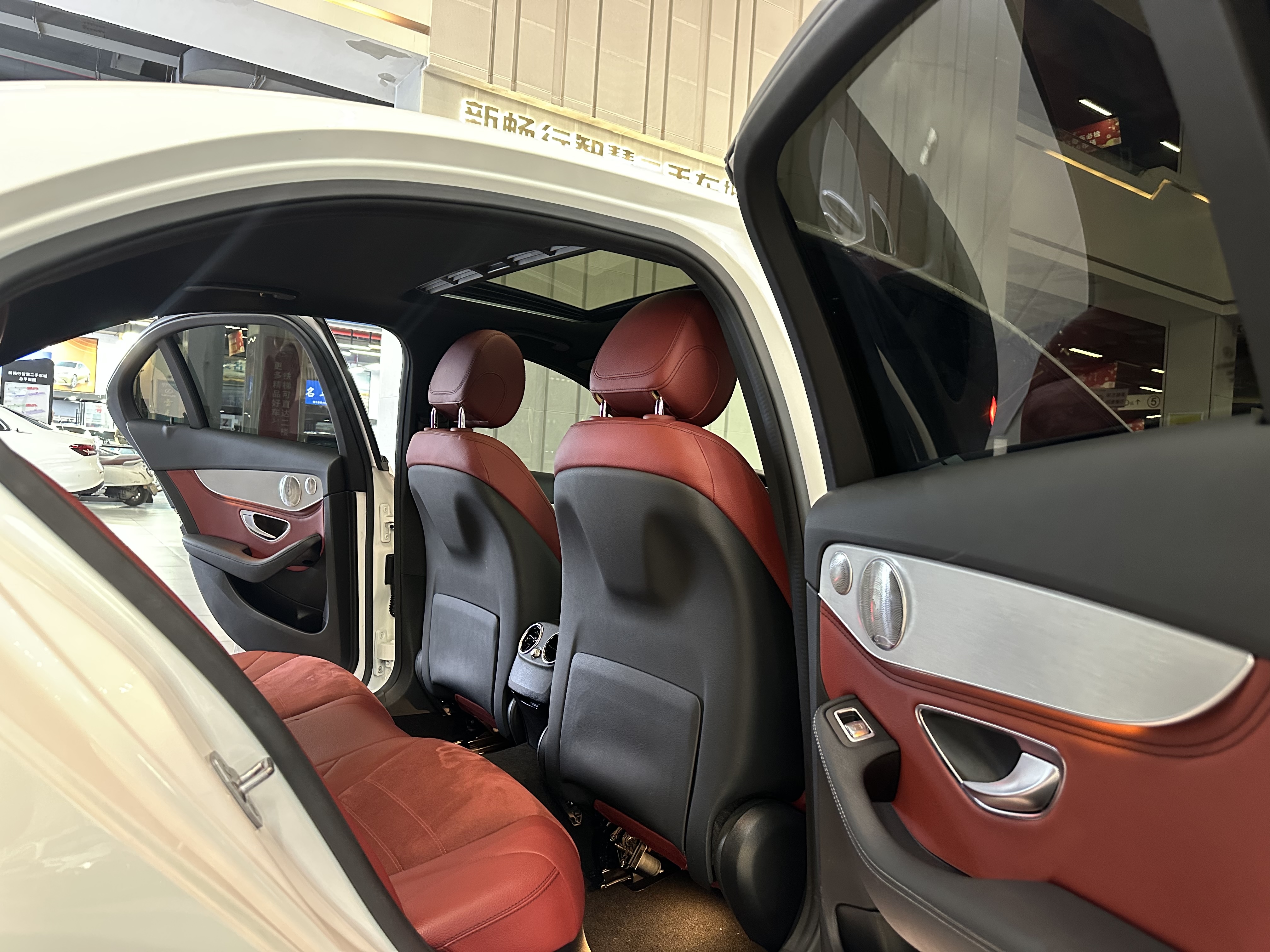
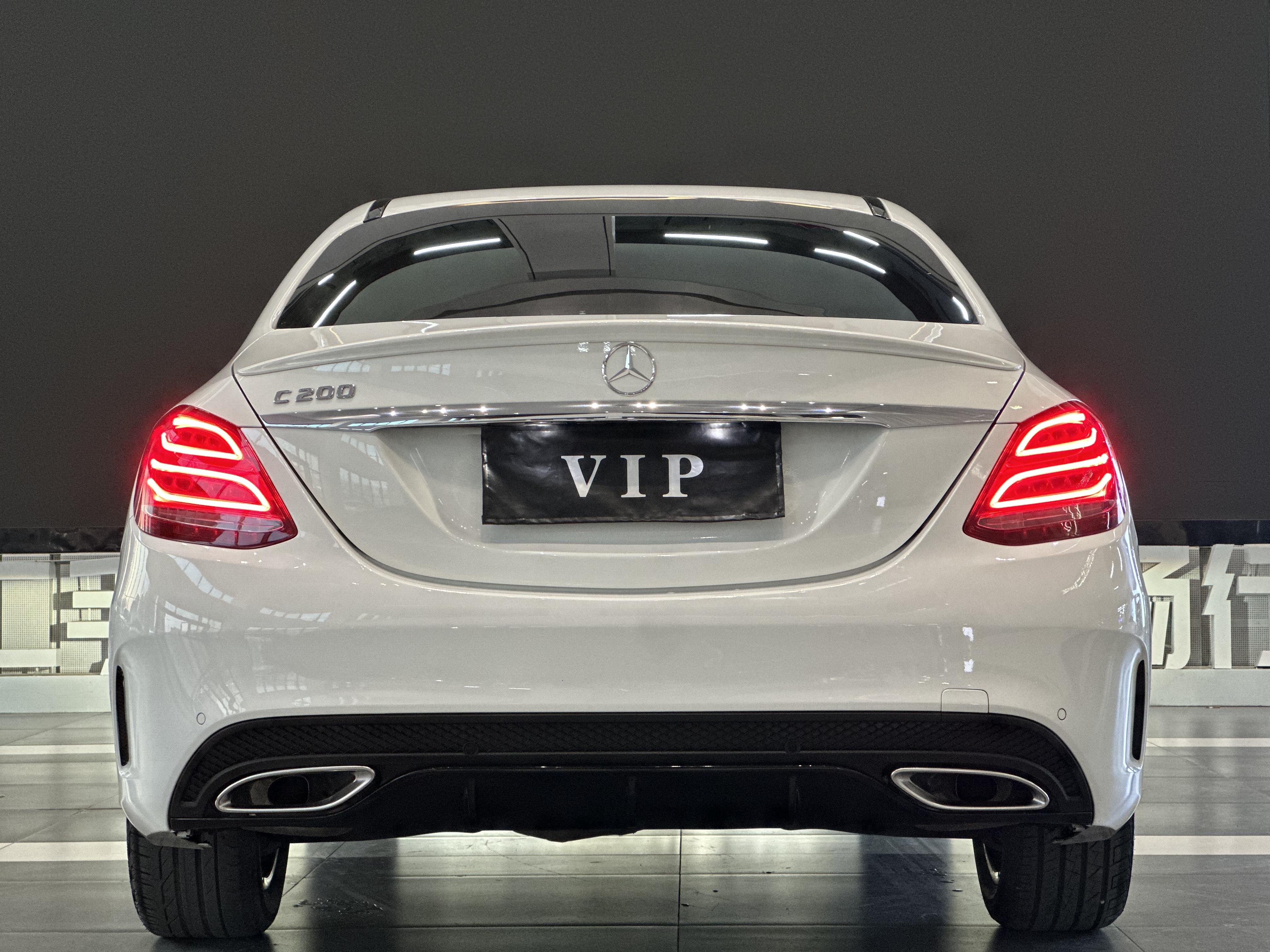
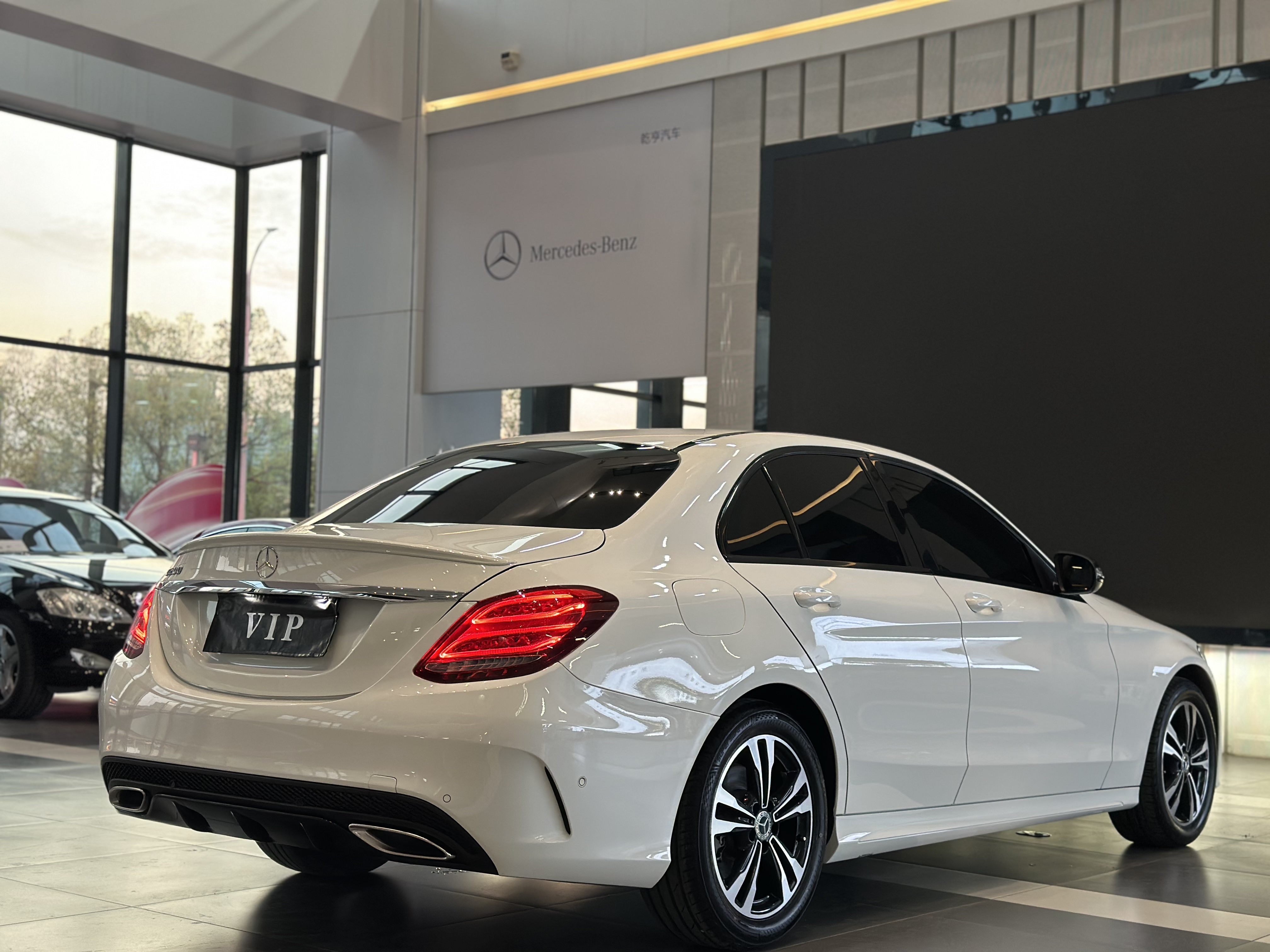
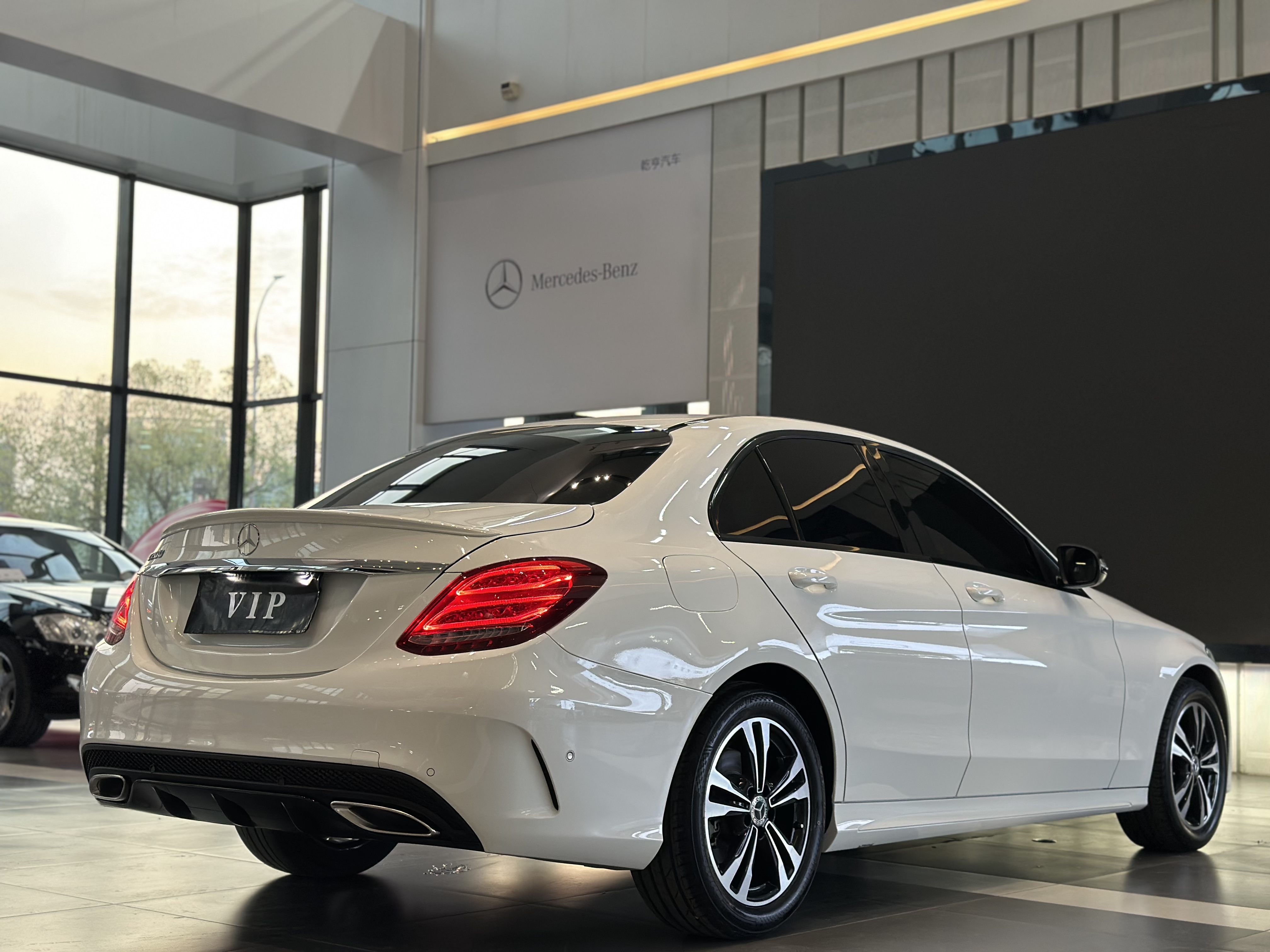
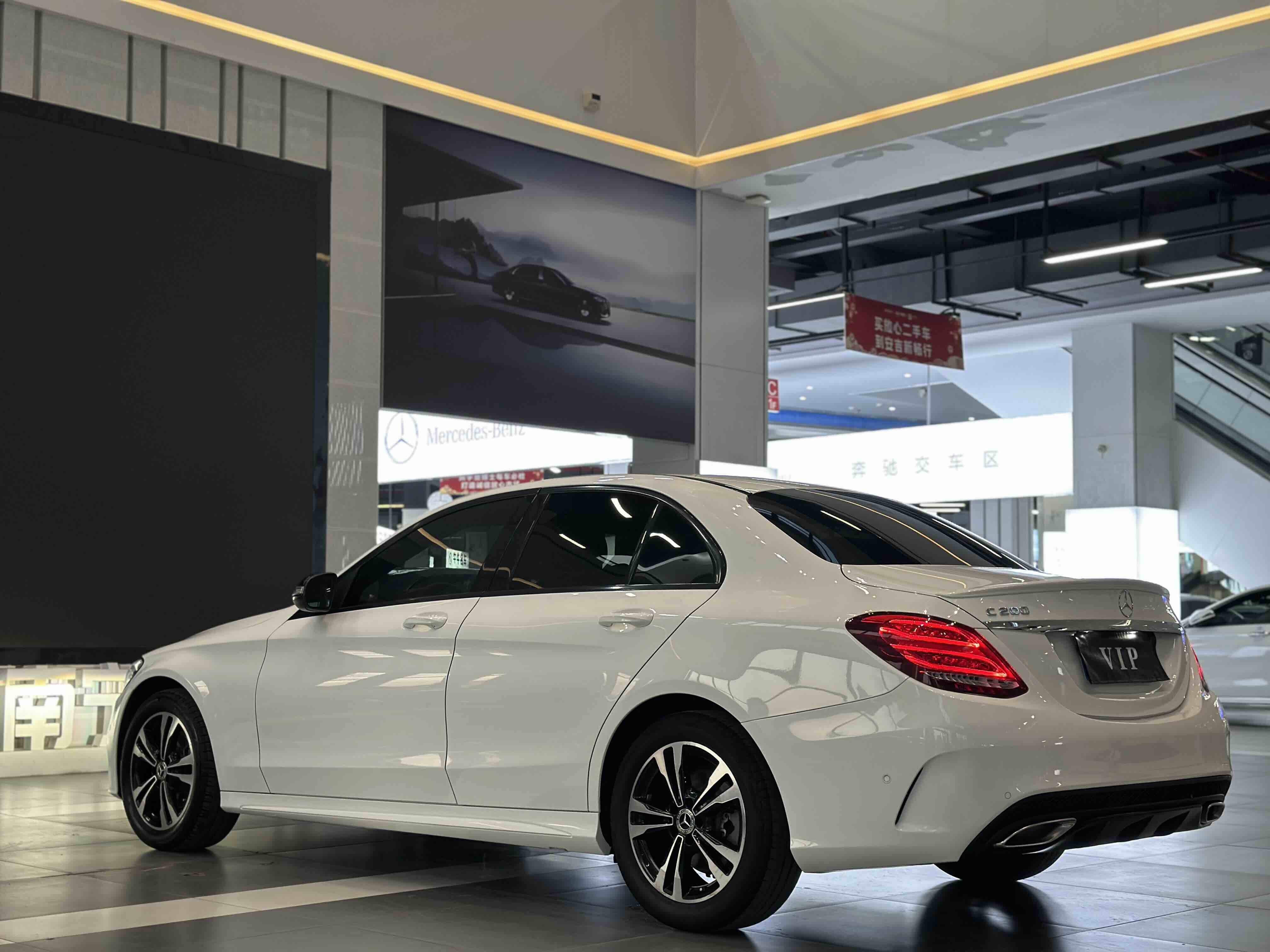
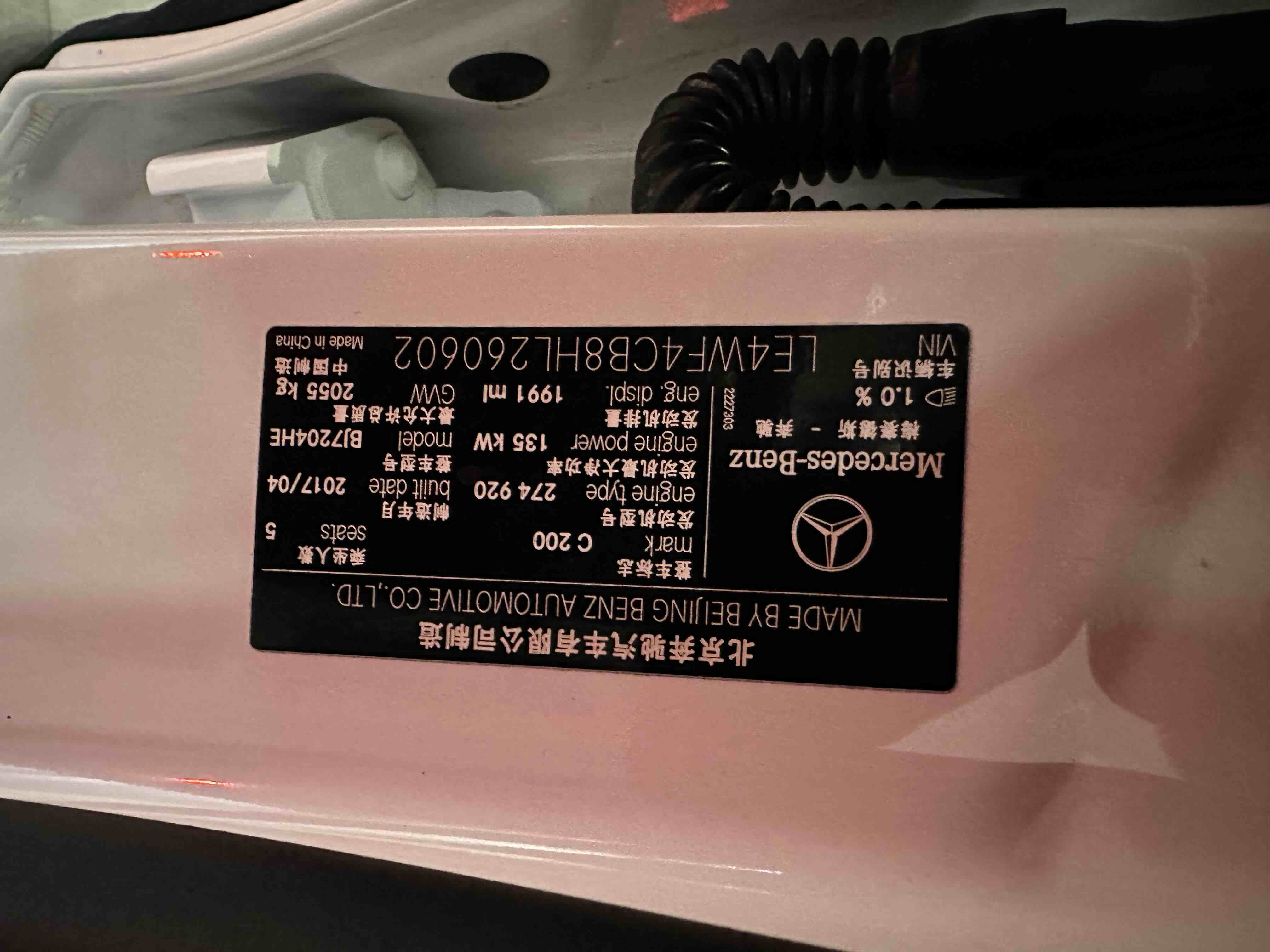
Basic Information

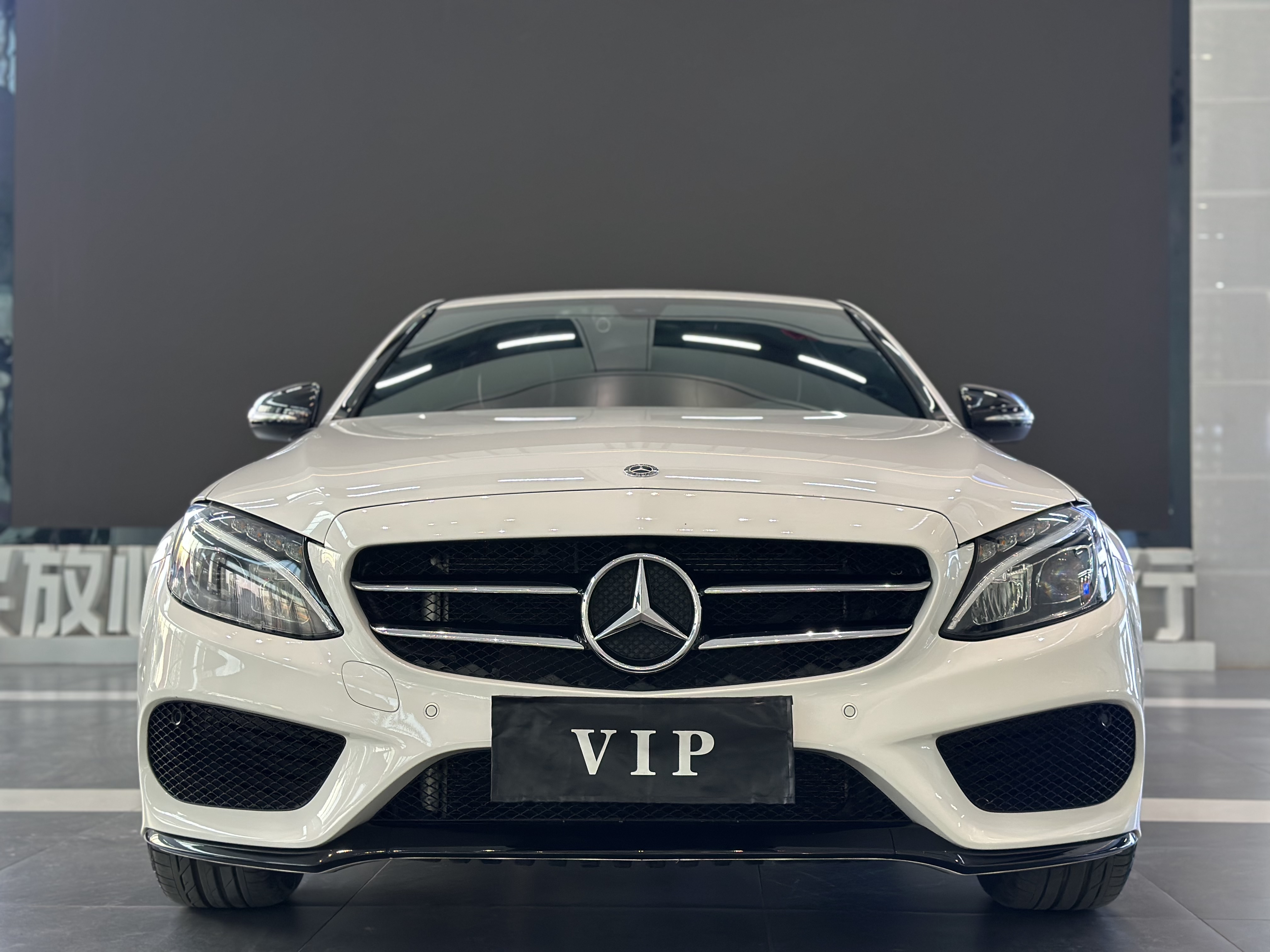
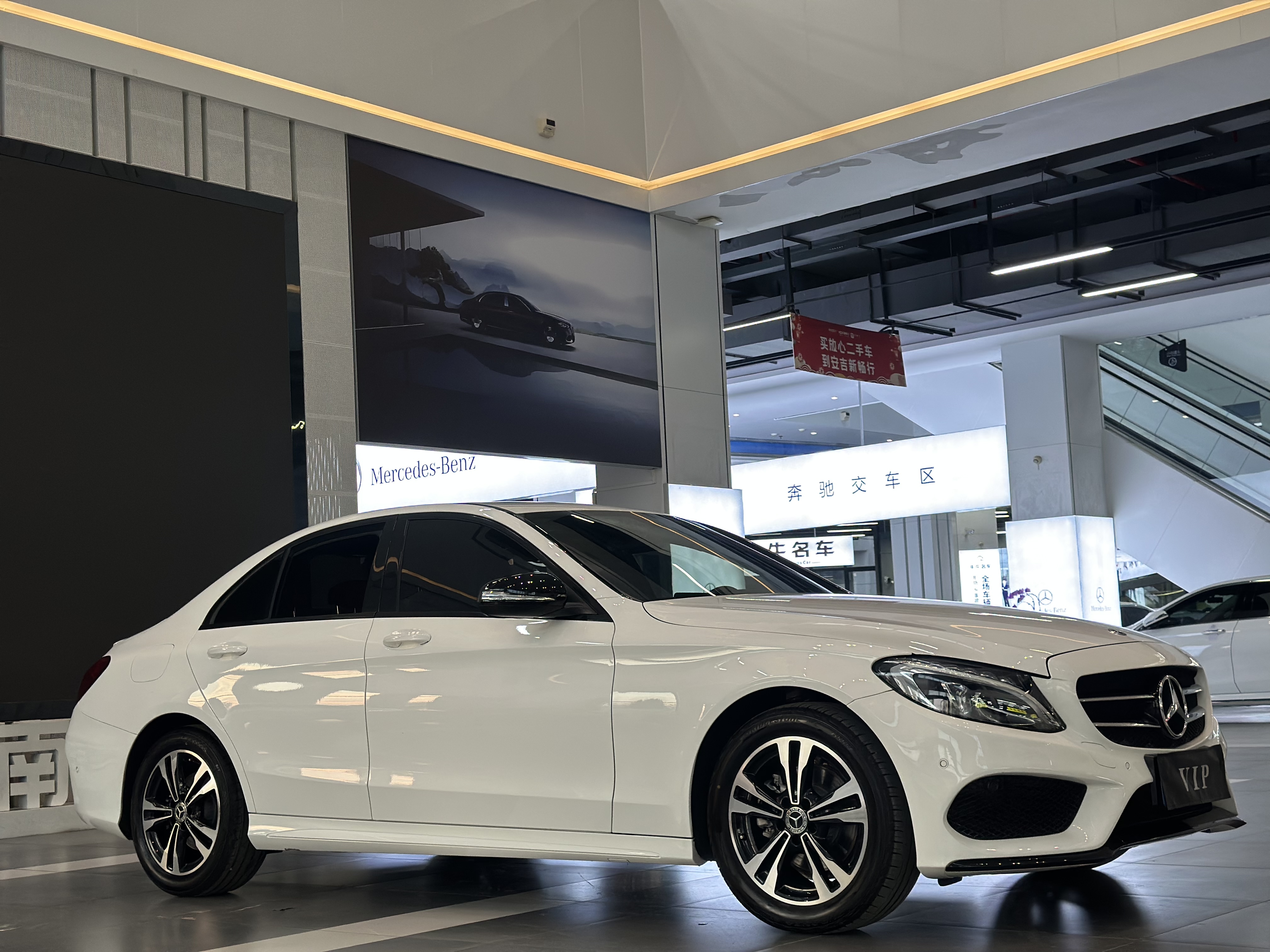
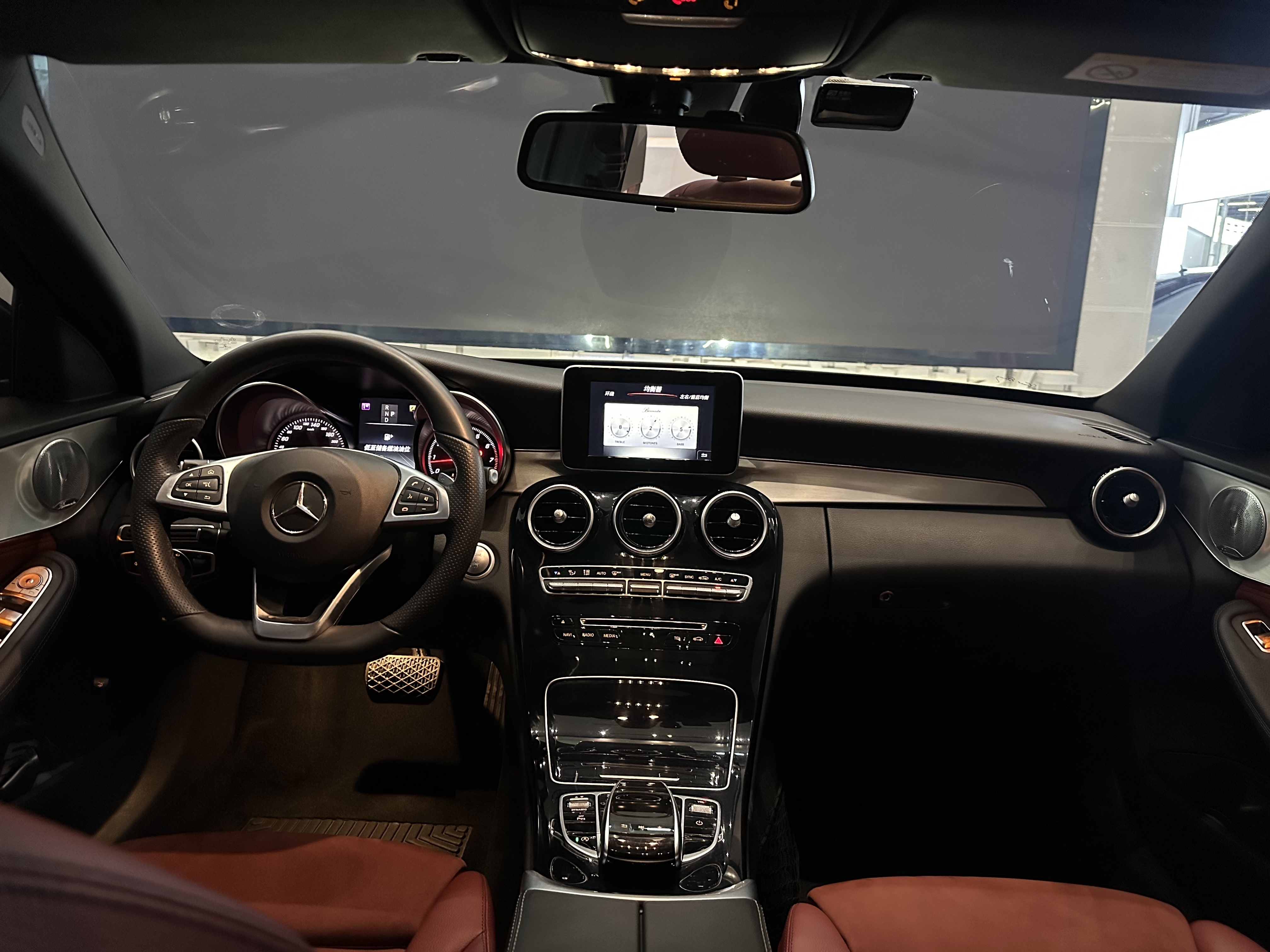
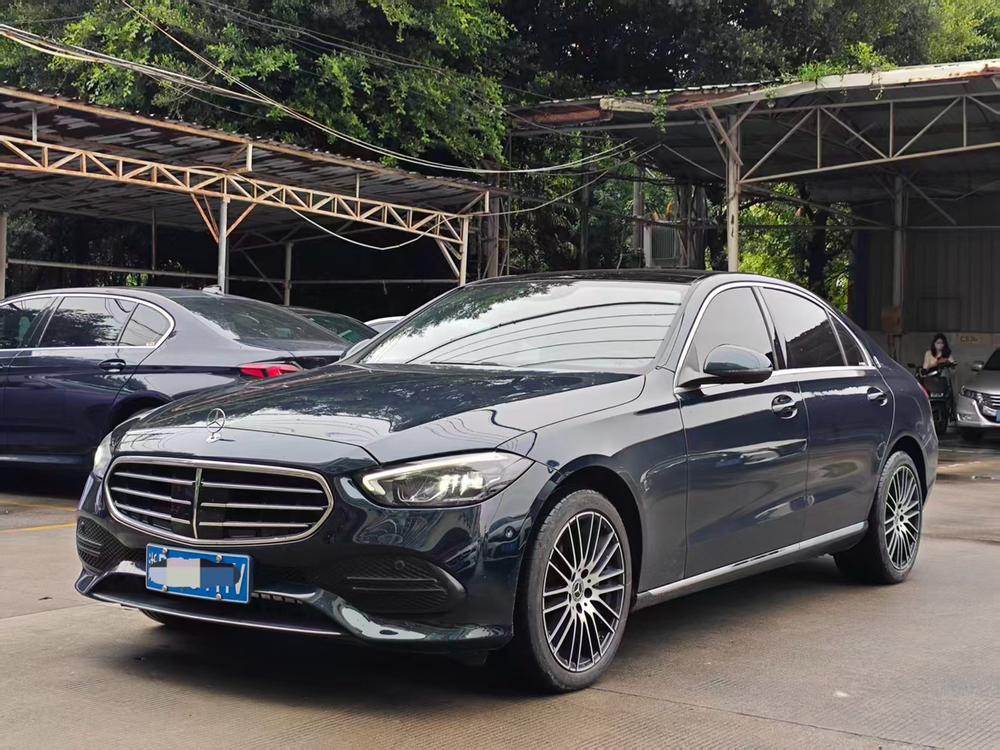
BrandMercedes-Benz
SeriesC Class
Year2017
First Registration2017/05
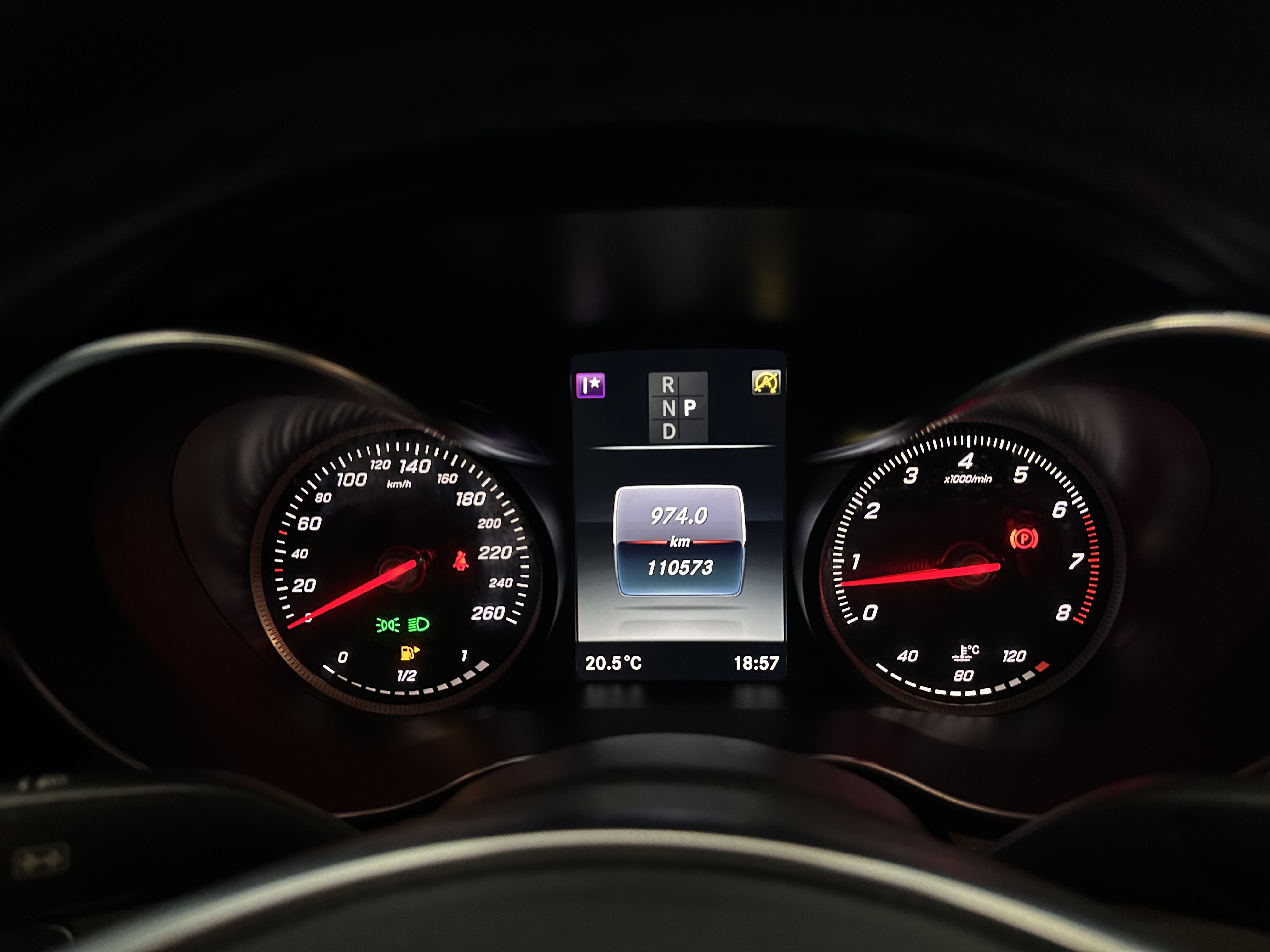
Mileage11km
Transfer Count-
FuelGasoline
TransmissionManumatic
Engine2.0T 184 L4
ColorWhite
Seats-

Configuration Highlights

✓Driver/Passenger Airbags
✓Front/Rear Side Airbags
✓Front/Rear Curtain Airbags
✓Knee Airbags
✓Tire Pressure Monitoring
✓Run-flat Tires
✓ISOFIX Child Seat Anchors
✓Keyless Start System
✓ABS Anti-lock Braking
✓Electronic Brake Distribution
✓Electronic Stability Control
✓Hill Start Assist
✓Auto Hold
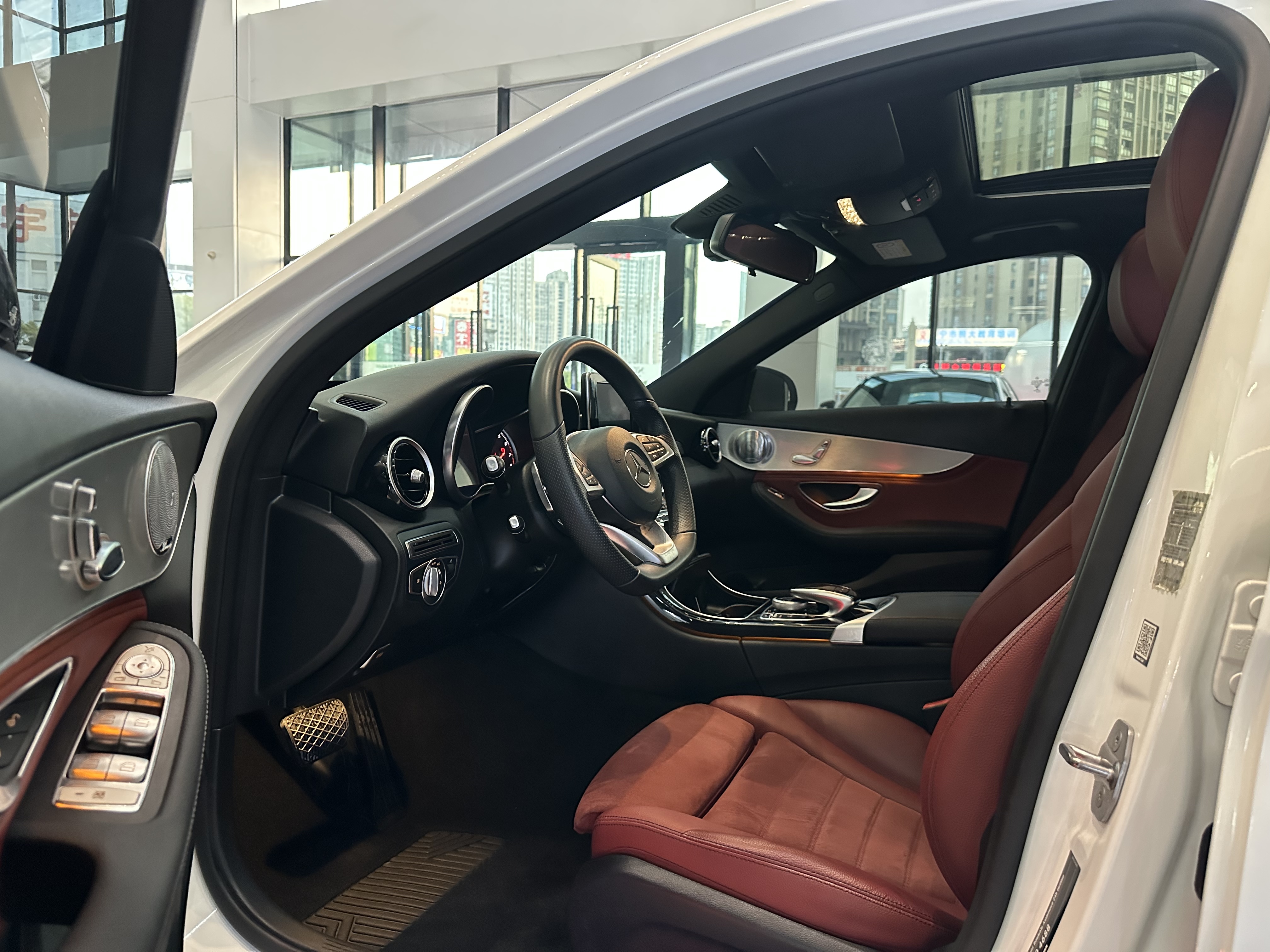
✓Multifunction Steering Wheel
✓Paddle Shifters
✓Front Parking Sensors
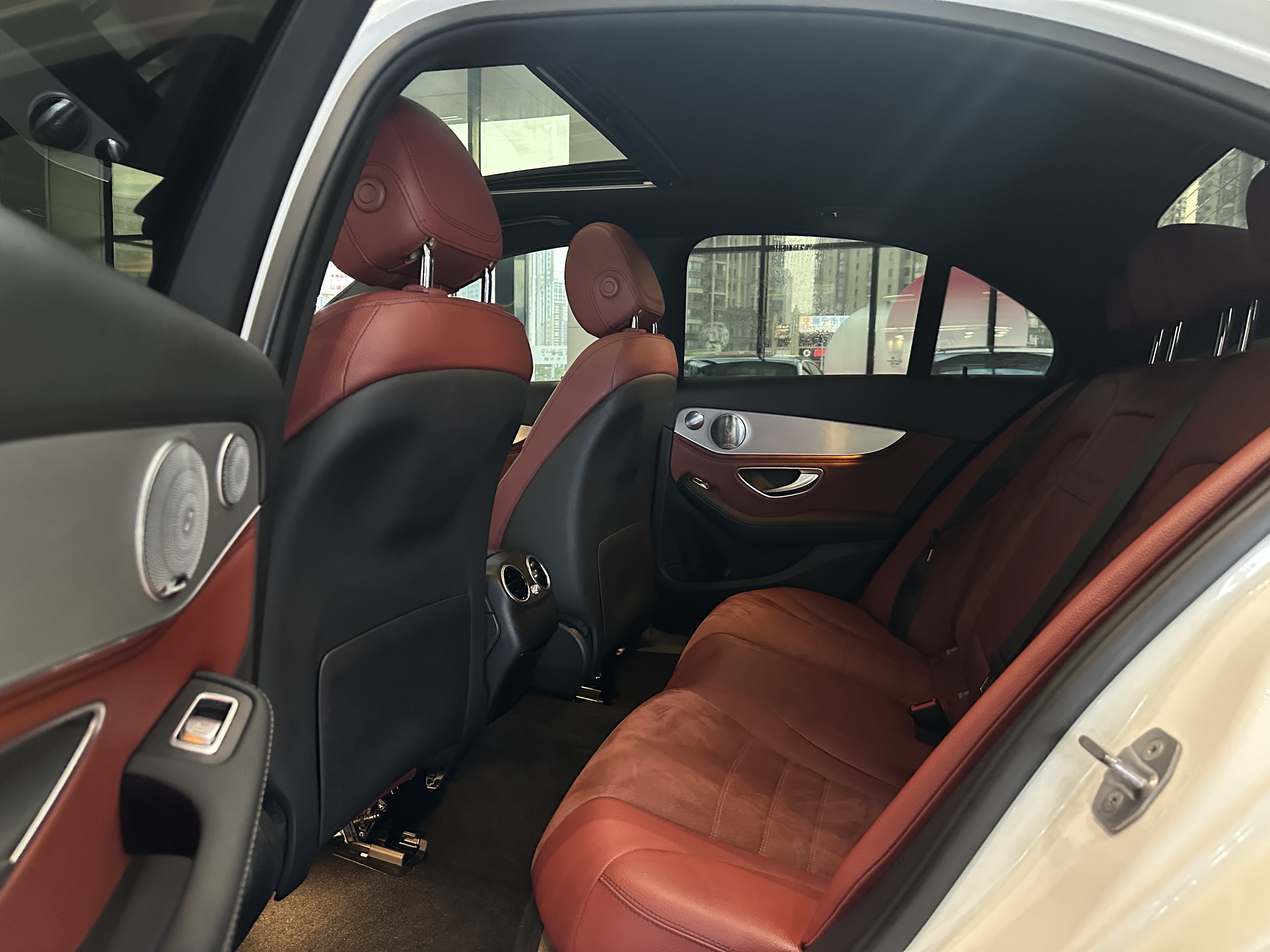
✓Seat Material
✓Driver/Passenger Power Seats
✓Rear Cupholders
✓Low Beam Headlights
✓Daytime Running Lights
✓Auto Headlights
✓Adjustable Headlight Height
✓Power Windows
✓Anti-pinch Windows
✓UV/Heat Insulating Glass
✓Climate Control Type
✓Rear Air Vents
✓Auto Park Assist
✓Start-Stop System
✓Active Safety System

Q&A

More

Is China's "National VI B" emission standard equivalent to Europe's Euro VI standard?

From a technical perspective, China's "National VI B (China VI-b)" is one of the strictest emission standards globally, with limits on carbon monoxide, nitrogen oxides, and particulate matter that are even stricter than some of Europe's Euro VI standards. However, the two are not legally recognized by each other, depending on your country's import regulations.
What should be done if the parameters on the vehicle's Chinese registration certificate do not match those in the destination country's customs database?

The commercial invoice and export license we provide are based on the vehicle's underlying VIN and official Chinese nameplate data. If there are minor discrepancies with the destination country's customs system parameters (such as curb weight), we will issue a "Parameter Explanation Letter" stamped by our company to assist you in explaining, but we cannot change the official document data.

How to ensure compliance for countries that strictly prohibit the import of vehicles containing any asbestos (like Australia)?

Chinese passenger cars produced after 2005 have fully transitioned to asbestos-free brake pads, clutch plates, and gaskets. However, for export to countries with strict regulations, buyers must pay for sampling and testing by a NATA-accredited laboratory before shipment, and obtain an asbestos-free certificate.