


Basic Information

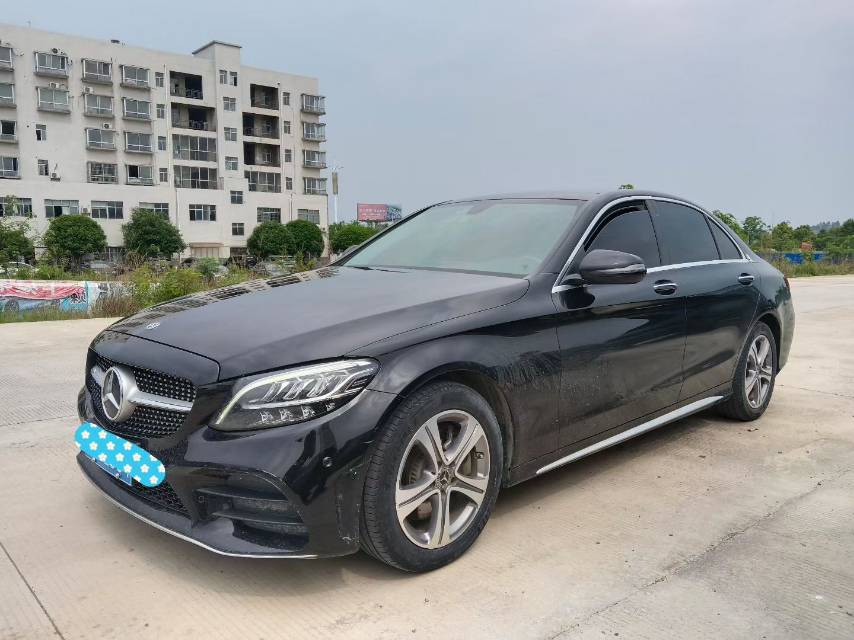
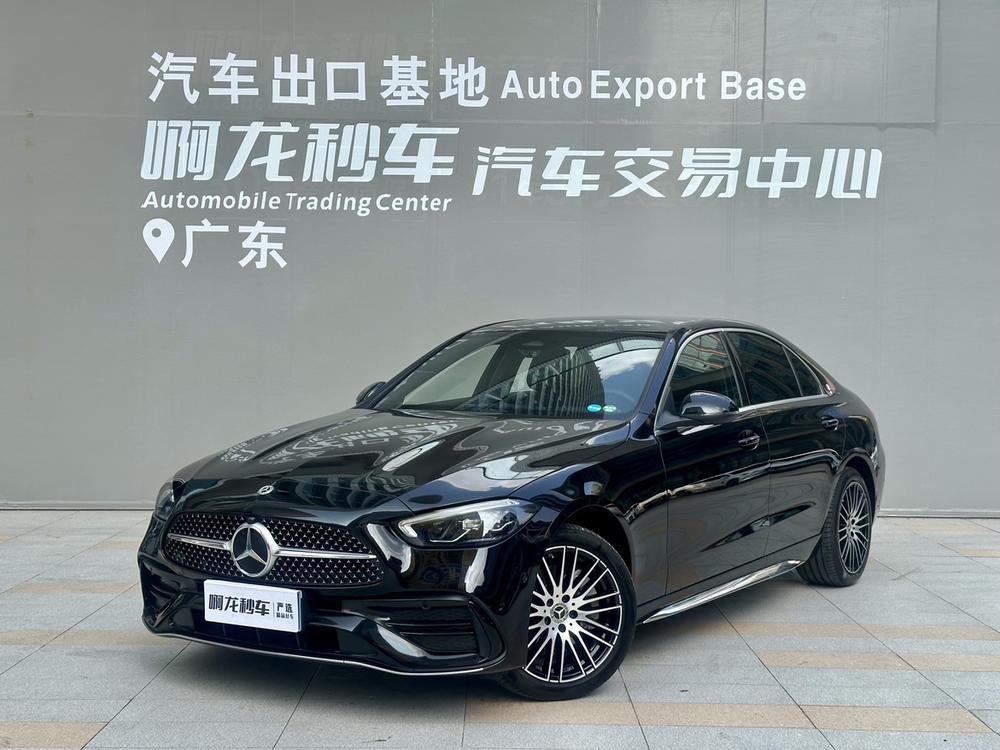
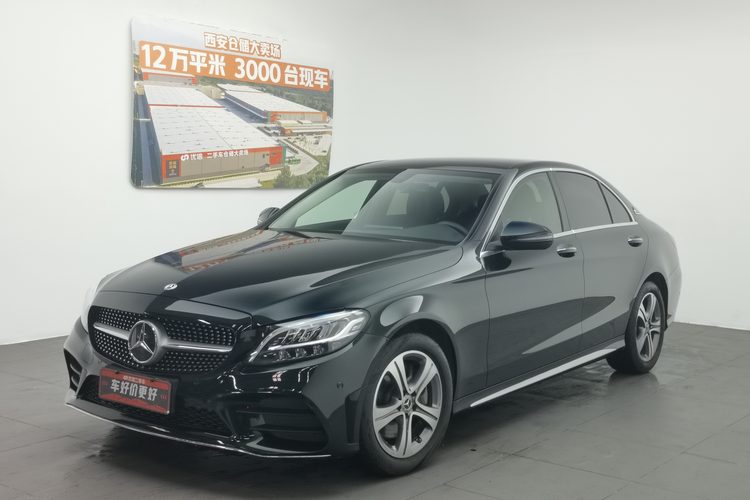
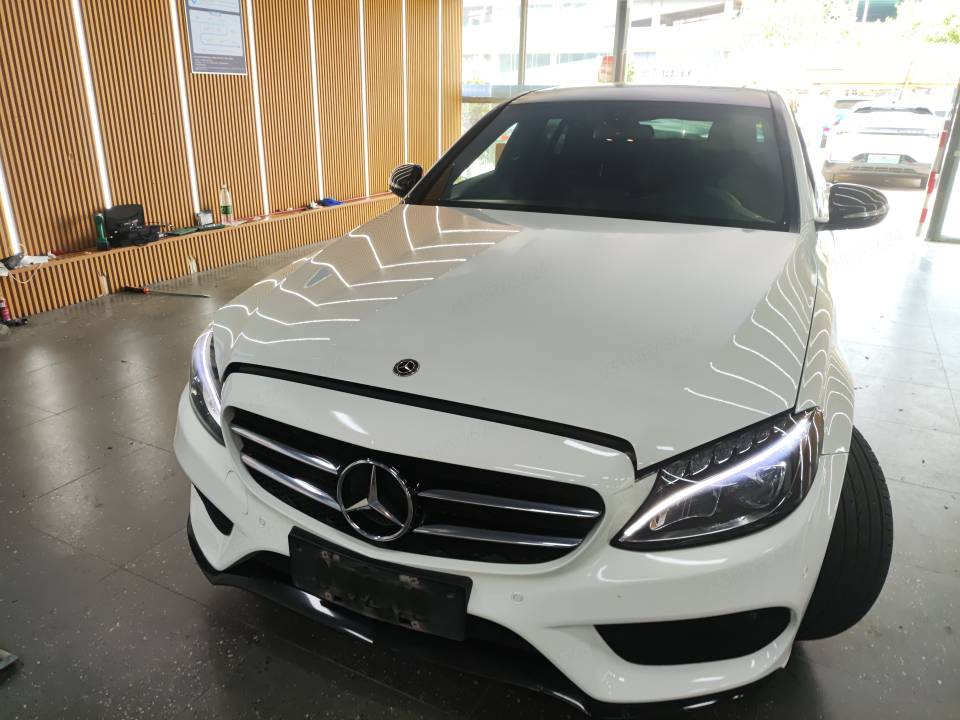
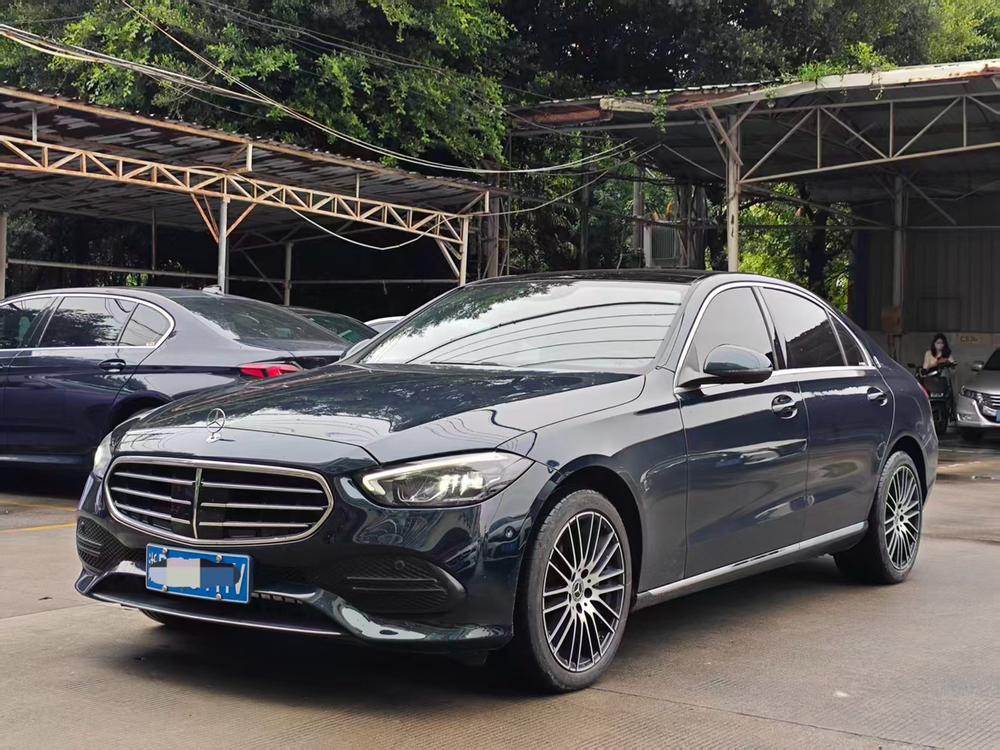
BrandMercedes-Benz
SeriesC Class
Year2018
First Registration2018/04
Mileage11km
Transfer Count-
FuelGasoline
TransmissionManumatic
Engine2.0T 184 L4
ColorWhite
Seats-

Condition Description

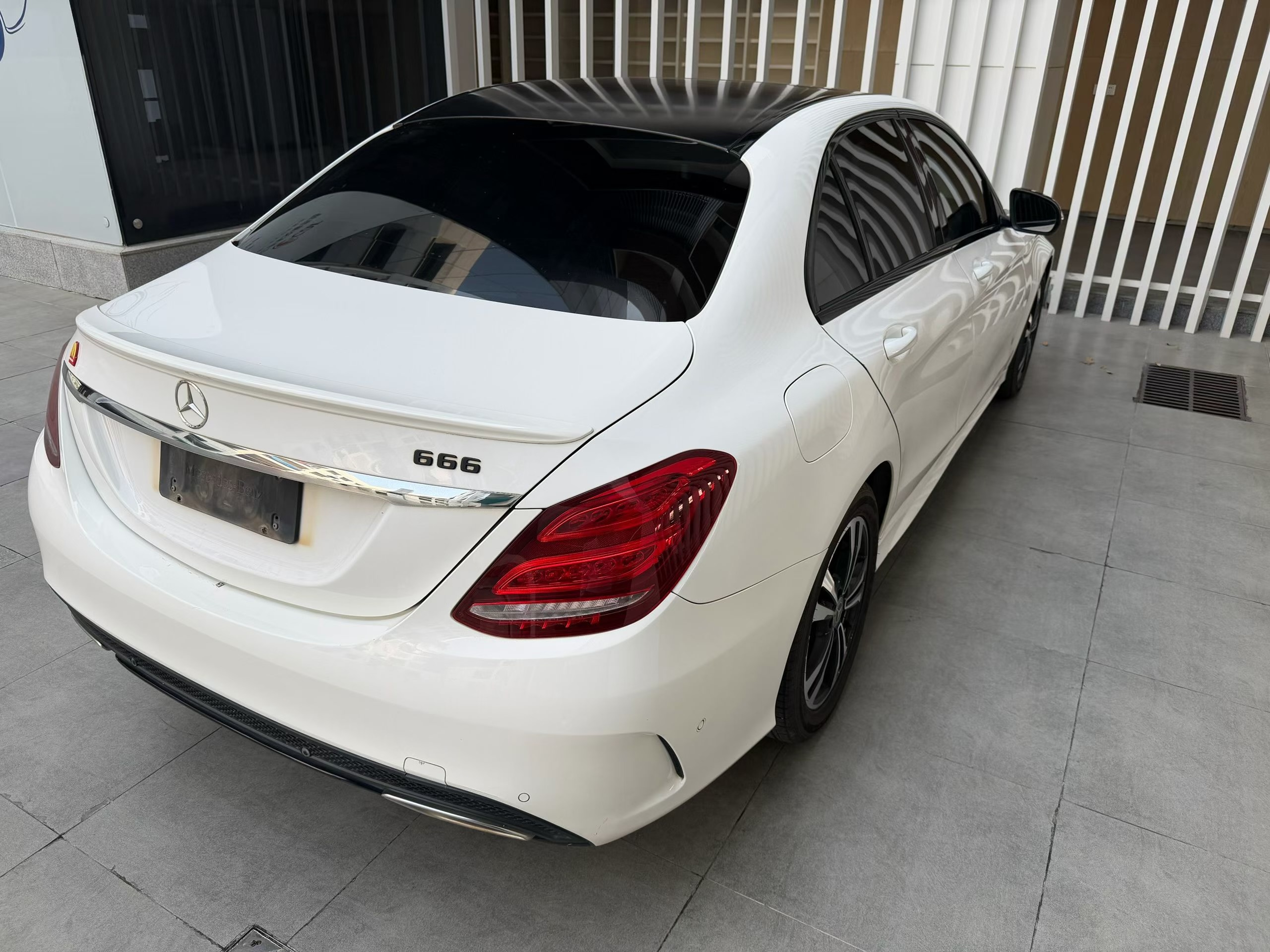
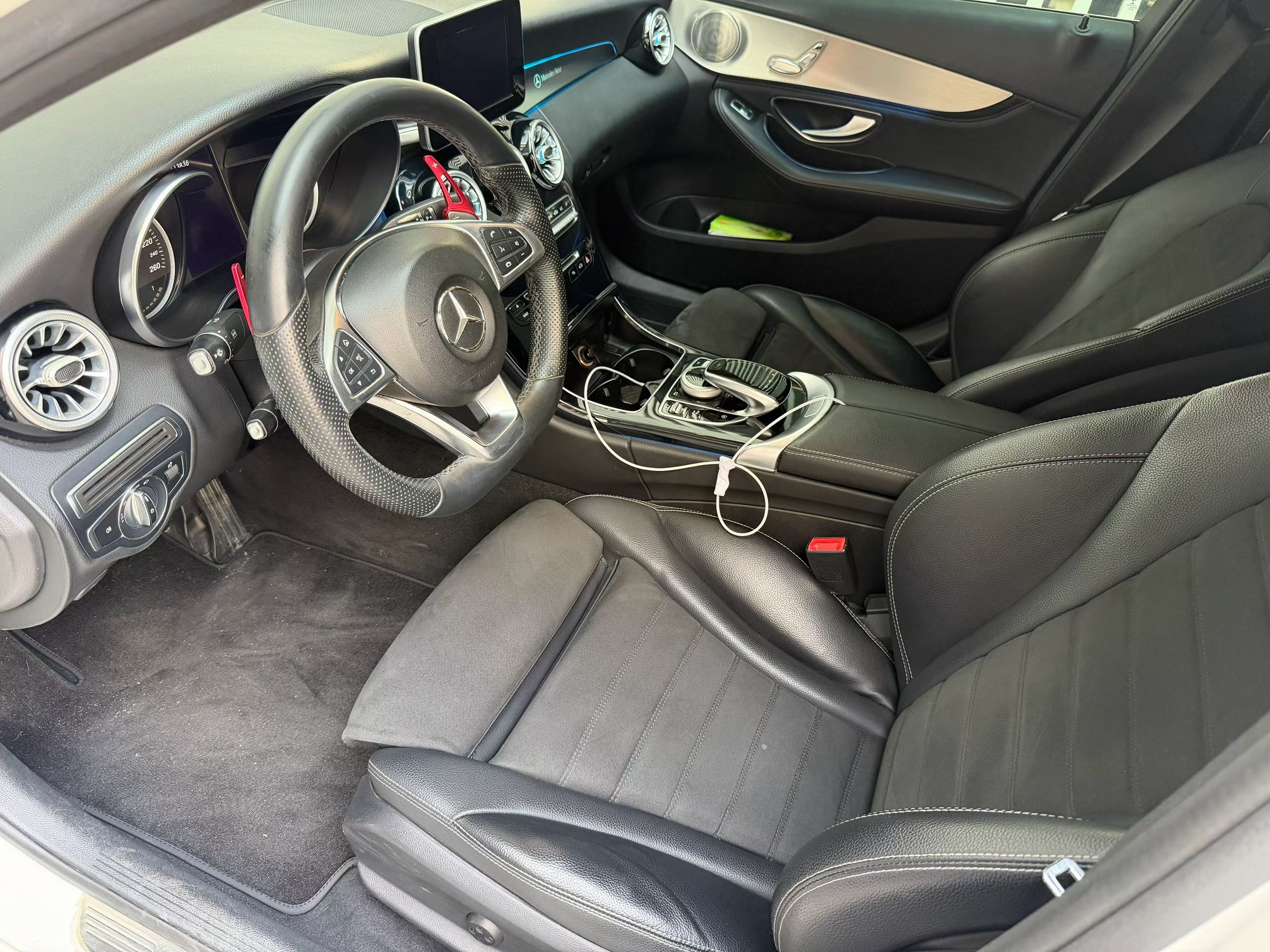
One owner! Only one repainted section, excellent condition.

Configuration Highlights

✓Driver/Passenger Airbags
✓Front/Rear Side Airbags
✓Front/Rear Curtain Airbags
✓Knee Airbags
✓Tire Pressure Monitoring
✓Run-flat Tires
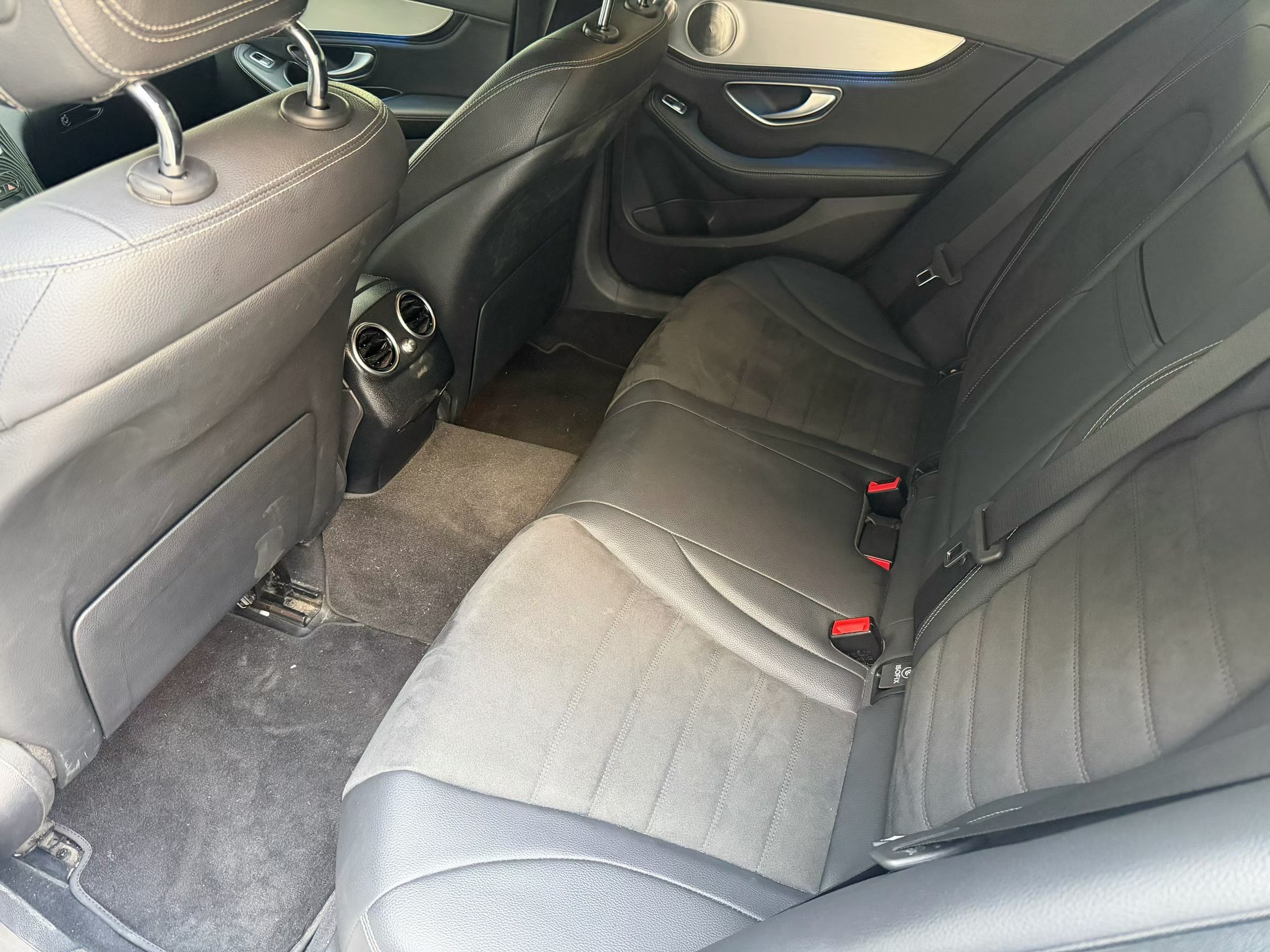
✓ISOFIX Child Seat Anchors
✓Keyless Start System
✓ABS Anti-lock Braking
✓Electronic Brake Distribution
✓Electronic Stability Control
✓Hill Start Assist
✓Auto Hold
✓Multifunction Steering Wheel
✓Paddle Shifters
✓Front Parking Sensors
✓Seat Material
✓Driver/Passenger Power Seats
✓Rear Cupholders
✓Low Beam Headlights
✓Daytime Running Lights
✓Auto Headlights
✓Adjustable Headlight Height
✓Power Windows
✓Anti-pinch Windows
✓UV/Heat Insulating Glass
✓Climate Control Type
✓Rear Air Vents
✓Auto Park Assist
✓Start-Stop System
✓Active Safety System

Q&A

More

If the vehicle's nameplate is worn and unclear, can it be legally re-stamped for customs clearance?

We cannot privately forge or re-stamp the original vehicle nameplate (this is illegal). If the nameplate is unclear, we will rely on the clear VIN on the windshield and the engine stamp as supplementary proof, and we will warn you of this risk before shipping.
Can you handle the complex communication regarding Scrap Tax and e-PTS for the Russian market?

Our responsibility ends with delivering the vehicle to the Russian border or Far East port and providing the legal Chinese export documents. The payment of Scrap Tax, application for SBKTS (Vehicle Structure Safety Certificate), and activation of the final e-PTS electronic passport must be fully handled by the Russian buyer and their local customs broker.

Why are the shipping costs for used electric vehicles (EVs) usually higher than for internal combustion engine vehicles (ICEs)?

Pure electric vehicles are classified as Class 9 Dangerous Goods due to their large lithium batteries, leading to strict shipping regulations. Shipping companies have high requirements for the loading position and fire isolation measures for dangerous goods, and some roll-on/roll-off ships refuse to accept used EVs. As a result, EVs often require more expensive special container shipping and incur additional handling fees for hazardous materials.