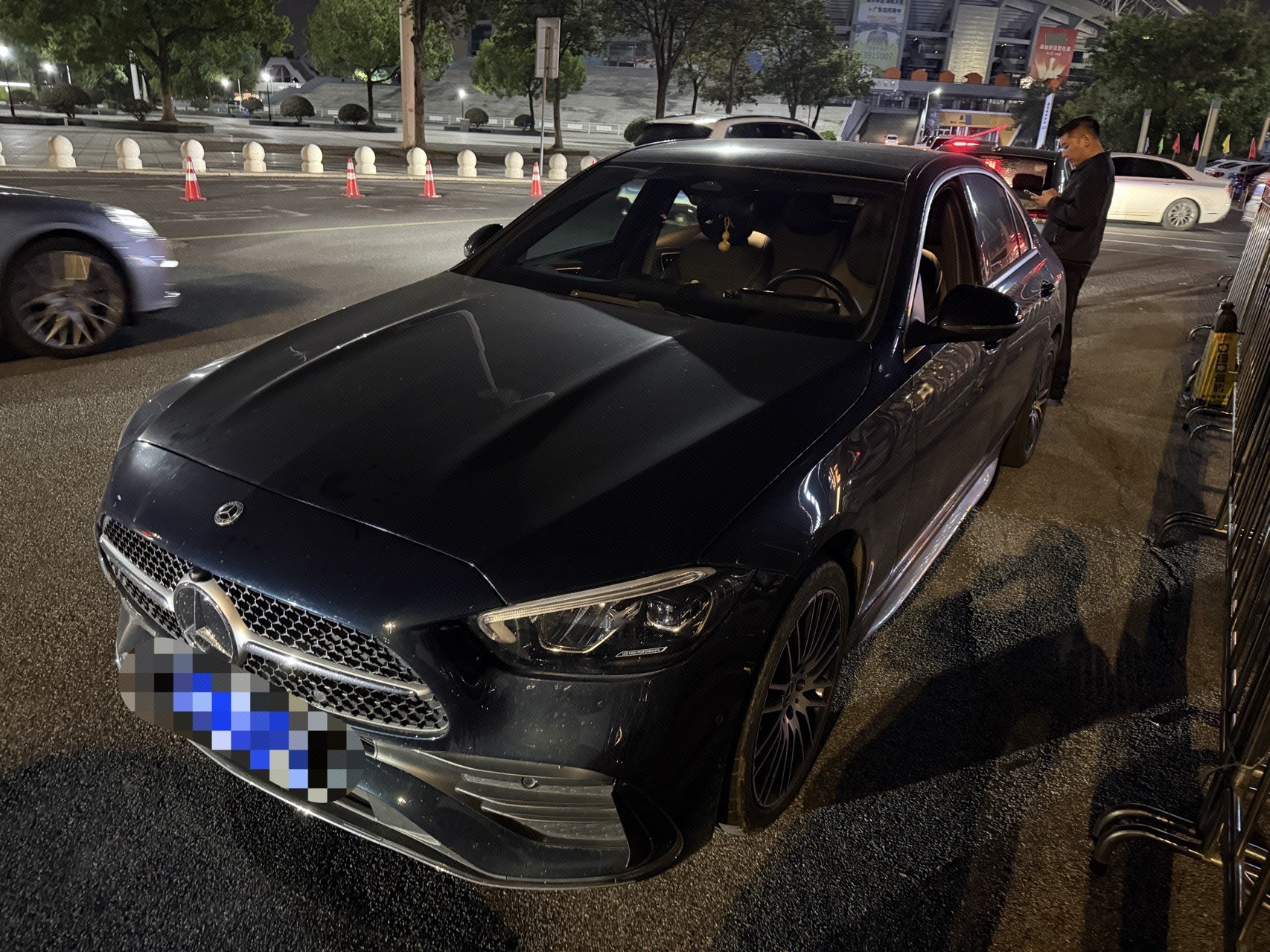
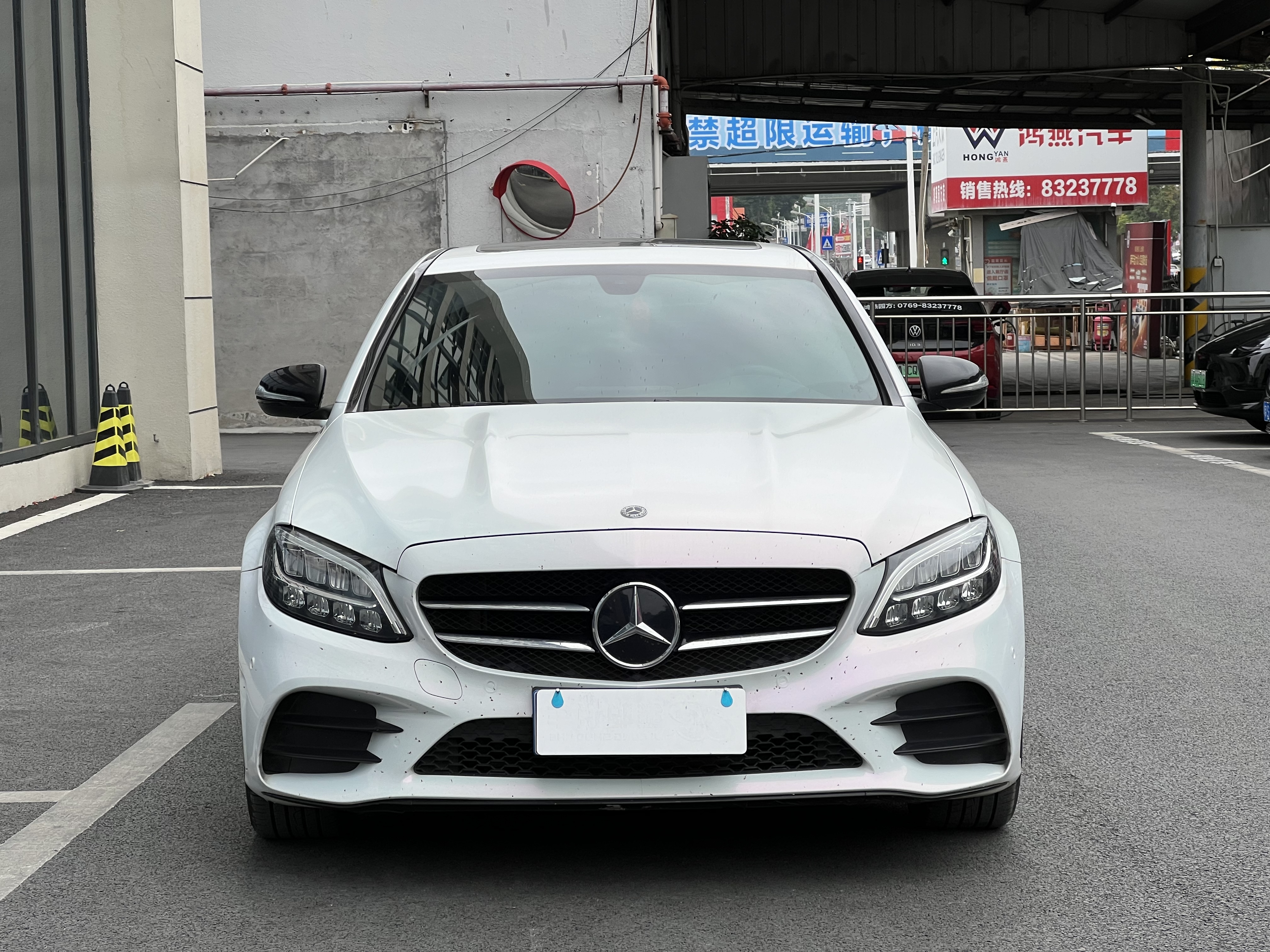
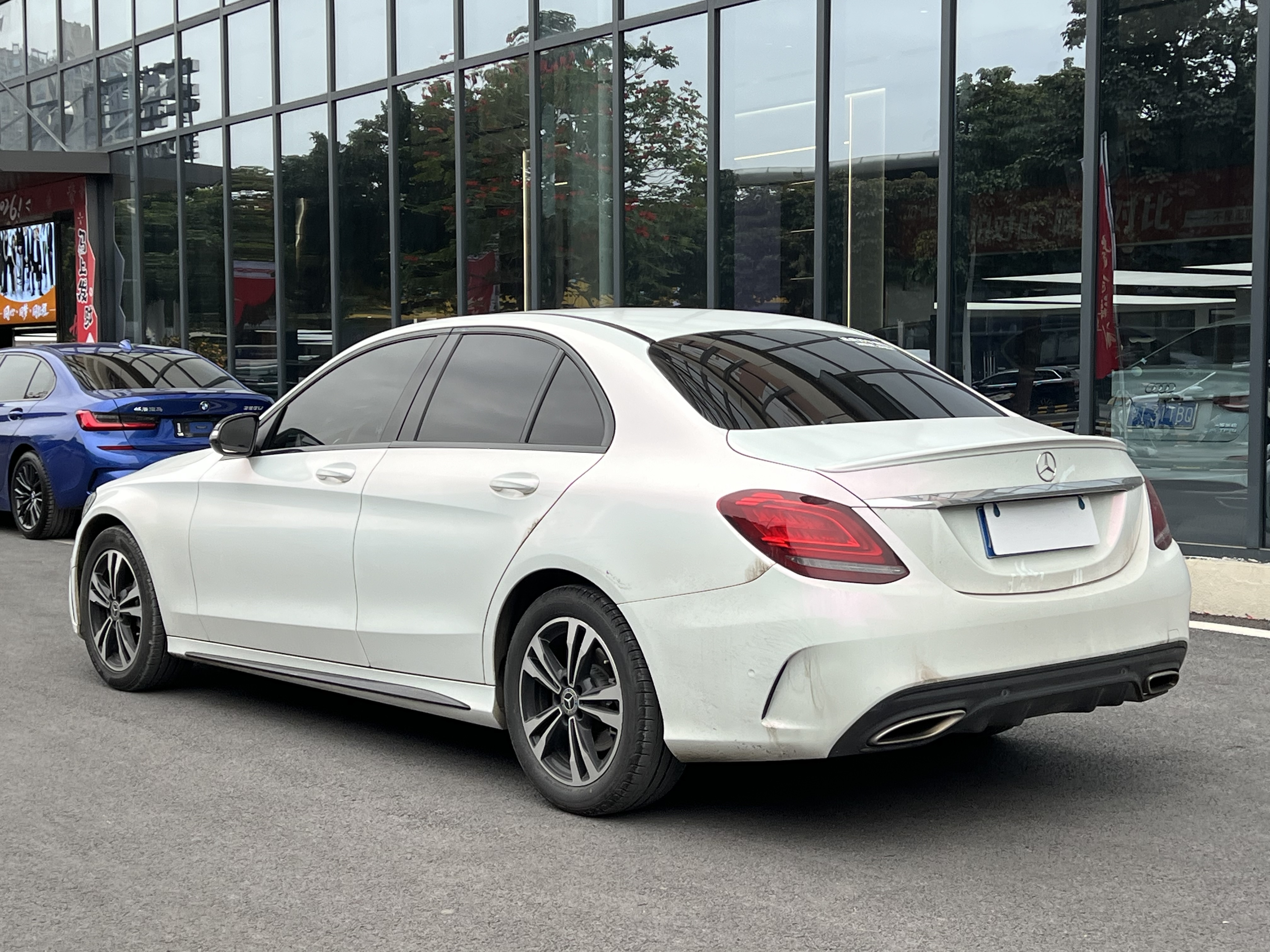
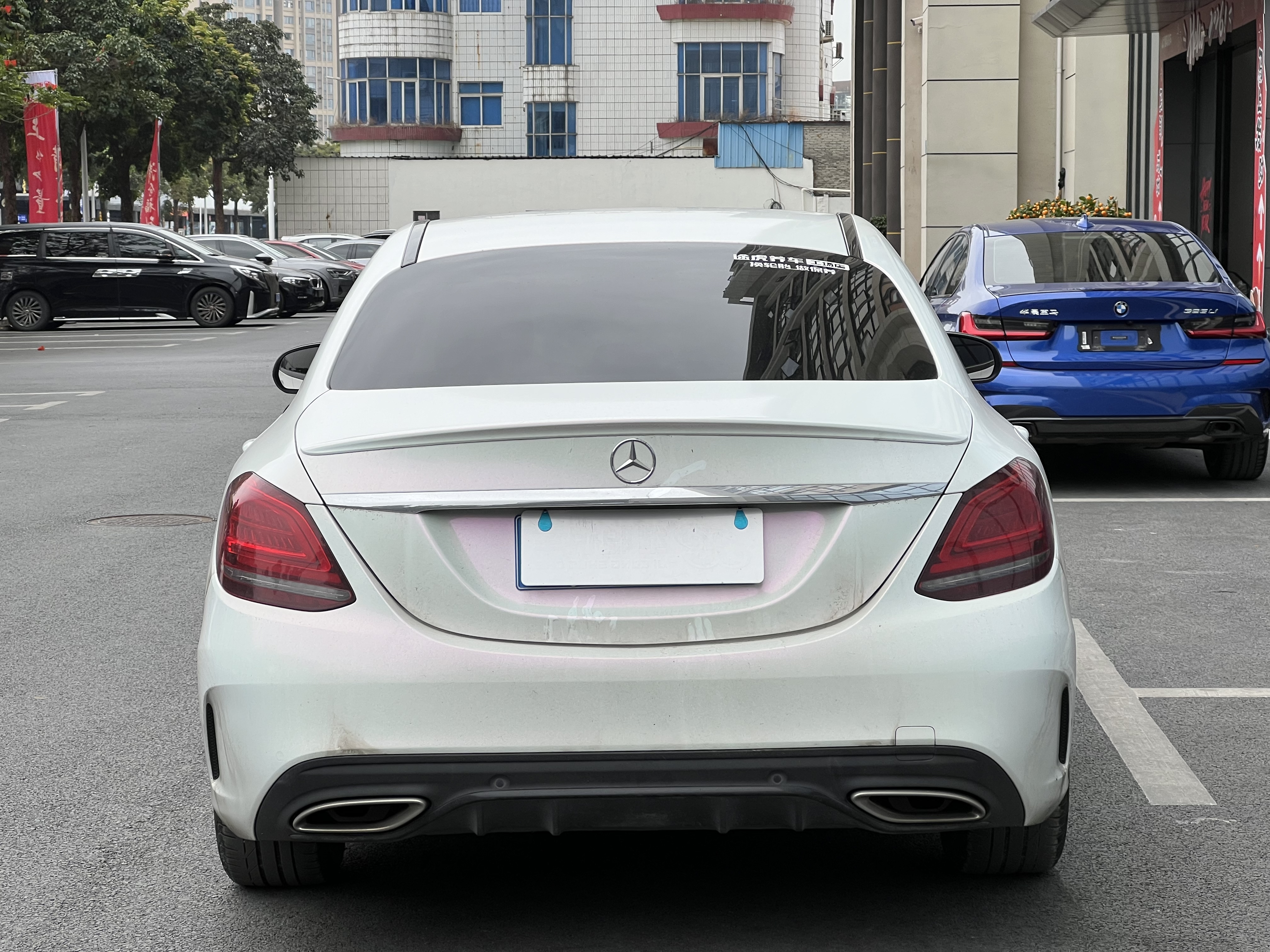
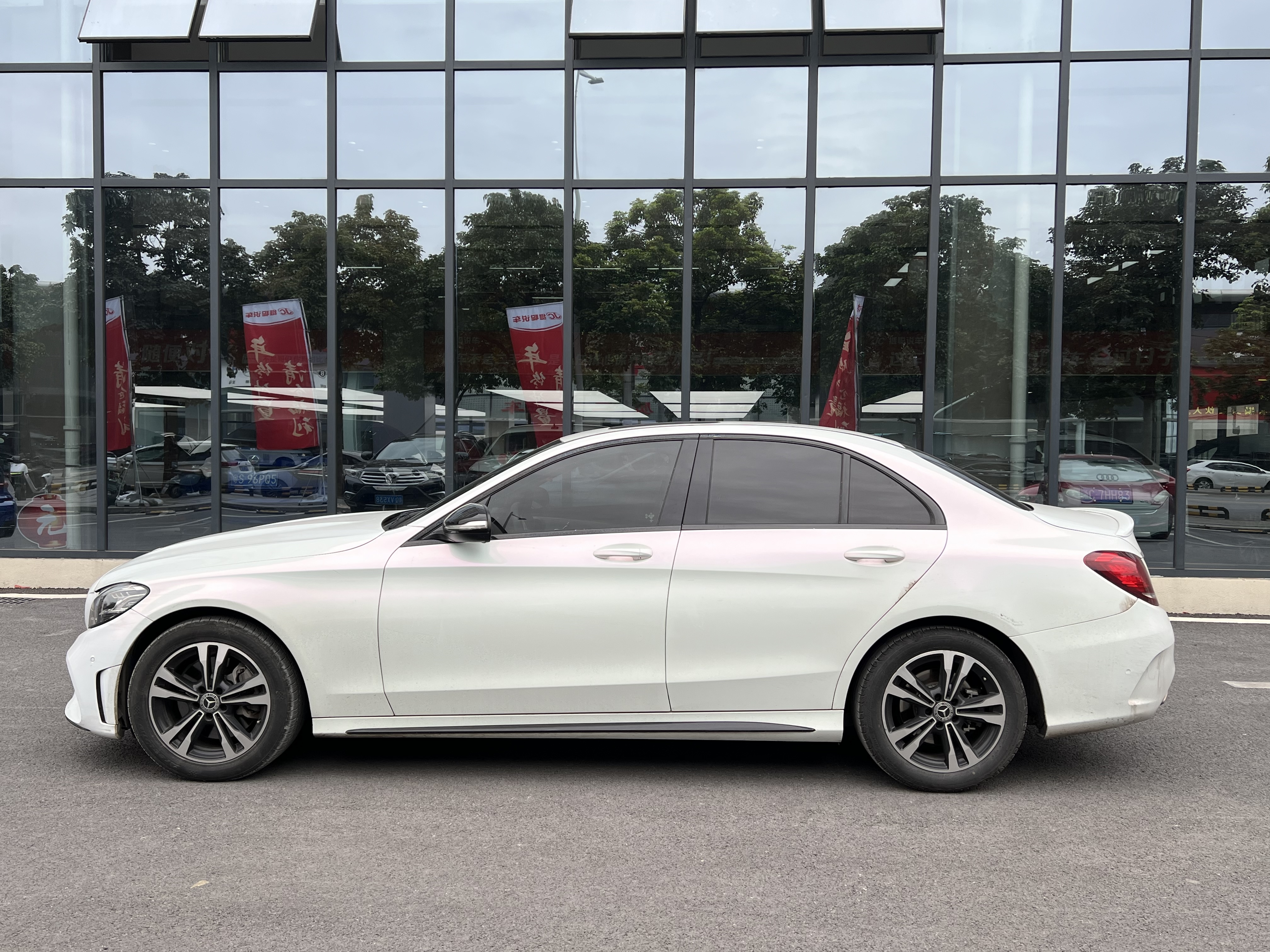
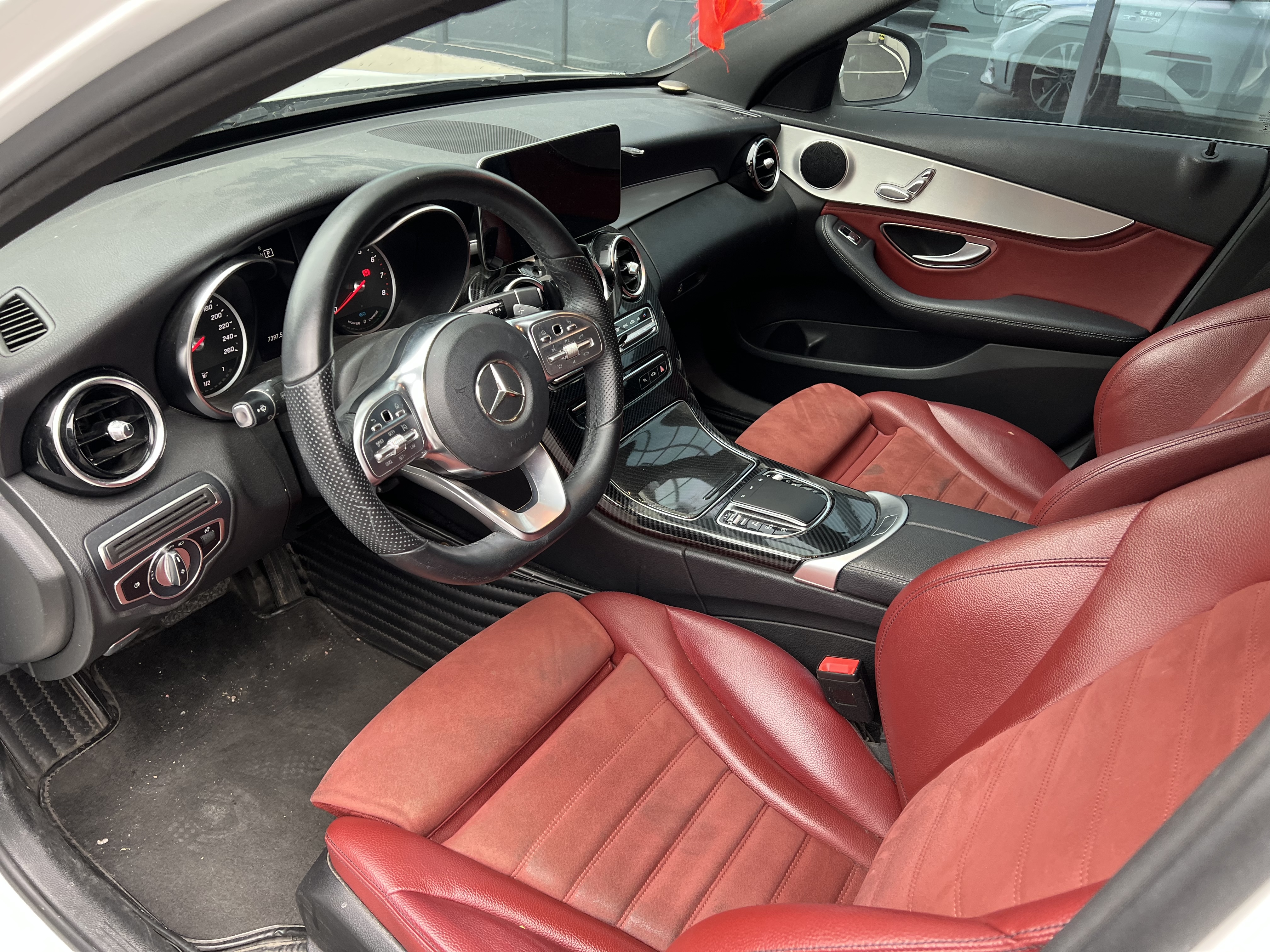
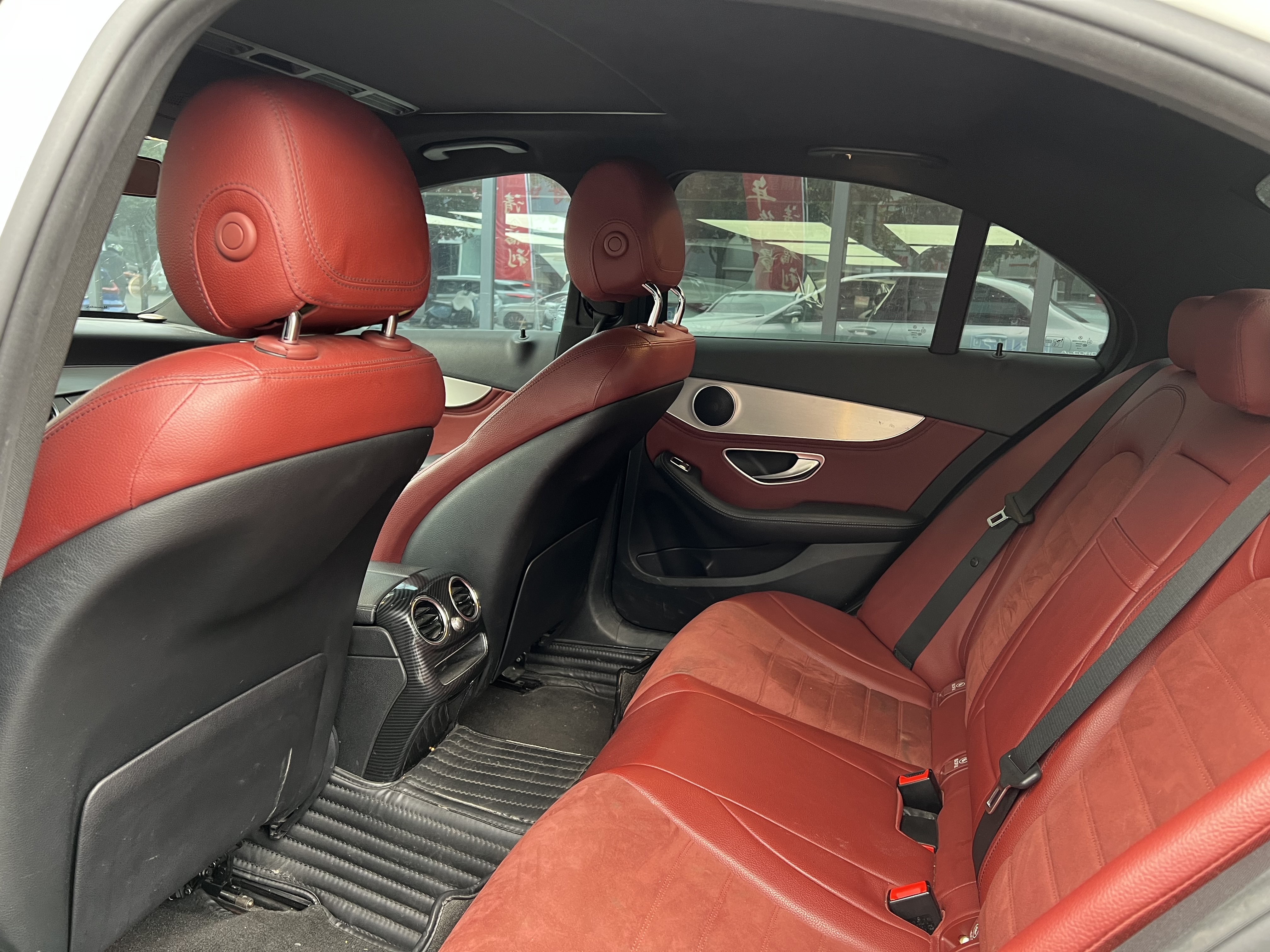
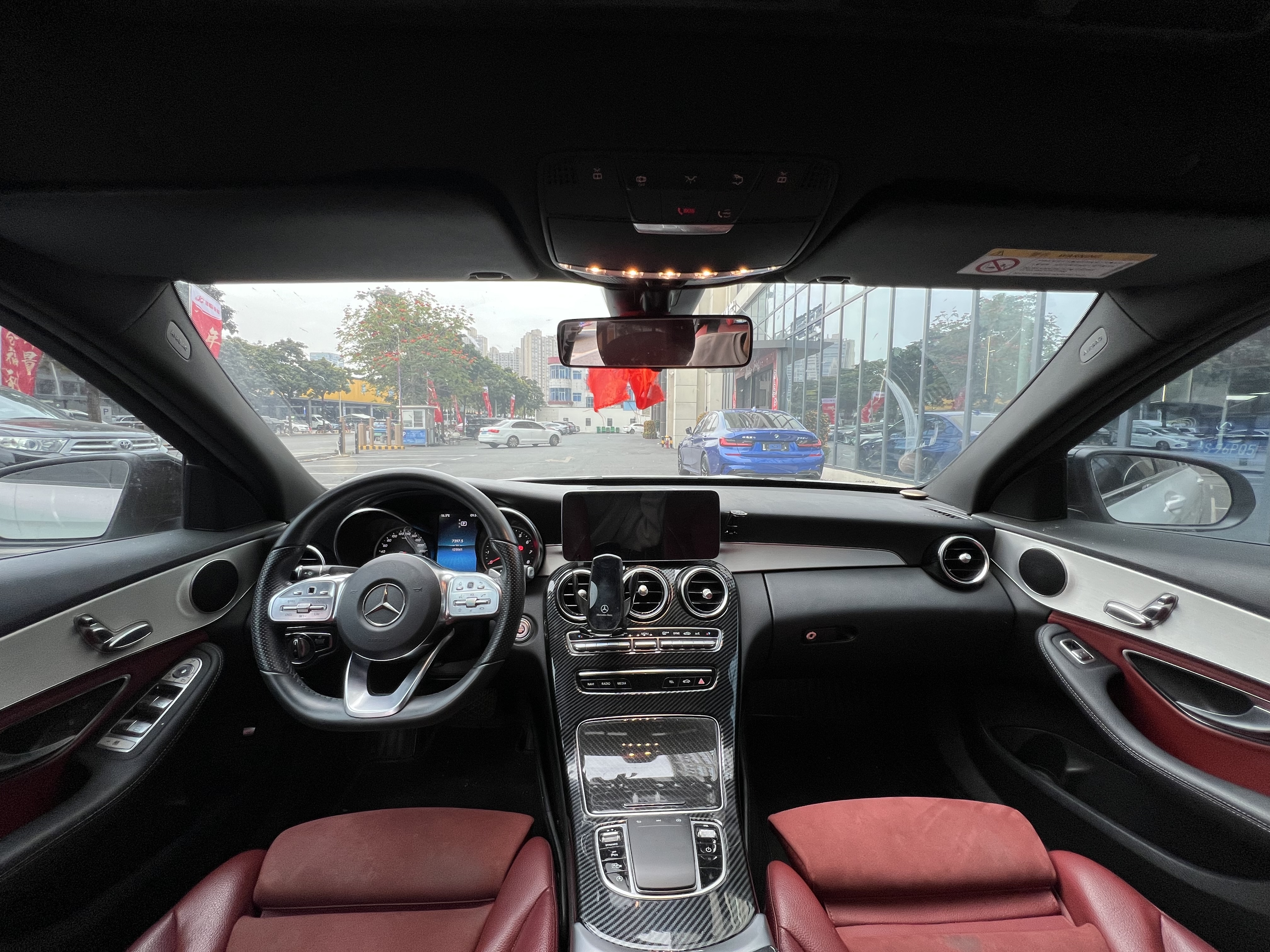
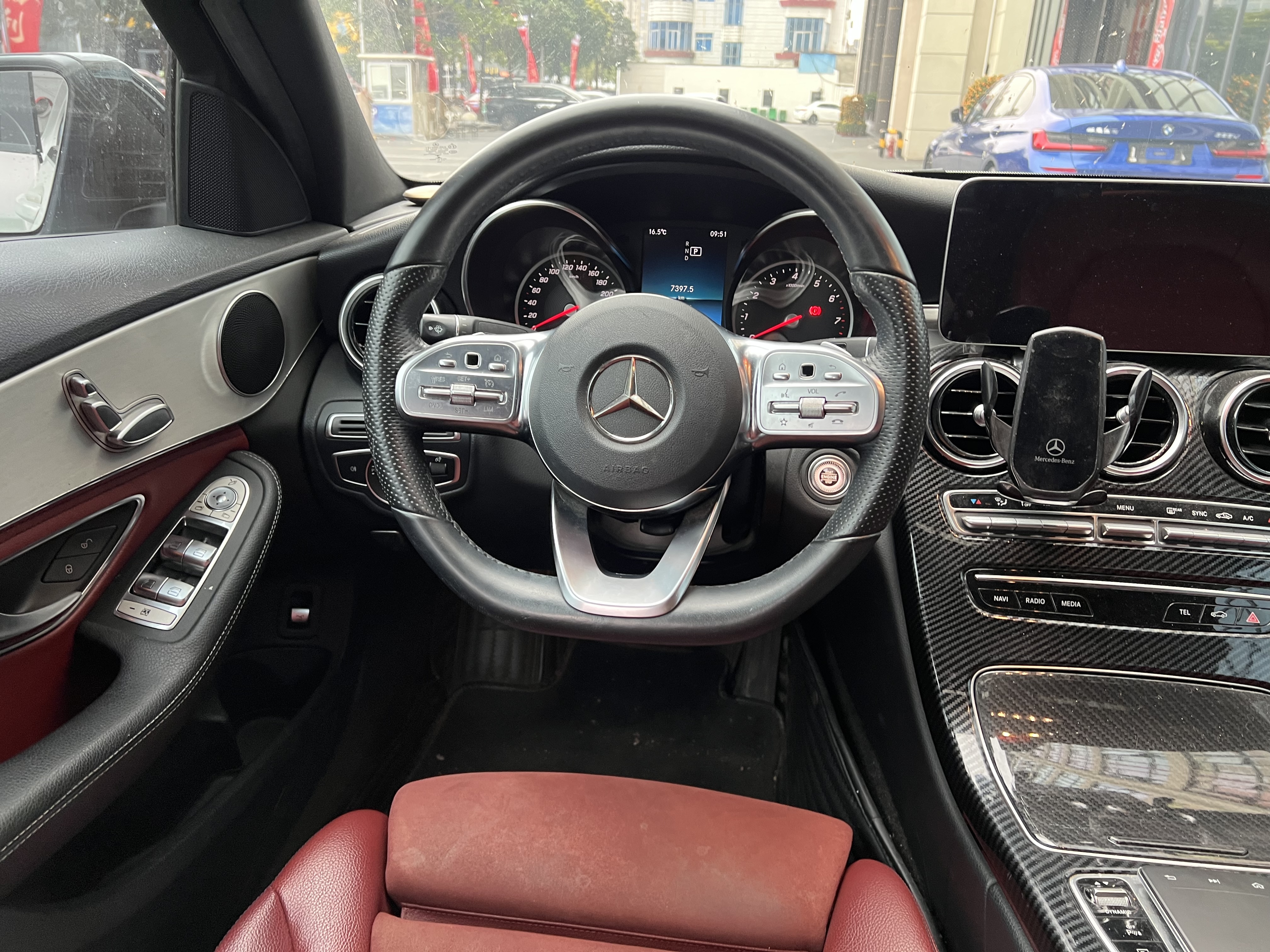
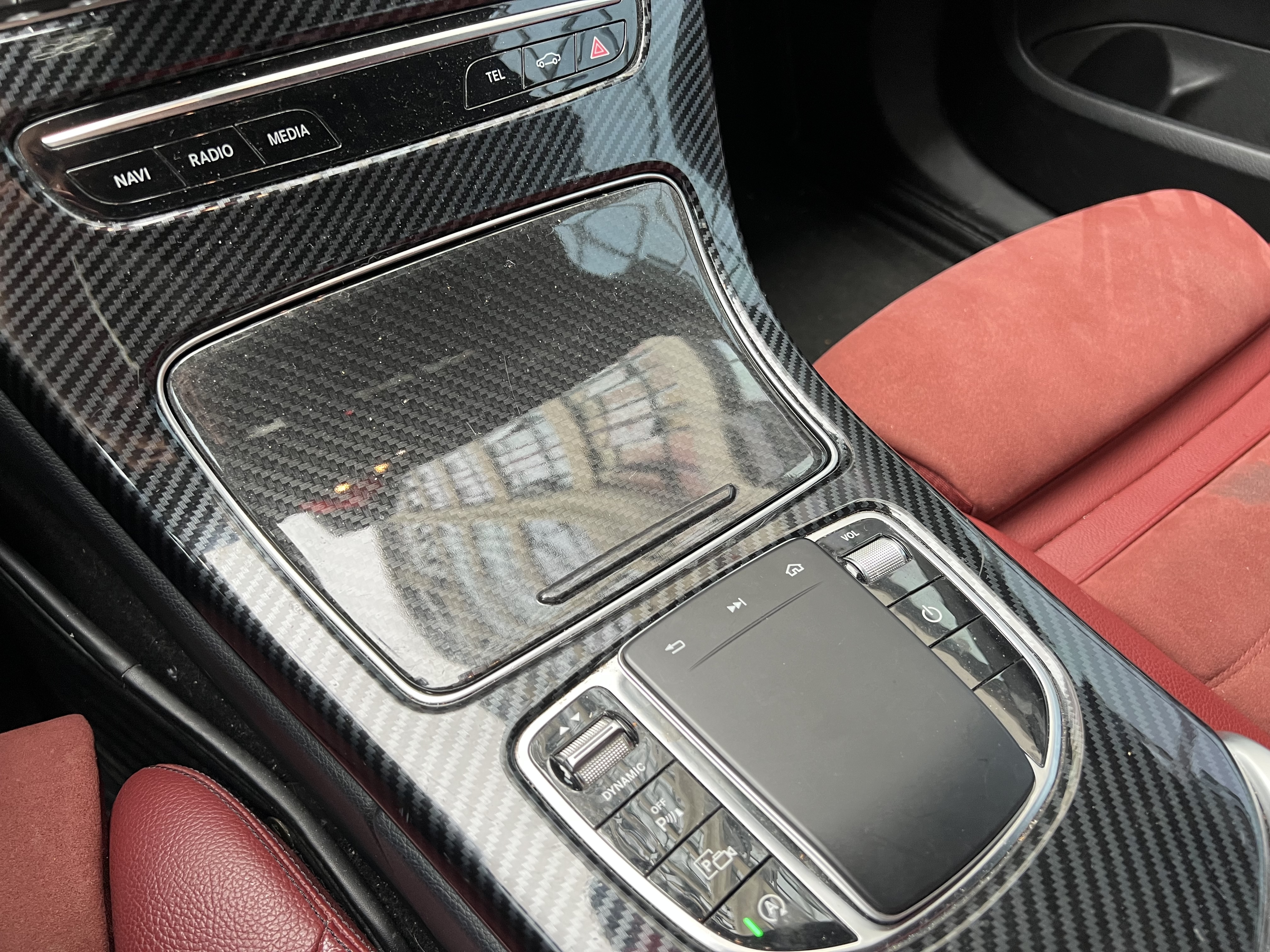
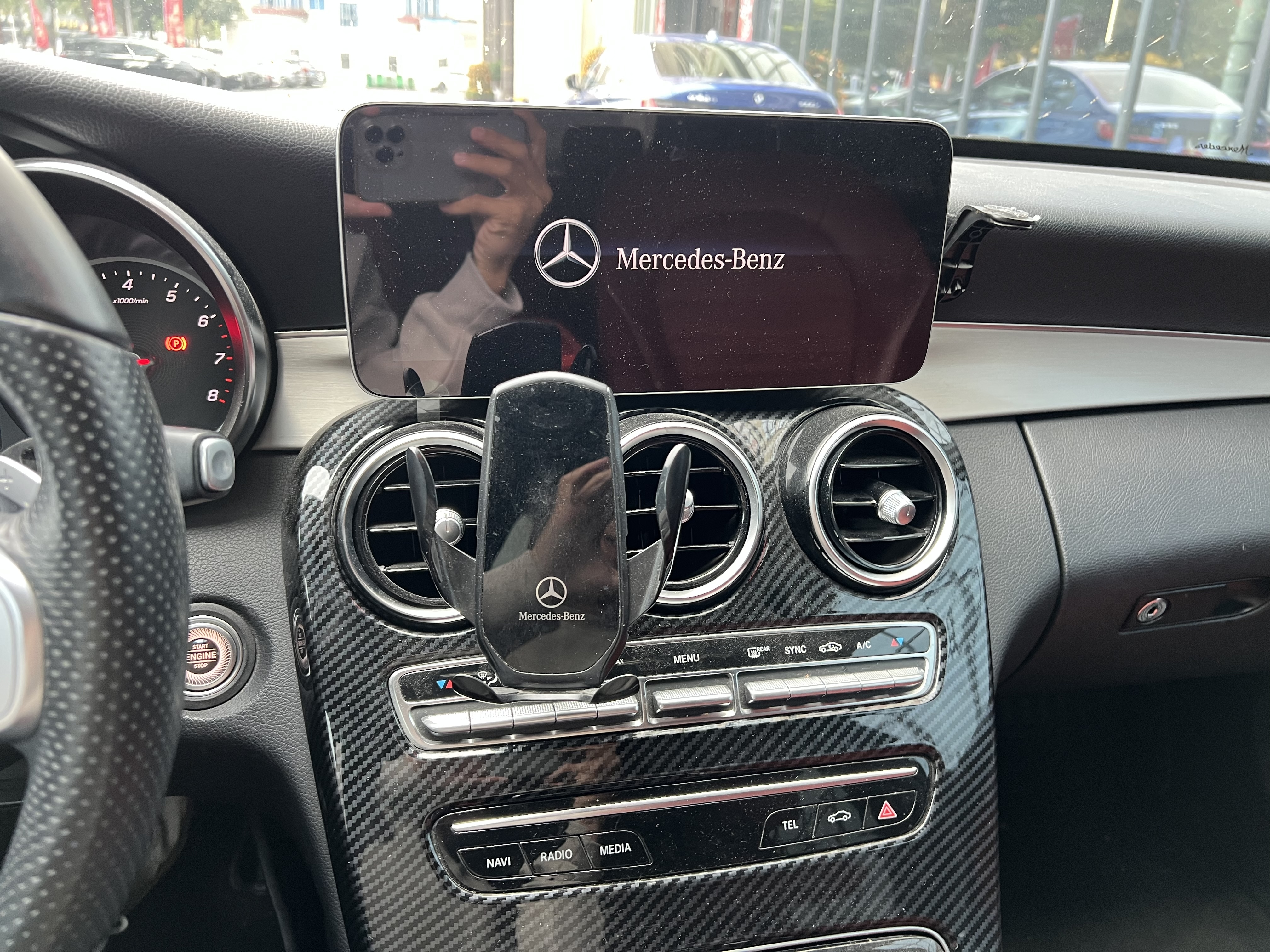
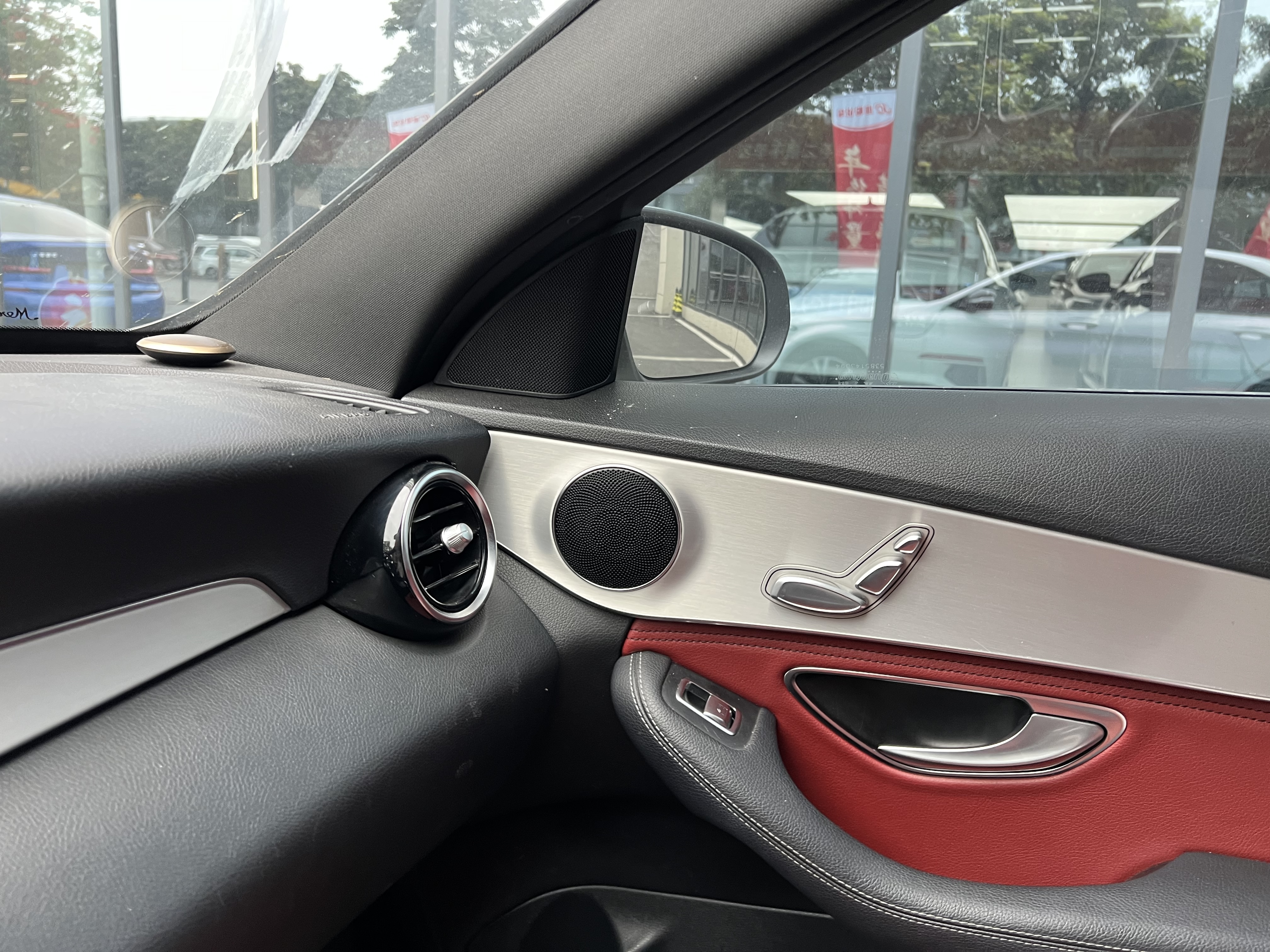
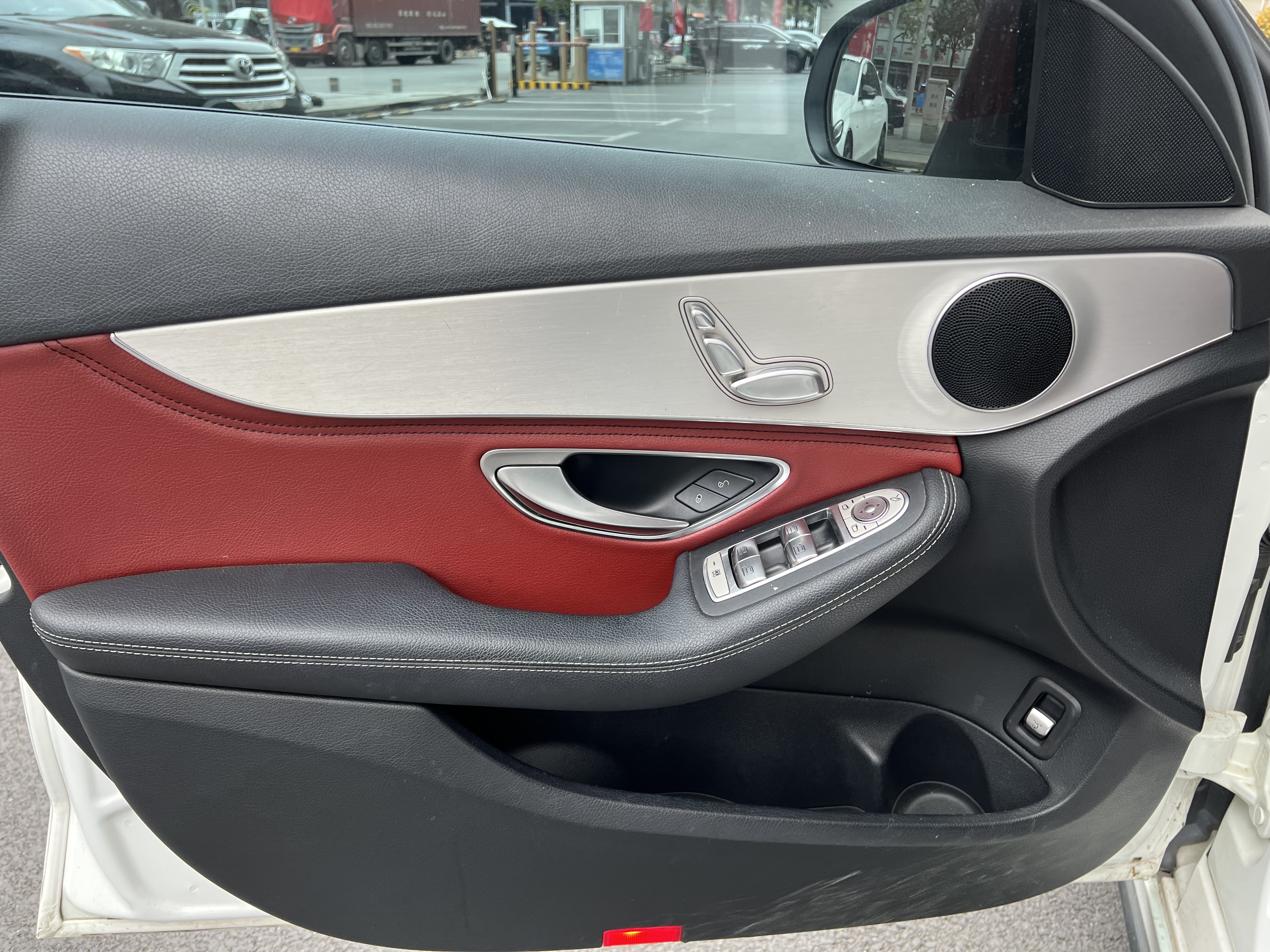
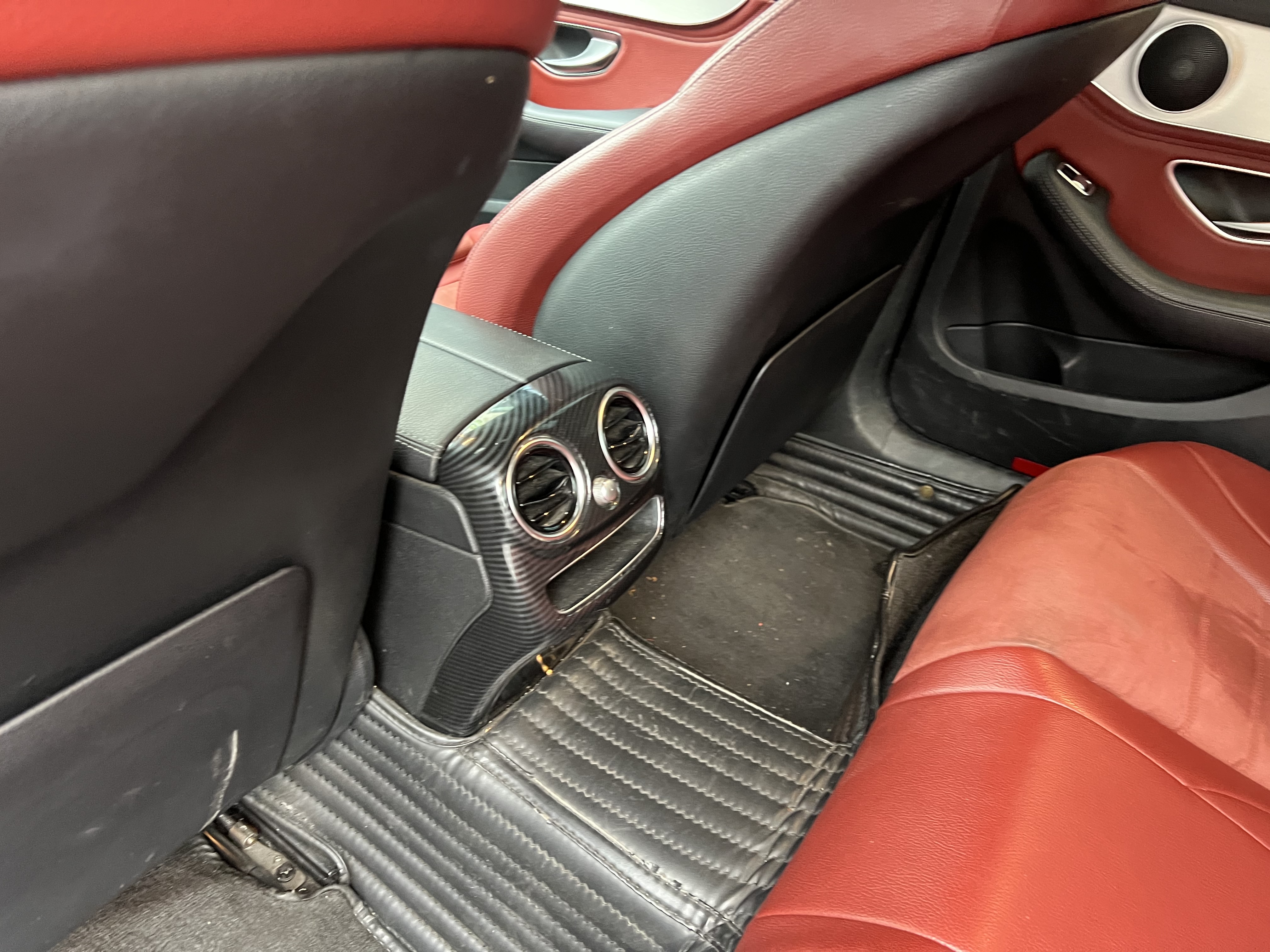
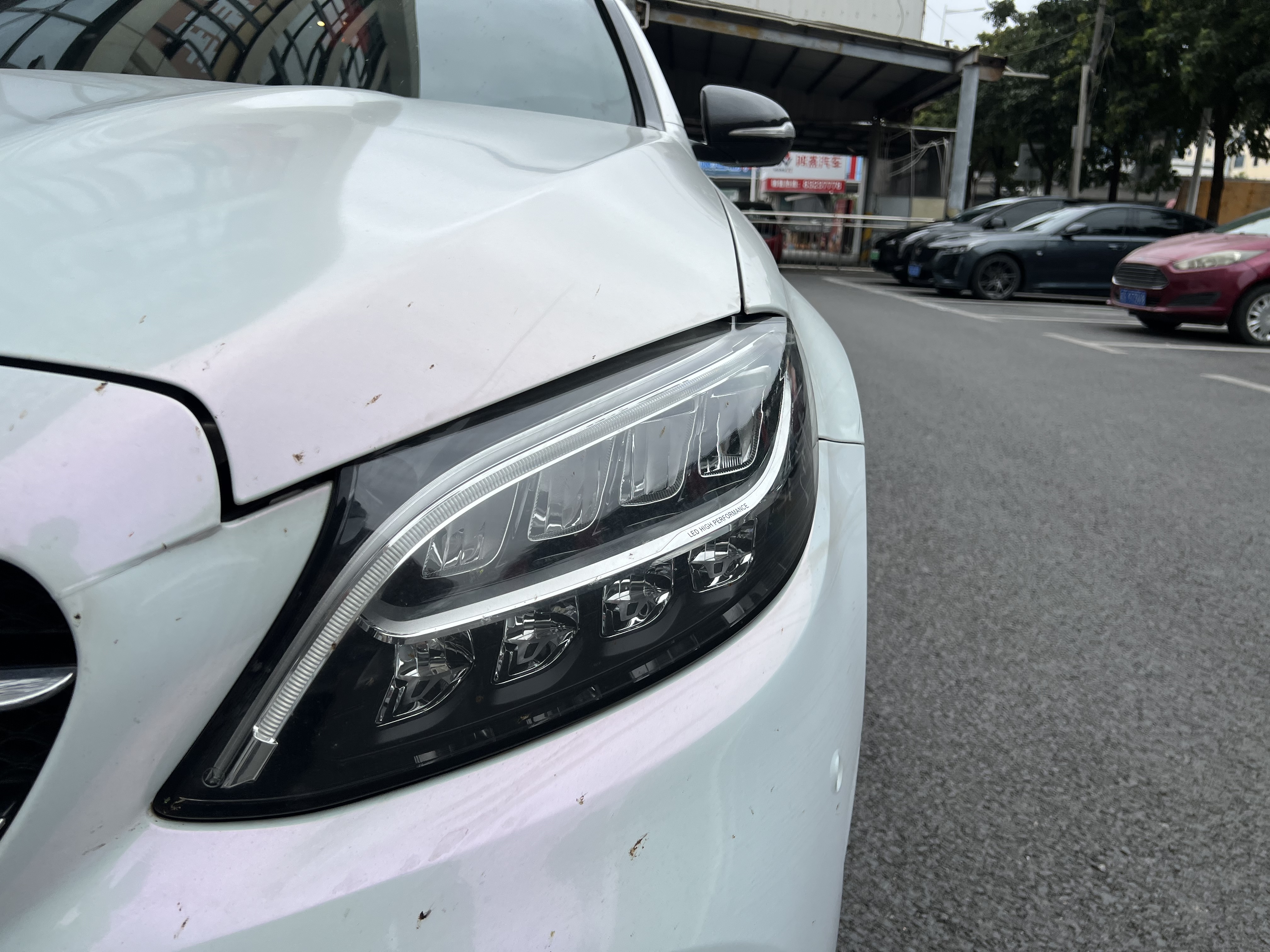
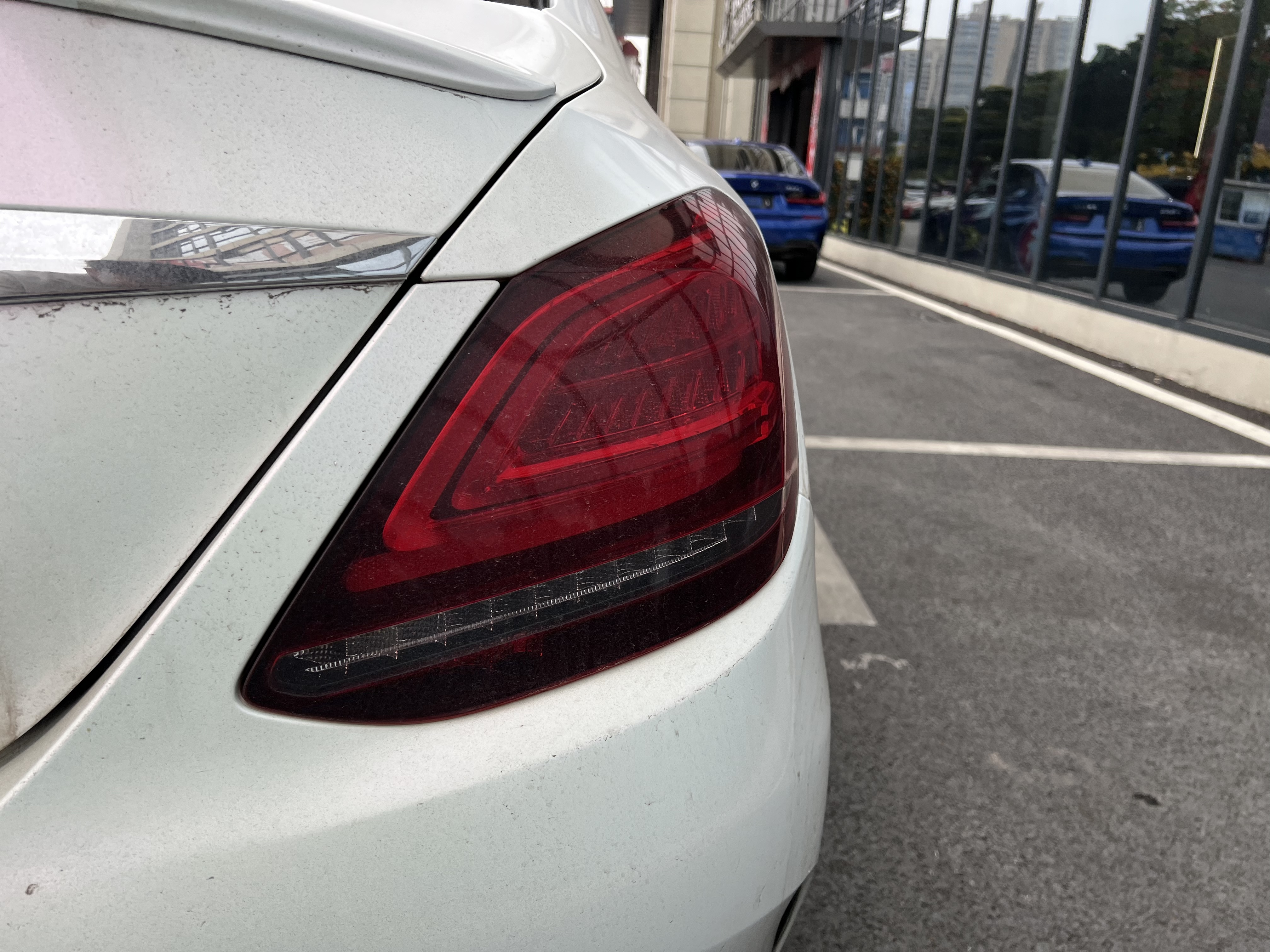



Basic Information

BrandMercedes-Benz
SeriesC Class
Year2019
First Registration2019/08
Mileage12.5km
Transfer Count-
FuelMild Hybrid
TransmissionManumatic
Engine1.5T 184 L4
ColorWhite
Seats-

Condition Description

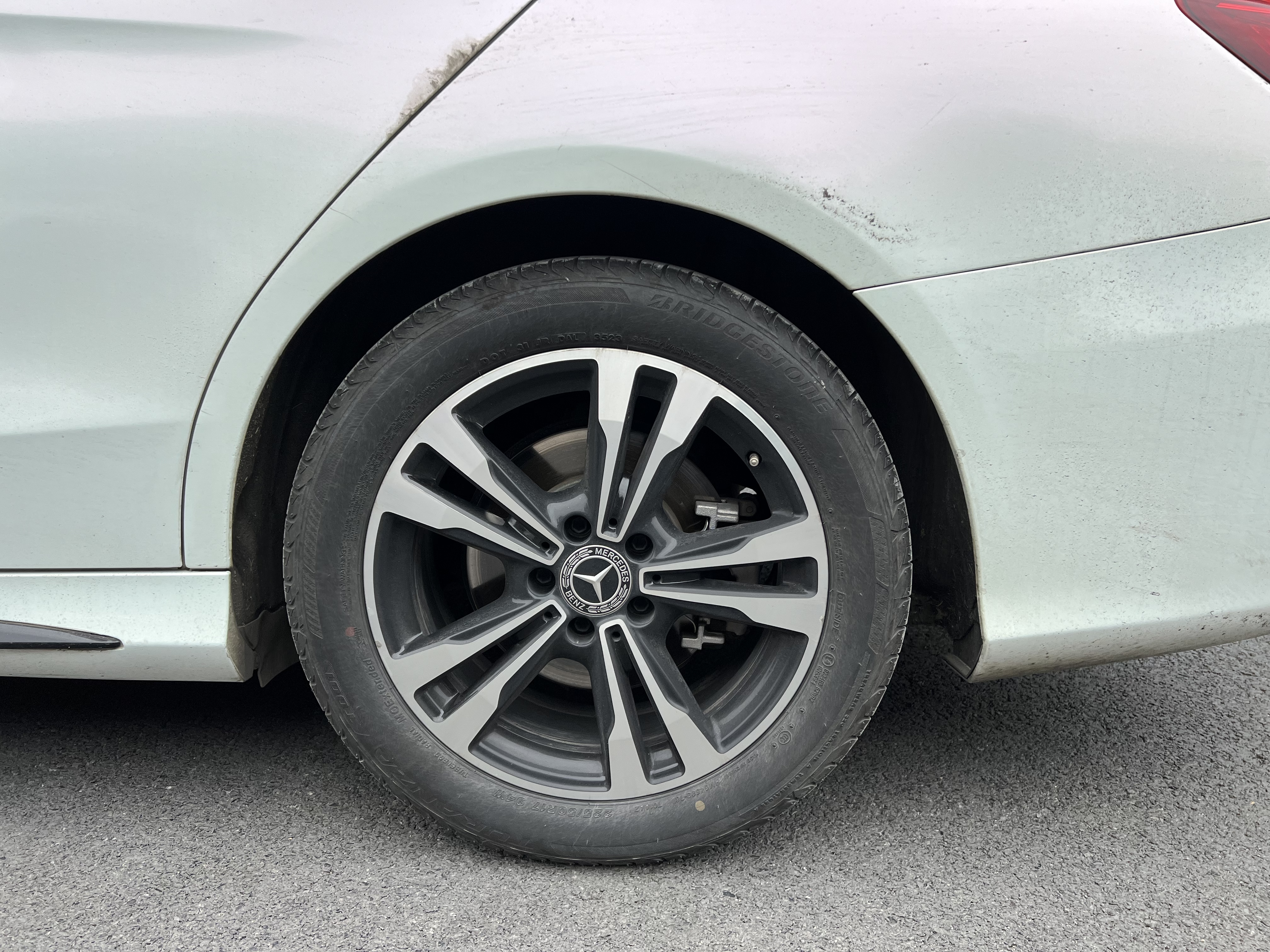
0. Selling Points: 1. Vehicle Condition Description: Replaced left rear door and left rear fender 2. Airbags: Normal 3. Wading Rating: Normal 4. Mileage: 125,000 km 5. Retail Price (for a well-maintained vehicle): Less than 150,000 km 6. Modifications: Normal 7. Wheel Size: Normal 8. Color Registration: Normal 9. Keys: 2 10. Compulsory Traffic Insurance: 26-8 11. Annual Inspection: 27-8 12. Passed Inspection (Best in Sight/268V): Failed 13. Full Payment/Installment: Full Payment 14. Number of Ownership Transfers: 0 Remarks: Missing power of attorney for ownership transfer.

Configuration Highlights

✓Driver/Passenger Airbags
✓Front/Rear Side Airbags
✓Front/Rear Curtain Airbags
✓Knee Airbags
✓Tire Pressure Monitoring
✓Run-flat Tires
✓ISOFIX Child Seat Anchors
✓Keyless Start System
✓ABS Anti-lock Braking
✓Electronic Brake Distribution
✓Electronic Stability Control
✓Hill Start Assist
✓Auto Hold
✓Multifunction Steering Wheel
✓Paddle Shifters
✓Front Parking Sensors
✓Seat Material
✓Driver/Passenger Power Seats
✓Rear Cupholders
✓GPS Navigation
✓Low Beam Headlights
✓Daytime Running Lights
✓Auto Headlights
✓Adjustable Headlight Height
✓Power Windows
✓Anti-pinch Windows
✓UV/Heat Insulating Glass
✓Climate Control Type
✓Rear Air Vents
✓Auto Park Assist
✓Start-Stop System
✓Active Safety System

Q&A

More

Will the Advanced Driver Assistance Systems (ADAS) work under overseas road conditions?

Basic perception functions (like Adaptive Cruise Control ACC, Lane Keeping Assist LKA, and Automatic Emergency Braking AEB) rely on the vehicle's local radar and cameras, and can operate normally overseas. However, advanced features that heavily depend on high-precision maps and cloud data (like Navigation on Autopilot NOA and Full Self-Driving FSD) cannot be activated overseas.


How to check the condition of the turbocharger (oil leaks, unusual noises, insufficient pressure) for turbocharged vehicles?

Experience turbo lag and power surge during road tests; check for significant oil accumulation at the turbo intake and intercooler connections (slight oil vapor is normal); and use OBD to read the real-time boost pressure peak to see if it meets factory settings.

How are the refrigerant pressure, compressor operation, and heating effect of the air conditioning system deeply tested?

The technician will start the vehicle and turn on the air conditioning system, measuring the actual temperature at the vents at the lowest and highest settings with a thermometer; at the same time, they will connect a manifold pressure gauge to check if the refrigerant pressure in the high and low pressure lines is within the normal range, determining if there is a chronic refrigerant leak.