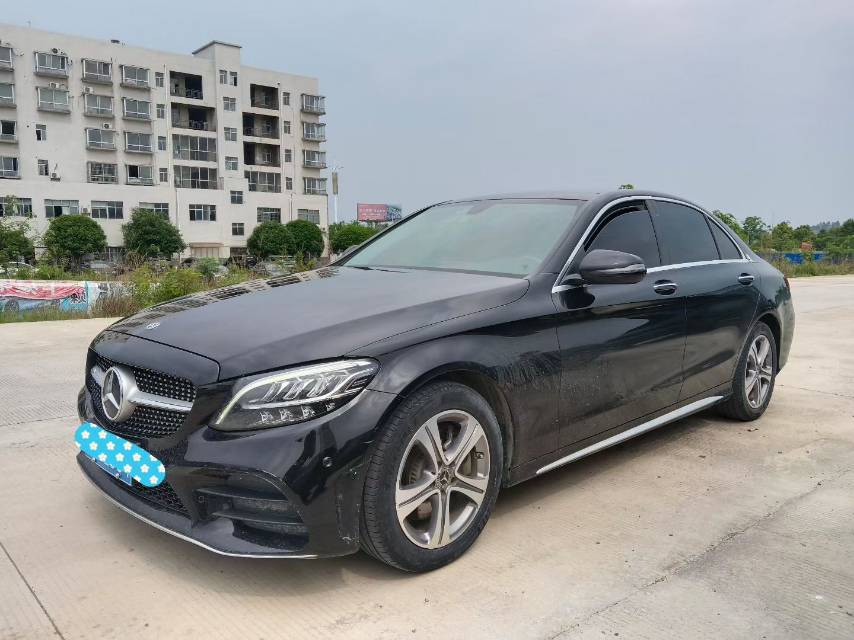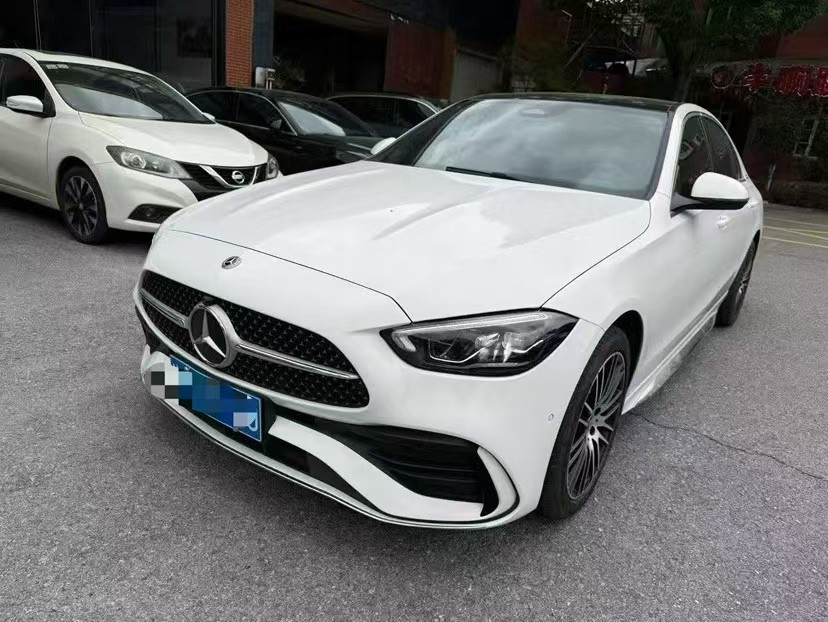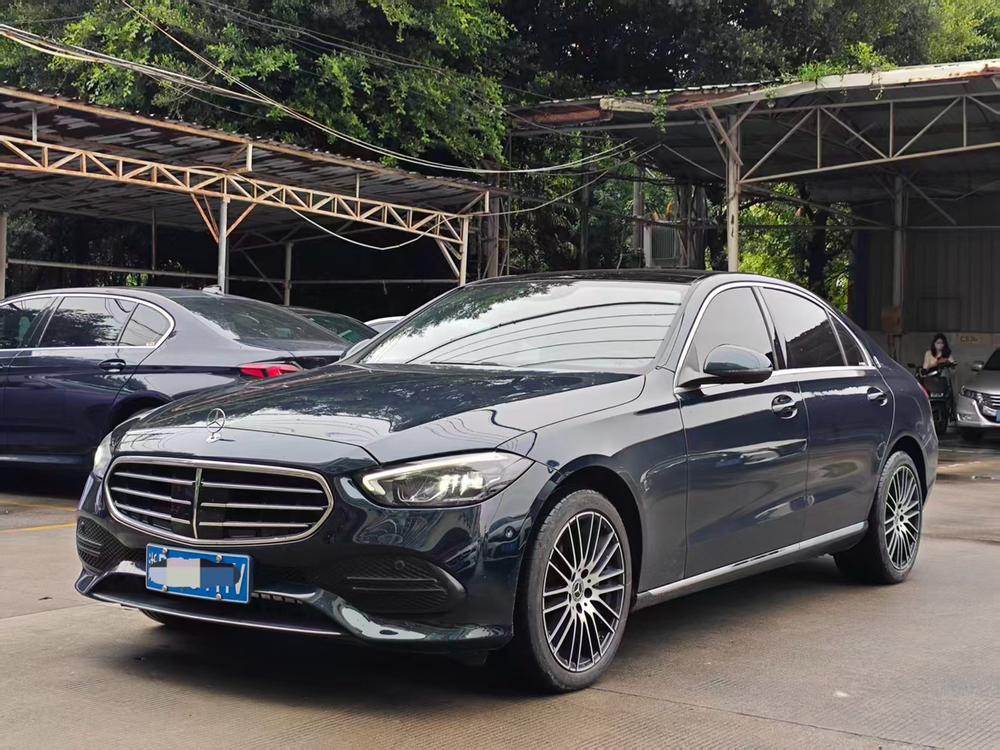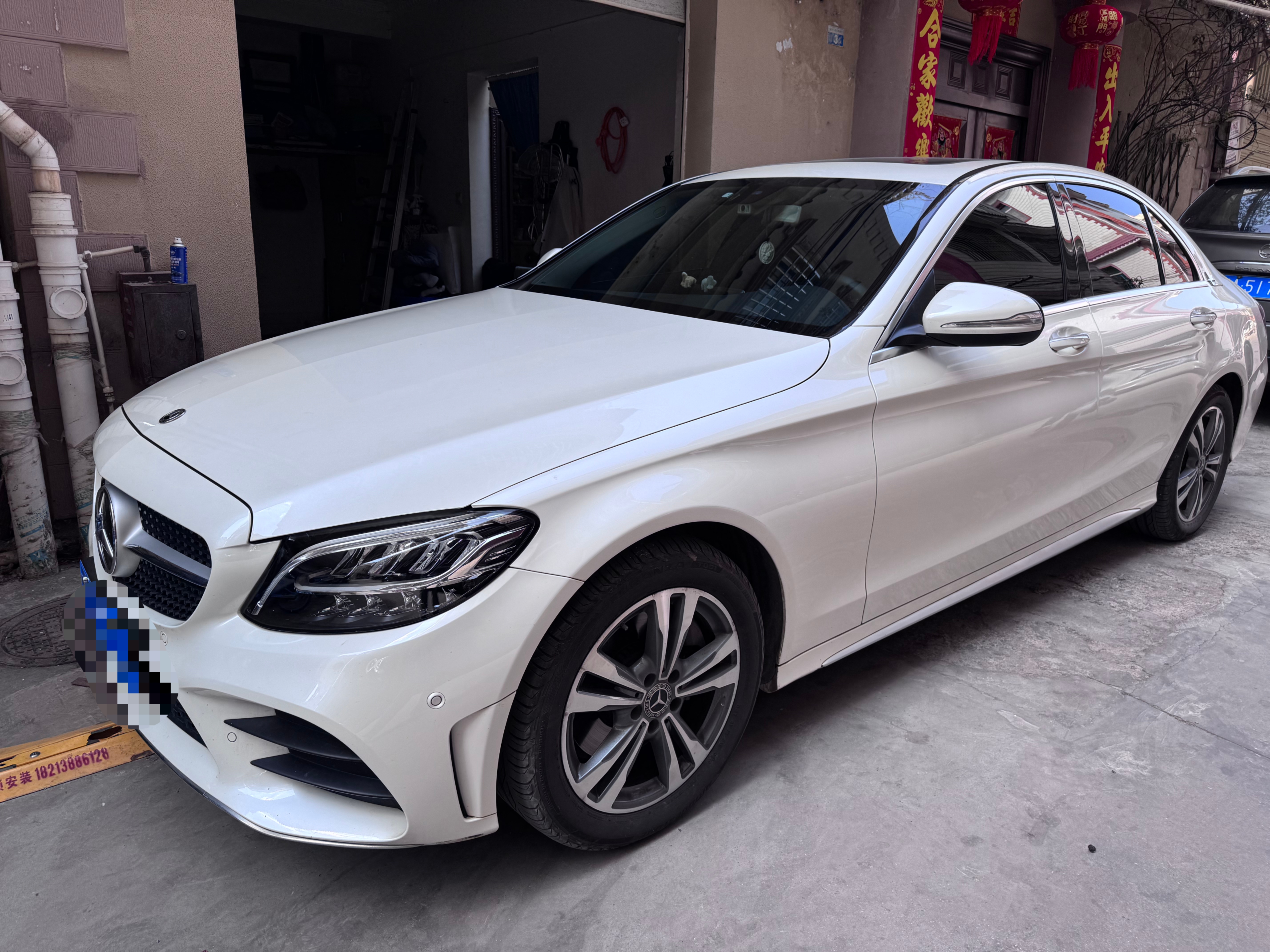
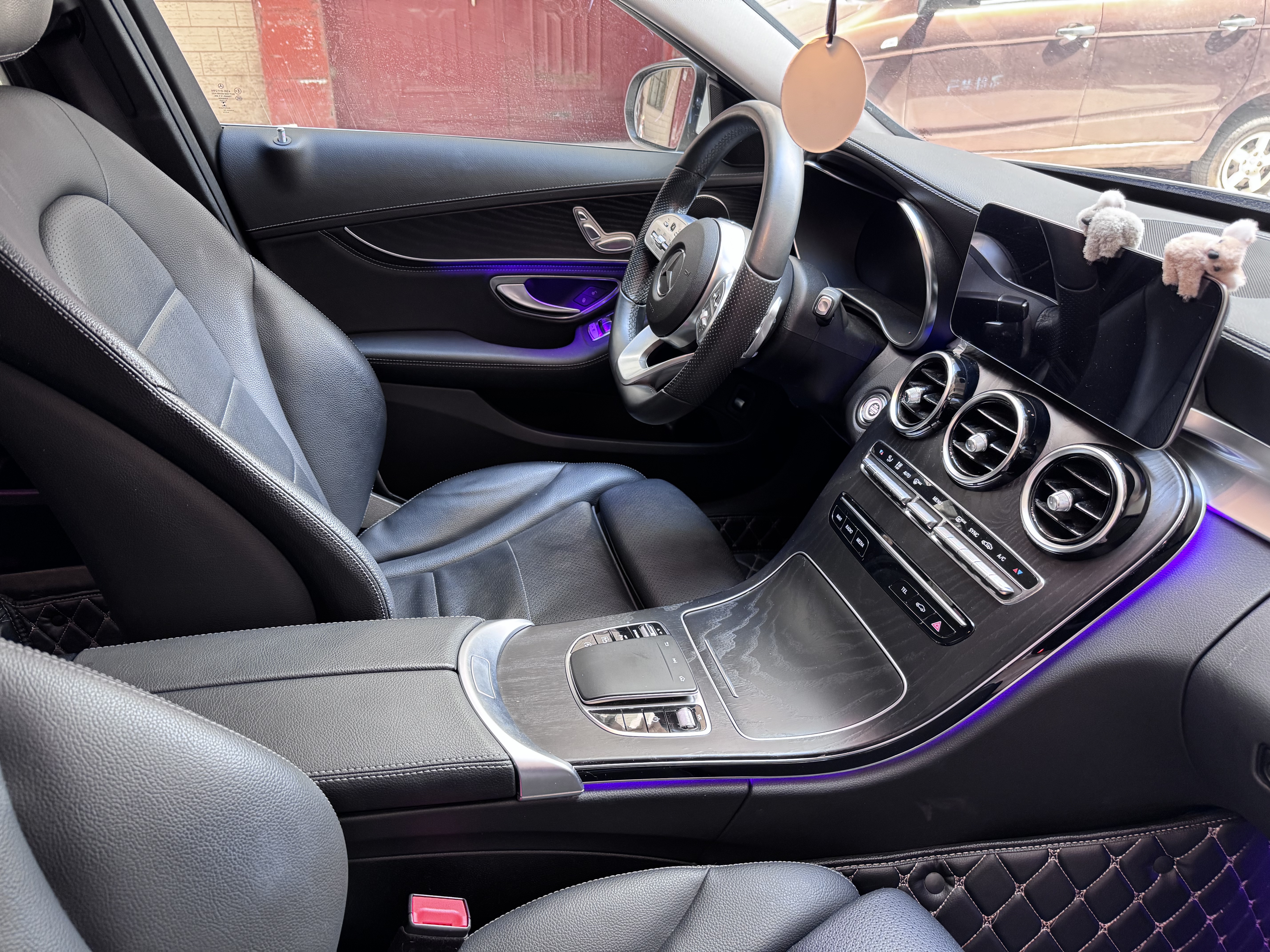
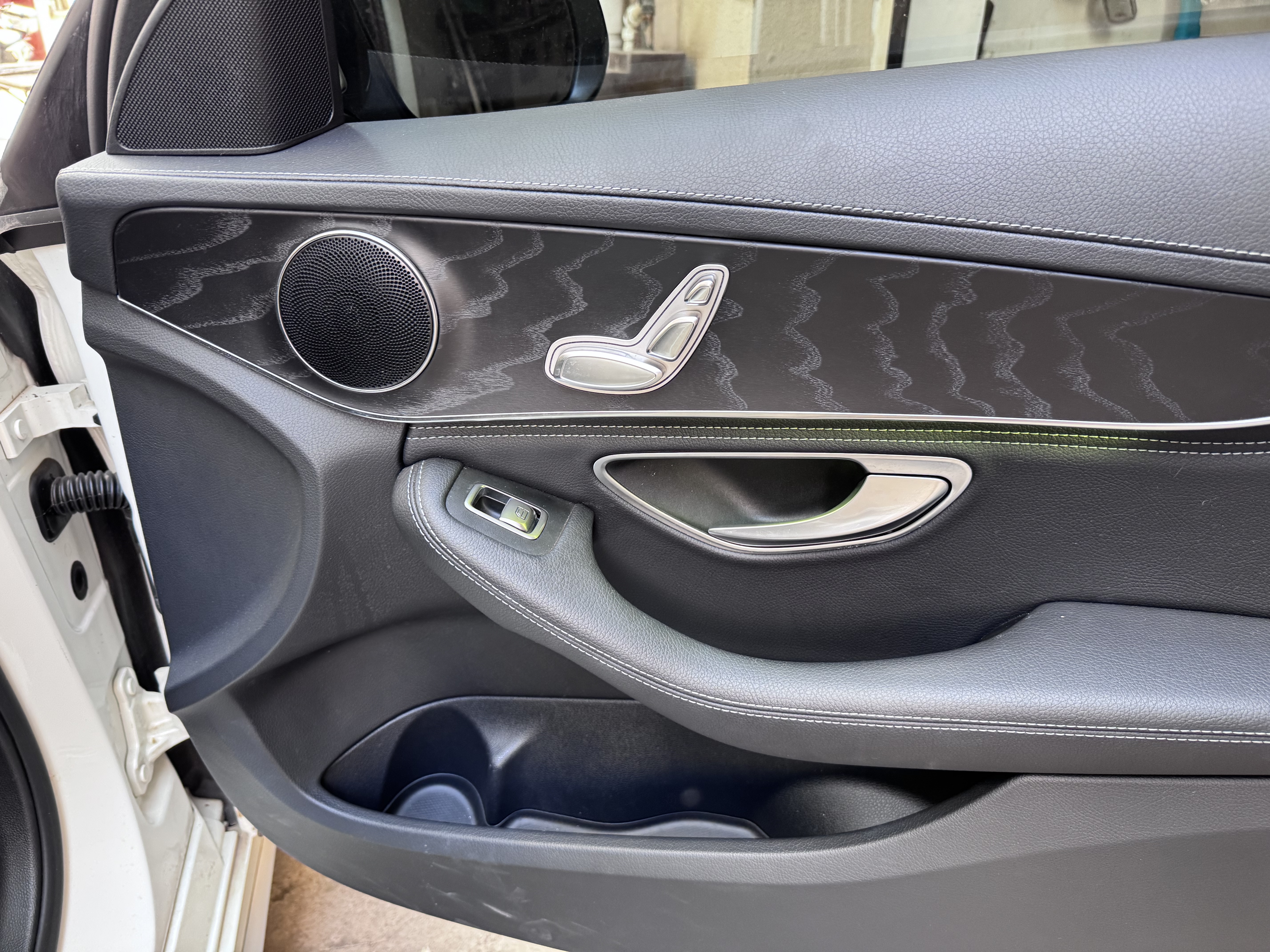
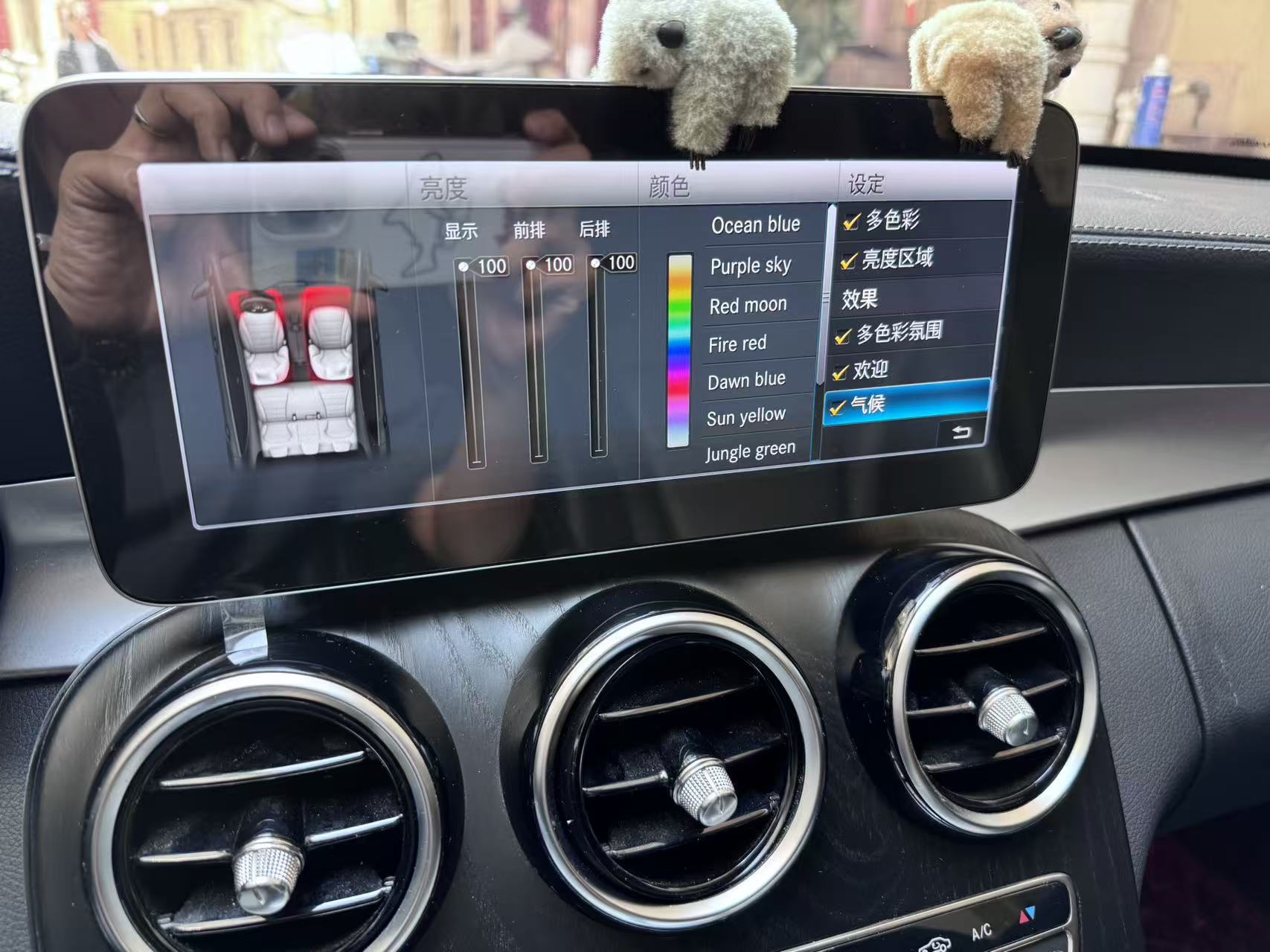
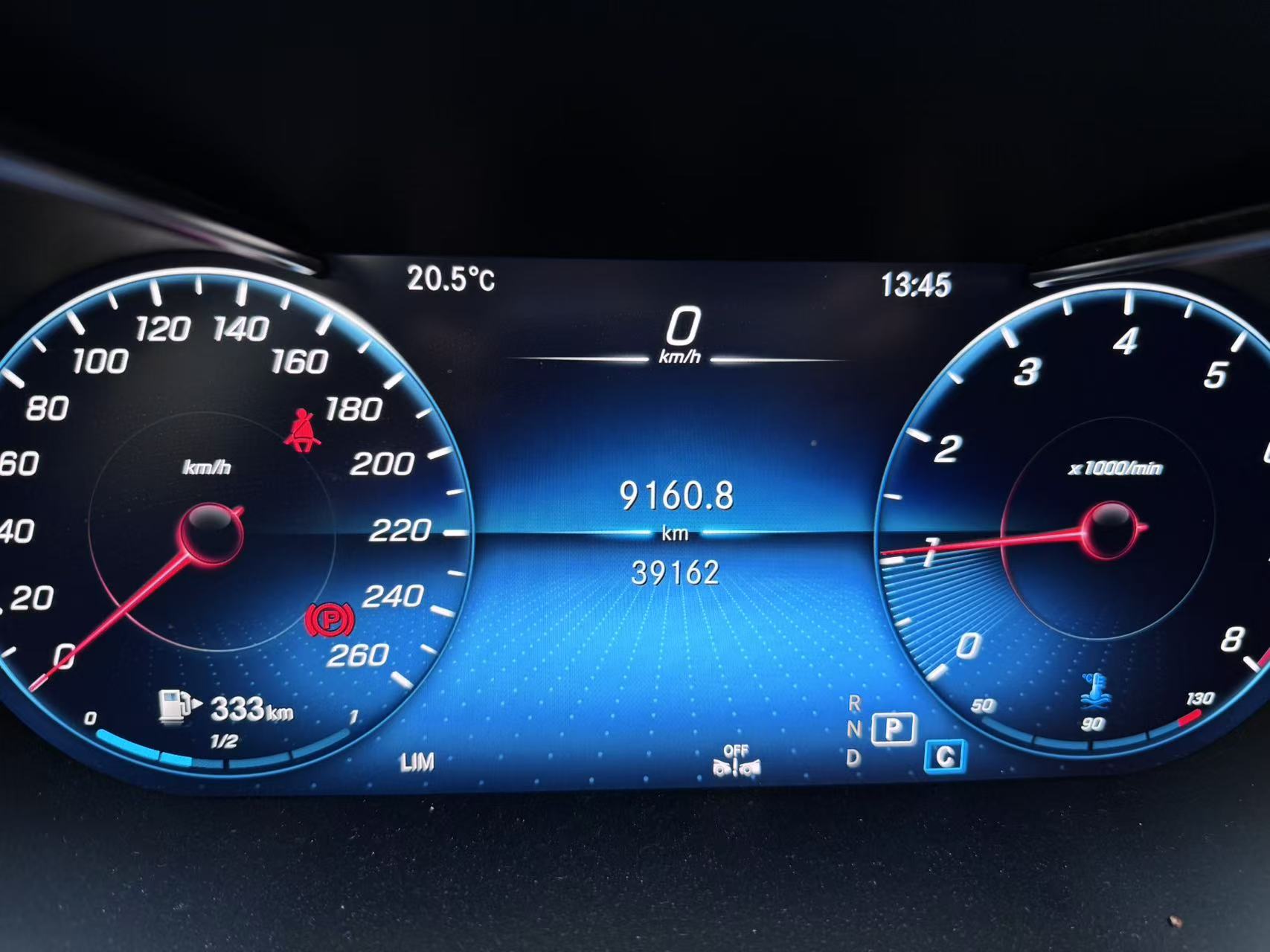



Basic Information

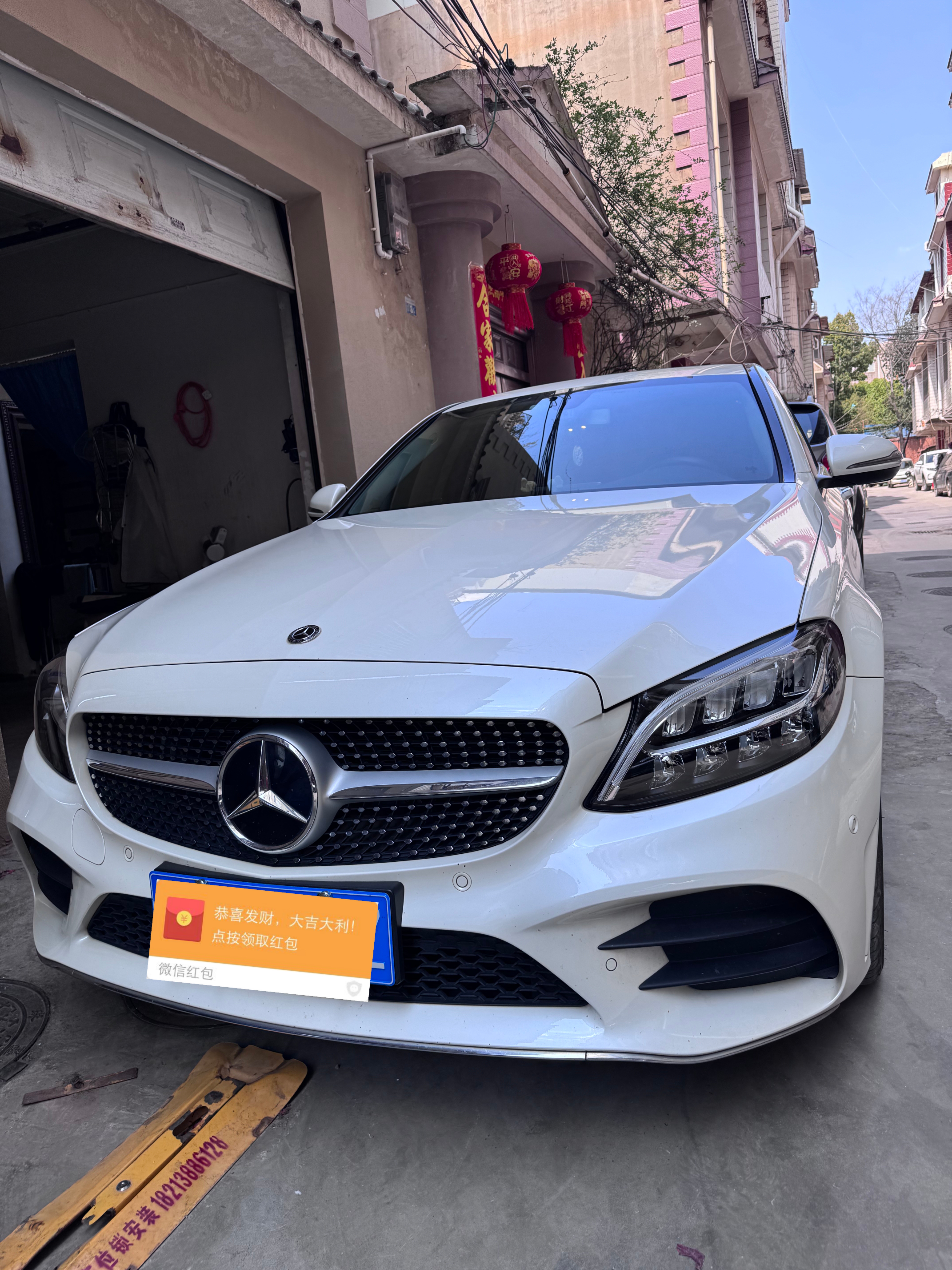
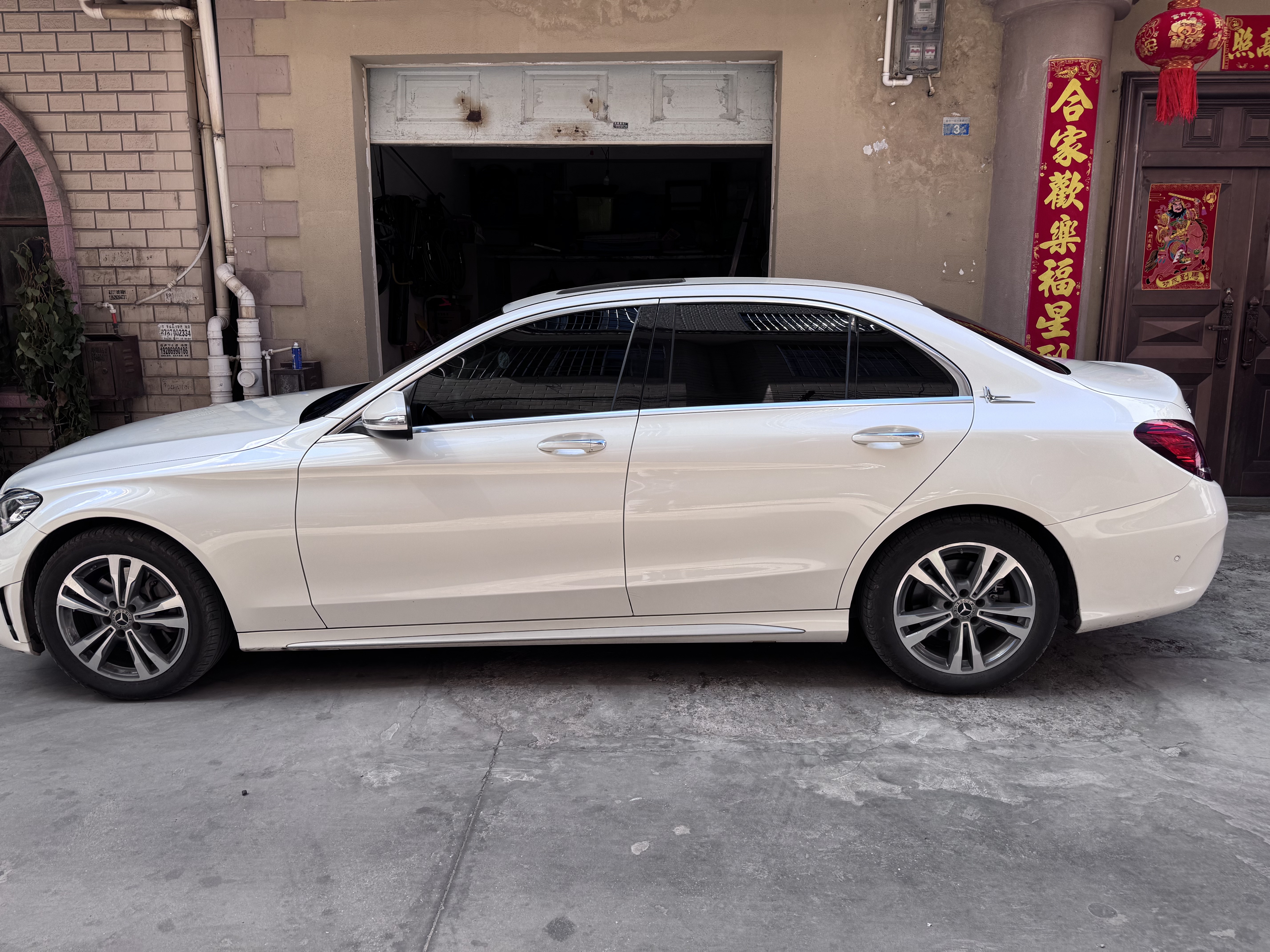
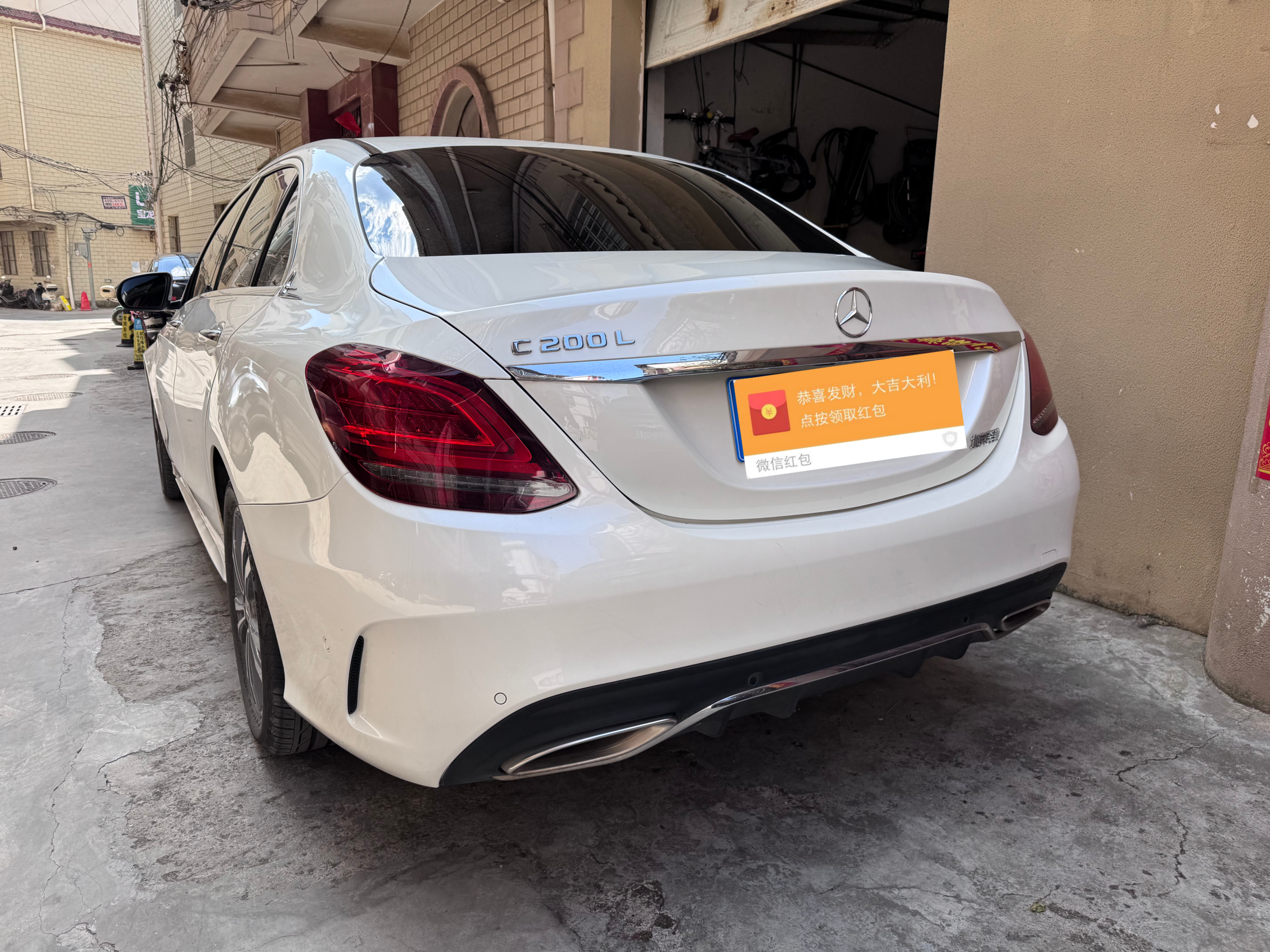
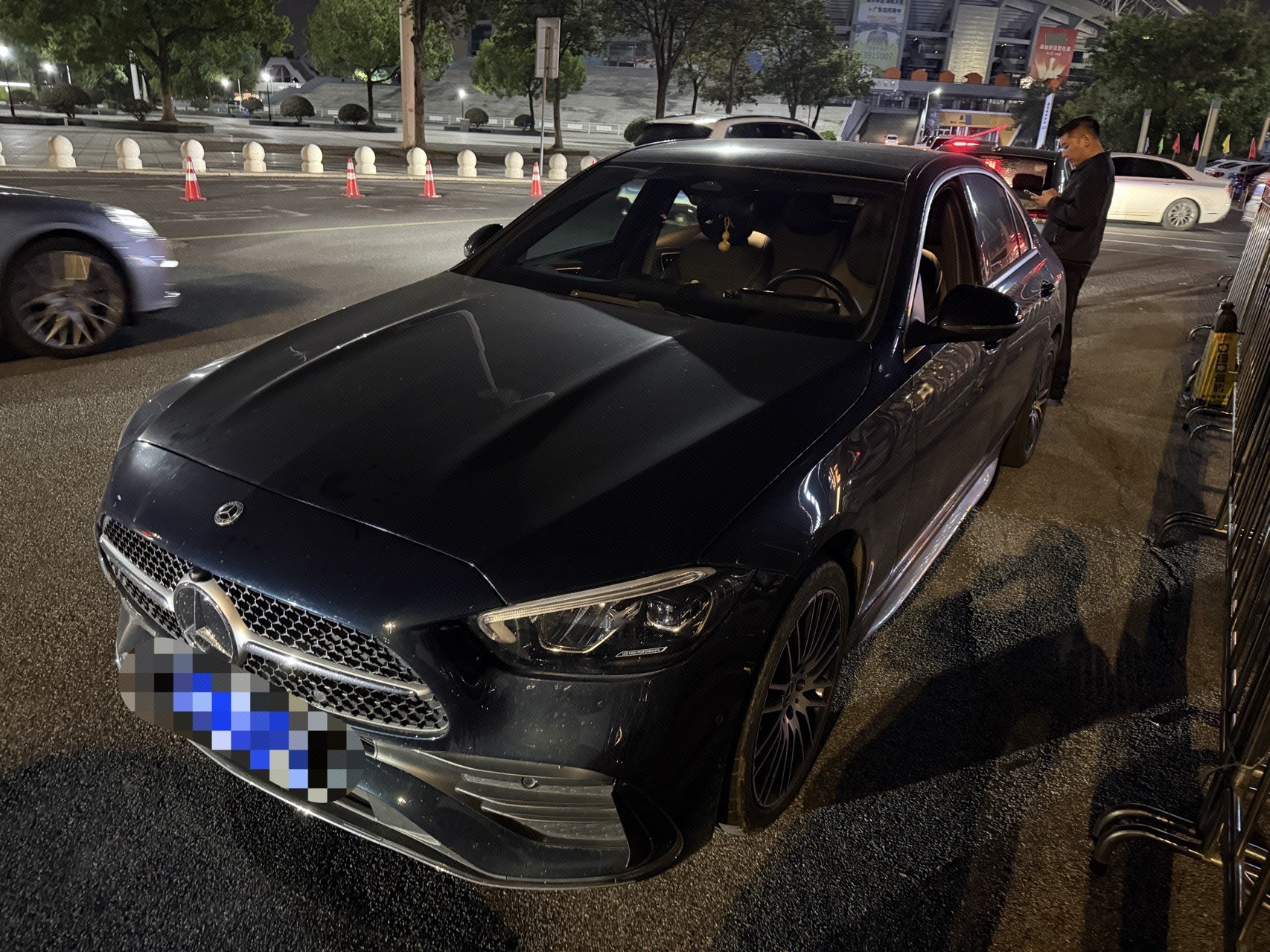
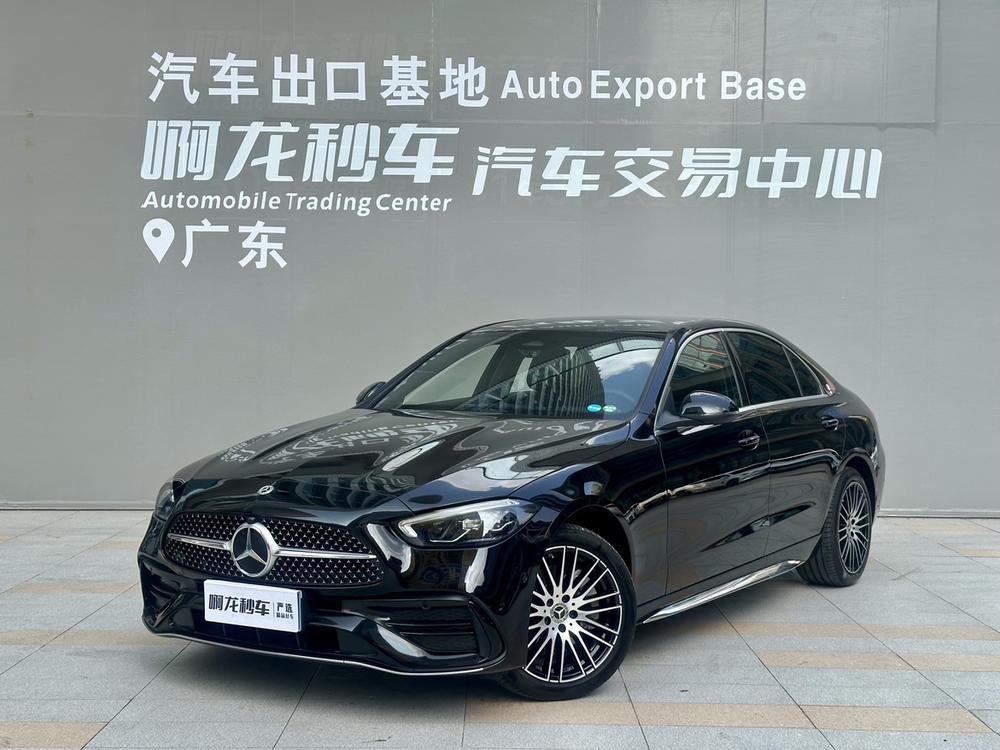
BrandMercedes-Benz
SeriesC Class
Year2020
First Registration2020/06
Mileage3.9km
Transfer Count-
FuelGasoline
TransmissionManumatic
Engine1.5T 156 L4
ColorWhite
Seats-

Condition Description

Original paint. Check Doctor Test Report #Mini Program:://Check Doctor/P6bS8VoWXaTk6pD

Configuration Highlights

✓Driver/Passenger Airbags
✓Front/Rear Side Airbags
✓Front/Rear Curtain Airbags
✓Knee Airbags
✓Tire Pressure Monitoring
✓Run-flat Tires
✓ISOFIX Child Seat Anchors
✓Keyless Start System
✓ABS Anti-lock Braking
✓Electronic Brake Distribution
✓Electronic Stability Control
✓Hill Start Assist
✓Auto Hold
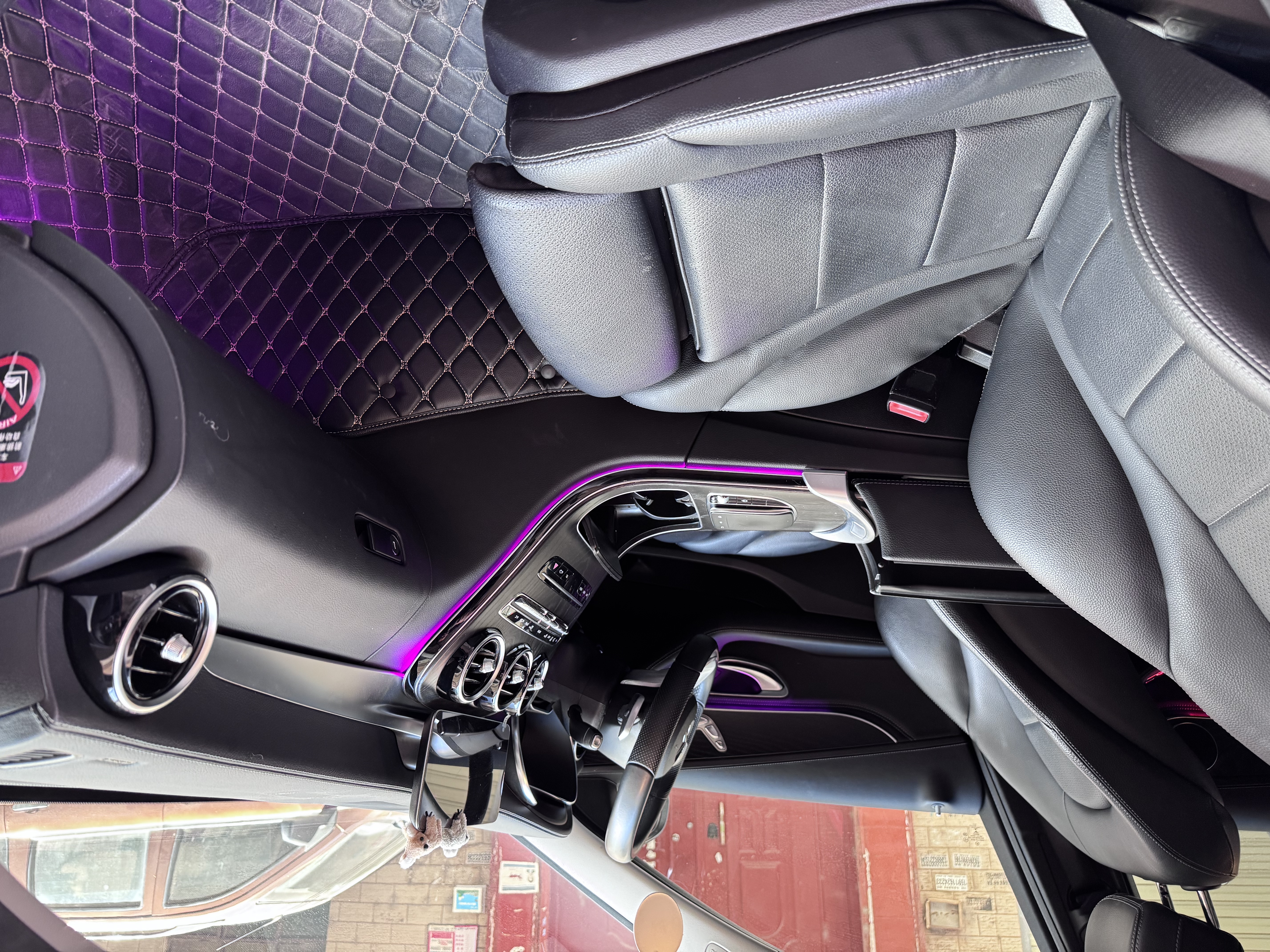
✓Multifunction Steering Wheel
✓Paddle Shifters
✓Front Parking Sensors
✓Seat Material
✓Driver/Passenger Power Seats
✓Rear Cupholders
✓Low Beam Headlights
✓Daytime Running Lights
✓Auto Headlights
✓Adjustable Headlight Height
✓Power Windows
✓Anti-pinch Windows
✓Climate Control Type
✓Rear Air Vents
✓Auto Park Assist
✓Start-Stop System
✓Active Safety System

Q&A

More

If we have a dispute in the transaction, which country's laws govern the car purchase contract?

To ensure the legal rights of both parties, the "International Used Car Sales Contract" we signed is in both Chinese and English. Generally, the contract is governed by Chinese law. All liabilities for breach of contract and force majeure clauses will be clearly defined in the contract.
If a coup occurs in the destination country or if import regulations are suddenly changed, preventing the vehicle from clearing customs, does this count as force majeure?

It completely falls under force majeure. After the delivery is completed (crossing the ship's rail) under FOB or CIF terms, the seller (us) bears no liability for refunds or compensation due to political risks or legal changes in the destination country that hinder customs clearance or lead to confiscation.

Will you clearly inform if the vehicle was previously a commercial vehicle (ride-hailing, taxi, rental)?

The "usage type" section on the vehicle registration certificate has legal validity. Any vehicle that changes from "commercial" to "non-commercial" has a usage intensity far exceeding that of personal vehicles, and we will label these prominently. Such vehicles are usually cheaper but have more severe mechanical wear.