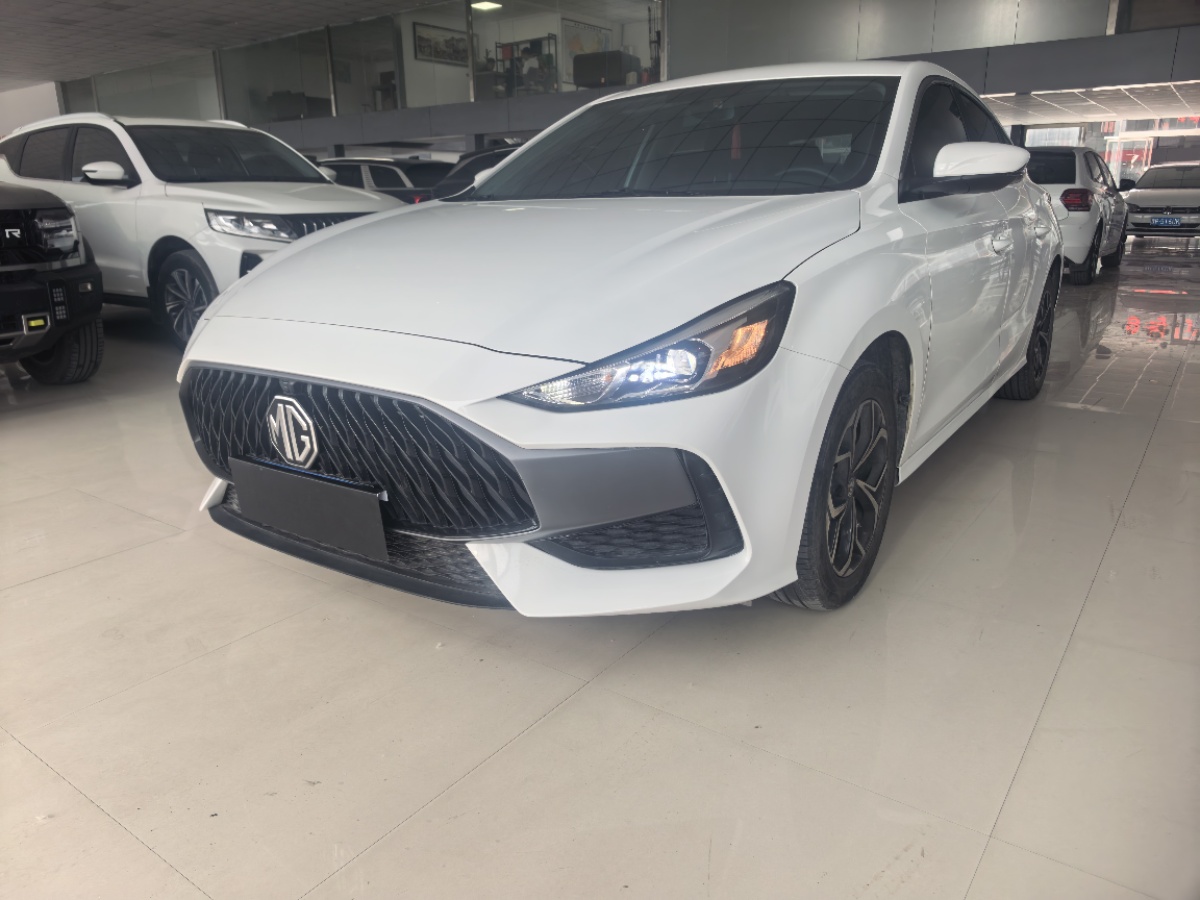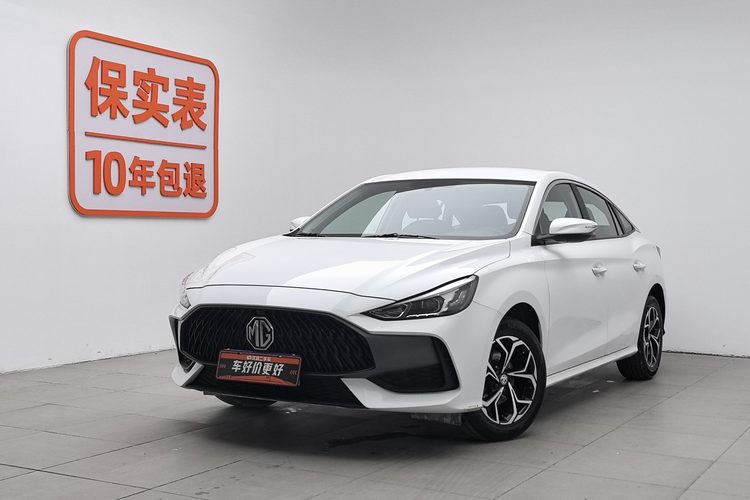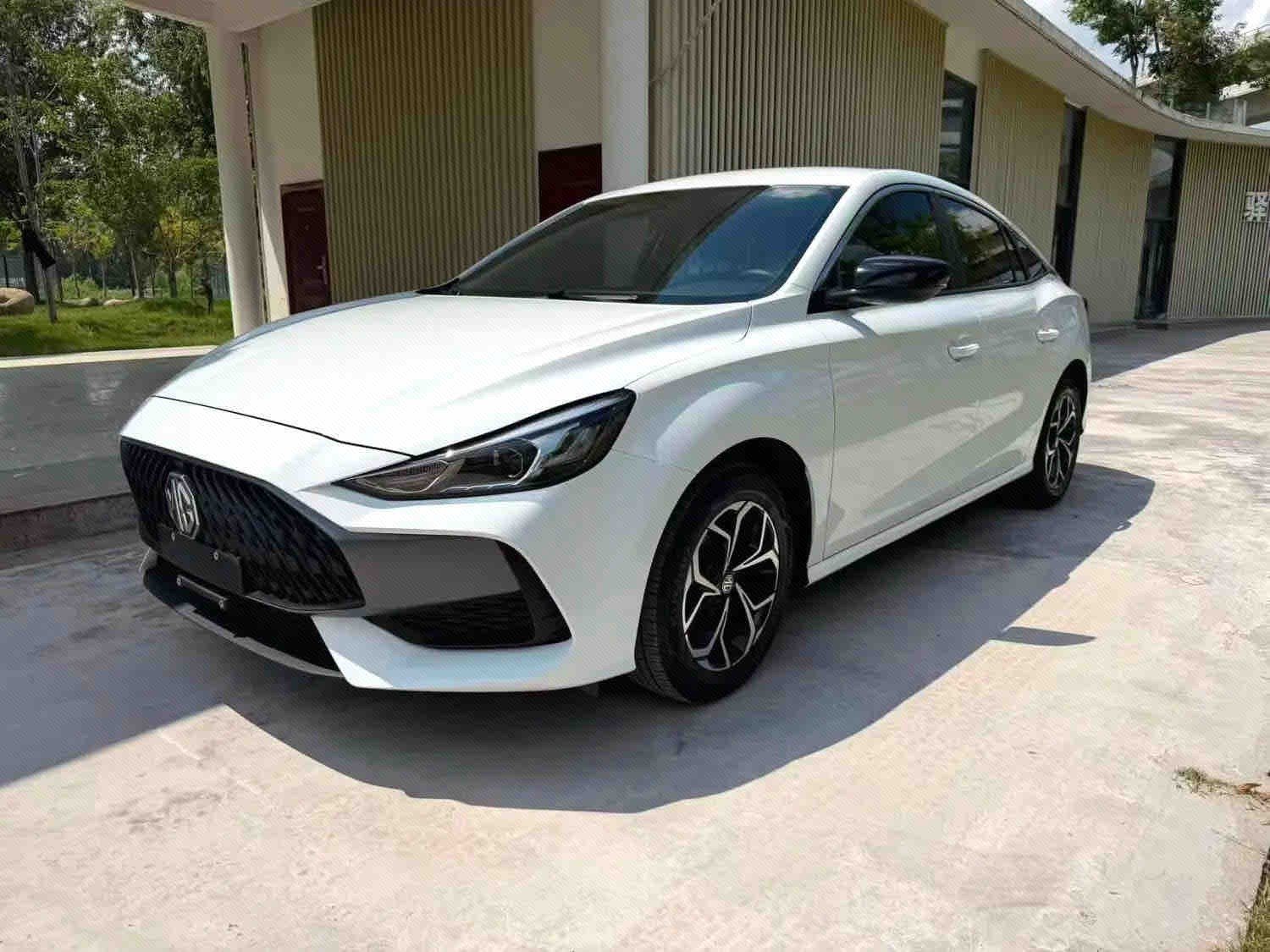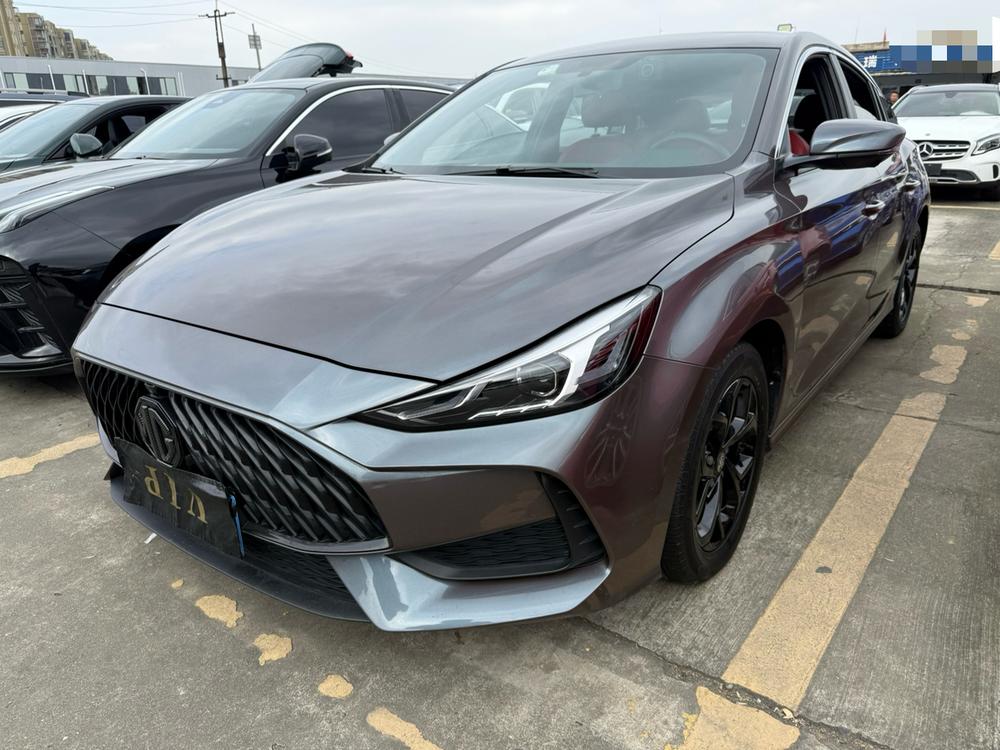
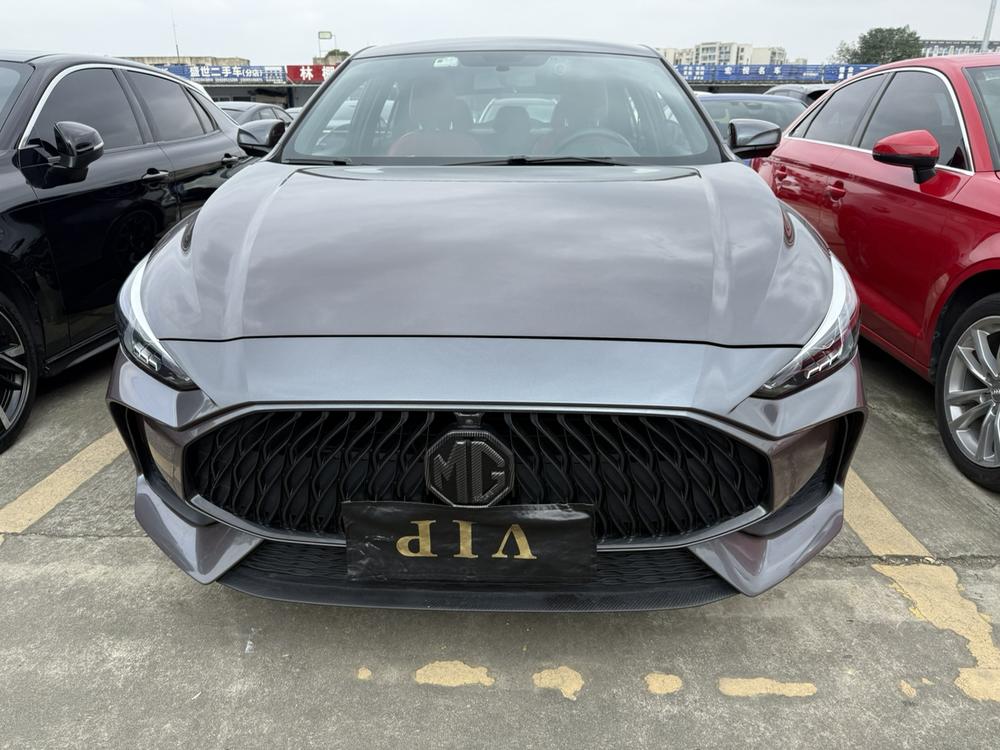
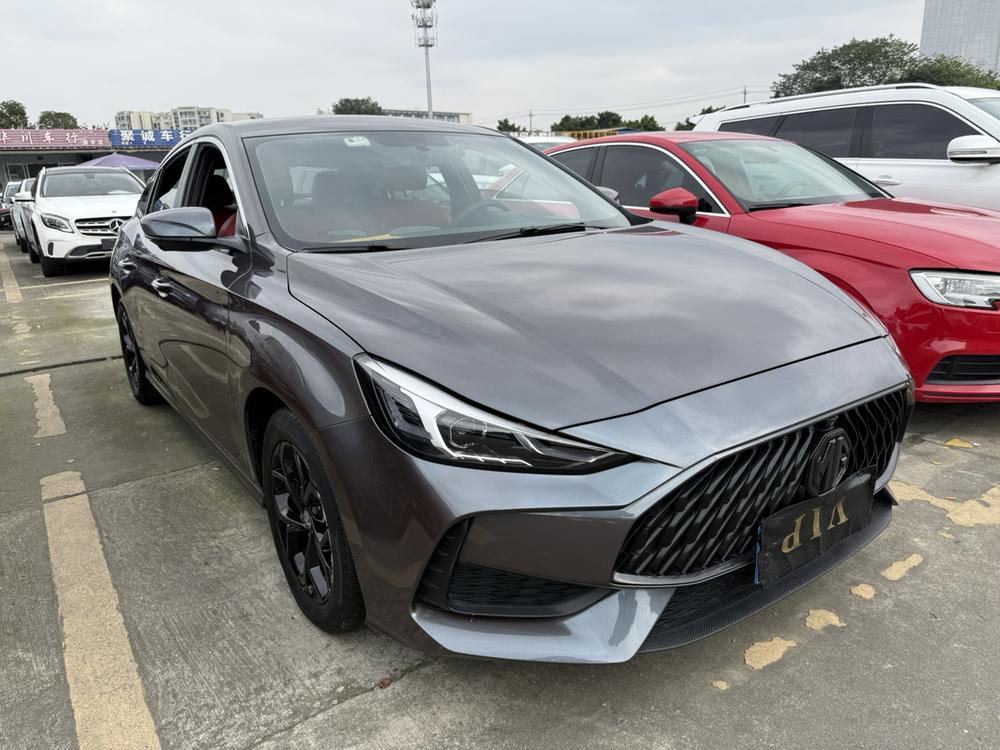
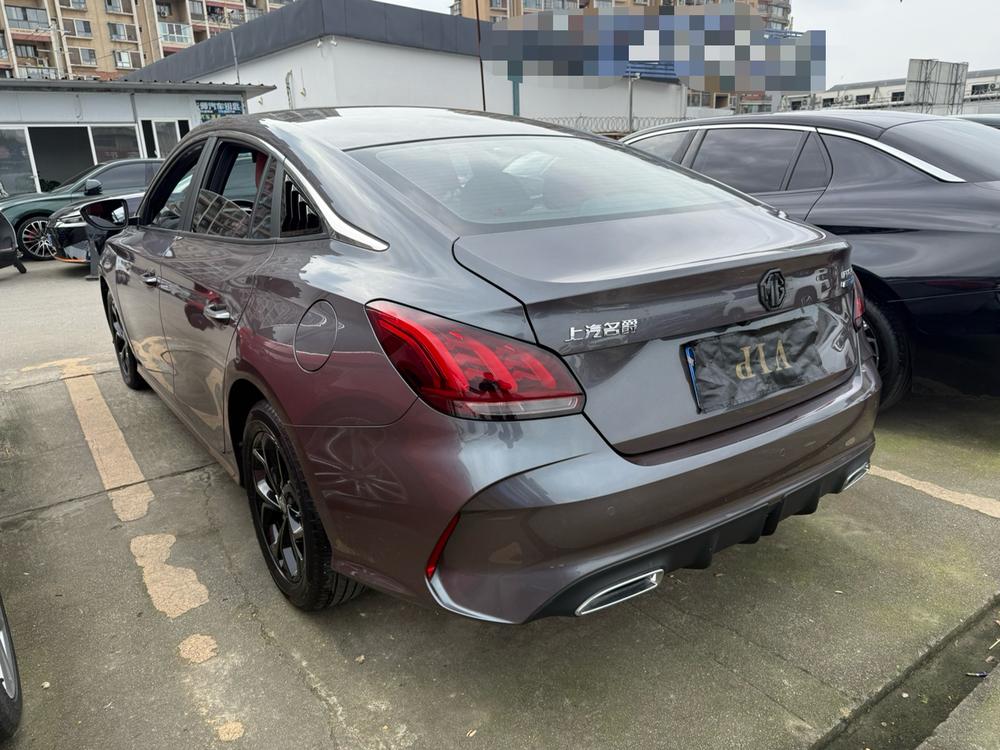
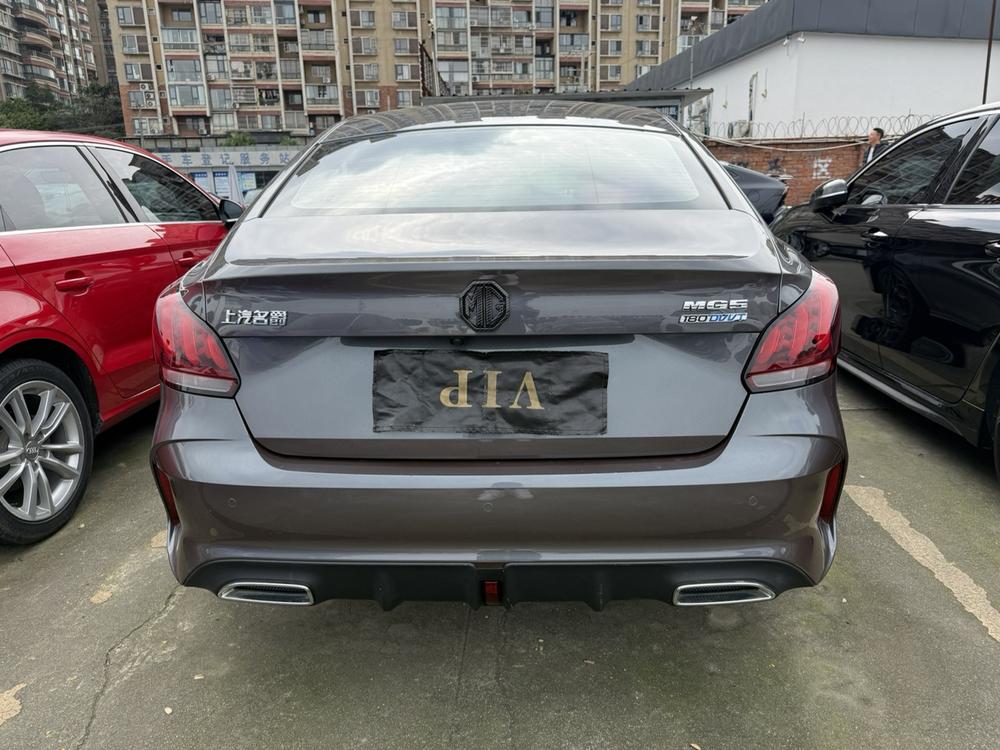
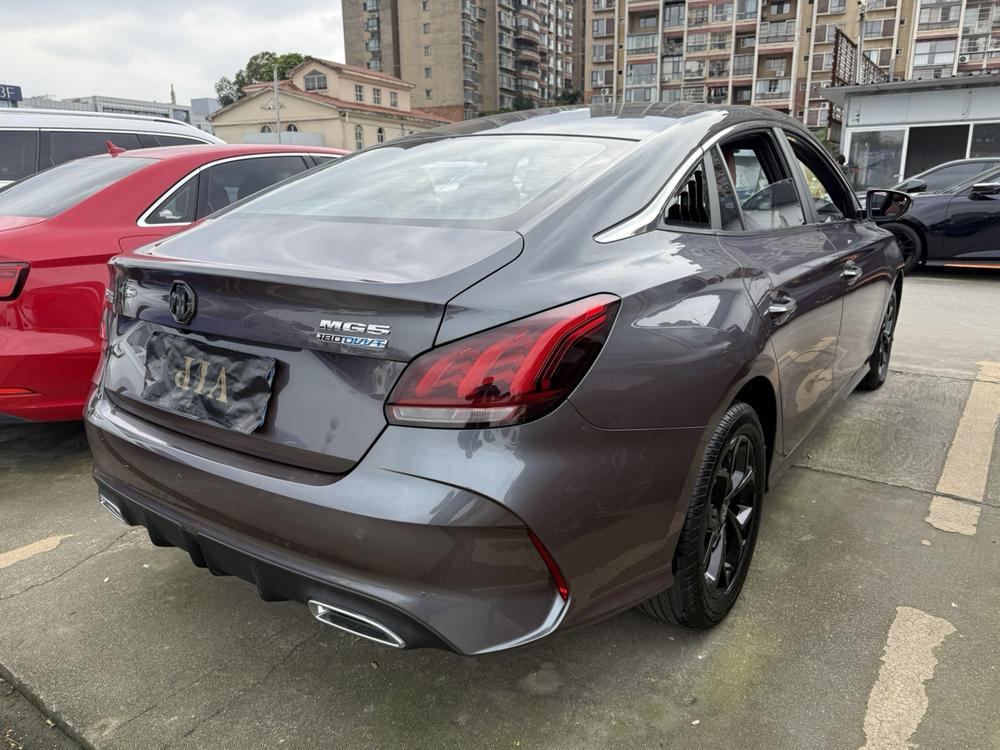
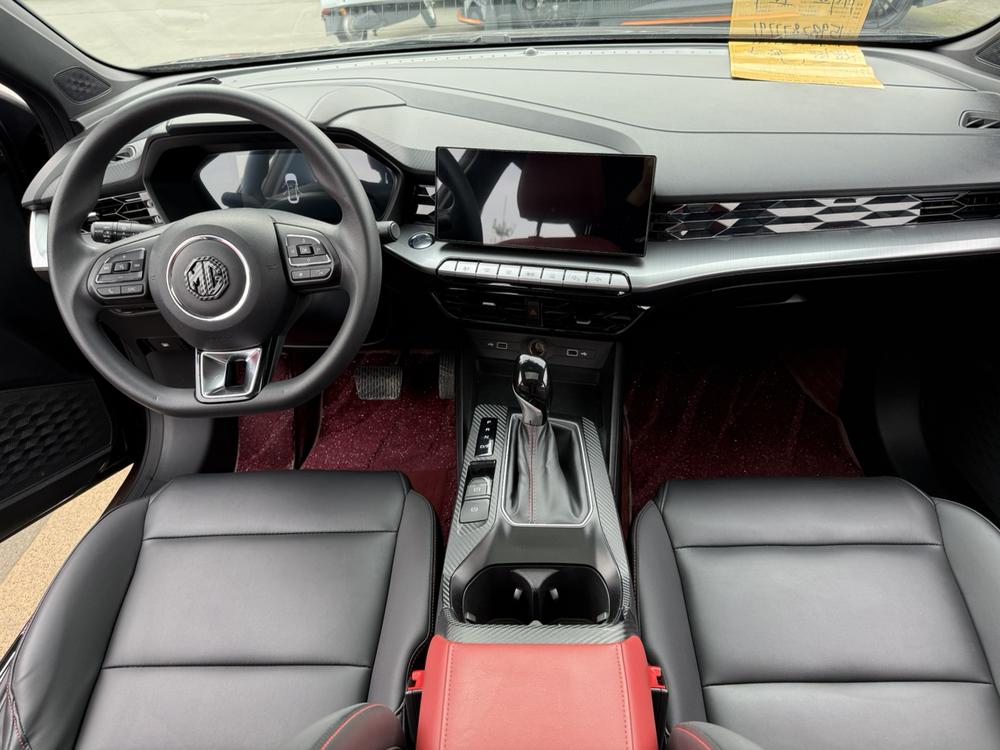
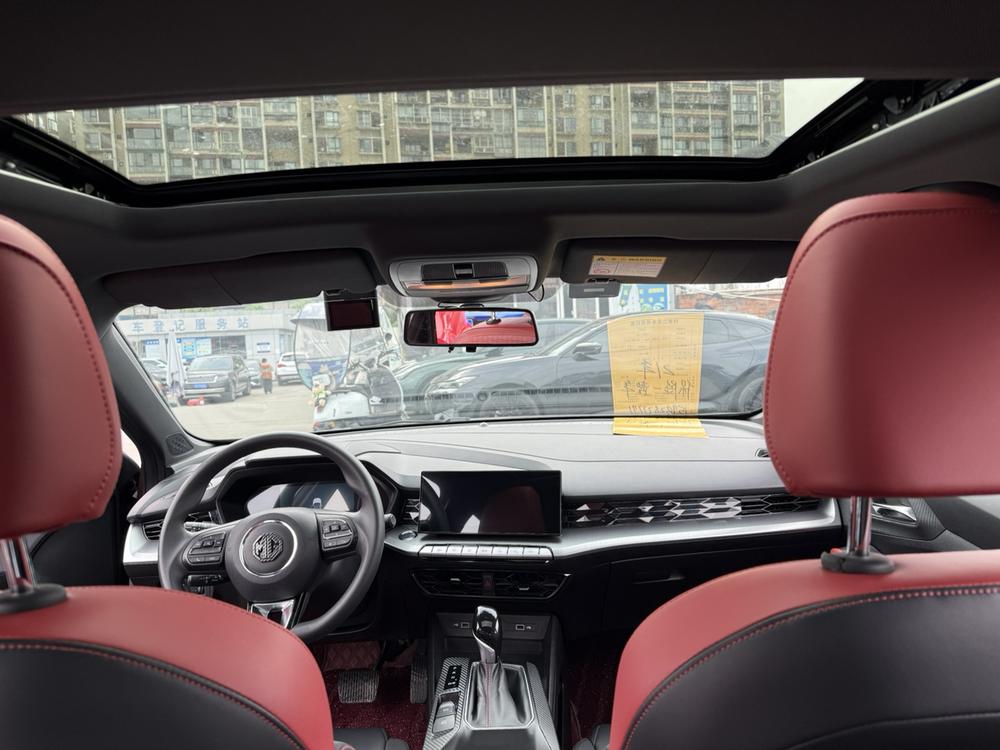
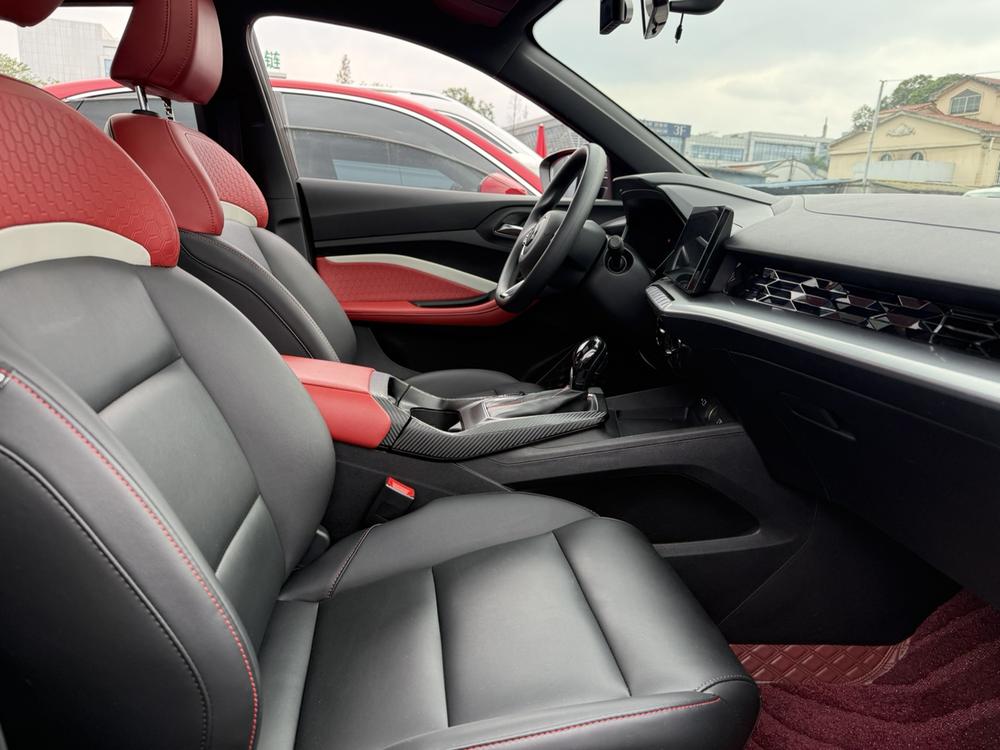
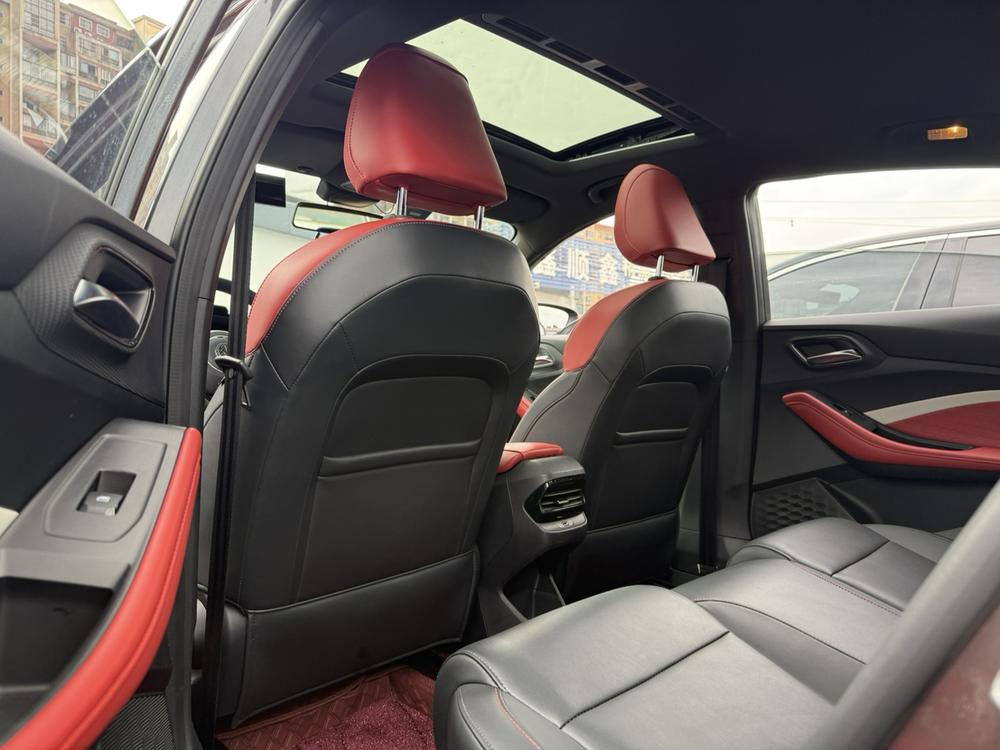
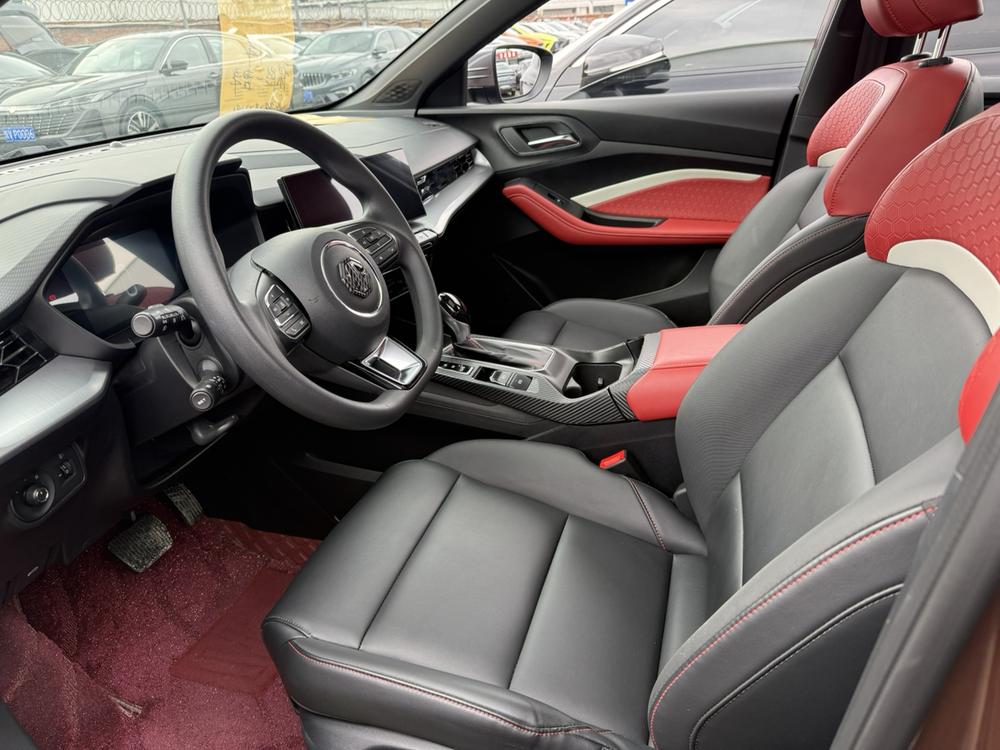
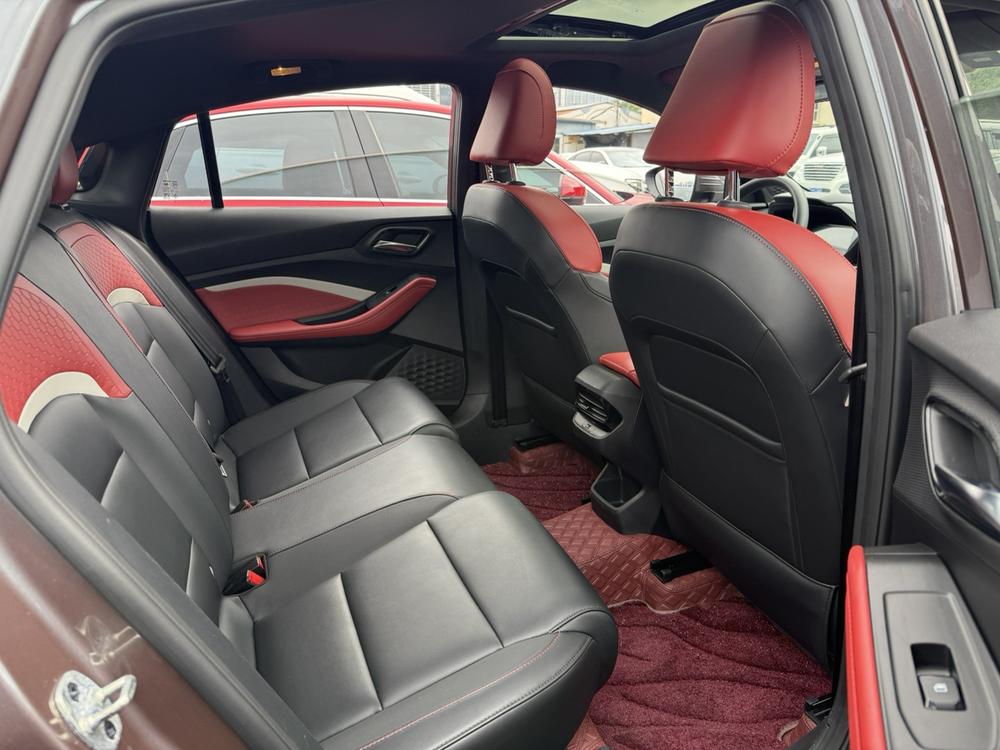
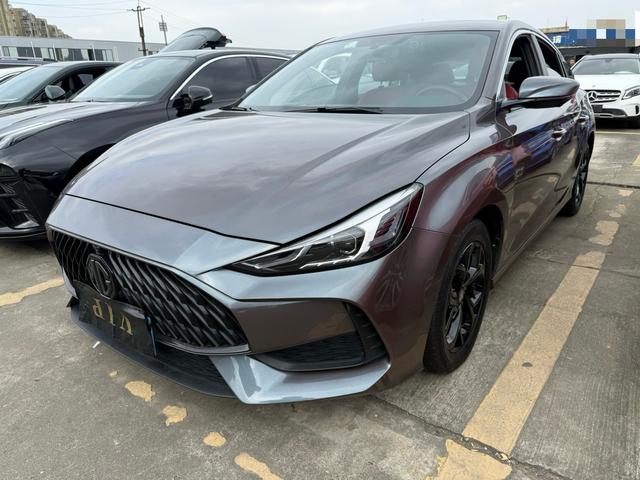



Basic Information

BrandMG
Series5
Year2021
First Registration2021/11
Mileage56,000km
Transfer Count0times
FuelGasoline
TransmissionCVT
Engine1.5L 120 L4
Color
Seats-

Condition Description

官方质检 · 60天全车质保· 7天无理由有偿退车

Configuration Highlights

✓上牌时间: 2021-11
✓表显里程: 5.6万公里
✓车源地: 成都
✓排放标准: 国六
✓发动机: 1.5L
✓轴距: 2680mm
✓变速箱: 自动
✓最大功率: 88kW
✓功能配置: 13项
✓安全配置: 2项
✓动力类型: 前驱
✓空间舒适性: 一般

Q&A

More

How to use technology to verify that a vehicle's emissions standards comply with our country's import regulations.

Our technical report will read the environmental information from the vehicle's factory-issued documentation (including certifications like National V, National VI, etc.). You need to submit the specific emission limit data we provide (such as grams of CO, THC, NOx emissions) to your country's environmental or customs authorities for compliance comparison.


If a car frequently transfers between extremely cold areas (like Northeast China) and extremely hot areas (like Hainan), would you provide special risk warnings?

Absolutely. The extreme temperature fluctuations will significantly accelerate the aging of chassis rubber parts, oil seals, and interior plastics. For vehicles frequently dispatched across such latitudes, we will conduct fatigue resistance checks on chassis rubber parts that are twice as stringent as those for vehicles in temperate regions.

How can I detect signs of flood or water damage inside a used car from China during a remote inspection?

Water damage is one of the most common hidden problems in used cars, and it often escapes basic photo reviews. During a live video inspection, ask the inspector to check these specific points: 1. Smell test: A musty or moldy odor inside the cabin is the first red flag. Have them open all doors, run the AC briefly, and smell the air from the vents—musty AC often indicates water in the HVAC system. 2. Under the carpets: Lift the floor mats and look for water lines, rust stains, or dampness on the carpet backing and the metal floor underneath. Sediment or silt residue is a giveaway. 3. Seat rails and bolts: Pull the seats fully forward and backward. Rust on seat rails or fresh-looking bolts suggests the seats were removed for cleaning after flooding. 4. Trunk area: Check the spare tire well and under the trunk carpet for standing water marks or rust. 5. Electronics: Test every window, seat adjustment, and the infotainment screen—water-damaged electronics behave erratically. Also request a scan report: flood cars often store history codes for multiple control modules that failed simultaneously. Cross-check the car's origin; vehicles from flood-prone southern regions deserve extra scrutiny.