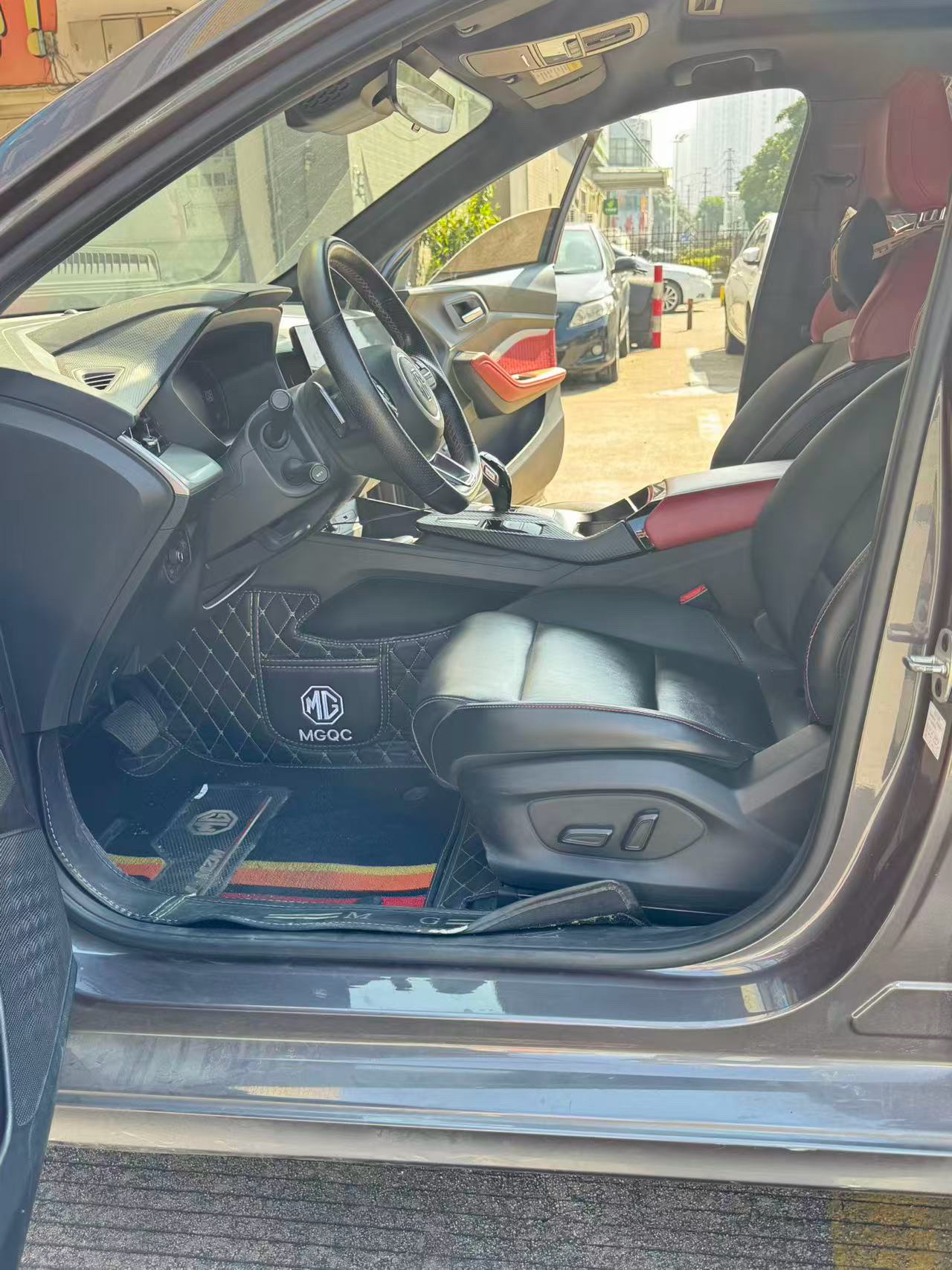
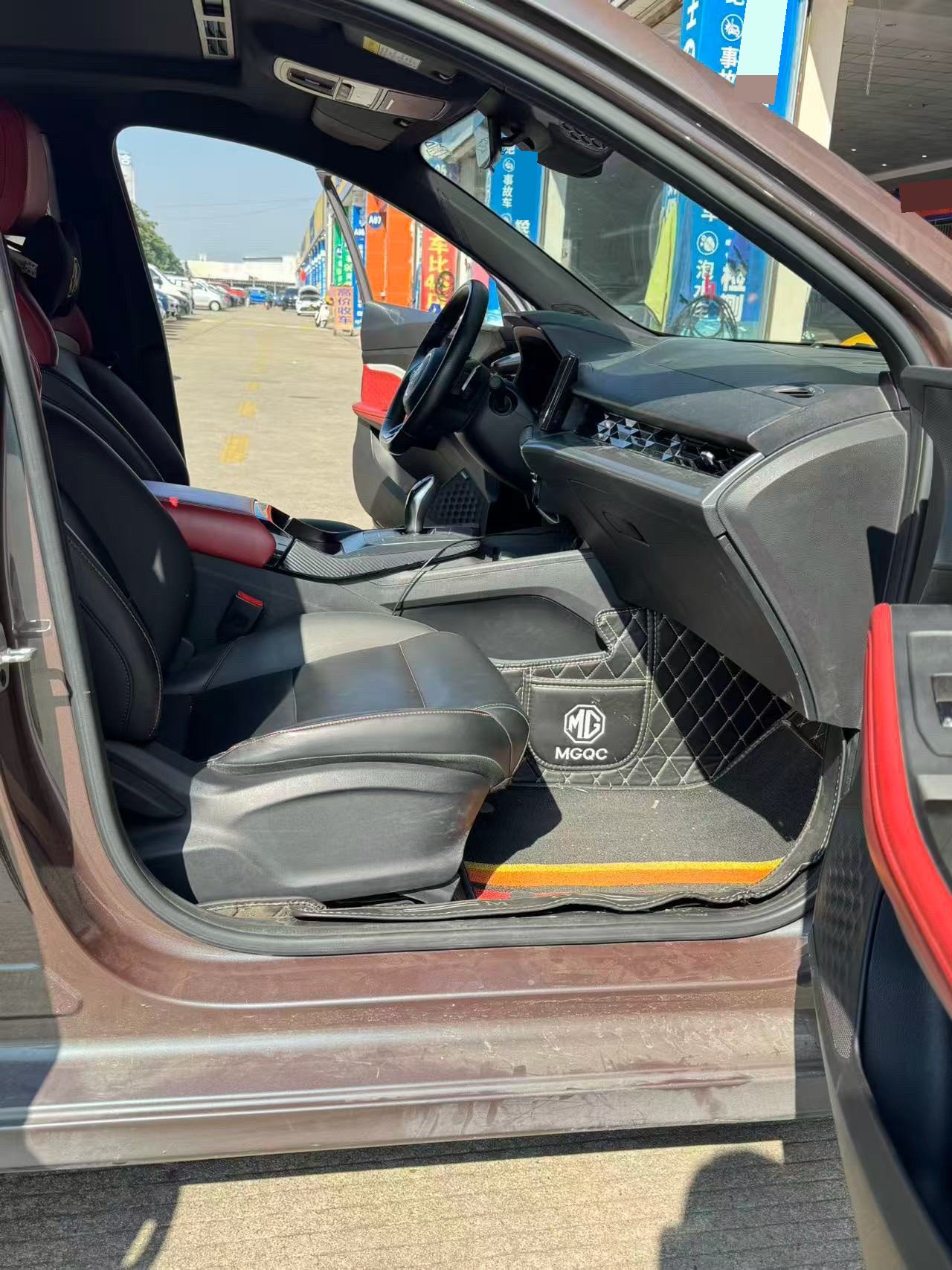
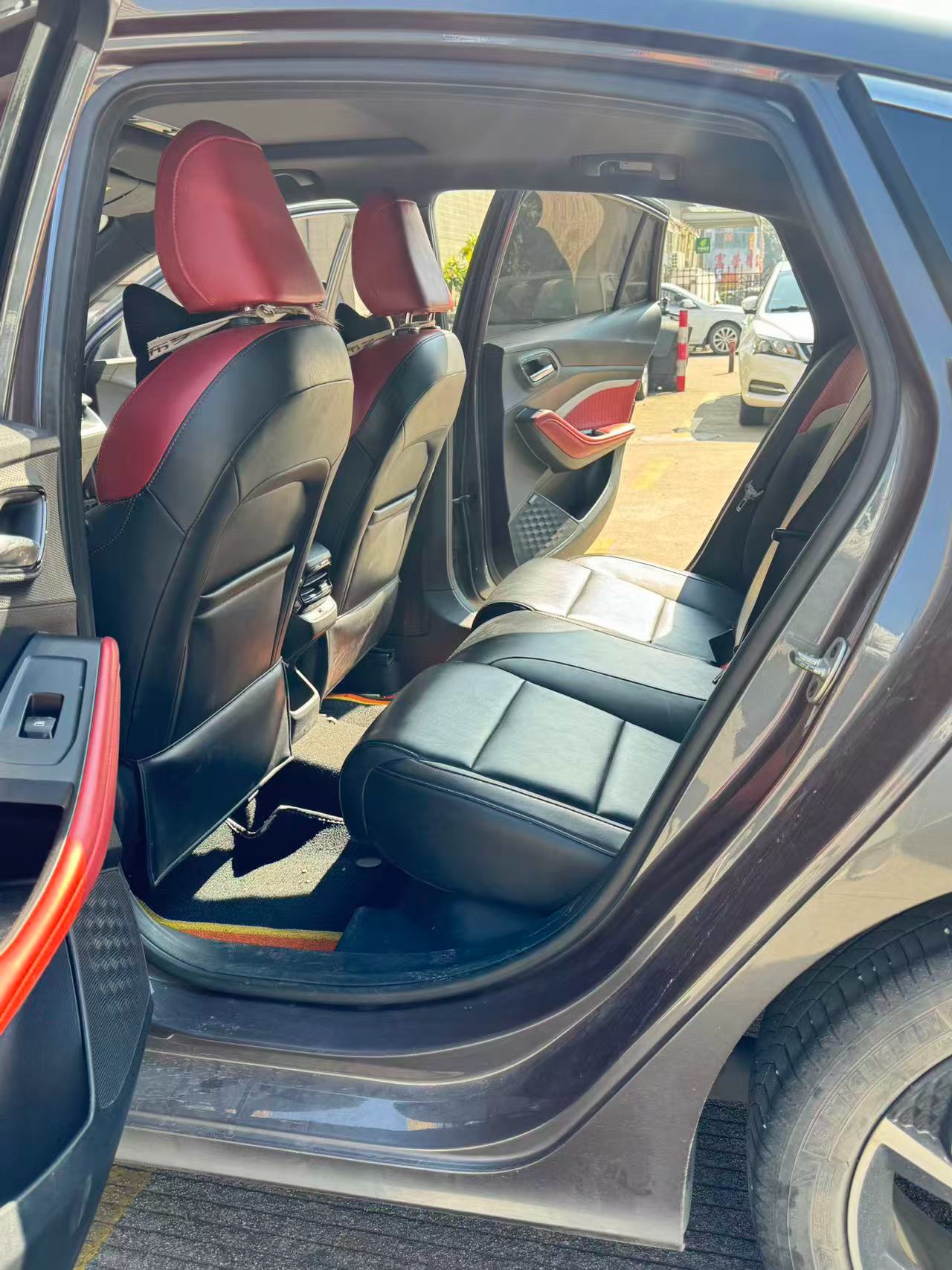



48H

Basic Information

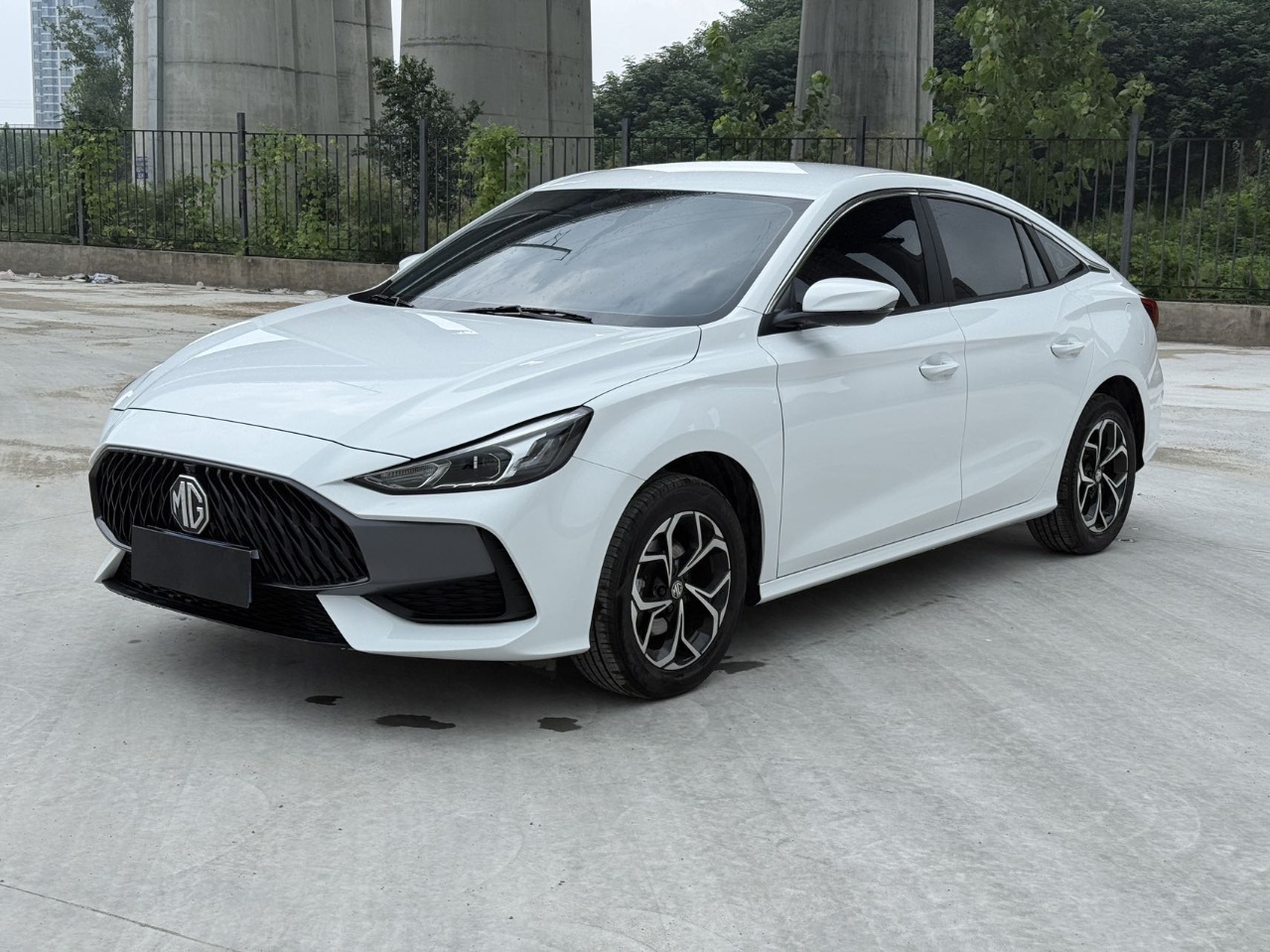
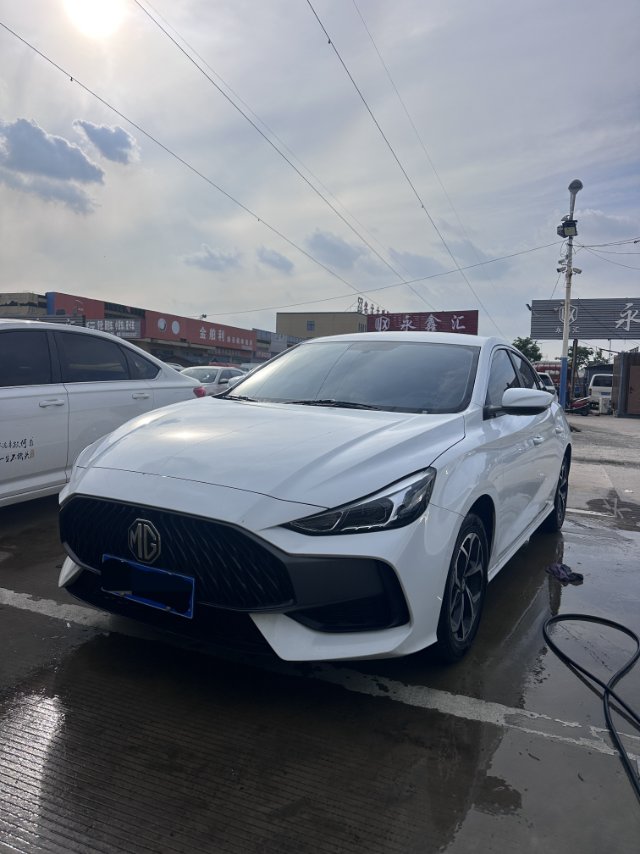
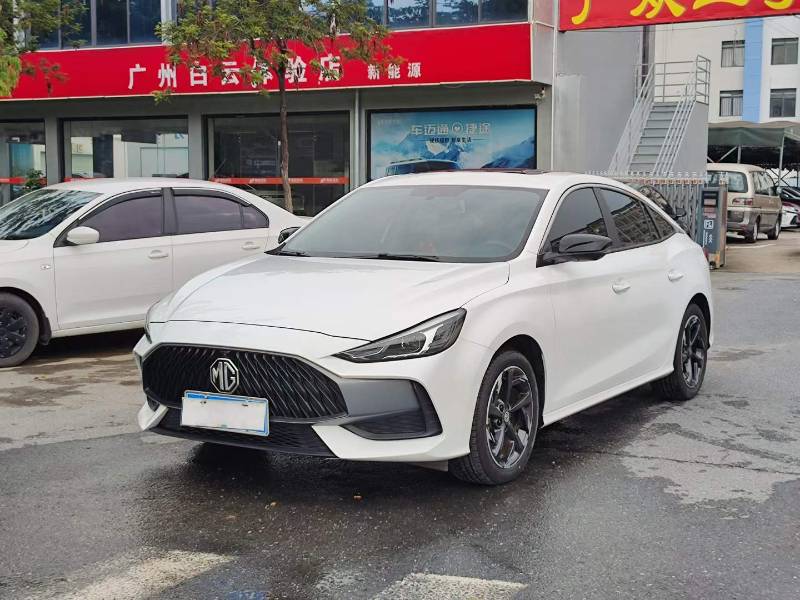
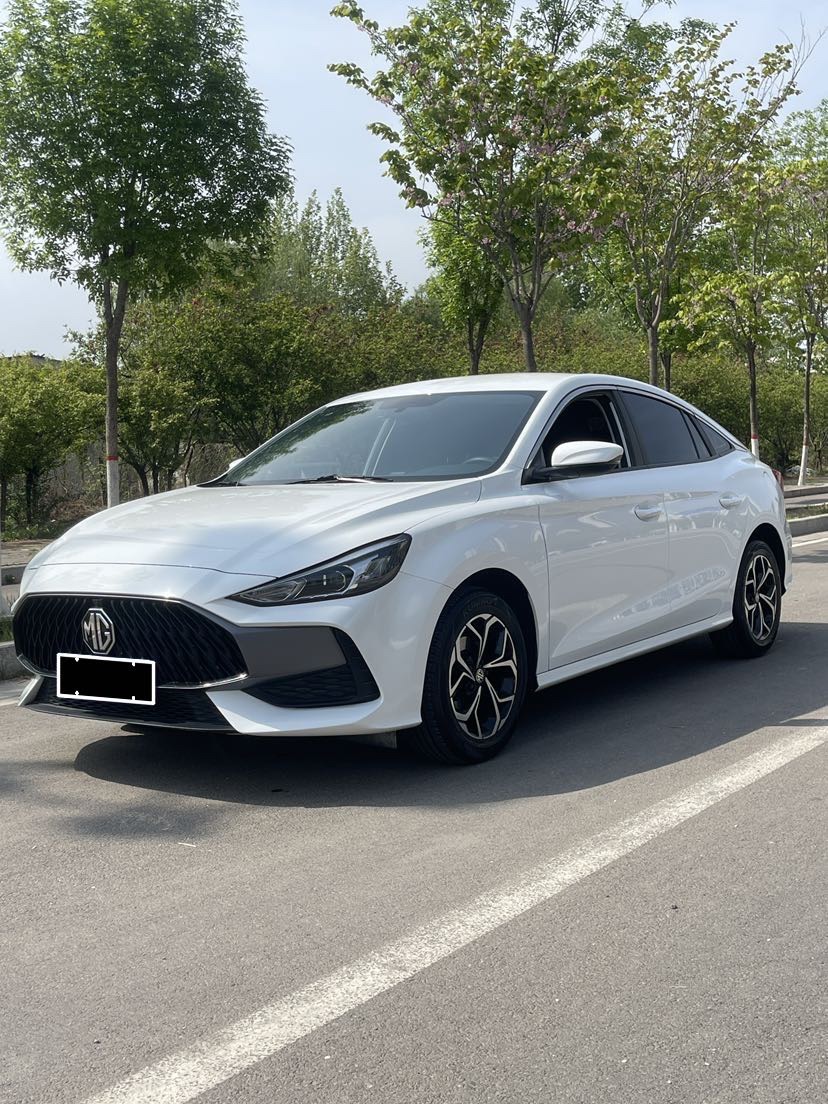
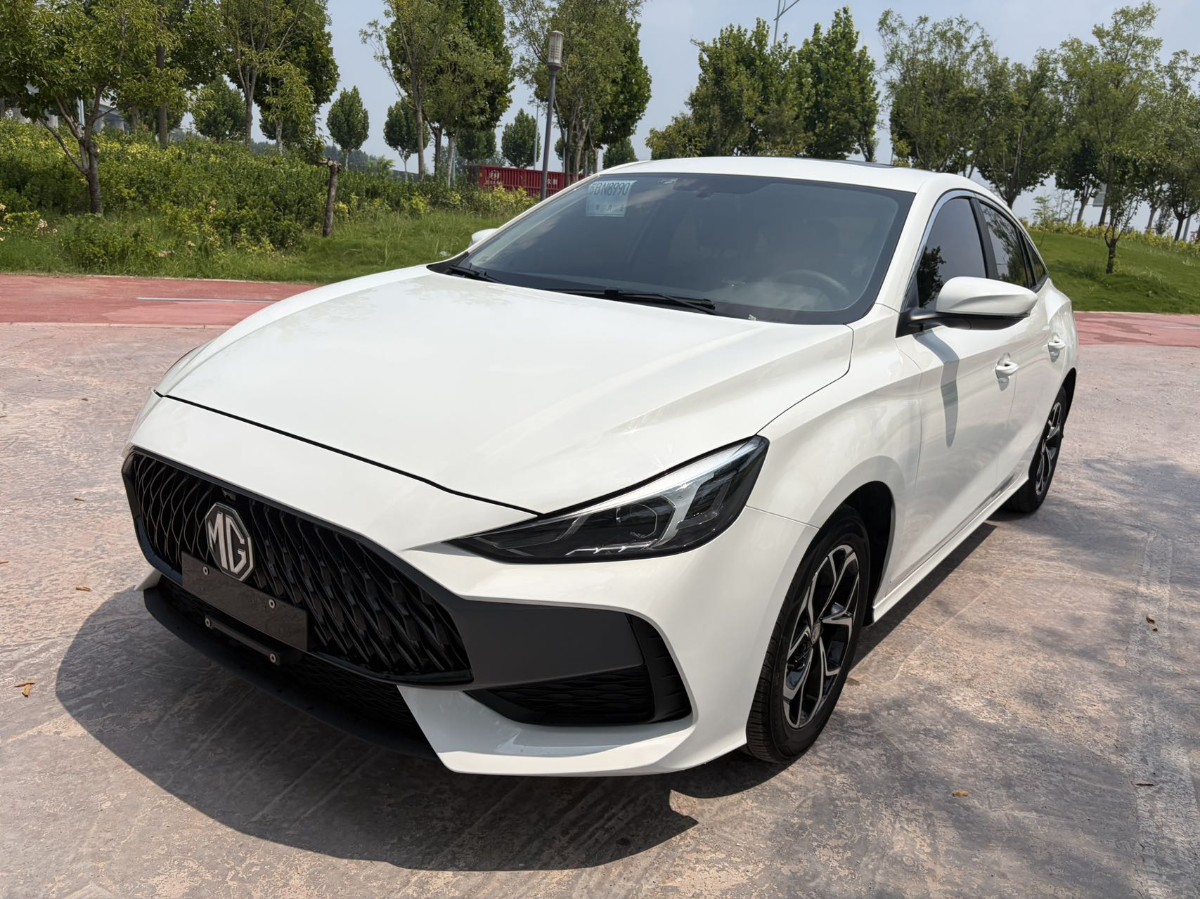
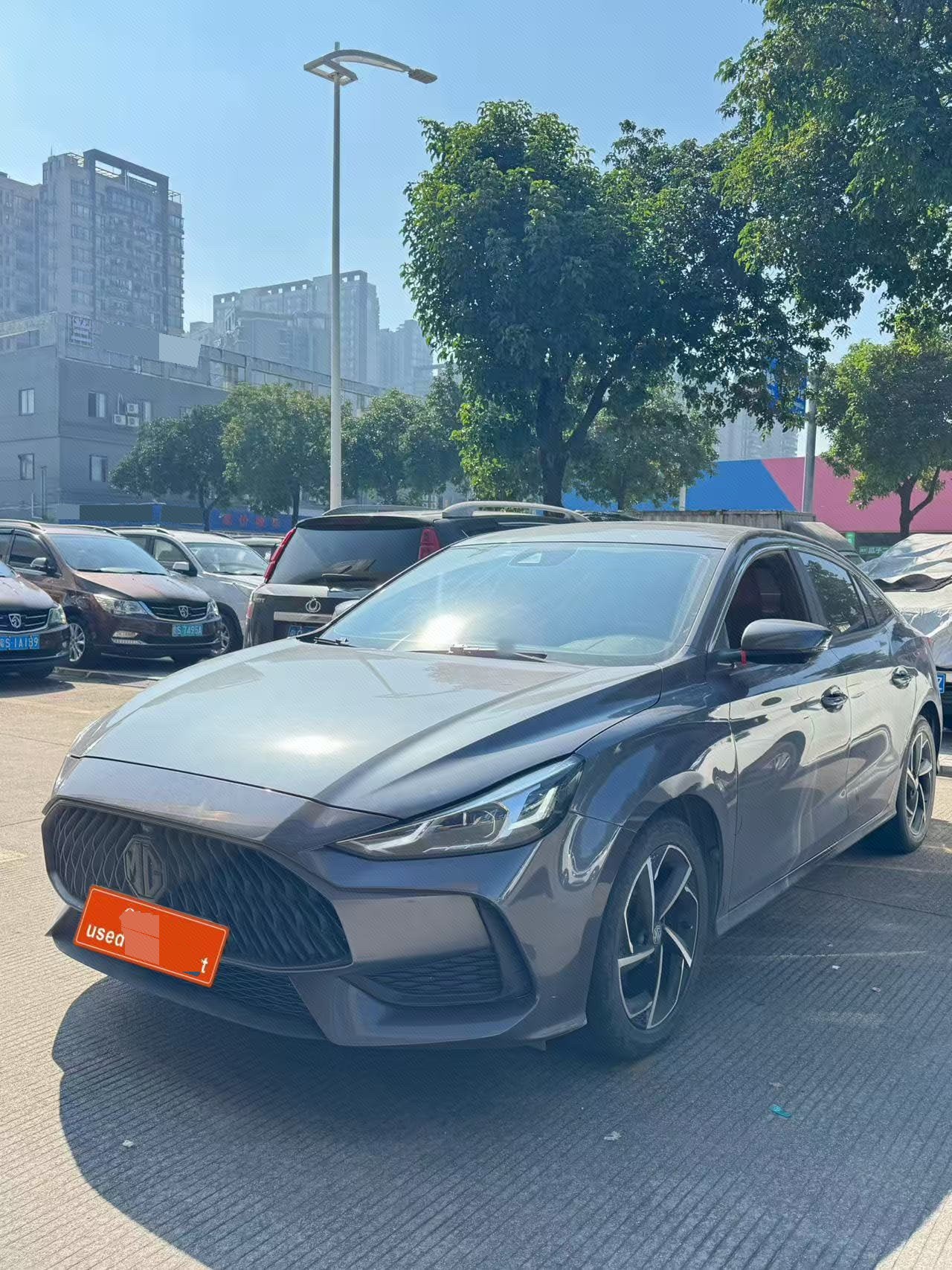
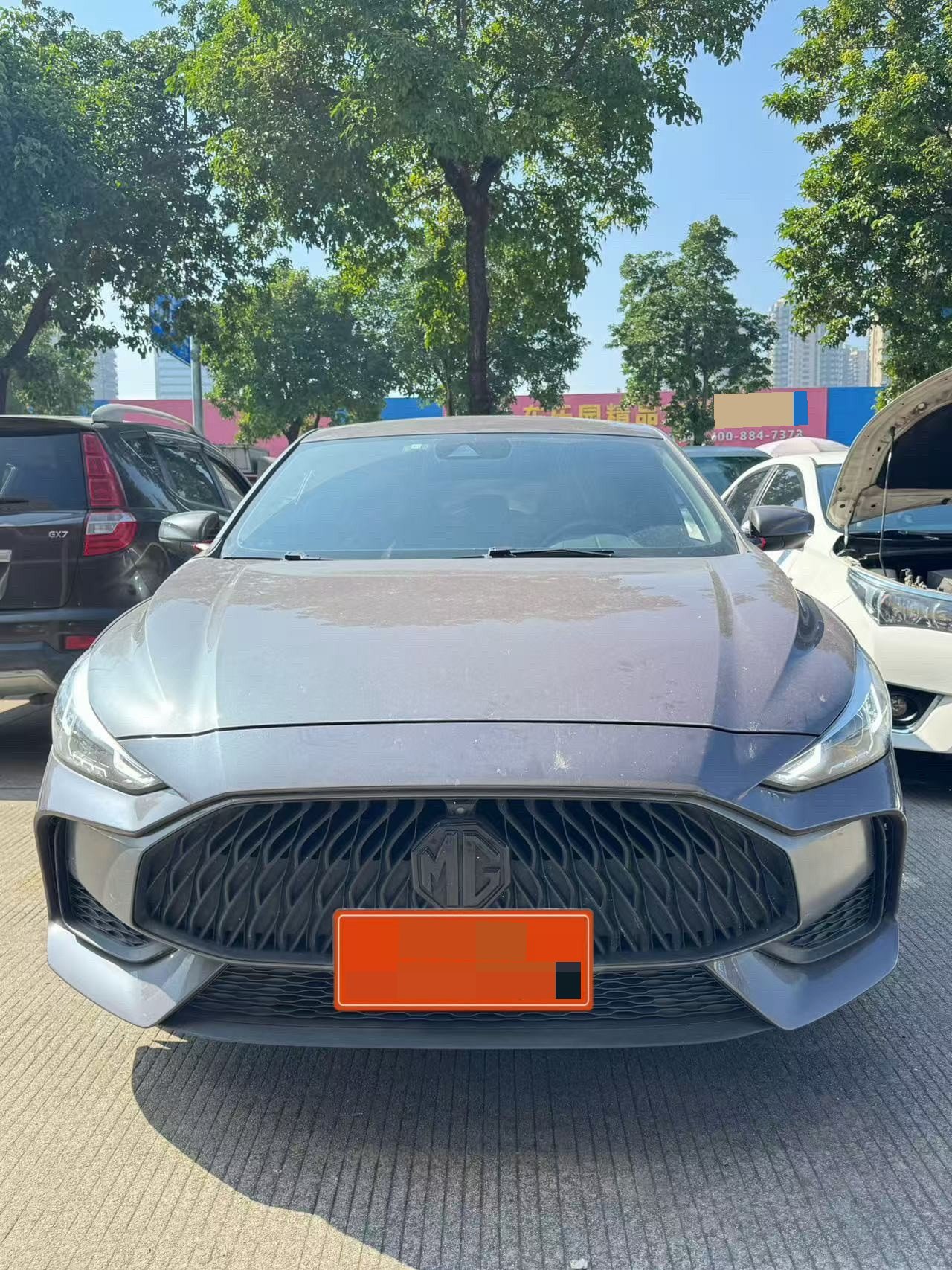
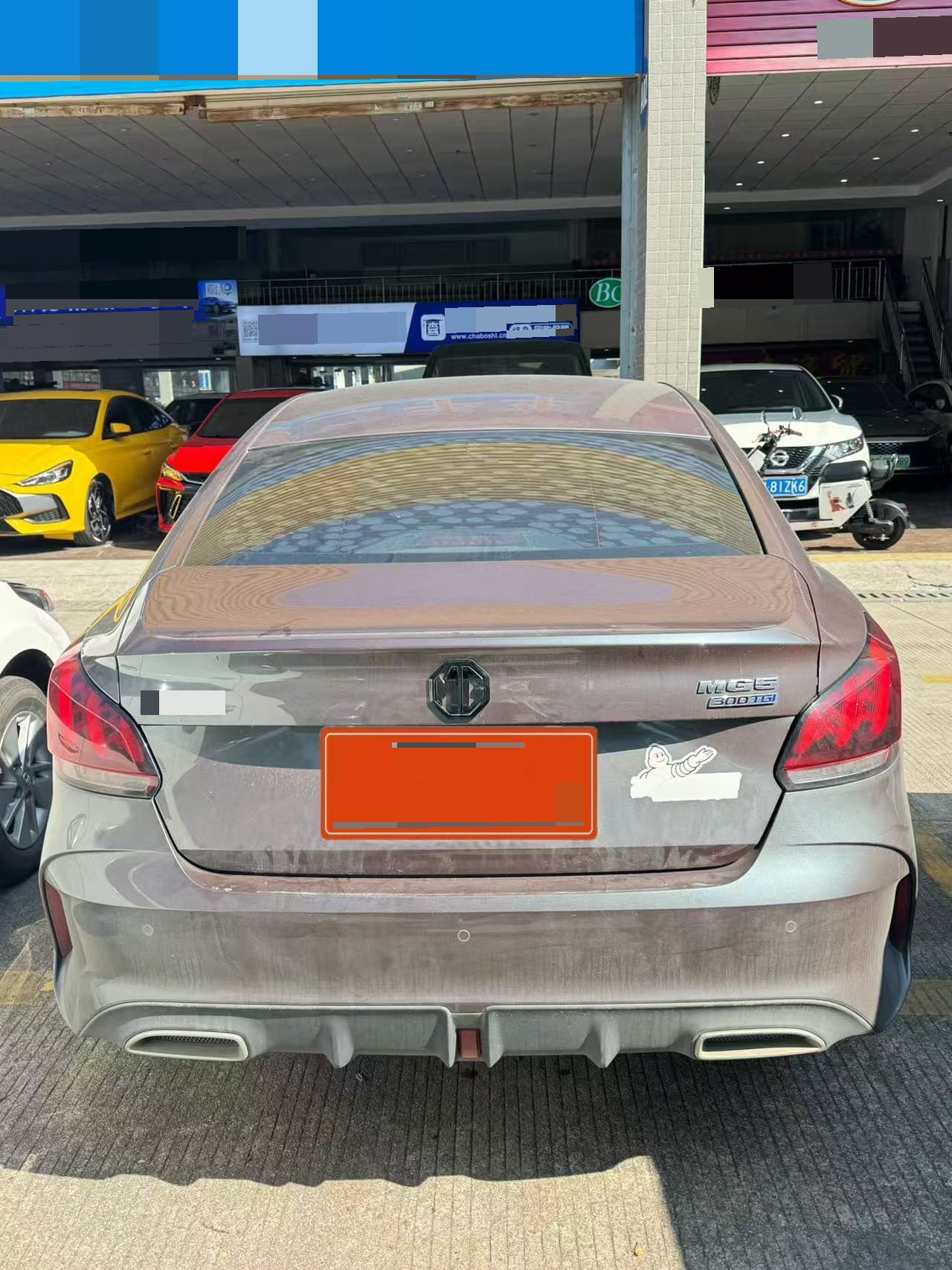
BrandMG
Series5
Year2021
First Registration2021/04
Mileage80,000km
Transfer Count0times
FuelGasoline
TransmissionDCT
Engine1.5T 173 L4
ColorGrey
Seats-

Condition Description

Inspection completed by Dr. Cha (third-party vehicle inspection service).

Document Information

Inspection Expiry Date-
Warranty Expiry Date-
Insurance Expiry Date2026/11

Q&A

More

My imported Chinese car's infotainment menus are all in Chinese. Can the system language be changed after import?

It depends on the brand and head-unit version, so check before assuming. Many newer Chinese cars (BYD, MG, Chery, Geely and others) ship with multilingual firmware, and English or other languages can be switched in the settings menu — ask the seller to confirm this in a video before you buy. If the menu has no language option, a dealer-level software flash may add languages, but this requires official tools and is not guaranteed for China-domestic versions. Avoid unofficial flashing services: a failed flash can brick the head unit and may void any remaining warranty. Keep expectations realistic: navigation maps, voice assistants and connected apps are usually tied to Chinese servers and accounts and often will not work abroad regardless of menu language. If local-language infotainment matters to you, prioritize models officially exported to your region, or plan to rely on phone mirroring (CarPlay/Android Auto where supported) as the practical workaround.


Which Chinese ports are best for exporting used cars, and how do I choose the right one for my destination?

The main export hubs are Shanghai, Guangzhou/Shenzhen, Qingdao, Tianjin, and Ningbo. Shanghai has the most RoRo and container sailings to Europe, Africa, and the Americas. Southern China (Guangzhou/Shenzhen) is best for Southeast Asia and Oceania. Qingdao and Tianjin serve Korea, Japan, and northern routes efficiently. Choose based on three factors: sailing frequency to your port (weekly is ideal), total inland logistics cost from the car's location to the port, and whether your exporter has used-car export qualification at that port—some only operate from one or two ports. Also confirm the terminal handles used-car export declarations, since not every port processes them. Your exporter should recommend the optimal port-to-port combination with a written quote breakdown.

What does the real landed cost of importing a used car from China look like, and which line items do buyers most often underestimate?

A realistic landed cost has five layers: the car price, export-side fees (deregistration, export license, inland trucking to the port), international freight and insurance, destination duties and taxes, and local charges (port handling, inspection, registration). Buyers most often underestimate three items. First, destination duties are calculated on the customs value, which may include freight, so a cheap car can still attract significant tax. Second, port and terminal charges at both ends add up; demurrage fees apply quickly if documents are late. Third, compliance costs such as homologation, emissions testing, or translation of documents can run into hundreds of dollars depending on the country. Ask every exporter for a written, itemized quote to your port, not just an FOB price, and keep a 5% contingency. Quotes that look unusually cheap usually hide costs in the freight or handling lines.