48H

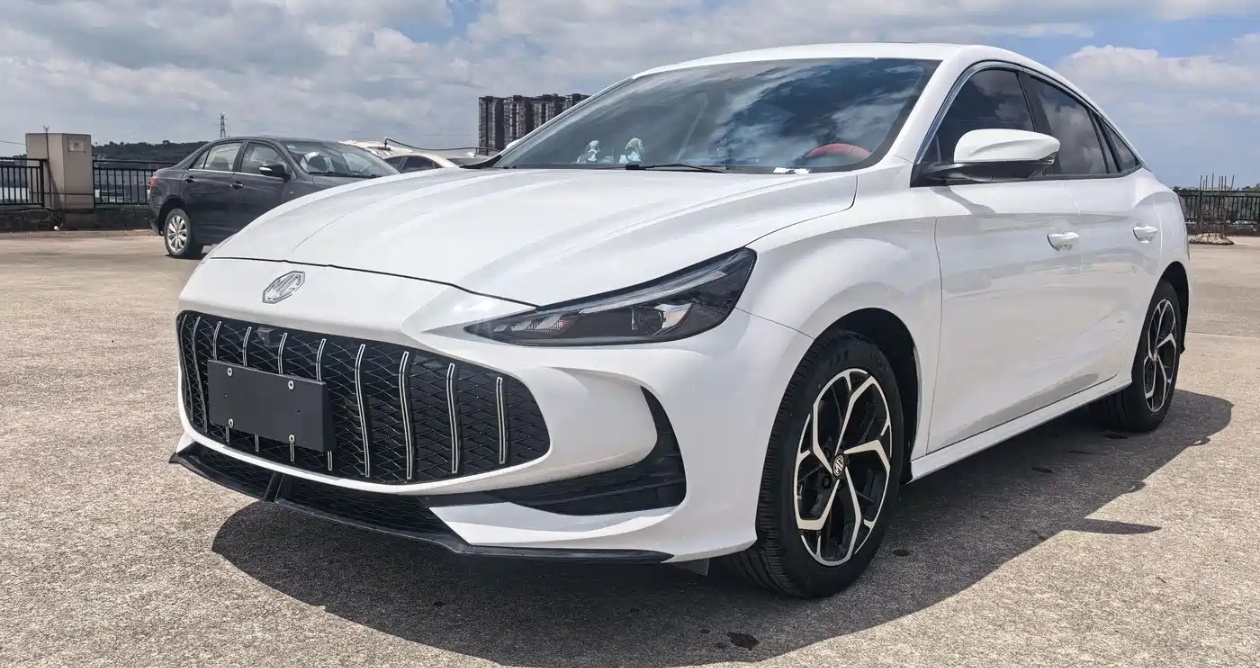
Basic Information

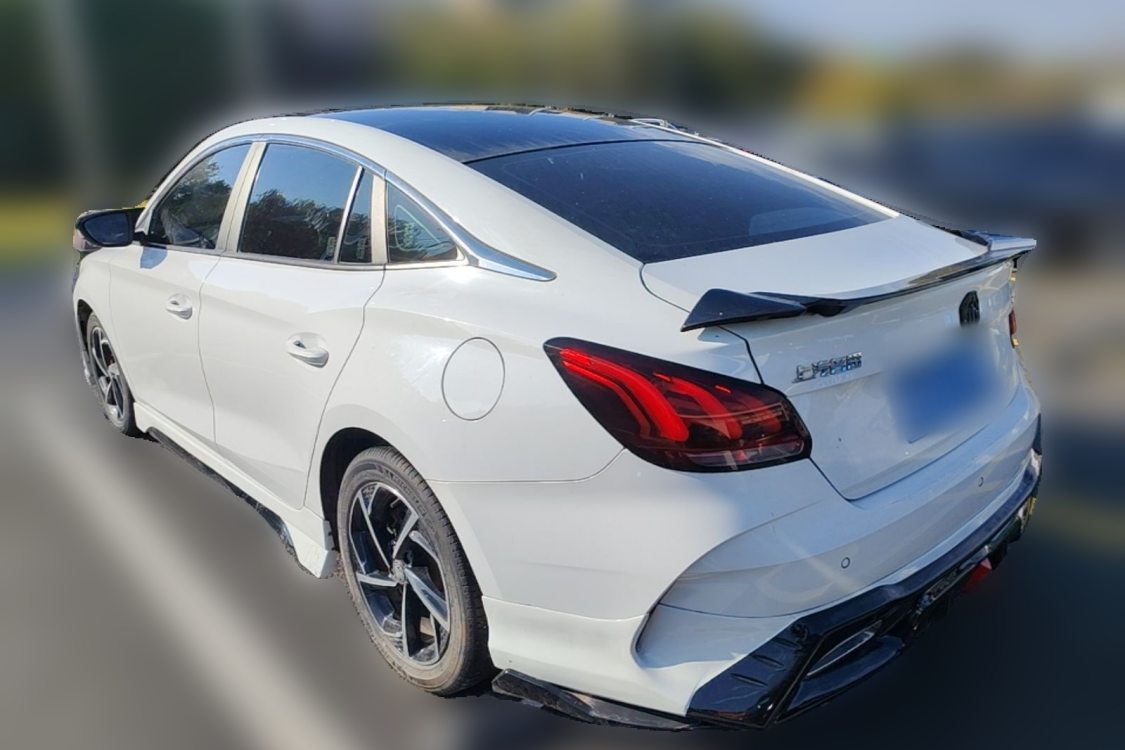
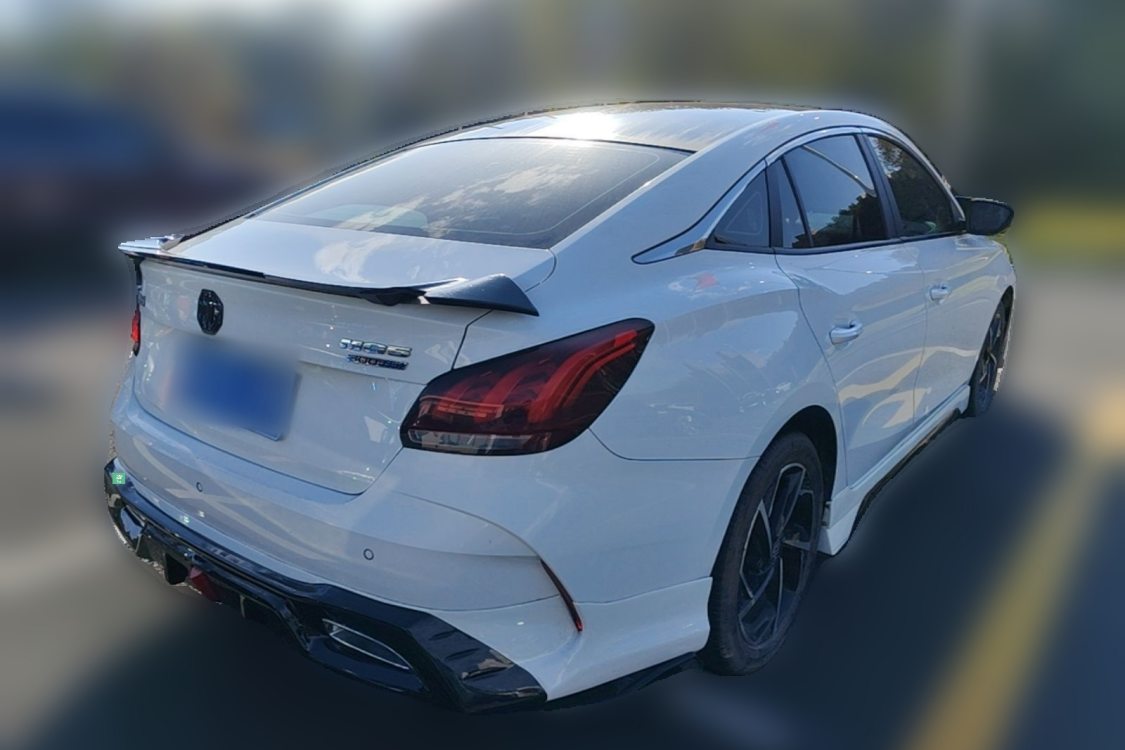
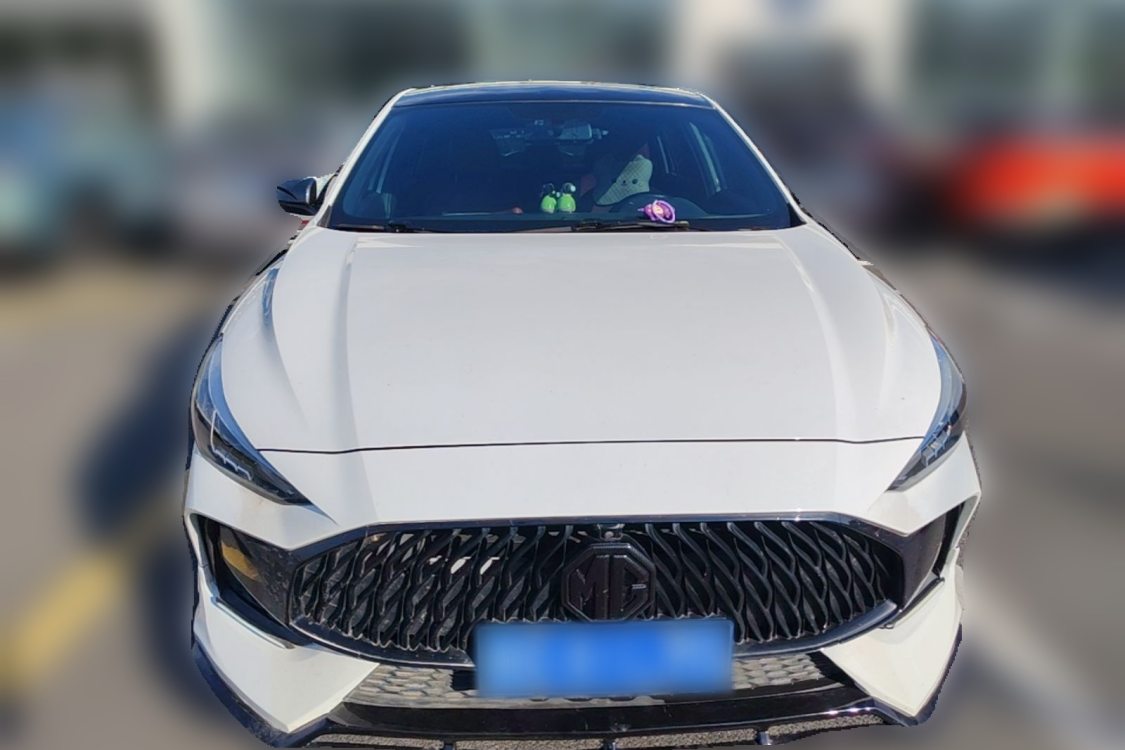
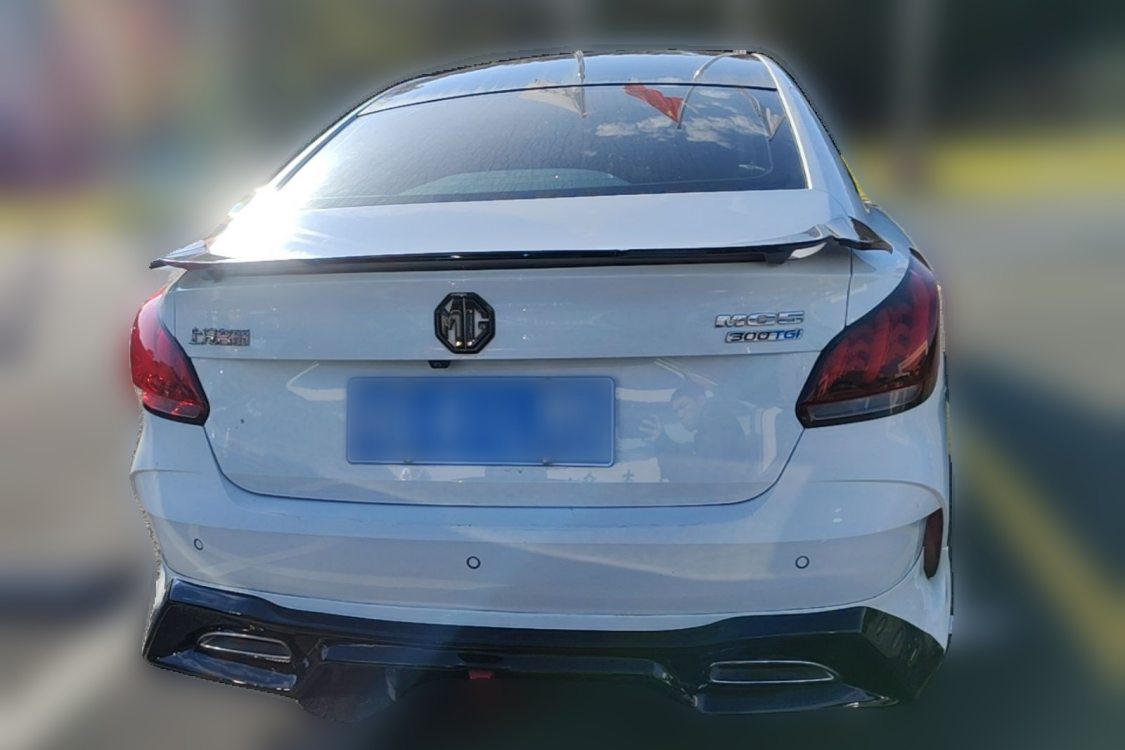
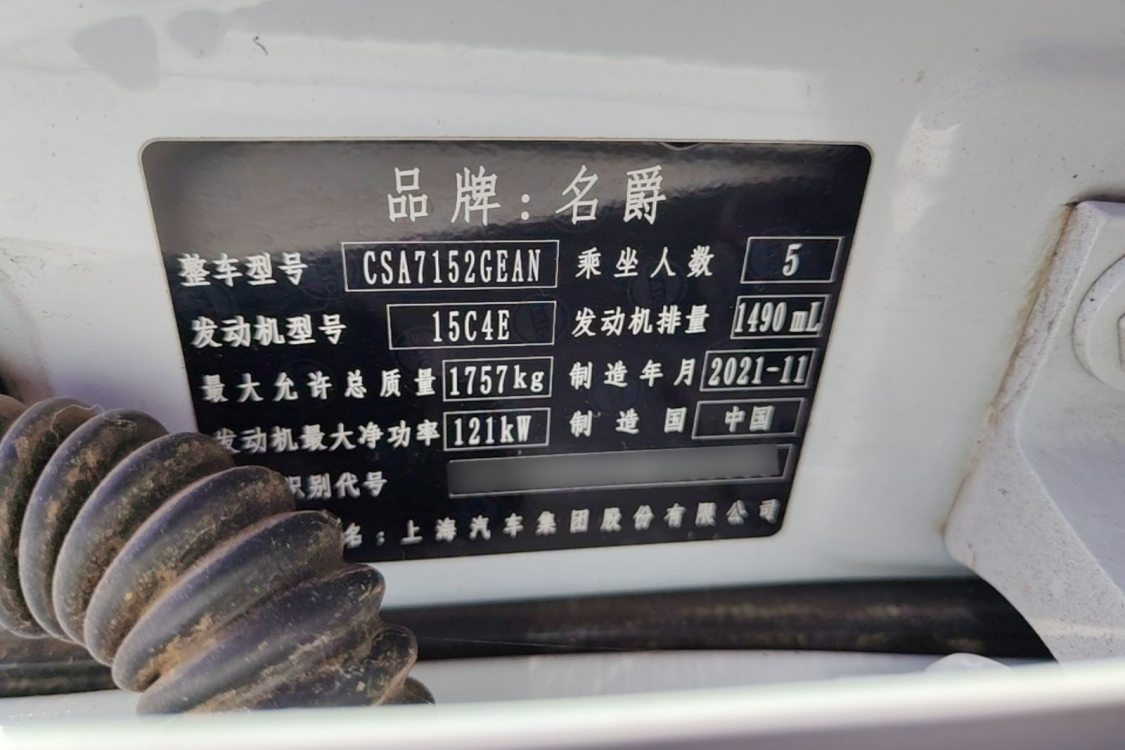
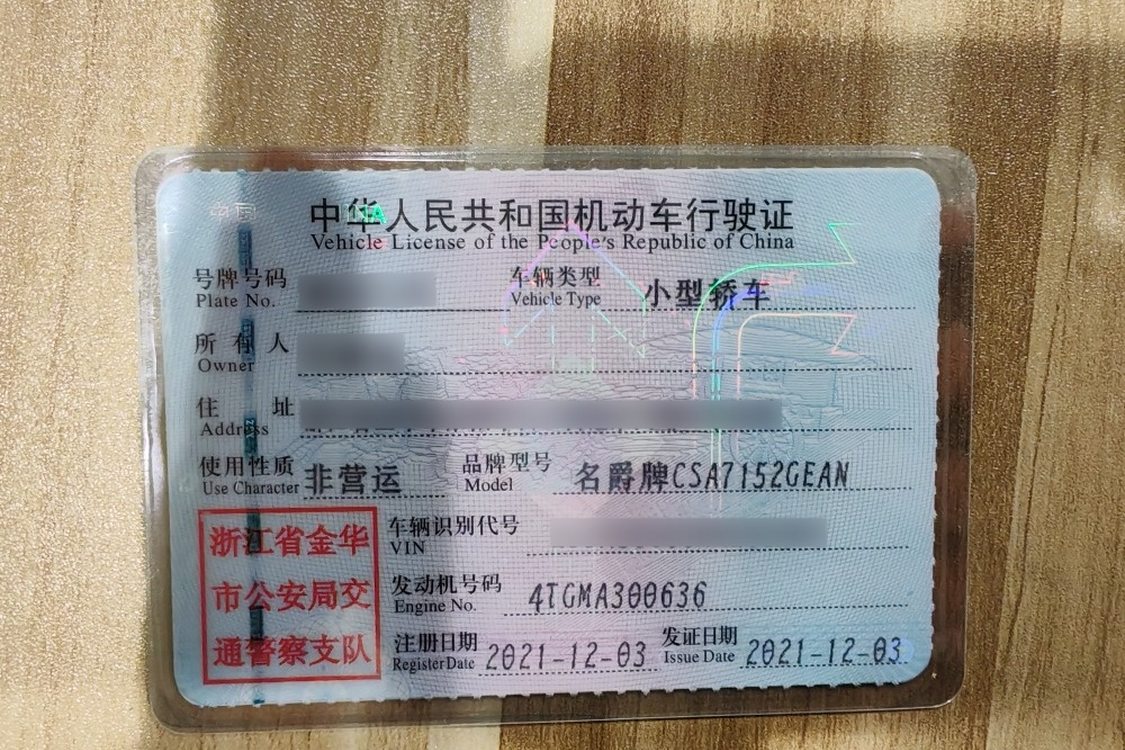
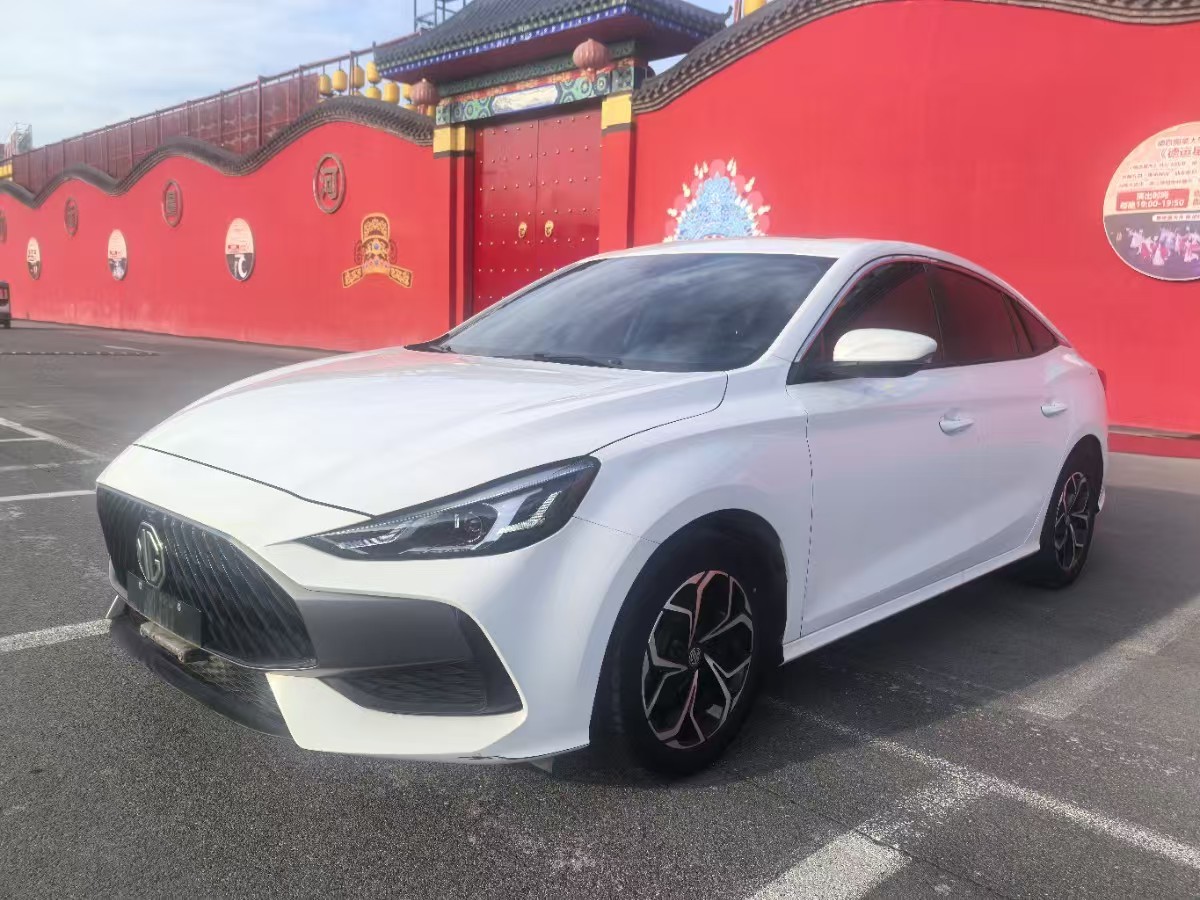
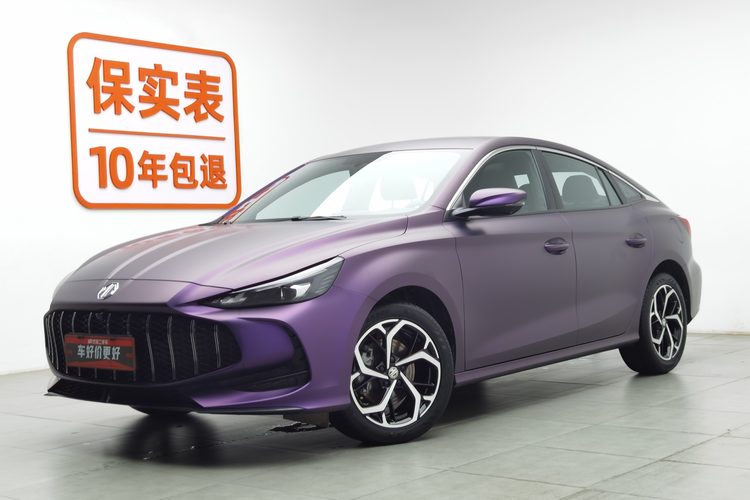
BrandMG
Series5
Year2021
First Registration2021/12
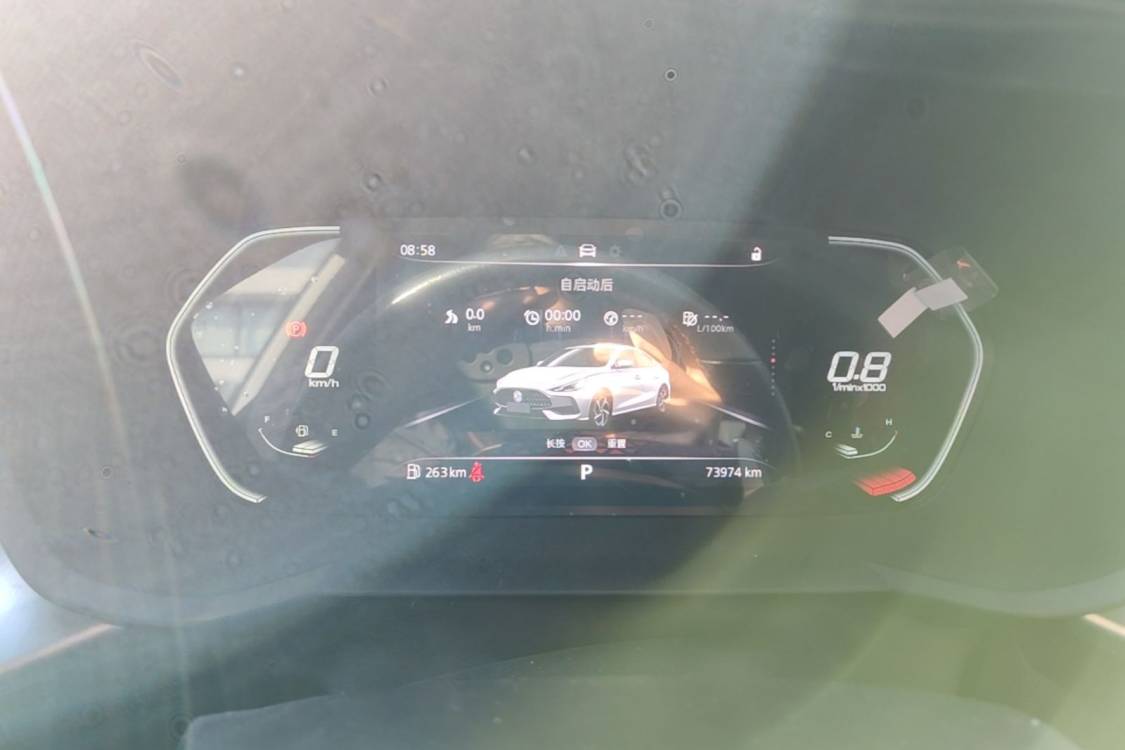
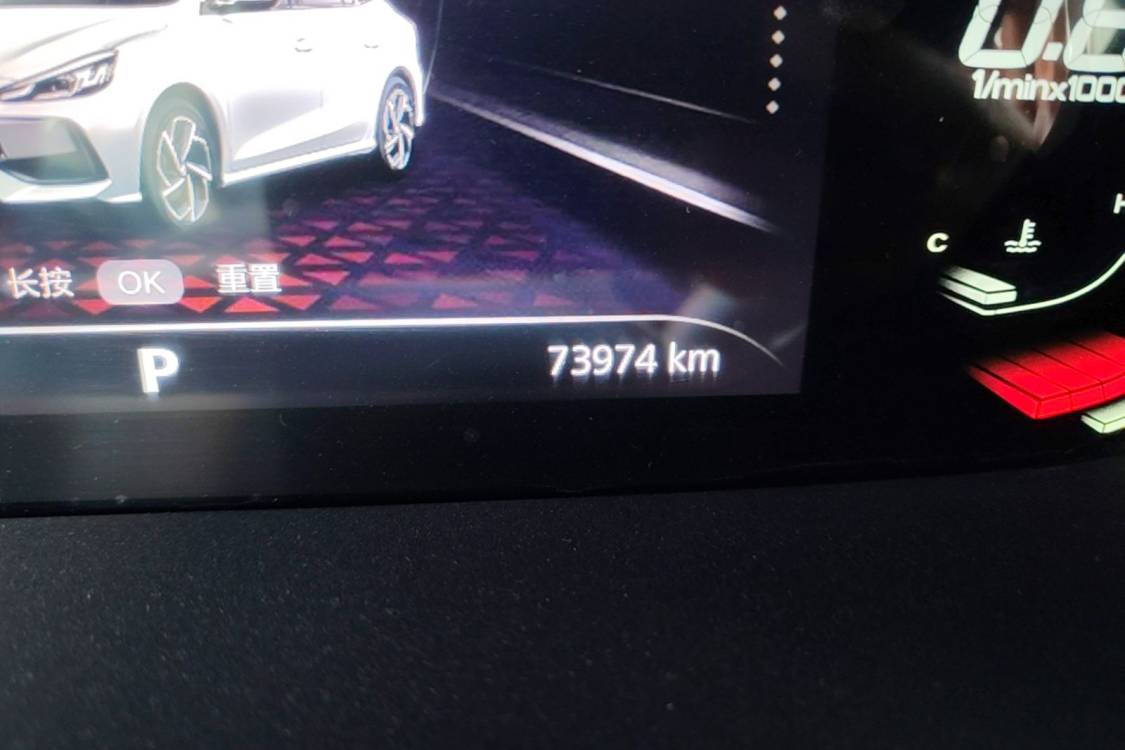
Mileage73,900km
Transfer Count-
FuelGasoline
TransmissionDCT
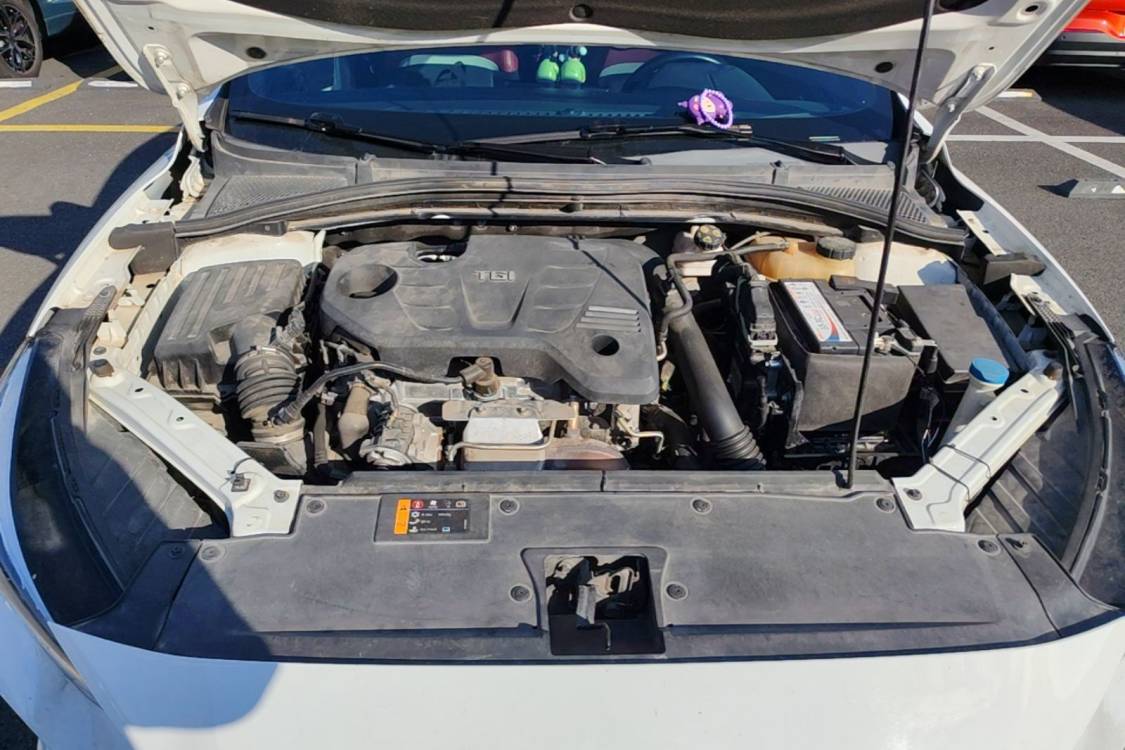
Engine1.5T 173 L4
ColorWhite
Seats-

Condition Description

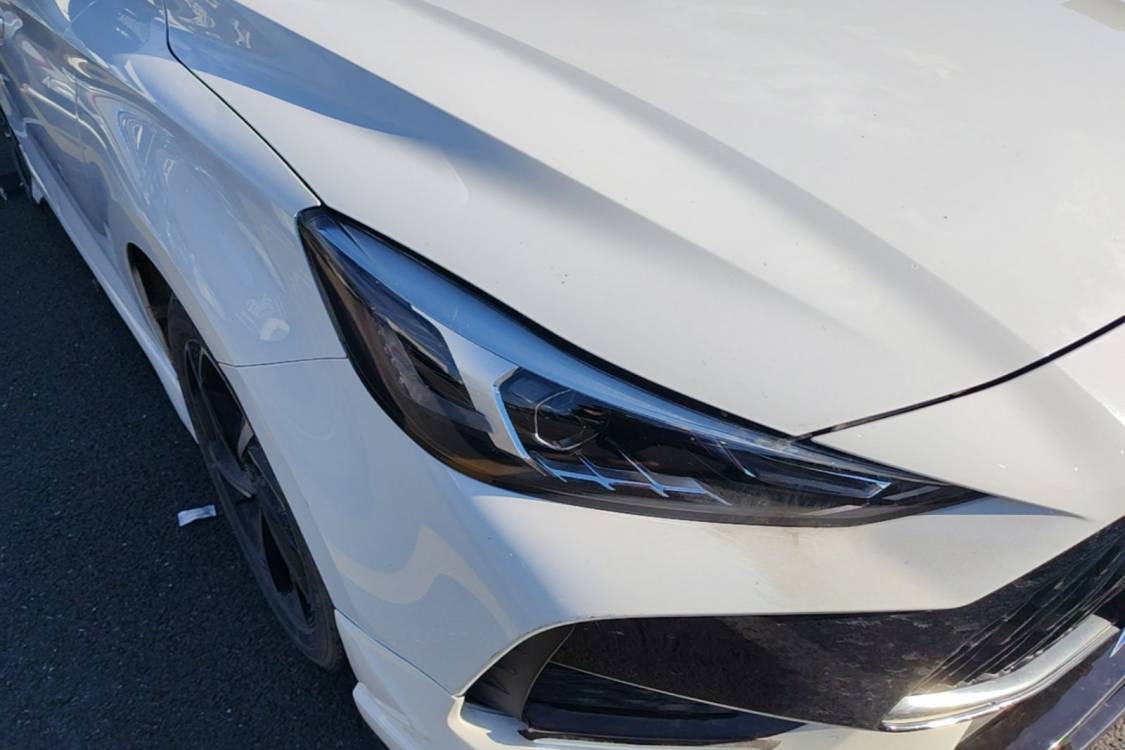
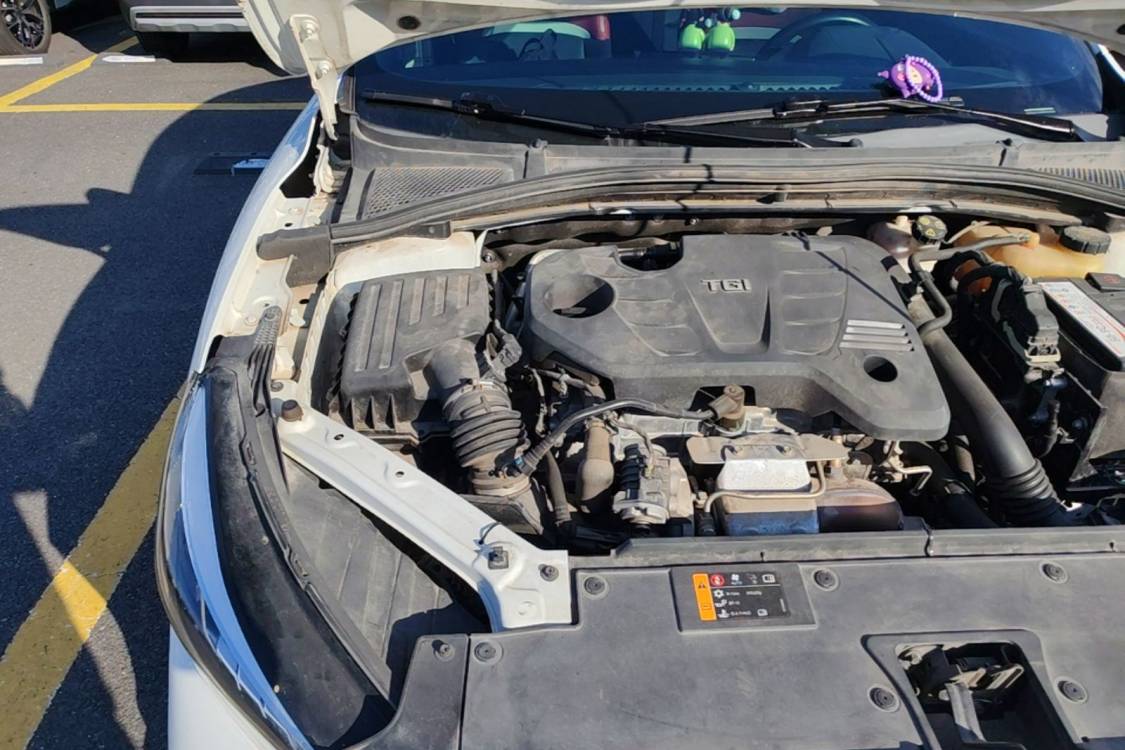
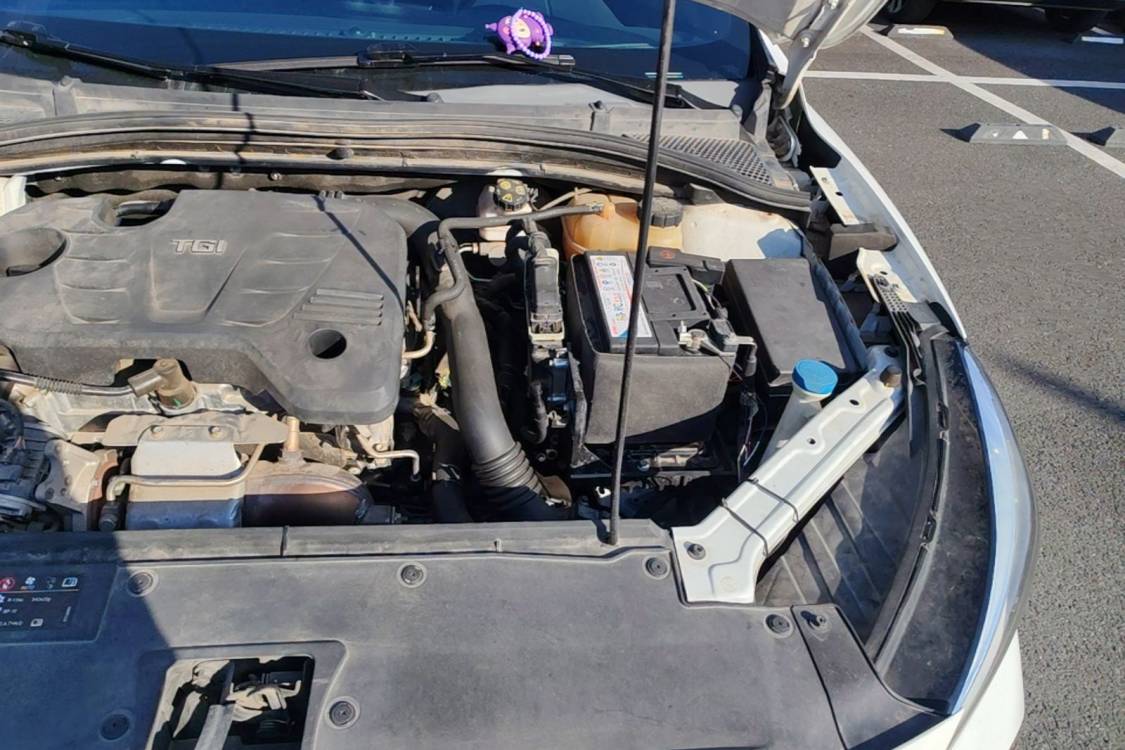
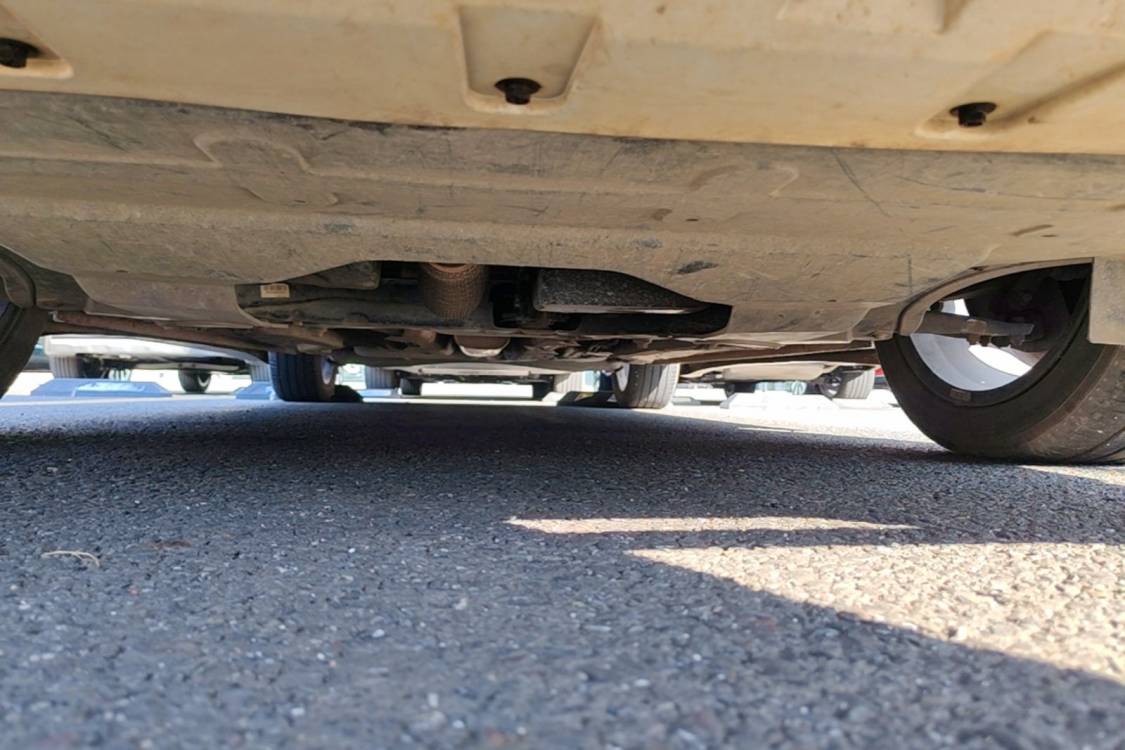
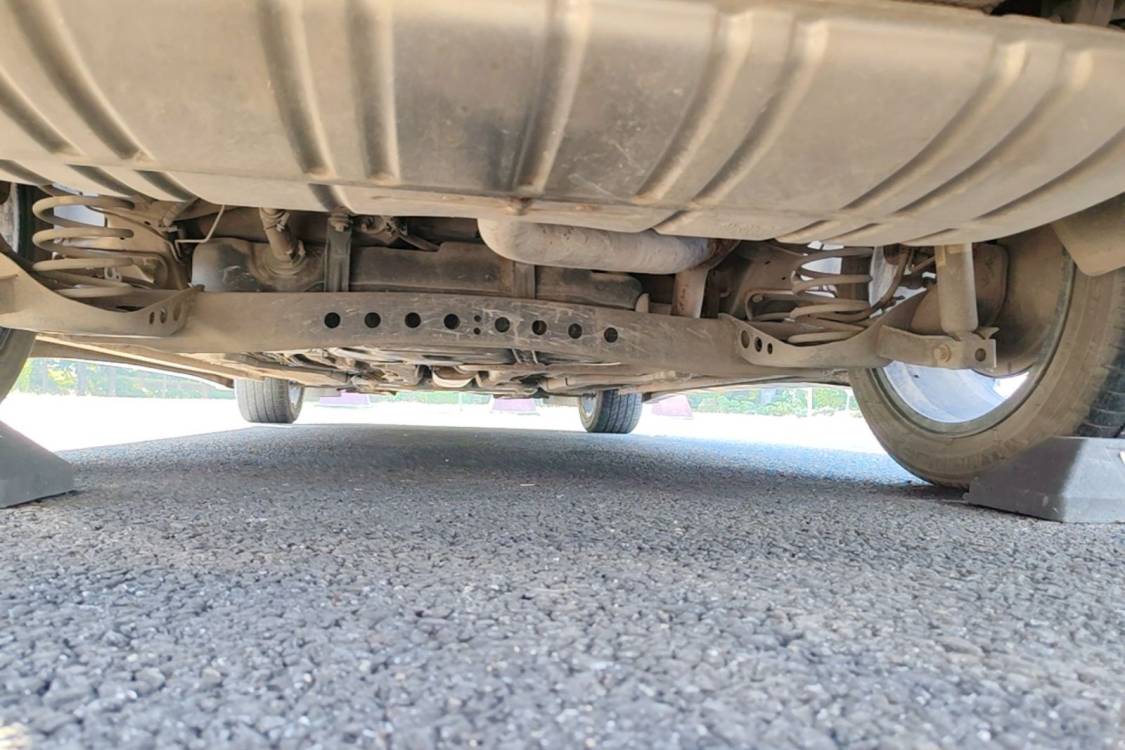
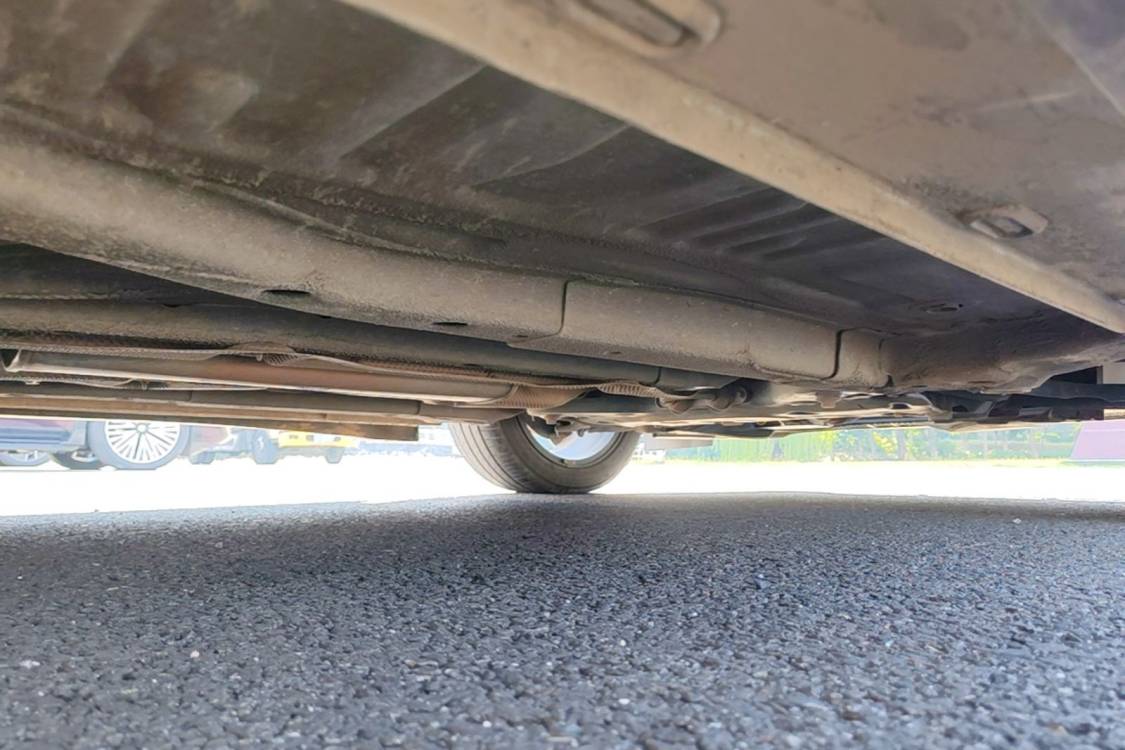
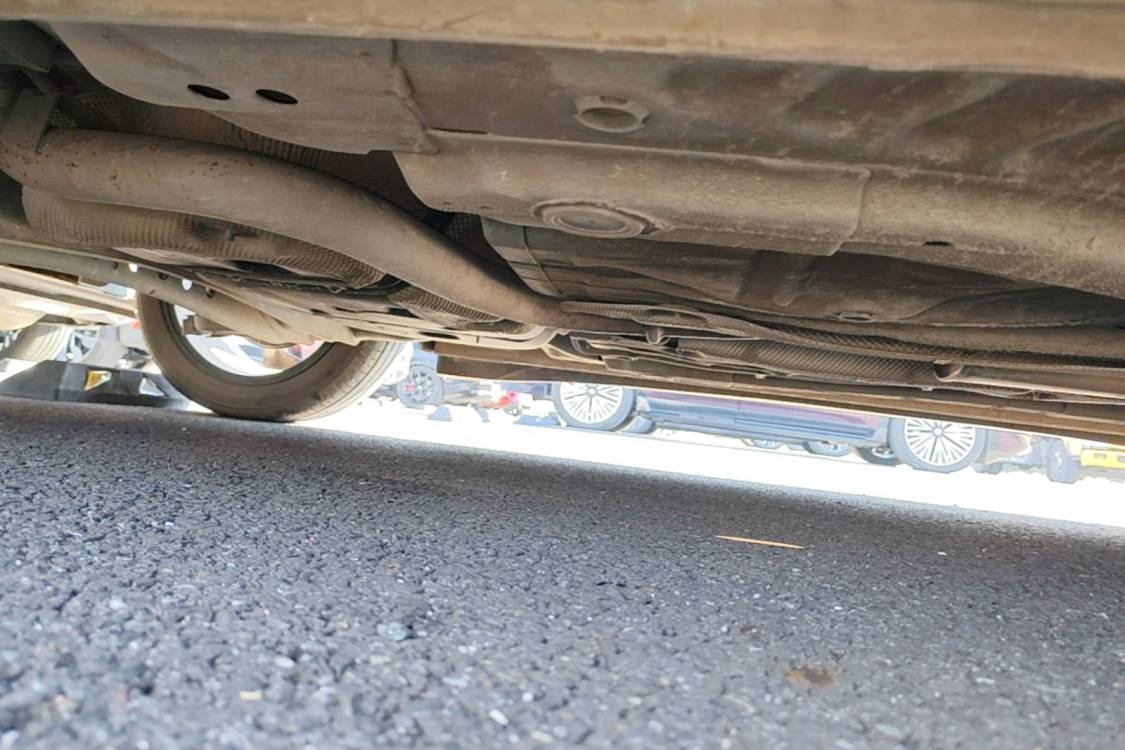
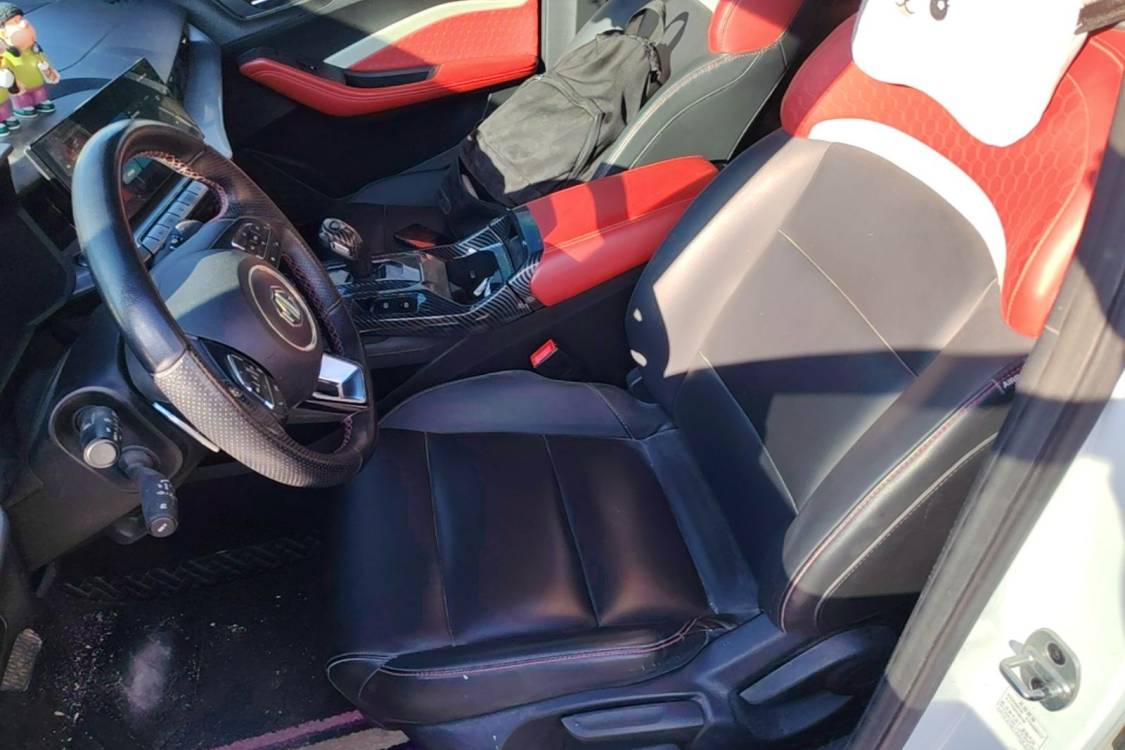
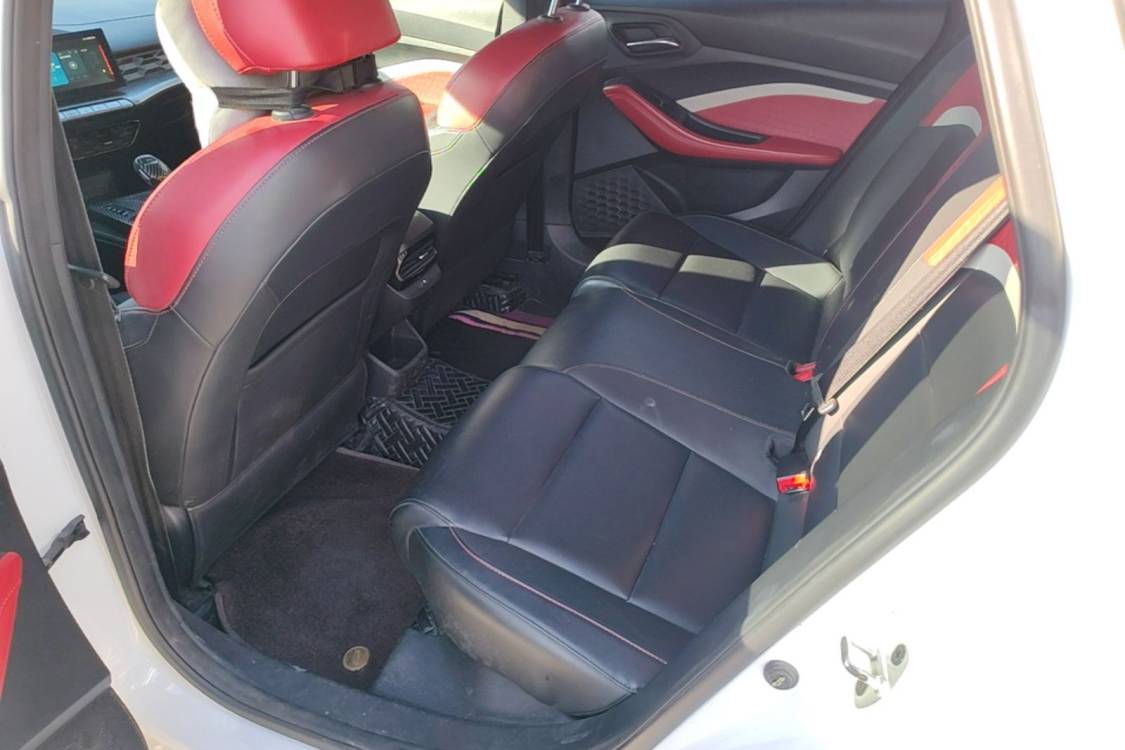
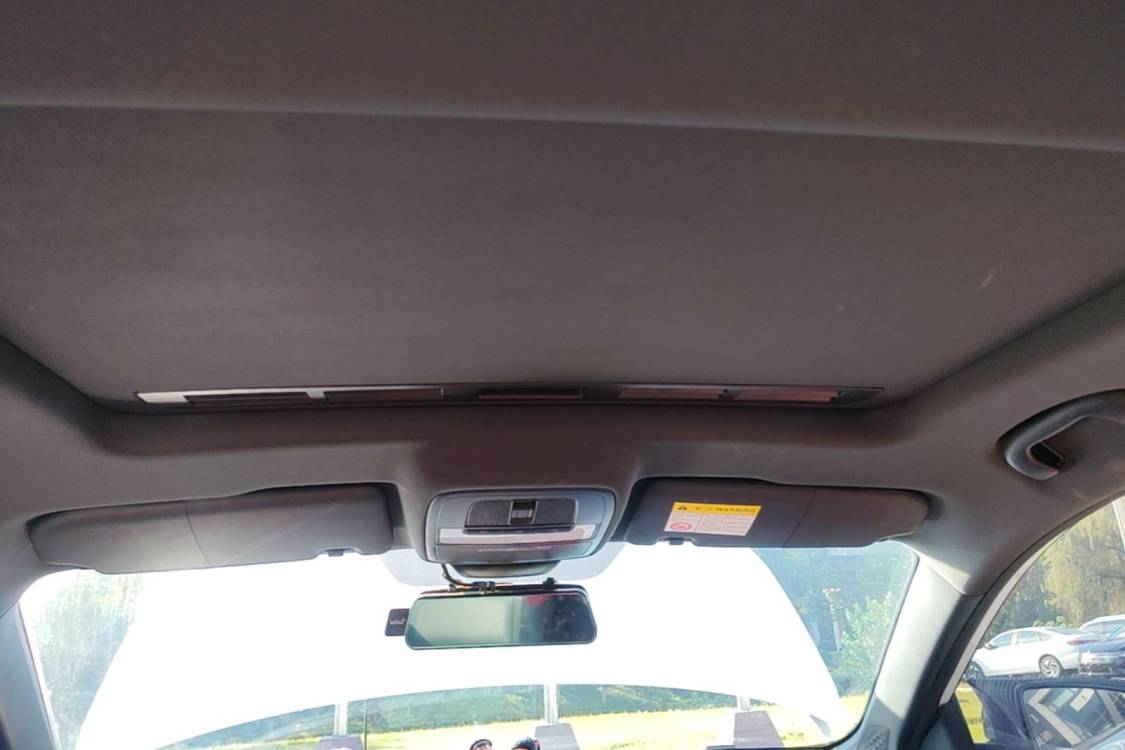
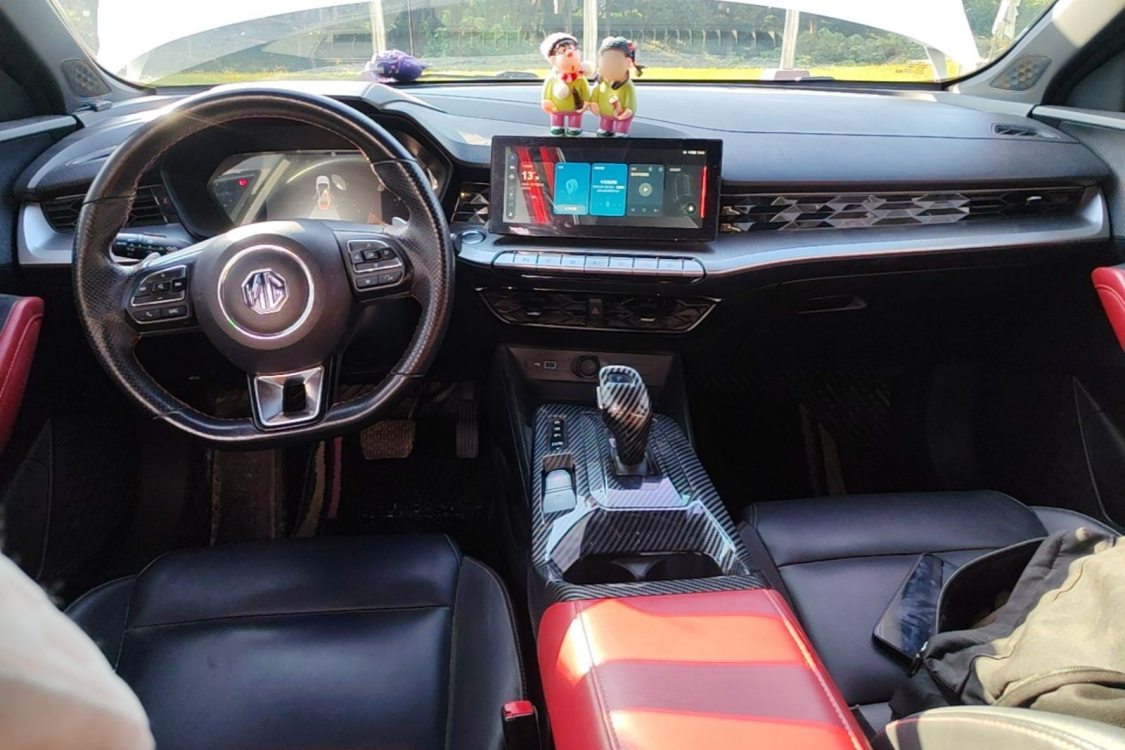
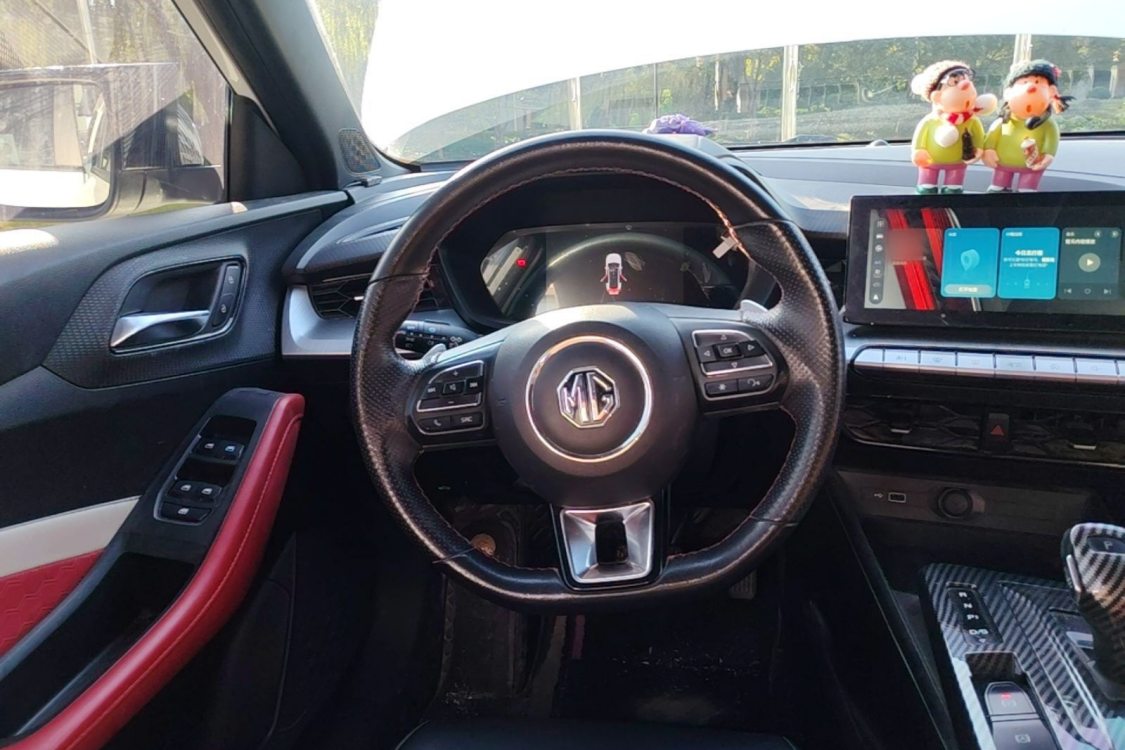
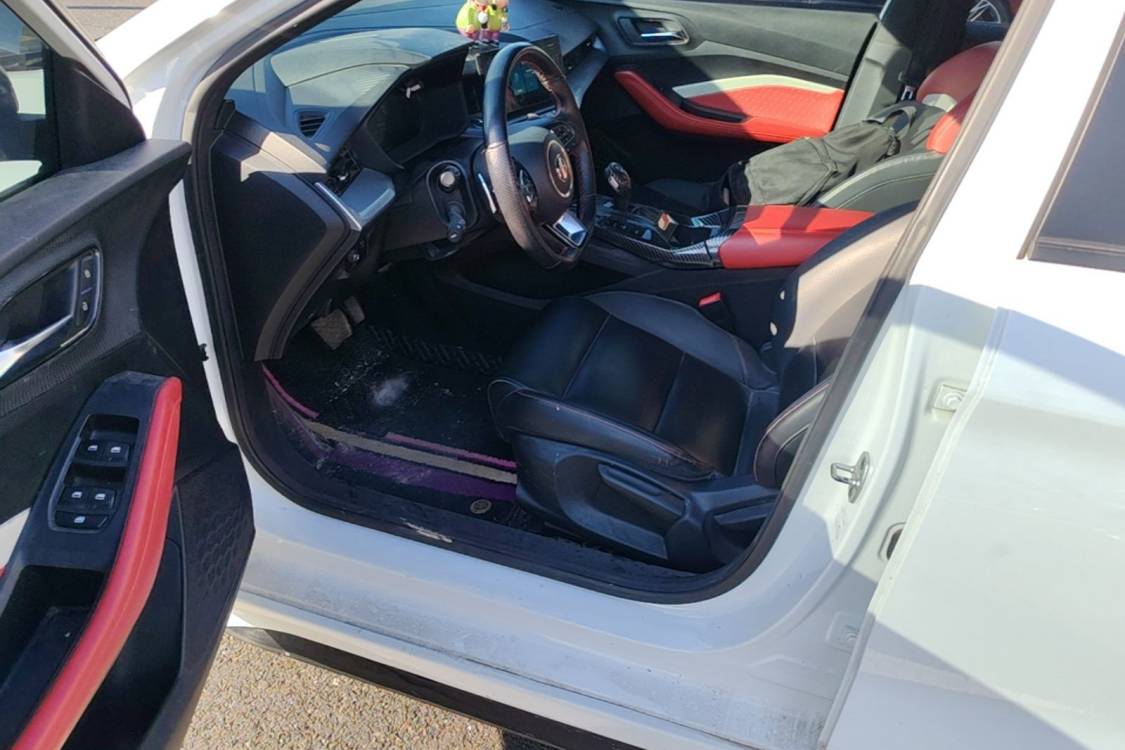
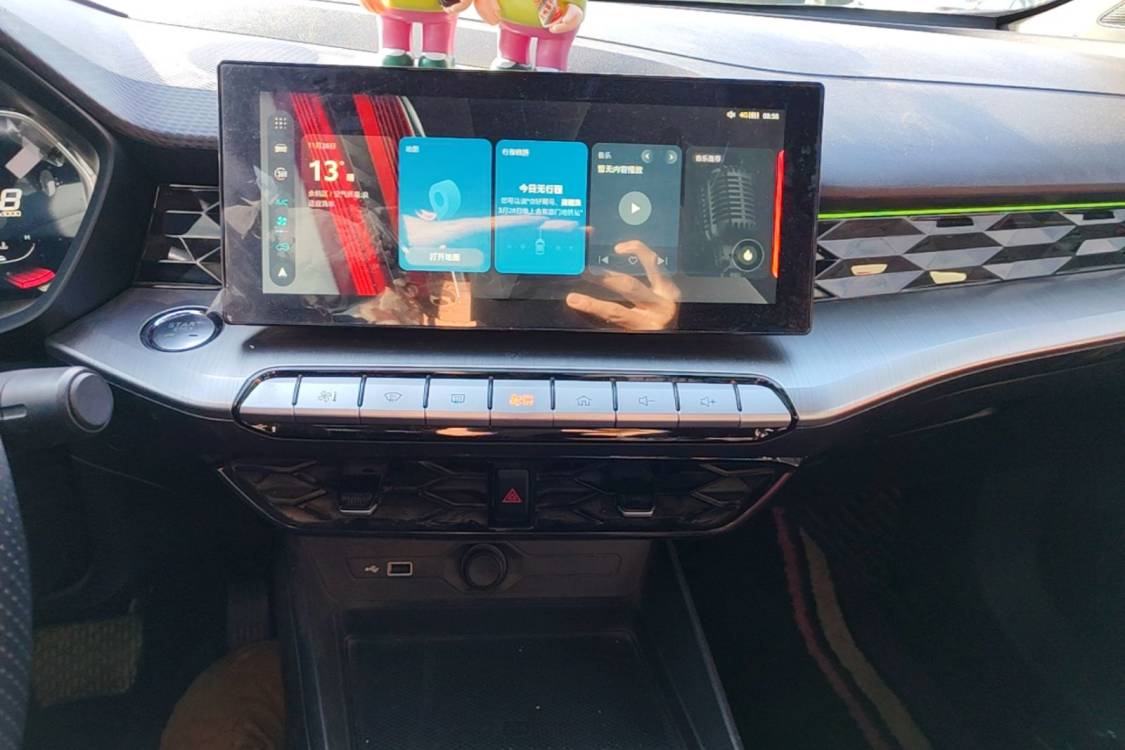
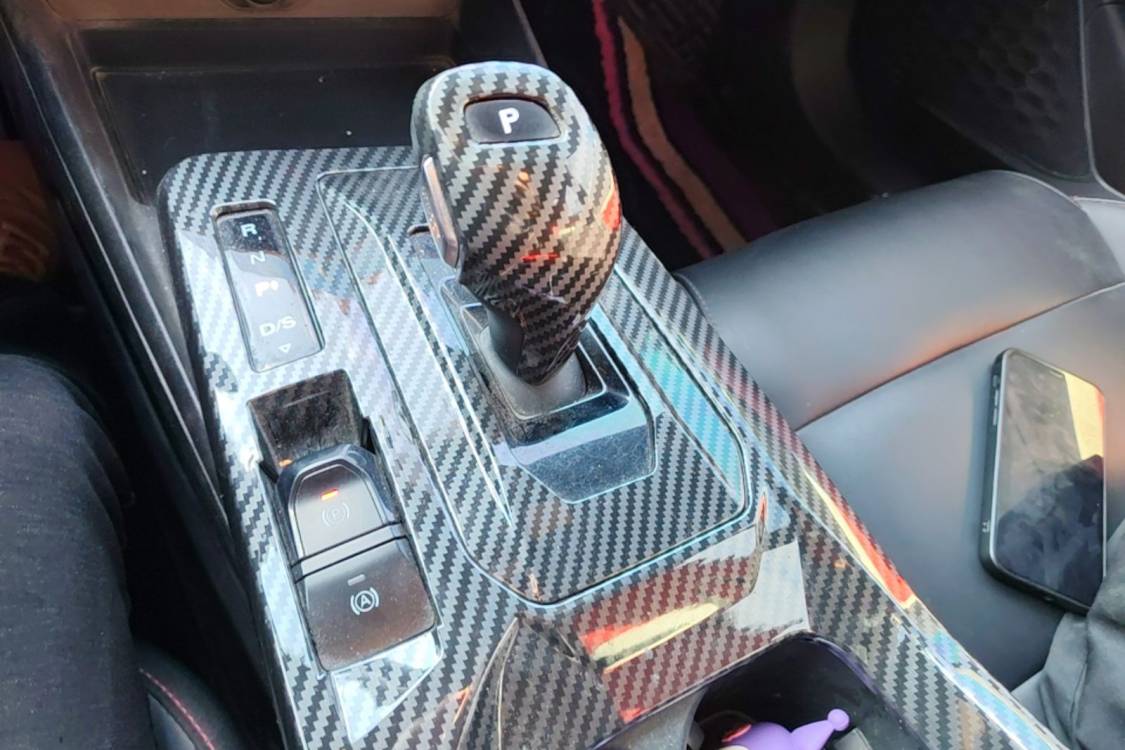
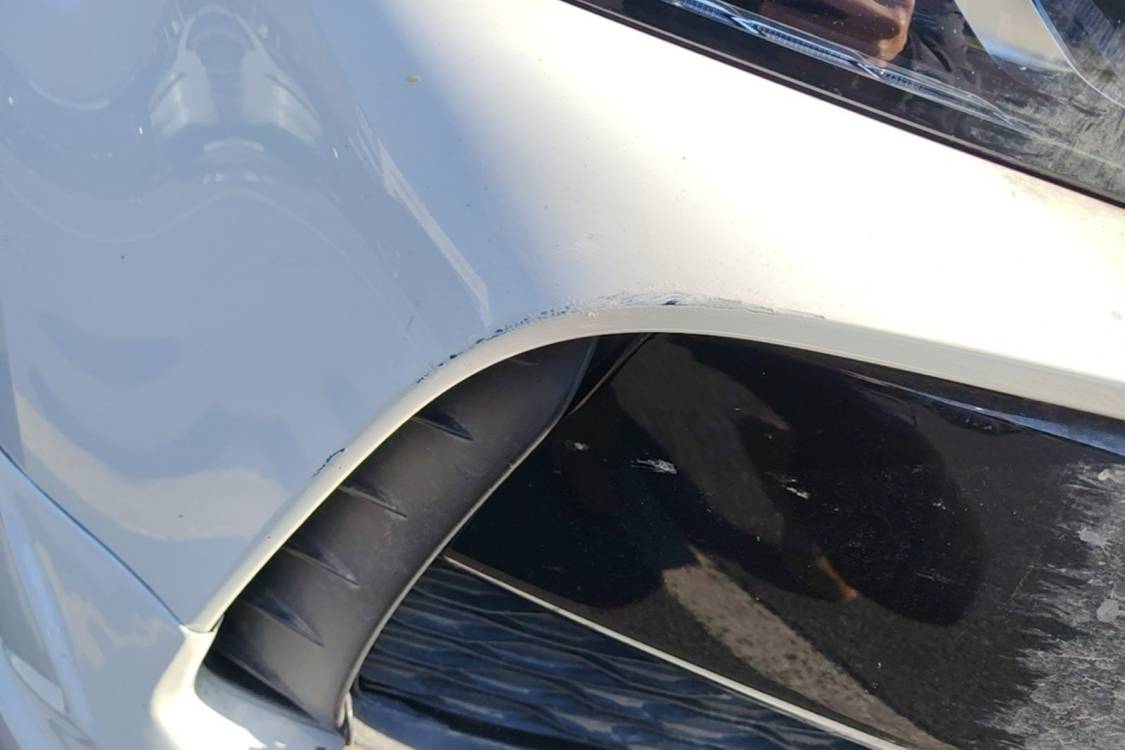
Localized body damage or repair marks present. No accident-related damage or repair to structural and reinforcement components. Vehicle performance (including three-electric system) has degraded or is limited.

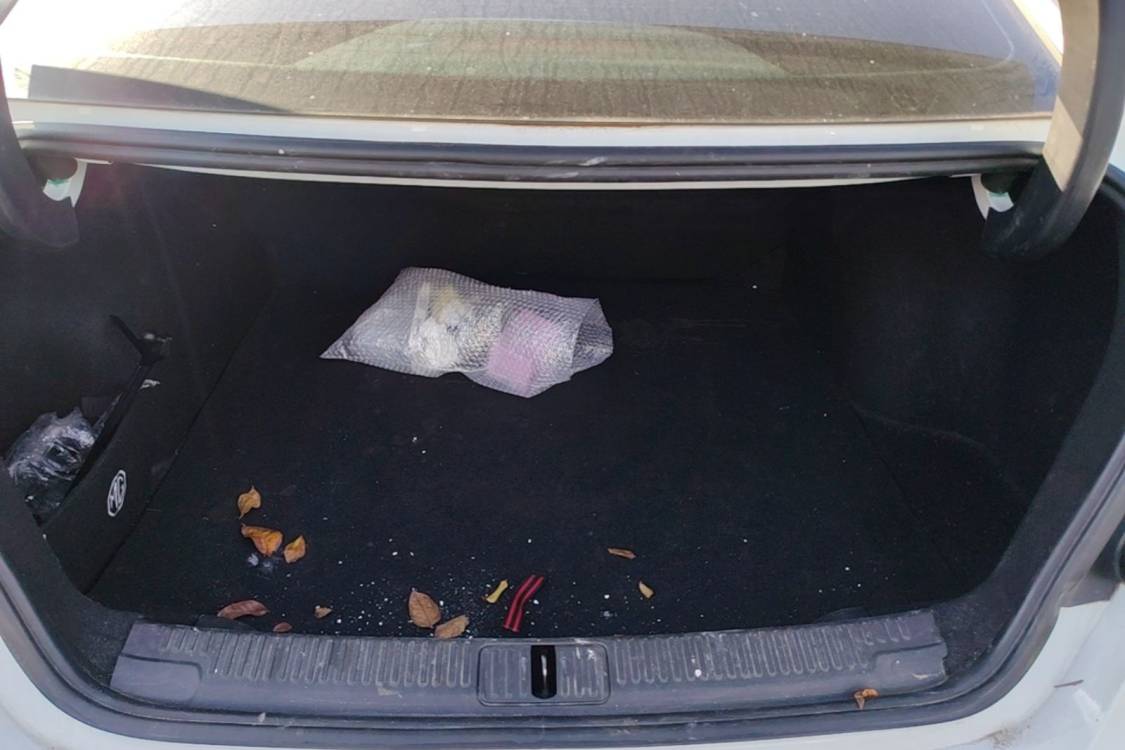
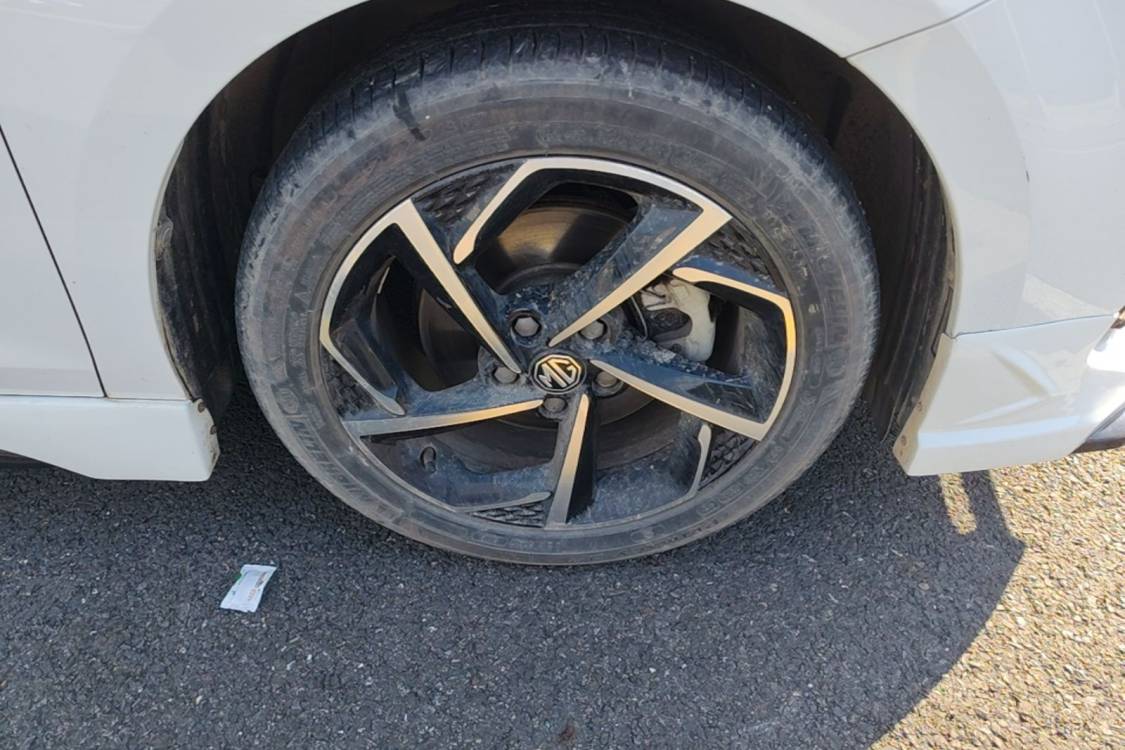
Accident inspection: main structure undamaged, reinforcement parts undamaged, cover panels undamaged, hinges normal. Engine bay inspection: key mechanical components normal. Exterior: 1 area of sheet metal repair. Interior: most features normal, airbag system normal, seatbelts normal, dashboard normal, instrument readings normal, lighting system normal. Startup inspection: main components normal. Tool kit: absent.

独家上新
Fixed price
平台物流
可转售
7个工作日内过户
零过户
仅本地过户
开票金额-按成交价
过户要求>
新检测标准升级>
非泡水

Document Information

Inspection Expiry Date2026/12
Warranty Expiry Date-
Insurance Expiry Date2027/11

Q&A

More

Are the quality assessment standards for used commercial vehicles (pickups, light vans) the same as for passenger cars?

Completely different. The assessment of commercial vehicles focuses on: the extent of wear/deformation in the cargo area, whether the frame has been twisted due to overload, the fatigue of the leaf springs, and the emissions of the diesel engine. Minor exterior scratches carry very little weight in the assessment of commercial vehicles.

How do I calculate the true total landed cost of importing a used car from China before I commit?

Work backwards from the car's price at the destination, not the seller's quote. Add these layers: 1. Vehicle price: negotiated with the exporter, usually FOB (free on board) China port. 2. Inland China costs: transport to port, export customs clearance, and documentation fees. Ask whether these are included in the FOB price or billed separately (typically $200–500). 3. Freight: ocean shipping to your port. RoRo is cheaper ($800–1,500); a 20ft container costs $1,200–2,500 depending on route. Add BAF/PSS surcharges, which fluctuate monthly. 4. Insurance: usually 1–2% of (vehicle value + freight) for all-risk cover. 5. Destination charges: port handling, terminal fees, customs duties, VAT/GST, and homologation or inspection fees. These vary enormously by country — in some markets duties alone add 30–80% of the car's value. 6. Local delivery: trucking from the port to your city. Get a written itemized estimate from a licensed customs broker in your country before paying any deposit. Rule of thumb: add 40–70% on top of the FOB price for most African and Latin American destinations, 20–35% for GCC countries.
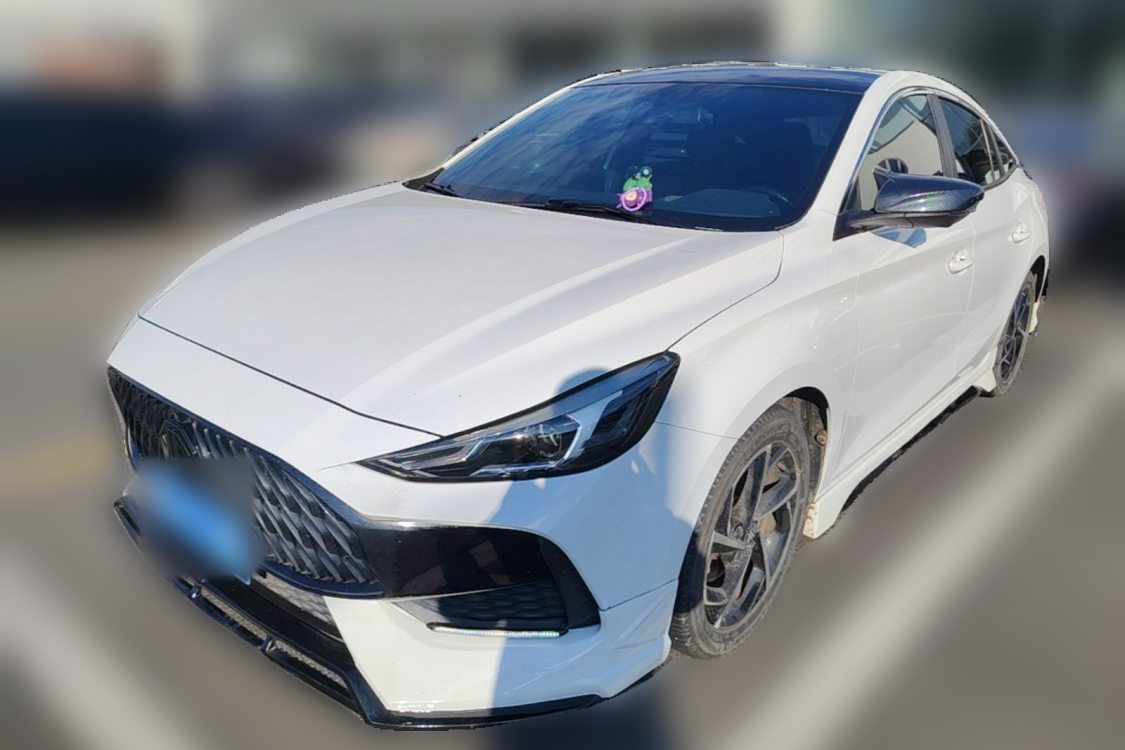
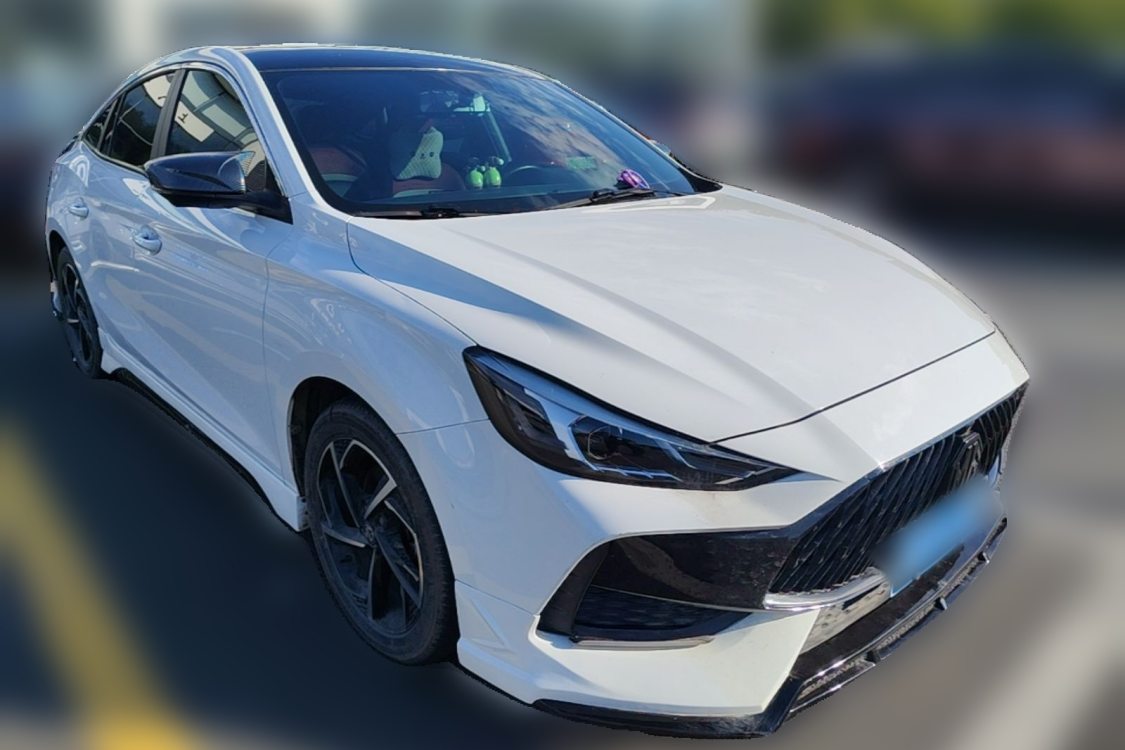
When shipping by RoRo vessel, is the "Terminal Handling Charge (THC)" at the destination port prepaid by your freight forwarder or paid by the buyer upon arrival?

Under international practices and our standard CIF/FOB terms, the THC at the port of origin (China) is borne by the seller; all THC and port miscellaneous charges incurred at the destination port during unloading are to be paid by the buyer (consignee) upon local customs clearance and pickup.