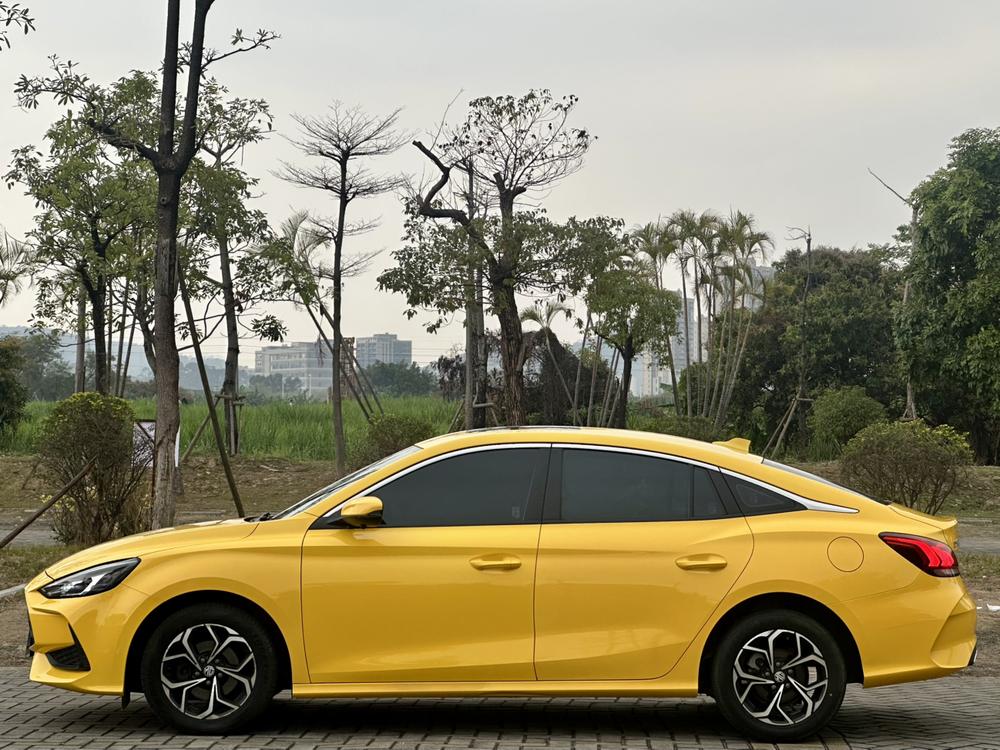
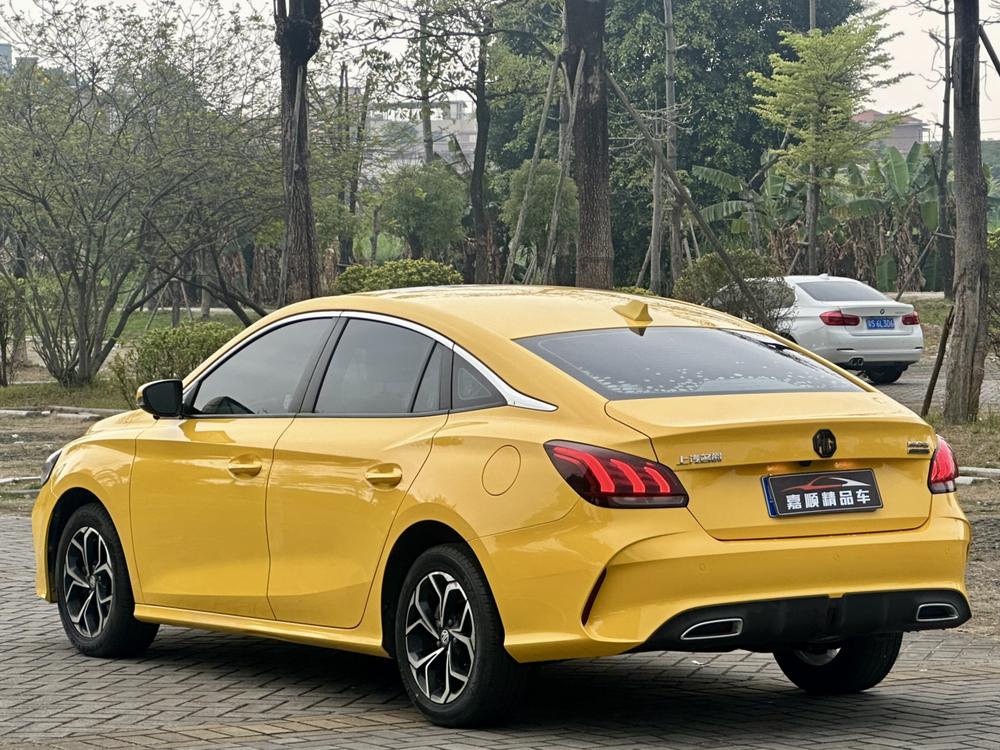
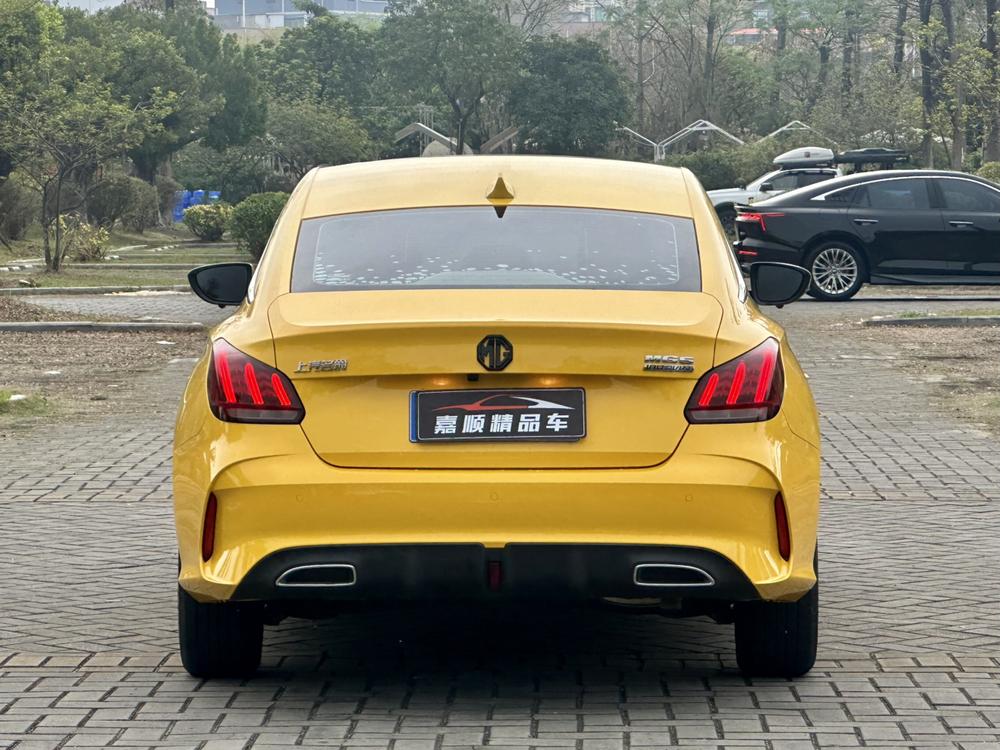
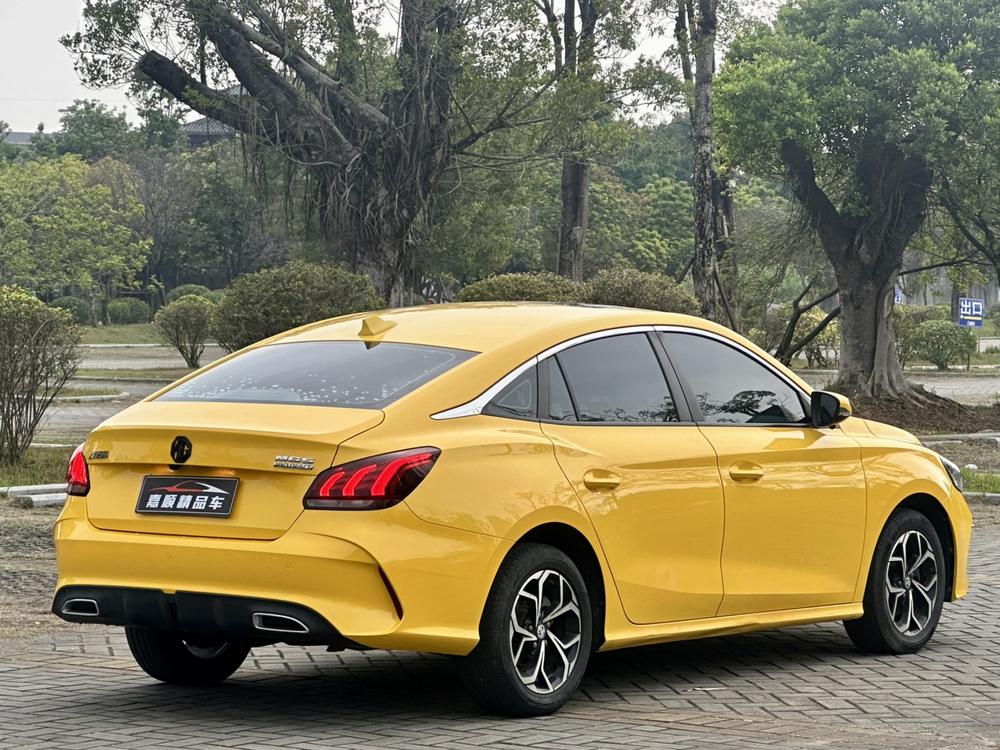
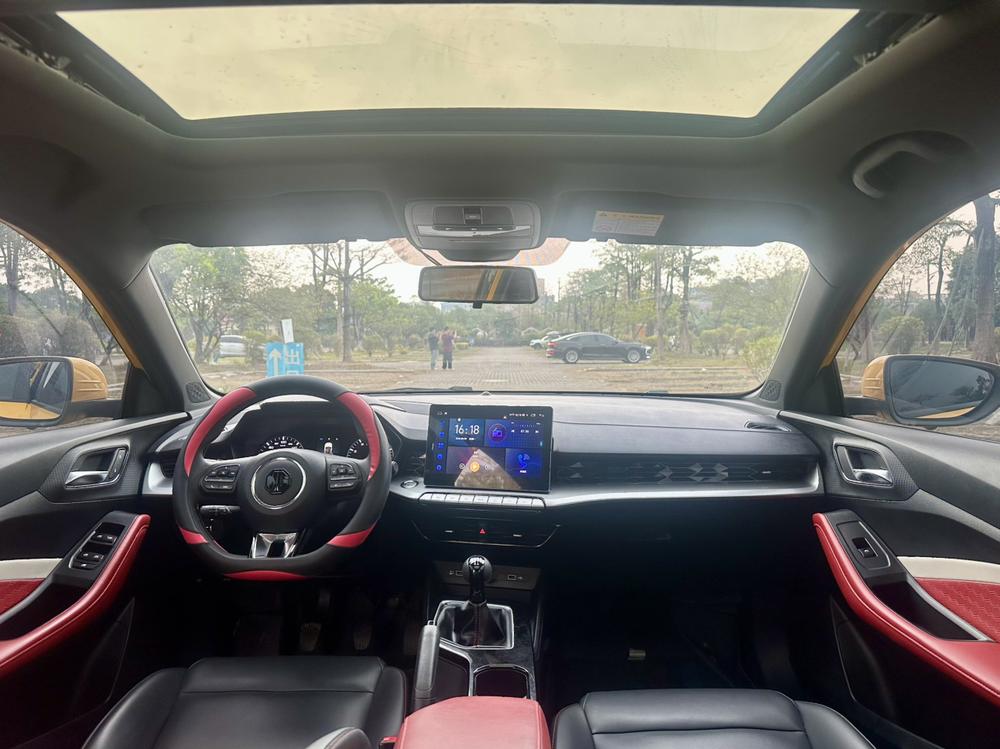
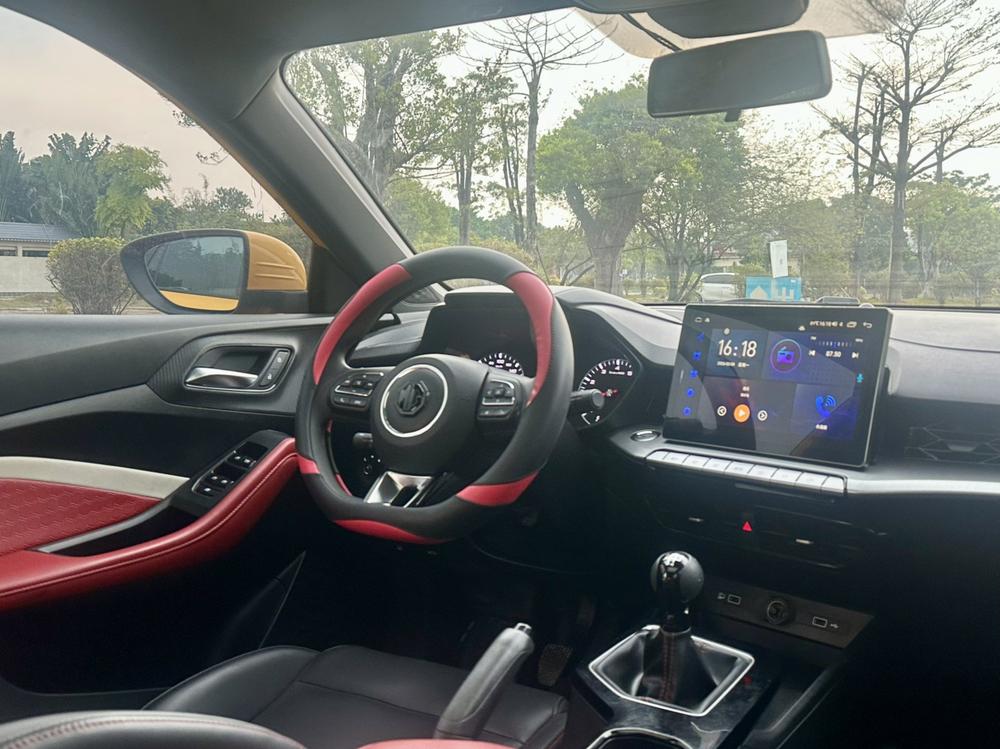
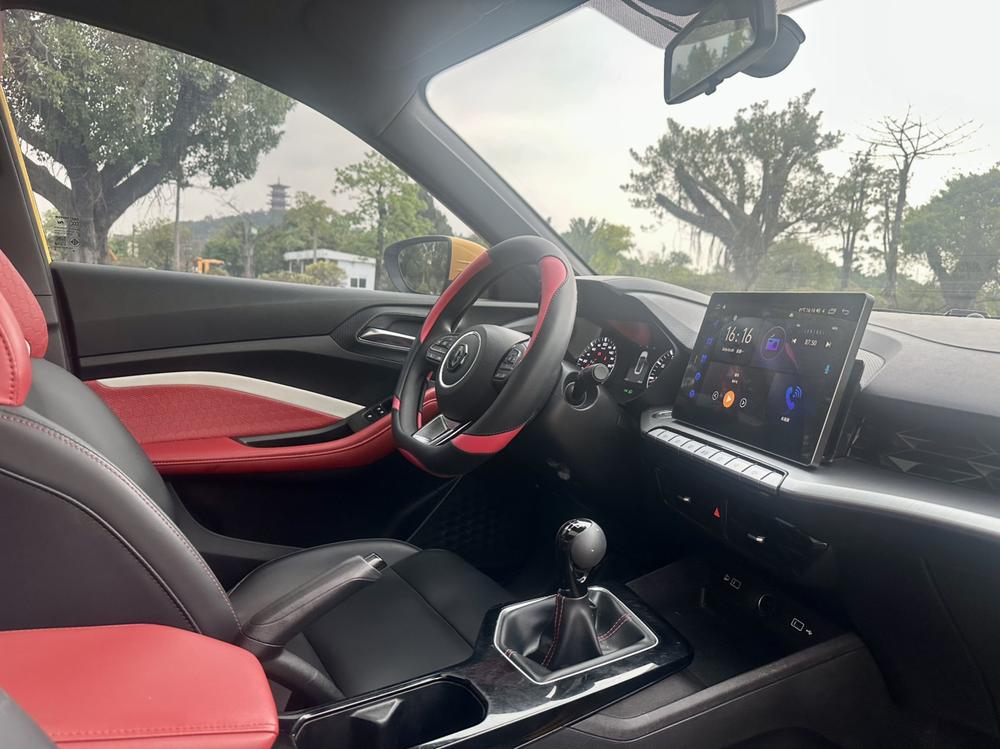
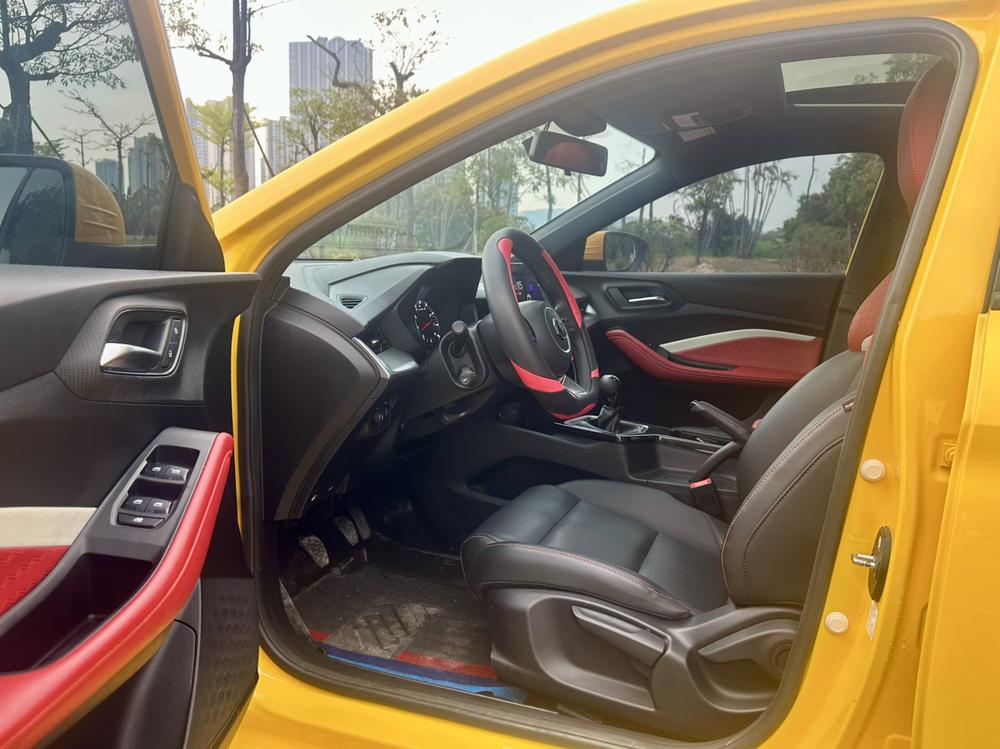



24H

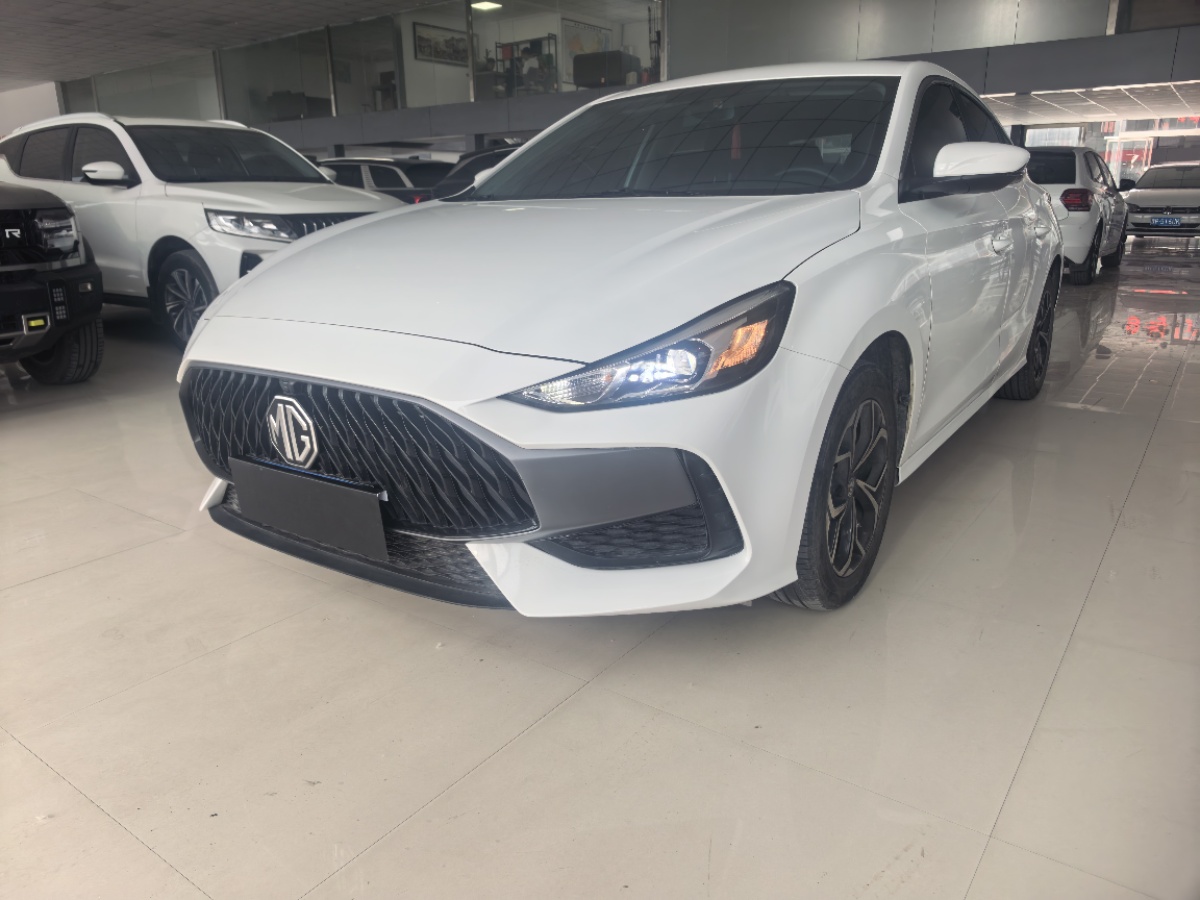
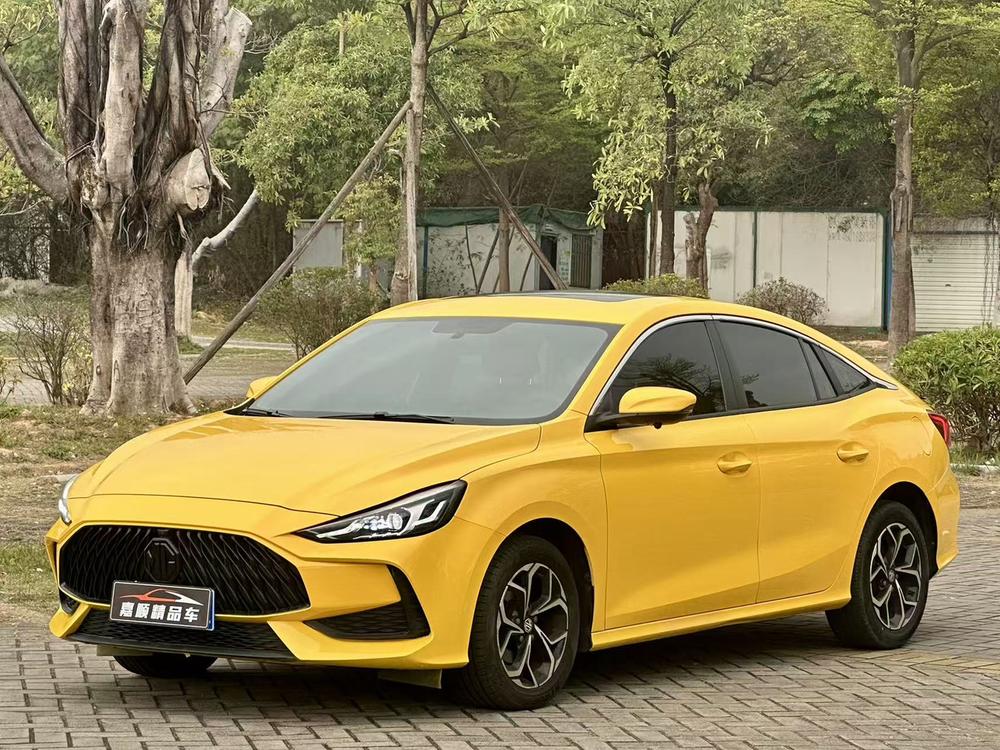
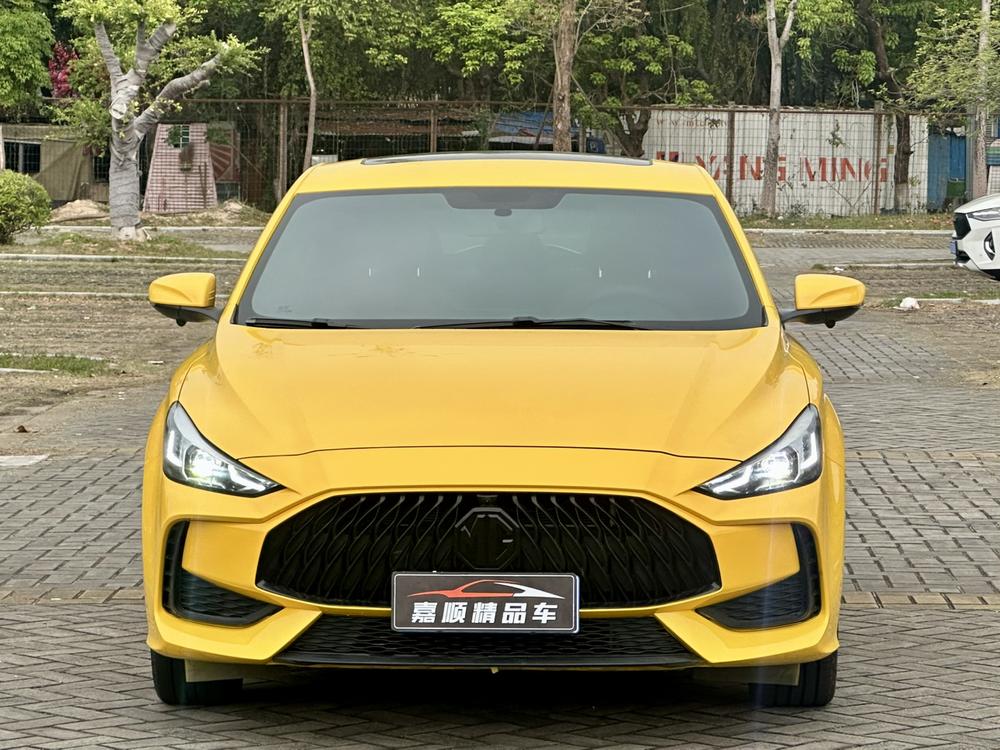
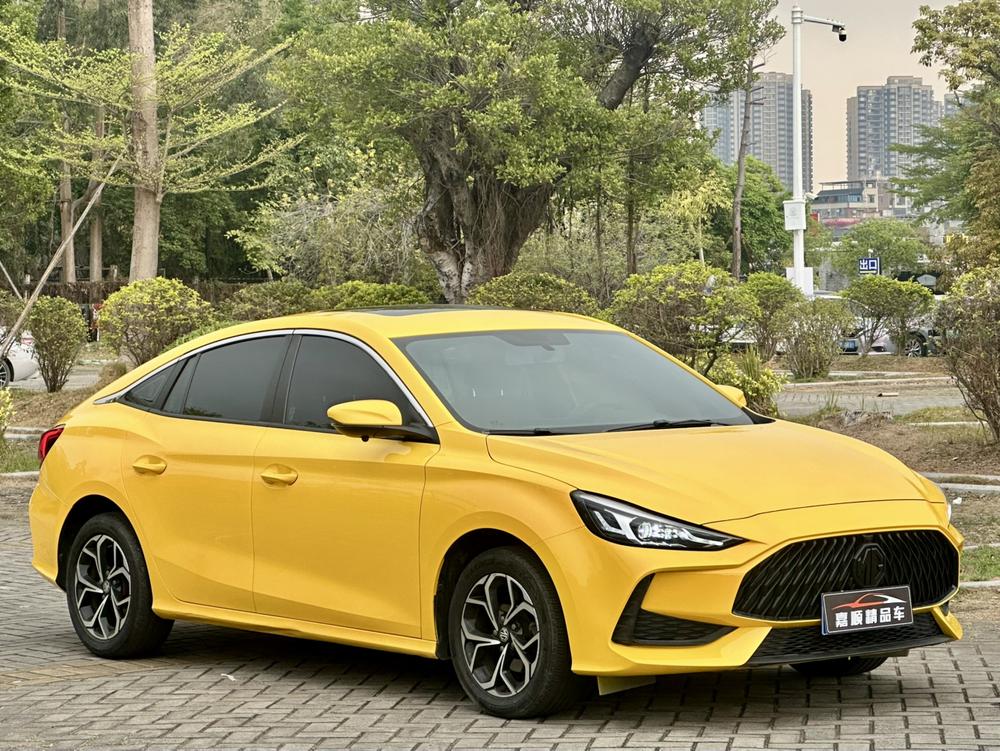
Basic Information

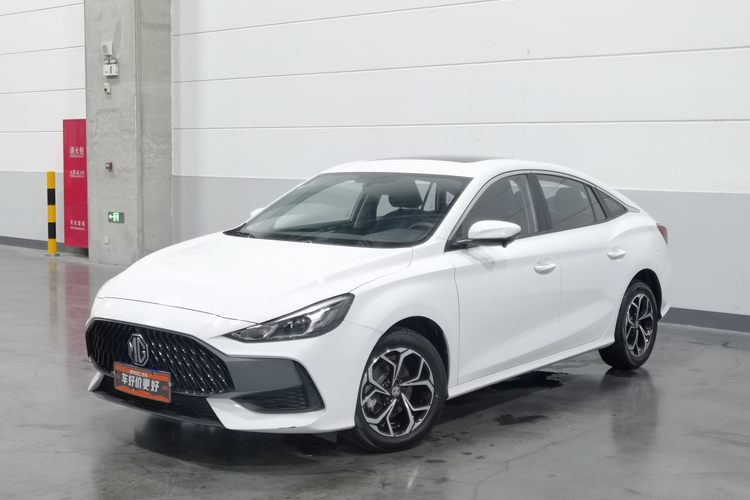
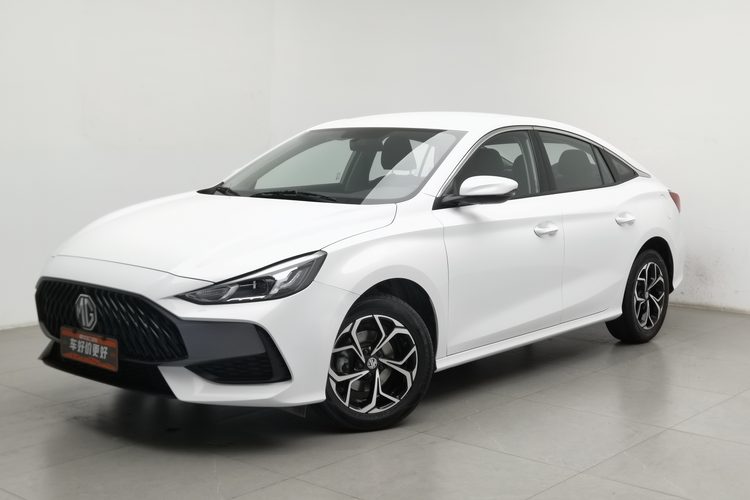
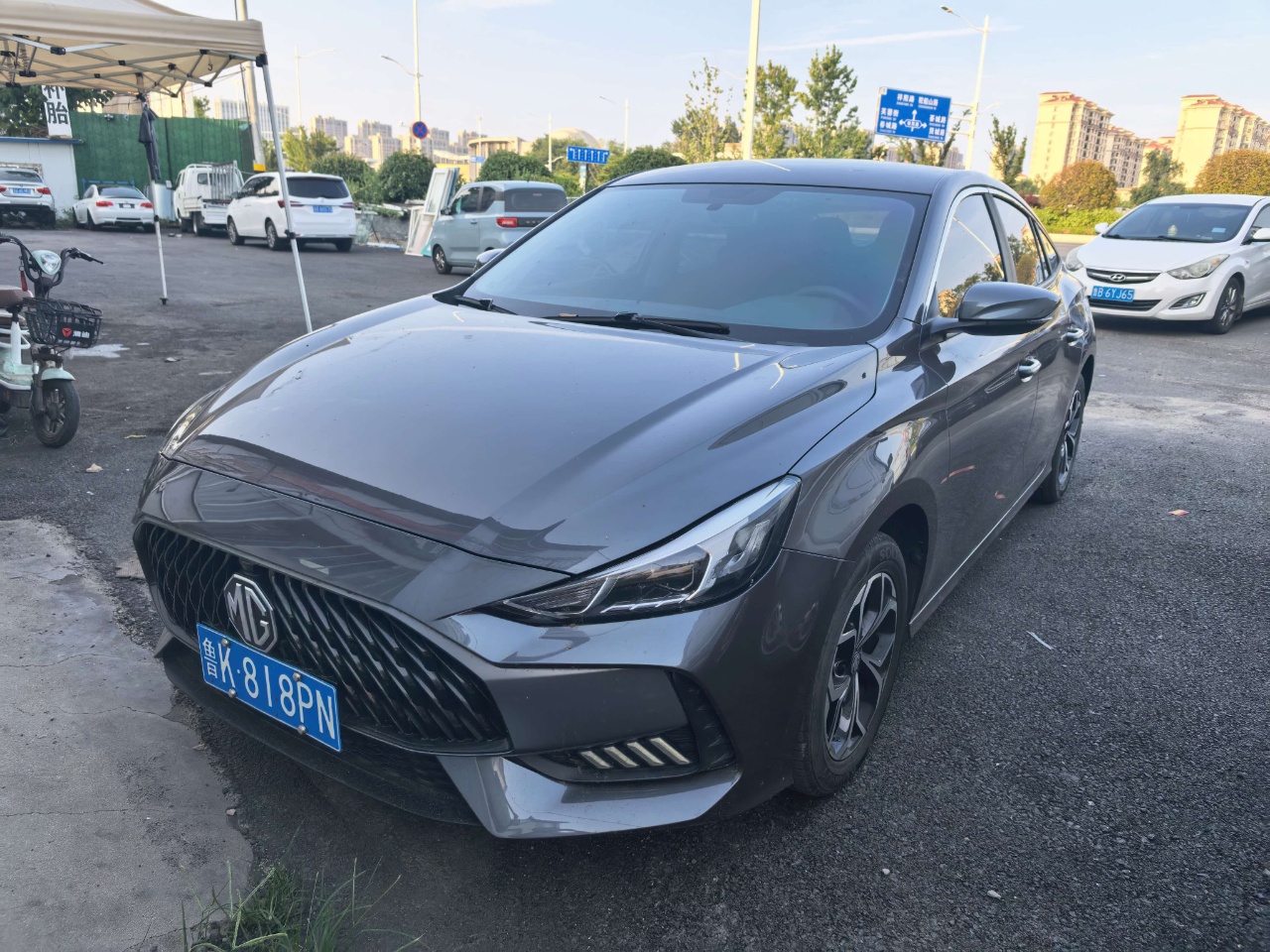
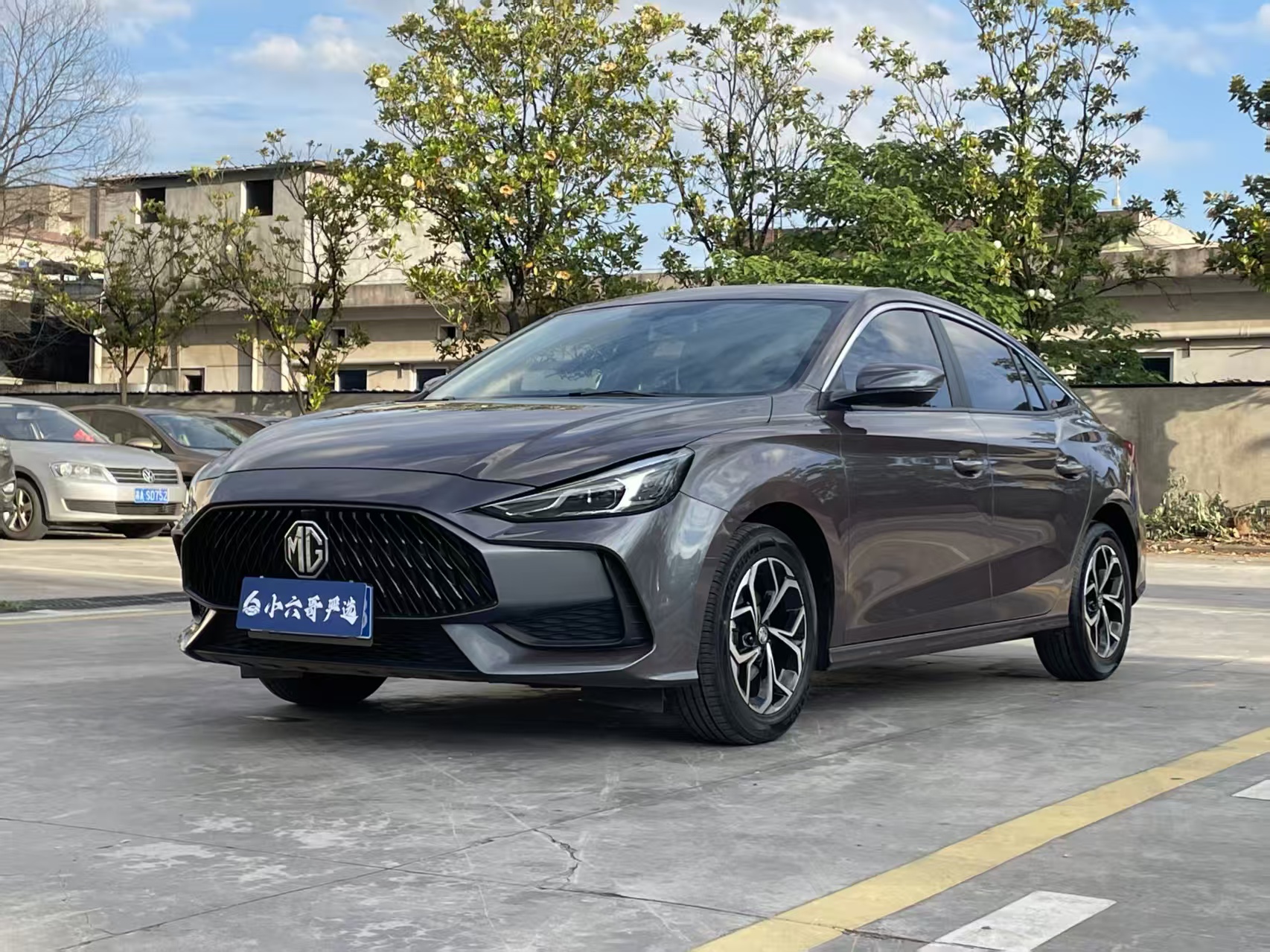
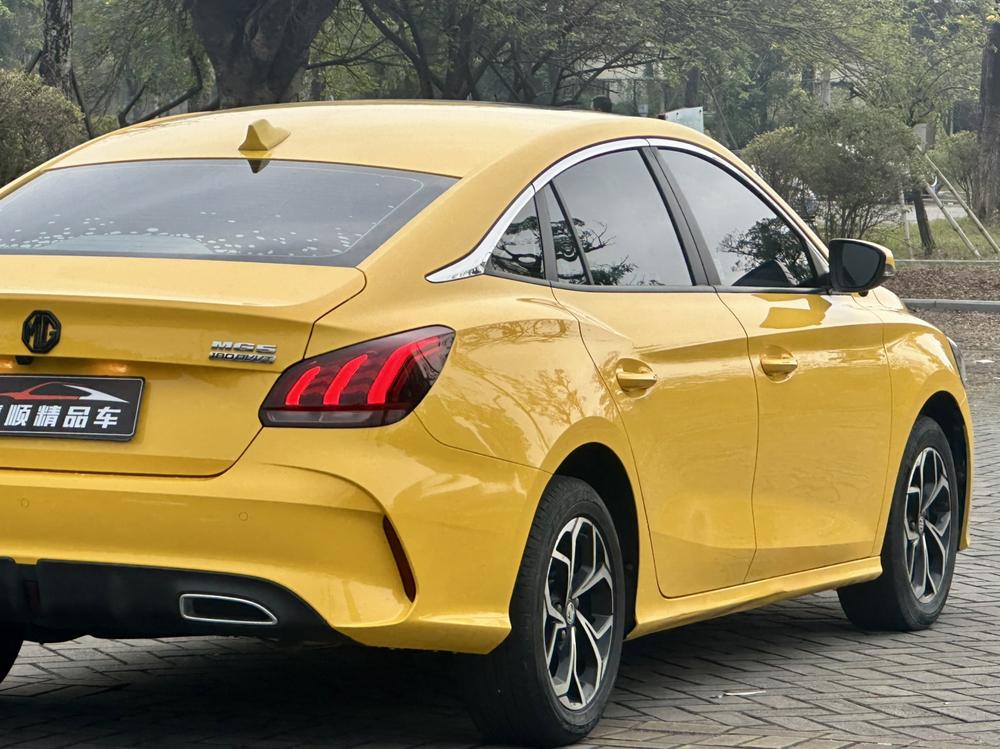
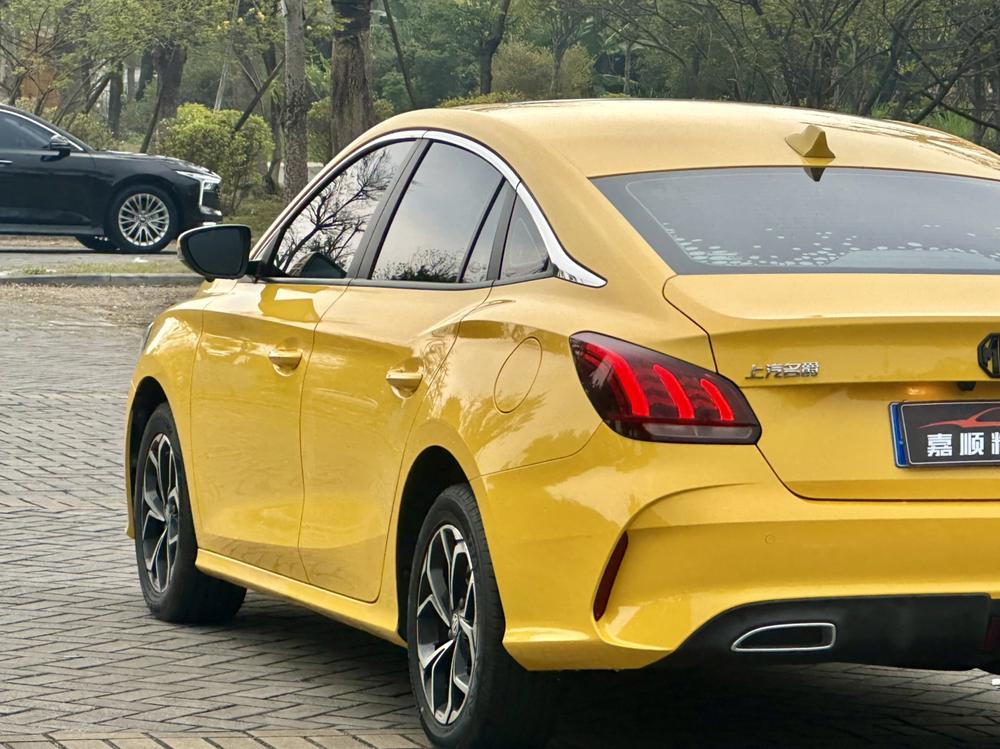
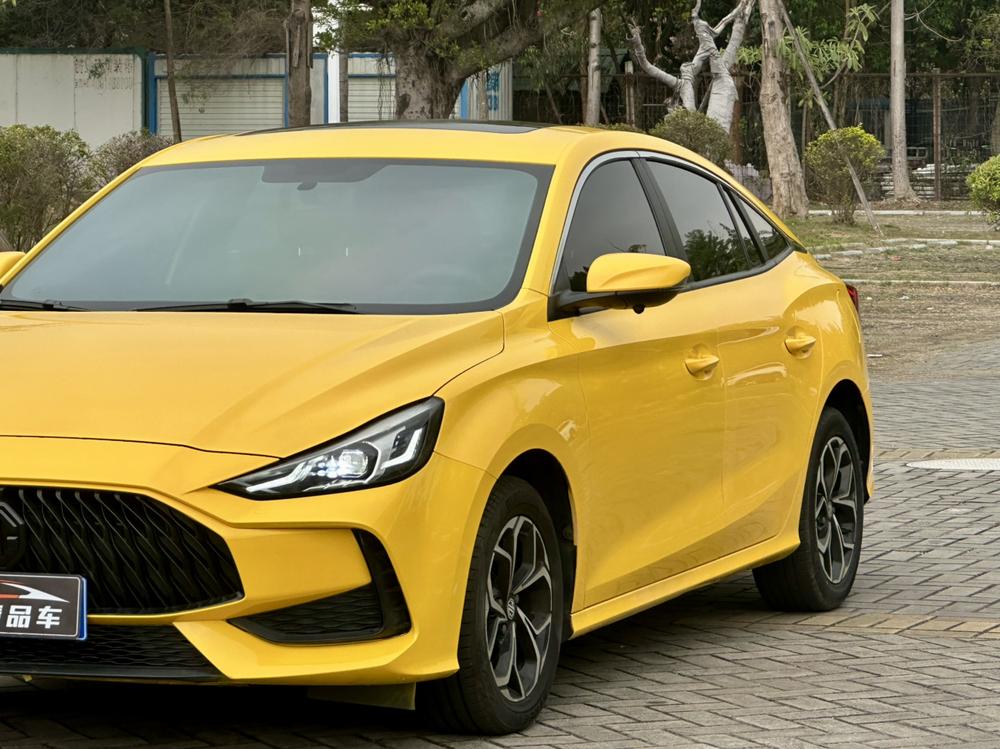
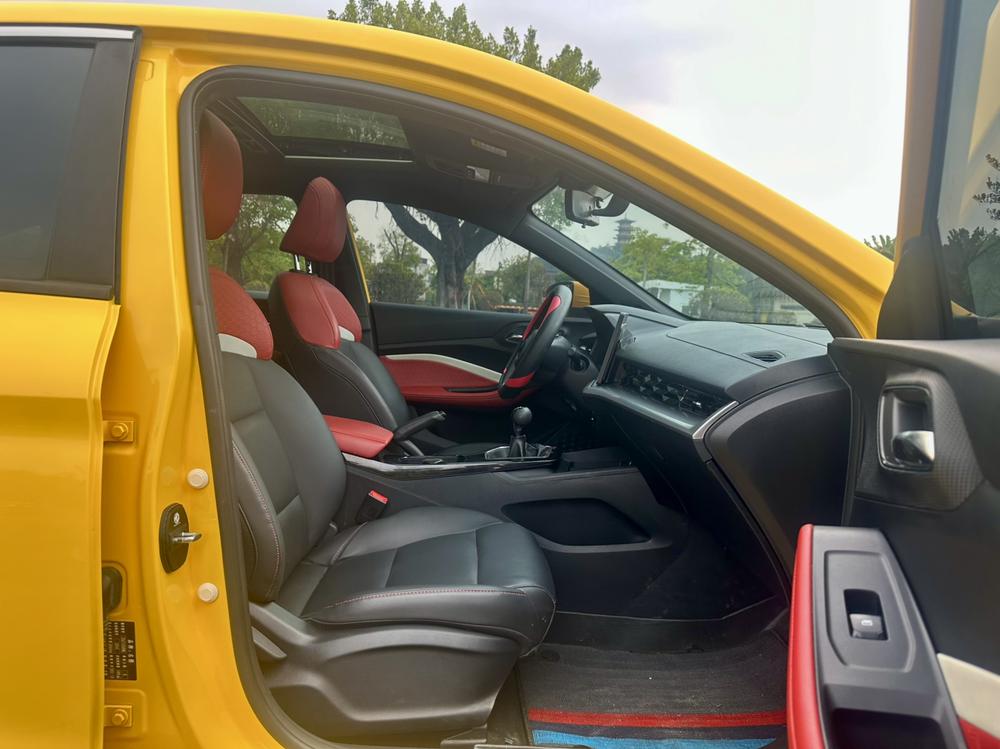
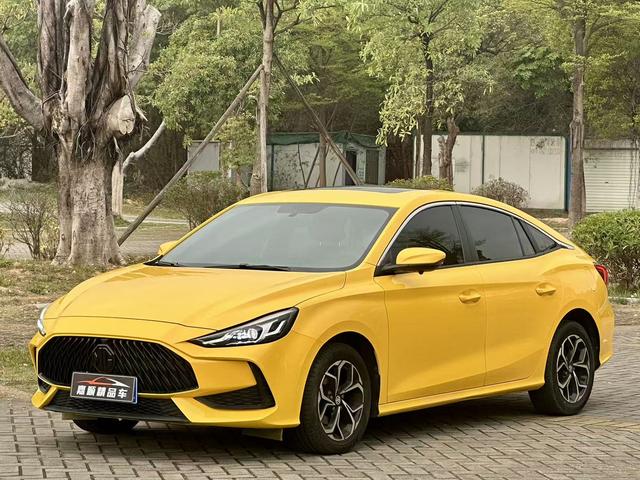
BrandMG
Series5
Year2022
First Registration2022/03
Mileage38,000km
Transfer Count0times
FuelGasoline
TransmissionManual
Engine1.5L 120 L4
Color
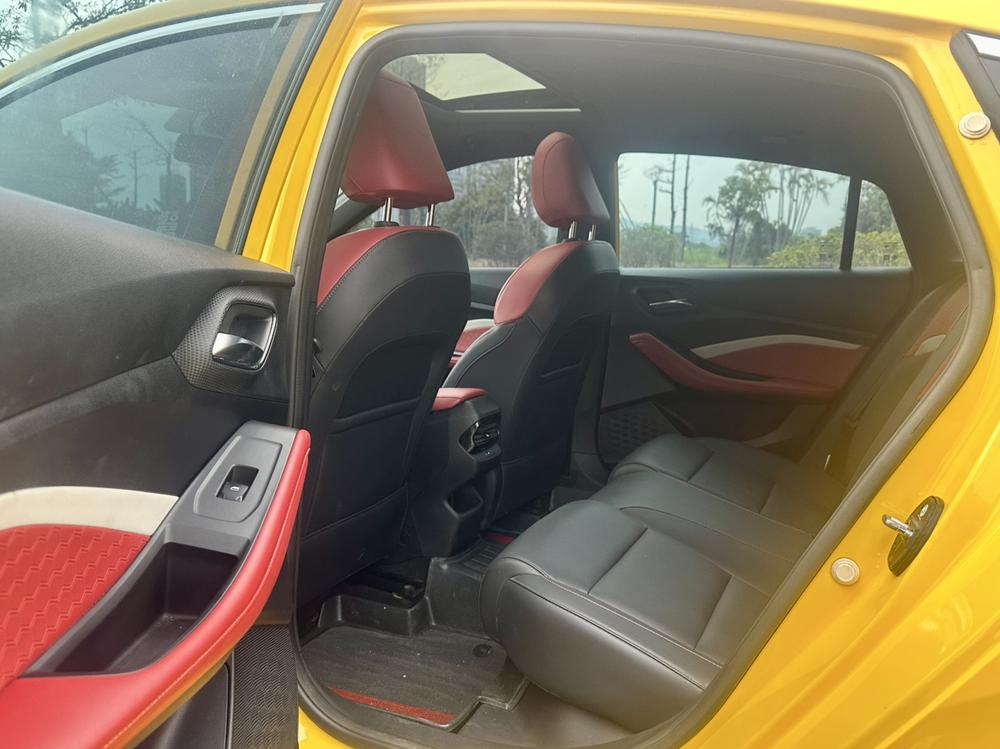
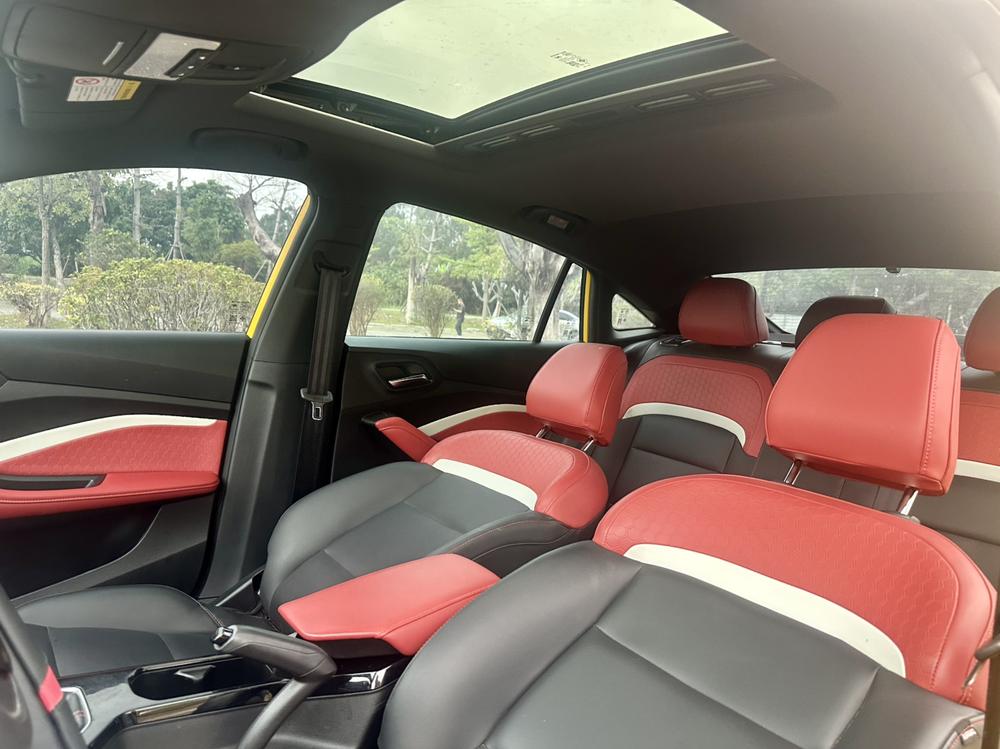
Seats-

Condition Description

官方质检 · 60天全车质保· 7天无理由有偿退车

Configuration Highlights

✓上牌时间: 2022-03
✓表显里程: 3.8万公里
✓车源地: 东莞
✓排放标准: 国六
✓发动机: 1.5L
✓轴距: 2680mm
✓变速箱: 手动
✓最大功率: 88kW
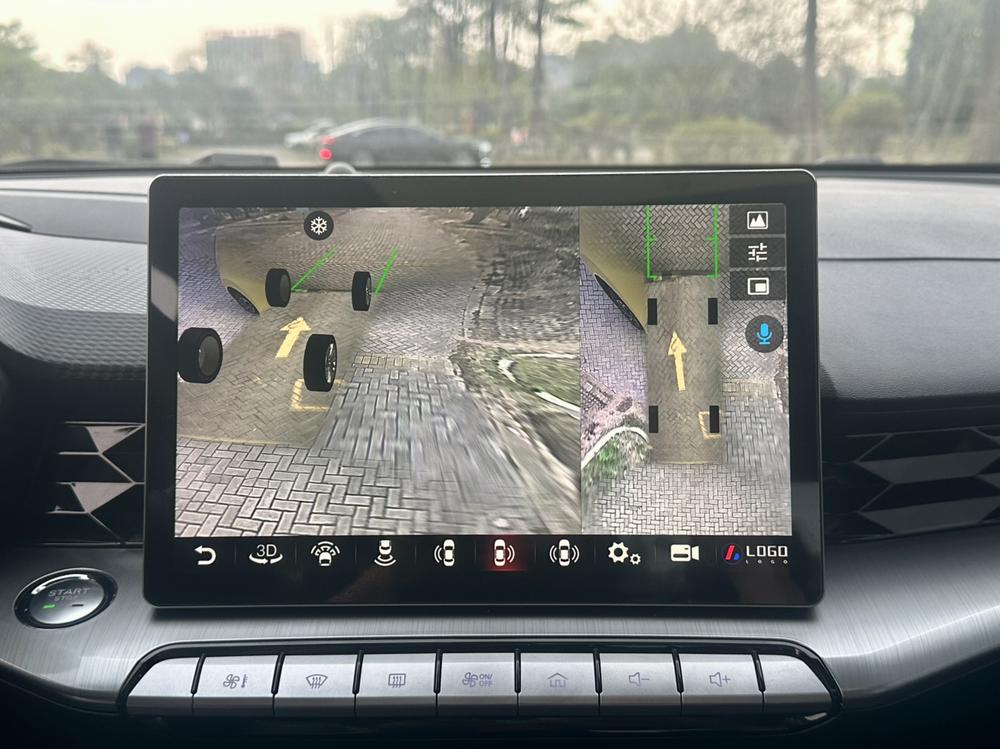
✓功能配置: 9项
✓安全配置: 2项
✓动力类型: 前驱
✓空间舒适性: 一般

Q&A

More

Is the source of the historical data you verify authoritative (e.g., traffic management departments, insurance company systems)?

Extremely authoritative. The third-party data service providers we connect to legally access the Chinese Public Security Traffic Management Platform, the insurance claims network directly under the China Banking and Insurance Regulatory Commission, and the after-sales databases of major automotive manufacturers. We perform secondary logical verification based on this underlying data.


What is a Certificate of Origin and why do I need one when importing a car from China?

A Certificate of Origin (C/O) is an official document stating where the vehicle was manufactured. Customs authorities use it to decide which tariff rates and trade agreements apply to your import. Why it matters: many countries offer preferential tariffs for certain origins. With a valid C/O, such as the ASEAN-China Form E or a GSP Form A, you may pay reduced or zero duty. Without it, you typically pay the standard, higher rate. The certificate must match the vehicle exactly: VIN, make, model and invoice details. It is usually issued by the China Council for the Promotion of International Trade (CCPIT) or customs authorities. Practical tips: request the C/O before shipment, because adding it later is slow; check that your country's customs accepts the specific C/O format; and confirm with your broker whether your vehicle category qualifies for preferential rates. This single document can save you thousands in duty.

What is demurrage? How to avoid it?

Demurrage is a penalty charged by the port or shipping company for not clearing and picking up goods on time after they arrive. To avoid it: send customs documents in advance and ensure the recipient is prepared with duties and import qualifications.