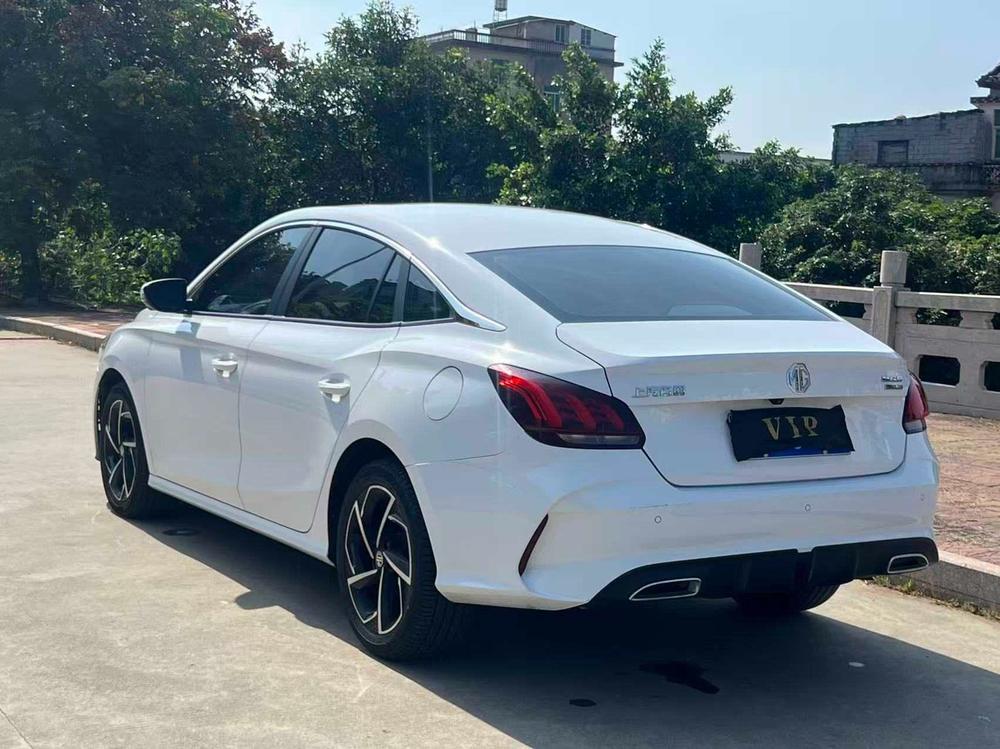
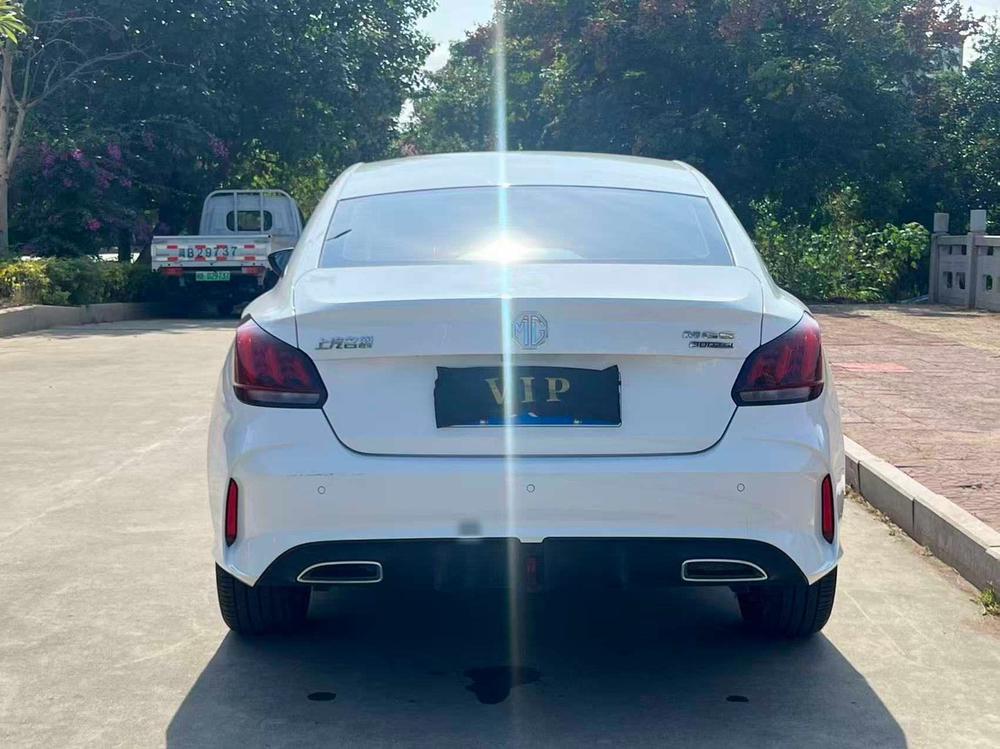
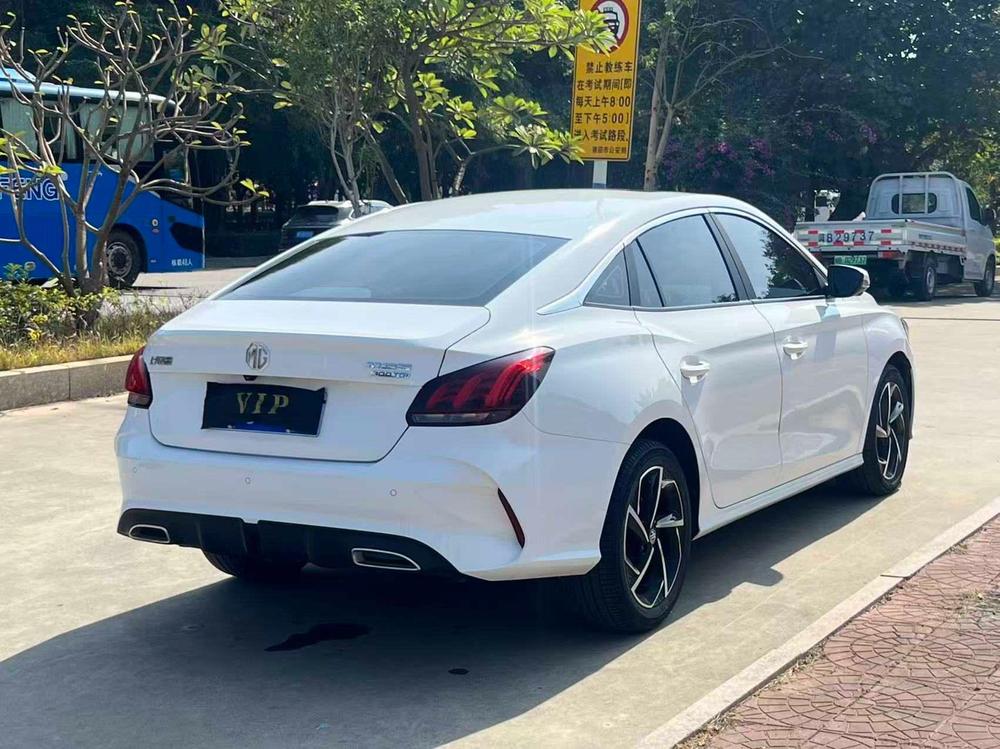
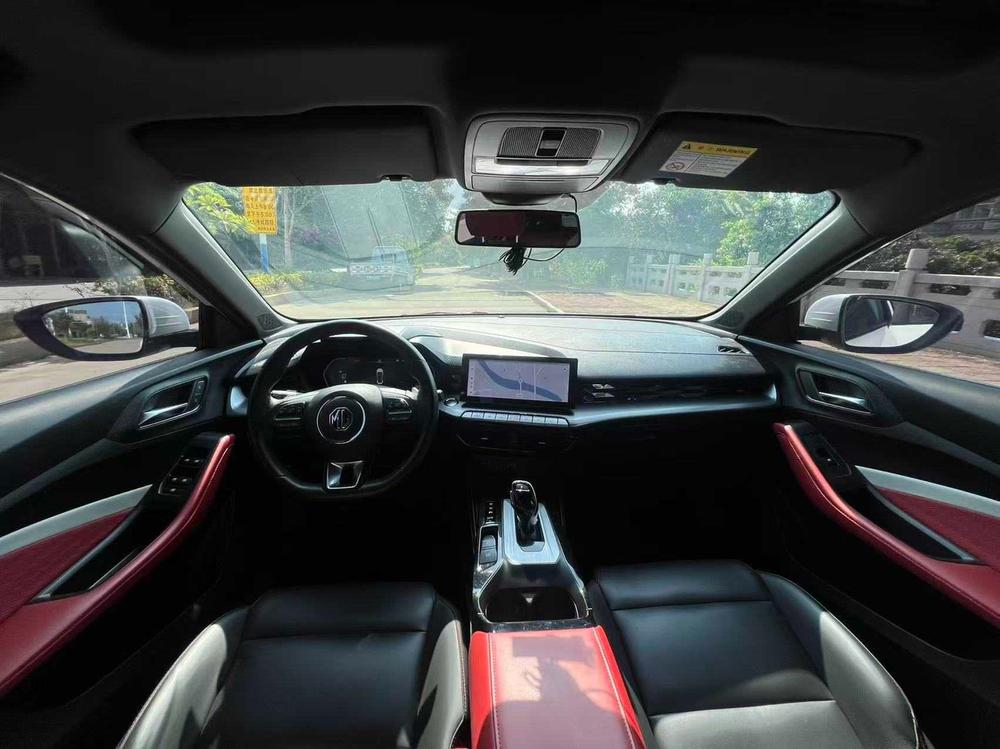
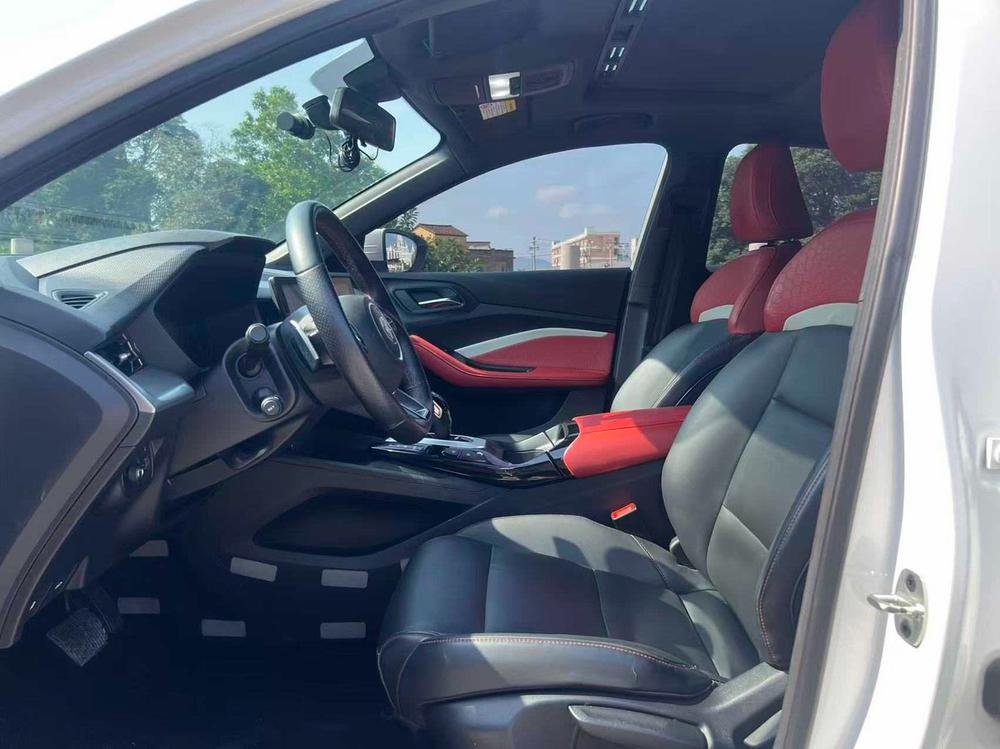
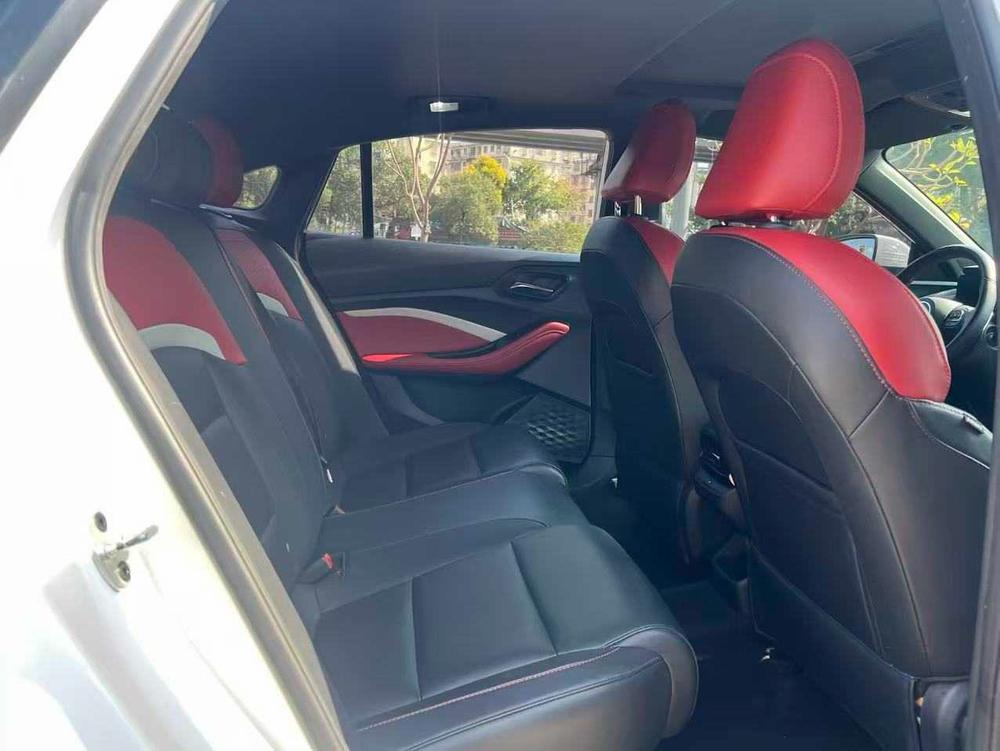
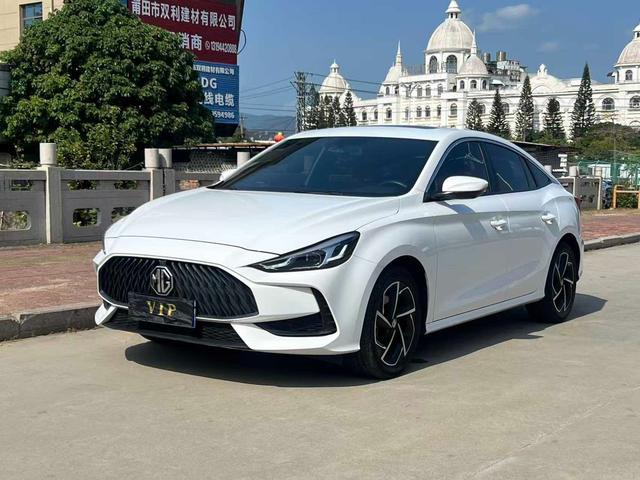



48H

Basic Information

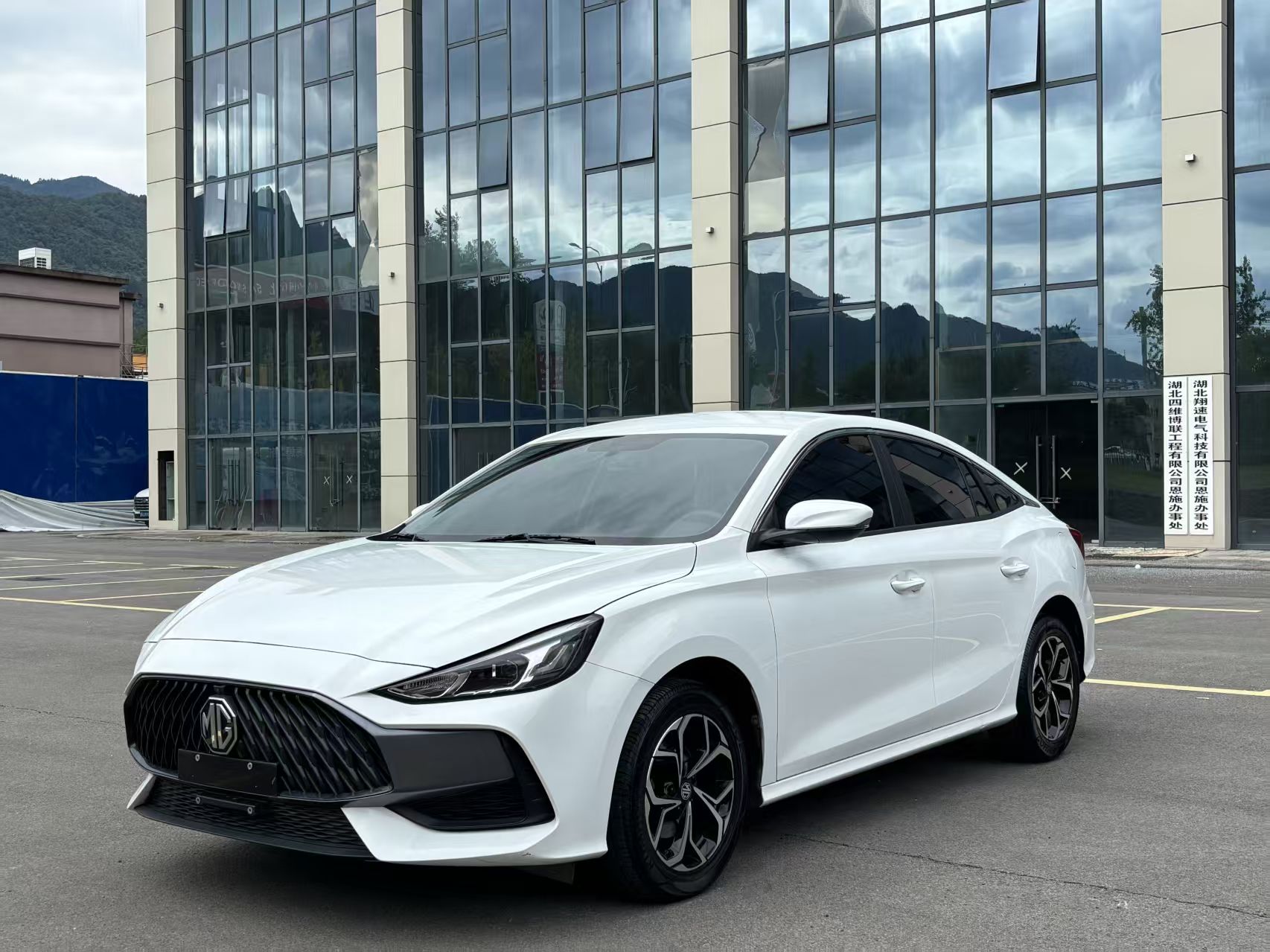
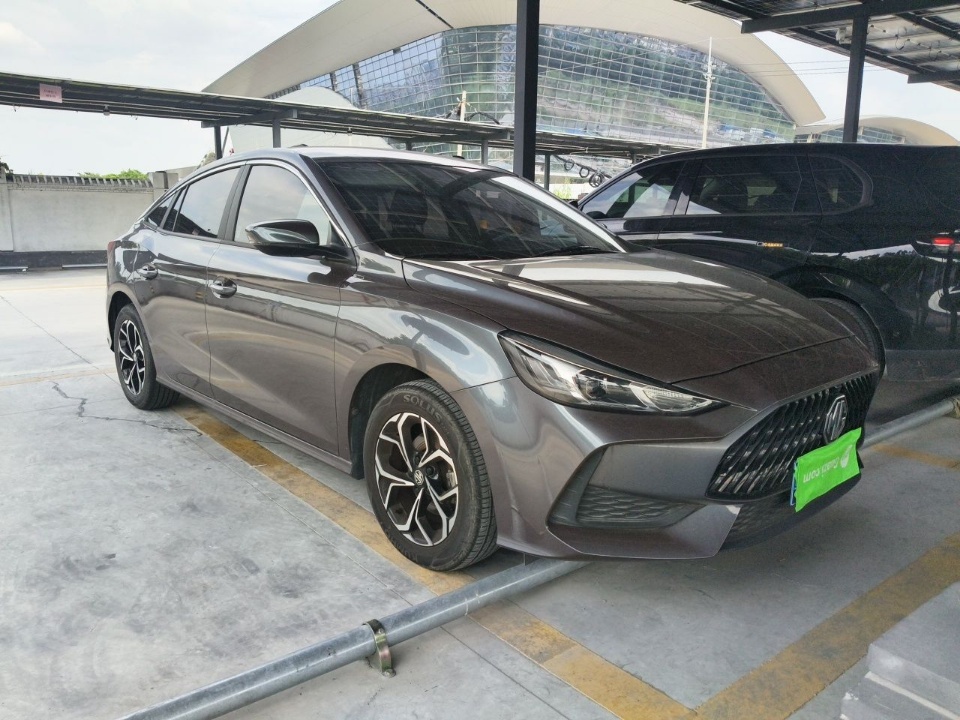
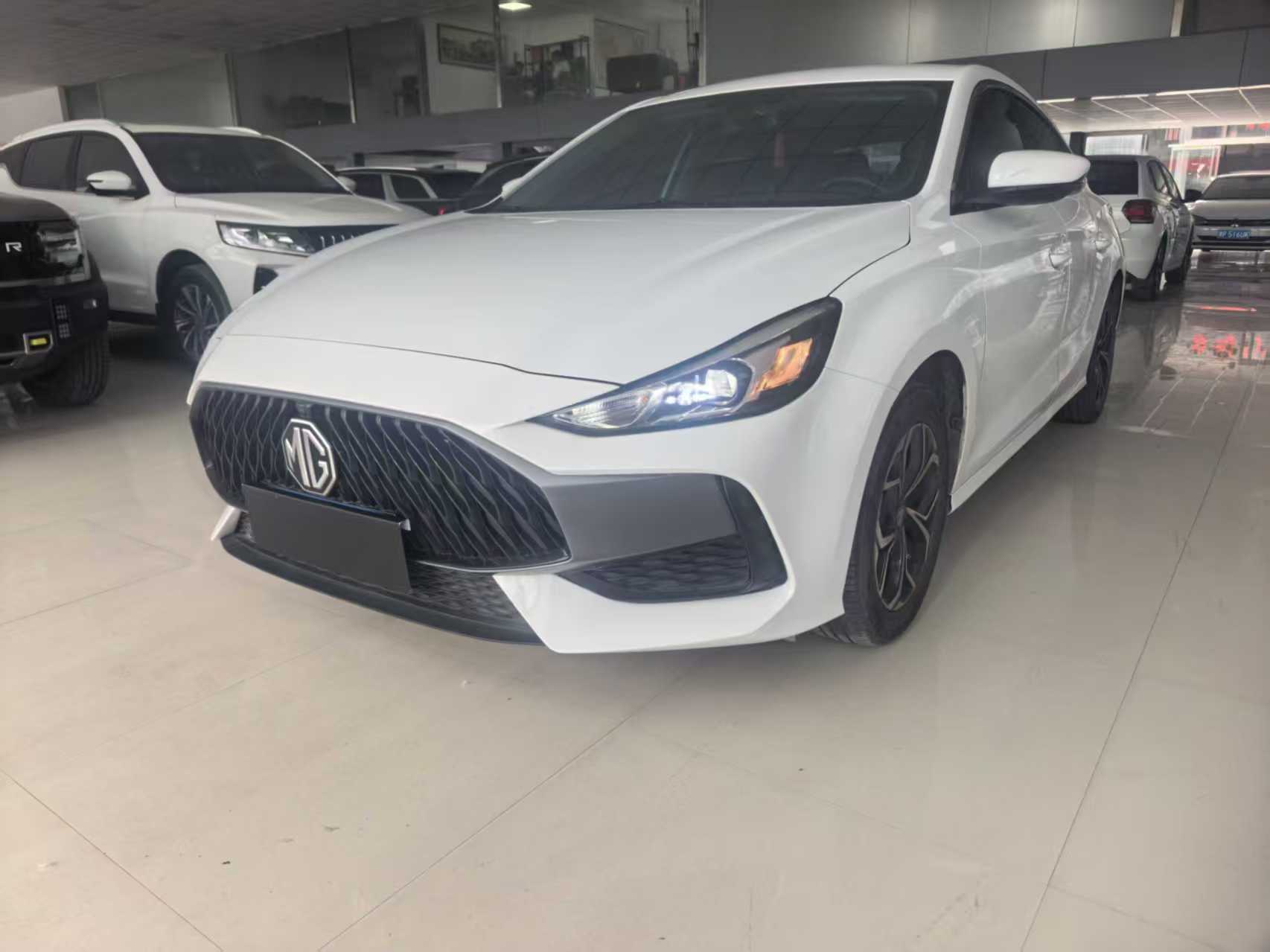
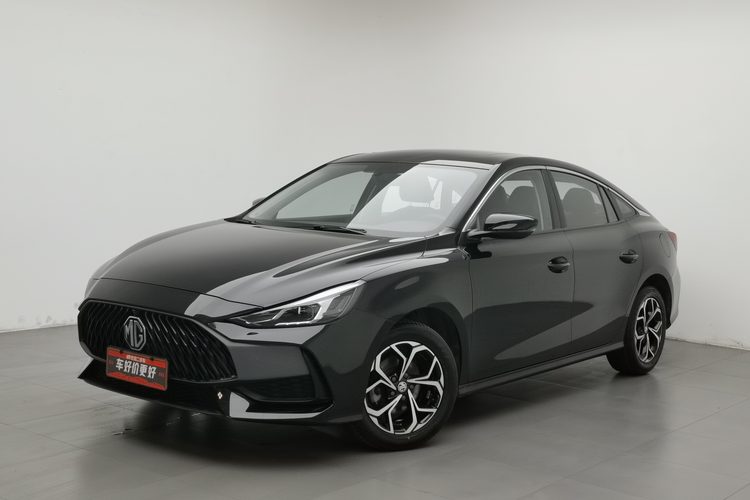
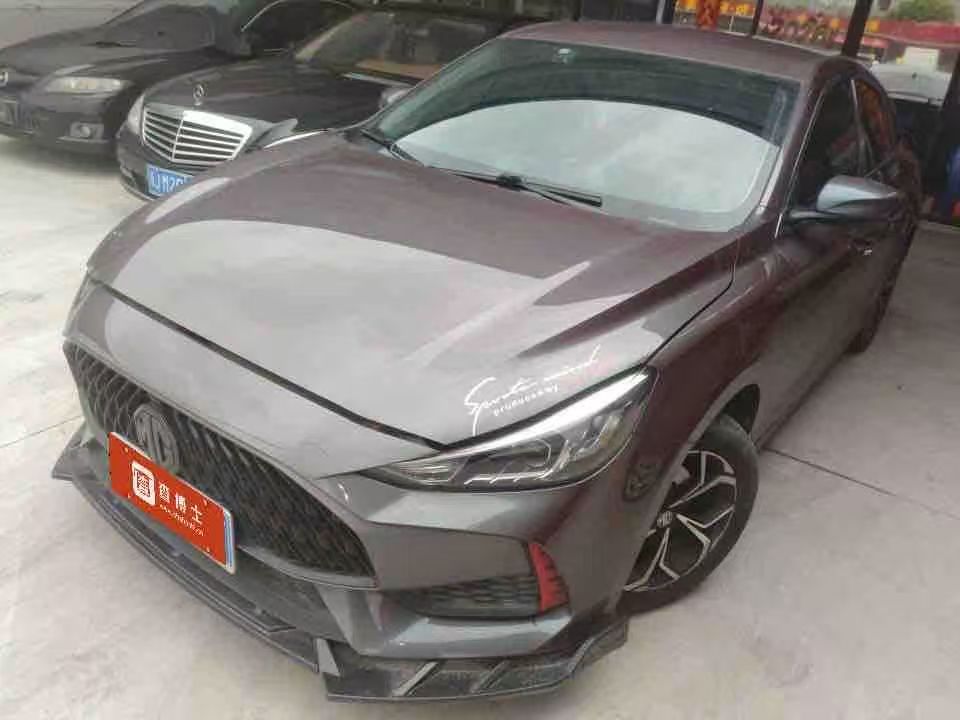
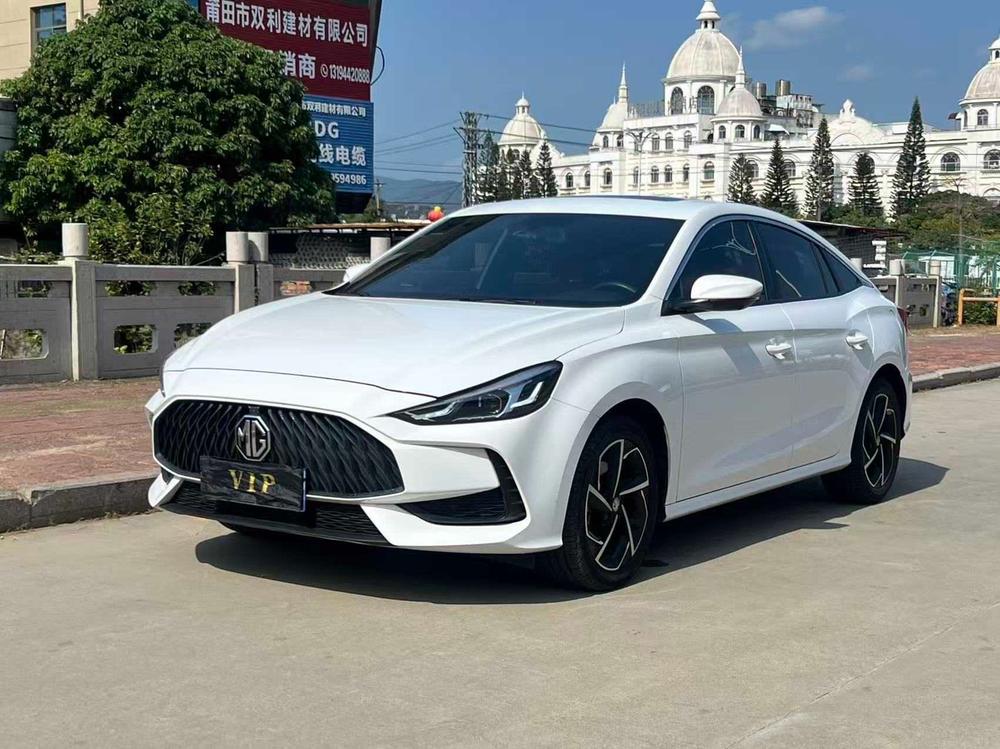
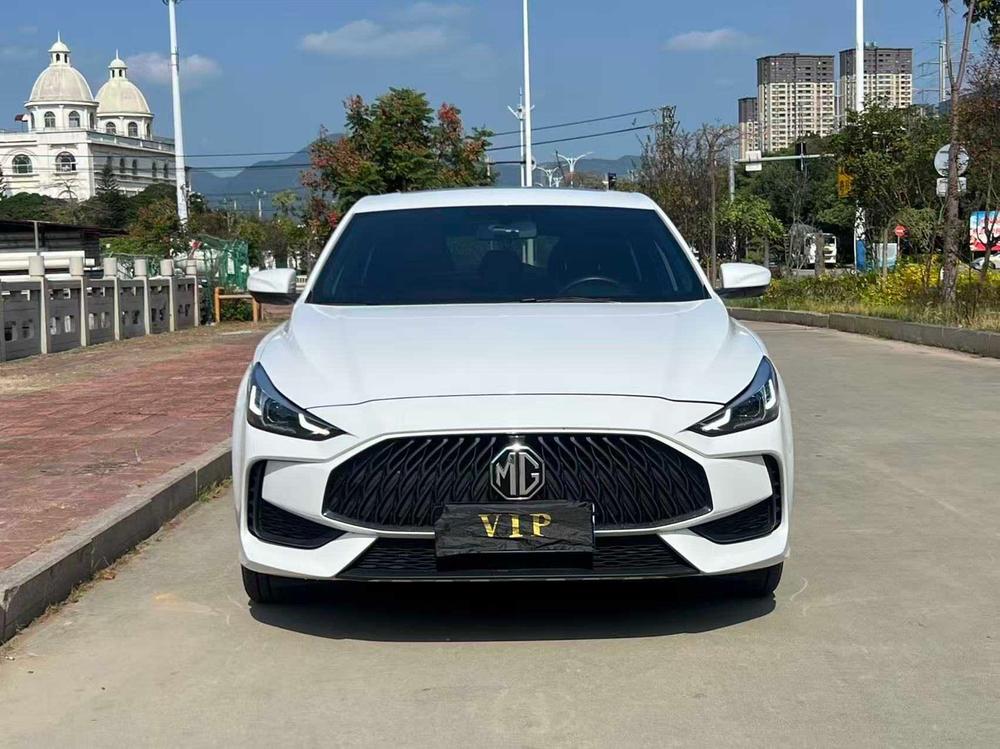
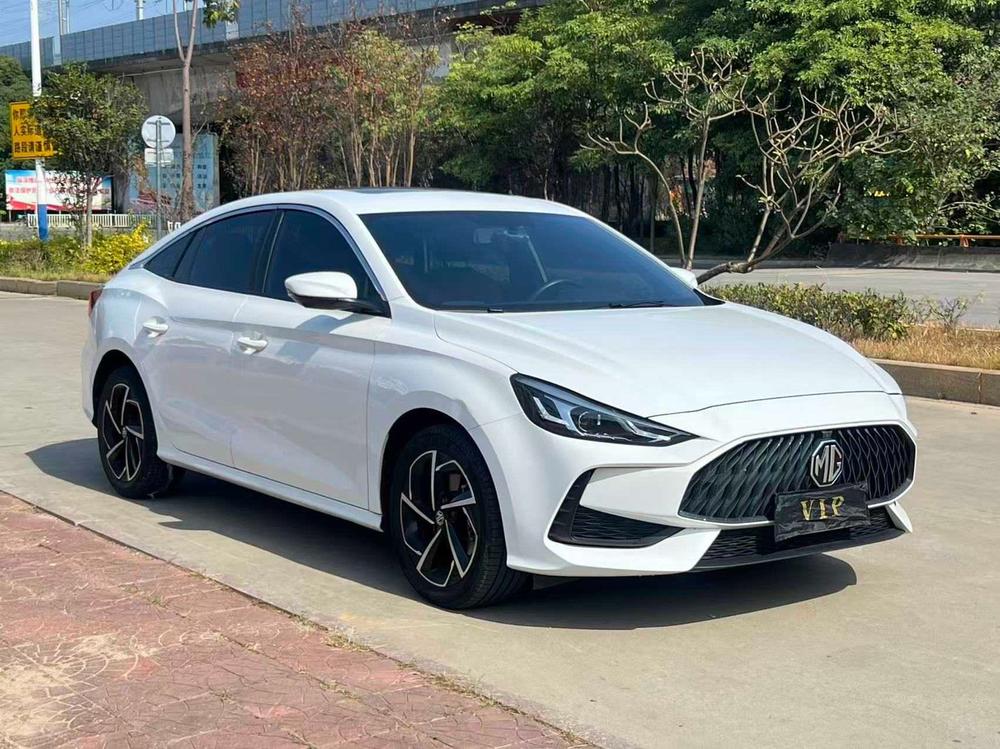
BrandMG
Series5
Year2022
First Registration2022/10
Mileage80,000km
Transfer Count0times
FuelGasoline
TransmissionCVT
Engine1.5L 120 L4
Color
Seats-

Condition Description

官方质检 · 60天全车质保· 7天无理由有偿退车

Configuration Highlights

✓上牌时间: 2022-10
✓表显里程: 8万公里
✓车源地: 莆田
✓排放标准: 国六
✓发动机: 1.5L
✓轴距: 2680mm
✓变速箱: 自动
✓最大功率: 88kW
✓功能配置: 8项
✓安全配置: 2项
✓动力类型: 前驱
✓空间舒适性: 不错

Q&A

More

When buying a used Chinese EV or smart car, how do I confirm the smart features will actually work in my country?

Many connected features are tied to the car's original market. Start with the basics: the infotainment language, navigation maps and voice assistant may only support Chinese, and some systems require a local SIM or account that cannot be transferred to overseas owners. For driver-assistance systems, check whether the model relies on hardware that works without Chinese map data. Lane keeping and adaptive cruise usually work abroad, but map-dependent features like highway pilot may not. Ask the seller to test each key function on video before shipment: boot-up, touchscreen response, app connectivity and over-the-air update status. Also confirm the battery management system and motor controllers have no region locks. Get written confirmation that the features you are paying for are functional in your destination country, and keep that document with the purchase contract.


What is a safe payment schedule when buying a used car from China, and why should I never pay 100% upfront?

The standard structure protects both sides and looks like this: Deposit: 20–30% after signing the contract and confirming the car's inspection report. This commits the exporter to reserve the car and start export procedures. Pay by bank transfer (T/T) to the company's corporate account — never to a personal account. Balance: 70–80% after the car is loaded on the vessel, against verifiable proof — the bill of lading copy, the booking confirmation, and ideally loading photos/video with the container or vessel number visible. Why not 100% upfront? Because once you pay in full, your only leverage is gone. Common real-world problems: the exporter ships a different car than inspected, delays shipment by months, or becomes unreachable. Withholding the balance until loading is documented keeps pressure on them to perform. Red flags: demands for full payment before inspection, 'discounts' for paying 100% immediately, requests to split payment between company and personal accounts, or pressure to use informal channels (crypto, gift cards, money transfer apps). For deals above $20,000, consider a letter of credit or an escrow service. The 1–3% extra cost is cheap insurance.

Which documents prove a used car exported from China is legal to import, and how do I verify them?

Key documents to request and verify: 1. Export declaration (报关单): proves the car legally left China. Check the VIN, model and exporter name match the car. 2. Commercial invoice: must match your payment amount; customs uses it to assess duties. 3. Bill of lading: confirm the consignee is you or your agent, and the VIN/container number is correct. 4. Certificate of origin: needed for tariff preferences in some markets. 5. Condition/inspection report: ideally from an independent third party, with photos and dates. Verification tips: cross-check the VIN on every document — any mismatch causes customs holds. Ask your destination customs broker to review scanned copies before the car ships, and release the final payment only after documents pass that review. A legitimate exporter will provide all of these without hesitation.