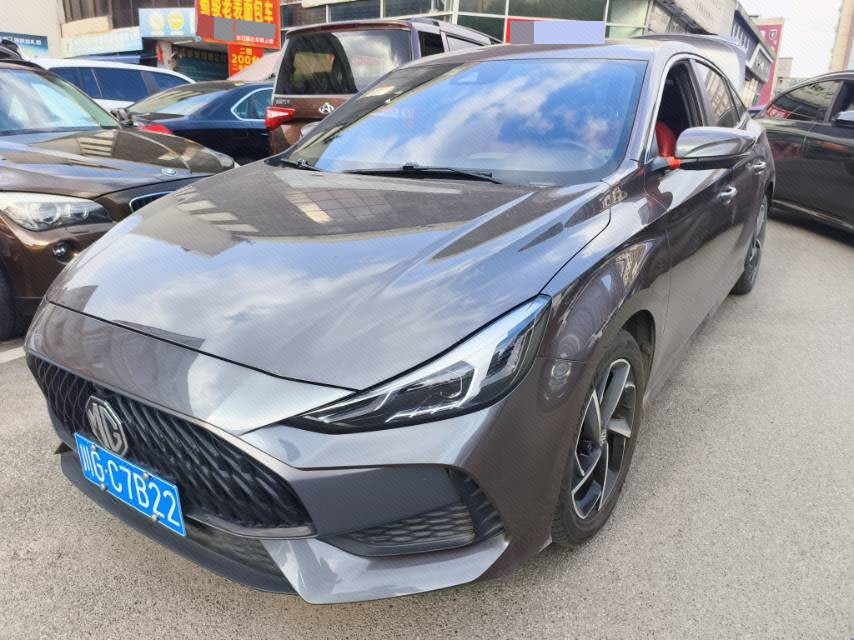
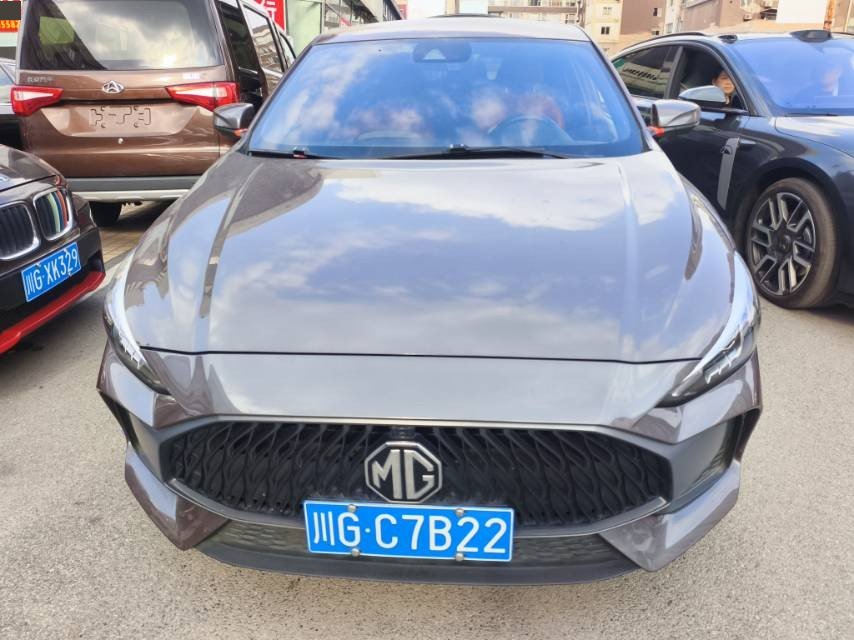
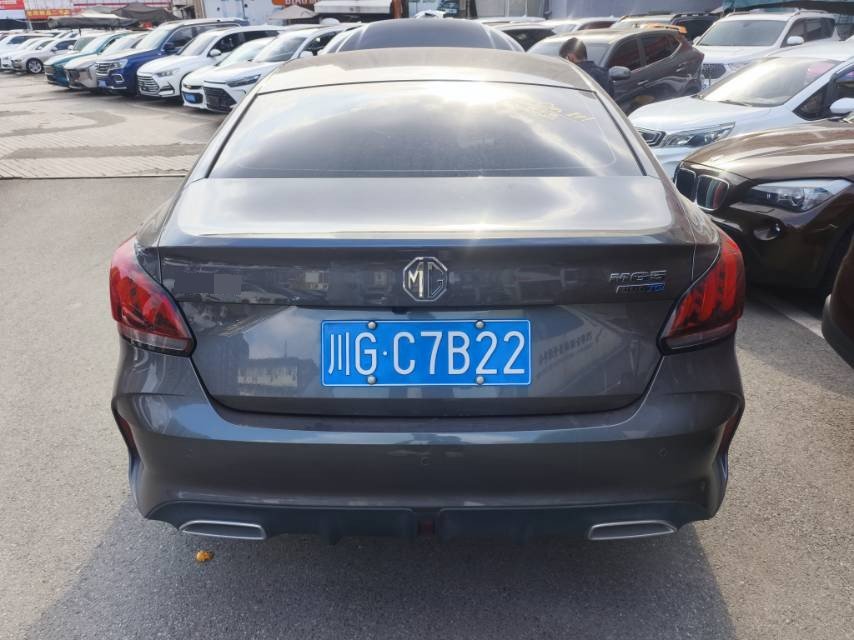
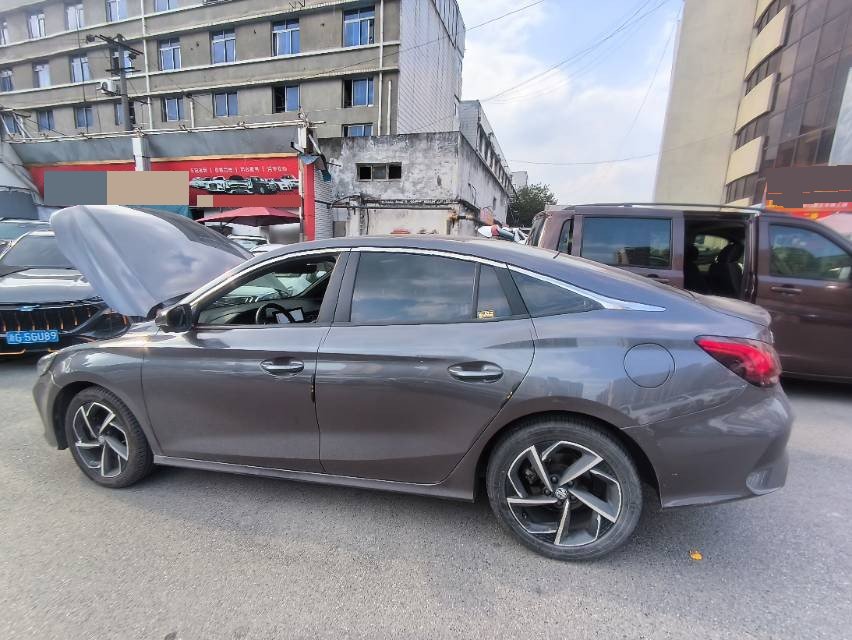



48H

Basic Information

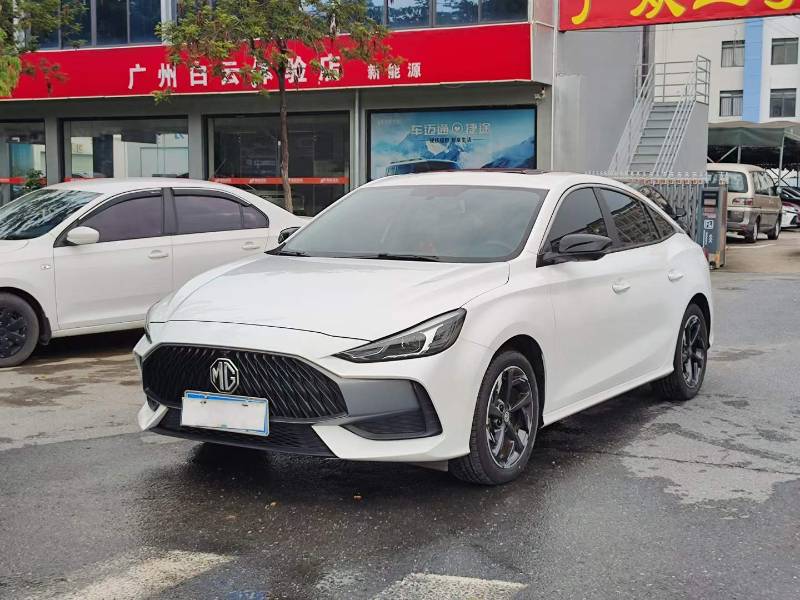
BrandMG
Series5
Year2022
First Registration2022/03
Mileage70,000km
Transfer Count0times
FuelGasoline
TransmissionDCT
Engine1.5T 173 L4
ColorGrey
Seats-

Condition Description

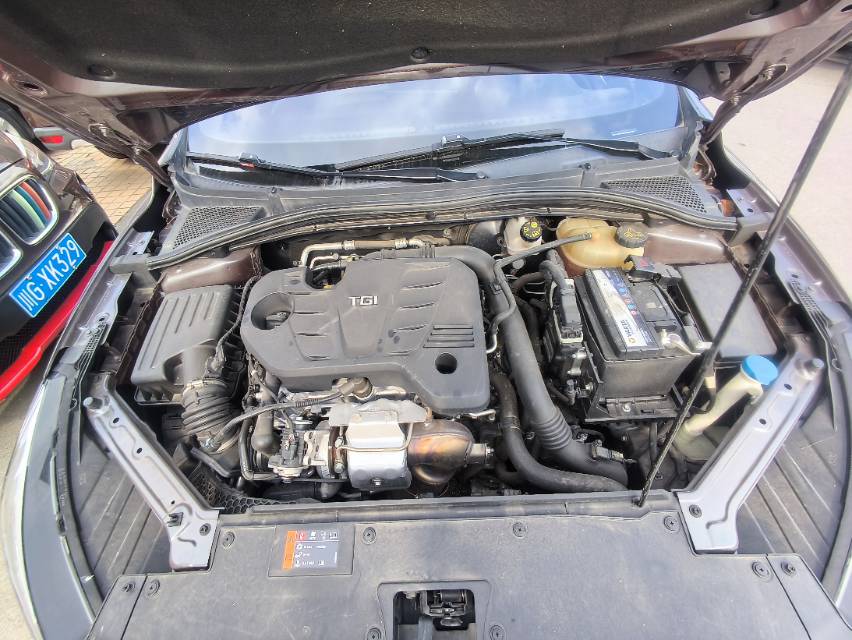
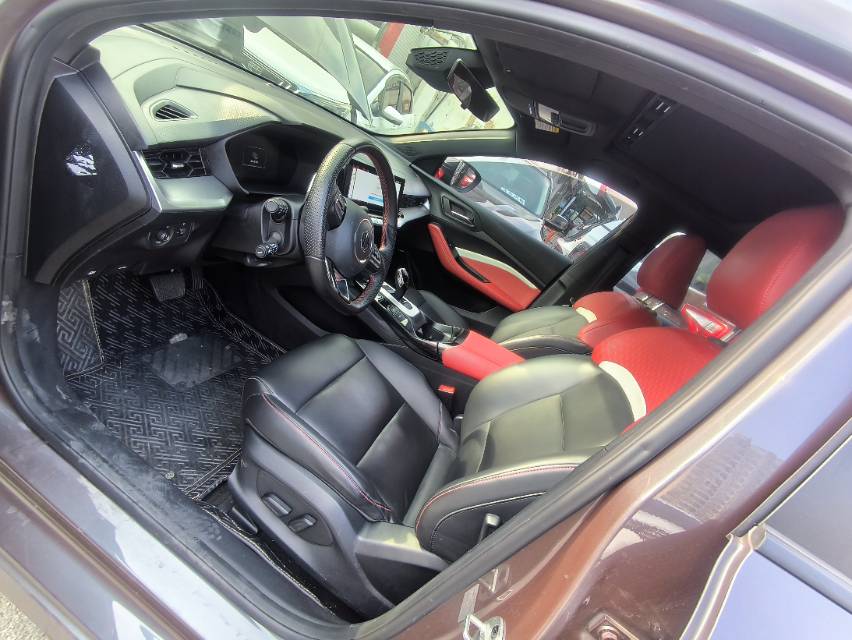
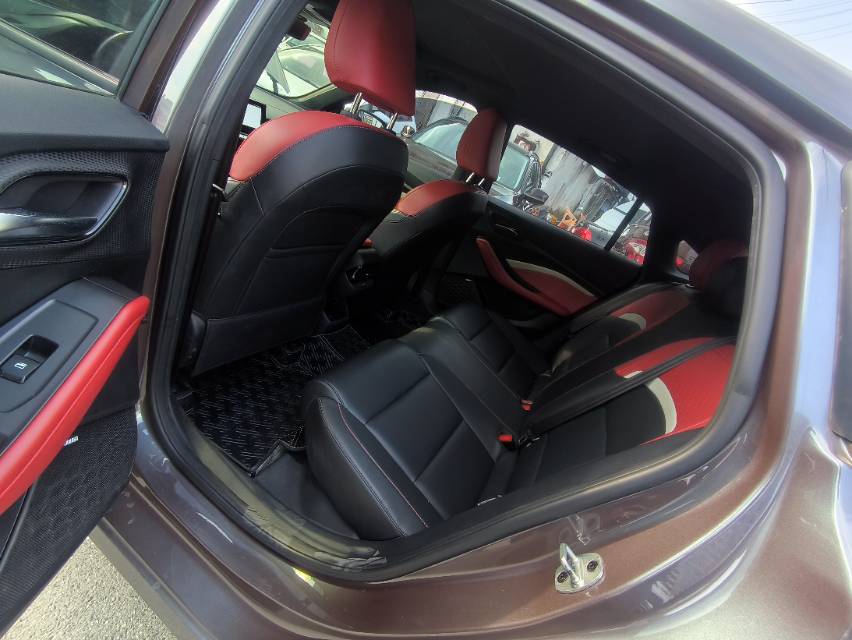
Original paint, electric seats, sunroof.

Document Information

Inspection Expiry Date-
Warranty Expiry Date-
Insurance Expiry Date2027/03

Q&A

More

Beyond the car price, what costs should I budget for when importing a used car from China?

Plan for roughly 25-40% on top of the vehicle price. The main items are: 1. Pre-purchase: deposit (10-30%), third-party inspection fee (100-300 USD). 2. In China: inland trucking to the port, export declaration fees. 3. Shipping: ocean freight (container 20ft usually 1,500-4,000 USD depending on destination), marine insurance (about 0.3-0.5% of car value). 4. In your country: customs duty, VAT/GST, port handling and storage, customs broker, quarantine or pre-shipment inspection if required, registration and plates. Always ask the exporter for an itemized landed-cost estimate for your specific port before paying the deposit, and confirm which Incoterm the quote is based on (FOB, CIF or DDP makes a big difference).

If I choose to abandon cargo at the destination port due to a cash flow issue, can I get a refund of the deposit and freight I previously paid?

No, it is absolutely impossible to get a refund. Not only will there be no refund, but if the proceeds from the port auction of the abandoned cargo are insufficient to cover the exorbitant demurrage and disposal fees, the shipping company and customs will still pursue you (the bill of lading recipient) for the remaining debt through international legal proceedings.

How can I verify the odometer reading is genuine on a Chinese used car from abroad?

Odometer fraud exists everywhere, but cross-checking several data points makes it hard to fake: 1) Maintenance records: ask for service history with mileage entries. Gaps or resets are red flags. 2) Tire wear: a car showing 30,000 km should not have nearly bald tires. Compare tread depth against the claimed mileage. 3) Pedals, steering wheel, and seat bolsters: heavy wear on these with low odometer readings is a classic mismatch. 4) Diagnostic scan: request an OBD readout. Many control modules store mileage data internally — if the ECU shows 120,000 km while the dash shows 40,000, you have your answer. 5) Vehicle history report: in China, apps and platforms can pull insurance claim records and registration history, which often reveal the true mileage trail. Always request a live video showing the odometer with the engine running, and have the number written into your contract.
