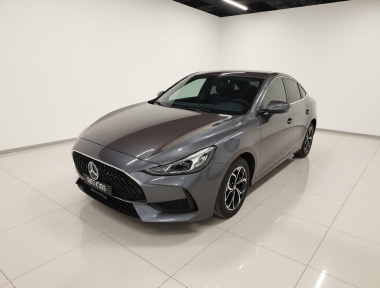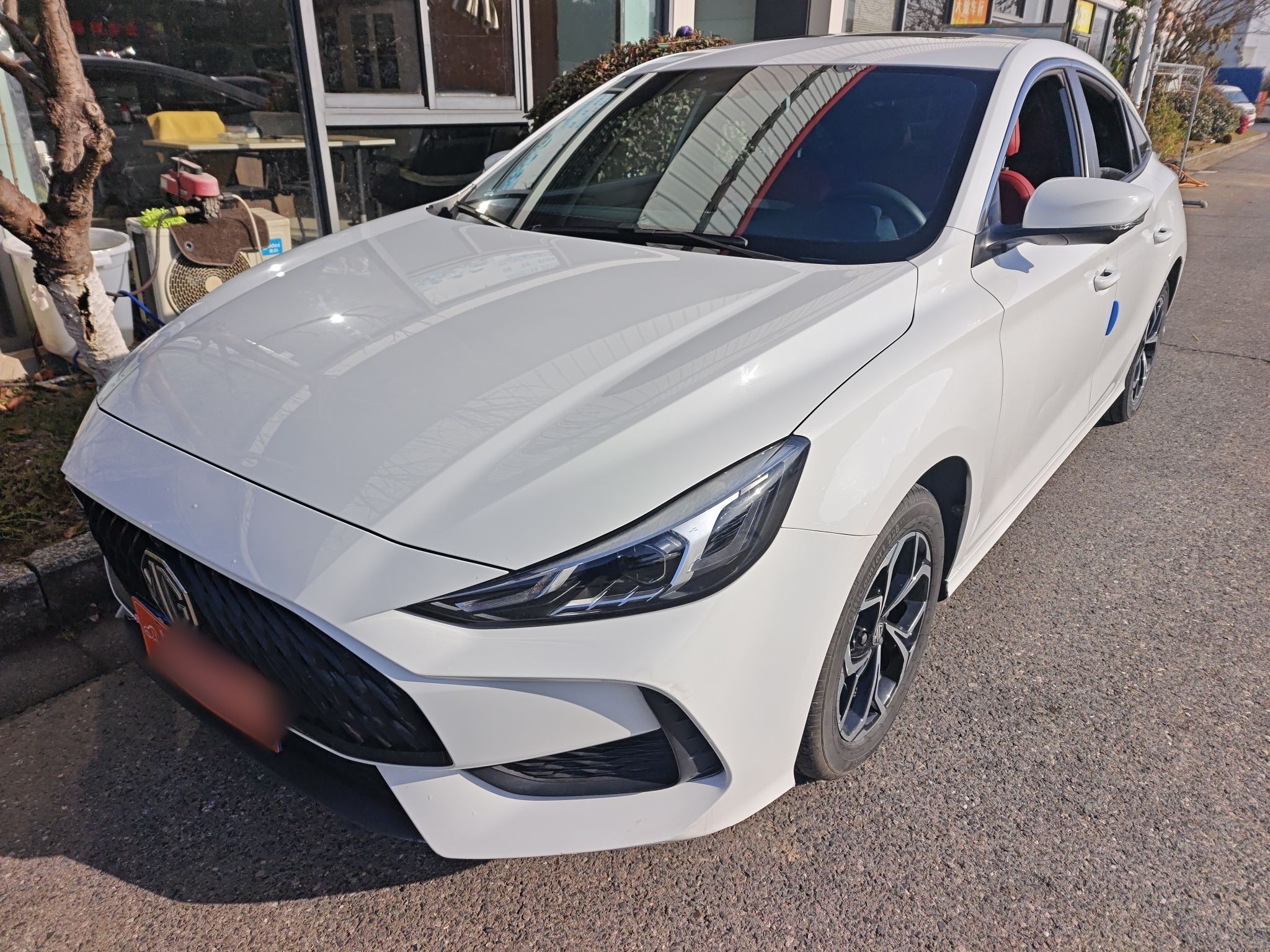
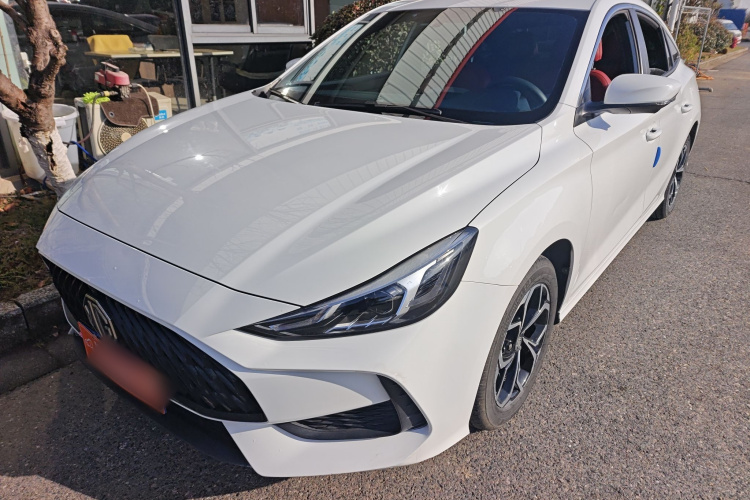
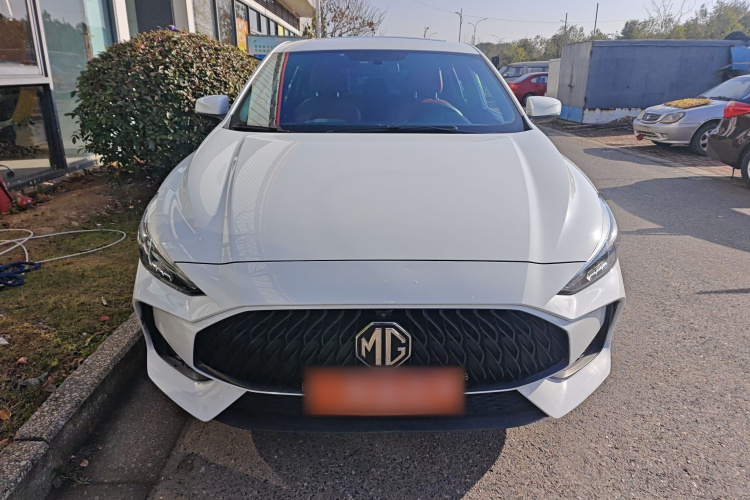
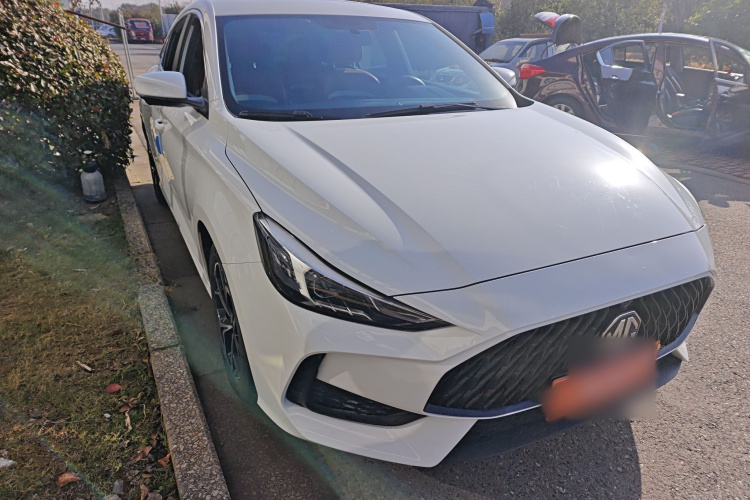
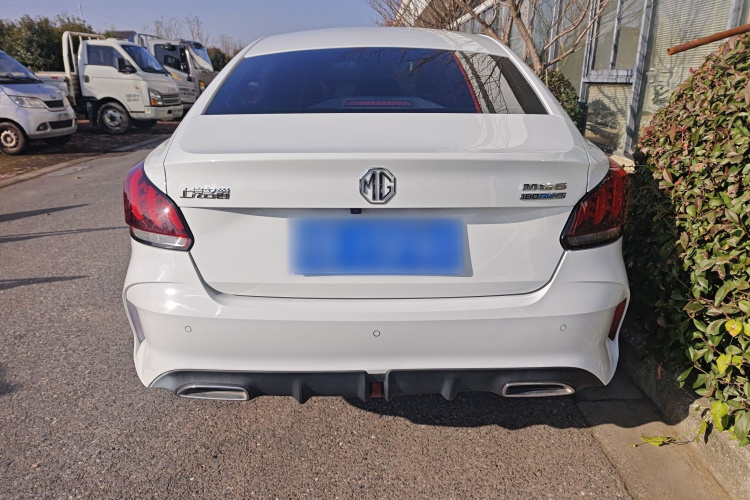
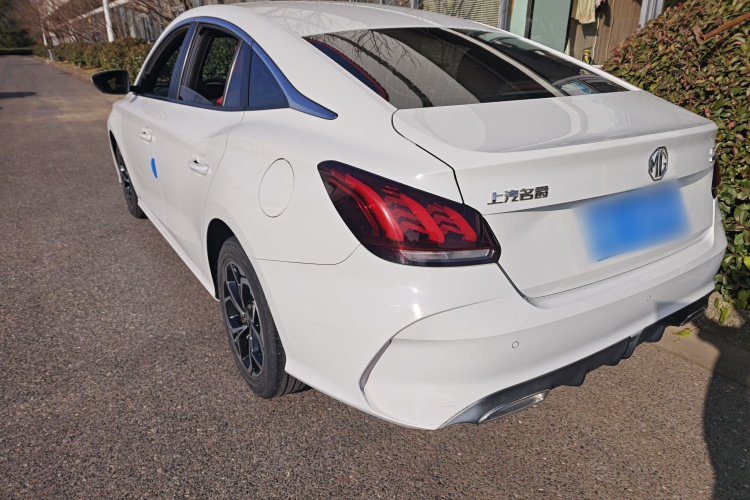
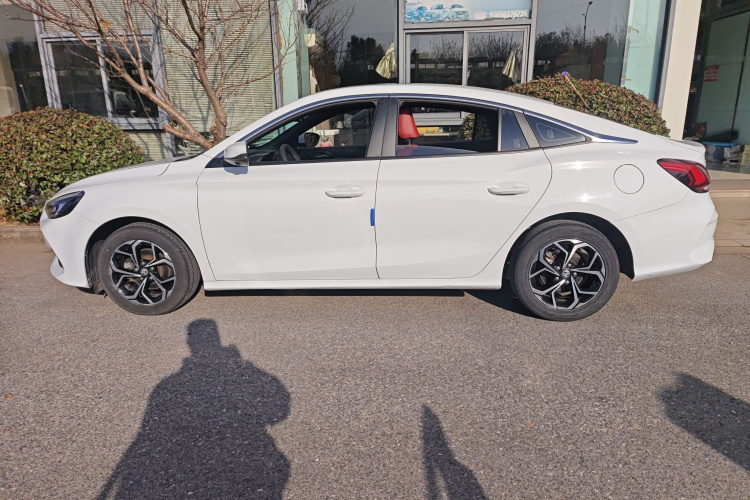



Basic Information

BrandMG
Series5
Year2022
First Registration2022/04
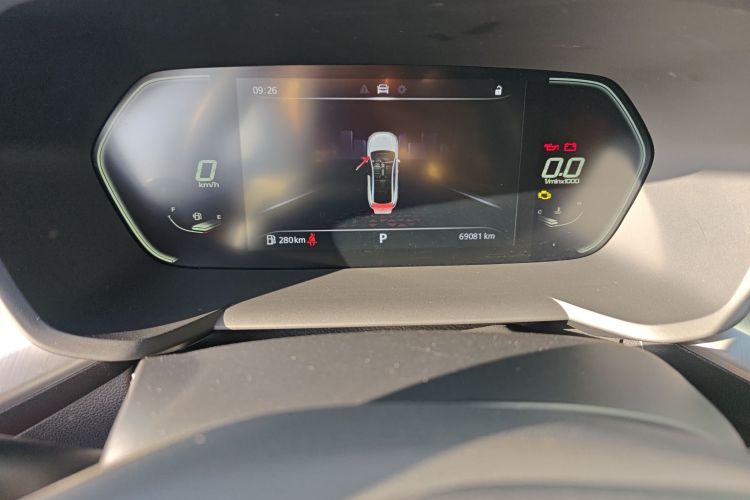
Mileage69,100km
Transfer Count1times
FuelGasoline
TransmissionCVT
Engine1.5L 120 L4
ColorWhite
Seats-

Condition Description

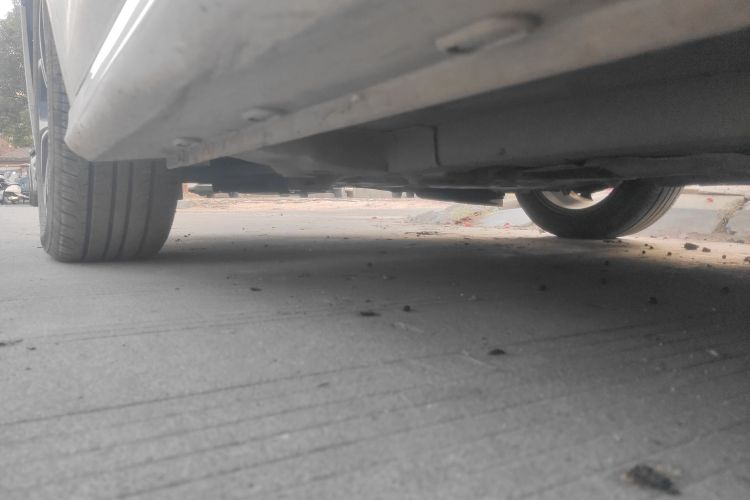
Vehicle condition meets standards, passed inspection; vehicle condition is average; 0 claims; 1 ownership transfer.

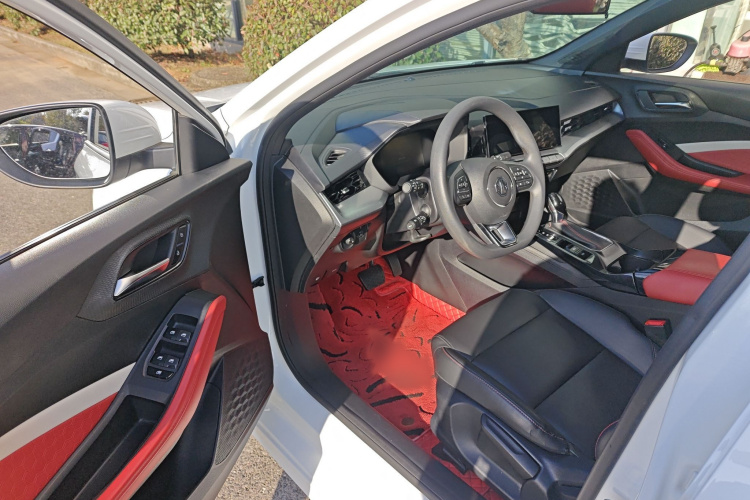
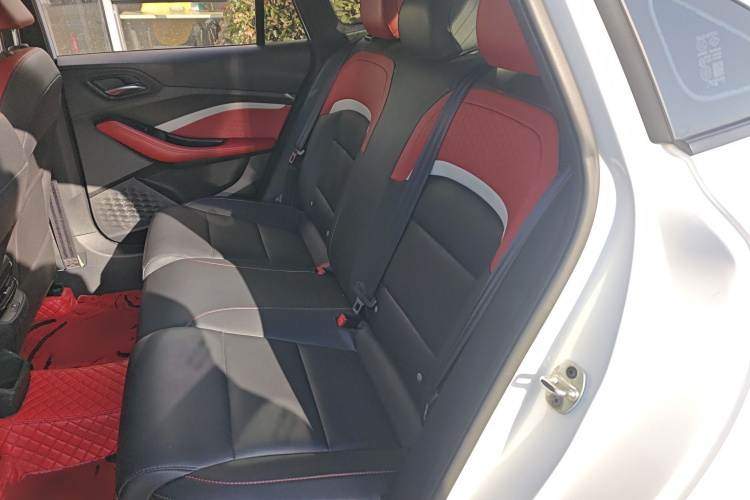
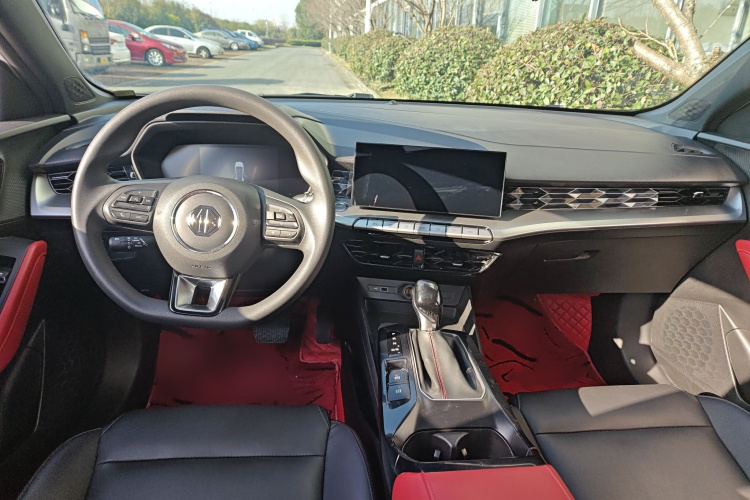
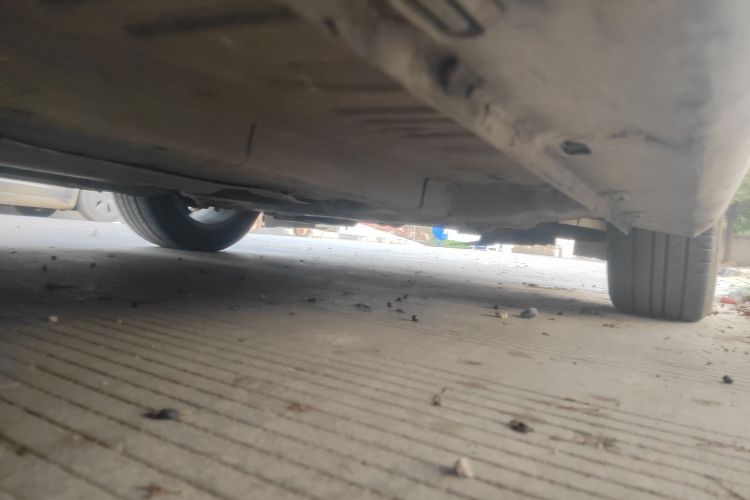
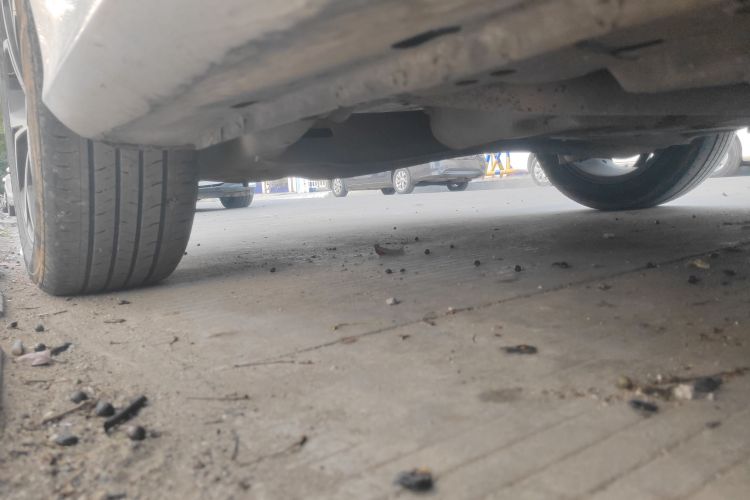
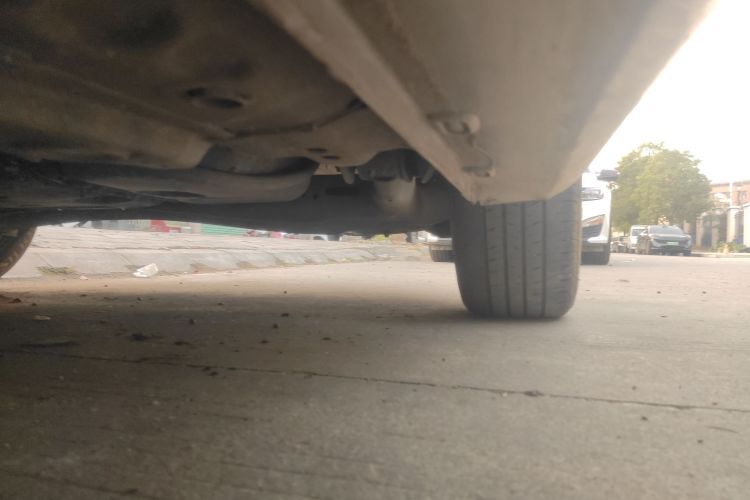
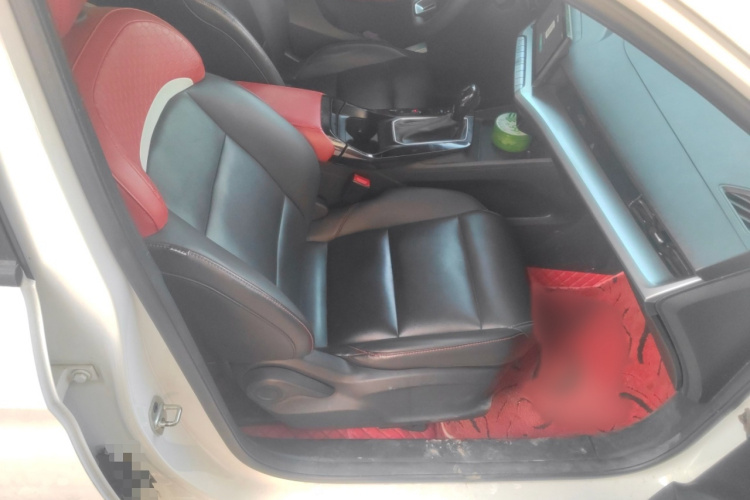
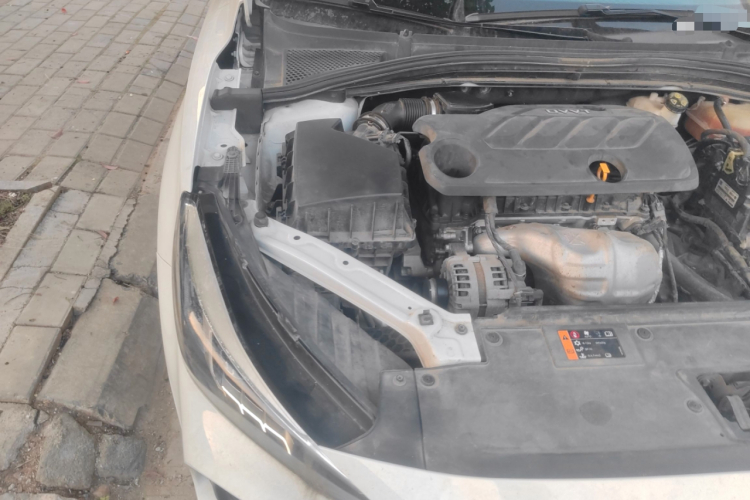
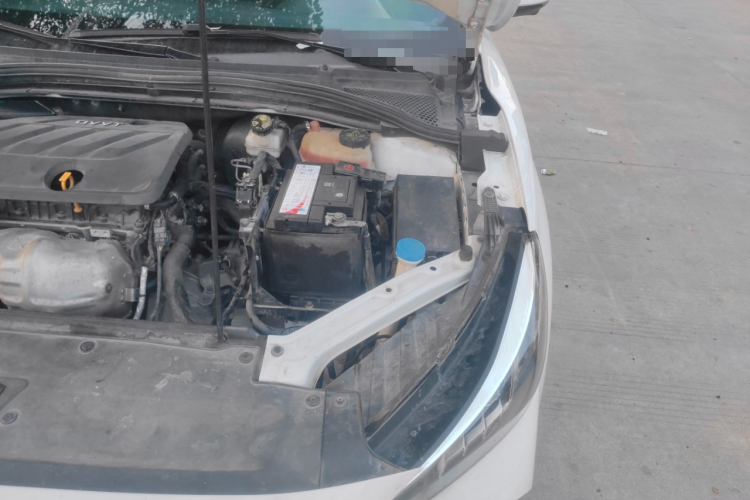
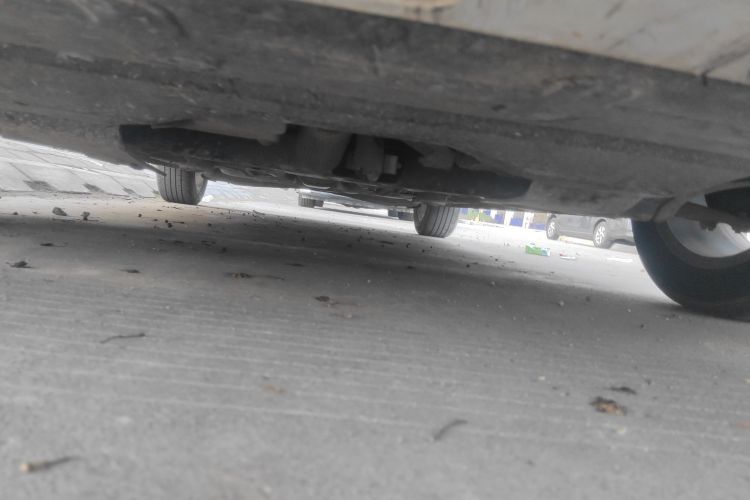
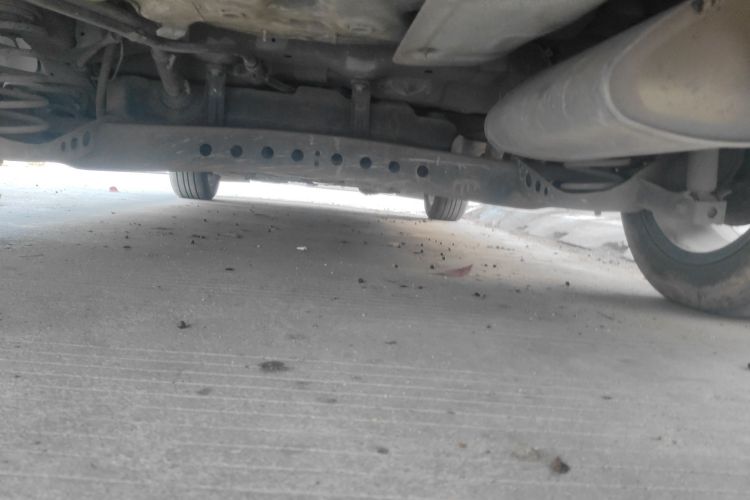
This vehicle is 3 years old, with an average annual mileage of 23,000 kilometers. It has been used frequently and has been transferred once. There may be obvious signs of wear and tear on the exterior. The interior is in good condition with normal signs of use. The overall body frame is intact, but there are a few abnormal issues. The fluids are normal and the power system is functioning well.

Configuration Highlights

✓Surround View Camera
✓High Beam Assist
✓Auto Hold
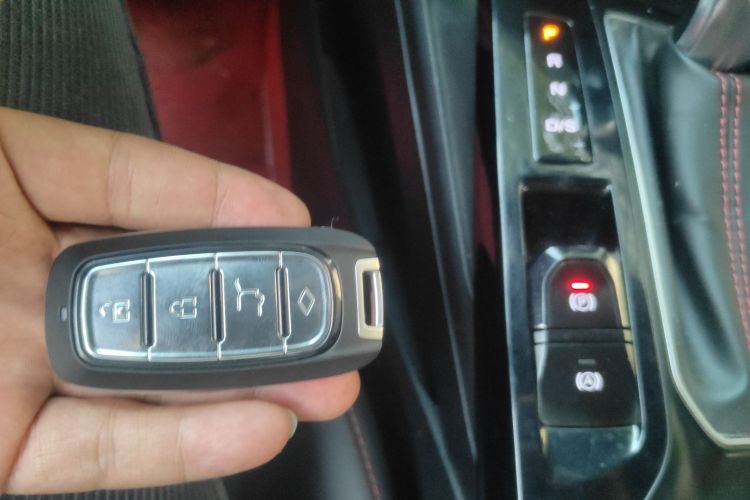
✓Keyless Entry
✓High-definition Low Beam
✓Auto Headlights
✓Cruise Control
✓Keyless Start
✓Rear Air Vents
✓Tire Pressure Monitoring
✓Heated Mirrors
✓Rear Parking Sensors
✓Anti-pinch Windows

Q&A

More

How is the degree of wear on the interior defined? (e.g., steering wheel, seat patina or cracking)

Interior assessment is divided into three core areas: the driver's high-frequency contact area (steering wheel, gear shift, edge of the driver's seat), central control button area, and rear seats and ceiling. The natural sheen of leather surfaces (patina) is normal; however, any physical damage (such as leather tearing, fabric burn holes, or plastic breakage) will be classified as "structural interior damage" and clearly marked.


After long-distance sea transport, does the vehicle's air conditioning refrigerant (Freon) need to be vacuumed and recharged?

If there is a minor leak in the lines due to bumps, it is possible that the cooling may not work upon arrival. This is a normal physical loss. The cost of vacuuming, pressure testing, and recharging refrigerant at a local auto repair shop is low and is the buyer's responsibility.

How do you assess the appearance condition of a vehicle? What specific standards are there for scratches and dents?

We use quantitative standards. Minor scratches less than 3 cm that do not reach the base coat (which can be polished) are considered normal wear; scratches over 3 cm deep to the base coat or dents larger than 2 cm in diameter will be highlighted in the inspection report's "Appearance Defect Distribution Map" with close-up photos.