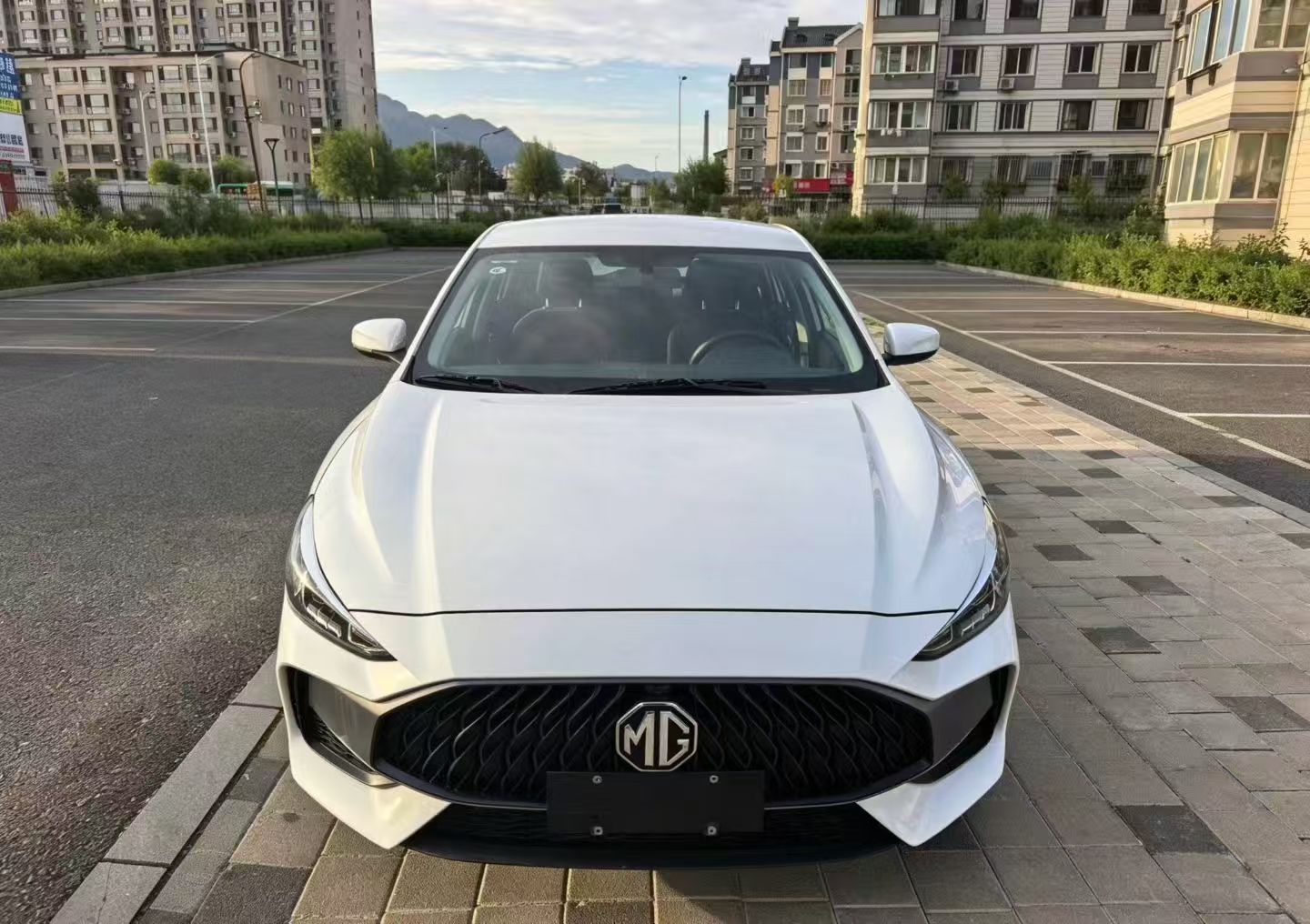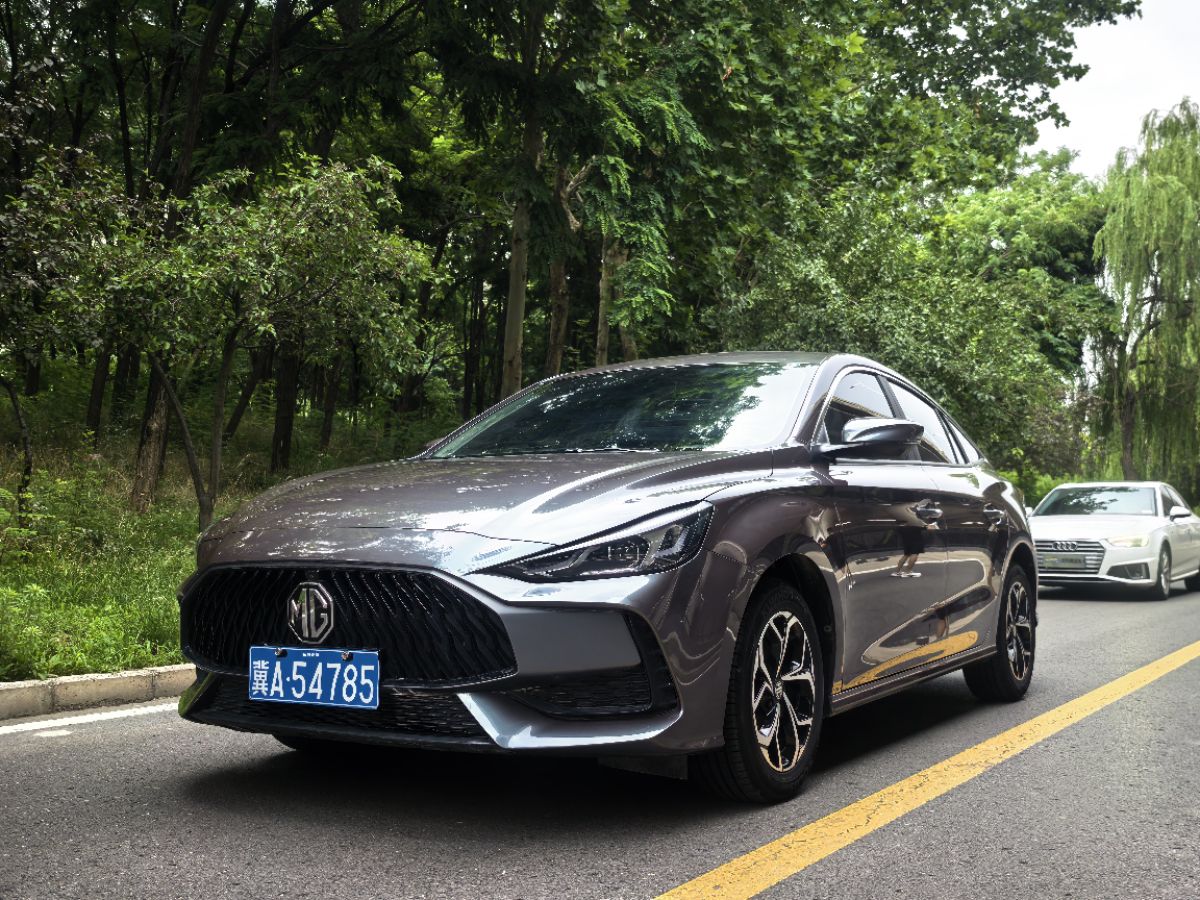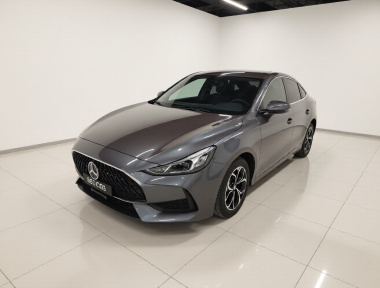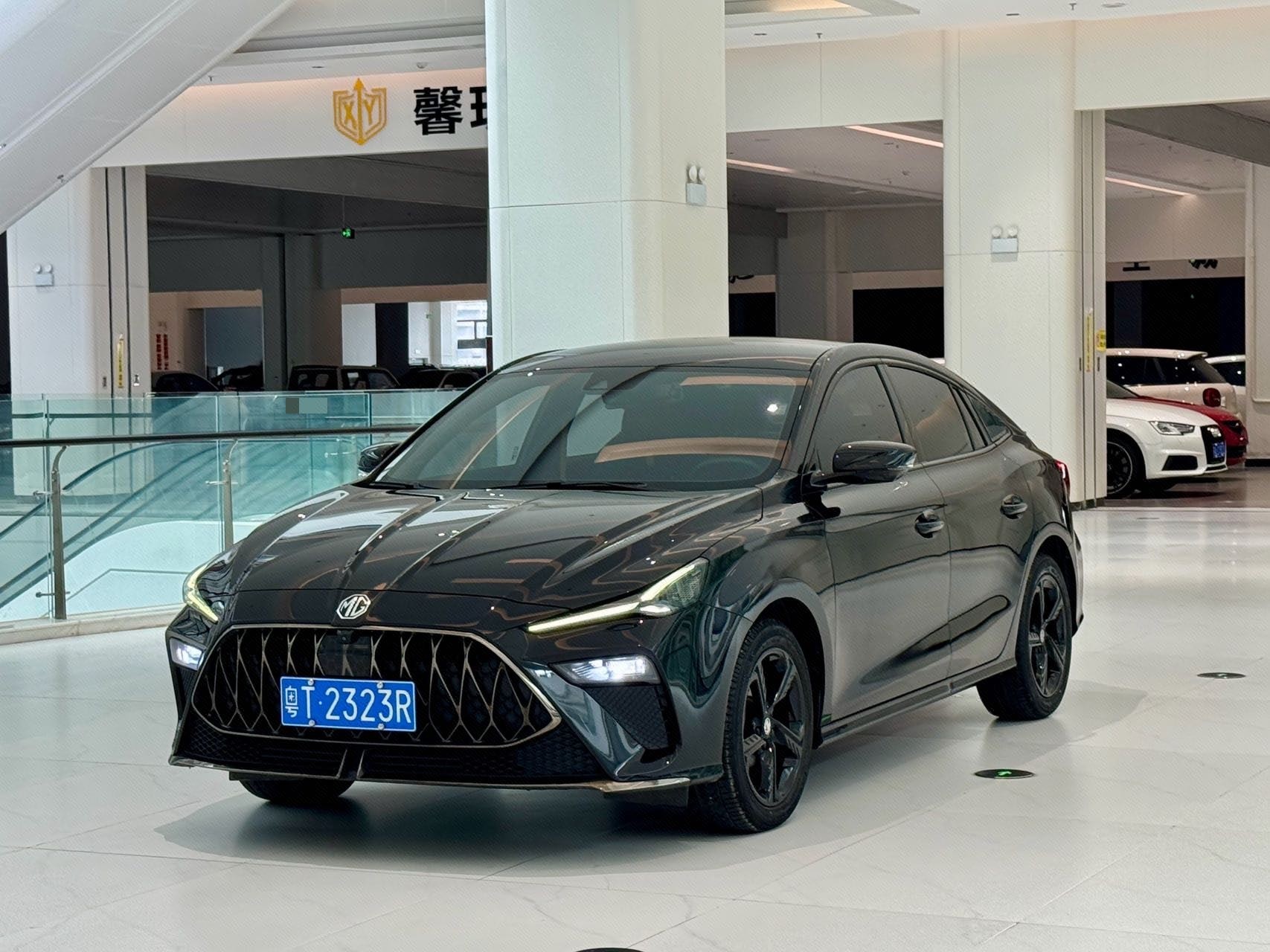
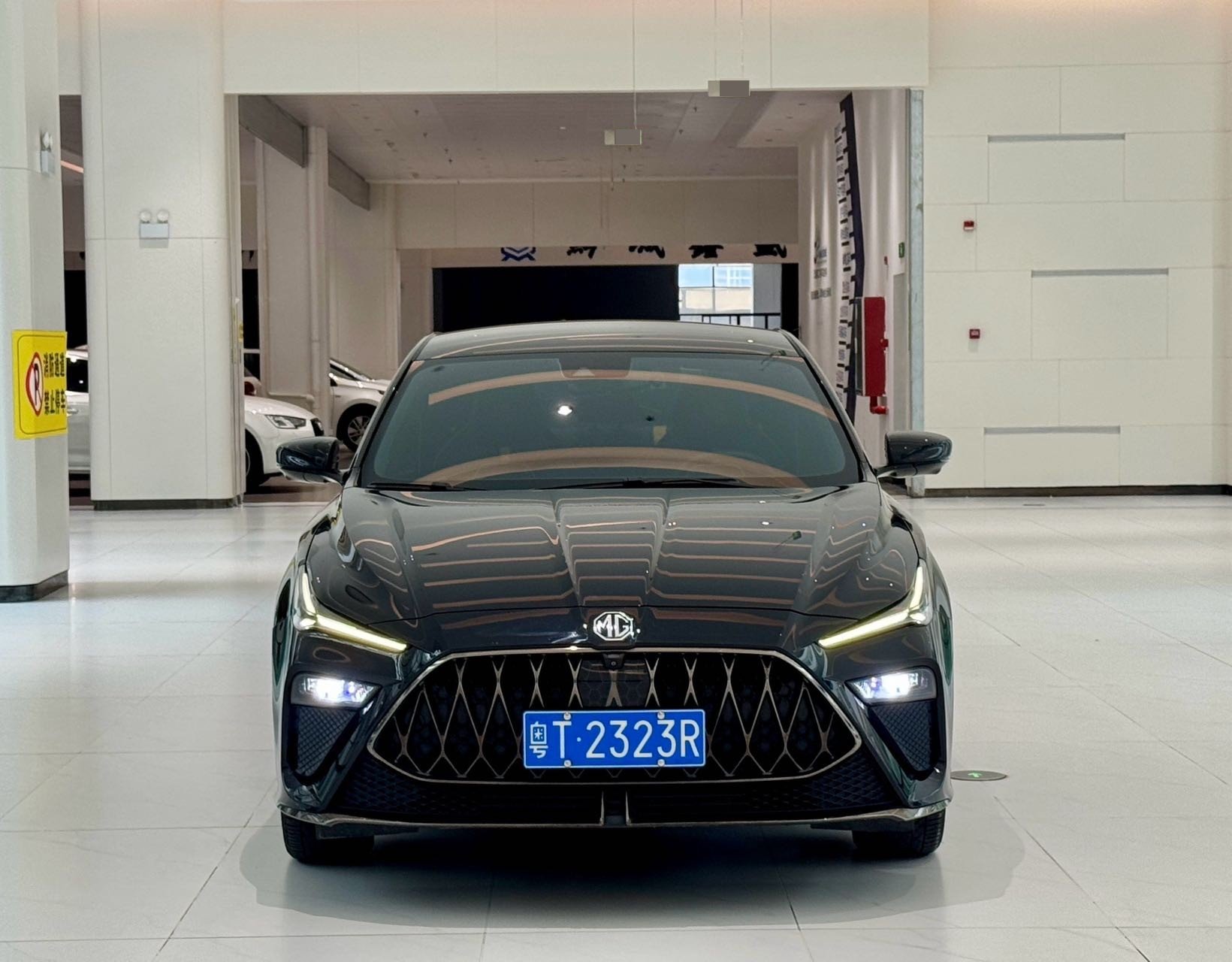
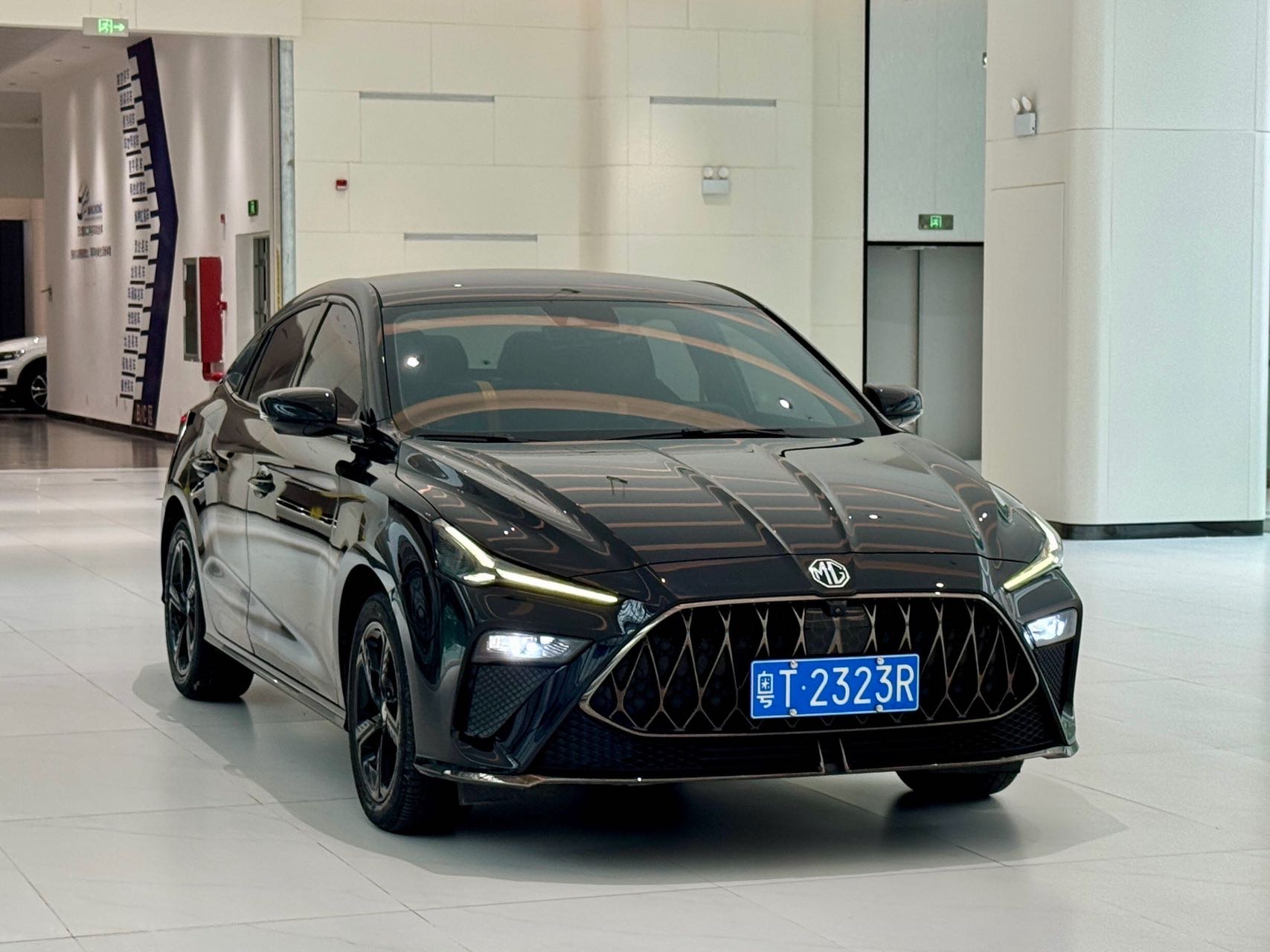
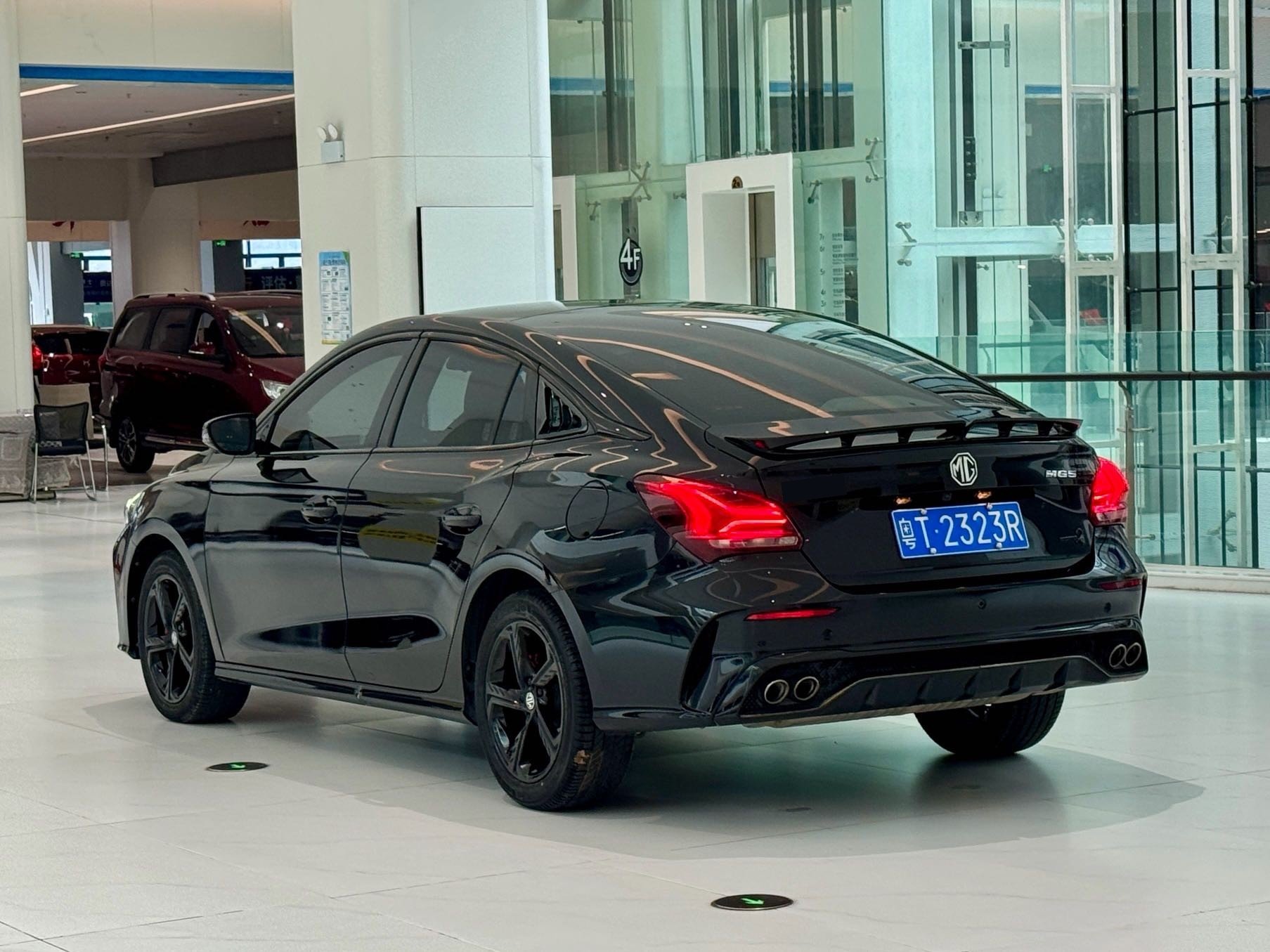
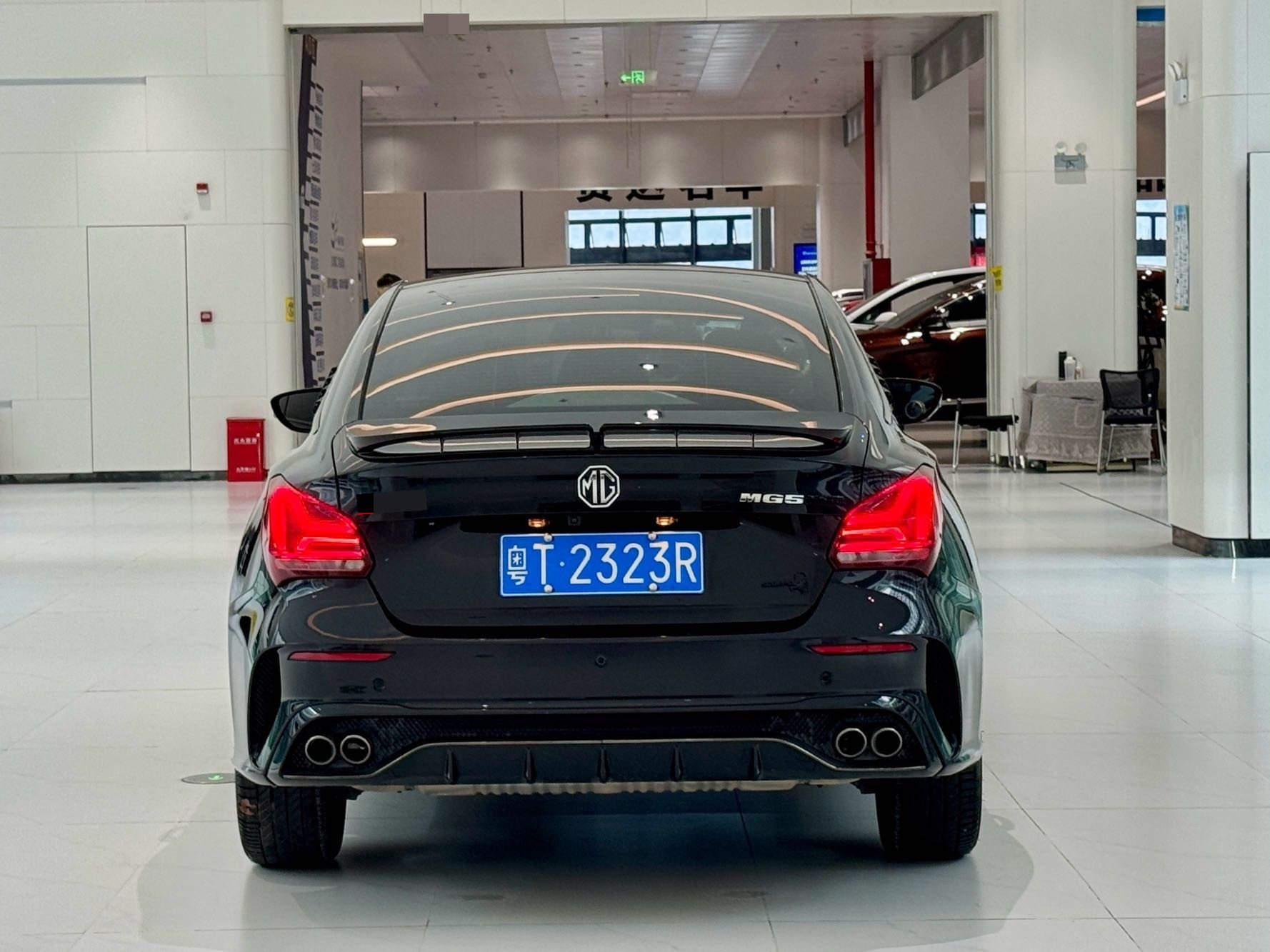
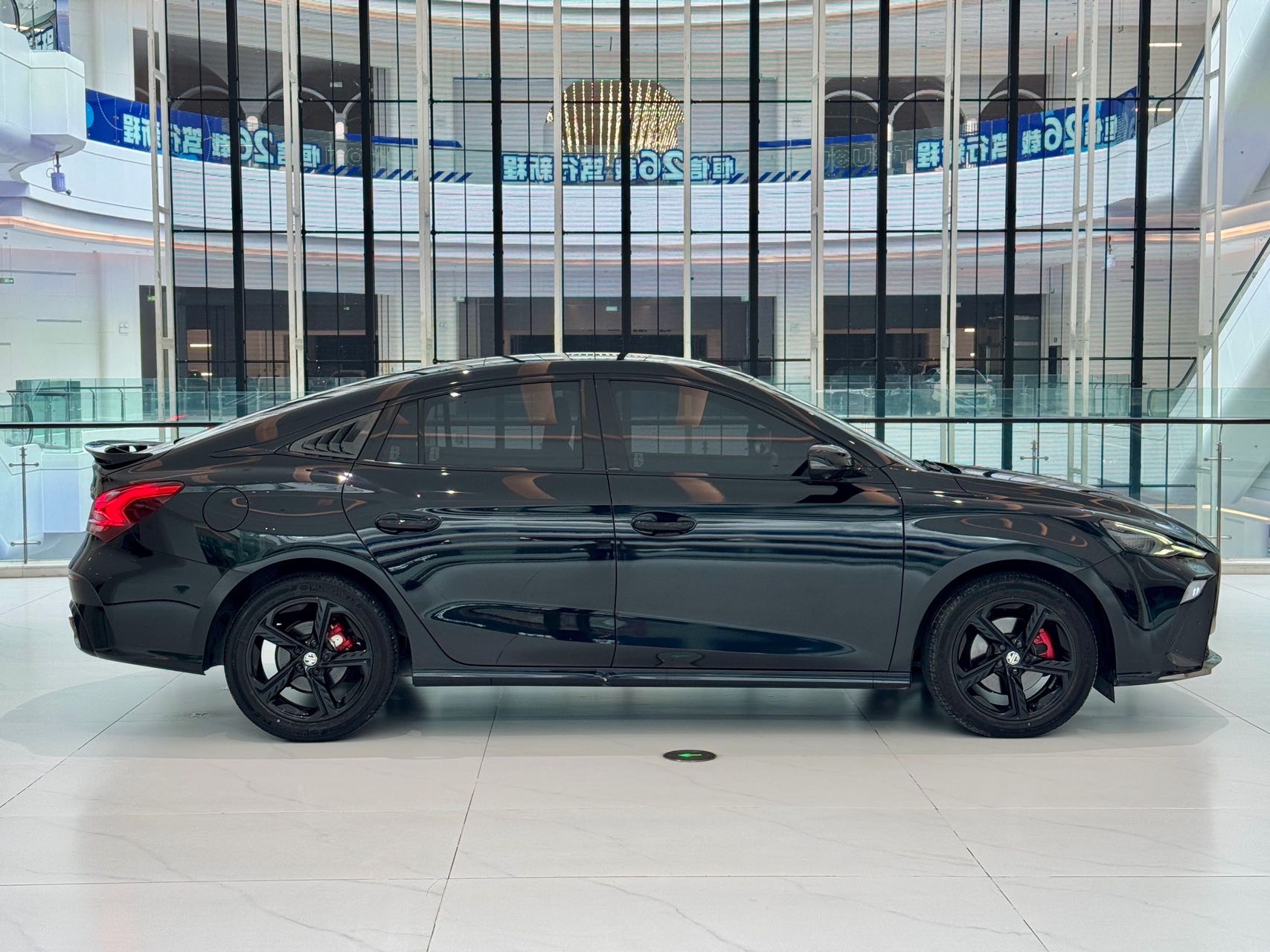
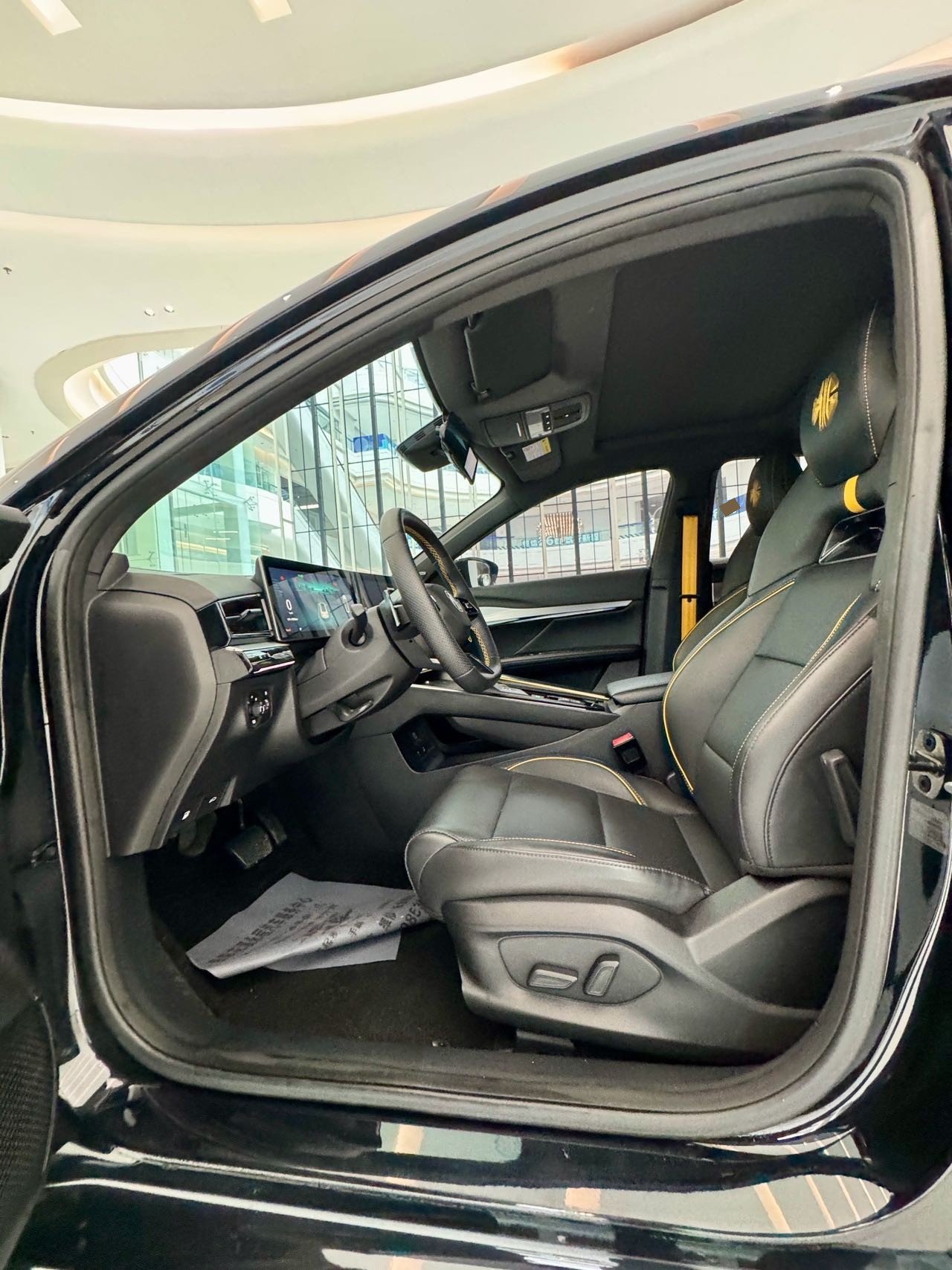
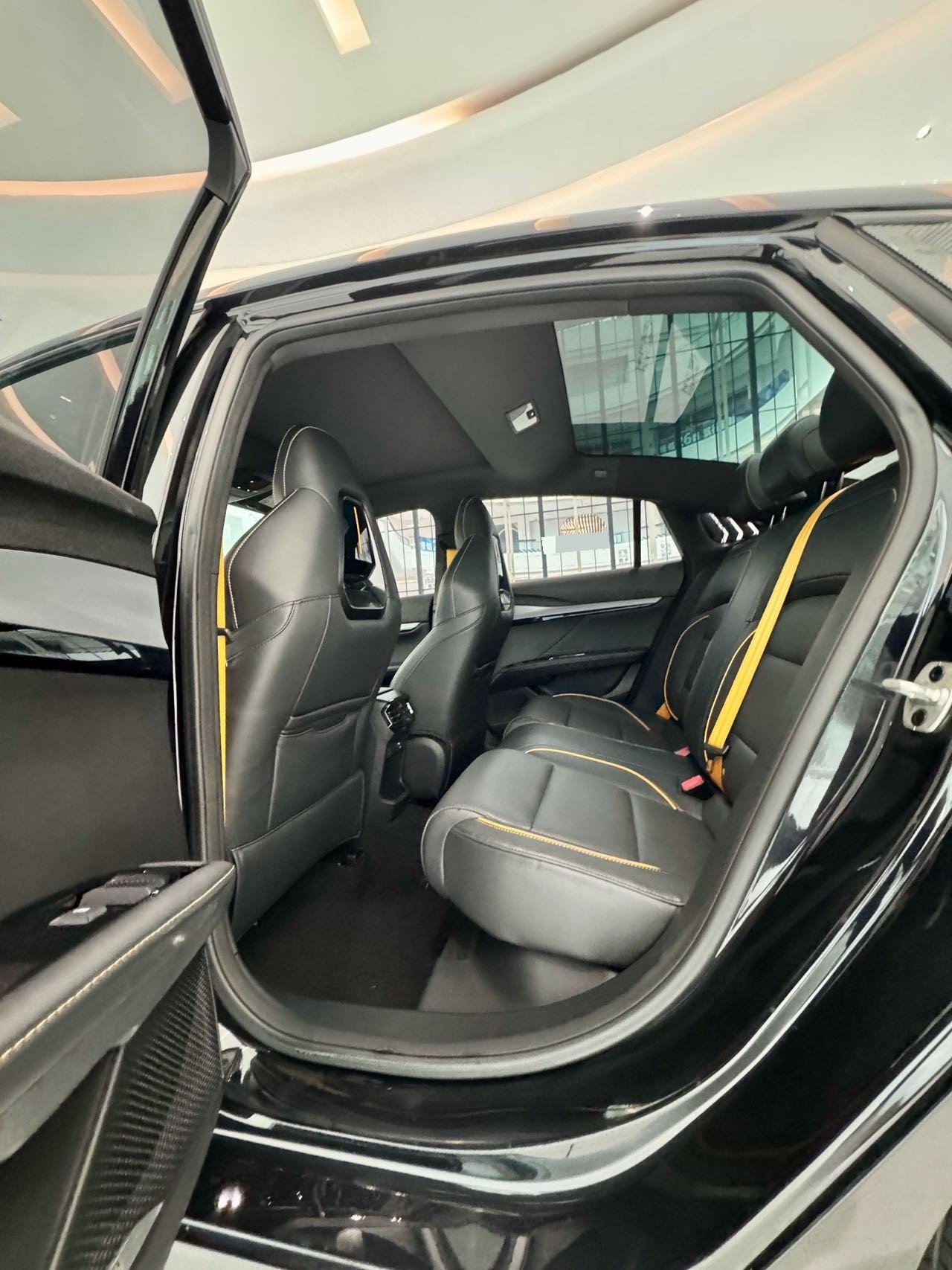
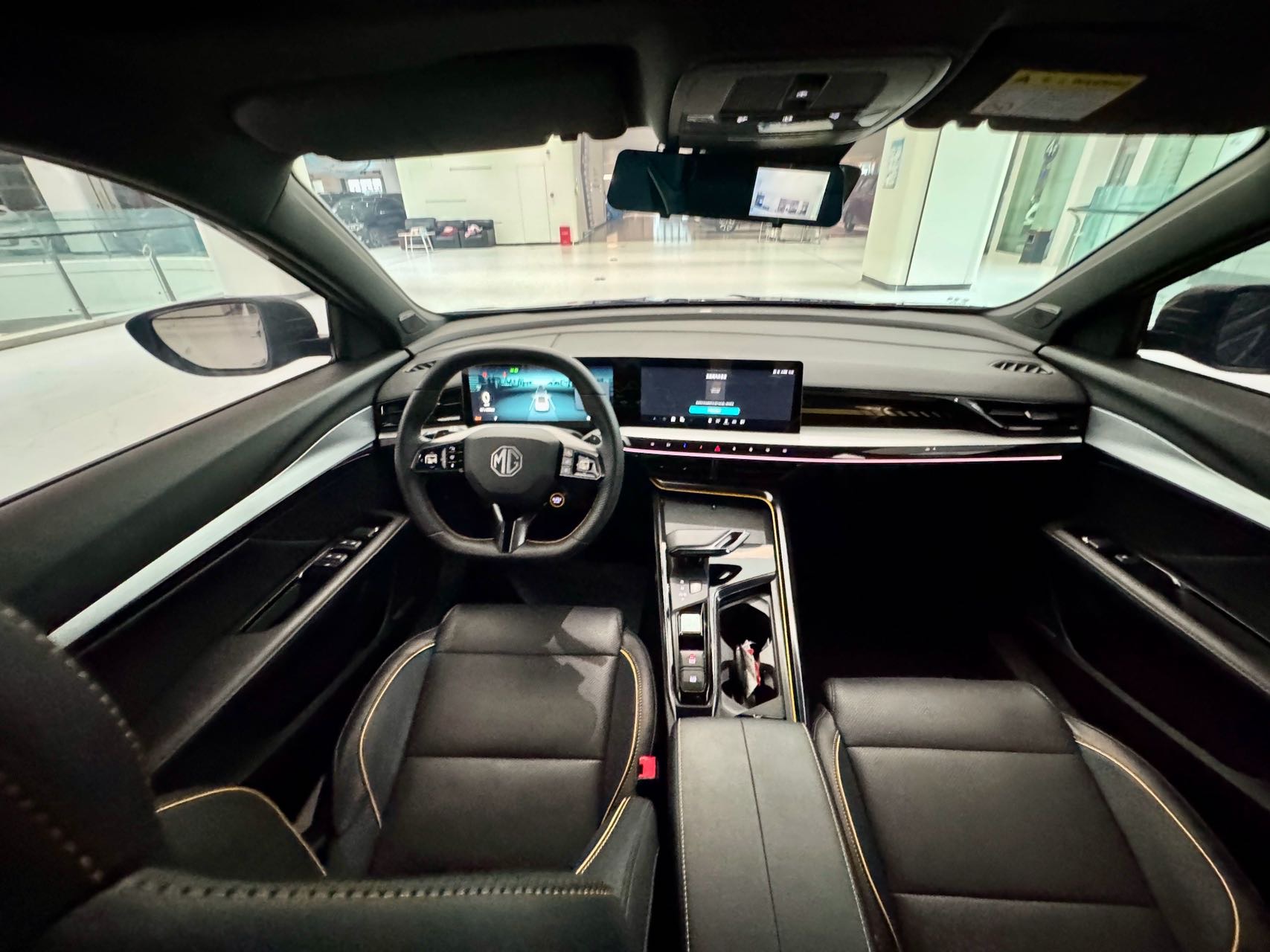



Basic Information

BrandMG
Series5
Year2023
First Registration2023/07
Mileage39,000km
Transfer Count0times
FuelGasoline
TransmissionDCT
Engine1.5T 173 L4
ColorBlack
Seats-

Condition Description

The whole car is original, with two panels repainted.

Document Information

Inspection Expiry Date-
Warranty Expiry Date-
Insurance Expiry Date2027/07

Q&A

More

What charging adapters or equipment will I need to charge a used Chinese EV in my country?

Chinese EVs ship with GB/T charging ports, which are not used in Europe (Type 2/CCS2), North America (J1772/CCS1/NACS), or most of Latin America. Plan for these extras: 1. GB/T to local standard adapter or converter box: this lets you charge at public stations. A simple passive adapter works for AC charging; DC fast charging needs an active converter, which is expensive — many owners skip it and rely on AC. 2. Portable charger swap: the included travel charger has a GB/T plug. Buy a local wallbox or a portable EVSE with your country's plug instead. 3. Home electrical check: confirm your home circuit can handle 7–11 kW, and have an electrician install a dedicated line if needed. Ask the exporter for the car's charging port photos and on-board charger capacity before buying. Budget roughly a few hundred dollars for adapters and a wallbox. Without planning, you may end up with a car that can only trickle-charge from a wall socket.


If a third-party inspection report misses significant technical defects and they are discovered upon arrival at the destination port, how is liability determined?

This is a key legal issue. If the inspection is conducted by a third party appointed by us, we will be the primary responsible party and provide limited compensation to you, after which we will seek reimbursement from the inspection agency; if the inspection agency is designated by you personally (such as SGS), you will need to file a claim directly with that agency according to its service terms.

How does the buying process actually work step by step when importing a used car from China?

A typical safe flow looks like this: 1. Sourcing: you pick a car from listings; the exporter confirms availability, sends photos, video and a condition report. 2. Contract: a written sales contract stating VIN, price, included costs, inspection standards and delivery terms (FOB or CIF). 3. Deposit: usually 10–30% after you or a third party verify the car. Pay to a company account, never personal. 4. Inspection: independent pre-shipment inspection; you approve the report before shipping. 5. Balance payment: due before shipment, against copy of the bill of lading. 6. Shipping and documents: exporter sends original documents by courier; you track the vessel. 7. Arrival: your customs agent clears the car, you pay duties and collect it. Timeline: typically 3–8 weeks from deposit to arrival, depending on route. Any exporter pushing for 100% upfront payment should be treated as a red flag.