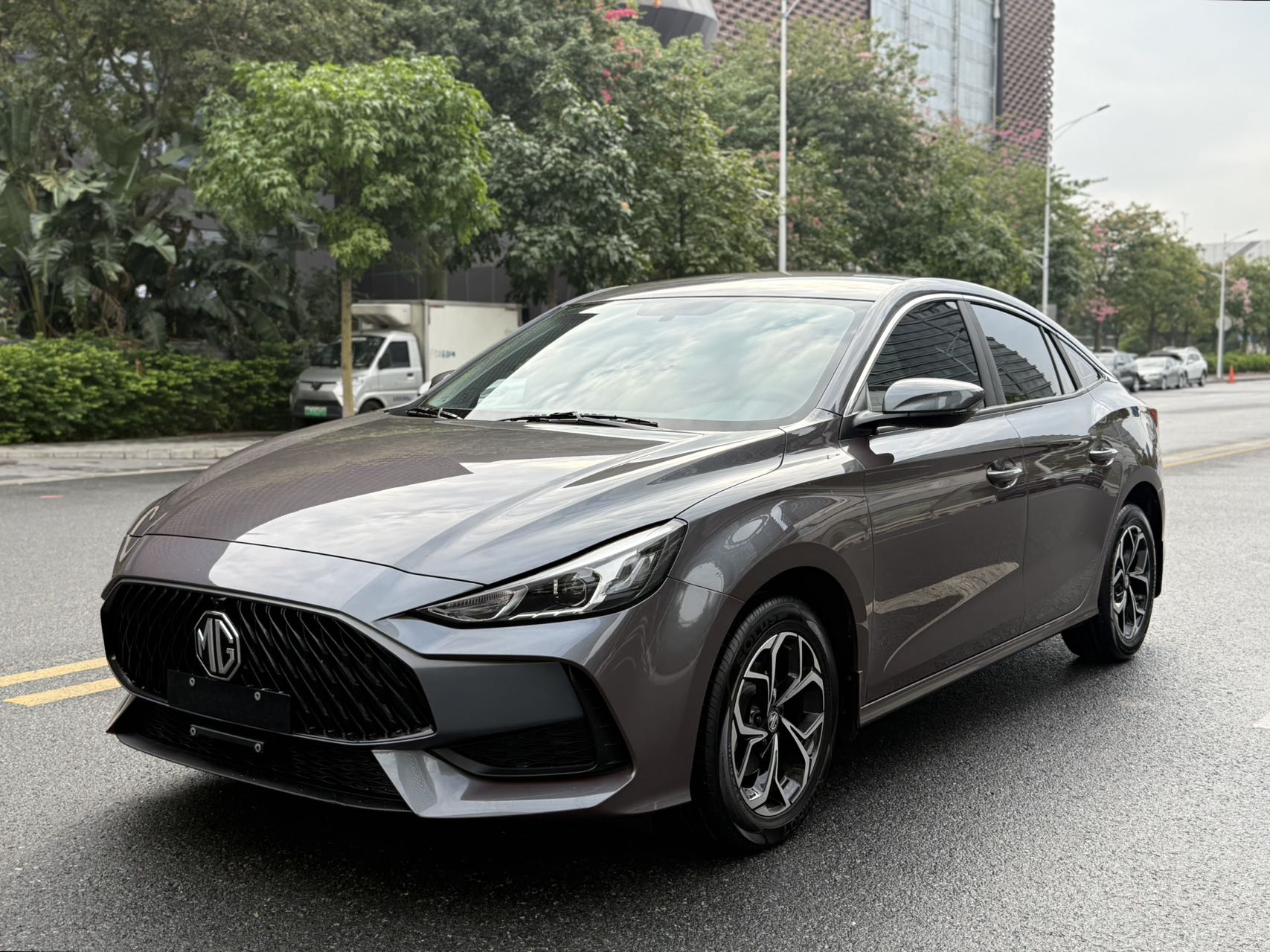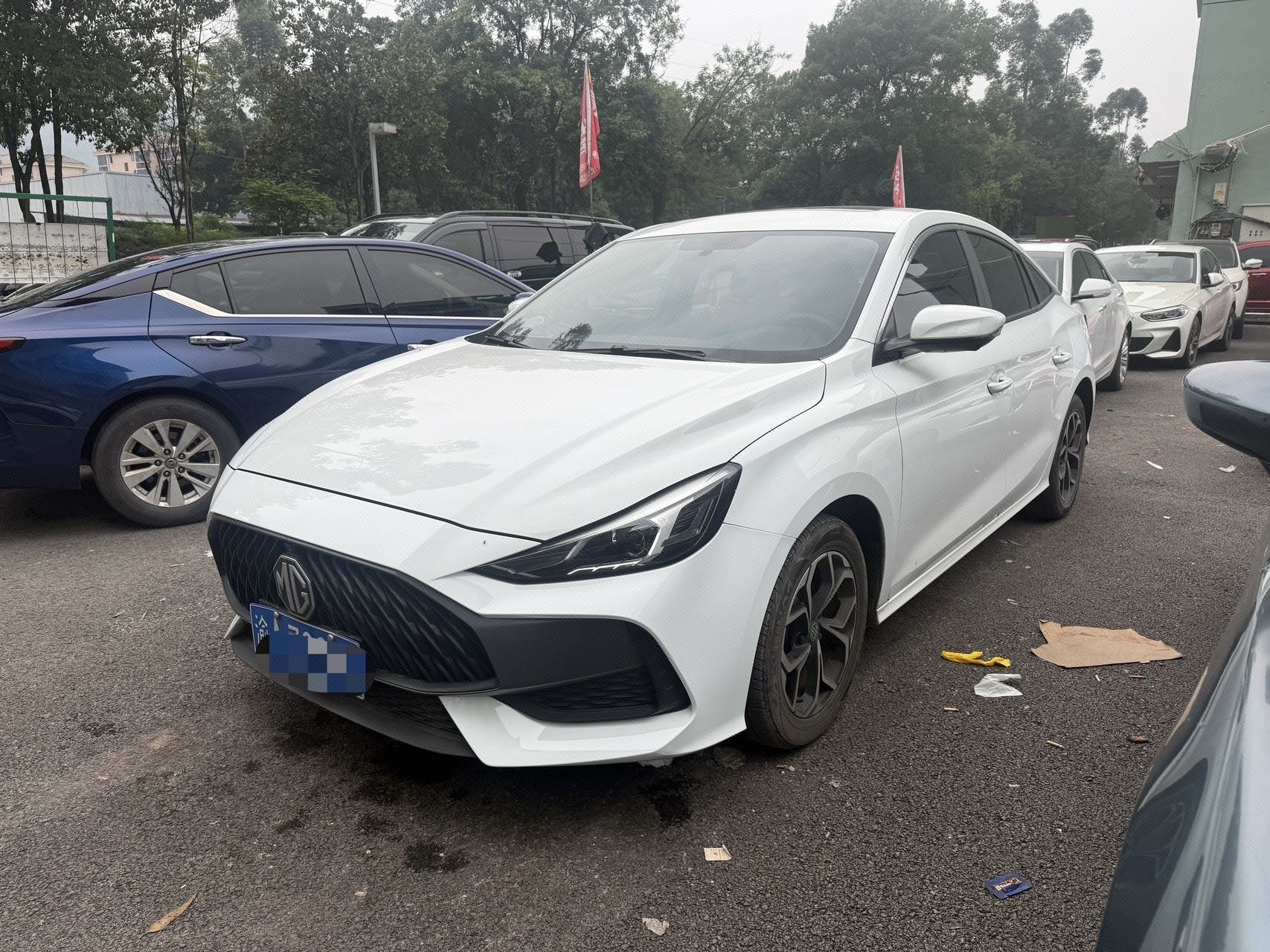
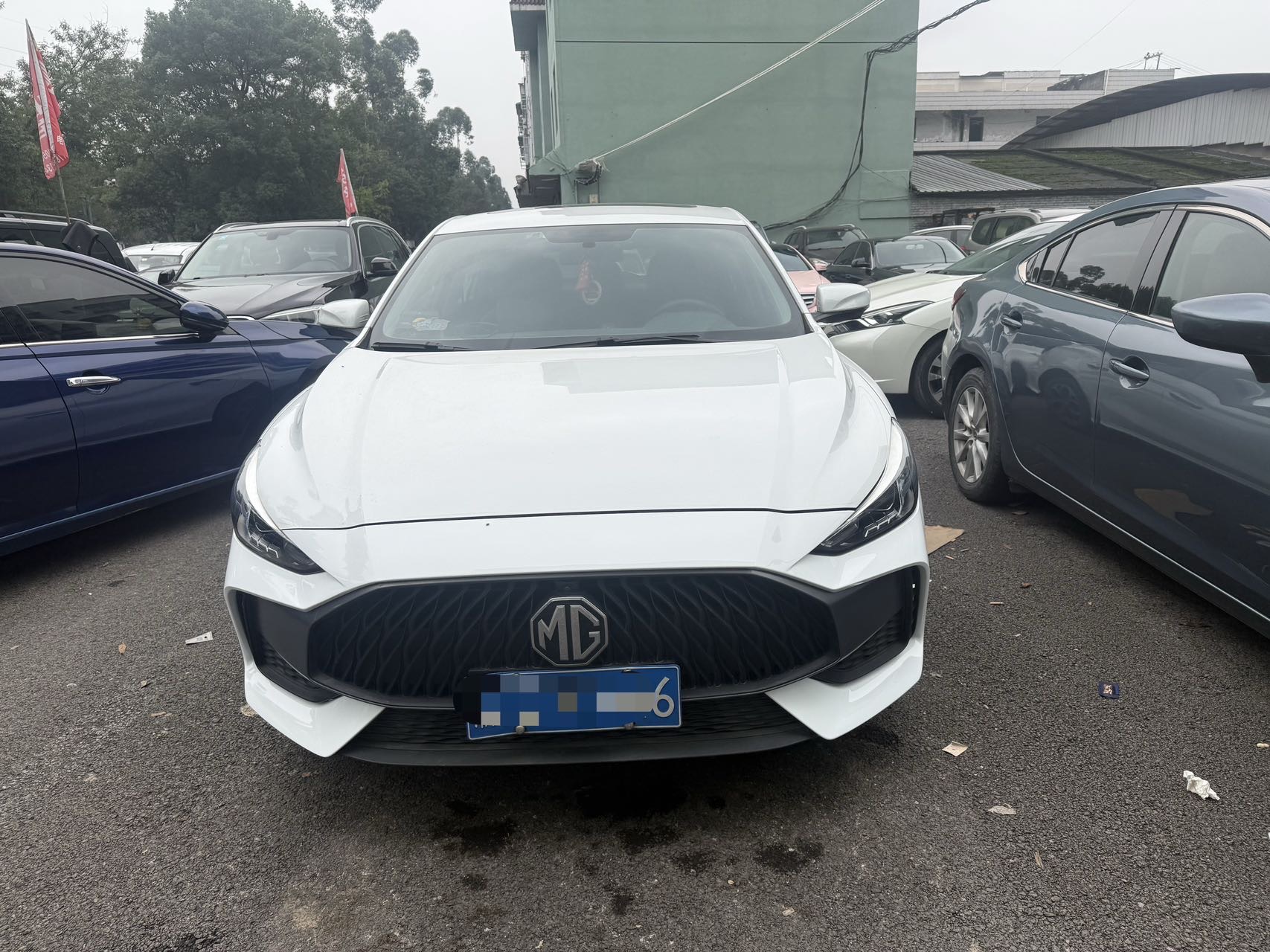
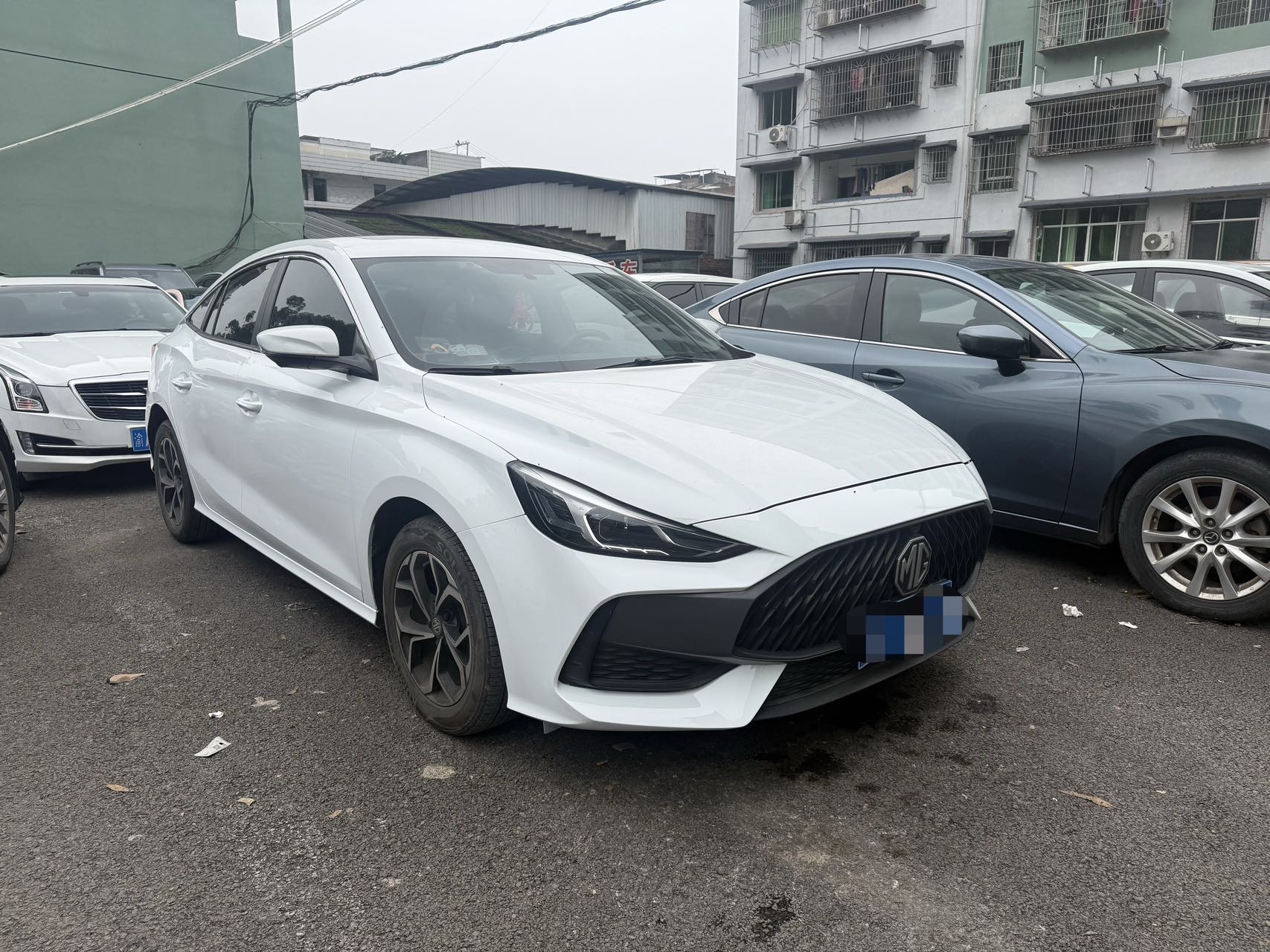
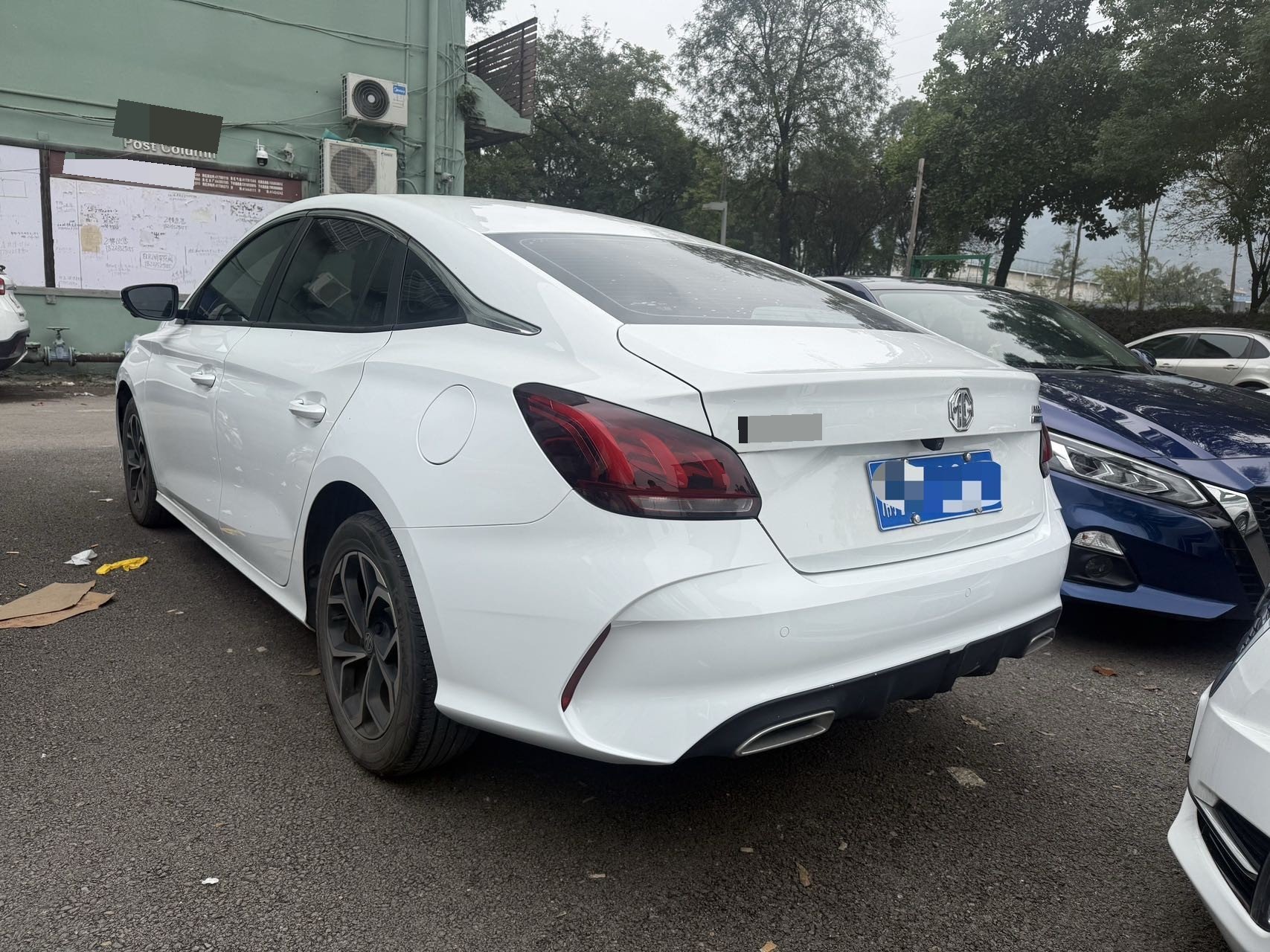
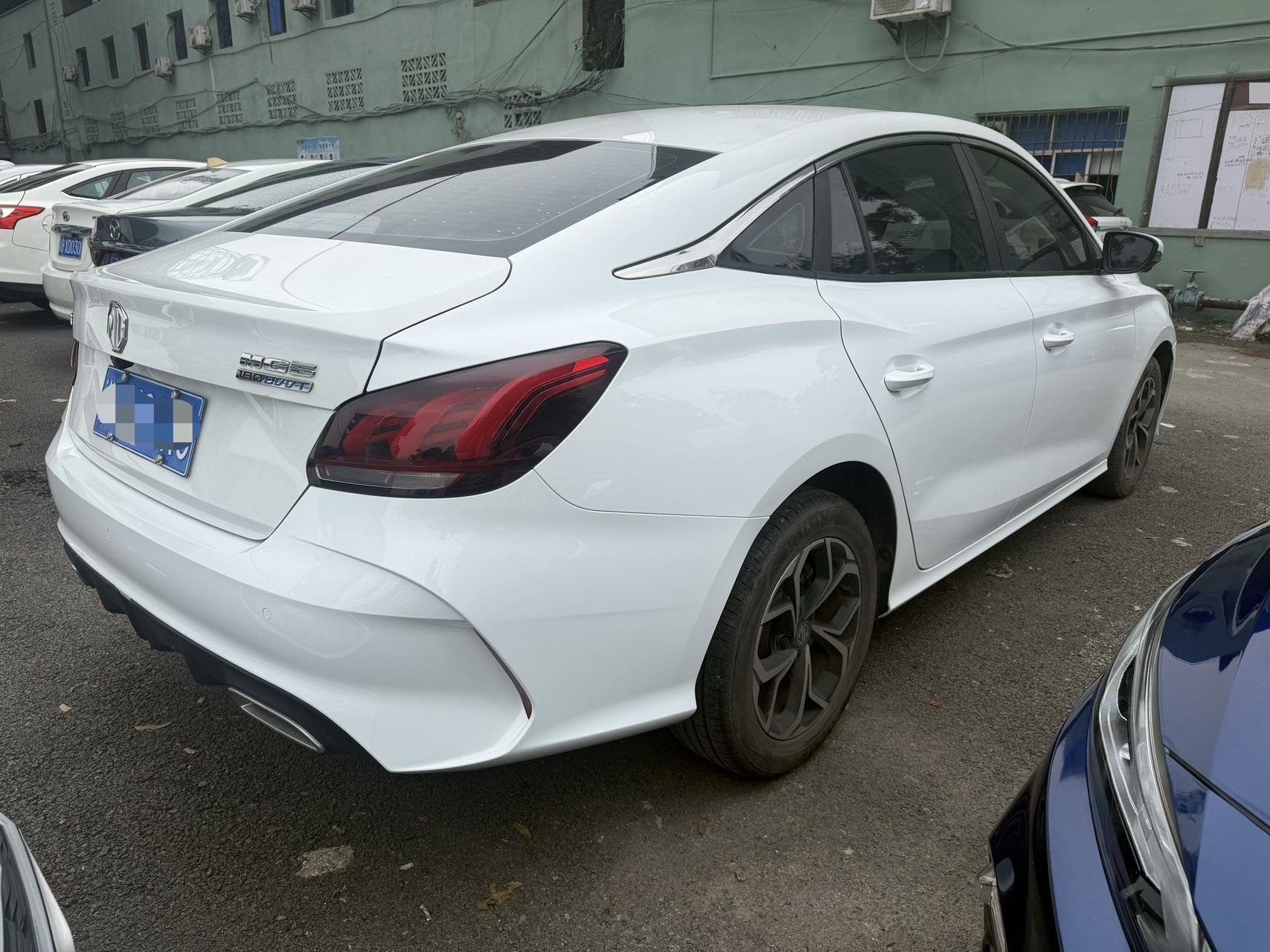
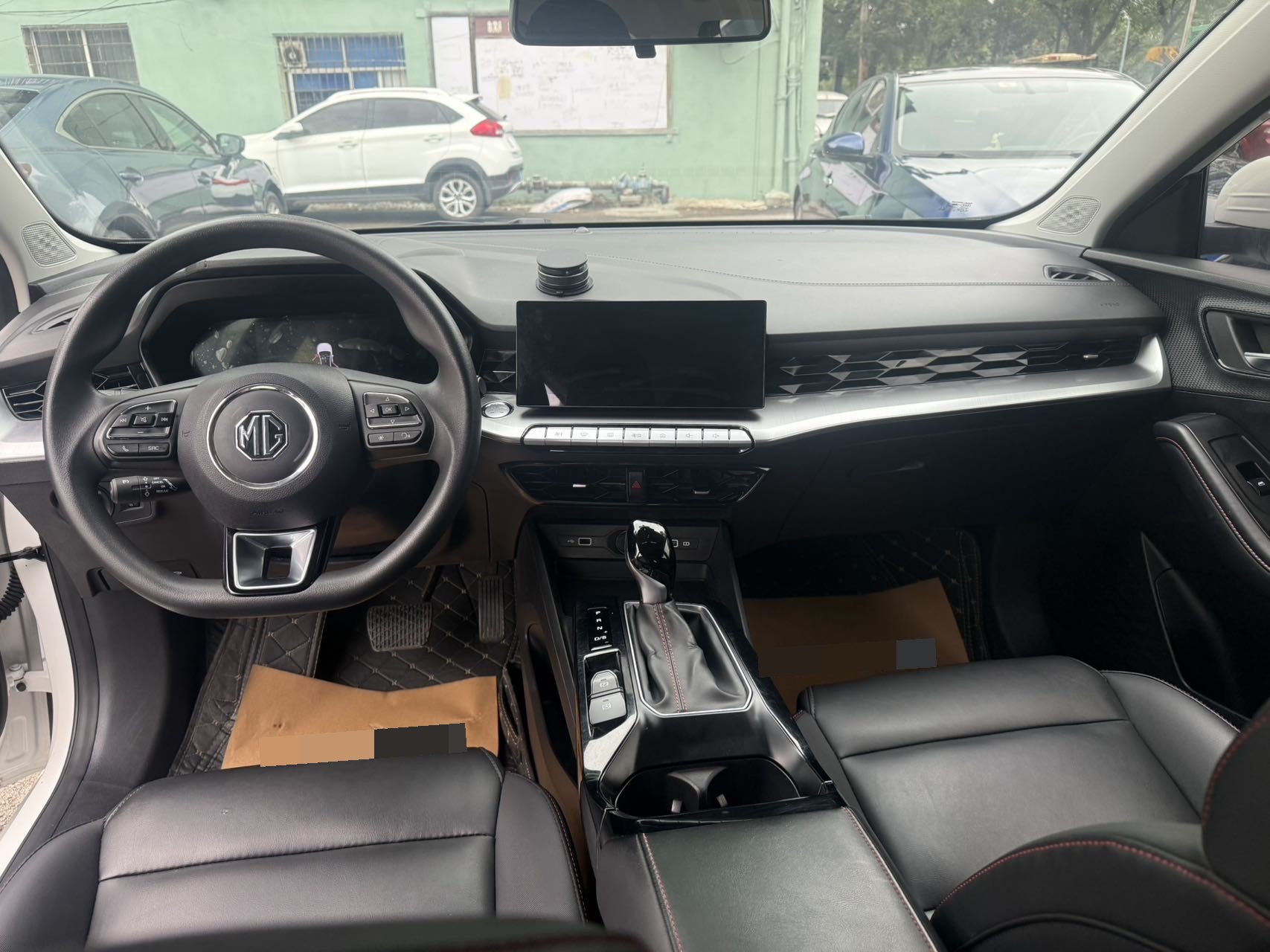
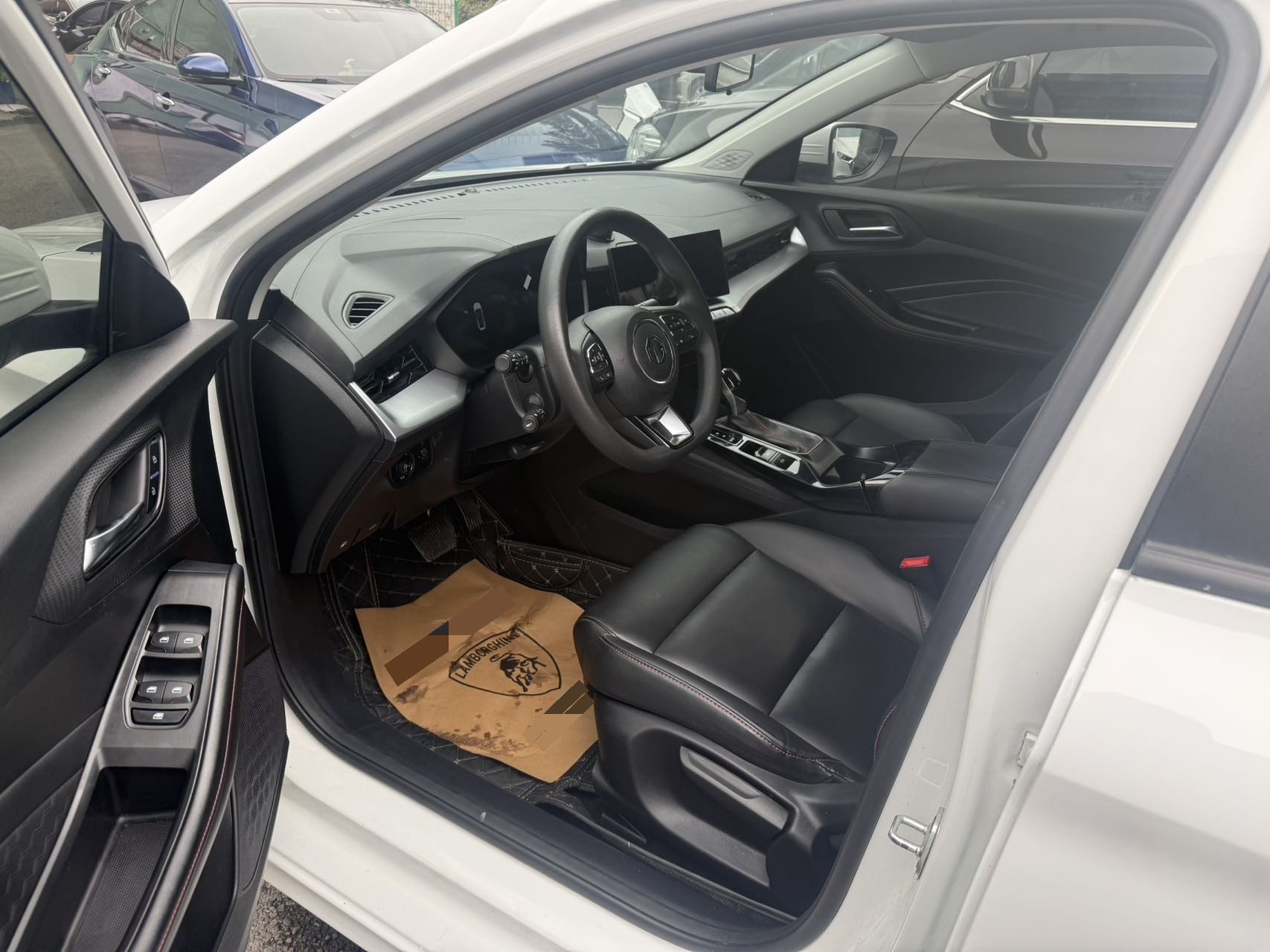
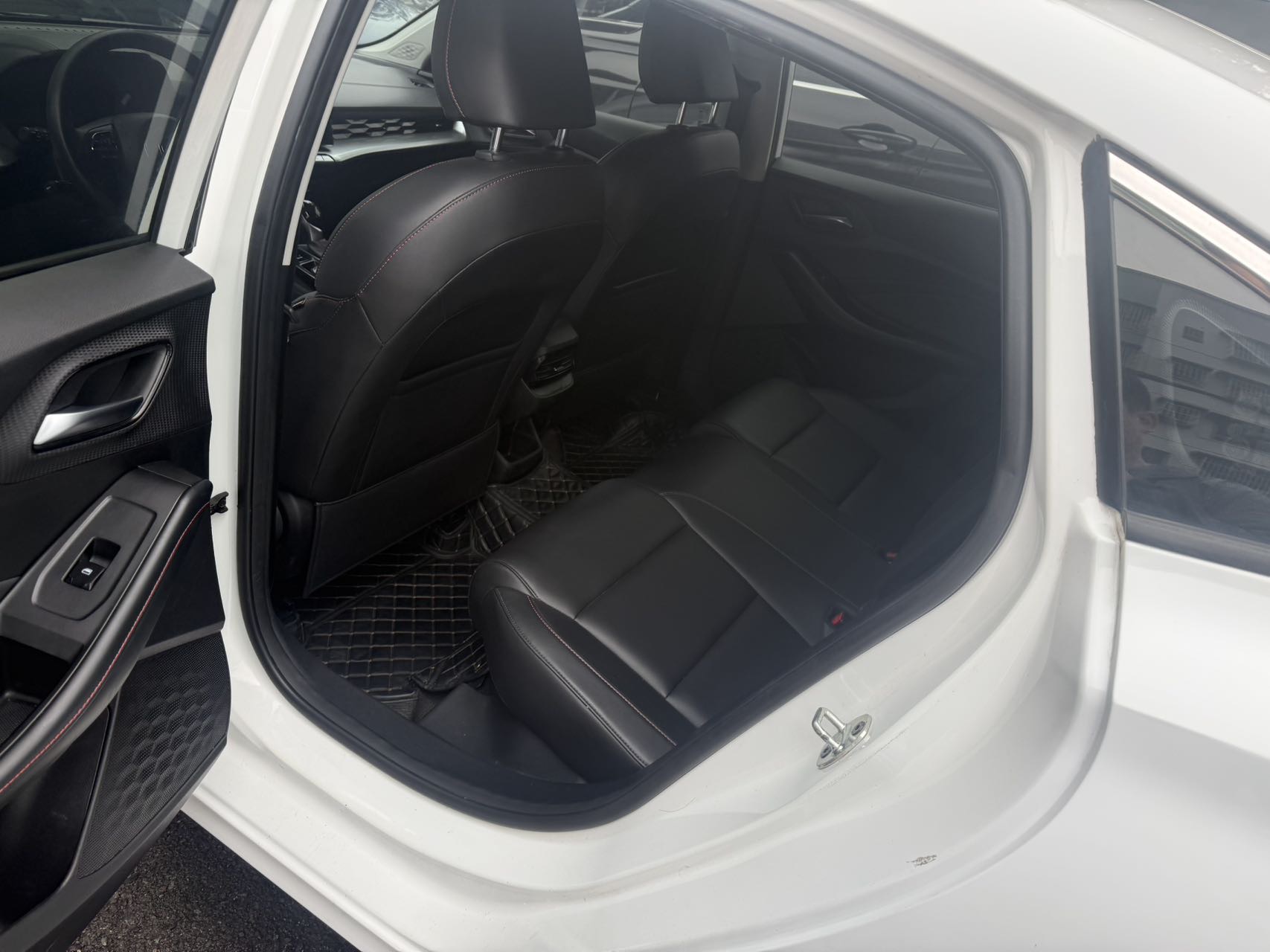



Basic Information

BrandMG
Series5
Year2023
First Registration2023/06
Mileage40,000km
Transfer Count0times
FuelGasoline
TransmissionCVT
Engine1.5L 129 L4
ColorWhite
Seats5seats

Condition Description

One-owner vehicle, 40,000 km, 3 panels repainted, passes inspection.

Document Information

Inspection Expiry Date-
Warranty Expiry Date-
Insurance Expiry Date2027/06

Q&A

More

What can a pre-purchase OBD diagnostic scan actually reveal about a used Chinese car?

An OBD scan is one of the most cost-effective tools in a remote pre-purchase inspection, but you need to know what it can and cannot tell you. What it reveals well: current and stored fault codes across the engine, transmission, ABS, airbag, and body modules. A car with dozens of cleared codes in multiple modules may have electrical problems or a history of tampering. It also shows readiness monitors — if all monitors show 「not ready」 on a car that claims to be freshly serviced, the codes were probably cleared recently to hide something. What it reveals with the right software: live data. You can watch engine idle stability, coolant temperature under load, transmission shift behavior, and battery cell voltages on EVs. Abnormal fuel trims or misfire counters can flag worn injectors or coils before any warning light appears. What it cannot do: prove real mileage (odometers can be corrected digitally), detect physical accident repairs, or judge paint and rust. Practical advice: ask your inspector for a full-system scan report with screenshots, not just a 「no codes」 verbal summary. For Chinese brands, make sure the tool supports their protocols — mainstream scanners cover BYD, Geely, and Chery well, but some small brands need brand-specific software.


Will a used Chinese EV's apps, OTA updates and connected services work in my country?

It depends on the brand and model, so verify before you buy. Three things to check. First, connectivity: many Chinese EVs use embedded SIMs tied to Chinese carriers. Abroad, remote app control, live navigation and some cloud services may stop working unless the car can switch to a local SIM or the brand operates servers in your region. Second, language and navigation: ask the exporter to show the system menu in English or your language, and confirm the maps can be switched to your region — some head units carry China-only map data. Third, charging: verify the charge port standard (GB/T, CCS or Type 2) and whether the onboard AC charger accepts your local grid voltage and frequency. Also ask about OTA updates: official overseas models usually receive them; grey-import cars often do not. Get these answers in writing from the seller, and test the connected features over a video call before shipping.

What is a battery SOH certificate and why does it matter when buying a used EV from China?

SOH (State of Health) measures the battery's remaining capacity as a percentage of its original capacity. Two EVs with the same mileage can have very different SOH depending on charging habits and climate exposure, and since the battery represents 30-50% of a used EV's value, the SOH number is effectively the real price tag. A proper certificate includes current SOH percentage, cell voltage balance, charge cycle counts, battery management system fault codes, and often a projected range estimate. In hot-climate markets like the Gulf, a degraded battery degrades even faster, so a documented SOH above 85-90% is strongly recommended. Exporters who provide verified SOH certificates close deals faster and command better prices, so treat the certificate as a core purchase document, not an extra.