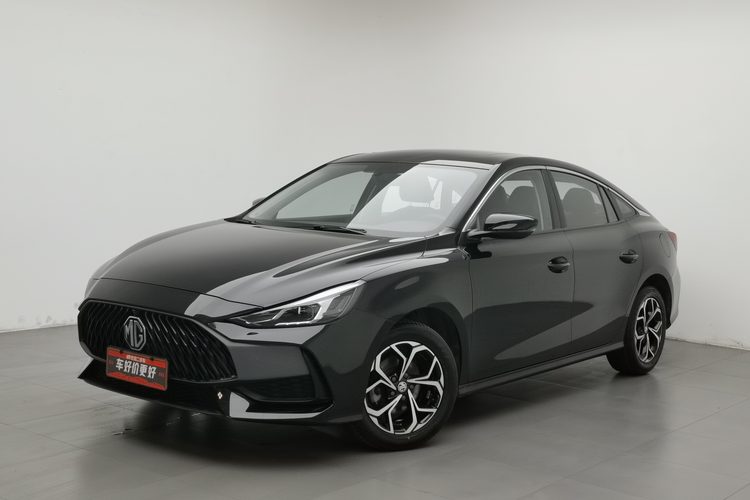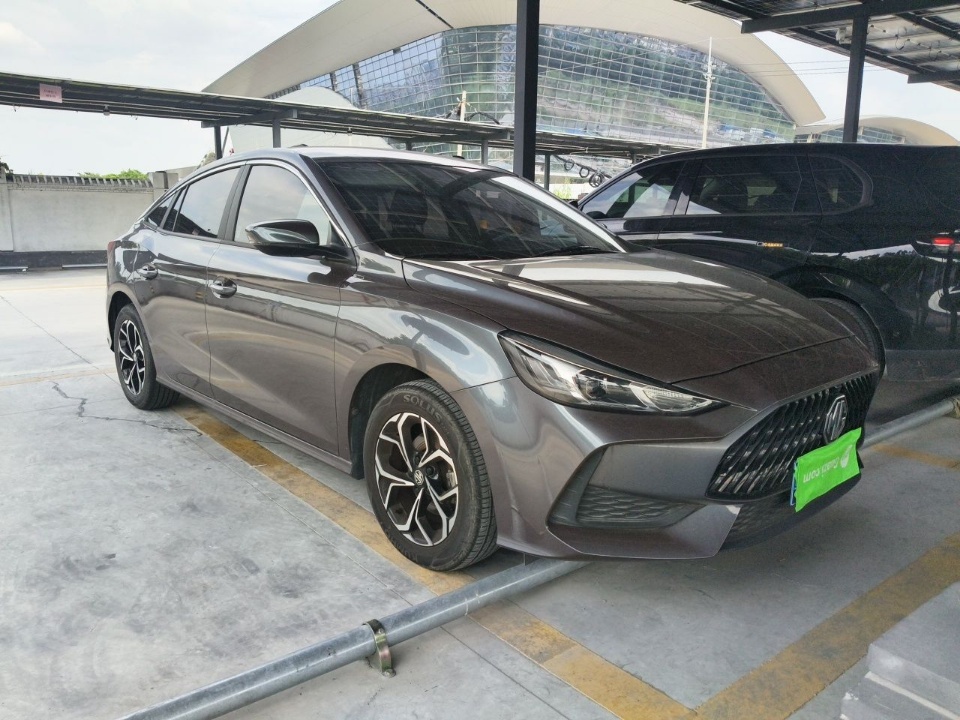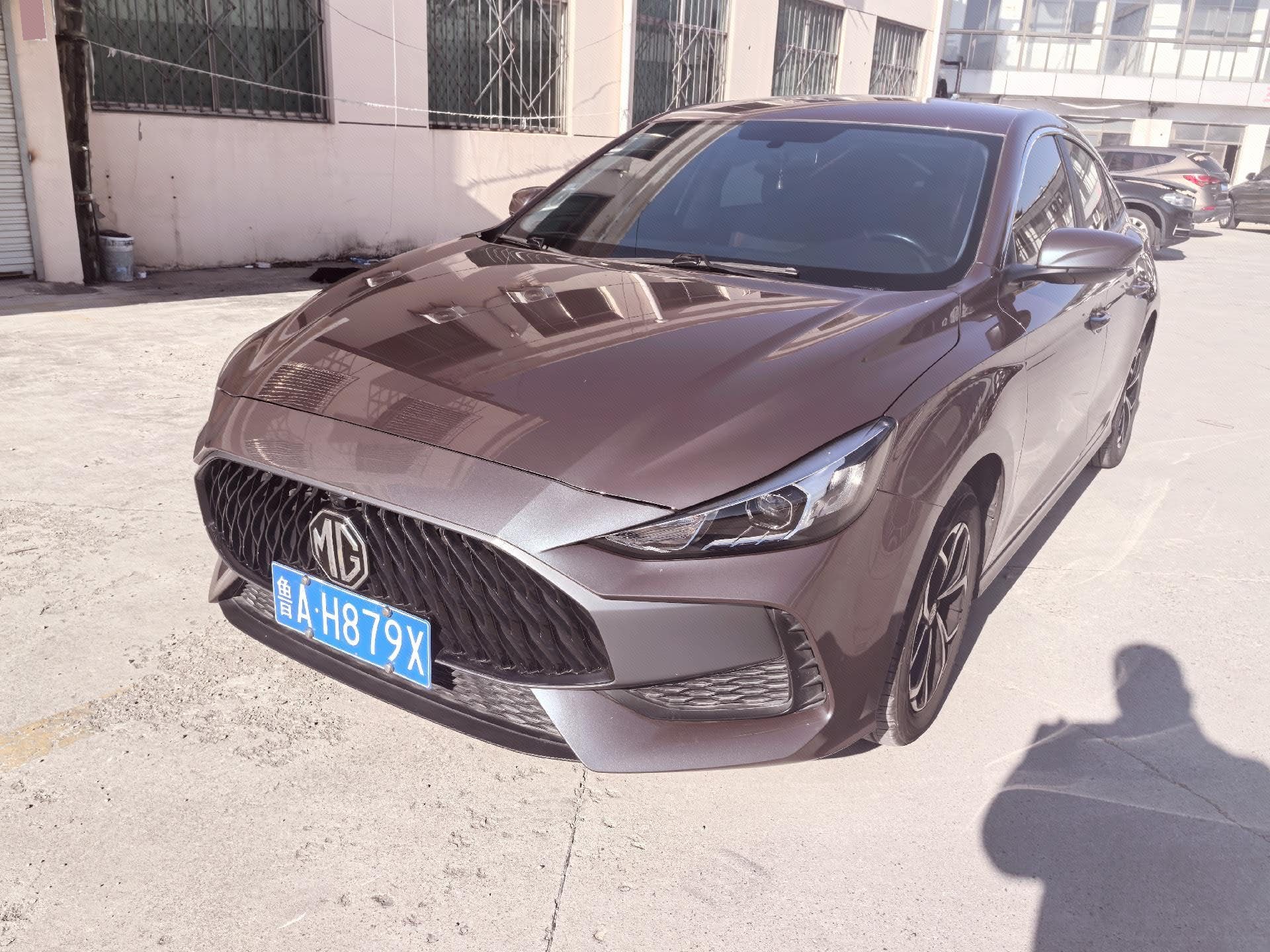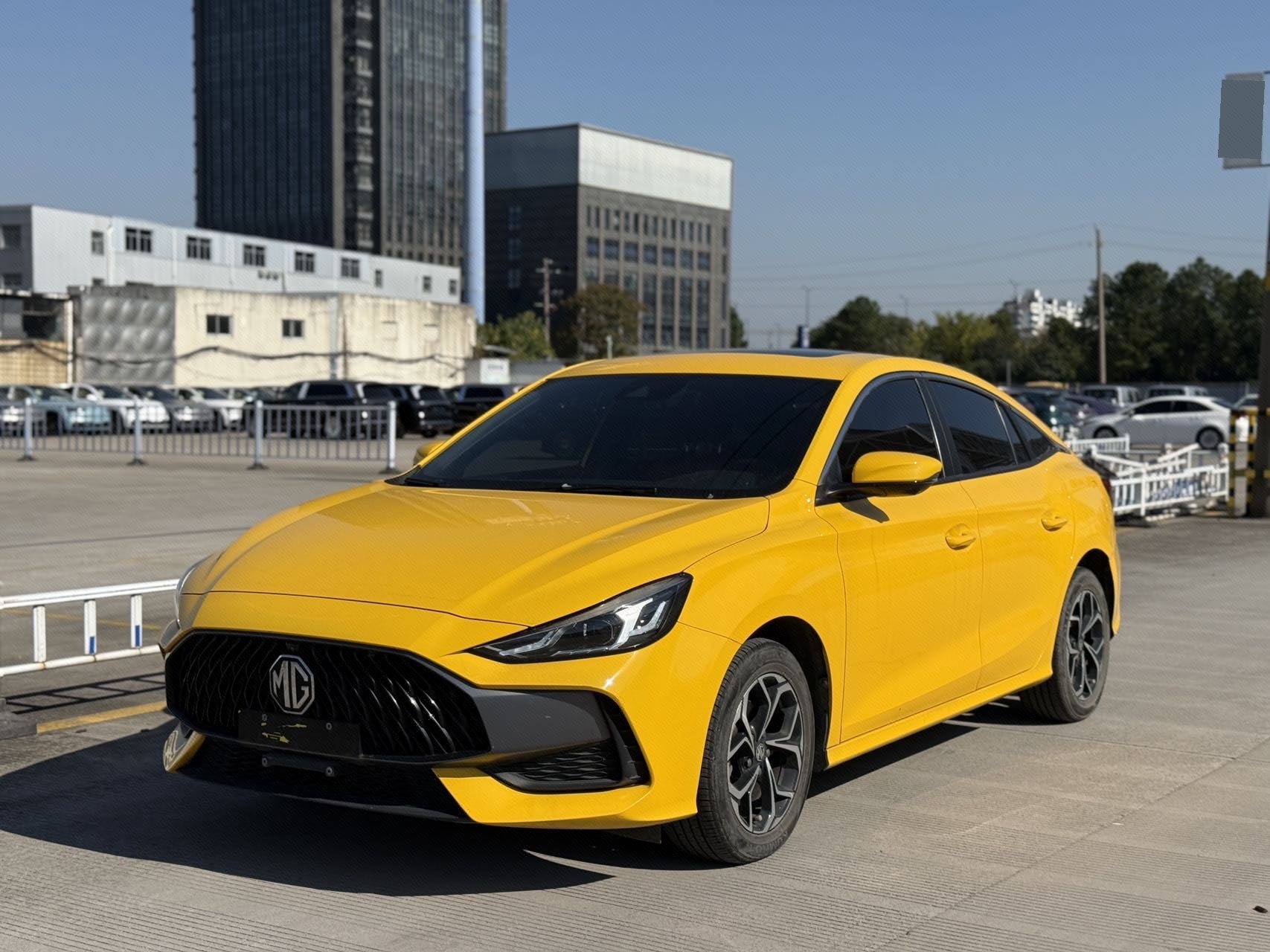
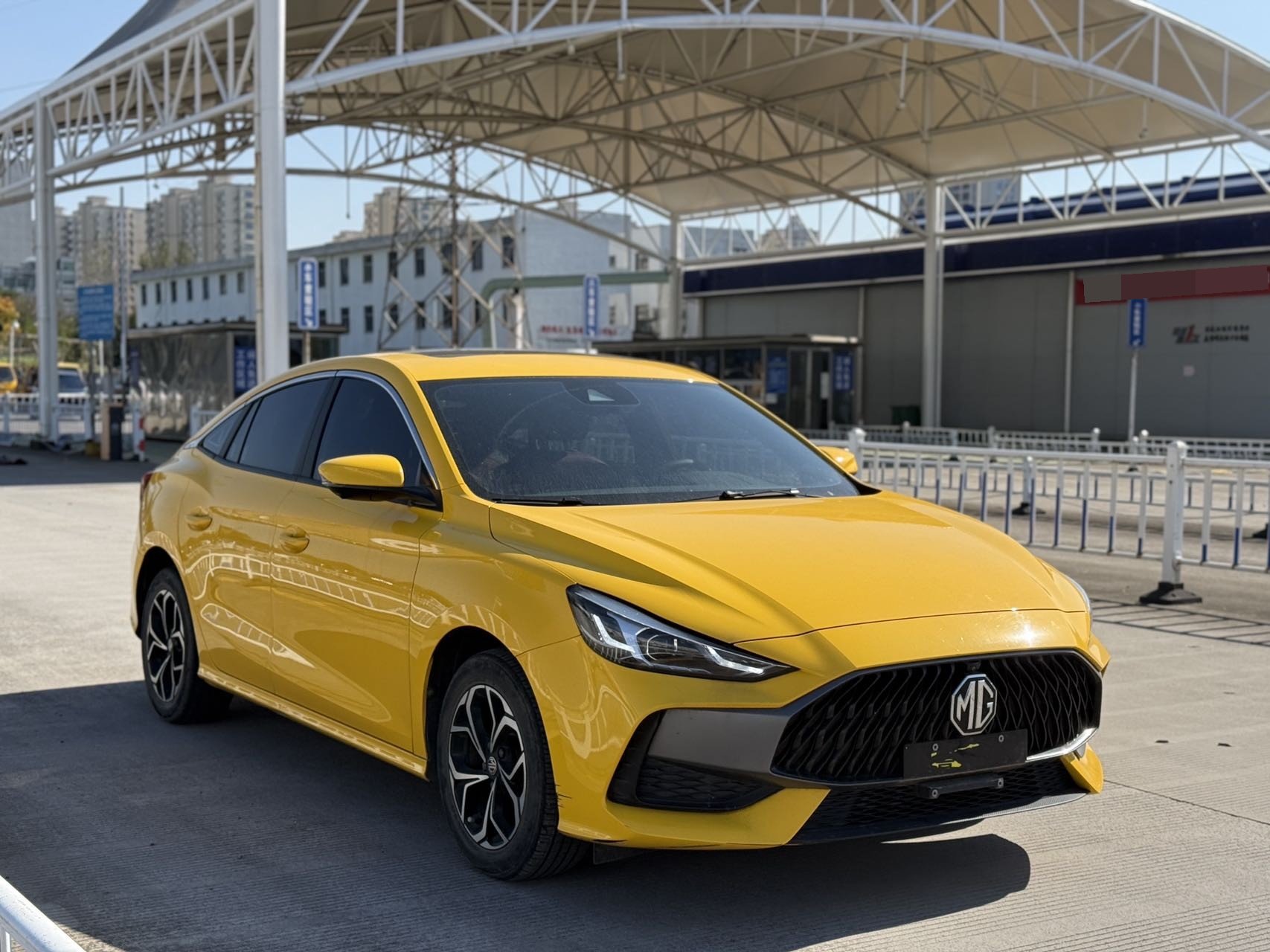
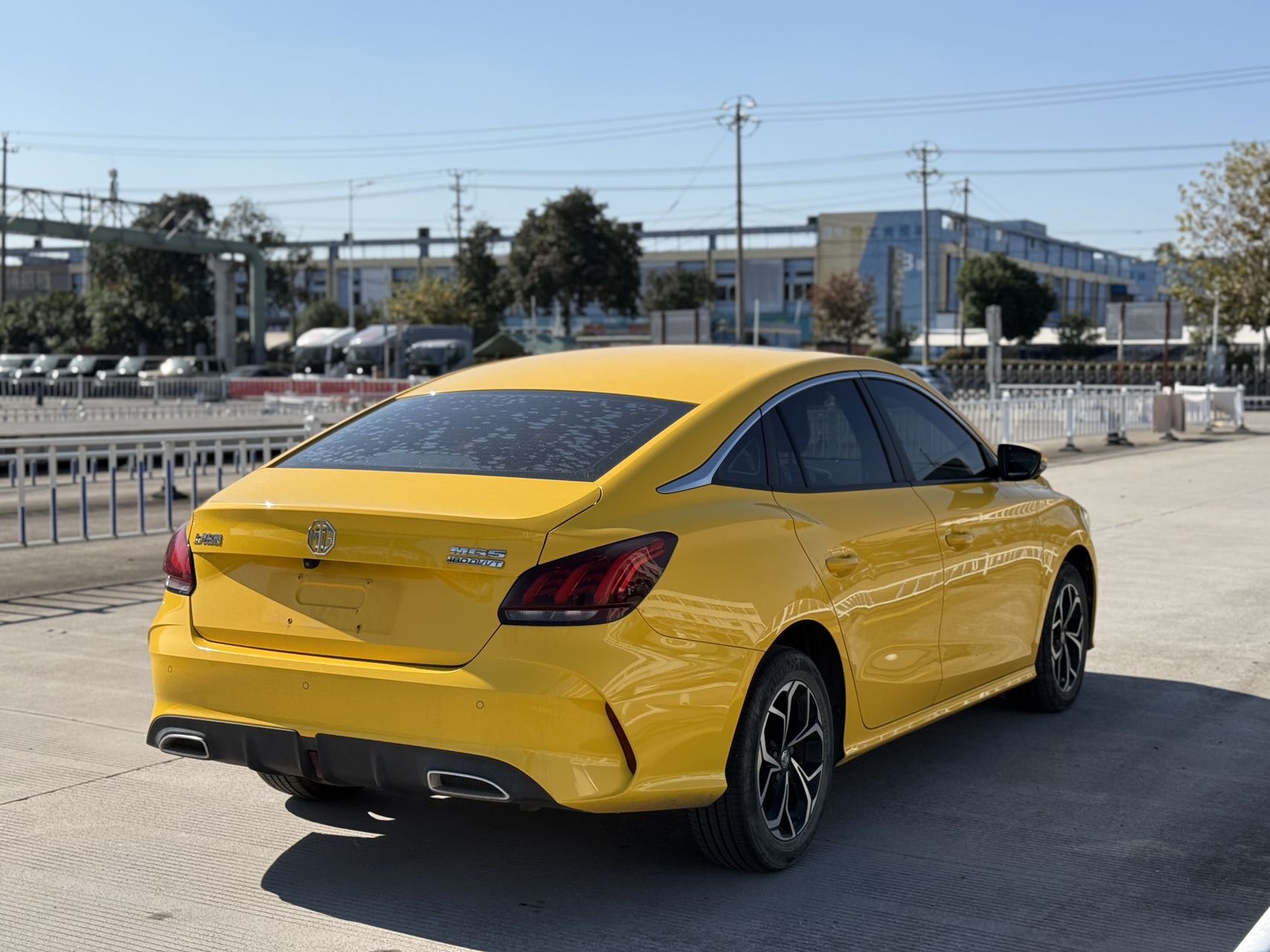
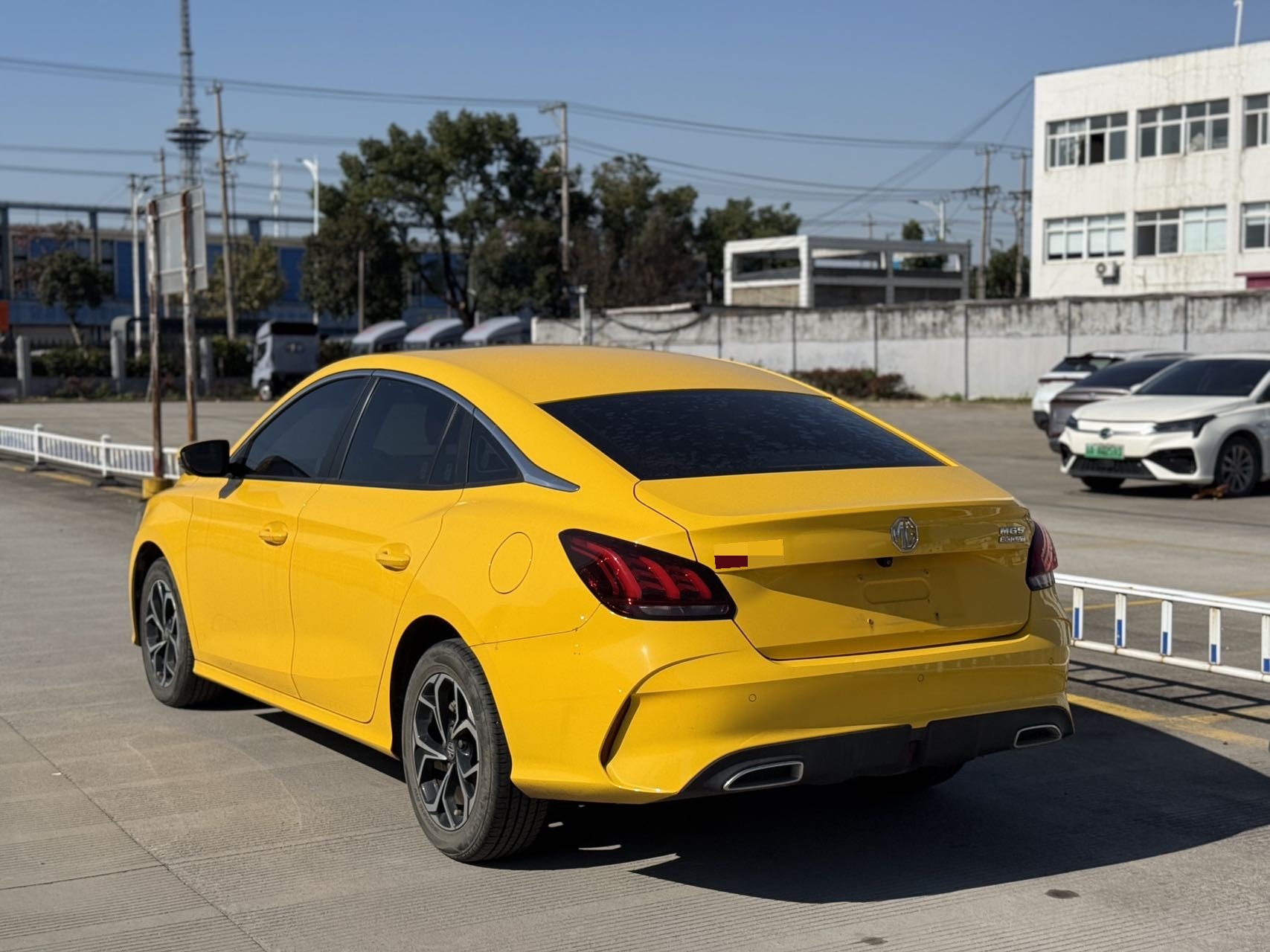
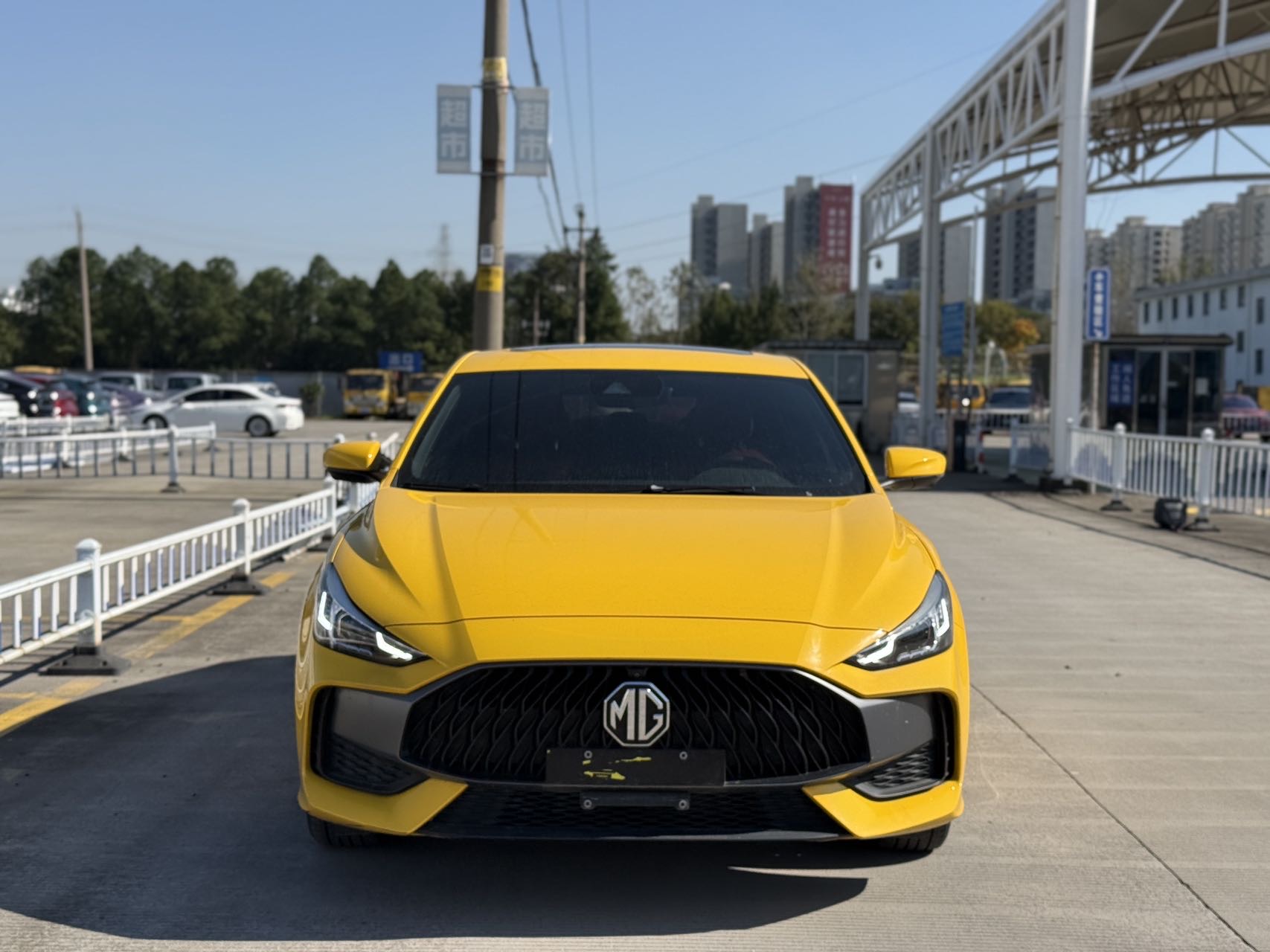
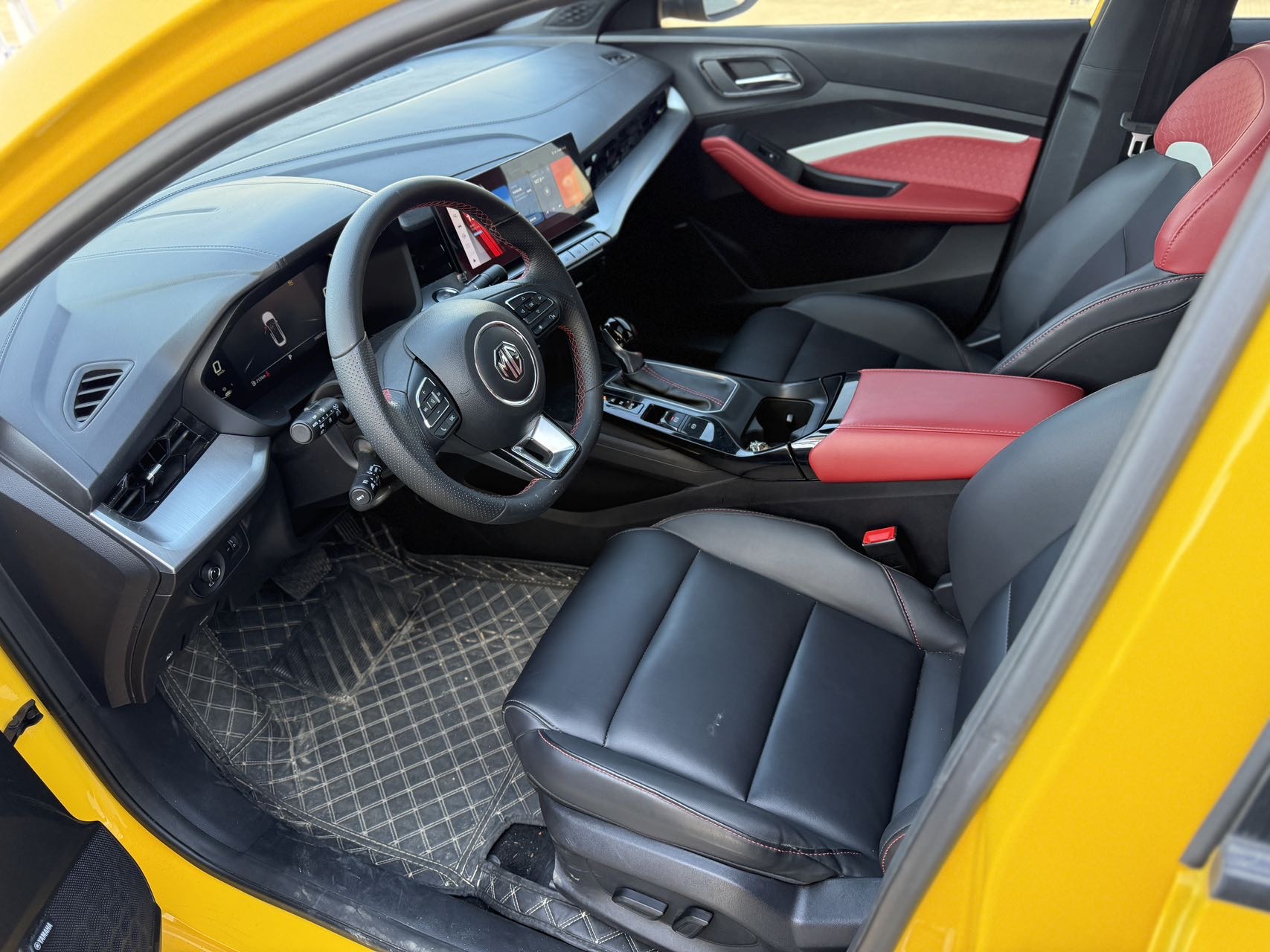
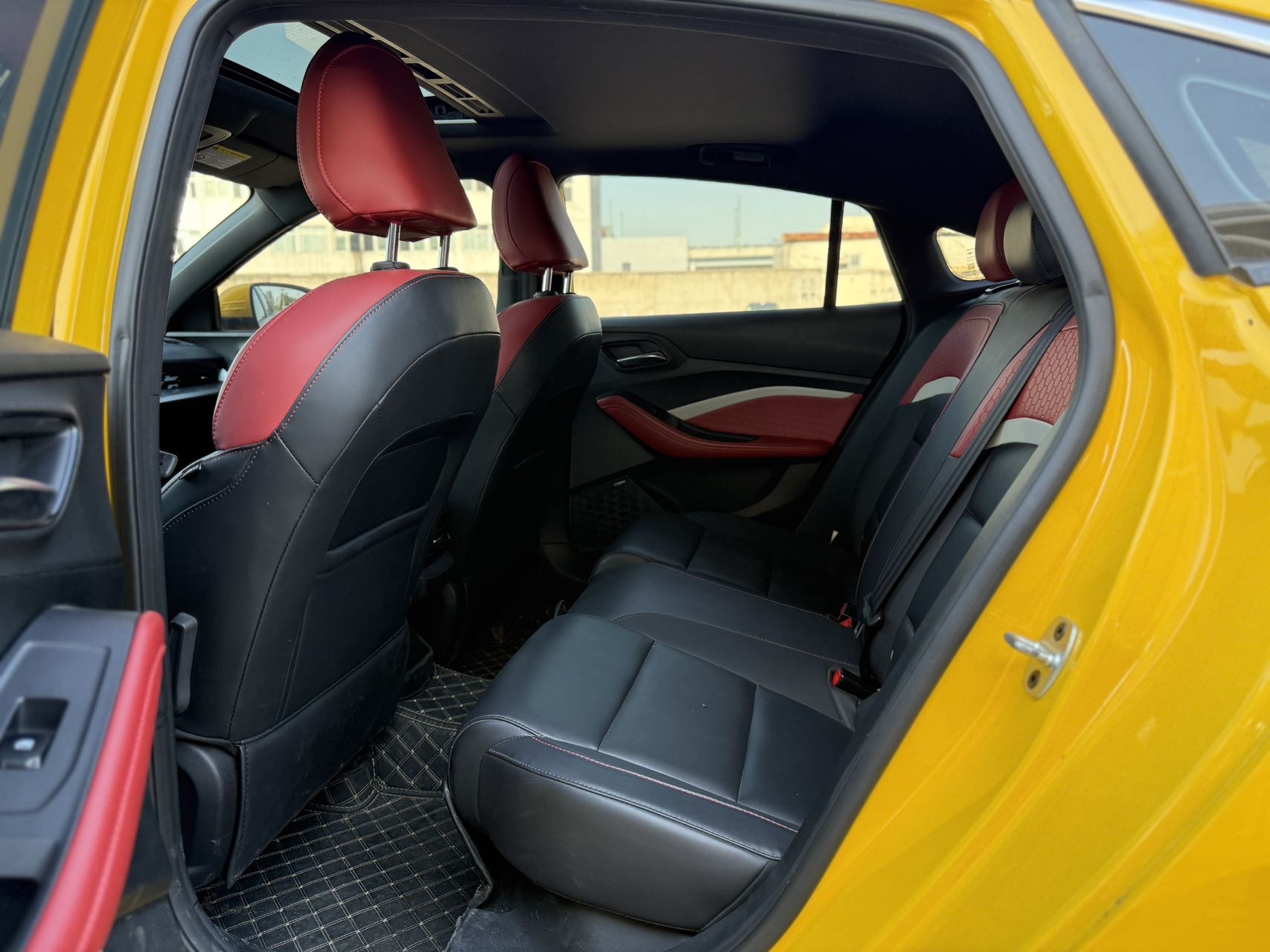
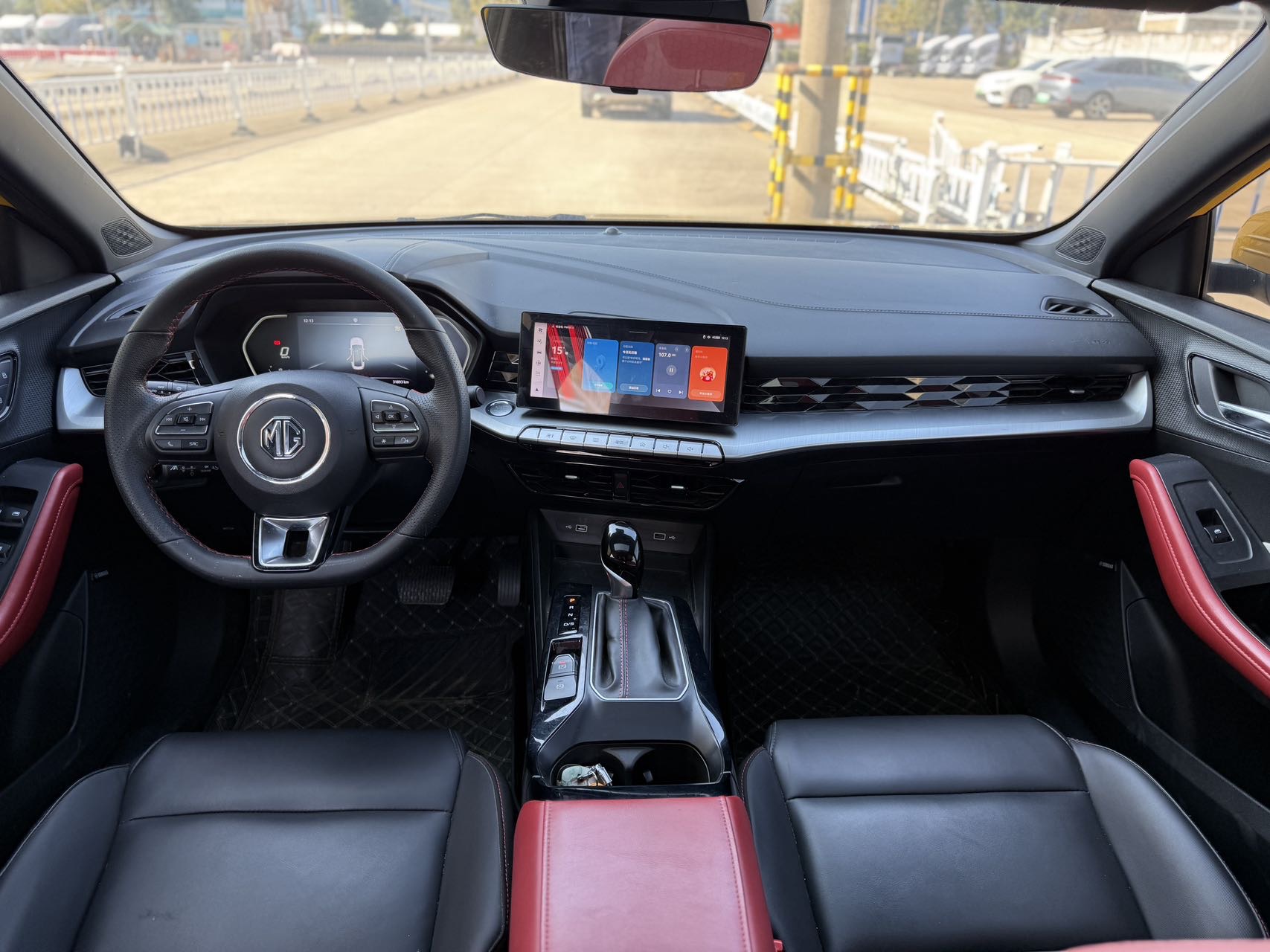
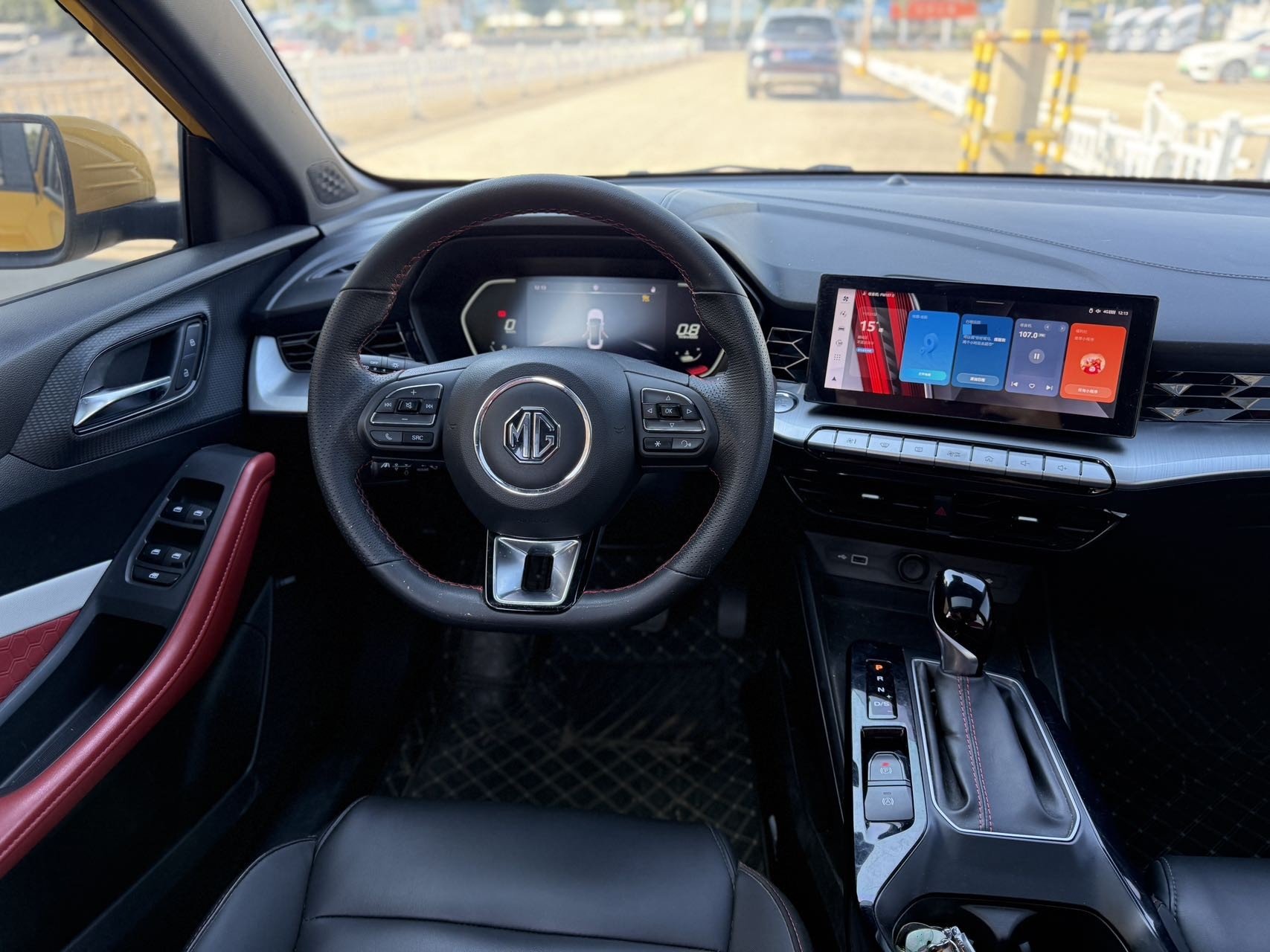



Basic Information

BrandMG
Series5
Year2023
First Registration2023/12
Mileage30,000km
Transfer Count0times
FuelGasoline
TransmissionCVT
Engine1.5L 120 L4
ColorYellow
Seats-

Condition Description

December 2023, one-owner vehicle. Actual odometer 31,000 km. Compulsory insurance valid until December. Condition: original paint, no repairs. Inspection grade S (per Cha Boshi).

Document Information

Inspection Expiry Date-
Warranty Expiry Date-
Insurance Expiry Date2026/12

Q&A

More

How do I make sure the VIN on my used car from China matches all the export paperwork?

VIN consistency is checked at customs in both China and your country, and a mismatch can block clearance. Do the following: 1. Verify early: before payment, ask for clear photos of the VIN plate (dashboard, door frame, engine bay on some models) and compare them with the VIN on the purchase contract, inspection report and any registration documents. 2. Check the characters: VINs never contain the letters I, O or Q. If you see them, the document is either fake or mistyped. 3. Decode it: the first 3 characters are the world manufacturer code, characters 4-8 describe the model and configuration. Decode it online to confirm the documents match the actual trim level you are buying. 4. At destination: when the car arrives, re-check the VIN against the bill of lading and your import declaration before accepting delivery. Any discrepancy found before shipping can be corrected cheaply; after arrival it becomes a legal problem. Make VIN verification part of your pre-shipment inspection checklist.


What export documents come with a used car shipped from China, and which ones do customs in my country require?

A compliant shipment from China includes a standard document set. Verify you receive all of them before the ship departs, because correcting documents mid-transit is slow and expensive. The core set: commercial invoice, bill of lading (original, if your country requires presentation for customs), packing list, certificate of origin, and the export customs declaration. For used cars, also expect the Chinese registration certificate copy, deregistration proof, and a condition/inspection report. Some destinations require additional certificates — GCC states need GSO conformity, EU countries need COC or individual approval, several African nations require BESC/ECTN tracking numbers issued before loading. Your customs broker will typically need the invoice and bill of lading at minimum, plus proof of vehicle age and emissions where age limits apply. Ask your exporter for scanned copies the day the vessel sails, not when it arrives: pre-clearance can cut port storage fees significantly. One caution: the invoice value must match your payment records. Under-declaring to save duties is customs fraud in most countries and risks seizure.

How can I confirm the real mileage of a used Chinese car when I'm buying from overseas?

Odometer rollback happens everywhere, so never trust the dashboard number alone. Cross-check at least three sources: 1. Maintenance records: Chinese 4S dealerships keep service logs tied to the VIN. Ask the exporter for screenshots showing recorded mileage at each visit — the numbers should rise consistently. 2. Inspection reports: China requires periodic emissions/safety inspections, and the mileage is logged at each one. The exporter can pull the car's inspection history. 3. Tire and wear clues: Compare the claimed mileage with brake pedal rubber, steering wheel shine, seat bolster wear, and the tire production dates. A car showing 30,000 km with a polished steering wheel and second set of tires is suspicious. Also check the dashboard for uneven digits or scratches around the odometer area in photos. If maintenance and inspection records roughly agree, the reading is usually trustworthy; if the seller refuses to share records, treat the mileage as unknown and negotiate accordingly.