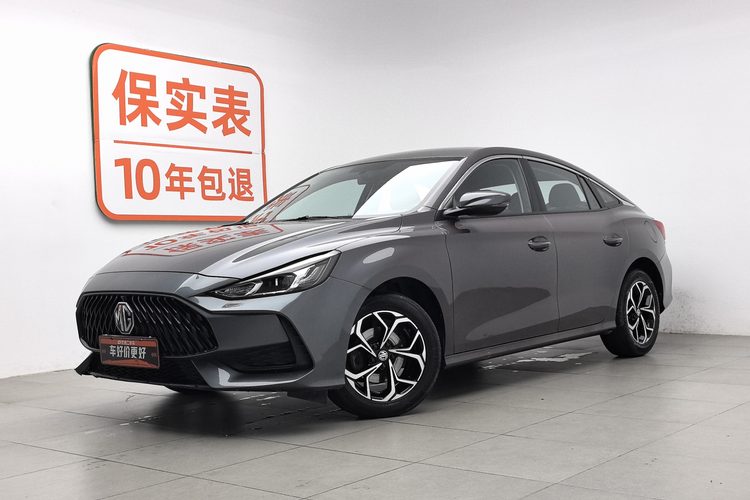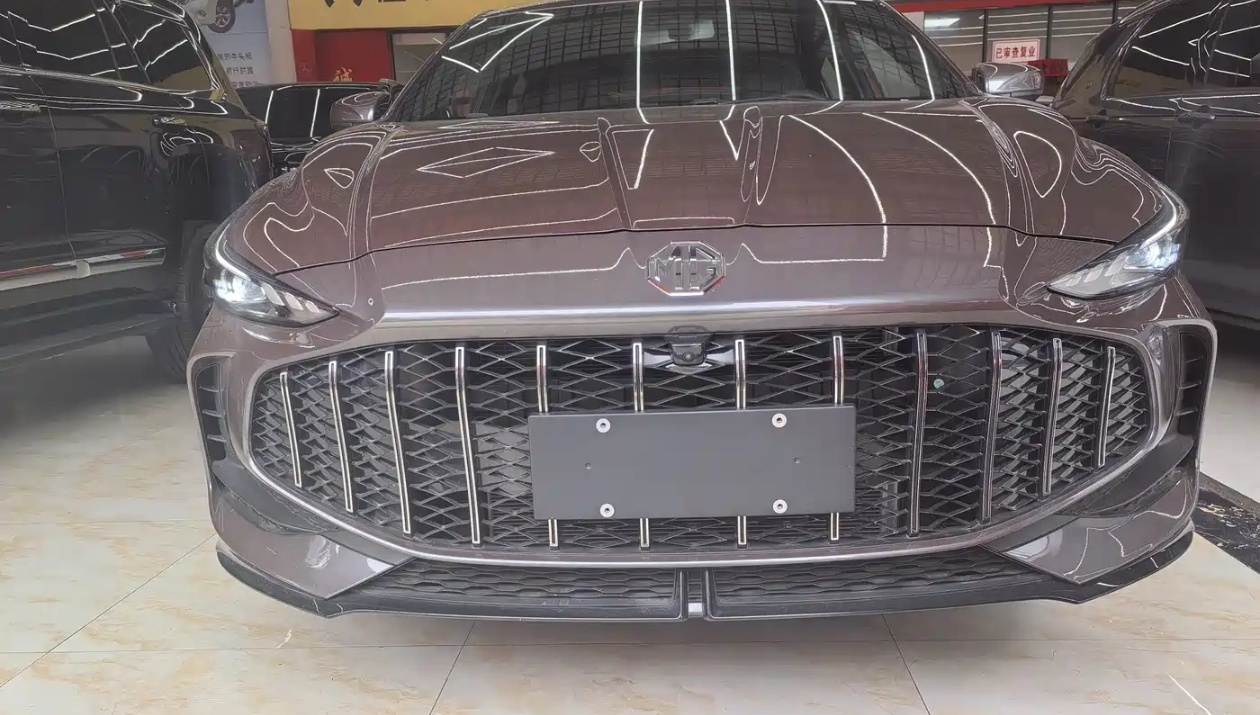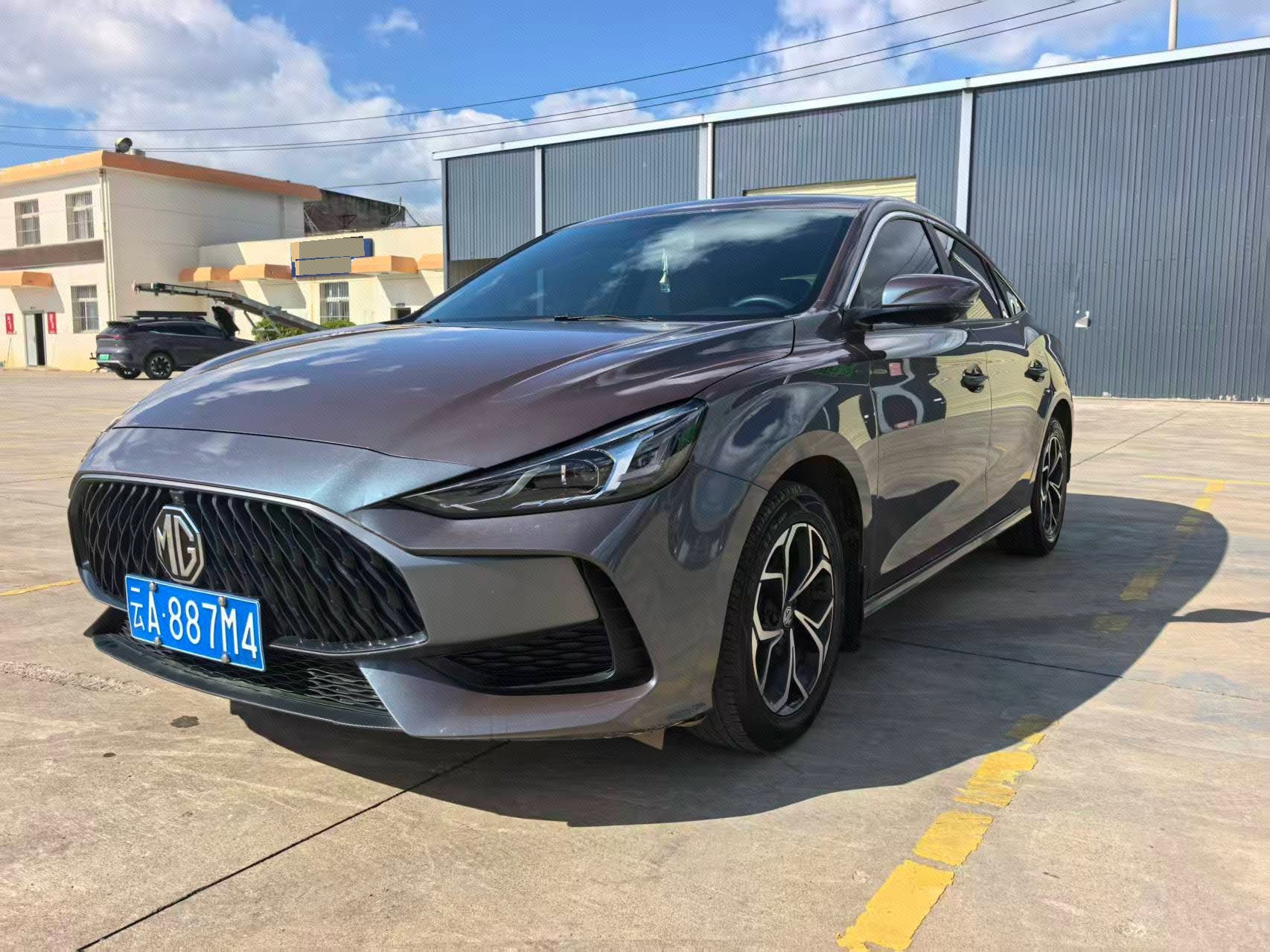
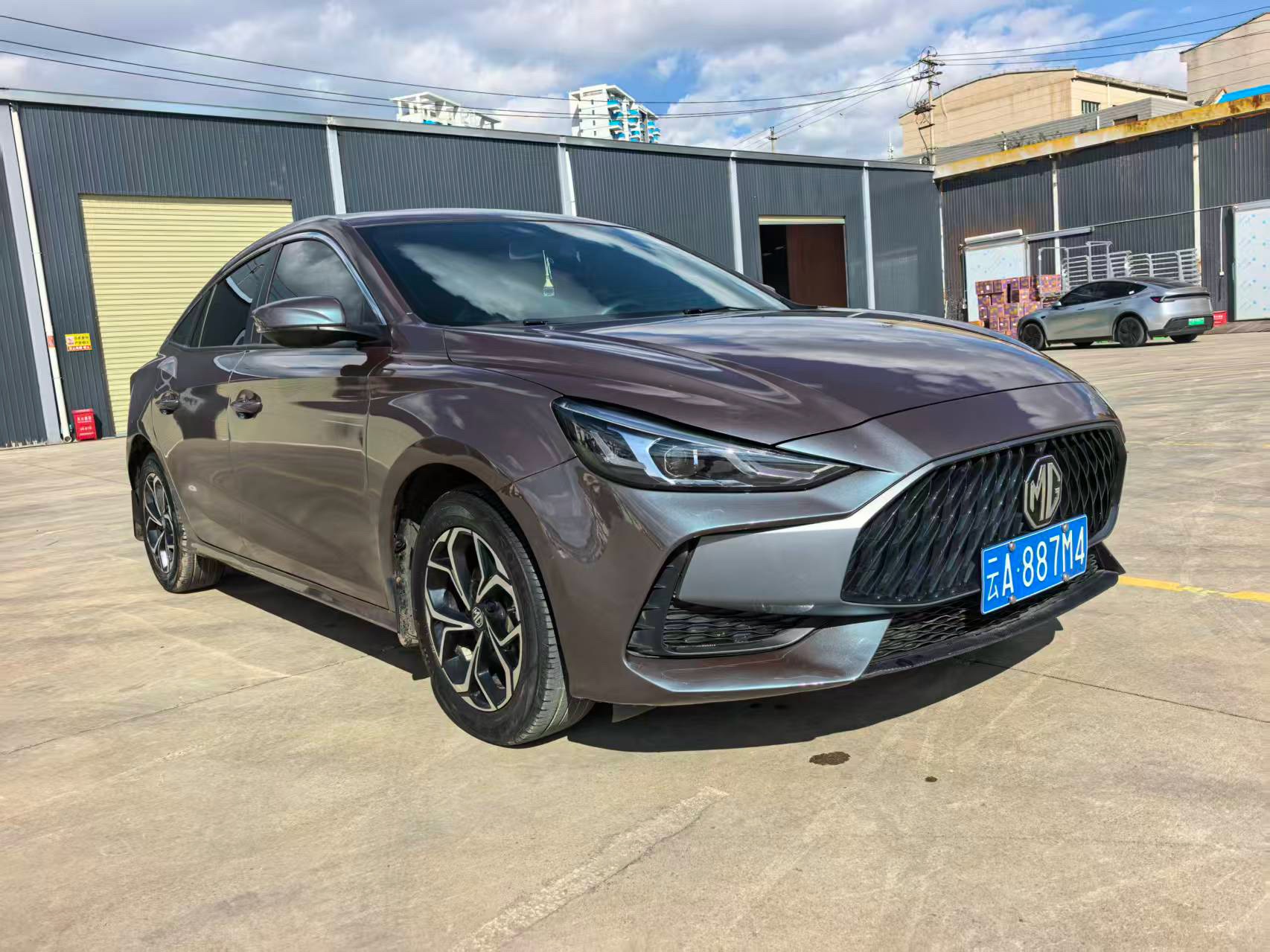
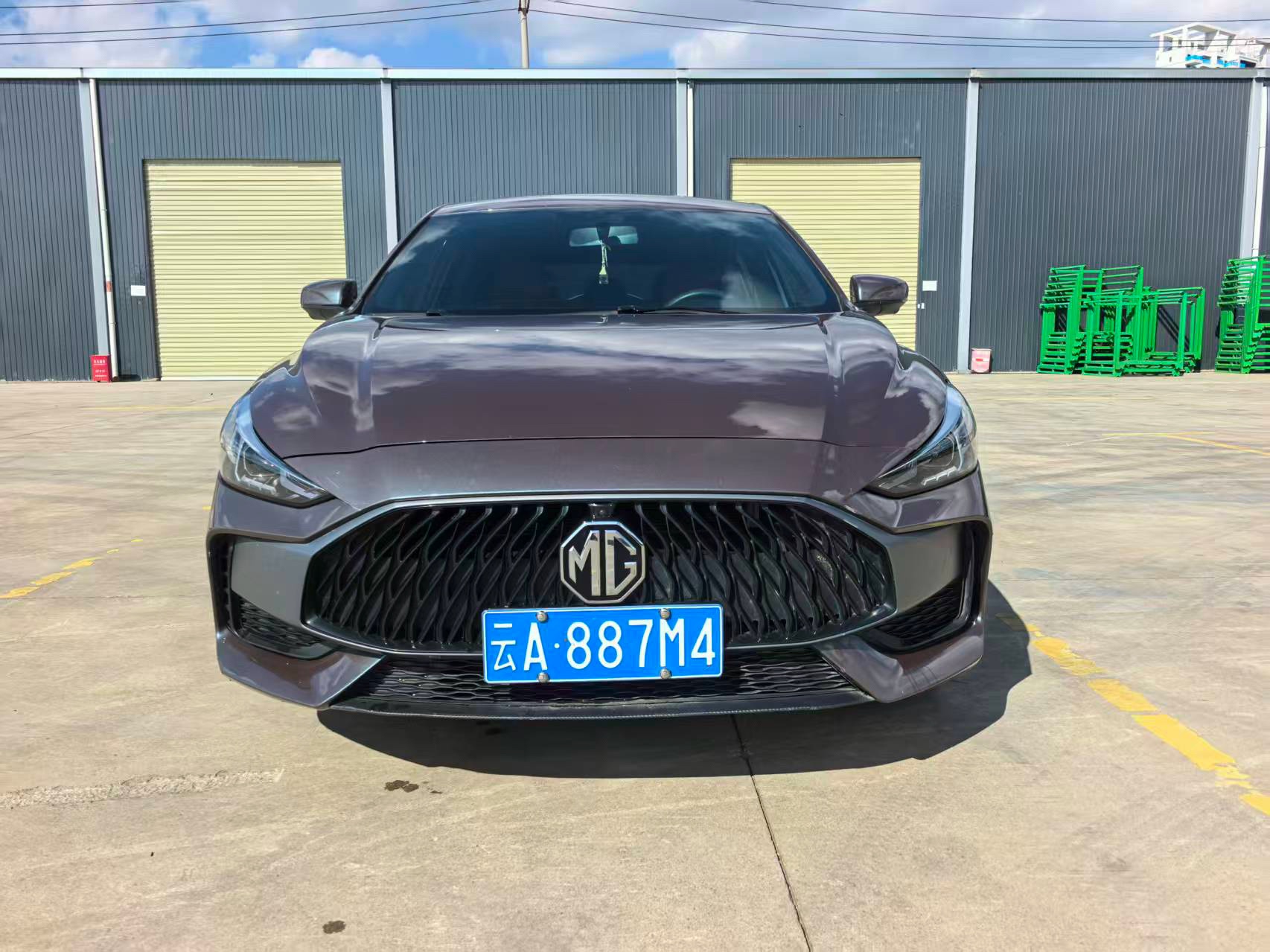
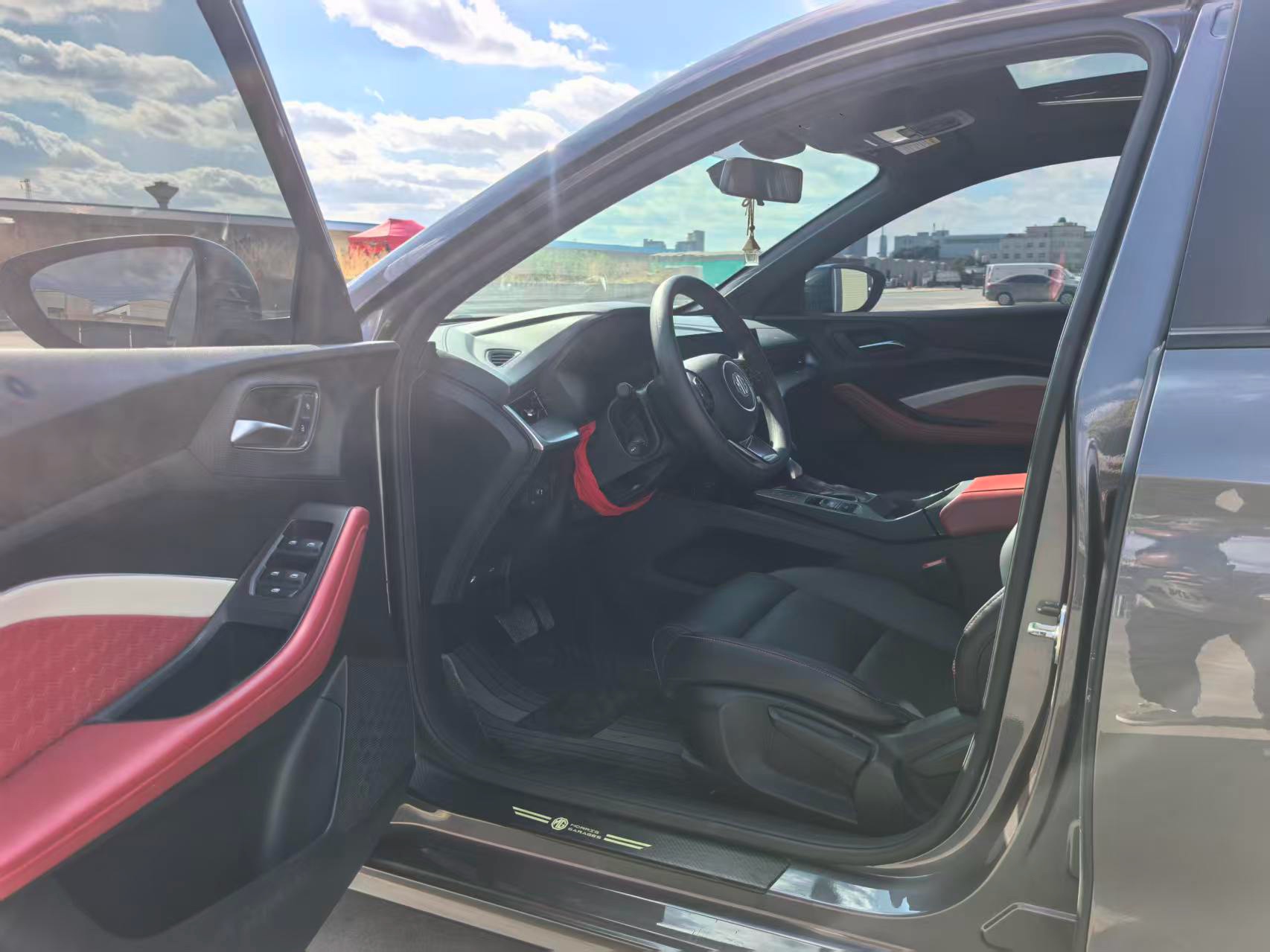
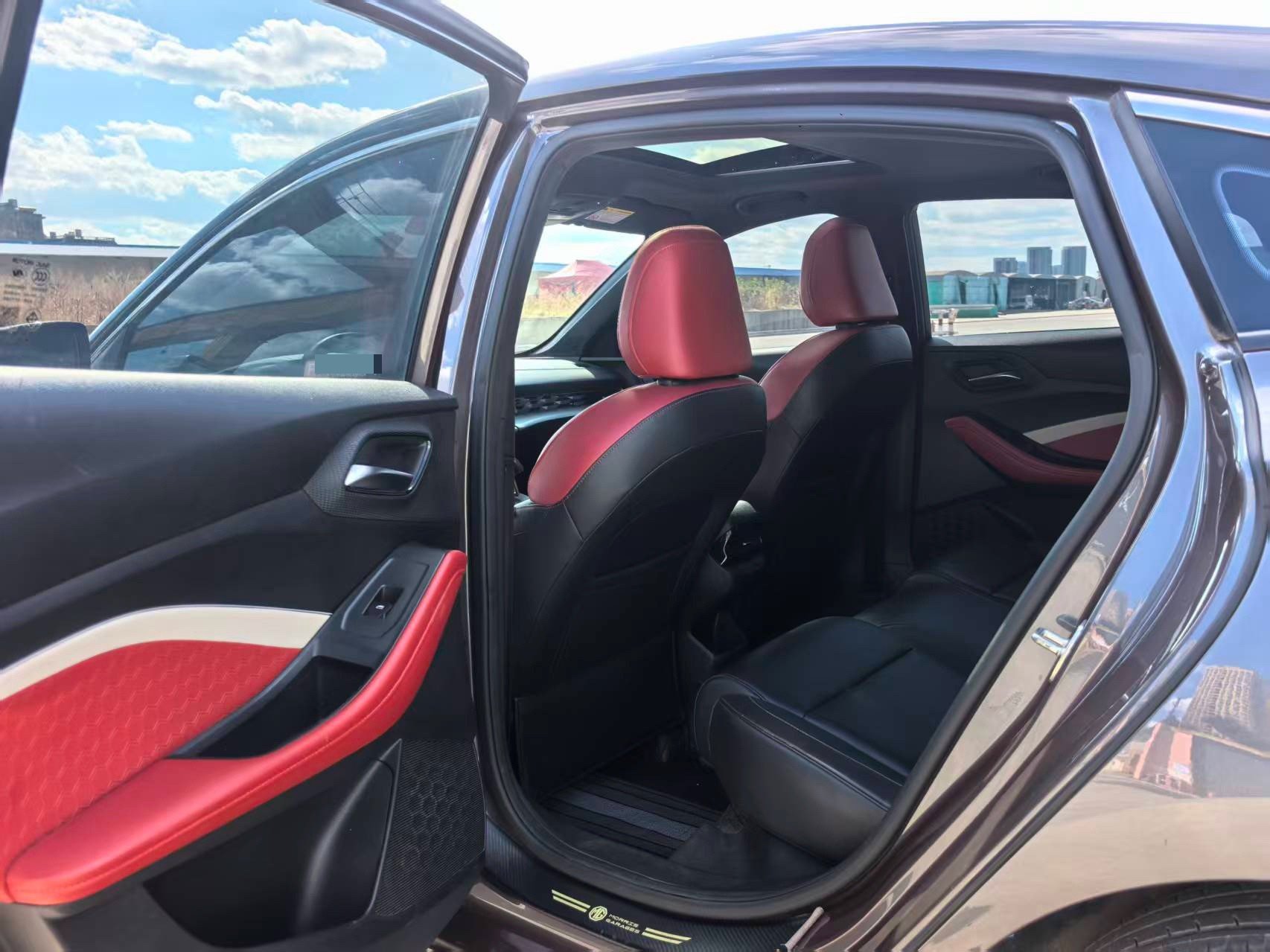
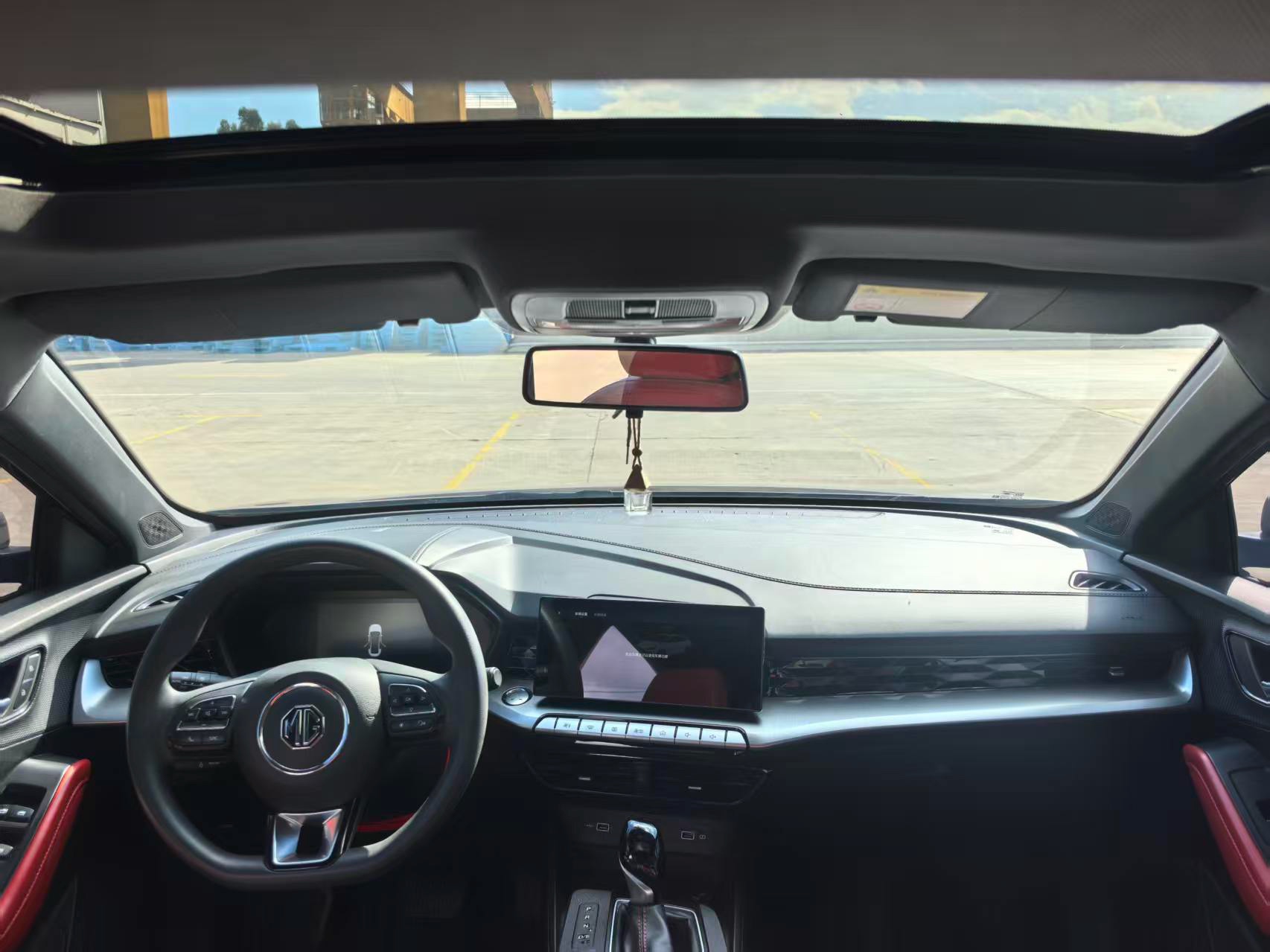
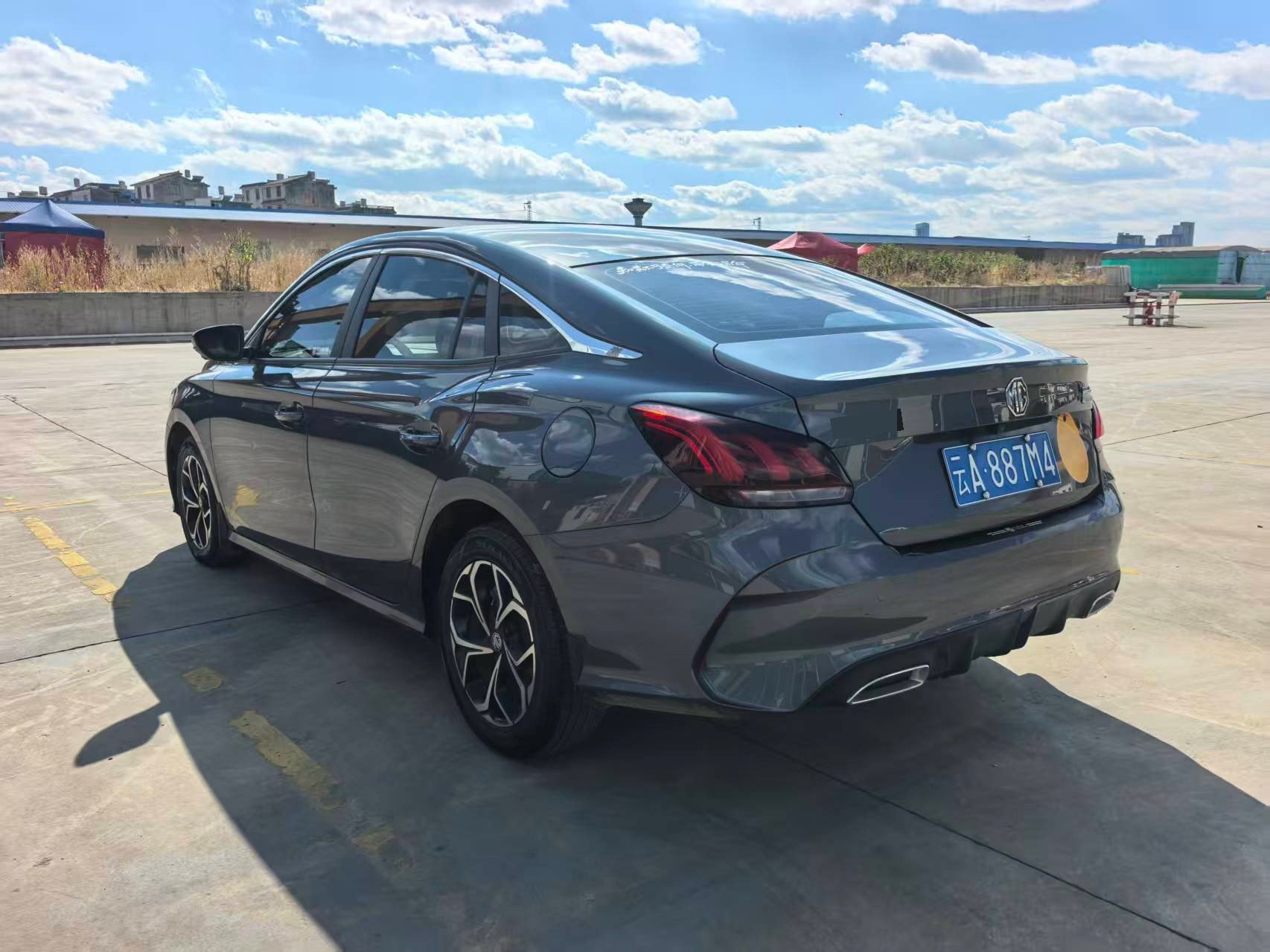
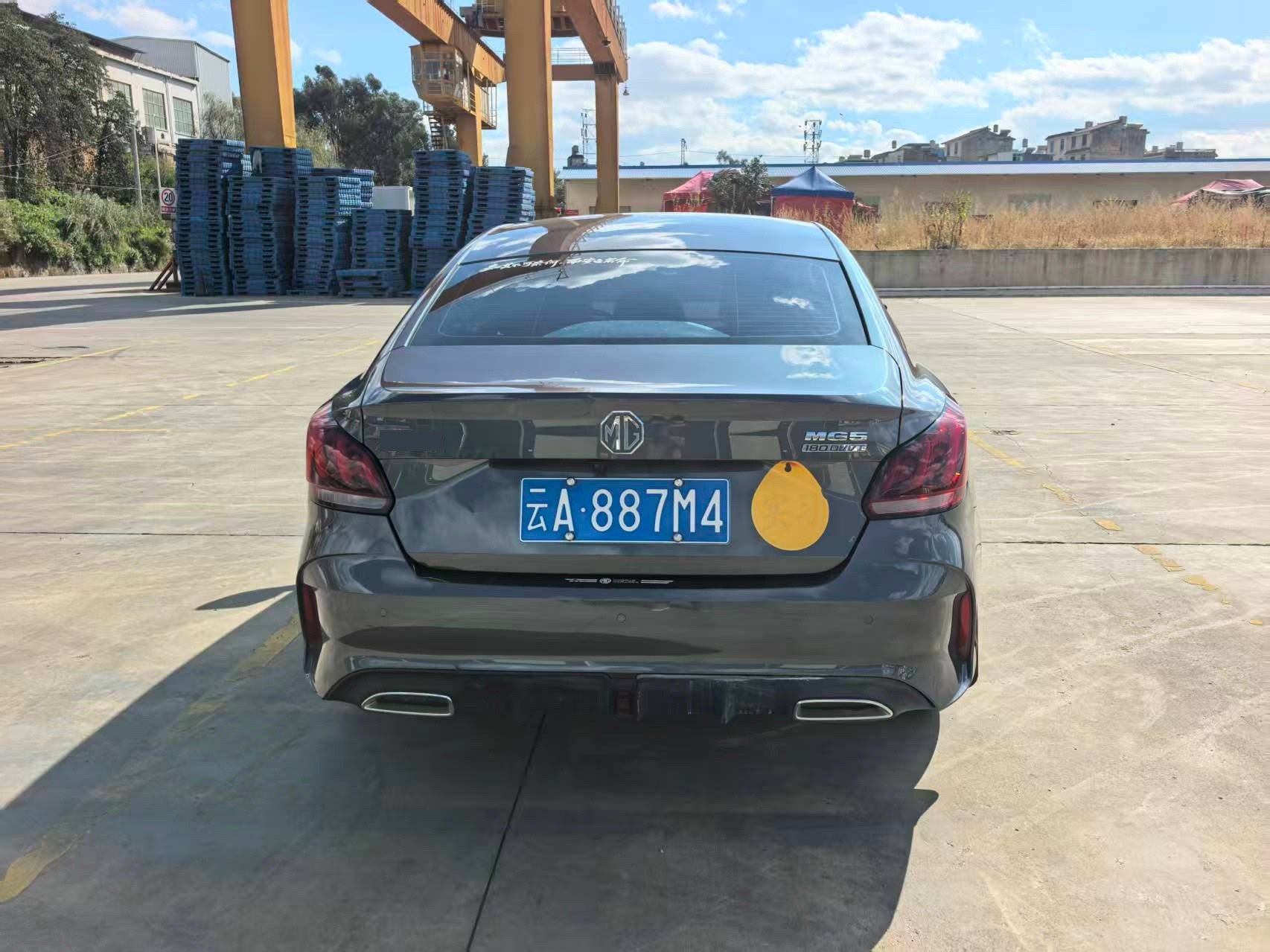
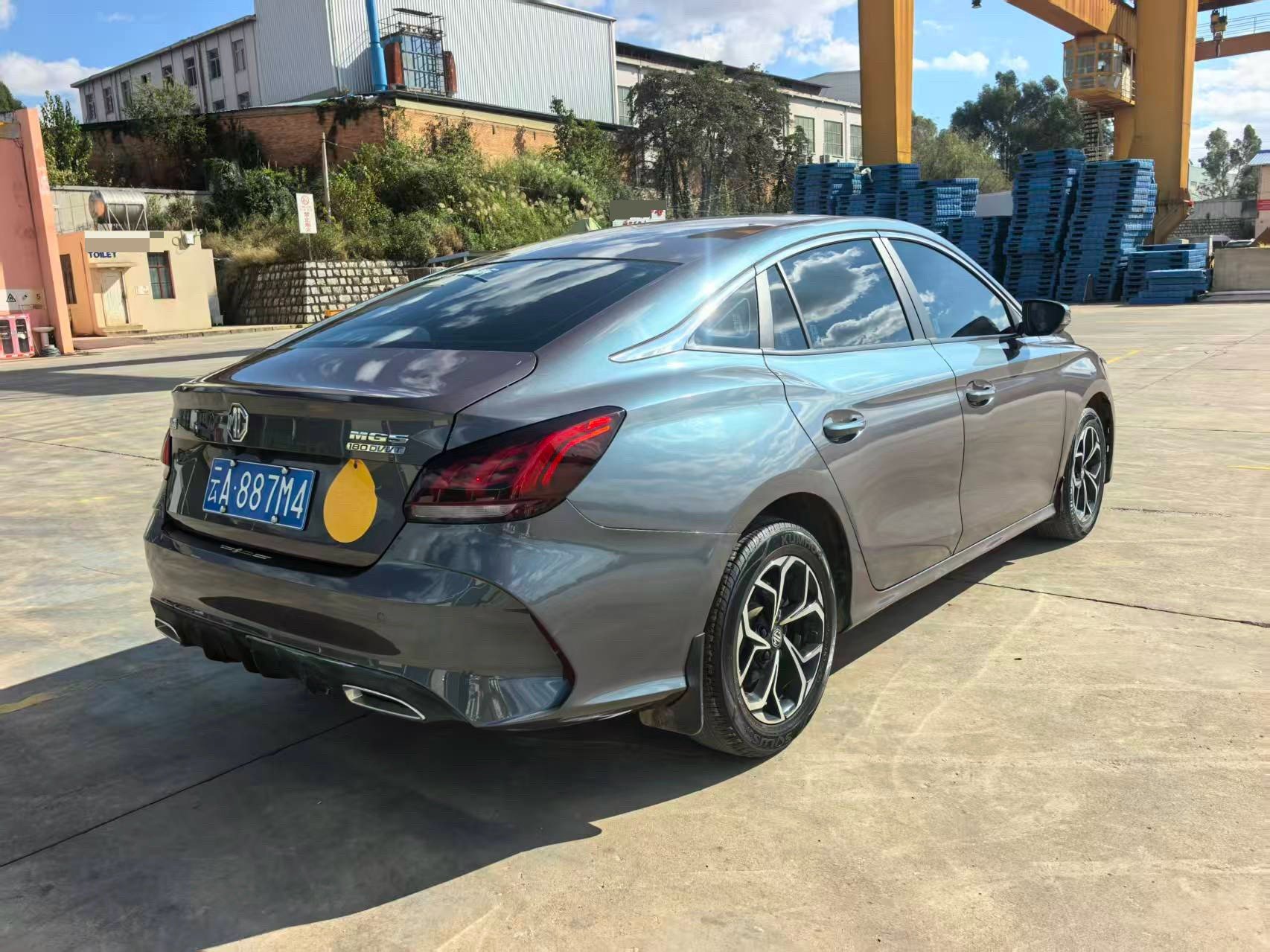



Basic Information

BrandMG
Series5
Year2024
First Registration2024/02
Mileage39,000km
Transfer Count0times
FuelGasoline
TransmissionCVT
Engine1.5L 129 L4
ColorGrey
Seats5seats

Condition Description

Vehicle in good condition, low mileage. Inspection grade S.

Document Information

Inspection Expiry Date-
Warranty Expiry Date-
Insurance Expiry Date2027/02

Q&A

More

What should be done if the parameters on the vehicle's Chinese registration certificate do not match those in the destination country's customs database?

The commercial invoice and export license we provide are based on the vehicle's underlying VIN and official Chinese nameplate data. If there are minor discrepancies with the destination country's customs system parameters (such as curb weight), we will issue a "Parameter Explanation Letter" stamped by our company to assist you in explaining, but we cannot change the official document data.


If a car frequently transfers between extremely cold areas (like Northeast China) and extremely hot areas (like Hainan), would you provide special risk warnings?

Absolutely. The extreme temperature fluctuations will significantly accelerate the aging of chassis rubber parts, oil seals, and interior plastics. For vehicles frequently dispatched across such latitudes, we will conduct fatigue resistance checks on chassis rubber parts that are twice as stringent as those for vehicles in temperate regions.

How do I evaluate rust and corrosion on a used car from China, especially for coastal cities or snowy regions?

Rust is a deal-breaker that photos can hide, so be systematic. High-risk areas to check: 1. Underbody and frame rails—surface rust is normal, but flaking or bubbling paint means advanced corrosion 2. Wheel arches and rocker panels—these trap mud and salt 3. Door bottoms and the trunk floor—water collects here; lift the trunk mat and look for dampness or repair welds 4. Around the windshield and sunroof drains—leaks cause hidden rust in the A-pillars Ask the inspector to do a magnet test: filler-repaired areas won't hold a magnet, indicating past accident repairs. A paint thickness gauge reveals resprayed sections—uniform readings around 80-150 microns are normal; spikes over 300 suggest bodywork. Cars from northern China (salted roads in winter) or coastal cities need extra scrutiny on the underbody. If structural members show corrosion, walk away—repairs rarely restore original strength.