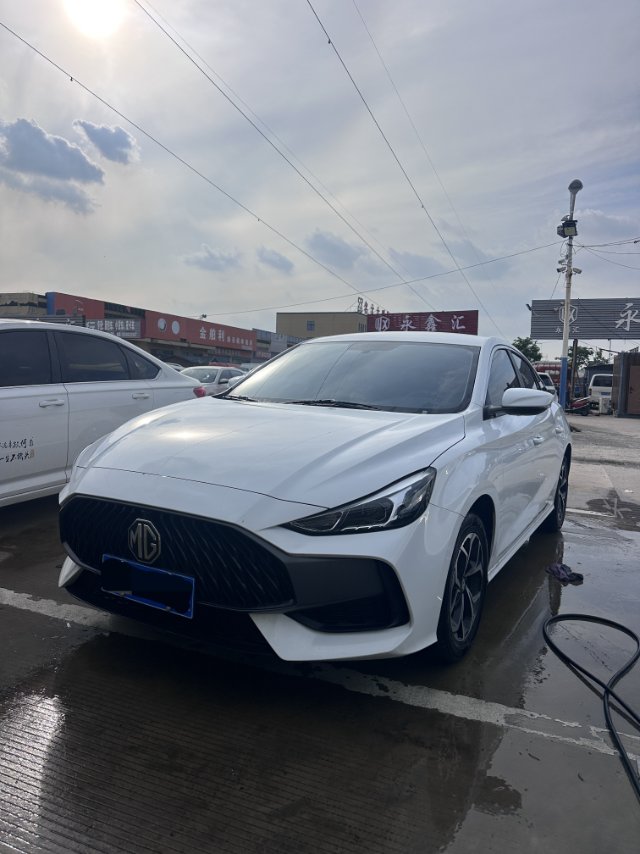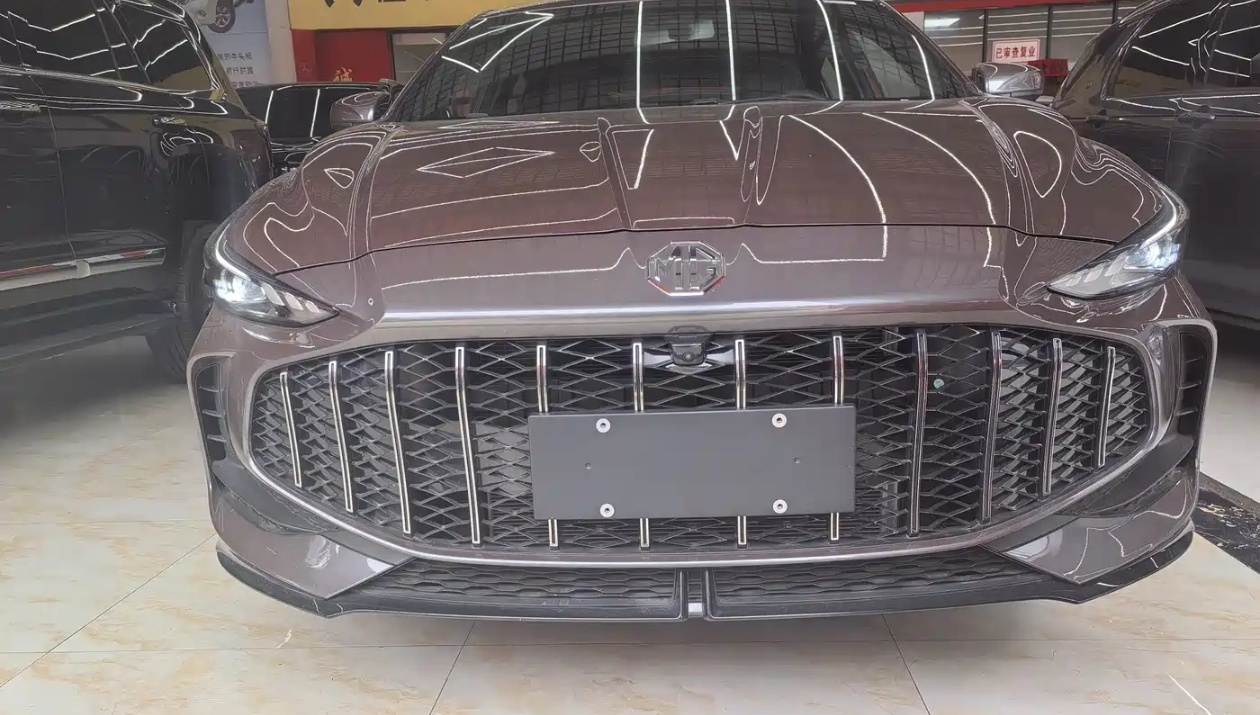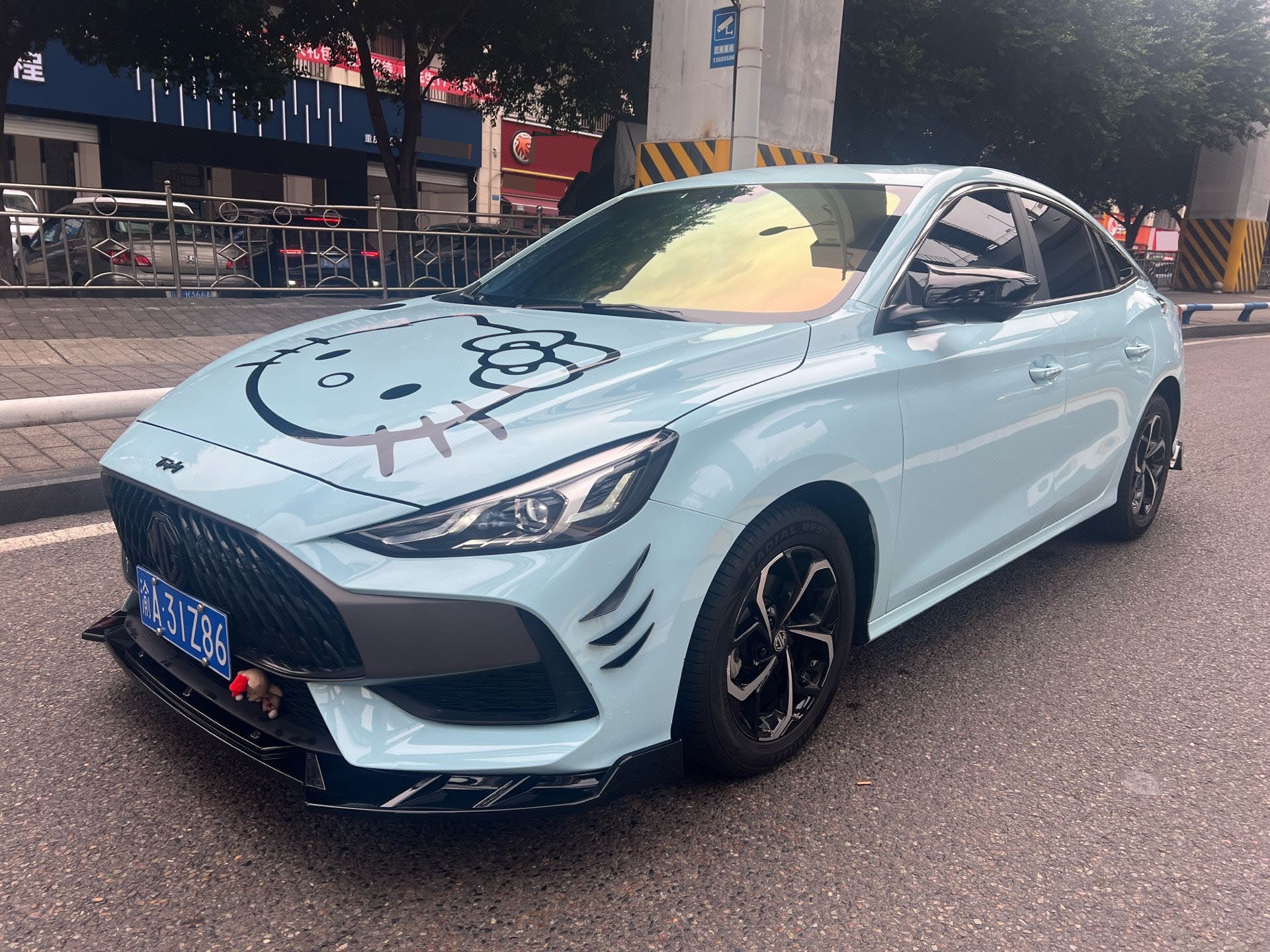
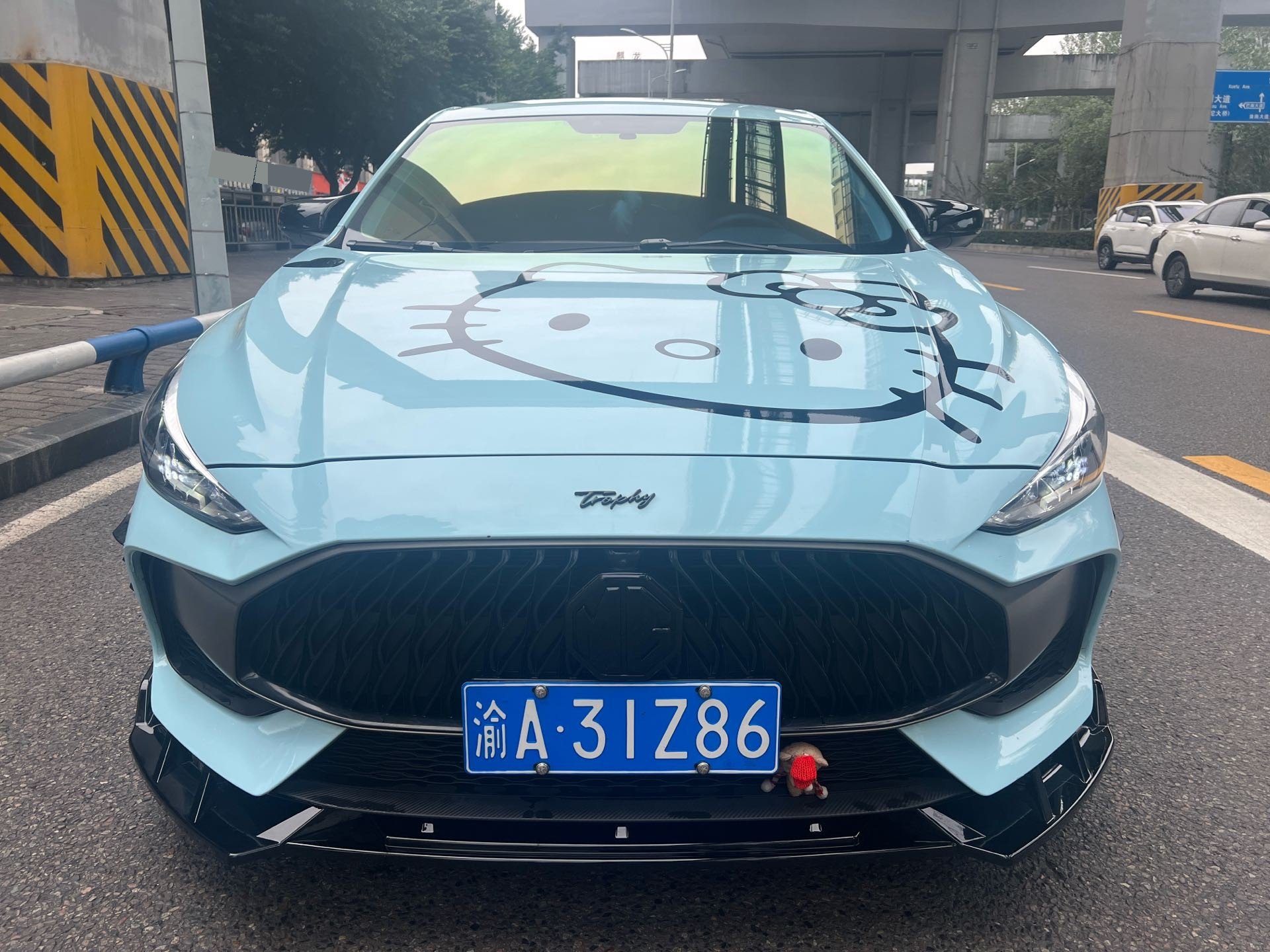

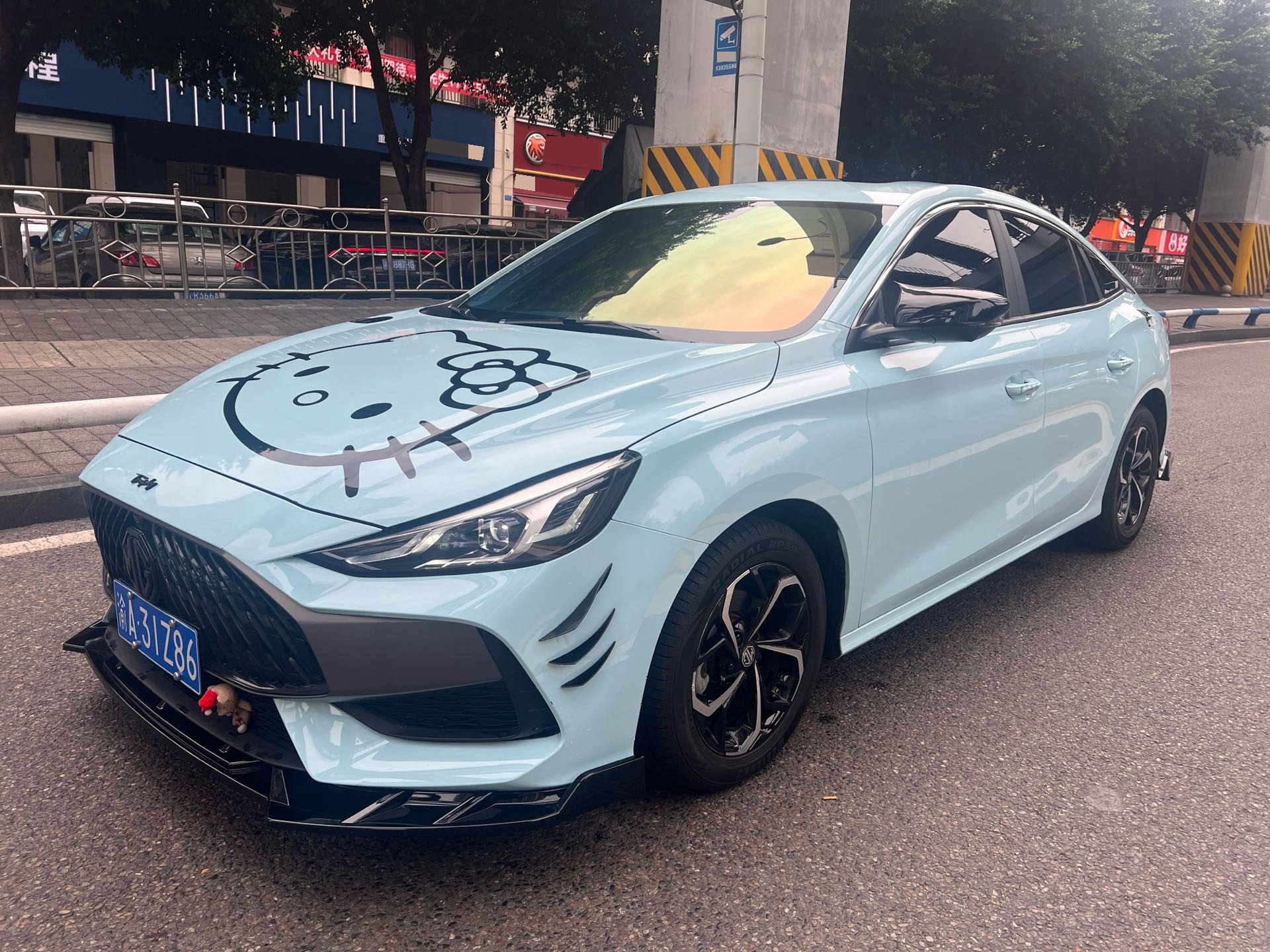
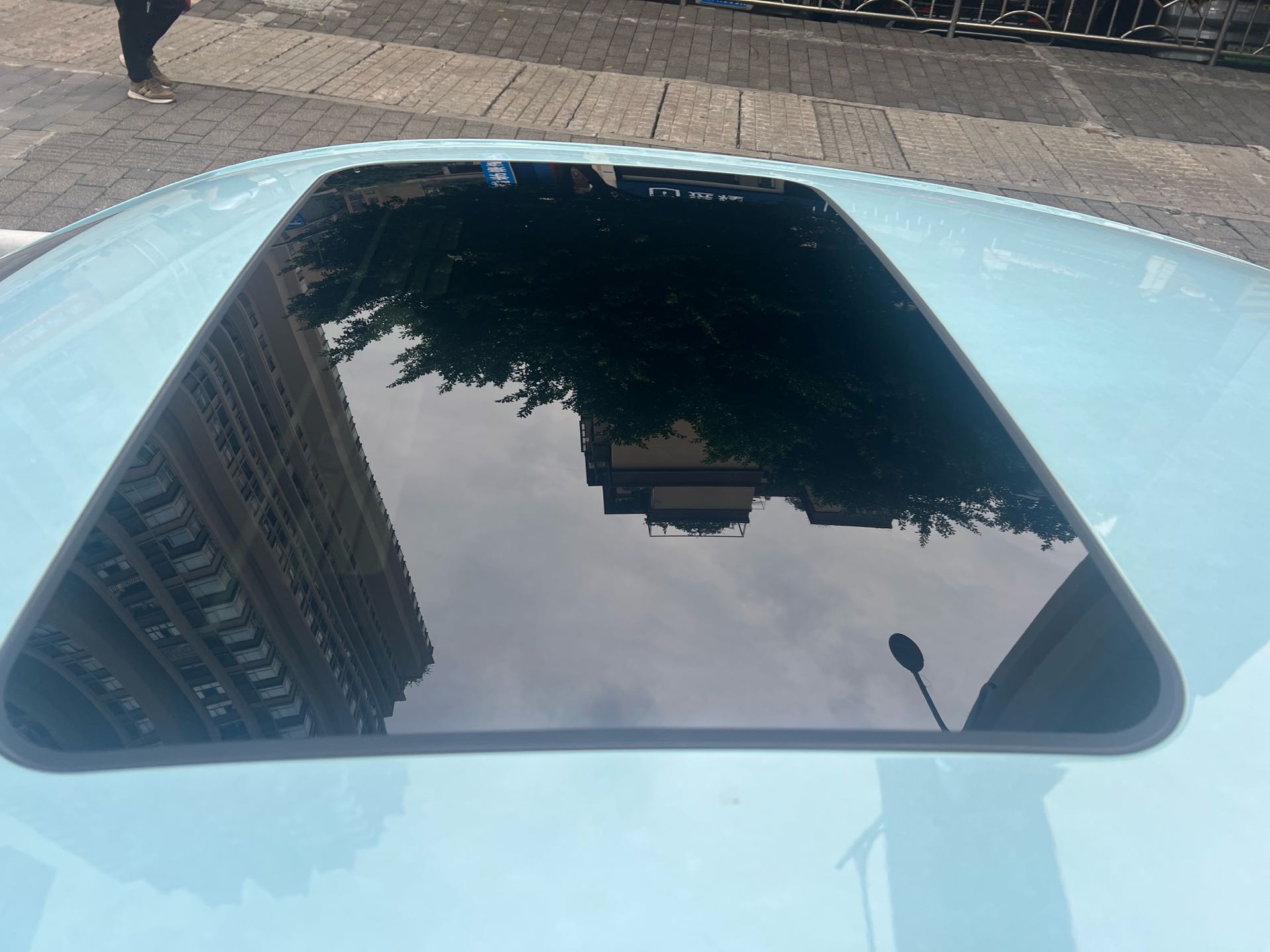
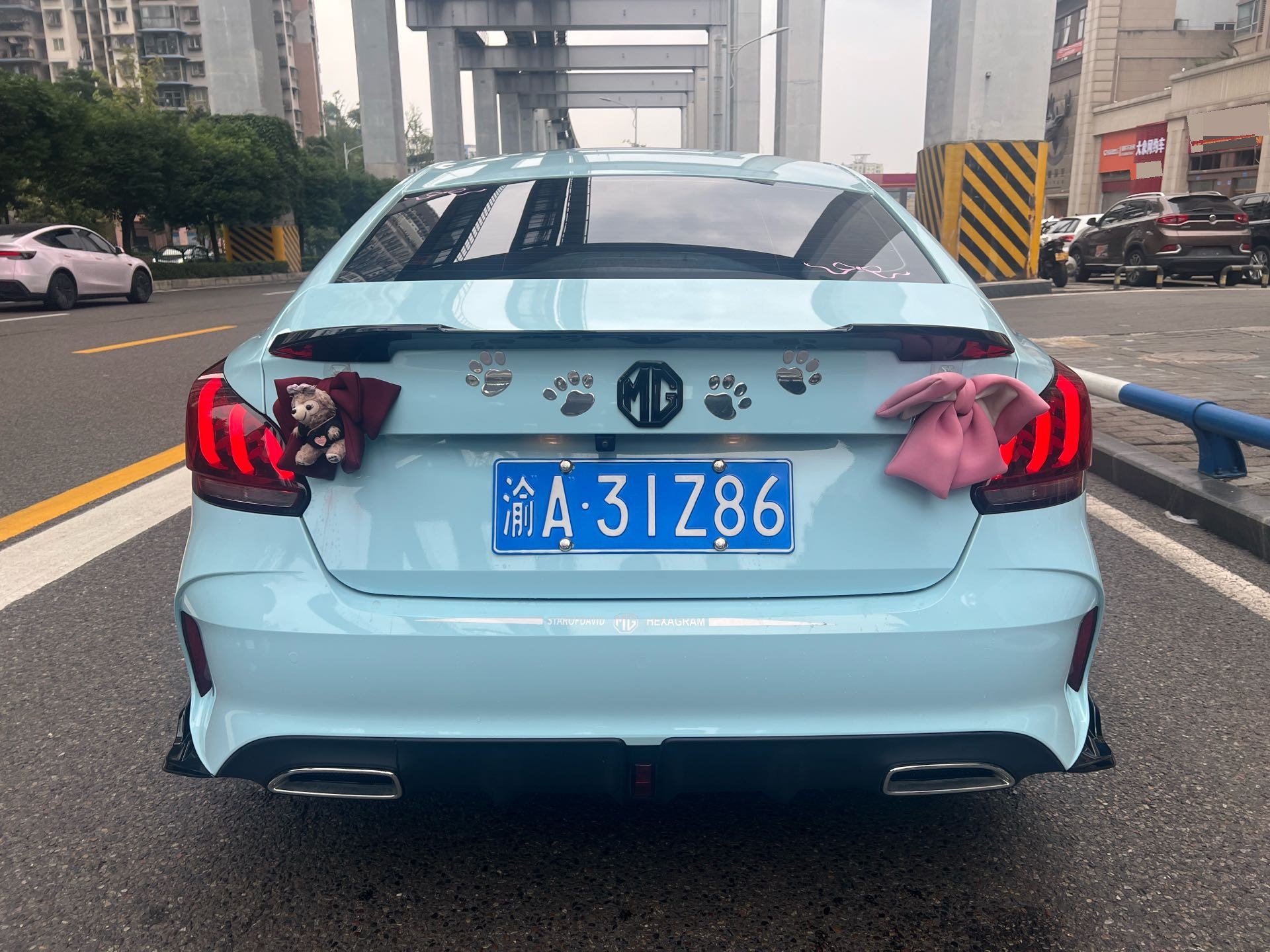
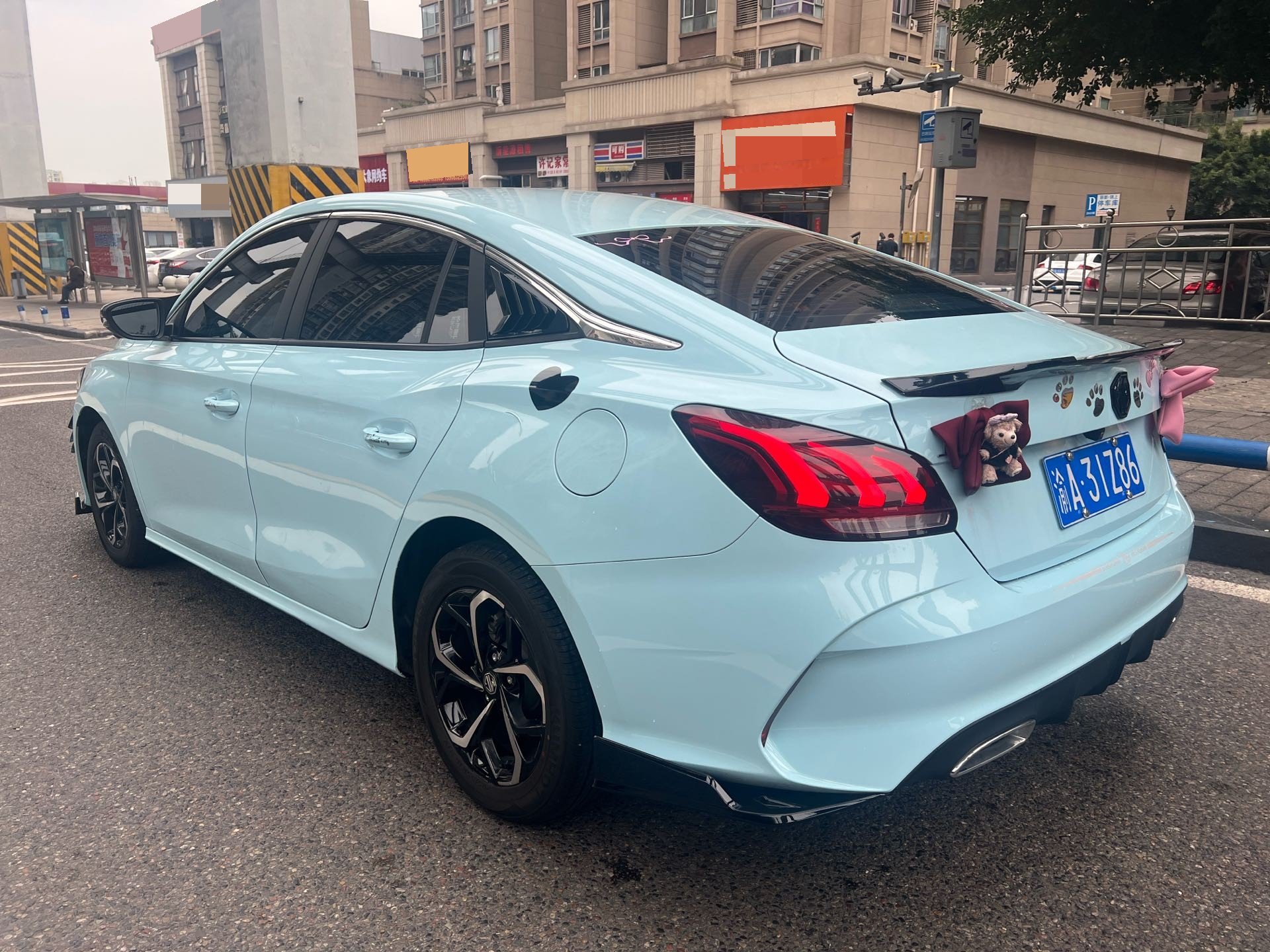



Basic Information

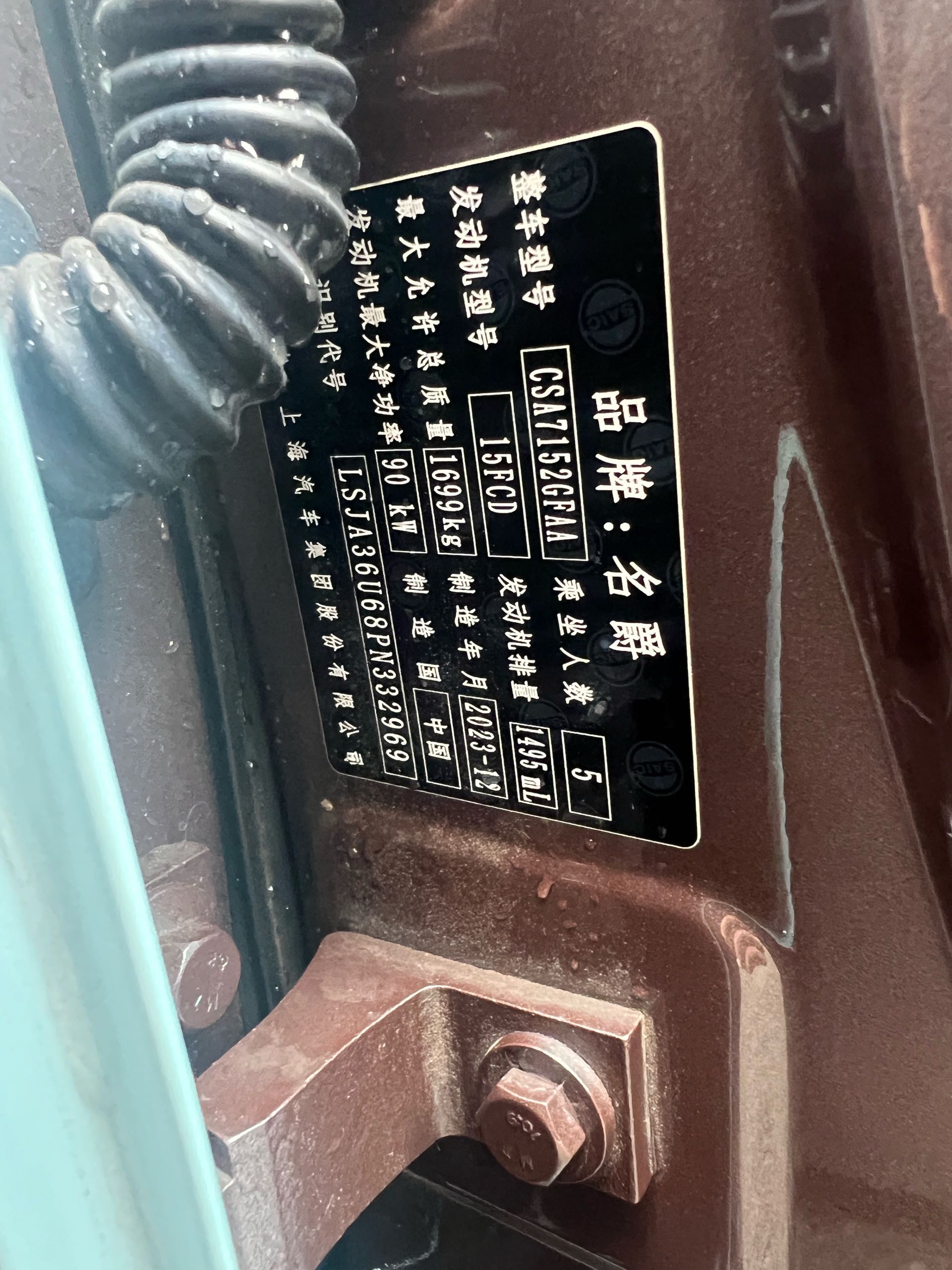
BrandMG
Series5
Year2024
First Registration2024/06
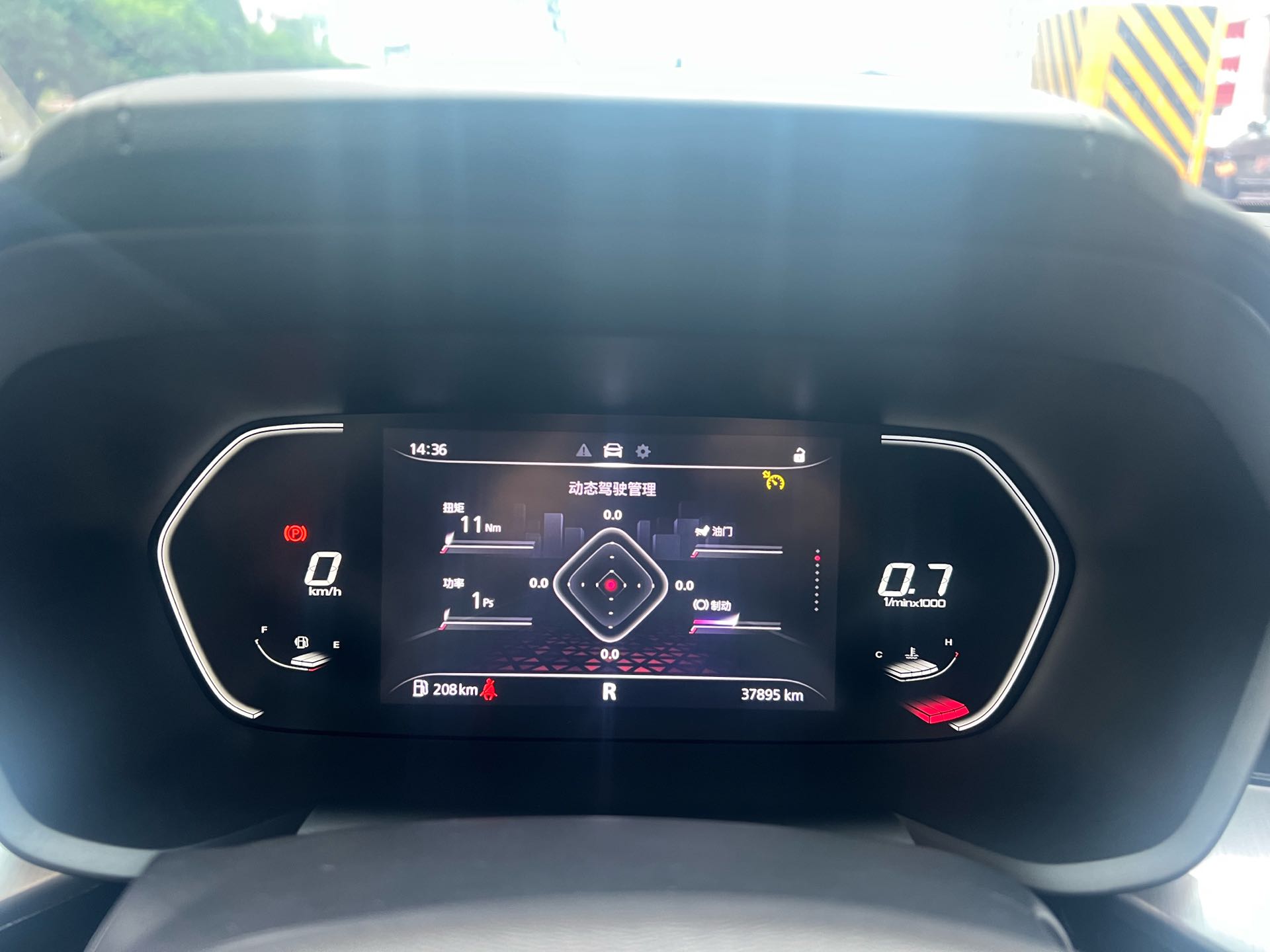
Mileage37,000km
Transfer Count0times
FuelGasoline
TransmissionCVT
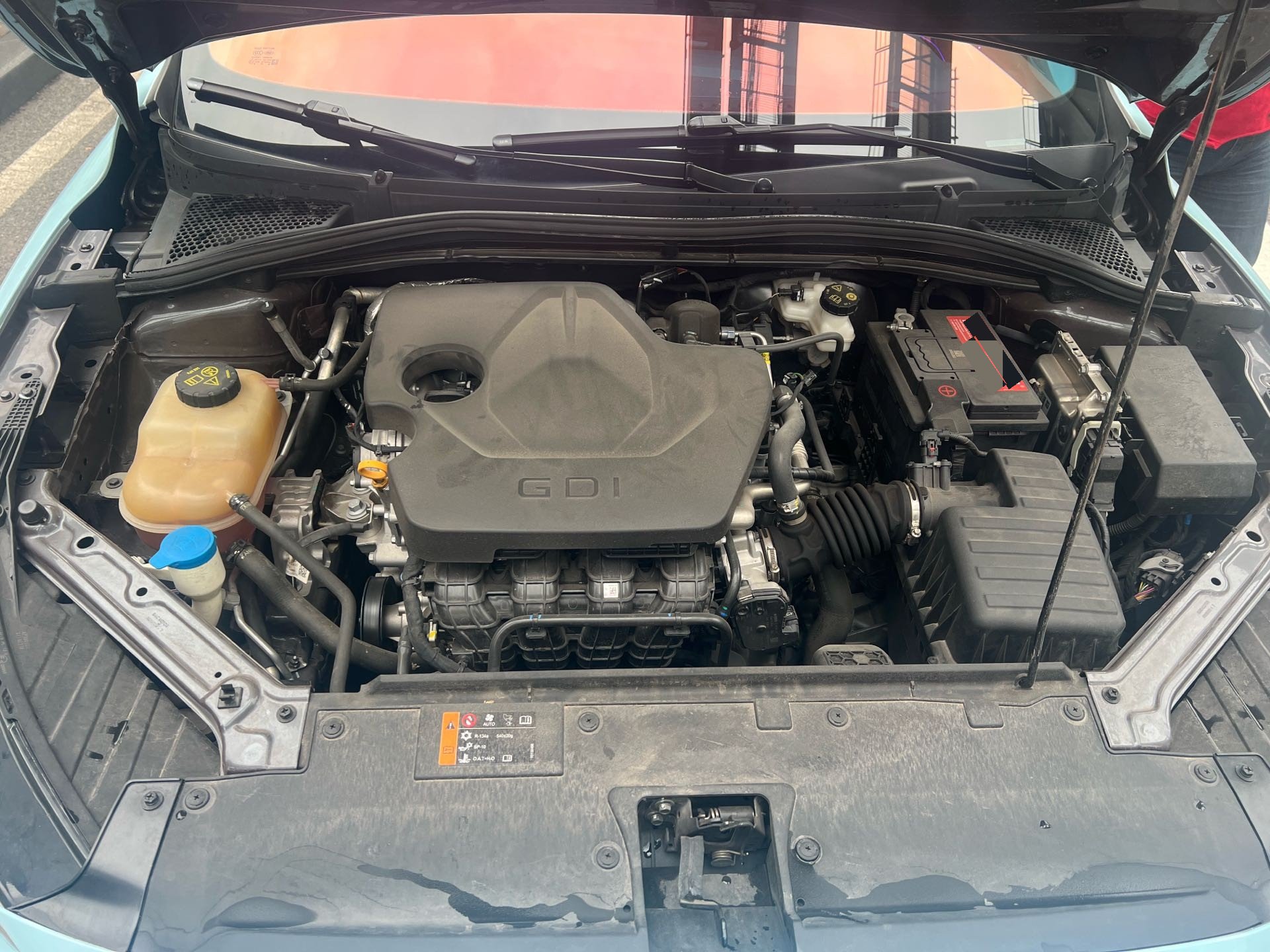
Engine1.5L 129 L4
ColorWhite
Seats5seats

Condition Description

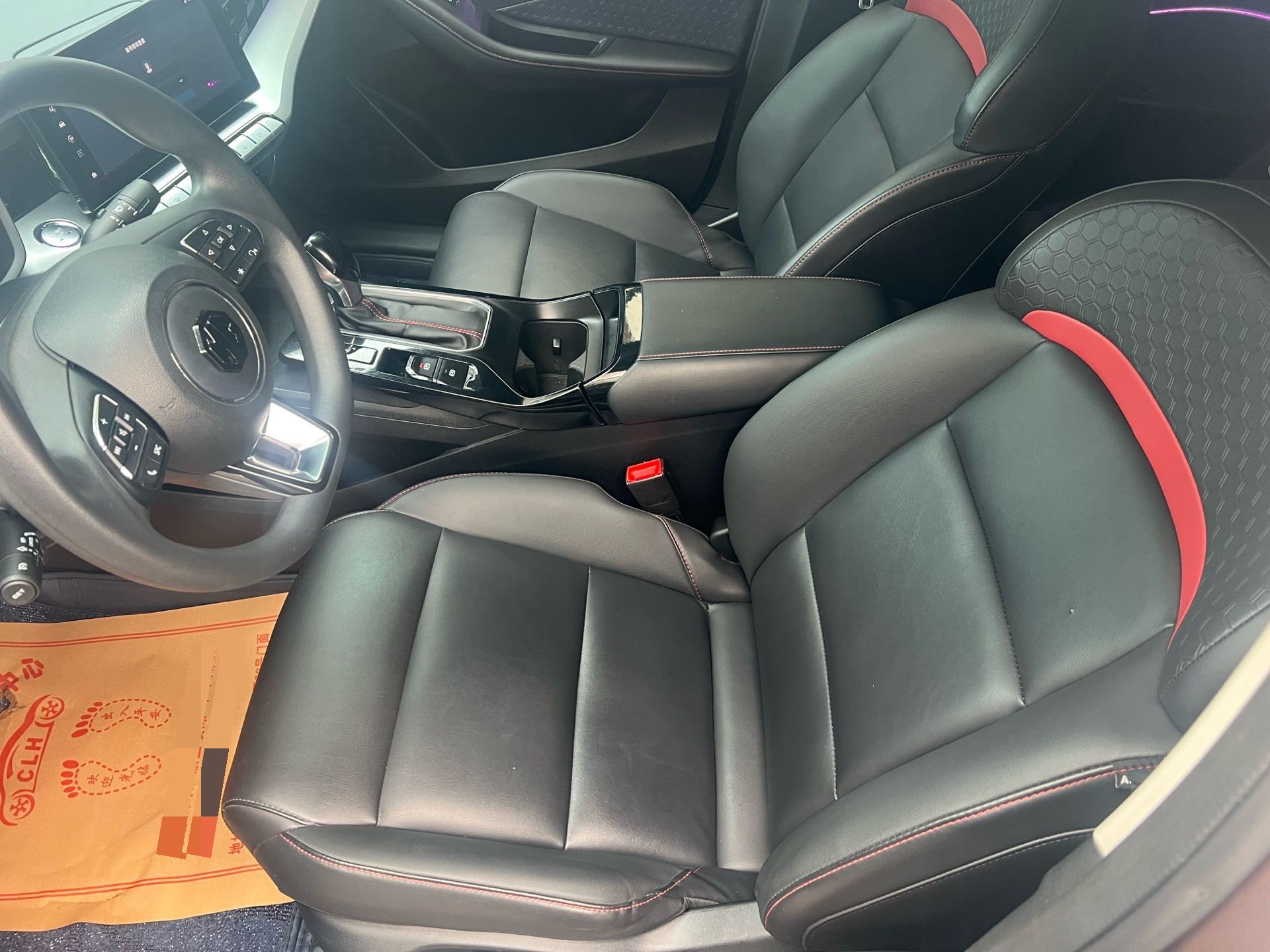
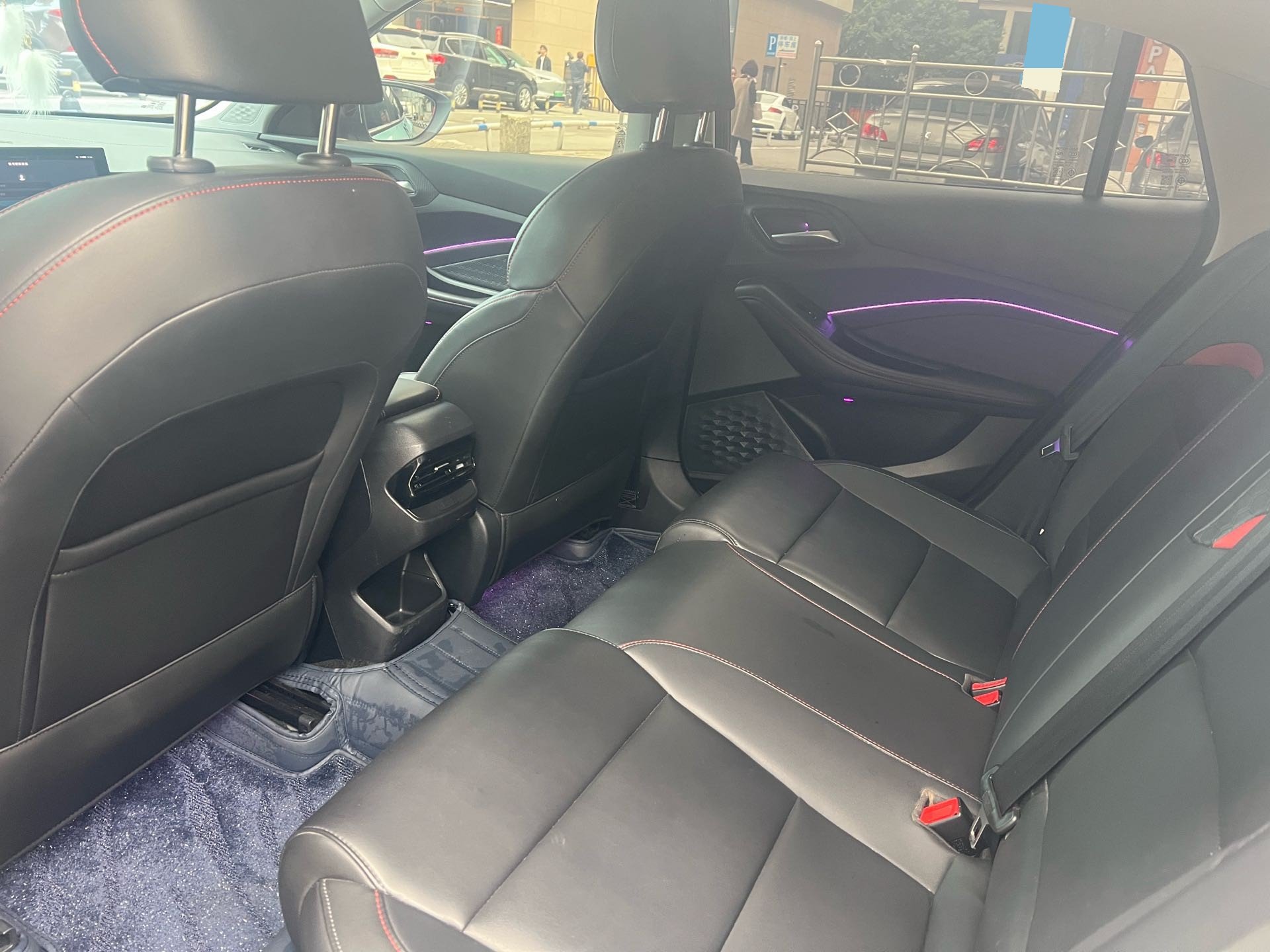
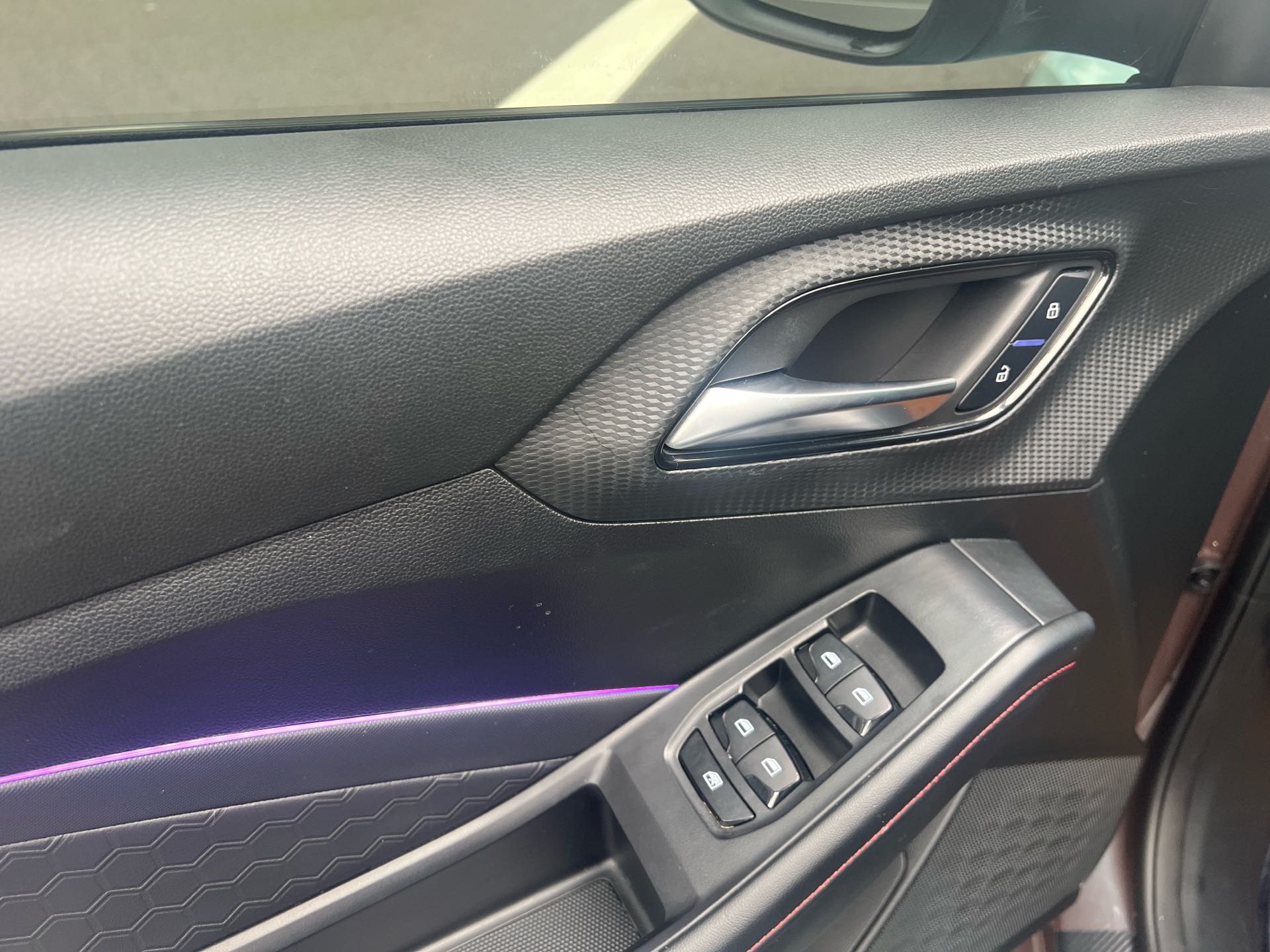
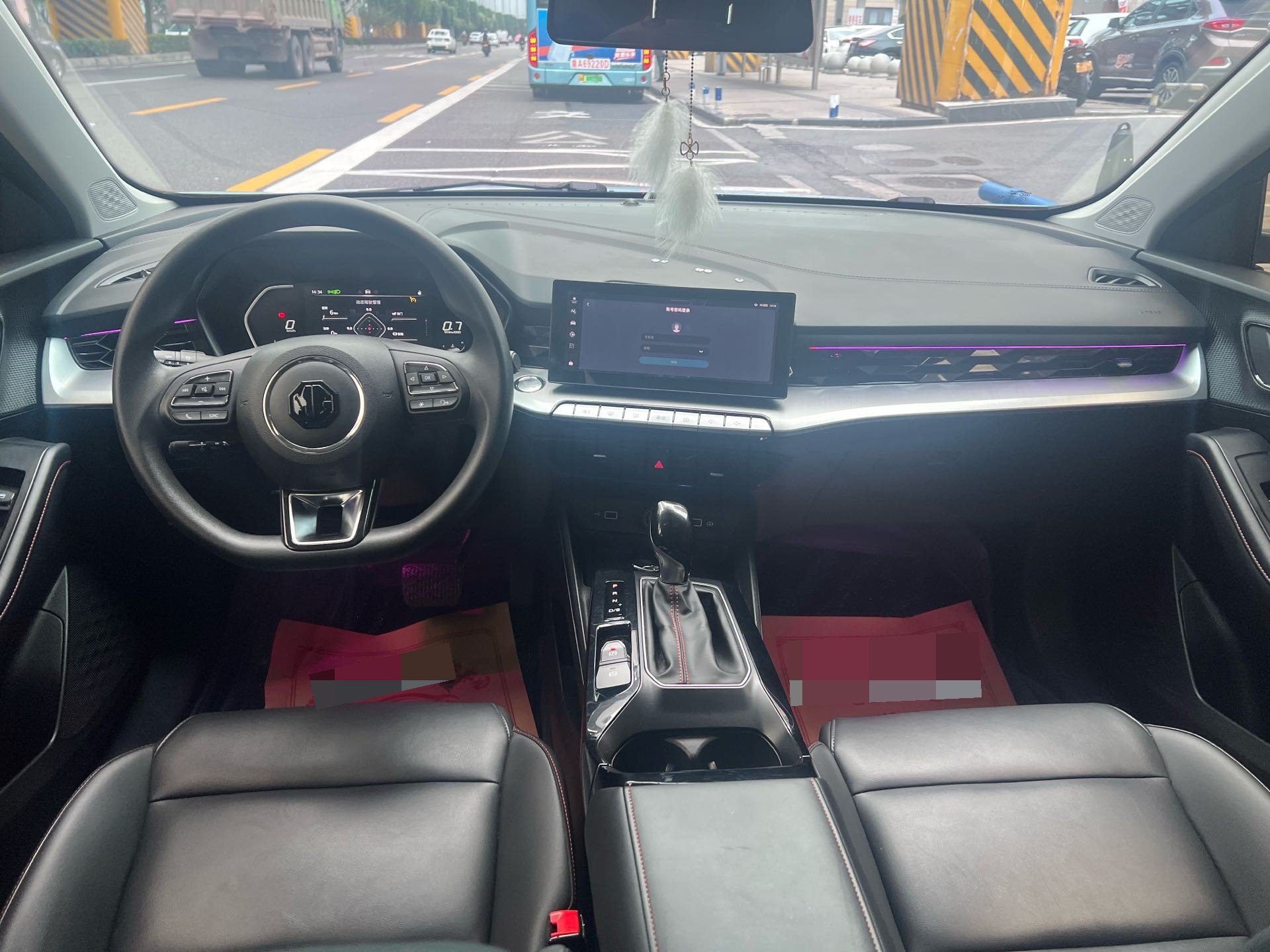
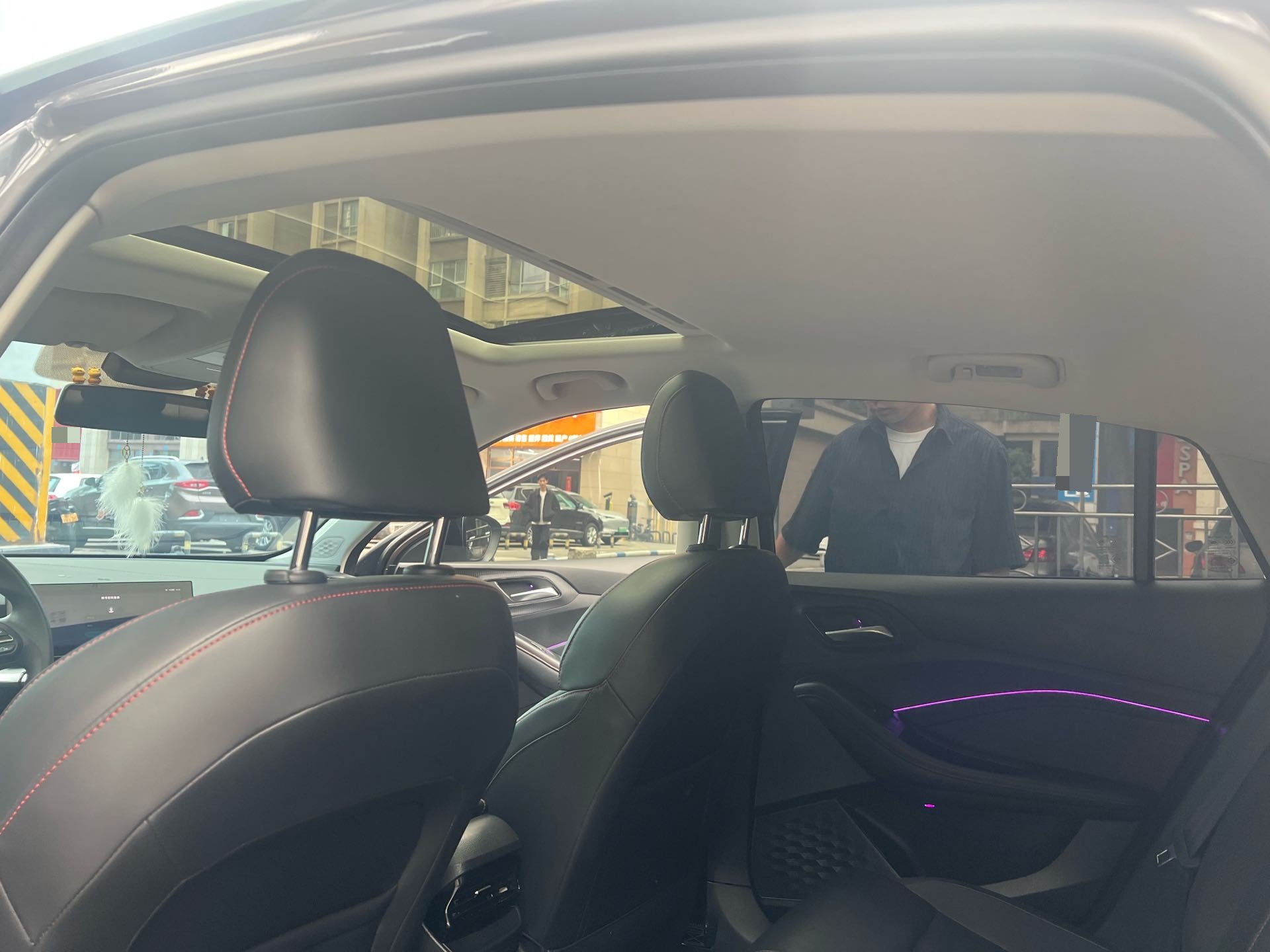
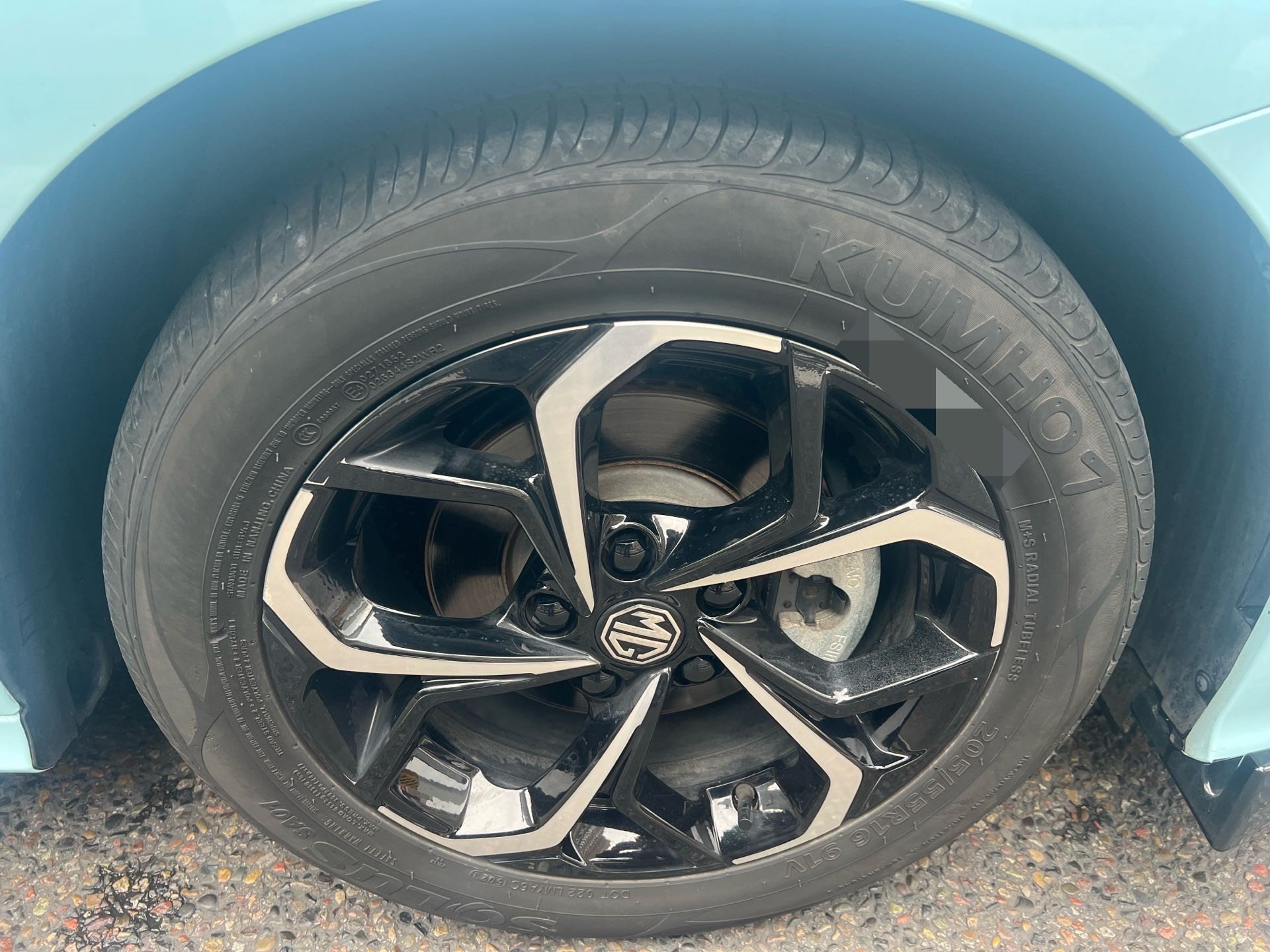
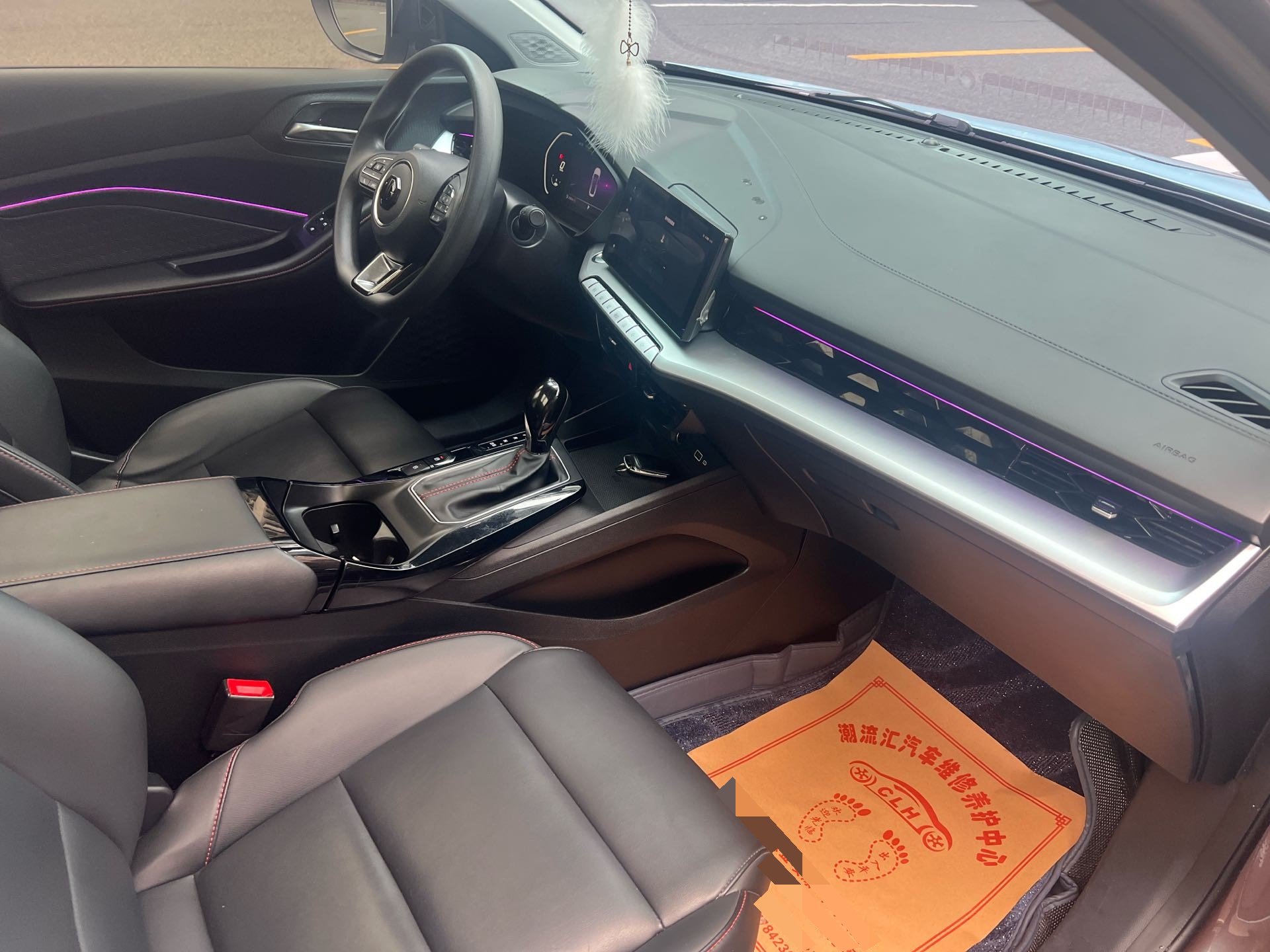
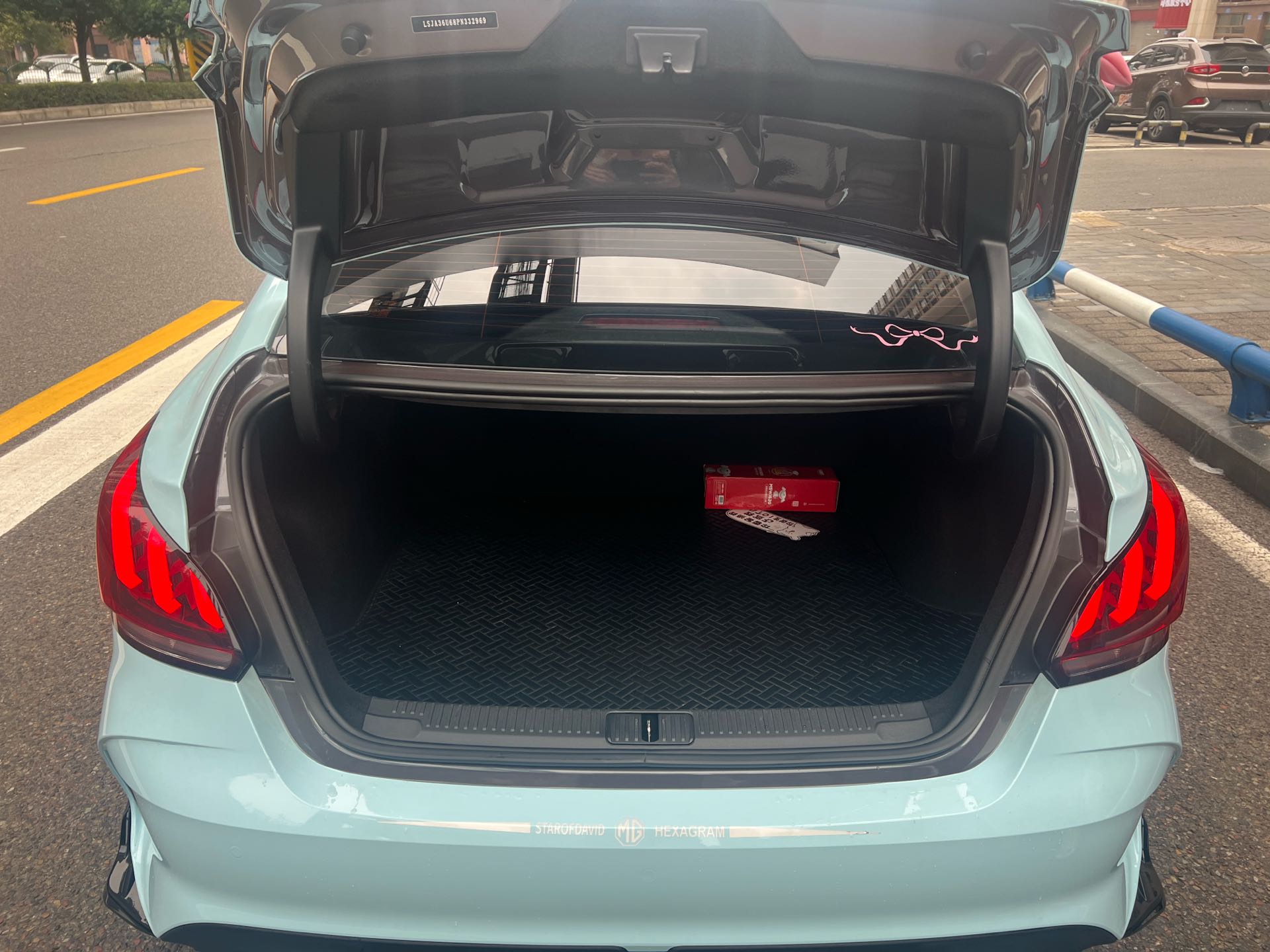
Original condition, 37,000 km actual odometer. Left rear sill panel has slight deformation and fails inspection. Two panels repainted, rest original paint. Registered.

Document Information

Inspection Expiry Date-
Warranty Expiry Date-
Insurance Expiry Date2027/06

Q&A

More

Which documents should I receive from a Chinese exporter before my used car ships, and how do I verify each one?

Before shipping you should hold: the sales contract and commercial invoice, the export declaration (customs form showing the VIN), the vehicle registration certificate, and the bill of lading or rail waybill once cargo is loaded. Verify them like this. The VIN on the invoice, the export declaration, and the waybill must be identical, character for character. The registration certificate should show a clear ownership chain with the seller as the current owner; ask for a scan before payment. The export declaration proves the car legally left China and is essential for customs clearance at destination. If the exporter cannot provide the registration certificate or hesitates on the VIN check, pause the deal. Also confirm who handles the document courier: originals should arrive before or with the vessel, because many ports will not release a car without original bills of lading.


How do you assess the appearance condition of a vehicle? What specific standards are there for scratches and dents?

We use quantitative standards. Minor scratches less than 3 cm that do not reach the base coat (which can be polished) are considered normal wear; scratches over 3 cm deep to the base coat or dents larger than 2 cm in diameter will be highlighted in the inspection report's "Appearance Defect Distribution Map" with close-up photos.

What should the inspector check during a cold start test of the engine?

A cold start reveals problems that a warm engine hides. Ask your inspection agent to perform and film this sequence. First, the start itself: the engine should crank smoothly and settle into a stable idle within a few seconds. Extended cranking, blue or white smoke, or a lumpy idle suggest worn internals or head-gasket issues. Second, listen for timing-chain rattle or metallic tapping in the first ten seconds — cold top-end noise often means deferred maintenance. Third, watch the exhaust on a cold morning: brief white vapor is normal in winter, but persistent blue smoke means oil burning, and sweet-smelling white smoke can indicate coolant leaking into the cylinders. Fourth, have the inspector scan the OBD system right after the cold start; misfire counters and fuel-trim values are most honest when the engine is cold. Ask for a continuous, timestamped video from outside the car before startup through at least five minutes of idling, so you can verify the engine really was cold.