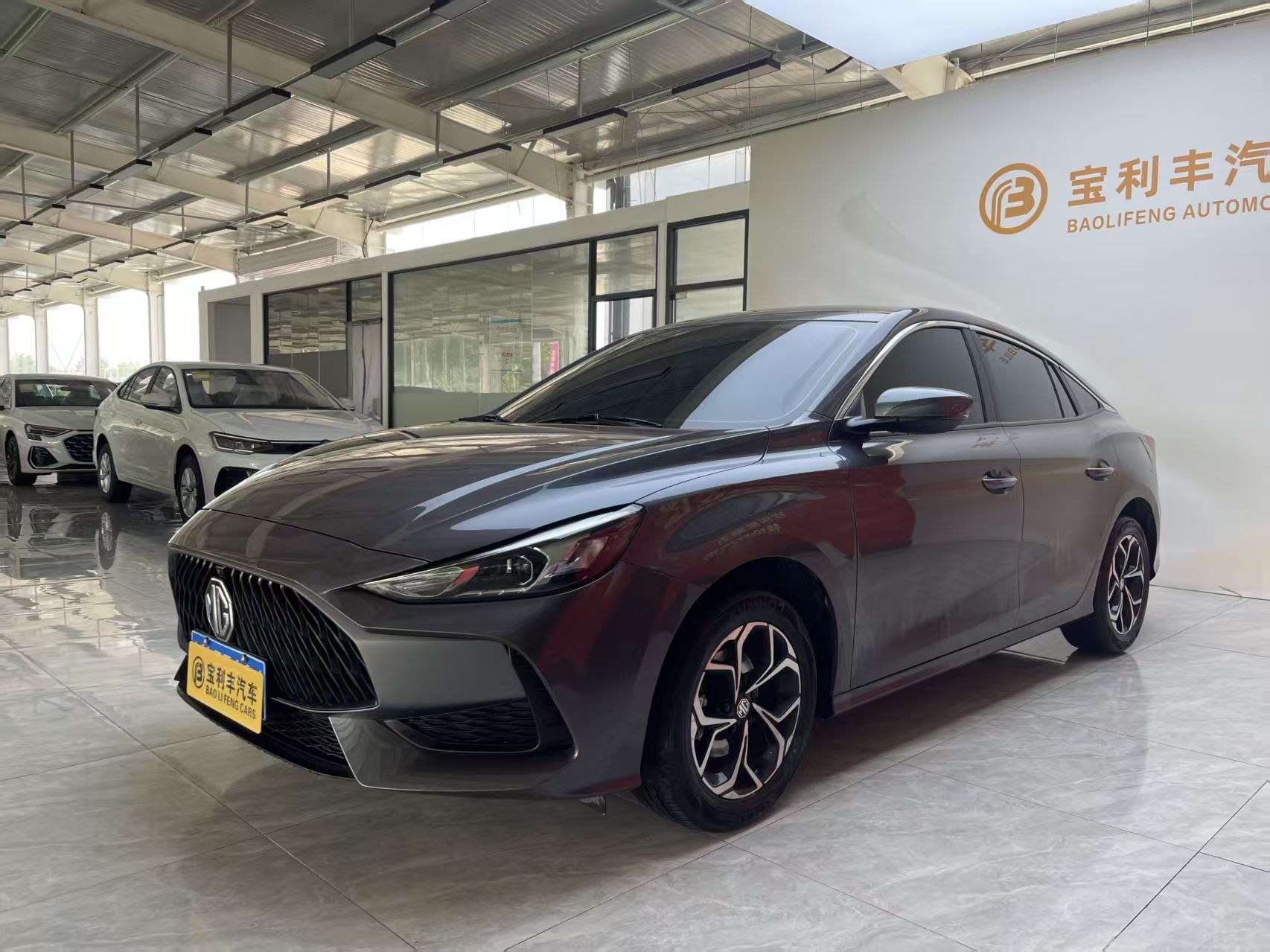
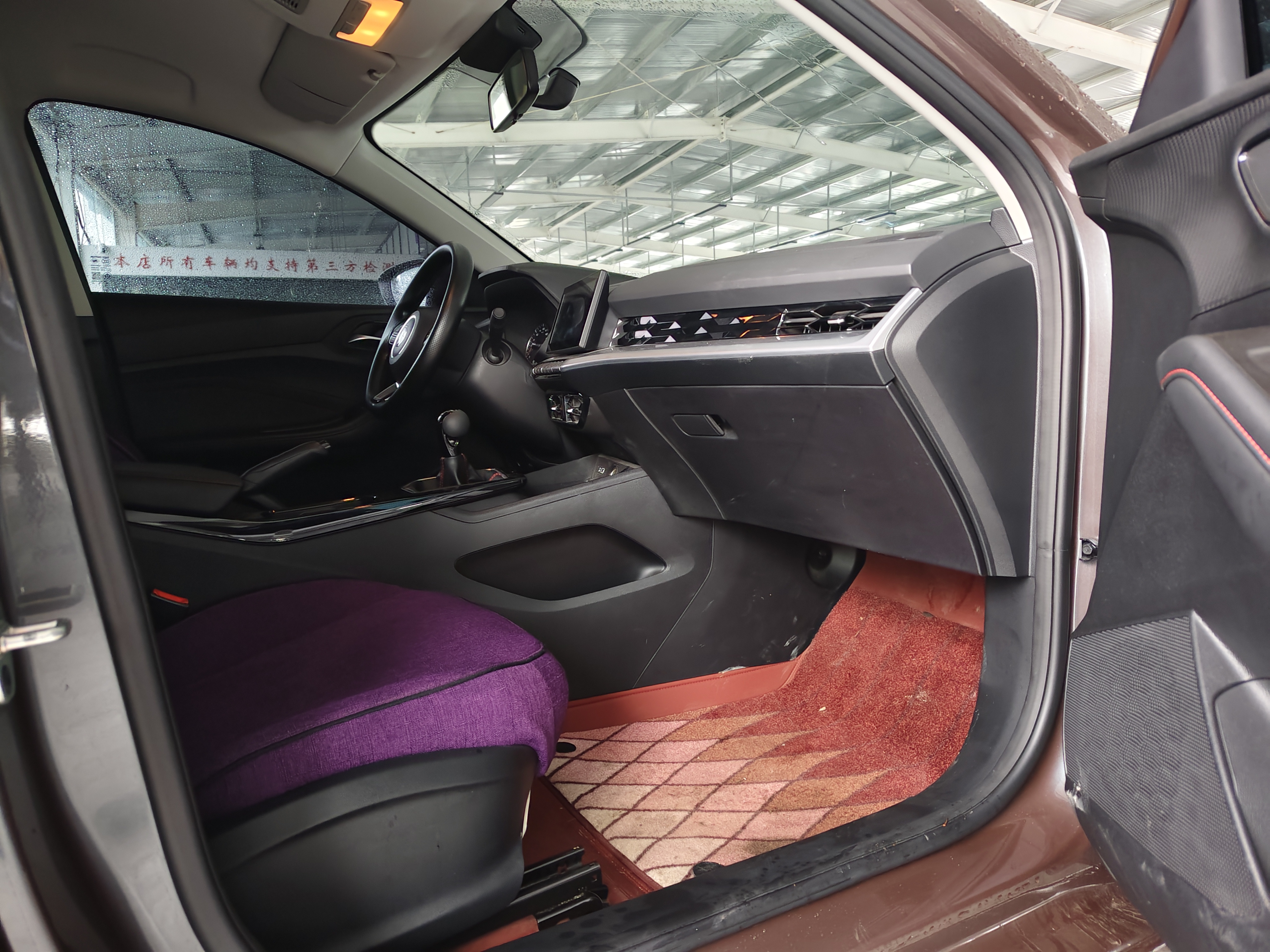
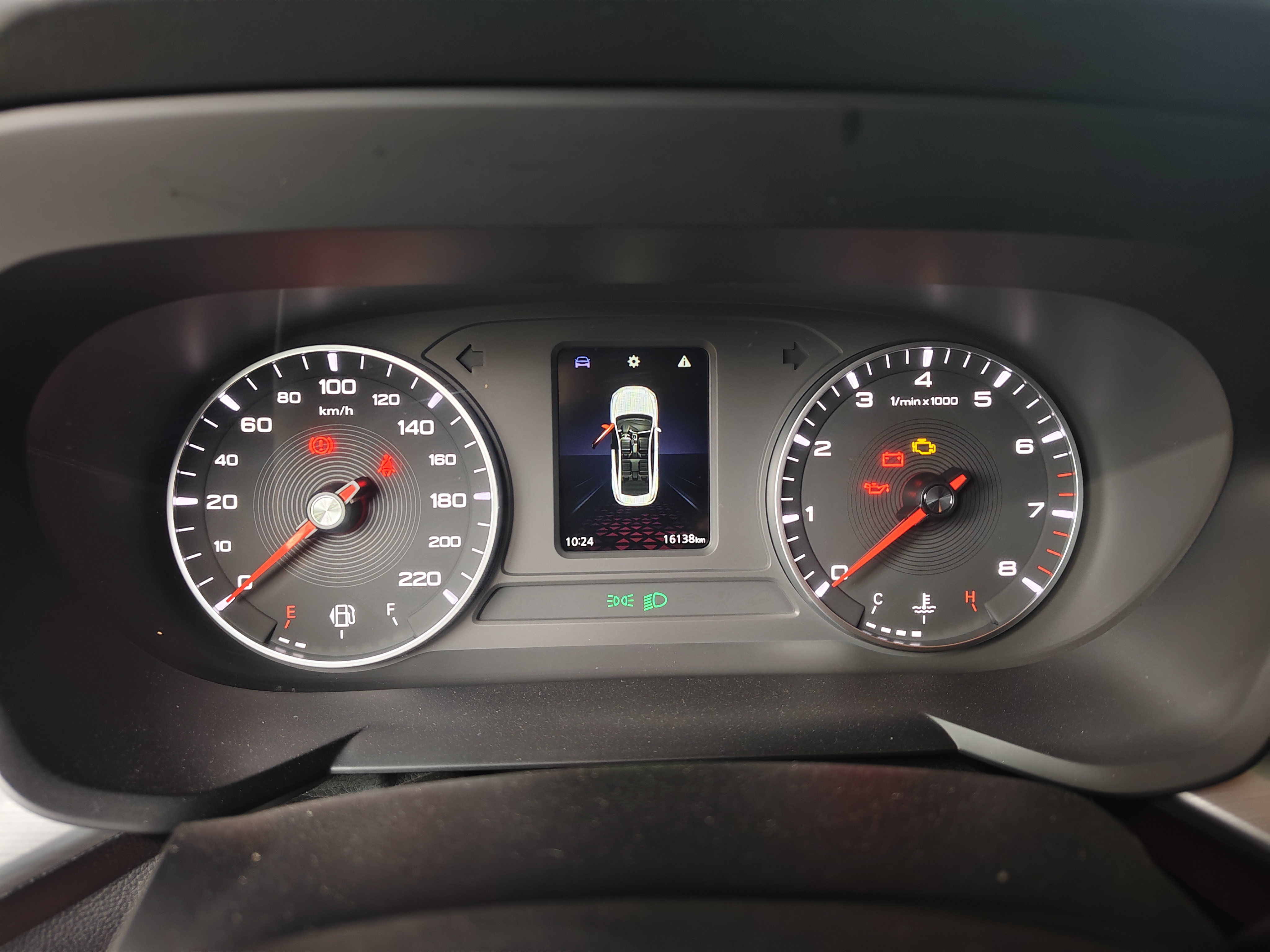
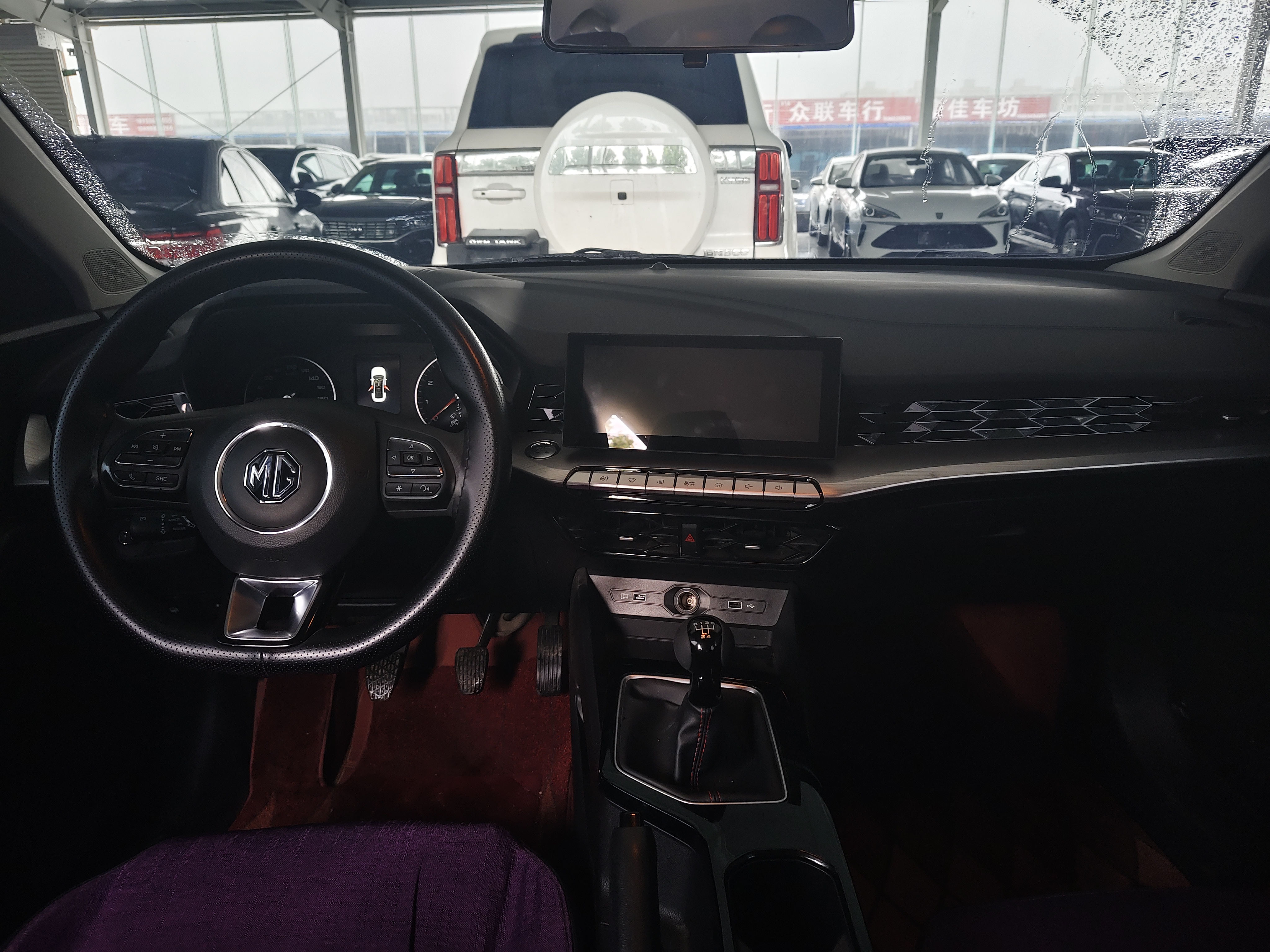
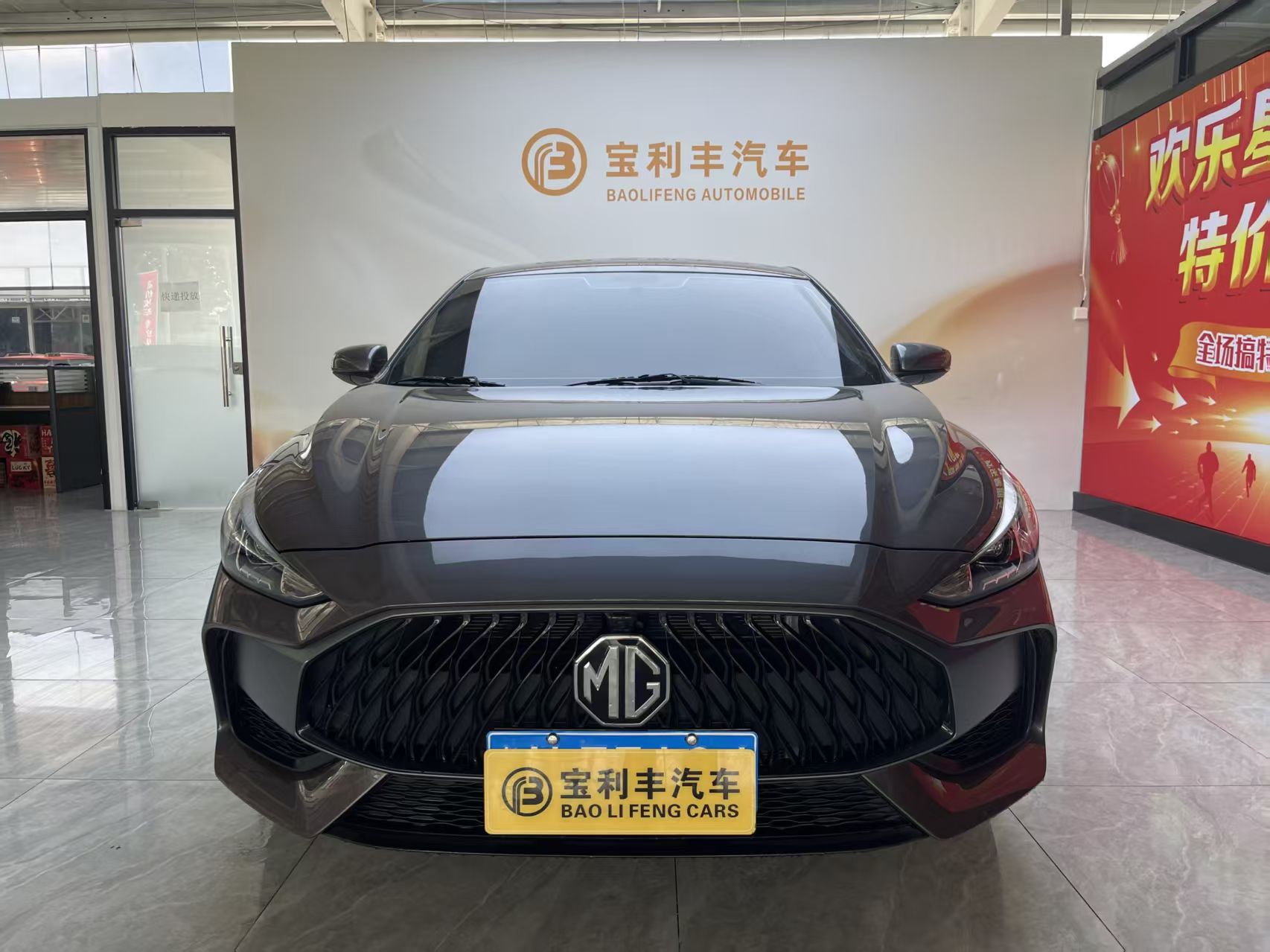
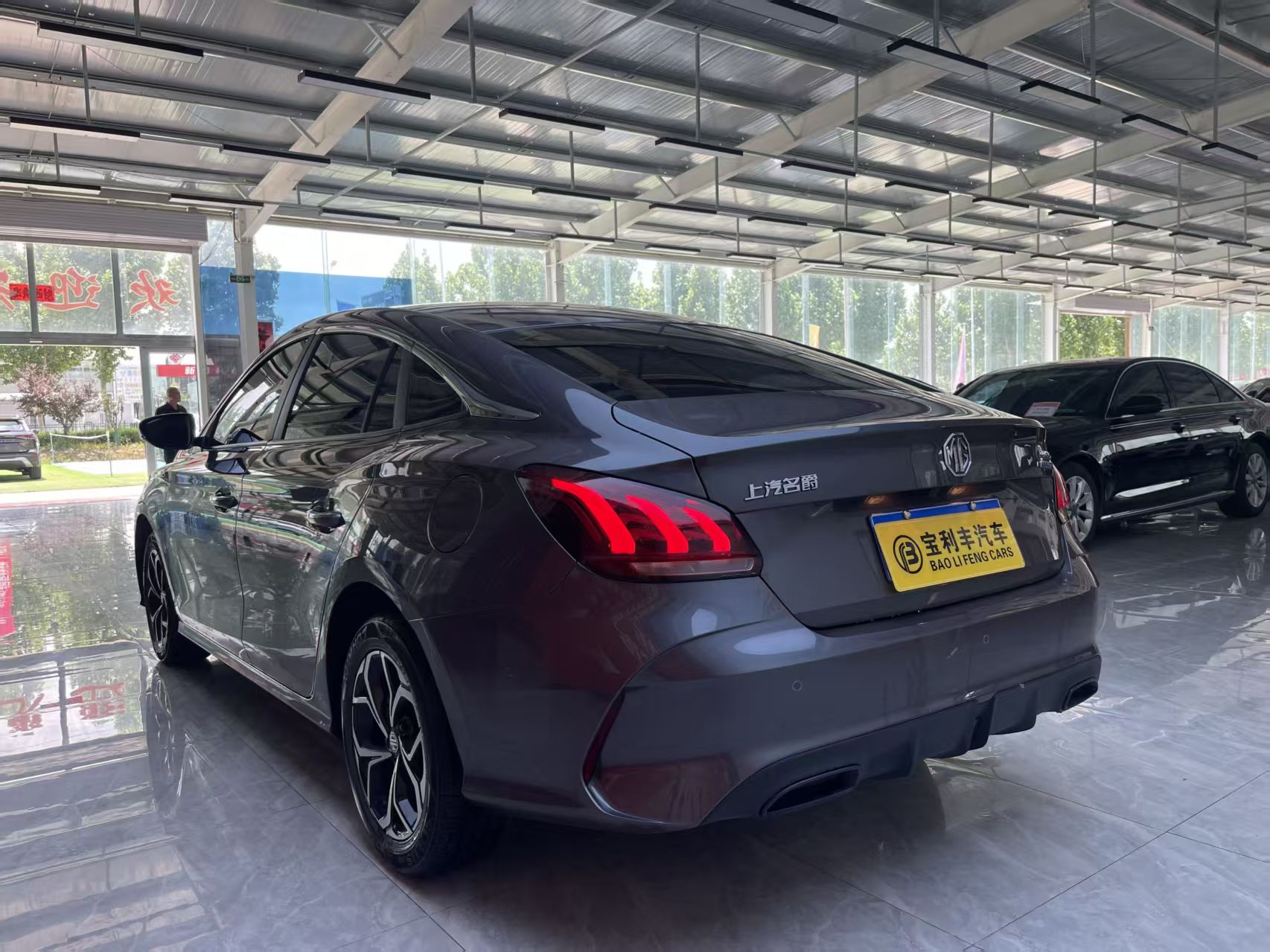



Stock

Basic Information

BrandMG
Series5
Year2025
First Registration2025/04
Mileage16,000km
Transfer Count0times
Fuel-
Transmission-
Engine-
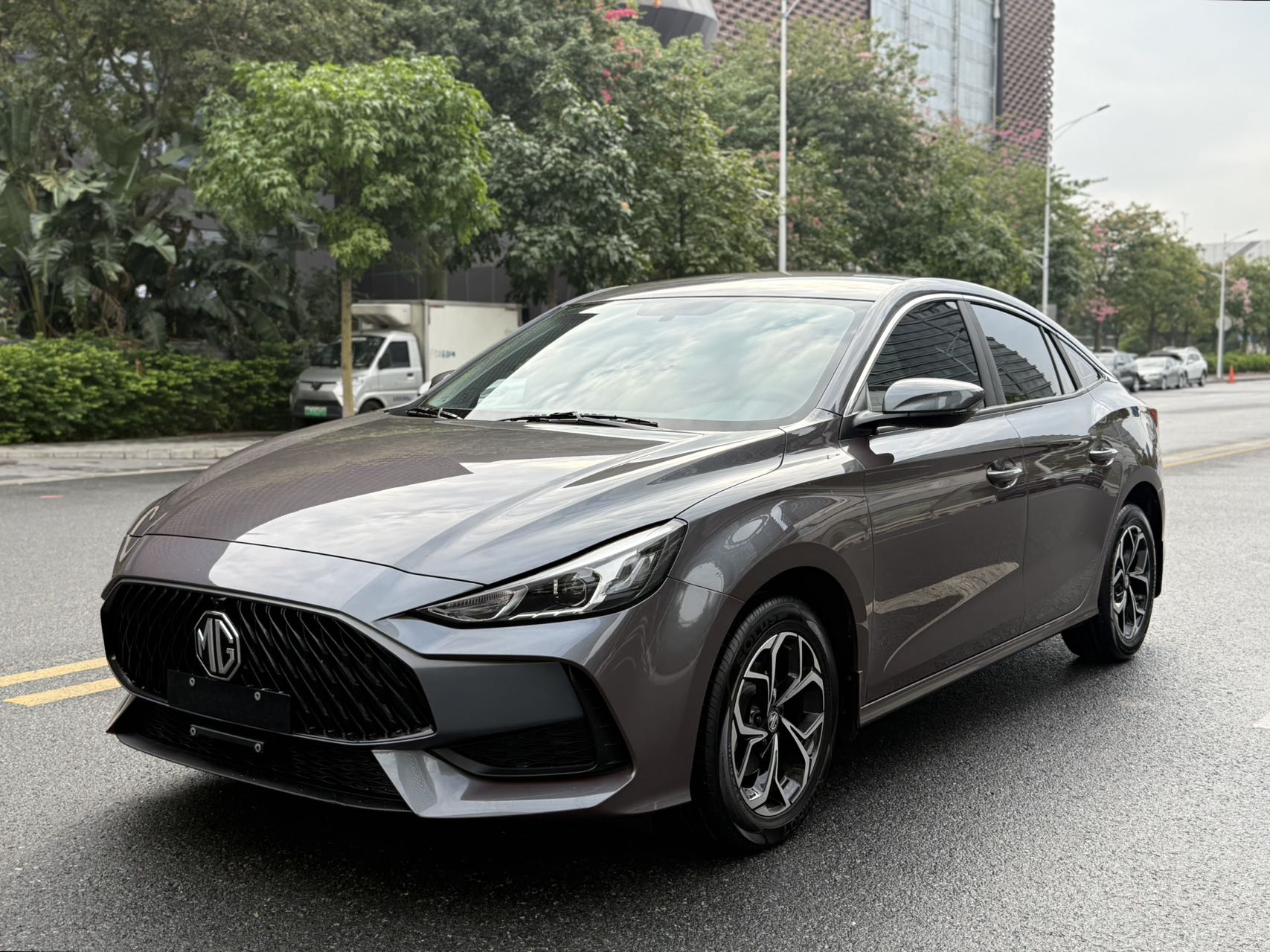
ColorGrey
Seats-

Condition Description

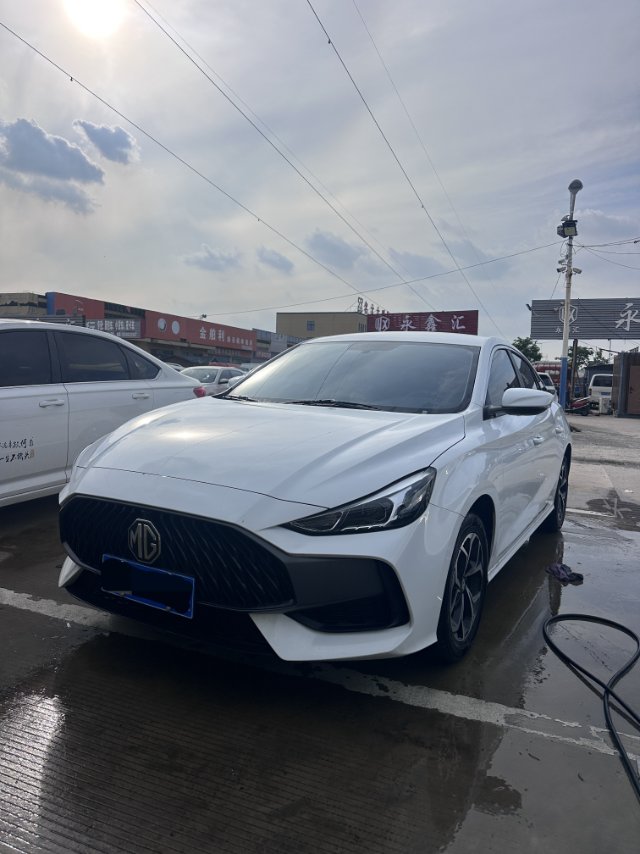
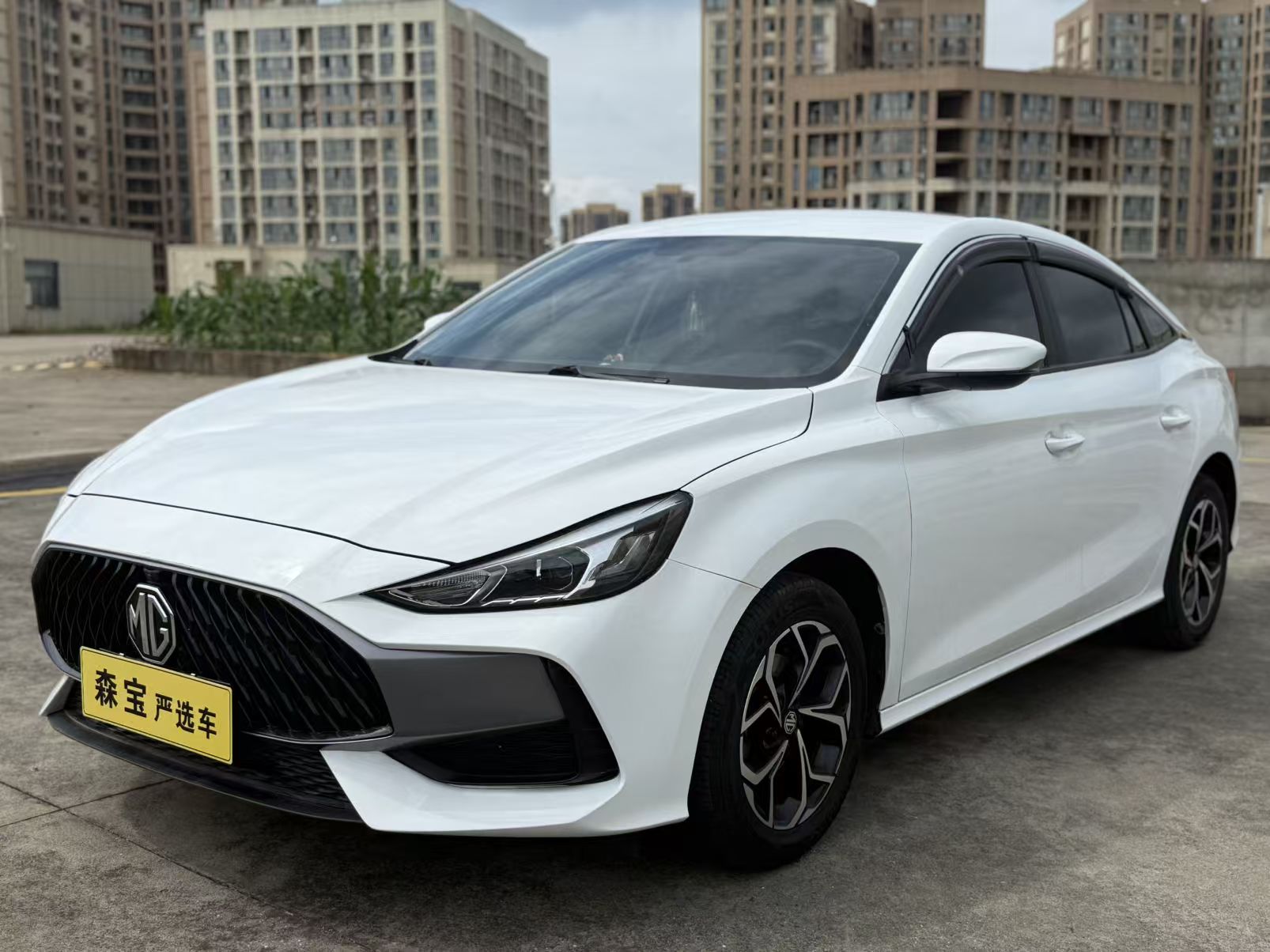
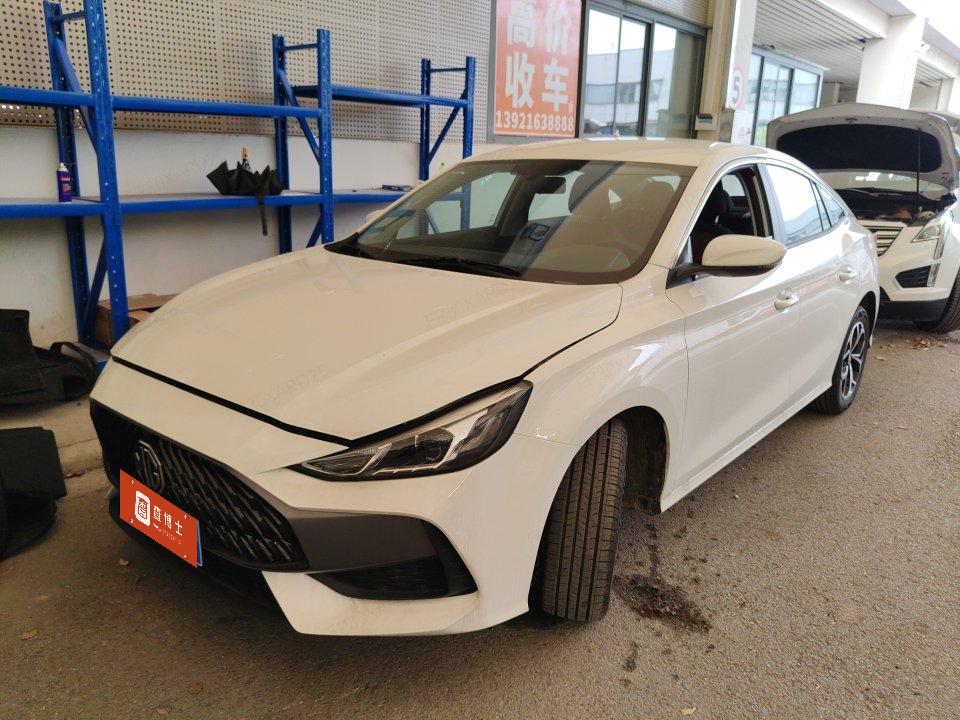
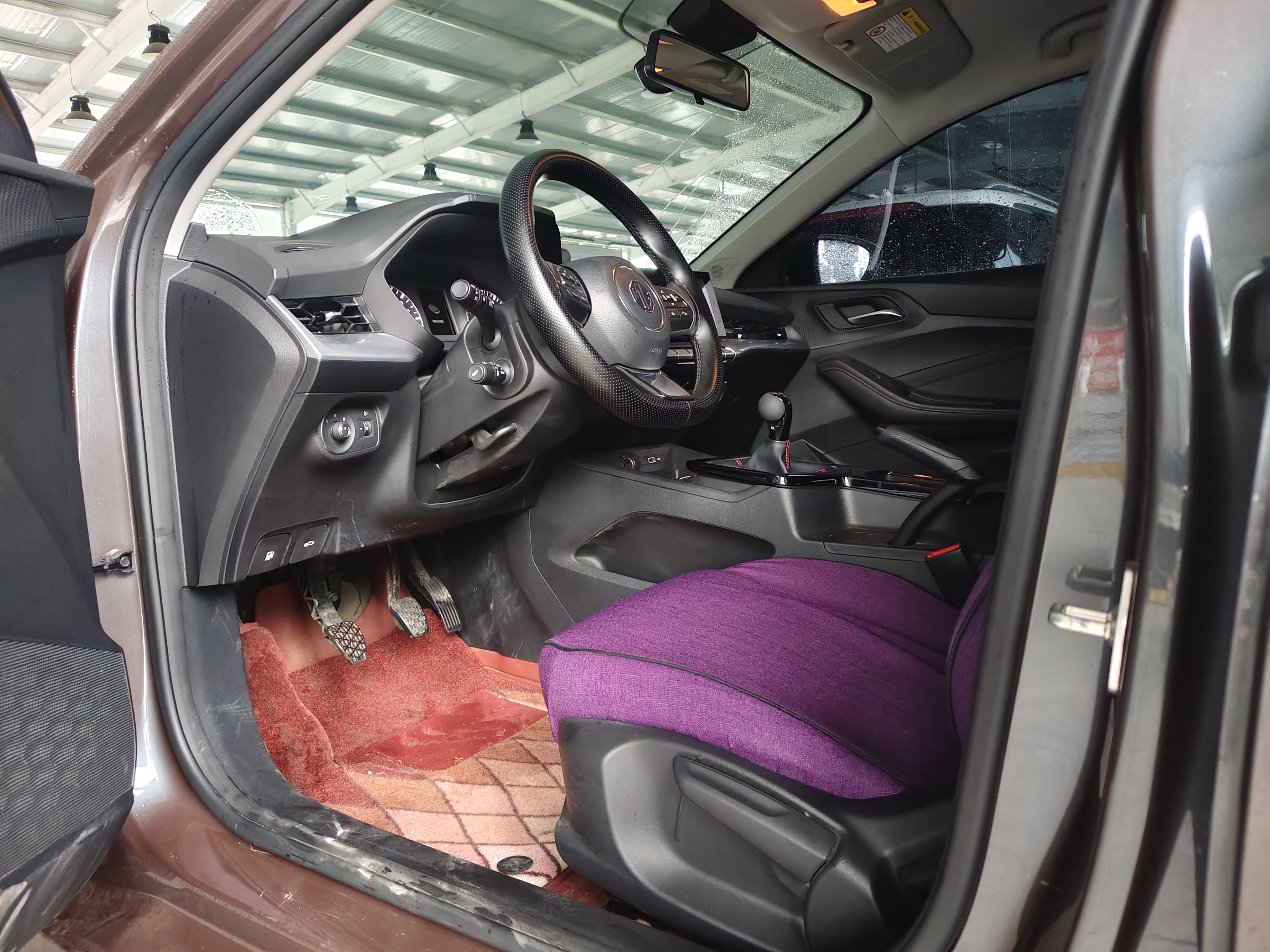
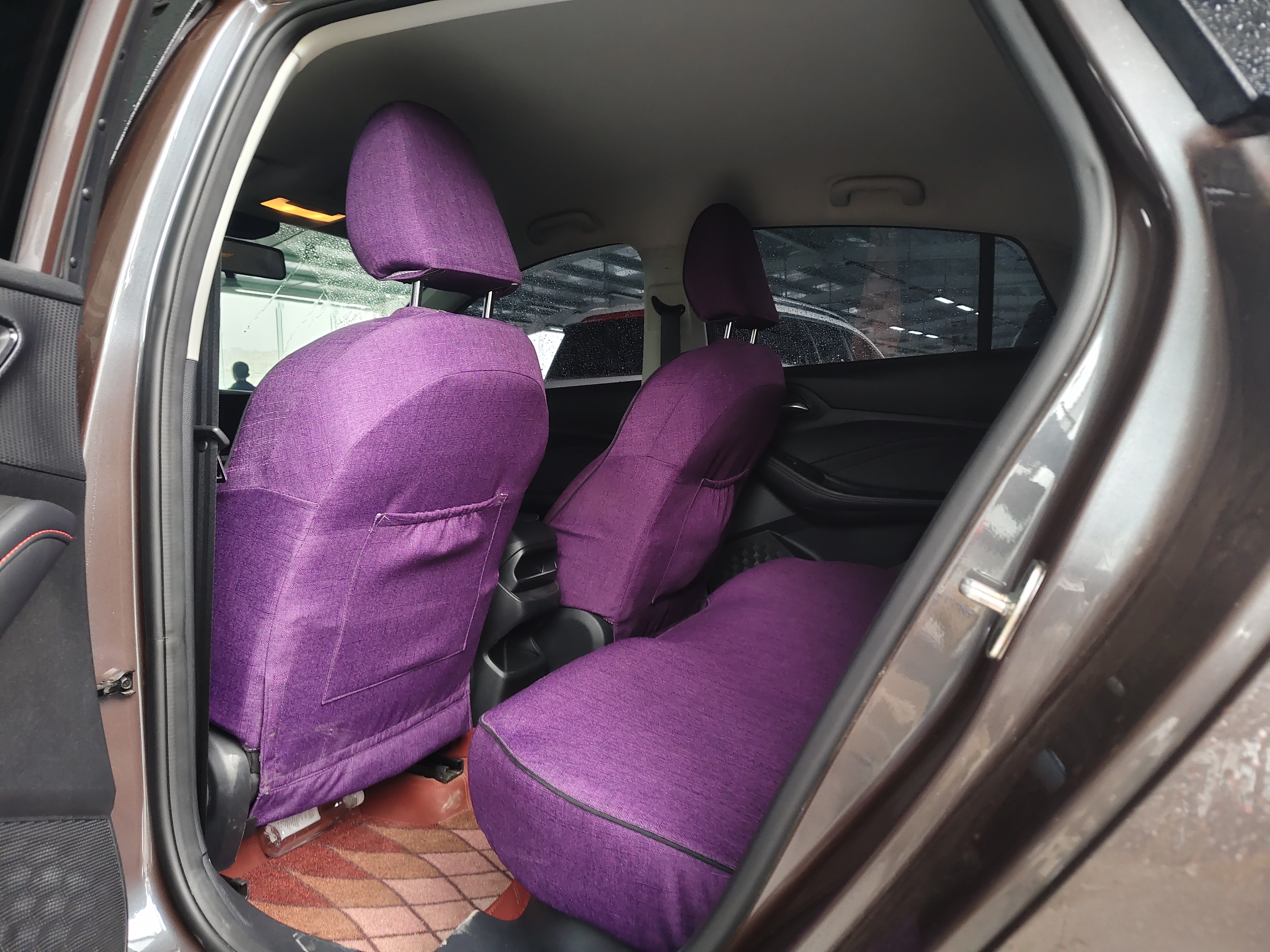
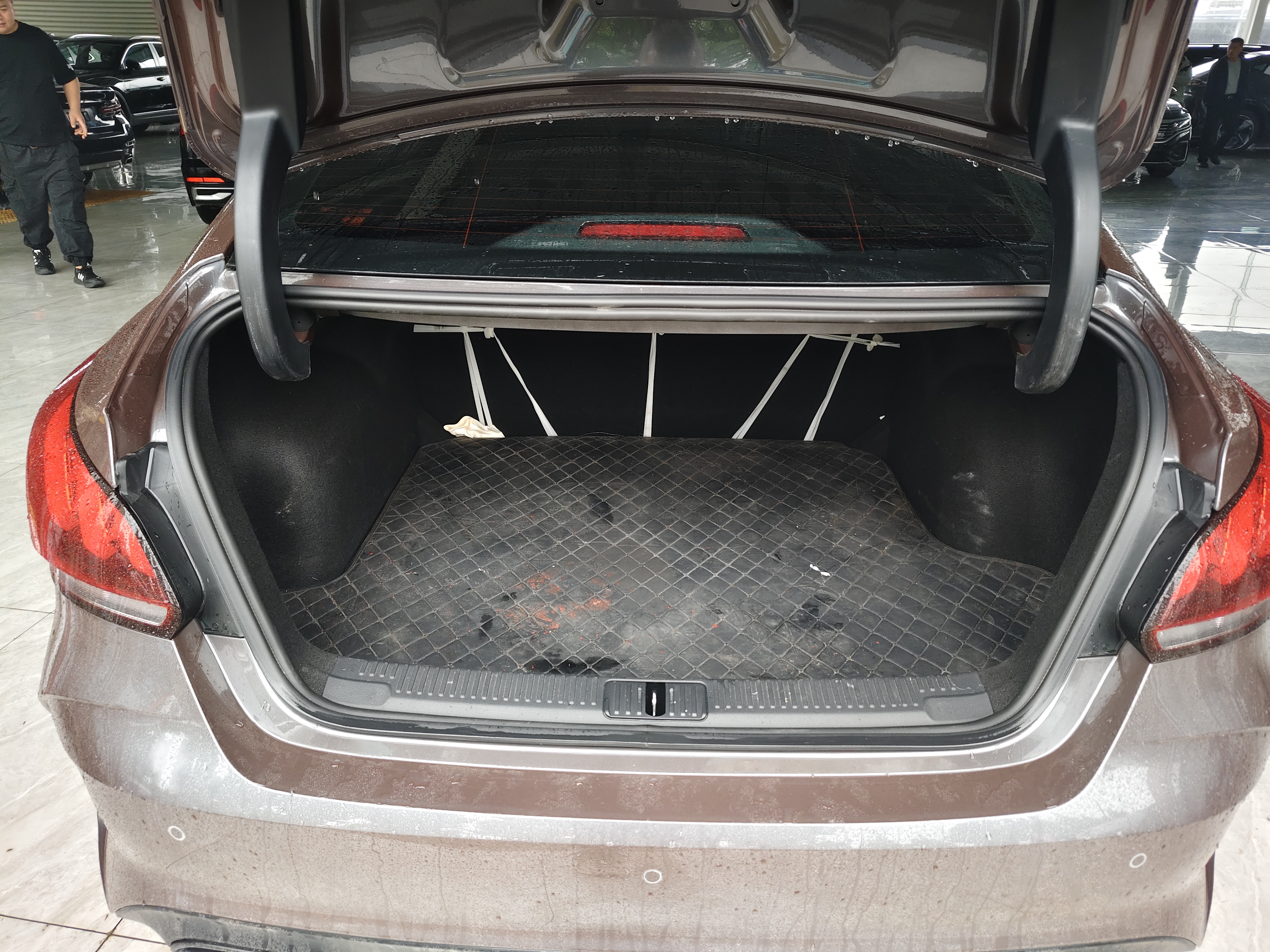
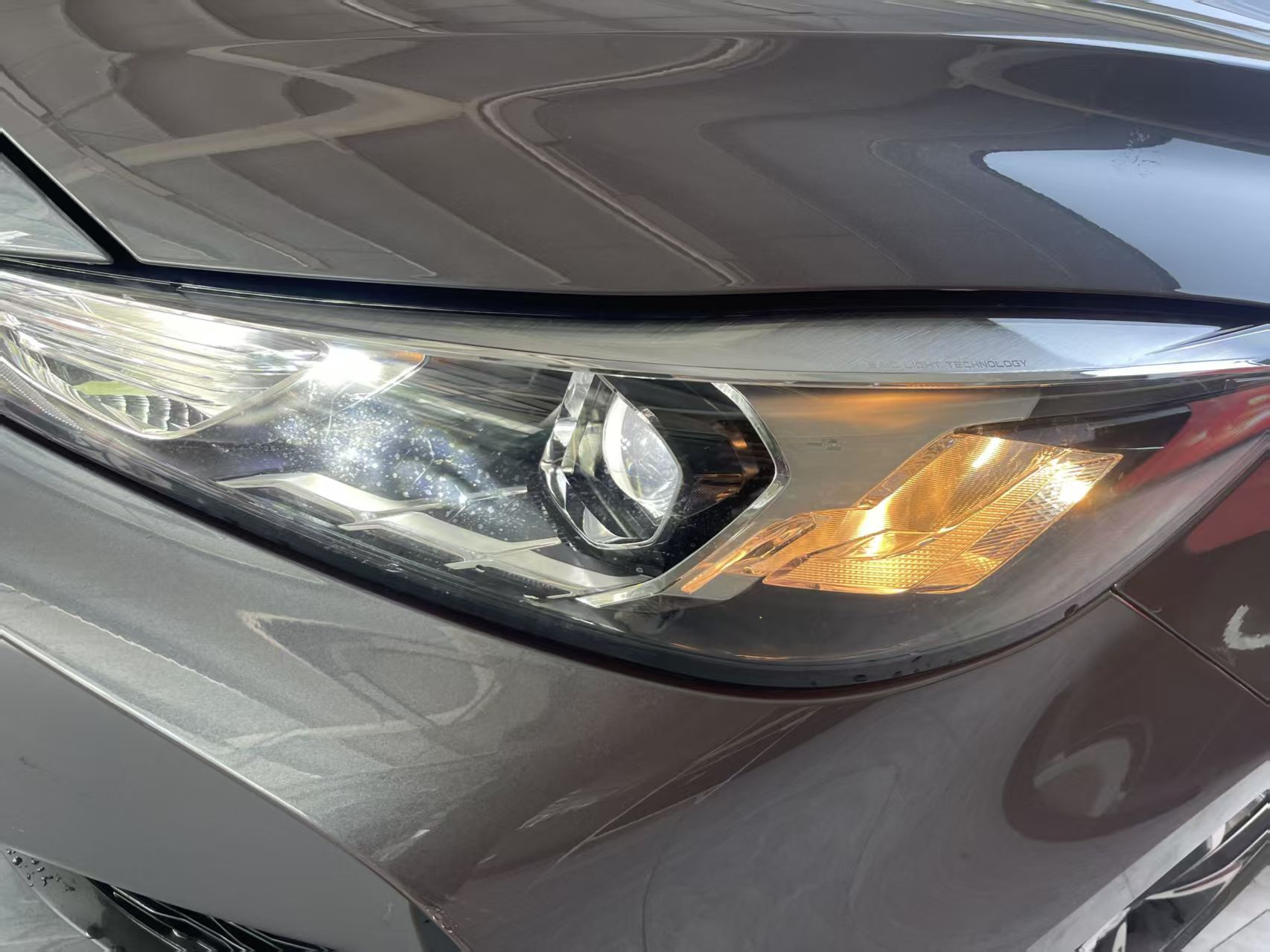
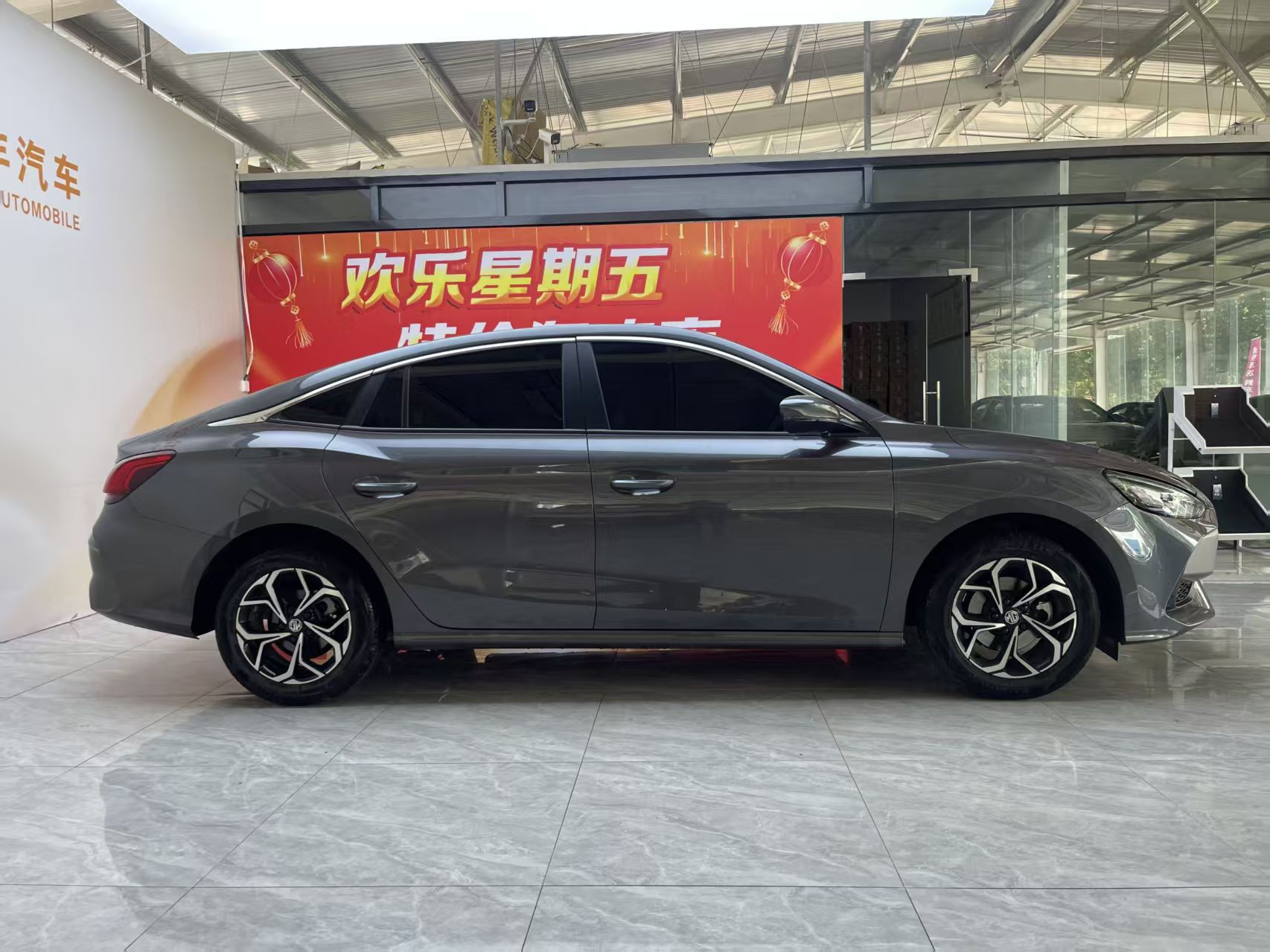
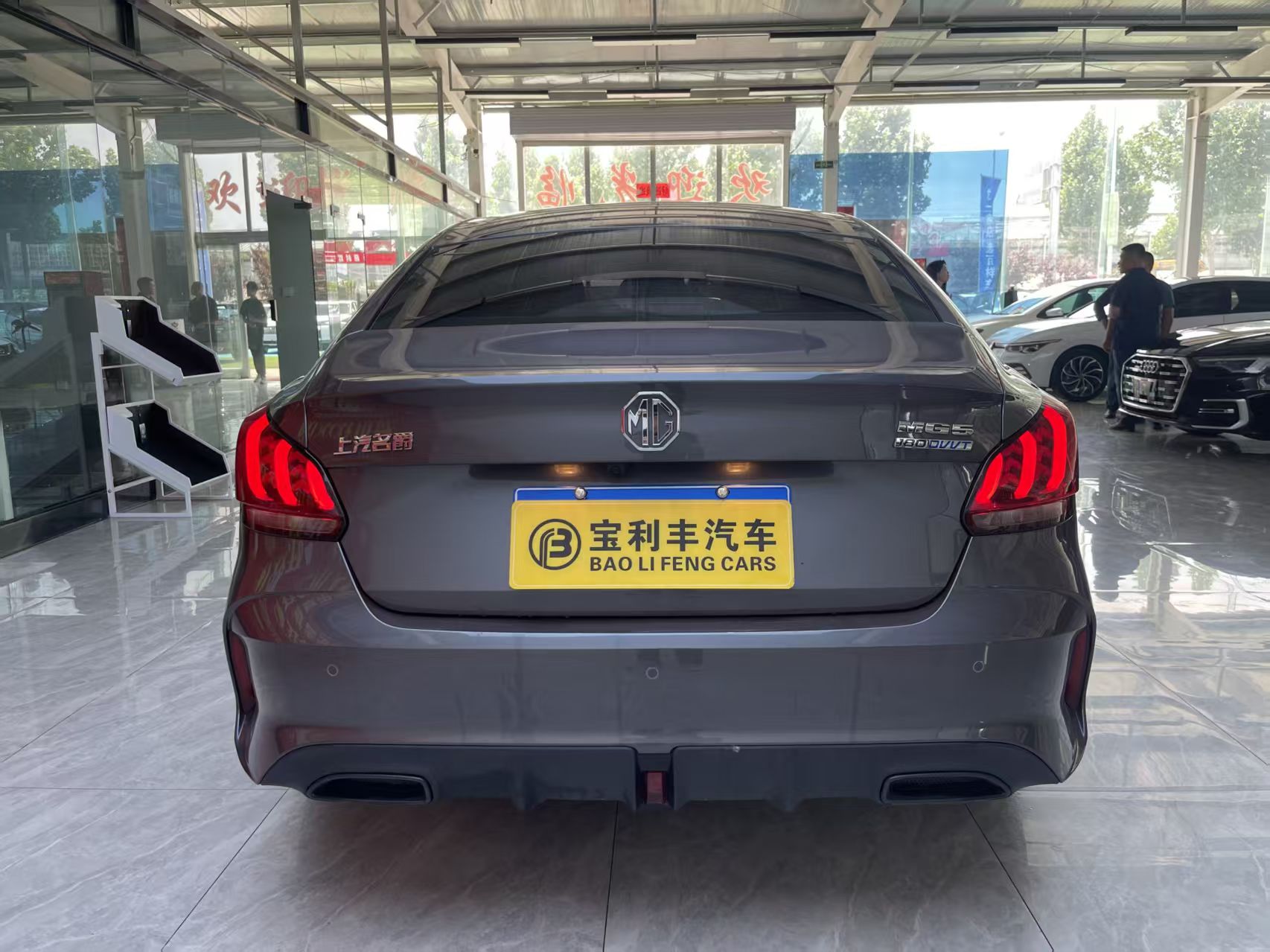
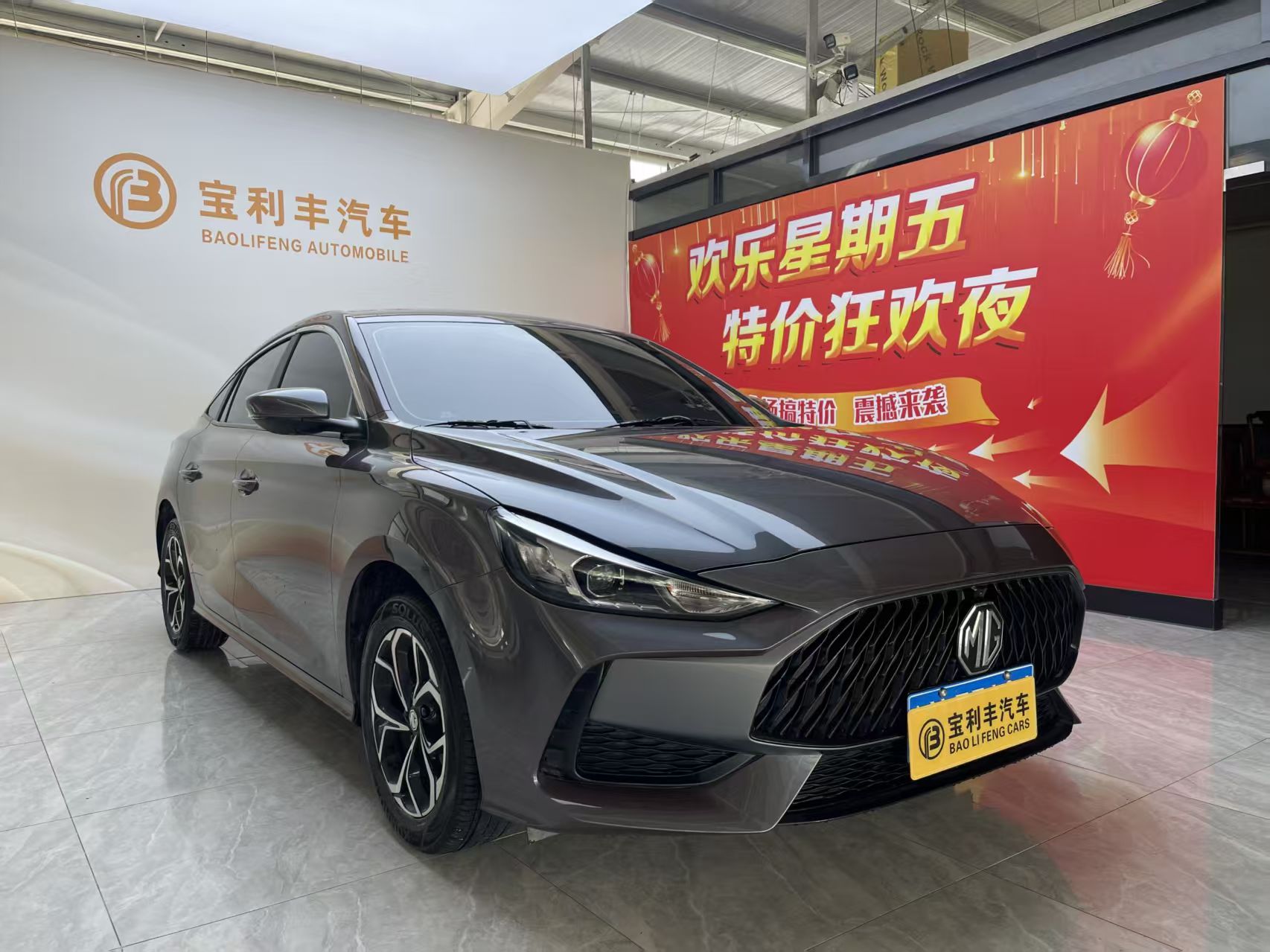
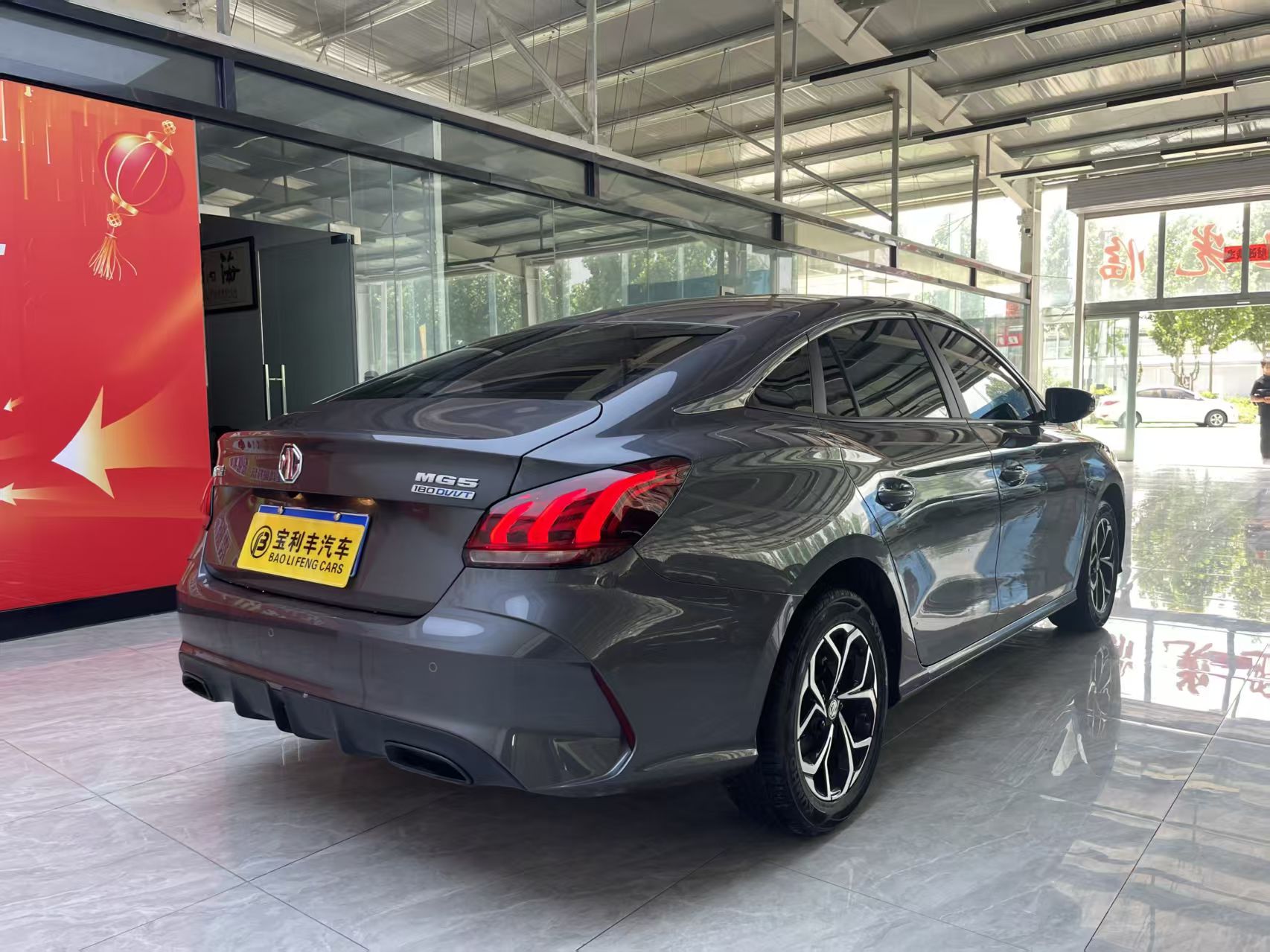
The right rear door was replaced; the rest of the original paint was covered with a car wrap.

Q&A

More

How do I verify the maintenance and service history of a used car in China before buying it?

A complete service history tells you more about a car than its mileage. In China, most maintenance is done at authorized (4S) dealers, and each visit is recorded in the brand's national database. First, ask the seller for the service booklet and maintenance invoices, then have your inspection agent call the brand's 4S network with the VIN to pull the full service record. This shows oil changes, major repairs, recall work and accident-related repairs. Second, check that the mileage recorded at each service visit increases logically. A gap between the database mileage and the dashboard reading is a red flag. Third, ask for the annual inspection (nianjian) records, which are mandatory in China and show whether the car passed emissions and safety checks on time. If the seller claims a full service history but the database shows no records, assume the car was maintained at small independent shops or neglected. Adjust your offer accordingly — plenty of used cars in China have documented histories.


Is this car an accident vehicle?

We will proactively provide a third-party inspection report (such as from Check Doctor), support customers in re-inspection at the store, and promise "return of major accident vehicles."

How do I track my car's shipment from China, and which shipping documents should I receive?

Once the car is loaded, the exporter (or freight forwarder) should send you a booking confirmation and, after departure, the Bill of Lading (B/L). The B/L is the key document: it shows the shipper, consignee, vessel, ports, and usually the VIN and container number. You can track the vessel on the shipping line's website using the B/L number or container number, or through third-party trackers like MarineTraffic. As the shipment approaches, the agent at destination issues an Arrival Notice. To collect the car you will typically need the original B/L (or a telex release/e-release), the arrival notice, your ID, and customs clearance paperwork. Check the B/L carefully as soon as you receive it—VIN, container number, and your name must be exactly right, because correcting a B/L mid-voyage is slow and expensive.