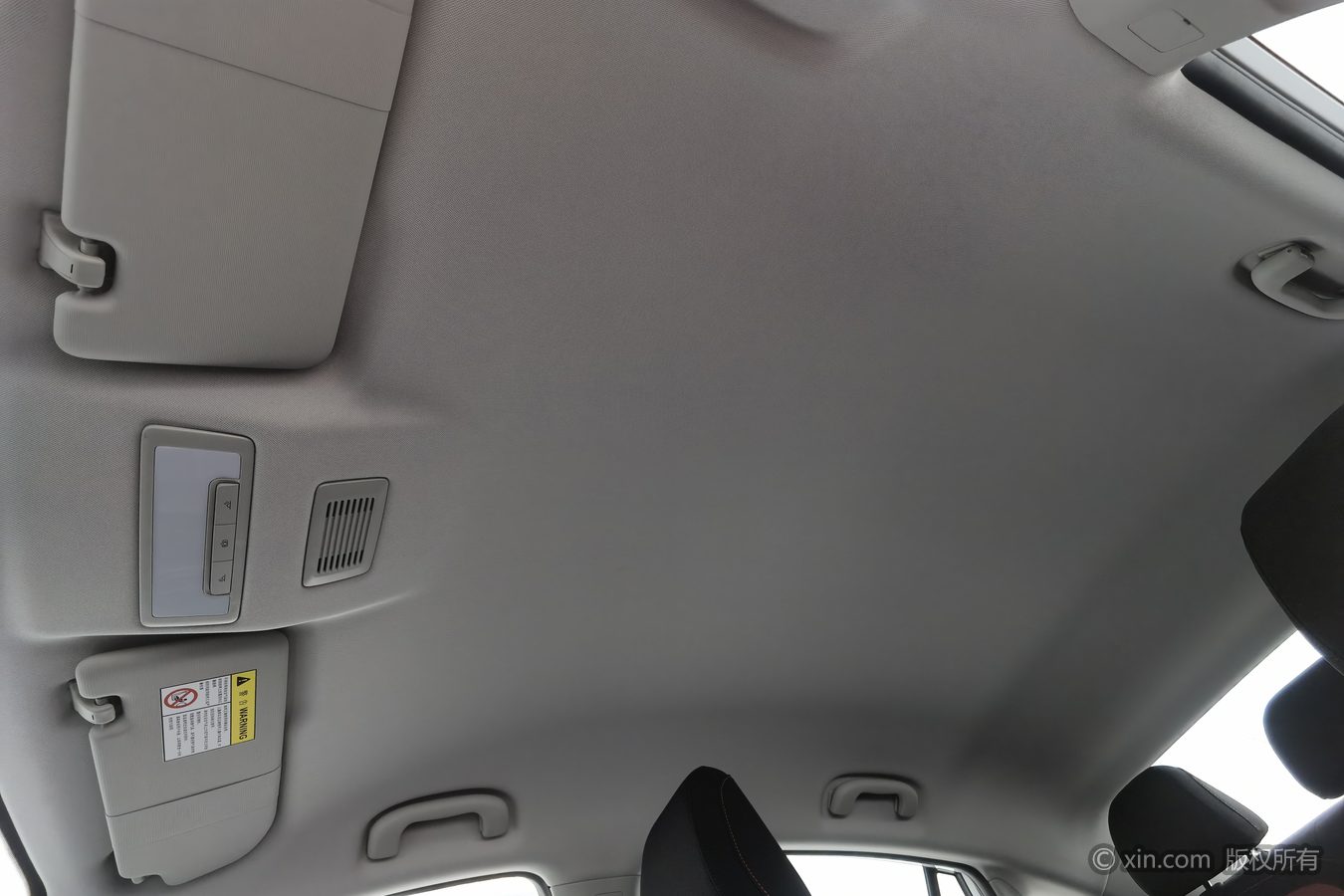
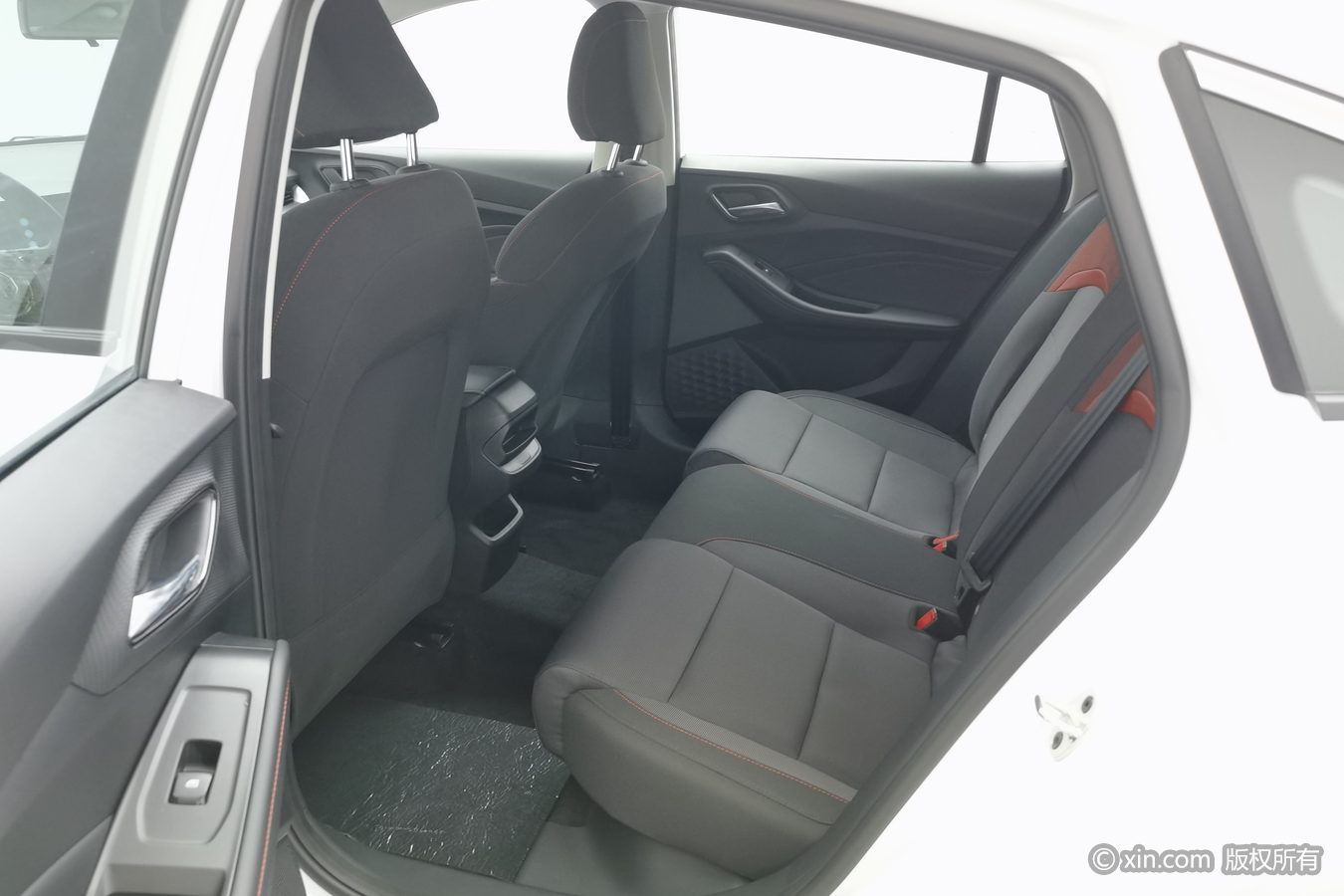
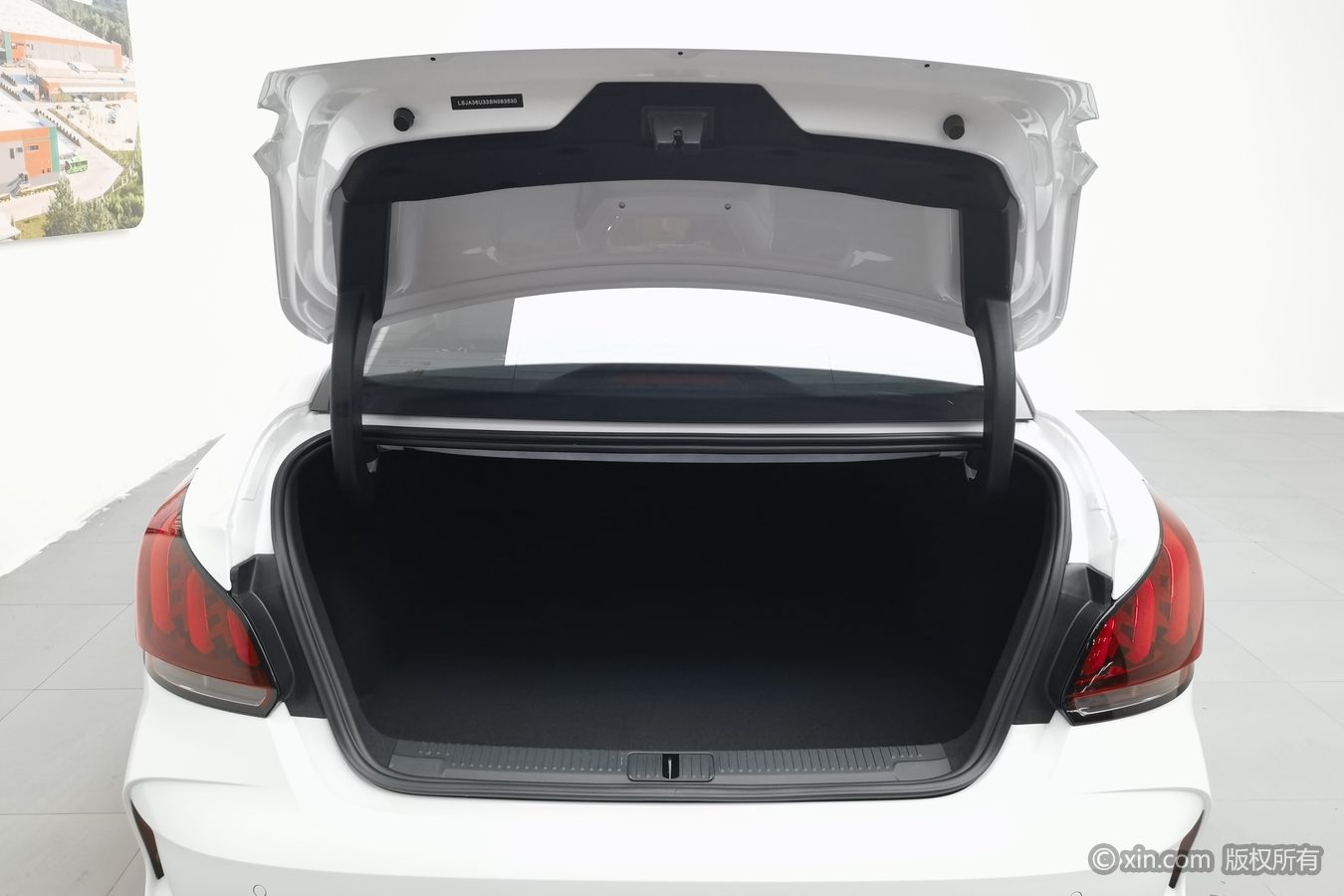
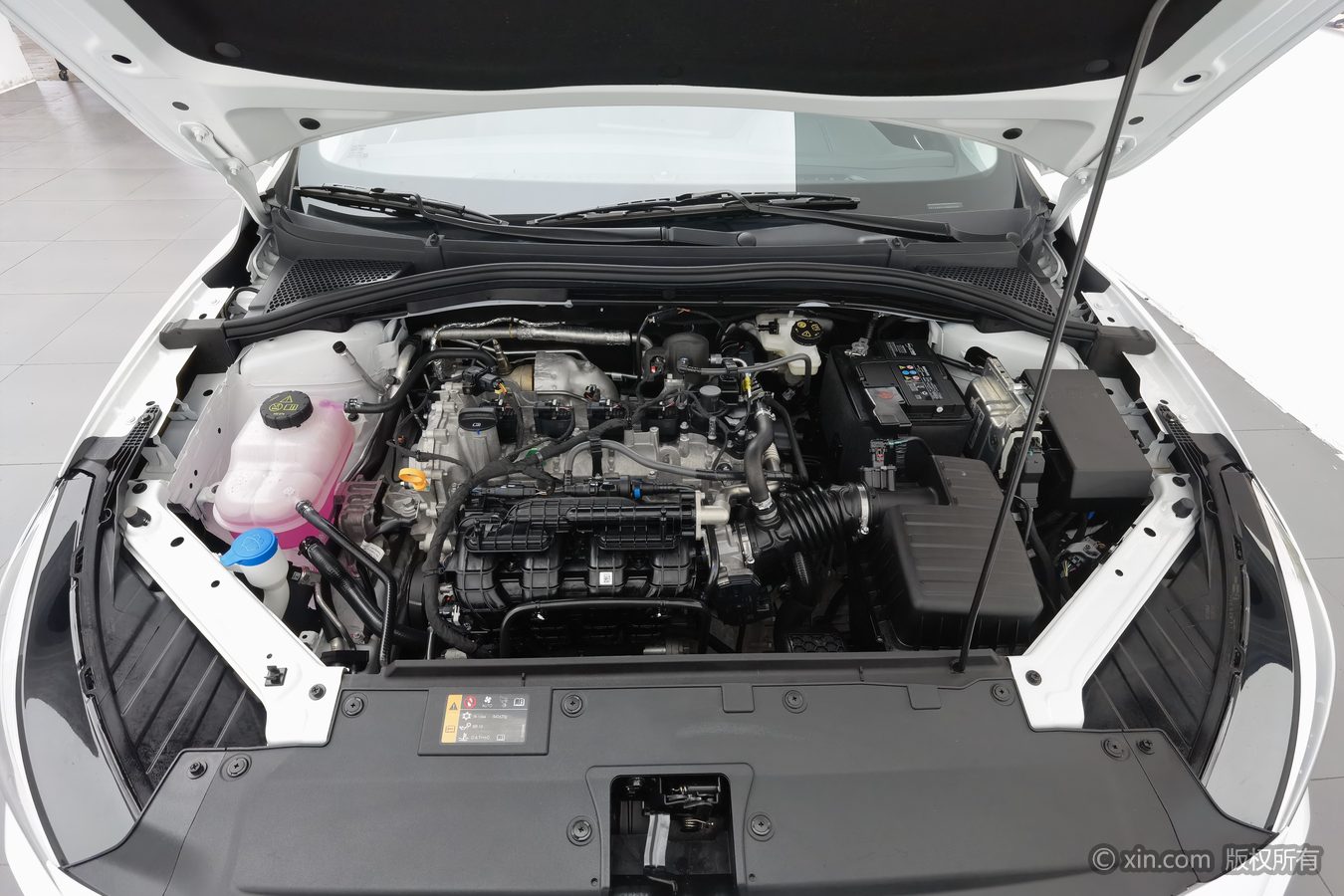
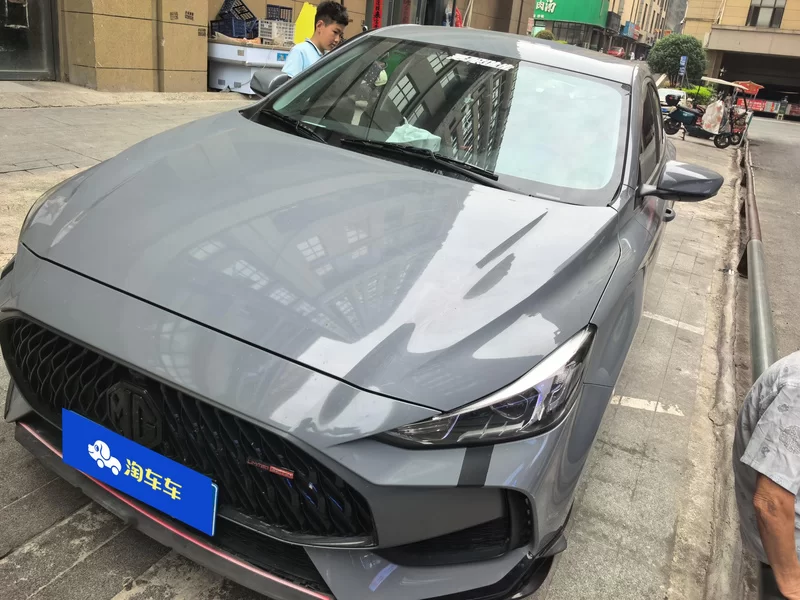
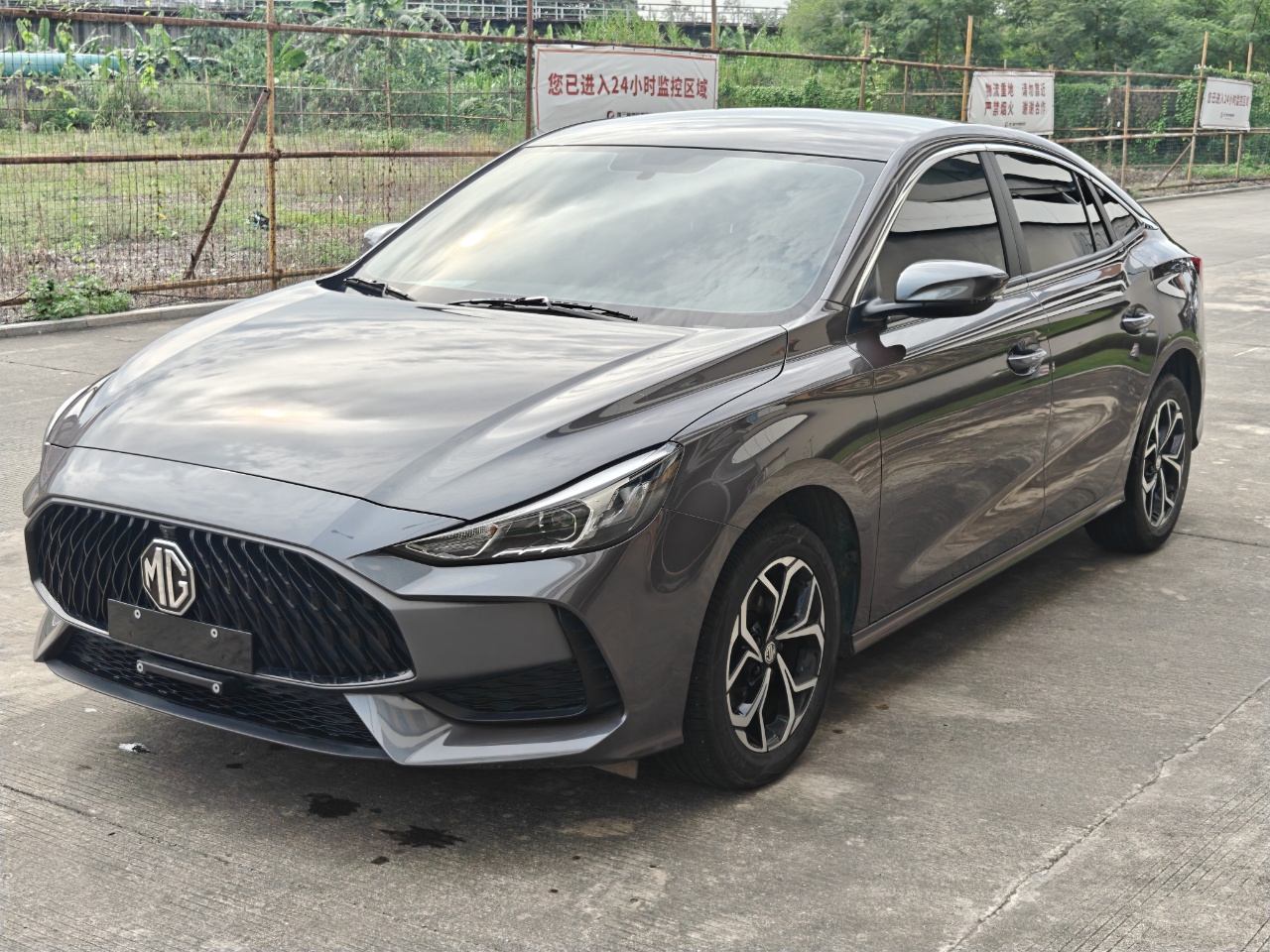
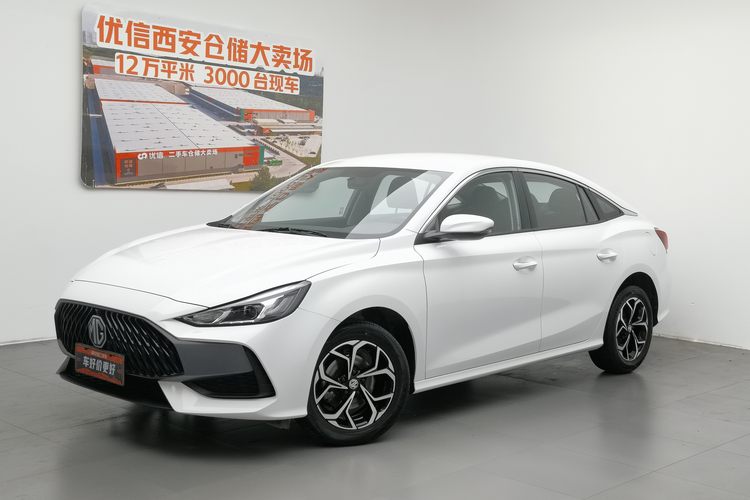
Basic Information

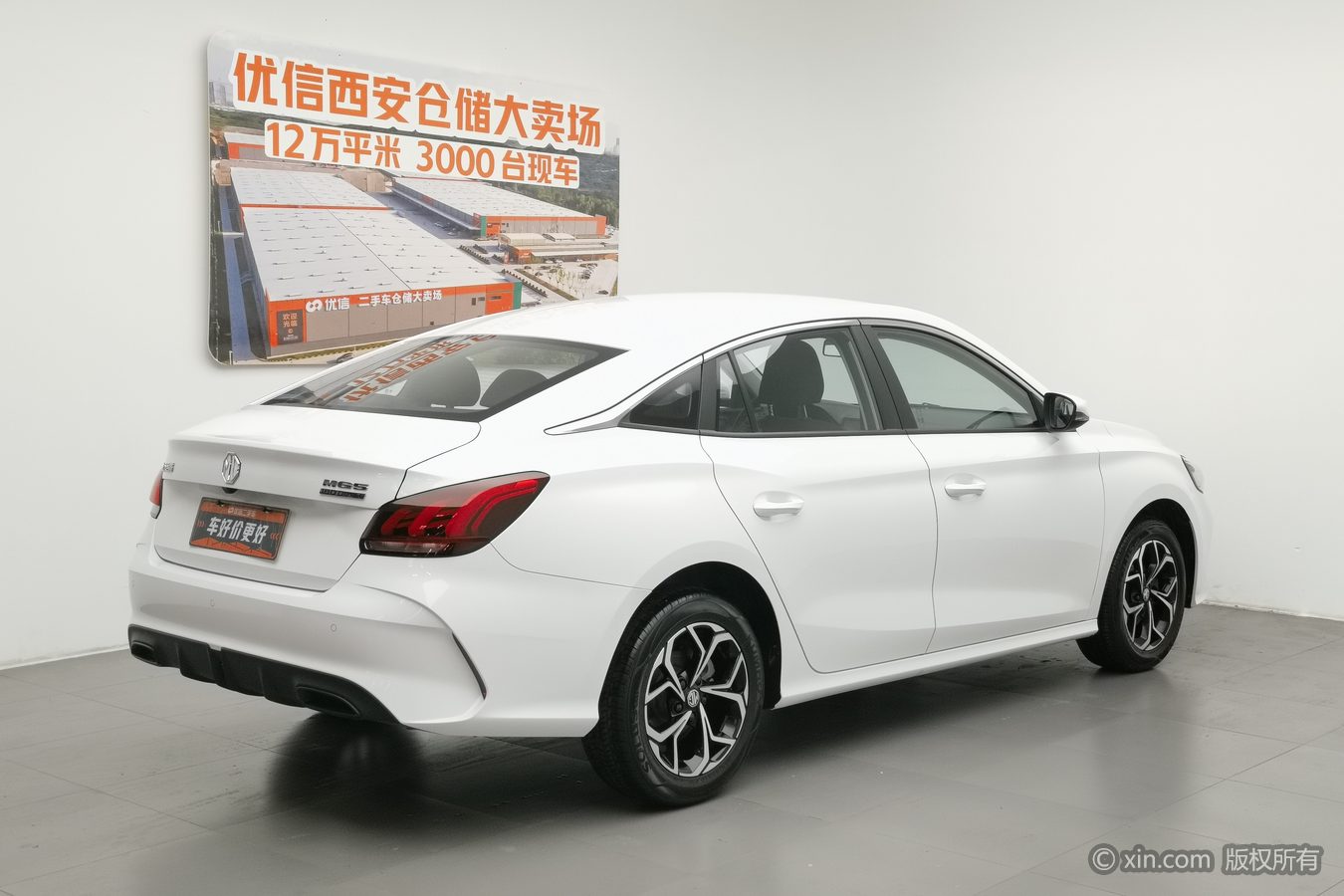
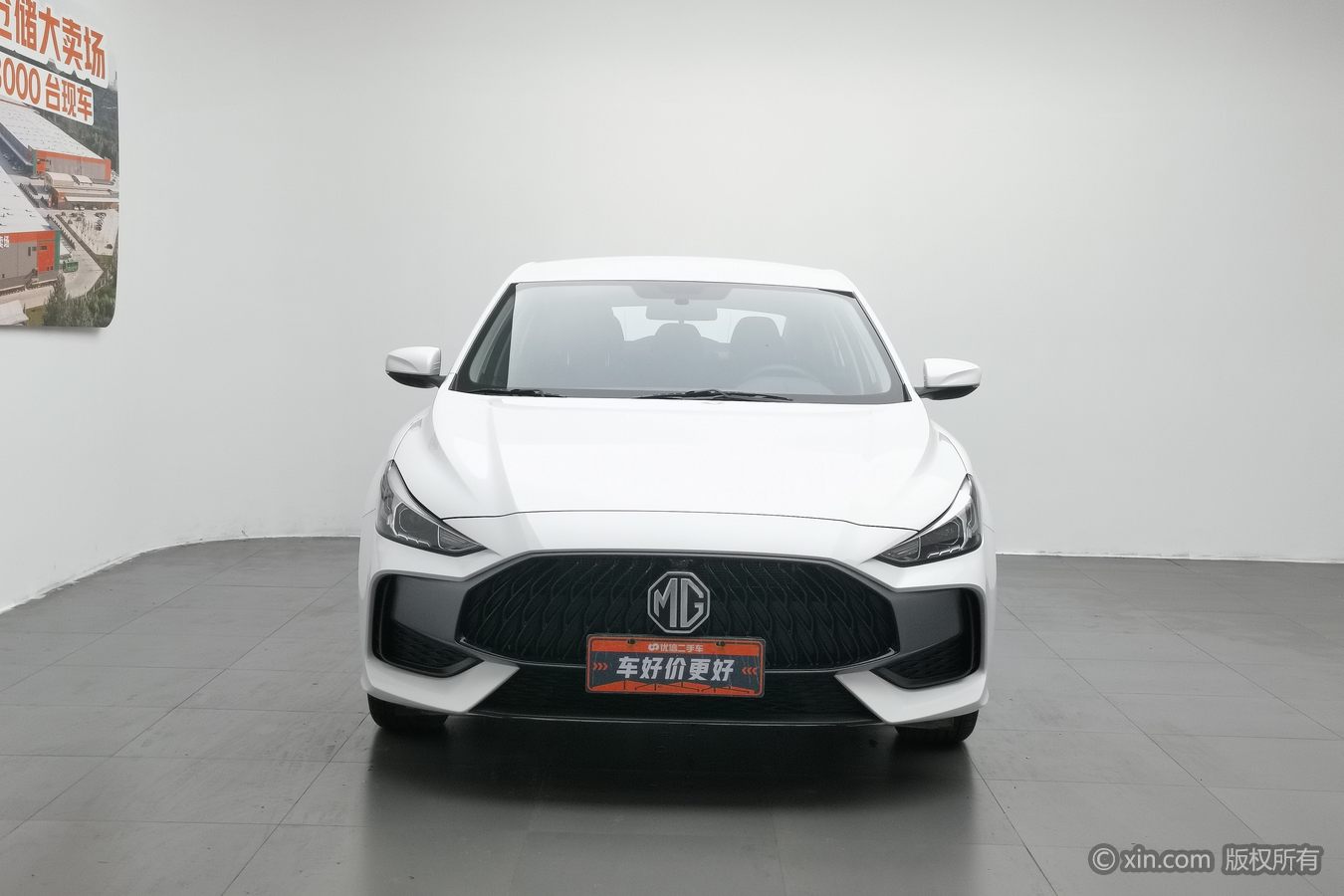
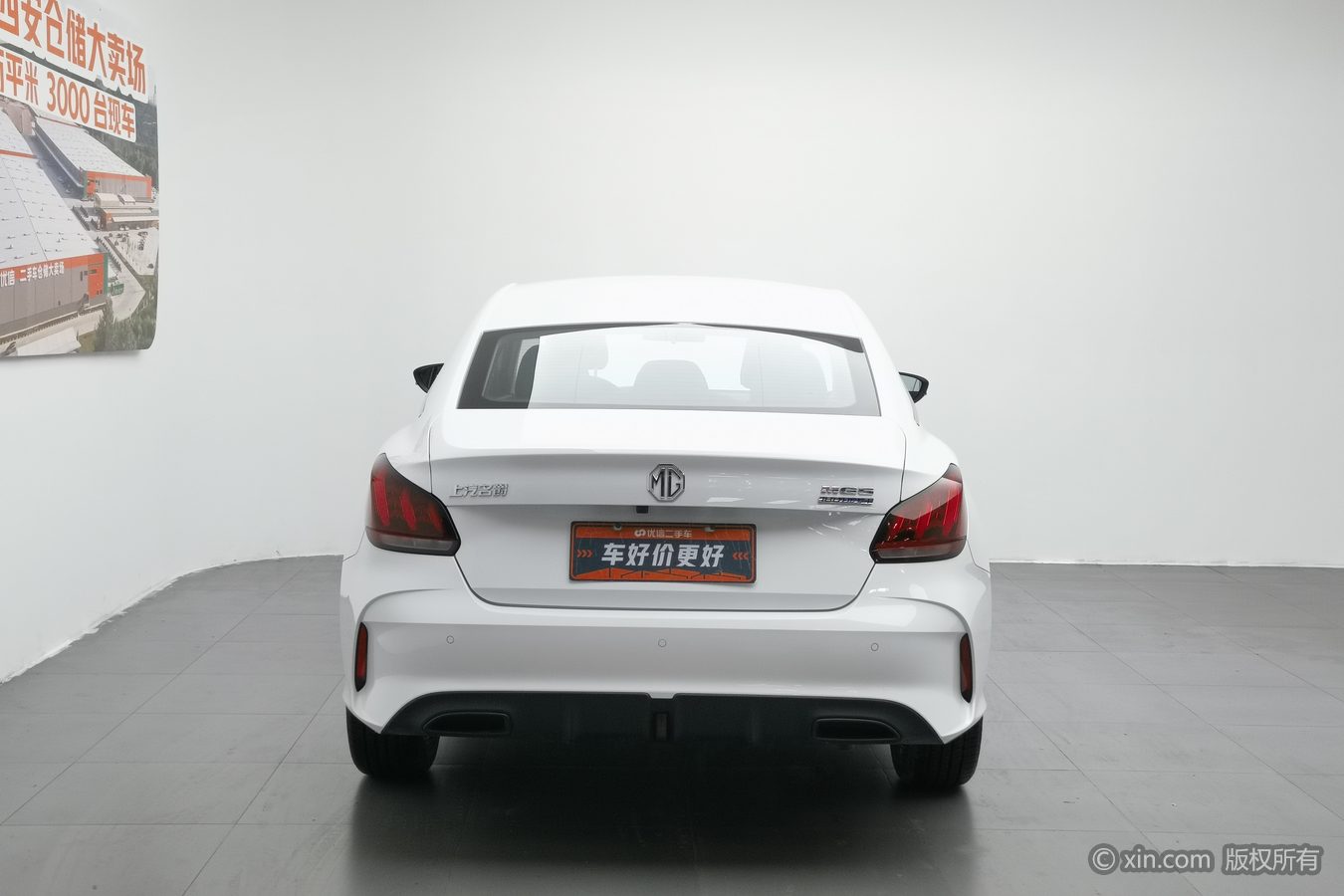
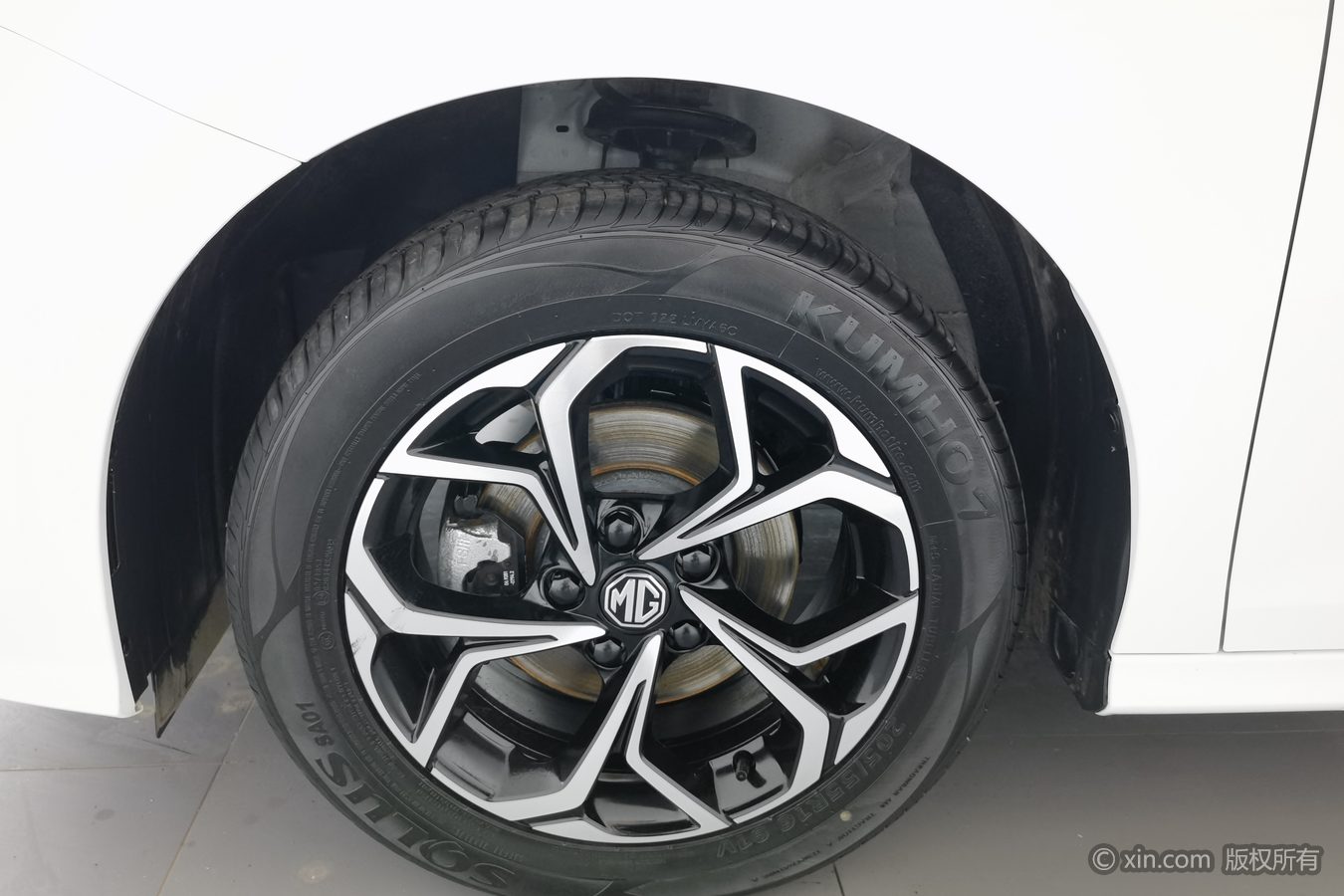
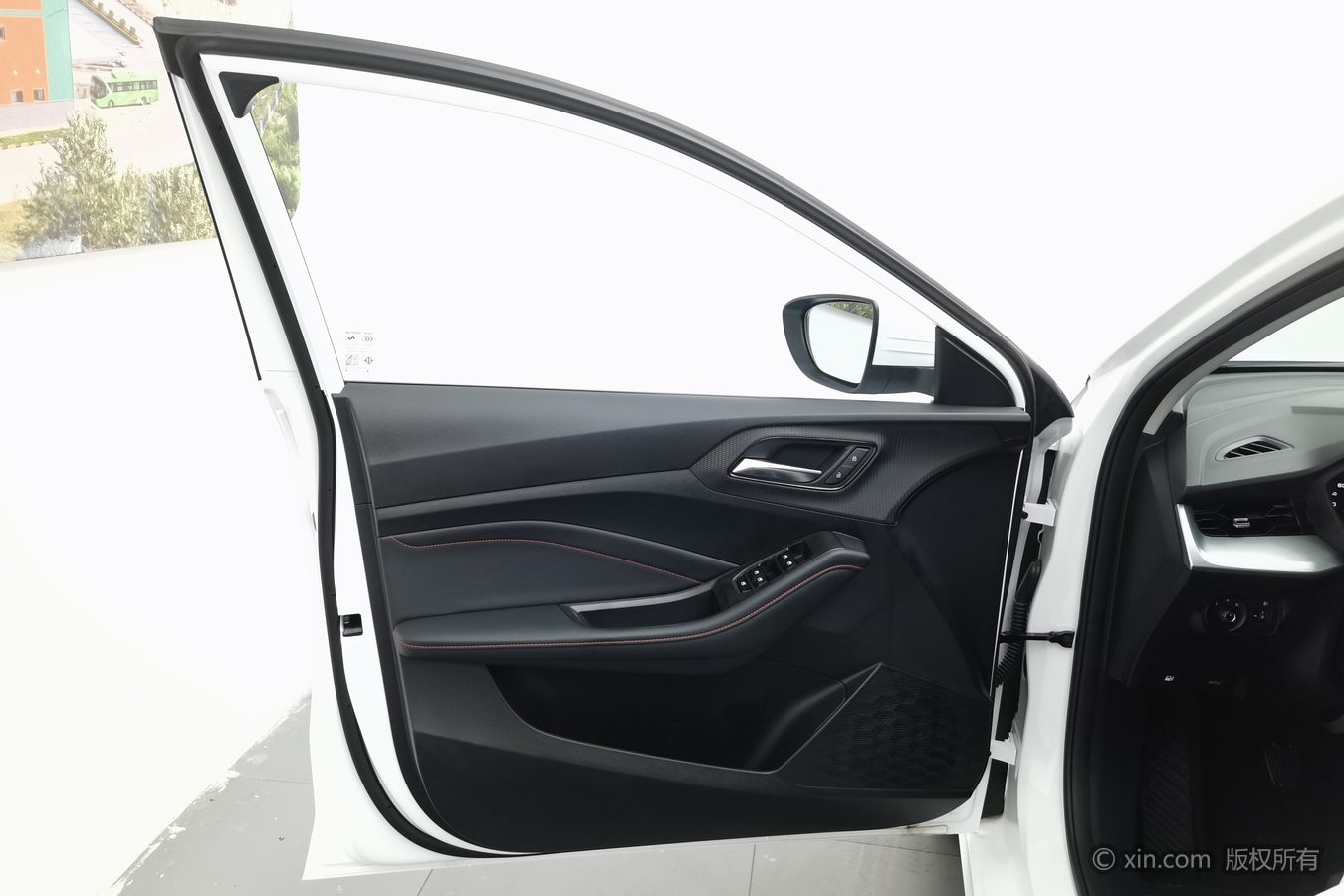
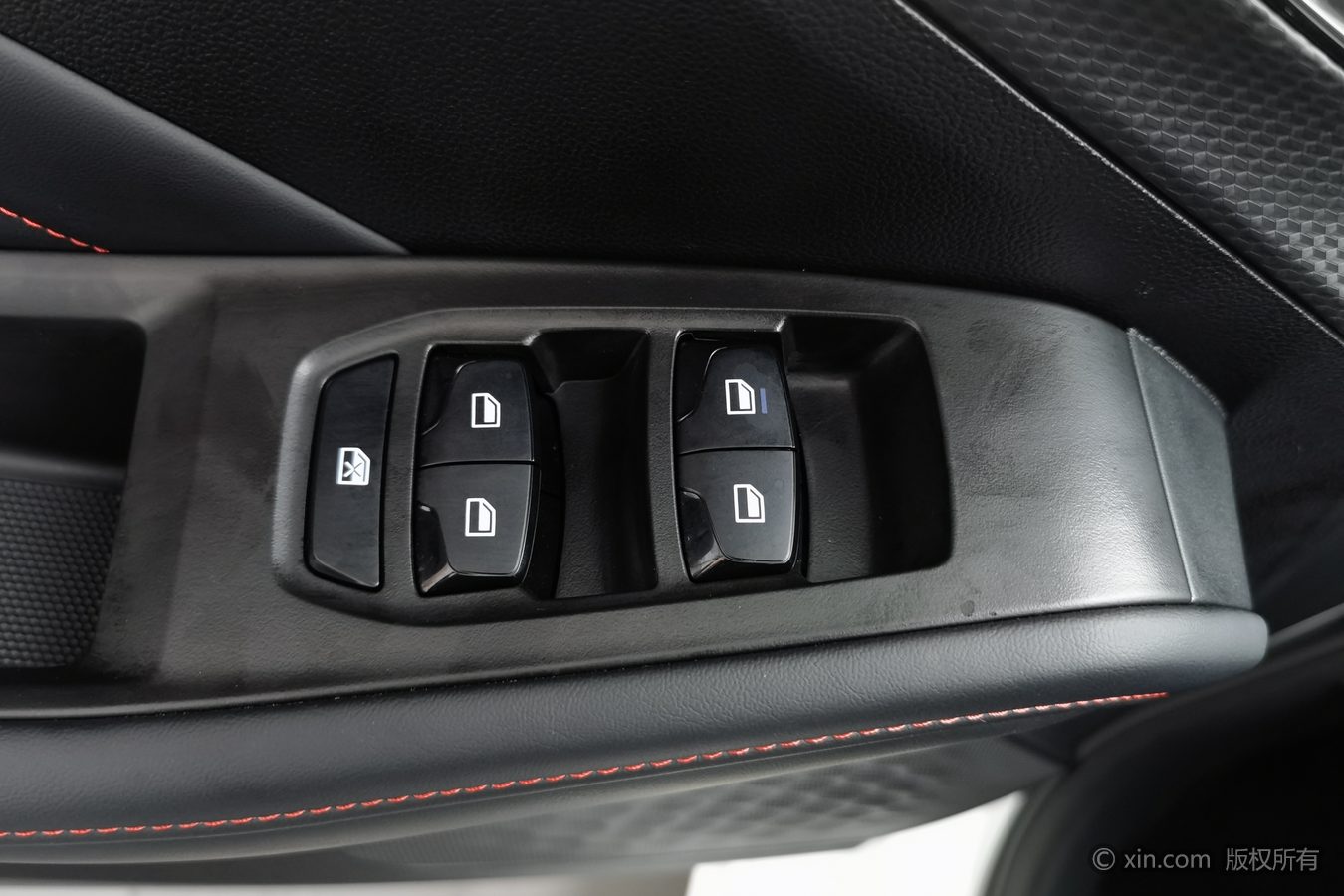
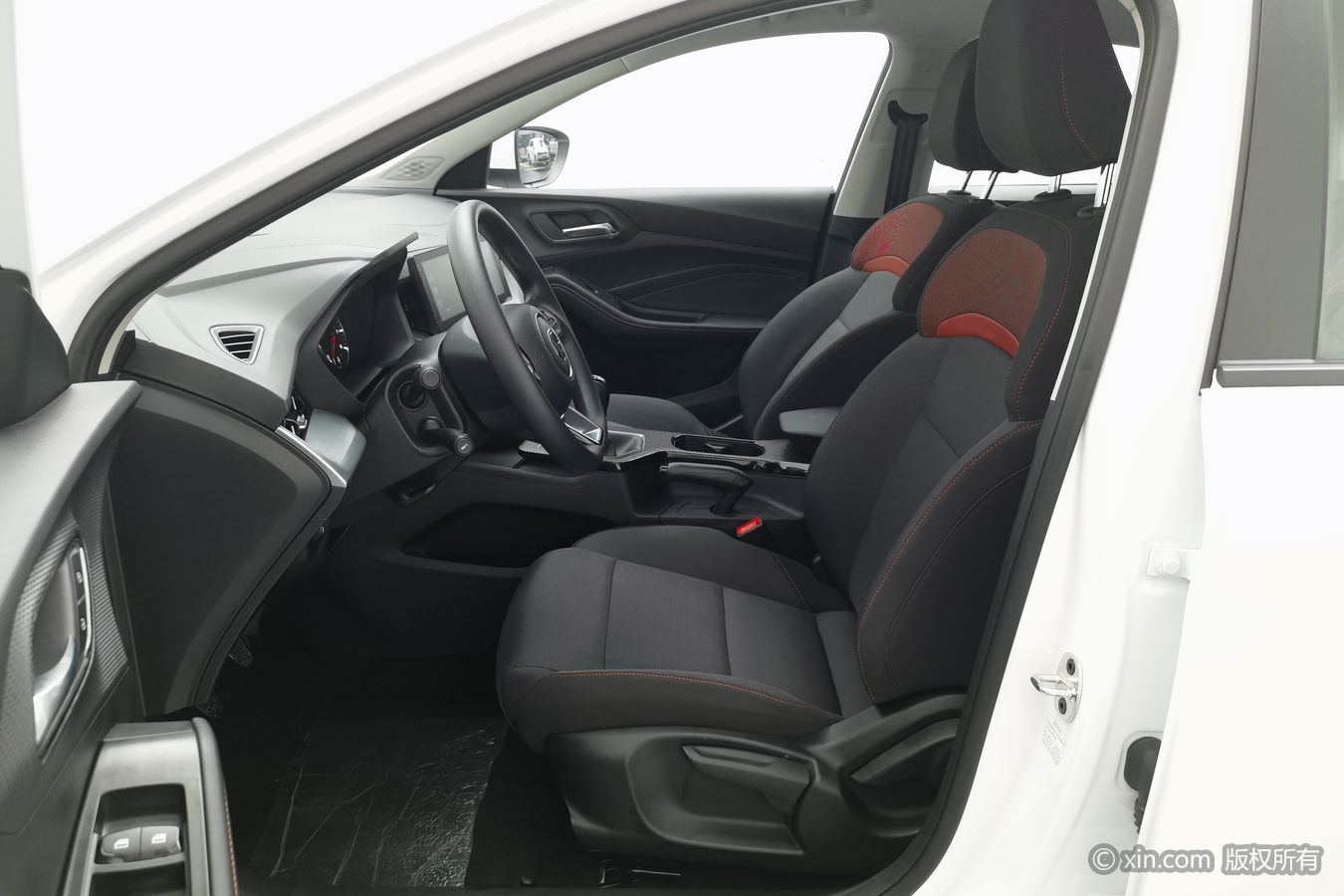
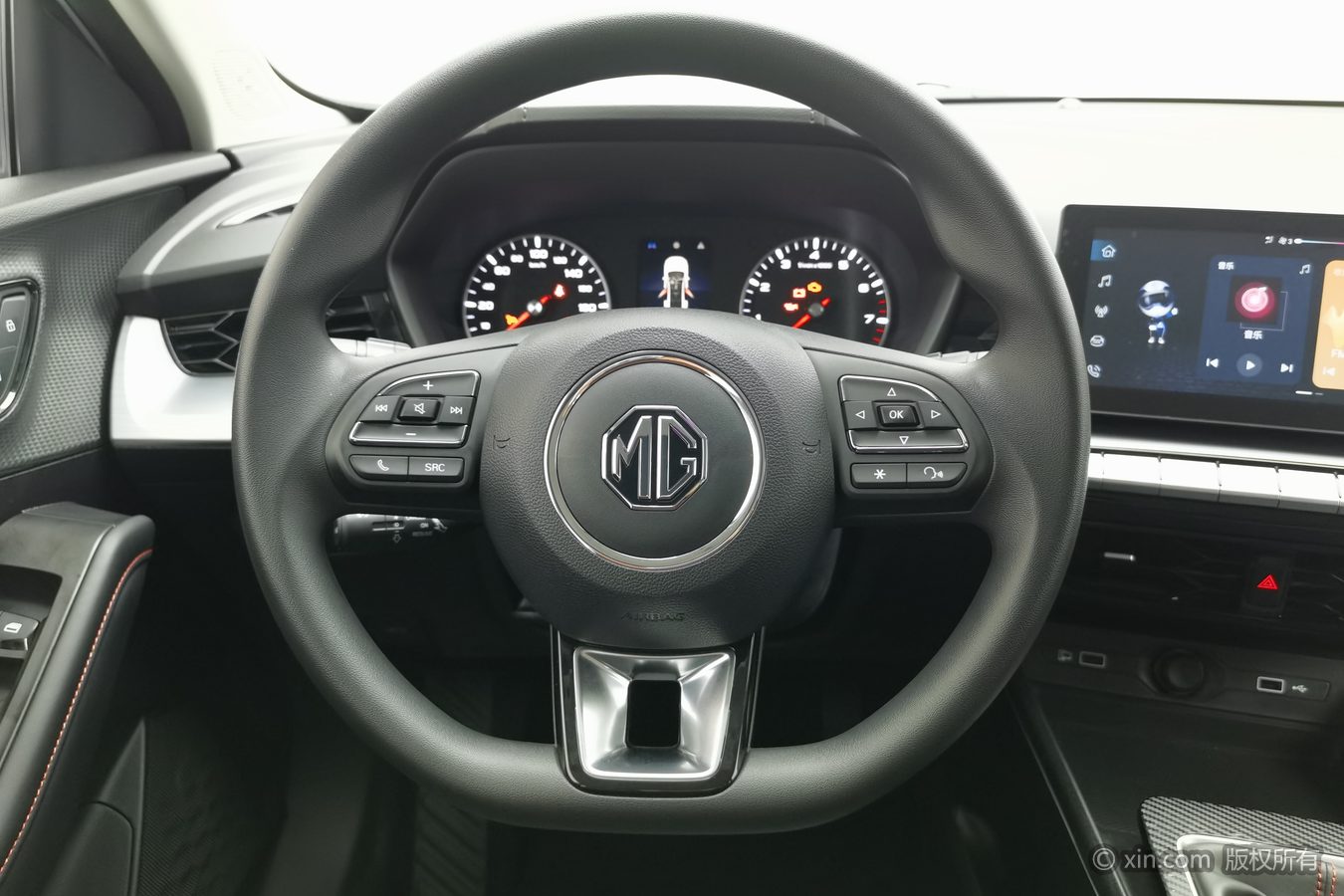
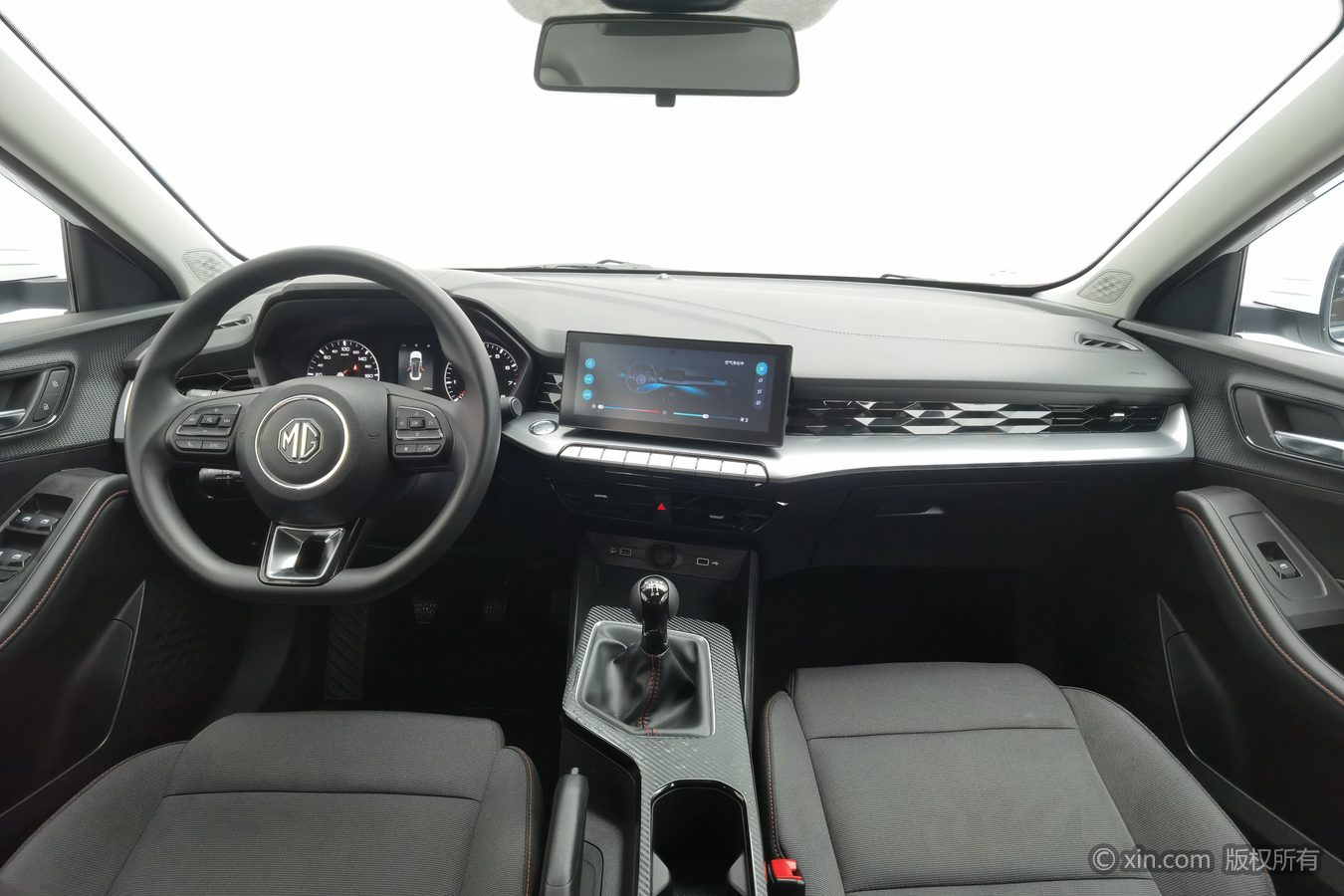
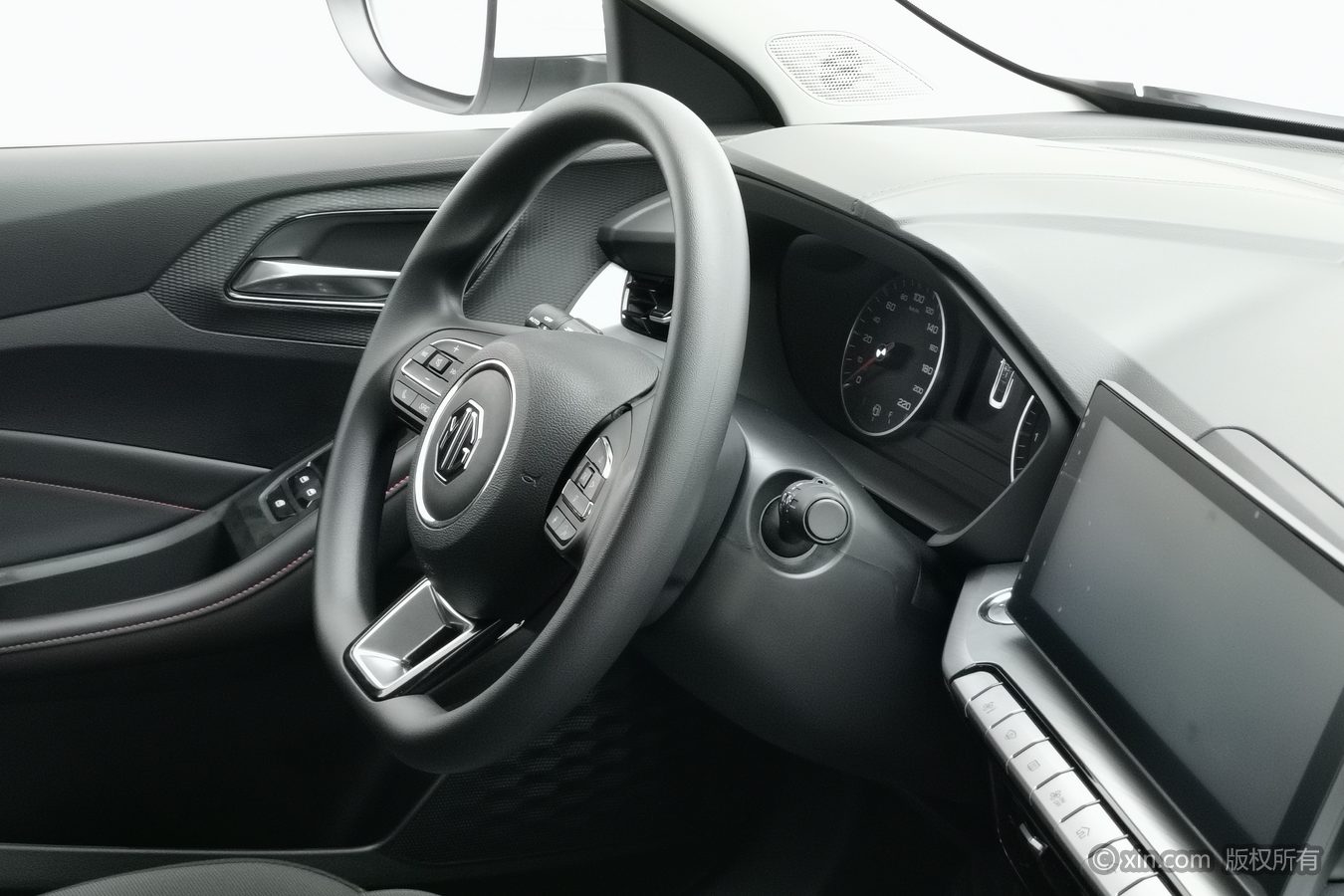
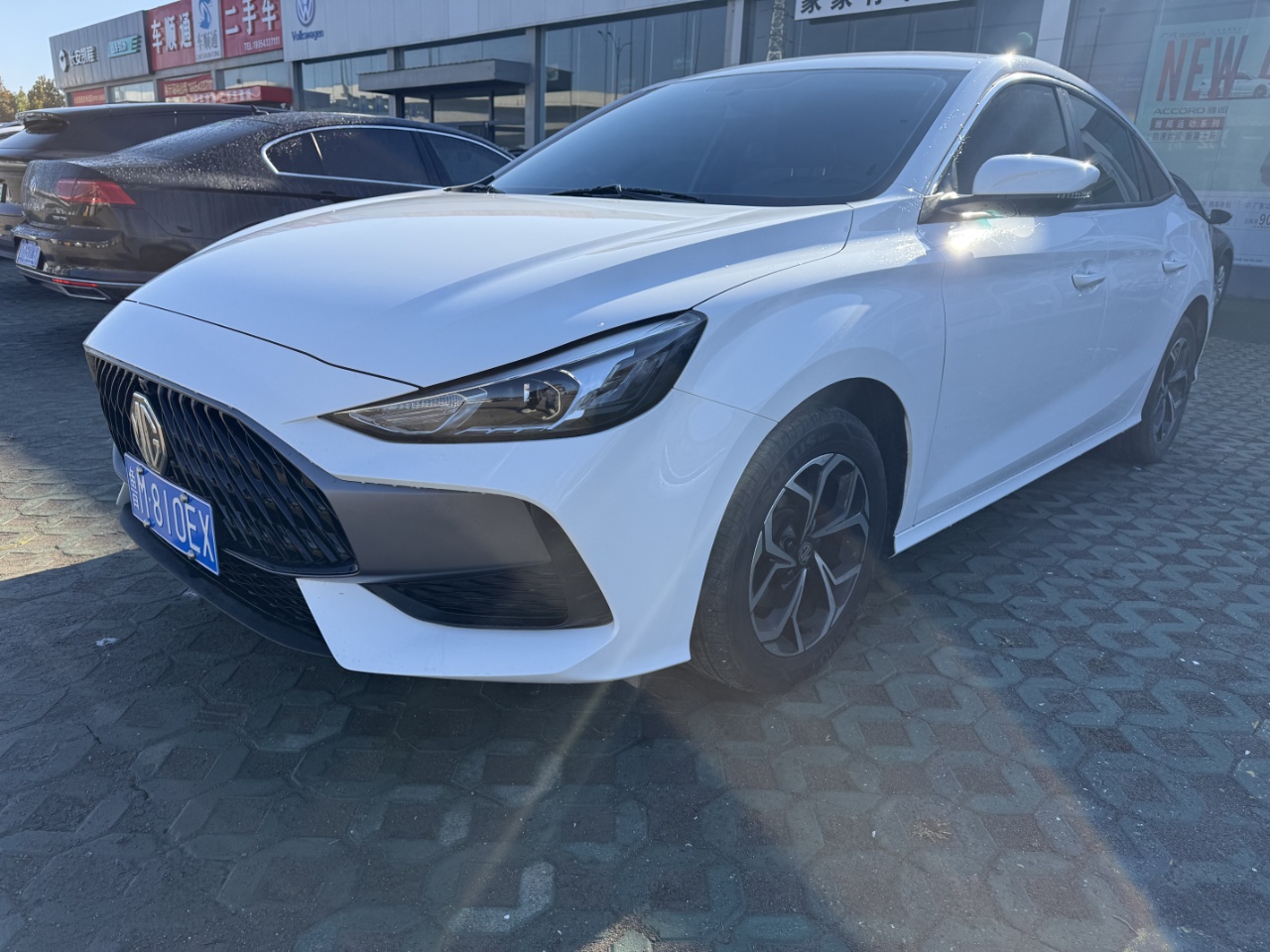
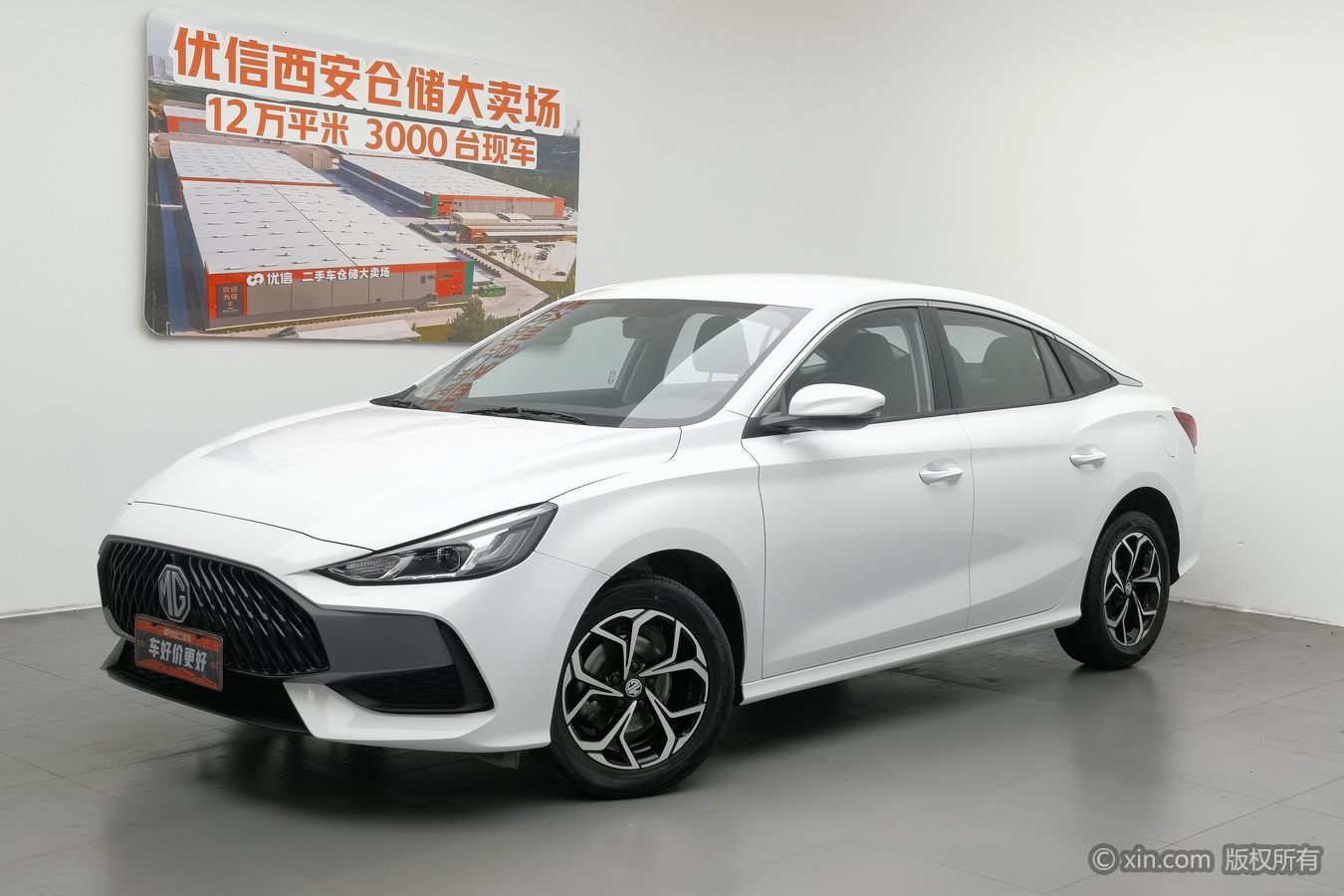
BrandMG
Series5
Year2025
First Registration2025/11
Mileage5,000km
Transfer Count1times
FuelGasoline
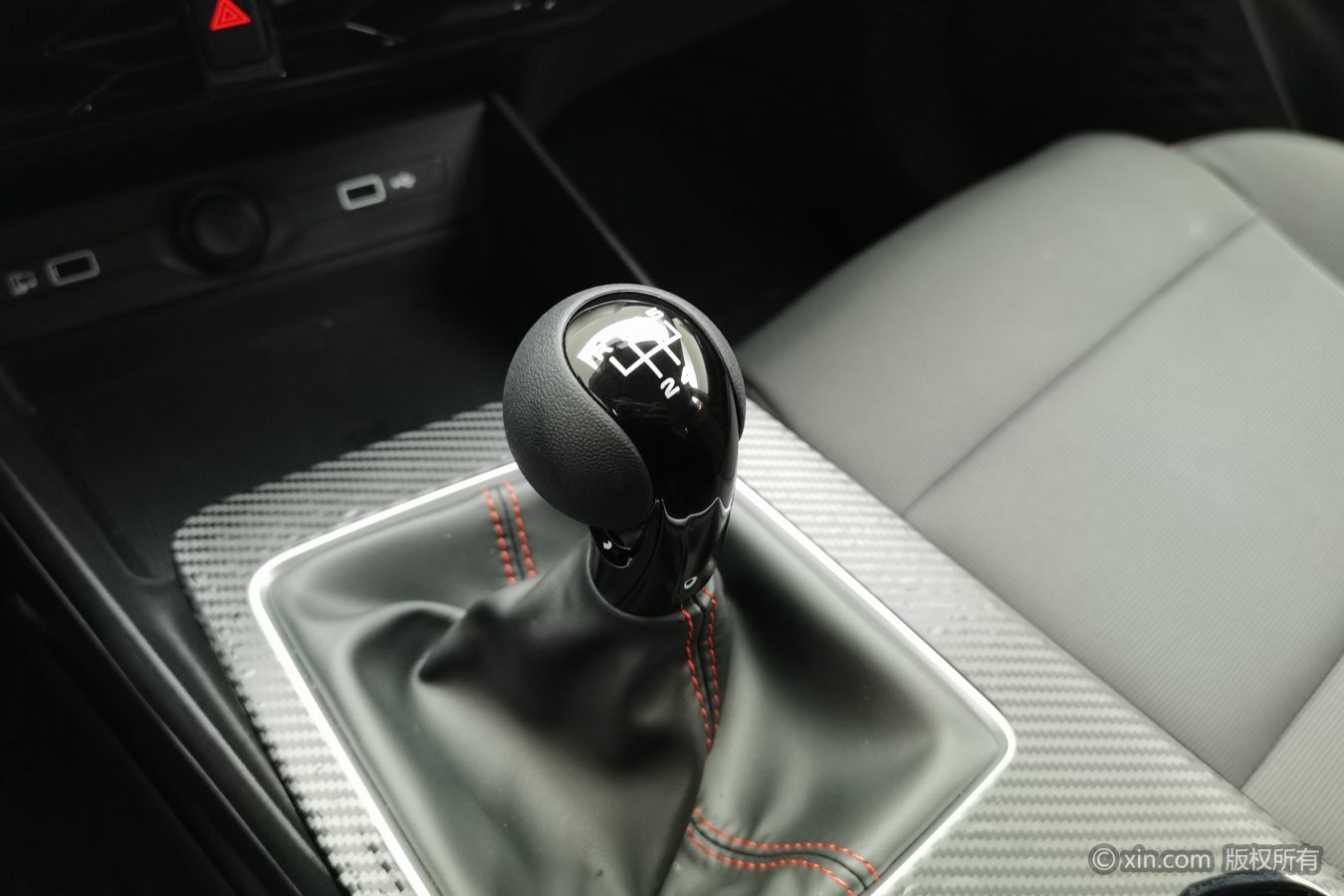
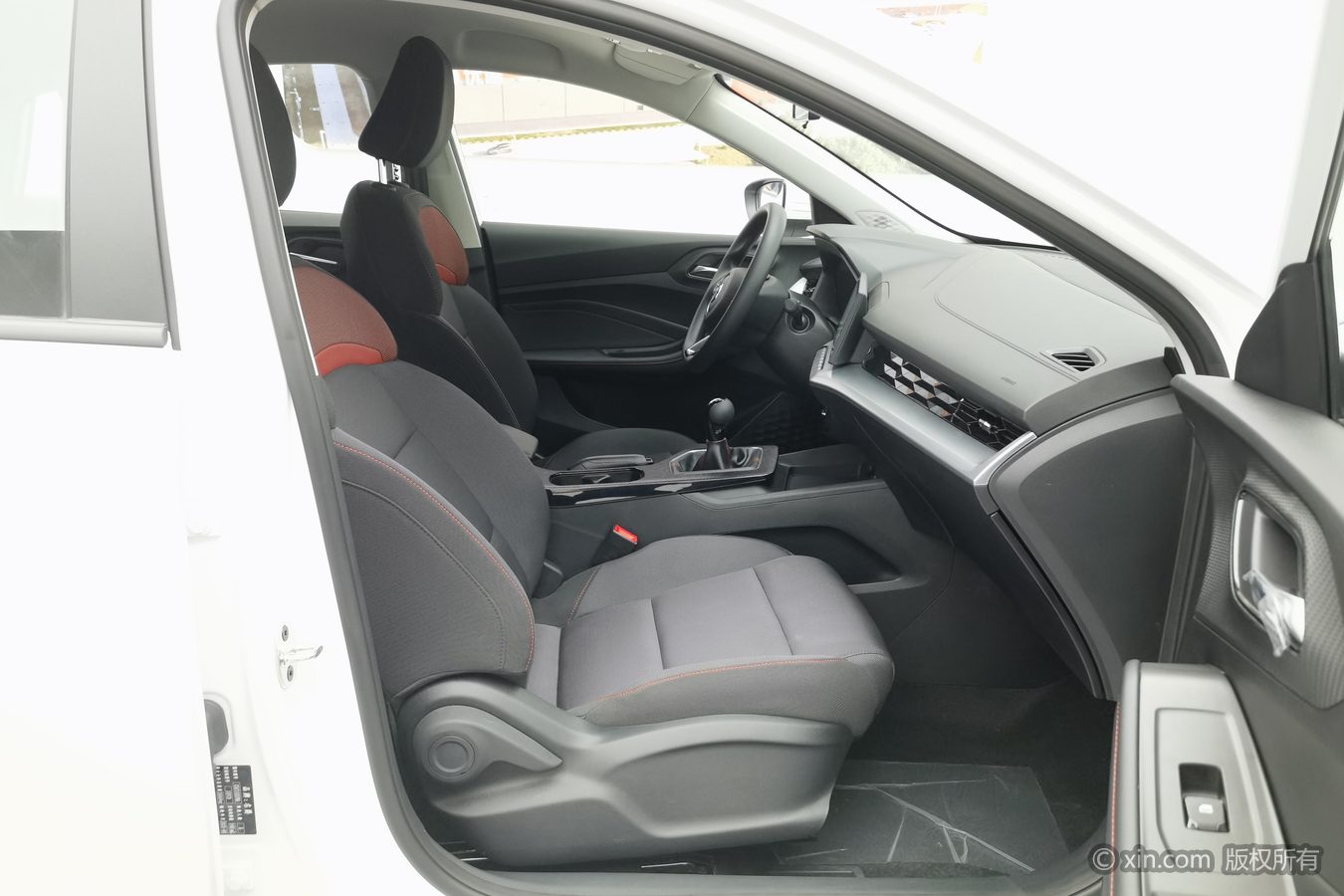
TransmissionManual
Engine1.5L 129 L4
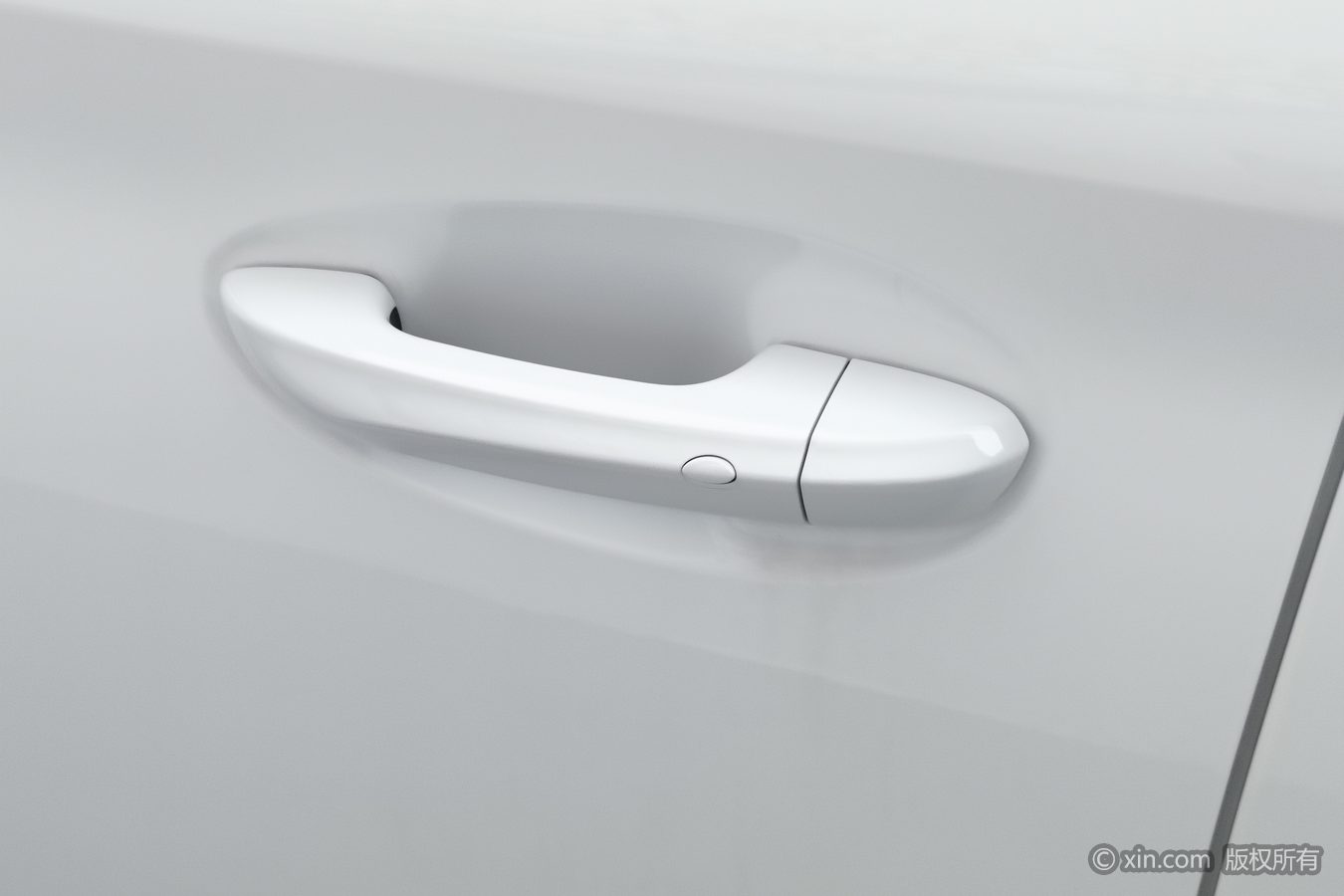
ColorWhite
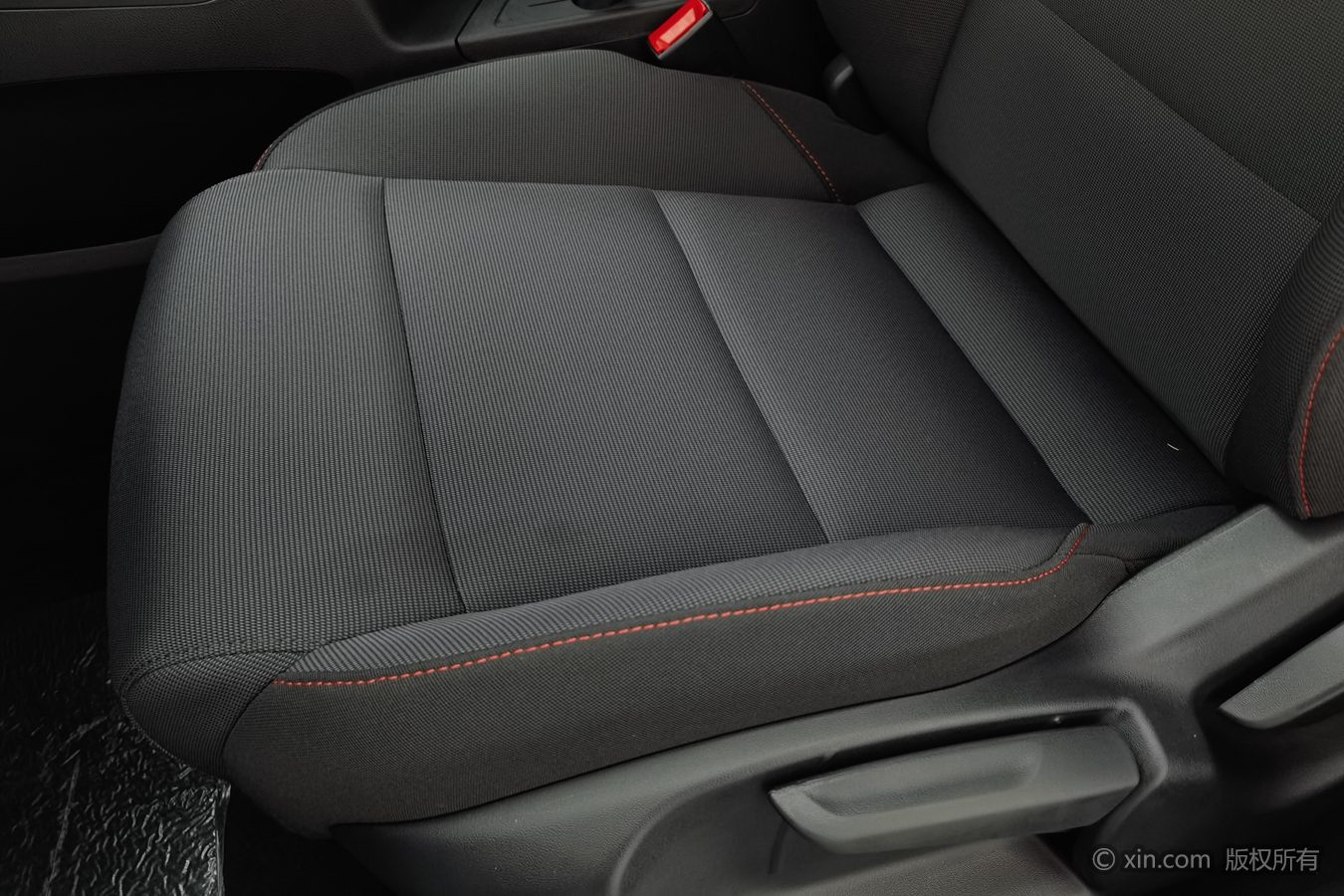
Seats5seats

Condition Description

No odometer tampering, no structural damage, no water damage, no fire damage.

Configuration Highlights

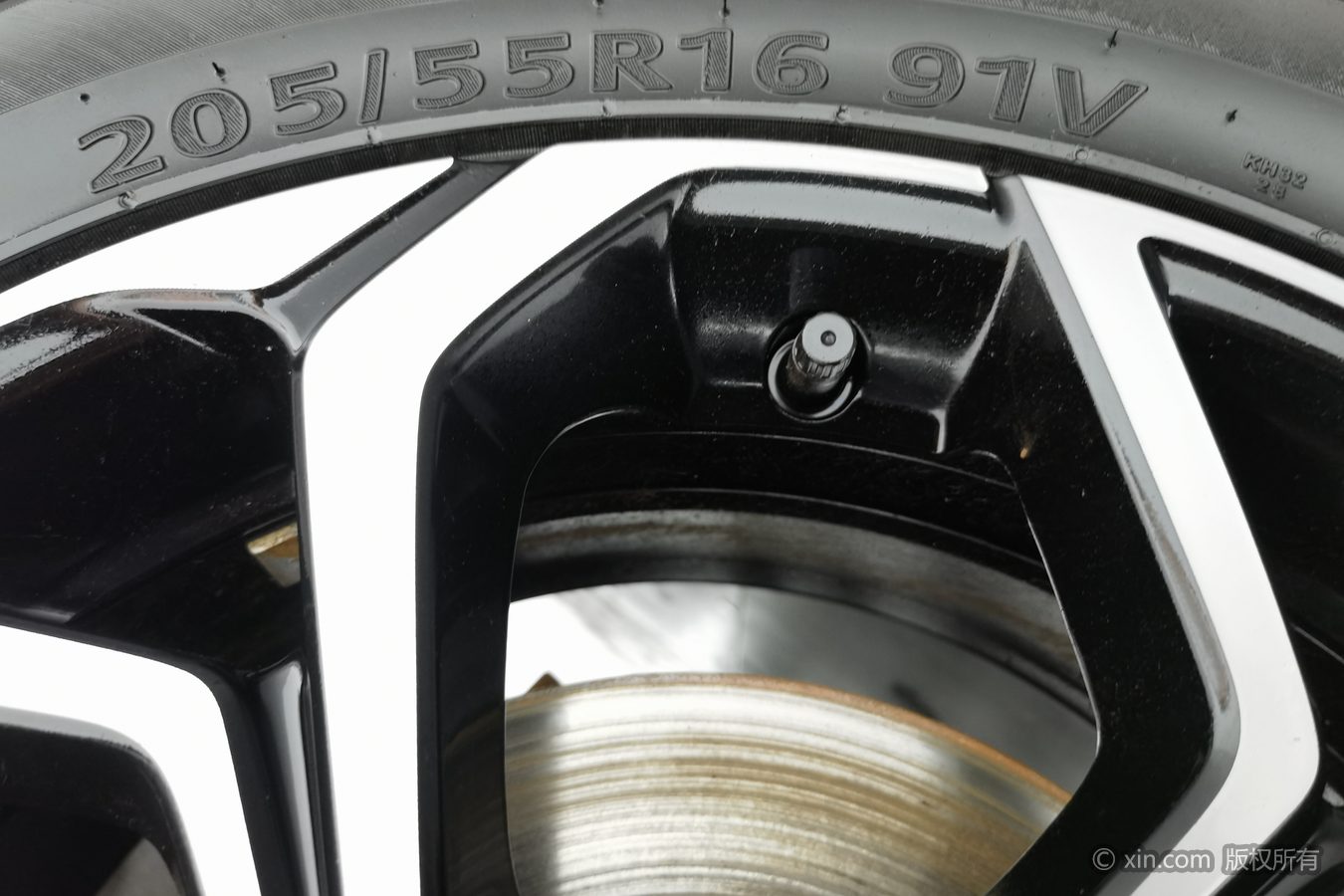
✓Tire Pressure Monitoring
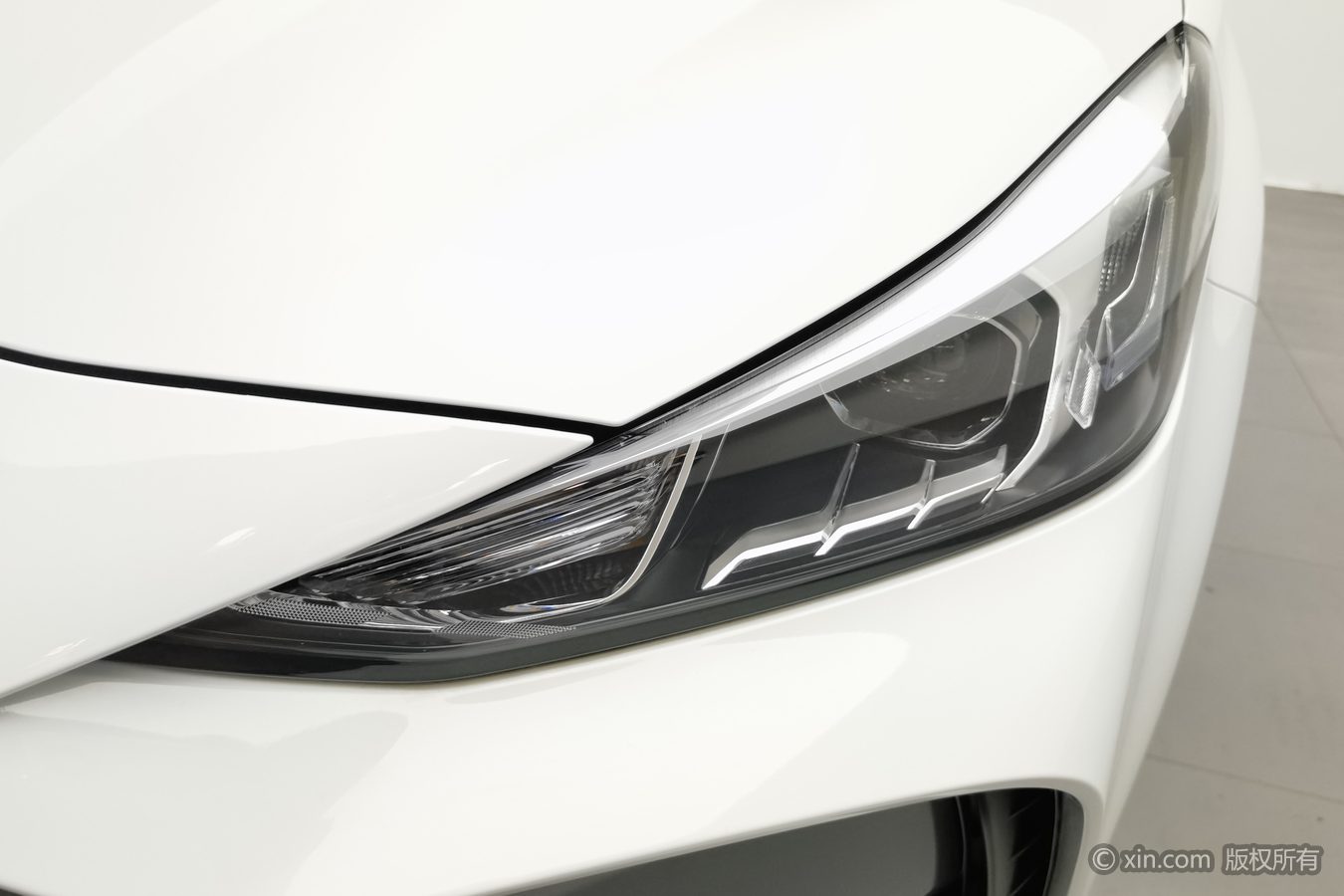
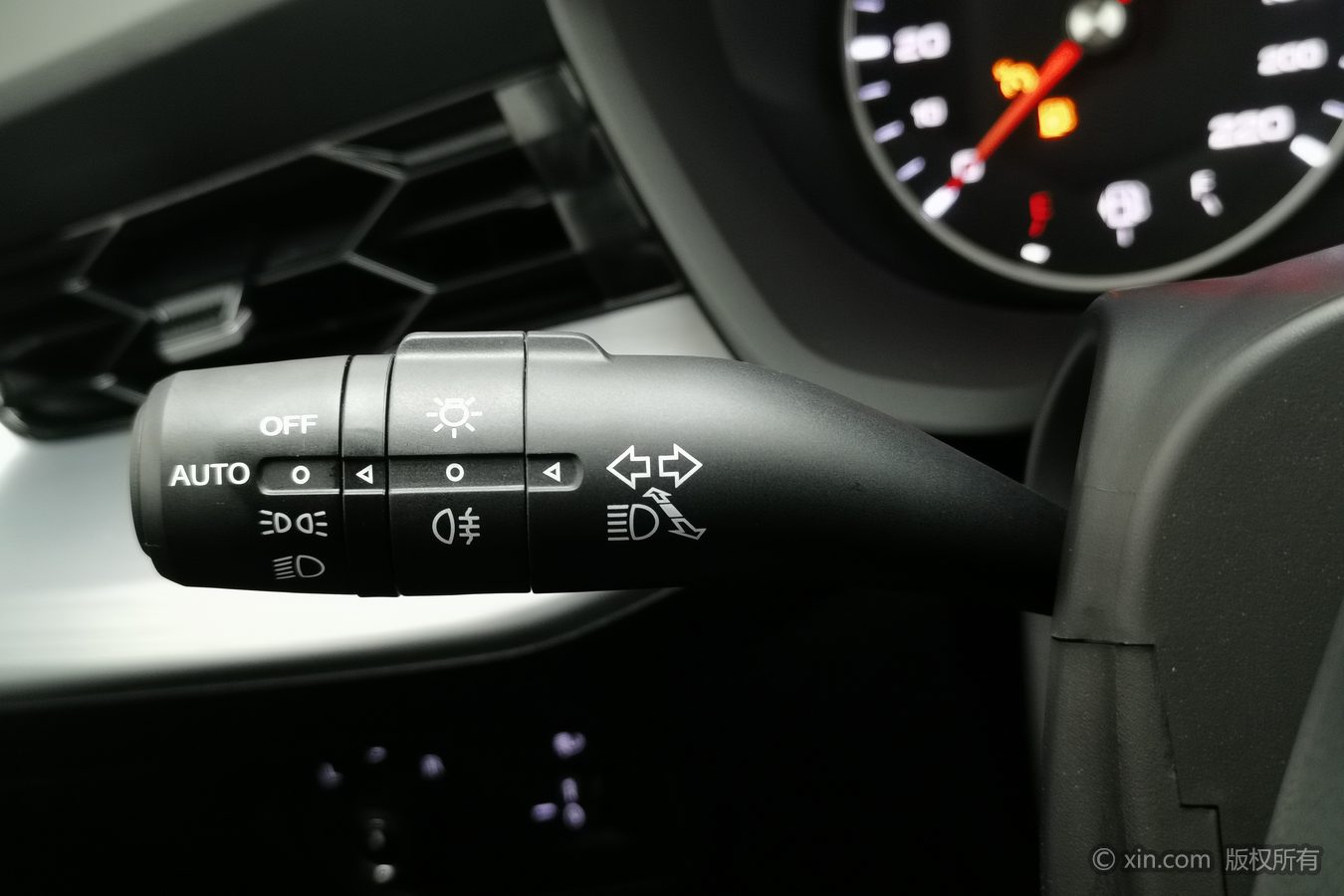
✓Auto Headlights
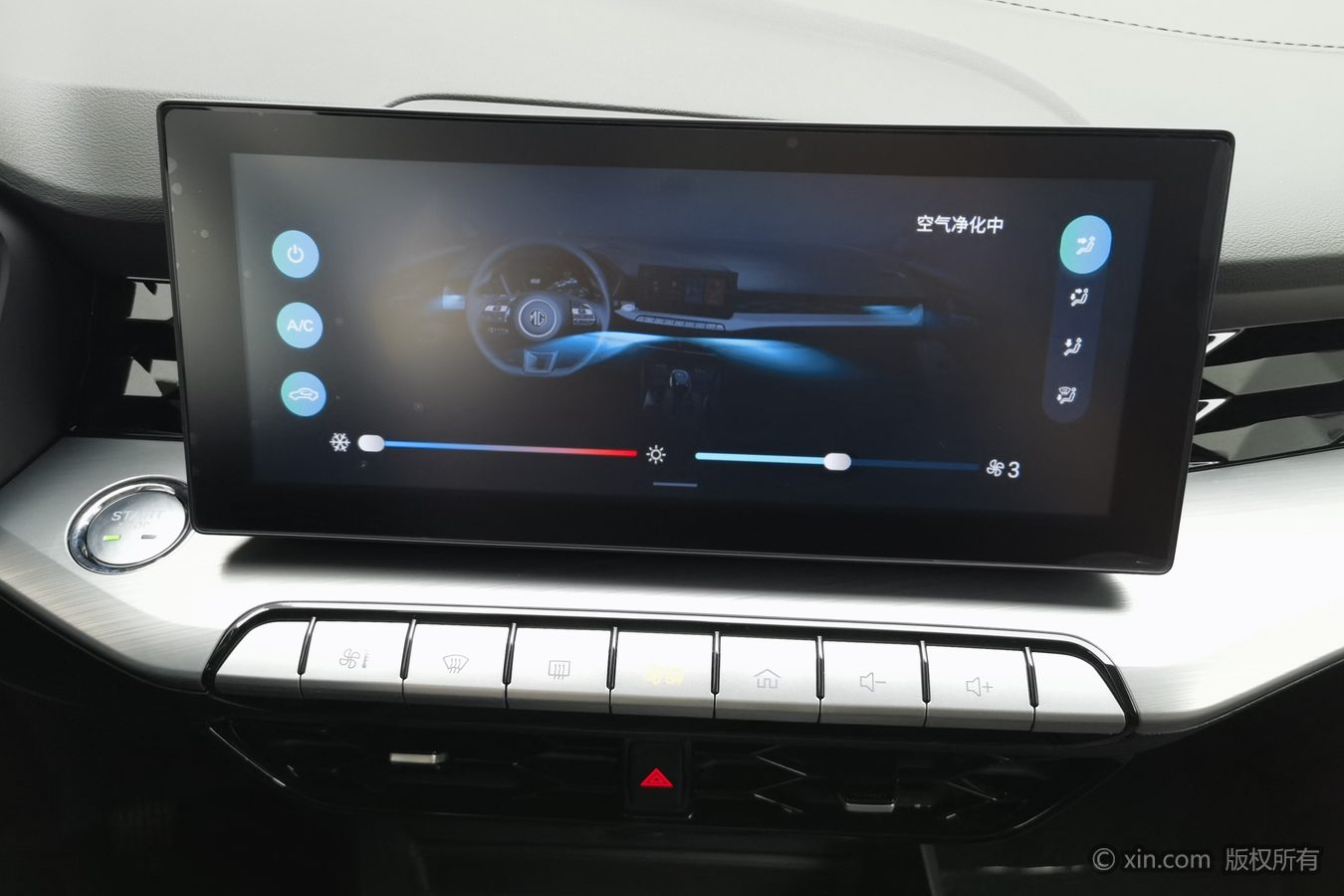
✓语音识别系统
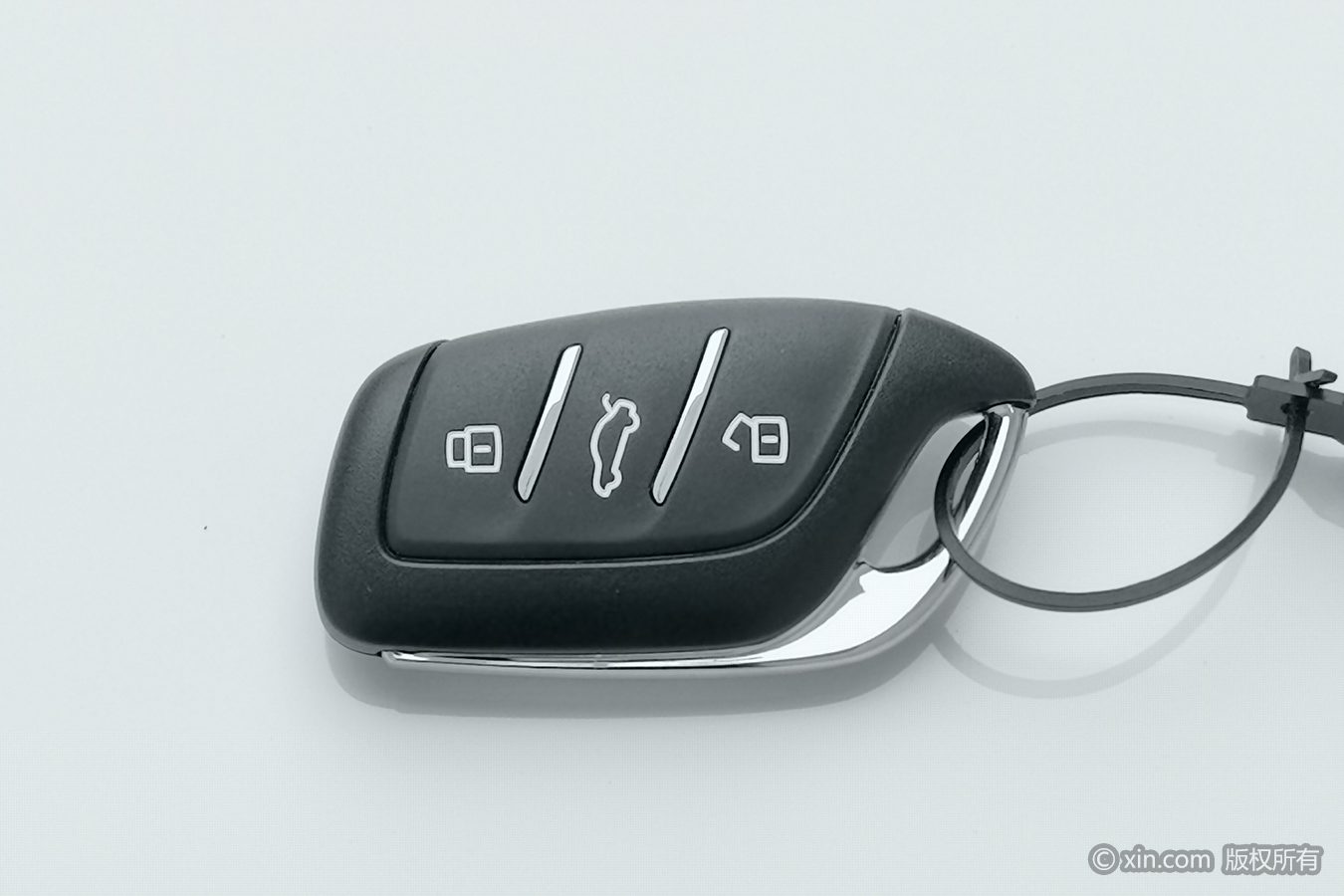
✓Keyless Start

Document Information

Inspection Expiry Date2027/11
Warranty Expiry Date-
Insurance Expiry Date-

Q&A

More

If the technical report contains highly specialized automotive mechanical terms, are there easy-to-understand English explanations?

Our foreign versions of the report standardize terminology and include illustrations. For example, instead of just writing "control arm failure," we specify "Lower Control Arm Bushing Torn" to help your local technicians identify the issue directly.

RoRo, container, or flat rack: which shipping method should I choose for a used car from China?

RoRo (roll-on/roll-off): the cheapest per car for running vehicles. Cars are driven onto the vessel and secured on decks. Transit to major ports (Jebel Ali, Rotterdam, Karachi) takes 15 to 35 days. Downside: cars are exposed to weather and salt air, and minor handling scratches happen occasionally. Container (20ft/40ft): one 40ft high-cube fits one car with parts, or two small cars with racking. Cost is higher than RoRo but cars are sealed and protected. Best for high-value vehicles, EVs (battery safety rules often require container), or when shipping spare parts together. Flat rack: for oversized vehicles (trucks, buses, modified cars). Priced per dimensions. Practical advice: for a standard used car to a port with RoRo service, choose RoRo and add marine insurance (0.3%–0.8% of value). If your destination lacks RoRo calls or you ship an EV, use a container. Always get the booking confirmation and bill of lading copy before paying the final balance.
Which export documents should the Chinese seller provide, and how do I verify they are authentic?

The standard set: commercial invoice, packing list, bill of lading, export customs declaration, certificate of origin, and a copy of the vehicle title/registration. How to verify: the bill of lading number should be trackable on the shipping line's website; the certificate of origin is verifiable through CCPIT's online system; and the VIN must match across all documents, the inspection report, and the car itself. Ask for scans of everything before paying the balance, and have a freight forwarder review the set. Mismatched VINs, missing title copies, or vague promises that "documents will follow" are red flags worth pausing the deal over.