




24H

Basic Information

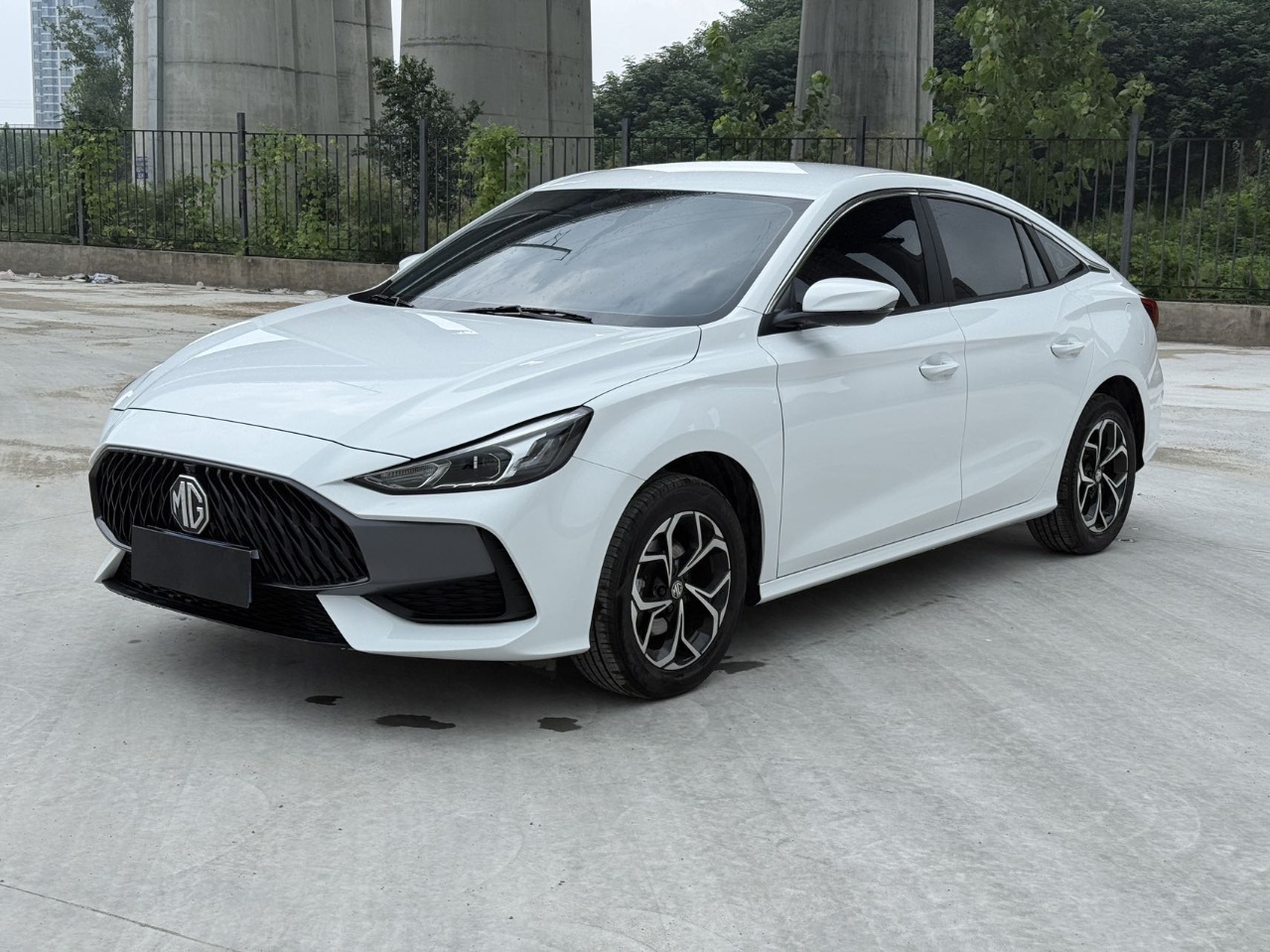
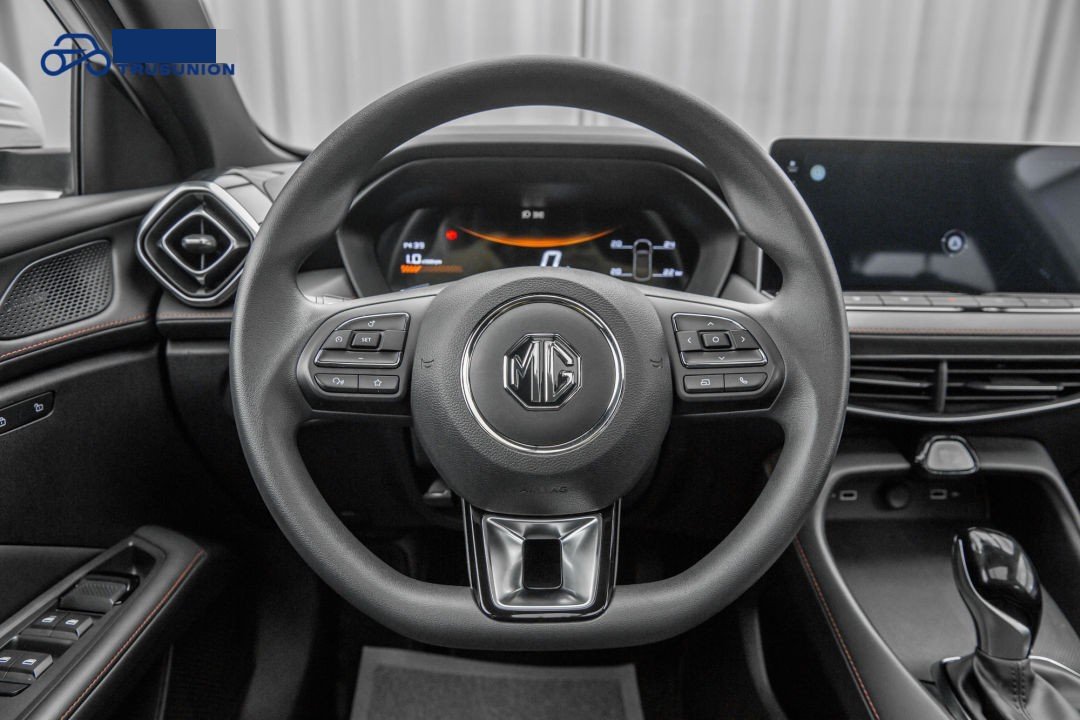
BrandMG
Series5
Year2025
First Registration2025/04
Mileage12,000km
Transfer Count0times
FuelGasoline
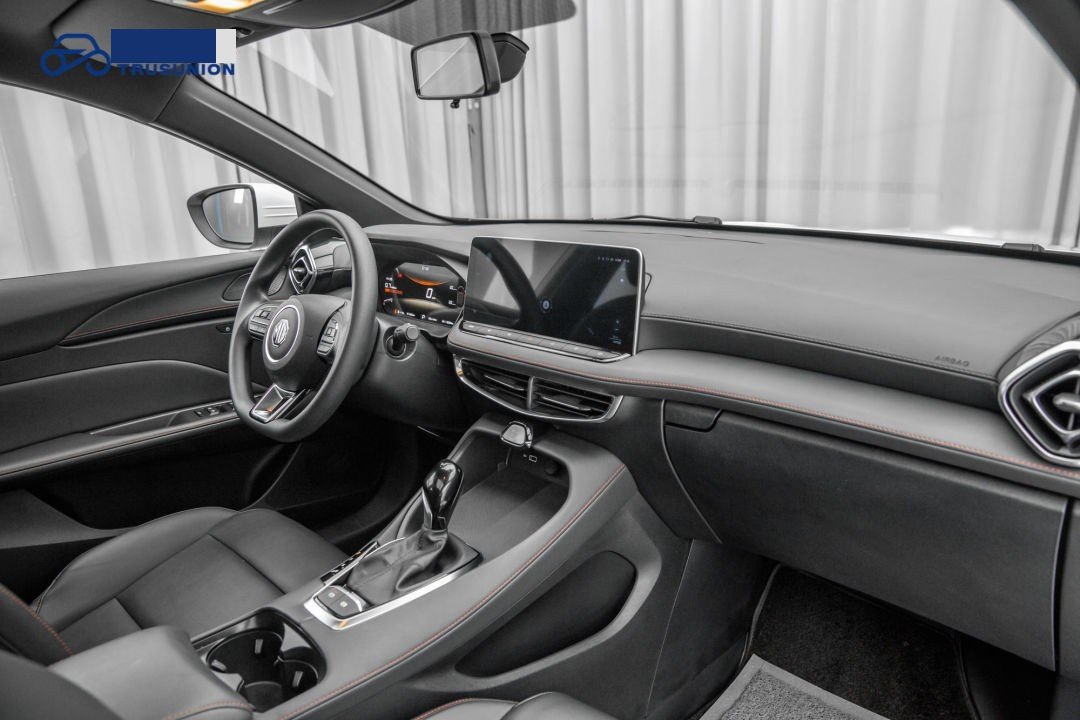
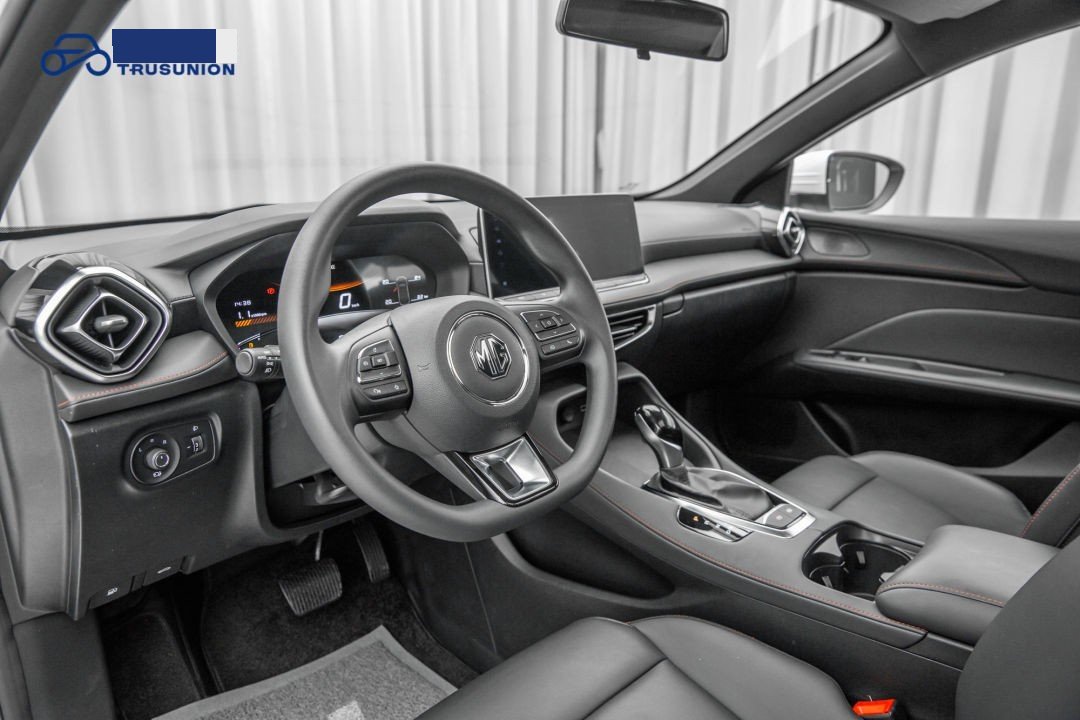
TransmissionCVT
Engine1.5L 129 L4
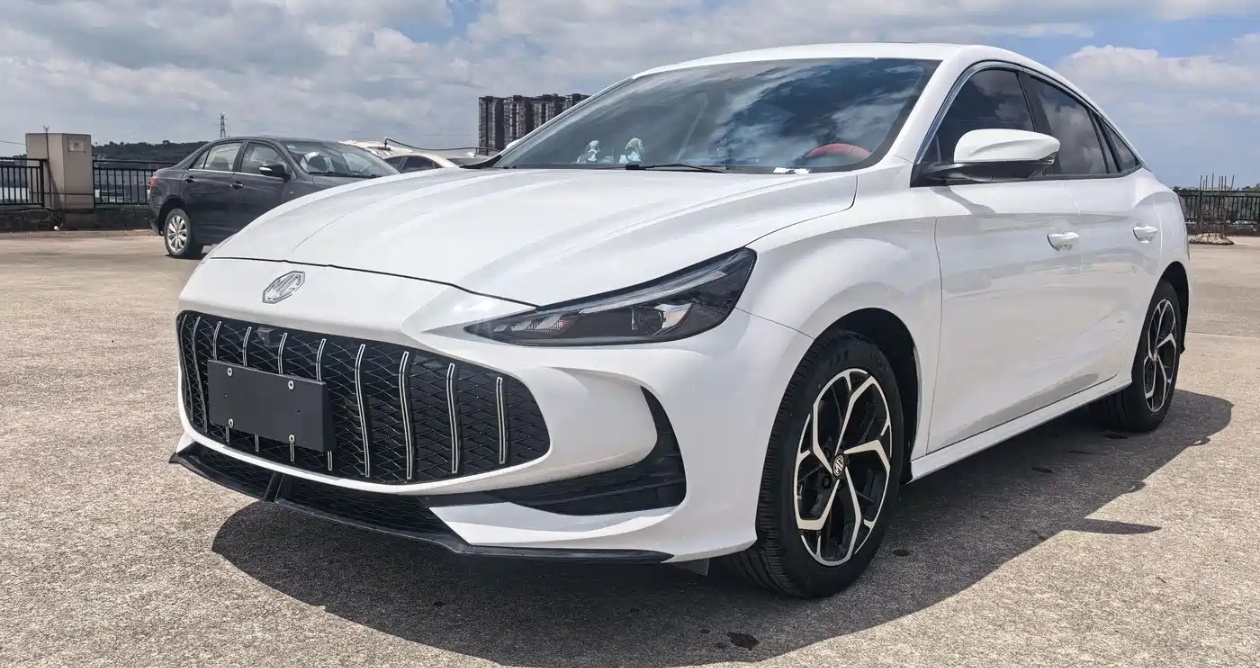
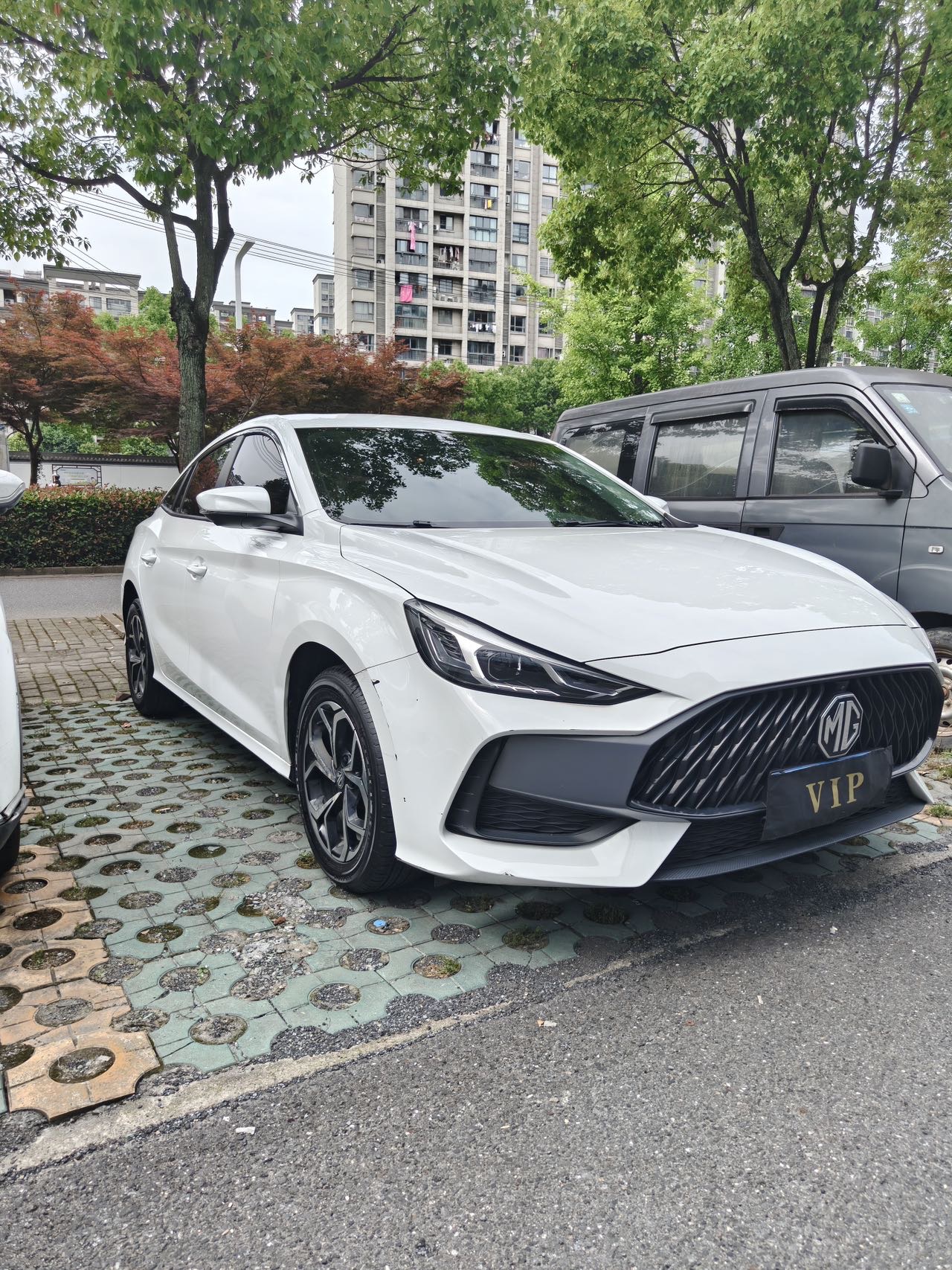
ColorWhite
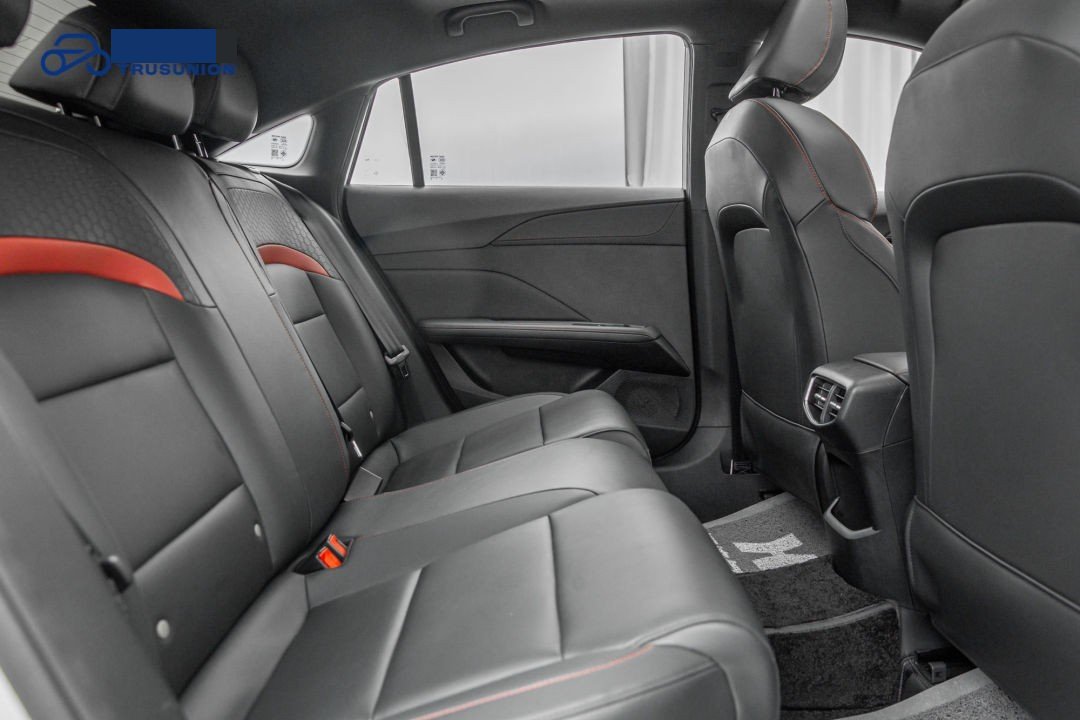
Seats5seats

Condition Description

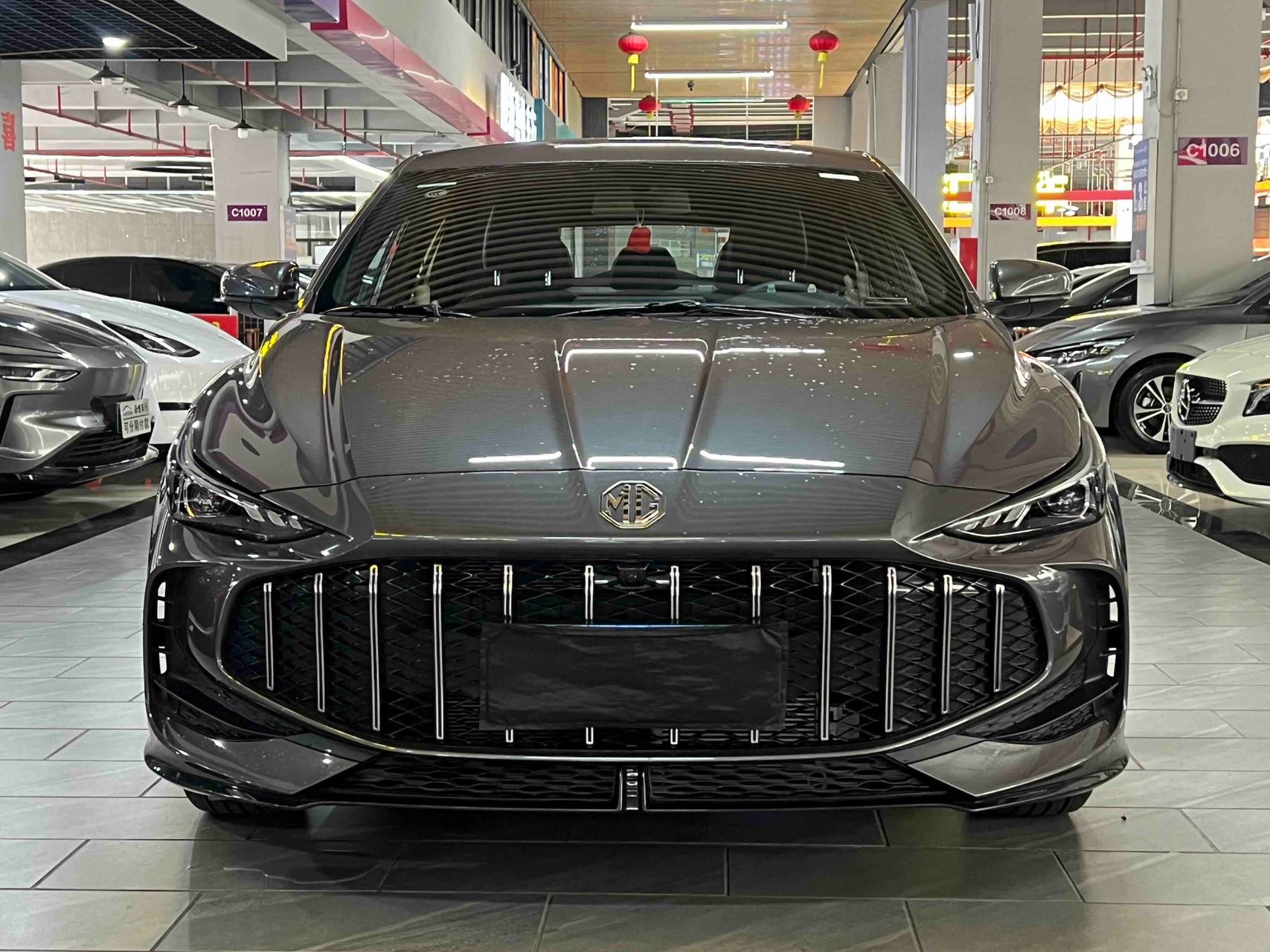
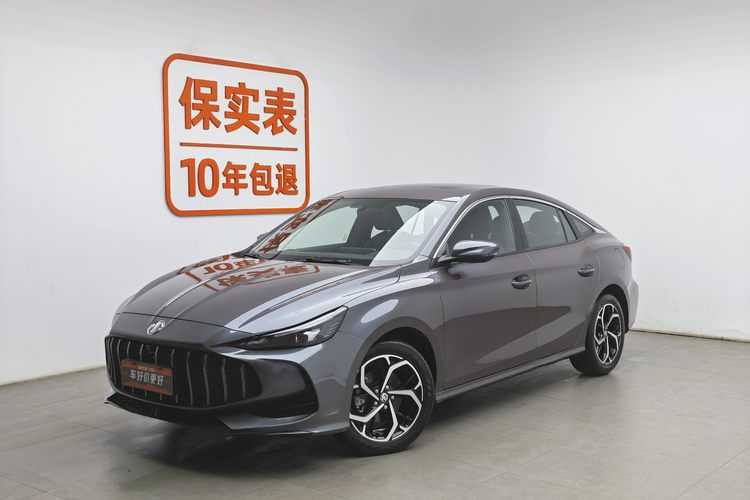
Original vehicle, all original paint, single owner, can pass third-party inspection.

Document Information

Inspection Expiry Date-
Warranty Expiry Date-
Insurance Expiry Date2027/04

Q&A

More

For claims due to damage in transit, will the insurance company's compensation be paid directly to the buyer or the seller?

Under CIF terms, the beneficiary of the insurance policy will be endorsed to the buyer. Once the claim is successful, the insurance company's foreign currency compensation will be directly deposited into the buyer's designated overseas company or personal account.


How do I check the underbody and frame of a used Chinese car for rust and prior repairs from inspection photos?

Ask your inspector for specific underbody shots rather than general views: the subframe mounting points, rocker panels, floor pan near the seat rails, and the spare tire well. Fresh underbody coating or thick black spray wax often hides repairs - it should look uniform, not patchy. Red flags: welded seams with grind marks or discolored paint around them (sign of structural repair); rust bubbling at panel edges or bolt heads; mismatched bolts on suspension arms (sign of disassembly after an impact); bent or freshly painted crossmembers. Surface rust on exhaust and bolts is normal in humid regions and not a dealbreaker - structural rust on load-bearing members is. Compare the underbody photos with the history report: if the report shows a rear-end accident, scrutinize the rear floor and spare tire area closely. Also check that jack points aren't crushed, which suggests improper lifting - a sign of repeated workshop visits. A 15-minute video of the car on a lift, slowly panned front to back, is worth more than 50 static photos.

How can I check a used car's history in China before buying—accident records, mileage, and ownership?

China's vehicle data is less centralized than in the US or Europe, but you can still verify a lot: 1. Ask the exporter for the VIN and order a third-party history report from Chinese services; they aggregate insurance claims and repair records. 2. Cross-check the registration date on the title with the odometer—a 3-year-old car showing 30,000 km but registered as a ride-hailing vehicle is a red flag. 3. Request maintenance records from the brand's dealer network; digital records are increasingly common. 4. Verify the seller legally owns the car: the registration certificate name should match the exporter's business license. Gaps are common, so treat the history report as one input, not proof. Combine it with an independent pre-purchase inspection, and hold back part of the payment until the inspection passes.