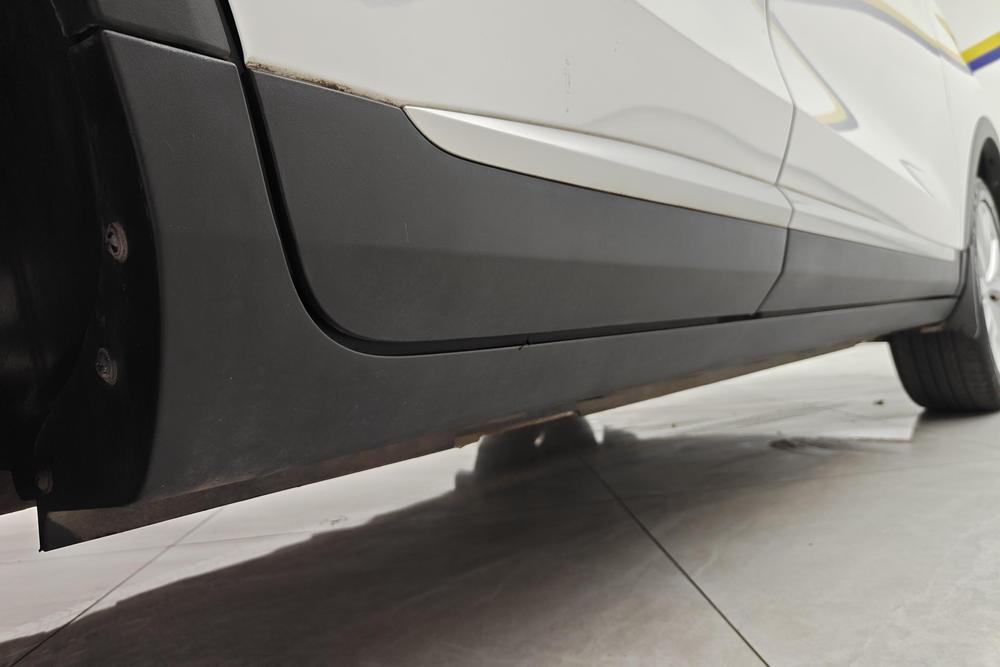
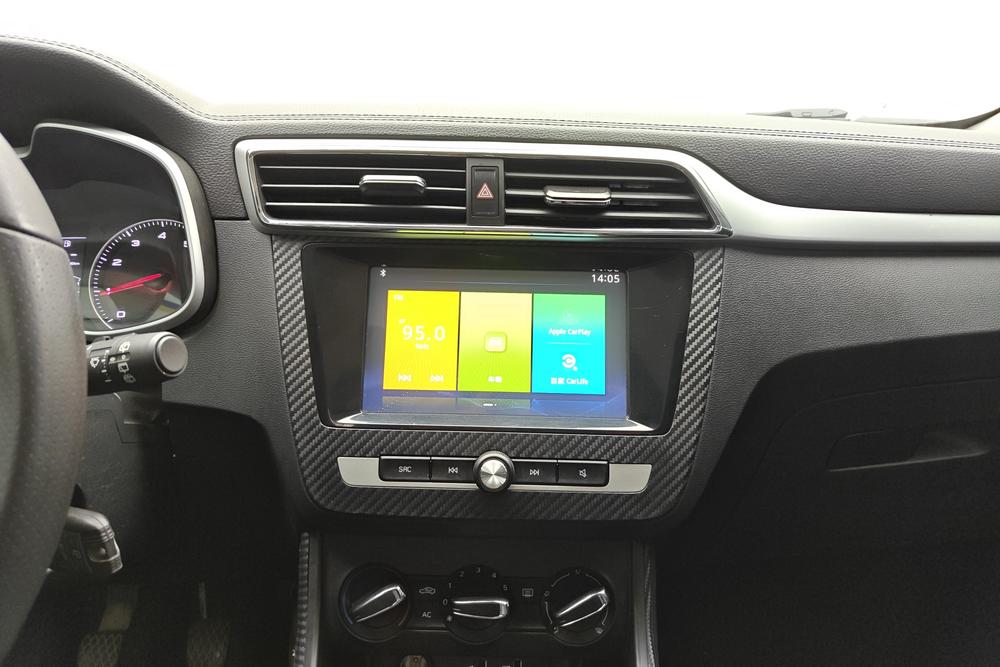
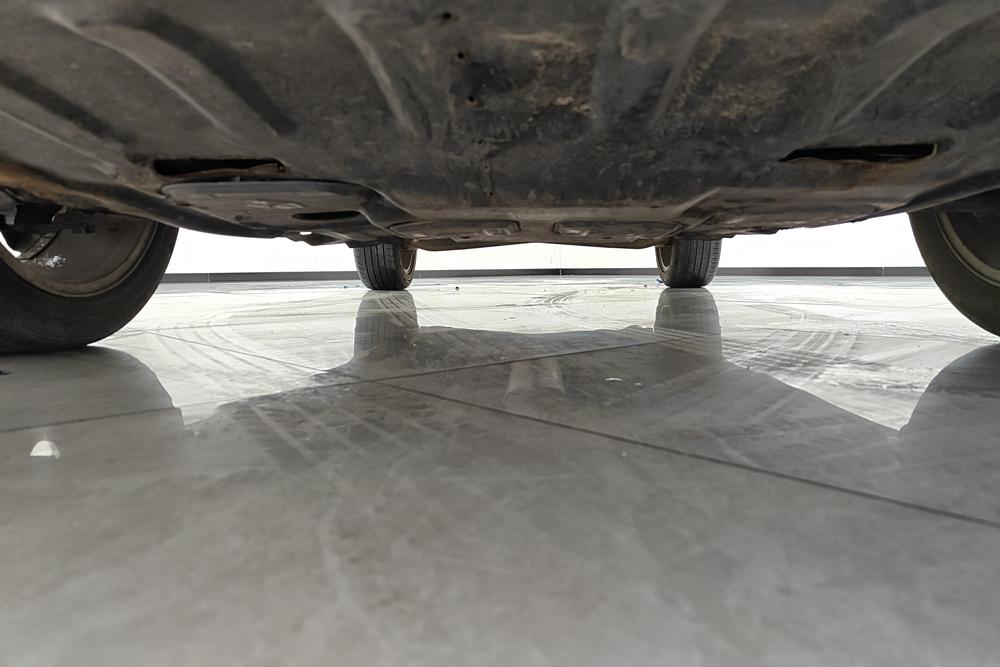
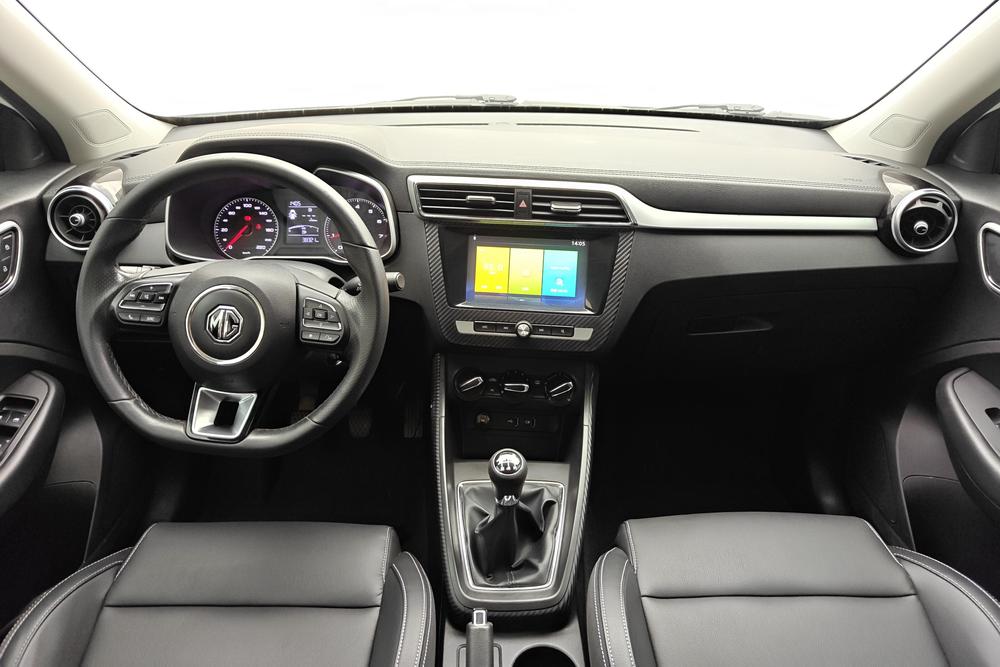



24H

Basic Information

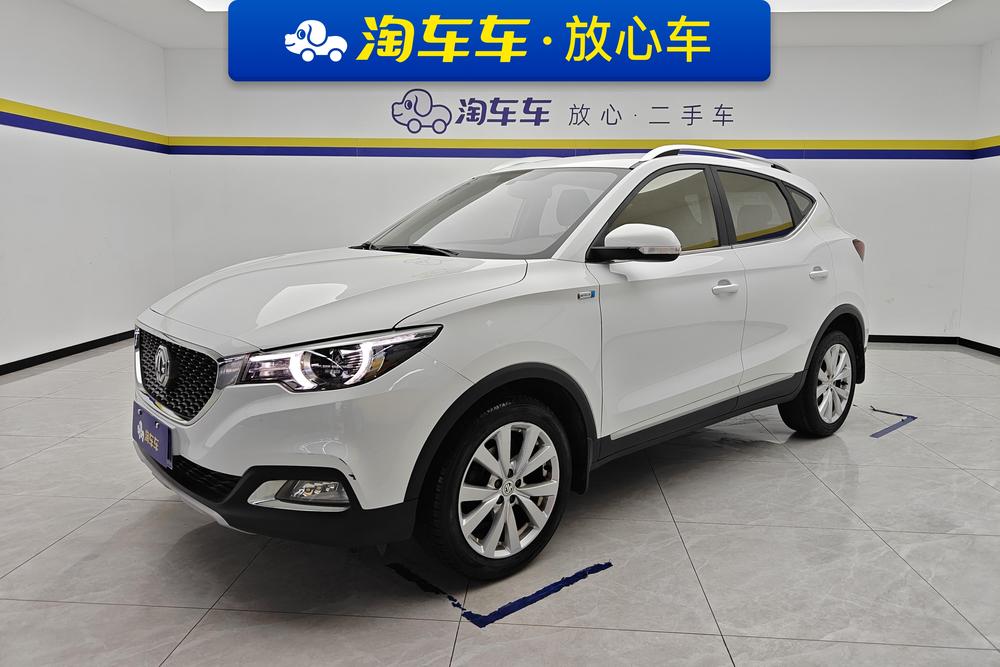
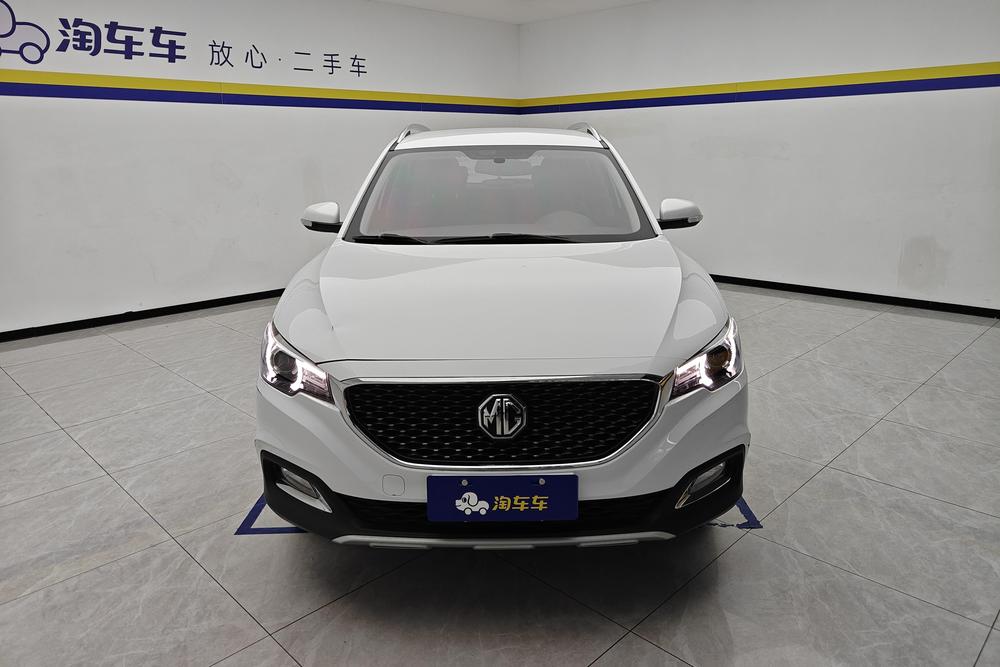
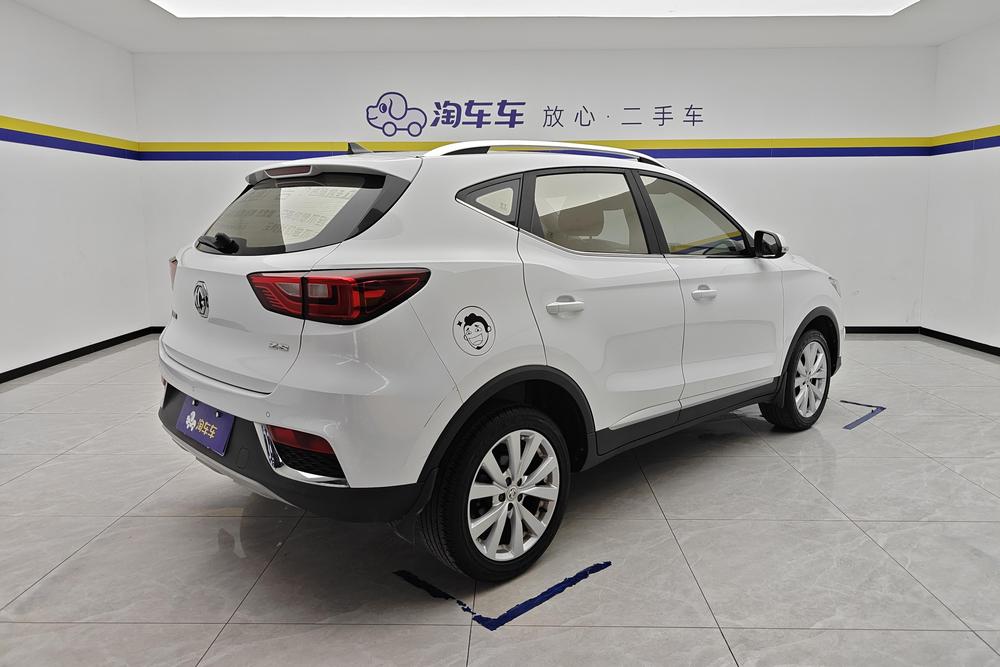
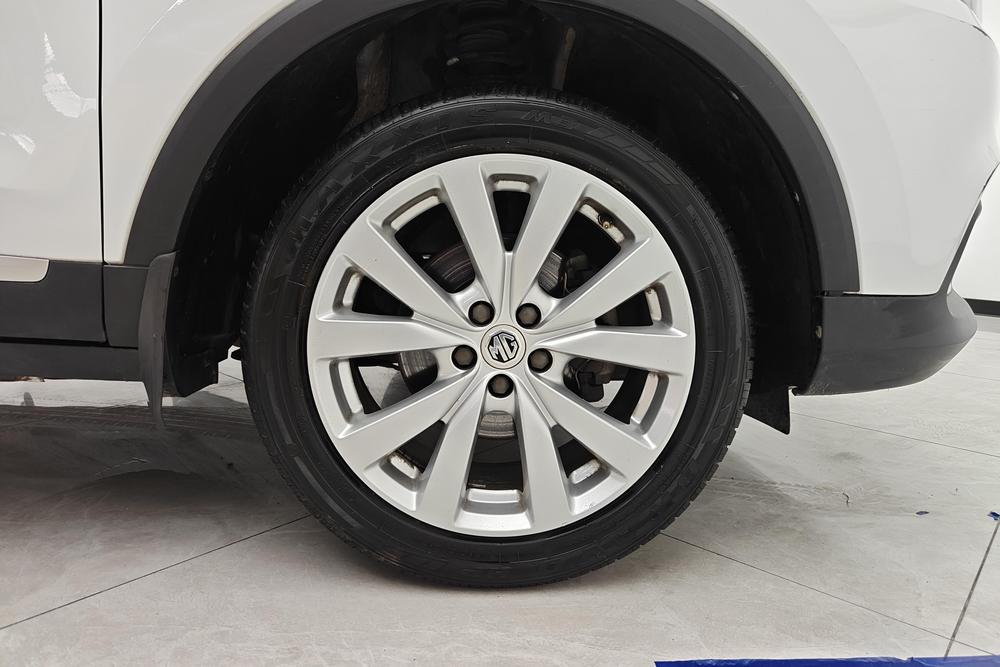
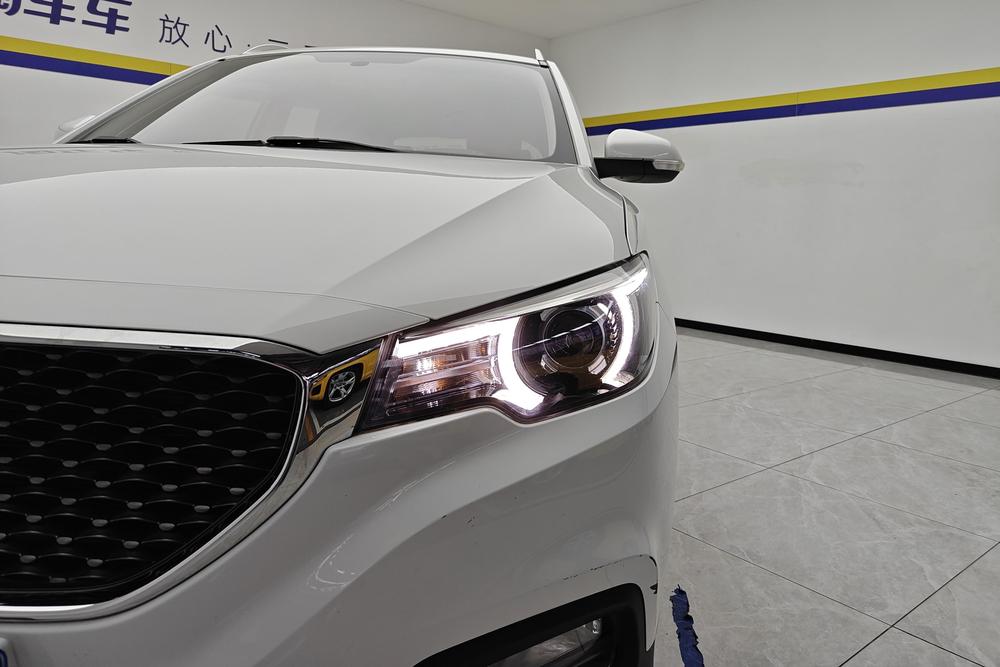
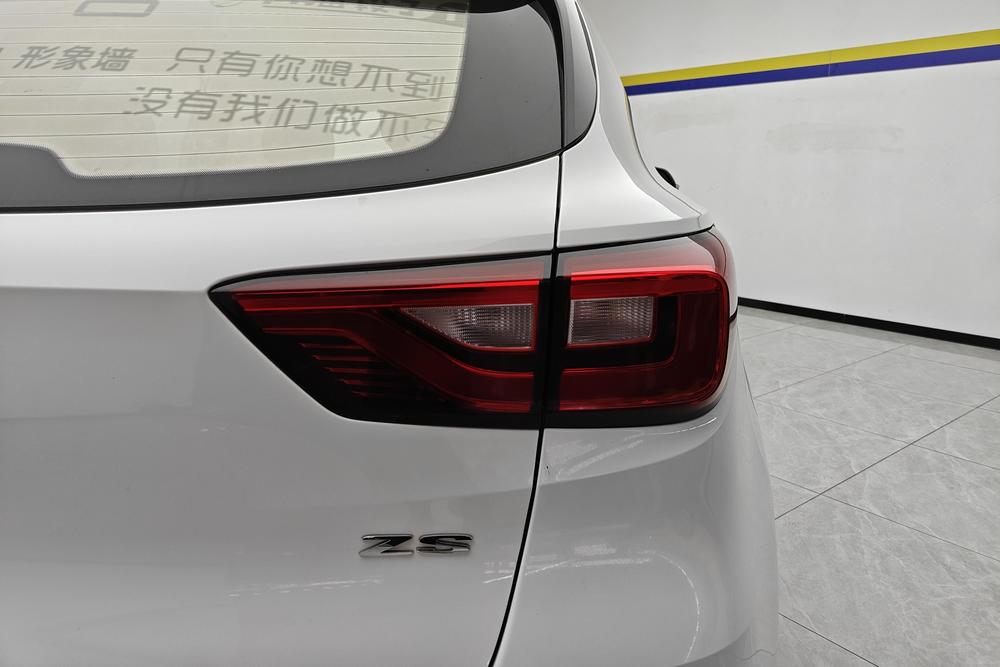
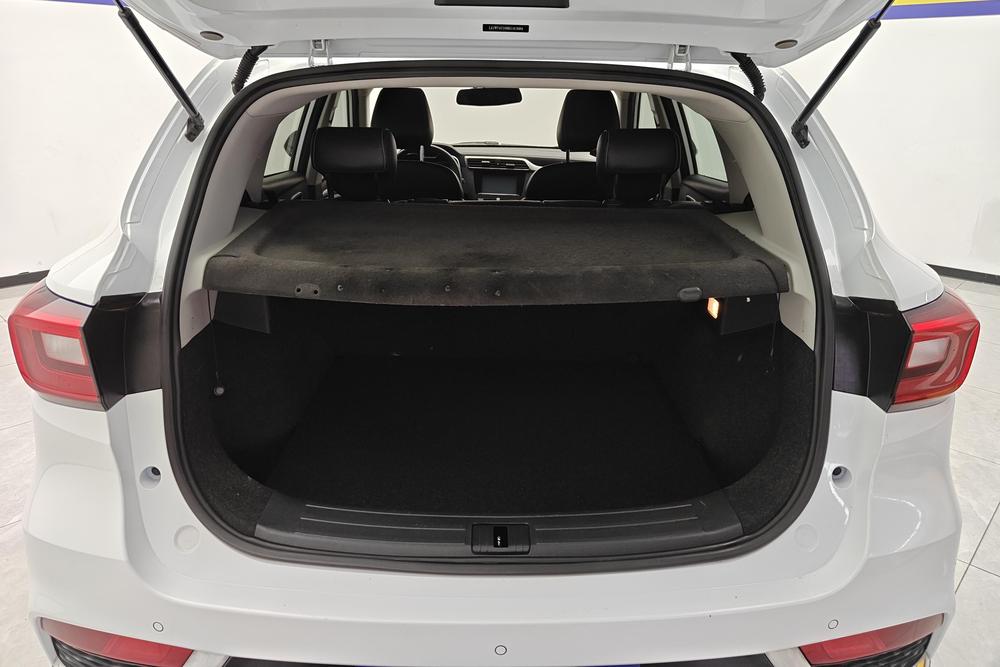
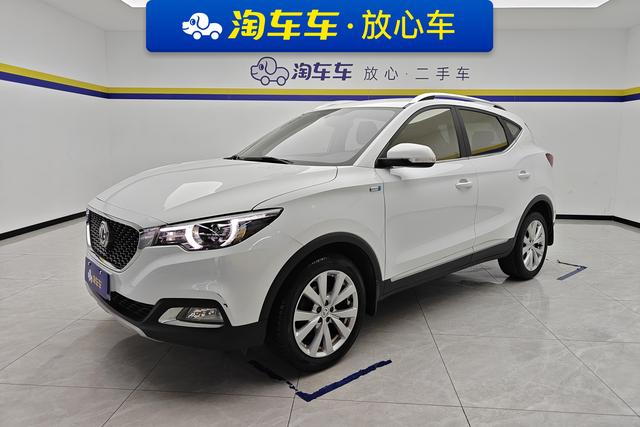
BrandMG
SeriesZS
Year2017
First Registration2017/08
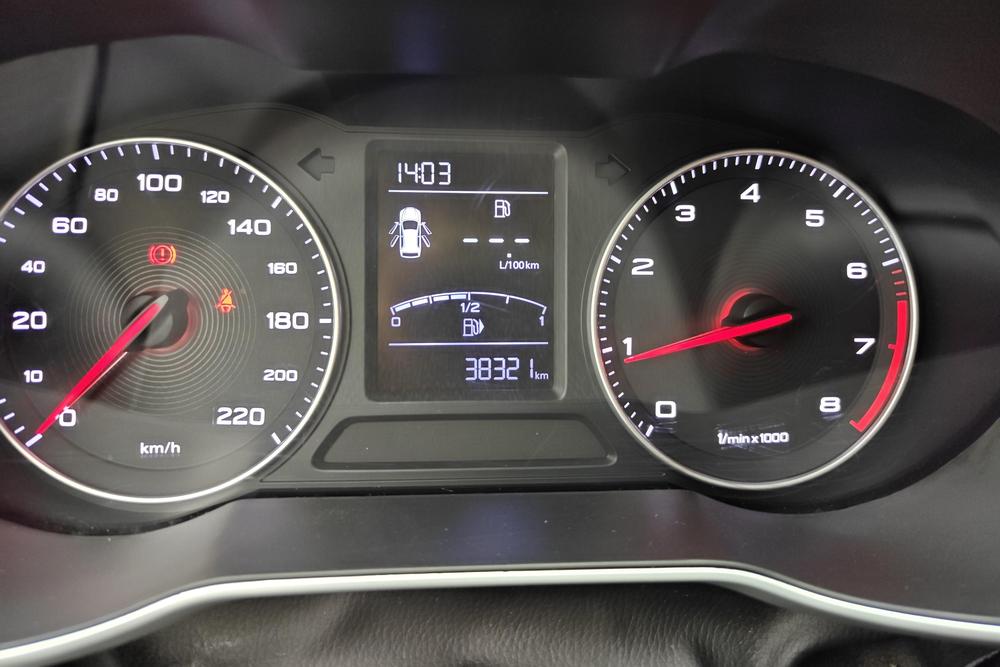
Mileage38,000km
Transfer Count0times
FuelGasoline
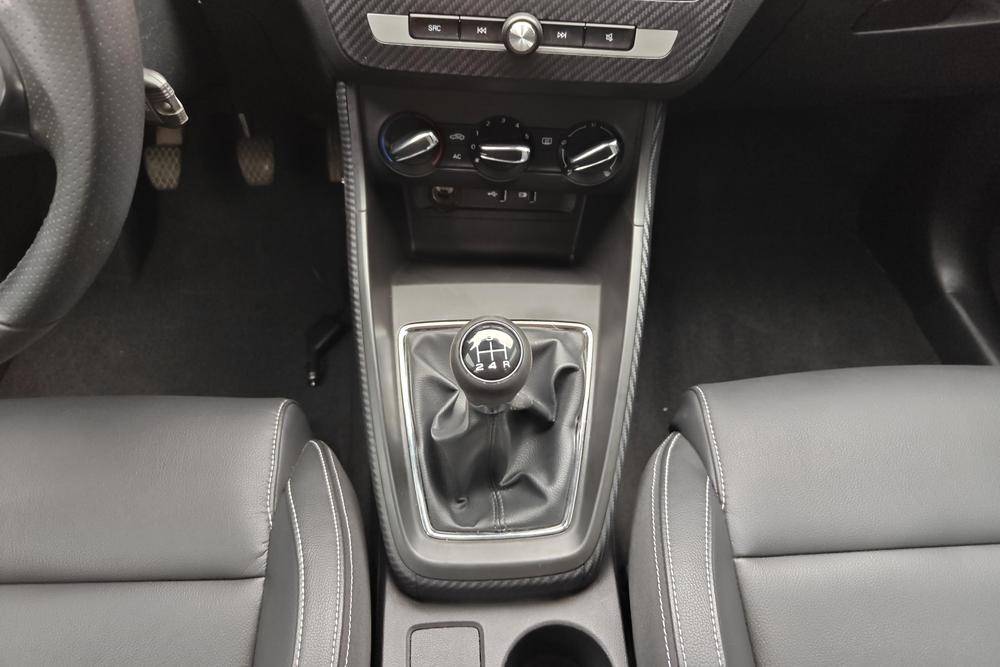
TransmissionManual
Engine1.5L 120 L4
Color
Seats-

Condition Description

官方质检 · 60天全车质保· 7天无理由有偿退车

Configuration Highlights

✓上牌时间: 2017-08
✓表显里程: 3.8万公里
✓车源地: 银川
✓排放标准: 国五
✓发动机: 1.5L
✓轴距: 2585mm
✓变速箱: 手动
✓最大功率: 88kW

Q&A

More

What does a professional pre-shipment inspection in China cover, and how do I book one independently of the seller?

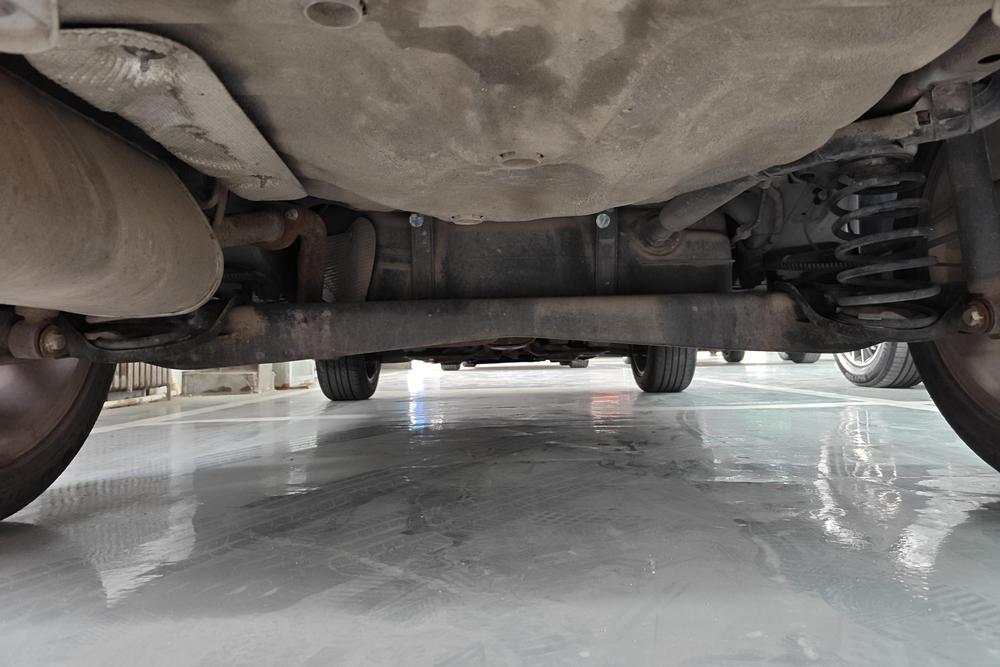
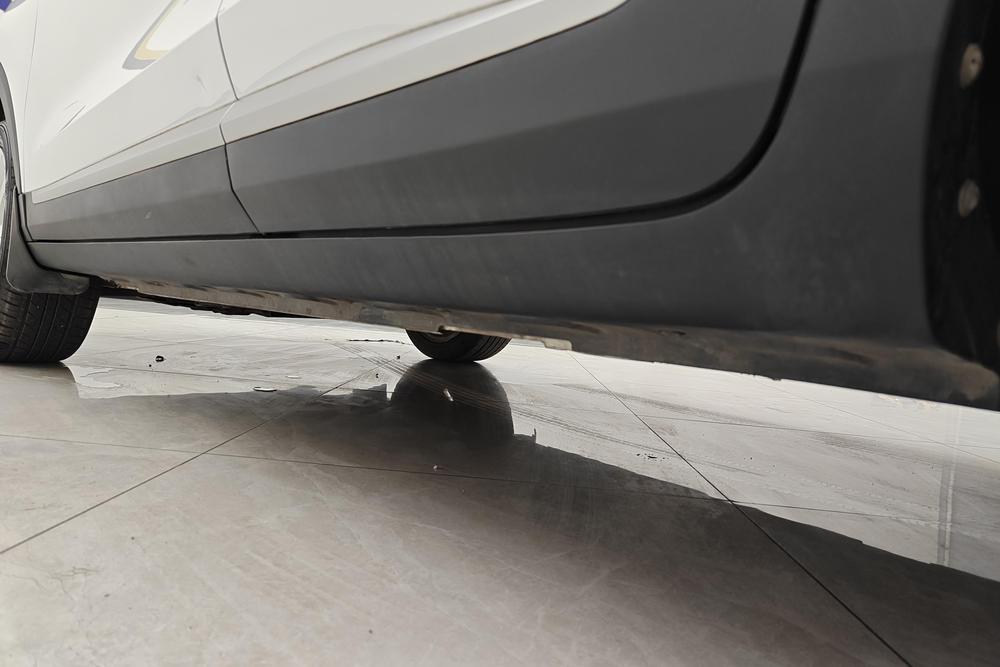
A proper inspection covers roughly 200 checkpoints in four areas: 1. Body and paint: panel gaps, paint thickness readings, signs of accident repair. 2. Mechanical: engine health report, transmission behavior, suspension, underbody on a lift, fluid condition. 3. Electronics: full OBD diagnostic scan, airbag history, all lights and comfort features. 4. Documentation: VIN matches everywhere, no lien or seizure record. You can book directly with inspection companies in Guangzhou, Shanghai, or Tianjin (typically USD 100–250) without going through the seller—give them the yard address and car details, and they send a report with photos and video within 1–2 days. Pay the inspection fee yourself so the inspector answers to you, not the exporter.


Can the Chinese electric vehicles (EVs) you export use charging interfaces directly overseas?

Chinese standard electric vehicles use the national standard (GB/T) charging interface. If your country uses the European standard (CCS2), American standard (CCS1), or Japanese standard (CHAdeMO), the vehicle cannot be plugged directly into local charging stations. To address this issue, we will recommend or provide high-quality certified adapters (Adapter) with CE/UL safety certification. Please confirm the charging station specifications in your area with our sales personnel before purchasing.

Why are the shipping costs for used electric vehicles (EVs) usually higher than for internal combustion engine vehicles (ICEs)?

Pure electric vehicles are classified as Class 9 Dangerous Goods due to their large lithium batteries, leading to strict shipping regulations. Shipping companies have high requirements for the loading position and fire isolation measures for dangerous goods, and some roll-on/roll-off ships refuse to accept used EVs. As a result, EVs often require more expensive special container shipping and incur additional handling fees for hazardous materials.
