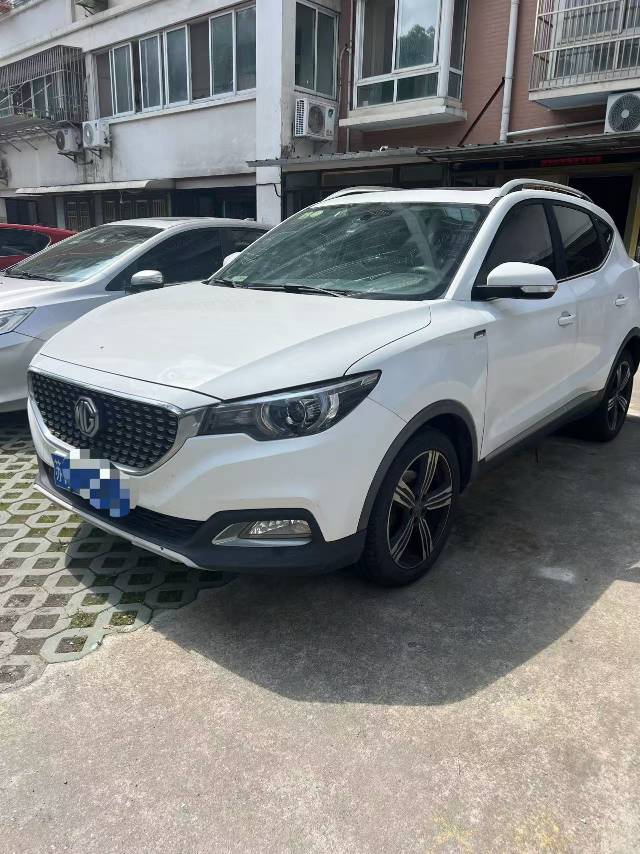
Basic Information

BrandMG
SeriesZS
Year2021
First Registration2021/03
Mileage45,000km
Transfer Count0times
FuelGasoline
TransmissionCVT
Engine1.5L 120 L4
Color
Seats-

Condition Description

官方质检 · 60天全车质保· 7天无理由有偿退车

Configuration Highlights

✓上牌时间: 2021-03
✓表显里程: 4.5万公里
✓车源地: 郑州
✓排放标准: 国六
✓发动机: 1.5L
✓轴距: 2585mm
✓变速箱: 自动
✓最大功率: 88kW
✓功能配置: 8项
✓安全配置: 2项
✓动力类型: 前驱
✓空间舒适性: 不错

Q&A

More

What are "fire-damaged" or "flood-damaged" cars? How do you completely rule them out?

We thoroughly rule them out by checking if the cabin wiring harness is melted, if the seat belts have water stains or mold, if there is unusual rust or debris in the seat tracks and cigarette lighter, and by verifying with the insurance company for any "total loss claims." These two types of cars are an absolute sales ban for us.

After picking up the car, I found the tire pressure warning (TPMS). How can I reset the tire pressure sensor myself?

Temperature differences during sea transport can easily trigger the tire pressure warning. After inflating the tires to the standard pressure (usually 2.5 Bar), most vehicles will automatically clear the warning after driving a few kilometers; some models require manually clicking "Tire Pressure Reset" in the "Vehicle Settings" on the central screen.

How do seasonal factors—peak seasons, weather, holidays—affect shipping times and rates from China?

Timing your shipment can save both money and weeks of waiting. Several predictable patterns affect routes from China. Peak season surcharges: January through March, before Chinese New Year, exporters rush to ship, so container and RoRo space tightens and rates rise 20-50%. Book at least 3-4 weeks ahead during this window. After the holiday (usually February), factories and ports restart gradually, causing 2-3 weeks of backlog. Weather effects: Typhoon season (July-September) can delay departures from southern Chinese ports like Shenzhen and Guangzhou. Winter fog and ice affect northern ports like Dalian and Tianjin, slowing loading operations. Destination-side factors: Monsoon seasons can slow port operations in South and Southeast Asia. Holiday periods at destination (e.g., Ramadan in the Gulf, year-end holidays elsewhere) reduce customs staffing and extend clearance times. Practical advice: ask your forwarder for rate calendars, avoid booking right before major Chinese holidays, and build 1-2 weeks of buffer into delivery promises to your customers. Flexible departure ports (Shanghai vs. Ningbo vs. Shenzhen) can also help you find available space.