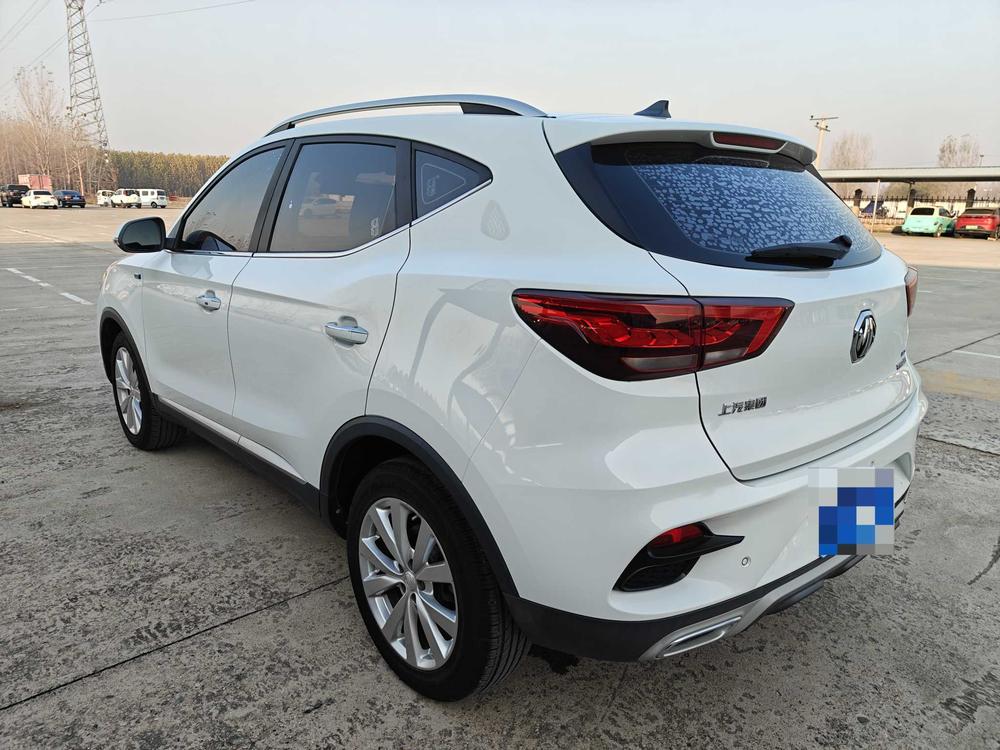
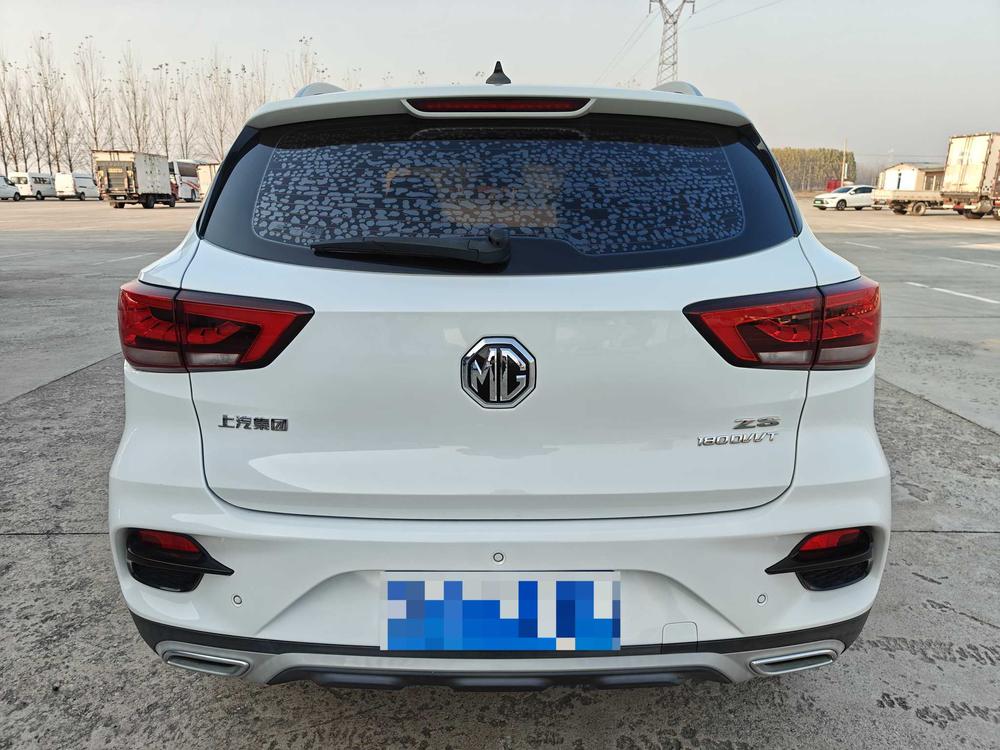
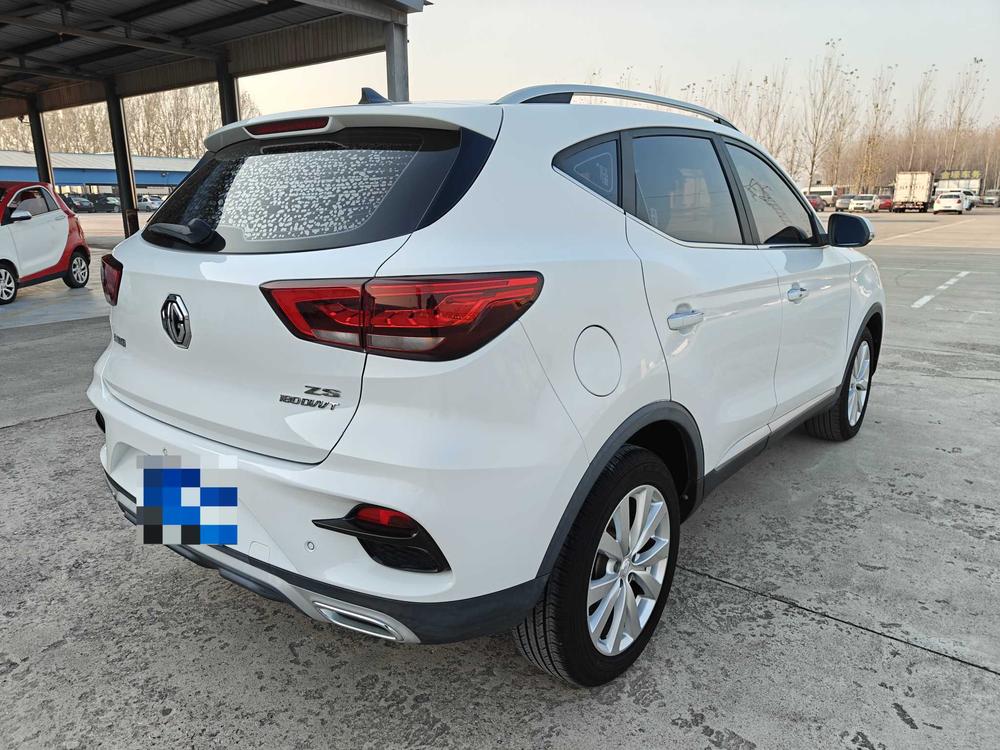
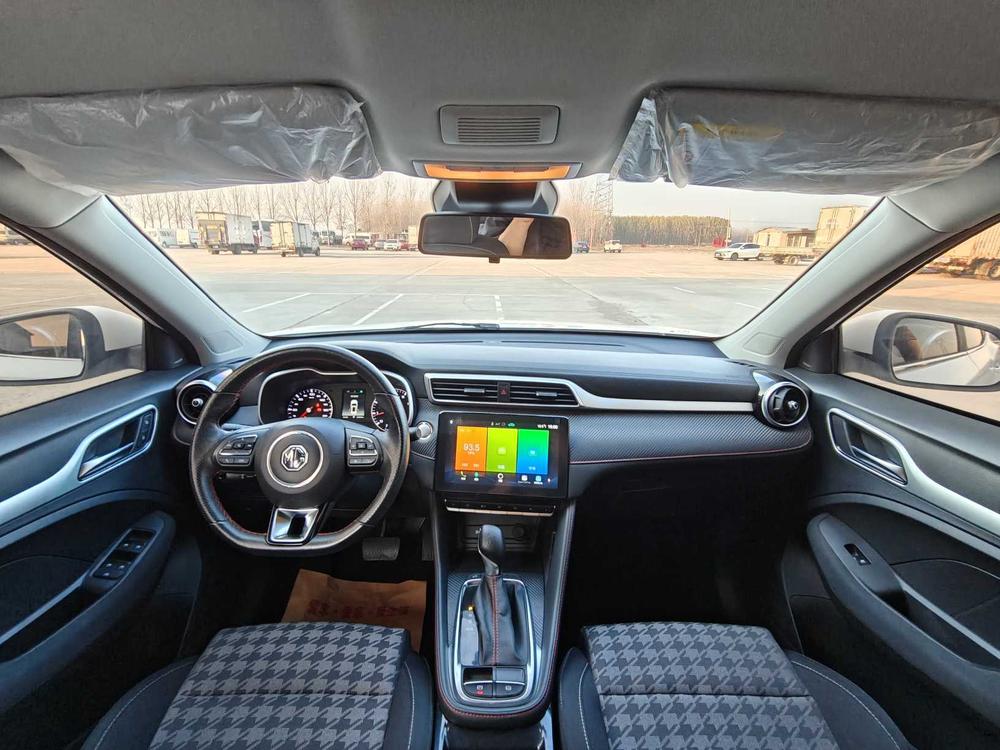
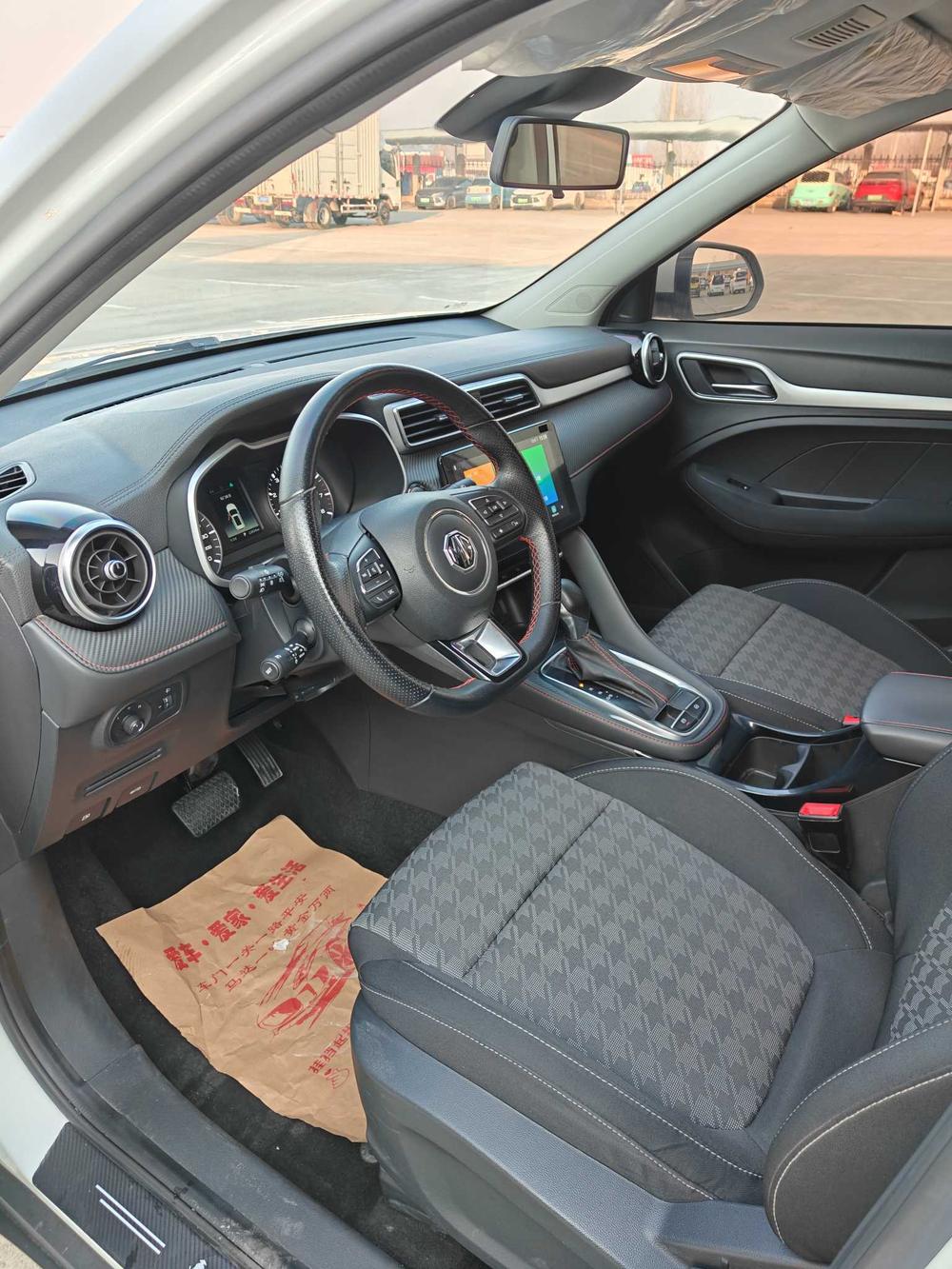
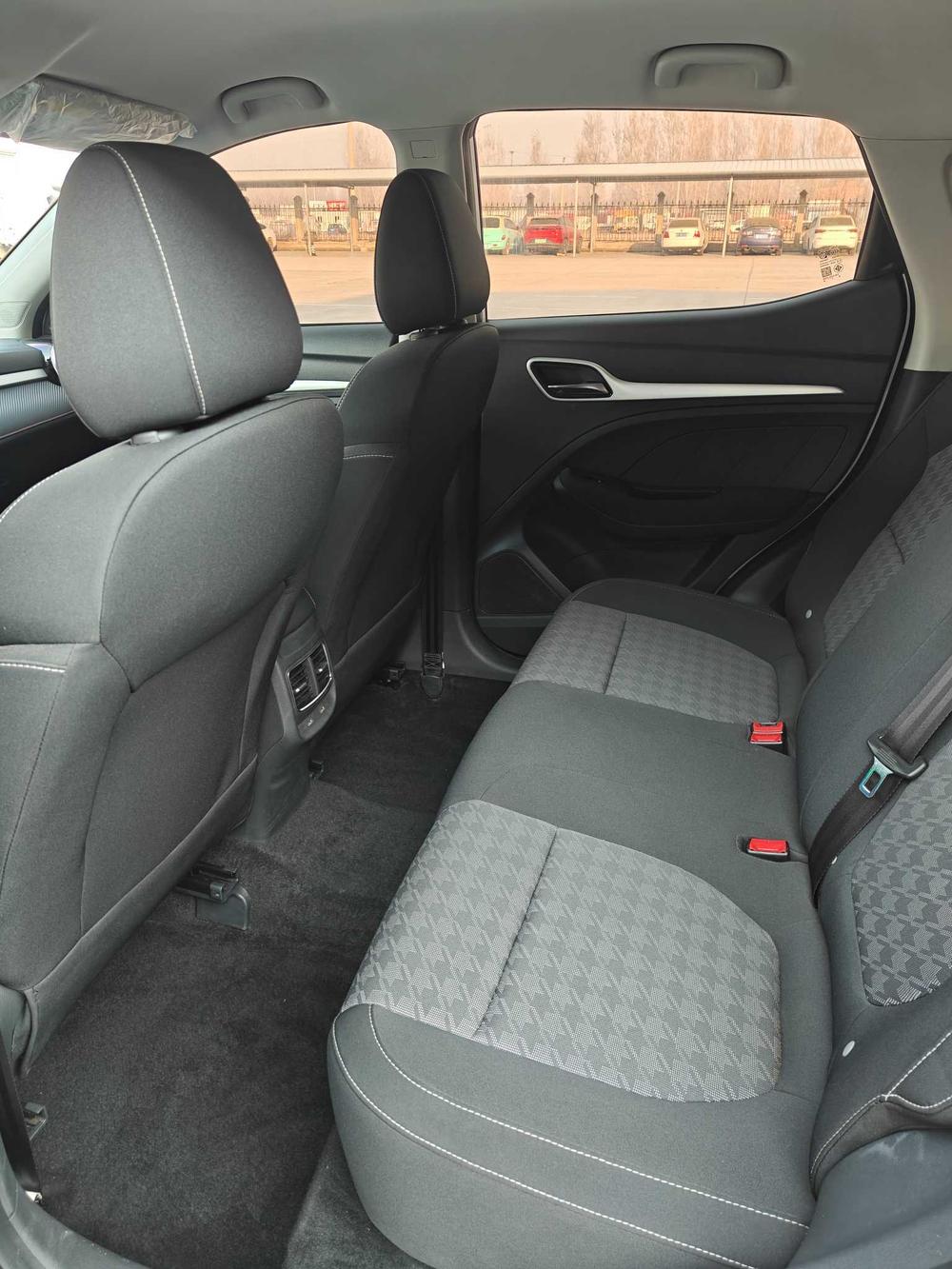
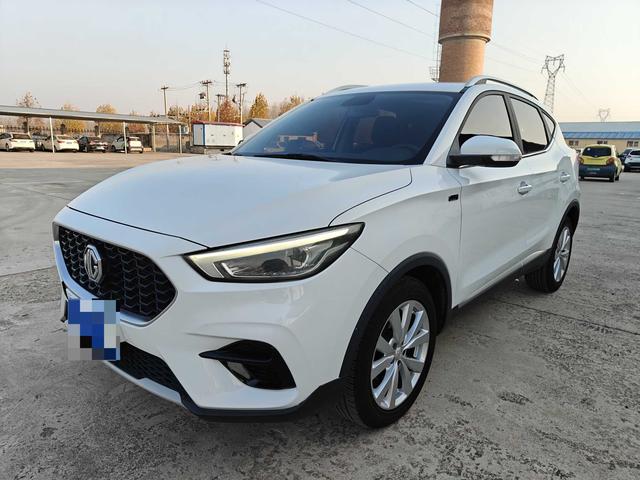



48H

Basic Information

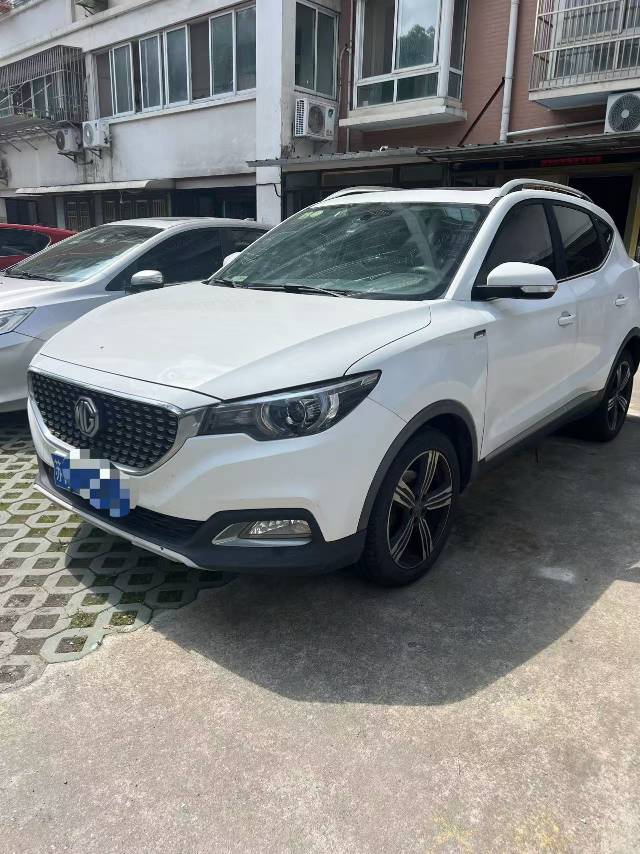
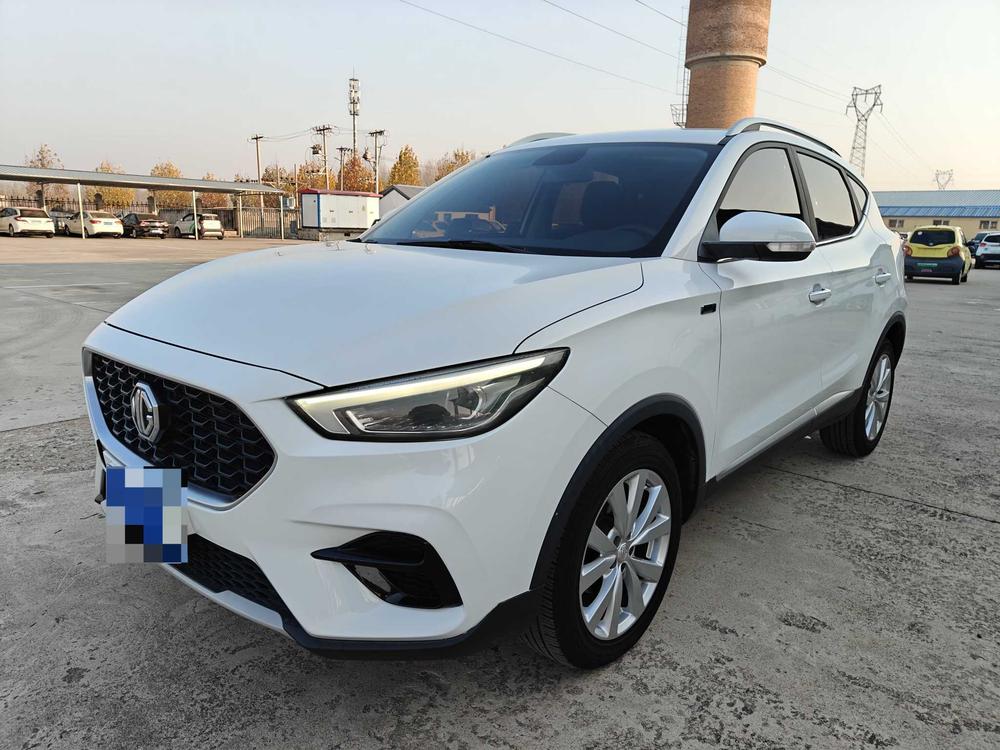
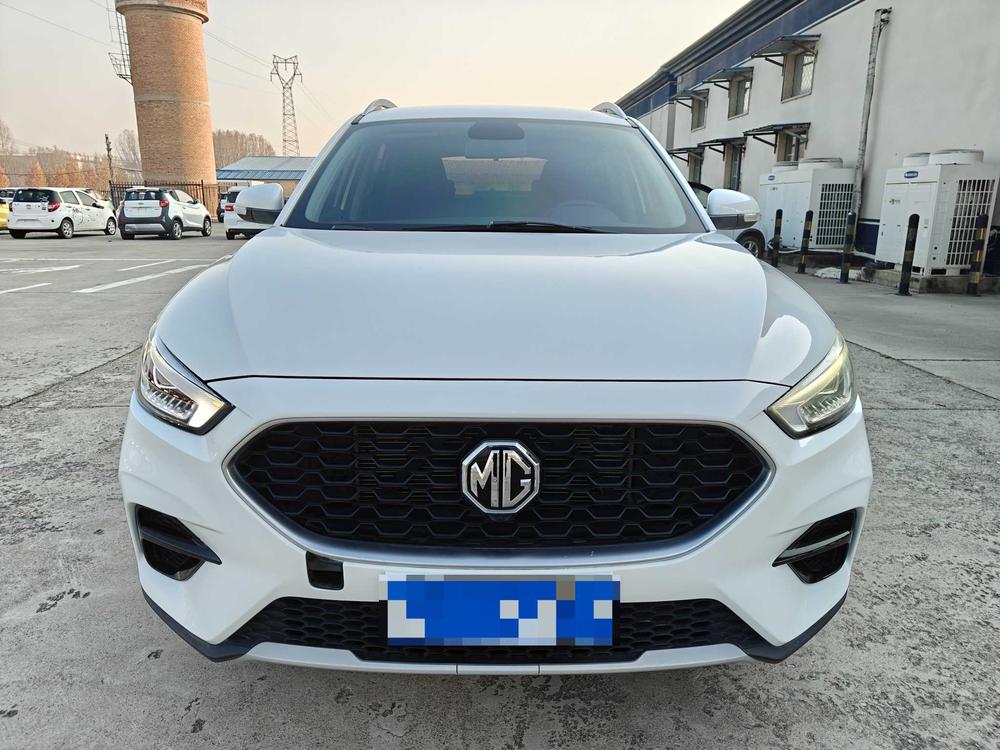
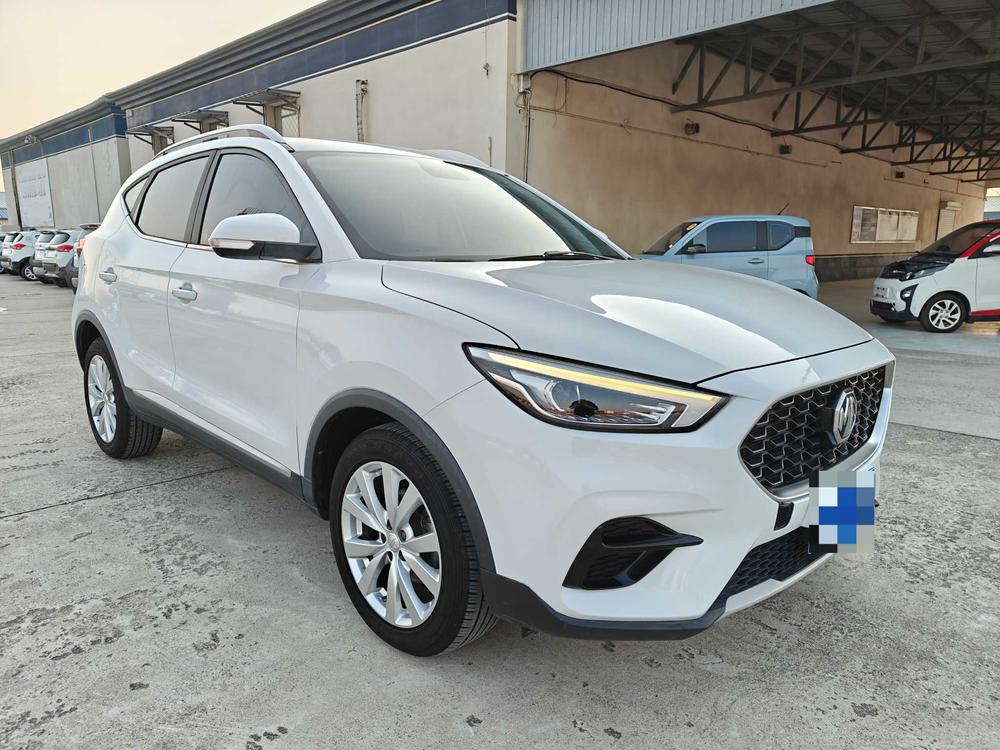
BrandMG
SeriesZS
Year2023
First Registration2023/01
Mileage20,000km
Transfer Count0times
FuelGasoline
TransmissionCVT
Engine1.5L 120 L4
Color
Seats-

Condition Description

官方质检 · 60天全车质保· 7天无理由有偿退车

Configuration Highlights

✓上牌时间: 2023-01
✓表显里程: 2万公里
✓车源地: 廊坊
✓排放标准: 国六
✓发动机: 1.5L
✓轴距: 2585mm
✓变速箱: 自动
✓最大功率: 88kW
✓功能配置: 8项
✓安全配置: 2项
✓动力类型: 前驱
✓空间舒适性: 不错

Q&A

More

What is a bill of lading and when should I insist on an original versus a telex release when importing a car?

The bill of lading (B/L) is the most important shipping document: it serves as a receipt for your car, a contract of carriage, and — crucially — the document of title. Whoever holds the original B/L legally controls the cargo. No B/L, no car at the destination port. Two common release methods: Original B/L: the exporter mails you 1–3 original stamped copies. You present one at your port to take delivery. Safe, but adds 5–10 days of courier time and a risk of loss. If an original is lost, getting a replacement is slow and expensive. Telex release (express release): the exporter authorizes the shipping line to release the car to you electronically, once you've paid. Faster and cheaper, but only safe after your payment is fully settled — because with a telex release, whoever the exporter names can take the car. Practical guidance: for a first-time purchase, ask for the original B/L sent by courier with tracking, and pay the balance only against a copy of the B/L showing your car loaded on board. For repeat business with a trusted exporter, telex release is fine. Never agree to 'sea waybill' (non-negotiable) for a first transaction.


How do I insure an imported Chinese car in my country, and will insurers accept a Chinese VIN?

Insurance is often overlooked until the car is already at the port, so start early. First, ask your local insurers before shipping whether they cover Chinese brands. Most will, but some require a vehicle inspection or photos first, and a few decline brands with no local parts network. Second, prepare the documents they will ask for: bill of lading, commercial invoice, export certificate, and a copy of the Chinese registration. Insurers use these to verify the VIN and set the value. Note that some insurers value an imported used car below its purchase price because resale data is limited — agree on the insured value in writing to avoid disputes after a claim. Third, consider arranging marine insurance separately for the shipping leg; your home policy normally only starts once the car is registered. Practical tip: a broker who has insured imported cars before will save you days of back-and-forth. Ask the exporter for the exact VIN and spec sheet early so the insurer can prepare the file before arrival.

How can I spot repainted panels and past accident repairs in photos of a used Chinese car?

Repaint work is one of the most commonly hidden issues in remote purchases, but photos and video can reveal a lot if you know what to request. Ask for photos of every panel in natural daylight, plus close-ups of panel gaps around the hood, doors, and trunk. Uneven gaps, mismatched orange-peel texture, or overspray on rubber seals and plastic trim are classic repaint signs. A short walkaround video helps you judge color consistency — repainted panels often differ slightly in shade under sunlight. Check the paint edges inside door frames and under the hood: factory paint lines are sharp, while repainted areas show tape lines or soft transitions. For structural repairs, specifically request photos of the inner fenders, radiator support, and trunk floor. Fresh sealant, mismatched welds, or new-looking bolts on an old car are red flags. Finally, consider paying for a third-party inspection with a paint thickness gauge — it measures coating depth on every panel and is the most reliable check you can get remotely.