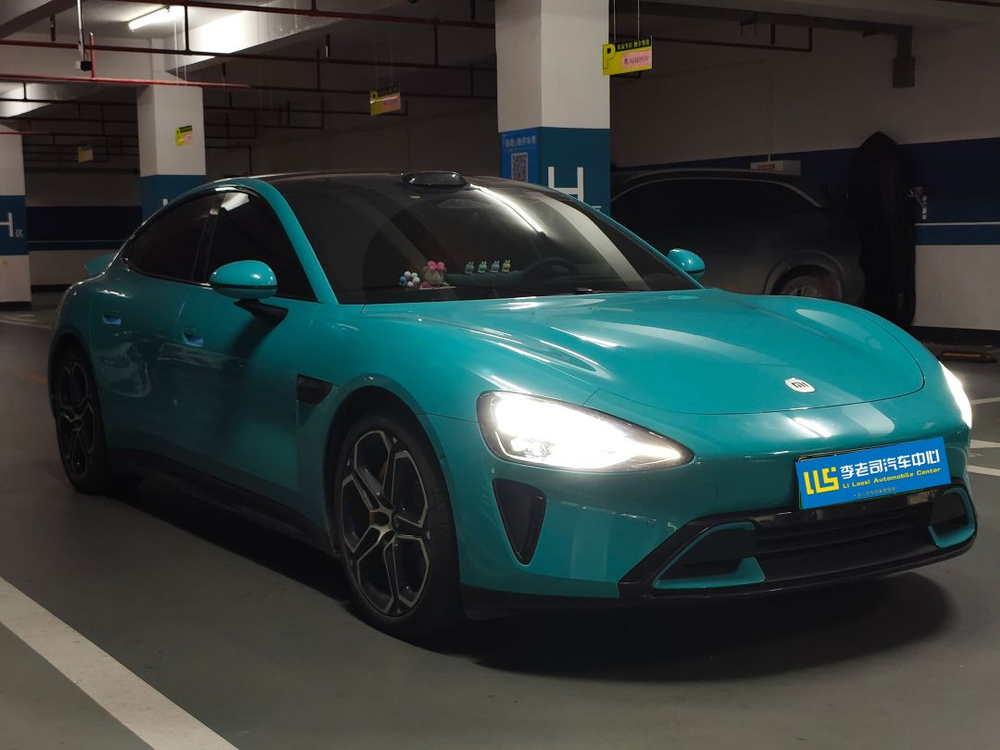
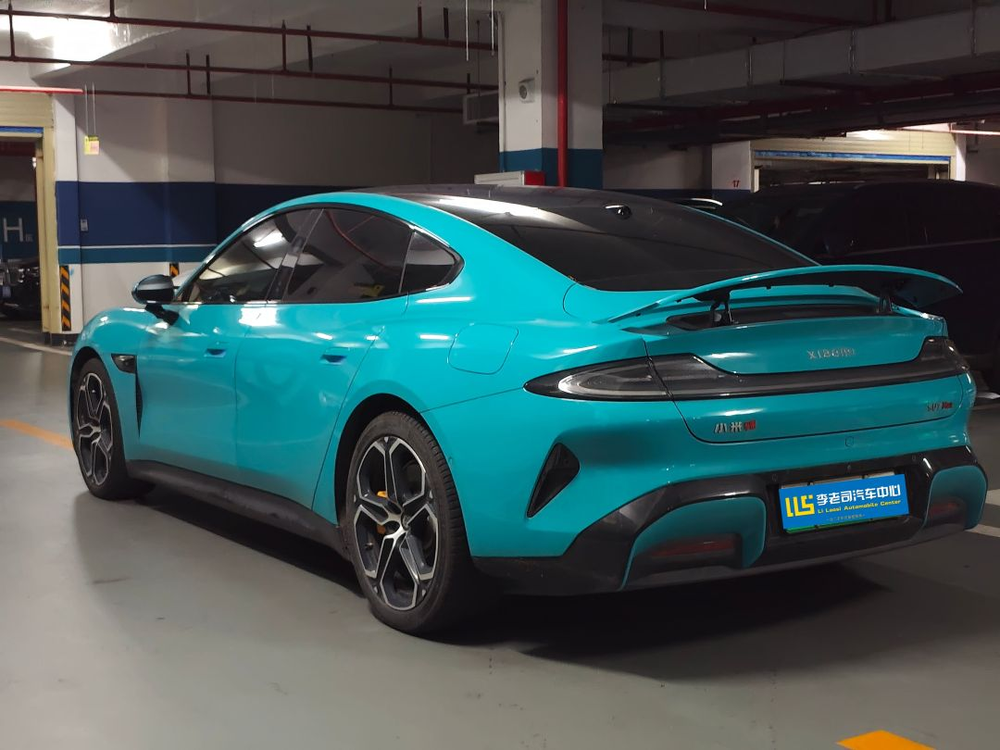
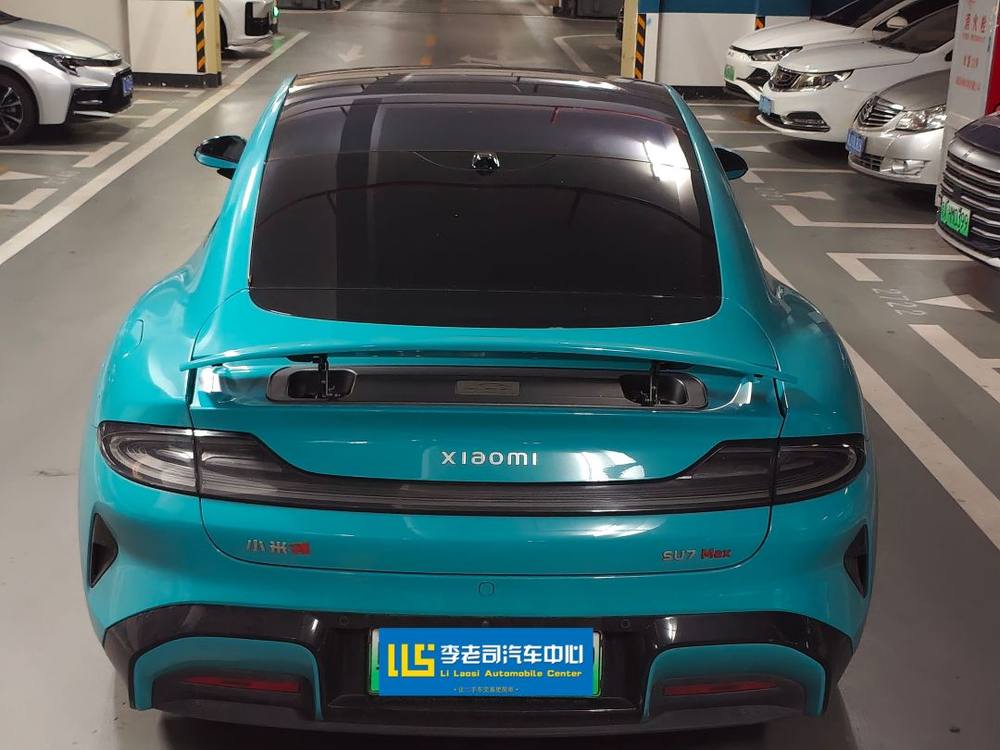
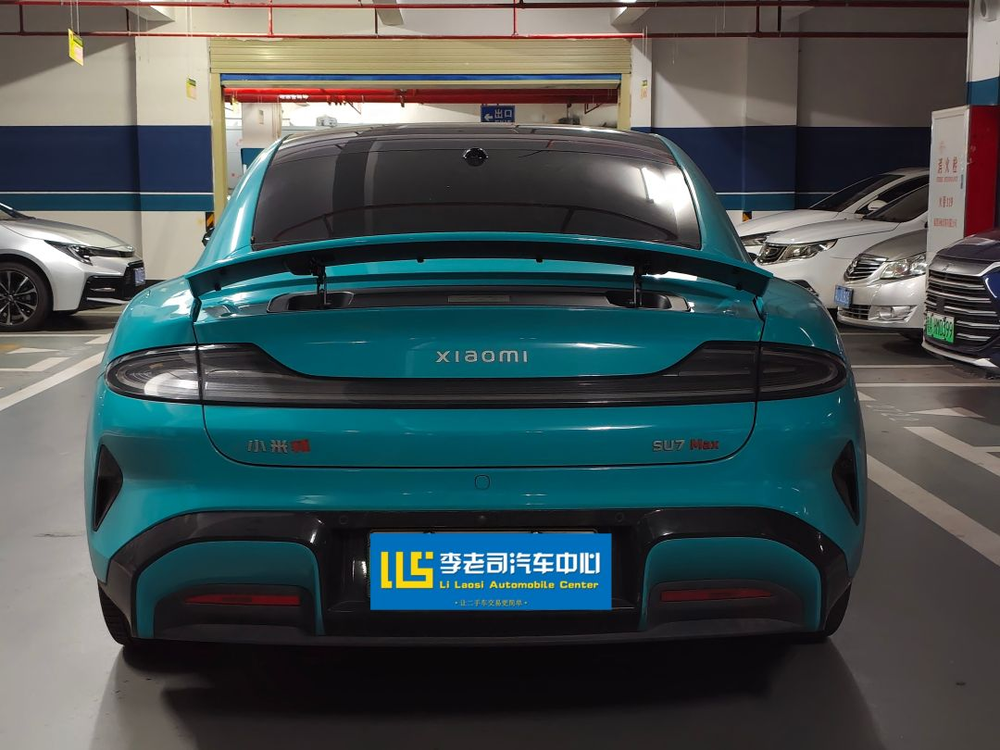
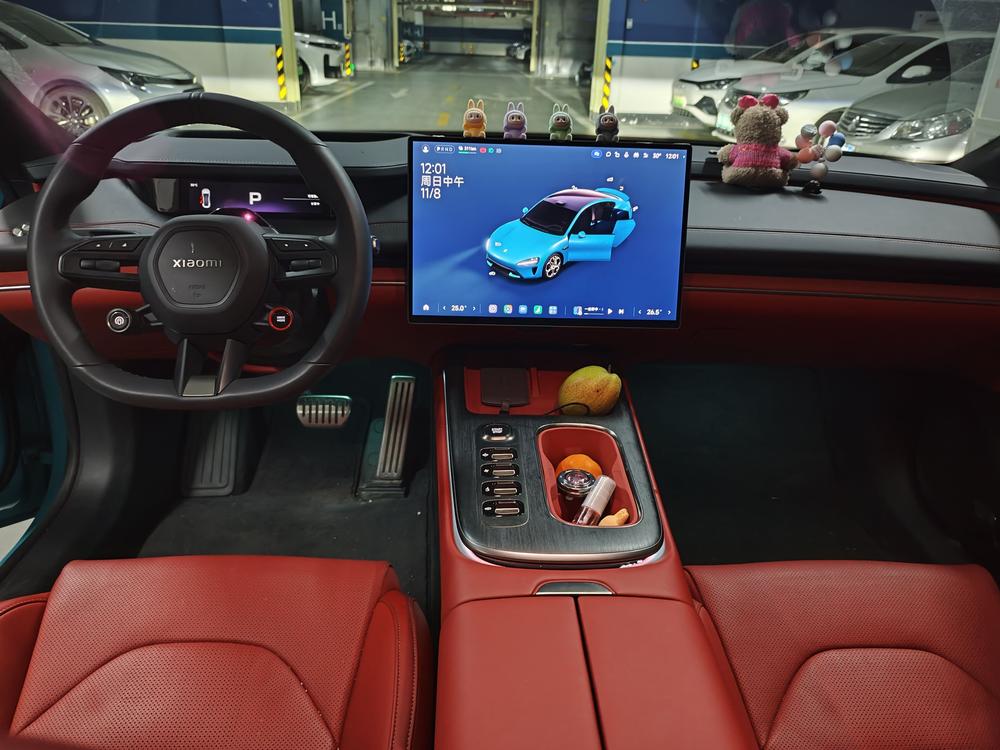
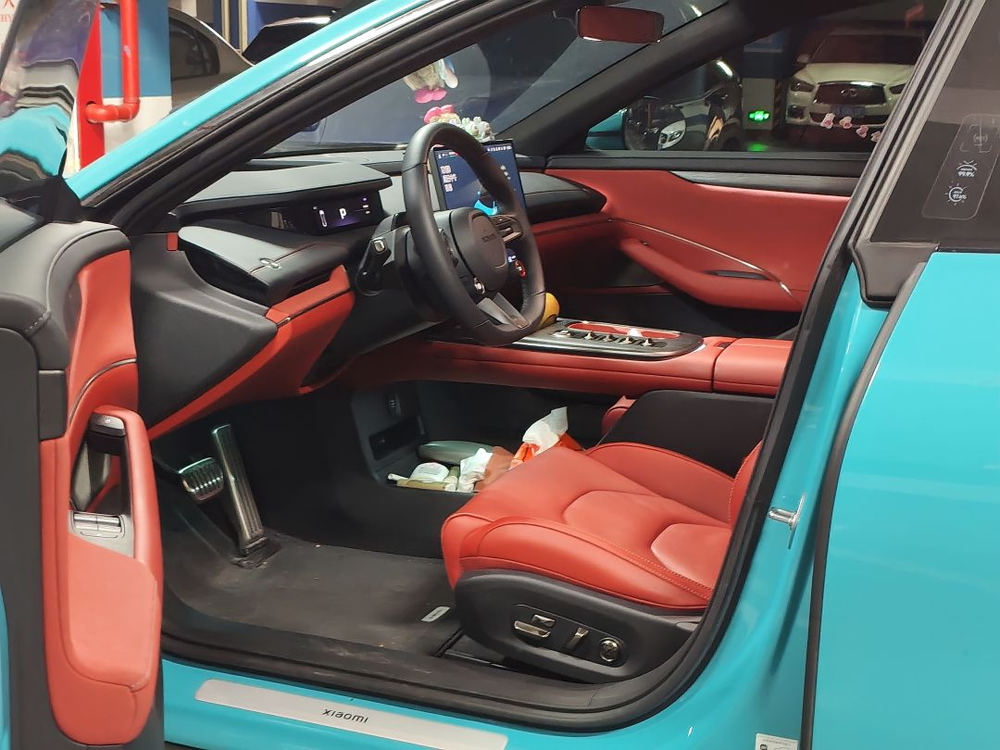
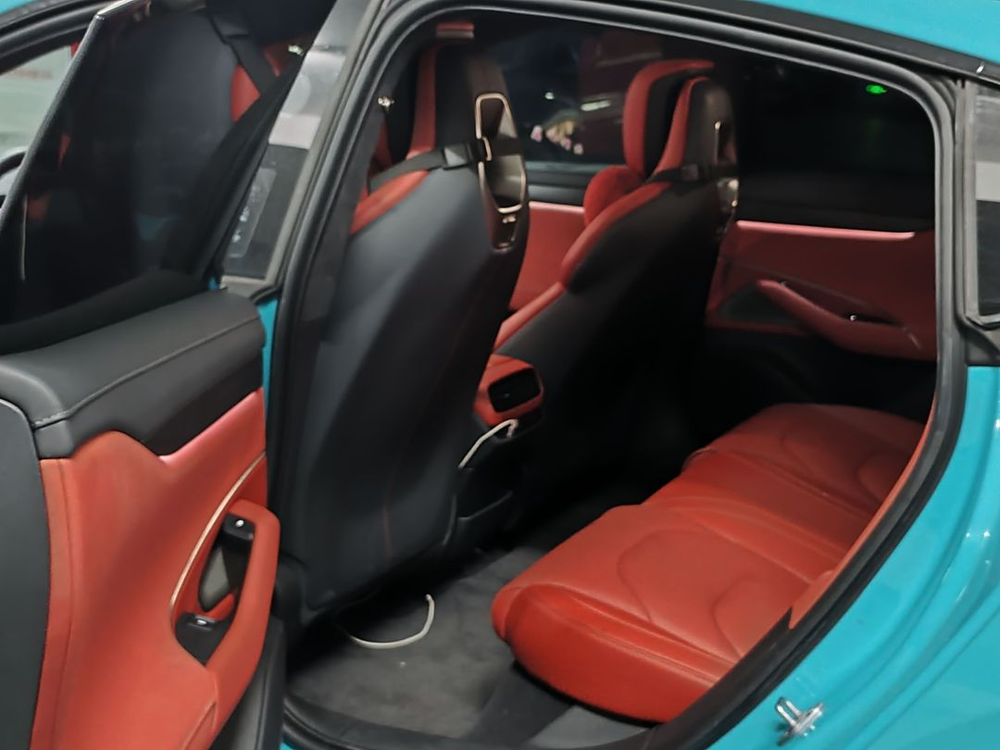
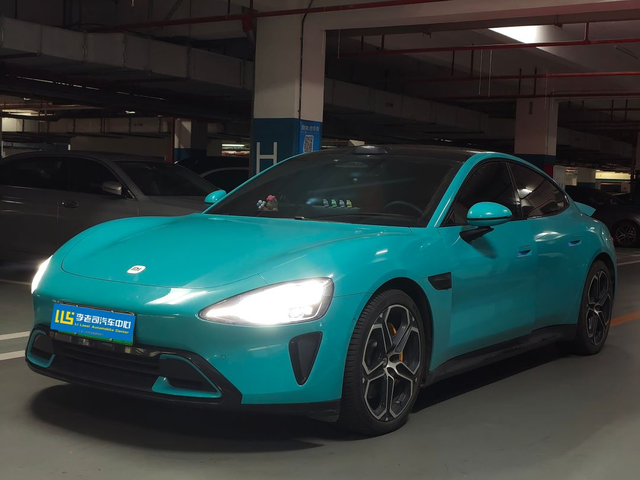
Basic Information

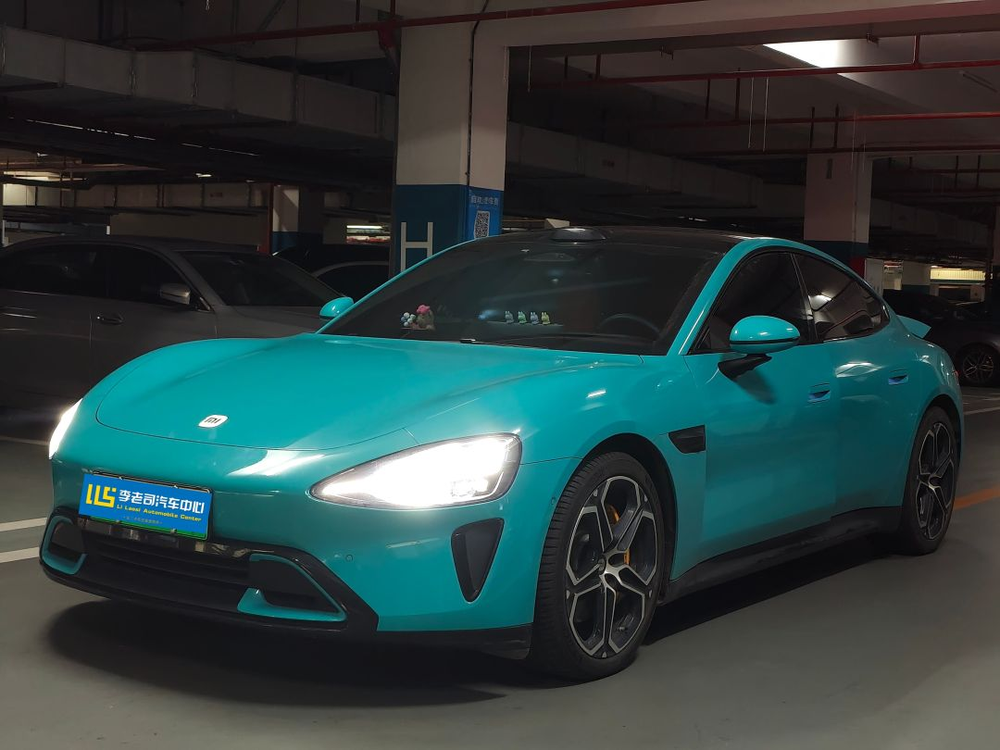
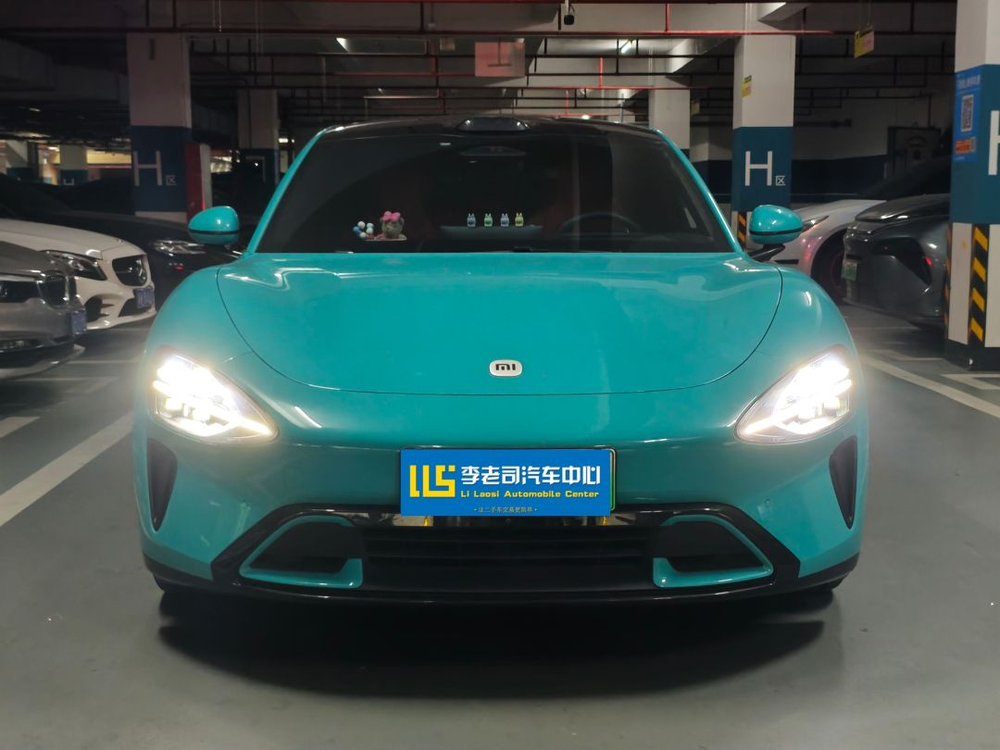
BrandMI
SeriesSU7
Year2024
First Registration2024/10
Mileage65,700km
Transfer Count0times
FuelElectric
TransmissionOther
Engine-
Color
Seats5seats

Condition Description

官方质检 · 60天全车质保· 7天无理由有偿退车

Configuration Highlights

✓上牌时间: 2024-10
✓表显里程: 6.6万公里
✓车源地: 广州
✓能源类型: 纯电动
✓功能配置: 41项
✓安全配置: 11项
✓动力类型: 电动四驱
✓空间舒适性: 一般

Q&A

More

Is the platform responsible if the car wireless charging panel cannot charge due to the buyer's outdated phone model?

The vehicle's wireless charging module (usually Qi protocol) is considered functional as long as it can properly sense and light up with our tested mainstream models. The seller is not responsible for charging issues caused by the buyer's personal electronic device compatibility.

What's a realistic total budget for importing a used car from China, beyond the sticker price?

Plan for the car price plus roughly 25–50% in additional costs, depending on destination: 1. Inland transport in China (car city to export port): USD 300–700. 2. Export fees: inspection, customs declaration, port handling — USD 300–600. 3. Ocean or rail freight: a shared container to the Middle East or Africa runs USD 800–1,500; a full container or RoRo varies by route. 4. Destination charges: unloading, customs duties, VAT and port fees — this is the biggest variable. Some countries add 50%+ in taxes on used imports. 5. Compliance costs: homologation, inspection, registration in your country. 6. Currency and payment costs: wire fees and exchange margins of 1–3%. Always ask the exporter for a written cost breakdown listing every item and who pays it, then confirm the destination-side numbers with a local customs agent before committing.
How can I verify that a pre-shipment inspection report and photos really match the car I'm buying—timestamps, VIN, and live video?

Fake or recycled inspection reports are a real risk. Verify authenticity before wiring the balance payment. First, match the VIN: the report must show the full VIN, and the photos must include close-ups of the VIN plate on the chassis and the windshield tag. Ask for a live video call where the inspector walks to the car, shows the VIN tag, and then pans across the dashboard, odometer, and any defects noted in the report—on the same call. Check metadata: ask for original photos rather than screenshots. Files sent via WeChat often strip EXIF, so request the inspector to email originals or use a cloud link where timestamps and GPS data are visible. Cross-verify details: the odometer reading in the video should match the report exactly, and paint-thickness readings should be reproducible—ask the inspector to re-measure 2-3 spots live. Use a known inspection company rather than one recommended solely by the seller, and pay the inspector directly. An independent inspector has no incentive to hide defects.