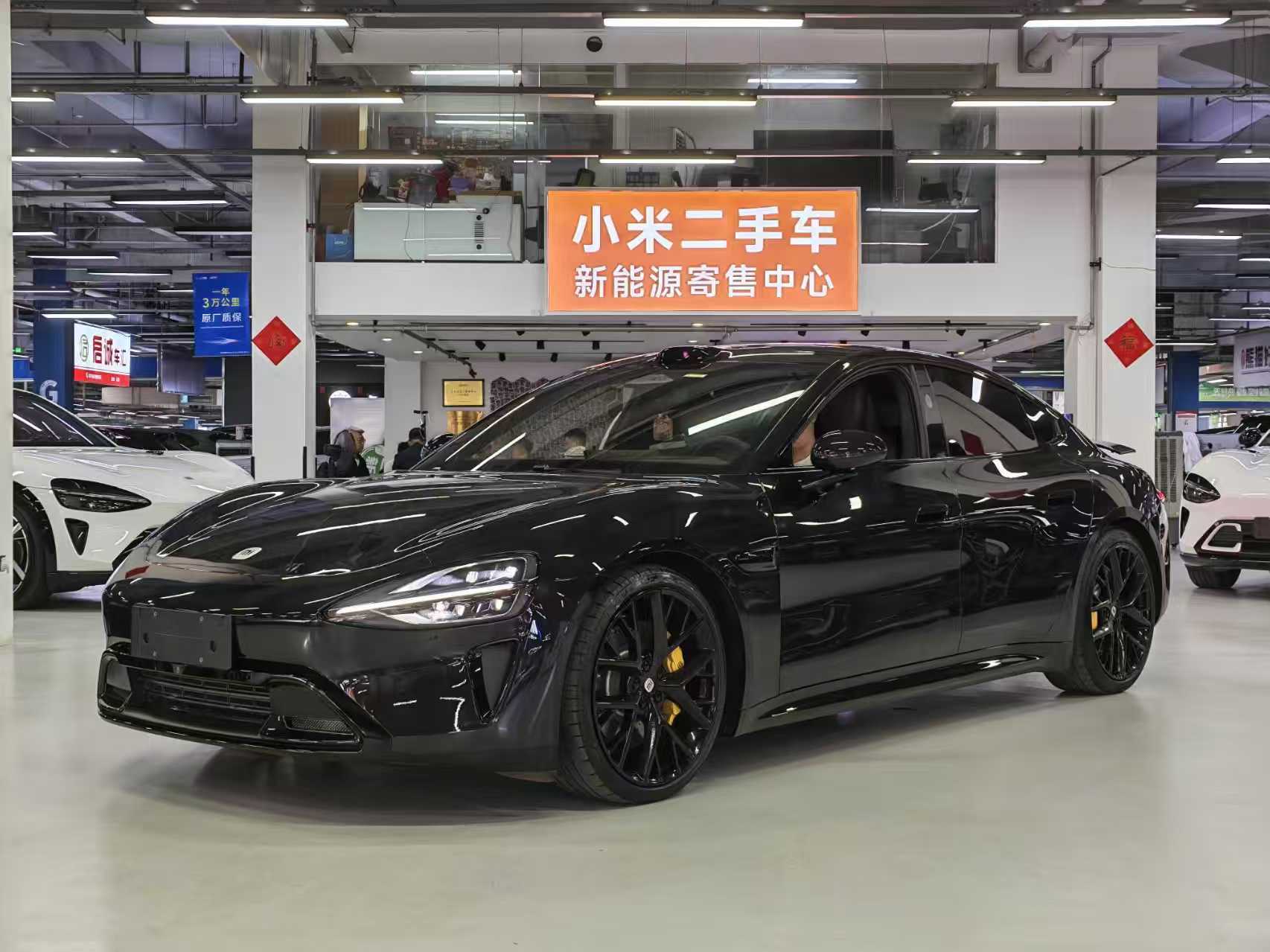



Sold

Basic Information

BrandMI
SeriesSU7
Year2024
First Registration2024/12
Mileage38,000km
Transfer Count0times
FuelElectric
TransmissionOther
Engine-
ColorBlack
Seats5seats

Condition Description

Fully loaded with refrigerator and wheels options. In-car data plan valid until December 2027. Chaboshi rating double S. Windshield replaced via insurance claim of 3000. Two doors repainted, covered by worry-free package.

Document Information

Inspection Expiry Date-
Warranty Expiry Date-
Insurance Expiry Date2027/11

Q&A

More

What if the used car I imported from China turns out to be a bad deal—can I return it or get a refund?

In practice, returning an imported car is extremely difficult, so your protection must be built in before payment, not after. Once a used car has been exported, reversing the transaction involves re-export paperwork, duties, and freight costs that typically exceed any refund you'd recover. Most exporters' contracts treat the sale as final once the bill of lading is issued. What you can realistically do: 1. If the car differs materially from the contract (wrong VIN, undisclosed accident, tampered odometer), you have grounds for a claim. Document everything and negotiate a partial refund or repair credit—full refunds are rare. 2. If the seller committed outright fraud, you can pursue legal action in China or report to the platform, but cross-border enforcement is slow and costly. 3. Some exporters offer a short arrival warranty (usually 30-90 days) covering major mechanical failures. Claims require immediate notification, third-party inspection reports, and proof the damage existed at shipment. The practical takeaway: never rely on the possibility of a return. Spend the money on a thorough pre-shipment inspection and clear contract terms instead—it's far cheaper than a dispute.


Beyond the car price, what costs should I budget when importing a used car from China?

A realistic budget has several layers beyond the vehicle price. First, inland logistics in China: moving the car to the export port typically costs $300-$800. Second, export handling: inspection, customs declaration and paperwork usually add $500-$1,000. Third, ocean freight. A 20ft container to most destinations runs $1,200-$3,000 depending on route; RoRo shipping can be cheaper for driveable cars. Add marine insurance, usually 0.3%-0.5% of the car value. Fourth, destination charges: port handling, customs duties, VAT/GST and local registration fees. These vary widely; some countries charge duties of 20%-80% of the vehicle value plus an excise based on engine capacity. Finally, any compliance work: inspection certificates, modifications to meet local standards, or homologation. Ask your exporter for a full CIF quote and have a local customs broker confirm destination taxes before you commit.

Is there a mileage adjustment phenomenon in the Chinese used car market? How do you ensure the absolute authenticity of the odometer?

Odometer tampering is a common risk in the global used car industry. We verify the data by extracting transmission mileage from the OBD computer, checking the most recent maintenance record's mileage, and consulting the national traffic management app for annual inspection records. If there are irreconcilable discrepancies or conflicts in the data, we classify it as a tampered vehicle and refuse to export it.

MI SU7

小米 2024款 SU7 700km 后驱长续航智驾版 自动挡

EXW: $27,545
Car CodeSWA1900866
Publish Date2026/11/06