


24H

Basic Information

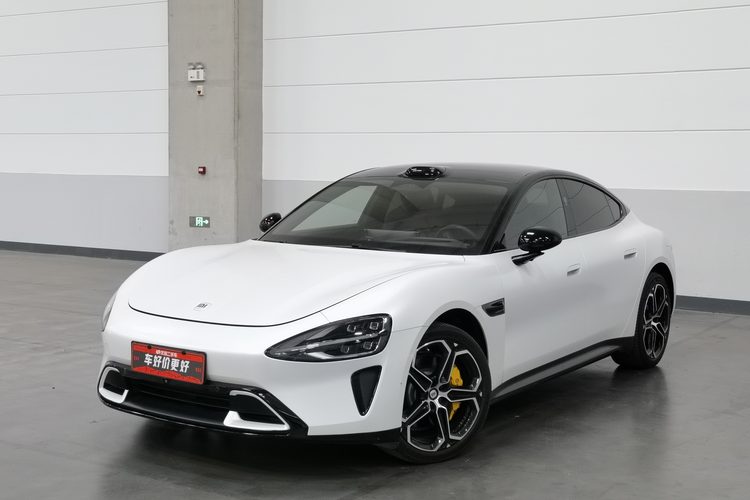
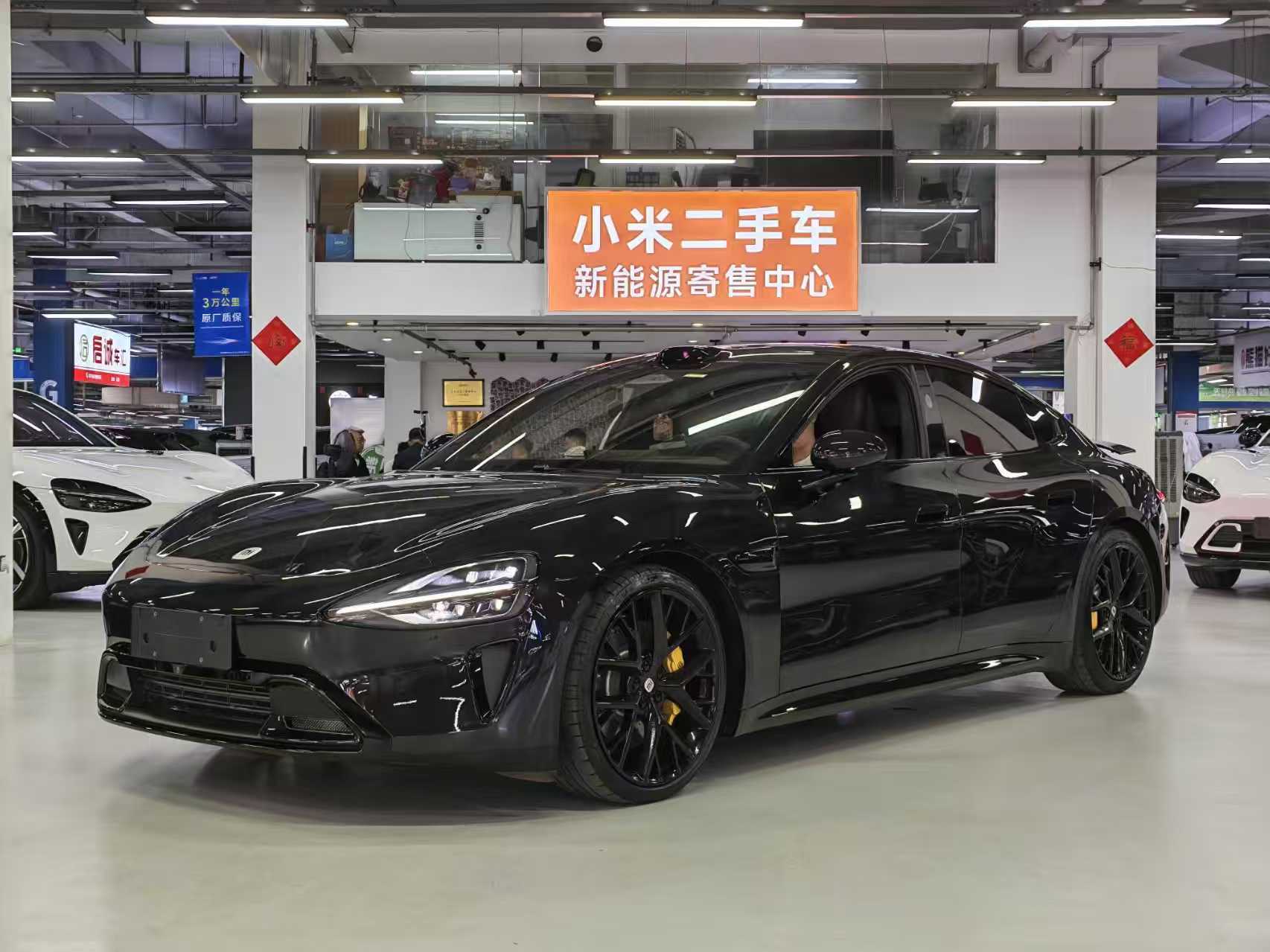
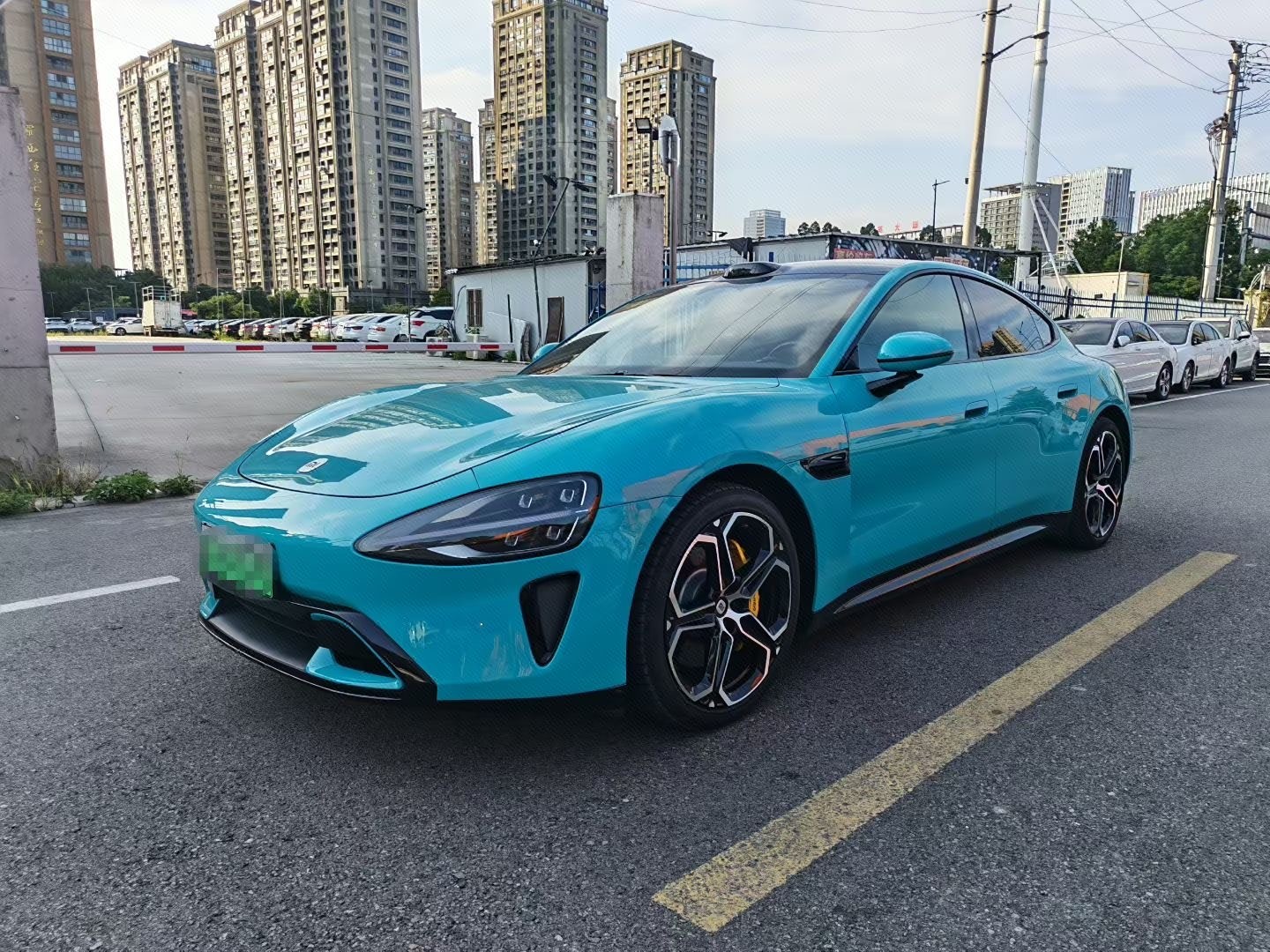
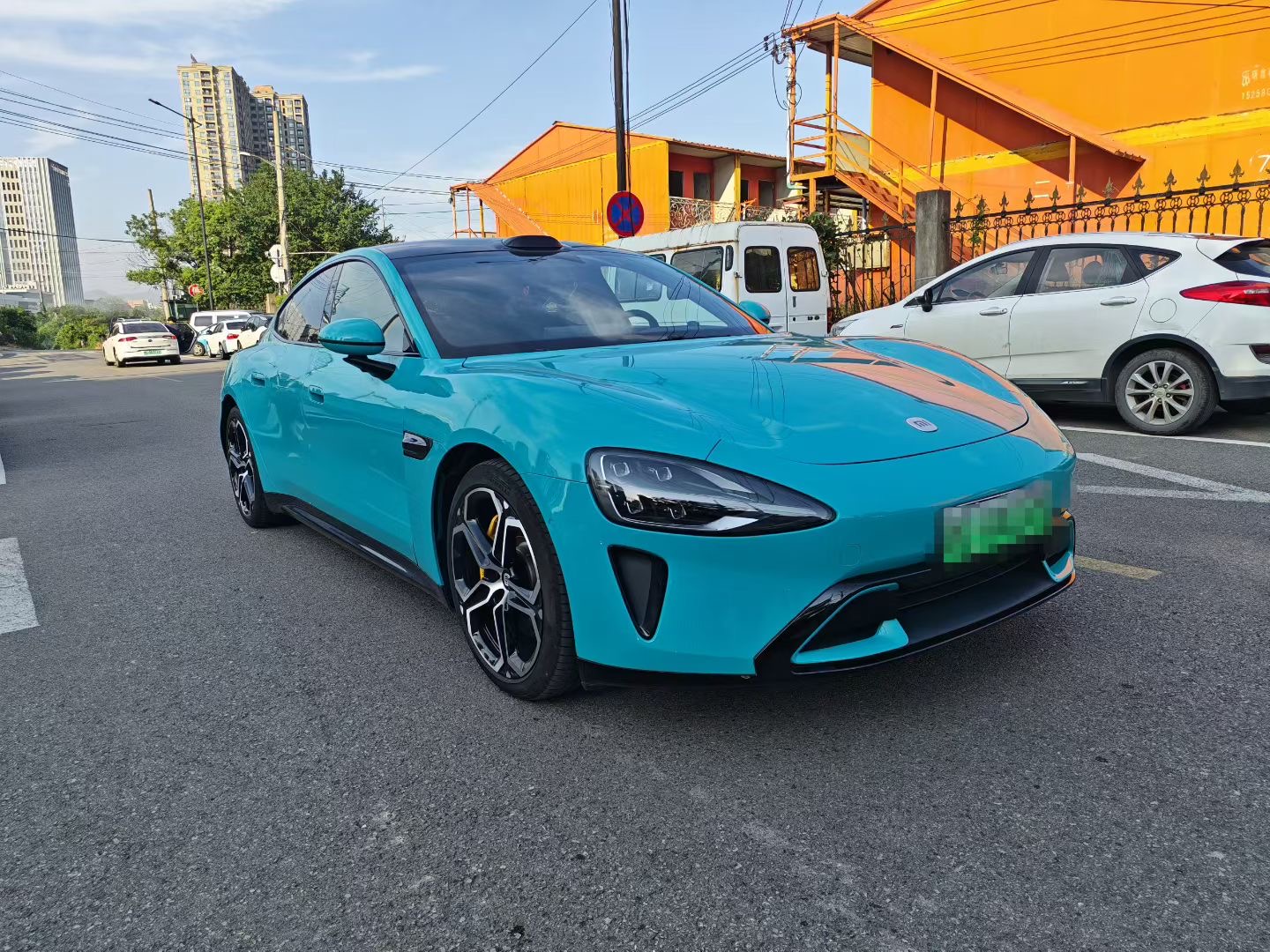
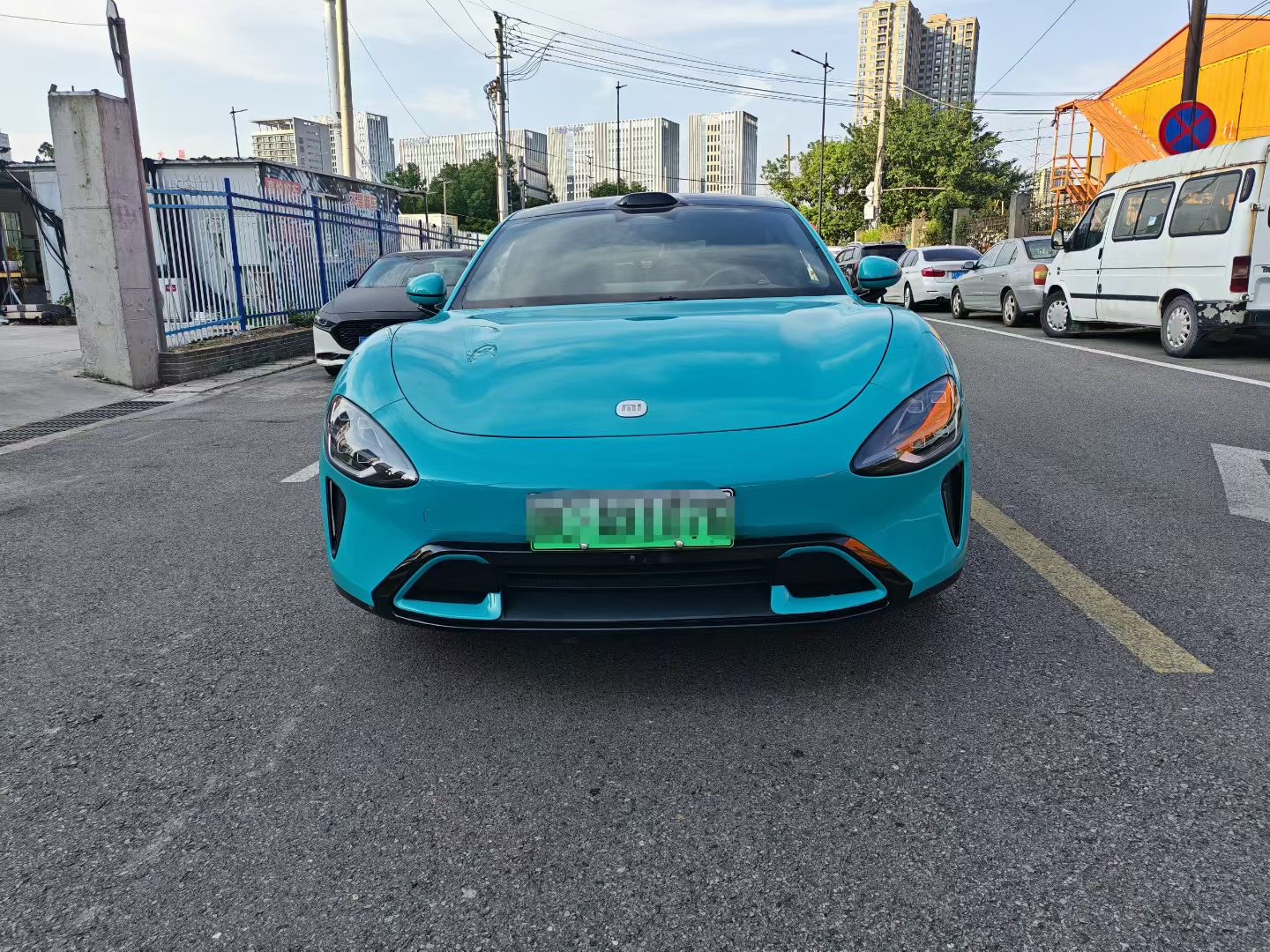
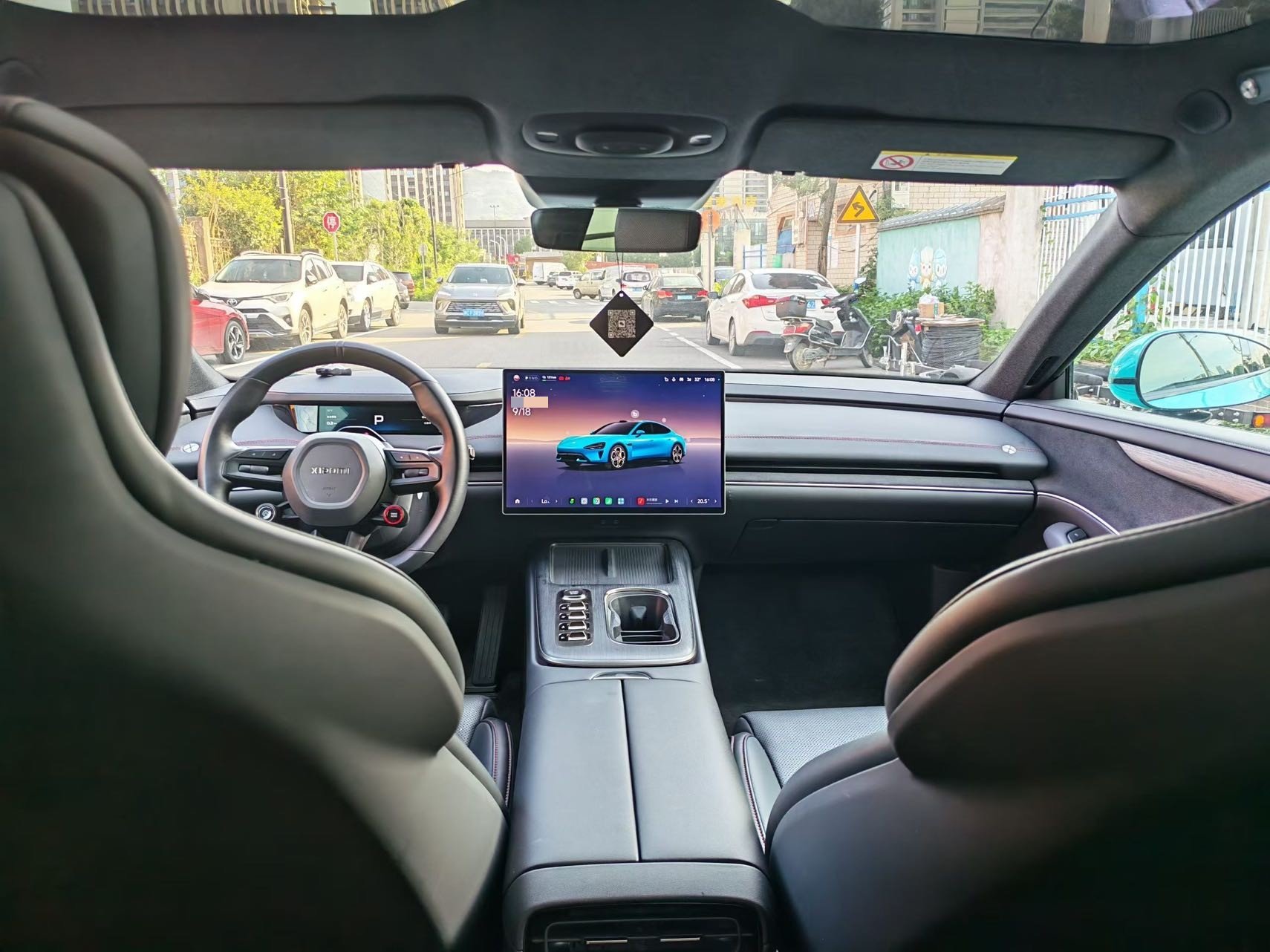
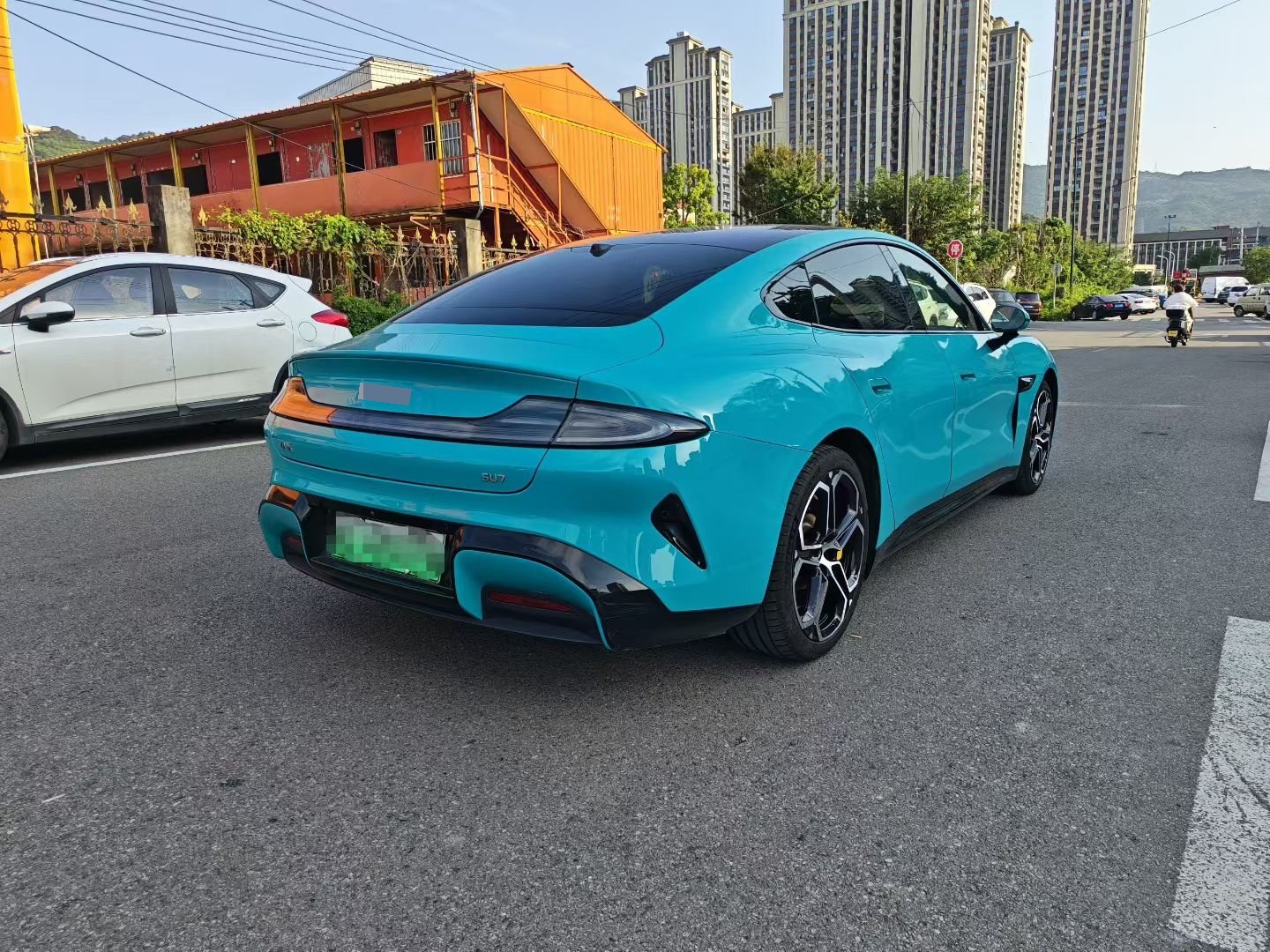
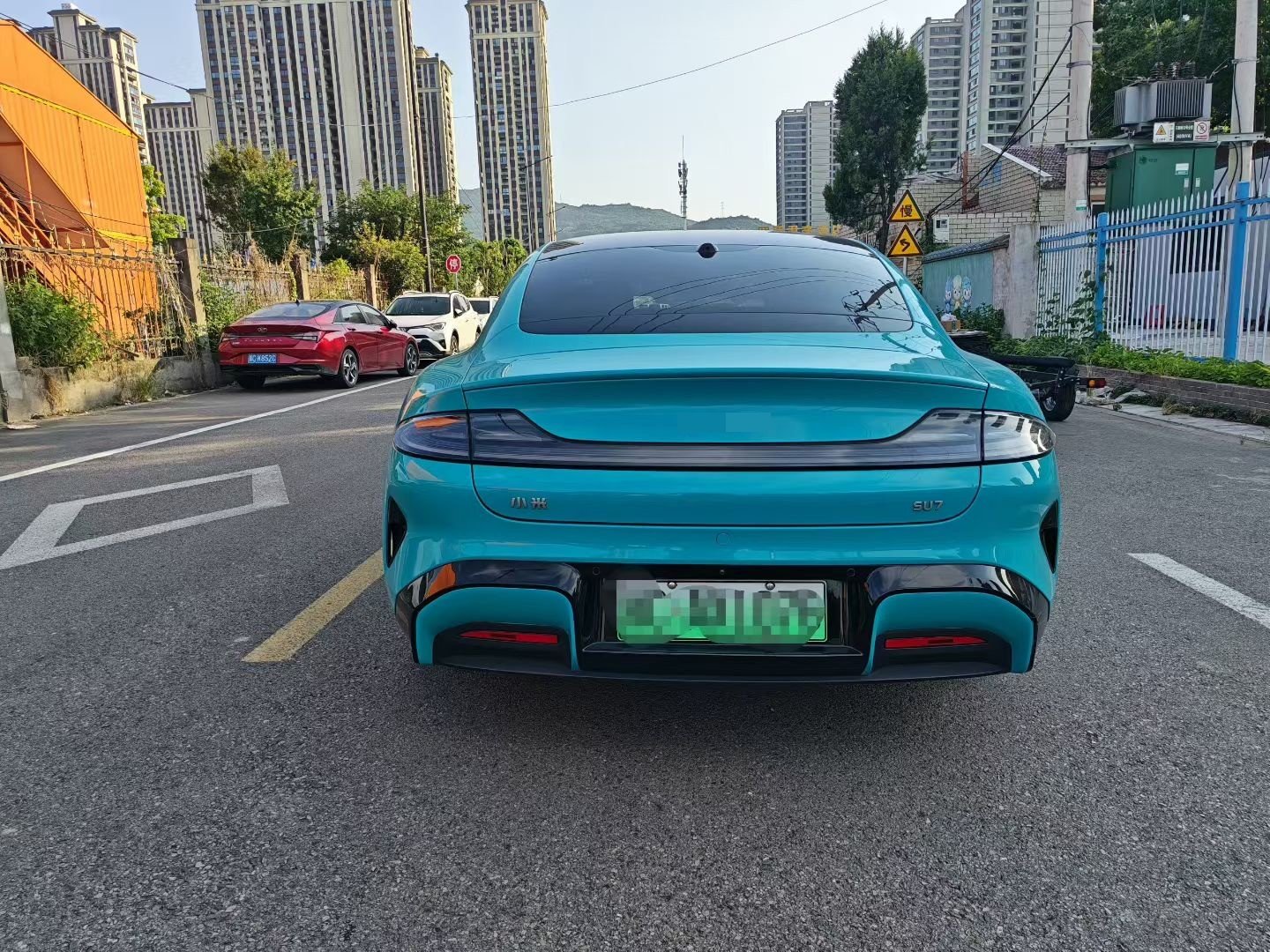
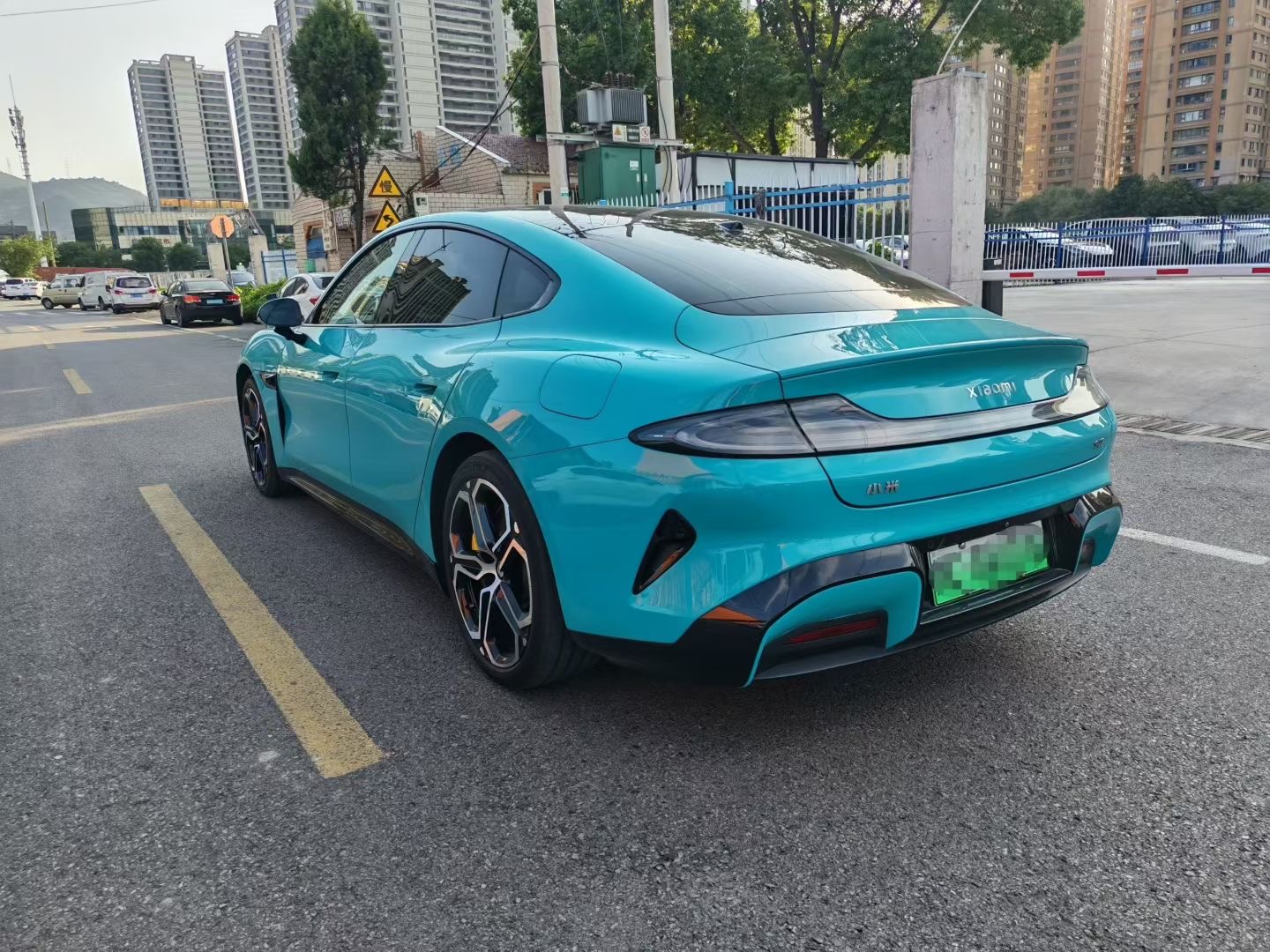
BrandMI
SeriesSU7
Year2024
First Registration2024/10
Mileage88,000km
Transfer Count0times
FuelElectric
TransmissionOther
Engine-
ColorBlue
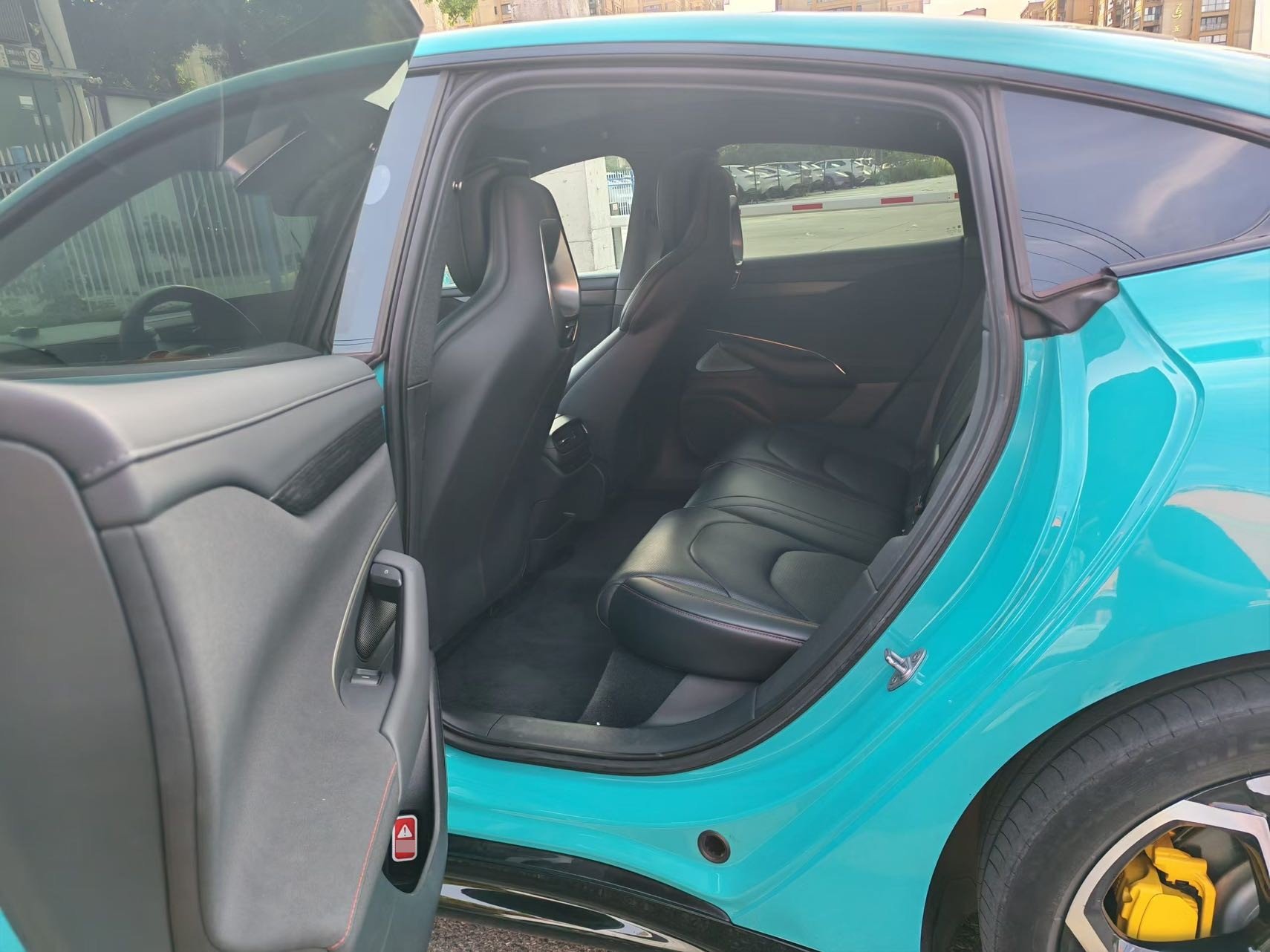
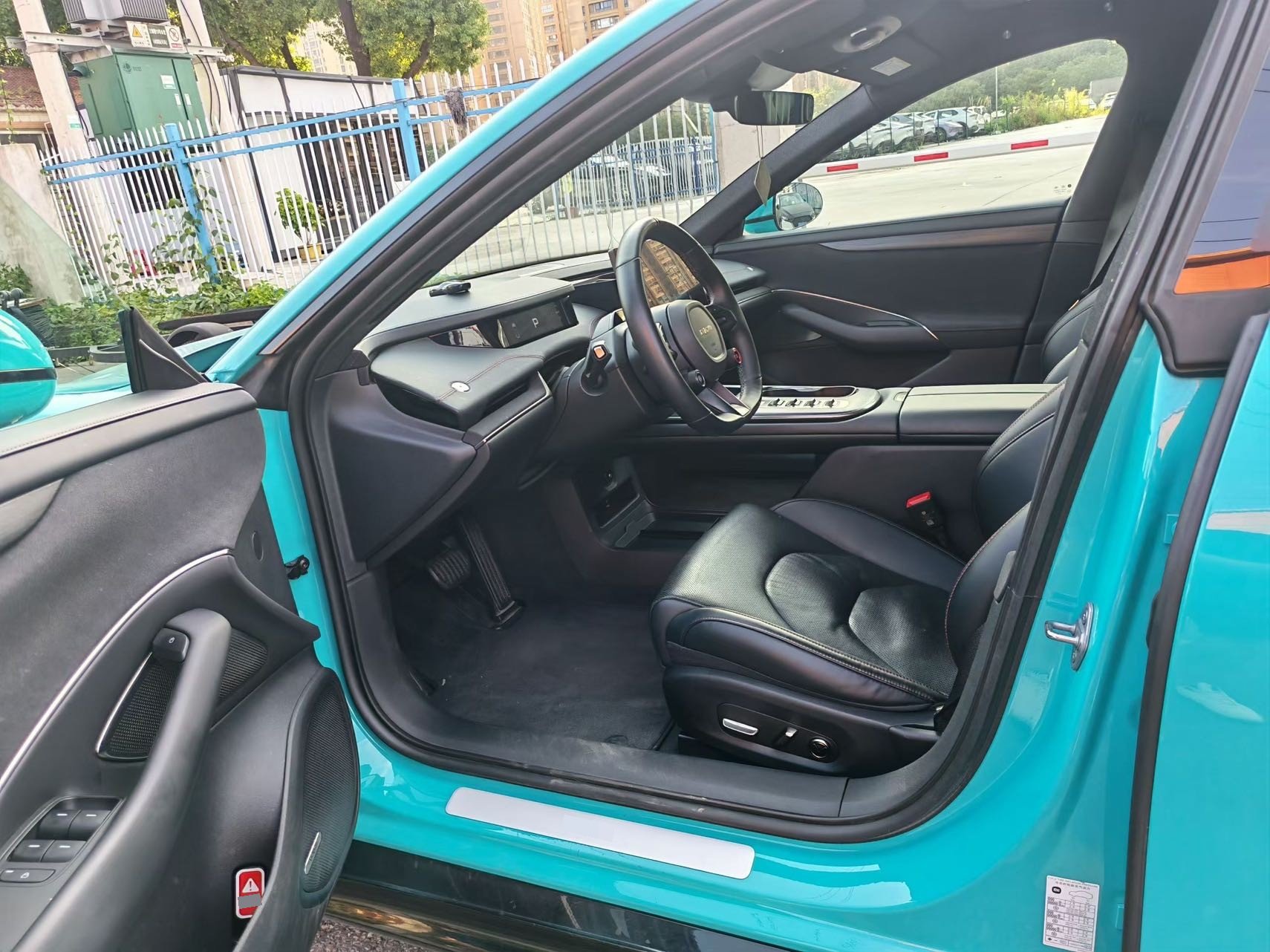
Seats5seats

Condition Description

Right rear door replaced; total loss claim.

Document Information

Inspection Expiry Date-
Warranty Expiry Date-
Insurance Expiry Date2027/10

Q&A

More

For a used hybrid or EV, what battery health checks should I demand in a pre-purchase inspection?

The battery is the most expensive component in a used EV or hybrid, so battery health deserves its own inspection stage. Ask for a professional diagnostic scan (for example, via OBD tools reading the BMS data) that reports State of Health (SOH) in percentage. For EVs, SOH above 85% is generally good; below 75% means meaningful capacity loss and reduced driving range. Request a full charge and discharge test where possible: charge to 100%, drive or discharge to near 0%, and compare actual range against the original rated range. A battery delivering less than 70% of rated range is a concern. Check for battery cell imbalance — the diagnostic report should show voltage differences between cell groups. A spread above 0.05V indicates uneven aging. Also verify thermal management: confirm the battery cooling/heating system works, especially for cars destined for hot climates, and check whether the car has any active battery recall or warranty extension programs. Always get these results in writing or screenshots before paying the balance.


Is there a specific testing process for the smooth transition between the engine and motor in hybrid (HEV/PHEV) vehicles?

Yes. For hybrid vehicles, technicians will conduct forced switching tests between EV (electric) and HEV (hybrid) modes, focusing on the sensation of clutch engagement and reading the hybrid system's specific fault codes to ensure the complex dual power system operates correctly.

What kind of after-sales warranty do Chinese used car exporters usually offer, and what is realistic to claim?

Most exporters offer a limited warranty of 30 to 90 days covering major mechanical failures (engine, gearbox, electric motor), but only if you can prove the fault existed before shipment. Cosmetic issues, wear-and-tear parts (brakes, tires, clutch) and damage caused by improper local maintenance are almost always excluded. What is realistic to claim: · Engine or transmission failure confirmed by a licensed workshop within the warranty window, with a diagnostic report. · Undeclared accident or flood damage discovered after arrival (strongest case, keep the inspection report and photos). How to protect yourself: 1. Get the warranty terms written into the contract, including claim procedure and response time. 2. Have the car inspected locally immediately upon arrival and keep all records. 3. Communicate claims in writing (email) with photos and reports attached. Treat the warranty as a backup, not the main protection. A thorough pre-shipment third-party inspection matters far more than a paper warranty.