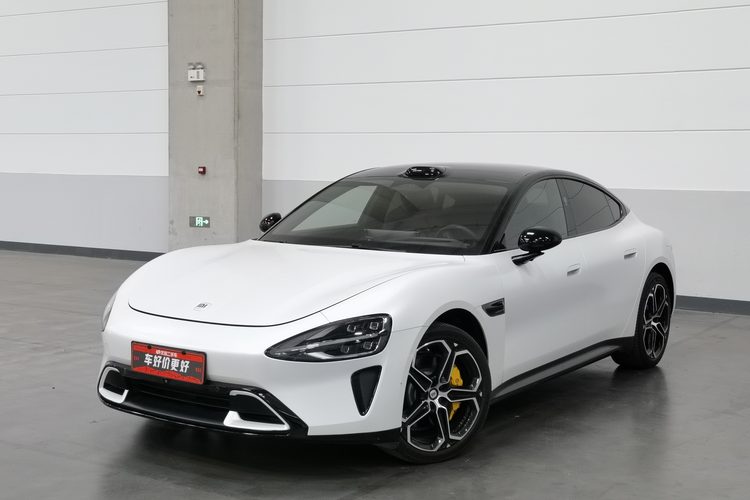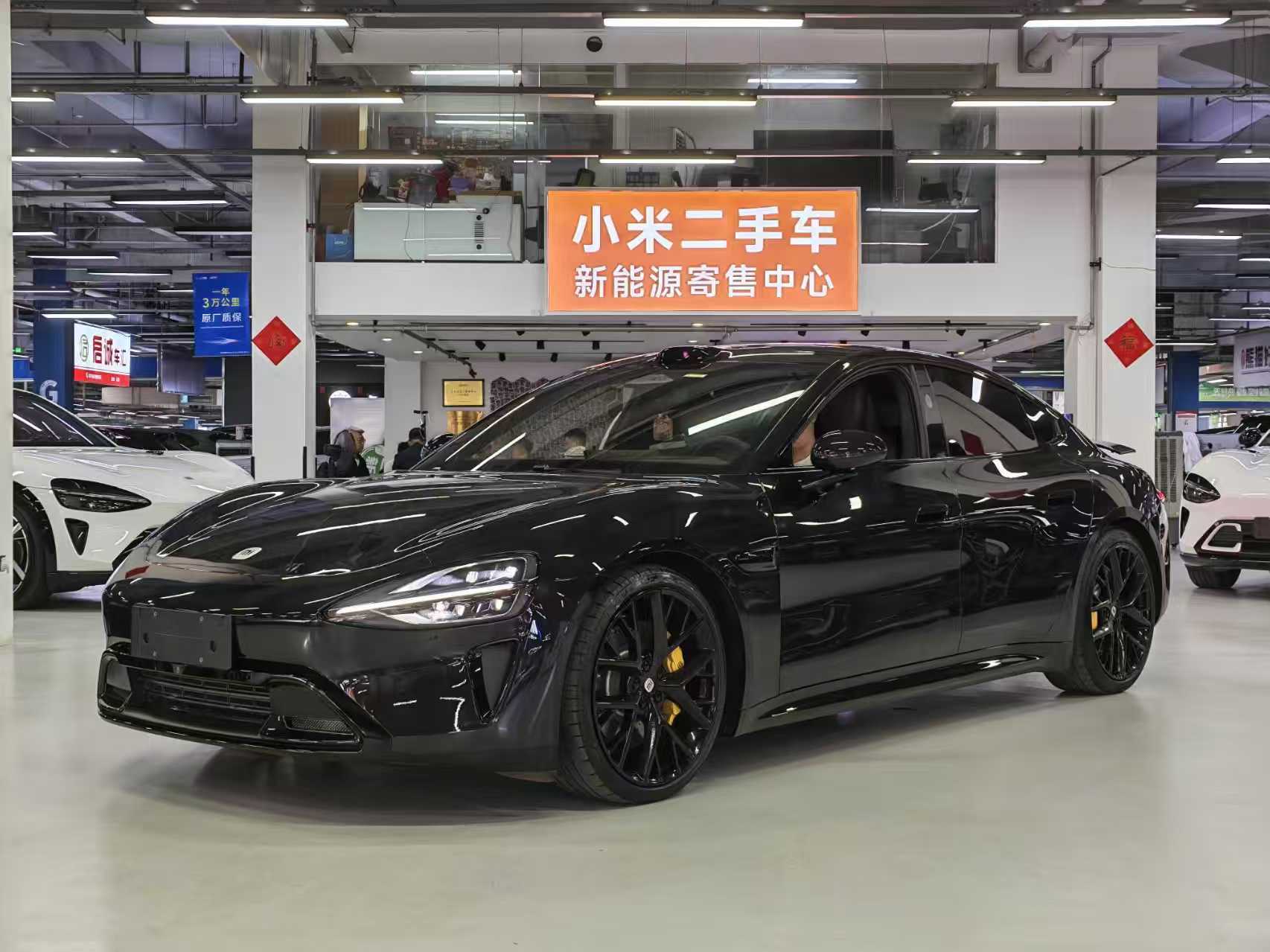
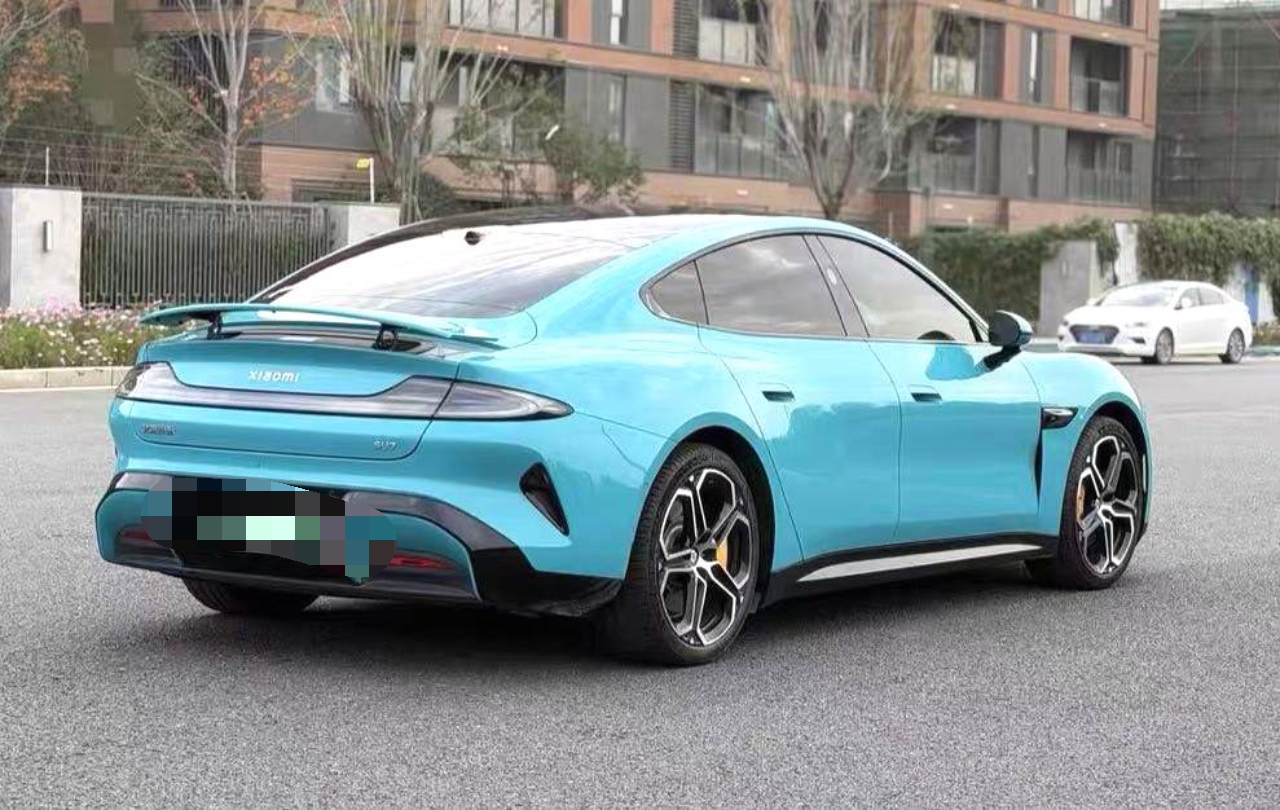
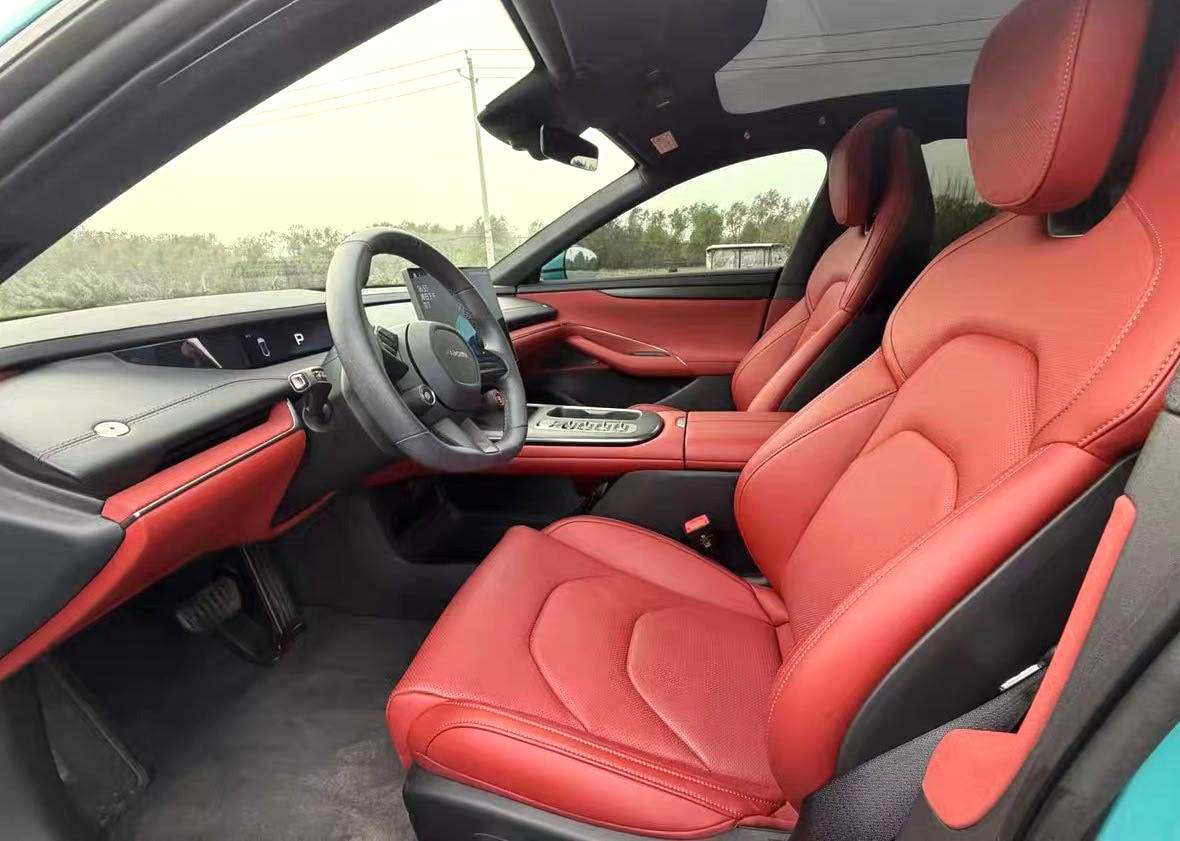
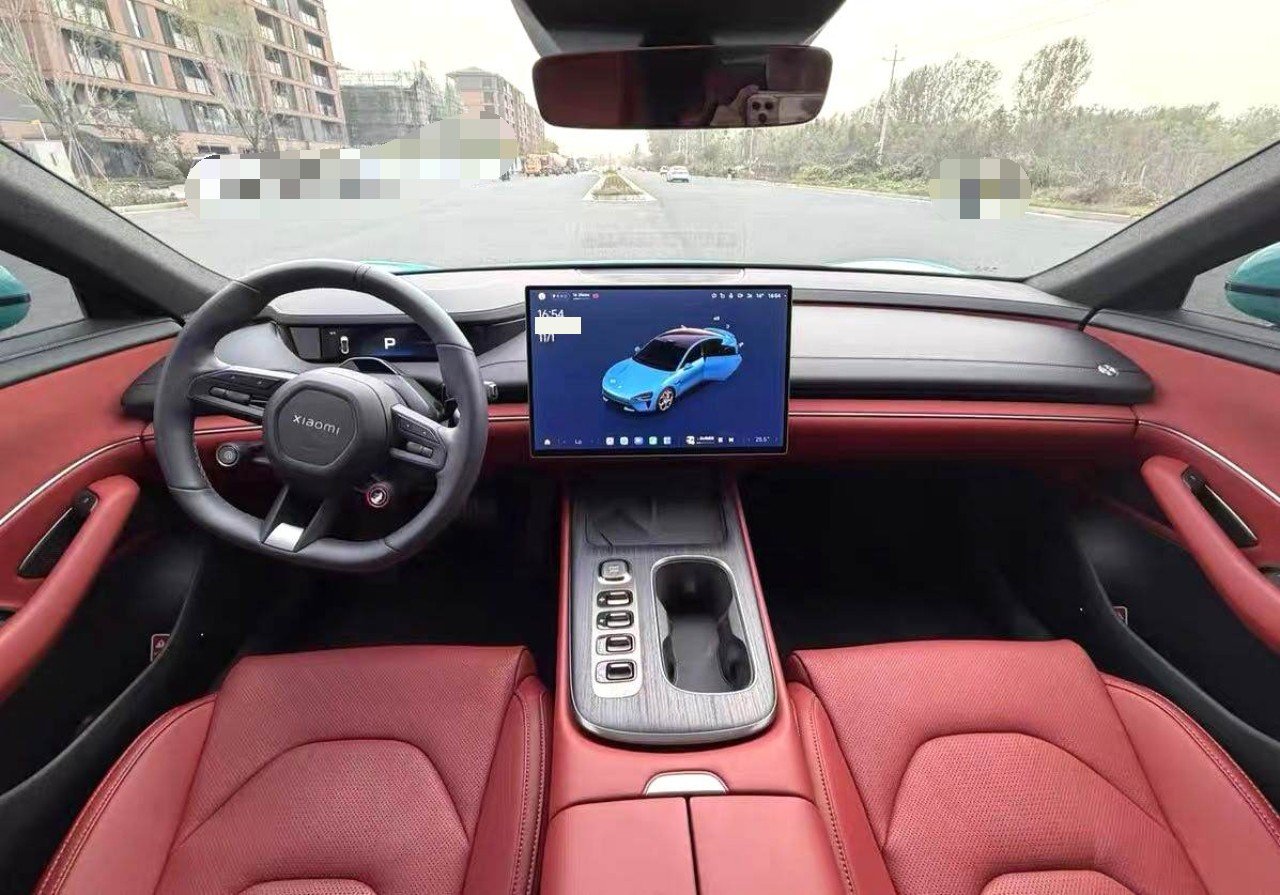
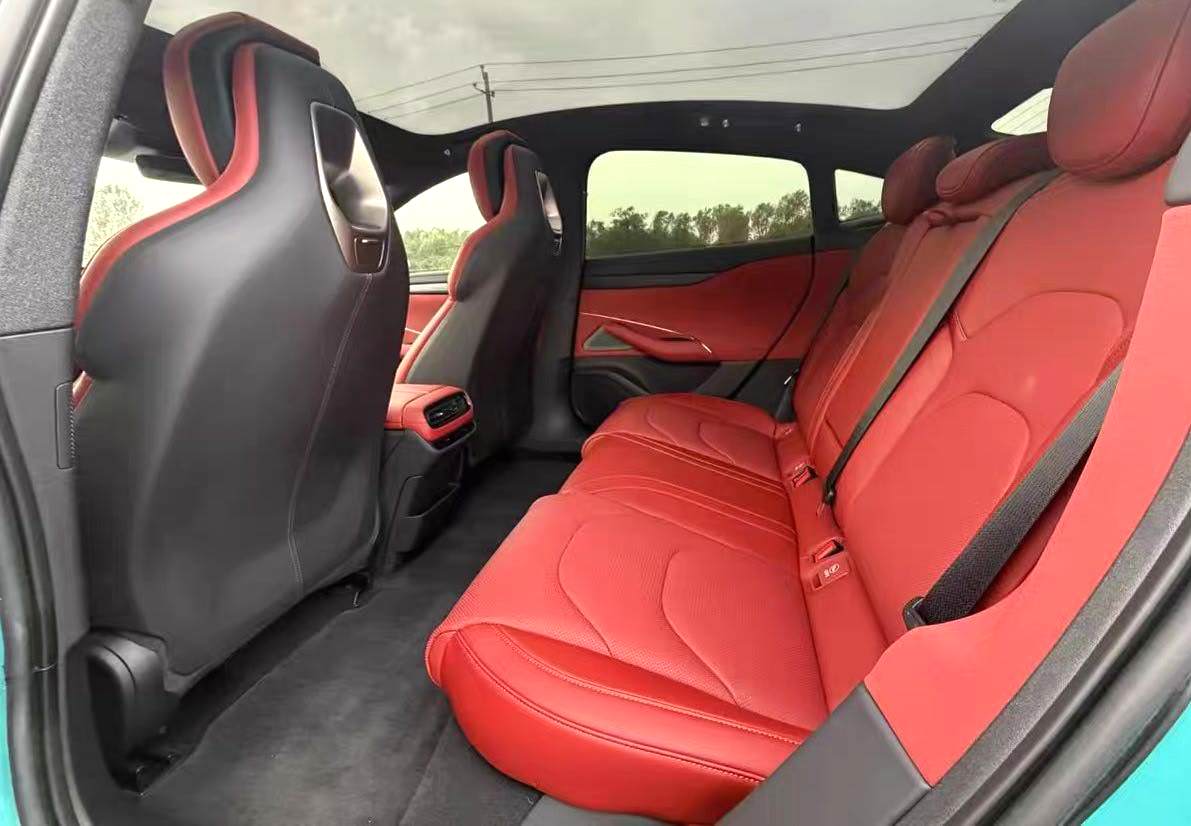



Basic Information

BrandMI
SeriesSU7
Year2024
First Registration2024/12
Mileage36,000km
Transfer Count0times
FuelElectric
TransmissionOther
Engine-
ColorBlue
Seats5seats

Condition Description

First-hand vehicle with actual mileage. Rear door and one tail light were individually replaced. Insurance claim of a few thousand yuan. Can pass third-party inspection.

Document Information

Inspection Expiry Date-
Warranty Expiry Date-
Insurance Expiry Date2026/12

Q&A

More

How do I calculate the true total landed cost of importing a used car from China before I commit?

Work backwards from the car's price at the destination, not the seller's quote. Add these layers: 1. Vehicle price: negotiated with the exporter, usually FOB (free on board) China port. 2. Inland China costs: transport to port, export customs clearance, and documentation fees. Ask whether these are included in the FOB price or billed separately (typically $200–500). 3. Freight: ocean shipping to your port. RoRo is cheaper ($800–1,500); a 20ft container costs $1,200–2,500 depending on route. Add BAF/PSS surcharges, which fluctuate monthly. 4. Insurance: usually 1–2% of (vehicle value + freight) for all-risk cover. 5. Destination charges: port handling, terminal fees, customs duties, VAT/GST, and homologation or inspection fees. These vary enormously by country — in some markets duties alone add 30–80% of the car's value. 6. Local delivery: trucking from the port to your city. Get a written itemized estimate from a licensed customs broker in your country before paying any deposit. Rule of thumb: add 40–70% on top of the FOB price for most African and Latin American destinations, 20–35% for GCC countries.


What if the used car I imported from China turns out to be a bad deal—can I return it or get a refund?

In practice, returning an imported car is extremely difficult, so your protection must be built in before payment, not after. Once a used car has been exported, reversing the transaction involves re-export paperwork, duties, and freight costs that typically exceed any refund you'd recover. Most exporters' contracts treat the sale as final once the bill of lading is issued. What you can realistically do: 1. If the car differs materially from the contract (wrong VIN, undisclosed accident, tampered odometer), you have grounds for a claim. Document everything and negotiate a partial refund or repair credit—full refunds are rare. 2. If the seller committed outright fraud, you can pursue legal action in China or report to the platform, but cross-border enforcement is slow and costly. 3. Some exporters offer a short arrival warranty (usually 30-90 days) covering major mechanical failures. Claims require immediate notification, third-party inspection reports, and proof the damage existed at shipment. The practical takeaway: never rely on the possibility of a return. Spend the money on a thorough pre-shipment inspection and clear contract terms instead—it's far cheaper than a dispute.

Will the platform ask the buyer for an additional "service fee" or "commission" after the transaction is completed?

No hidden fees. The total amount on the FOB/CIF invoice is the final amount. We rely on professional supply chain operations to earn a reasonable margin and do not allow any sales personnel to privately request kickbacks or service fees from you.