48H

Basic Information

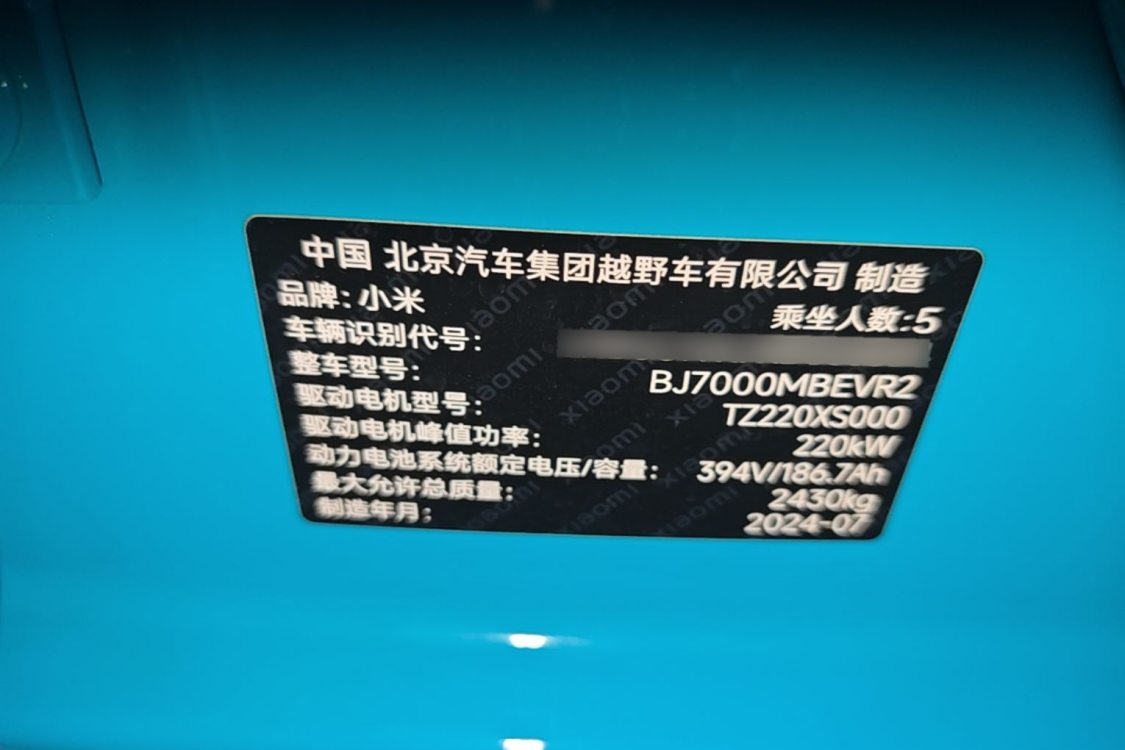
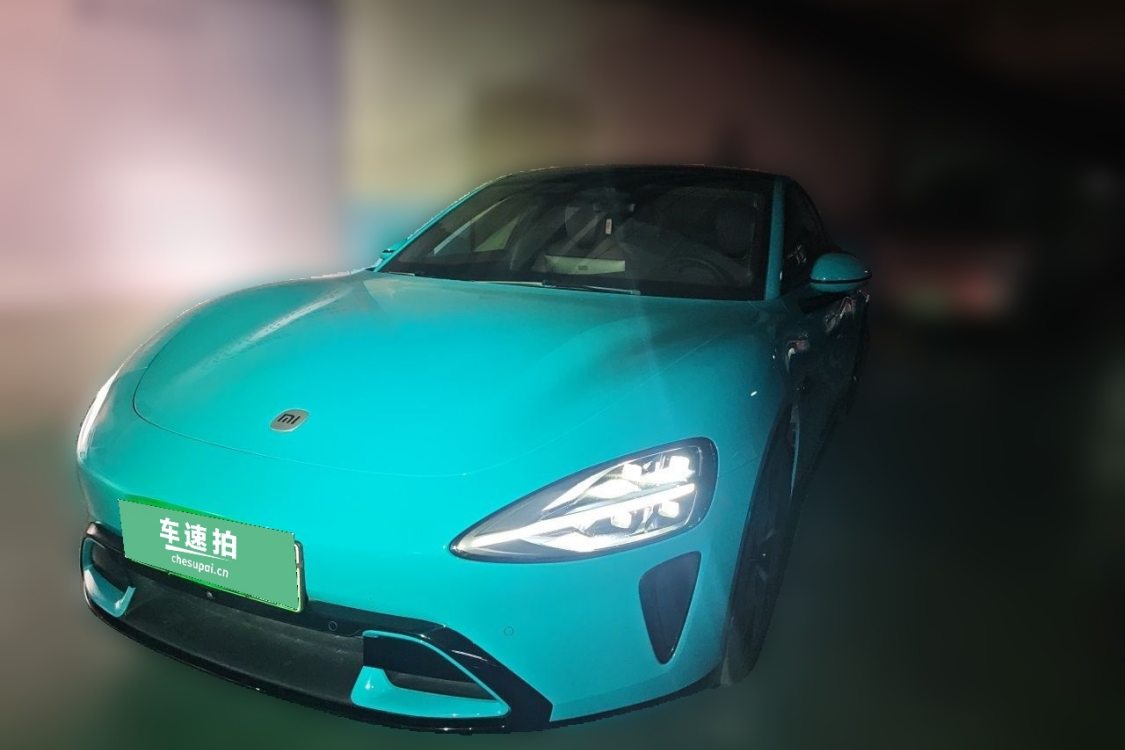
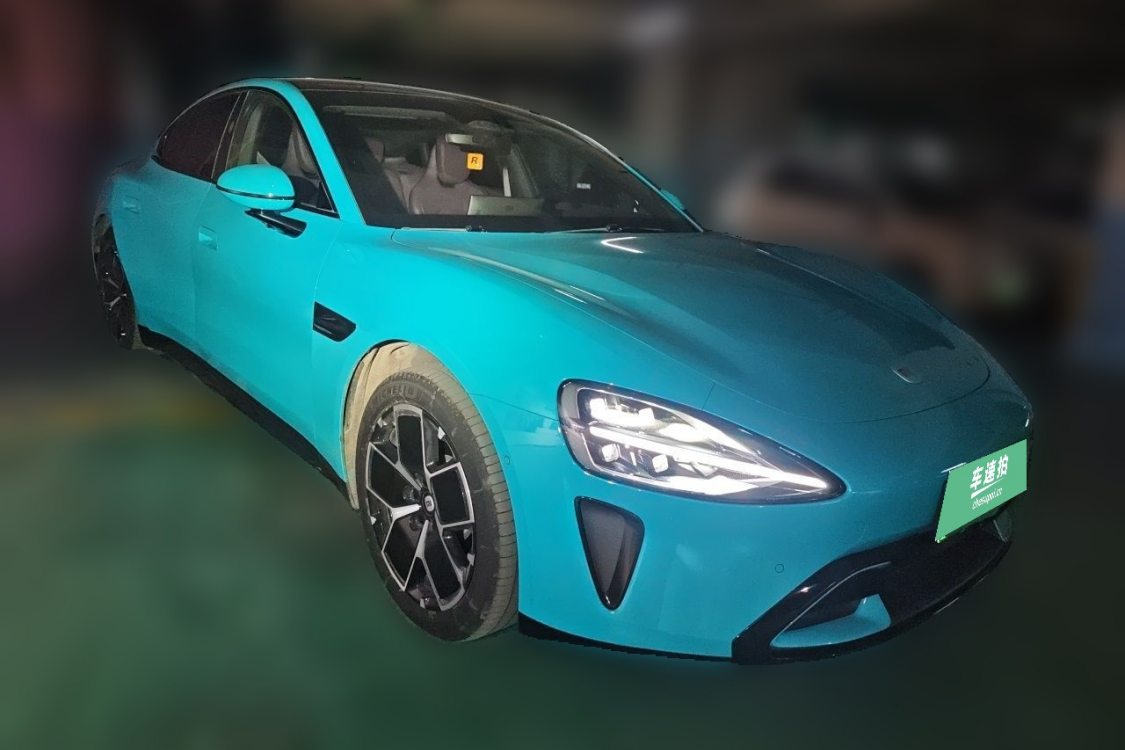
BrandMI
SeriesSU7
Year2024
First Registration2024/07
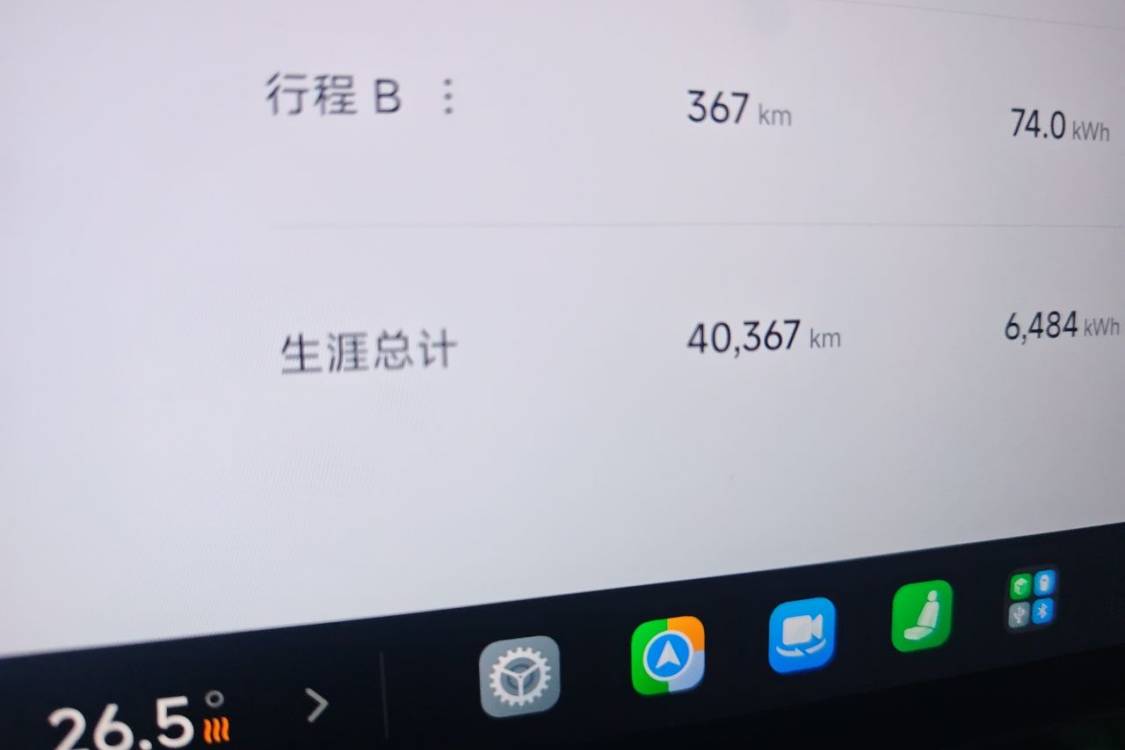
Mileage40,400km
Transfer Count-
FuelElectric
TransmissionOther
Engine-
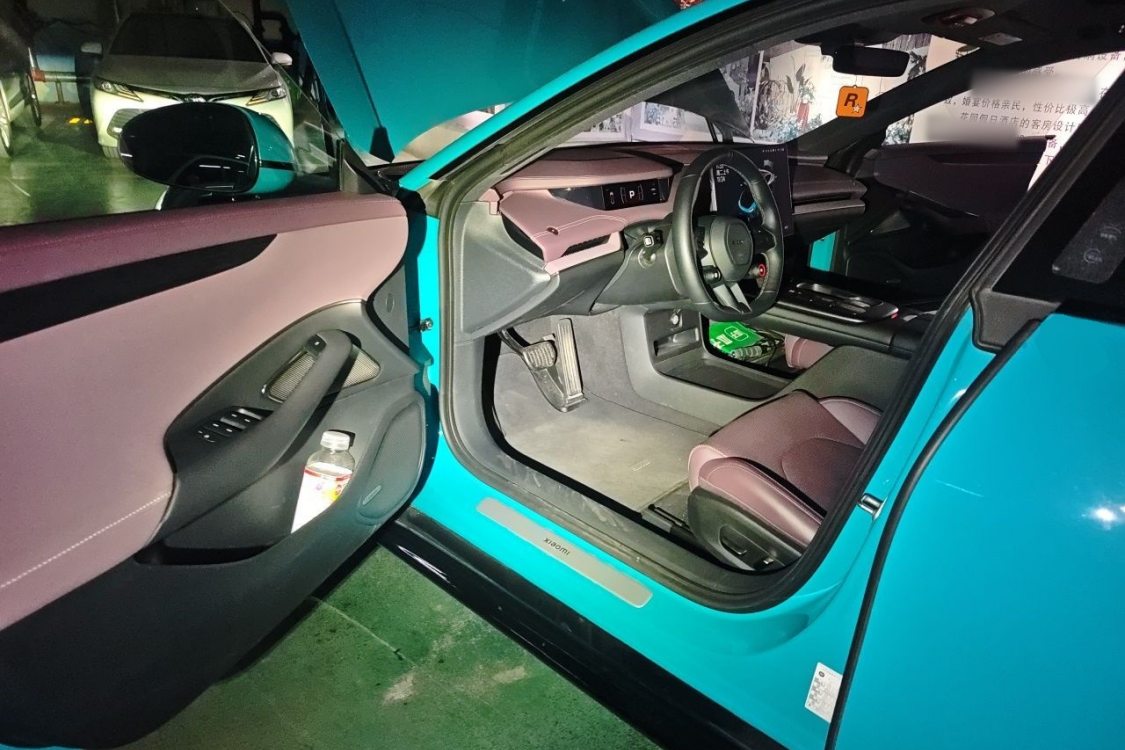
ColorBlue
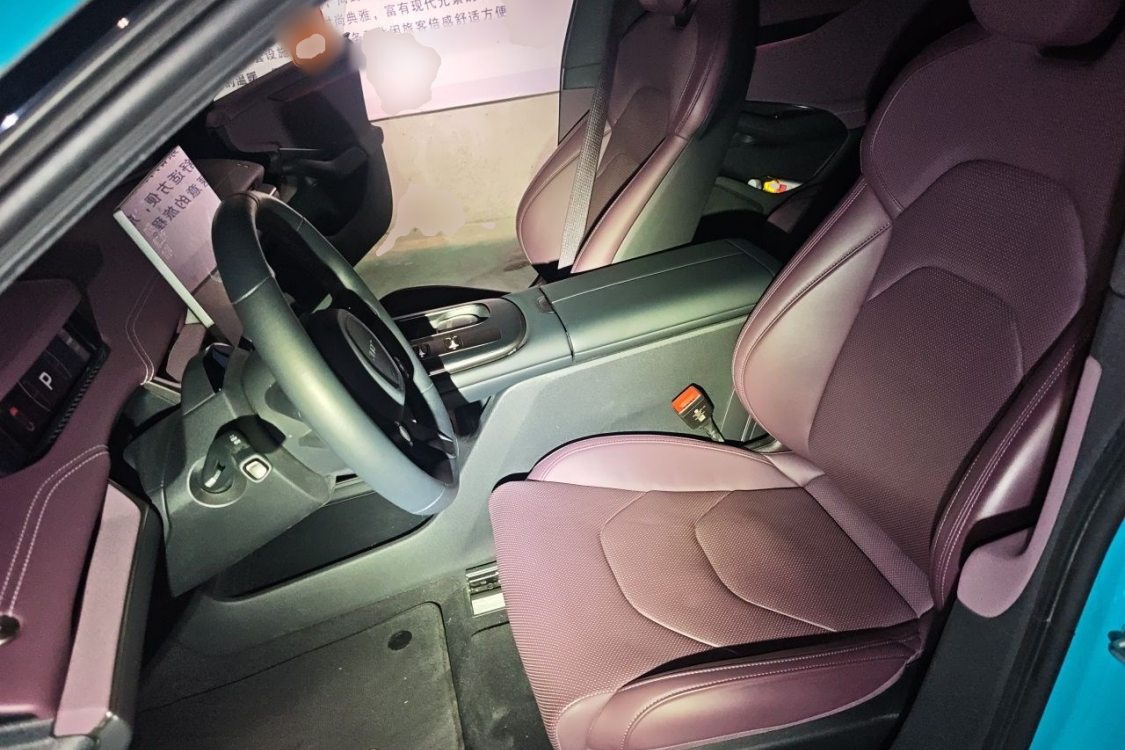
Seats5seats

Condition Description

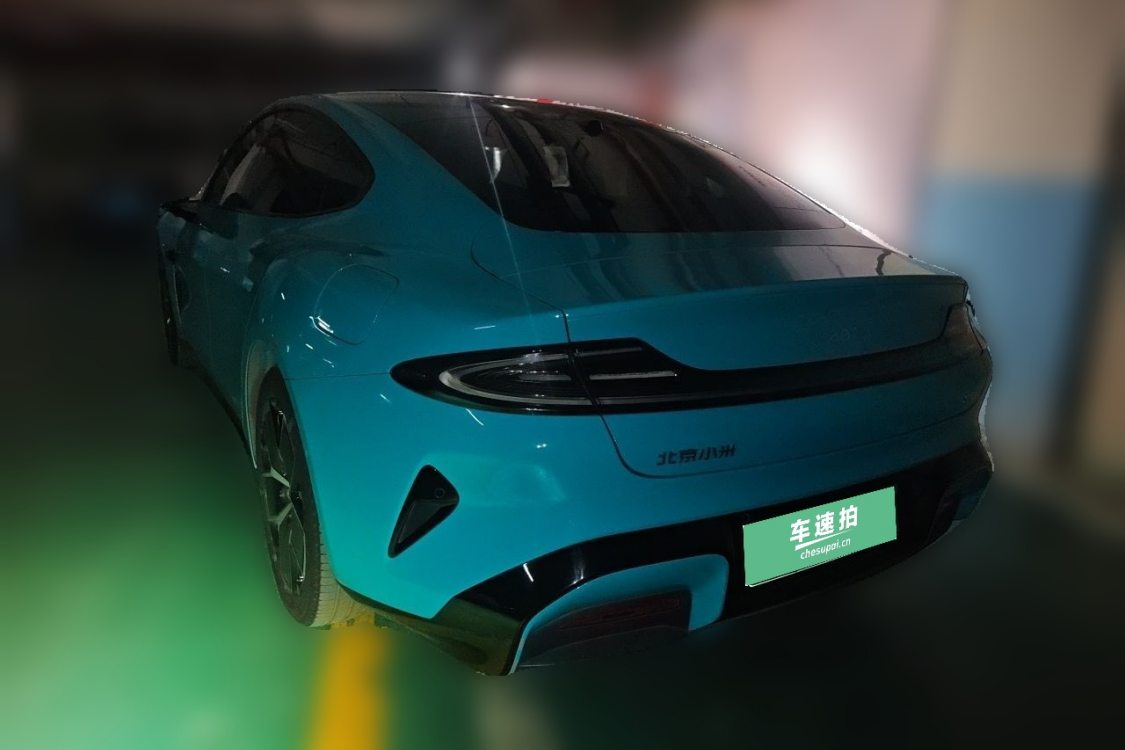
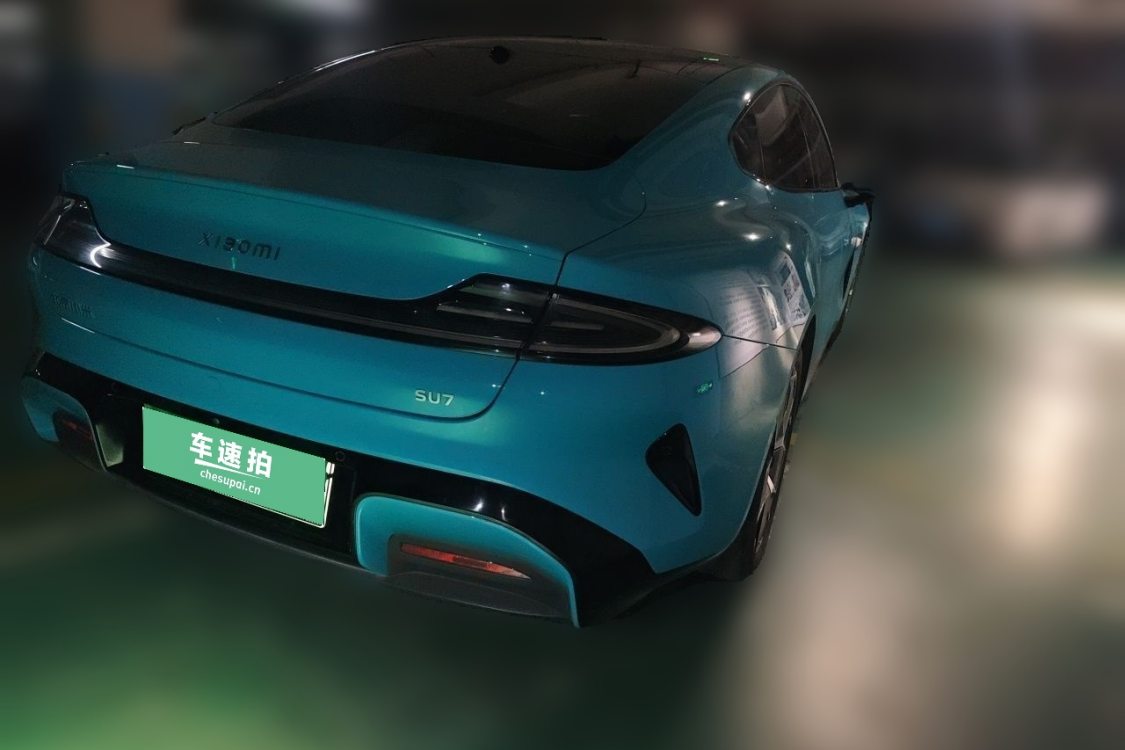
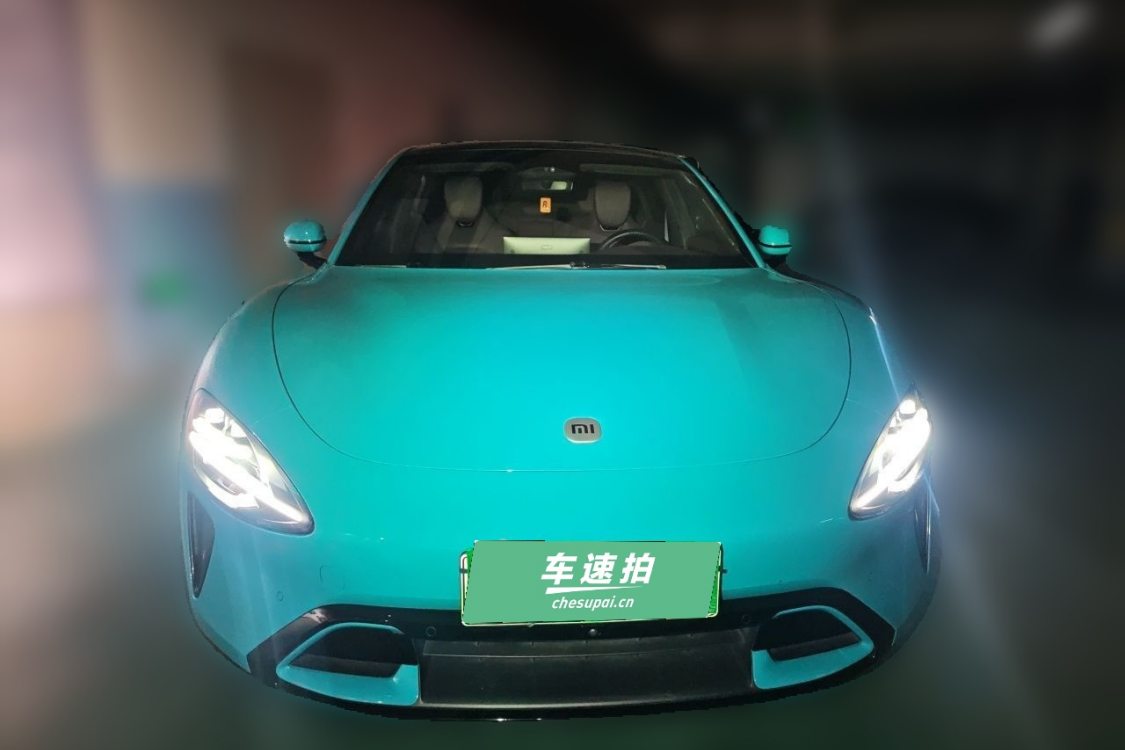
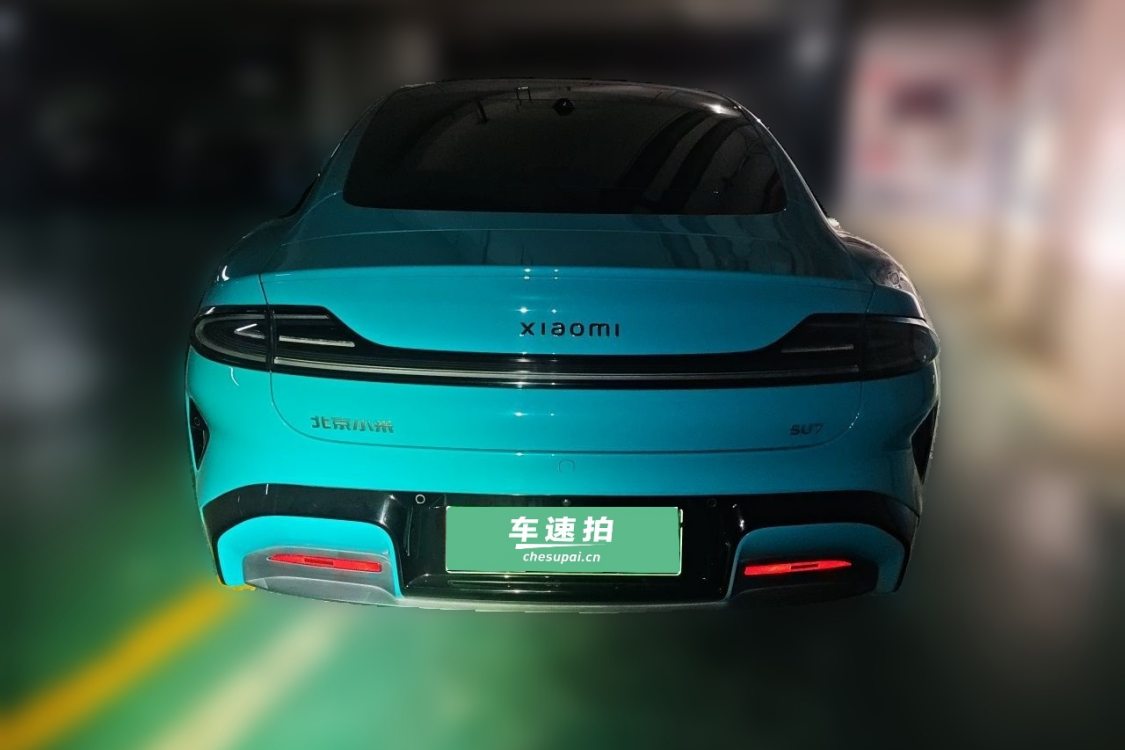
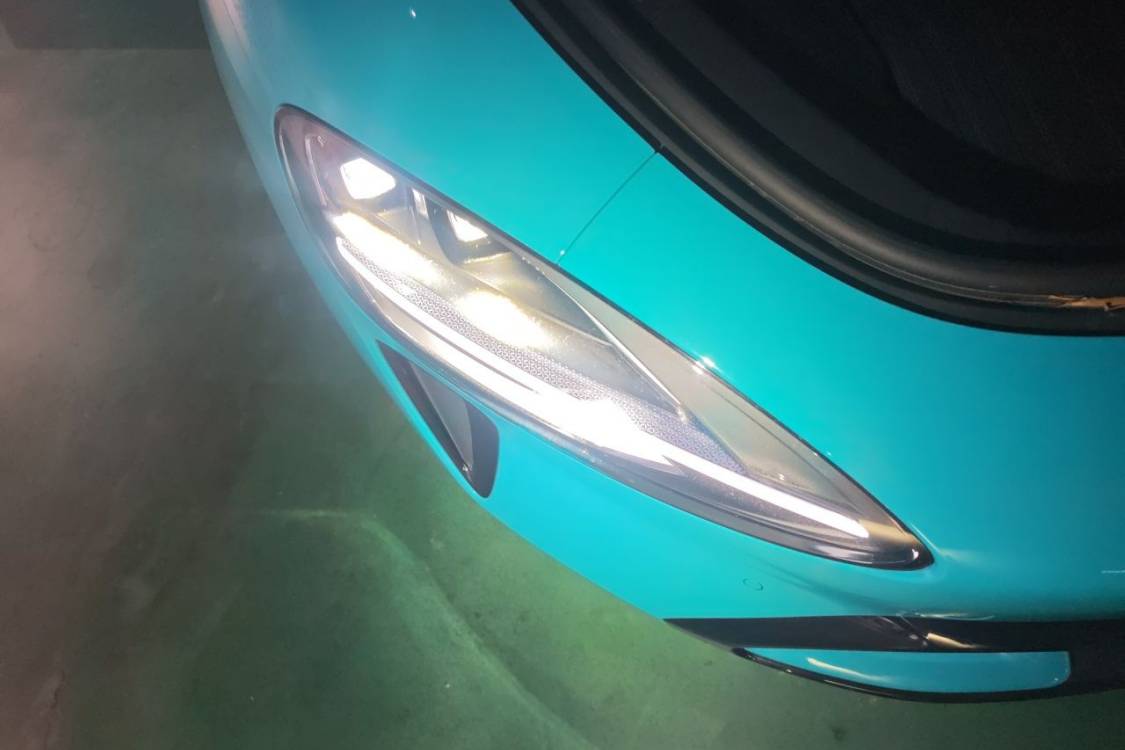
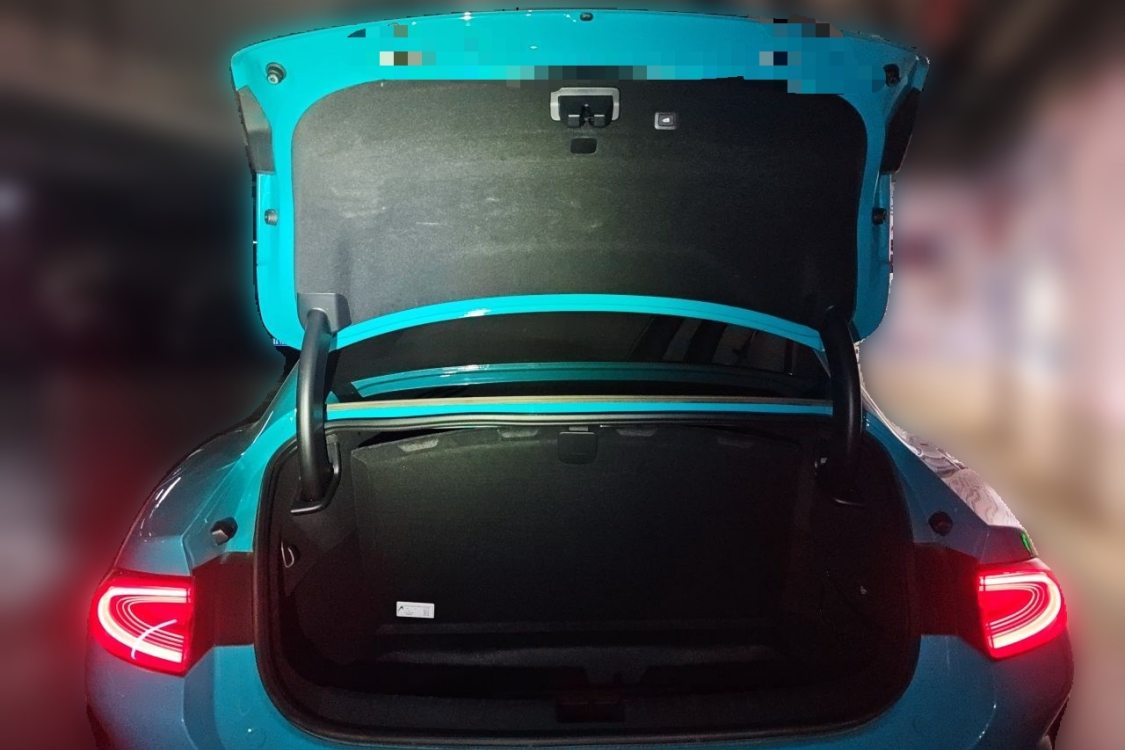
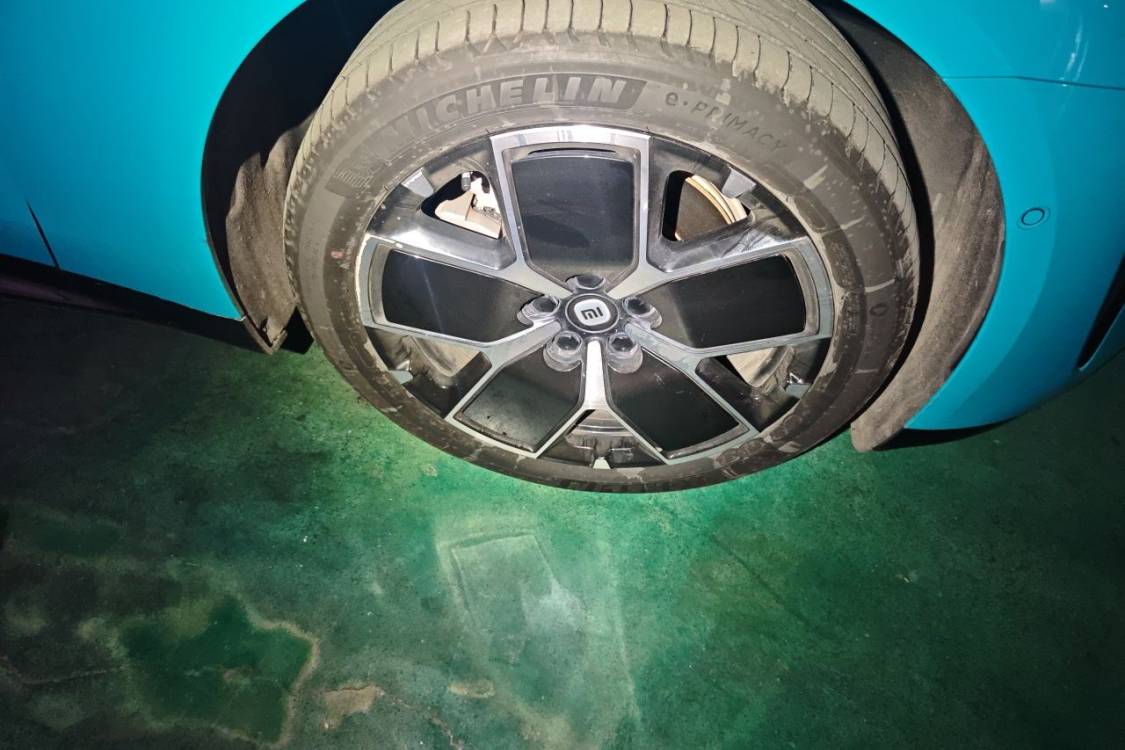
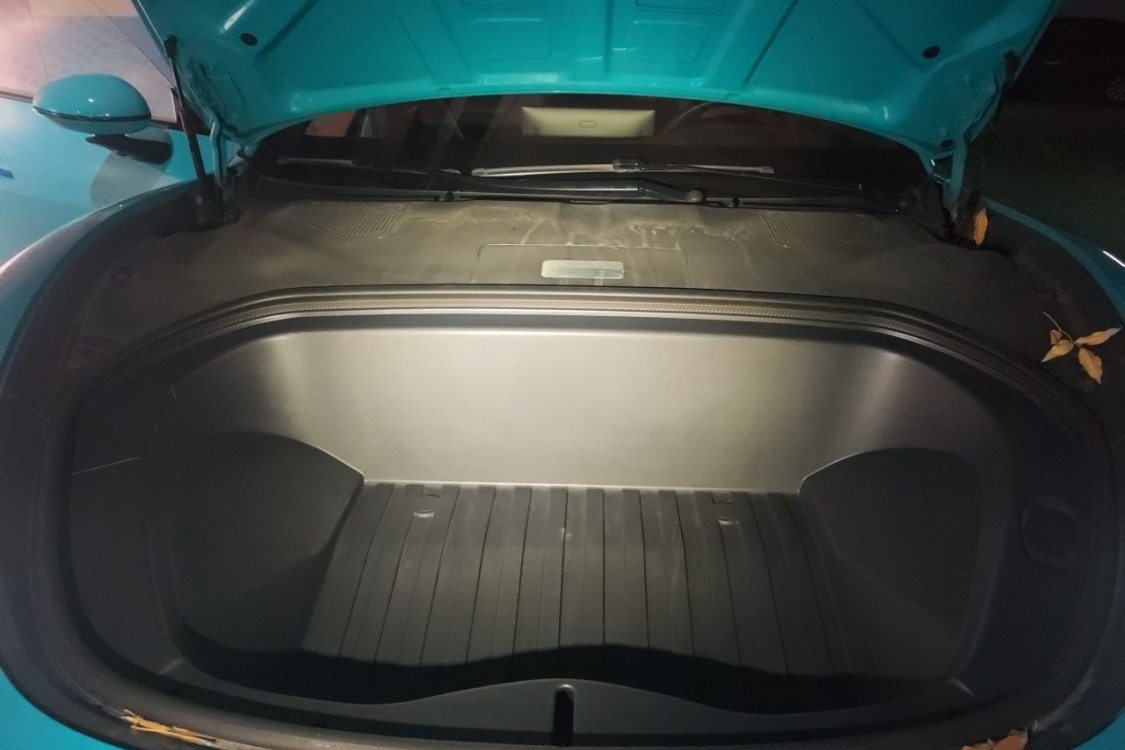
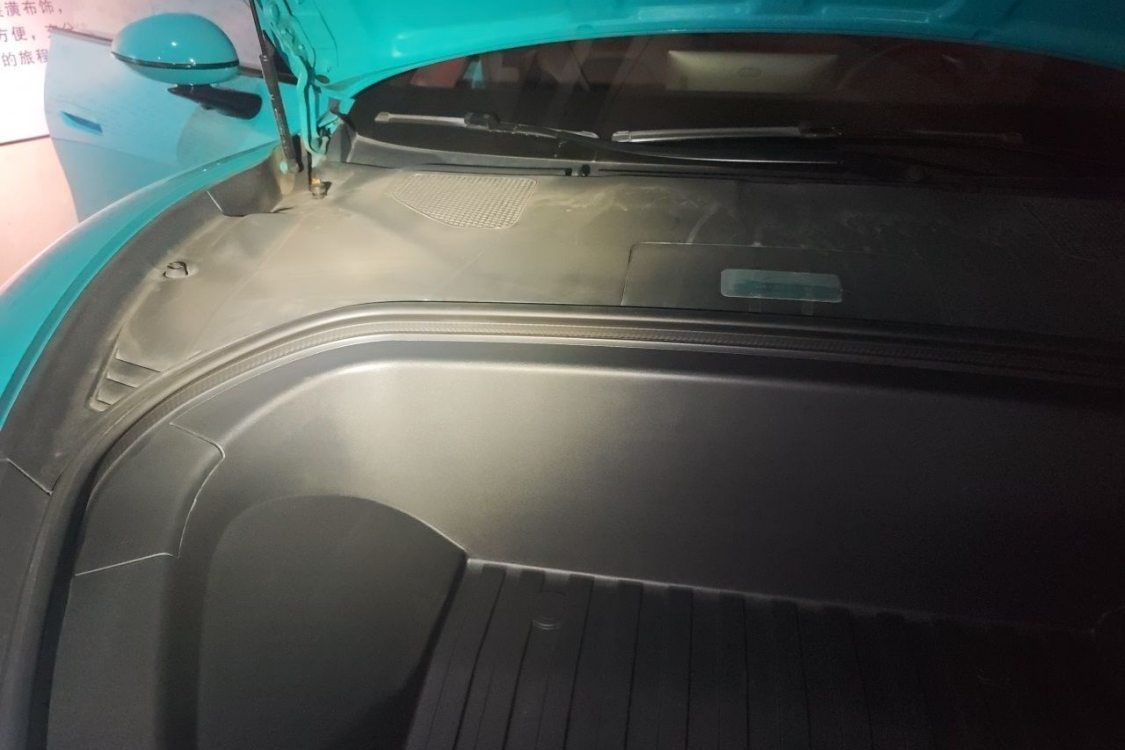
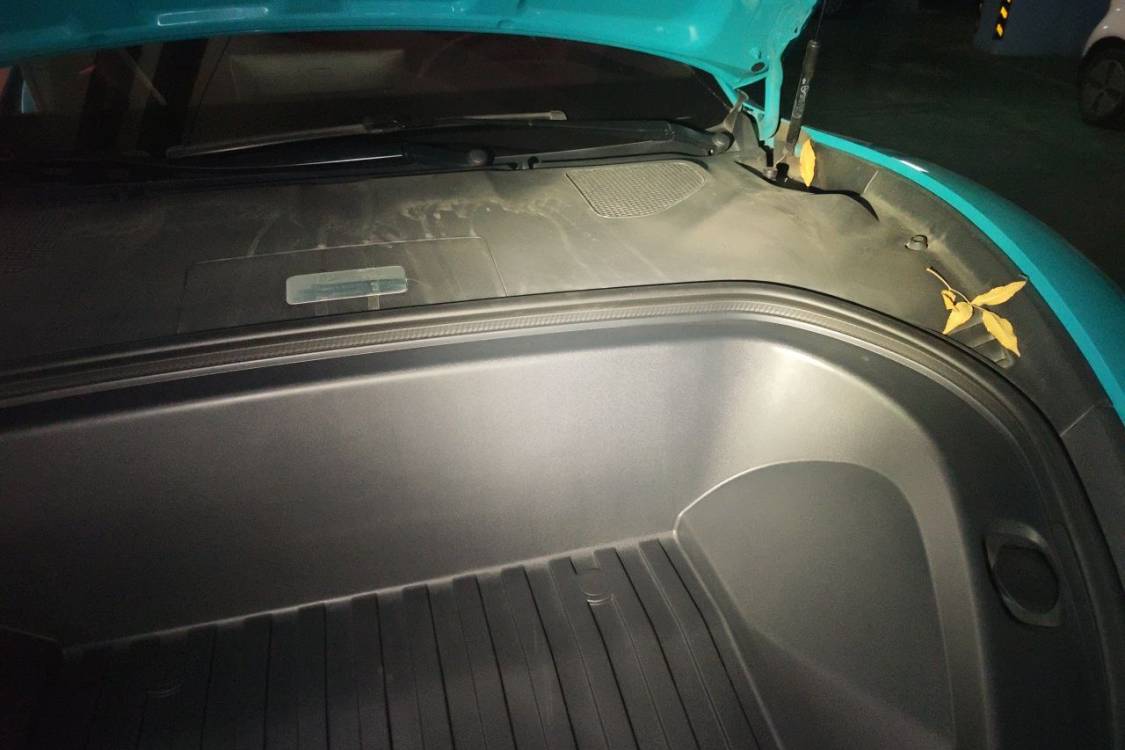
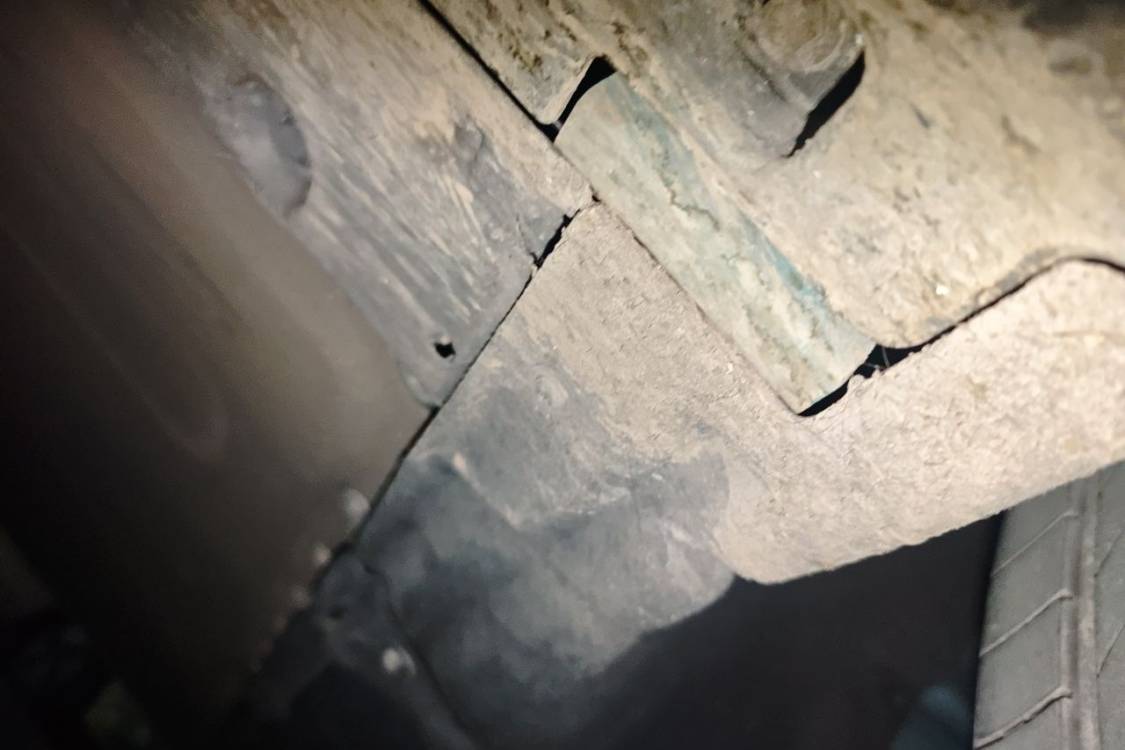
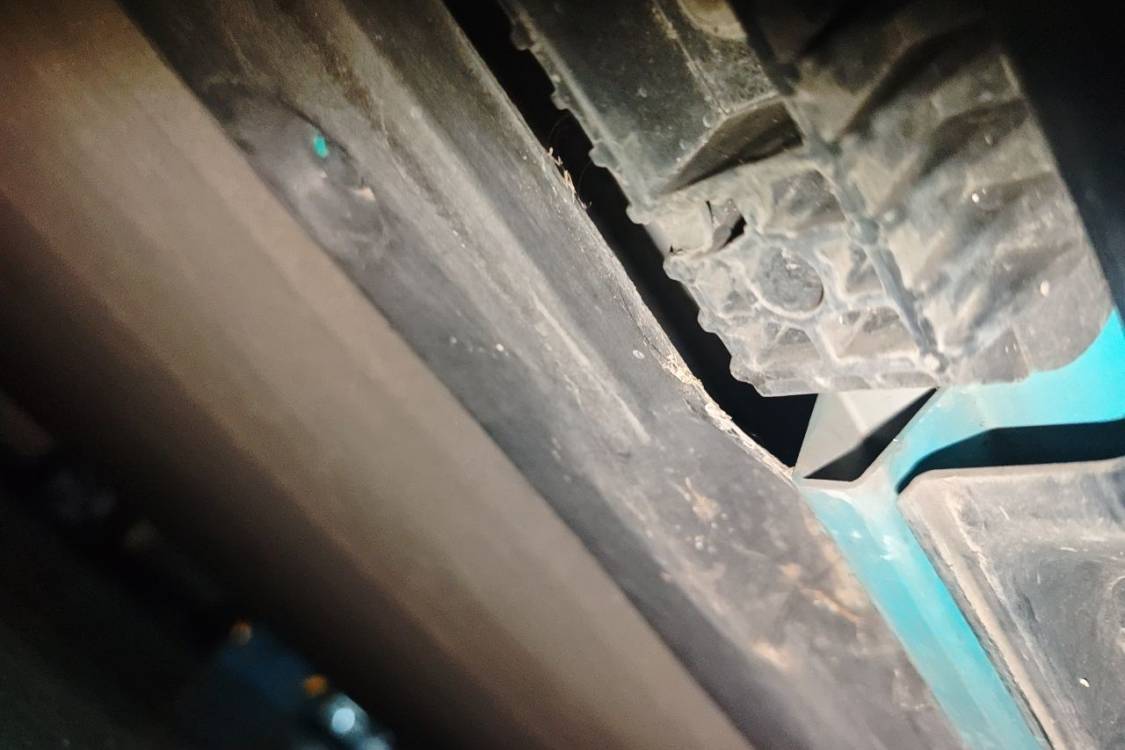
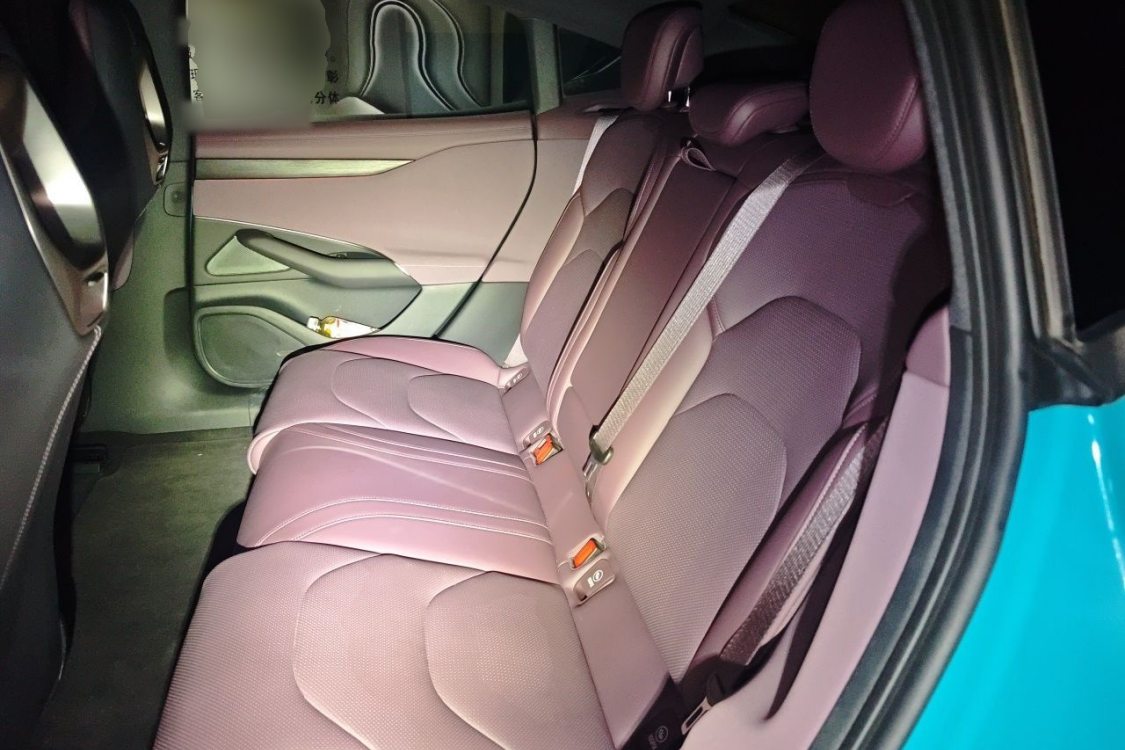
Localized body damage or repair marks present; no accident-related damage or repairs to structural and reinforcement components. Vehicle performance (including three-electric system) has degraded or is limited.

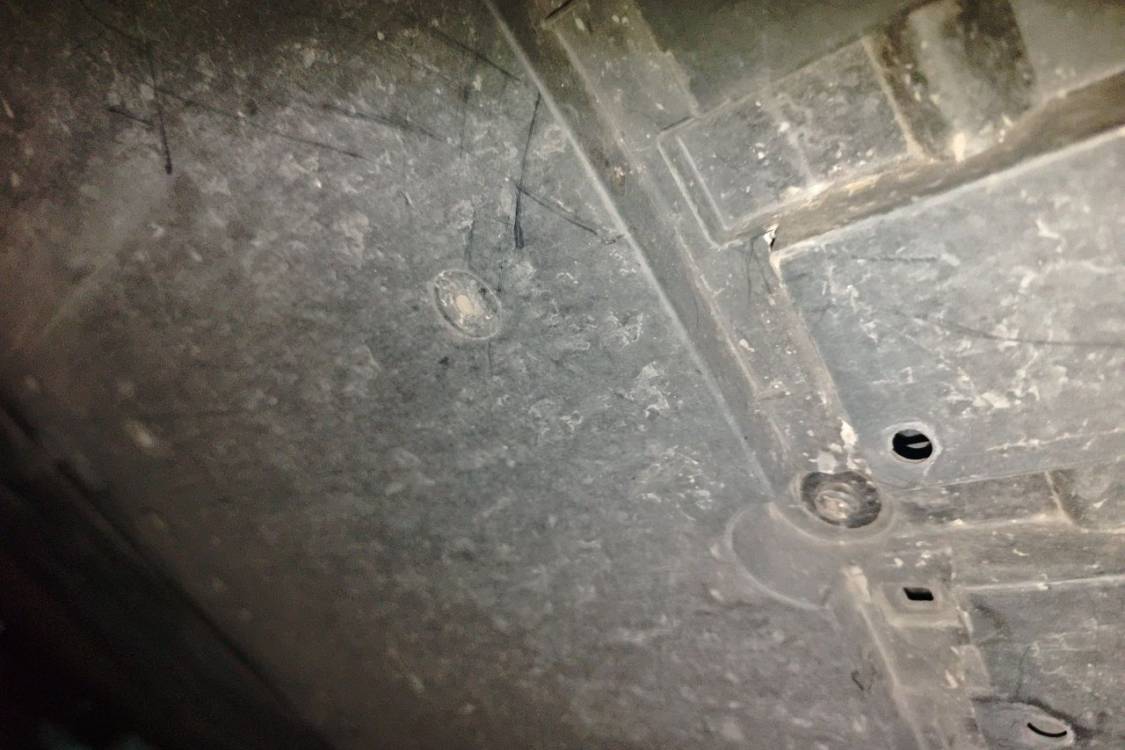
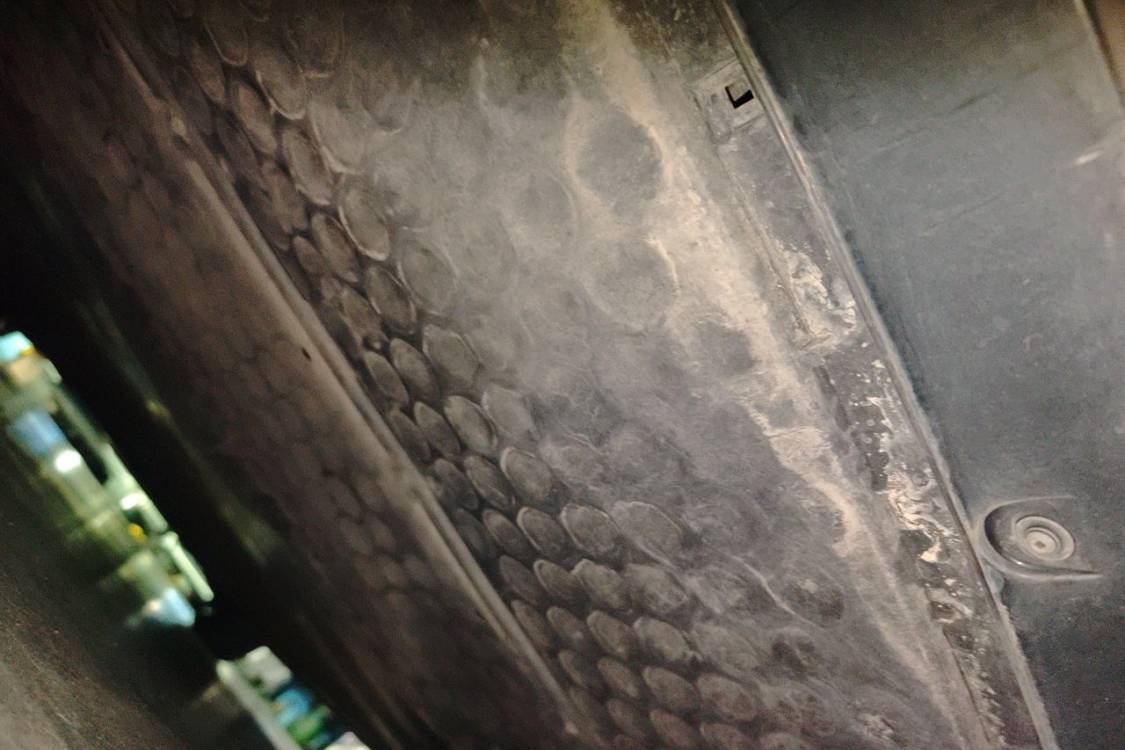
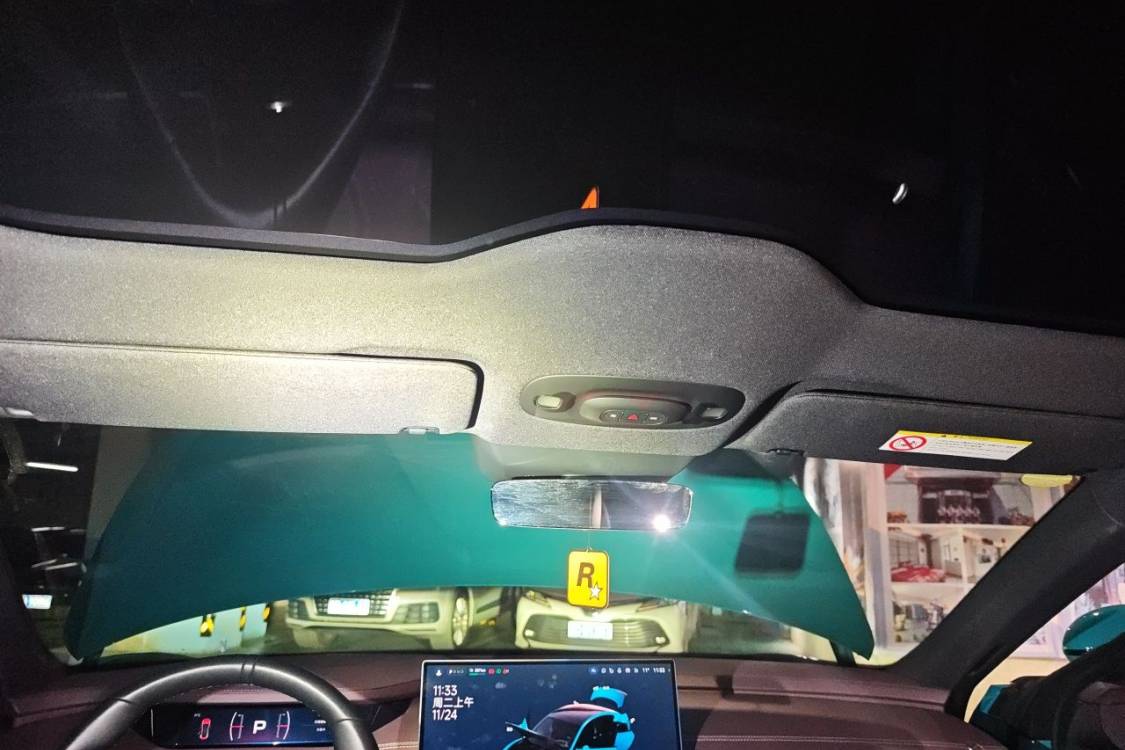
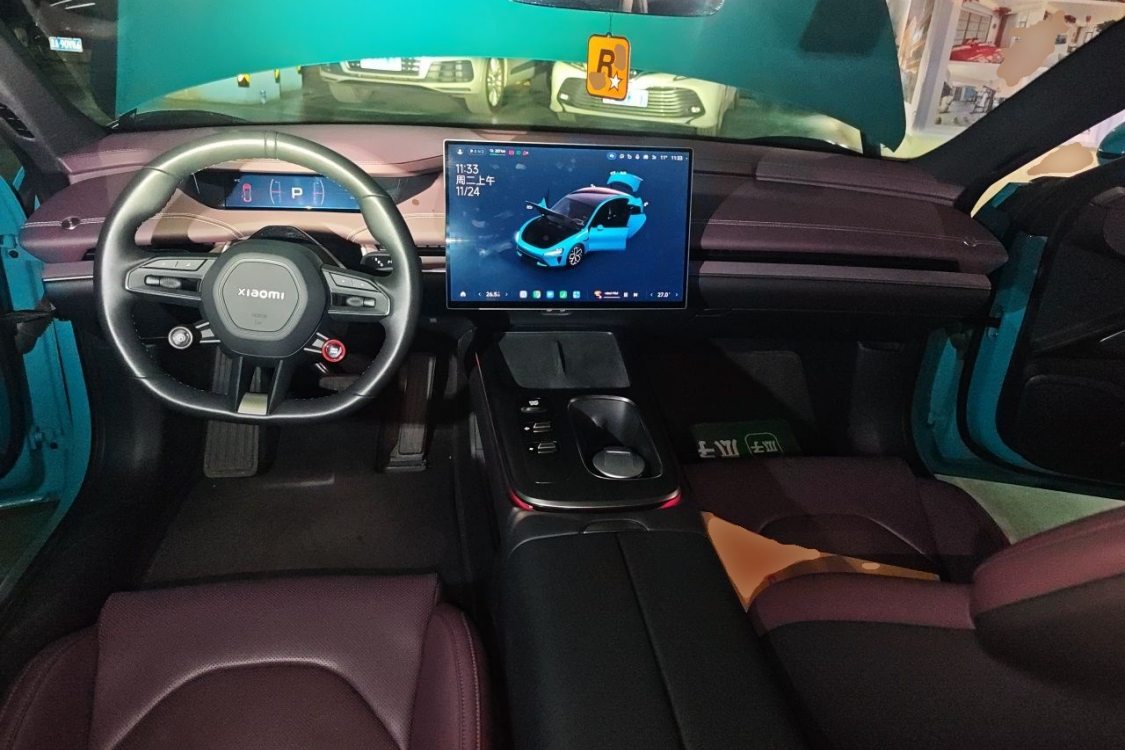
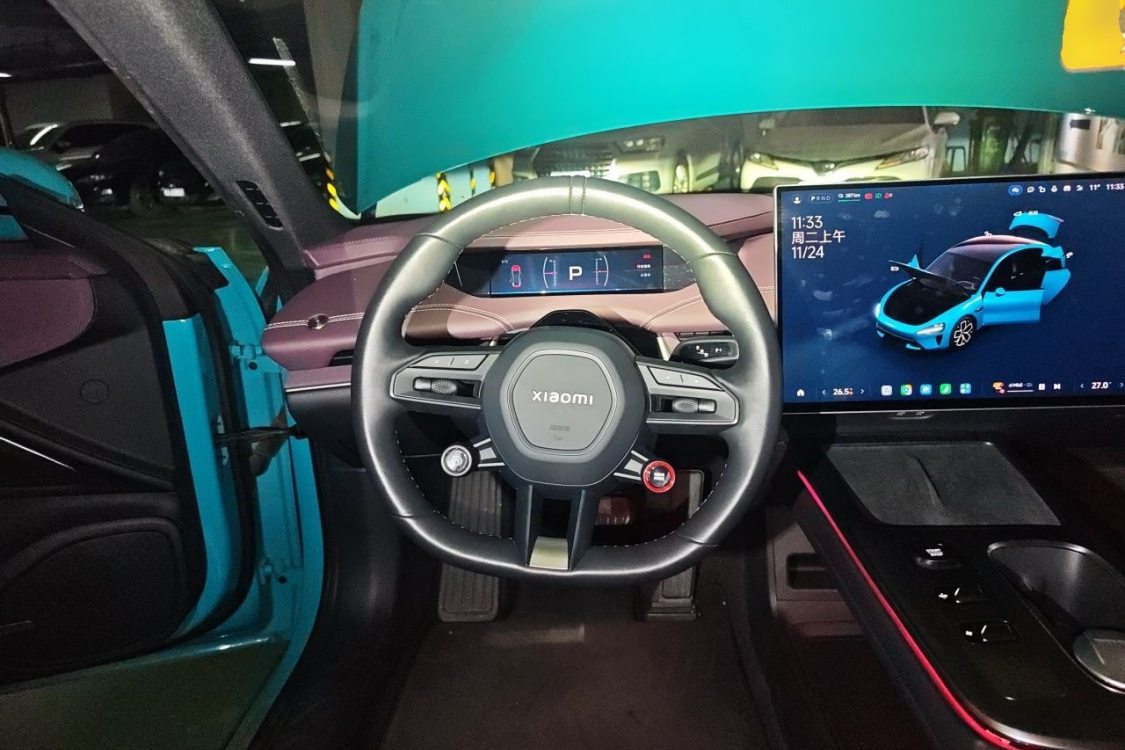
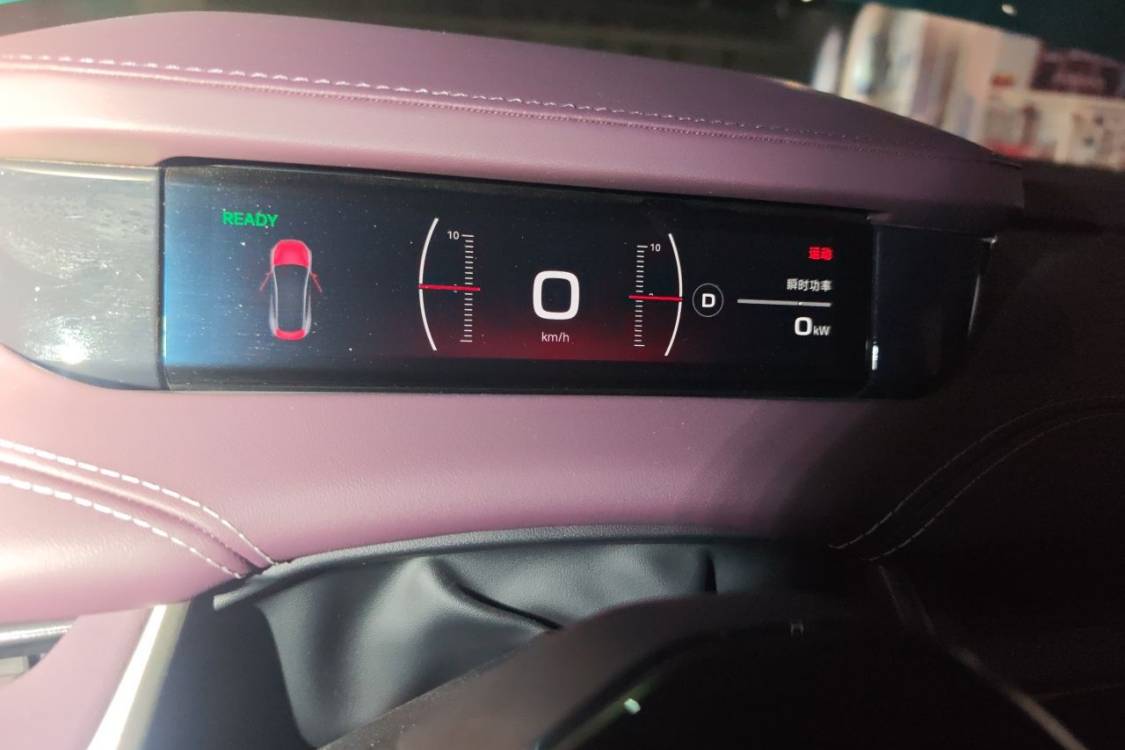
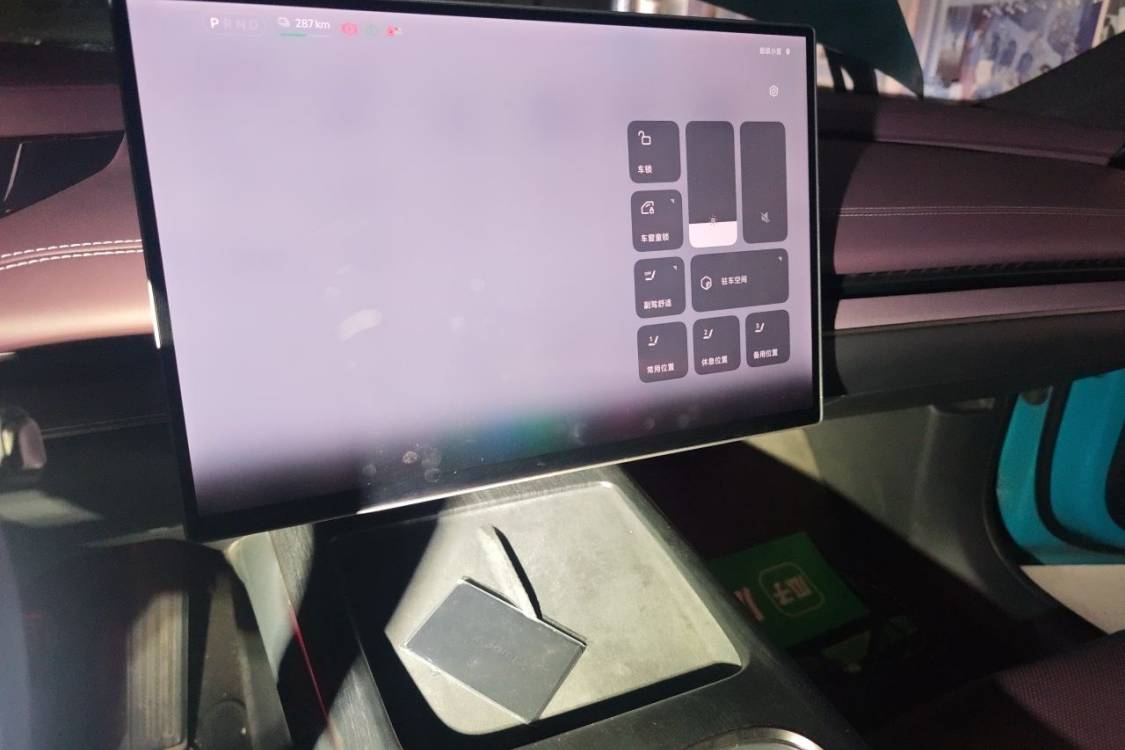
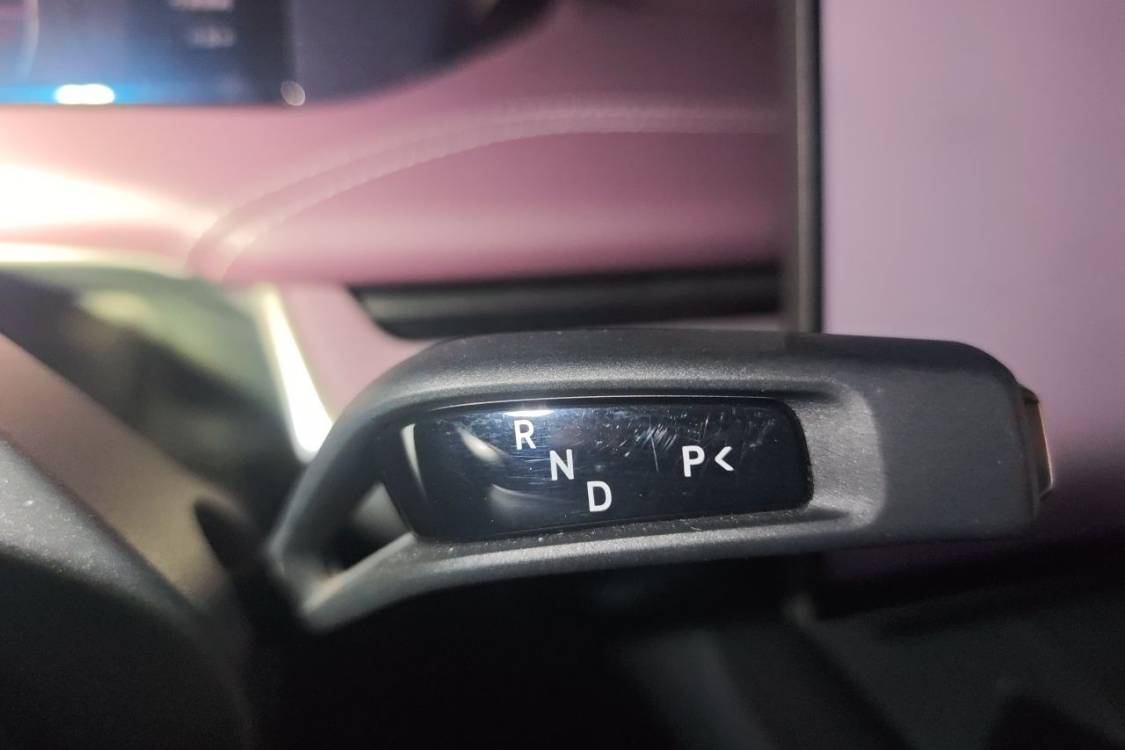
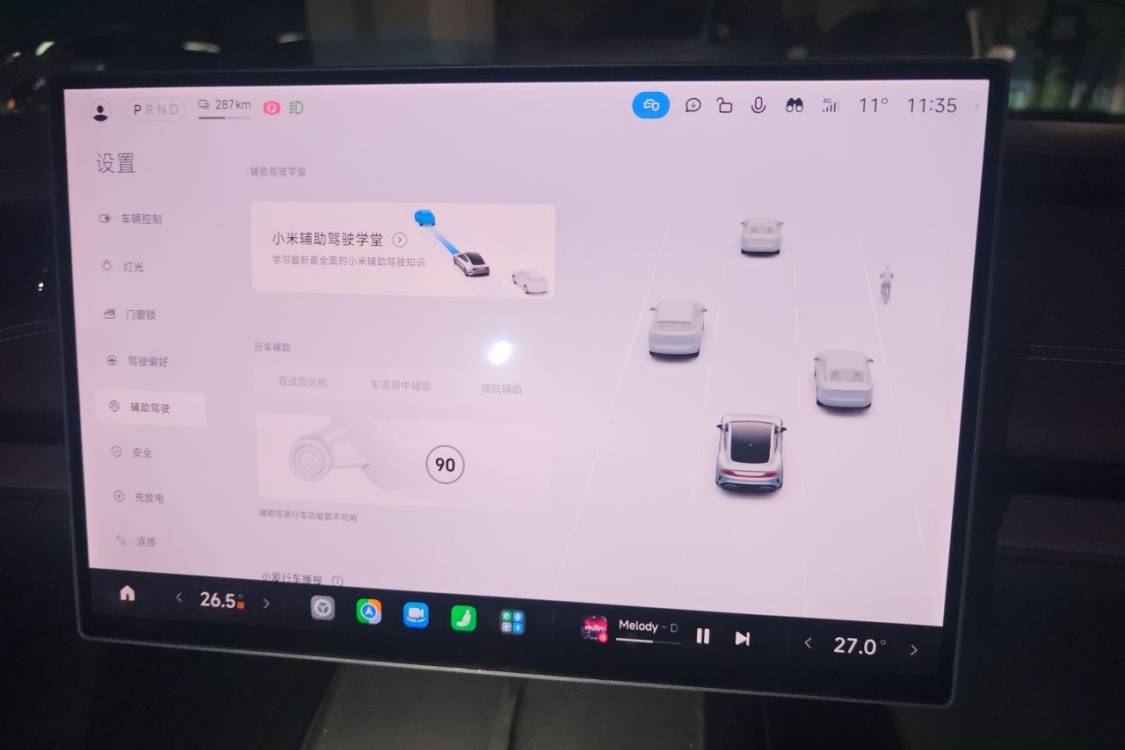
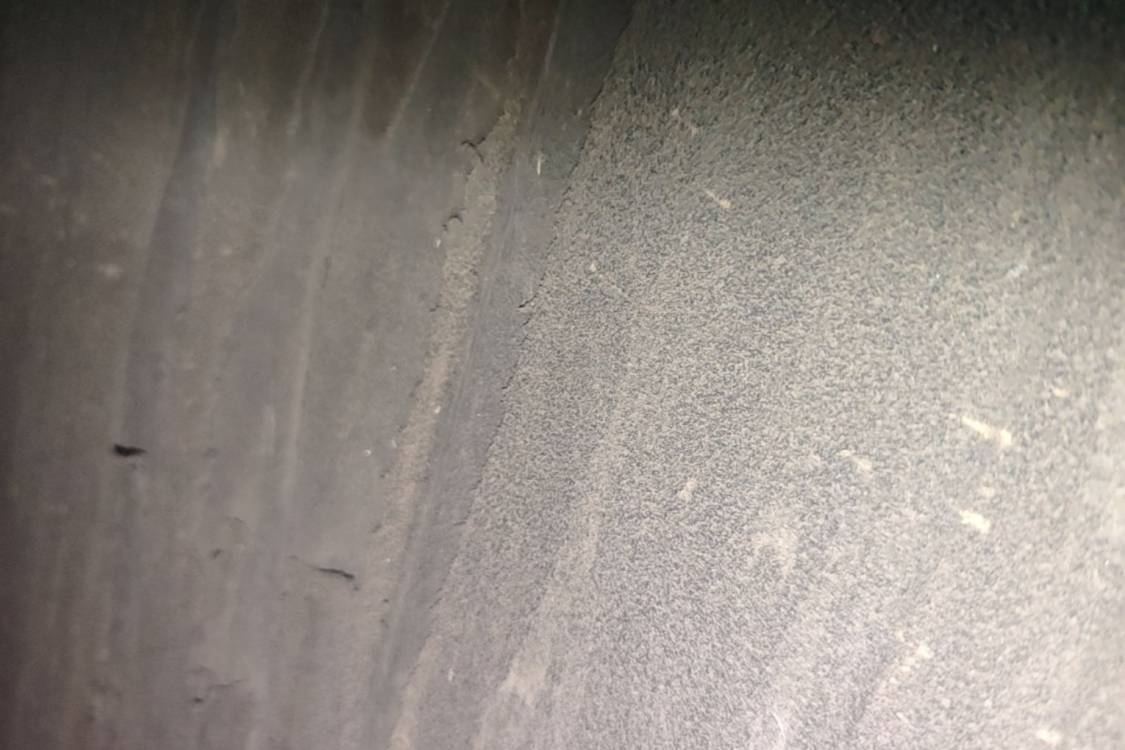
Accident inspection: no damage to main structure, reinforcement parts, or cover panels; hinges normal. Three-electric inspection: scratches on power battery box bottom guard plate and bottom plate. Engine bay inspection: key mechanical components normal. Exterior: none. Interior: most features normal; airbag, seatbelt, instrument cluster, and instrument readings normal; lighting system normal. Start-up inspection: major components normal. Onboard tools: none.
独家上新
电话直连
可讲价
平台物流
可转售
新能源
零过户
新检测标准升级>
非泡水

Document Information

Inspection Expiry Date2027/07
Warranty Expiry Date-
Insurance Expiry Date2027/07

Q&A

More

What is demurrage? How to avoid it?

Demurrage is a penalty charged by the port or shipping company for not clearing and picking up goods on time after they arrive. To avoid it: send customs documents in advance and ensure the recipient is prepared with duties and import qualifications.


How do I evaluate rust and corrosion on a used car from China, especially for coastal cities or snowy regions?

Rust is a deal-breaker that photos can hide, so be systematic. High-risk areas to check: 1. Underbody and frame rails—surface rust is normal, but flaking or bubbling paint means advanced corrosion 2. Wheel arches and rocker panels—these trap mud and salt 3. Door bottoms and the trunk floor—water collects here; lift the trunk mat and look for dampness or repair welds 4. Around the windshield and sunroof drains—leaks cause hidden rust in the A-pillars Ask the inspector to do a magnet test: filler-repaired areas won't hold a magnet, indicating past accident repairs. A paint thickness gauge reveals resprayed sections—uniform readings around 80-150 microns are normal; spikes over 300 suggest bodywork. Cars from northern China (salted roads in winter) or coastal cities need extra scrutiny on the underbody. If structural members show corrosion, walk away—repairs rarely restore original strength.

Can the used cars you export meet the SASO certification or GSO standards required by the Middle Eastern market?

It must be stated objectively: used cars in China are produced according to national standards (GB) and have not been originally certified by Saudi SASO or GSO of Gulf countries. Buyers must find a local agent with customs clearance capabilities to complete the clearance through exemption documents or compliant modifications after arrival (such as wrapping or adding specific alarms).