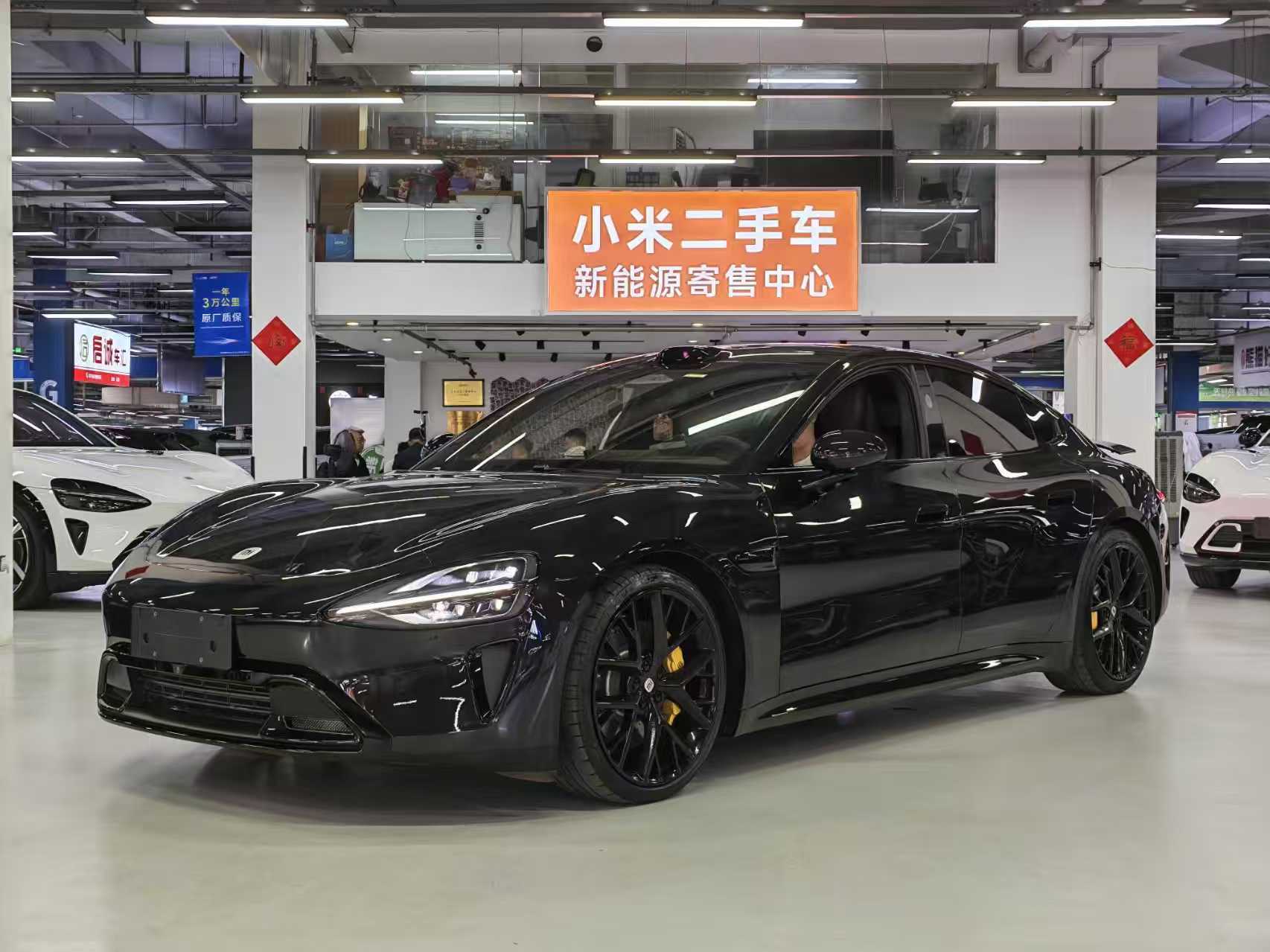
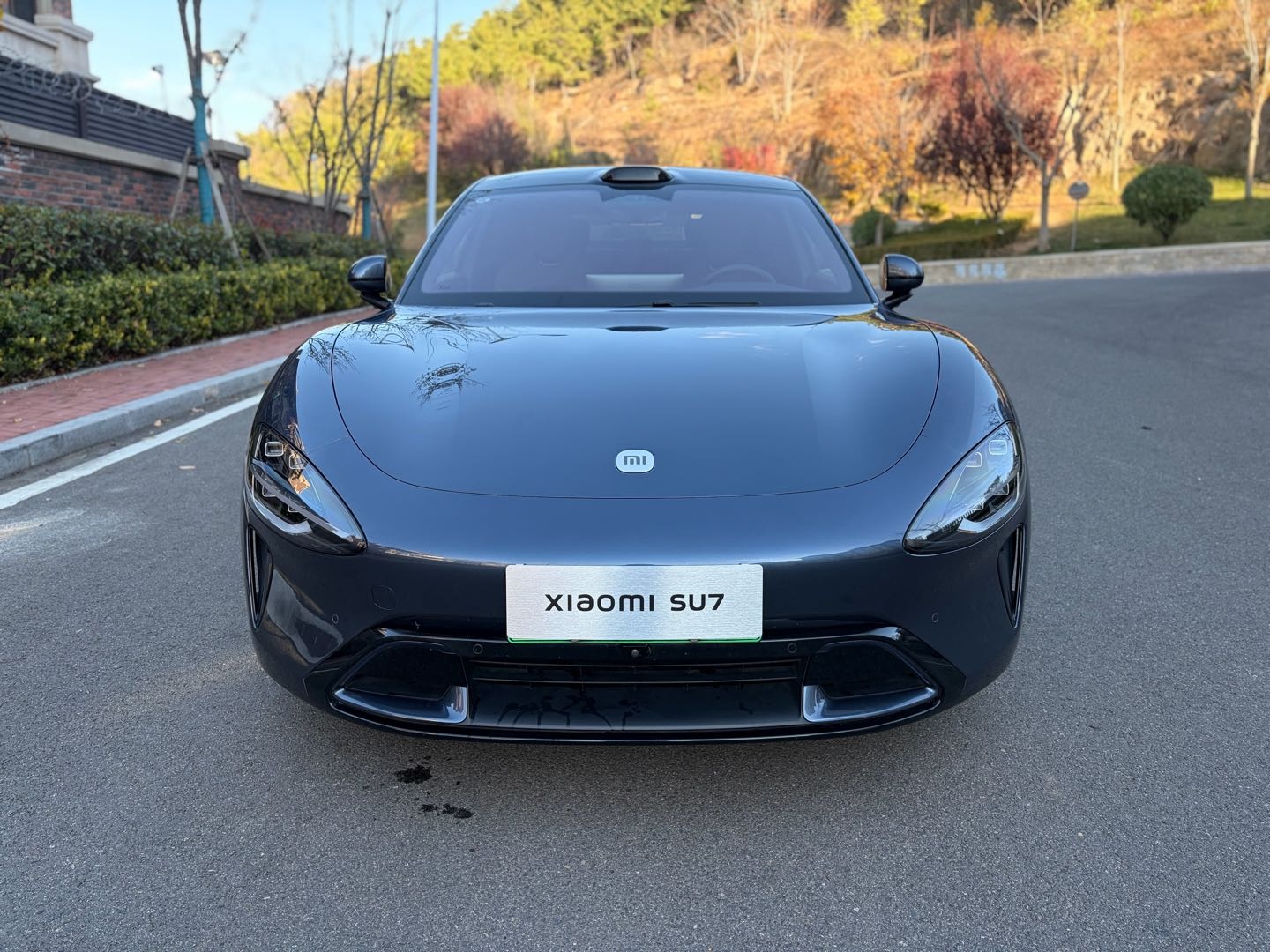
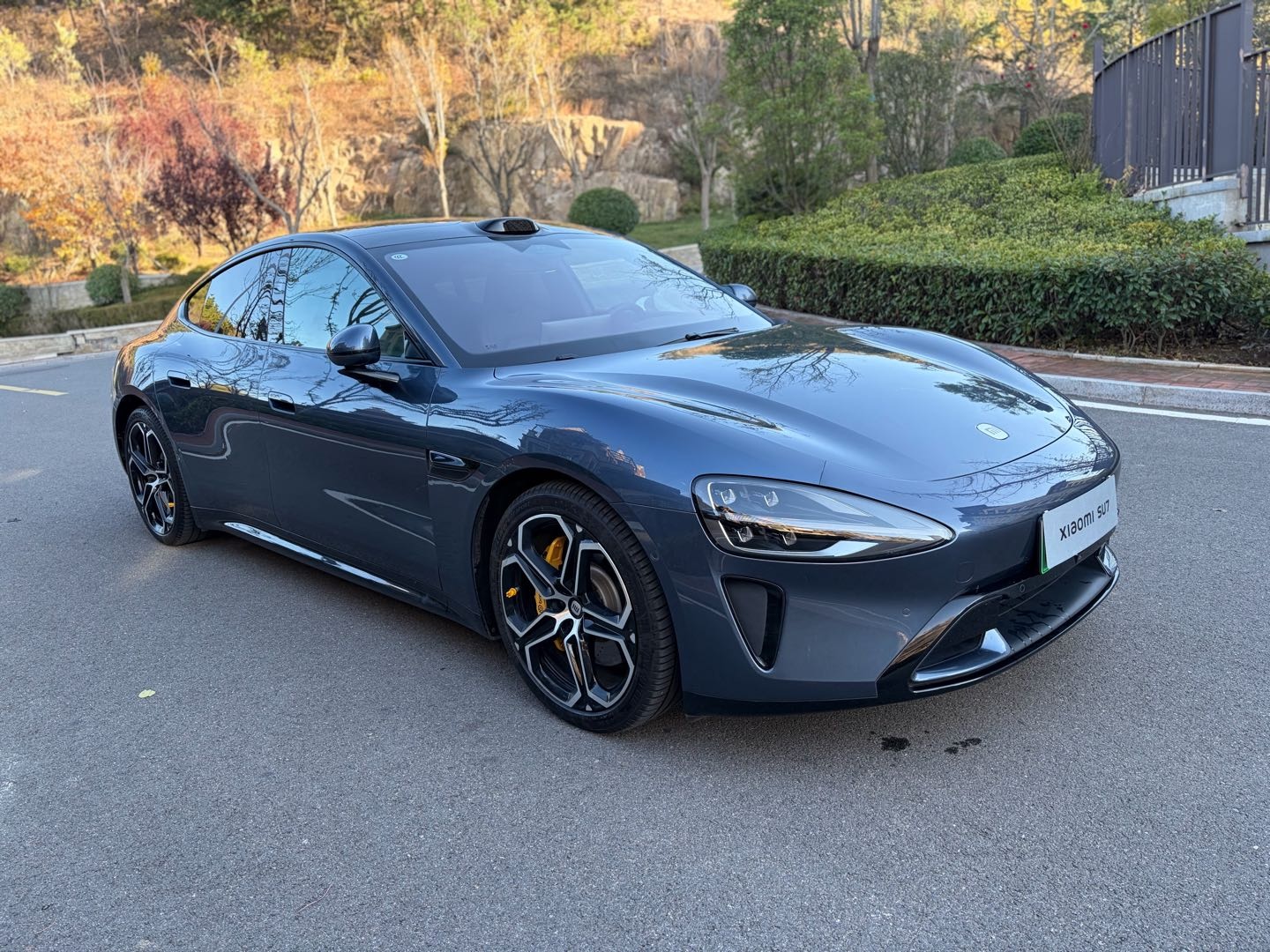
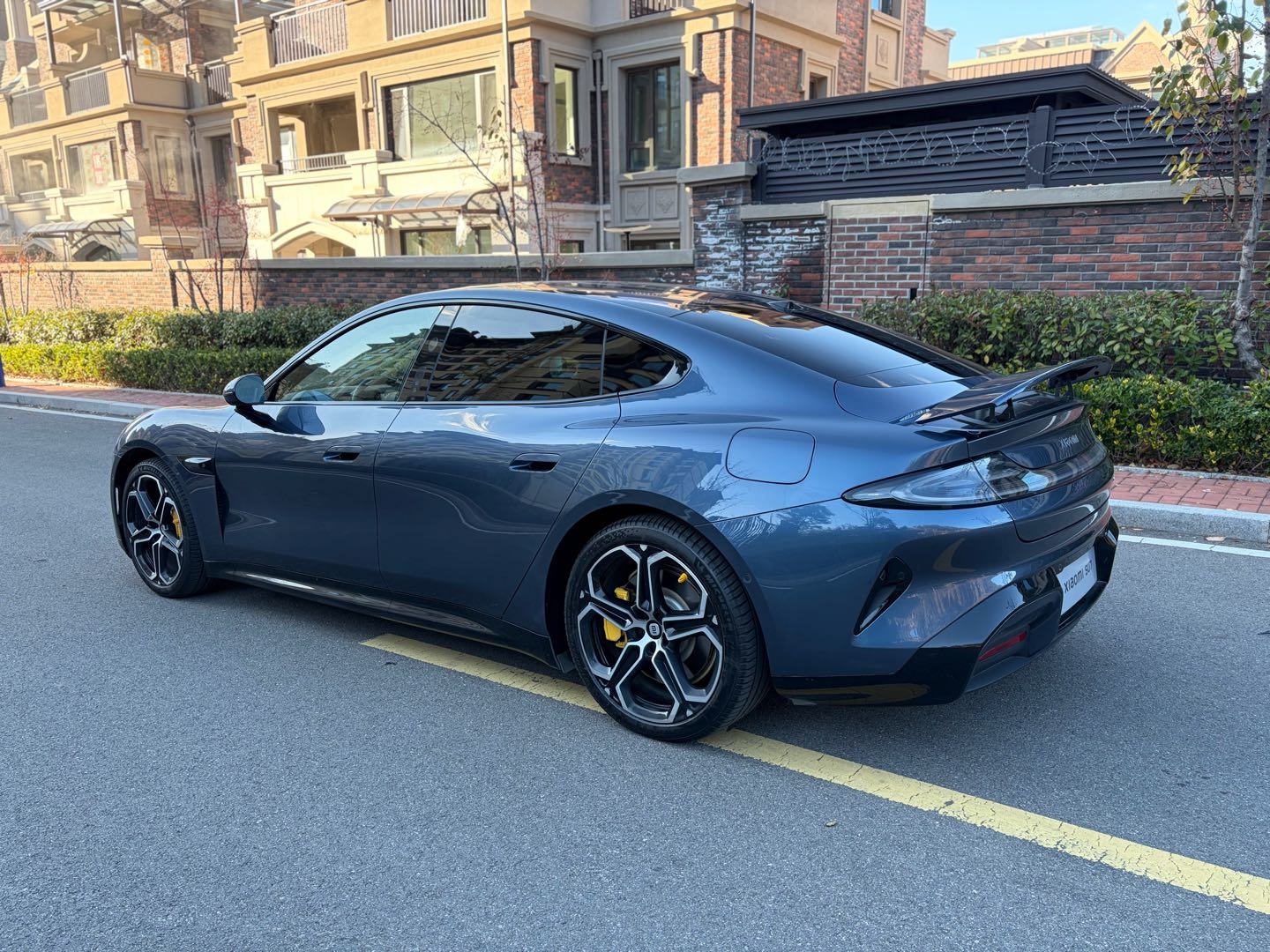
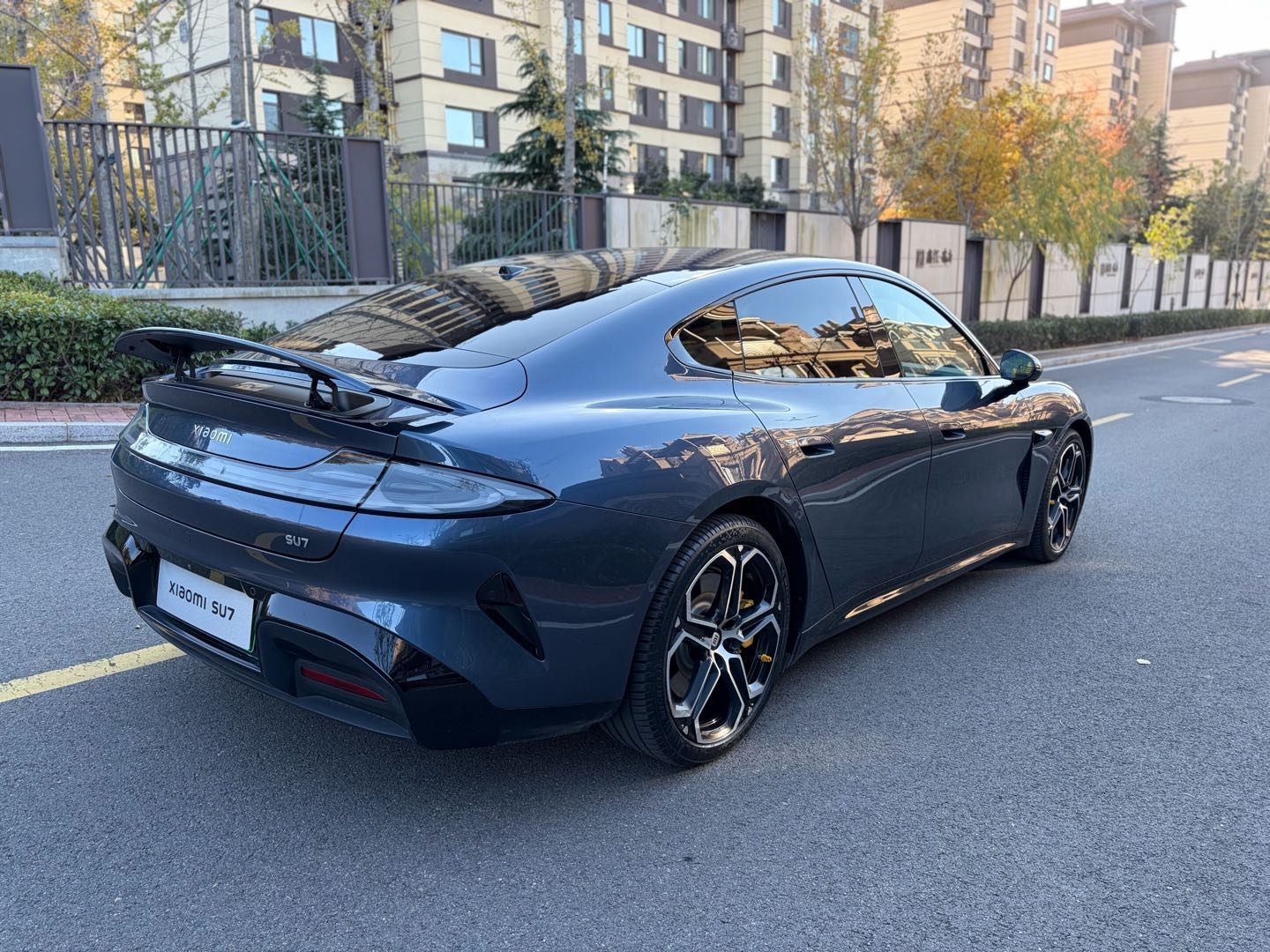
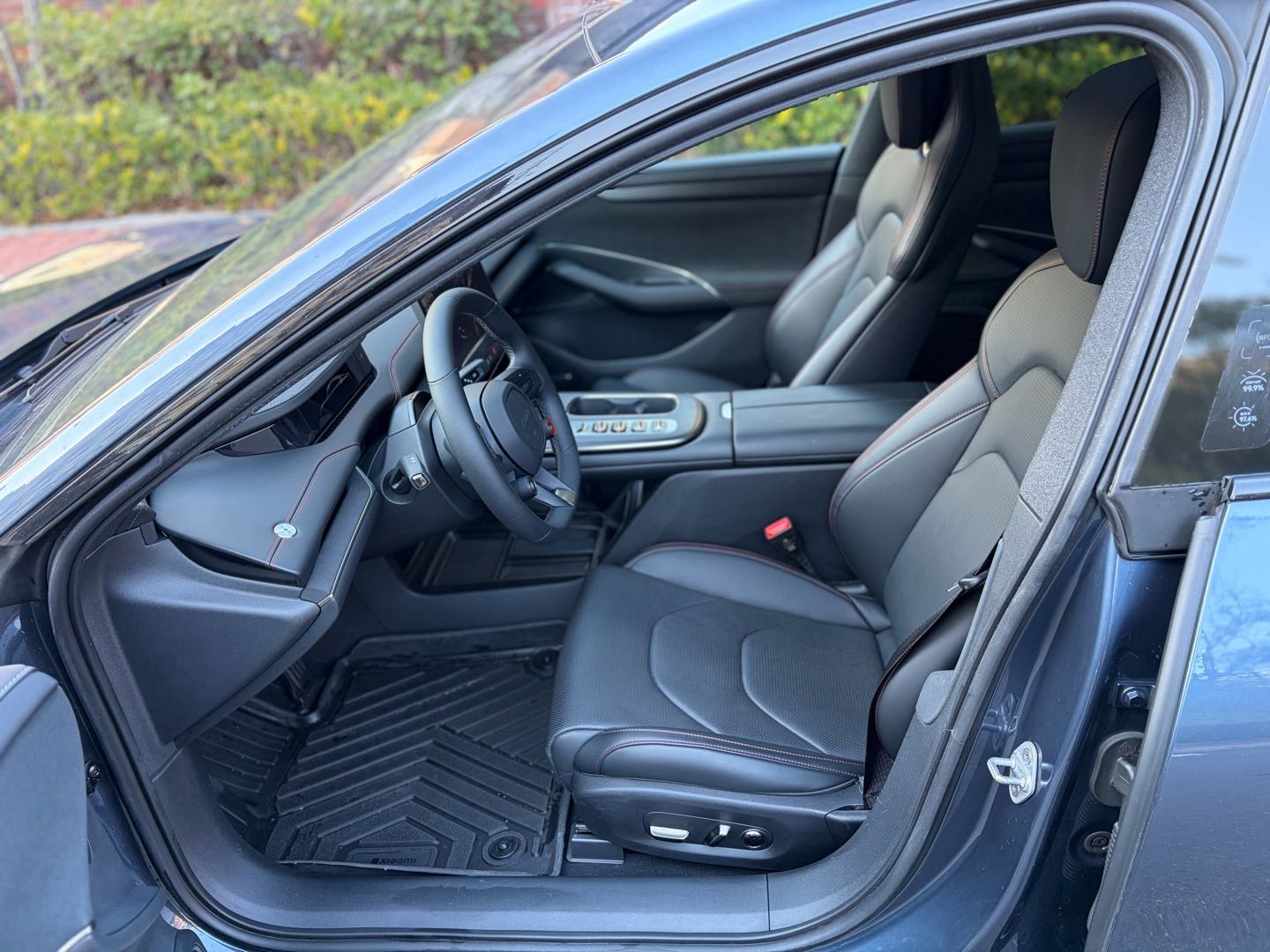
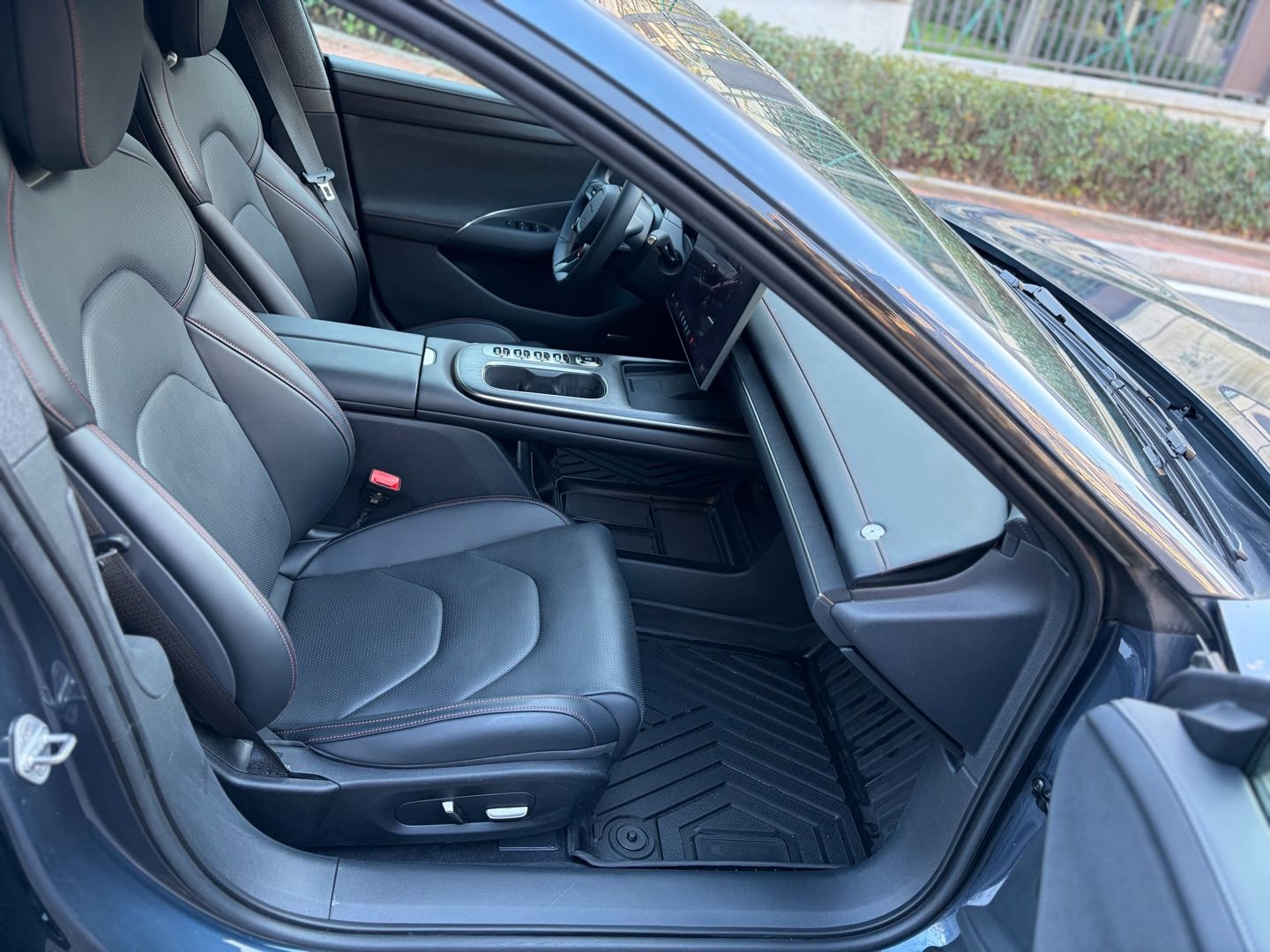
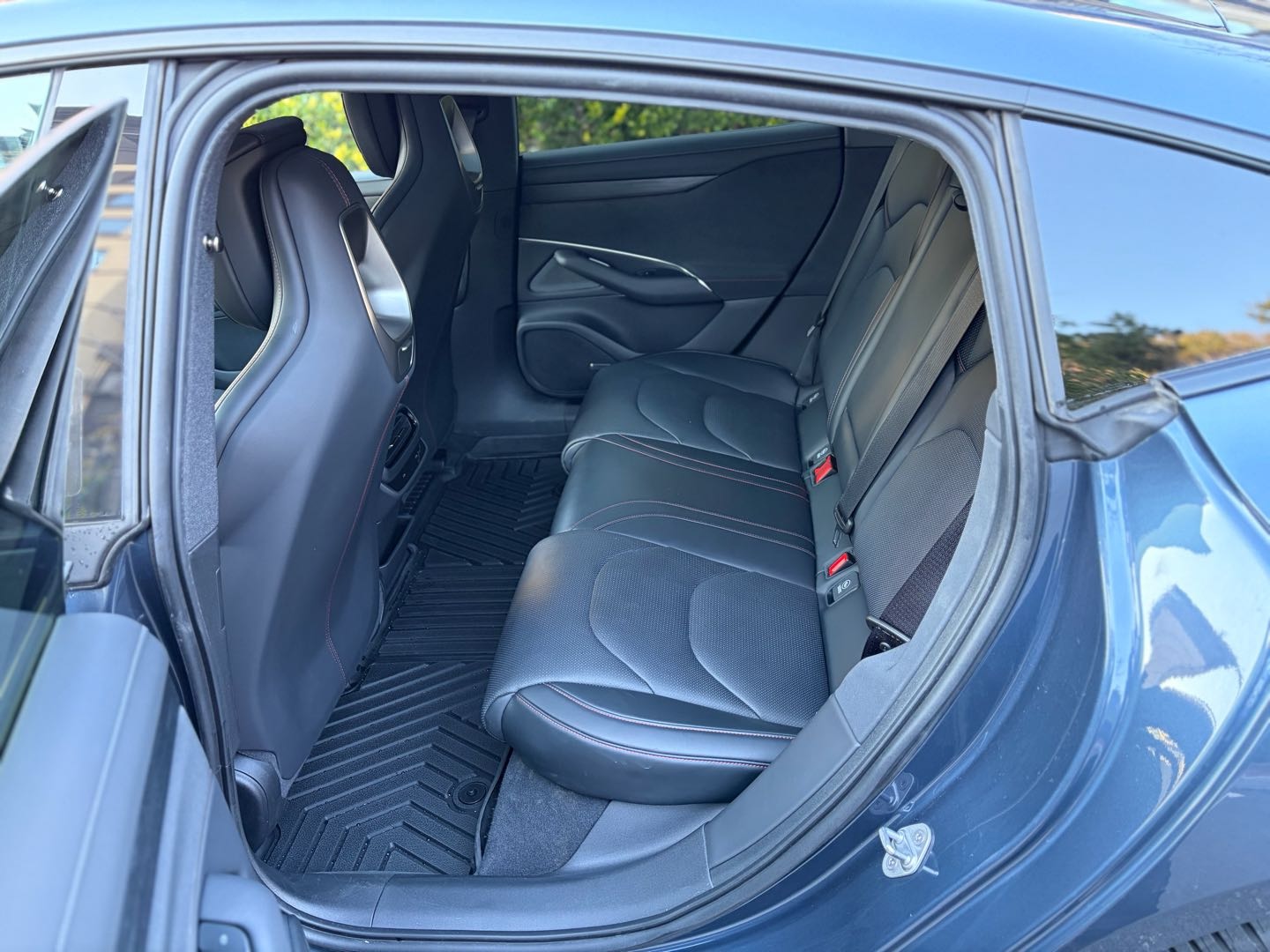
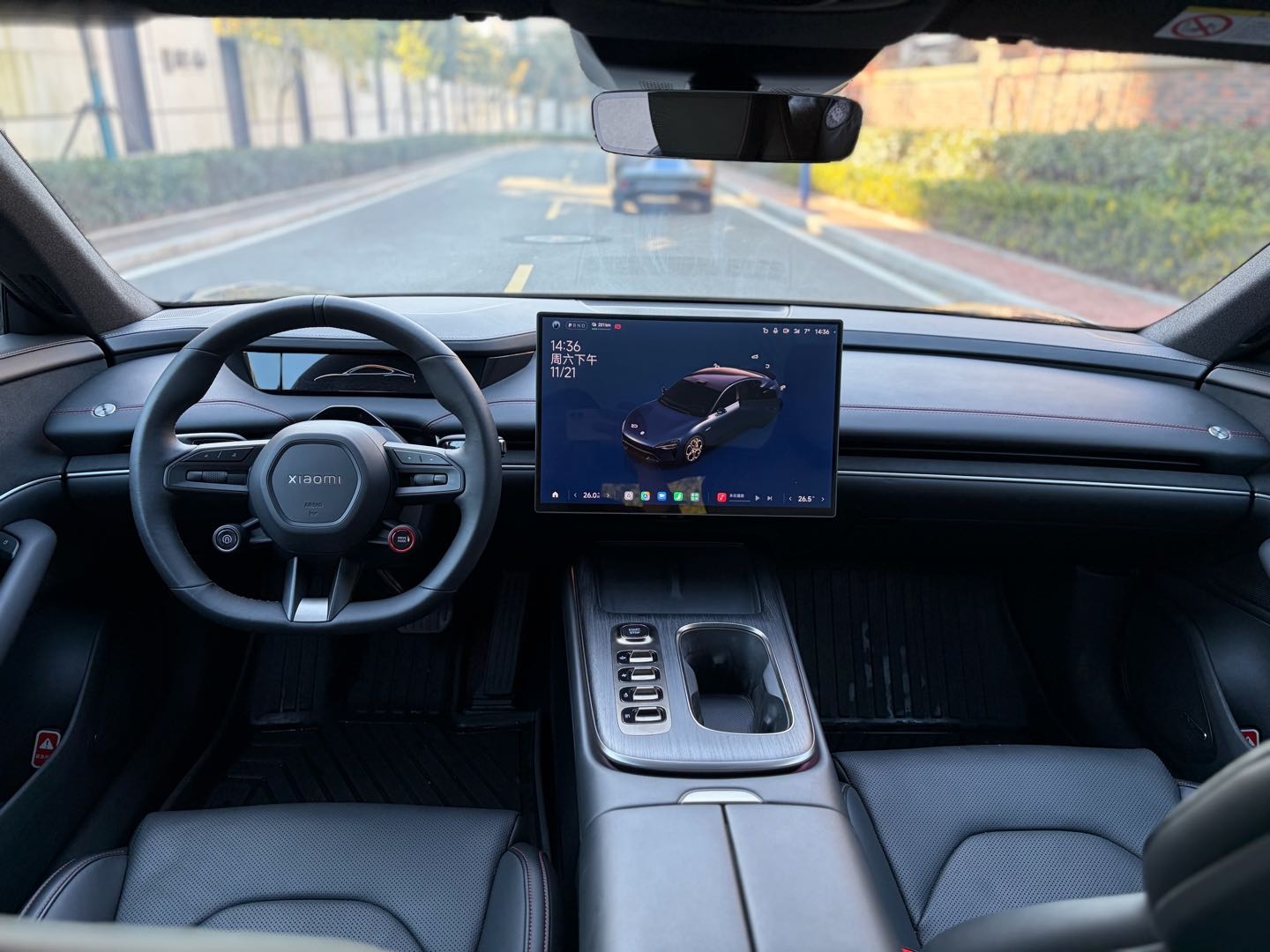



Basic Information

BrandMI
SeriesSU7
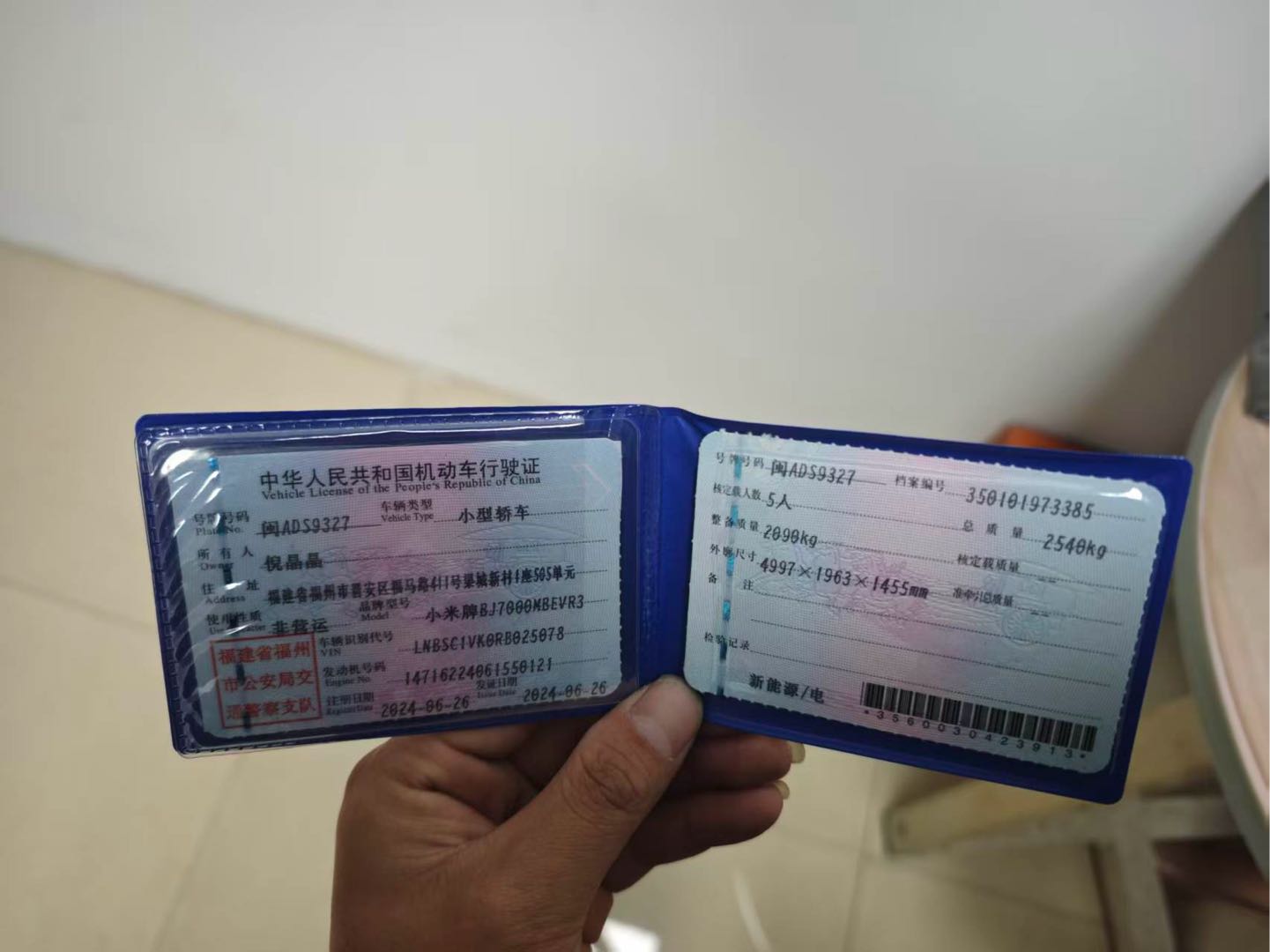
Year2024
First Registration2024/06
Mileage73,000km
Transfer Count0times
FuelElectric
TransmissionOther
Engine-
ColorGrey
Seats5seats

Condition Description

Average condition

All original paint including metal parts, passes third-party inspection, single owner. Inspected by Chaboshi with SS grade. Insurance claim of 2000 yuan for replacing trunk wrap. Optional extras: large wheels, yellow calipers, Nappa leather, 25 speakers, refrigerator, spoiler, advanced driver assistance.

可议价
已上架
New
Wholesale
Markdown

Configuration Highlights

✓品牌: 小米汽车
✓车系: 小米SU7
✓车型: 小米SU7 2024款 830km 后驱超长续航高阶智驾Pro版
✓能源类型: 新能源
✓发动机: 新能源
✓驱动方式: 后置后驱
✓排放标准: 其他
✓指导价: 24.59万
✓纯电续航: 830km
✓电池容量: 94.3kWh
✓车源编号: 12809065
✓VIN: LNBS*******025078

Document Information

Inspection Expiry Date2028/06
Warranty Expiry Date-
Insurance Expiry Date2027/06

Q&A

More

How do I transfer the connected-car account and smartphone app of a used Chinese EV to my name after import?

Connected services are tied to the first owner's account, so transferring them is a real step you must plan for. Before purchase: ask the seller whether the car's telematics account can be unbound and re-registered. Most Chinese brands (BYD, NIO, XPeng, etc.) allow a dealership or the owner's app to do a ownership transfer — but some export cars were registered to the export company, which complicates things. Check region lock: many connected features depend on backend servers in China. After export, remote AC, app locking, and OTA updates may stop working if the car has a Chinese-spec head unit and SIM. Some brands offer international app versions; others require a hardware change. Practical fallback: even without the app, core functions work from the car itself. For remote charging and climate, third-party tools exist but use them carefully. Ask your seller to confirm in writing: (1) account unbinding before shipment, (2) which connected features will keep working in your country, and (3) whether the head unit can be switched to your language and region.


My imported Chinese car needs a repair part. How do I claim warranty or order parts from the exporter?

Start by checking the after-sales clause in your contract—reputable exporters typically offer 3-12 months of parts support. The usual process: send the exporter a fault description with photos or a short video, plus your VIN and contract number. They will confirm whether it is a warranty case or a paid parts order. For warranty claims, common resolutions are free parts shipped with your next container, or a credit/refund for parts you source locally. Keep all communication in writing. To avoid long waits, ask for the OE part numbers in advance and check whether local dealers stock the same components—many Chinese brands share suppliers. Ordering common wear parts (filters, brake pads) together with the car shipment is the cheapest option by far.

How do seasonal factors—peak seasons, weather, holidays—affect shipping times and rates from China?

Timing your shipment can save both money and weeks of waiting. Several predictable patterns affect routes from China. Peak season surcharges: January through March, before Chinese New Year, exporters rush to ship, so container and RoRo space tightens and rates rise 20-50%. Book at least 3-4 weeks ahead during this window. After the holiday (usually February), factories and ports restart gradually, causing 2-3 weeks of backlog. Weather effects: Typhoon season (July-September) can delay departures from southern Chinese ports like Shenzhen and Guangzhou. Winter fog and ice affect northern ports like Dalian and Tianjin, slowing loading operations. Destination-side factors: Monsoon seasons can slow port operations in South and Southeast Asia. Holiday periods at destination (e.g., Ramadan in the Gulf, year-end holidays elsewhere) reduce customs staffing and extend clearance times. Practical advice: ask your forwarder for rate calendars, avoid booking right before major Chinese holidays, and build 1-2 weeks of buffer into delivery promises to your customers. Flexible departure ports (Shanghai vs. Ningbo vs. Shenzhen) can also help you find available space.