


48H

Basic Information

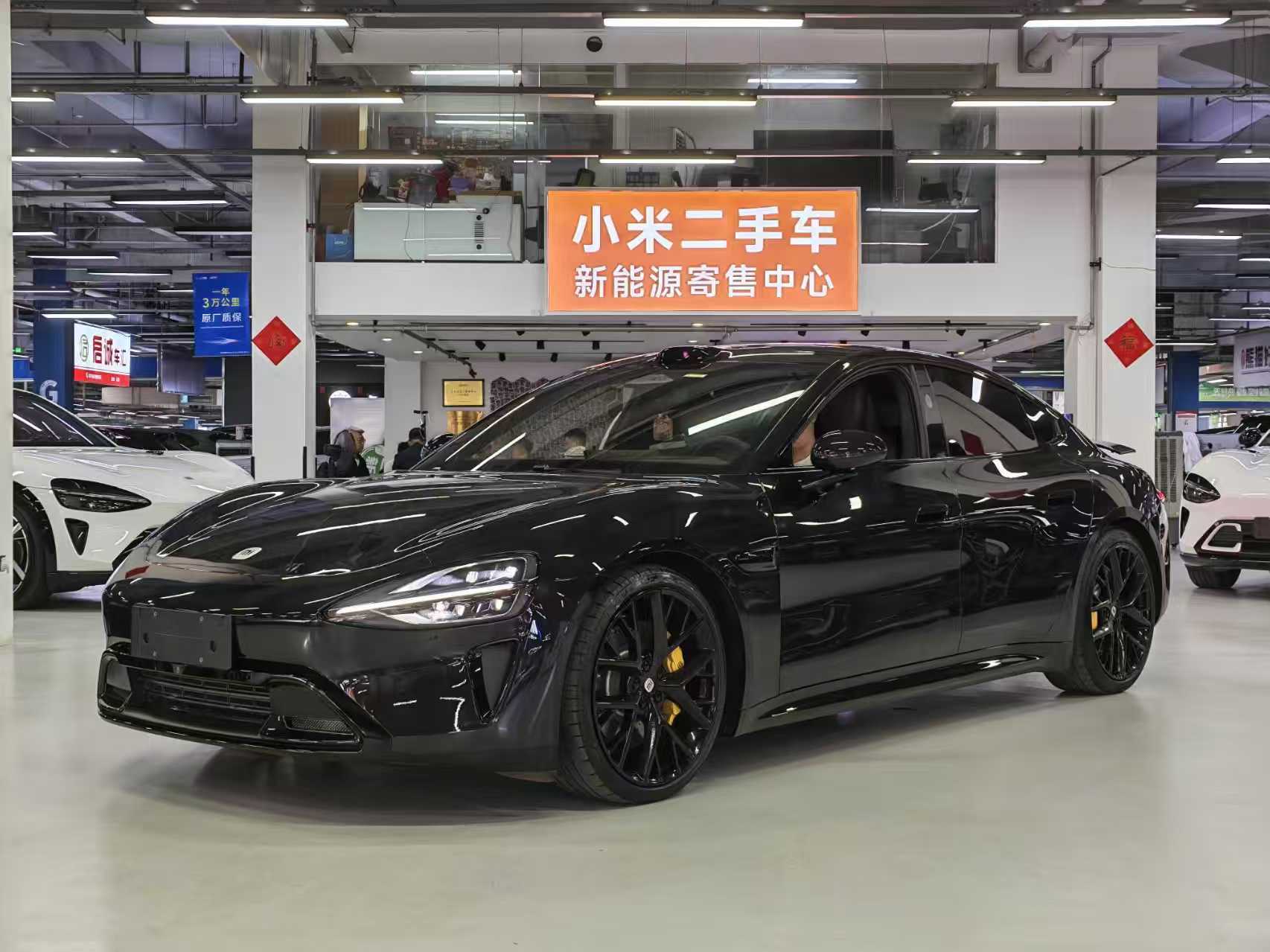
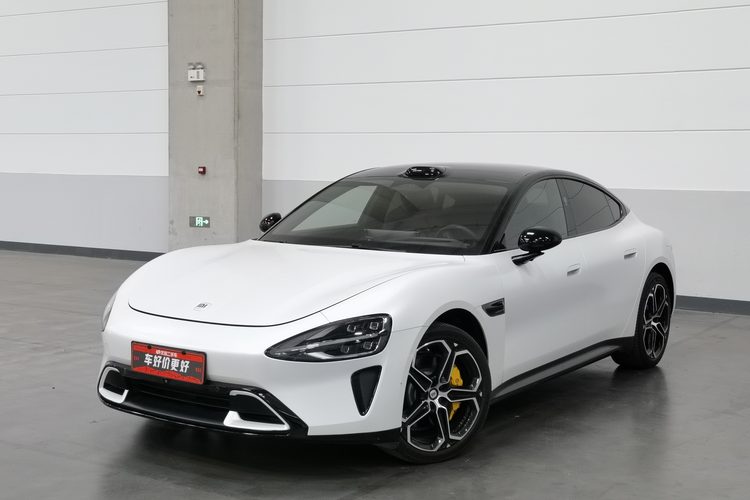
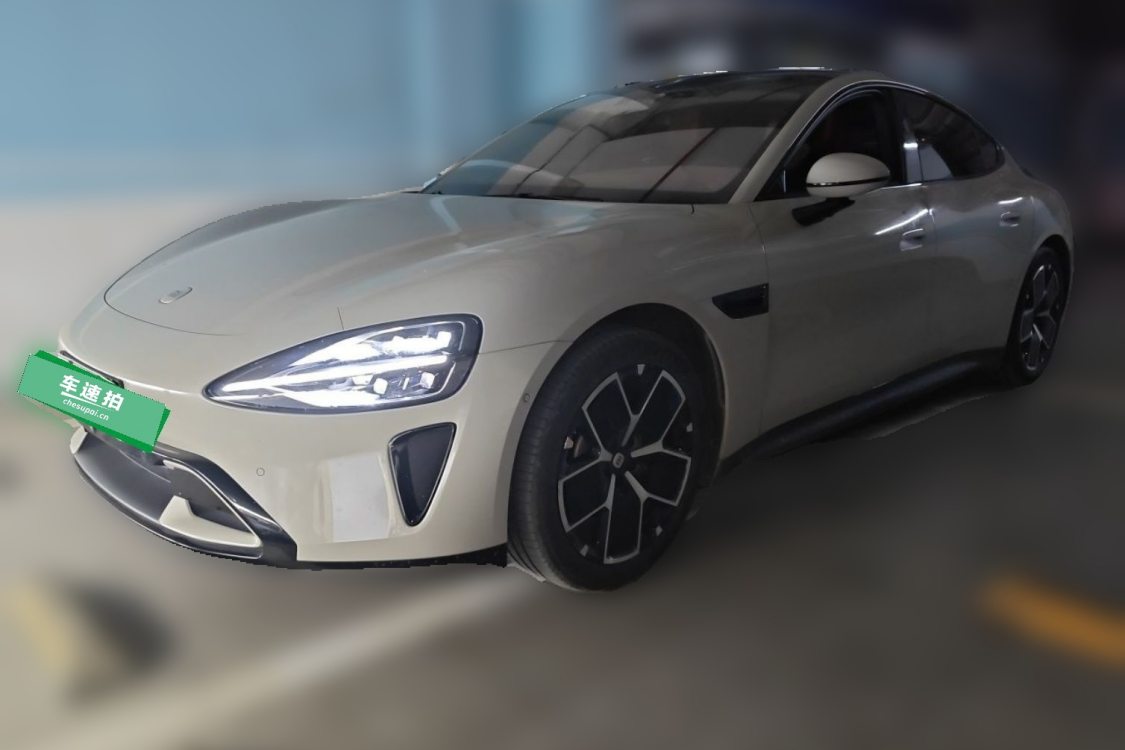
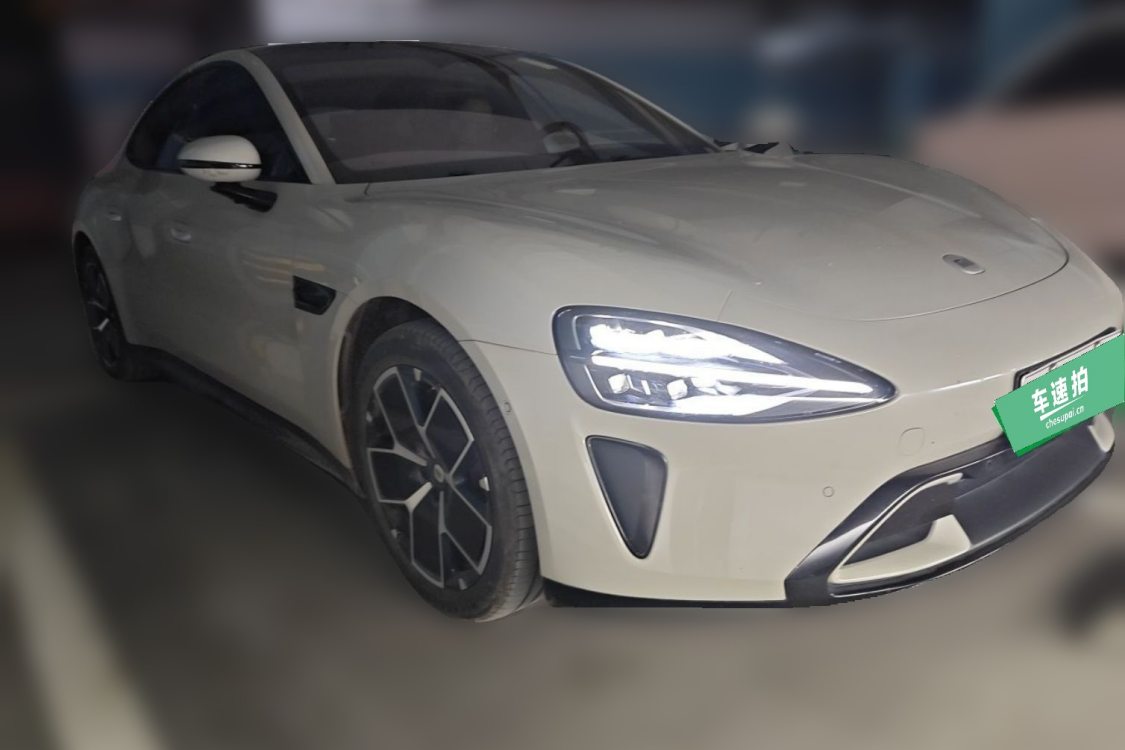
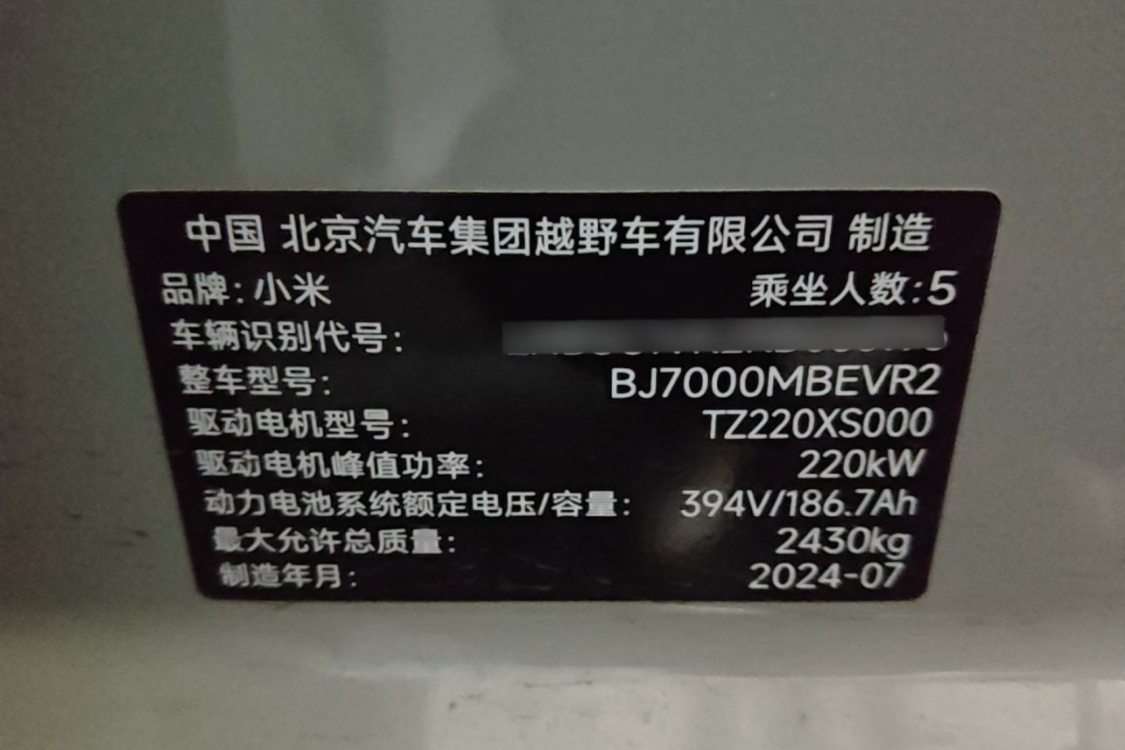
BrandMI
SeriesSU7
Year2024
First Registration2024/07
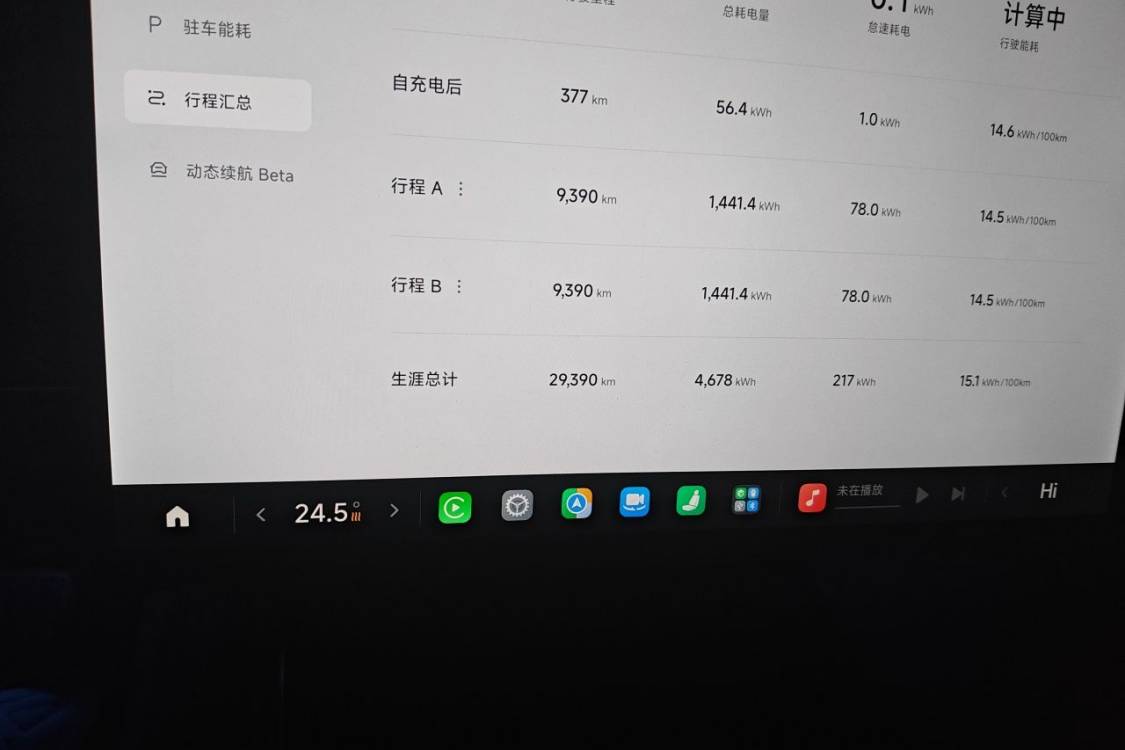
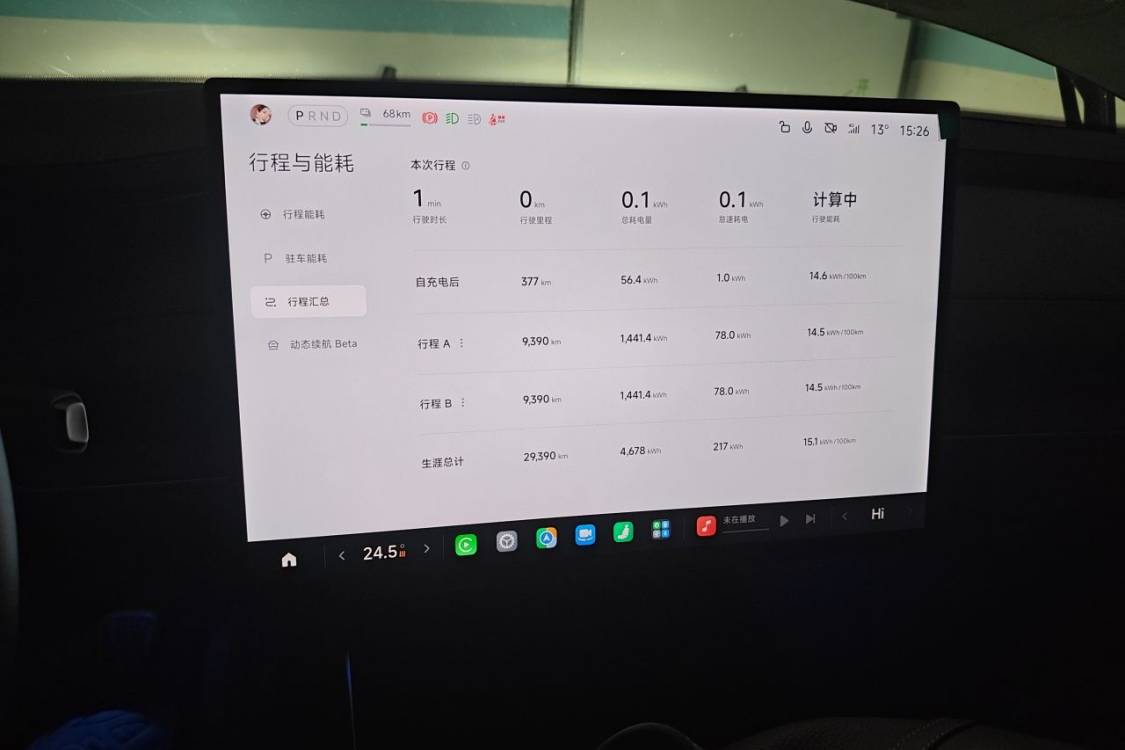
Mileage29,400km
Transfer Count2times
FuelOther
TransmissionOther
Engine-
ColorGrey
Seats-

Condition Description

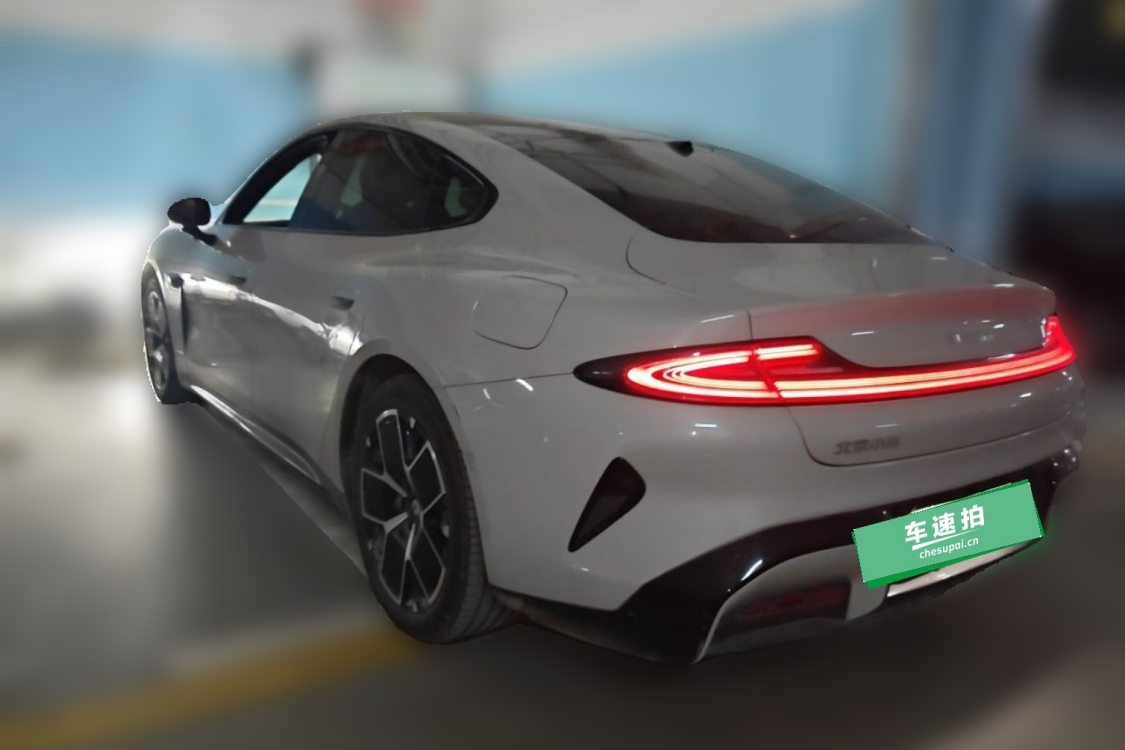
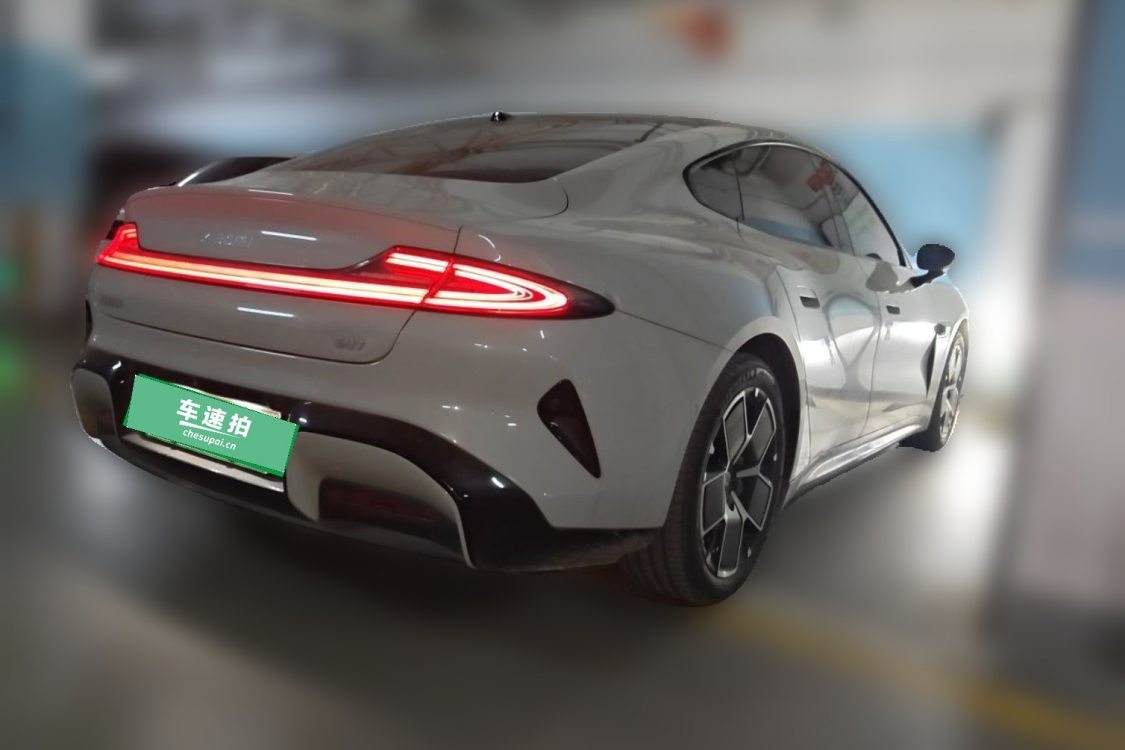
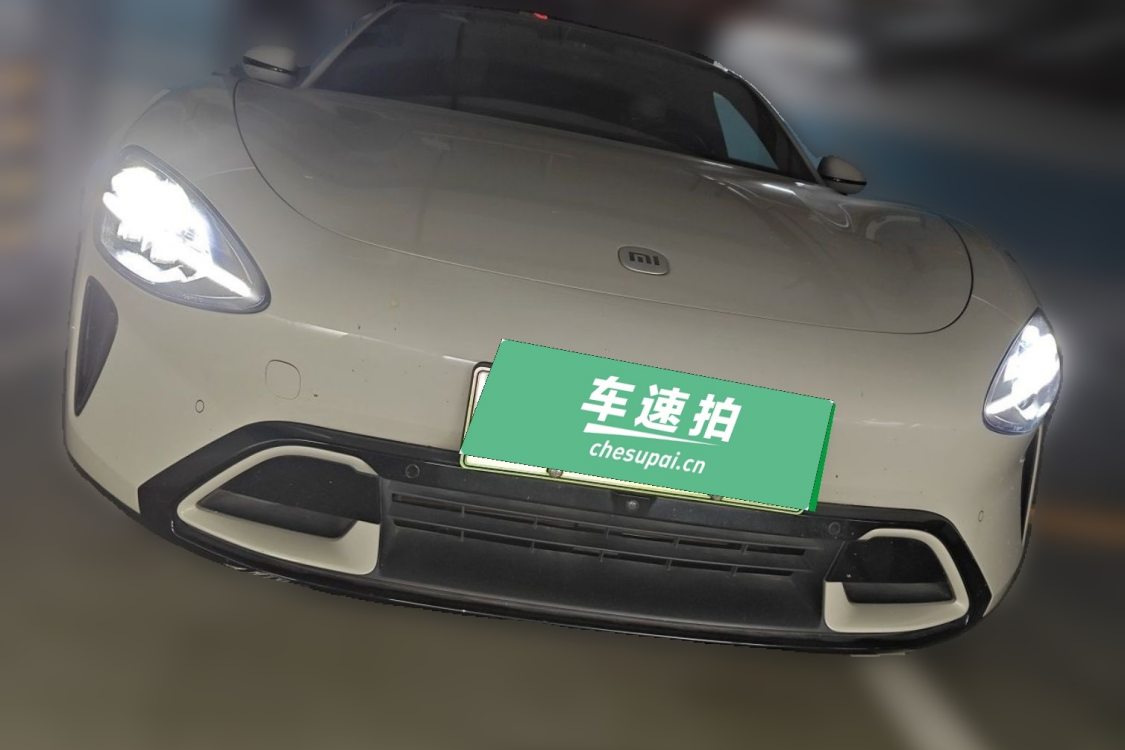
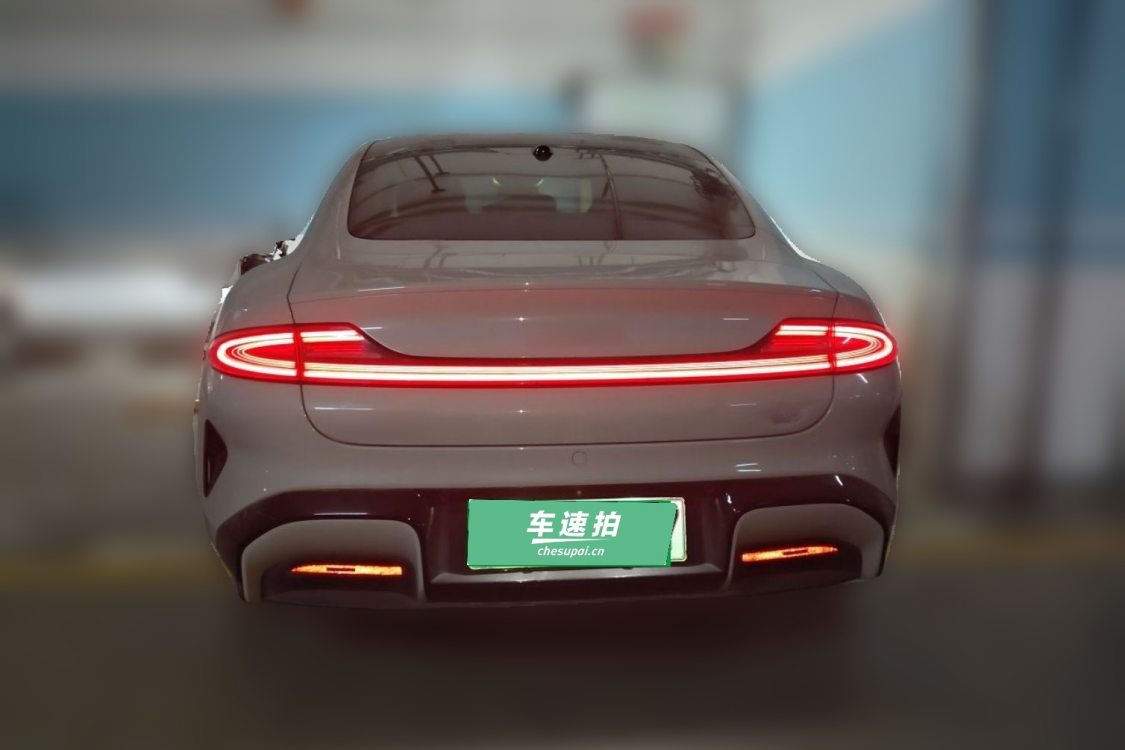
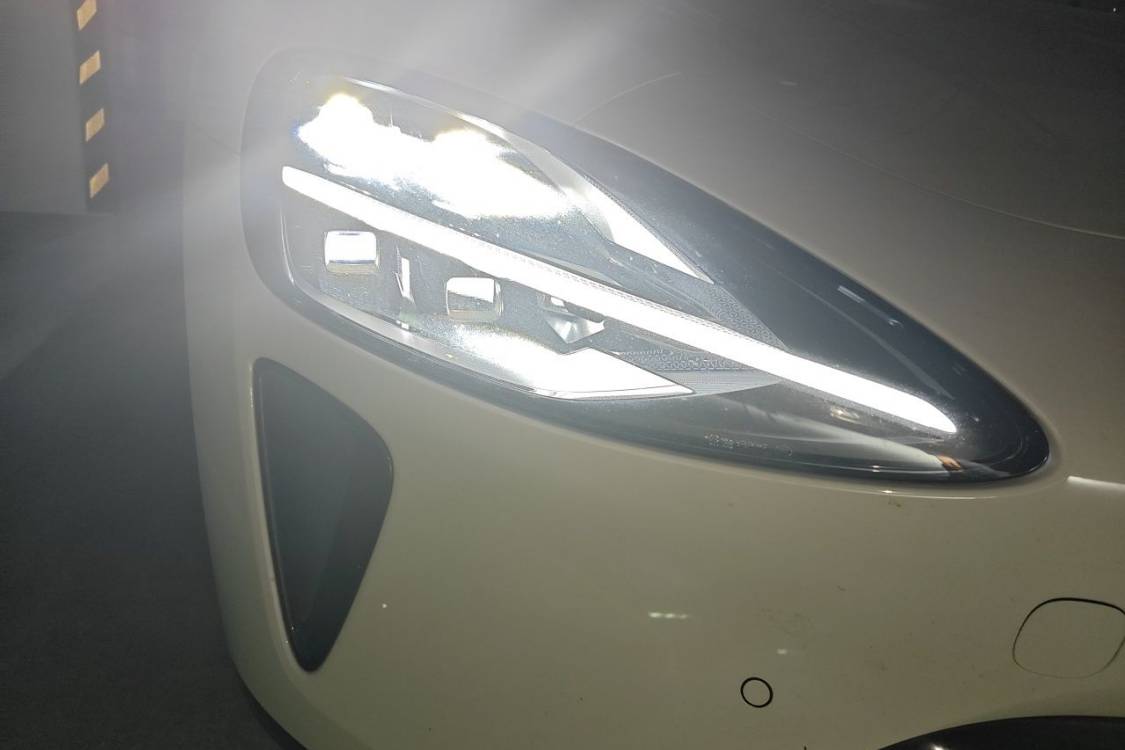
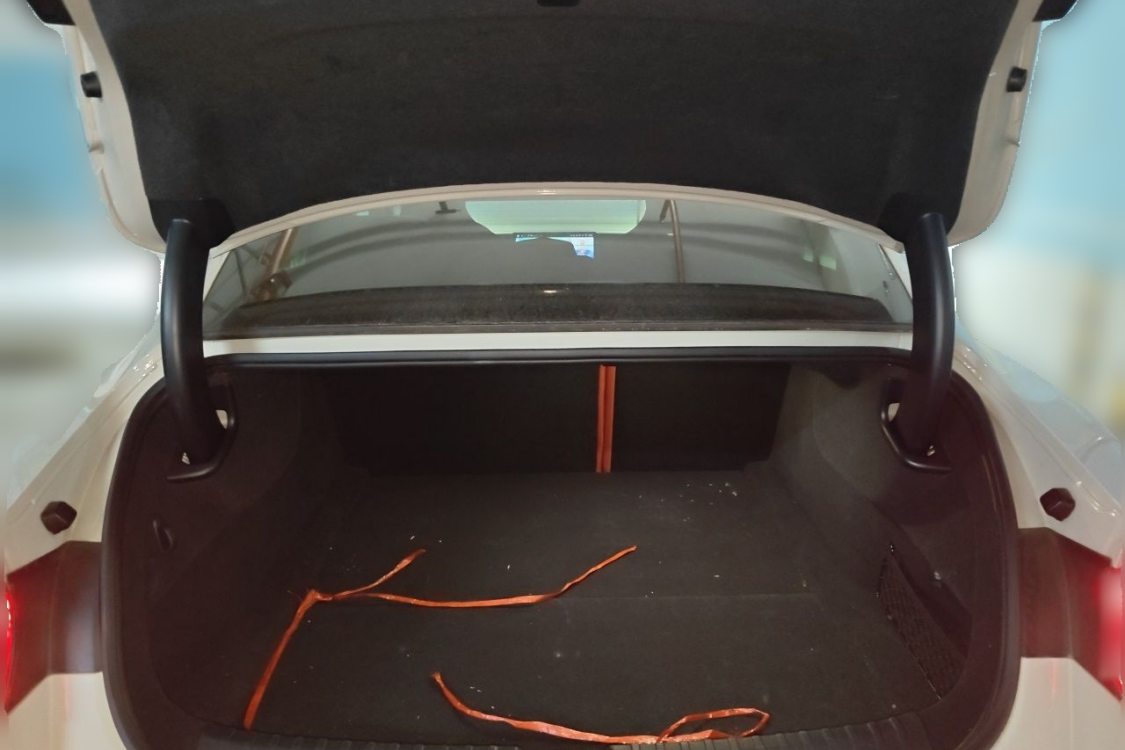
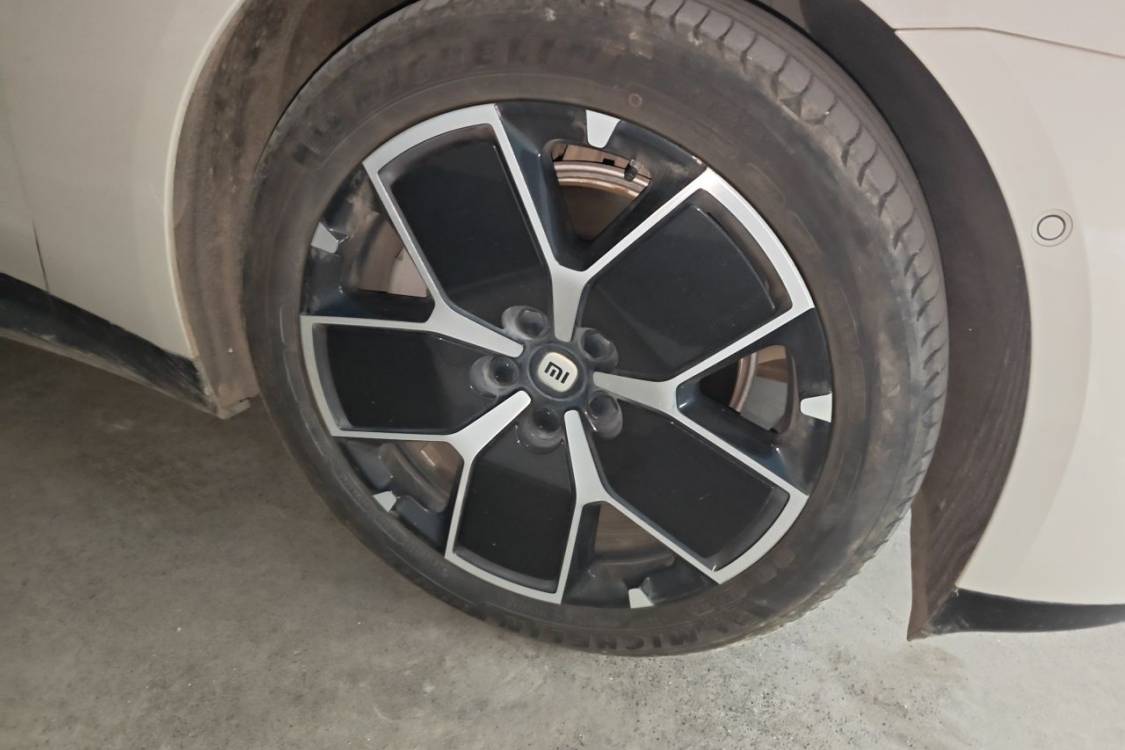
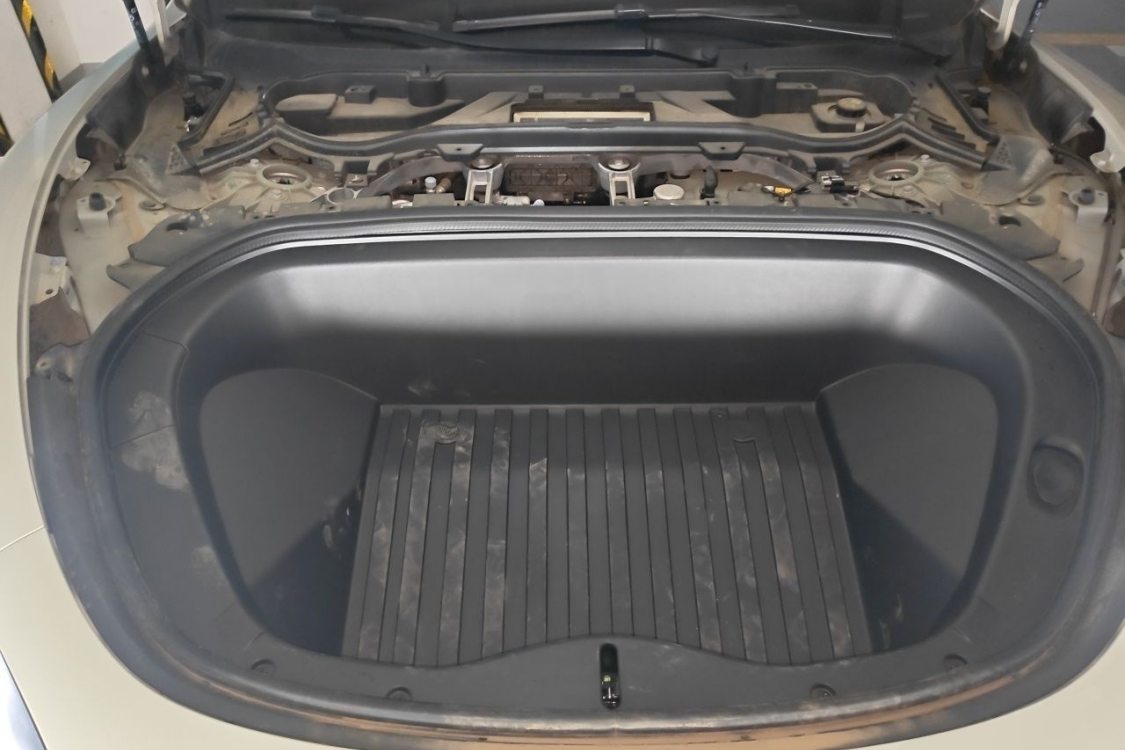
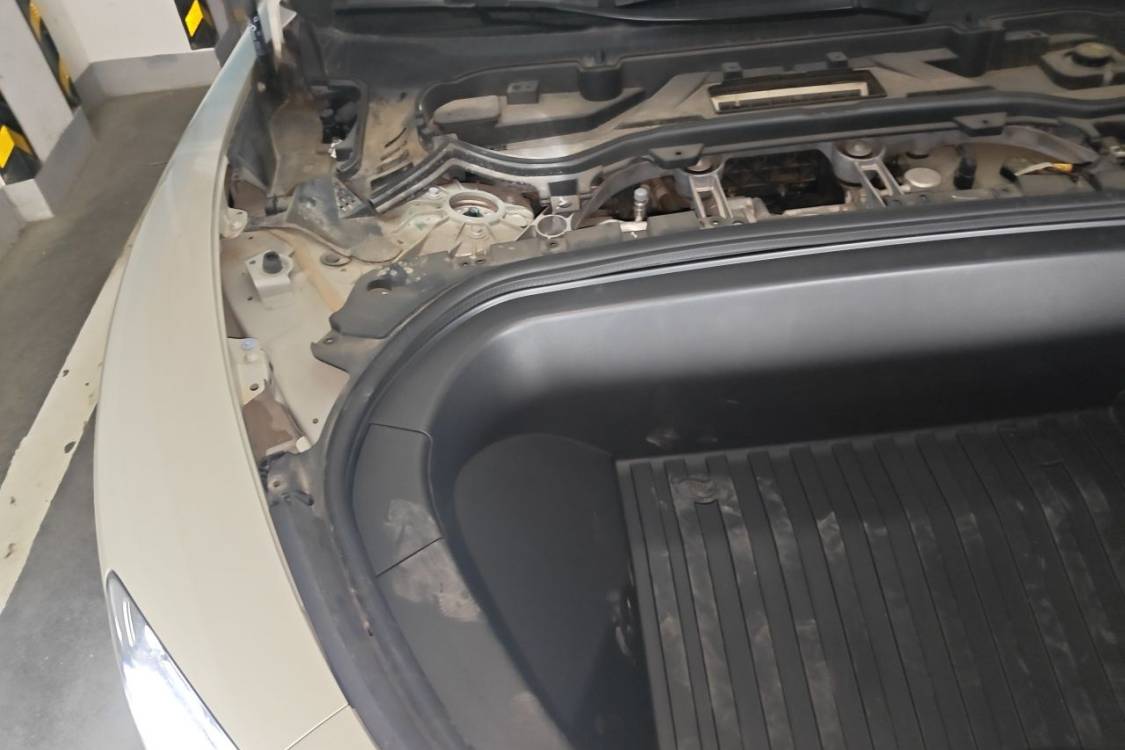
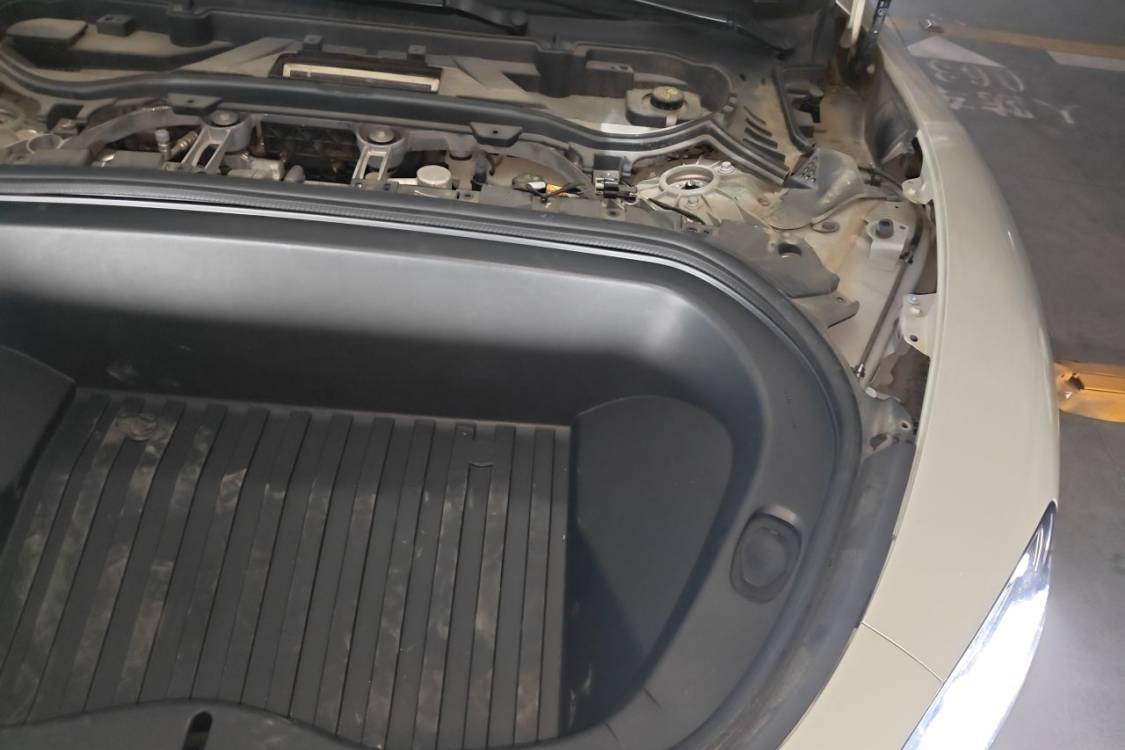
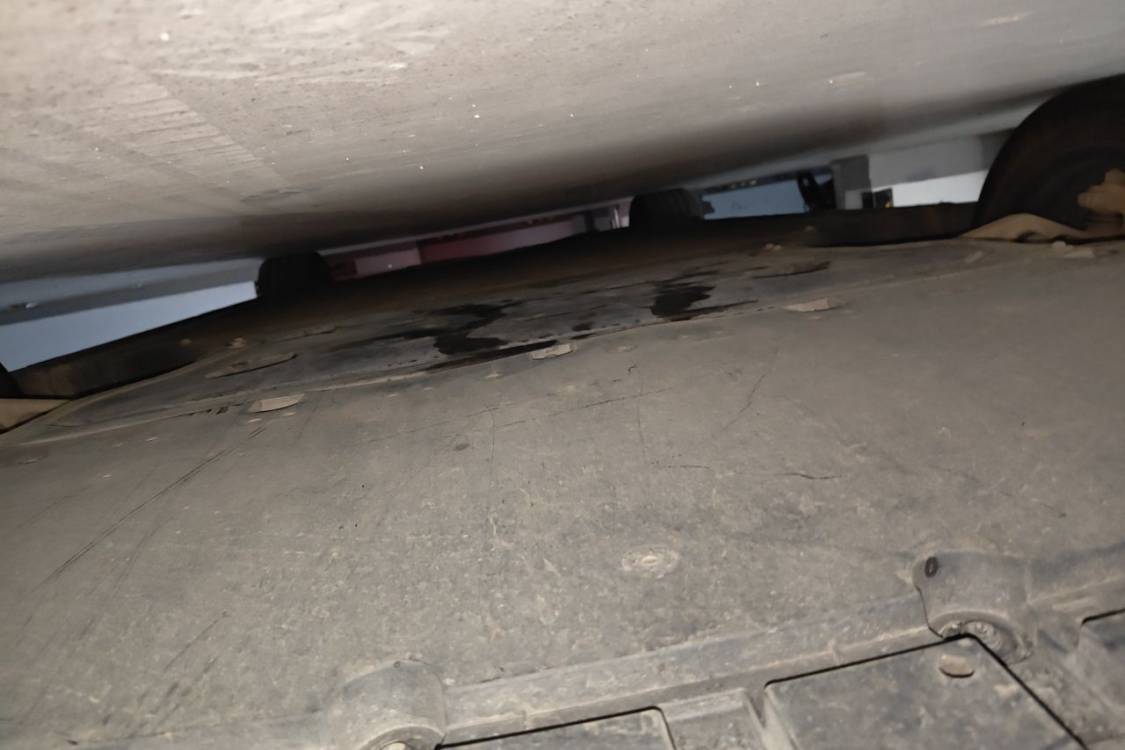
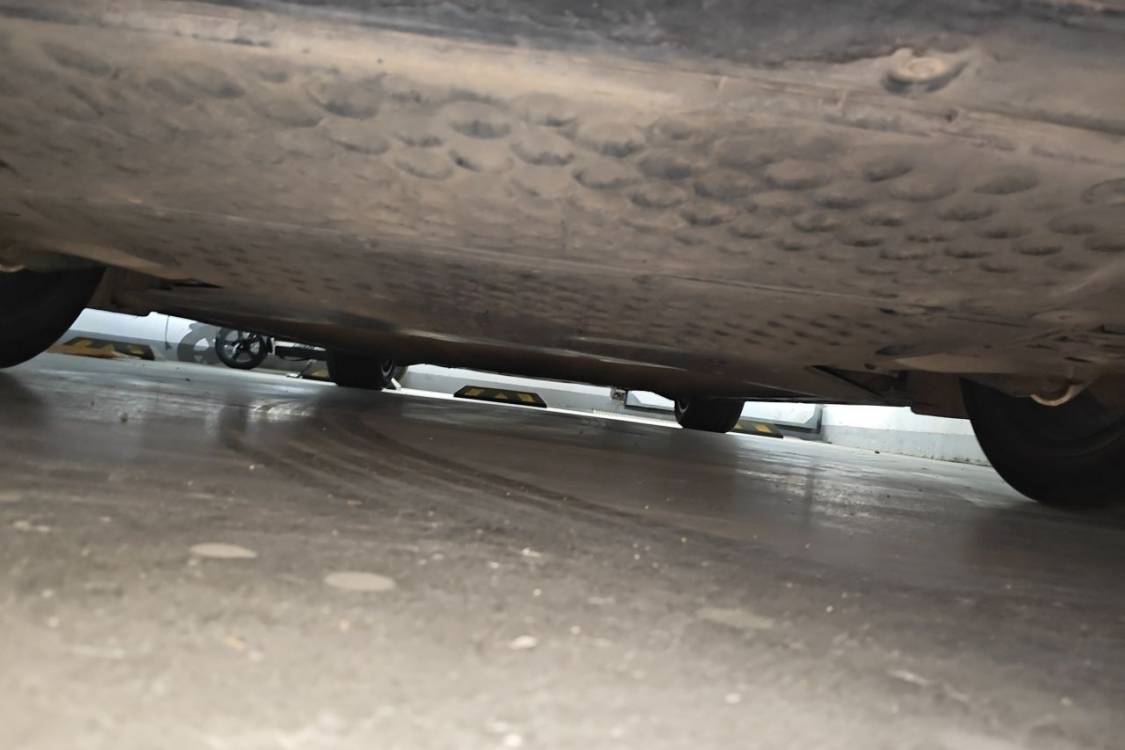
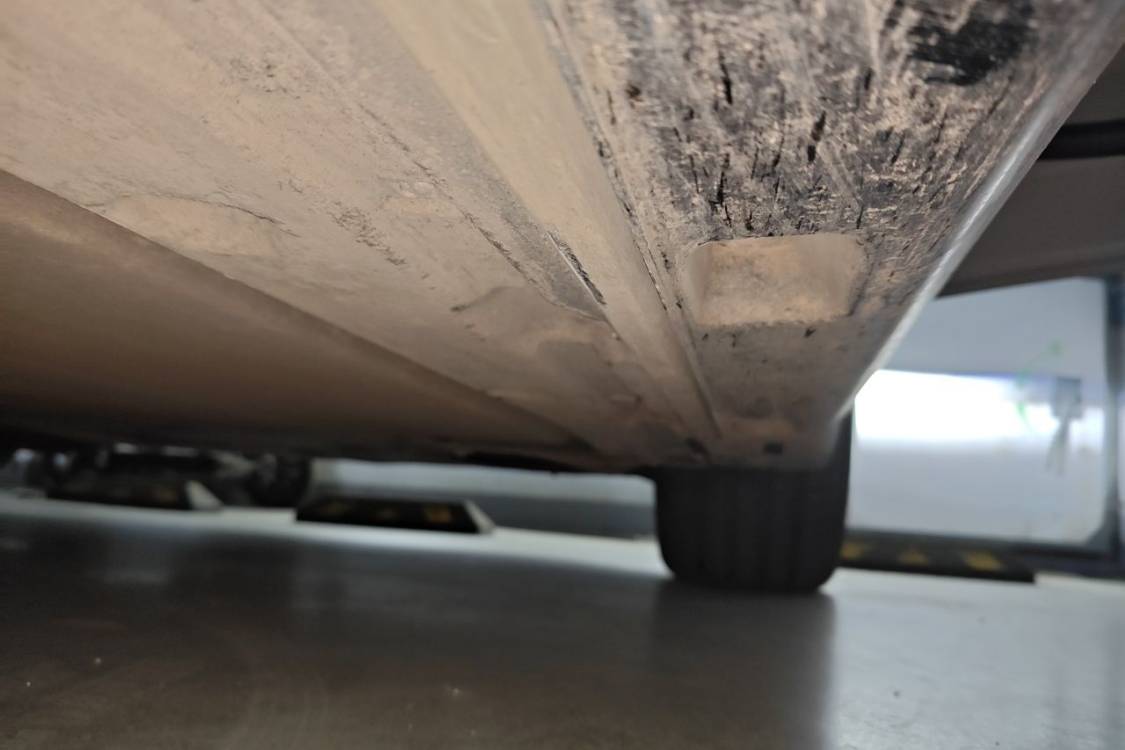
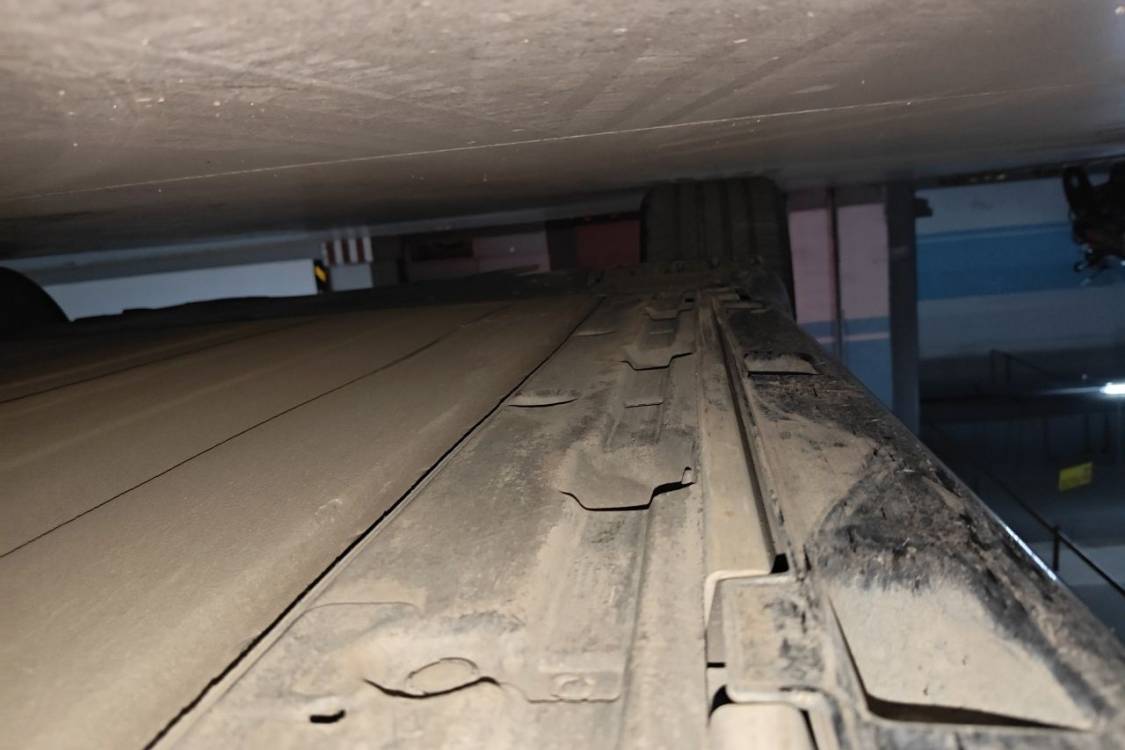
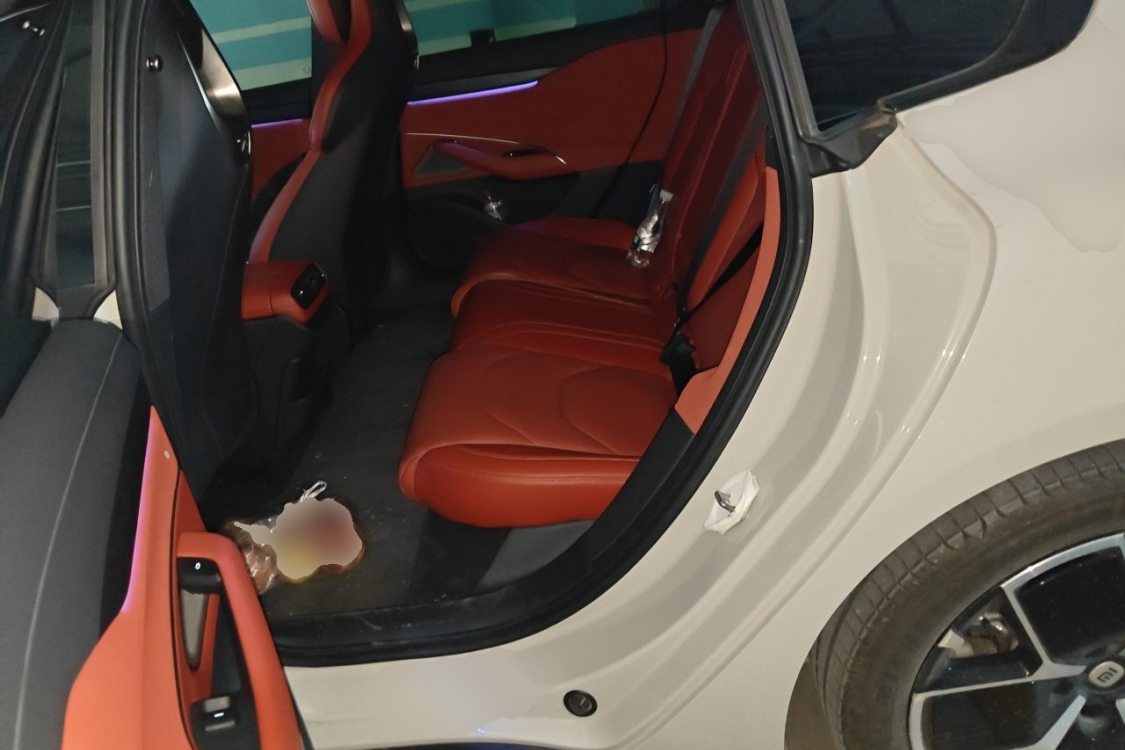
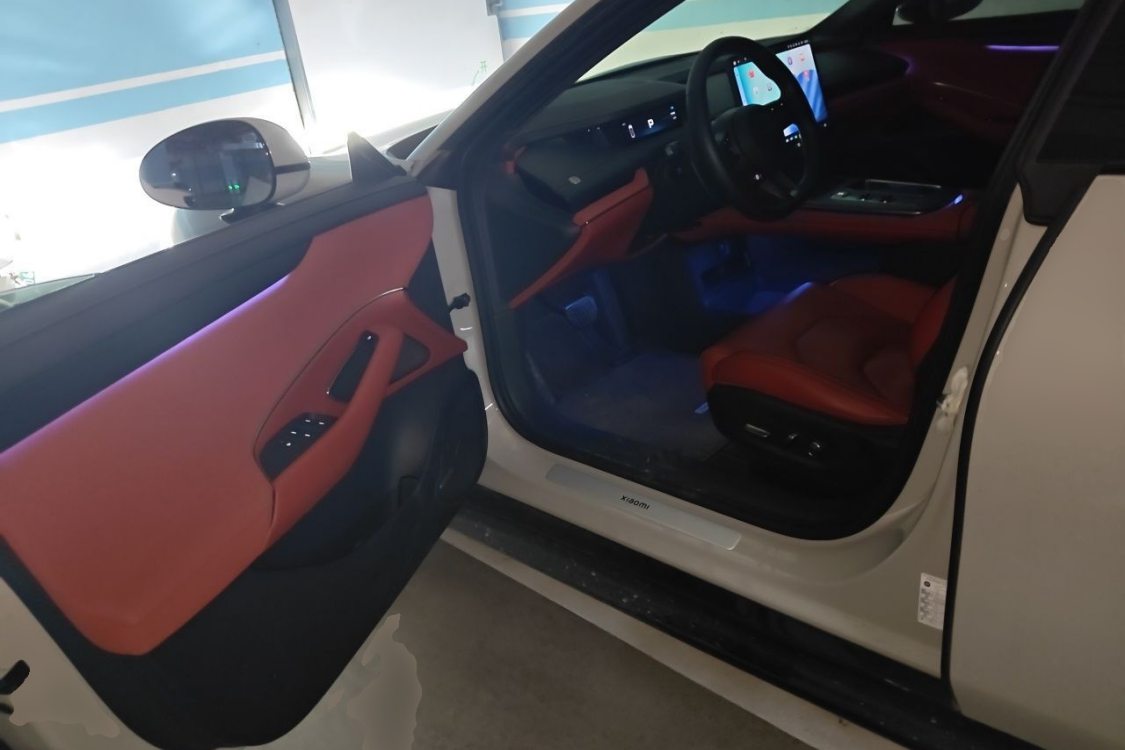
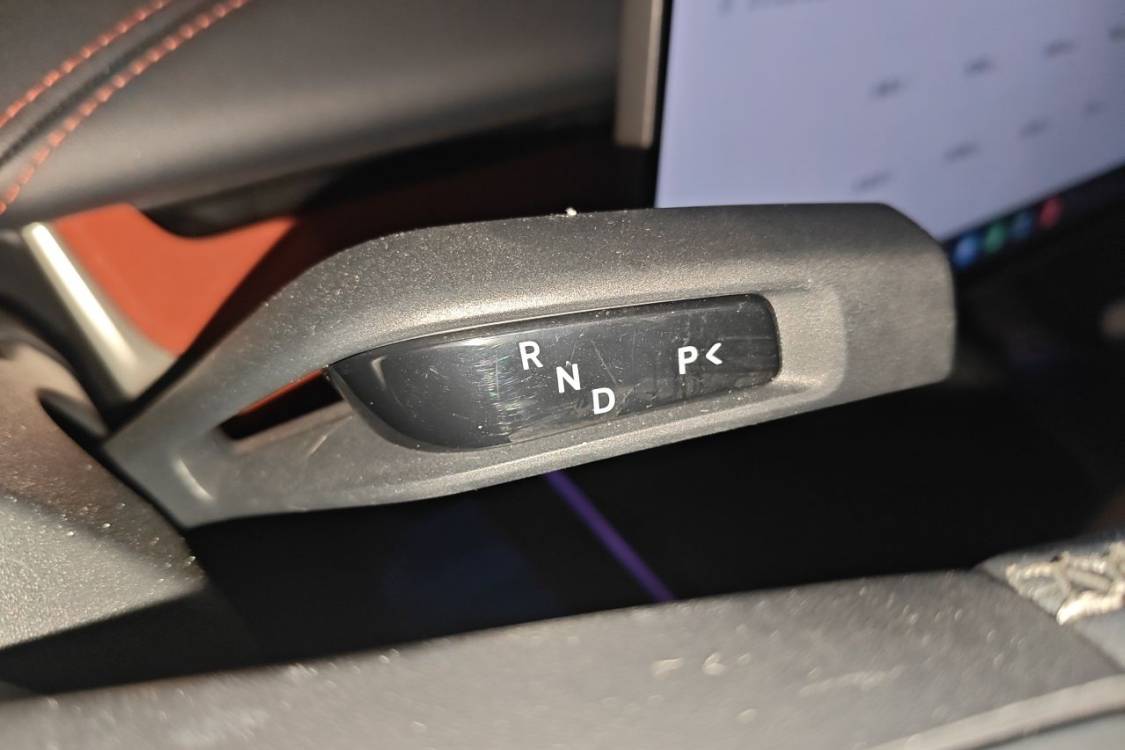
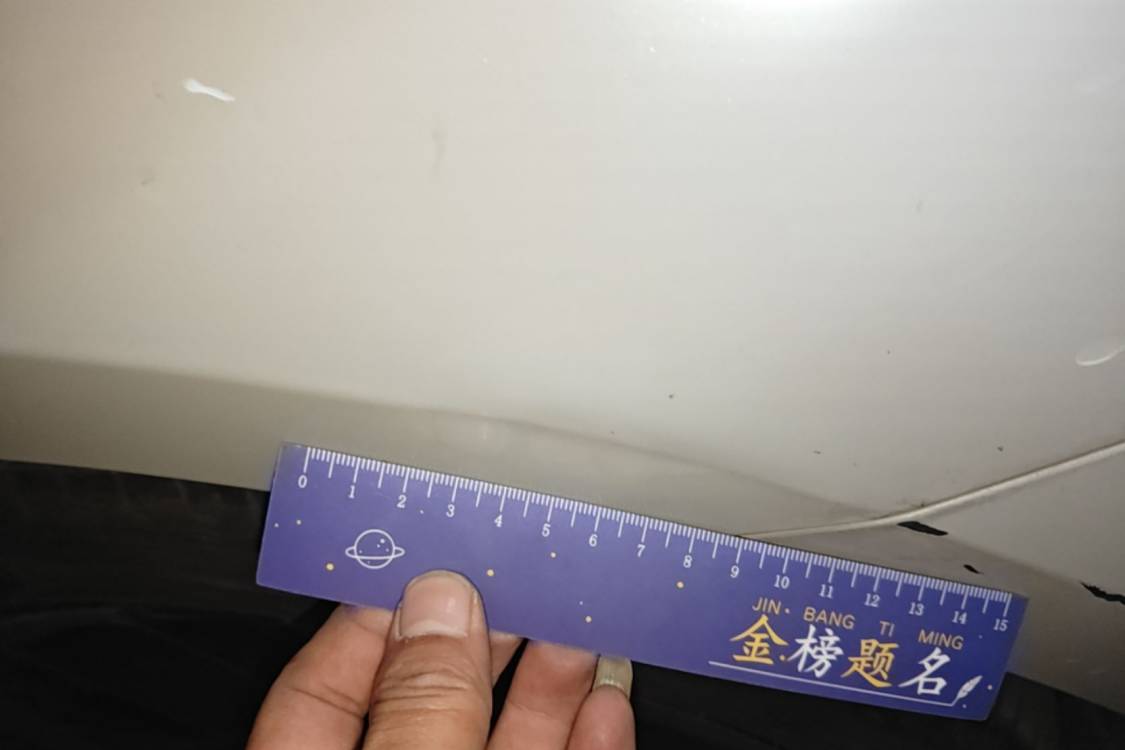
Localized body damage or repair marks present; no accident-related damage or repairs to structural or reinforcement components. Vehicle performance (including battery, motor, and electronic control systems) has degraded or is limited.

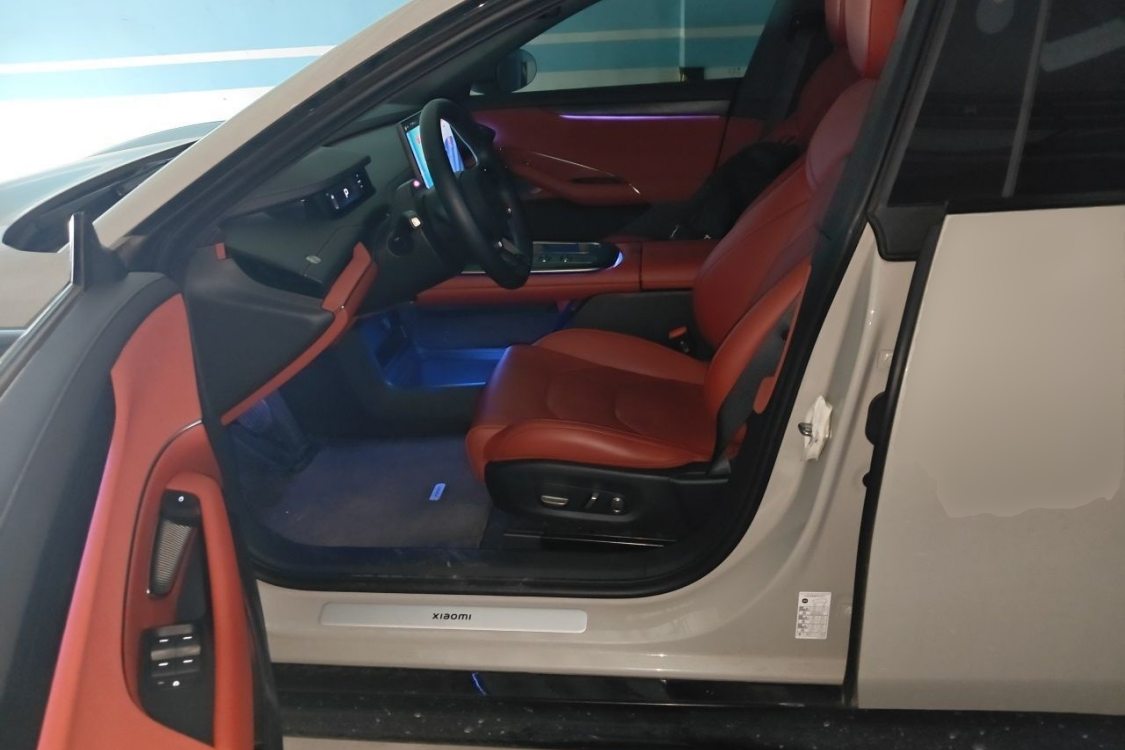
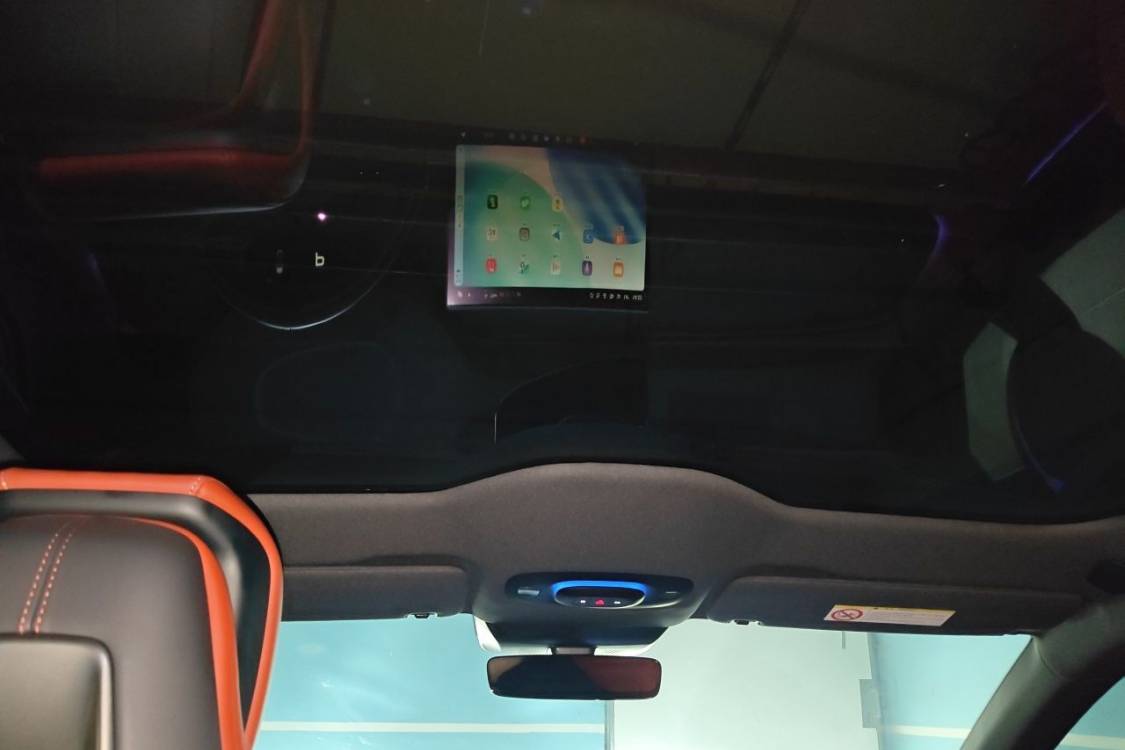
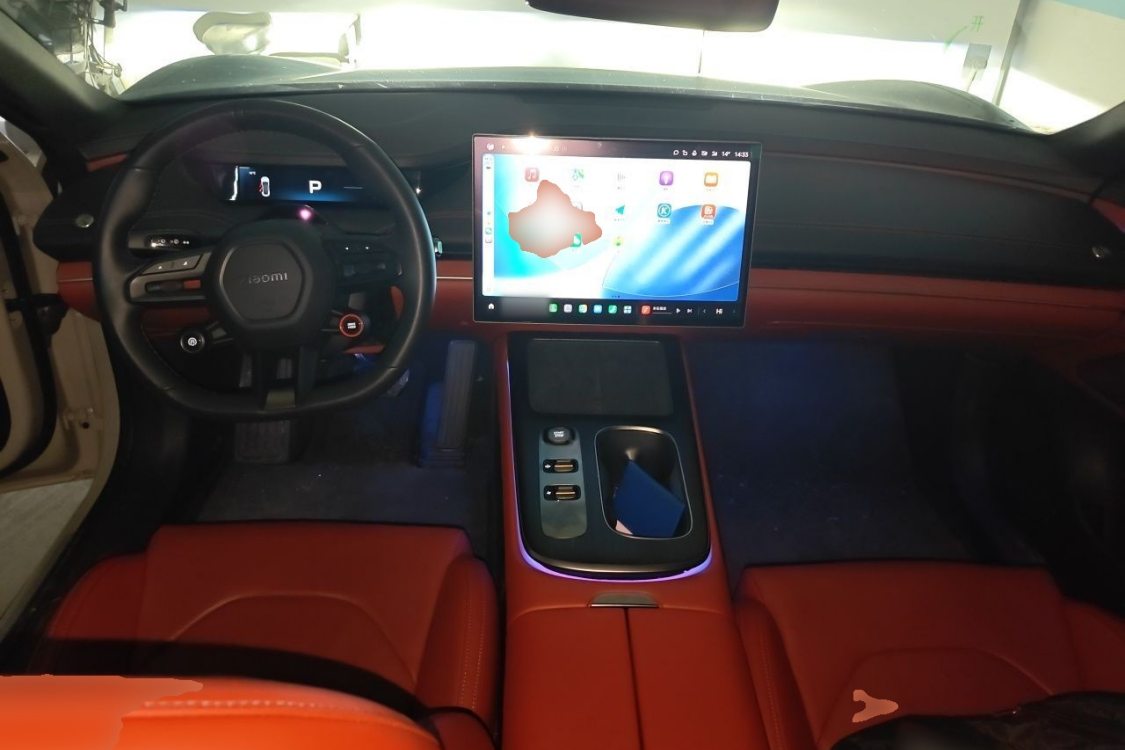
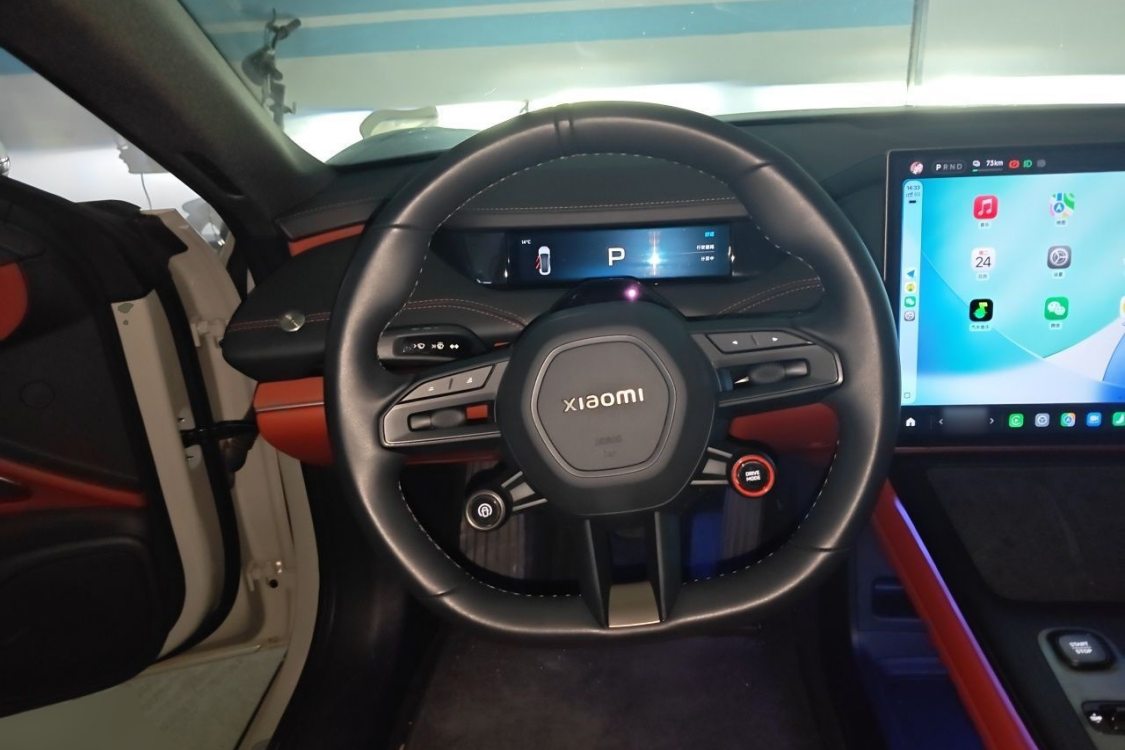
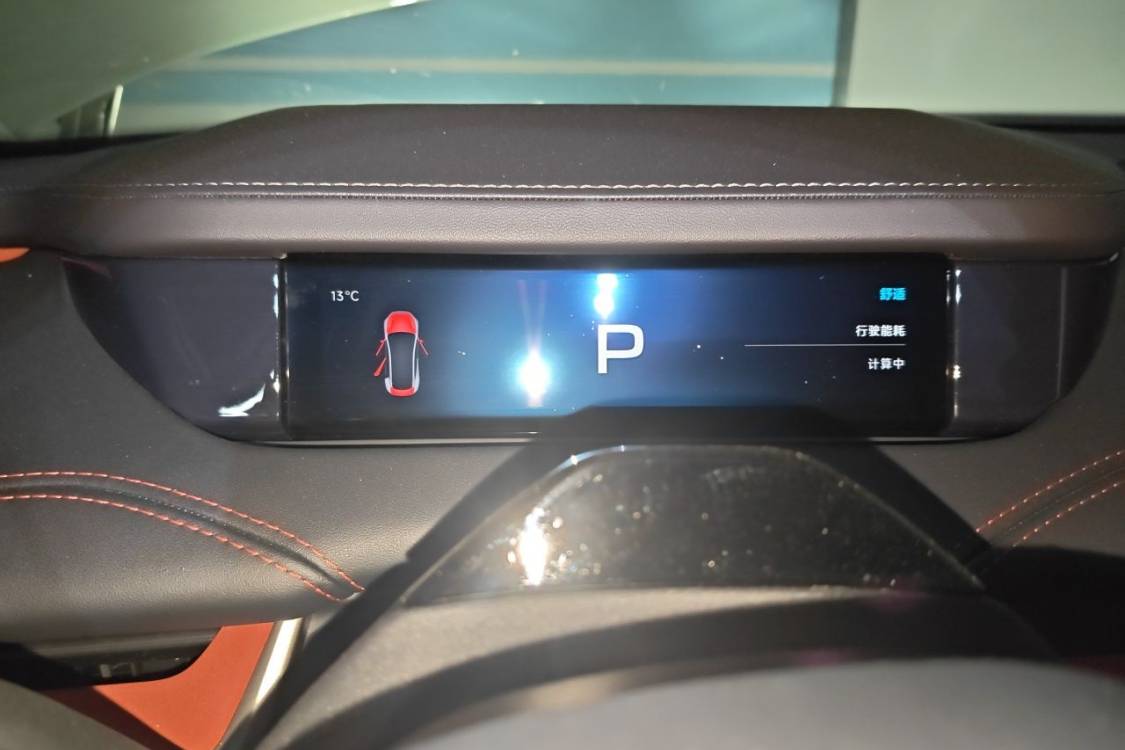
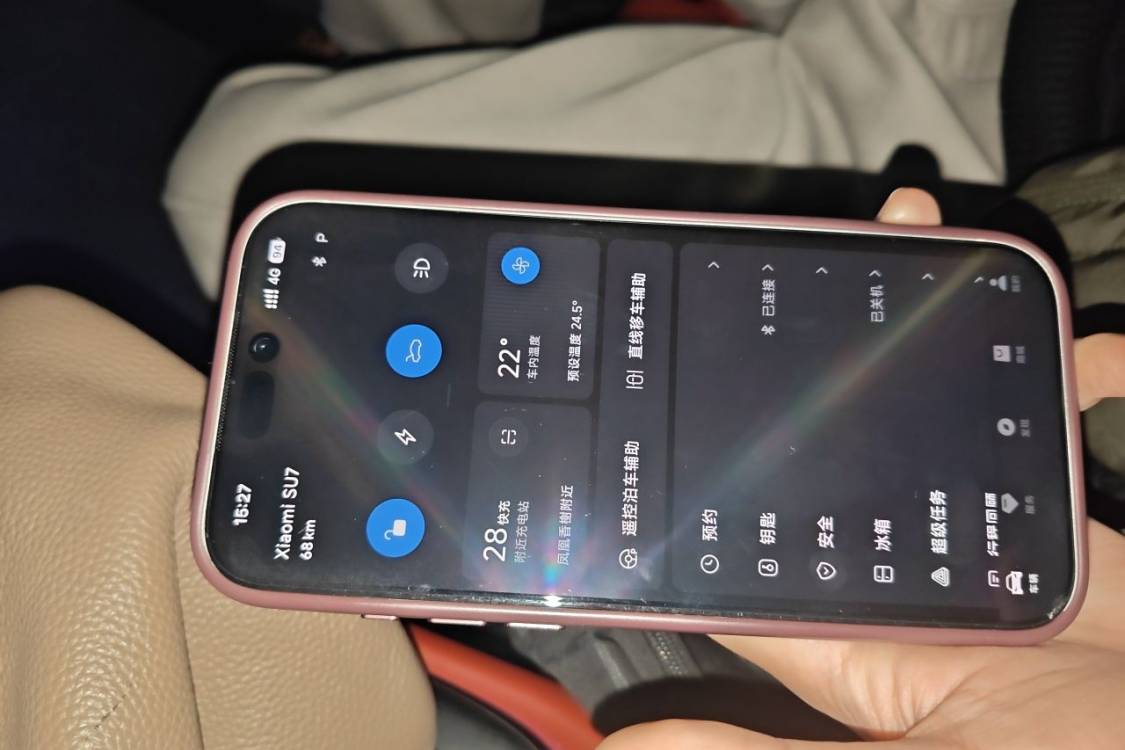
Accident inspection: main structure undamaged, reinforcement components undamaged, cover panels damaged, hinges normal. Battery, motor, and electronic control systems: normal. Engine bay: key mechanical components normal. Exterior: none. Interior: configuration abnormal; airbags, seat belts, dashboard, instruments, and lighting system normal. Start-up inspection: main components normal. Onboard tools: none.

电话直连
可讲价
平台物流
可转售
新能源
抵押车
新检测标准升级>
非泡水

Document Information

Inspection Expiry Date2028/07
Warranty Expiry Date-
Insurance Expiry Date2027/10

Q&A

More

Can the buyer request the internal resistance test data of the battery pack at different state of charge (SOC) levels?

Obtaining precise internal resistance at different SOC levels requires disassembling the battery pack and connecting it to a professional charge-discharge cabinet for several days of cycling tests. This is beyond the scope of non-destructive used car inspections; we only provide real-time estimated internal resistance data based on OBD port readings.


Can I get spare parts for a Chinese-brand car in my country, and how do I order them from China?

Parts availability depends on the brand's official presence in your market, but even unsupported brands can be maintained through direct ordering. Check three channels first: the brand's official dealer network (if any), third-party importers who specialize in Chinese auto parts, and generic equivalents. For wear items like brake pads, filters, and wipers, aftermarket suppliers usually stock cross-references by VIN. For model-specific parts — headlights, sensors, control modules — order directly from China. Ask your exporter for the parts catalog by VIN, confirm OEM part numbers, and compare prices. A turbocharger that costs $900 from a local dealer often ships from China for $350 plus $80 freight. Practical tips: bundle multiple parts into one shipment to amortize freight; ask for DDP (delivered duty paid) pricing so customs clearance is handled; and always verify part numbers against your VIN before paying, as Chinese models have running changes mid-year. Keep a small stock of common wear parts — oil filters, air filters, spark plugs — to avoid a 4-6 week wait for routine maintenance.

Will driver-assistance features (adaptive cruise, lane keeping) on a used Chinese car still work after export?

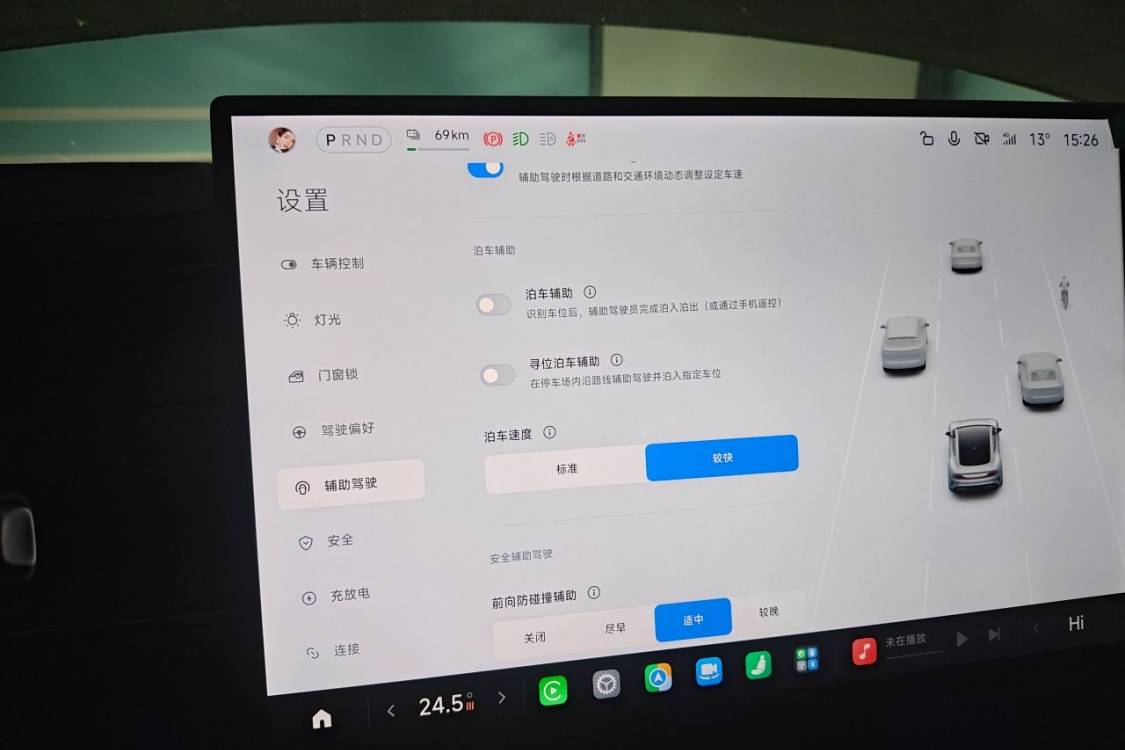
In most cases the hardware works fine abroad, but check three things before buying. First, map dependence. Adaptive cruise and lane centering work anywhere, but features tied to navigation data (predictive cruise, automatic speed-limit adjustment) may degrade if the built-in maps have no coverage in your country. Ask whether local maps can be loaded, or whether those functions simply switch off. Second, calibration. If the windshield, front bumper, radar or camera was ever replaced, the ADAS needs recalibration with manufacturer software. After a long sea voyage, a calibration check is cheap insurance — ask for the last calibration record, or have the inspector confirm no ADAS fault codes are stored. Third, tuning. Lane-keeping and speed-limit prompts calibrated for Chinese road markings usually behave acceptably elsewhere, though some drivers find the warnings overly sensitive and disable them. Bottom line: core functions travel well. Confirm map coverage and fault-free sensors in the inspection report.