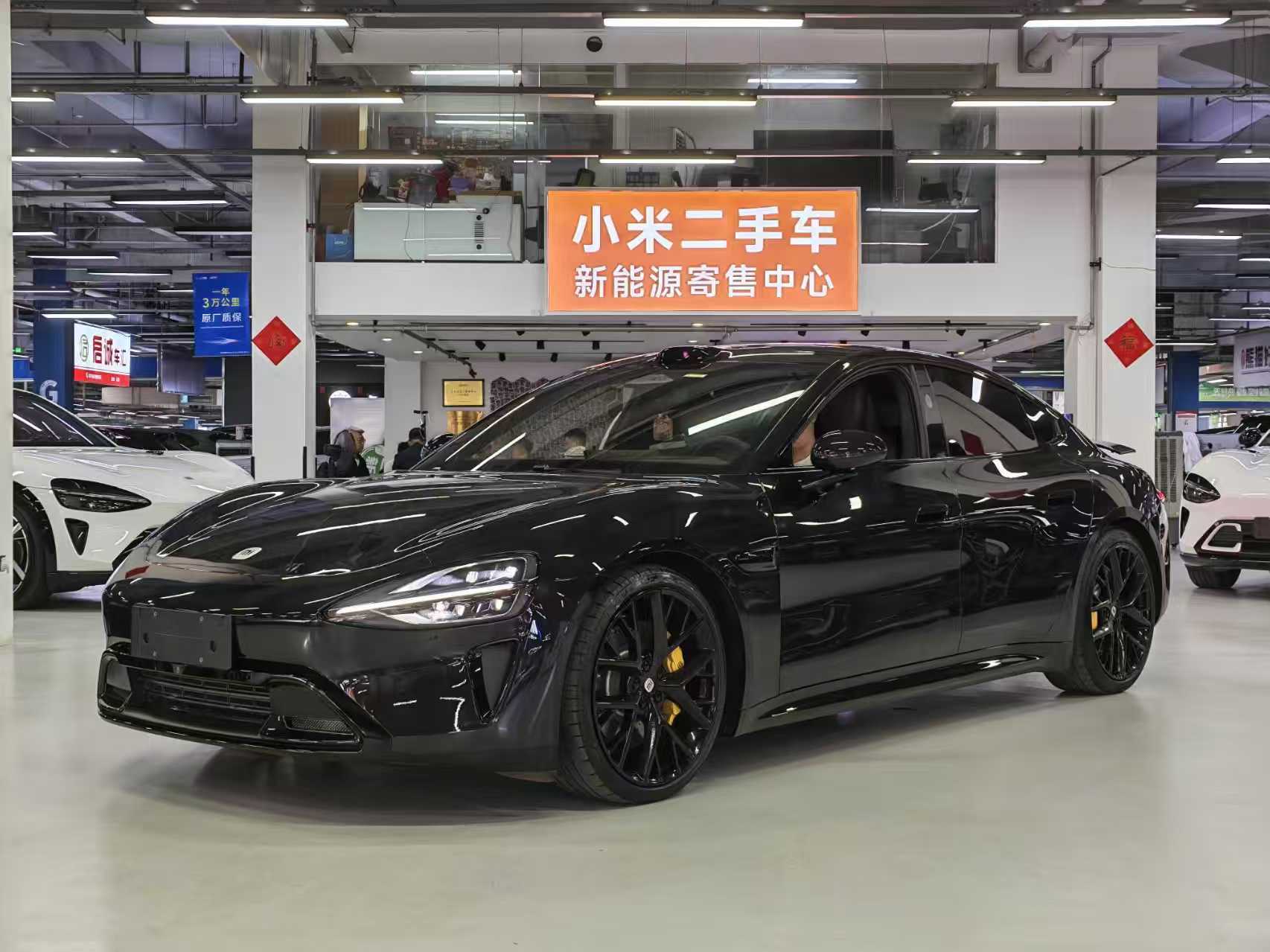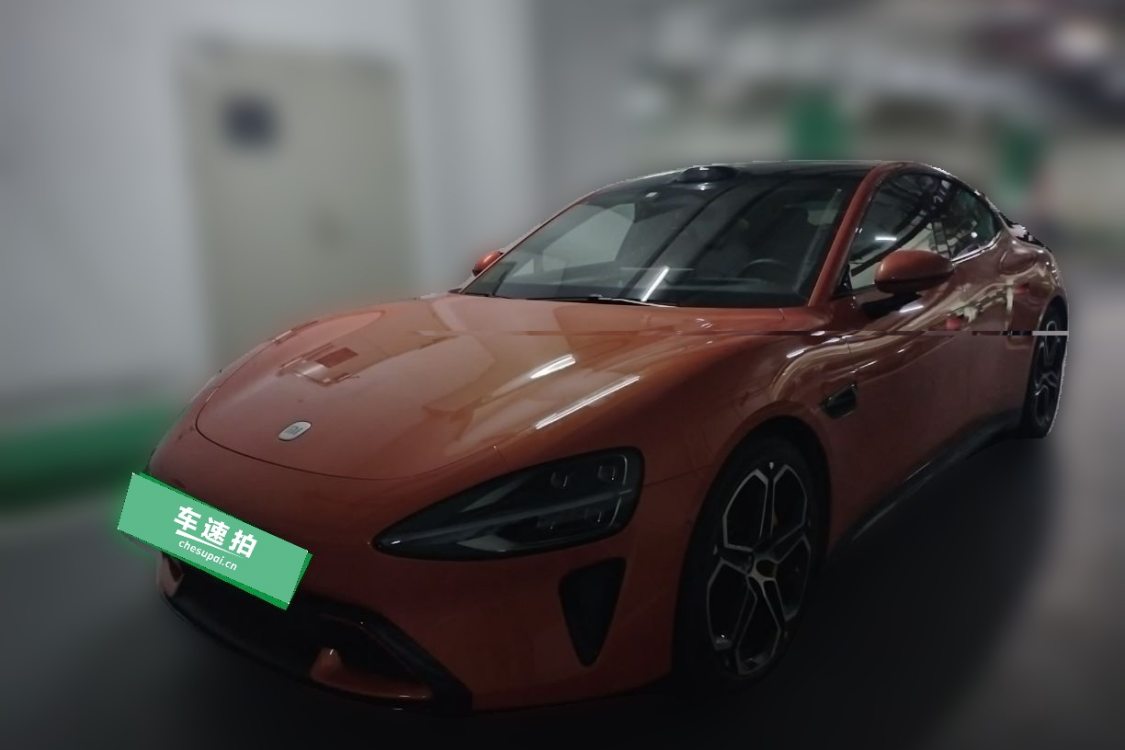

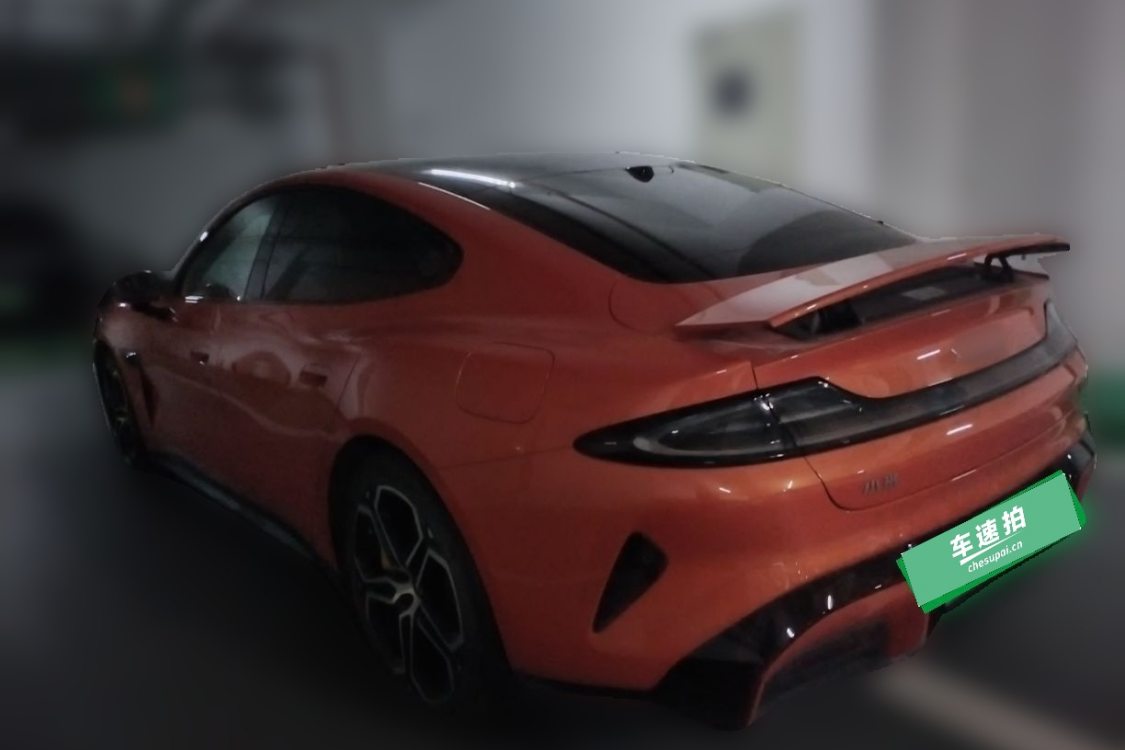
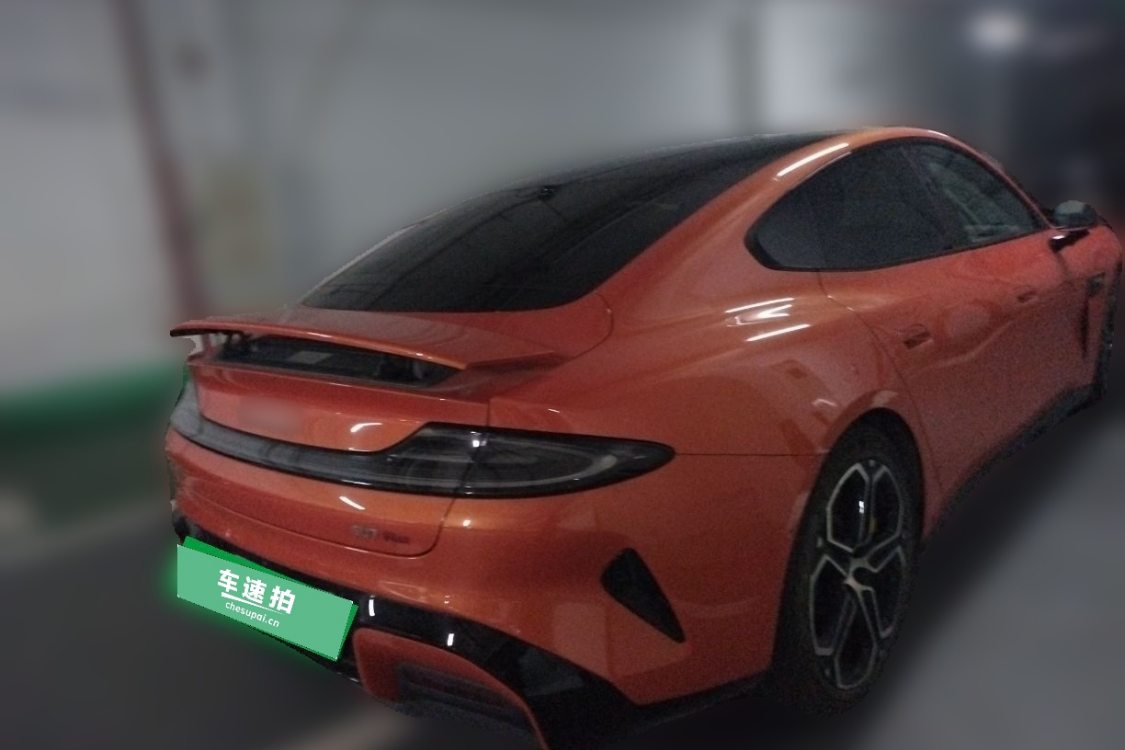
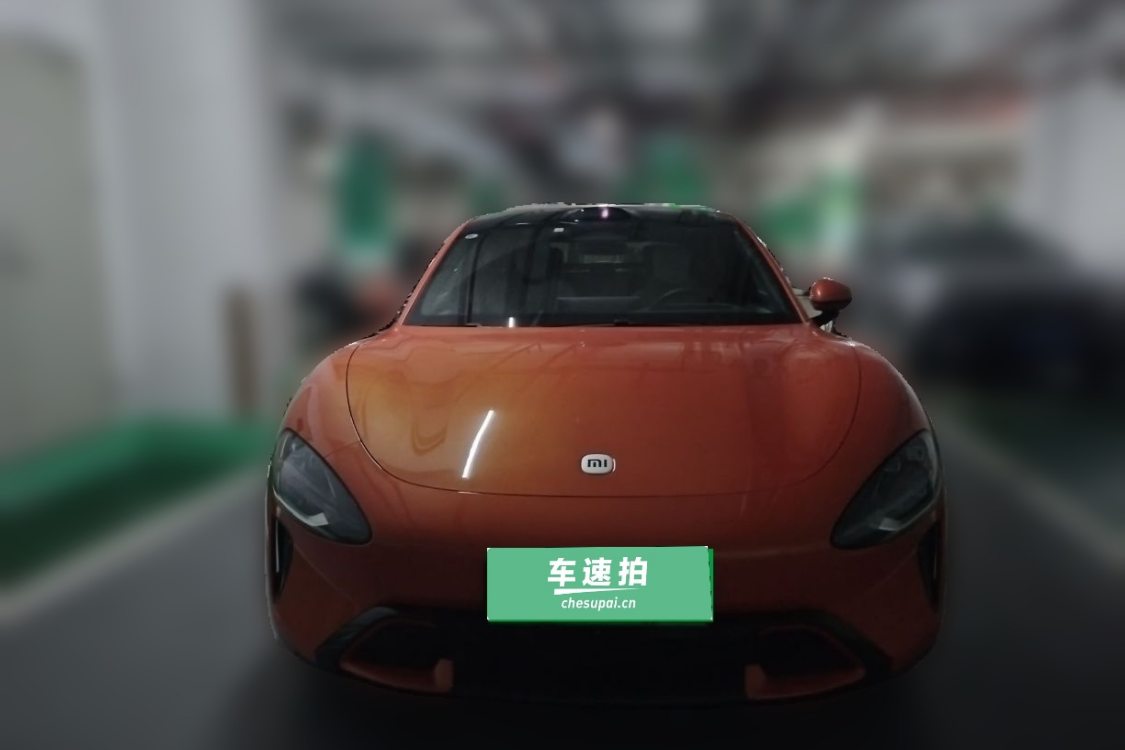
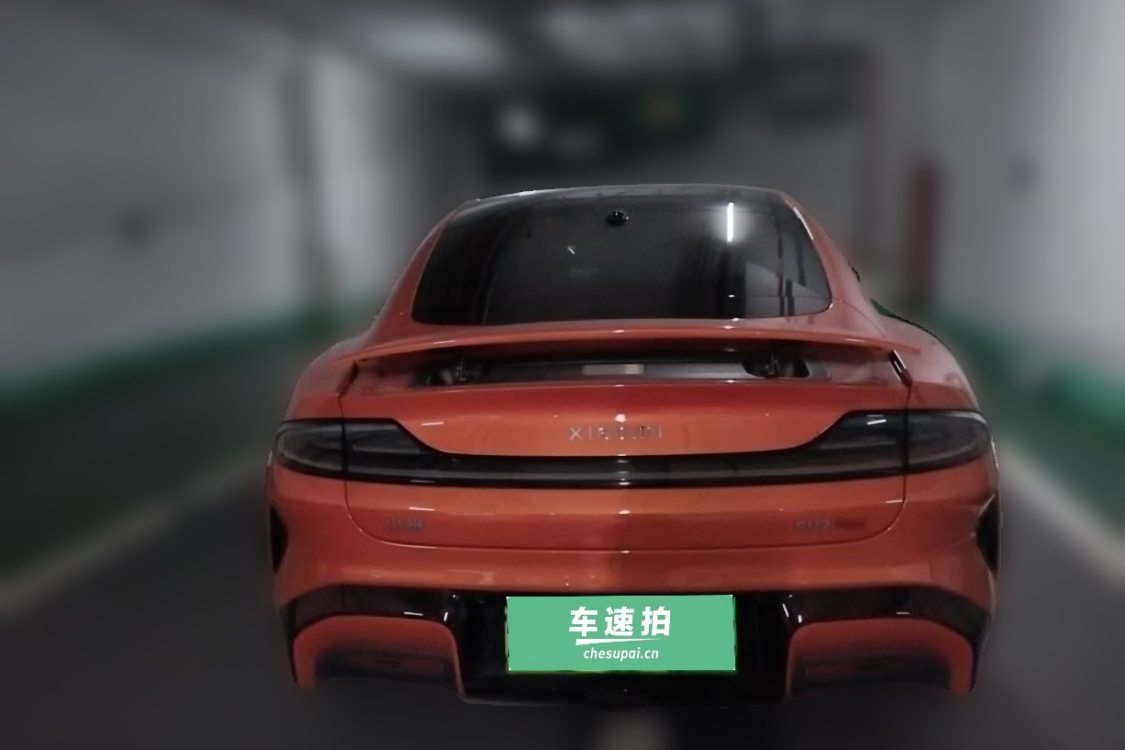
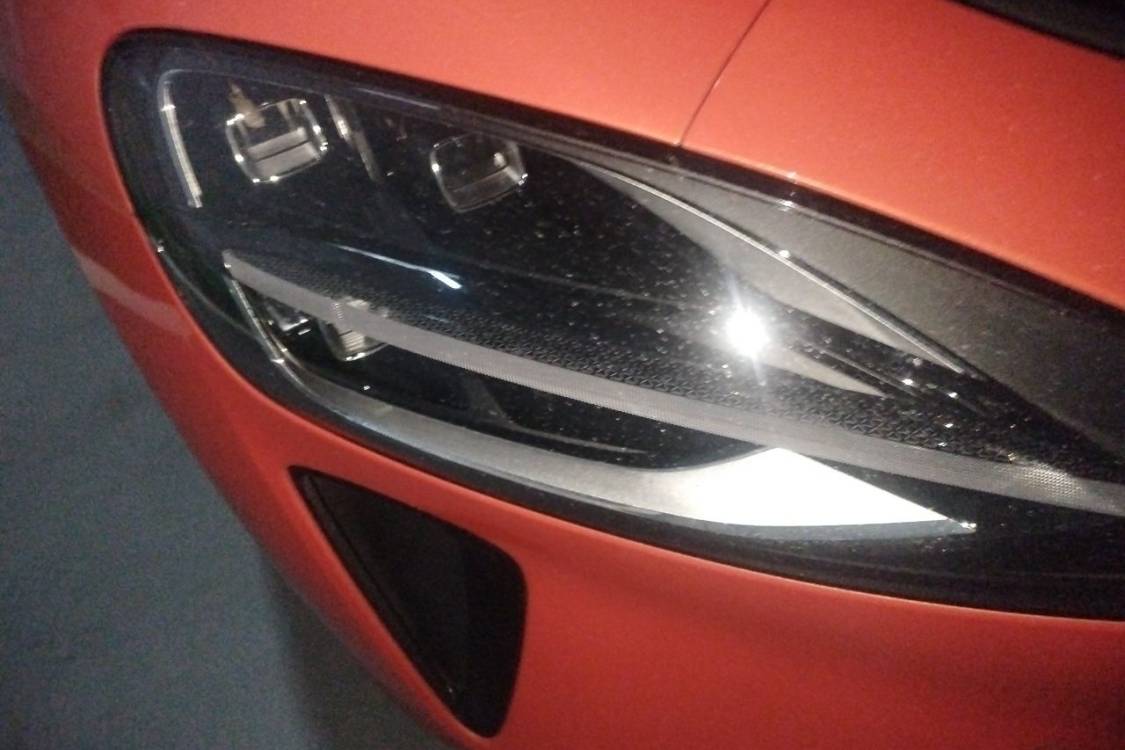
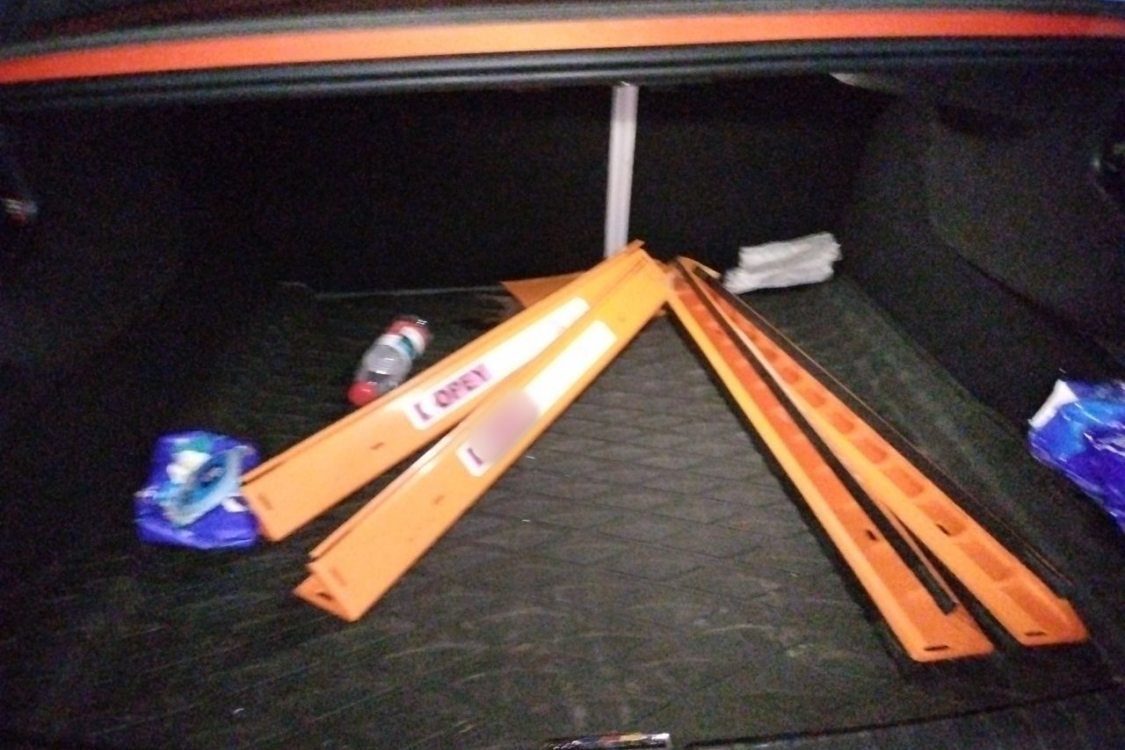



Basic Information

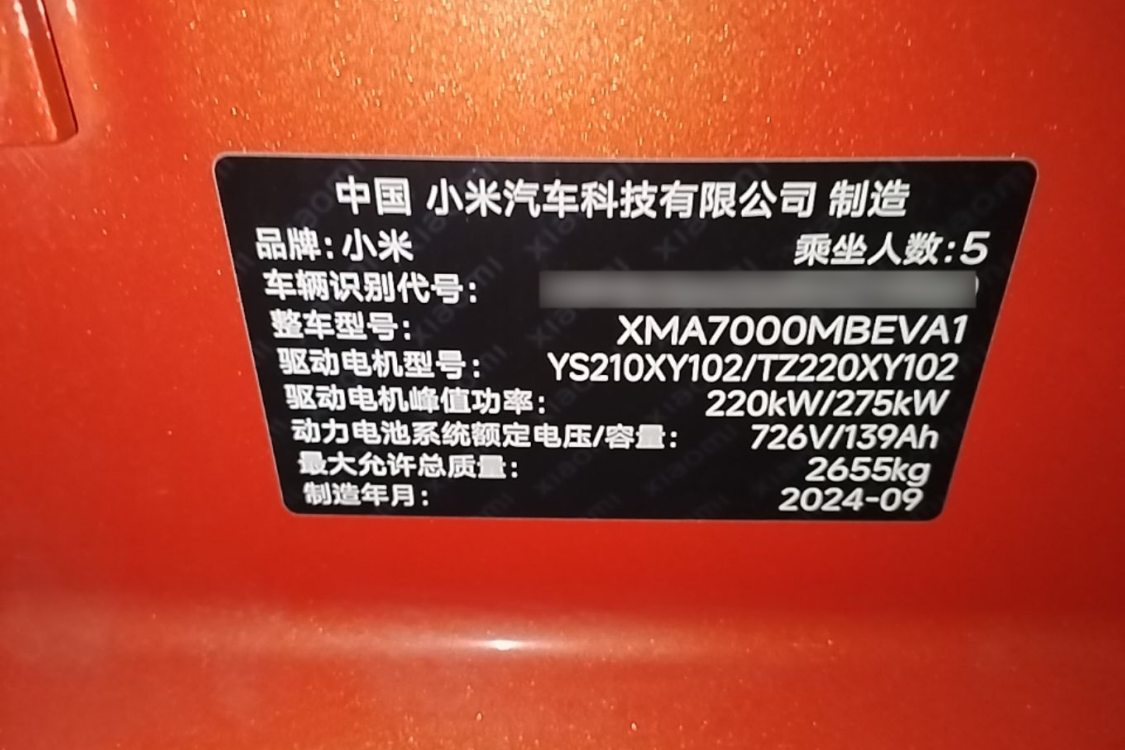
BrandMI
SeriesSU7
Year2024
First Registration2024/11
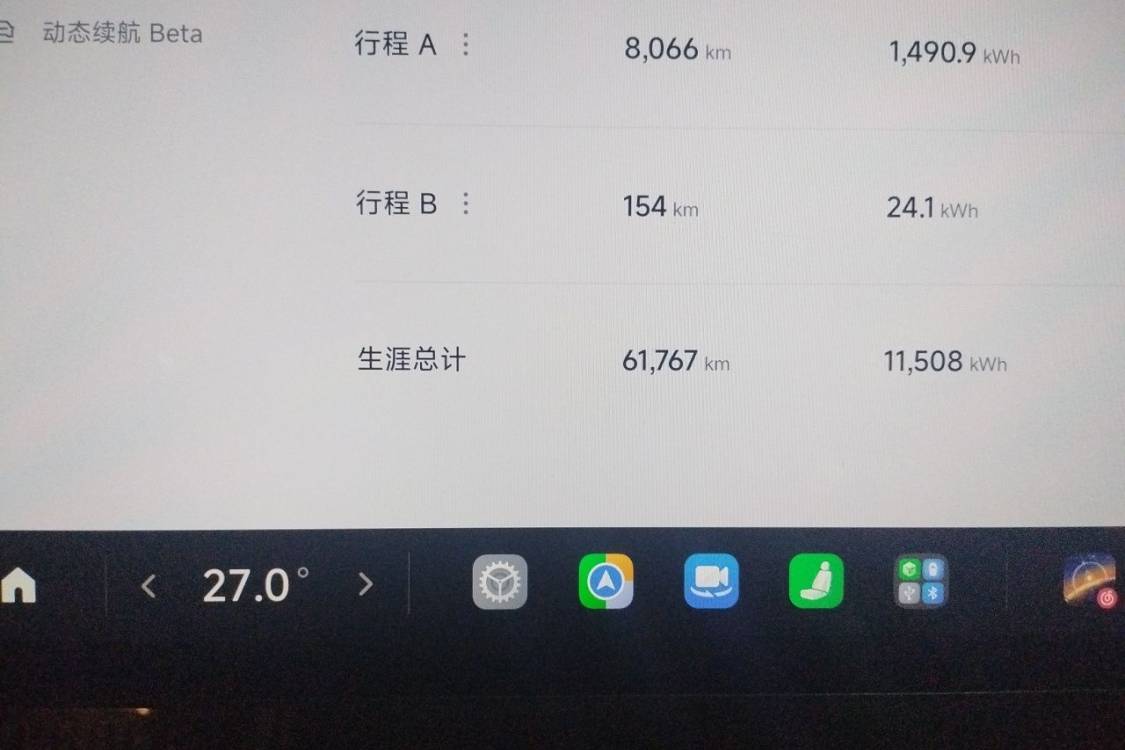
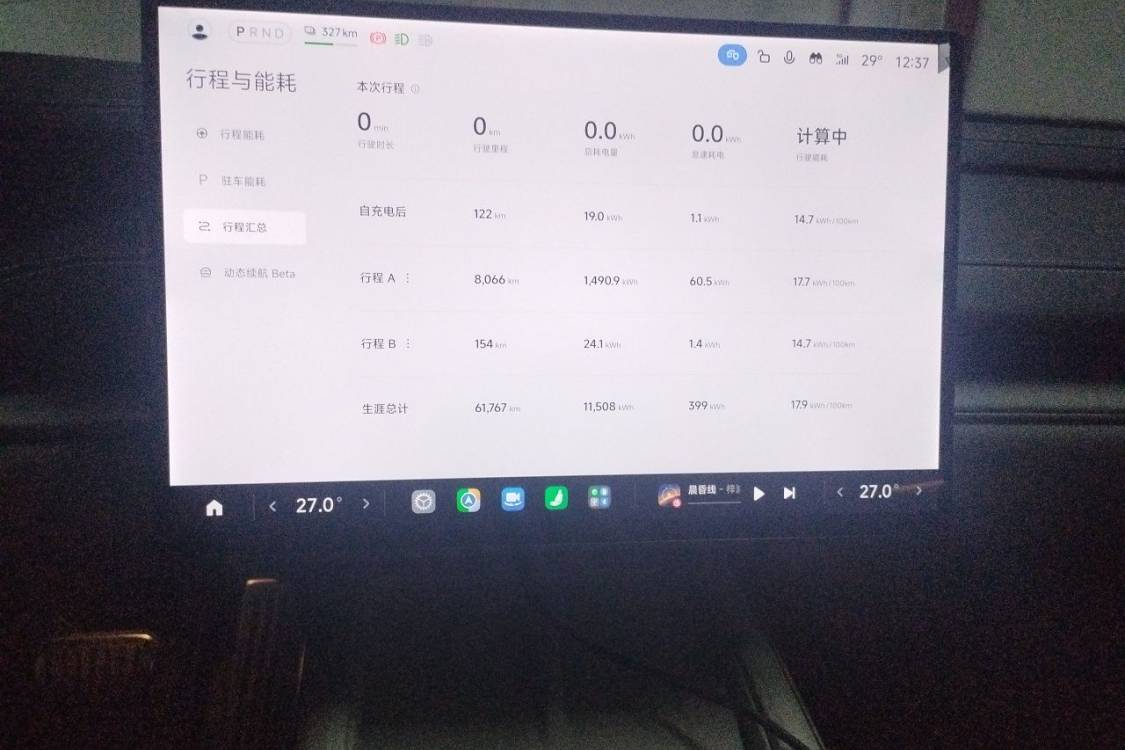
Mileage61,800km
Transfer Count-
FuelOther
TransmissionOther
Engine-
ColorOrigin
Seats-

Condition Description

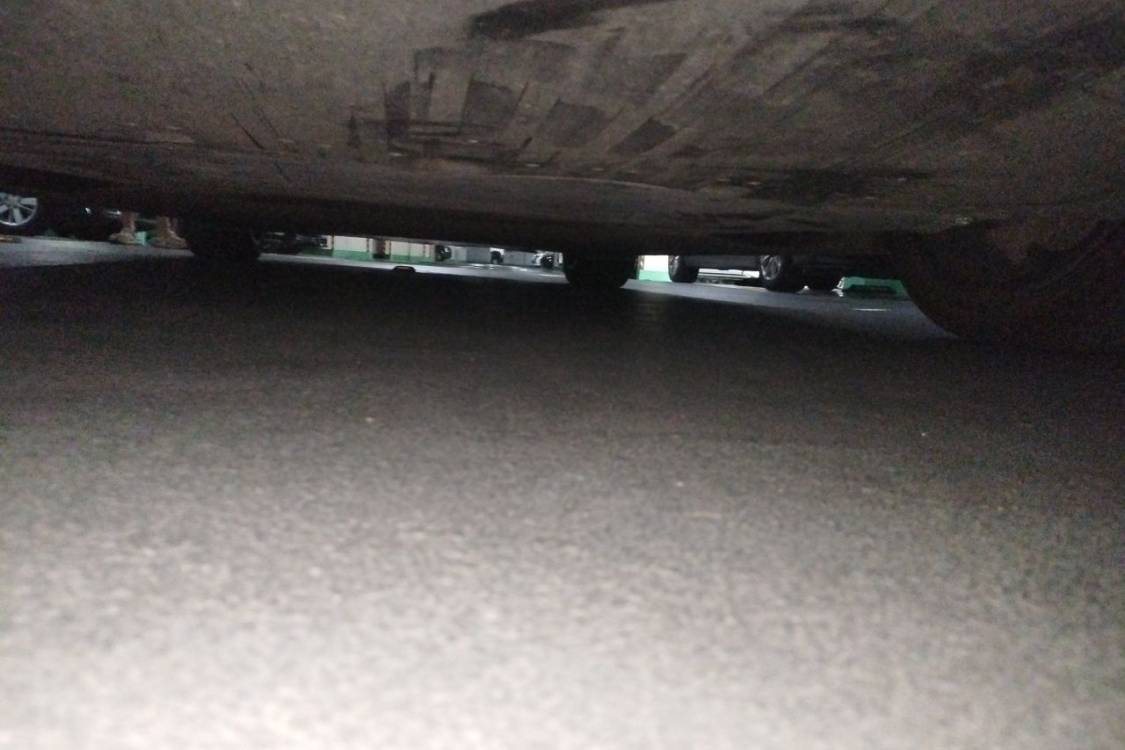
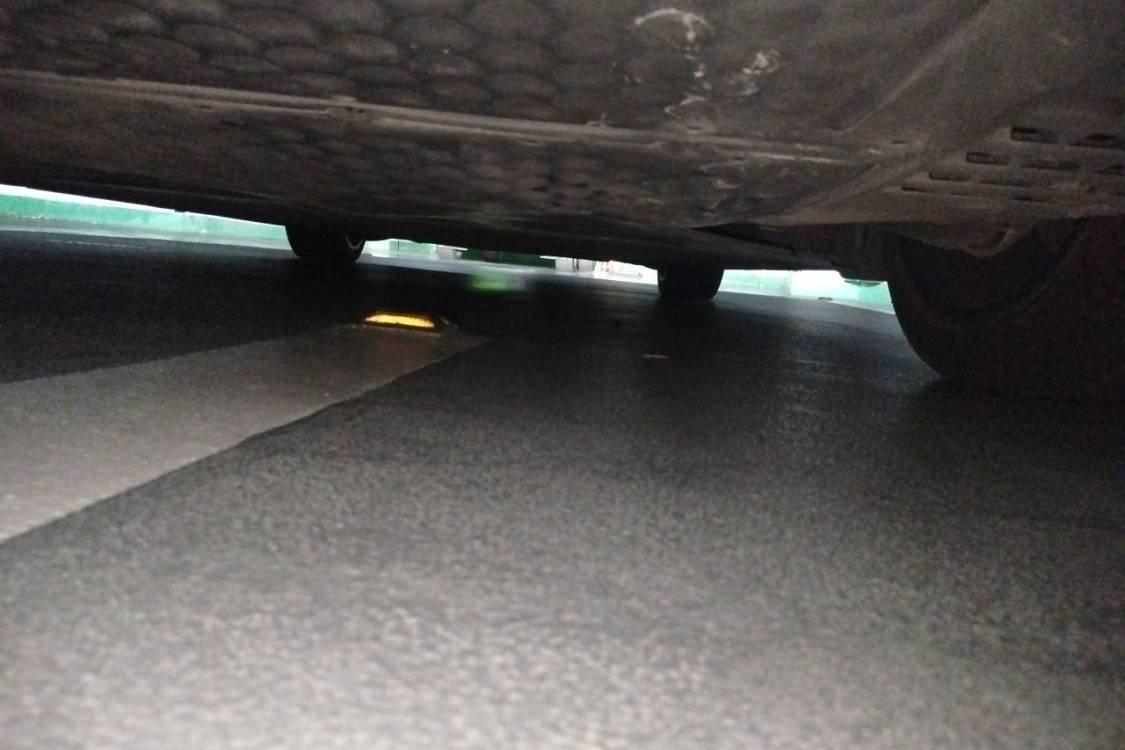
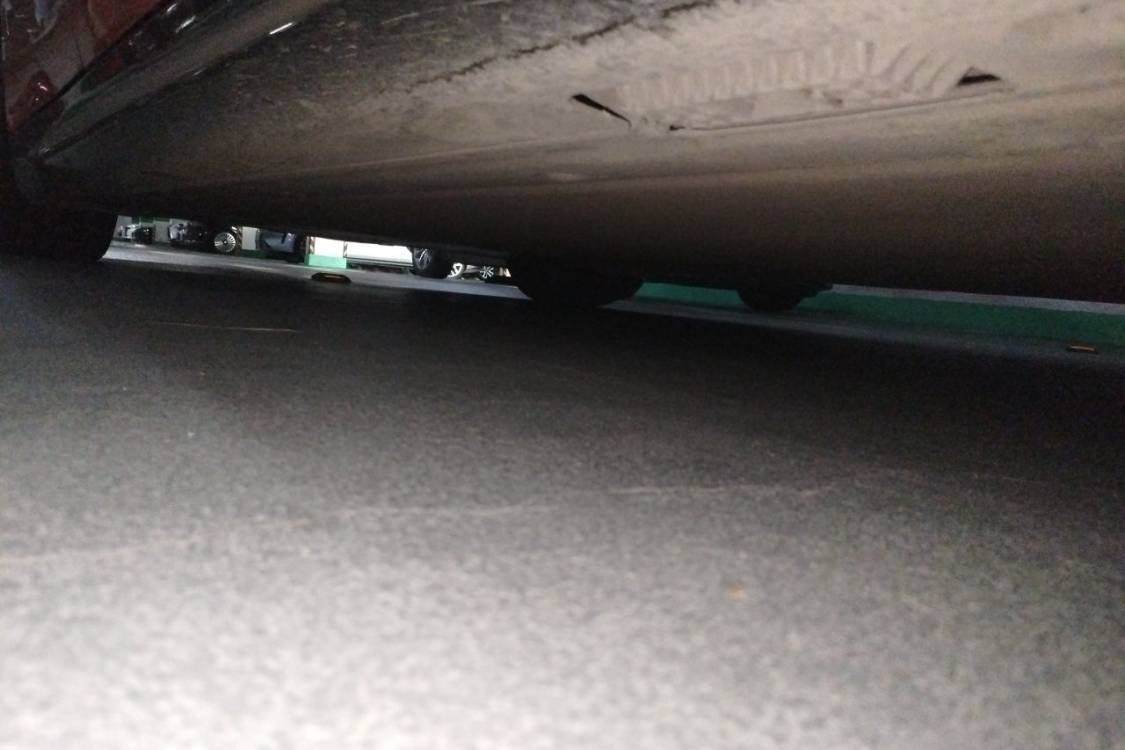
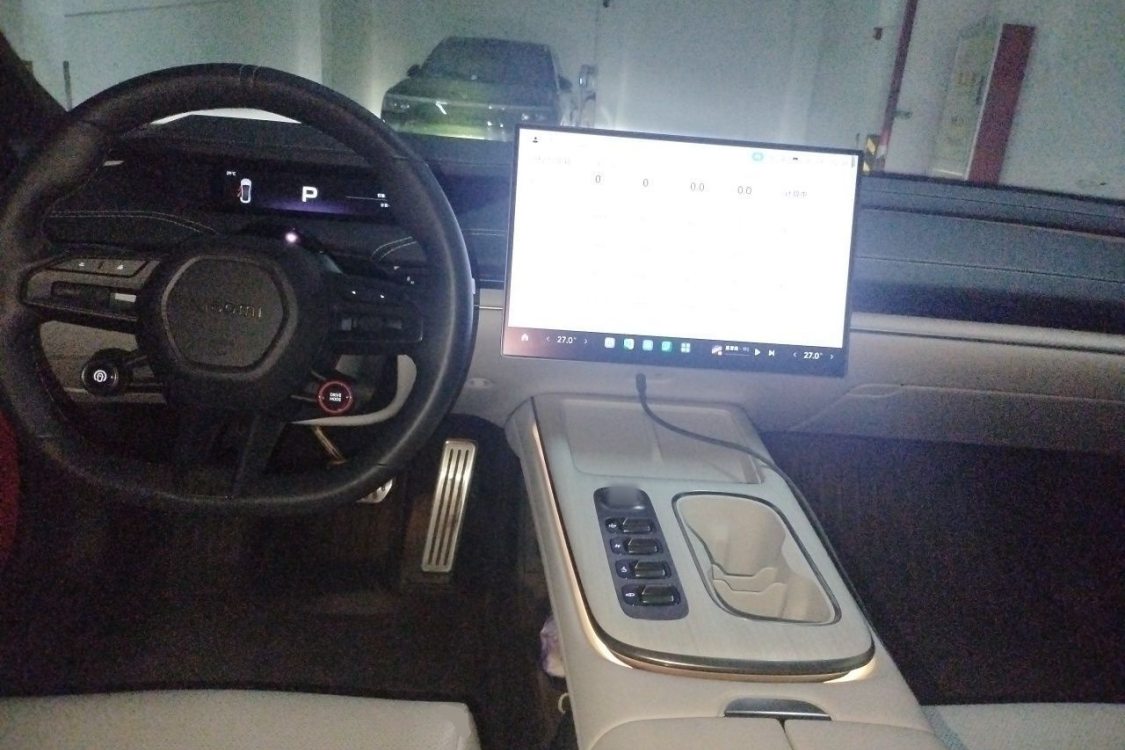
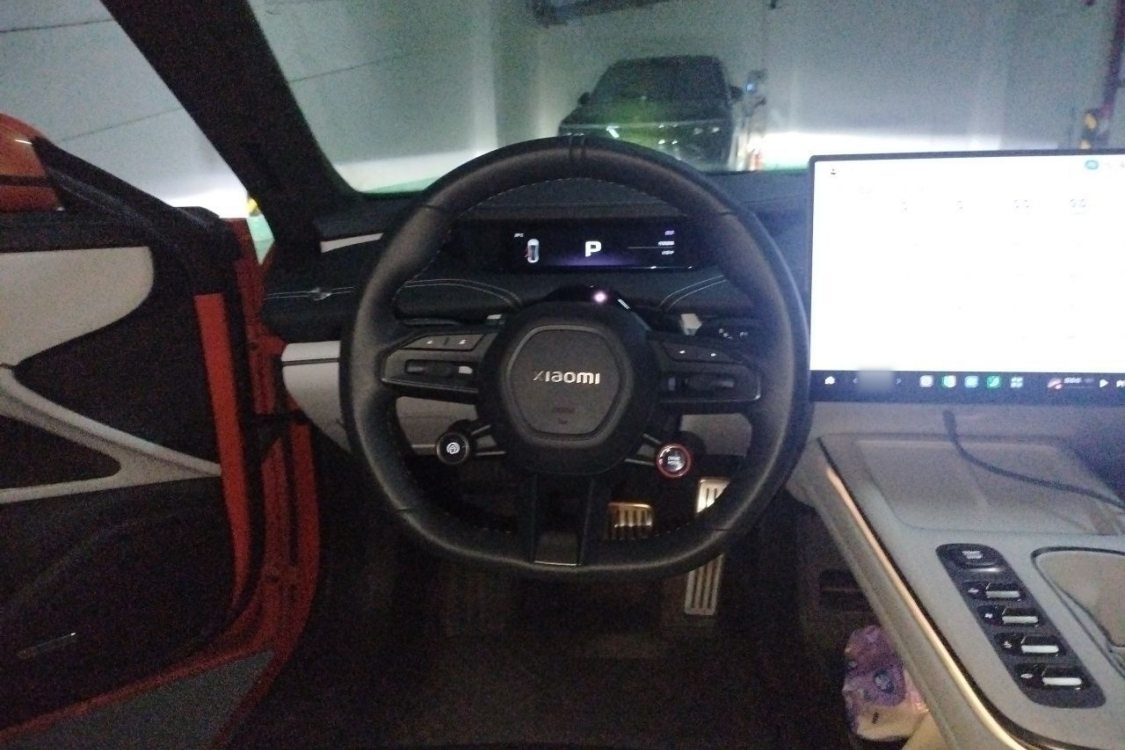
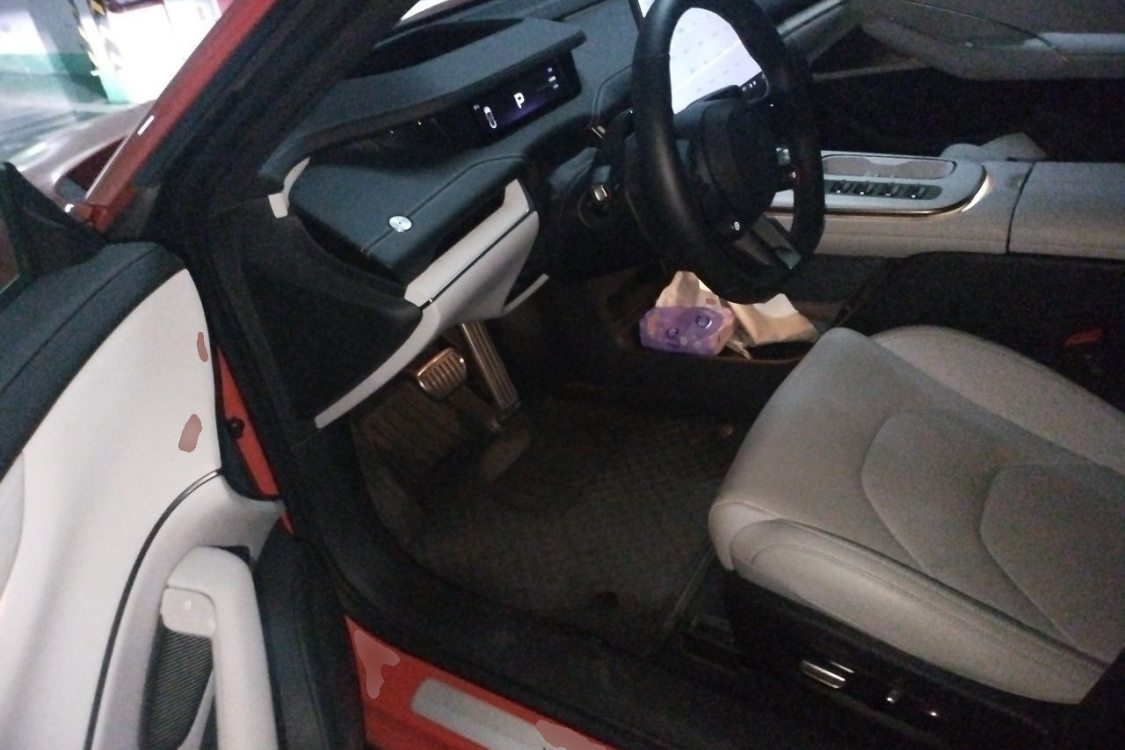
Vehicle performance is good. No accident-related damage or repairs on structural, reinforcement, or cover panels. Battery/motor/electronic control system has no damage.

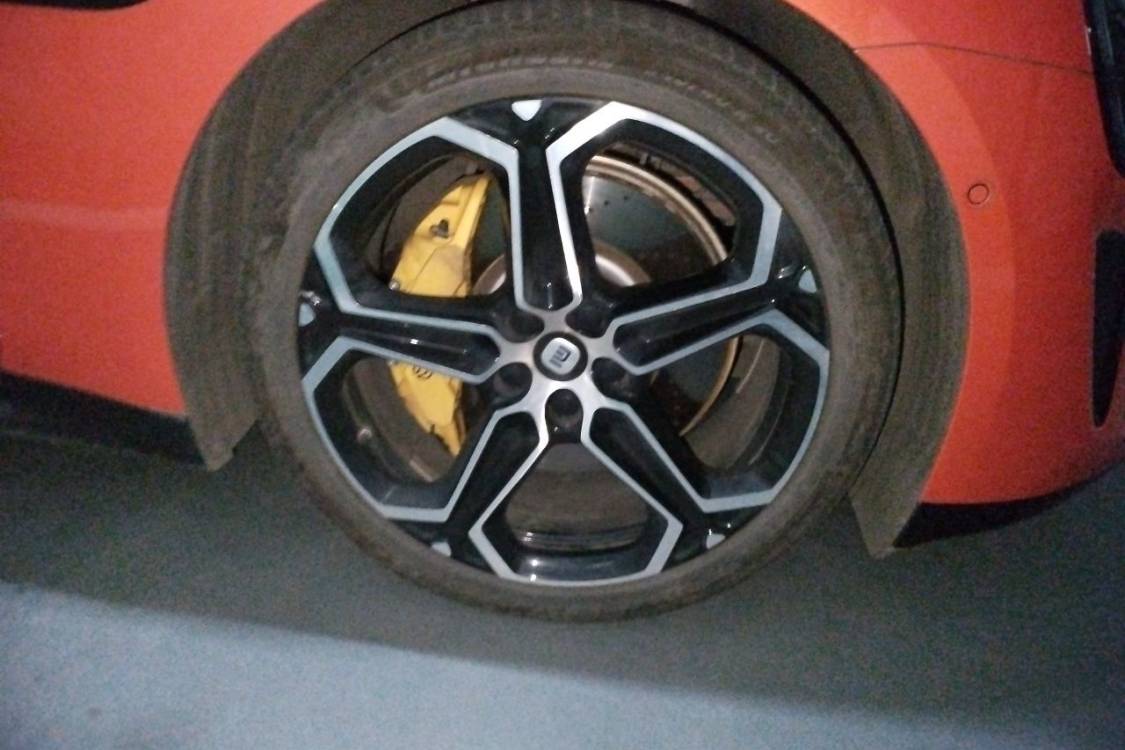
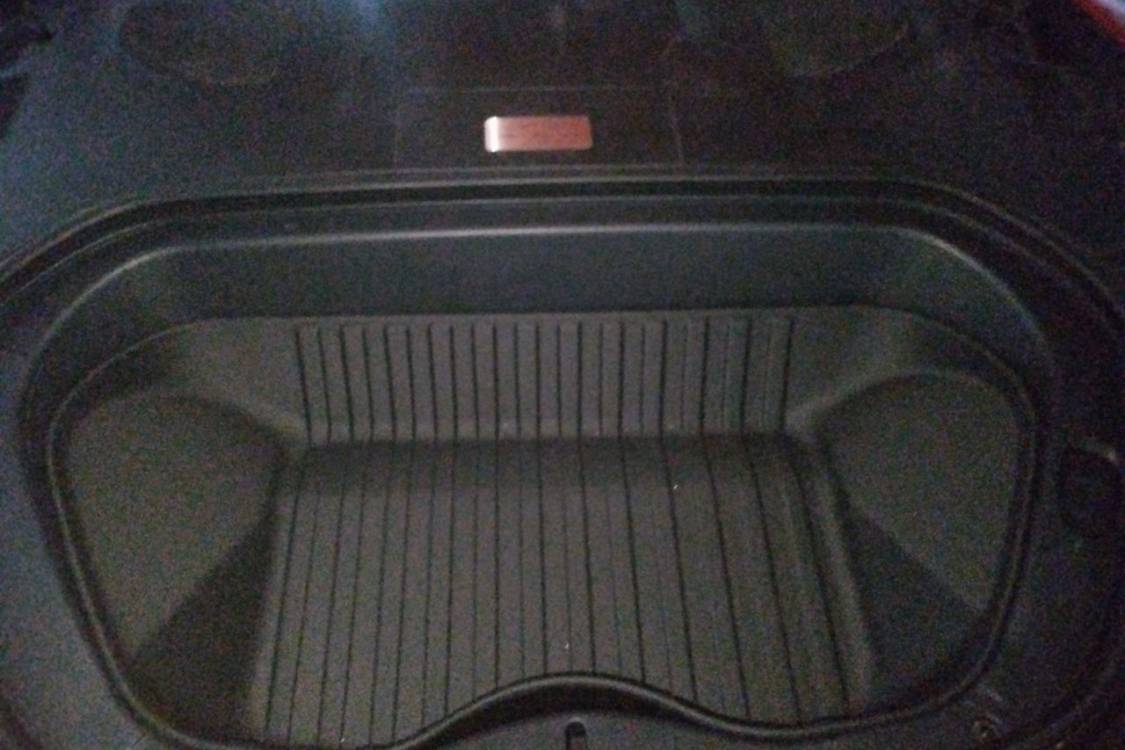
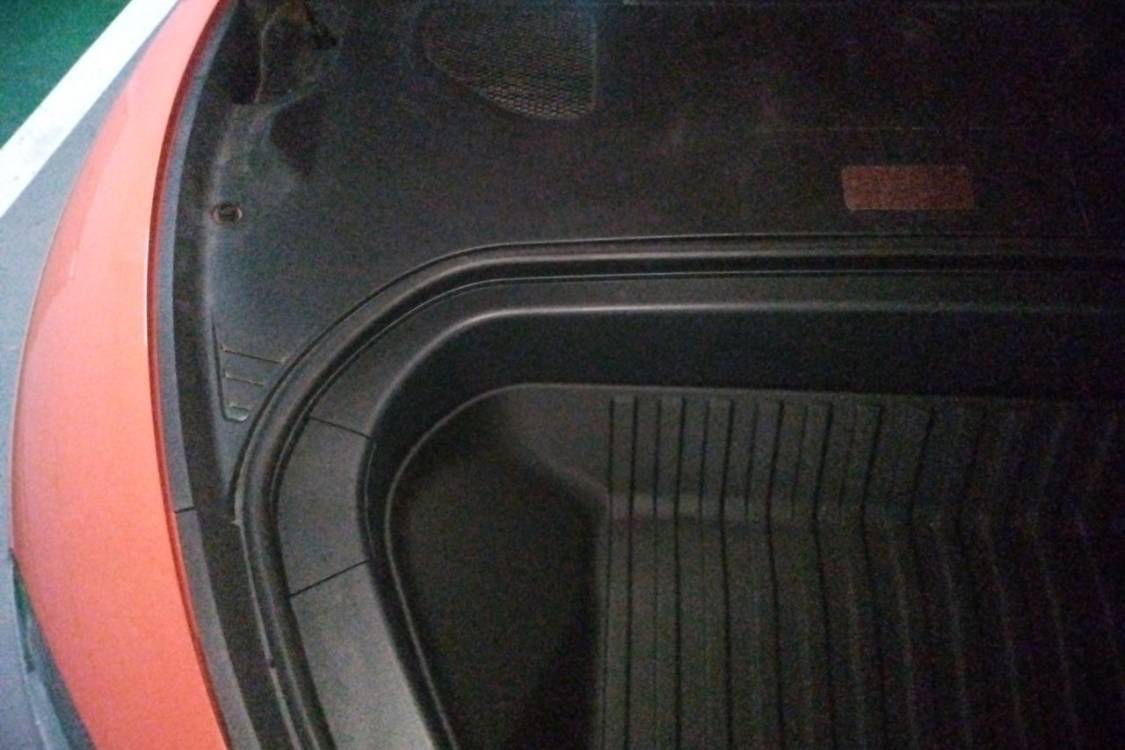
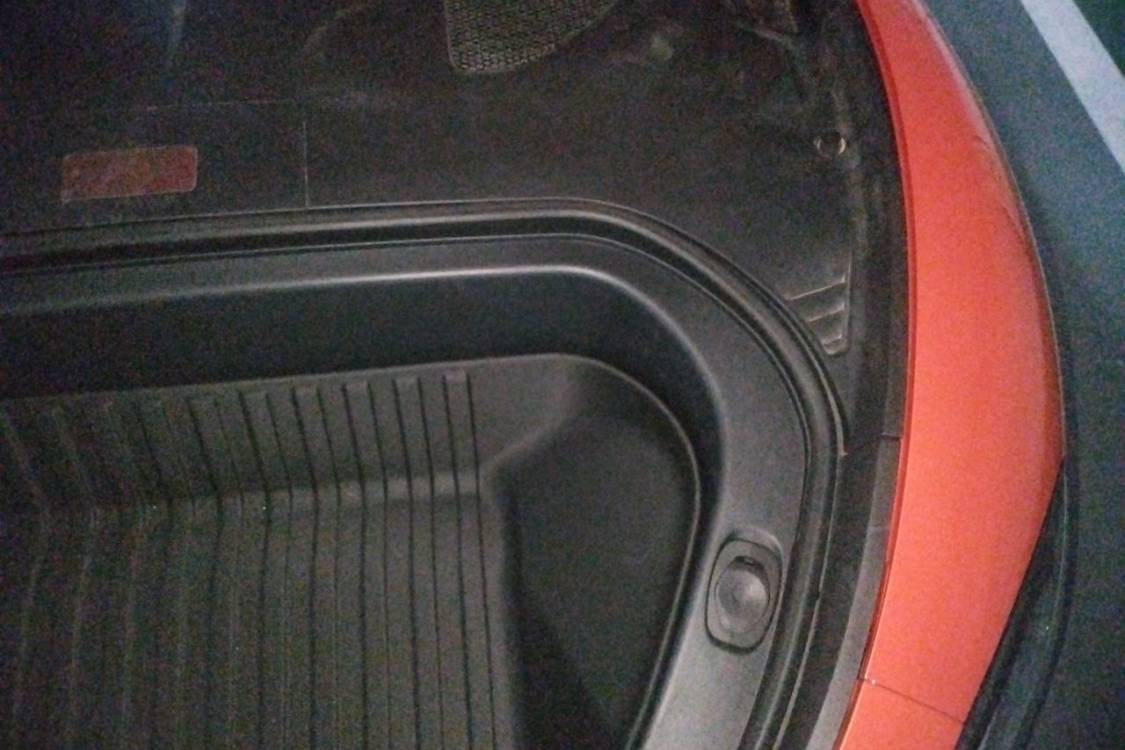
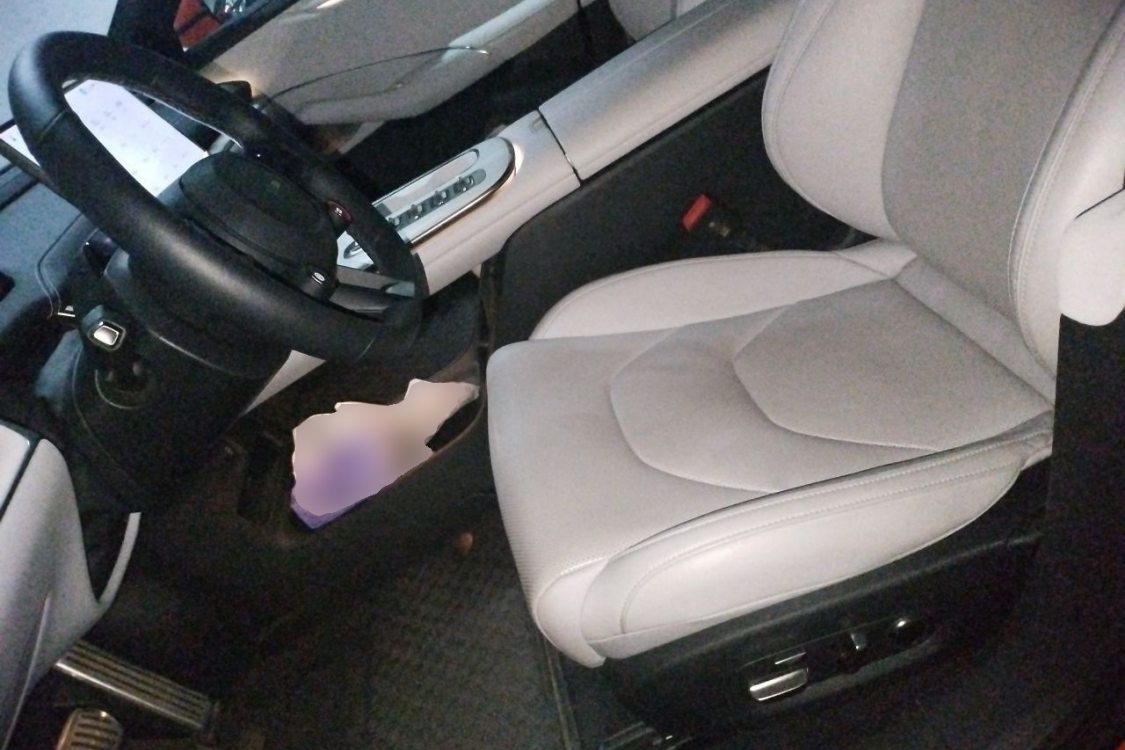
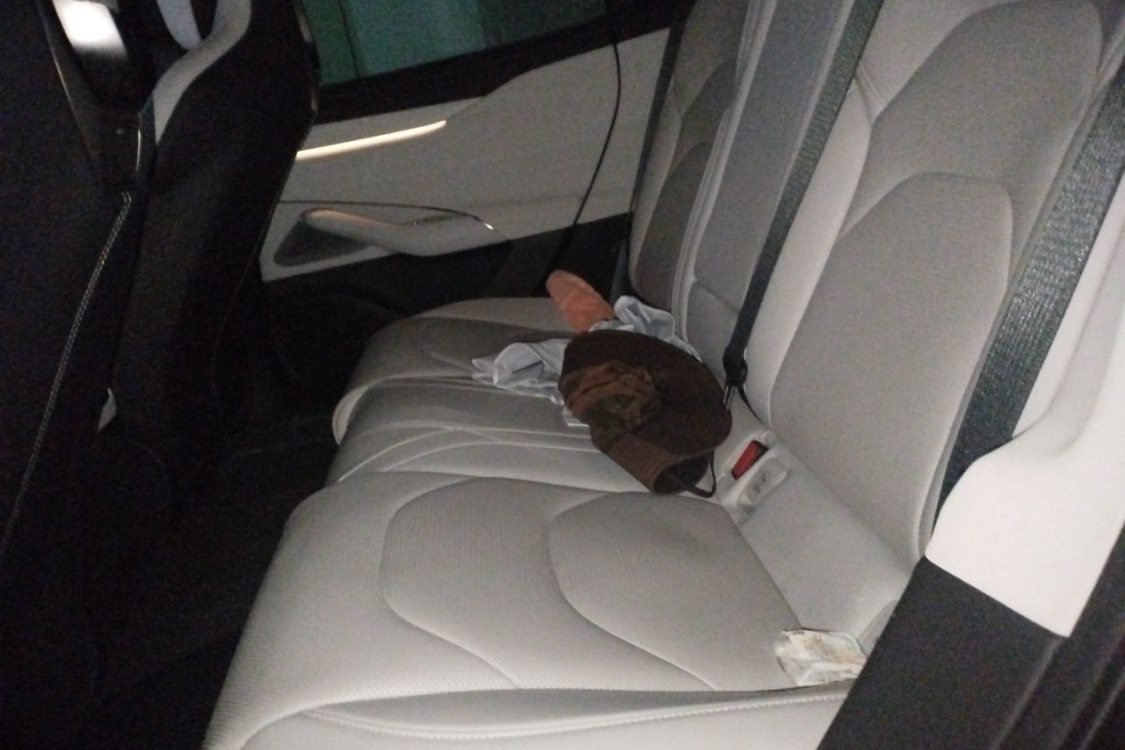
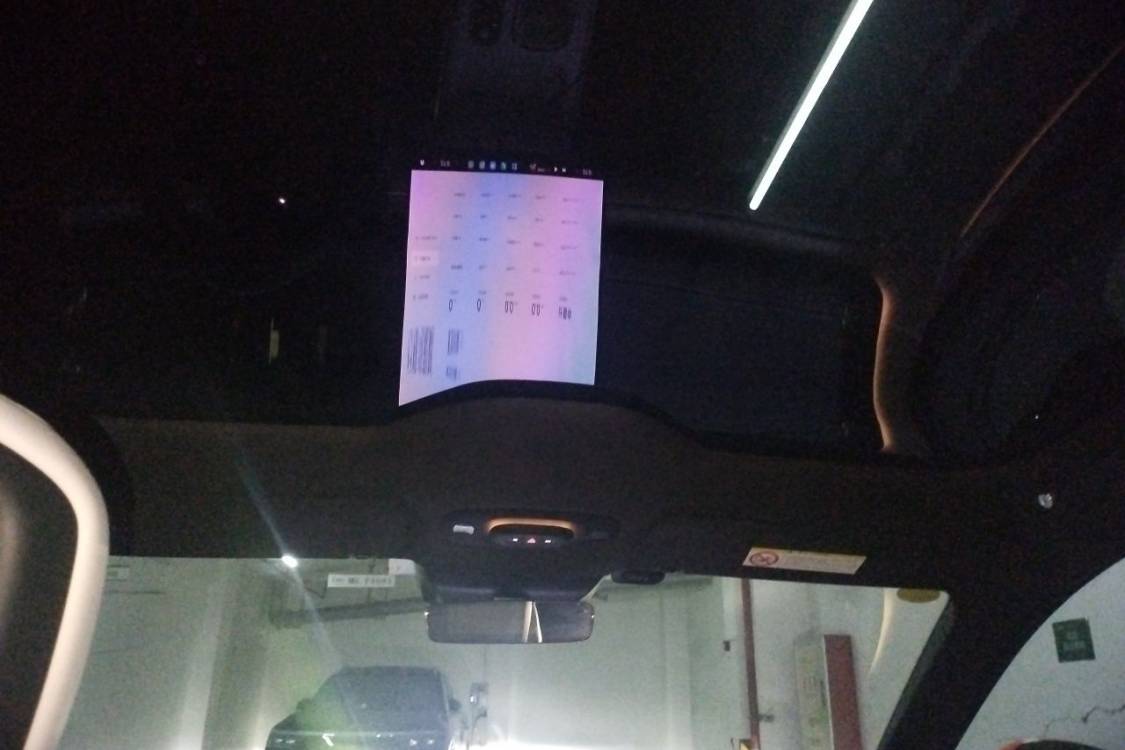
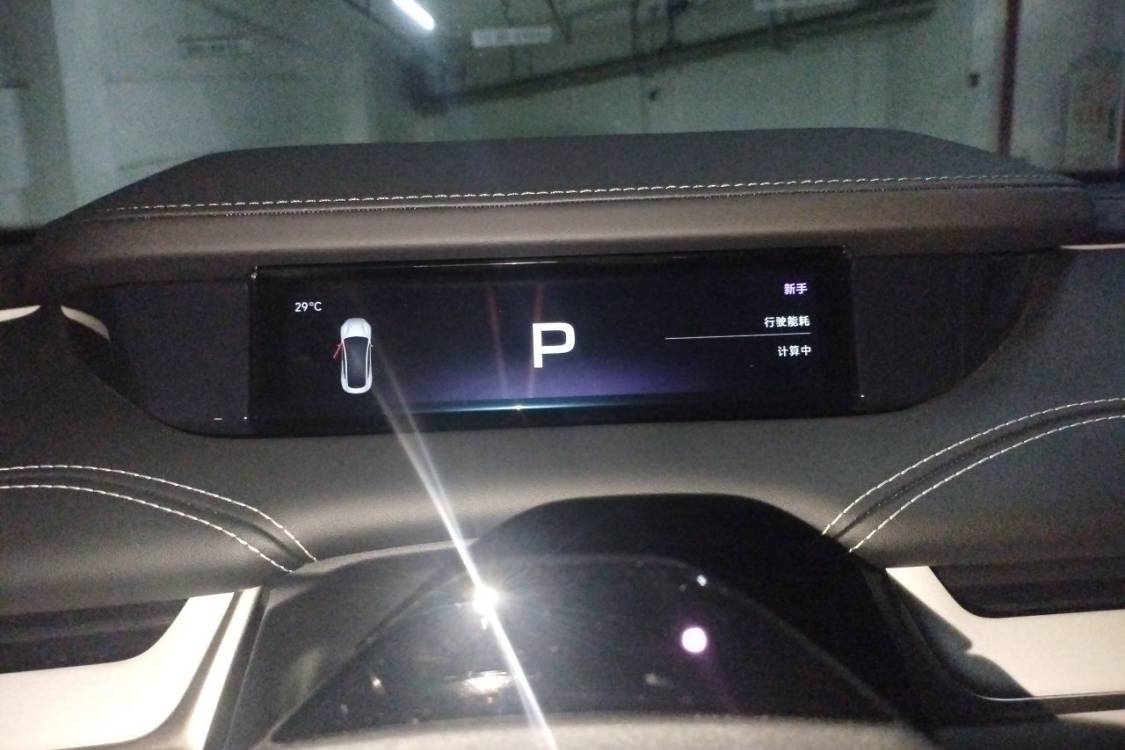
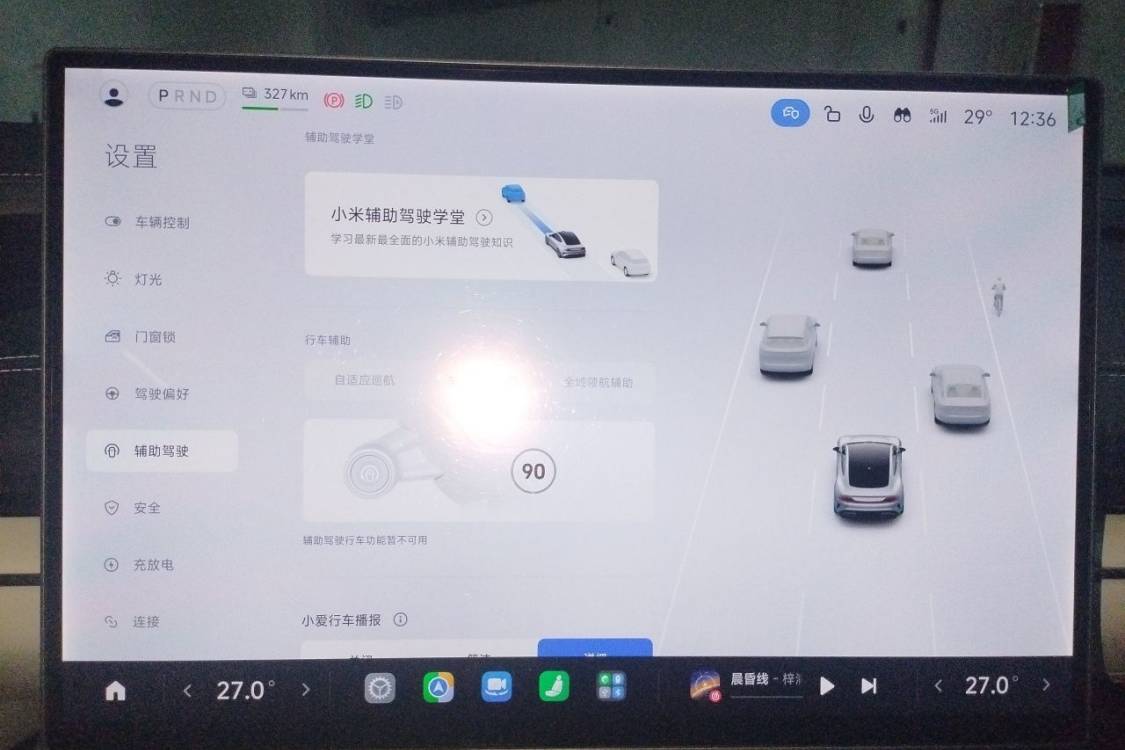
Accident inspection: main structure, reinforcement parts, and cover panels have no damage; hinges normal. Battery/motor/electronic control system inspection: normal. Engine compartment: key mechanical components normal. Exterior: none. Interior: most functions normal; airbags, seatbelts, dashboard, instruments, and lighting system normal. Startup inspection: main components normal. Onboard tools: none.

电话直连
可讲价
平台物流
可转售
车主降价
新能源
公户车
零过户
新检测标准升级>
非泡水

Document Information

Inspection Expiry Date2030/10
Warranty Expiry Date-
Insurance Expiry Date2027/10

Q&A

More

Does the platform provide independent third-party testing reports in addition to your own quality inspection?

The platform has strict internal outbound inspections. If buyers need, we can assist you in commissioning an independent third-party evaluation agency (such as Cha Doctor, Dongche Di official testing, etc.) for re-inspection, with costs borne by the buyer. An independent report can provide more credibility for your local resale.


The target country has strict age and emission restrictions on imported used cars. Will you help me review this?

We will provide extremely accurate production year, first registration date, and Chinese emission standards (e.g., National VI). However, the final responsibility for confirming whether this data complies with the importing country's regulations lies with the buyer, and you need to submit it to the local customs for verification before placing an order.

What should a pre-purchase inspection in China include if I cannot be there in person?

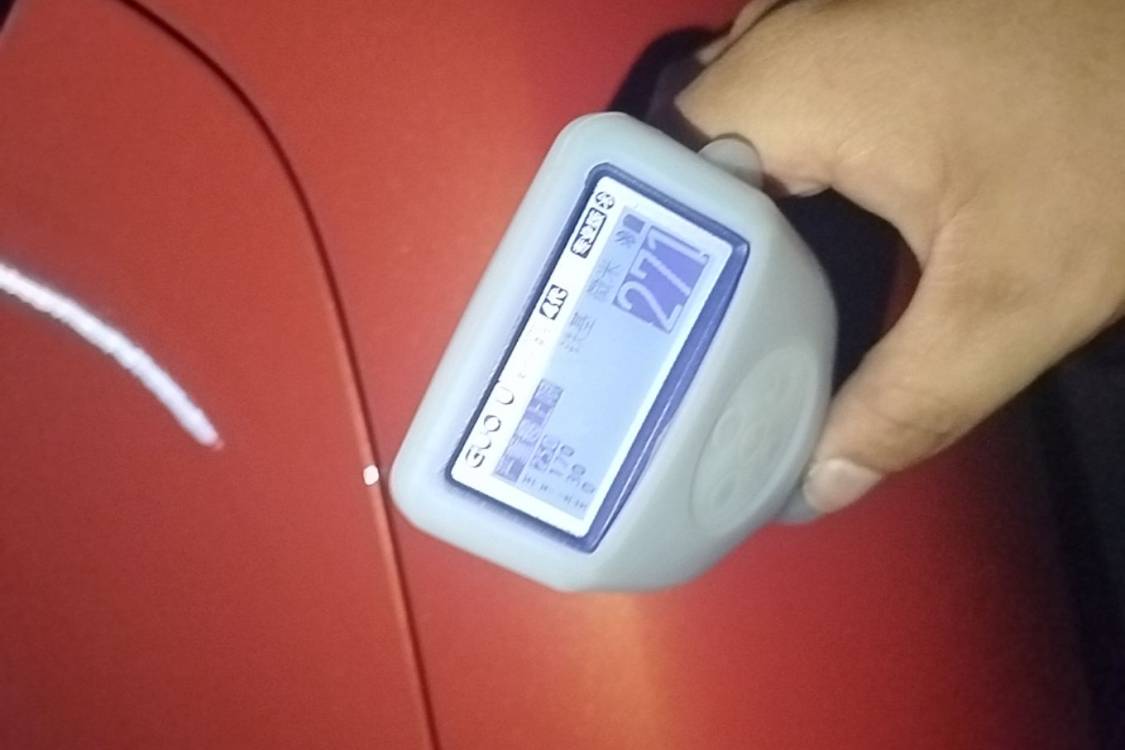
A proper third-party inspection has four parts, and you should insist on all of them. 1. Lift inspection: the car goes on a hoist to examine the underbody, frame rails, suspension arms and oil pan for impact damage or leaks — areas no photo set can cover. 2. Paint thickness check: a gauge reading from every panel. Inconsistent or very high values reveal repainting; structural points like the A/B/C pillars matter most because they indicate accident repairs. 3. OBD diagnostics: fault codes and live data from the engine, transmission, ABS and airbag modules. Stored historical codes often tell the truth the dashboard hides. 4. Road test: cold and warm driving to check shifting, braking and unusual noises. The report should carry the VIN, inspection date and the agency's stamp or digital signature. It costs very little compared to the price of the car, and it filters out most problem vehicles before your money moves.