



24H

Basic Information

BrandMI
SeriesSU7
Year2024
First Registration2024/11
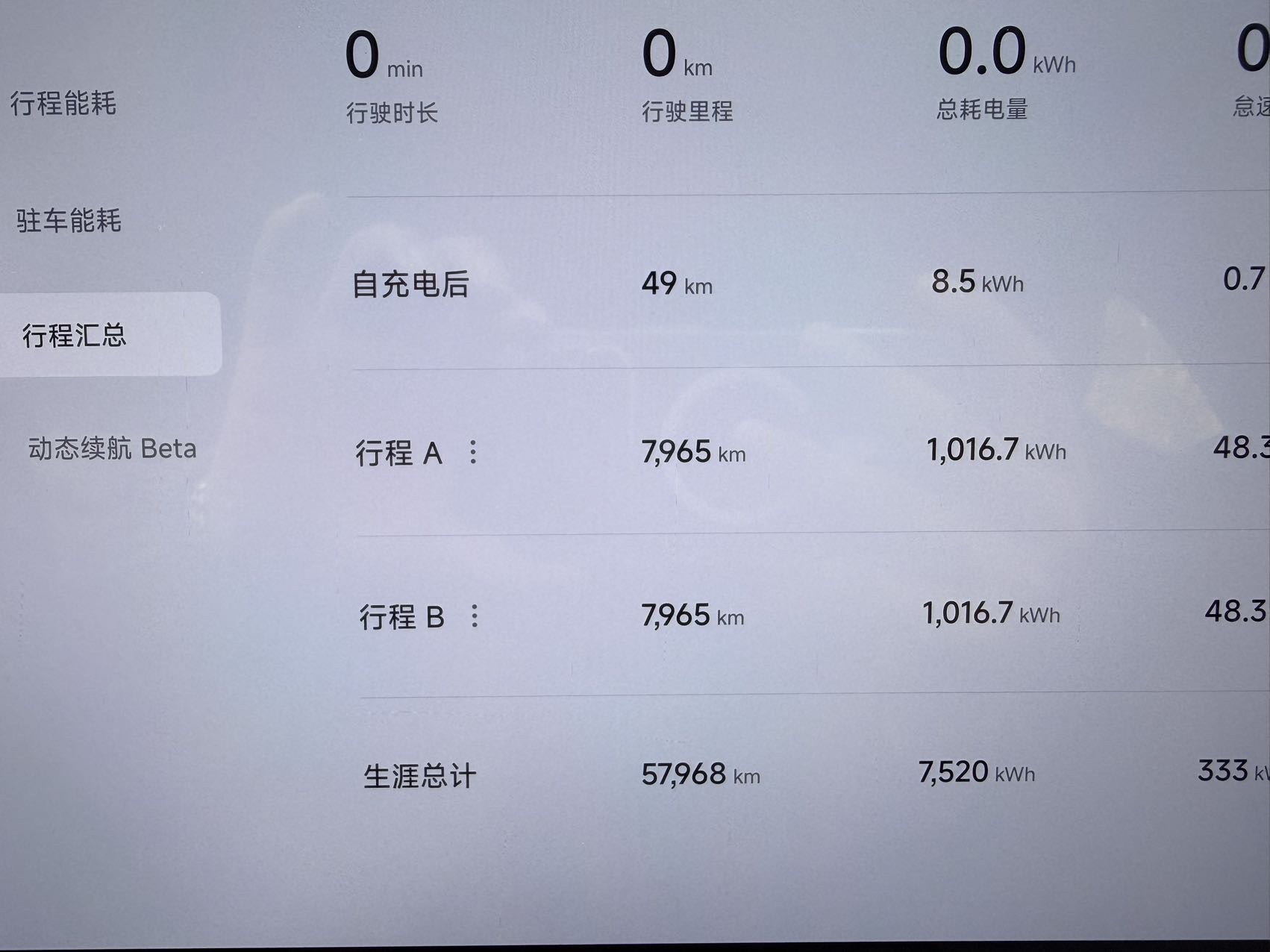
Mileage57,000km
Transfer Count0times
FuelElectric
TransmissionOther
Engine-
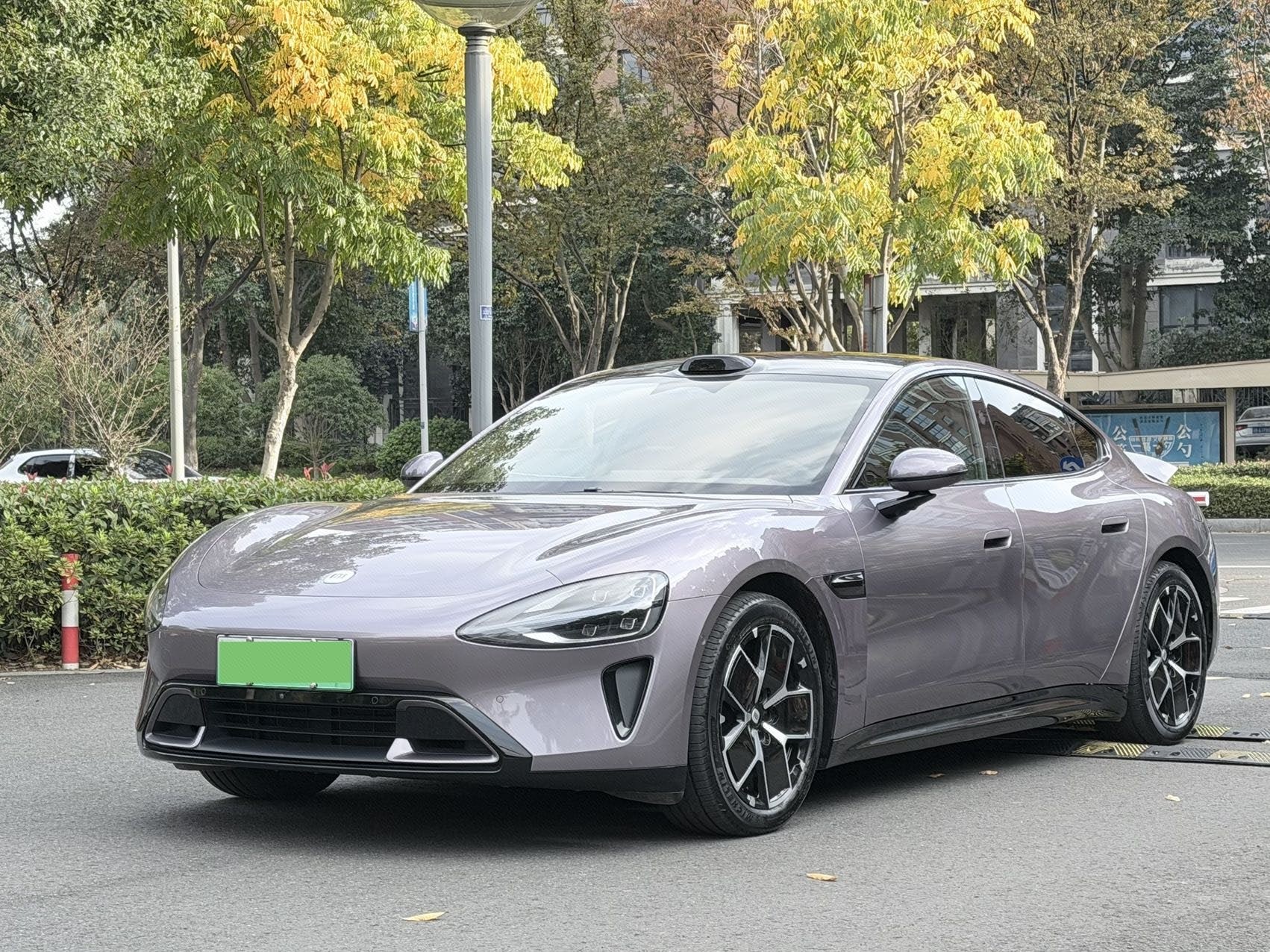
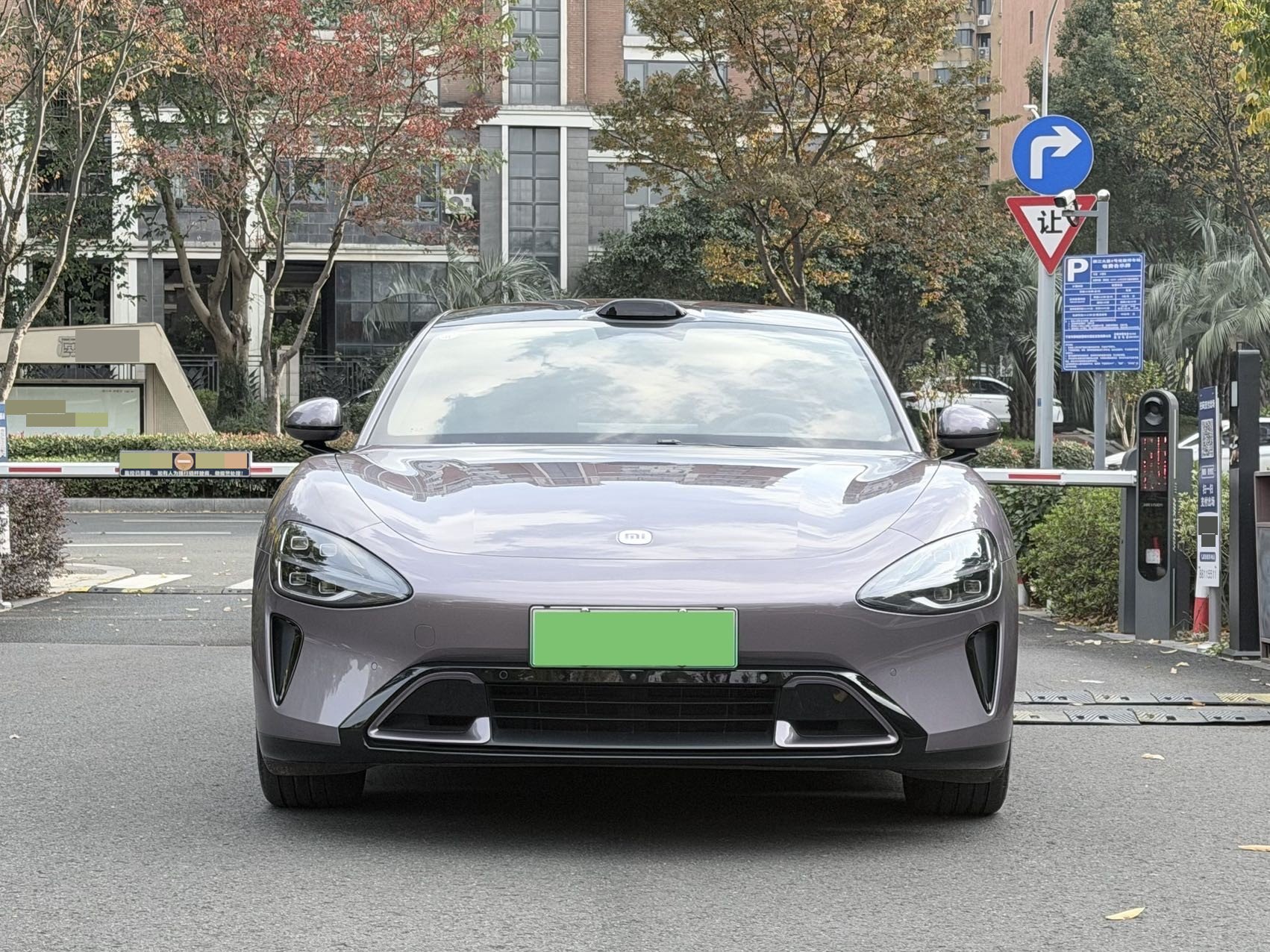
ColorPurple
Seats5seats

Condition Description

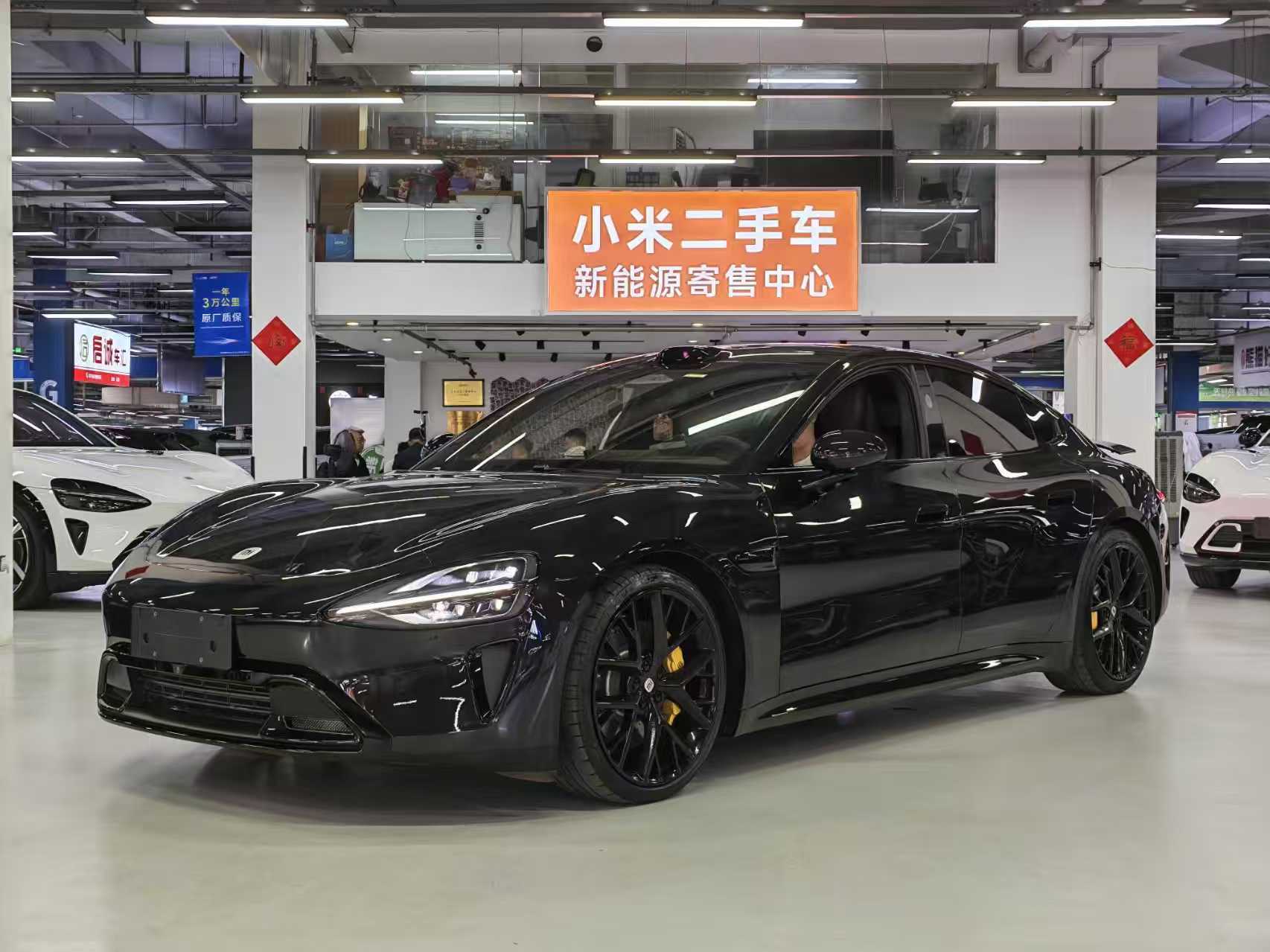
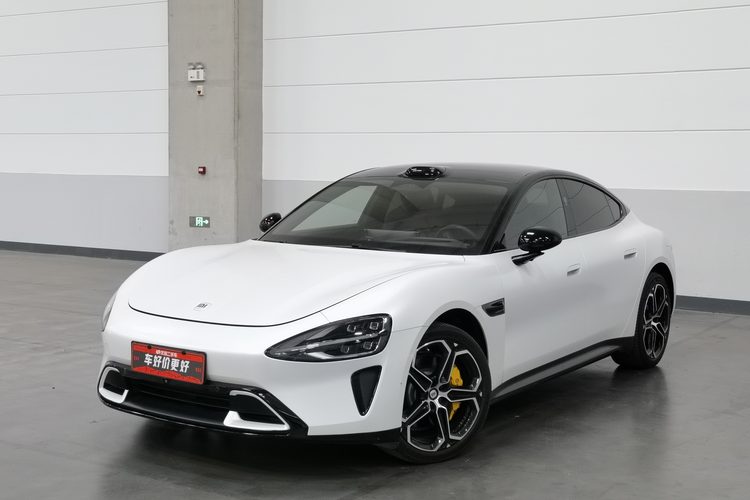
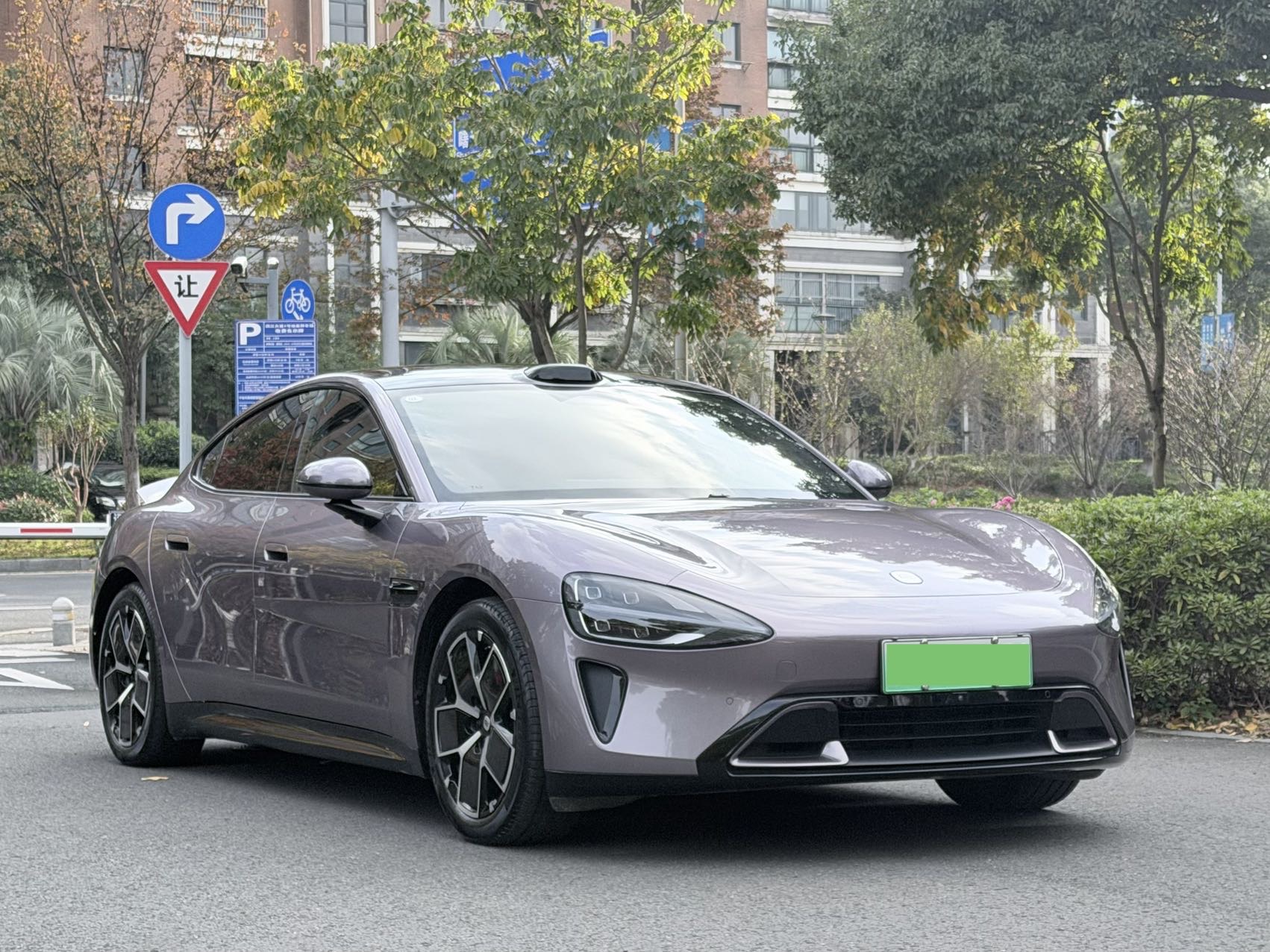
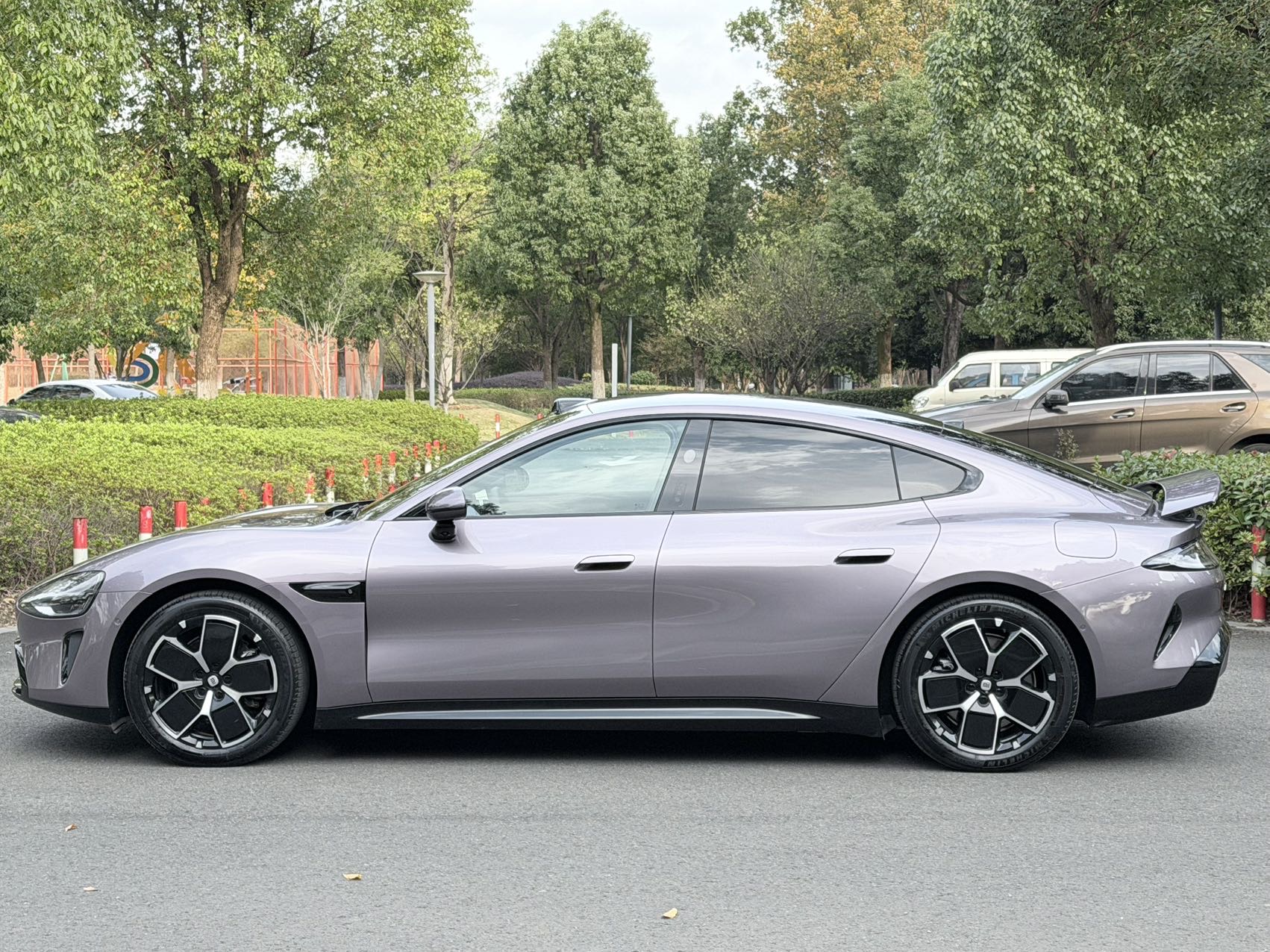
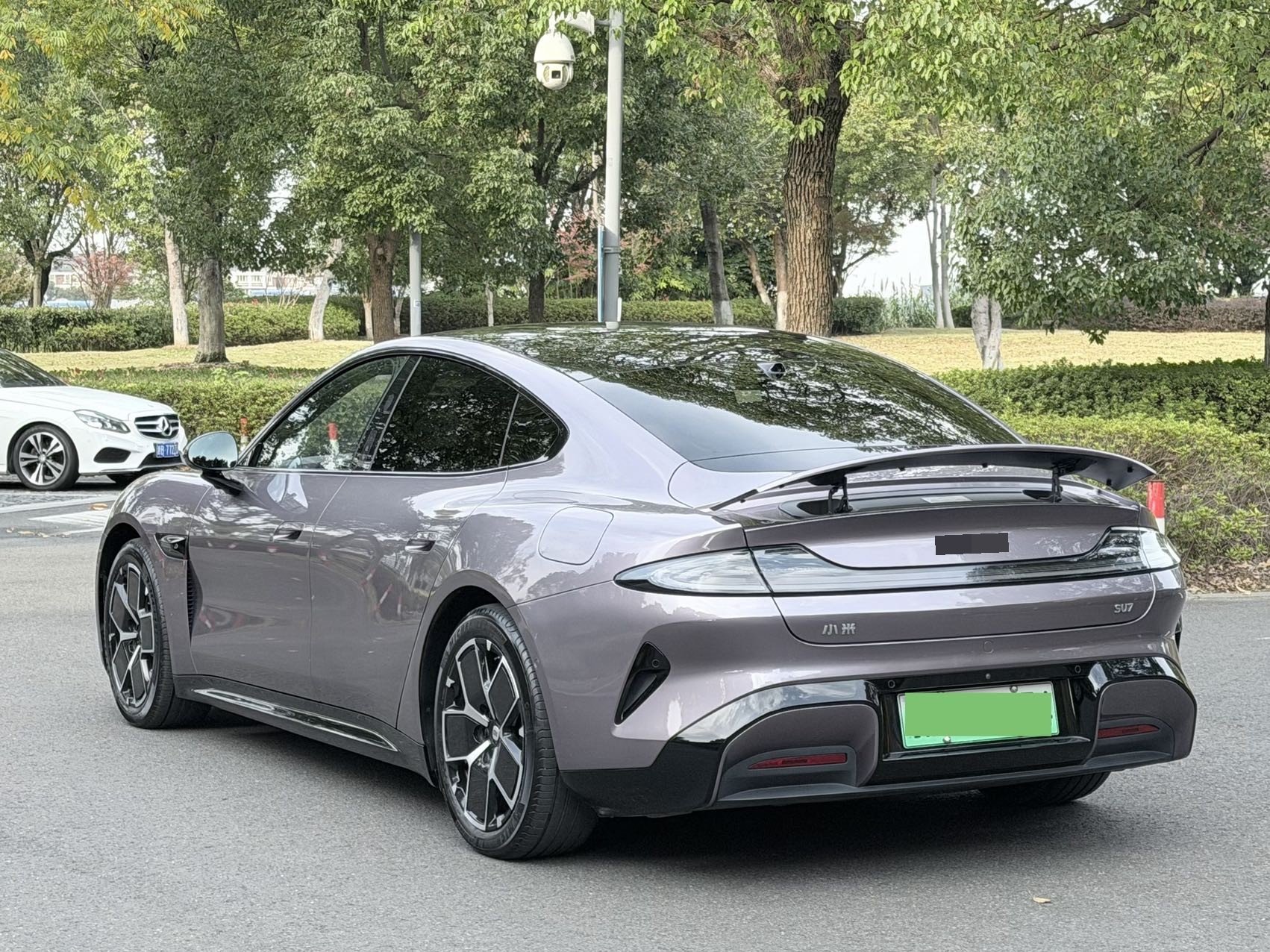
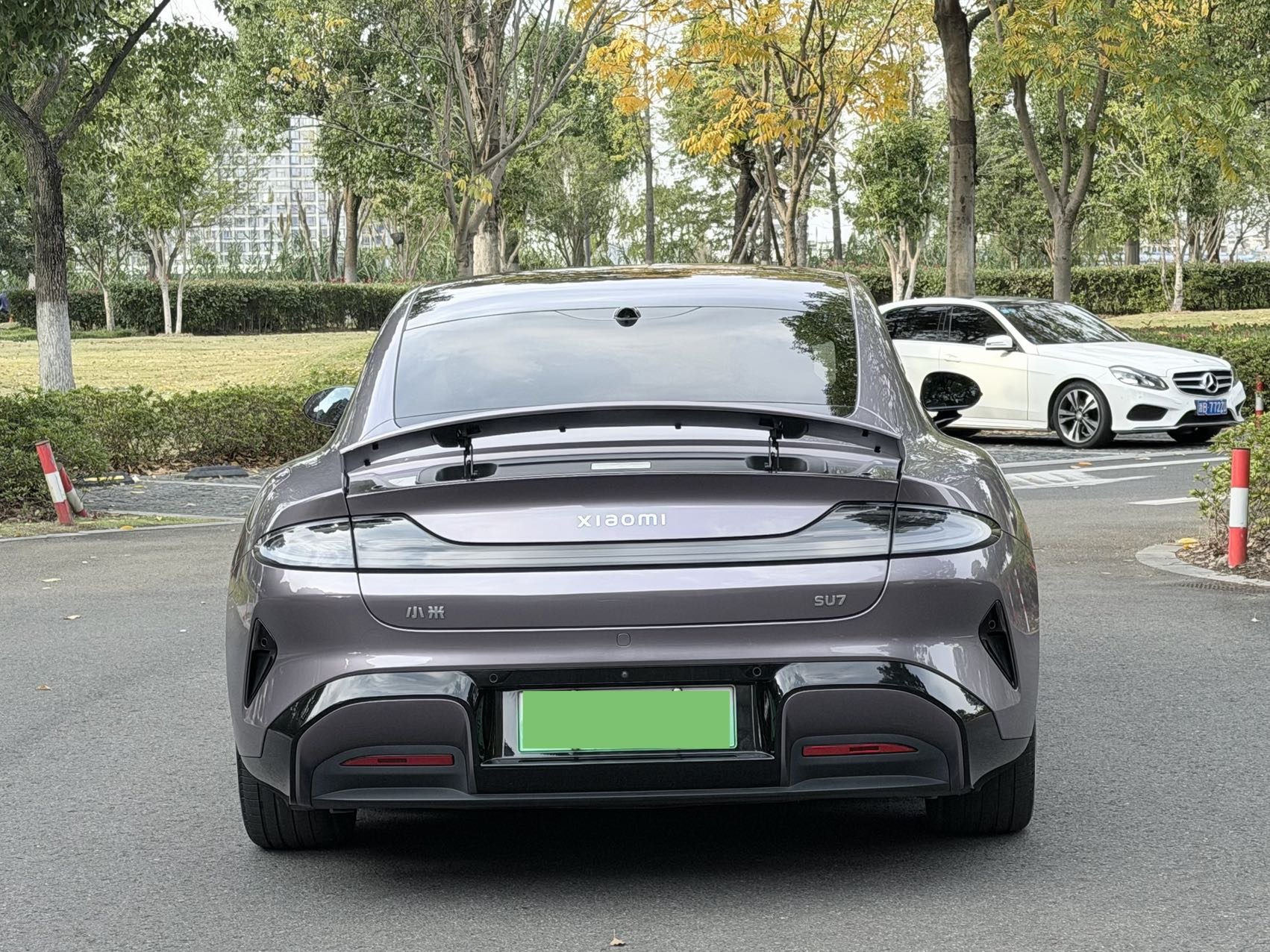
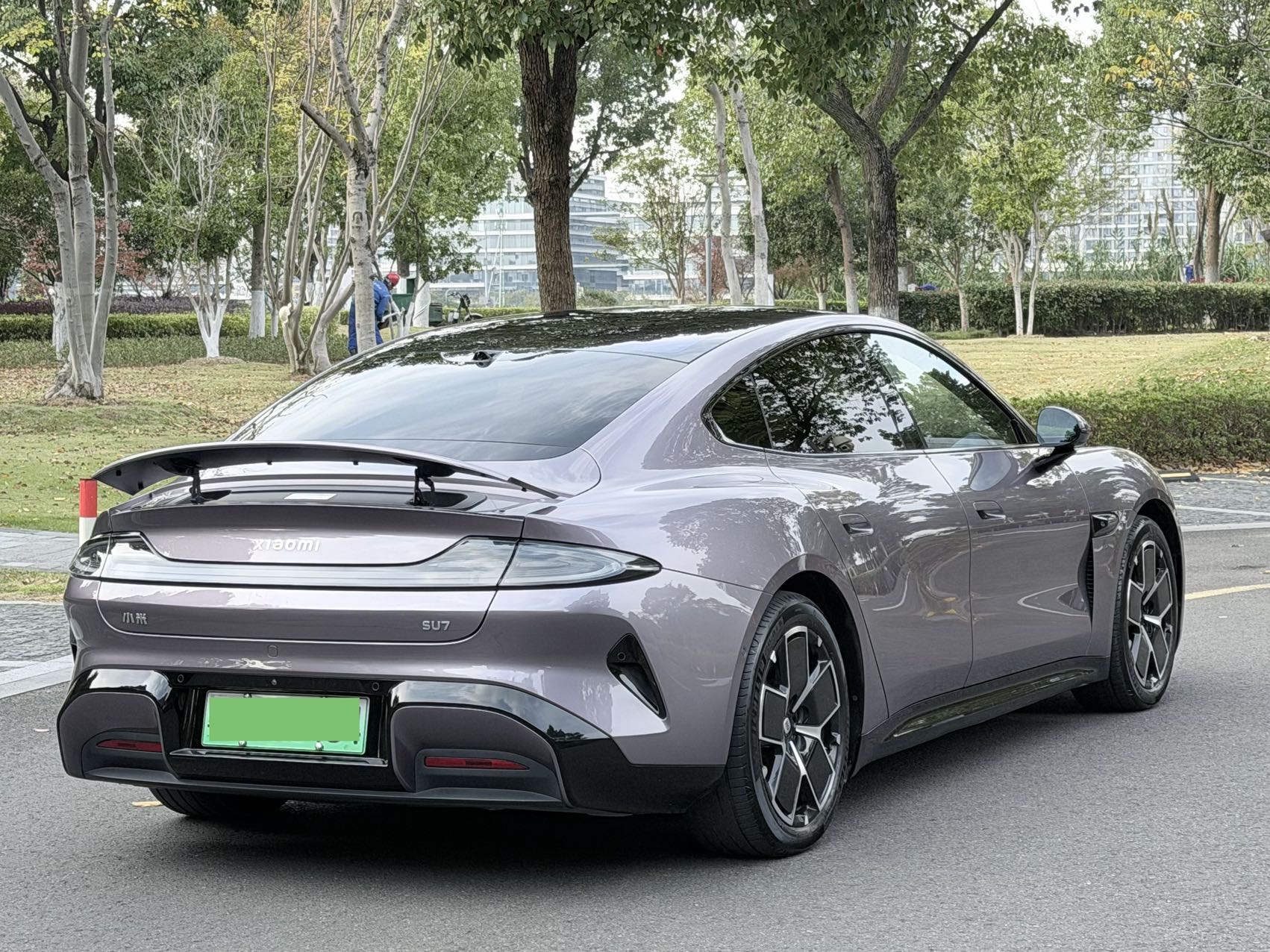
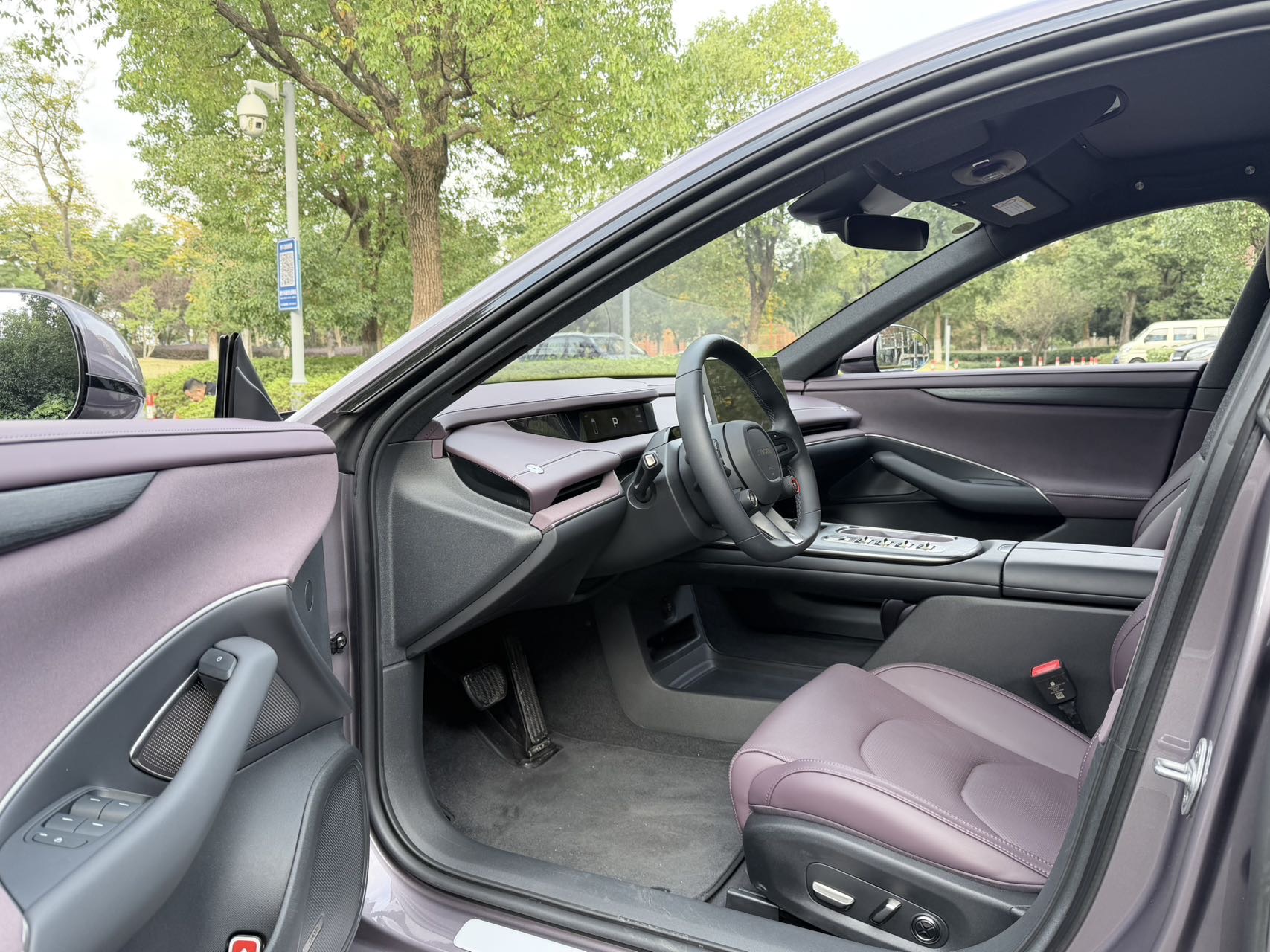
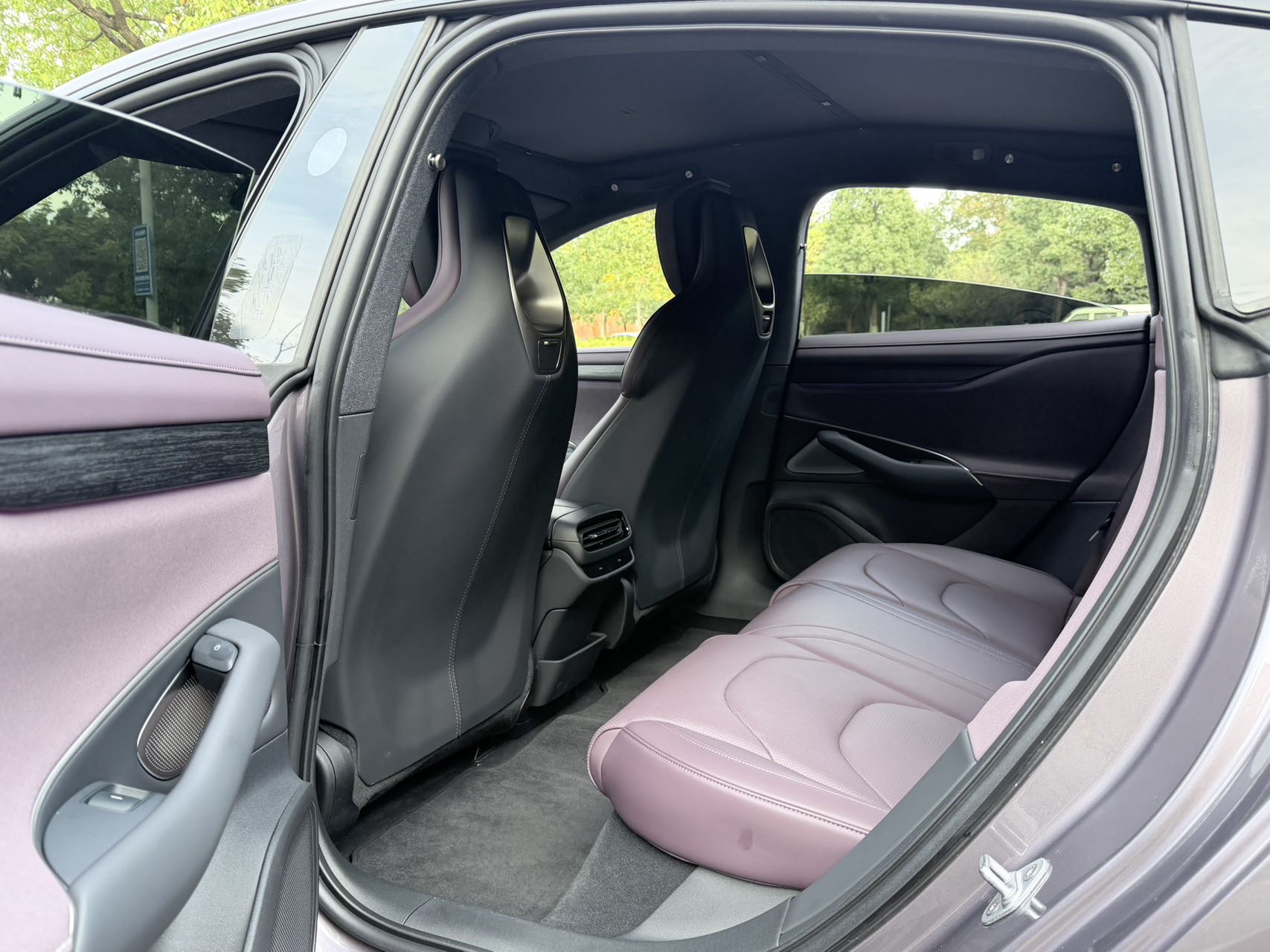
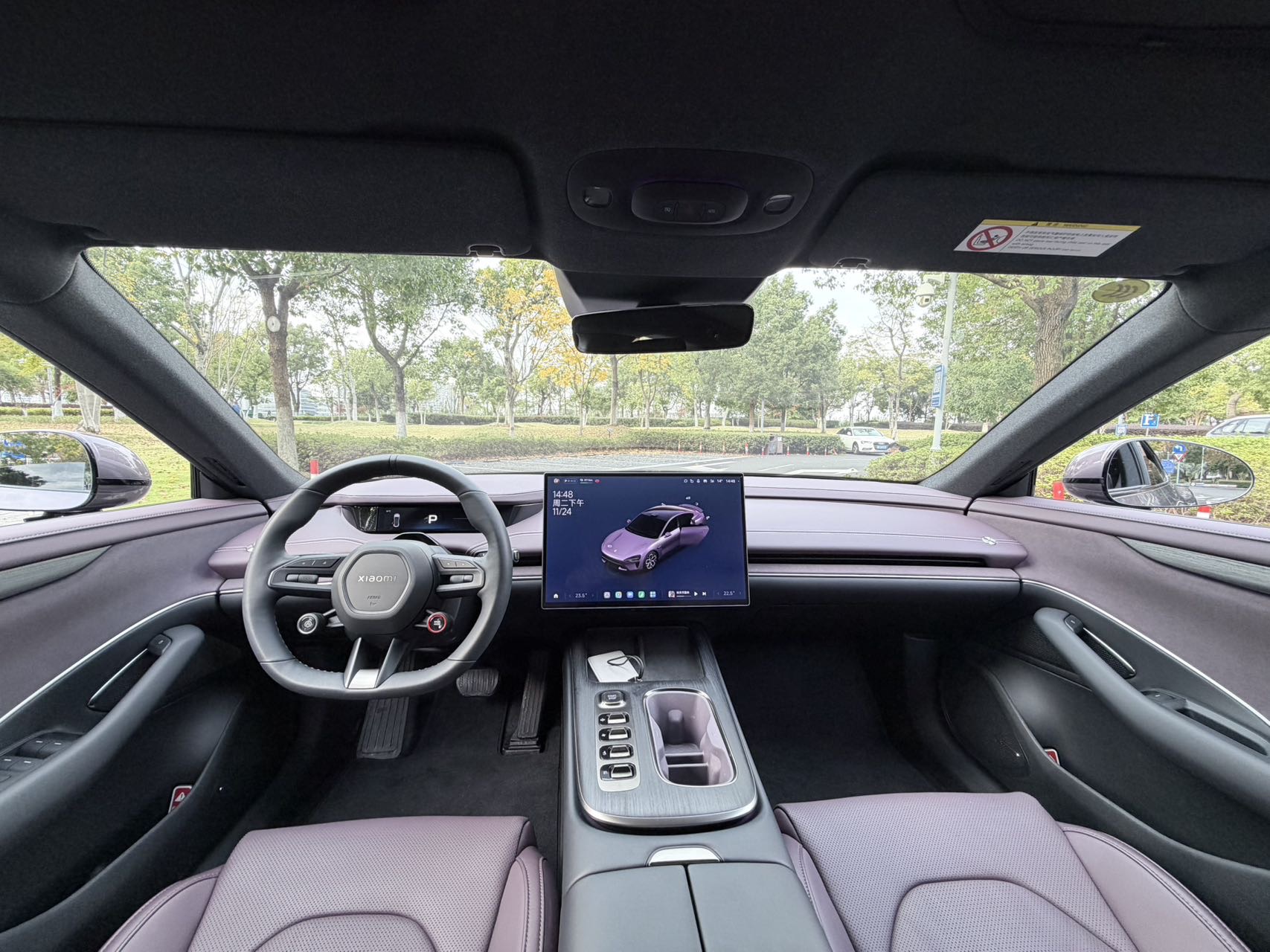
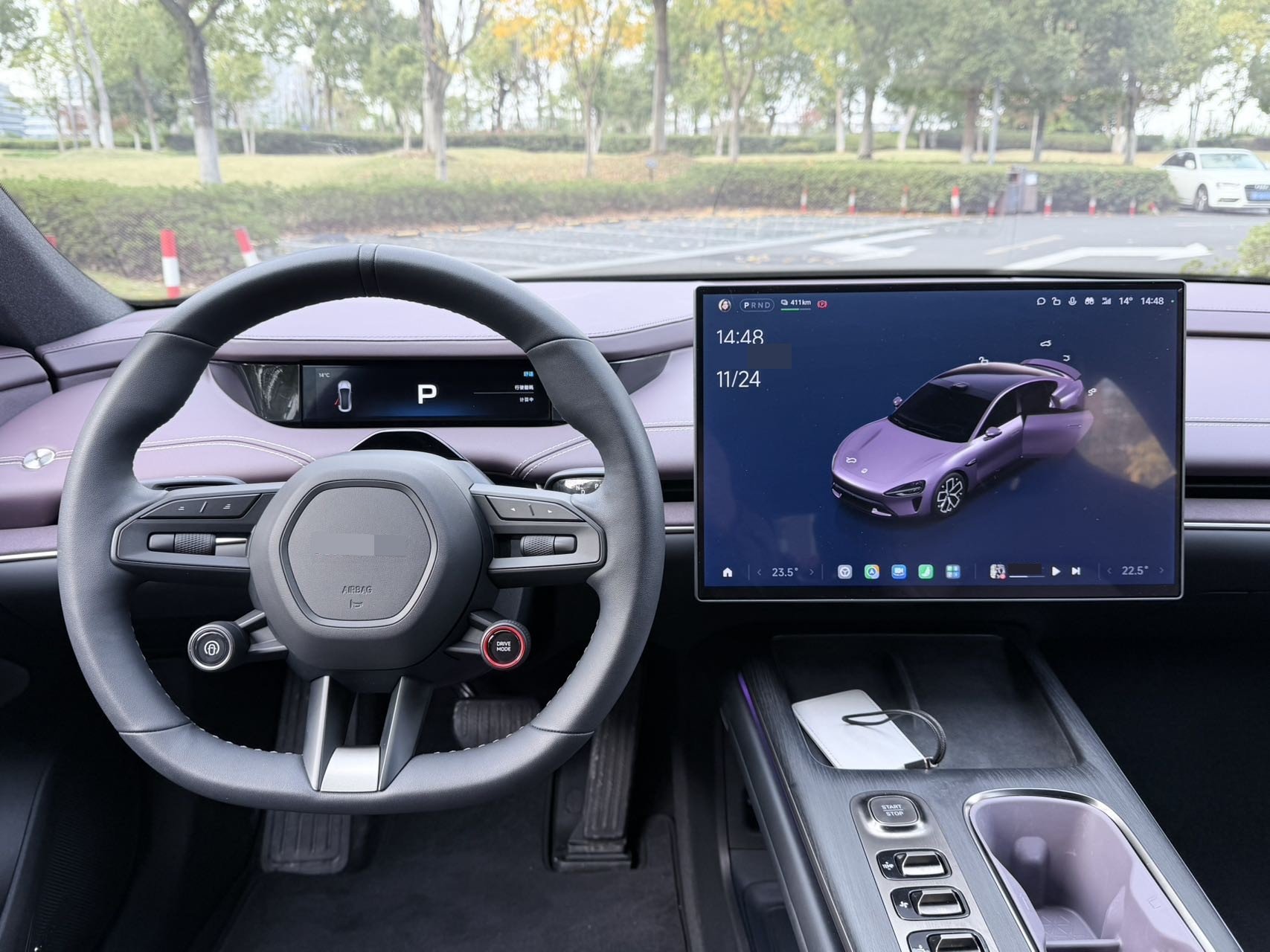
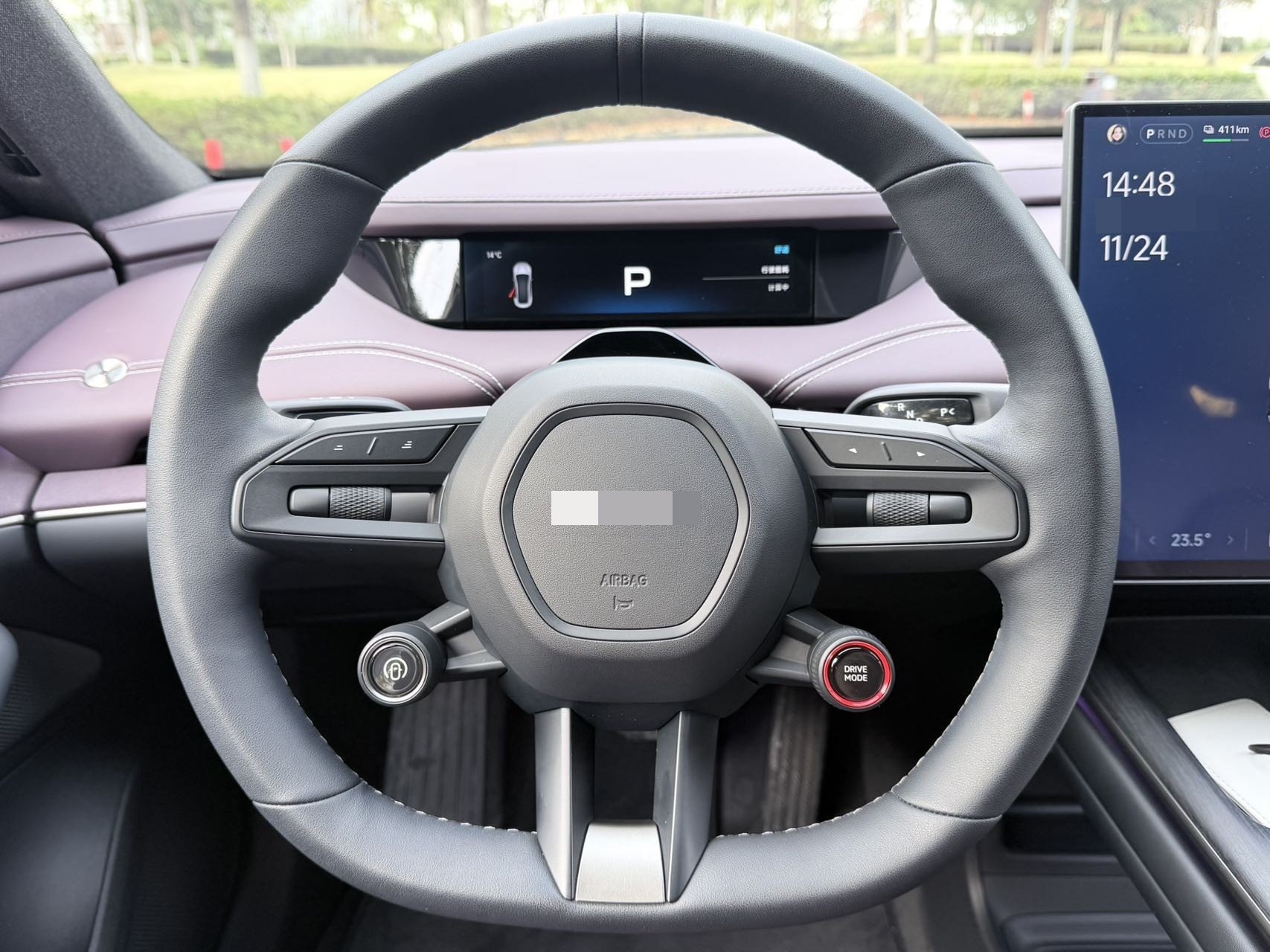
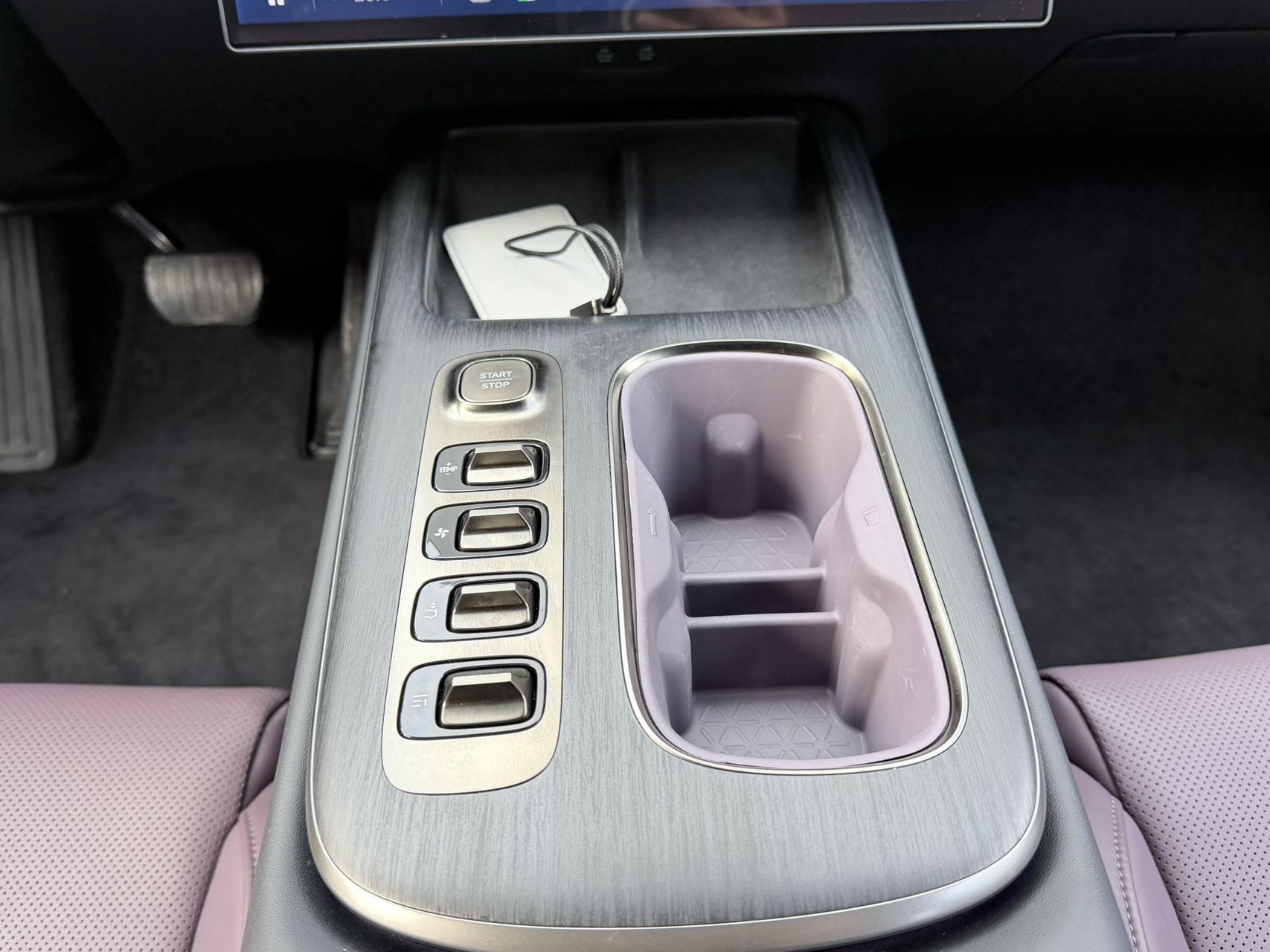
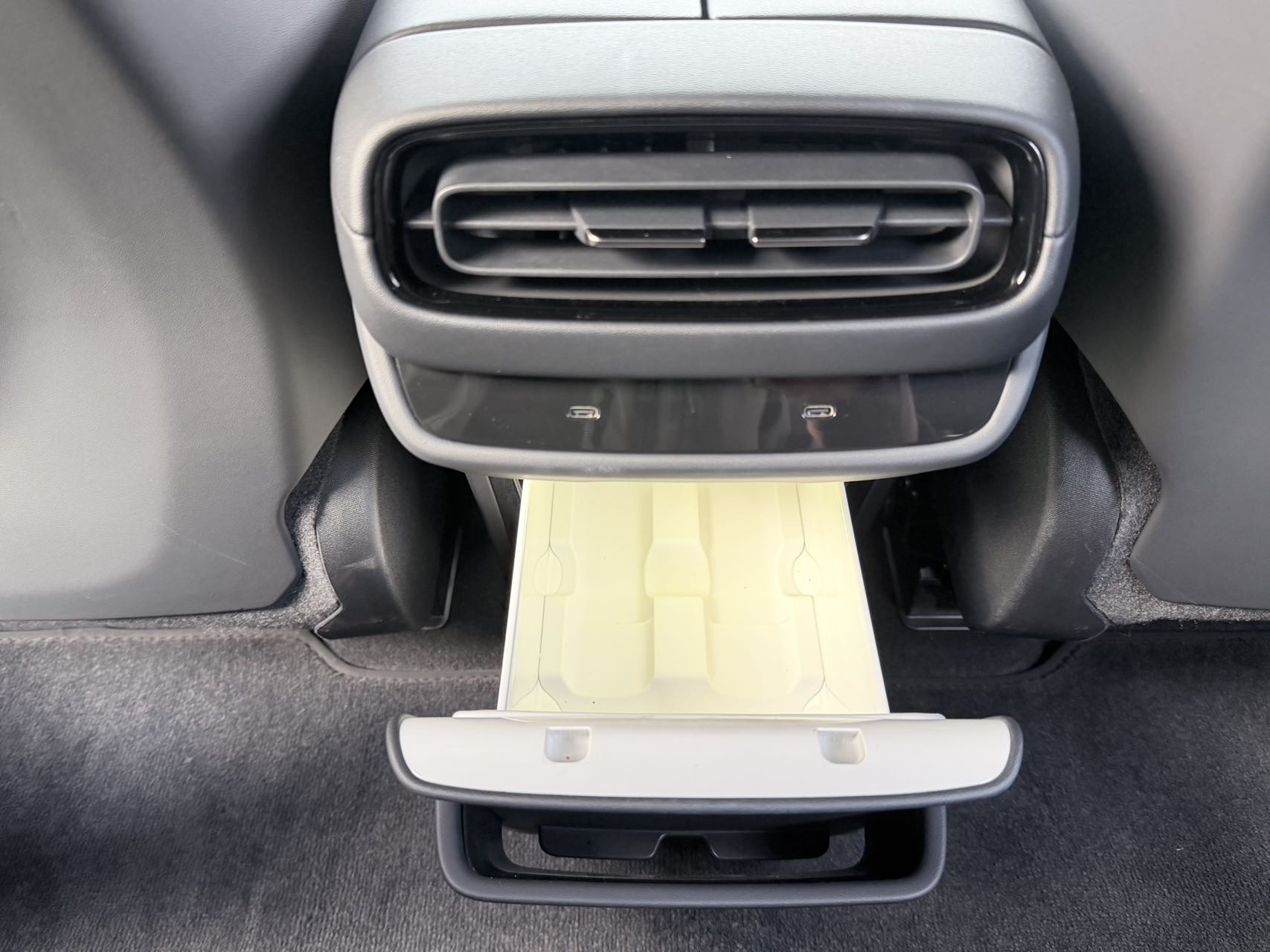
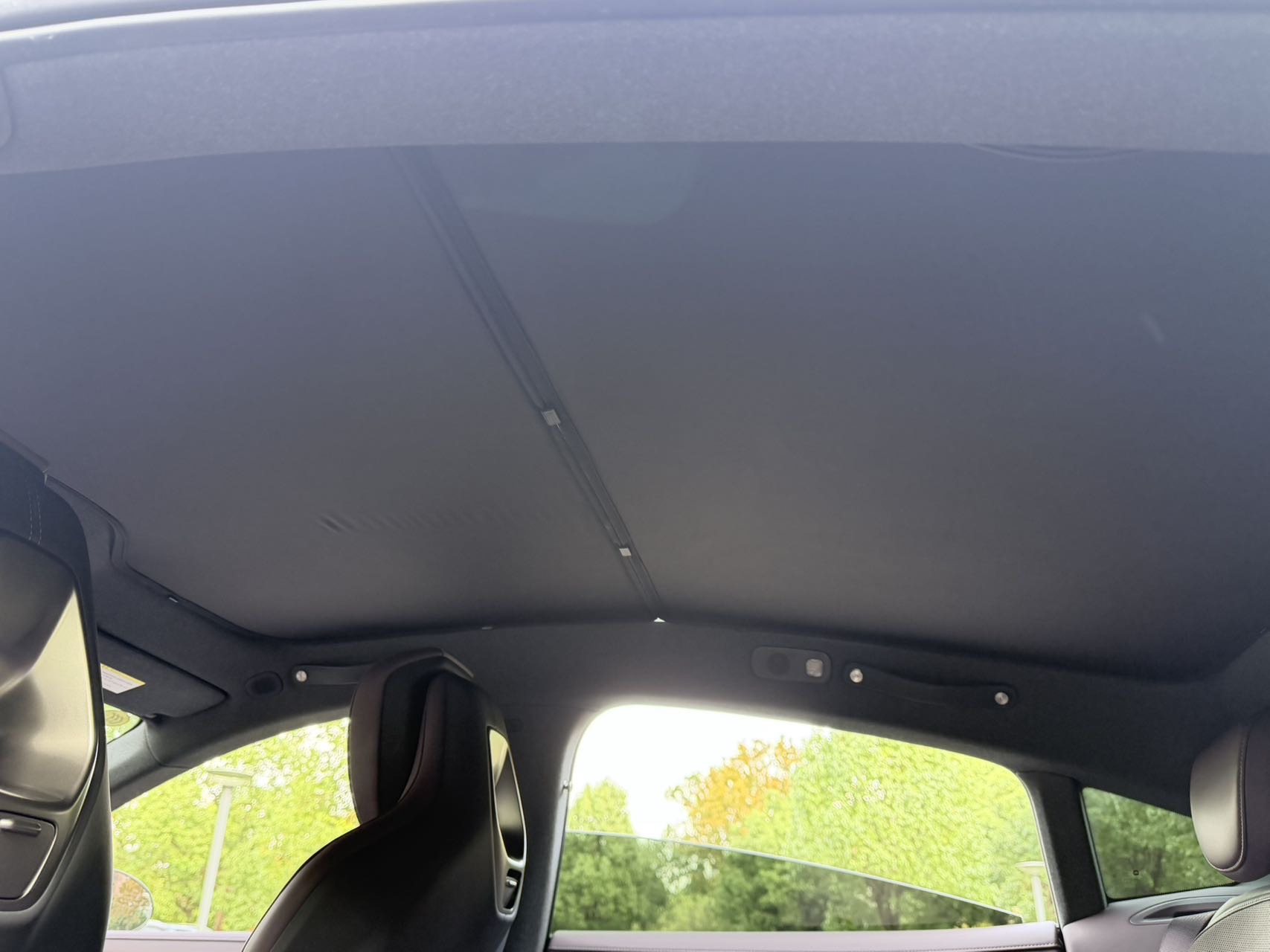
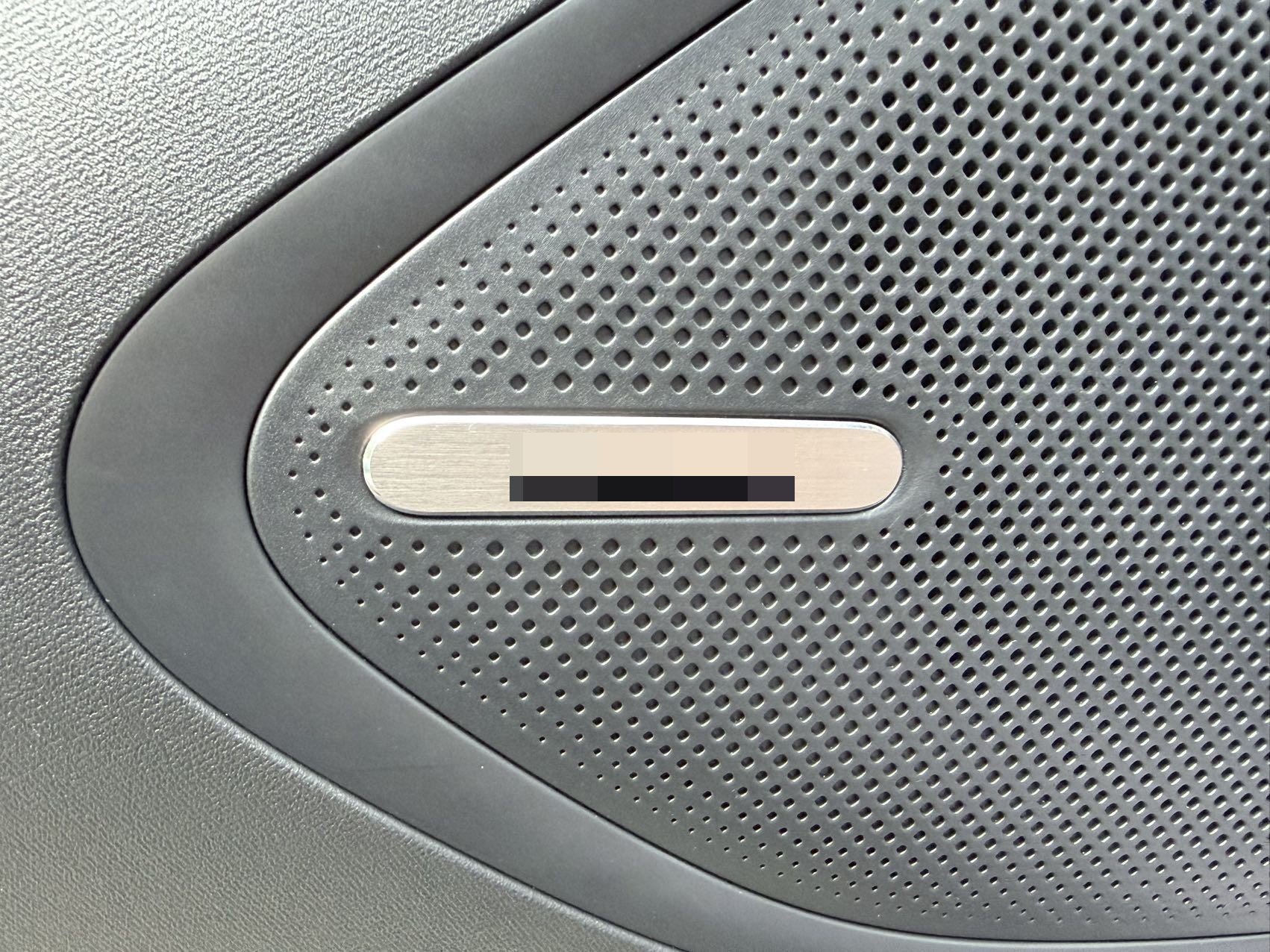
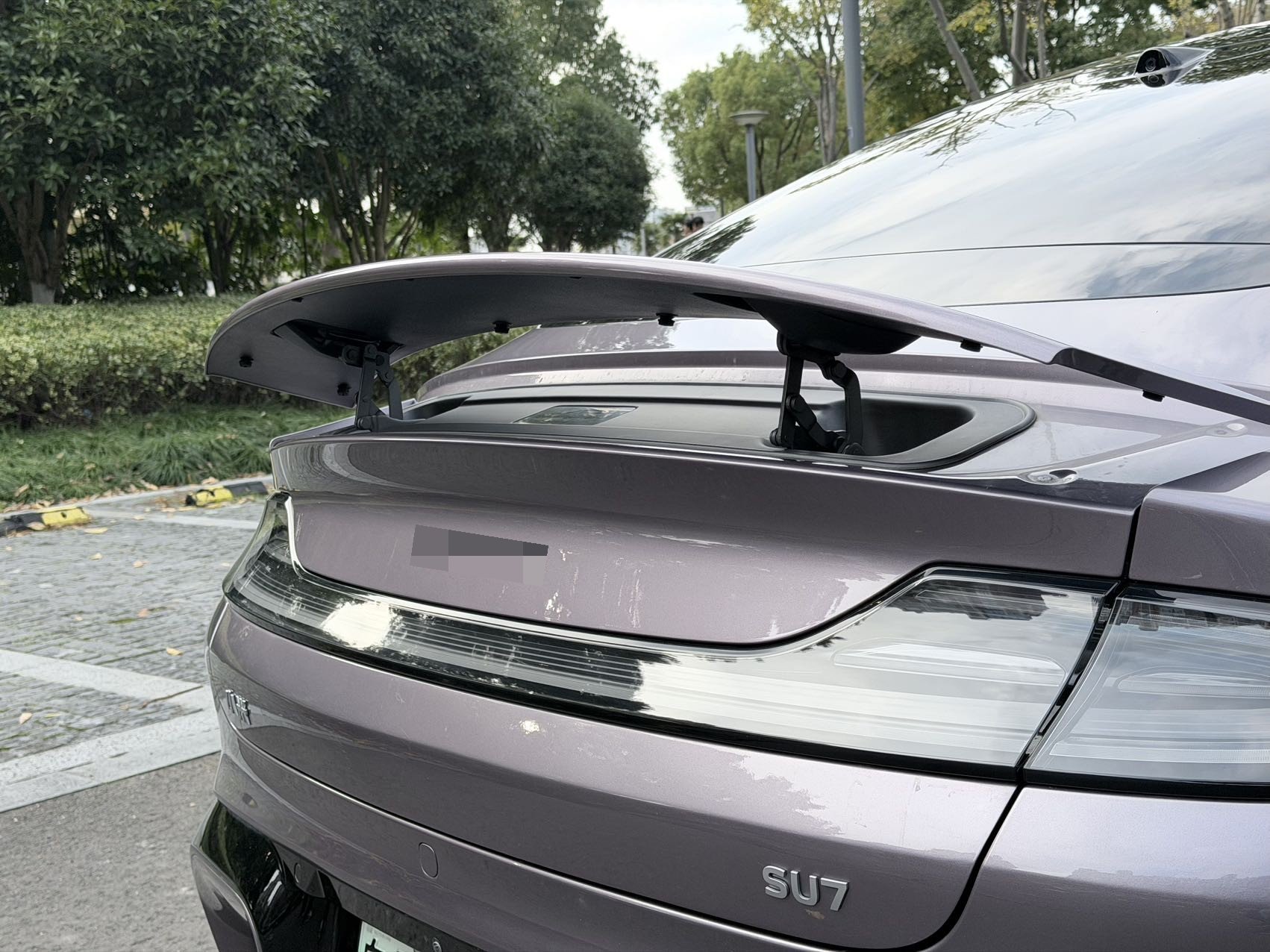
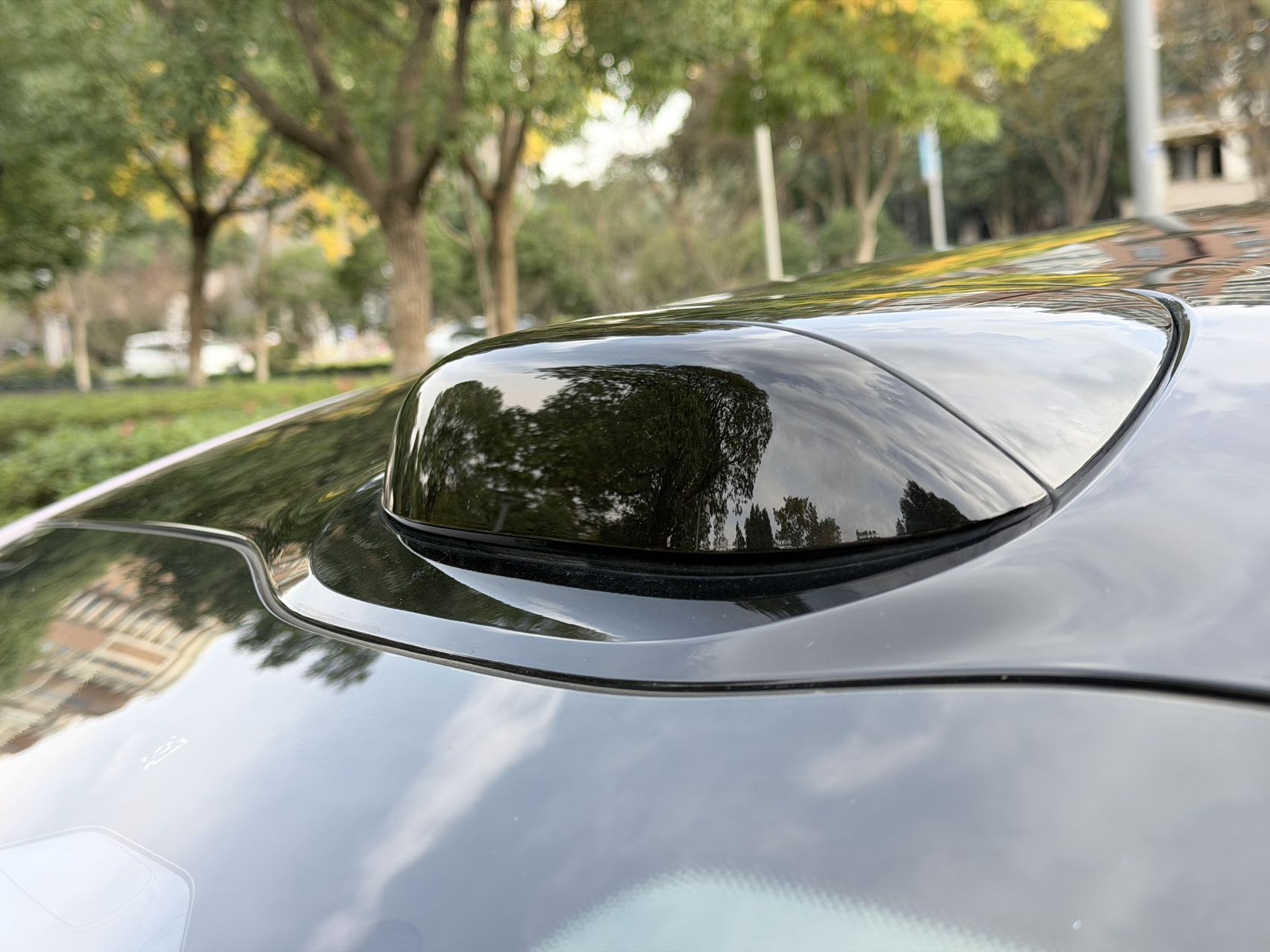
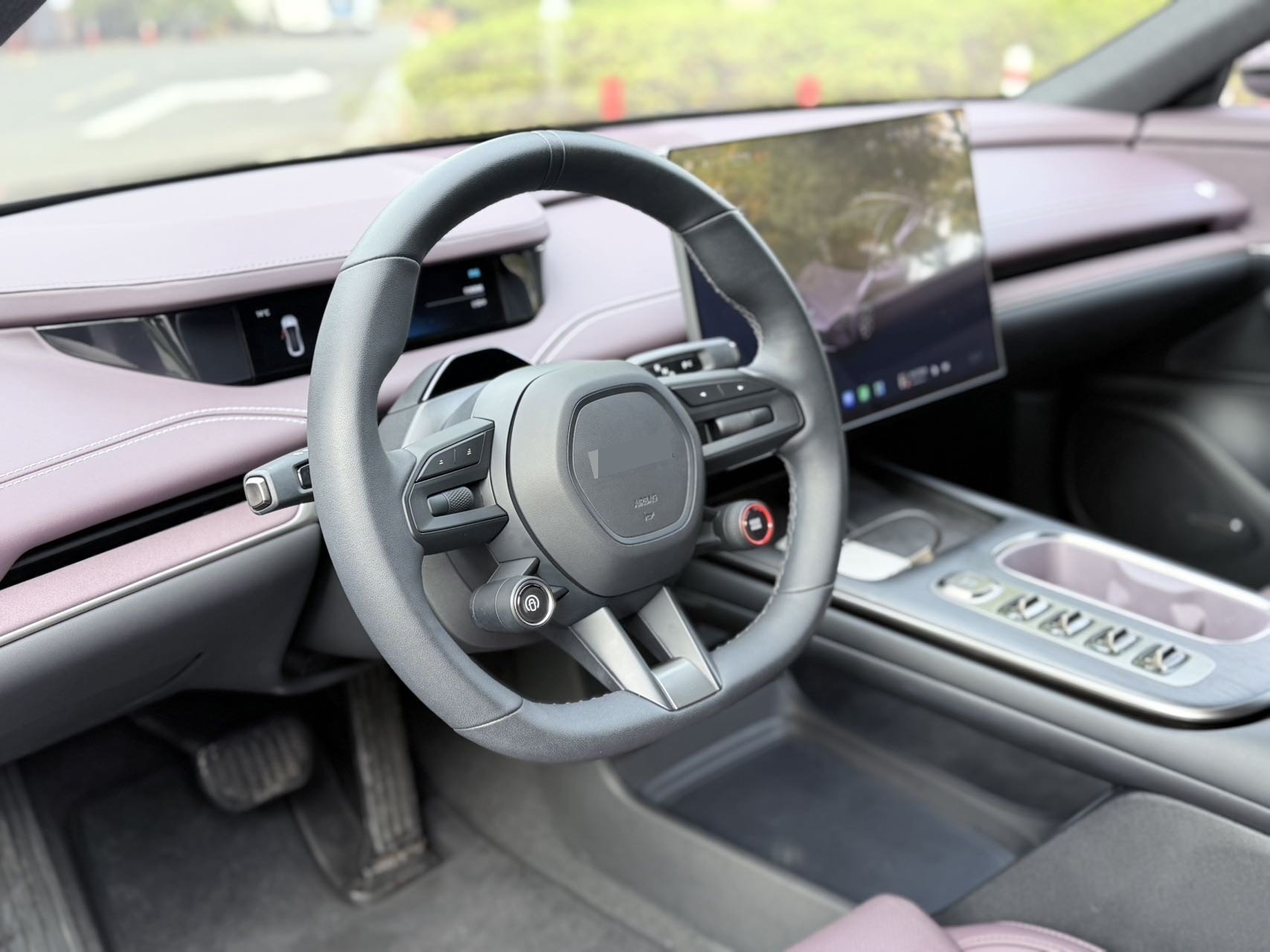
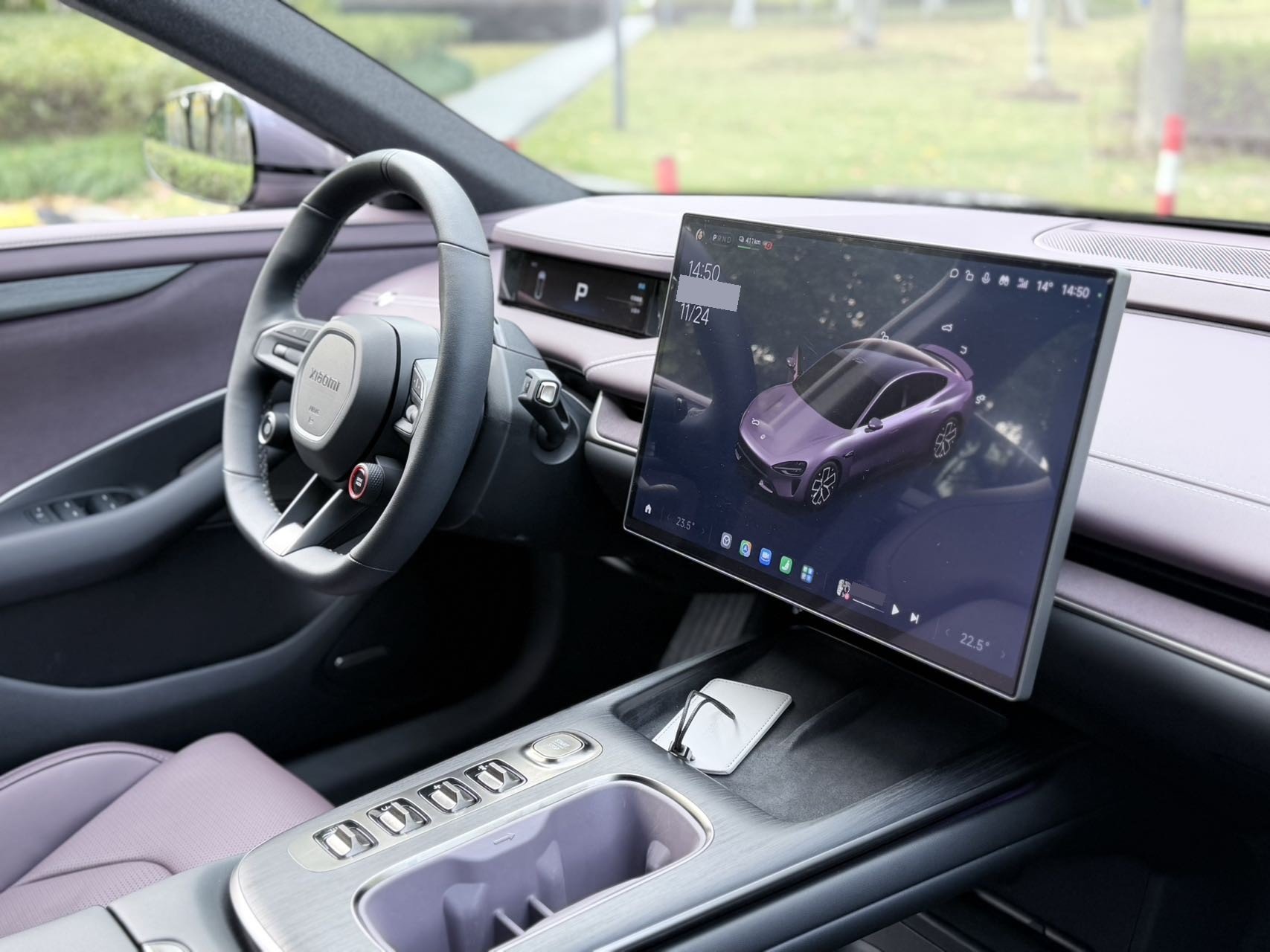
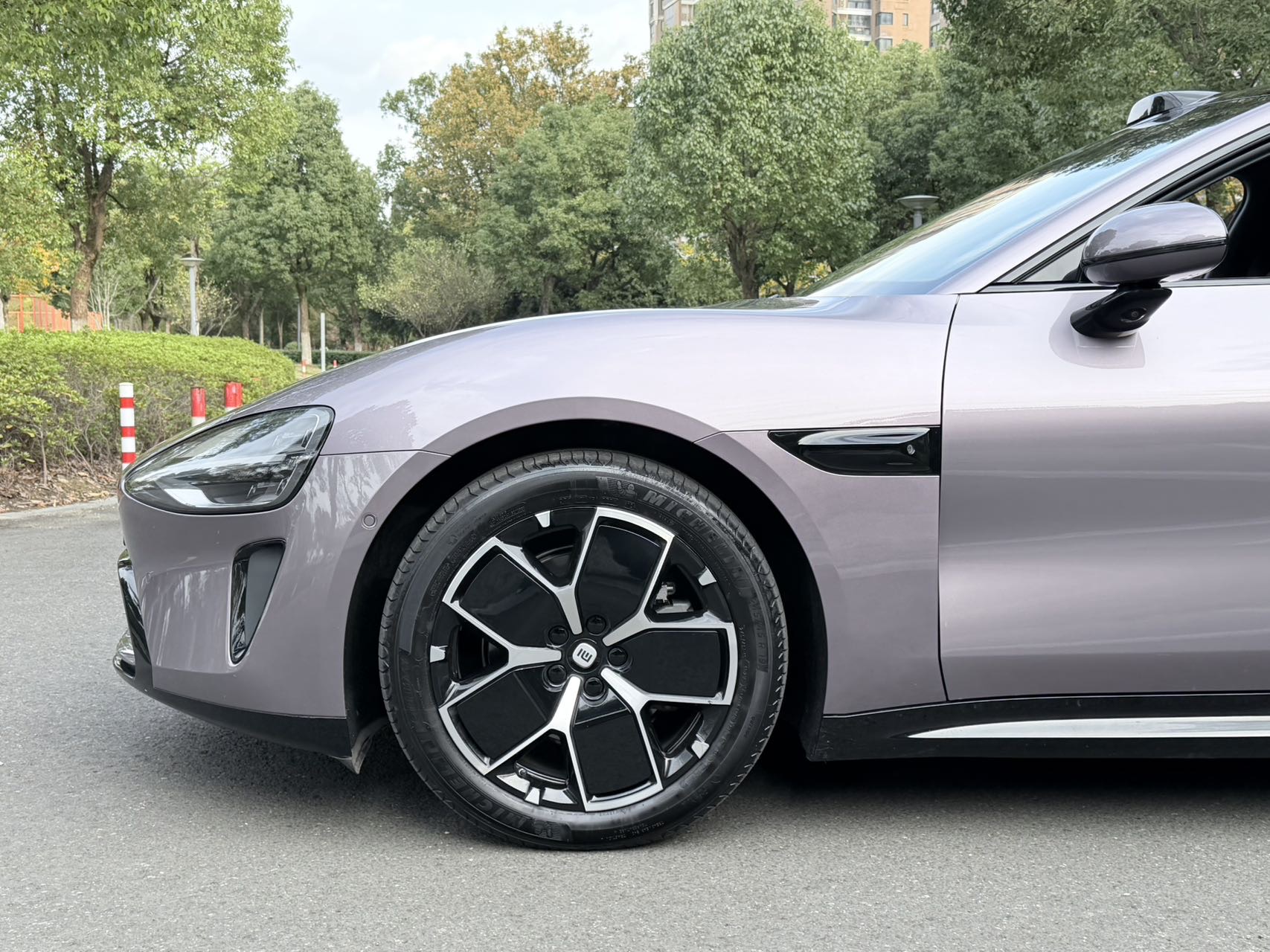
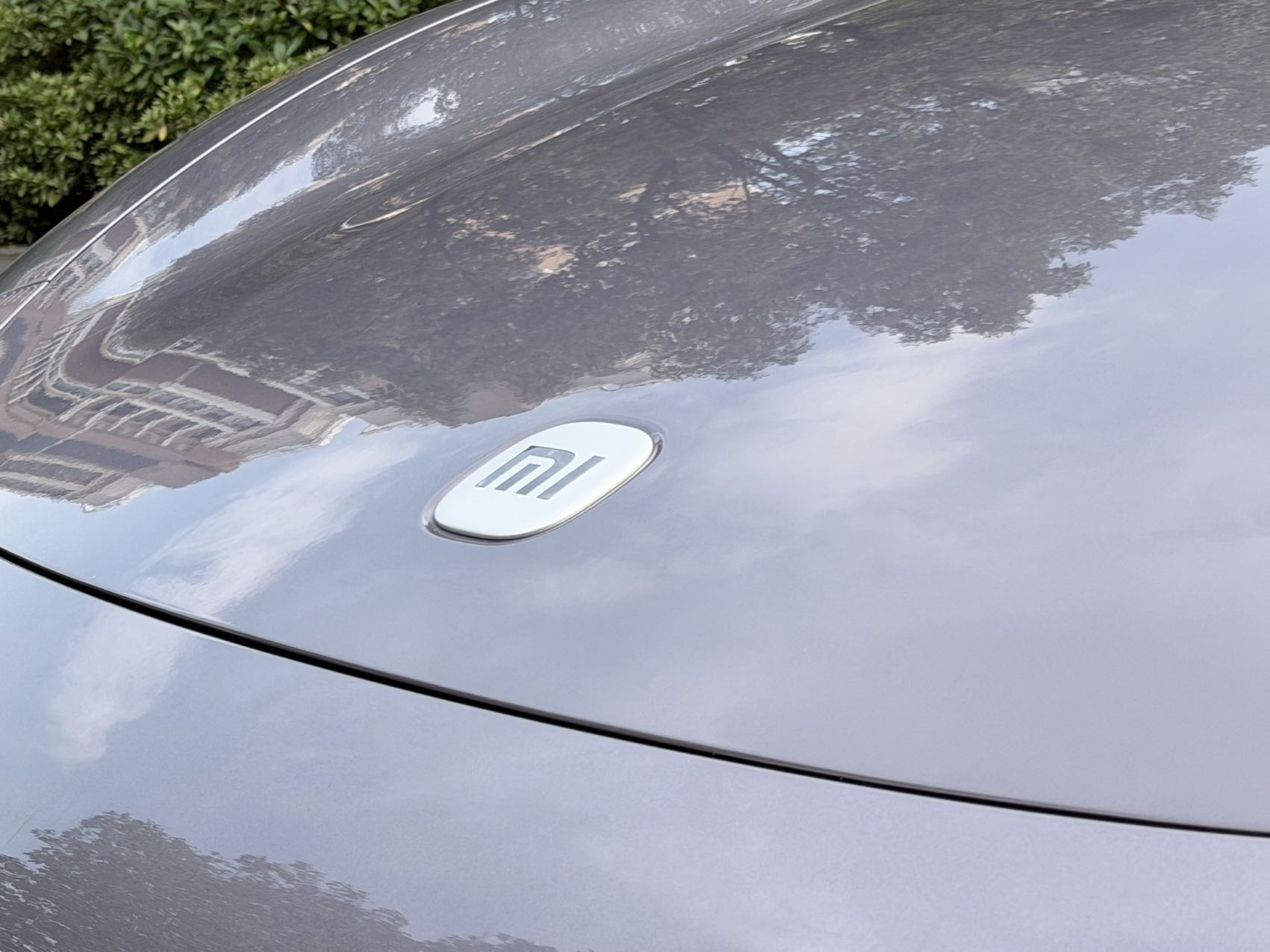
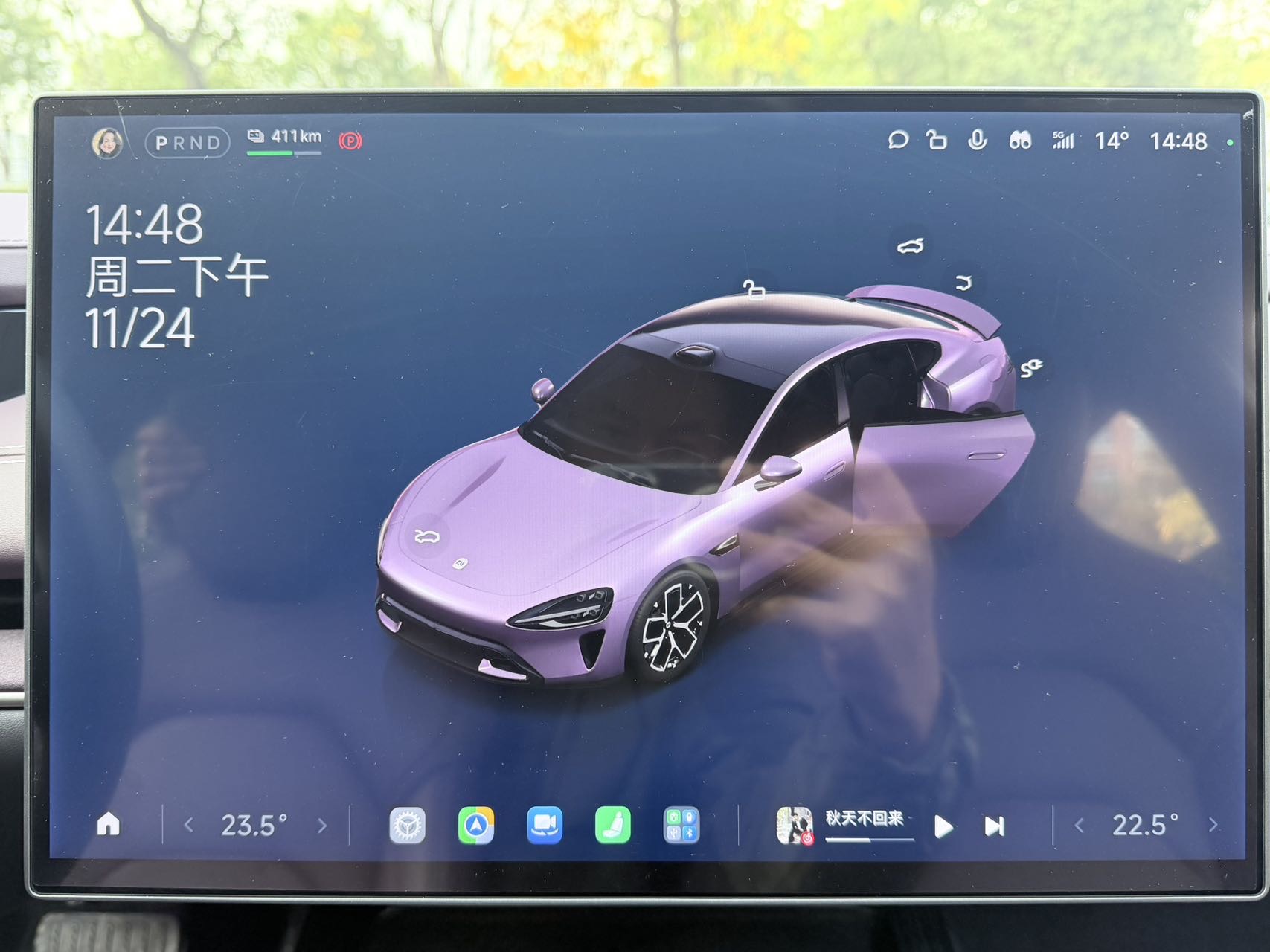
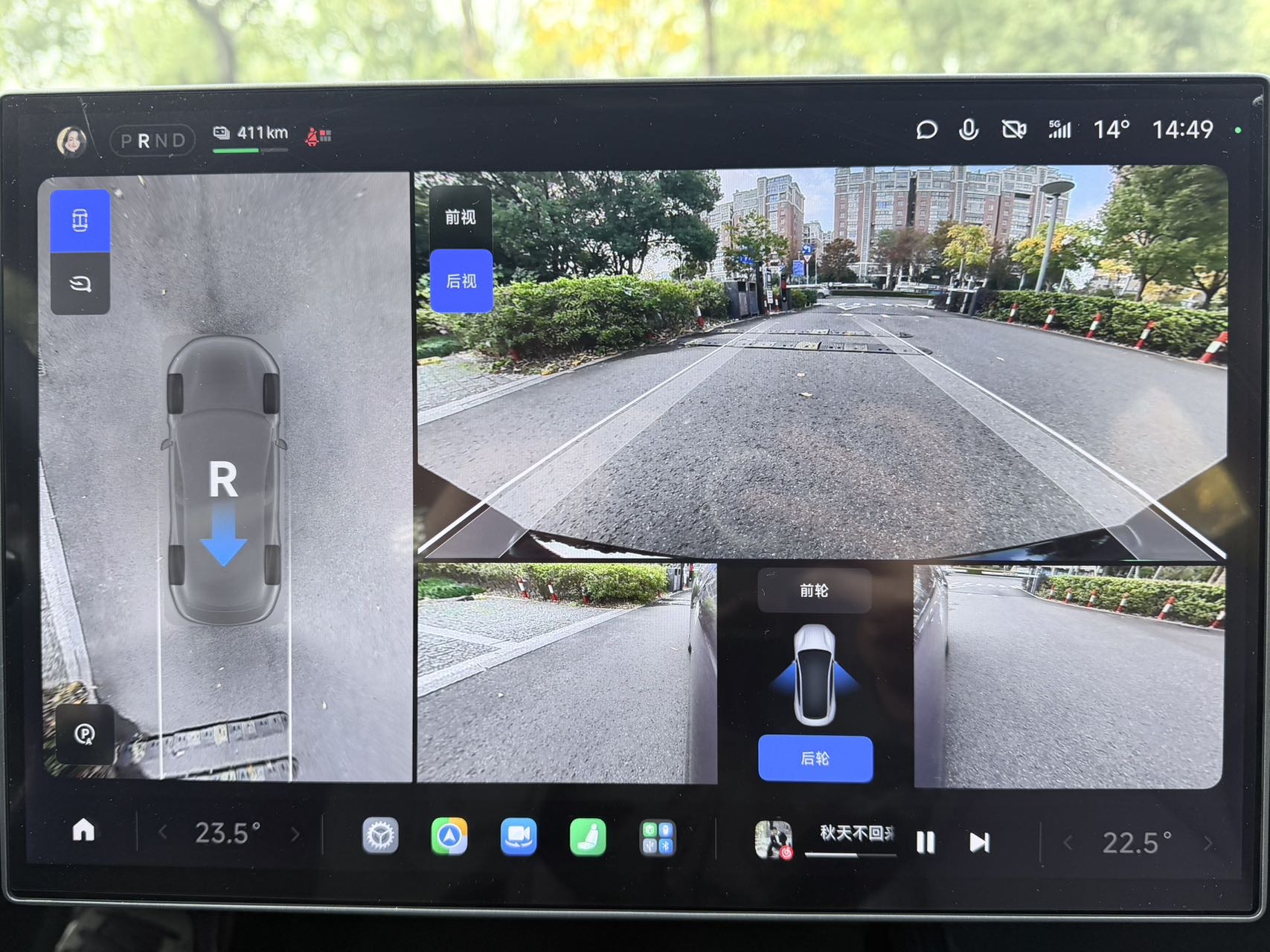
Personal commuter vehicle. Excellent condition, certified double SS by Cha博士. Electric rear spoiler, in-car refrigerator, Xiaomi SU7 Pro version, purple paint, purple Nappa leather interior, HAD assisted driving, 830km long range, lidar, 25 speakers, 360 panoramic camera, heated and ventilated seats.

Document Information

Inspection Expiry Date-
Warranty Expiry Date-
Insurance Expiry Date2027/11

Q&A

More

Which export documents should the Chinese seller provide, and how do I verify they are authentic?

The standard set: commercial invoice, packing list, bill of lading, export customs declaration, certificate of origin, and a copy of the vehicle title/registration. How to verify: the bill of lading number should be trackable on the shipping line's website; the certificate of origin is verifiable through CCPIT's online system; and the VIN must match across all documents, the inspection report, and the car itself. Ask for scans of everything before paying the balance, and have a freight forwarder review the set. Mismatched VINs, missing title copies, or vague promises that "documents will follow" are red flags worth pausing the deal over.


When B2B buyers make bulk purchases, can they request to combine the accessory costs and vehicle price on the same commercial invoice to reduce overall tariffs?

No, this is a serious customs violation. Complete vehicles (HS Code 8703) and auto parts (HS Code 8708, etc.) are subject to completely different import tax rates. Combining them on one invoice could lead to the invoice being returned by customs and may expose you to tax fraud accusations at the destination port.

The target country has strict age and emission restrictions on imported used cars. Will you help me review this?

We will provide extremely accurate production year, first registration date, and Chinese emission standards (e.g., National VI). However, the final responsibility for confirming whether this data complies with the importing country's regulations lies with the buyer, and you need to submit it to the local customs for verification before placing an order.