


24H

Basic Information

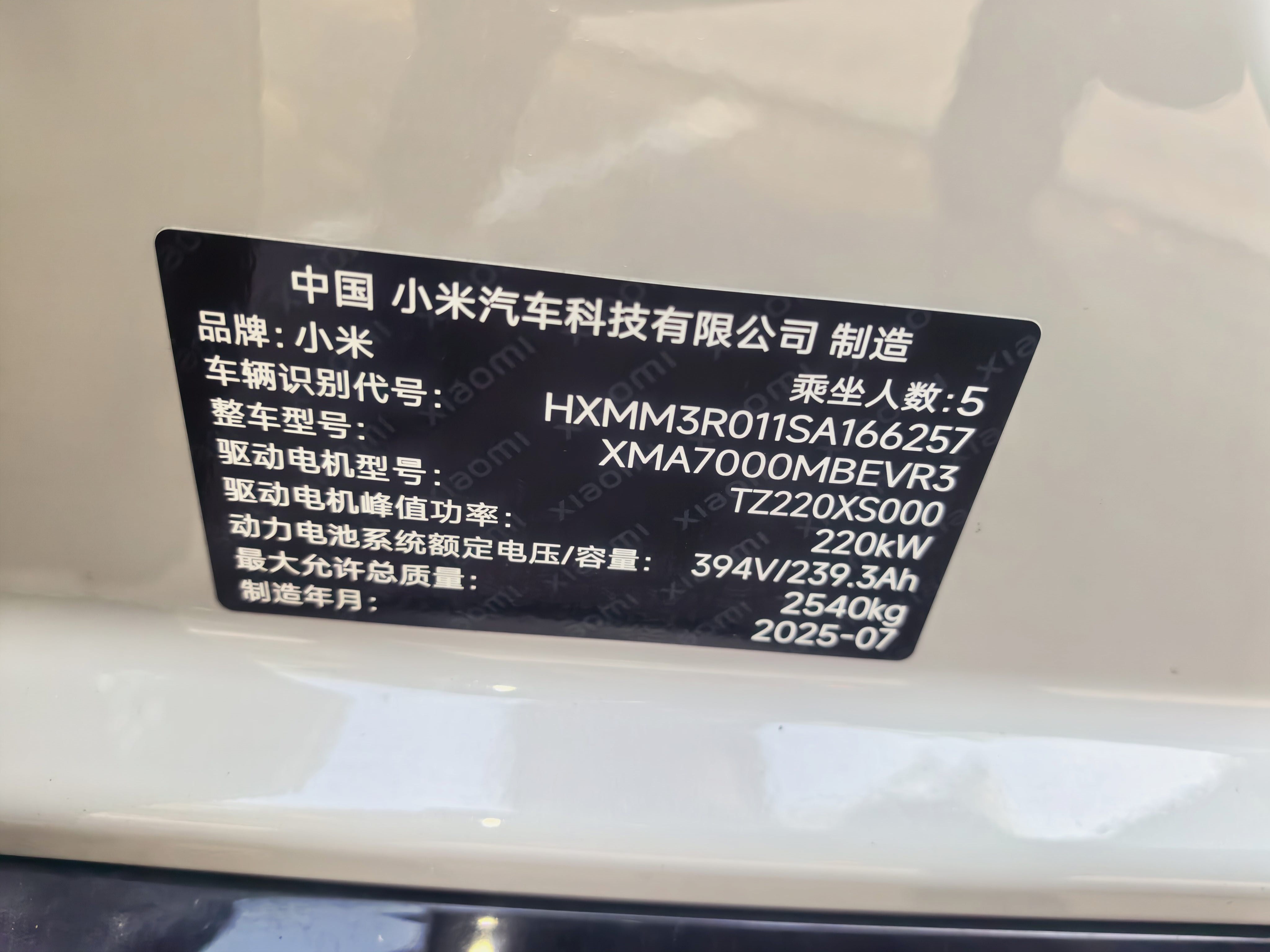
BrandMI
SeriesSU7
Year2025
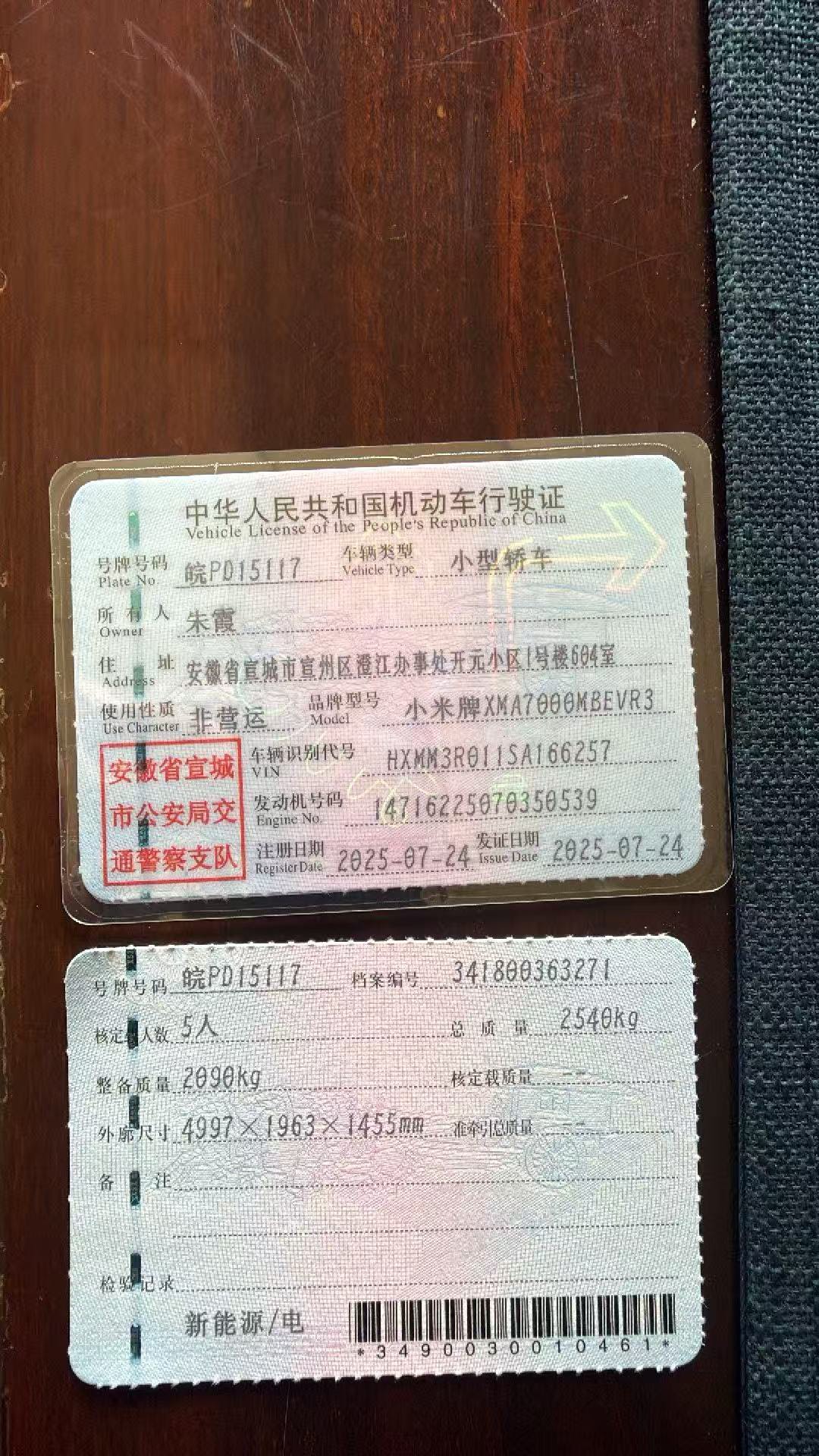
First Registration2025/07
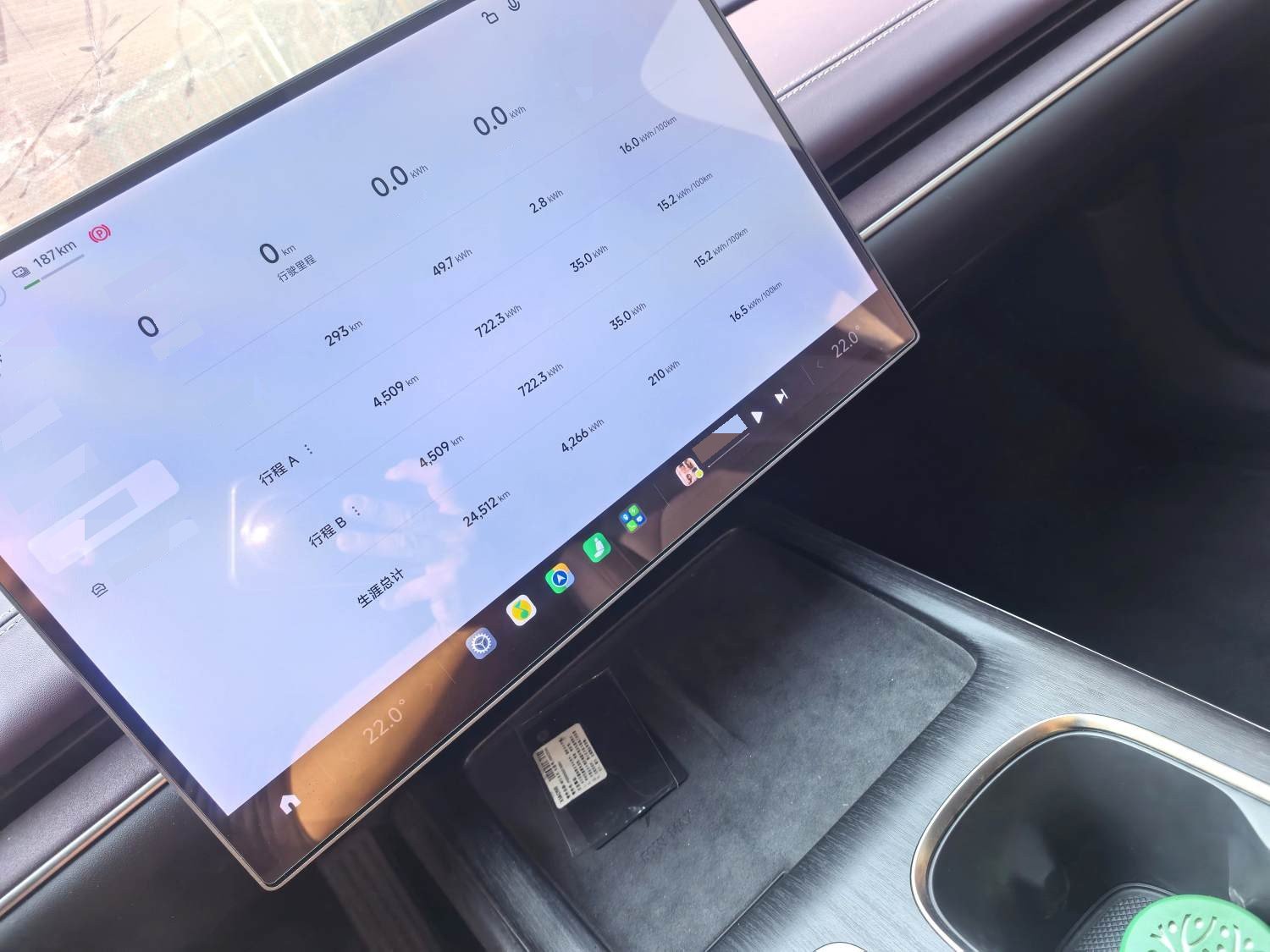
Mileage24,000km
Transfer Count0times
FuelElectric
TransmissionOther
Engine-
ColorOther
Seats5seats

Condition Description

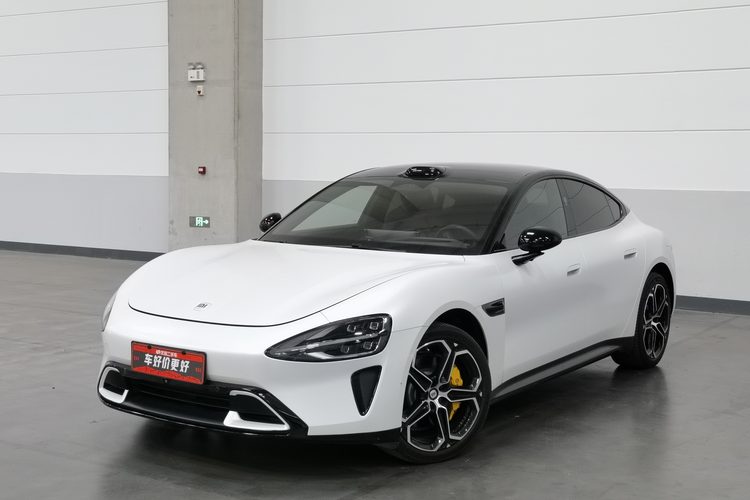
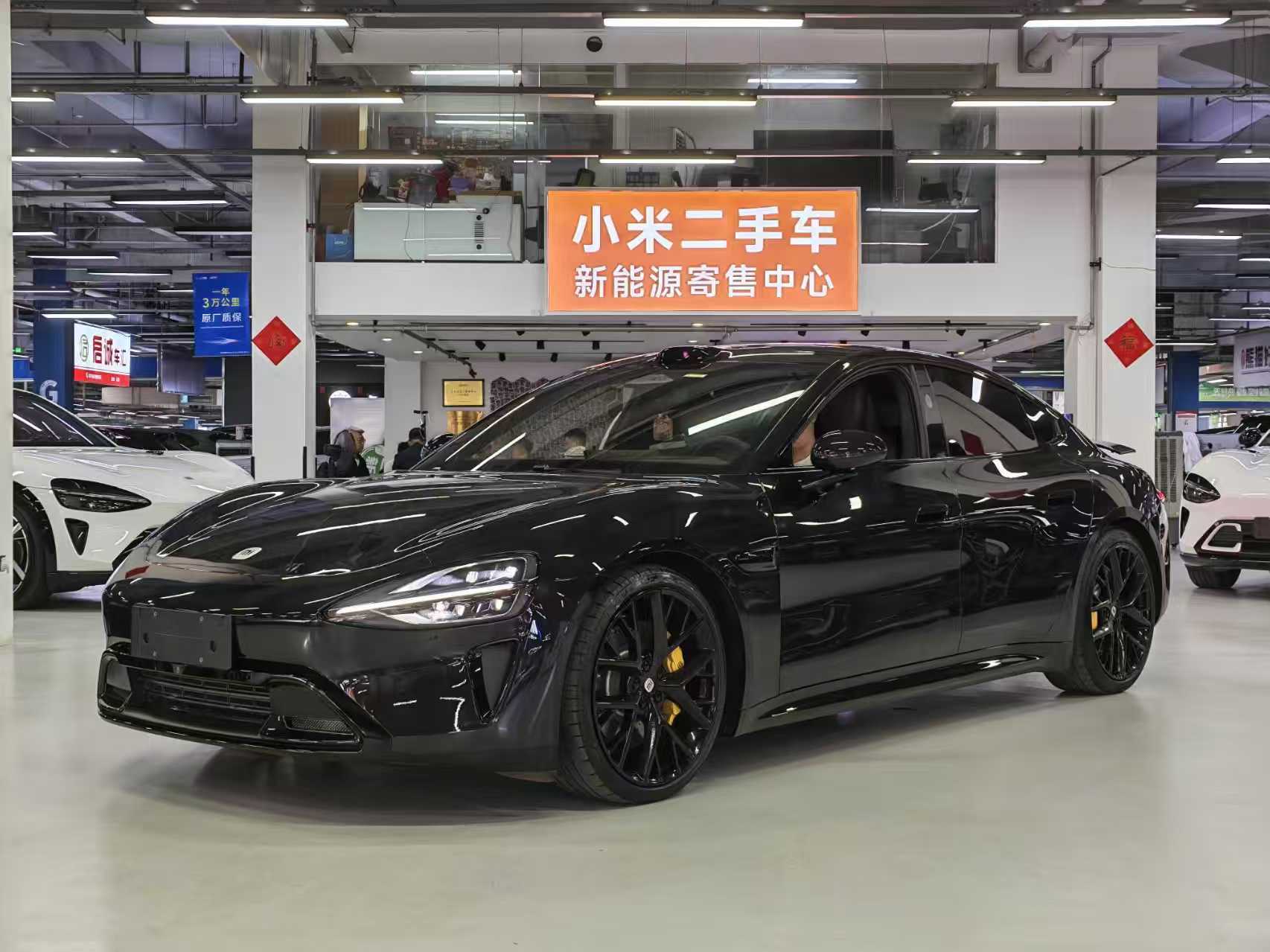
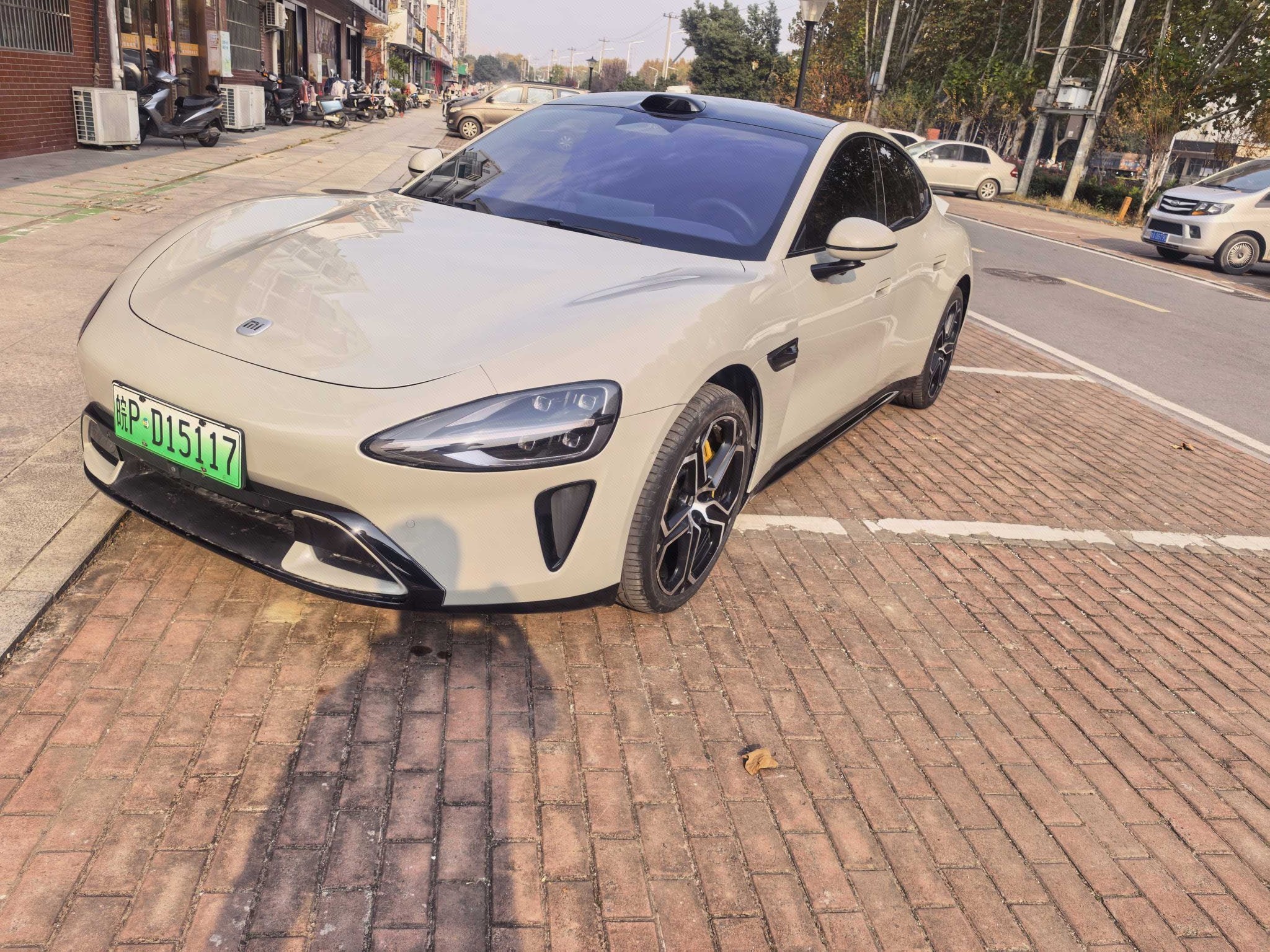
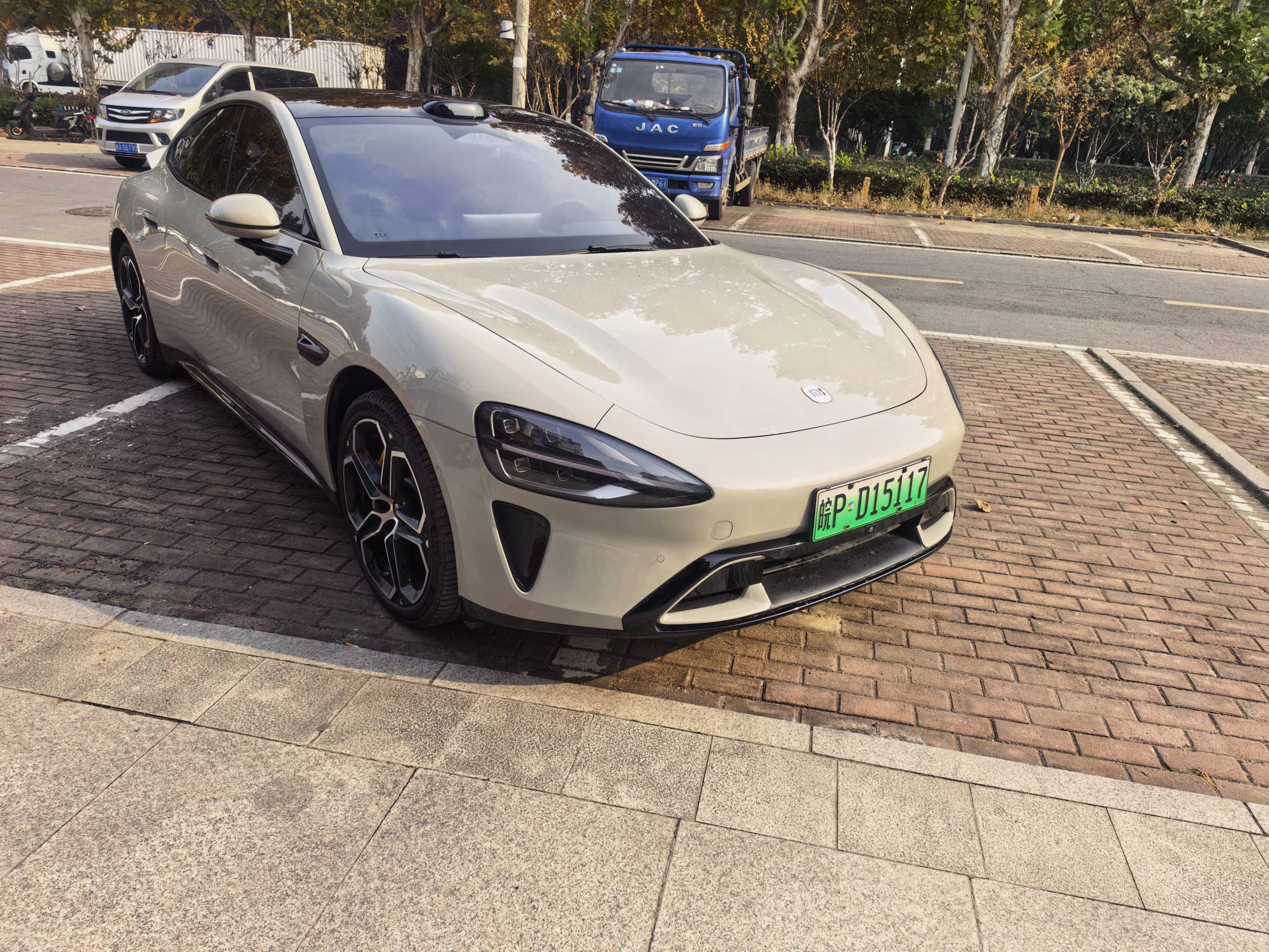
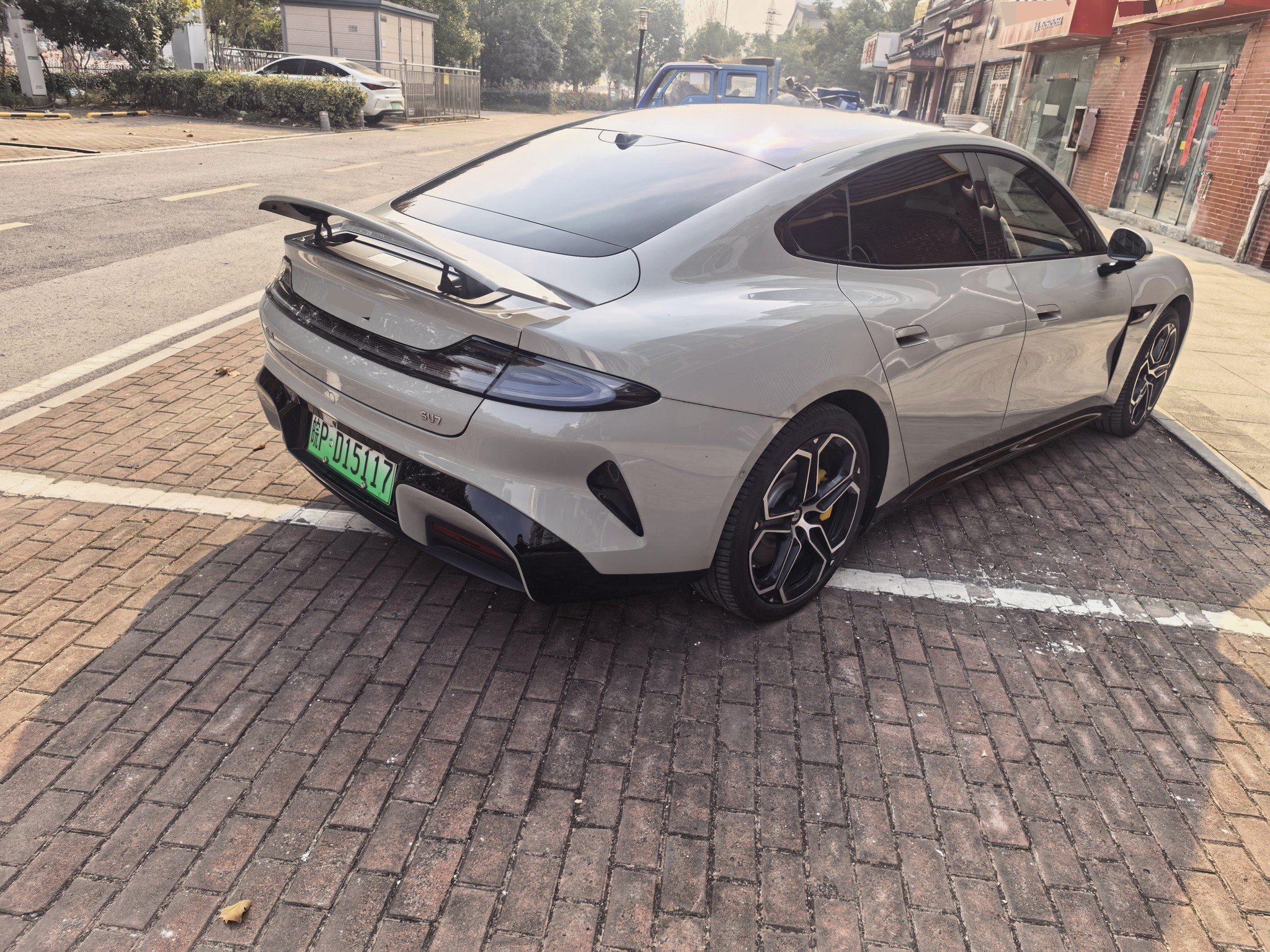
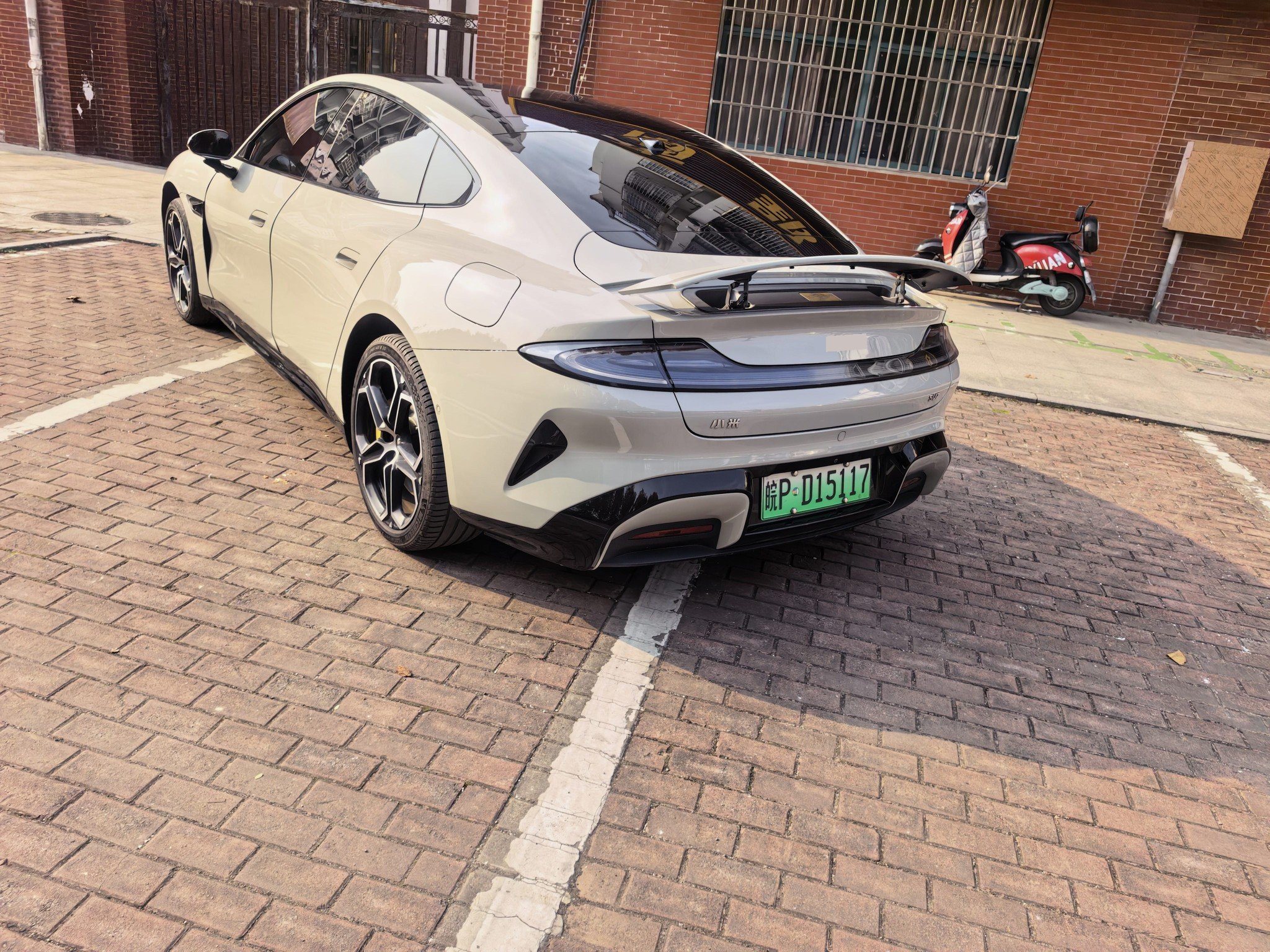
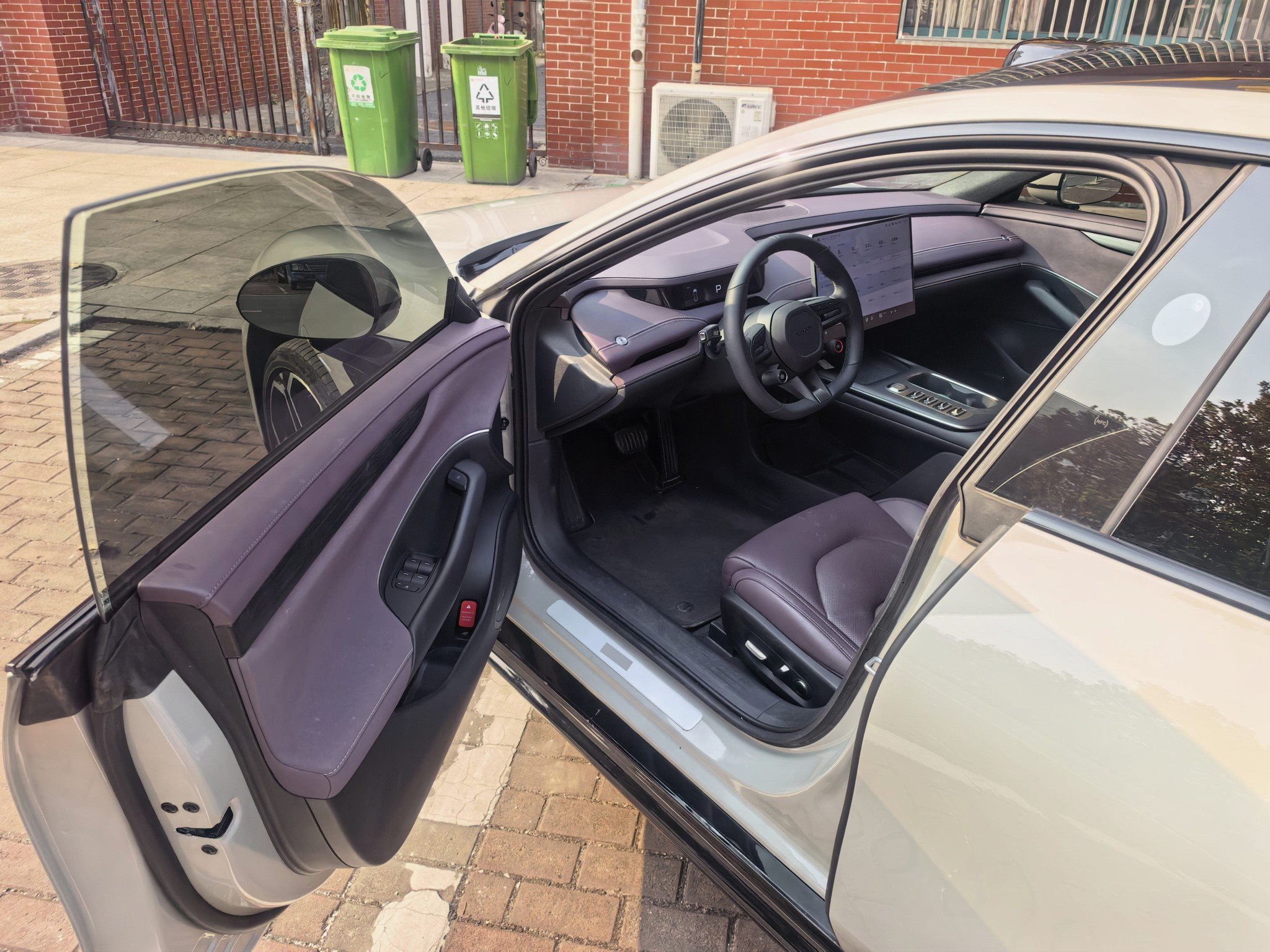
Total loss. Damage to the left front corner. Airbags deployed. The four main beams and six pillars are intact. The three electric systems (battery, motor, and electronic control) are untouched. Optional rear spoiler and wheels. Has paint protection film.

Document Information

Inspection Expiry Date-
Warranty Expiry Date-
Insurance Expiry Date2027/07

Q&A

More

Should I ship my car from China in a container or by RoRo vessel?

Both are common, and the right choice depends on budget and destination: 1. Container shipping (20ft/40ft): The car is sealed inside a container, offering better protection and allowing you to load spare parts inside the car. Typical cost from Shanghai to major world ports: $1,500-$3,000 per car. Best for long distances and high-value vehicles. 2. RoRo (roll-on/roll-off): The car is driven onto the ship and secured on deck. Cheaper ($800-$1,800 to most ports) and faster to load, but exposed to weather and port handling. Not all routes offer RoRo service. Transit time examples: to the Gulf 15-25 days, to West Africa 30-45 days, to Latin America 25-40 days, to Europe 20-35 days. Ask your exporter which option serves your destination port, and always insure the shipment for full value.


Is the source of the historical data you verify authoritative (e.g., traffic management departments, insurance company systems)?

Extremely authoritative. The third-party data service providers we connect to legally access the Chinese Public Security Traffic Management Platform, the insurance claims network directly under the China Banking and Insurance Regulatory Commission, and the after-sales databases of major automotive manufacturers. We perform secondary logical verification based on this underlying data.

Should I choose RoRo or container shipping when importing a used car from China, and what does marine insurance actually cover?

RoRo (roll-on/roll-off) is cheaper and faster for a single car—you drive it onto the vessel and it is secured on the car deck. Container shipping costs more but offers better protection from weather, salt air, and handling damage, and allows you to load spare parts inside the car. Marine insurance is essential either way. Standard cover protects total loss and major damage, but read the exclusions: many policies do not cover pre-existing mechanical faults, cosmetic scratches below a deductible, or damage caused by improper securing (lashings). Ask for ICC(A) or All Risks coverage rather than basic total-loss-only policies. Practical tips: 1. Photograph and video the car thoroughly at loading, with the VIN visible 2. Note existing scratches on the bill of lading 3. Inspect immediately at destination—claims windows are often 3-7 days 4. For EVs, declare the battery; some insurers charge a supplement or exclude battery damage altogether