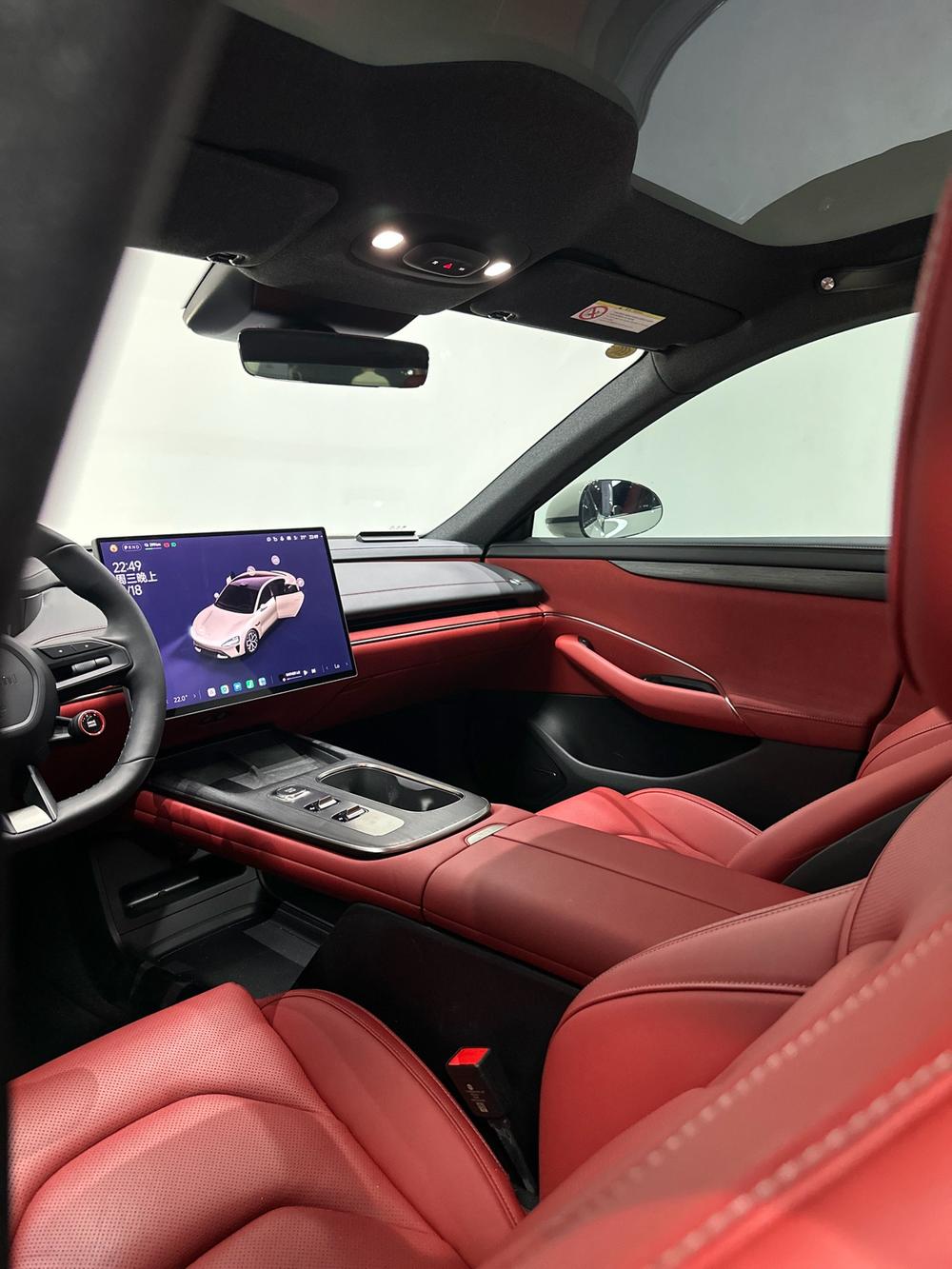
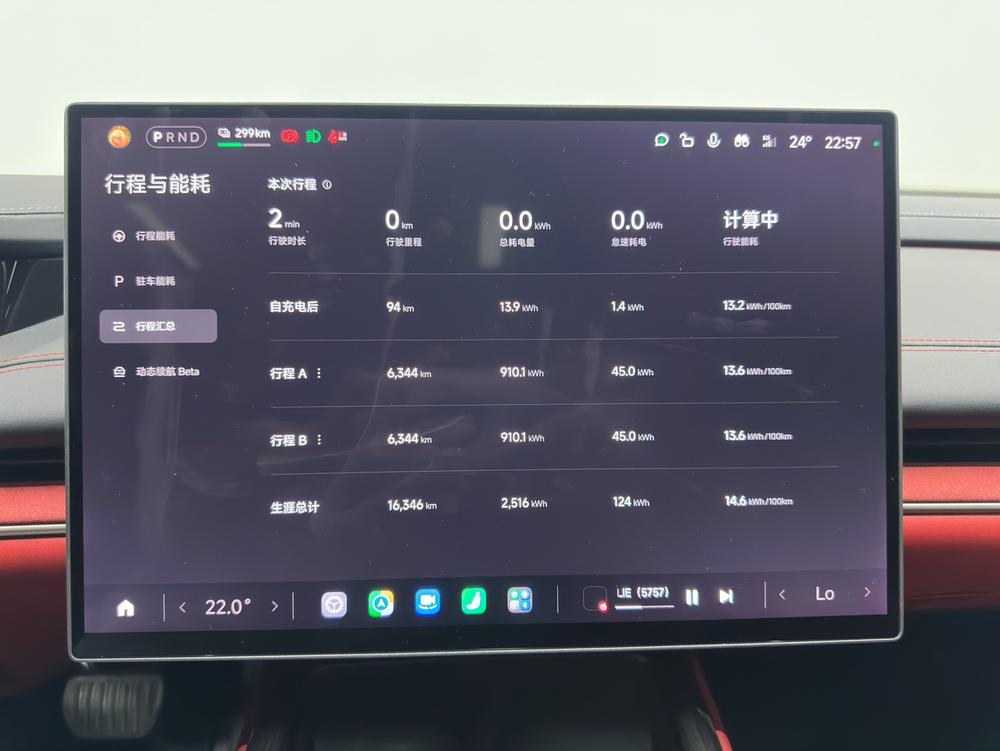
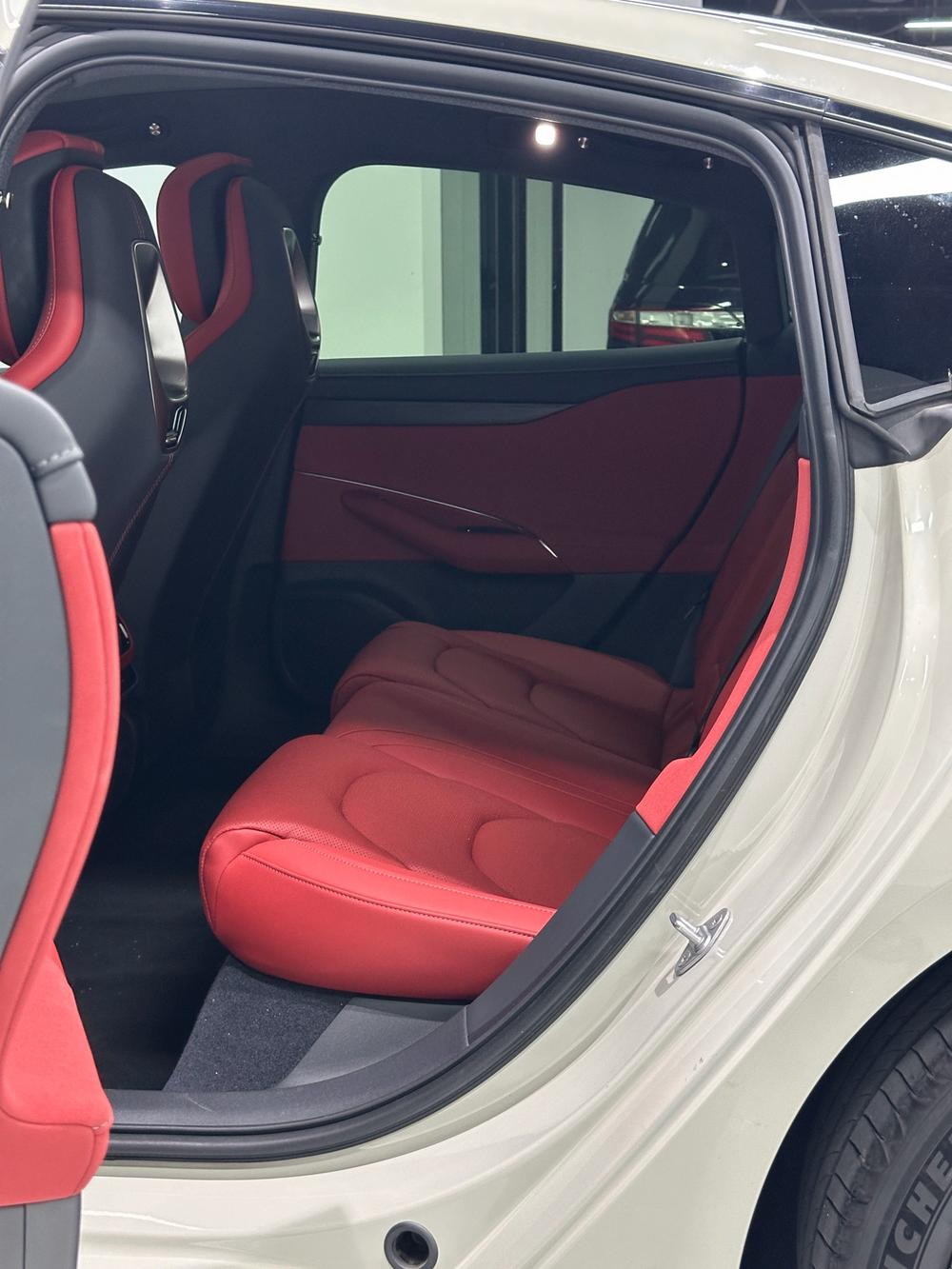
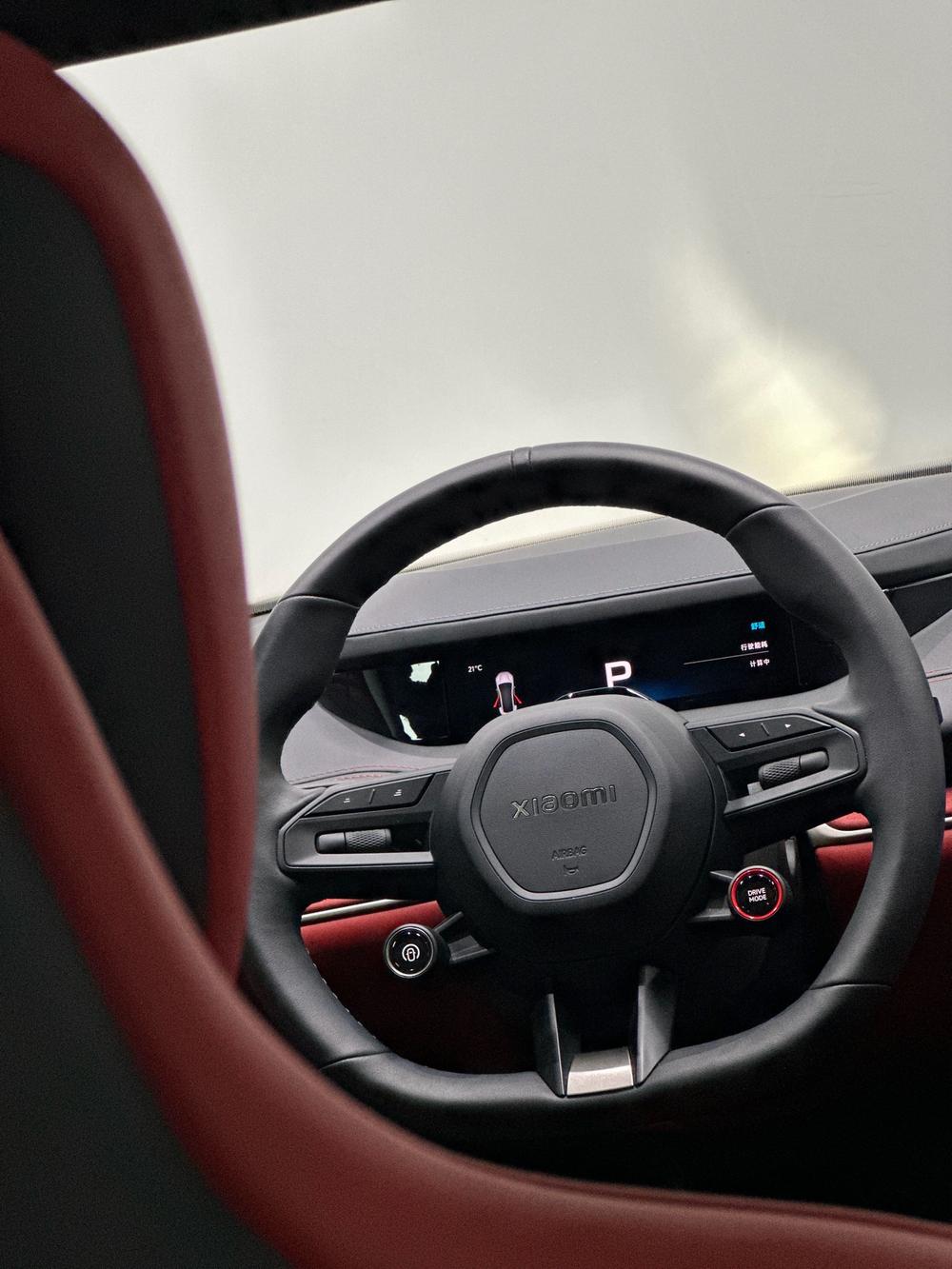
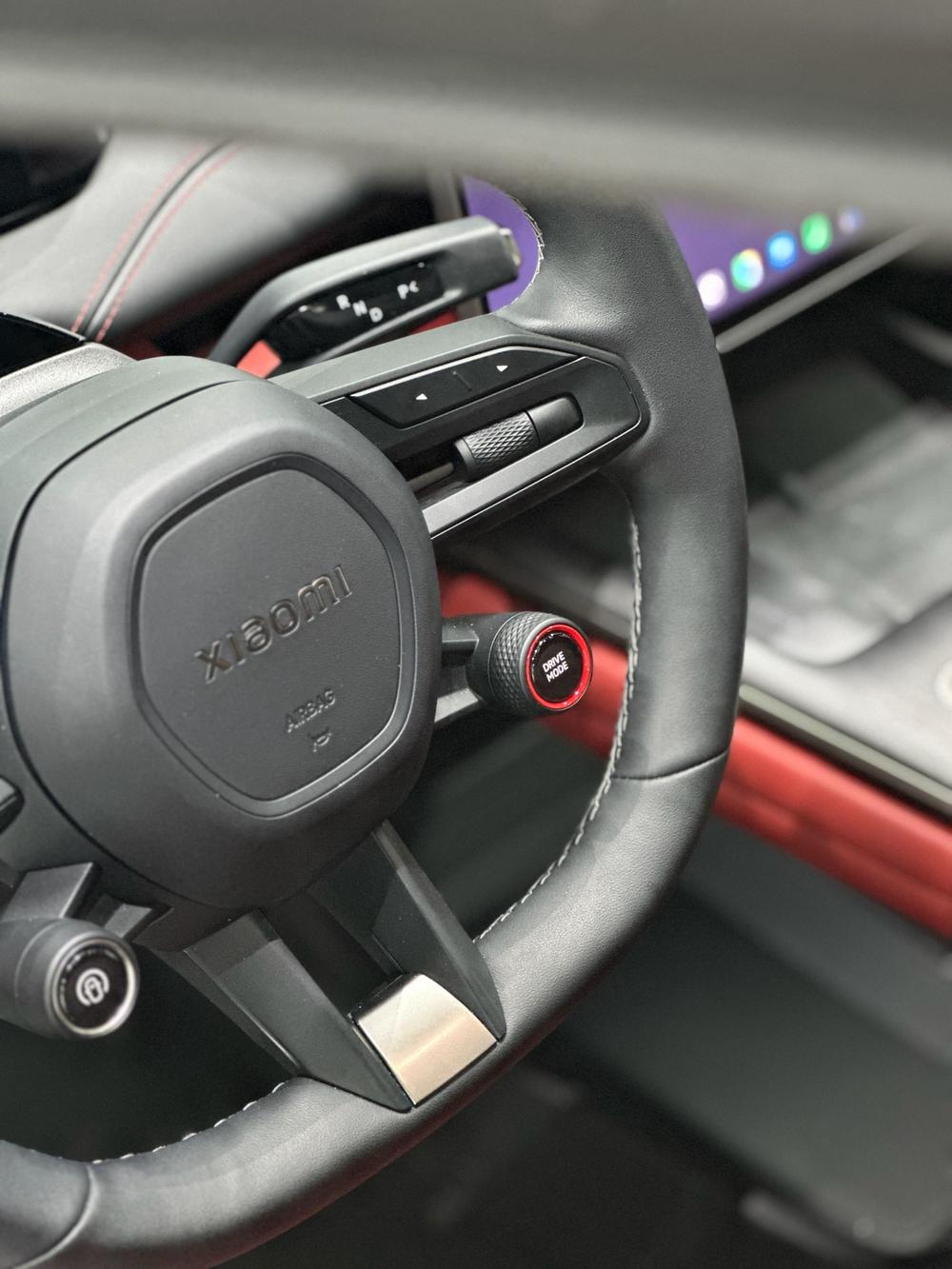
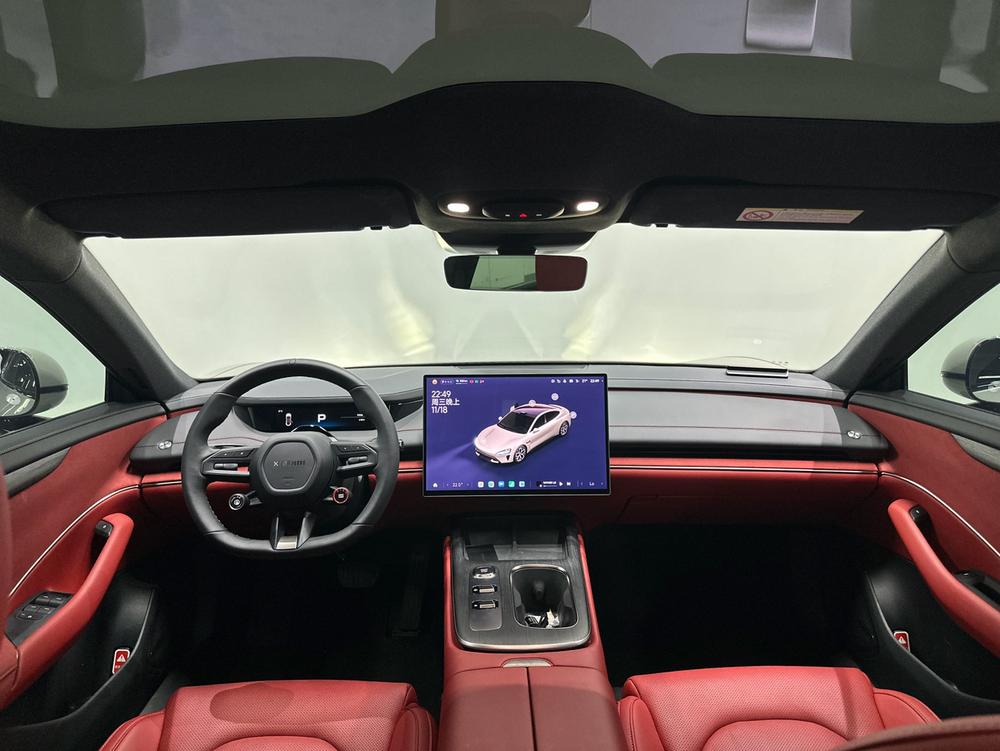
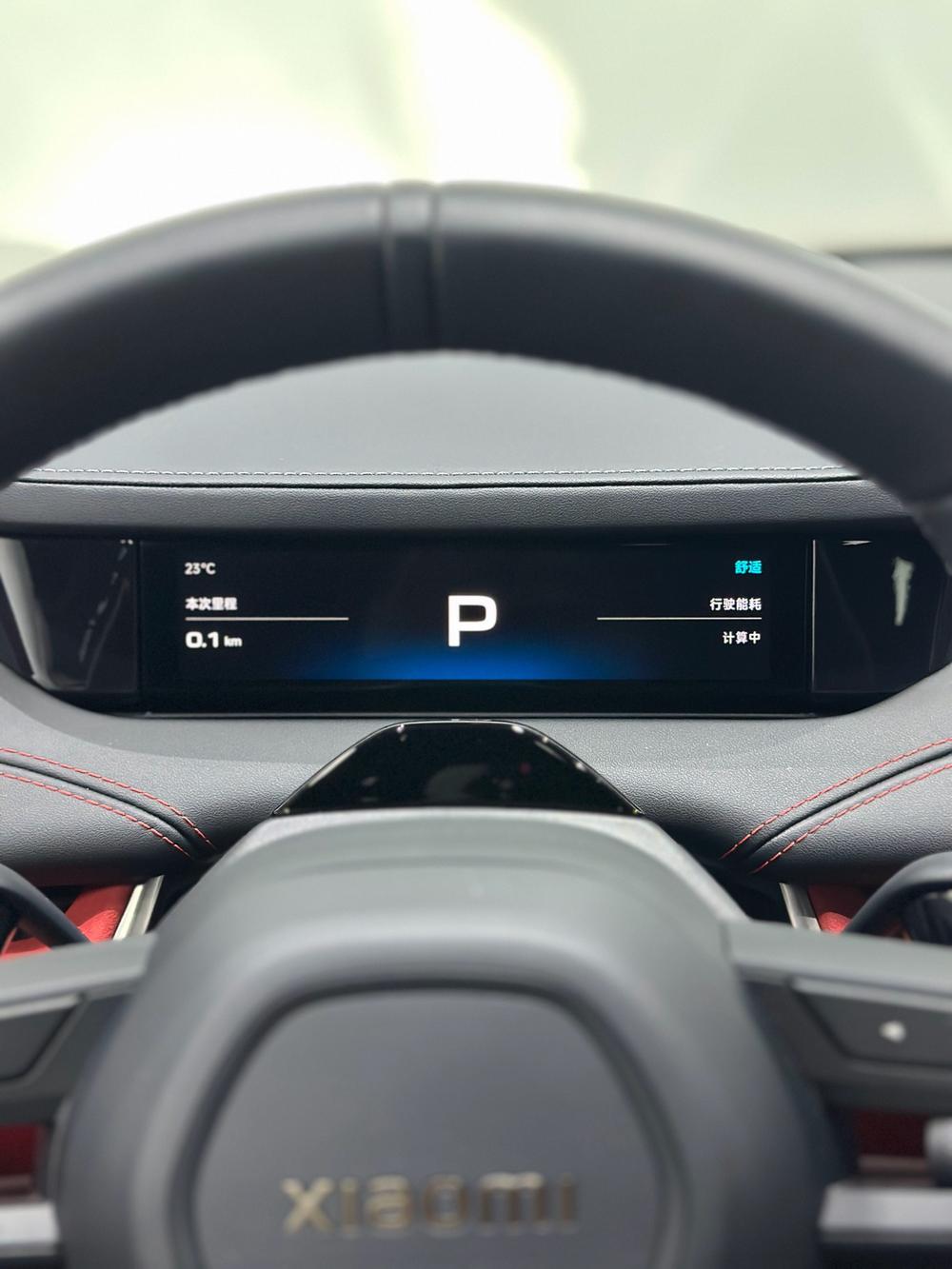
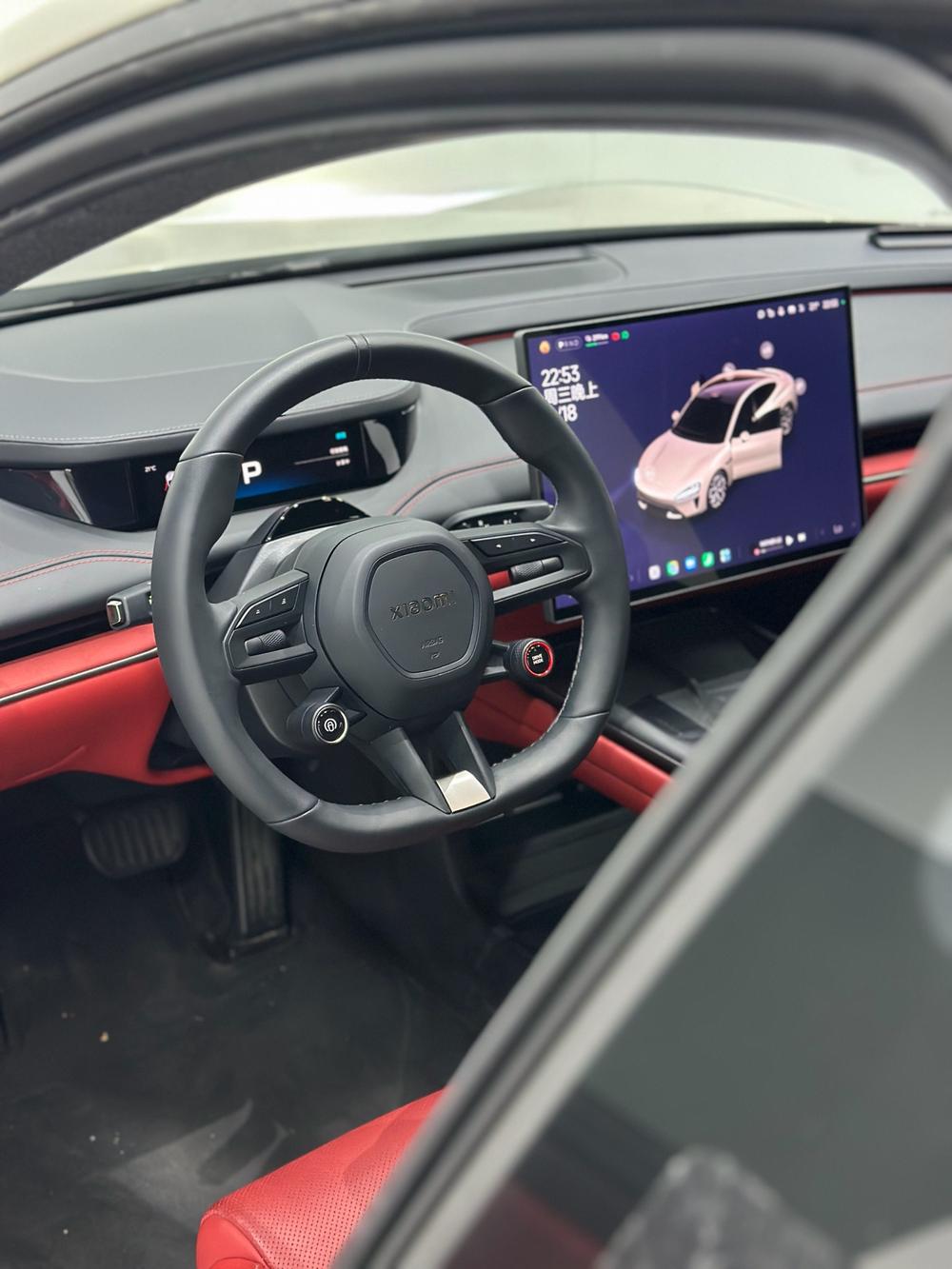



48H

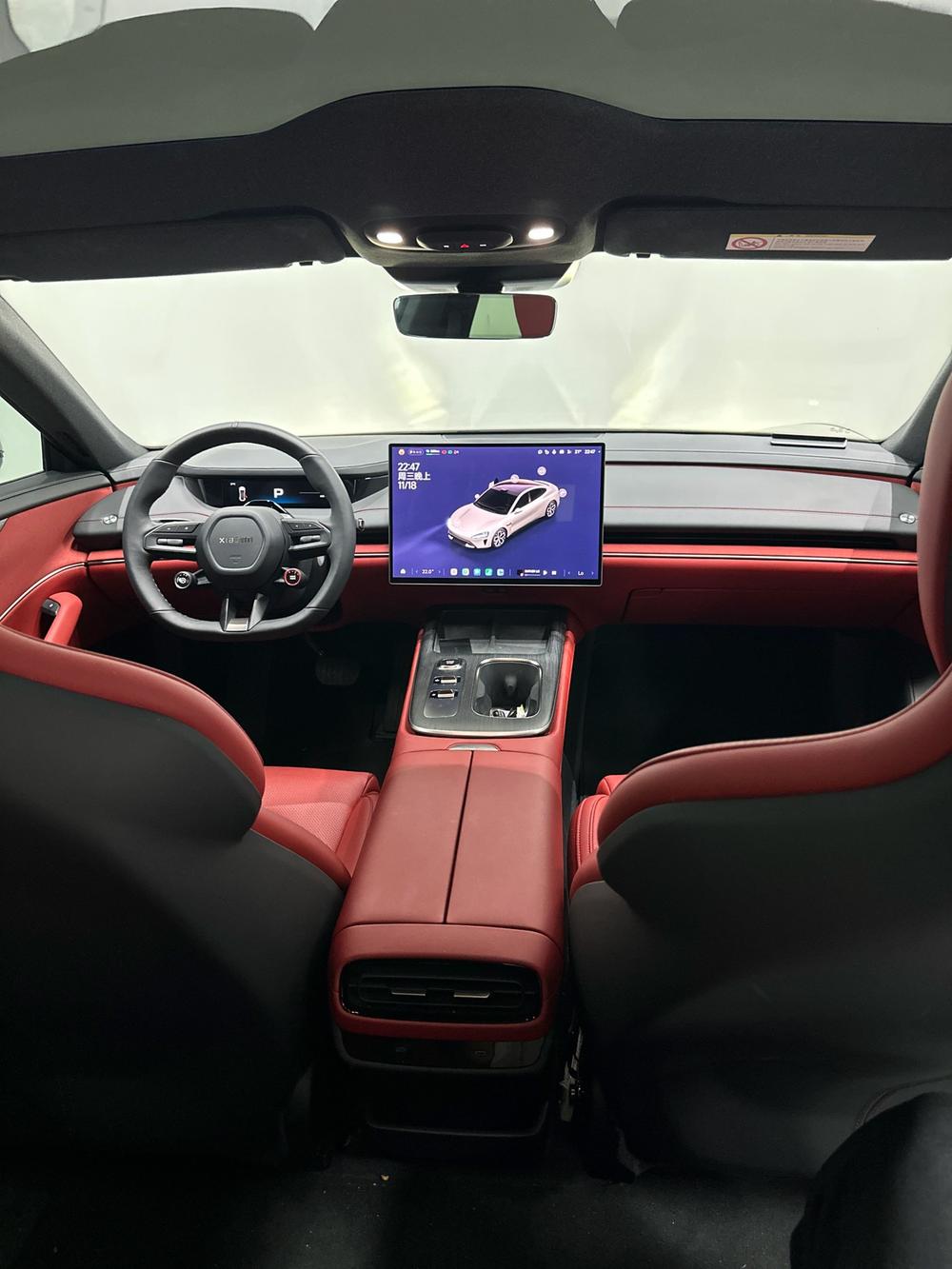
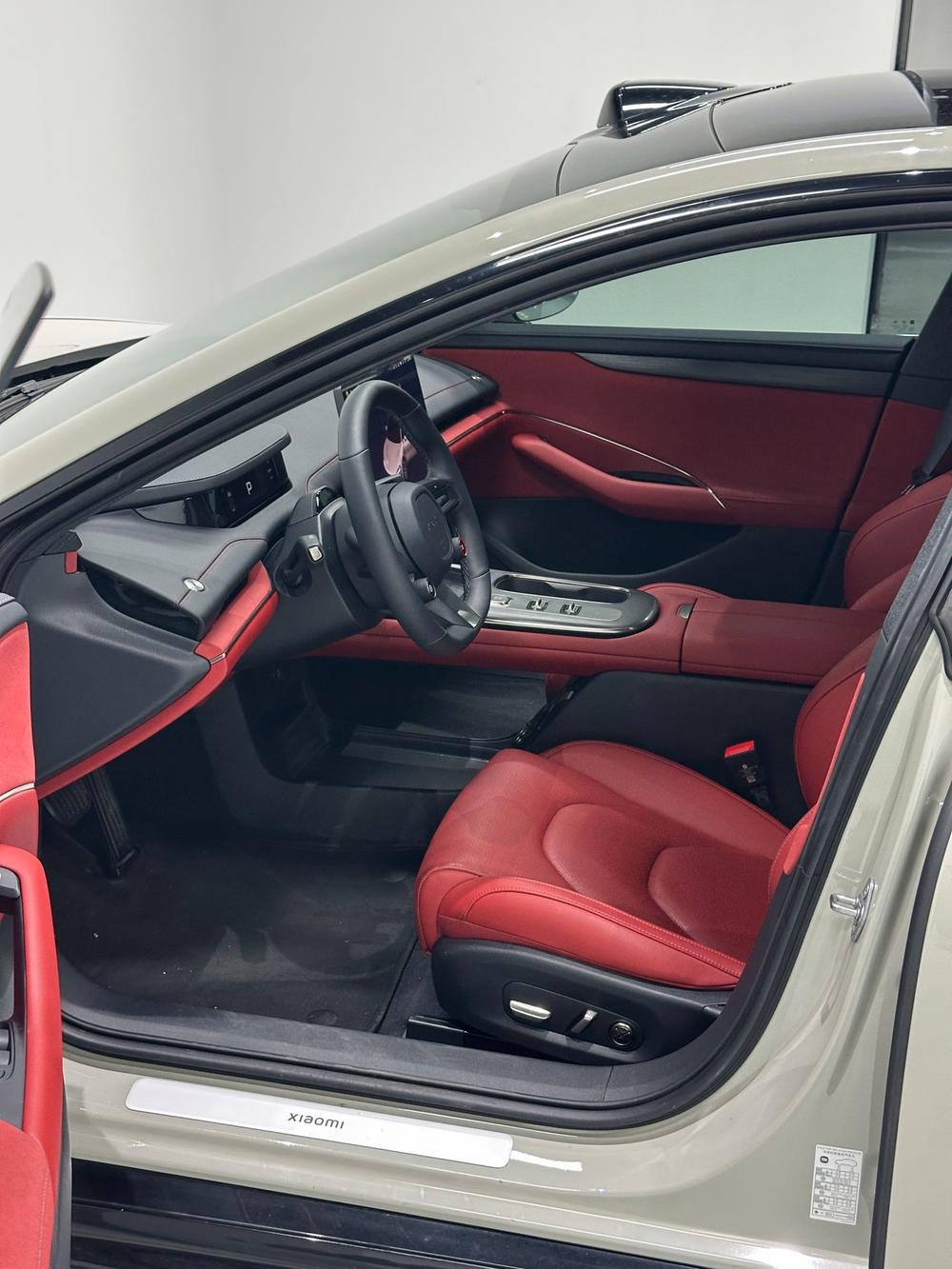
Basic Information

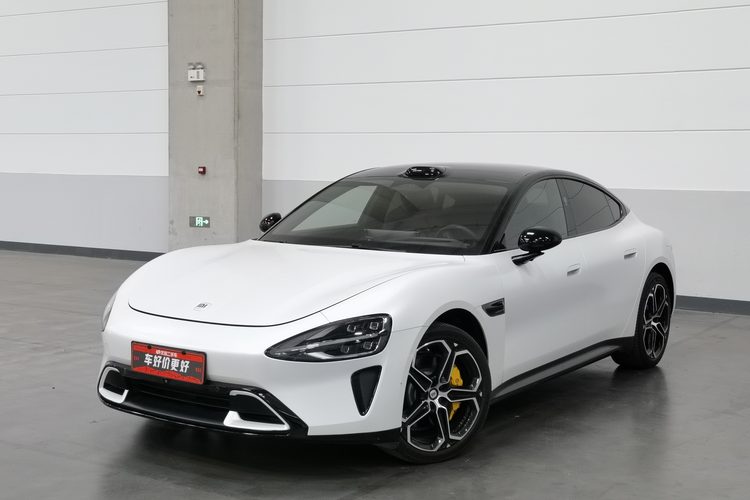
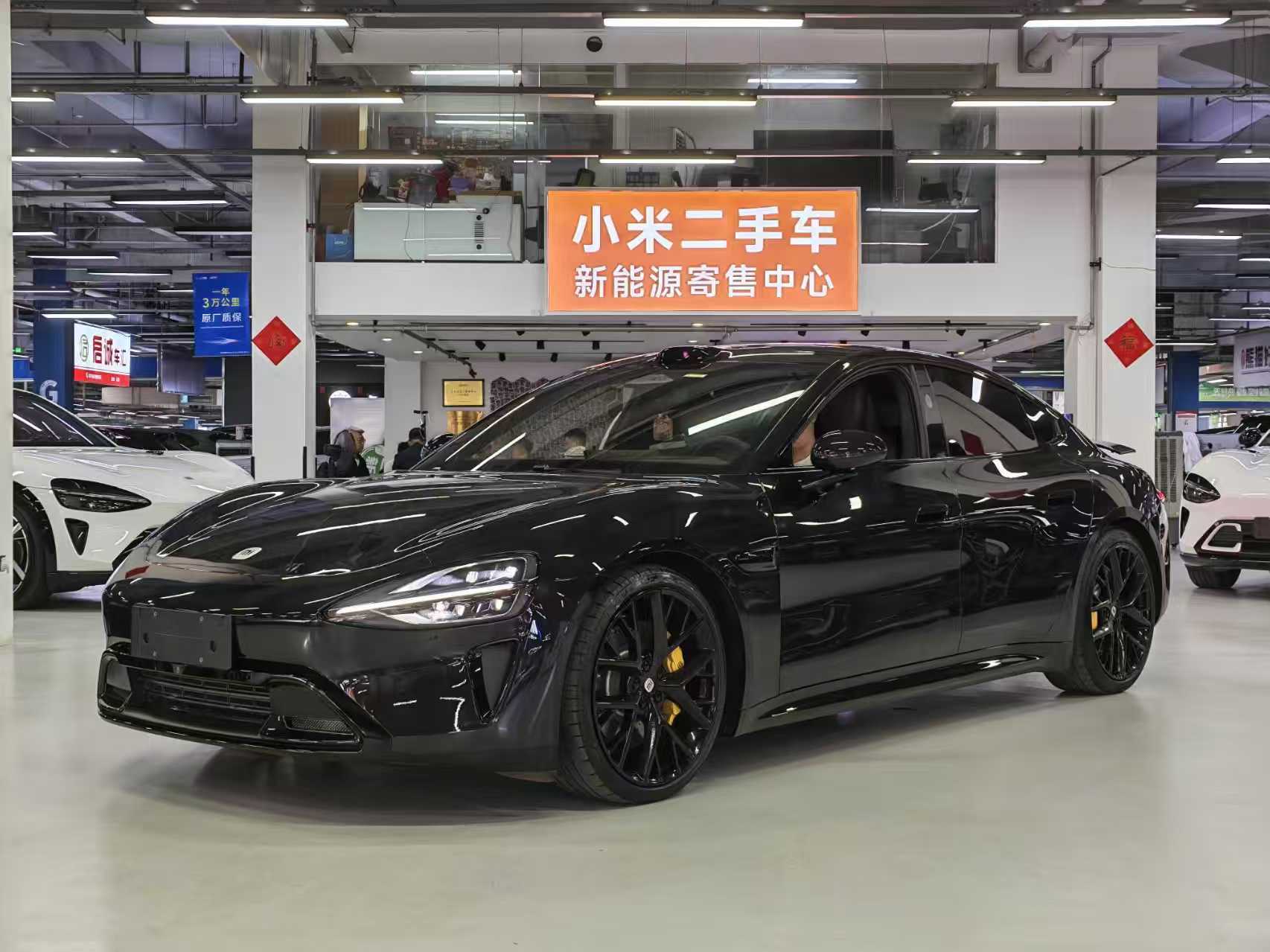
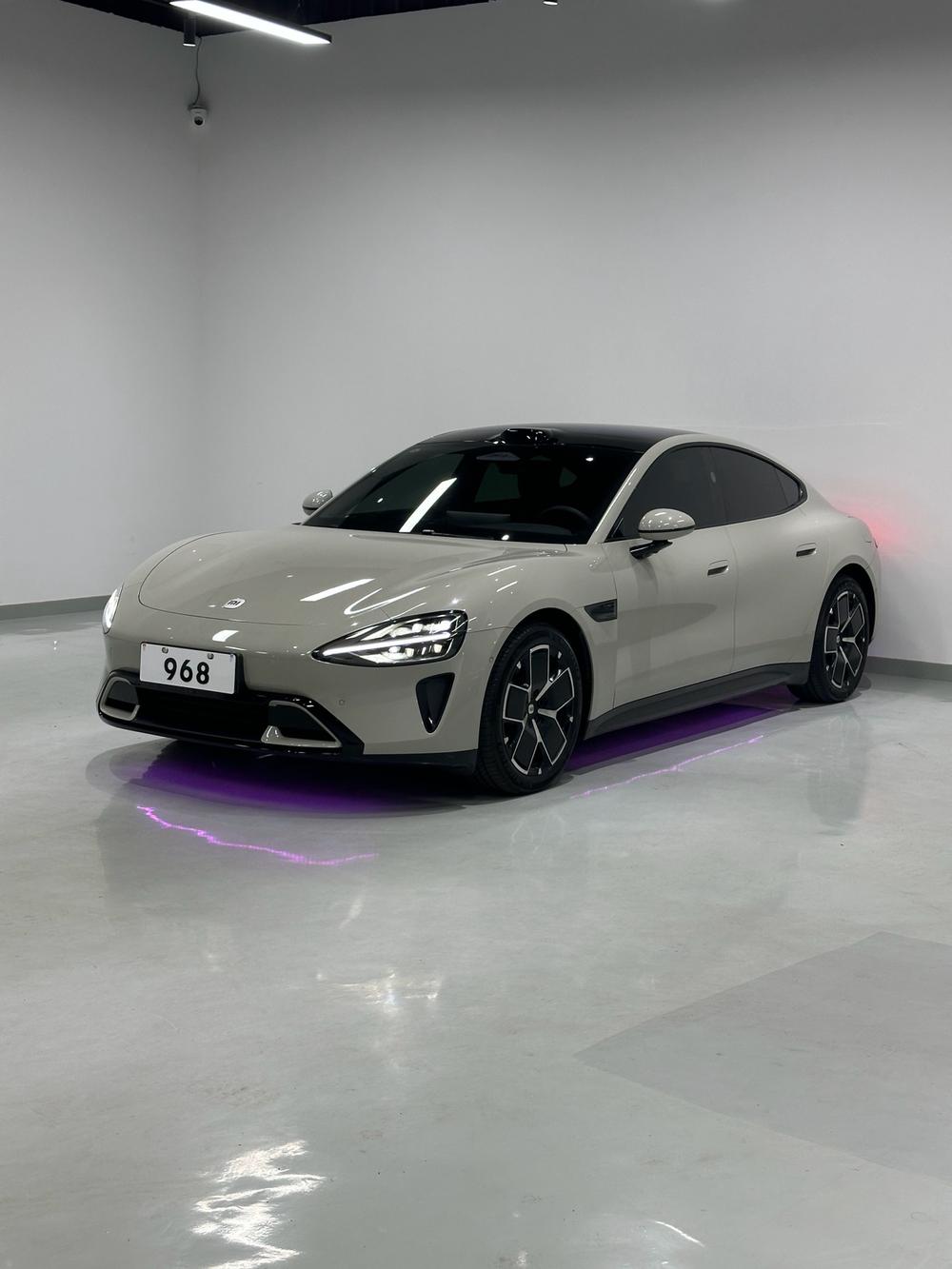
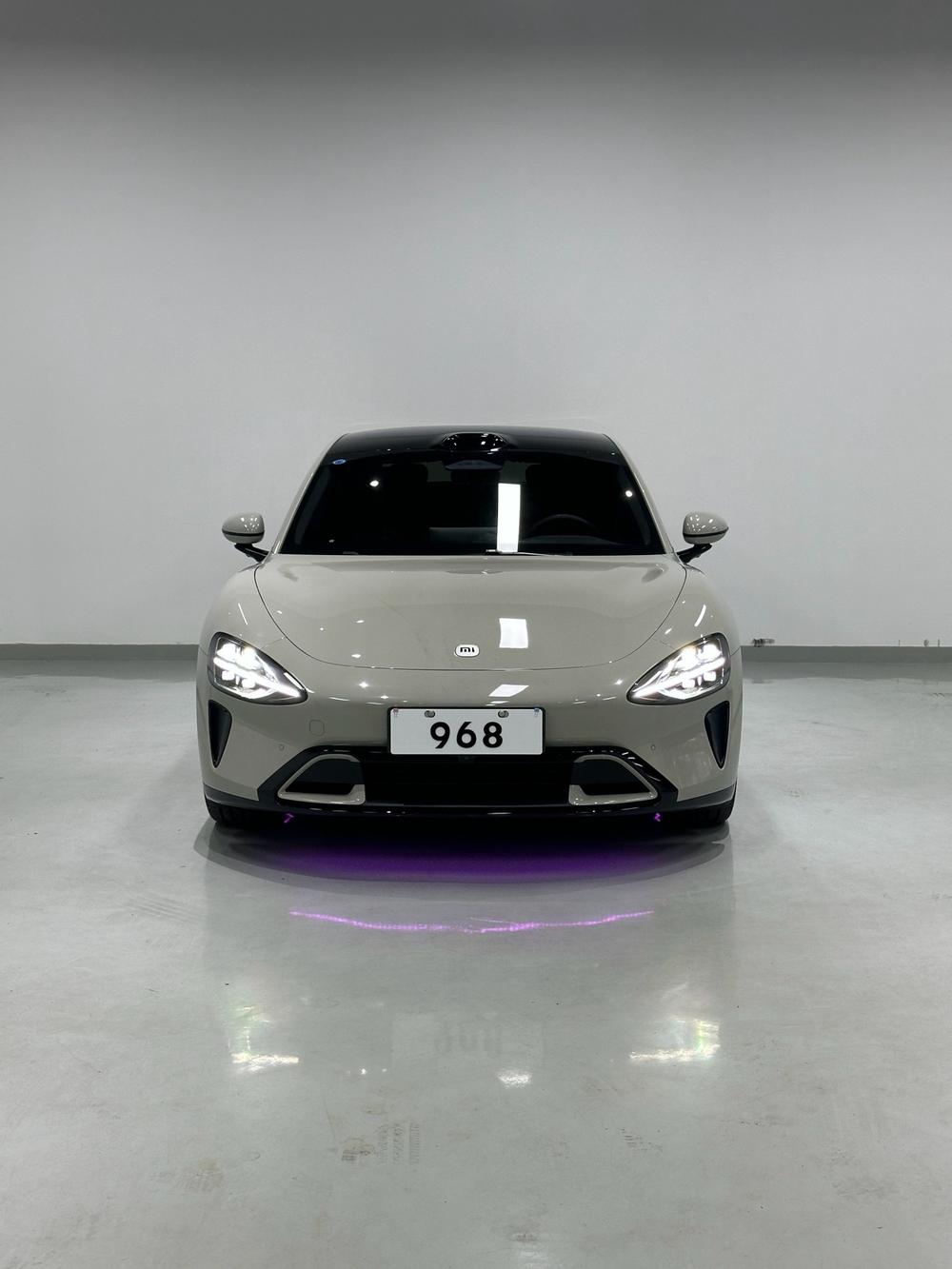
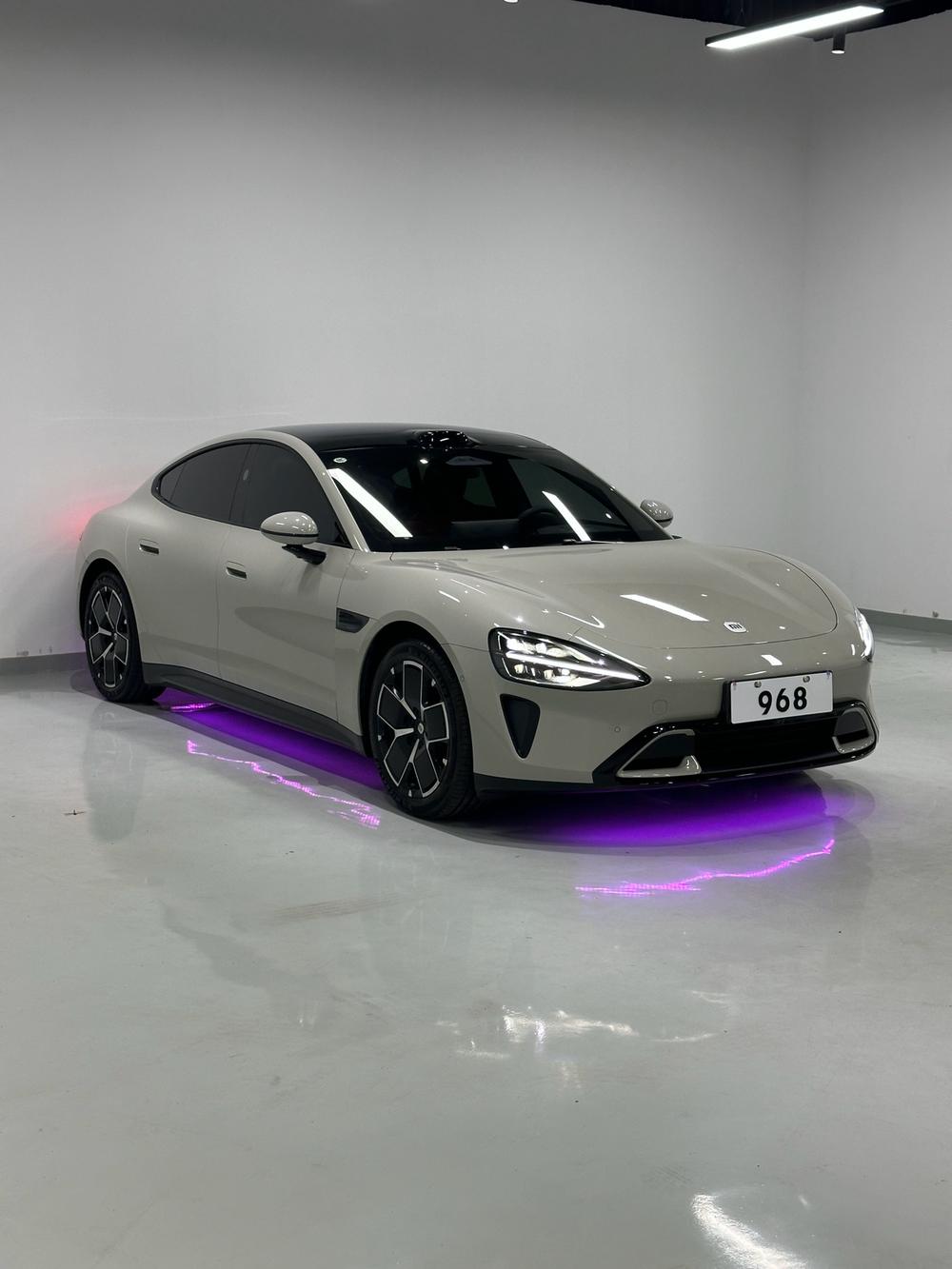
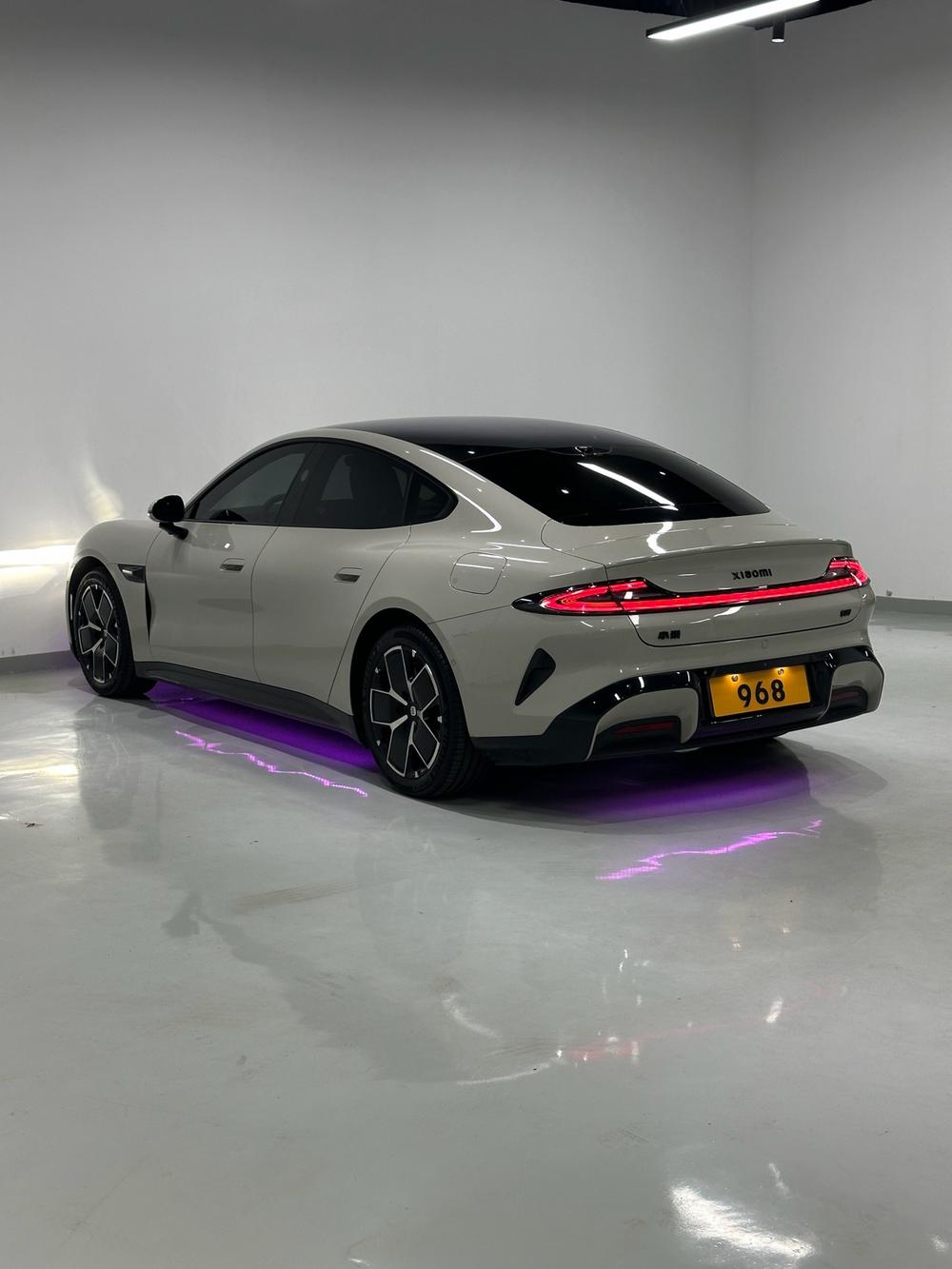
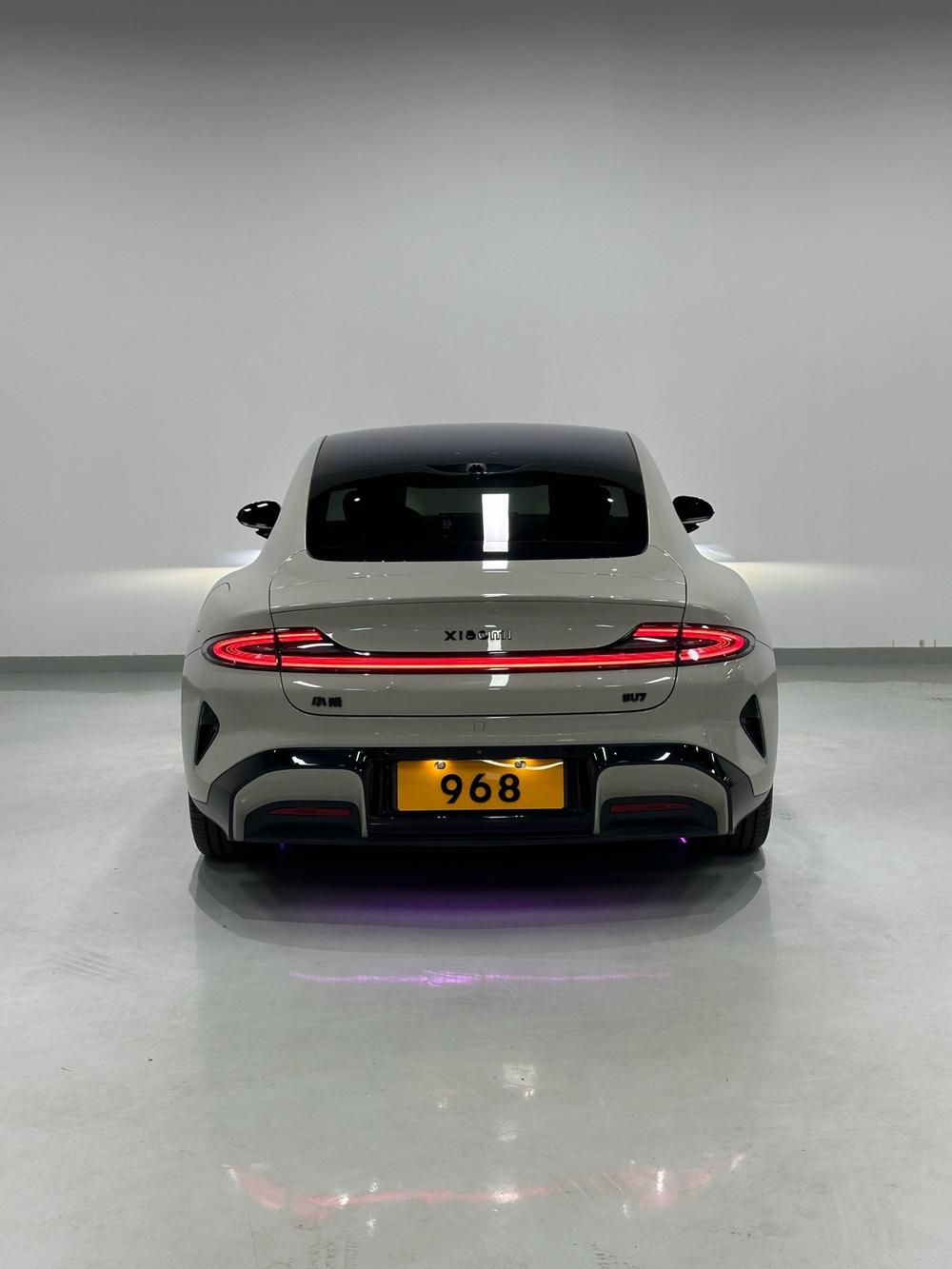
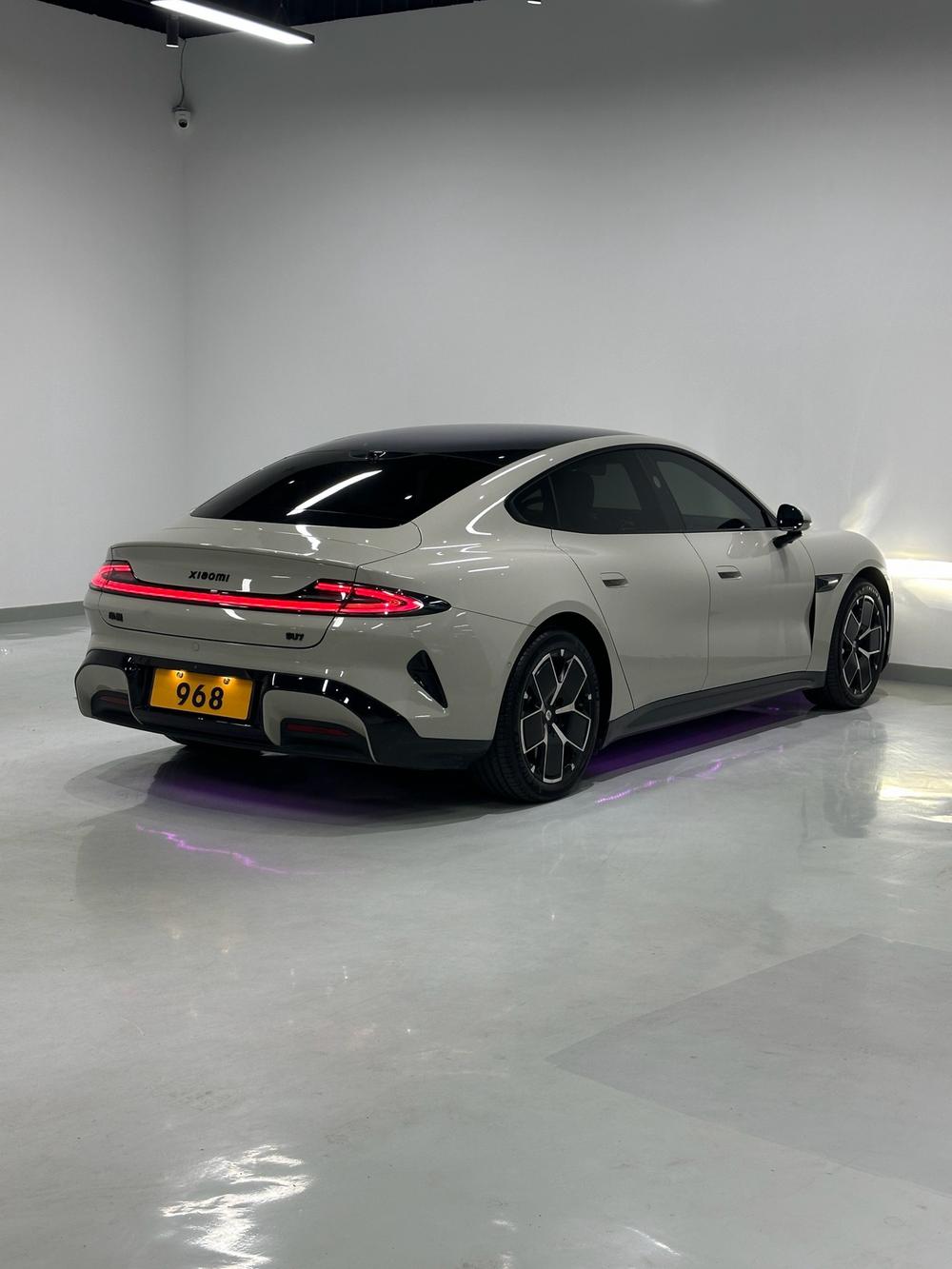
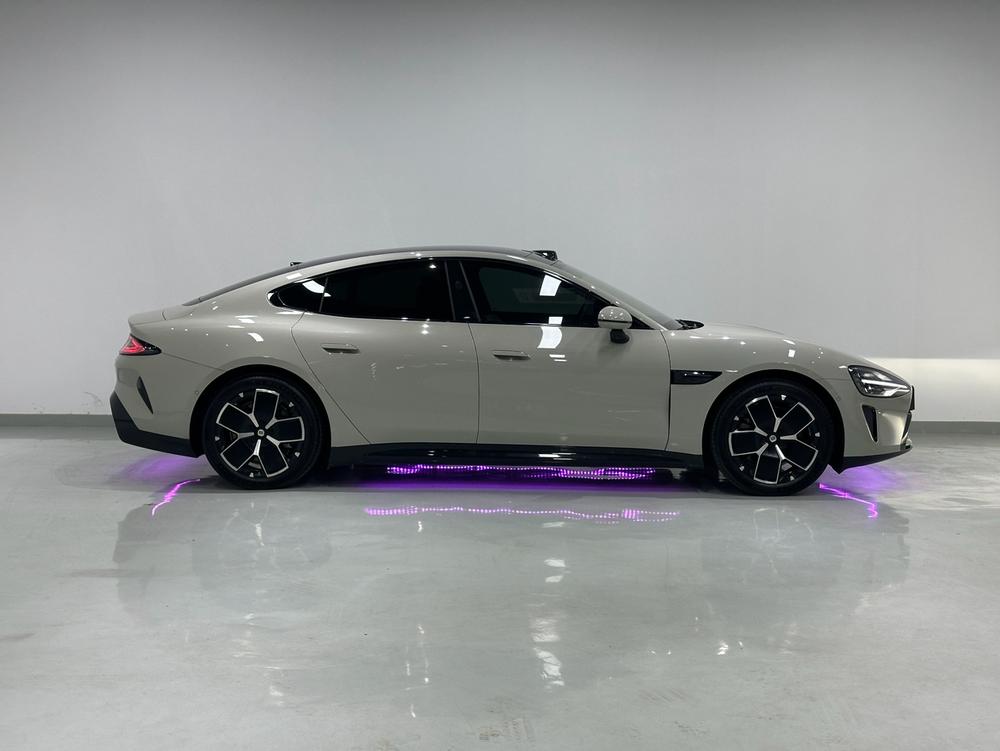
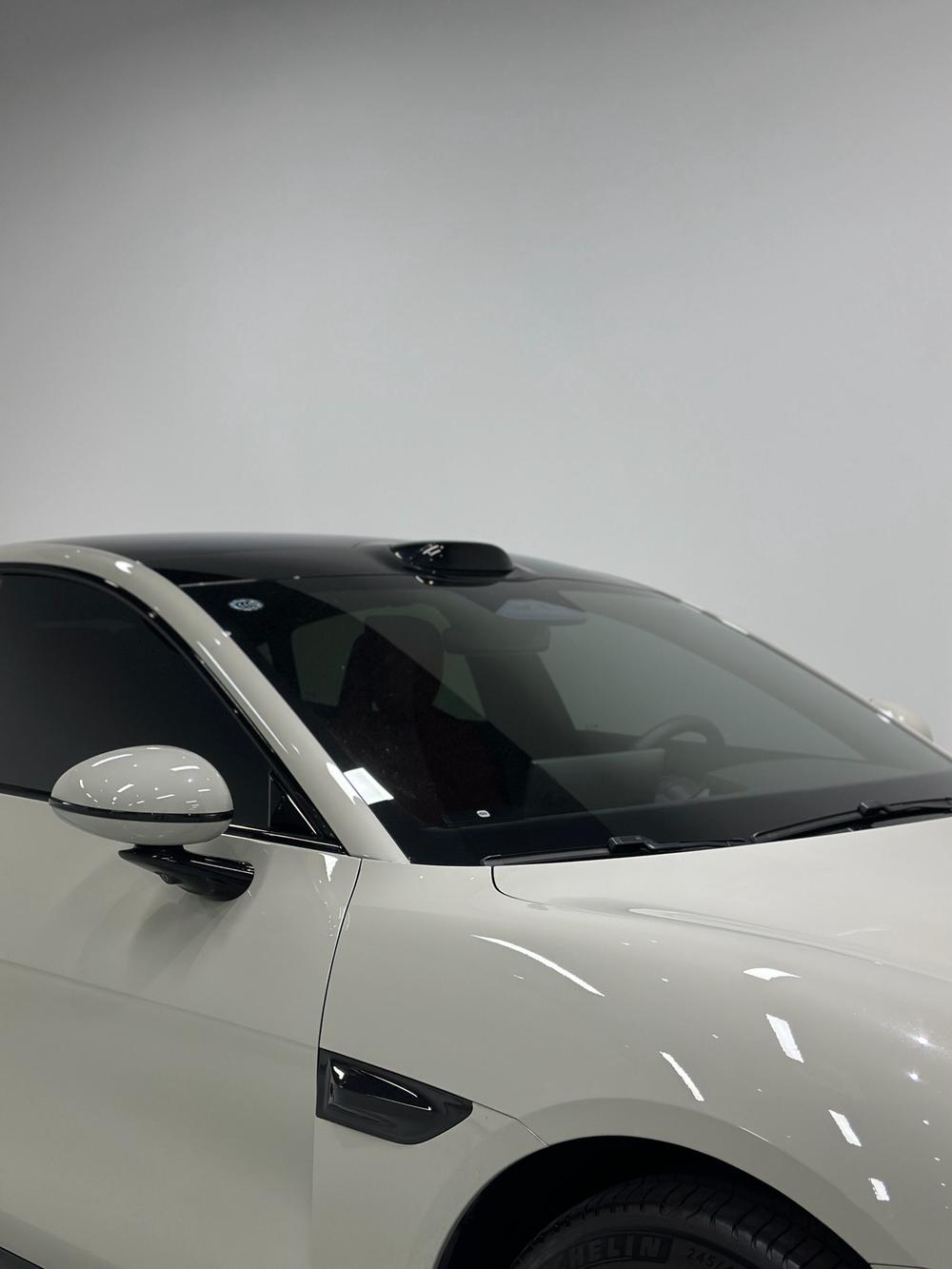
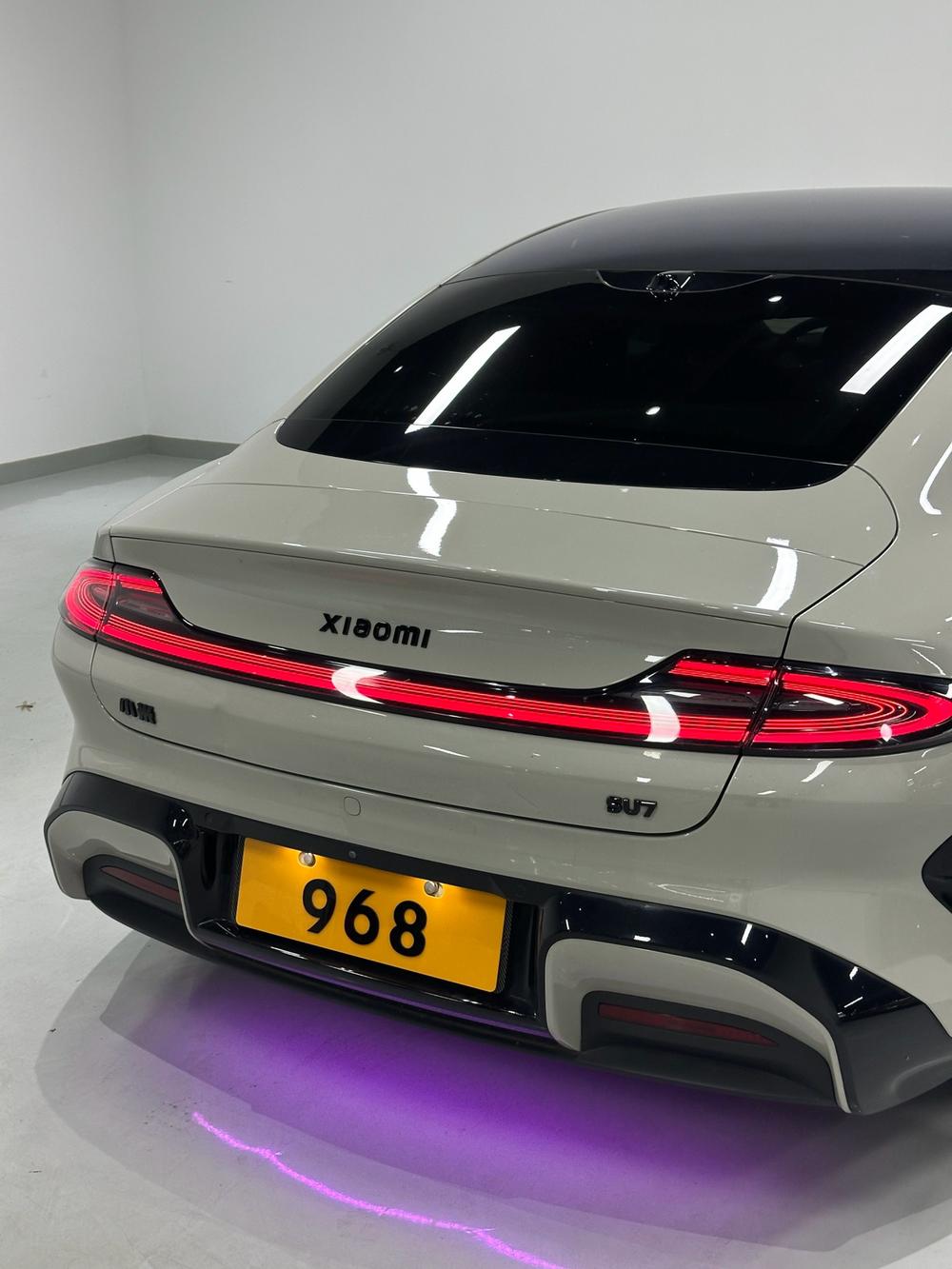
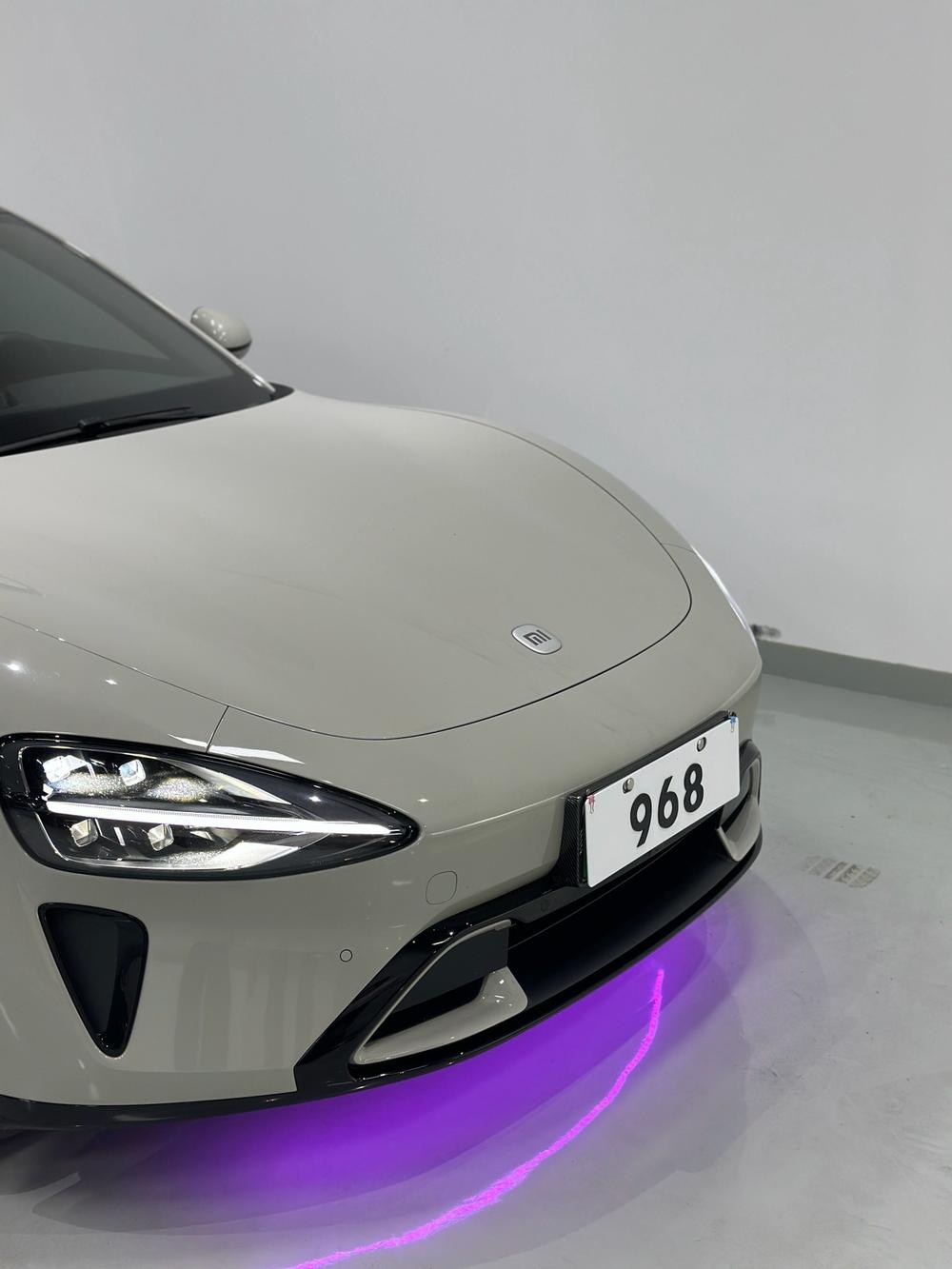
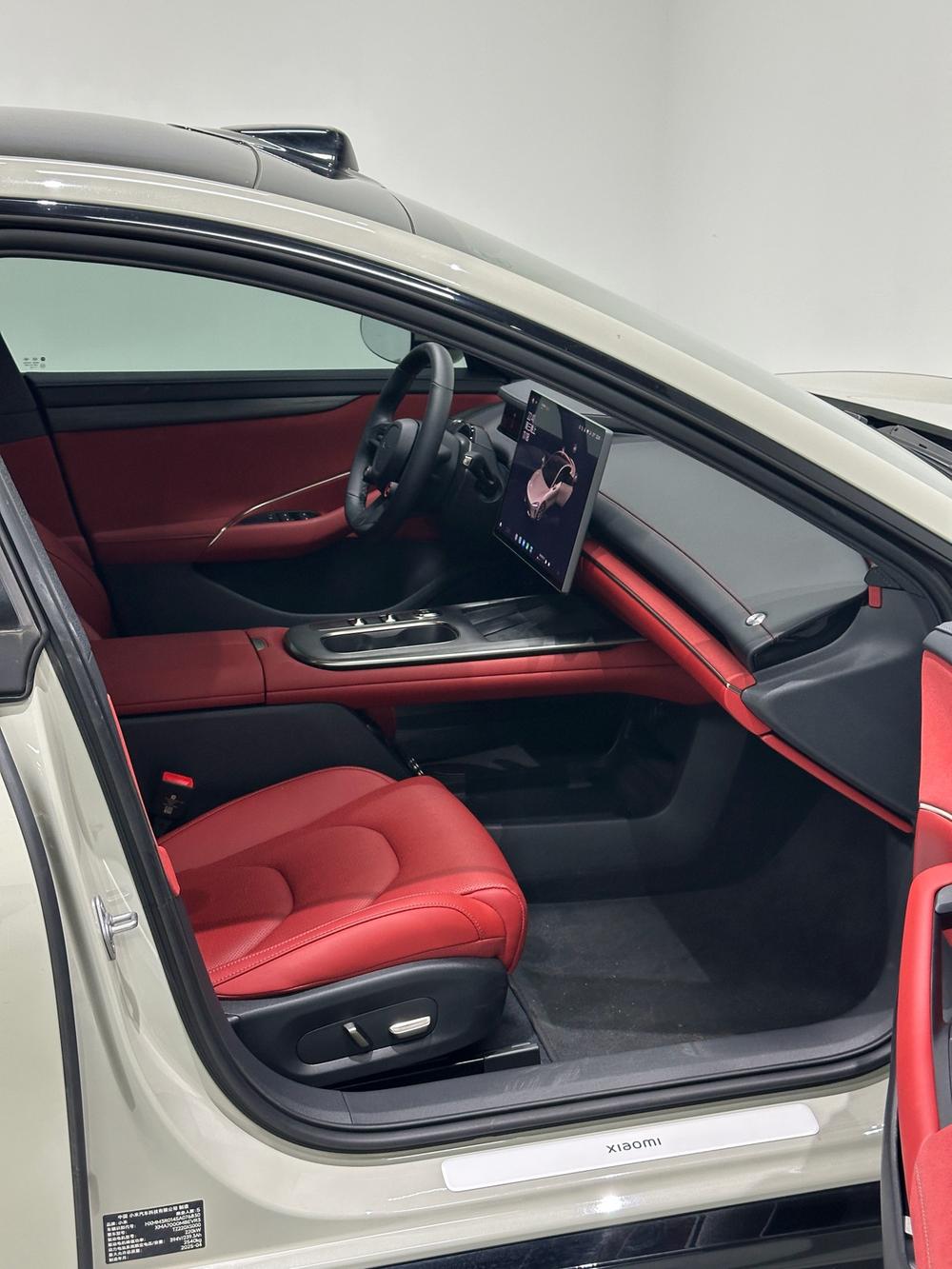
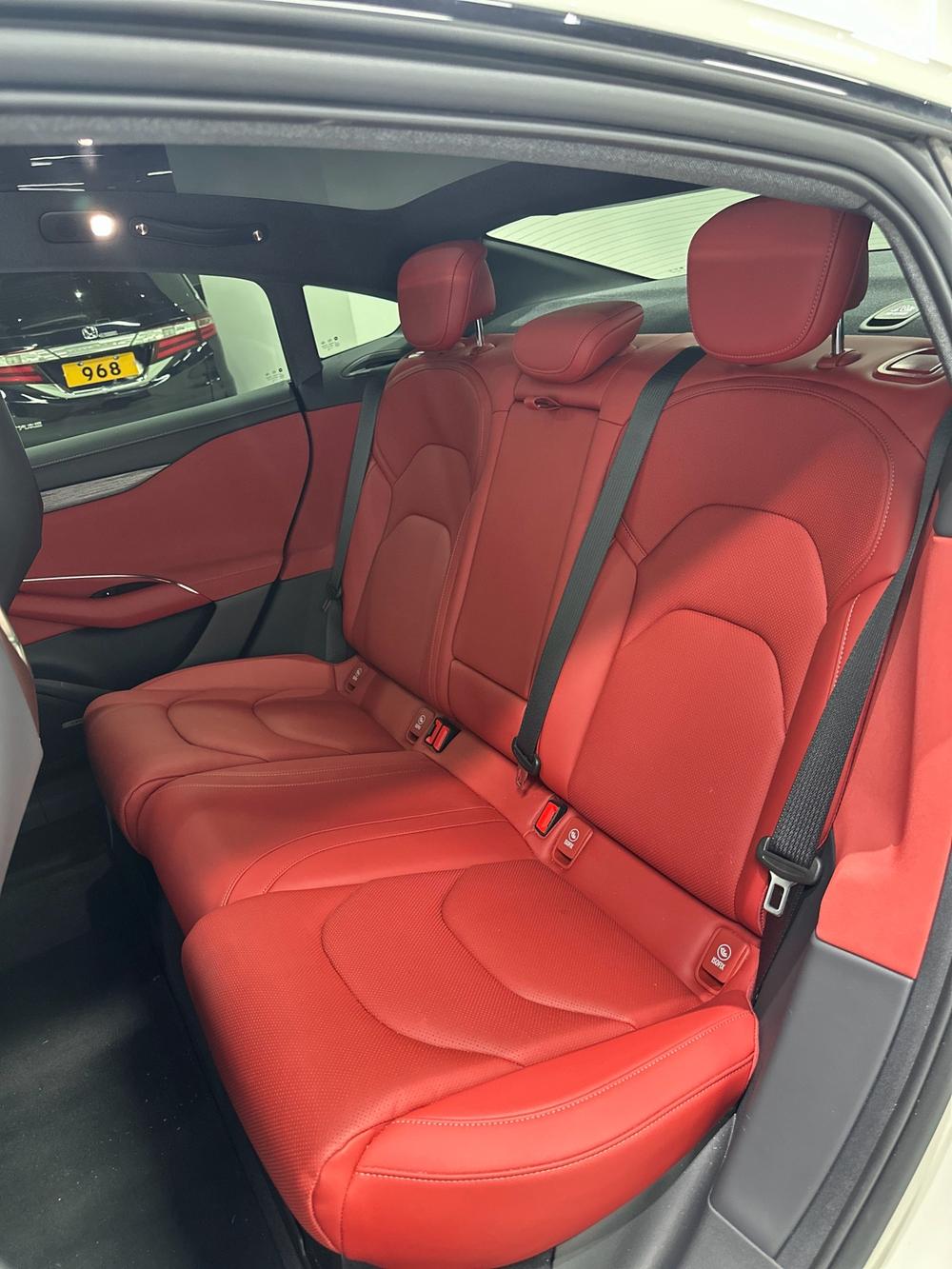
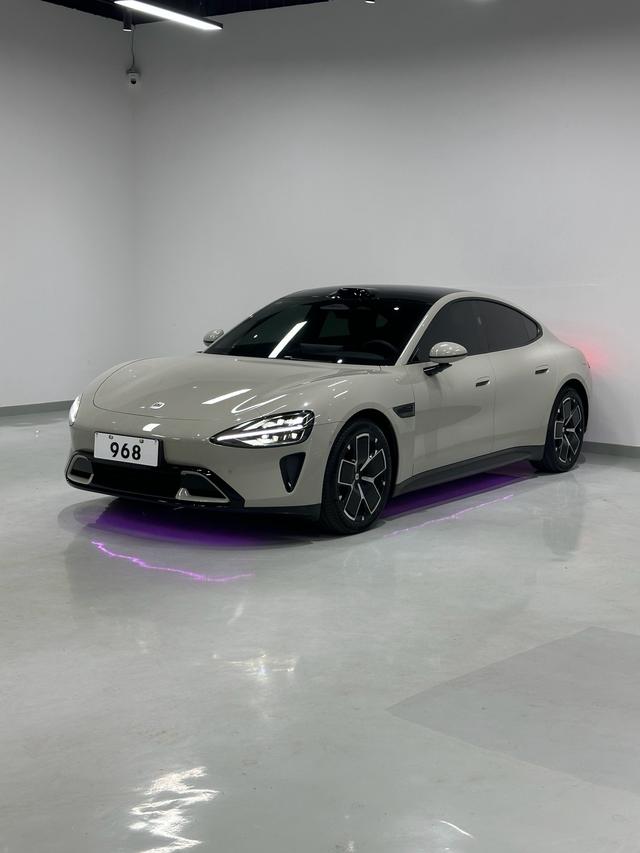
BrandMI
SeriesSU7
Year2025
First Registration2025/04
Mileage16,000km
Transfer Count0times
FuelElectric
TransmissionOther
Engine-
Color
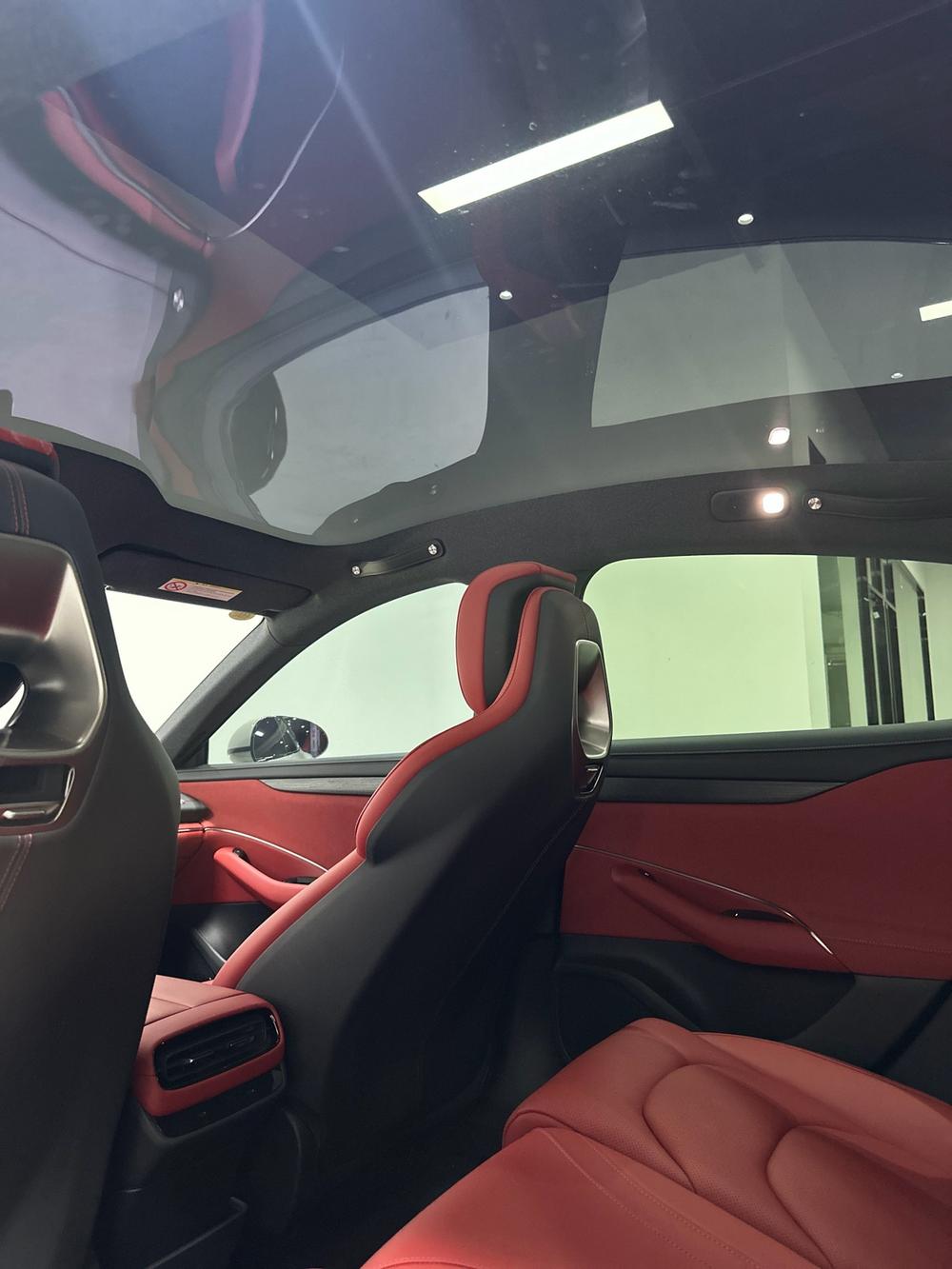
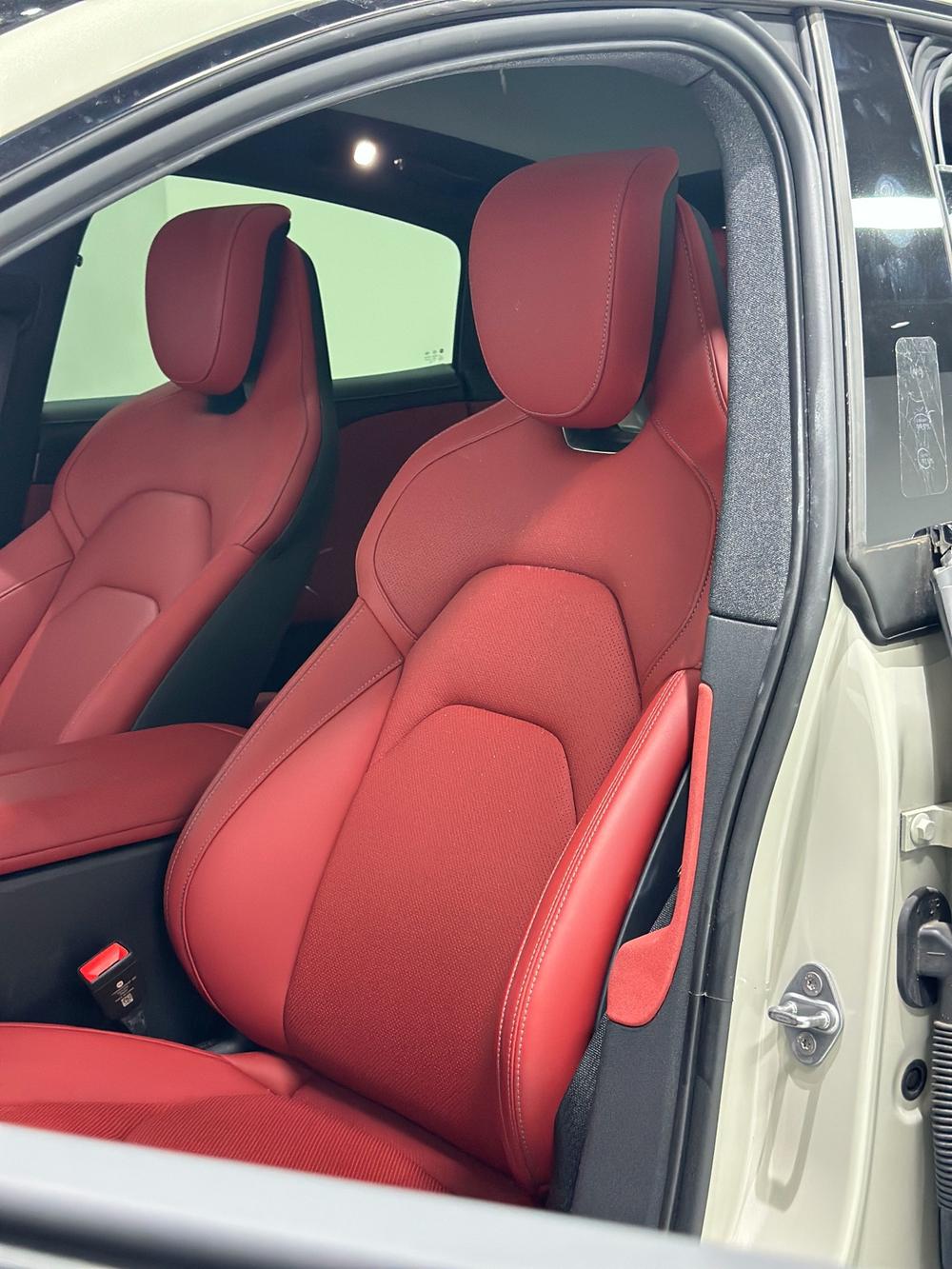
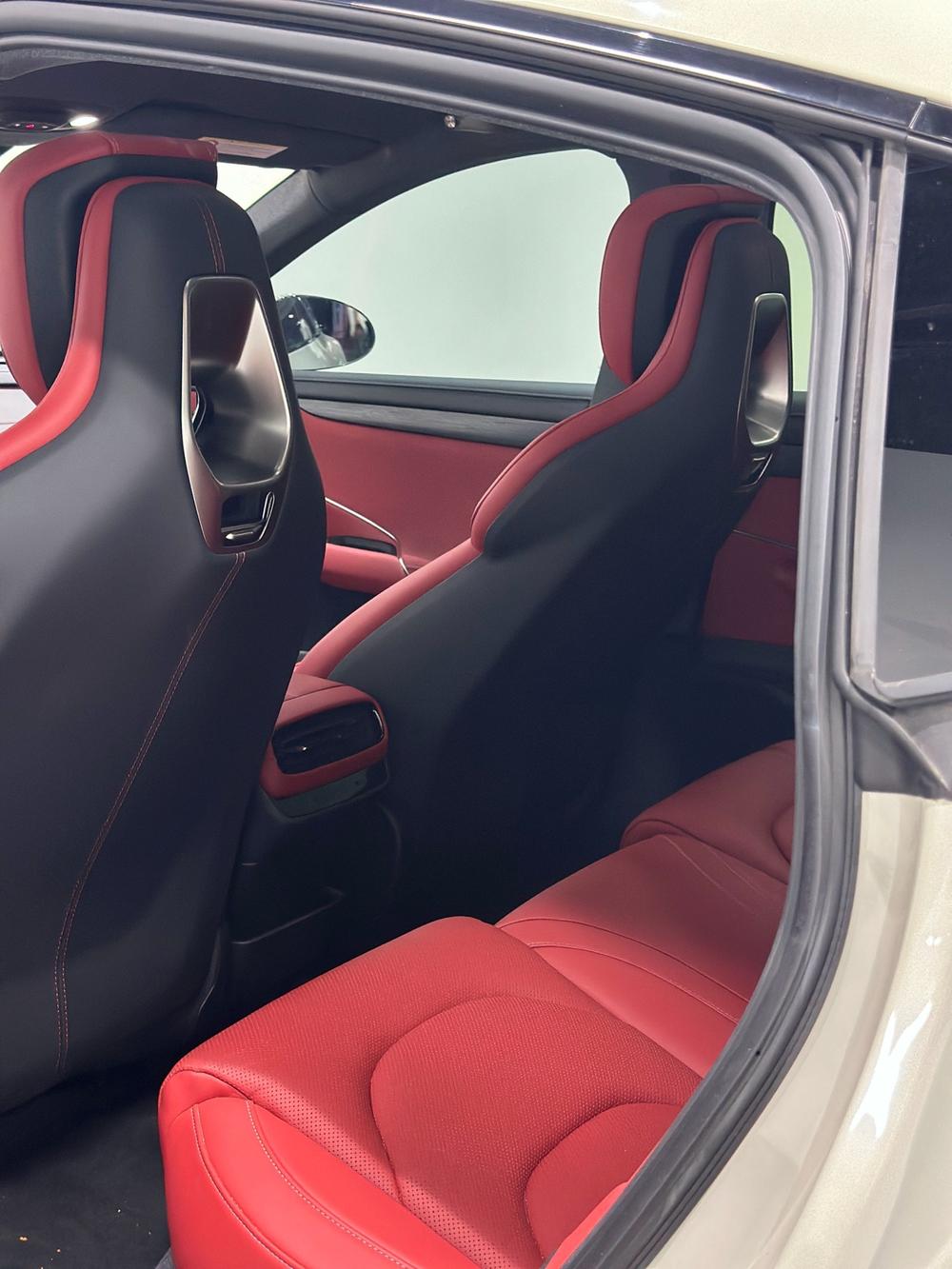
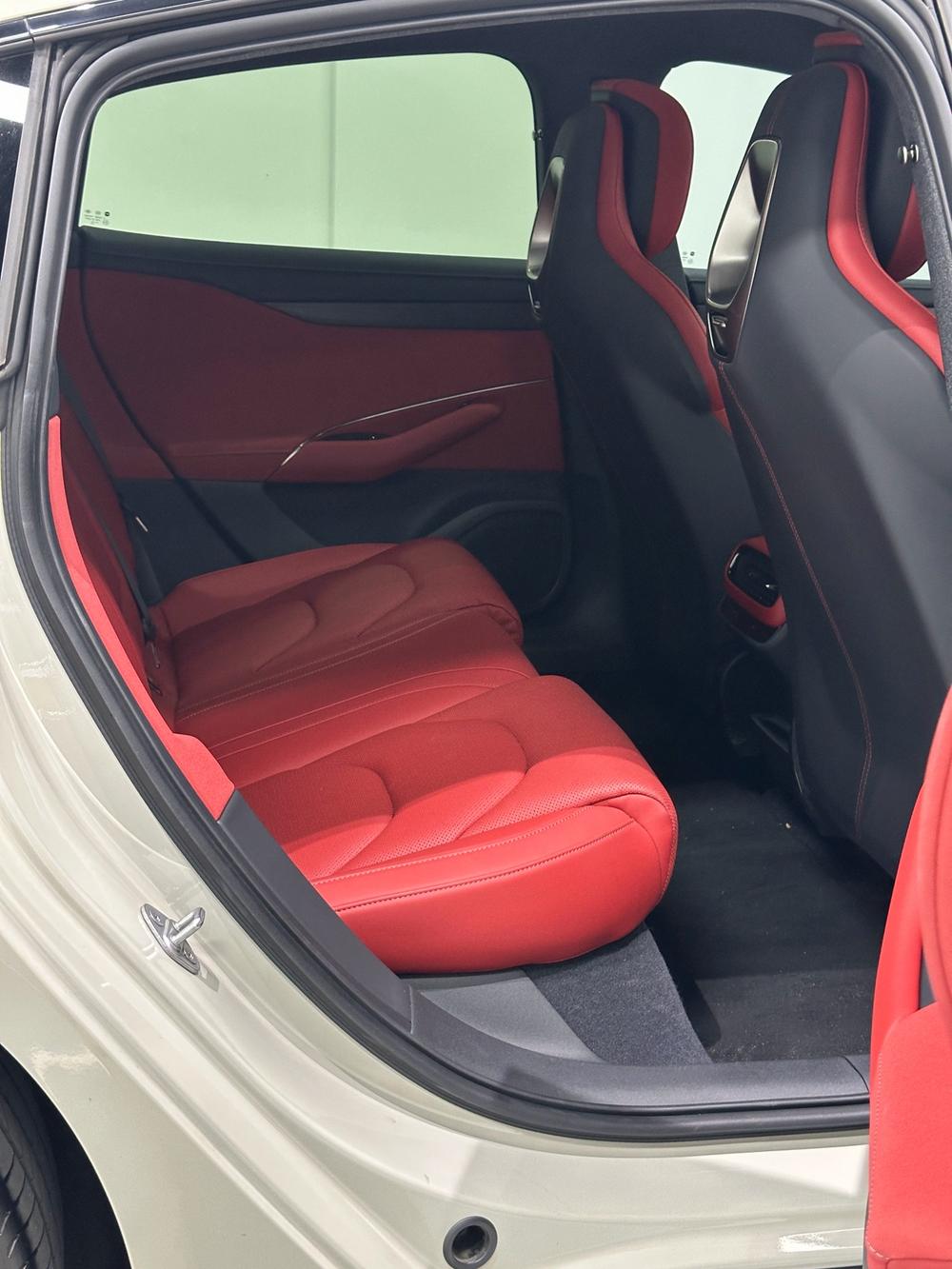
Seats5seats

Condition Description

官方质检 · 60天全车质保· 7天无理由有偿退车

Configuration Highlights

✓上牌时间: 2025-04
✓表显里程: 1.6万公里
✓车源地: 东莞
✓能源类型: 纯电动
✓功能配置: 36项
✓安全配置: 11项
✓动力类型: 后驱
✓空间舒适性: 一般

Q&A

More

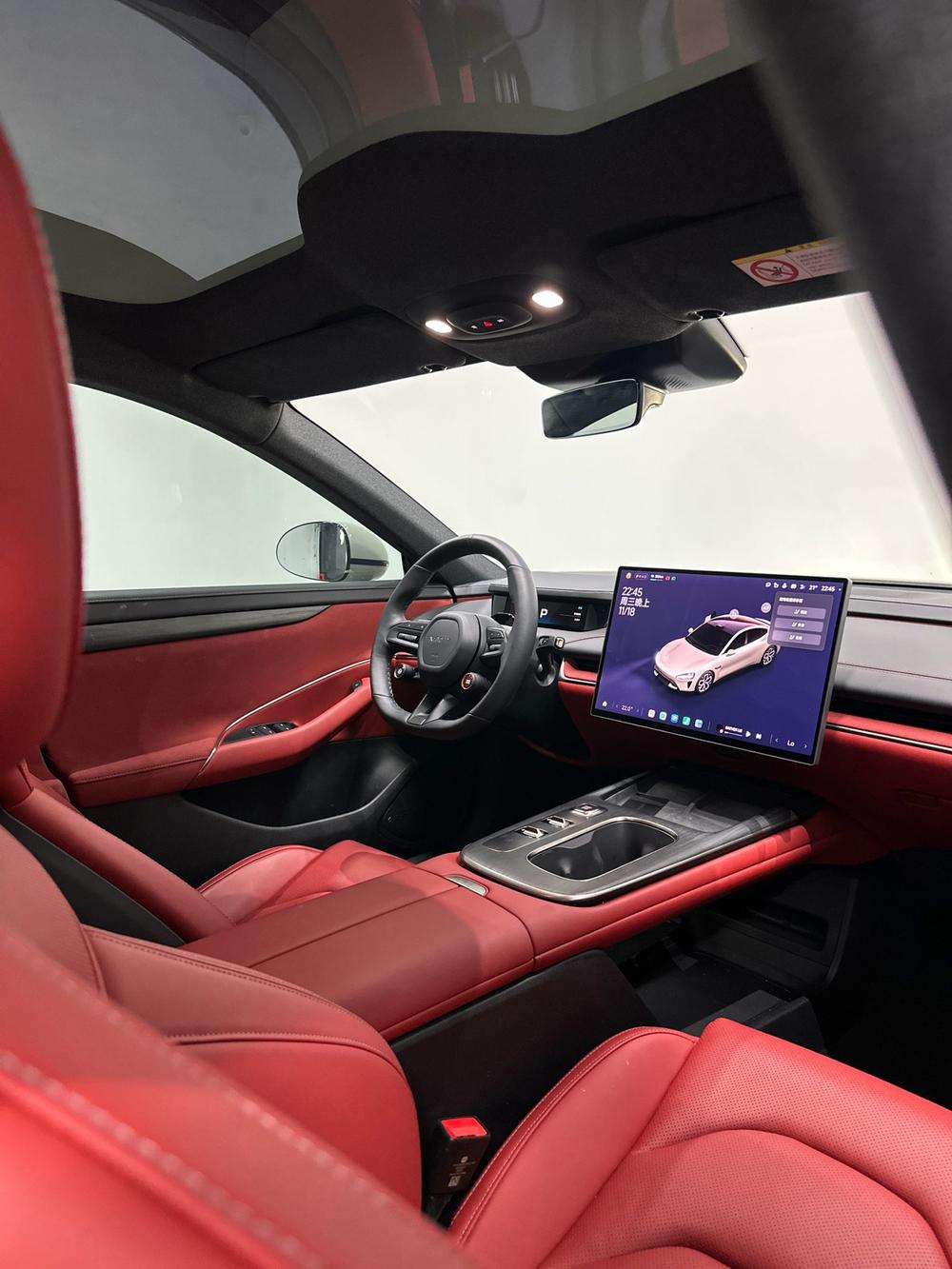
My imported Chinese car's infotainment menus are all in Chinese. Can the system language be changed after import?

It depends on the brand and head-unit version, so check before assuming. Many newer Chinese cars (BYD, MG, Chery, Geely and others) ship with multilingual firmware, and English or other languages can be switched in the settings menu — ask the seller to confirm this in a video before you buy. If the menu has no language option, a dealer-level software flash may add languages, but this requires official tools and is not guaranteed for China-domestic versions. Avoid unofficial flashing services: a failed flash can brick the head unit and may void any remaining warranty. Keep expectations realistic: navigation maps, voice assistants and connected apps are usually tied to Chinese servers and accounts and often will not work abroad regardless of menu language. If local-language infotainment matters to you, prioritize models officially exported to your region, or plan to rely on phone mirroring (CarPlay/Android Auto where supported) as the practical workaround.


How do I check the underbody and frame of a used Chinese car for rust and prior repairs from inspection photos?

Ask your inspector for specific underbody shots rather than general views: the subframe mounting points, rocker panels, floor pan near the seat rails, and the spare tire well. Fresh underbody coating or thick black spray wax often hides repairs - it should look uniform, not patchy. Red flags: welded seams with grind marks or discolored paint around them (sign of structural repair); rust bubbling at panel edges or bolt heads; mismatched bolts on suspension arms (sign of disassembly after an impact); bent or freshly painted crossmembers. Surface rust on exhaust and bolts is normal in humid regions and not a dealbreaker - structural rust on load-bearing members is. Compare the underbody photos with the history report: if the report shows a rear-end accident, scrutinize the rear floor and spare tire area closely. Also check that jack points aren't crushed, which suggests improper lifting - a sign of repeated workshop visits. A 15-minute video of the car on a lift, slowly panned front to back, is worth more than 50 static photos.

What should the inspector check during a cold start test of the engine?

A cold start reveals problems that a warm engine hides. Ask your inspection agent to perform and film this sequence. First, the start itself: the engine should crank smoothly and settle into a stable idle within a few seconds. Extended cranking, blue or white smoke, or a lumpy idle suggest worn internals or head-gasket issues. Second, listen for timing-chain rattle or metallic tapping in the first ten seconds — cold top-end noise often means deferred maintenance. Third, watch the exhaust on a cold morning: brief white vapor is normal in winter, but persistent blue smoke means oil burning, and sweet-smelling white smoke can indicate coolant leaking into the cylinders. Fourth, have the inspector scan the OBD system right after the cold start; misfire counters and fuel-trim values are most honest when the engine is cold. Ask for a continuous, timestamped video from outside the car before startup through at least five minutes of idling, so you can verify the engine really was cold.