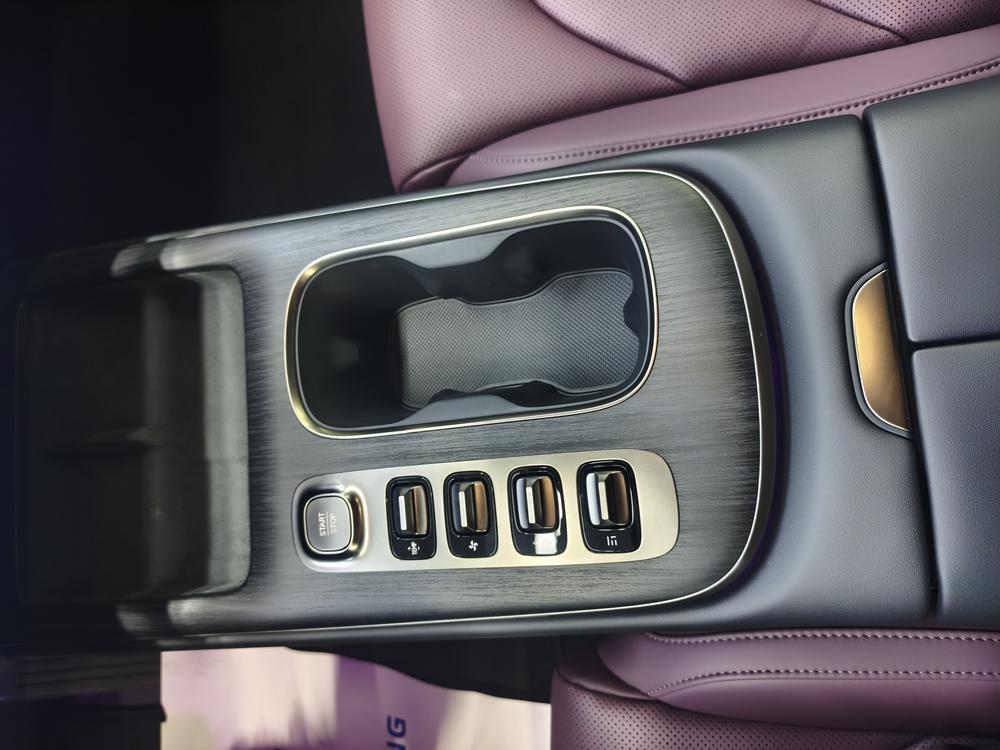
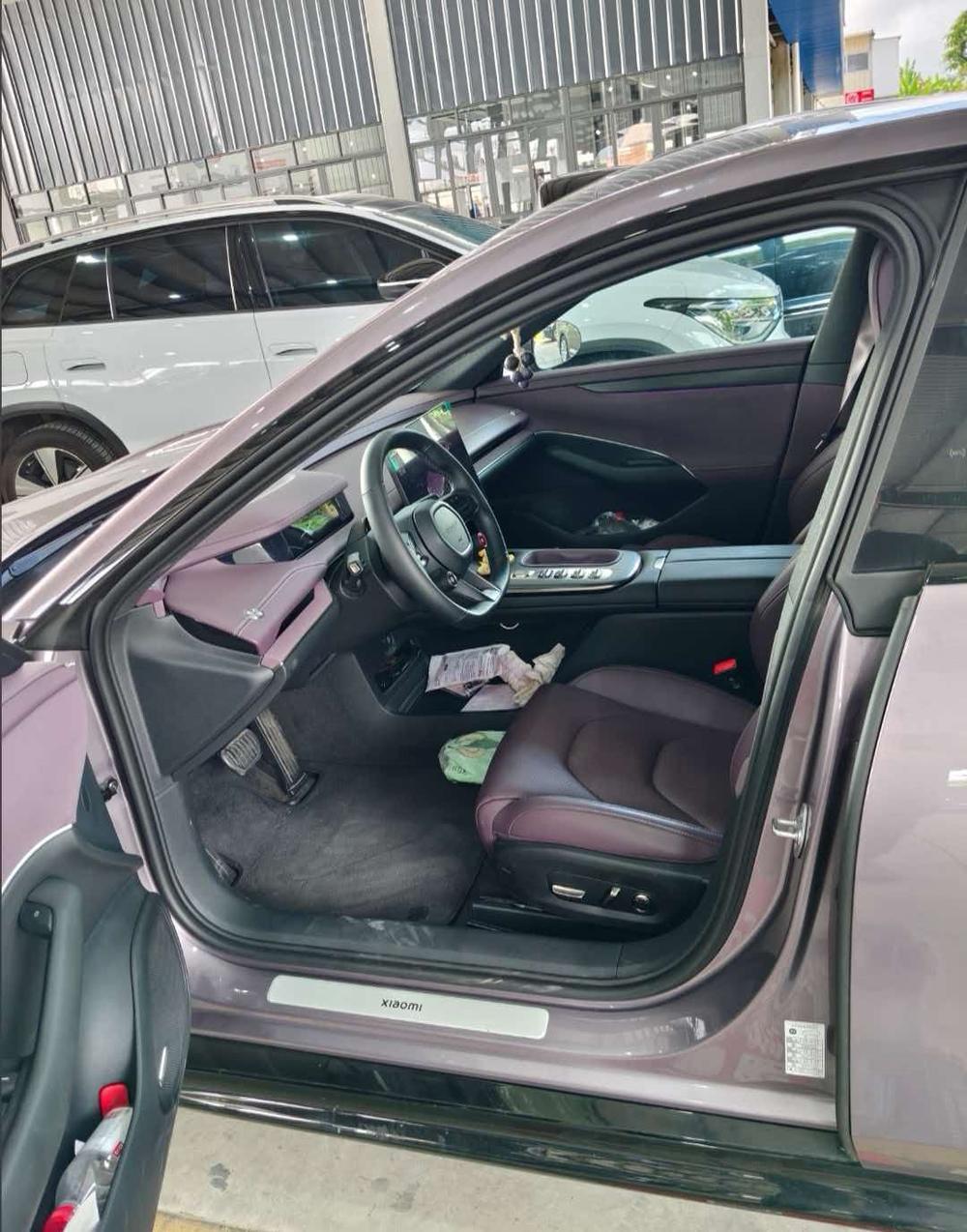
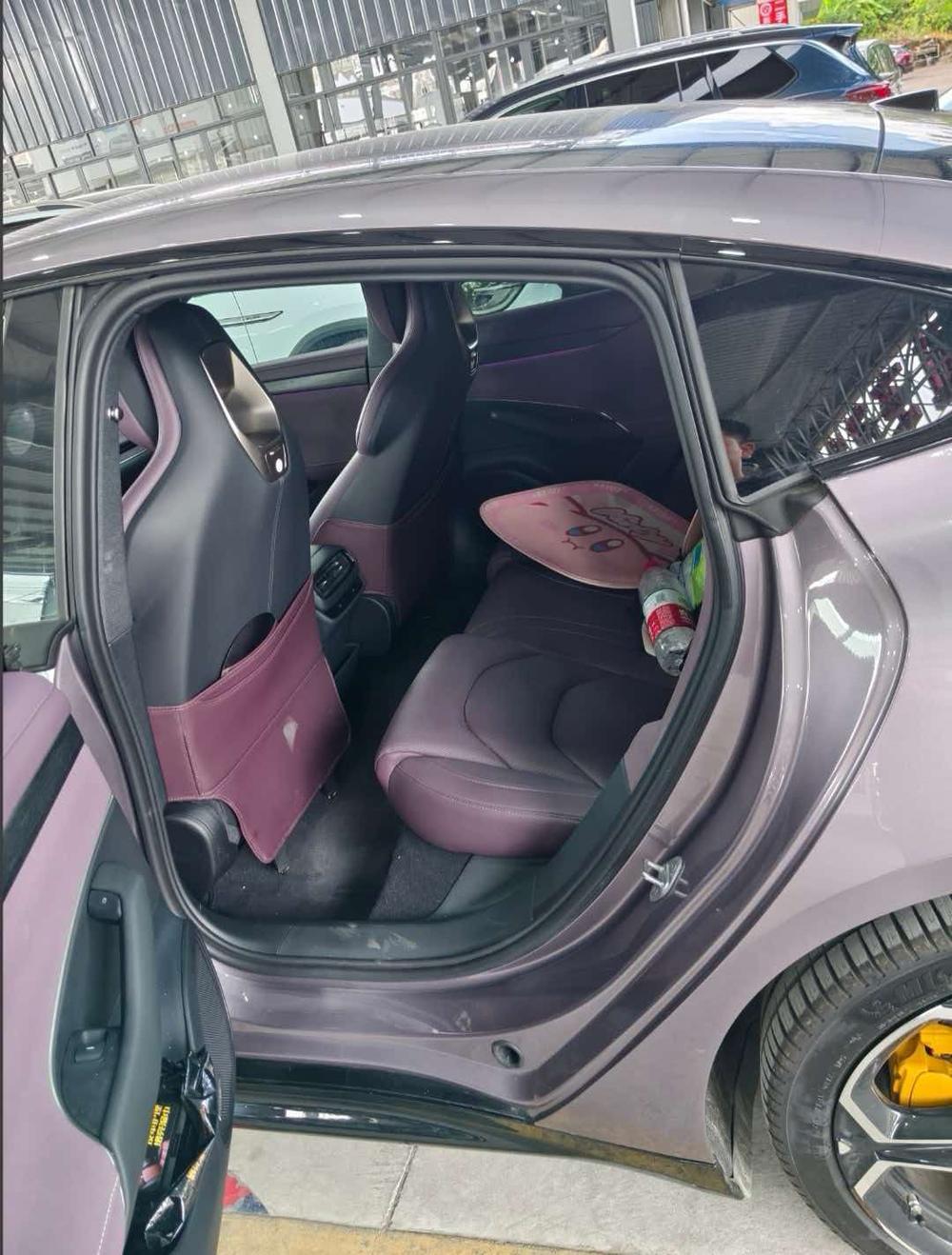
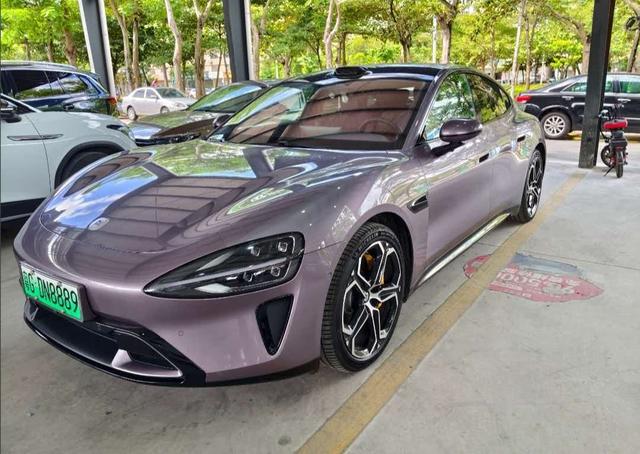



48H

Basic Information

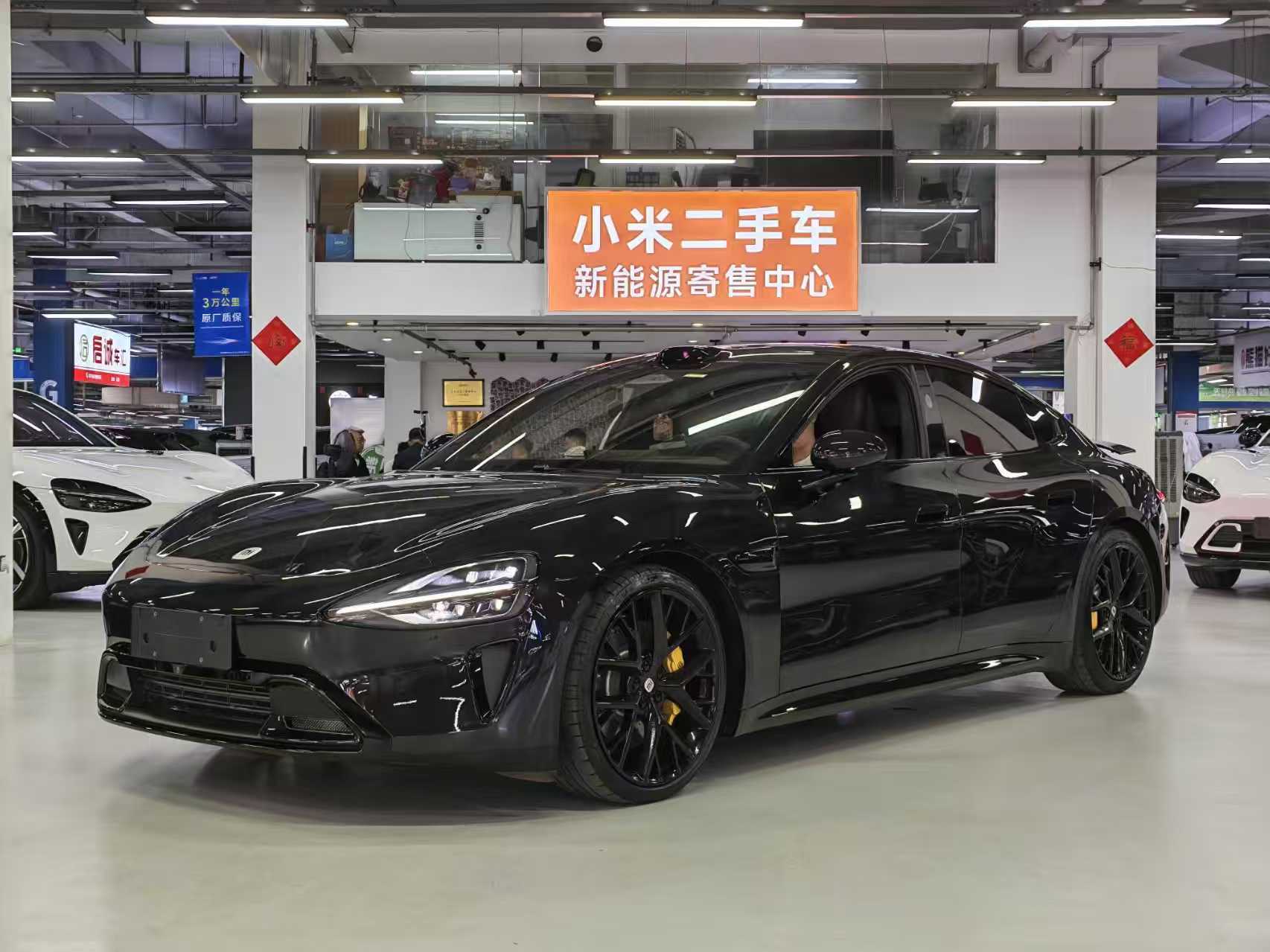
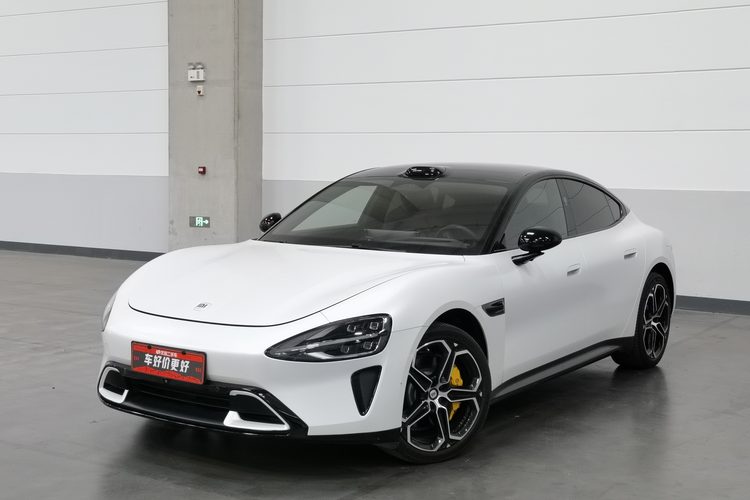
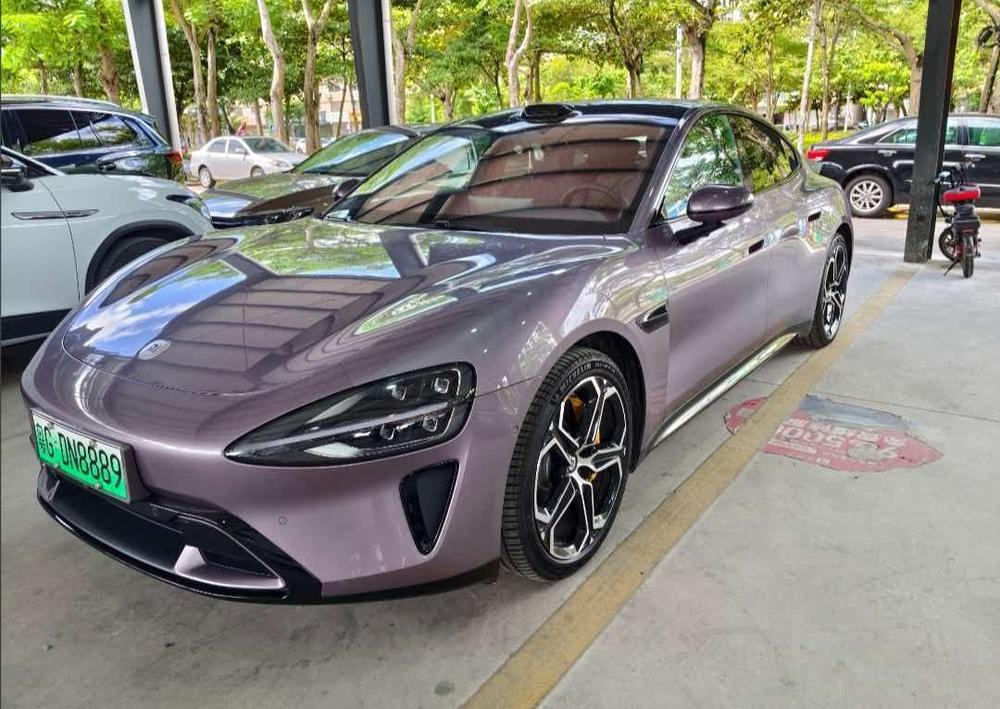
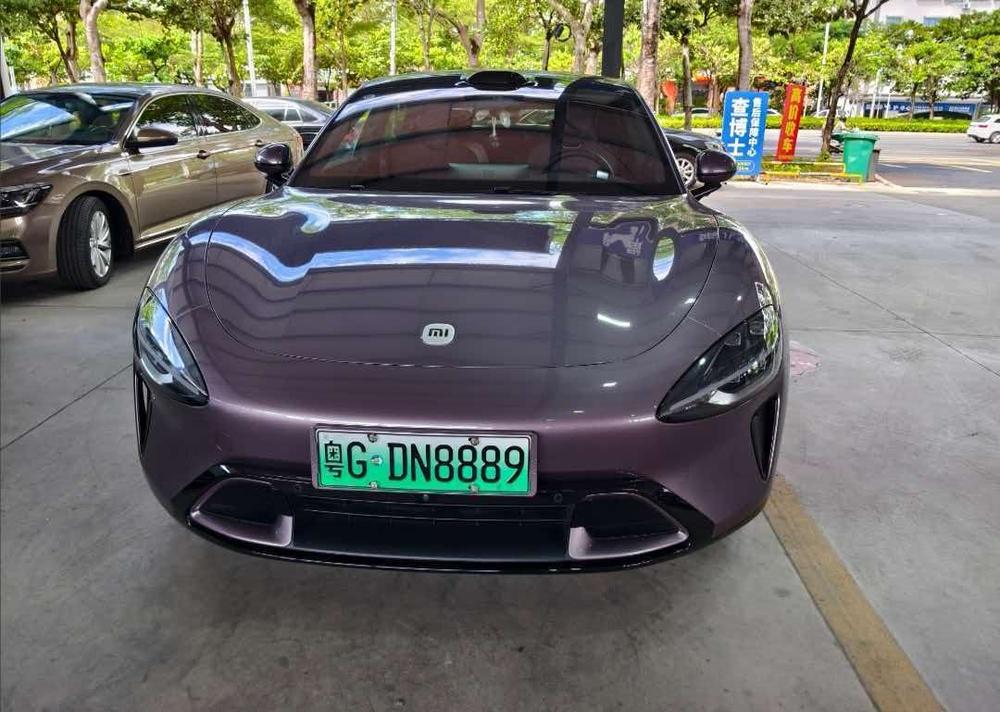
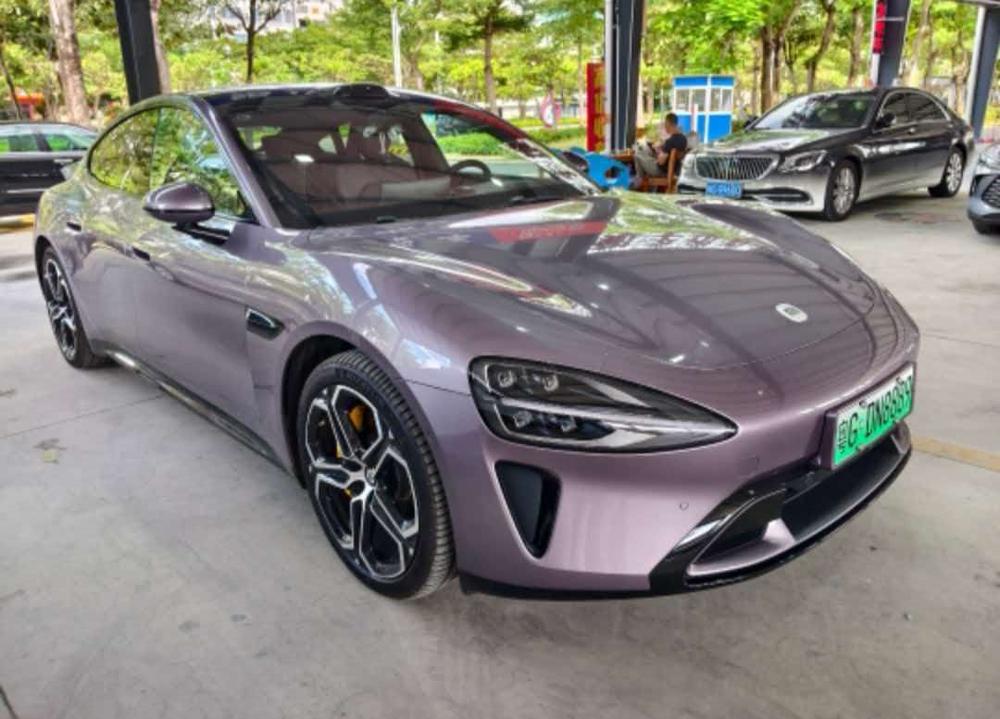
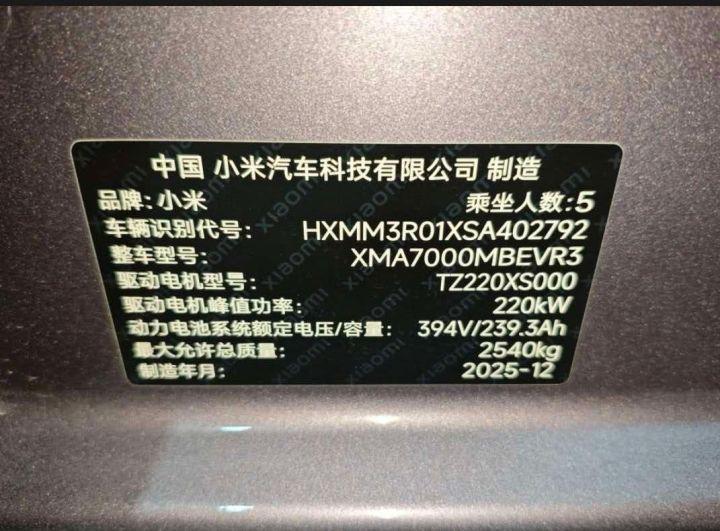
BrandMI
SeriesSU7
Year2026
First Registration2026/01
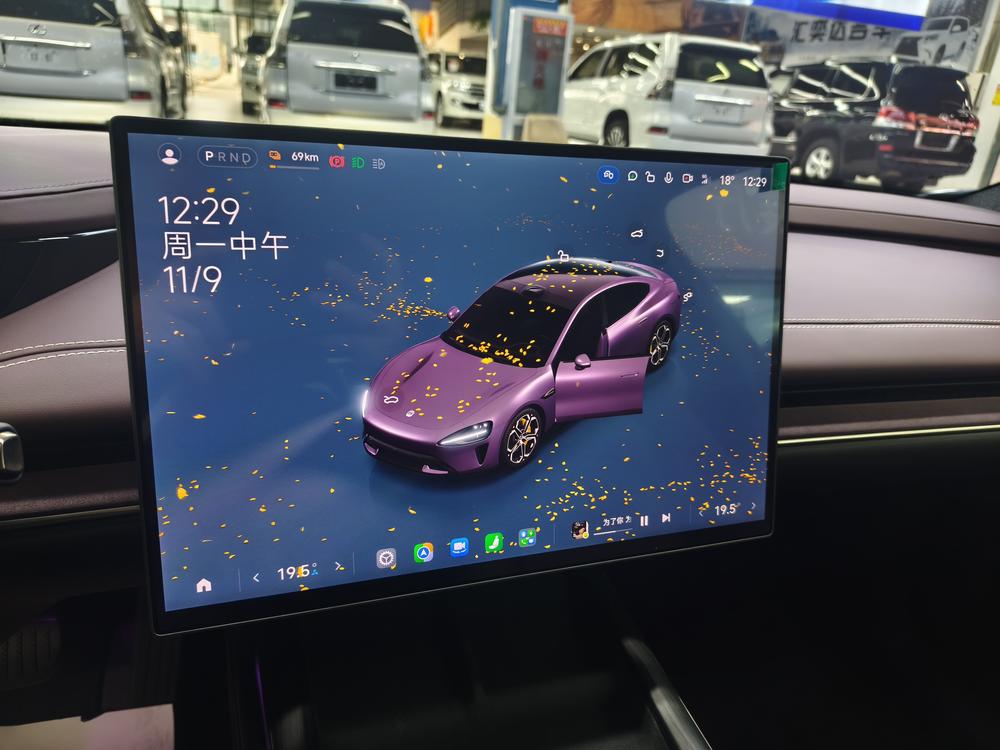
Mileage12,000km
Transfer Count0times
FuelElectric
TransmissionOther
Engine-
Color
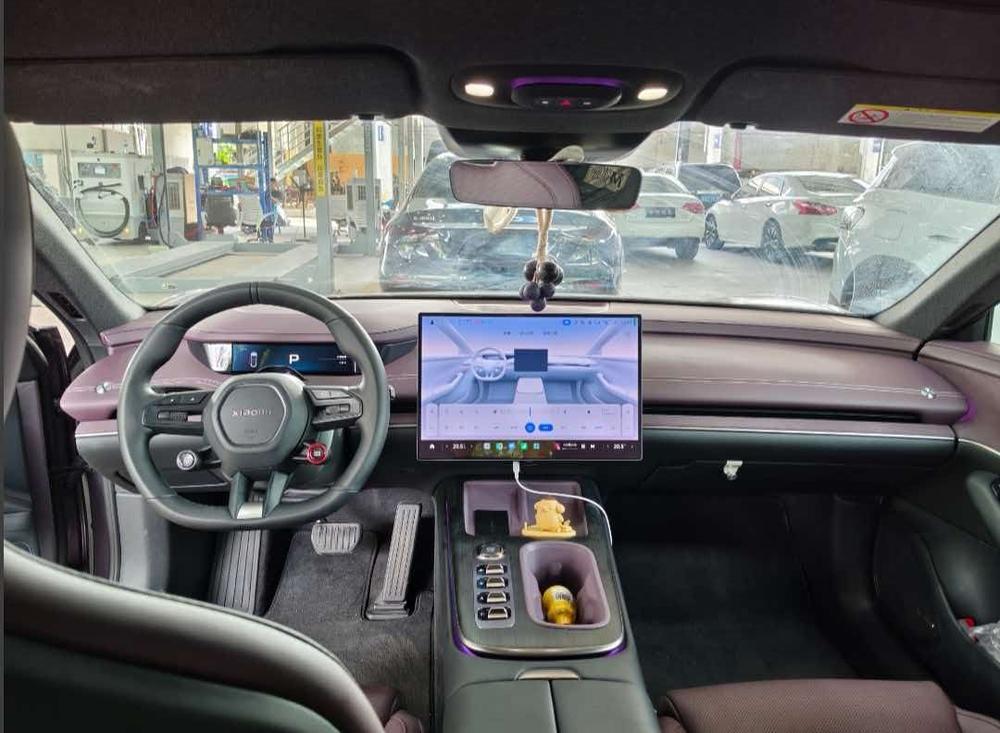
Seats5seats

Condition Description

官方质检 · 60天全车质保· 7天无理由有偿退车

Configuration Highlights

✓上牌时间: 2026-01
✓表显里程: 1.2万公里
✓车源地: 成都
✓能源类型: 纯电动
✓功能配置: 36项
✓安全配置: 11项
✓动力类型: 后驱
✓空间舒适性: 一般

Q&A

More

Do I need an import permit before shipping a used car from China, and who applies for it?

It depends on your country's rules. Some markets (for example, Kenya, Ethiopia, Egypt, and several Central Asian countries) require an import permit or pre-import approval issued to you as the importer before the car can ship. Others only check compliance documents at customs after arrival. The permit is always applied for by you, the buyer, through your country's trade or transport authority—the Chinese exporter cannot do it for you. Processing takes anywhere from a few days to several weeks. Practical advice: before paying any deposit, confirm with a local customs broker or your transport ministry whether a permit is needed and what the requirements are (age limit, emissions, left-hand drive). Sending a car that requires a permit you don't have can mean seizure or forced re-export at your expense.


Is there a specific testing process for the smooth transition between the engine and motor in hybrid (HEV/PHEV) vehicles?

Yes. For hybrid vehicles, technicians will conduct forced switching tests between EV (electric) and HEV (hybrid) modes, focusing on the sensation of clutch engagement and reading the hybrid system's specific fault codes to ensure the complex dual power system operates correctly.

How do I verify the ownership and registration history of a used car in China before buying it for export?

Verifying ownership protects you from buying a car that can't legally be exported. Start with the registration certificate (机动车登记证书), China's title document. It lists every owner change with dates. Ask the seller for clear photos of all pages — check that the current seller's name matches the latest entry. Next, ask for the seller's ID (or business license for a dealer) and confirm it matches the registration certificate. A mismatch is a red flag unless there's a documented agency arrangement. Also verify the vehicle isn't mortgaged or seized: the registration certificate has a section for mortgage records, and your inspection agent can check the official vehicle management system by VIN. Finally, confirm the car is deregistered (or can be) before export — Chinese law requires deregistration and an export certificate for used cars leaving the country. Summary: title photos, seller ID match, no mortgage flags, export-ready status. Any gap in this chain should stop the deal.