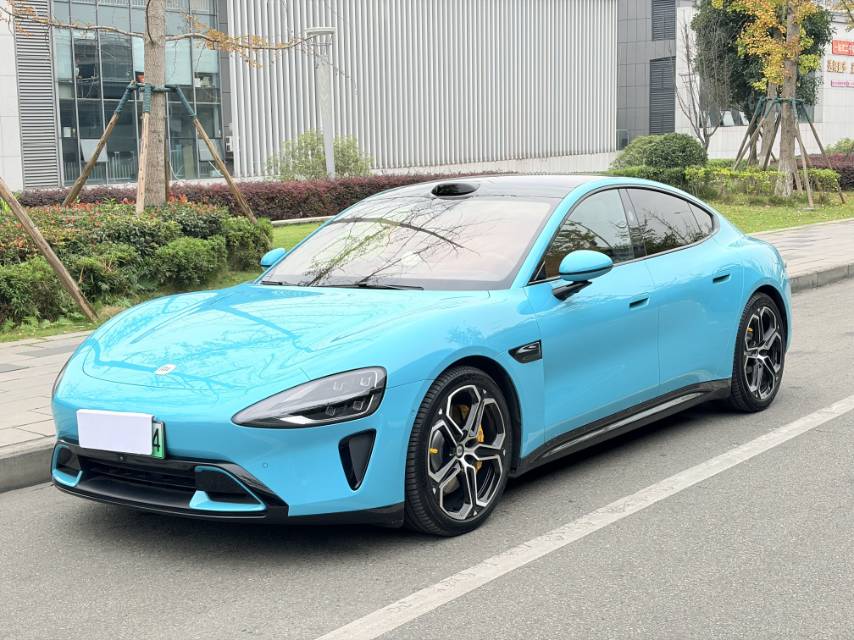
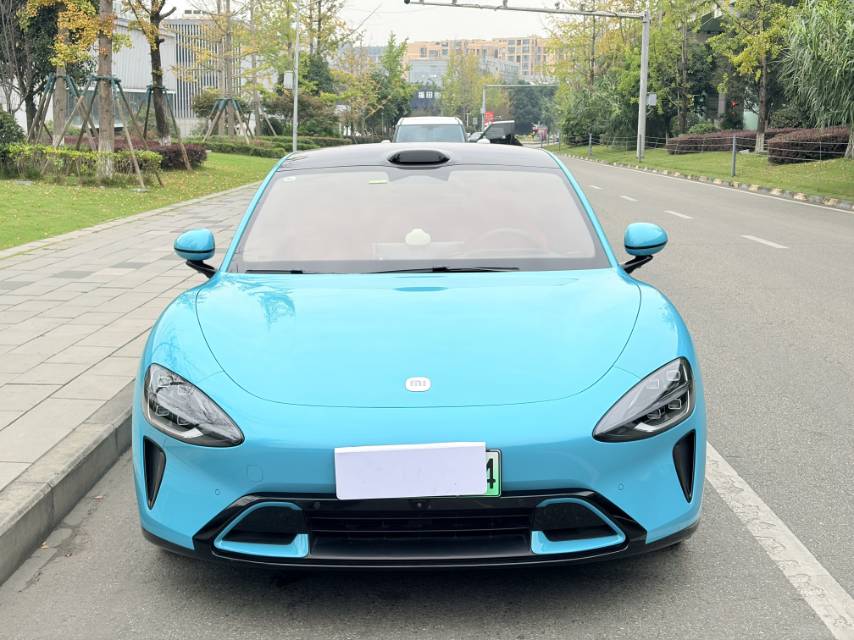
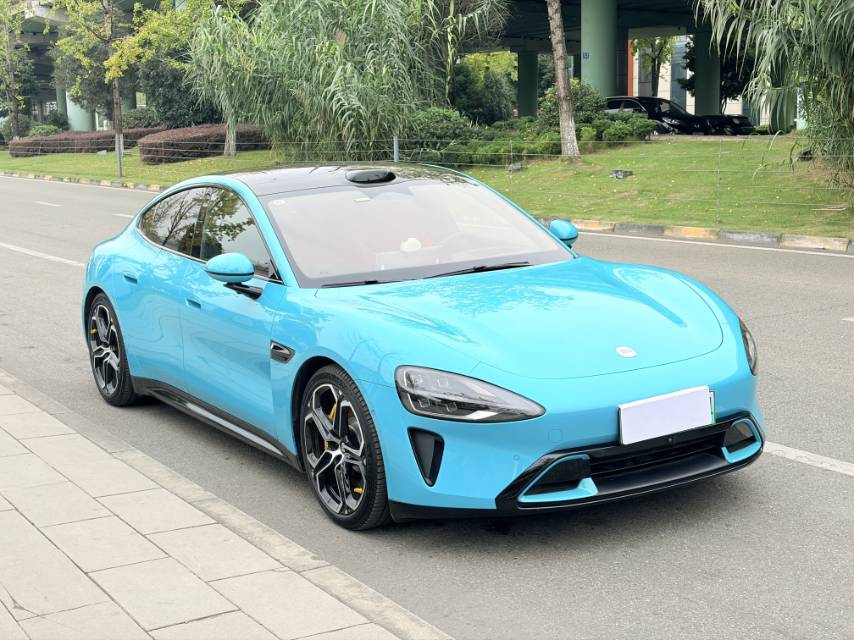
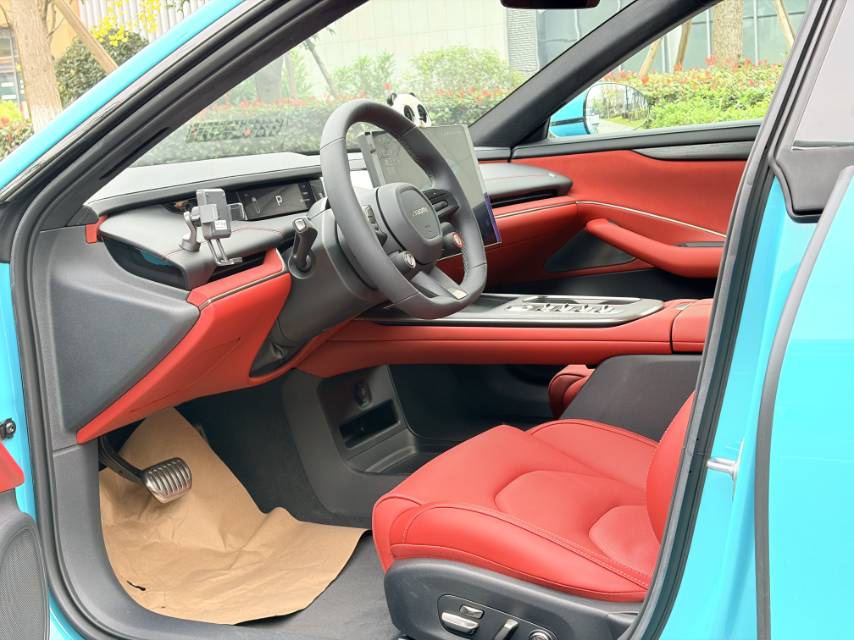
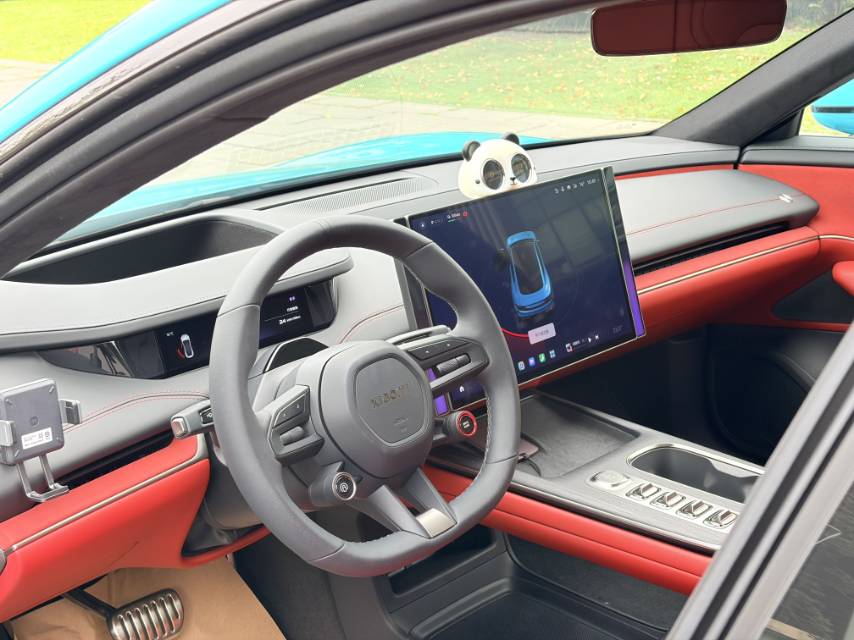
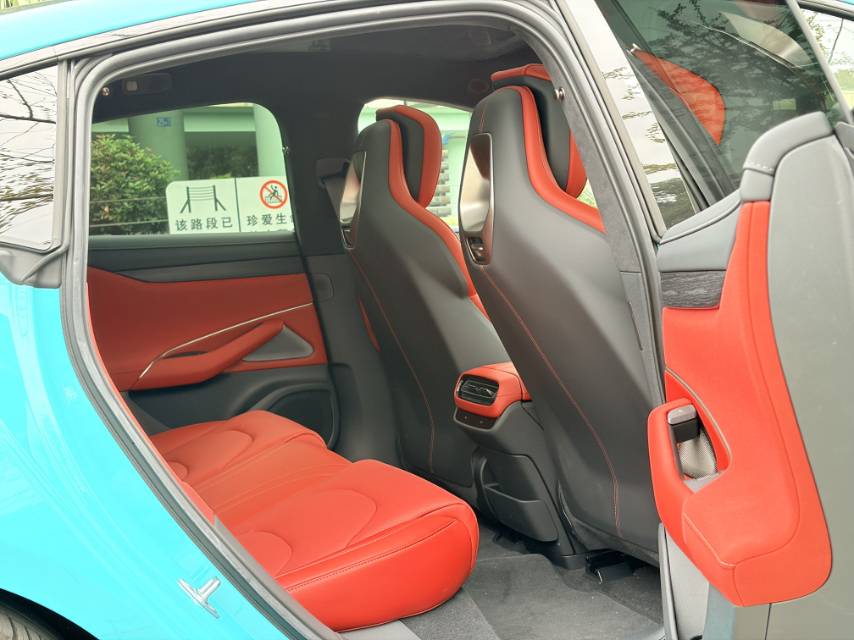
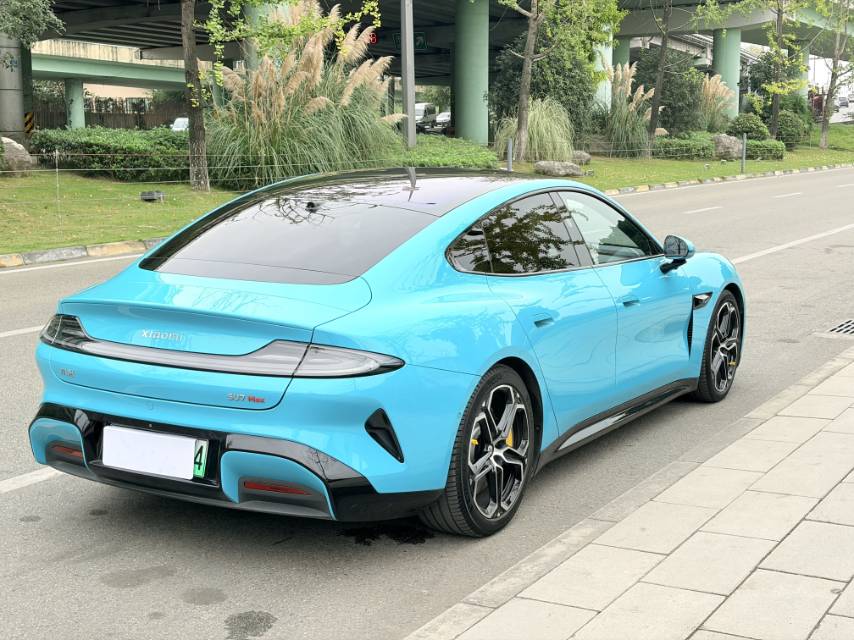
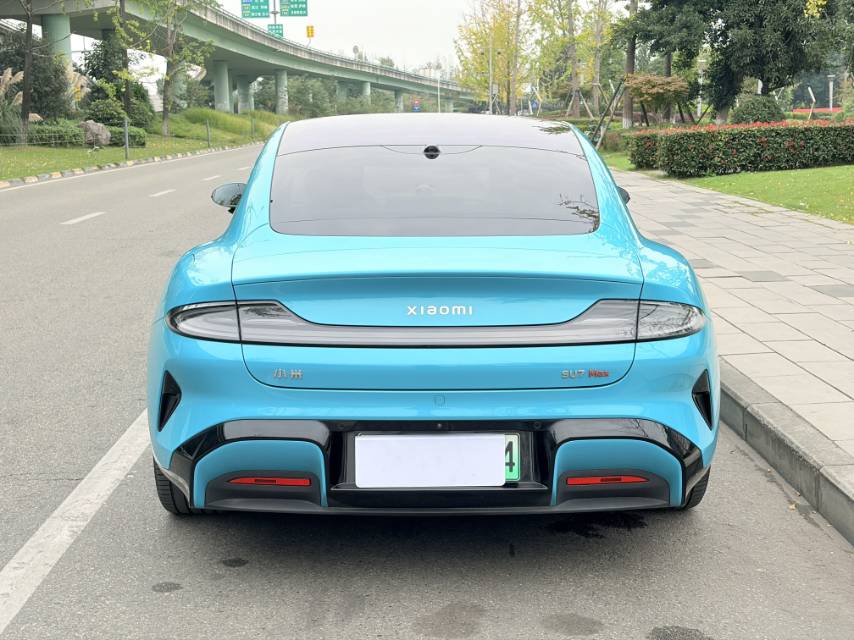
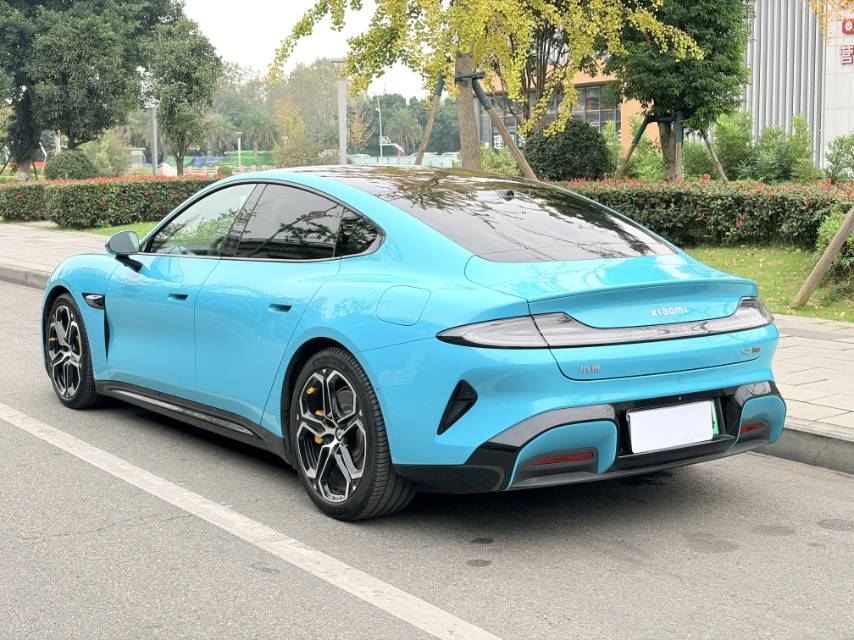
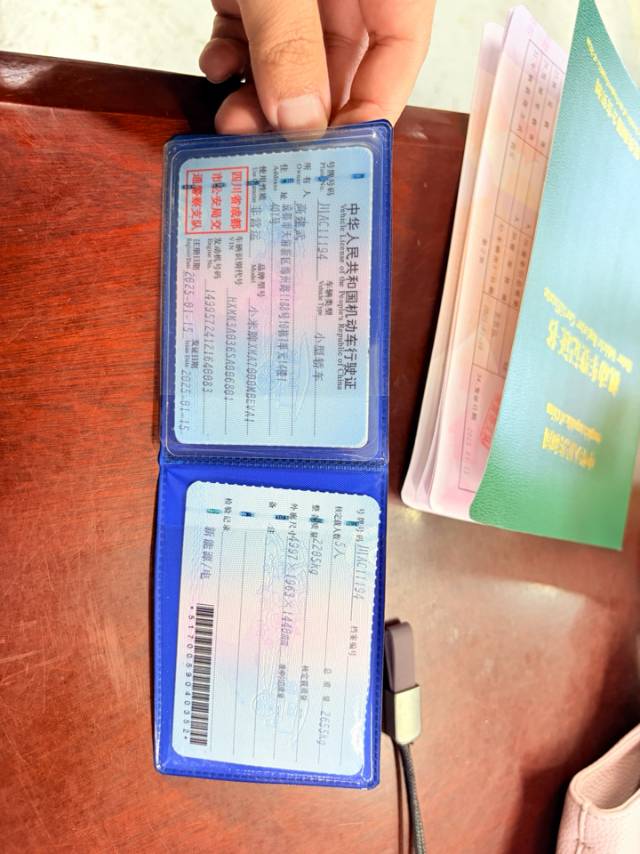



Basic Information

BrandMI
SeriesSU7
Year2025
First Registration2025/01
Mileage7,000km
Transfer Count1times
FuelElectric
TransmissionOther
Engine-
ColorBlue
Seats5seats

Condition Description

January 2025, 7,000 km, inspected by Cha博士 (third-party inspection).

新能源
轿车
自动
维保开放
事故开放
查验开放

Configuration Highlights

✓品牌: 小米汽车
✓车系: 小米SU7
✓车型: 2024款 四驱超长续航高阶智驾Max版
✓车身类型: 轿车
✓座位数: 5
✓排量: 0.0L
✓变速箱: 自动
✓能源类型: 新能源
✓VIN: HXMM3A036SA006801
✓搜索关键词: 小米汽车小米SU7 2024款小米SU7四驱超长续航高阶智驾Max版

Document Information

Inspection Expiry Date2027/01
Warranty Expiry Date-
Insurance Expiry Date2027/01

Q&A

More

Can the Chinese electric vehicles (EVs) you export use charging interfaces directly overseas?

Chinese standard electric vehicles use the national standard (GB/T) charging interface. If your country uses the European standard (CCS2), American standard (CCS1), or Japanese standard (CHAdeMO), the vehicle cannot be plugged directly into local charging stations. To address this issue, we will recommend or provide high-quality certified adapters (Adapter) with CE/UL safety certification. Please confirm the charging station specifications in your area with our sales personnel before purchasing.


How can I detect signs that a used Chinese car was used for heavy towing, ride-hailing, or overloaded work when buying remotely?

Heavy-use vehicles often look clean in photos but show specific wear patterns. Here's what to check: 1. Rear sag and suspension: ask for a side-profile photo of the car on level ground. If the rear sits noticeably lower than the front, the rear springs or shocks may be worn from constant heavy loads. Compare with factory ride height specs. 2. Pedal and seat wear: accelerator and brake pedals with polished metal patches, and a driver's seat bolster that is flattened or cracked, indicate high mileage or intensive commercial use — even if the odometer says otherwise. 3. Hitch and tow bar marks: check the rear bumper area in close-up photos for scratches, bolt holes, or a removed tow bar mount. Ask the seller directly whether the car ever towed. 4. Underbody and frame: request underbody photos. Look for bent or scraped crossmembers, fresh undercoating hiding damage, or uneven tire wear across the rear axle. 5. Data check: many ride-hailing cars in China have records in maintenance databases — a professional inspection agency can flag cars with commercial fleet history. If the seller refuses underbody or close-up photos, treat it as a warning sign and consider another vehicle.

How can I check if a used car from China has been in a major accident, and what records actually exist?

China does not have a single public accident database like CARFAX, but you can still verify history from several sources. First, ask the exporter for the insurance claim records (出险记录). Major repairs go through insurance, and the claim history shows the date, amount, and damaged parts. A car with large claim amounts (over half its value) is effectively a total loss rebuild. Second, check the vehicle's registration certificate (机动车登记证书) for transfer history — multiple transfers in a short period often follow an accident. Third, run a VIN check through commercial platforms (paid, around 20-50 RMB) which aggregate insurance, maintenance, and auction data. Cross-check everything against a physical inspection: paint thickness readings on structural points, weld quality under the seals, and underbody photos. If the records and the physical condition do not match, walk away or demand a large discount.

MI SU7

小米汽车 小米SU7 2024款 四驱超长续航高阶智驾Max版

EXW: $35,303
Car CodeSWA1906233
Publish Date2026/11/11
